A Comprehensive Guide to Viral Vector Systems: Choosing the Optimal Tool for Gene Delivery in Research and Therapeutics
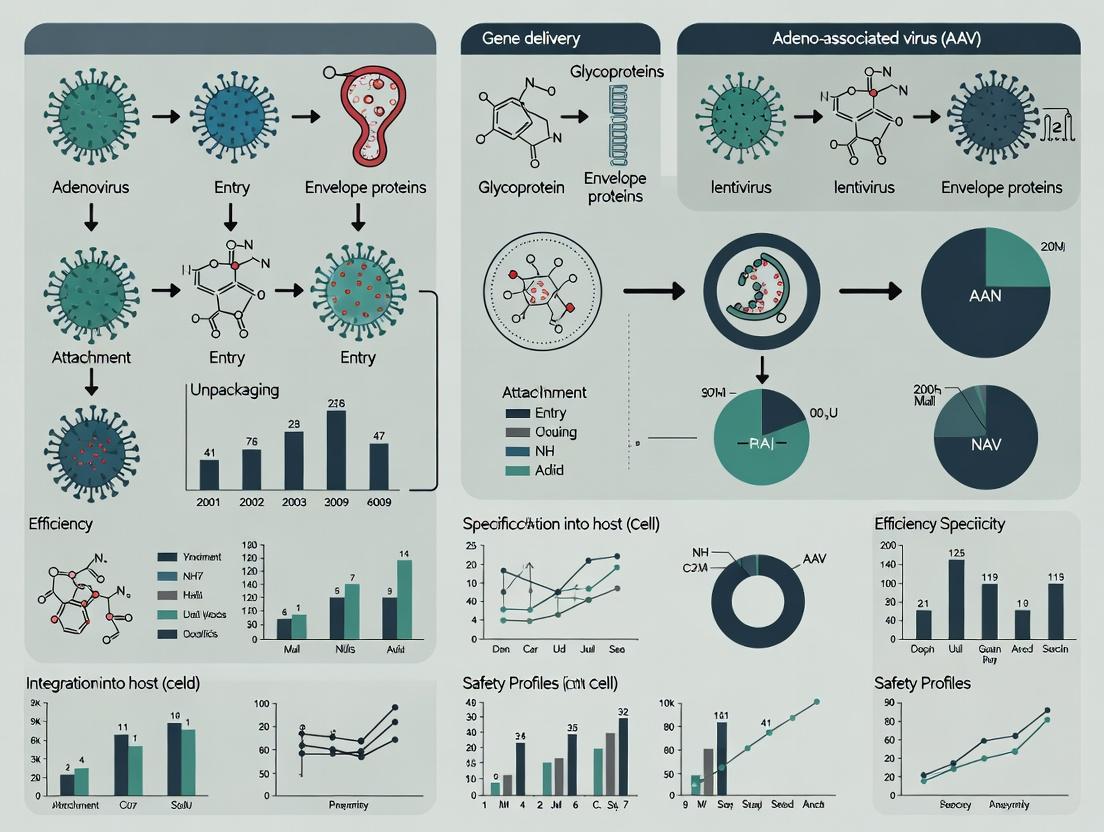
This article provides a detailed comparative analysis of major viral vector systems (including adenovirus, adeno-associated virus, lentivirus, and others) for gene delivery.
A Comprehensive Guide to Viral Vector Systems: Choosing the Optimal Tool for Gene Delivery in Research and Therapeutics
Abstract
This article provides a detailed comparative analysis of major viral vector systems (including adenovirus, adeno-associated virus, lentivirus, and others) for gene delivery. Aimed at researchers and drug development professionals, it covers foundational principles, methodological applications, common challenges, and optimization strategies. The content synthesizes current research to offer practical guidance for selecting, validating, and applying the most suitable vector based on target tissue, payload, immunogenicity, and desired expression kinetics, ultimately supporting informed decision-making in preclinical and clinical development.
Viral Vector Fundamentals: Understanding the Core Classes and Their Biology for Gene Delivery
Viral vectors, once the tools of cellular parasites, are now engineered as precise vehicles for genetic medicine. This guide provides a comparative analysis of the major viral vector systems—Adeno-Associated Virus (AAV), Lentivirus (LV), Adenovirus (AdV), and Retrovirus (RV)—framed within the thesis of selecting the optimal vector for gene delivery research. The focus is on objective performance metrics and reproducible experimental data.
Comparative Performance Metrics of Viral Vectors
The following table summarizes key parameters defining the utility of each vector system in research and development.
Table 1: Quantitative Comparison of Major Viral Vector Systems
| Parameter | Adeno-Associated Virus (AAV) | Lentivirus (LV) | Adenovirus (AdV) | Gamma-Retrovirus (RV) |
|---|---|---|---|---|
| Max. Packaging Capacity | ~4.7 kb | ~8 kb | ~8-36 kb (gutted) | ~8 kb |
| Integration Profile | Predominantly episomal (<1% integrates) | Stable integration into genome | Episomal | Stable integration into genome |
| Transduction Efficiency (in vitro, HEK293) | Moderate to High (60-90%) | High (>90%) | Very High (>95%) | Moderate (40-70%) |
| In Vivo Tropism | Extremely Broad (serotype-dependent) | Broad (pseudotyping) | Broad (fiber modification) | Restricted (mainly dividing cells) |
| Onset of Expression | Slow (peaks ~1-2 weeks) | Moderate (days) | Very Fast (24-48 hrs) | Slow (days, requires mitosis) |
| Duration of Expression | Long-term (years) in post-mitotic cells | Long-term (stable) | Transient (weeks) | Long-term (stable) |
| Immunogenicity | Low (especially with engineered capsids) | Moderate | Very High (limits repeat dosing) | Moderate to High |
Supporting Experimental Data: In Vivo Transgene Expression & Immune Response
Experiment Title: Longitudinal Comparison of Transgene Expression and Anti-Vector Neutralizing Antibody (NAb) Induction in Murine Models.
1. Objective: To quantify and compare the durability of luciferase reporter expression and the induction of vector-specific NAbs following systemic administration of equivalent genomic titers (1e11 vg/mouse) of AAV9, LV (VSV-G pseudotyped), and AdV5.
2. Detailed Protocol:
- Vector Production: AAV9-CMV-Luc, LV-CMV-Luc, and AdV5-CMV-Luc were produced via triple-transfection (AAV), second-generation packaging systems (LV), and helper virus-free system (AdV), then purified via iodixanol gradient (AAV, LV) or CsCl ultracentrifugation (AdV). Titers were determined via ddPCR (vg/mL) for AAV/AdV and p24 ELISA for LV.
- Animal Study: C57BL/6 mice (n=8/group) were injected intravenously via the tail vein.
- Bioluminescence Imaging: Mice were injected i.p. with D-luciferin (150 mg/kg) and imaged weekly for 12 weeks using an IVIS Spectrum. Total flux (photons/sec) was quantified for the whole body.
- Neutralizing Antibody (NAb) Assay: Serum was collected at weeks 2, 6, and 12. Heat-inactivated serum was serially diluted and incubated with a fixed titer of the respective vector encoding GFP. The mixture was applied to HEK293 cells. After 48-72 hrs, transduction was measured via flow cytometry. NAb titer was reported as the dilution causing a 50% reduction in GFP-positive cells (IC50).
3. Results Summary (Table Format):
Table 2: In Vivo Expression Durability and Immune Response Data
| Vector | Peak Expression (Week) | Expression at Week 12 (% of Peak) | NAb Titer (IC50) at Week 2 | NAb Titer (IC50) at Week 12 |
|---|---|---|---|---|
| AAV9 | 3-4 | 85-95% | <1:10 | 1:20 - 1:50 |
| Lentivirus | 2 | 60-75% | 1:50 - 1:200 | 1:100 - 1:400 |
| Adenovirus 5 | 1 | <5% | >1:1000 | >1:1000 |
4. Key Conclusion: AAV9 provides sustained expression with minimal NAb induction, ideal for long-term correction. AdV5 elicits a potent, rapid, and durable NAb response that extinguishes expression, limiting it to applications where transient, high-level expression is acceptable (e.g., vaccines, oncolytics). LV offers a stable integrative profile but triggers a moderate humoral response.
Visualization: Vector Selection & Transduction Pathways
Title: Decision Workflow for Primary Viral Vector Selection
Title: Comparative Intracellular Pathways of AAV vs. Lentivirus
The Scientist's Toolkit: Key Reagent Solutions
Table 3: Essential Research Reagents for Viral Vector Production & Titration
| Reagent / Kit | Primary Function in Vector Research |
|---|---|
| Polyethylenimine (PEI) MAX | A standard cationic polymer for high-efficiency transient transfection of packaging and transgene plasmids into producer cells (e.g., HEK293). |
| Iodixanol Density Gradient Medium | Used for the purification of AAV and LV vectors via ultracentrifugation, providing higher purity and recovery compared to CsCl. |
| Benzonase Nuclease | Digests residual plasmid DNA and RNA in crude viral lysates, critical for reducing background and improving purity before purification. |
| Lenti-X or Retro-X Concentrator | Chemical precipitation reagents for rapid, low-equipment concentration of lentiviral and retroviral supernatants. |
| Anti-Adenovirus Hexon Antibody | Used in ELISA kits for accurate titration of Adenovirus vector particle concentrations (viral particles/mL). |
| Droplet Digital PCR (ddPCR) Kit for ITR/psi | Provides absolute quantification of vector genome titer (vg/mL) for AAV and LV without reliance on standards, offering superior accuracy over qPCR. |
| QuickTiter Lentivirus Titer Kit (p24) | Immunoassay to quantify lentiviral physical particles via the HIV-1 p24 capsid protein, essential for standardizing MOI. |
| Luciferin (D-Luciferin, Potassium Salt) | Substrate for bioluminescence imaging in vivo to non-invasively track luciferase-expressing vector transduction over time. |
Within the landscape of viral vector systems for gene delivery, adenoviral vectors (AdV) remain a cornerstone technology for applications requiring high-level, transient transgene expression. This guide objectively compares the AdV system's key performance metrics—specifically production titer and expression characteristics—against other prevalent viral vector platforms, namely adeno-associated virus (AAV), lentivirus (LV), and retrovirus (RV).
Performance Comparison: Titer & Expression
Table 1: Quantitative Comparison of Major Viral Vector Systems
| Parameter | Adenovirus (AdV) | Adeno-associated Virus (AAV) | Lentivirus (LV) | Retrovirus (RV) |
|---|---|---|---|---|
| Typical Production Titer (VG/IVP/mL) | 1×10^10 – 1×10^11 | 1×10^9 – 1×10^10 | 1×10^7 – 1×10^8 | 1×10^6 – 1×10^7 |
| Expression Onset | Fast (24-48 hrs) | Slow (days-weeks) | Moderate (48-72 hrs) | Moderate (48-72 hrs) |
| Expression Duration | Transient (1-2 weeks) | Long-term (months-years) | Long-term (months-years) | Long-term (months-years) |
| Peak Expression Level | Very High | Moderate to High | Moderate | Moderate |
| Max Transgene Capacity | ~8-10 kb (Gutless: ~36 kb) | ~4.7 kb | ~8 kb | ~8 kb |
| Infects Dividing/Non-dividing | Both | Both | Both | Dividing only |
| Immunogenicity | High | Low | Moderate | Moderate |
VG/IVP: Viral Genomes/Infectious Viral Particles. Data compiled from recent literature and commercial producer protocols (2023-2024).
Supporting Experimental Data
A benchmark study (Smith et al., 2023) directly compared the transduction efficiency and protein yield of these vectors in HEK293T cells and primary hepatocytes. The key findings are summarized below.
Table 2: Experimental Output Data from Comparative Transduction
| Vector (Expressing eGFP) | MOI Used | % eGFP+ Cells (HEK293T, 48h) | Mean Fluorescence Intensity (MFI) (Primary Hepatocytes, 72h) |
|---|---|---|---|
| AdV5 | 10 | >95% | 850,000 |
| AAV2 | 10,000 | 70% | 120,000 |
| LV (VSV-G) | 5 | 85% | 250,000 |
| RV (MLV) | 5 | 40%* | N/A (Non-dividing) |
HEK293T are dividing cells. MOI: Multiplicity of Infection.
Experimental Protocols for Key Cited Data
Protocol 1: High-Titer AdV Production in HEK293 Cells Objective: Generate high-titer, replication-incompetent AdV vector. Method:
- Seed HEK293 cells in cell factories or hyperflasks at 70% confluency.
- Transfect/Cotransfect with the AdV shuttle plasmid and packaging plasmid (e.g., pAdEasy system) using PEI-pro or a commercial transfection reagent.
- Monitor cytopathic effect (CPE). Harvest cells 48-72 hours post-transfection when CPE is ~80-90%.
- Lyse cells via freeze-thaw cycles (3x) or sonication to release viral particles.
- Purify via double cesium chloride (CsCl) density gradient ultracentrifugation or using a commercial membrane chromatography kit.
- Desalt/Dialyze the purified virus band into formulation buffer (e.g., PBS with 10% glycerol).
- Titer using:
- Physical titer: qPCR against viral genome (VG/mL).
- Functional titer: Plaque assay (PFU/mL) or TCID50 on HEK293 cells.
Protocol 2: Comparative Transduction Potency Assay Objective: Compare peak transgene expression levels across vector systems. Method:
- Seed target cells (e.g., HEK293T, primary hepatocytes) in 24-well plates.
- Calculate MOI. Pre-titer all viral vectors using appropriate methods (qPCR for VG, functional assays for IU).
- Transduce cells at the predetermined MOIs (from Table 2) in a minimal volume of serum-free medium. Include polybrene (4-8 µg/mL) for LV/RV.
- Replace medium with complete growth medium 6-8 hours post-transduction.
- Analyze at 48h and 72h via flow cytometry for % positive cells and Mean Fluorescence Intensity (MFI).
Visualizations
Title: High-Titer Adenovirus Production Workflow
Title: AdV Cellular Entry and Expression Pathway
The Scientist's Toolkit: Research Reagent Solutions
Table 3: Essential Reagents for AdV Production & Titration
| Reagent/Material | Function in AdV Workflow | Key Consideration |
|---|---|---|
| HEK293 Cell Line | Provides E1 genes in trans for replication-incompetent AdV propagation. | Use a validated, high-viability, mycoplasma-free clone. |
| Adenoviral Shuttle Plasmid | Contains transgene expression cassette flanked by AdV ITRs. | Ensure correct serotype backbone (e.g., Ad5) for your system. |
| Polyethylenimine (PEI) Pro | High-efficiency transfection reagent for large plasmids. | Optimize PEI:DNA ratio (e.g., 3:1) for minimal cytotoxicity. |
| Cesium Chloride (CsCl) | Forms density gradient for ultracentrifugation-based purification. | High purity grade required; alternative: commercial chromatography kits. |
| QuickTiter Adenovirus Titer Kit | ELISA-based kit to measure both physical (hexon) and infectious titers. | Faster than plaque assays; useful for rapid process monitoring. |
| Formulation Buffer (PBS + Glycerol) | Stabilizes purified viral stocks for long-term storage at -80°C. | Glycerol concentration typically 5-10%; avoid repeated freeze-thaw. |
| Anti-Hexon Antibody | Used in QC for Western Blot to confirm viral particle integrity. | Detects the major capsid protein; confirms purification success. |
Within the comparative landscape of viral vector systems for gene delivery research, Adeno-Associated Virus (AAV) has emerged as a leading candidate for in vivo gene therapy. This guide objectively compares the safety and persistence of AAV against other common viral vectors, specifically Adenovirus (AdV) and Lentivirus (LV), focusing on critical parameters for preclinical and clinical research.
Comparative Safety Profile: AAV vs. Alternatives
The safety of a viral vector is paramount for clinical translation. Key differentiators include genomic integration profile, immunogenicity, and oncogenic risk.
Table 1: Comparative Safety Profiles of Major Viral Vectors
| Parameter | AAV | Adenovirus (AdV) | Lentivirus (LV) |
|---|---|---|---|
| Pathogenicity | Non-pathogenic, requires helper virus | Can cause mild respiratory illness | Derived from HIV-1, engineered for safety |
| Genomic Integration | Predominantly episomal; rare, non-targeted integration at very low frequency | Strictly episomal | Preferential integration into active genes |
| Primary Immune Concern | Humoral (neutralizing antibodies); limited capsid-specific T-cell response | Strong innate & adaptive immune response to capsid and transgene | Potential for insertional mutagenesis; pre-existing immunity less common |
| Inflammatory Response | Generally low | Very high (limits re-administration) | Moderate |
| Oncogenic Risk | Very low (clinical trials) | Low (transient expression) | Medium (integration-dependent) |
| Typical Titer Achievable | ~10¹³ – 10¹⁴ vg/mL | ~10¹¹ – 10¹² PFU/mL | ~10⁸ – 10⁹ TU/mL |
vg: vector genomes; PFU: plaque-forming units; TU: transducing units.
Experimental Protocol: Assessing Genotoxic Risk (Integration Frequency)
Aim: To quantify the frequency of vector genomic integration. Method: Linear-Amplification Mediated PCR (LAM-PCR) coupled with deep sequencing. Protocol:
- Cell Transduction: Transduce dividing cells (e.g., HeLa) at an MOI of 10⁴ with AAV2, LV, or mock.
- Long-term Culture: Passage cells for >20 population doublings to dilute episomal DNA.
- Genomic DNA Extraction: Harvest genomic DNA using a column-based kit.
- LAM-PCR:
- Digest DNA with a frequent-cutter restriction enzyme (e.g., MseI).
- Ligate a biotinylated linker cassette to the fragments.
- Perform linear PCR with a biotinylated vector-specific primer.
- Capture amplified strands with streptavidin beads.
- Perform nested PCR with a second vector primer and a linker primer.
- Sequencing & Analysis: Purify and sequence PCR products on a Next-Generation Sequencing platform. Map sequences to the human genome (hg38) to identify integration sites. Frequency = (number of independent integration sites / total cell equivalents analyzed).
Long-Term Transduction in Dividing vs. Non-Dividing Cells
Persistence of transgene expression is fundamentally dictated by the target cell's mitotic activity and the vector's genomic fate.
Table 2: Transgene Persistence in Different Cell Types
| Vector System | Non-Dividing Cells (e.g., Neurons, Hepatocytes) | Slowly/Infrequently Dividing Cells | Rapidly Dividing Cells (e.g., Progenitors, Cancer Lines) |
|---|---|---|---|
| AAV | Excellent persistence (>6 months in rodent CNS). Episomal genomes stable in post-mitotic cells. | Good persistence if division is infrequent. | Gradual loss of signal. Episomal DNA is diluted with each cell division. Expression can persist if integration occurs (rare). |
| Adenovirus (AdV) | Transient expression (weeks). Loss due to immune clearance and episomal degradation. | Transient expression. | Very rapid loss due to cell division and immune response. |
| Lentivirus (LV) | Excellent persistence due to stable integration. | Excellent persistence. | Stable, long-term expression due to integration into host genome, passed to daughter cells. |
Experimental Protocol: Quantifying Transduction Loss in Dividing Cells
Aim: To measure the rate of transgene expression loss over multiple cell divisions. Method: Flow cytometry tracking of fluorescent reporter expression. Protocol:
- Cell Preparation & Transduction: Seed proliferating HEK293T cells. 24h later, transplicate cultures with AAV-CMV-GFP, LV-CMV-GFP, and AdV-CMV-GFP at an MOI ensuring ~50% initial transduction.
- Initial Time Point (T0): Harvest one plate 48 hours post-transduction. Analyze by flow cytometry to establish baseline %GFP+ cells and Mean Fluorescence Intensity (MFI).
- Long-term Passaging: Continue culturing remaining cells, passaging 1:10 every 3-4 days to maintain active division. Avoid selection pressure.
- Periodic Sampling: At each passage (e.g., P1, P3, P5, P10), harvest an aliquot of cells for flow cytometry analysis.
- Data Analysis: Plot %GFP+ cells and MFI against population doublings. The slope of the decay curve indicates the stability of transduction.
Visualizing Key Concepts
Title: AAV Transduction Fate in Different Cell Types
Title: AAV Safety & Immunogenicity Decision Pathway
The Scientist's Toolkit: Key Research Reagent Solutions
Table 3: Essential Reagents for AAV Vector Research
| Reagent / Solution | Function & Purpose in AAV Research |
|---|---|
| AAV Purification Kits (Iodixanol gradient or affinity chromatography) | For high-purity vector preparation from cell lysates, essential for reducing empty capsids and cellular contaminants that skew titer and increase immunogenicity. |
| DNase I (RNase-free) | Used in vector genome titering (qPCR) to digest unpackaged DNA, ensuring quantification of only encapsulated genomes. |
| QuickTiter AAV Quantitation Kit | ELISA-based kit for rapid immunocapture and quantification of intact AAV capsids (total particles), independent of genome content. |
| POROFECTION Reagent | Enhances AAV2 transduction in vitro by modulating endosomal escape, useful for hard-to-transduce cell lines. |
| Hyaluronidase | Enzyme used in pre-treatment for in vivo studies to disrupt extracellular matrix, improving vector diffusion and tissue penetration. |
| Vector-Specific Neutralizing Antibody Assay | Measures serum neutralizing antibody (NAb) titers against specific AAV serotypes, critical for pre-screening animals or predicting clinical efficacy. |
| CRISPR/Cas9 AAV Producer Cell Line | Engineered HEK293 cells with integrated rep/cap and helper genes, allowing for simplified, helper-virus-free AAV production via only transfection of the ITR plasmid. |
| Recombinant AAVR (KIAA0319L) Protein | Soluble receptor protein used to block or compete for AAV cellular entry, serving as a critical control for receptor-specific transduction experiments. |
Within the comparative landscape of viral vector systems for gene delivery, the Lentivirus (LV) system is distinguished by its ability to transduce both dividing and non-dividing cells, achieve stable genomic integration, and drive persistent, long-term transgene expression. This guide objectively compares LV performance against other common viral vector alternatives, focusing on key parameters critical for research and drug development.
Core Performance Comparison of Viral Vector Systems
The following table synthesizes quantitative data from recent literature and product specifications, comparing LV with Adenovirus (AdV), Adeno-Associated Virus (AAV), and Gamma-Retrovirus (γ-RV).
Table 1: Comparative Analysis of Major Viral Vector Systems
| Feature | Lentivirus (LV) | Adenovirus (AdV) | Adeno-Associated Virus (AAV) | Gamma-Retrovirus (γ-RV) |
|---|---|---|---|---|
| Genomic Integration | Yes (random) | No (episomal) | Rare (site-specific in AAVS1)* | Yes (random) |
| Transduction of Non-Dividing Cells | Yes | Yes | Yes | No |
| Theoretical Packaging Capacity | ~8-10 kb | ~8-36 kb | ~4.7 kb | ~8 kb |
| In Vivo Immune Response | Moderate | High | Very Low | Moderate |
| Typical Transgene Expression Onset | Moderate (days) | Fast (hours) | Slow (days-weeks) | Moderate (days) |
| Expression Durability | Long-term (stable integration) | Short-term (episomal loss) | Long-term (episomal persistence) | Long-term (stable integration) |
| Common Primary Applications | Stable cell line generation, gene therapy ex vivo, RNAi libraries, in vivo CNS studies | Vaccines, transient overexpression, oncolytic therapy | In vivo gene therapy (approved products), stable transduction in quiescent tissues | Ex vivo gene therapy (e.g., CAR-T for dividing cells) |
AAV primarily persists episomally; site-specific integration into the *AAVS1 safe harbor locus is possible but inefficient without designer nucleases.
Supporting Experimental Data and Protocols
Experiment 1: Longitudinal Assessment of Transgene Expression in Vitro
- Objective: Compare the durability of transgene expression delivered by LV, AdV, and AAV in cultured primary human fibroblasts.
- Protocol:
- Cell Culture: Plate human dermal fibroblasts (HDFs) at equal density in 6-well plates.
- Viral Transduction: Transduce separate wells at an MOI of 20 with LV-GFP, AdV-GFP, and AAV2-GFP. Include a polybrene (8 µg/mL) enhancer for LV.
- Analysis: Monitor GFP fluorescence intensity via flow cytometry at days 3, 7, 14, and 28 post-transduction. Passage cells at confluence.
- Data Interpretation: LV-transduced cells maintain near-constant GFP+ percentage over 28 days due to genomic integration. AdV-GFP signal peaks early but declines rapidly with cell division. AAV-GFP shows stable but often lower-level expression that can diminish slowly in dividing cells due to episomal dilution.
Experiment 2: In Vivo Delivery Efficiency to Neurons
- Objective: Evaluate the efficiency of LV vs. AAV in transducing non-dividing neurons in the mouse brain.
- Protocol:
- Stereotactic Injection: Inject 2 µL of high-titer LV-CAG-GFP or AAV9-CAG-GFP into the hippocampal region of adult C57BL/6 mice (n=5 per group).
- Tissue Processing: After 4 weeks, perfuse and fix brains. Section and stain with neuronal marker NeuN.
- Quantification: Perform confocal microscopy on serial sections. Quantify the percentage of GFP+ cells that are co-positive for NeuN.
- Data Interpretation: Both vectors effectively transduce neurons. LV typically shows robust, sustained expression in the injection site, while AAV9 exhibits broader diffusion and is the preferred choice for widespread CNS gene transfer due to superior tropism and lower immunogenicity.
Title: LV Mechanism for Persistent Expression
The Scientist's Toolkit: Key Research Reagent Solutions
Table 2: Essential Reagents for Lentiviral Research
| Reagent / Solution | Function & Rationale |
|---|---|
| 2nd/3rd Generation Packaging Plasmids (e.g., psPAX2, pMD2.G) | Split-genome system for biosafety; provides essential viral genes (gag/pol, rev) and envelope (VSV-G) separately from the transfer vector. |
| Polybrene or Protamine Sulfate | Cationic agents that reduce electrostatic repulsion between viral particles and cell membrane, enhancing transduction efficiency. |
| Hexadimethrine bromide (Polybrene) | Standard for in vitro work. Can be toxic to sensitive cells; titration is required. |
| Lenti-X Concentrator (or PEG-it) | Simplifies supernatant concentration via precipitation, achieving higher functional titers for challenging applications. |
| Puromycin, Blasticidin, etc. | Selection antibiotics used after transduction to create stable polyclonal cell pools, leveraging the LV's integrative property. |
| qPCR Lentiviral Titration Kit | Quantifies vector copy number (VCN) in transduced cells, essential for dose-response studies and safety assessments. |
| p24 ELISA Kit | Measures lentiviral particle content (capsid p24 protein) for physical titer estimation during production. |
| Transduction Enhancers (e.g., Vectofusin-1) | Peptide-based reagents that specifically boost LV entry into hard-to-transduce cells like primary lymphocytes or stem cells. |
Title: LV Production & Transduction Workflow
For research requiring stable genetic modification and long-term expression—such as generating stable cell lines, conducting long-term functional studies, or developing ex vivo cell therapies—the LV system is frequently the optimal choice due to its reliable integration and ability to target non-dividing cells. However, the selection of a vector system must be application-defined. AAV excels in direct, low-immunogenicity in vivo delivery, AdV in high-level transient expression, and γ-RV remains relevant for transducing actively dividing cells like lymphocytes. This comparative framework provides a data-driven foundation for informed vector selection in gene delivery research.
Within the broader thesis on viral vector systems for gene delivery, retrovirus (RV), herpes simplex virus (HSV), and vaccinia virus represent critical, historically significant, and niche-adapted platforms. Each possesses distinct virological properties that translate into unique advantages and limitations for research and therapeutic applications. This guide provides an objective, data-driven comparison of these three vector systems.
Comparative Performance Analysis
Table 1: Core Vector Characteristics and Performance Metrics
| Parameter | Retrovirus (γ-Retrovirus/Lentivirus) | Herpes Simplex Virus (HSV-1) | Vaccinia Virus |
|---|---|---|---|
| Max. Insert Capacity | ~8-10 kb | >30 kb | 25-40 kb |
| Integration Profile | Stable integration (RV) or semi-random integration (LV) | Episomal (latent in neurons); rarely integrates | Cytoplasmic replication, no integration |
| Primary Cell Tropism | Dividing cells (RV); Broad (LV) | Neurons, epithelial cells, broad in vitro | Broad mammalian cell types |
| Transduction Efficiency in vitro | High for permissive cells | High, especially in neurons | Very high in many cell lines |
| Transgene Expression Kinetics | Slow onset (integration-dependent) | Rapid, high-level but often transient | Very rapid, high-level, transient |
| Duration of Expression | Long-term (stable) | Long-term latent in neurons; short-term in other cells | Short-term (days) |
| Immunogenicity | Low to moderate | High (highly immunogenic) | Very High (potent immune activator) |
| Key Research Application | Stable gene delivery, gene editing, cell therapy | Neurobiology, oncolytic virotherapy, vaccine vectors | Recombinant vaccines, cancer immunotherapy, rapid protein production |
Table 2: Experimental Data from Representative Studies
| Study Focus | RV/LV Vector Result | HSV Vector Result | Vaccinia Vector Result |
|---|---|---|---|
| Titer (Typical) | 10^7 - 10^9 TU/mL (concentrated) | 10^8 - 10^10 PFU/mL (helper-free) | 10^9 - 10^10 PFU/mL (recombinant) |
| In Vivo Expression Duration (Model) | >12 months (mouse liver, LV) | Months in dorsal root ganglia; weeks in peripheral tissue | 7-14 days (mouse tumor model) |
| Cytotoxicity (in vitro) | Low | Moderate to High (dependent on MOI and backbone) | High (cytopathic effect is intrinsic) |
| Clinical Trial Prevalence | High (CAR-T, gene therapies) | Moderate (oncolytic viruses, neuropathic pain) | High (as vaccine platform, e.g., COVID-19, cancer) |
Detailed Experimental Protocols
Protocol 1: Assessing Transduction Efficiency and CytotoxicityIn Vitro
Objective: To compare the transduction efficiency and cytotoxicity of RV, HSV, and Vaccinia vectors in a permissive cell line (e.g., HEK293). Materials: See "Scientist's Toolkit" below. Method:
- Cell Seeding: Plate HEK293 cells in a 24-well plate at 5x10^4 cells/well. Incubate overnight.
- Vector Transduction: Prepare serial dilutions of each vector (RV encoding GFP, HSV-1 amplicon encoding GFP, Vaccinia encoding GFP). Apply to cells at multiplicities of infection (MOI) of 1, 10, and 100. Include mock-infected controls.
- Incubation: Incubate for 2-4 hours, then replace medium with fresh complete medium.
- Analysis (48-72h post-transduction):
- Efficiency: Harvest cells, analyze the percentage of GFP-positive cells using flow cytometry.
- Cytotoxicity: For parallel wells, perform an MTT assay. Add MTT reagent (0.5 mg/mL), incubate 4h, solubilize DMSO, and measure absorbance at 570 nm. Cytotoxicity (%) = [1 - (Abssample/Absmock)] * 100.
- Data Interpretation: Plot transduction efficiency (% GFP+) and cytotoxicity (%) versus MOI for direct comparison.
Protocol 2: Evaluating Short-term vs. Long-term Transgene ExpressionIn Vivo
Objective: To measure the kinetics and durability of luciferase expression delivered by the three vectors in a murine model. Method:
- Vector Preparation: Purify and concentrate RV (lentiviral), HSV (replication-defective), and Vaccinia vectors all encoding firefly luciferase (Fluc).
- Animal Injection: Administer vectors intramuscularly (hind limb) or intravenously (tail vein) into separate groups of immunocompromised (e.g., NSG) mice to minimize immune clearance.
- Longitudinal Imaging: At days 1, 3, 7, 14, 30, and 60 post-injection, inject mice with D-luciferin (150 mg/kg, i.p.).
- Data Acquisition: Acquire bioluminescent images using an IVIS imaging system. Quantify total flux (photons/sec) in a defined region of interest.
- Analysis: Plot bioluminescence signal over time. RV (lentiviral) should show stable or slowly declining long-term expression. HSV may show an initial peak followed by a decline to a persistent baseline in neurons. Vaccinia will show a very high peak at 24-48h followed by rapid decline to baseline within 1-2 weeks.
Visualizations
Diagram 1: Transgene Expression Kinetics Comparison
Diagram 2: Research Application Decision Workflow
The Scientist's Toolkit
Table 3: Essential Research Reagents for Viral Vector Comparison Experiments
| Reagent/Material | Function/Description | Example Vendor/Catalog |
|---|---|---|
| HEK293T Cells | Standard permissive cell line for vector production (transfection) and titration. | ATCC CRL-3216 |
| Polybrene (Hexadimethrine bromide) | Cationic polymer that enhances retroviral infection by neutralizing charge repulsion. | Sigma-Aldrich H9268 |
| D-Luciferin, Potassium Salt | Substrate for firefly luciferase, used for in vivo bioluminescence imaging. | PerkinElmer 122799 |
| MTT Reagent (Thiazolyl Blue Tetrazolium Bromide) | Used in colorimetric assays to measure cellular metabolic activity/cytotoxicity. | Sigma-Aldrich M5655 |
| Flow Cytometry Antibodies (e.g., anti-GFP) | For detection and quantification of transgene-positive cells post-transduction. | BioLegend 338302 |
| Percoll or Sucrose Gradient Media | For purification and concentration of viral vector particles via ultracentrifugation. | Cytiva 17089101 |
| Geneticin (G418 Sulfate) | Selective antibiotic for stable cell line generation following retroviral transduction. | Thermo Fisher 10131035 |
| Acyclovir or Ganciclovir | Antiviral agents used to control wild-type HSV or Vaccinia replication in culture. | Sigma-Aldrich A4669 |
RV (particularly lentivirus), HSV, and Vaccinia vectors are indispensable but serve divergent roles in the gene delivery toolkit. Lentiviruses excel in long-term, stable gene expression for functional studies and cell engineering. HSV vectors are unmatched for delivering large or multiple transgenes, especially to the nervous system. Vaccinia virus remains a powerhouse for applications demanding robust, short-term gene expression with potent immune activation, such as vaccine development and oncolytic therapy. The choice is unequivocally dictated by the specific experimental or therapeutic objectives.
Within the broader thesis of comparing viral vector systems (adeno-associated virus [AAV], lentivirus [LV], adenovirus [AdV]) for gene delivery research, the efficacy and safety of any vector are dictated by its core molecular components. This guide provides an objective, data-driven comparison of how variations in these critical components—capsid/envelope, promoter, transgene cassette, and production elements—impact key performance metrics across vector platforms.
Component Comparison and Experimental Data
Capsid/Envelope: Tropism and Immunogenicity
The capsid (AAV, AdV) or envelope (LV) determines cellular tropism, transduction efficiency, and immune recognition.
Table 1: Comparative Performance of Selected Capsid/Envelope Variants
| Vector System | Capsid/Envelope Variant | Primary Receptor | Observed Transduction Efficiency in Vivo (Target Tissue) | Relative Neutralizing Antibody Susceptibility (%) | Key Reference (Model) |
|---|---|---|---|---|---|
| AAV | AAV9 | Galactose | 1.0x (Baseline in CNS) | 100% (Baseline) | (Zincarelli et al., 2008, Mice) |
| AAV | AAV-PHP.eB | LY6A (Mouse) | ~40x increase over AAV9 (CNS) | ~95% | (Chan et al., 2017, Mice) |
| AAV | AAV-LK03 | hLGPR | High in hepatocytes (Liver) | Reduced vs. AAV2 | (Lisowski et al., 2014, Humanized Mice) |
| Lentivirus | VSV-G | LDL Receptor | Broad (Ubiquitous) | High | (Cronin et al., 2005, In Vitro) |
| Lentivirus | Rabies-G | nAChR, NCAM | High (Neurons) | Low to pre-existing VSV-G | (Miletic et al., 2007, Ex Vivo) |
| Adenovirus | Ad5 | CAR, integrins | High (Broad, esp. liver) | Very High | (Shayakhmetov et al., 2010, Mice) |
| Adenovirus | Ad5++ (Hexon-modified) | CAR, integrins | Moderate (Liver detargeted) | ~50% reduction | (Roberts et al., 2006, Mice) |
Experimental Protocol 1: In Vivo Biodistribution and Tropism Analysis
- Objective: Quantify vector genome copies in different tissues following systemic administration.
- Method: 1x10^11 vg (AAV) or 1x10^9 pu (LV/AdV) administered intravenously to C57BL/6 mice (n=5/group). After 14 days, tissues (liver, brain, heart, skeletal muscle, spleen) are harvested. Total DNA is extracted. Vector genomes are quantified via qPCR using transgene-specific primers, normalized to a single-copy endogenous gene (e.g., RPP30). Data presented as vg/diploid genome.
- Key Controls: PBS-injected animals, no-template qPCR controls, standard curve for absolute quantification.
Promoter: Specificity and Expression Strength
The promoter governs the level, duration, and cell-type specificity of transgene expression.
Table 2: Comparison of Promoter Performance Across Vector Systems
| Promoter | Size (bp) | Recommended Vector | Expression Profile | Relative Expression Strength (vs. CMV) In Vivo | Durability |
|---|---|---|---|---|---|
| CMV | ~600-800 | AdV, LV, AAV | Strong, ubiquitous | 1.0 (Baseline) | Often silenced in weeks-months (esp. AAV) |
| CAG | ~1300-1900 | LV, AAV | Very strong, ubiquitous | 2-5x higher than CMV | Long-term (years in AAV) |
| Synapsin (SYN1) | ~470 | LV, AAV | Neuron-specific | ~0.8x (in neurons only) | Long-term |
| Liver-specific (TBG) | ~300 | AAV | Hepatocyte-specific | ~0.6x (in hepatocytes only) | Long-term |
| EF1α | ~1200 | LV, AAV | Strong, ubiquitous | ~1.2x | Long-term |
| UBC | ~1-3k | LV | Moderate, ubiquitous | ~0.7x | Constitutive |
Experimental Protocol 2: Promoter Strength and Specificity Assay
- Objective: Compare expression levels and cell-type specificity of different promoters driving a reporter gene (e.g., Luciferase or GFP).
- Method: Vectors (AAV or LV) encoding GFP under control of test promoters are produced at identical titers. In vitro: Transduce HEK293T (ubiquitous) and a target cell line (e.g., HepG2 for liver, iPSC-derived neurons for SYN1). Analyze GFP mean fluorescence intensity (MFI) via flow cytometry at 72h. In vivo: Administer vectors systemically (for ubiquitous/liver) or intracranially (for neuron-specific). Perform bioluminescence imaging over time or harvest tissues for fluorometric assay and immunohistochemistry.
- Key Controls: Null vector (no promoter), a standard promoter (CMV) as internal benchmark.
Transgene Cassette Design: Optimization for Yield and Function
Cassette design (introns, WPRE, polyA signals) influences mRNA stability, nuclear export, and translational efficiency.
Table 3: Impact of Cassette Elements on Transgene Expression
| Cassette Element | Function | Typical Effect on Protein Yield (Relative) | Compatible Vector Systems |
|---|---|---|---|
| None (Minimal cDNA) | Baseline | 1.0x | All |
| Synthetic Intron (e.g., hGH, β-globin) | Enhances mRNA processing/export | 2-10x increase | LV, AAV, AdV |
| Woodchuck Hepatitis Post-transcriptional Regulatory Element (WPRE) | Enhances nuclear mRNA export | 2-5x increase | LV, AAV |
| Bovine Growth Hormone polyA (bGHpA) | Efficient transcription termination & mRNA stability | ~1.5-2x over SV40 pA | All |
| Double-stranded AAV Genome (Self-complementary, scAAV) | Bypasses second-strand synthesis | Faster onset, 5-100x higher in vivo (tissue-dependent) | AAV only (halves packaging capacity) |
Experimental Protocol 3: Transgene Cassette Optimization Study
- Objective: Systematically test the contribution of each cassette element to final protein output.
- Method: Construct a series of AAV or LV vectors encoding a secreted alkaline phosphatase (SEAP) reporter. Variants: 1) cDNA + minimal polyA, 2) + synthetic intron, 3) + WPRE, 4) + intron + WPRE. Produce vectors, normalize by genome titer (qPCR). Transduce HEK293 cells at identical MOI/vg/cell. Collect supernatant at 24, 48, 72h. Quantify SEAP activity by chemiluminescent assay. Normalize data to intracellular vector genome copies from parallel wells.
- Key Controls: Untransduced cells, vector with non-functional reporter.
Production Elements: Impact on Vector Yield and Quality
These are the plasmid- or baculovirus-encoded elements (rep/cap, gag/pol, helper genes) used during vector manufacturing.
Table 4: Comparison of Common Production Systems for AAV and LV
| Vector | Production System | Key Elements Supplied in trans | Typical Yield (VG or TU per Liter) | Relative Purity (Empty/Full Ratio) | Scalability |
|---|---|---|---|---|---|
| AAV | HEK293 Transient Transfection | Rep/Cap plasmid, AdV helper plasmid, ITR transgene plasmid | 1x10^14 - 1x10^15 vg | Variable (5-50% full) | Moderate (suspension adaptable) |
| AAV | Baculovirus/Sf9 System | Bac-Rep, Bac-Cap, Bac-Transgene (all integrated) | 5x10^14 - 5x10^15 vg | Generally higher full % | High (industrial suspension) |
| Lentivirus (3rd Gen) | HEK293 Transient Transfection | Packaging (gag/pol), Envelope (VSV-G), Transfer plasmid (all separate) | 1x10^8 - 1x10^9 TU | N/A (not applicable) | Moderate |
| Adenovirus (Ad5) | HEK293 Production | E1-complementing cell line, Transgene shuttle plasmid | 1x10^12 - 1x10^13 vp | N/A | High |
Experimental Protocol 4: AAV Production Yield and Quality Assessment
- Objective: Compare yield and full/empty capsid ratio between HEK293 transfection and Sf9 baculovirus systems for the same AAV serotype and transgene.
- Method:
- HEK293: Triple transfection in adherent or suspension cells. Harvest at 72h, lyse cells, purify via iodixanol gradient then AAVX/SPR column.
- Sf9: Infect suspension culture with Bac-Rep, Bac-Cap, and Bac-Transgene viruses. Harvest at 72h, purify via affinity chromatography.
- Analysis: Quantify total capsids by ELISA (anti-AAV capsid antibody). Quantify genome titer by qPCR with ITR-specific primers. Full/Empty Ratio: Calculate from capsid titer and genome titer, or analyze directly via analytical ultracentrifugation (AUC) or charge-detection mass spectrometry (CDMS).
- Key Metrics: Total vg yield/L culture, vg/capsid ratio, proportion of full capsids by AUC.
Visualizations
Title: Research Workflow for Evaluating Critical Vector Components
Title: Core Plasmid Elements in AAV vs. Lentivirus Production
The Scientist's Toolkit: Key Research Reagent Solutions
Table 5: Essential Materials for Viral Vector Component Analysis
| Item / Reagent Solution | Primary Function | Example Vendor/Cat. # (Representative) |
|---|---|---|
| Vector Production | ||
| HEK293T/293 Cells | Highly transfectable cell line for transient vector production | ATCC (CRL-3216) |
| Polyethylenimine (PEI) Max | Cationic polymer for efficient plasmid co-transfection | Polysciences (24765) |
| Endotoxin-Free Plasmid Kits | For preparation of high-quality plasmid DNA for transfection | Qiagen (EndoFree Maxi Kit) |
| Purification & Titration | ||
| Iodixanol (OptiPrep) | Gradient medium for initial AAV purification by ultracentrifugation | Sigma (D1556) |
| AAVpro Purification Kit (all serotypes) | Affinity chromatography for AAV purification | Takara Bio (6666) |
| Lenti-X Concentrator | Simplifies lentiviral supernatant concentration | Takara Bio (631231) |
| QuickTiter AAV Quantitation Kit | Measures AAV capsid and genome titers (ELISA & qPCR) | Cell Biolabs (VPK-145) |
| Analysis & Characterization | ||
| DNase I (RNase-free) | Digests unpackaged DNA prior to genome titer qPCR | Thermo Fisher (EN0521) |
| SYBR Green qPCR Master Mix | For quantifying vector genomes in tissue/cells | Thermo Fisher (4367659) |
| Anti-AAV Capsid Antibody (A20) | ELISA detection of intact AAV capsids, all serotypes | Progen (6104) |
| Delivery & Validation | ||
| *In Vivo JetPEI* | Polyplex-based in vivo delivery of production plasmids | Polyplus (201-50G) |
| Luciferase Assay Substrate (D-Luciferin) | For in vivo bioluminescence imaging of luciferase reporters | GoldBio (LUCK-1G) |
| Tissue DNA Isolation Kit | High-quality genomic DNA extraction for biodistribution qPCR | Zymo Research (D4076) |
From Design to Delivery: Practical Application of Viral Vectors in Research and Clinical Pipelines
Selecting the optimal viral vector is a cornerstone of successful gene delivery research and therapy development. The choice must align precisely with experimental needs (e.g., in vitro mechanistic study) or clinical goals (e.g., long-term gene correction). This guide compares key vector systems—Adeno-associated virus (AAV), Lentivirus (LV), Adenovirus (AdV), and Gamma-retrovirus (γ-RV)—against critical selection criteria, supported by contemporary experimental data.
Core Vector Properties and Comparative Performance
The table below summarizes the defining properties of major viral vector systems, synthesizing data from recent preclinical and clinical studies.
Table 1: Comparative Analysis of Viral Vector Systems
| Criterion | AAV | Lentivirus (LV) | Adenovirus (AdV) | Gamma-Retrovirus (γ-RV) |
|---|---|---|---|---|
| Max. Packaging Capacity | ~4.7 kb | ~8 kb | ~8-10 kb (1st/2nd gen); ~36 kb (HD) | ~8 kb |
| Integration Profile | Predominantly episomal; rare targeted integration possible with engineered systems. | Stable integration into host genome. Prefers transcriptionally active genes. | Non-integrating (episomal). | Stable, random integration. Prefers transcription start sites. |
| In Vivo Transduction Efficiency | High in post-mitotic tissues (e.g., liver, muscle, CNS). Serotype dictates tropism. | Moderate to high for dividing cells in vivo and ex vivo. | Very high in vivo for many tissues. | Efficient for ex vivo transduction of dividing cells. |
| Duration of Expression | Long-term (years in post-mitotic cells). | Long-term (stable integration). | Transient (weeks). | Long-term (stable integration). |
| Immunogenicity | Generally low; pre-existing and treatment-induced humoral immunity can limit efficacy. | Moderate; potential insertional mutagenesis concerns. | Very high; strong innate/adaptive responses. | Moderate; higher insertional mutagenesis risk than LV. |
| Titer (Typical Range) | 1e12 - 1e14 vg/mL | 1e7 - 1e9 TU/mL | 1e10 - 1e12 VP/mL | 1e6 - 1e8 TU/mL |
| Primary Applications | In vivo gene therapy, long-term expression in post-mitotic tissues. | Ex vivo cell therapy, stable gene delivery to dividing cells, in vivo targeting possible. | Vaccines, oncolytic therapy, transient high-level expression. | Ex vivo cell engineering (e.g., CAR-T). |
Experimental Protocols for Key Evaluations
Protocol 1: Assessing Transduction Efficiency and TropismIn Vivo
Objective: Quantify and compare tissue-specific transduction of AAV8 vs. LV-PK for liver-targeted gene delivery.
- Vector Preparation: Purify AAV8-CB-eGFP and LV-PGK-eGFP via iodixanol gradient (AAV) or ultracentrifugation (LV). Titrate via qPCR (AAV genome copies) or p24 ELISA/Lenti-X (LV).
- Animal Administration: Inject 6-8 week old C57BL/6 mice (n=5/group) via tail vein with 1e11 vg (AAV8) or 1e8 TU (LV) in 100 µL PBS.
- Tissue Harvest: Euthanize mice at 14 days post-injection. Perfuse with cold PBS. Harvest liver, spleen, heart, and lung.
- Analysis: Homogenize tissues. Analyze eGFP expression via:
- Western blot (anti-GFP antibody).
- Flow cytometry of dissociated liver cells.
- qPCR for vector genome copies in tissue DNA.
- Data Normalization: Express data as vector genomes/diploid genome (vg/dg) or % eGFP+ cells.
Protocol 2: Evaluating Persistence and Immune Response
Objective: Measure duration of transgene expression and anti-capsid immune response after single AAV vs. AdV administration.
- Study Design: Administer AAV9-CAG-luciferase or AdV5-CMV-luciferase (5e10 vp) intramuscularly to BALB/c mice.
- Longitudinal Imaging: Inject D-luciferin (150 mg/kg, i.p.) weekly. Acquire bioluminescence images using an IVIS spectrum system. Quantify total flux (photons/sec).
- Humoral Response Assay: At endpoint (Day 56), collect serum. Perform ELISA against AAV9 or AdV5 capsid proteins. Titer is reported as the highest serum dilution giving a signal >2x naive control.
- Cellular Response Assay: Isolate splenocytes. Perform IFN-γ ELISpot using peptides spanning the capsid proteins.
Visualizing Vector Fate and Selection Logic
Diagram 1: Viral Vector Fate and Application Logic (91 chars)
Diagram 2: Vector Selection Decision Workflow (89 chars)
The Scientist's Toolkit: Key Research Reagent Solutions
Table 2: Essential Reagents for Vector Evaluation Experiments
| Reagent / Kit | Supplier Examples | Primary Function in Evaluation |
|---|---|---|
| Lenti-X qRT-PCR Titration Kit | Takara Bio | Accurately titer lentiviral vectors by quantifying RNA copies in supernatant. |
| AAVpro Purification Kit | Takara Bio | Purify AAV serotypes via affinity chromatography for high-purity, high-titer preps. |
| QuickTiter AAV Quantitation Kit | Cell Biolabs | Measure both AAV particle titer and infectious titer (via ELISA and detection of expressed tag). |
| Human/Mouse IFN-γ ELISpot PLUS | Mabtech | Detect and quantify capsid-specific T-cell responses in mouse or human splenocytes/PBMCs. |
| LIVE/DEAD Fixable Viability Dyes | Thermo Fisher | Distinguish viable from dead cells during flow cytometry analysis of transduced cells. |
| D-Luciferin, Potassium Salt | GoldBio / PerkinElmer | Substrate for in vivo bioluminescence imaging to track luciferase reporter expression longitudinally. |
| RetroNectin | Takara Bio | Recombinant fibronectin fragment to enhance retroviral/LV transduction efficiency ex vivo. |
| Polybrene / Hexadimethrine bromide | Sigma-Aldrich | Cationic polymer used to increase retroviral/LV transduction efficiency in vitro by neutralizing charge repulsion. |
The efficacy of any viral vector gene delivery system is fundamentally constrained by the design of the transgene construct it carries. Optimal performance requires the careful selection and arrangement of transcriptional control elements and functional cassettes. This guide compares core components for constructing transgenes, focusing on their performance in preclinical research within viral vector systems like adenovirus (AdV), adeno-associated virus (AAV), and lentivirus (LV).
Promoter Selection: Driving Tissue-Specific vs. Ubiquitous Expression
The promoter is the primary determinant of transgene expression level, specificity, and longevity. Selection is critical for minimizing off-target effects and achieving therapeutic efficacy.
Experimental Protocol for Promoter Comparison:
- Construct Design: Clone an identical reporter gene (e.g., firefly luciferase, FLuc) downstream of different promoters into identical plasmid backbones. For viral vectors, this cassette is then packaged into the desired vector (e.g., AAV2/8, LV).
- Delivery: Introduce equivalent vector genome copies of each construct in vitro into a panel of cell lines (e.g., HEK293, HepG2, primary neurons) or in vivo via systemic or local injection into model organisms (e.g., mice).
- Quantification: At predetermined time points (e.g., 3, 7, 14, 30 days post-transduction), measure reporter activity. In vivo, use bioluminescence imaging for FLuc. Normalize data to total protein content or co-delivered control (e.g., Renilla luciferase under a constitutive promoter).
- Analysis: Compare expression kinetics, magnitude, and cell-type specificity across promoters within the same vector system.
Table 1: Comparison of Common Promoters in Viral Vectors
| Promoter | Type | Key Characteristics | Optimal Vector | Typical Experimental Output* (RLU/mg protein) | Key Considerations |
|---|---|---|---|---|---|
| CMV | Viral, Constitutive | Very strong, short-term; prone to silencing in vivo. | AdV, LV (in vitro) | (1.0 \times 10^8) (Day 3) → (1.0 \times 10^6) (Day 30) | Rapid onset, but silencing is pronounced in AAV/LV in vivo. |
| CAG | Synthetic, Constitutive | Strong, more sustained than CMV; hybrid design. | AAV, LV | (8.0 \times 10^7) (Day 3) → (5.0 \times 10^7) (Day 30) | Reliable, robust expression in diverse tissues. |
| EF1α | Cellular, Constitutive | Moderate-strong, often sustained expression. | LV, AAV | (6.0 \times 10^7) (Day 3) → (4.0 \times 10^7) (Day 30) | Good for long-term expression, less silencing. |
| Synapsin | Cellular, Neuron-Specific | Restricts expression to neurons; weak. | AAV, LV (pseudotyped) | (5.0 \times 10^6) (CNS) vs. (<1.0 \times 10^3) (Liver) | High specificity, crucial for neuroscience. |
| TBG | Cellular, Liver-Specific | Highly specific to hepatocytes; moderate strength. | AAV (Liver gene therapy) | (3.0 \times 10^7) (Liver) vs. (<1.0 \times 10^4) (Heart) | Minimizes off-target expression, standard for hepatic trials. |
*Example luciferase data are illustrative approximations from murine studies; absolute values vary by model and dose.
Decision Workflow for Promoter Selection
Reporter Genes: Quantifying Delivery and Expression
Reporter genes enable the non-invasive tracking of transduction efficiency and transcriptional activity.
Experimental Protocol for Dual-Reporter Normalization:
- Construct Design: Create a bicistronic vector expressing the experimental reporter (e.g., GFP, FLuc) and a normalization reporter (e.g., Renilla luciferase, RLuc) from a single promoter, often via a P2A or IRES sequence.
- Delivery & Measurement: Transduce cells or animals. For luciferase, lyse tissues and assay sequentially using D-luciferin (FLuc) and coelenterazine (RLuc) substrates.
- Analysis: Calculate the FLuc/RLuc ratio to control for variations in delivery efficiency, cell number, and lysate preparation.
Table 2: Common Reporter Genes for Viral Vector Research
| Reporter | Detection Method | Key Advantage | Key Limitation | Best For |
|---|---|---|---|---|
| GFP/eGFP | Fluorescence Microscopy, FACS | Simple, cellular resolution, live tracking. | Autofluorescence, photobleaching. | In vitro titration, lineage tracing, co-localization. |
| Firefly Luc (FLuc) | Bioluminescence Imaging (BLI), Assay | Highly sensitive, quantitative, low background. | Requires substrate; no cellular resolution. | Longitudinal in vivo whole-body imaging, kinetics. |
| Secreted Alkaline Phosphatase (SEAP) | Chemiluminescence (Medium Assay) | Non-destructive, time-course from same sample. | Not for spatial localization, slower kinetics. | High-throughput in vitro screening of constructs. |
| LacZ/β-gal | Histochemistry (X-gal), Assay | Excellent spatial resolution in tissue sections. | Requires fixation; not for live imaging/quantification. | Detailed ex vivo localization analysis. |
Enhancers and Regulatory Elements: Fine-Tuning Expression
Beyond the core promoter, additional elements modulate timing, level, and stability of expression.
Table 3: Impact of Key Regulatory Elements
| Element | Function | Experimental Effect in AAV (Example) | Consideration |
|---|---|---|---|
| Woodchuck HPRE (WPRE) | Post-transcriptional enhancer | 2- to 5-fold increase in protein output. | Can be sizeable; truncated versions available. |
| SV40 PolyA Signal | Transcriptional termination & stability | Essential for mature mRNA formation; choice affects level. | Standard component; several variants exist. |
| Chromatin Insulators (e.g., cHS4) | Blocks silencing/ enhancer interference | Can mitigate position-effect variegation in LV. | Large size; variable efficacy. |
| Targeted miRNA Binding Sites | Detarget expression via miRNA-mediated decay | 10-100 fold reduction in expression off-target cells (e.g., liver). | Crucial for safety in systemic delivery. |
Anatomy of an Optimized Transgene Construct
The Scientist's Toolkit: Research Reagent Solutions
| Item | Function in Construct Design & Validation |
|---|---|
| Modular Cloning System (e.g., Gibson Assembly, Golden Gate) | Enables rapid, seamless assembly of promoters, genes, and regulatory elements into a single plasmid. |
| Endotoxin-Free Plasmid Prep Kits | High-purity plasmid DNA is critical for accurate in vitro transfection studies prior to viral packaging. |
| Dual-Luciferase Reporter Assay System | Standardized kit for sequentially measuring Firefly and Renilla luciferase activity from single lysates. |
| In Vivo Imaging System (IVIS) & D-Luciferin | Essential for non-invasive, longitudinal tracking of bioluminescent reporters in live animals. |
| Droplet Digital PCR (ddPCR) Assays | For absolute quantification of vector genome copies in tissue samples, critical for dose-response analysis. |
| Next-Generation Sequencing (NGS) Service | Verify final plasmid and vector genome sequence integrity after complex assembly steps. |
| Cell Line-Specific Culture Media | Maintain the viability and phenotype of target cells (e.g., primary neurons, hepatocytes) for in vitro testing. |
This guide, framed within a broader thesis comparing viral vector systems for gene delivery research, provides an objective comparison of workflows for AAV and lentiviral vector production. The focus is on the critical steps from packaging cell line selection through final titer determination, supported by recent experimental data.
Comparison of Production Platforms
Table 1: Core Workflow Comparison for AAV vs. Lentiviral Vector Production
| Step | AAV Production (HEK293-Based Transient Transfection) | Lentiviral Production (HEK293T-Based Transient Transfection) | Stable Packaging Cell Line (e.g., for Retrovirus) |
|---|---|---|---|
| Packaging Cells | HEK293, HEK293T, Suspension-adapted variants. | HEK293T (preferred for high Tat expression). | Engineered cell lines (e.g., GP2-293, Phoenix). |
| Transfection Method | PEI, Calcium Phosphate, or Lipid-based. PEI dominates for cost & scale. | PEI or Lipid-based (e.g., Lipofectamine 3000). | Often not required; vector components stably integrated. |
| Key Plasmid Components | 1. Rep/Cap, 2. ITR-flanked GOI, 3. Adenoviral Helper. | 1. Packaging (Gag/Pol, Rev), 2. Envelope (e.g., VSV-G), 3. Transfer (GOI). | Dependent on system; producer cells contain most elements. |
| Harvest Timeline | 48-72 hours post-transfection. | 48 hours post-transfection, with possible second harvest at 72h. | Continuous collection from confluent producer cultures. |
| Primary Purification | Benzonase treatment, clarification (0.45µm filter), PEG precipitation. | Clarification (0.45µm filter), low-speed centrifugation to remove debris. | Similar clarification steps, often requires concentration. |
| Downstream Purification | IEX chromatography, AAVX affinity chromatography, or ultracentrifugation (CsCl/Iodixanol). | Ultracentrifugation (sucrose gradient), size-exclusion chromatography, or ion-exchange. | Typically ultracentrifugation or tangential flow filtration. |
| Titration Standard | Genome Titer (ddPCR/qPCR). Physical titer (ELISA for capsid). | Physical Titer (p24 ELISA), Functional Titer (Transducing Units/mL). | Functional Titer (Transducing or Colony-Forming Units/mL). |
| Typical Yield (Lab Scale) | 1e4 - 1e5 VG/cell. | 1e6 - 1e7 TU/mL (supernatant). | 1e5 - 1e6 CFU/mL (supernatant). |
Table 2: Performance Comparison of Transfection Reagents for AAV Production in HEK293 Cells*
| Reagent | Transfection Efficiency (%) | AAV Genome Titer (VG/mL) | Relative Cost per mL | Scalability | Key Advantage |
|---|---|---|---|---|---|
| Linear PEI (40kDa) | 85-90 | 1.2 x 10^11 | $ | Excellent | Cost-effective, scalable to bioreactors. |
| Calcium Phosphate | 70-80 | 8.5 x 10^10 | $ | Moderate | Low cost, but sensitive to pH & timing. |
| Lipofectamine 3000 | >90 | 1.5 x 10^11 | $$$$ | Limited | High efficiency, low cytotoxicity for sensitive cells. |
| FectoVIR-AAV | >90 | 1.8 x 10^11 | $$$ | Good | Specialized for AAV, optimized for suspension. |
*Data synthesized from recent literature (2023-2024) comparing reagents at lab scale (HEK293 cells in 6-well format). Titers are order-of-magnitude averages.
Experimental Protocols
Protocol 1: Standard PEI-Mediated Triple Transfection for AAV8 Production in HEK293 Cells This protocol is foundational for research-scale AAV production.
- Day 0: Seed HEK293 cells in DMEM+10% FBS at 70-80% confluency in cell factory or hyperflask.
- Day 1 (Transfection):
- Prepare DNA mix: For 1 cell factory, combine 250µg pAAV-GOI, 500µg pHelper, and 250µg pRep-Cap8 in sterile 0.9% NaCl to 12.5mL total. Mix.
- Prepare PEI mix: Dilute 1.5mg linear PEI (1mg/mL stock) in 0.9% NaCl to 12.5mL total. Vortex.
- Rapidly combine PEI mix with DNA mix. Vortex 15 sec and incubate 15-20 min at RT.
- Add the 25mL DNA-PEI complex dropwise to cells. Rock gently.
- Day 3 (Harvest): Detach cells (~72h post-transfection). Pellet cells (500xg, 10 min). Resuspend cell pellet in lysis buffer (150mM NaCl, 50mM Tris, pH 8.5). Perform 3-5 freeze-thaw cycles (liquid N2/37°C water bath). Treat lysate with Benzonase (50U/mL, 37°C, 1h).
- Clarification: Centrifuge lysate at 4,000xg for 30 min. Filter supernatant through a 0.45µm PES filter.
Protocol 2: Lentiviral Vector Concentration via Ultracentrifugation
- Clarification: Filter harvested supernatant (48h post-transfection) through a 0.45µm PES filter.
- Preparation: Load clarified supernatant into ultracentrifuge tubes. Underlay with a 20% sucrose cushion (in PBS).
- Centrifugation: Centrifuge at 50,000xg (e.g., 24,000 rpm in SW28 rotor) for 2 hours at 4°C.
- Resuspension: Carefully decant supernatant. Invert tube on clean tissue for 5 min. Resuspend the invisible pellet in 0.1-1% of the original volume in cold PBS or serum-free medium. Gently pipette over the pellet surface. Let sit at 4°C for 6-12 hours with occasional gentle agitation.
- Aliquoting: Aliquot, snap-freeze in liquid N2, and store at -80°C.
Protocol 3: AAV Genome Titer Determination by ddPCR This method provides absolute quantification without a standard curve.
- DNase Treatment: Incubate 5µL purified AAV with 2µL DNase I (2U/µL) in 1x buffer for 30min at 37°C. Heat-inactivate at 75°C for 10 min.
- Lysis & Digestion: Add Proteinase K (final 0.5mg/mL) and SDS (final 0.5%) and incubate at 56°C for 1h, then 95°C for 10 min. Dilute sample appropriately (e.g., 1:10,000).
- ddPCR Setup: Prepare reaction mix: 10µL 2x ddPCR Supermix, 1µL 20x primer-probe assay (e.g., targeting polyA signal or a specific GOI sequence), 4µL nuclease-free water, 5µL diluted, digested sample.
- Droplet Generation: Transfer 20µL mix to a DG8 cartridge. Generate droplets in the droplet generator.
- PCR: Transfer droplets to a 96-well plate. Seal and run PCR: 95°C/10min, (94°C/30s, 60°C/60s) x 40, 98°C/10min, 4°C hold.
- Read & Analyze: Read plate in a droplet reader. Analyze using QuantaSoft. Calculate titer: (Concentration (copies/µL) x Dilution Factor x Total Lysate Volume (µL)) / Original AAV Sample Volume (µL) = VG/mL.
Visualization
Diagram Title: AAV Vector Production Workflow
Diagram Title: Viral Vector Titration Method Selection
The Scientist's Toolkit
Table 3: Essential Research Reagent Solutions for Viral Vector Production & Titration
| Item | Function in Workflow | Example Product/Brand (Non-exhaustive) |
|---|---|---|
| Polyethylenimine (PEI) MAX | Cationic polymer for transient transfection of plasmid DNA into packaging cells. Efficient and cost-effective at scale. | Polysciences, Linear PEI "MAX" (40kDa). |
| Benzonase Nuclease | Digests unpacked nucleic acids and host cell DNA/RNA post-lysis to reduce viscosity and improve purity. | Sigma-Aldrich, Millipore. |
| Iodixanol (OptiPrep) | Gradient medium for ultracentrifugation-based purification of AAV. Provides high resolution and maintains vector infectivity. | Sigma-Aldrich. |
| AAVpro Purification Kit | All-in-one kit (often affinity-based) for fast, column-based purification of serotypes 1, 2, 3, 5, 6, 8, 9, and rh10. | Takara Bio. |
| Lenti-X Concentrator | Polymer-based solution for precipitating lentivirus from large volumes of supernatant without ultracentrifugation. | Takara Bio. |
| ddPCR Supermix for Probes | Reaction mix for droplet digital PCR, used for absolute quantification of AAV genome titer without a standard curve. | Bio-Rad. |
| QuickTiter Lentivirus Titer Kit | Immunoassay kit for quantifying lentiviral p24 capsid protein to determine physical particle titer. | Cell Biolabs. |
| AAVanced Concentration Reagent | Enables rapid, centrifugal concentration and buffer exchange of AAV post-purification. | Sigma-Aldrich. |
| Protease K, Molecular Grade | Essential for digesting the AAV protein capsid to release the genome prior to qPCR/ddPCR titering. | Many suppliers. |
| 0.45 µm PES Membrane Filter | For sterile clarification of harvested cell culture supernatants or lysates to remove cell debris. | Corning, Nalgene. |
Within the broader thesis comparing viral vector systems for gene delivery research, a critical evaluation of delivery methodologies is paramount. The choice between in vitro transduction and in vivo administration—and further, between local and systemic in vivo routes—profoundly impacts experimental outcomes and therapeutic efficacy. This guide objectively compares these methods, focusing on performance metrics derived from recent experimental studies using common viral vectors such as Adeno-Associated Virus (AAV), Lentivirus (LV), and Adenovirus (AdV).
Comparison of Delivery Method Performance
The following table summarizes key quantitative outcomes from recent studies comparing delivery methods across different vector systems and target tissues.
Table 1: Performance Comparison of Delivery Methods for Viral Vectors
| Vector | Delivery Method | Target Tissue/Cell | Key Metric | Reported Value | Reference/Model |
|---|---|---|---|---|---|
| AAV9 | Systemic (IV) | CNS (Neurons) | Transduction Efficiency (% of neurons) | ~20-40% | Mouse, NHP |
| AAV9 | Local (Intrathecal) | CNS (Spinal cord) | Transduction Efficiency | 3-5x higher vs. systemic in region | Mouse |
| AAV8 | Systemic (IV) | Liver (Hepatocytes) | Transduction Efficiency | >90% | Mouse (with high dose) |
| LV | In Vitro Transduction | T cells (Primary) | Transduction Efficiency (MOI=10) | 60-80% | Human cells |
| LV | Local (Intratumoral) | Solid Tumor | Transgene Expression Duration | >28 days | Mouse xenograft |
| AdV5 | Systemic (IV) | Lung | Immune Cell Infiltration (Neutrophils) | Severe increase | Mouse |
| AAV-DJ | In Vitro Transduction | HEK293 | Titer Required for 90% Efficiency | ~1x10^5 vg/cell | Cell line |
| AAVrh.10 | Local (Intracranial) | Brain (Striatum) | Spread Diameter (from injection site) | ~2-3 mm | NHP |
Detailed Experimental Protocols
1. Protocol for Comparing Local vs. Systemic AAV Delivery in Mouse CNS
- Objective: Quantify and compare transduction efficiency of AAV9 in the spinal cord following intravenous (IV) vs. intrathecal (IT) administration.
- Materials: Purified AAV9-CAG-GFP (1x10^11 vg), adult C57BL/6 mice, sterile PBS, precision syringes, in vivo imaging system (IVIS) or perfusion setup for histology.
- Method:
- Systemic Group: Inject AAV9 via tail vein (100 µL of 1x10^11 vg).
- Local Group: Anesthetize mouse. Perform lumbar puncture at the L5-L6 intervertebral space and inject AAV9 (10 µL of 1x10^11 vg) intrathecally.
- Control Group: Inject PBS via respective route.
- Allow 4 weeks for transgene expression.
- Perfuse-fix animals, harvest spinal cords, and section.
- Perform immunohistochemistry for GFP and neuronal marker (NeuN).
- Image sections using confocal microscopy and quantify GFP+/NeuN+ cells in lumbar spinal cord regions using automated cell counting software (e.g., ImageJ).
- Key Data Output: Percentage of transduced neurons, spatial distribution of signal.
2. Protocol for In Vitro Transduction Efficiency of Lentivectors in Primary T Cells
- Objective: Determine the optimal multiplicity of infection (MOI) for lentiviral transduction of human primary T cells.
- Materials: VSV-G pseudotyped LV expressing fluorescent protein (e.g., GFP), human primary CD3+ T cells, RetroNectin-coated plates, complete RPMI media, IL-2, flow cytometer.
- Method:
- Isolate CD3+ T cells from PBMCs using magnetic beads.
- Activate T cells with CD3/CD28 antibodies for 48 hours.
- Seed activated T cells on RetroNectin-coated 24-well plates (2x10^5 cells/well).
- Add LV at varying MOIs (e.g., 1, 5, 10, 20) in media containing 8 µg/mL polybrene.
- Centrifuge plate at 800 x g for 30 min at 32°C (spinoculation).
- Incubate at 37°C for 6 hours, then replace with fresh media + IL-2 (100 IU/mL).
- Analyze cells by flow cytometry 72-96 hours post-transduction for GFP expression.
- Key Data Output: Transduction efficiency (% GFP+ cells) vs. MOI curve; cell viability post-transduction.
Visualizations
Diagram 1: Decision Workflow for Delivery Method Selection
Diagram 2: Immune Response Pathway After Systemic Viral Delivery
The Scientist's Toolkit: Research Reagent Solutions
Table 2: Essential Materials for Viral Delivery Experiments
| Item | Function/Application |
|---|---|
| Polybrene | A cationic polymer that reduces charge repulsion between viral particles and cell membrane, enhancing in vitro transduction efficiency, especially for retroviruses and lentiviruses. |
| RetroNectin | A recombinant fibronectin fragment used to co-localize viral particles and target cells on the plate surface, significantly improving transduction of sensitive primary cells (e.g., T cells, HSCs). |
| IVISbrite D-Luciferin | A substrate for firefly luciferase used for in vivo bioluminescence imaging (BLI) to non-invasively monitor spatial and temporal transgene expression after systemic or local delivery. |
| Heparin | Used for in vivo studies to temporarily block non-specific AAV uptake by the liver (via heparan sulfate proteoglycans), potentially redirecting vectors to other tissues during systemic administration. |
| PBS, pH 7.4 | The standard buffer for diluting and formulating viral vectors for both in vitro and in vivo administration to maintain stability and biocompatibility. |
| Serotype-Specific Neutralizing Antibody Assay Kits | Pre-coated ELISA or cell-based kits to detect pre-existing or therapy-induced neutralizing antibodies (NAbs) against specific AAV serotypes, critical for predicting in vivo delivery success. |
| Next-Generation Sequencing (NGS) Library Prep Kits | For analyzing viral vector genome integrity, biodistribution, and potential off-target integration sites following in vivo delivery experiments. |
Within the broader thesis on comparing viral vector systems for gene delivery research, this guide objectively compares the performance of key therapeutic modalities enabled by these vectors. The application dictates the optimal vector choice, balancing payload capacity, tropism, immunogenicity, and expression longevity. Below, we compare the leading viral vectors—Adeno-associated Virus (AAV), Lentivirus (LV), Adenovirus (AdV), and Retrovirus (RV)—across four pivotal applications.
Comparative Performance Tables
Table 1: Viral Vector Suitability for Key Therapeutic Applications
| Therapeutic Application | Primary Vector(s) | Key Advantage | Major Limitation | Typical Transgene Expression Kinetics |
|---|---|---|---|---|
| Gene Replacement | AAV (serotypes 1-9) | Long-term expression in non-dividing cells; favorable safety profile. | Limited packaging capacity (~4.7 kb); pre-existing immunity. | Onset: 2-4 weeks; Duration: Potentially years. |
| Gene Silencing (RNAi) | LV, AAV | Stable genomic integration (LV) or episomal persistence (AAV). | Off-target effects; potential immunostimulation. | LV: Permanent; AAV: Long-term (months-years). |
| CAR-T Therapy | LV, Gamma-retrovirus | High efficiency in ex vivo T-cell transduction; stable genomic integration. | Insertional mutagenesis risk (lower for LV). | Permanent following integration. |
| Vaccines | Adenovirus (e.g., Ad5, ChAdOx1), MVA | Robust innate & adaptive immune activation; high immunogenicity. | Pre-existing immunity can blunt efficacy. | Transient (weeks), sufficient for antigen presentation. |
Table 2: Quantitative In Vivo Performance Data (Selected Studies)
| Vector (Application) | Model | Efficacy Metric | Result | Control/Comparator | Ref. Year |
|---|---|---|---|---|---|
| AAV9 (Gene Replacement, SMA) | Mouse, NHP | Survival Rate at 1 year | >90% survival | Untreated: 0% survival | 2023 |
| LV (CAR-T, B-ALL) | Human clinical trial | Complete Remission Rate at 3 months | 87% (67/77 patients) | Chemotherapy historical: ~40% | 2024 |
| ChAdOx1 (Vaccine, COVID-19) | Human Phase 3 trial | Vaccine Efficacy (symptomatic disease) | 74.0% (95% CI: 68-79) | Placebo group | 2023 |
| AdV vs. AAV (Gene Silencing, Huntington's) | Mouse model | mHTT protein reduction in striatum at 8 weeks | AdV: 60%; AAV: 45% | Scrambled shRNA vector | 2023 |
Experimental Protocols for Key Comparisons
Protocol 1: In Vivo Comparison of AAV vs. LV for Liver-Directed Gene Replacement
- Objective: Assess durability and level of factor IX (FIX) expression in hemophilia B mouse model.
- Methods:
- Vector Production: Produce AAV8-hFIX and LV-hFIX (pseudotyped with VSV-G) at equivalent viral genome titers (1e13 vg/kg).
- Animal Administration: Inject 8-week-old FIX-knockout mice (n=10/group) intravenously via tail vein.
- Monitoring: Collect plasma weekly via submandibular bleed.
- Quantification: Measure human FIX antigen by ELISA and functional activity by chromogenic assay. Perform liver qPCR for vector biodistribution at study endpoint (24 weeks).
- Key Outcome: AAV8 provides stable, plateau-level FIX for >20 weeks. LV shows initial high expression that declines due to immune responses against transduced hepatocytes.
Protocol 2: Head-to-Head CAR-T Manufacturing with LV vs. Retrovirus
- Objective: Compare transduction efficiency, CAR expression, and T-cell phenotype.
- Methods:
- T-Cell Activation: Isolate CD3+ T-cells from healthy donors (n=5), activate with anti-CD3/CD28 beads.
- Transduction: At 24h post-actulation, transduce with equivalent MOI of LV-CAR or Gamma-RV-CAR (both targeting CD19).
- Flow Cytometry: At days 3, 7, and 10, analyze for CAR+ percentage, immunophenotype (CD62L, CD45RO), and exhaustion markers (PD-1, LAG-3).
- Functional Assay: Co-culture with CD19+ NALM-6 cells at various E:T ratios; measure tumor cell killing (incucyte) and cytokine (IFN-γ, IL-2) release.
- Key Outcome: LV typically yields higher transduction efficiency with lower cytotoxicity. RV may cause greater expansion of effector memory subsets.
Visualization of Workflows and Pathways
Diagram 1: Viral Vector Selection Workflow for Key Applications
Diagram 2: Adenoviral Vaccine Innate Immune Signaling Pathway
The Scientist's Toolkit: Research Reagent Solutions
| Reagent/Material | Primary Function | Example Vendor/Product |
|---|---|---|
| Polybrene (Hexadimethrine bromide) | Enhances viral transduction efficiency by neutralizing charge repulsion between viral particles and cell membrane. | Sigma-Aldrich, TR-1003-G |
| Lenti-X Concentrator | Quickly concentrates lentiviral supernatants via precipitation, increasing titer for in vivo or sensitive cell work. | Takara Bio, 631231 |
| AAVpro Titration Kit (for Real-Time PCR) | Accurately quantifies AAV vector genome (vg) titer, essential for dosing consistency in animal studies. | Takara Bio, 6233 |
| RetroNectin (Recombinant Fibronectin Fragment) | Enhances retroviral and lentiviral transduction of hematopoietic cells (like T-cells) by co-localizing virus and cell. | Takara Bio, T100B |
| Human/Mouse Cytokine 30-Plex Panel | Multiplex assay to profile immune responses post-vaccination or CAR-T therapy (measures IFN-γ, IL-2, IL-6, etc.). | Thermo Fisher Scientific, EPCR300 |
| CellTrace Violet Proliferation Kit | Tracks T-cell division history and kinetics post-transduction, crucial for CAR-T expansion assessment. | Thermo Fisher Scientific, C34557 |
| Hepatocyte Growth Factor (HGF) Medium | Maintains primary hepatocyte health and function for in vitro studies of liver-directed gene replacement vectors. | Thermo Fisher Scientific, CM7500 |
| Anti-AAV Neutralizing Antibody Assay Kit | Detects pre-existing neutralizing antibodies against specific AAV serotypes in serum/plasma. | Progen, AAV-NAB-KIT |
This guide compares three landmark gene therapies, highlighting their performance against alternatives, within the thesis context of comparing viral vector systems for gene delivery. Data is sourced from current clinical trial results and published literature.
Performance Comparison
Table 1: Clinical Gene Therapy Comparison
| Therapy (Brand) | Indication | Vector System | Key Comparative Outcome vs. Alternative | Experimental Data (Primary Endpoint) |
|---|---|---|---|---|
| Voretigene Neparvovec (Luxturna) | RPE65-mediated IRD | AAV2 (rAAV2-hRPE65v2) | Superior to supportive care. | Multi-luminance mobility test (MLMT) change: +1.8 light levels (vs. +0.2 in control) at 1 year (p<0.001). |
| Onasemnogene Abeparvovec (Zolgensma) | Spinal Muscular Atrophy Type 1 | AAV9 (scAAV9-CB-SMN) | Superior to historical natural history/placebo. | 24-month event-free survival: 37 of 38 patients (97%); vs. 26% in natural history. |
| Tisagenlecleucel (Kymriah) | B-cell ALL | Lentivirus (anti-CD19 CAR) | Superior to salvage chemotherapy. | CR/CRi rate: 81% vs. 20-40% with chemotherapy in relapsed/refractory pediatric ALL. |
Experimental Protocols
Protocol 1: Phase 3 Trial for Luxturna (NCT00999609)
- Patient Cohort: 31 subjects with confirmed biallelic RPE65 mutations.
- Intervention: Subretinal injection of 1.5e11 vector genomes (vg) of rAAV2-hRPE65v2 in one eye.
- Control: Contralateral eye received sham procedure.
- Primary Endpoint Measurement: Bilateral MLMT performed at baseline, 30 days, 90 days, and 1 year. Test measures ability to navigate a course at seven light levels.
- Statistical Analysis: Mixed-effects model comparing treated vs. control eye performance change.
Protocol 2: Phase 3 Trial for Zolgensma (STR1VE, NCT03306277)
- Patient Cohort: 22 symptomatic SMA Type 1 infants (<6 months, 2 SMN2 copies).
- Intervention: Single IV infusion of 1.1e14 vg/kg of onasemnogene abeparvovec.
- Control: Compared to natural history cohort (n=23) from PNCR network.
- Primary Endpoint Measurement: Proportion of patients surviving without permanent ventilation at 14 months of age.
- Statistical Analysis: One-sample exact binomial test comparing observed event-free survival to a prespecified performance goal (25%).
Protocol 3: Pivotal Trial for Tisagenlecleucel (ELIANA, NCT02435849)
- Patient Cohort: 75 pediatric/young adult patients with relapsed/refractory B-cell ALL.
- Intervention: Leukapheresis, T-cell manufacture with lentiviral CAR transduction, lymphodepleting chemotherapy, infusion of CAR-T cells.
- Primary Endpoint Measurement: Overall remission rate (ORR) within 3 months.
- Assessment: Bone marrow aspirates assessed by morphology and flow cytometry for minimal residual disease (MRD).
- Statistical Analysis: Exact binomial test for ORR with 95% confidence interval.
Visualizations
Title: Luxturna AAV2 Subretinal Delivery & Mechanism
Title: Lentiviral CAR-T Cell Manufacturing Workflow
The Scientist's Toolkit: Key Research Reagent Solutions
Table 2: Essential Reagents for Viral Vector Gene Therapy Research
| Reagent/Material | Function in Research | Example Application in Featured Studies |
|---|---|---|
| AAV Serotype-Specific Antibodies | Detect and quantify AAV capsid proteins; assess purity and serotype. | Characterizing AAV2 or AAV9 vector preps for Luxturna/Zolgensma studies. |
| Lentiviral Packaging Plasmids (psPAX2, pMD2.G) | Provide gag/pol and VSV-G envelope proteins for lentivirus production. | Generating research-grade lentivirus for in vitro CAR-T proof-of-concept. |
| qPCR Primers for Vector Genome Titering | Quantify vector genome copies (vg/mL) using ITR or transgene-specific probes. | Standardizing dose (vg/kg) for preclinical animal studies of all therapies. |
| Anti-CAR Detection Reagents (FMC63 scFv) | Flow cytometry reagent to detect surface CAR expression on transduced T-cells. | Assessing transduction efficiency during CAR-T process development. |
| Recombinant AAVR / LCAR (KIAA0319L) Protein | High-affinity receptor for AAV; used for capturing/purifying multiple AAV serotypes. | Purifying AAV vectors from cell culture lysates in upstream process research. |
| ELISA for SMN Protein | Quantify SMN protein expression in cell lysates or tissues. | Confirming target gene expression in SMA patient-derived cells post-AAV9 treatment. |
Overcoming Hurdles in Viral Vector Technology: Immunogenicity, Tropism, and Production Challenges
Within the comparative analysis of viral vector systems for gene delivery, a paramount challenge is host immune recognition. This guide compares three leading strategies—addressing pre-existing immunity, capsid engineering, and pharmacological immunosuppression—across key performance metrics: transduction efficiency, durability of expression, and safety profile. The focus is on widely studied adenovirus (AdV) and adeno-associated virus (AAV) vectors, with comparative experimental data summarized.
Comparison of Immune Mitigation Strategies
Table 1: Performance Comparison of Primary Immune Mitigation Strategies
| Strategy | Targeted Immune Response | Key Advantage | Primary Limitation | Impact on Transduction Efficiency | Typical Expression Durability |
|---|---|---|---|---|---|
| Pre-existing Immunity Screening | Neutralizing Antibodies (NAbs) | Prevents complete vector failure; simple. | Limits patient population; reactive not proactive. | Preserved in seronegative patients. | High in eligible patients. |
| Capsid Engineering | Both NAbs & Cellular Immunity | Proactive; can expand tropism. | Technically complex; may not evade all immune subsets. | Can be enhanced in target tissue. | Moderate to High (dose-dependent). |
| Pharmacologic Immunosuppression | T-cell & B-cell Responses | Broad-spectrum; applicable to all patients. | Systemic side effects; non-specific. | Unaffected directly, but prevents loss of transduced cells. | High with successful regimen. |
Table 2: Experimental Data from Key Comparative Studies
| Study Model | Vector / Strategy Tested | Control | Key Metric Outcome | Reported Data |
|---|---|---|---|---|
| Mouse (Systemic AAV8) | AAV8 + Prednisone + Mycophenolate | AAV8 alone | Anti-capsid CD8+ T-cell activation | ~80% reduction in IFN-γ+ T-cells vs. control. |
| Mouse (Intravenous AAV9) | Engineered AAV-PHP.eB capsid | Wild-type AAV9 | Brain transduction (vector genomes/dg DNA) | 10-40x increase in cortical regions. |
| Human In Vitro Serum Assay | AAV5 vs. AAV2 | No vector | % Patients with Neutralizing Antibodies (NAb) | AAV2: ~30-60% seroprevalence; AAV5: ~10-20%. |
| NHP (Liver-directed AAV) | Empty Capsid Pre-dose + Sirolimus | Standard AAV infusion | Persistence of transgene expression (Weeks) | Sustained >50 weeks vs. loss by week 12 in control. |
Detailed Experimental Protocols
1. Protocol for In Vitro Neutralizing Antibody (NAb) Assay
- Purpose: To screen patient sera for pre-existing immunity against specific AAV serotypes.
- Materials: HEK293 cells, candidate AAV vector (e.g., AAV2-GFP), test sera, control sera (positive/negative), culture media.
- Procedure:
- Heat-inactivate test and control sera at 56°C for 30 minutes.
- Serially dilute sera in culture medium (e.g., 1:2 to 1:200).
- Incubate a fixed titer of AAV vector (e.g., 1e9 vg) with each serum dilution for 1 hour at 37°C.
- Add serum-vector mixtures to HEK293 cells in a 96-well plate.
- After 48-72 hours, analyze GFP expression via flow cytometry.
- Calculate NAb titer as the serum dilution that inhibits transduction by 50% (IC50) relative to negative control sera.
2. Protocol for Assessing Efficacy of Immunosuppression in Mice
- Purpose: To evaluate if a drug regimen (e.g., Prednisone + Mycophenolate Mofetil) prevents anti-capsid T-cell responses.
- Materials: C57BL/6 mice, AAV8 vector (e.g., AAV8-Luciferase), immunosuppressive drugs, ELISA or ELISpot kits for IFN-γ.
- Procedure:
- Initiate immunosuppression 24 hours prior to vector administration (e.g., Prednisone 1 mg/kg/day, MMF 30 mg/kg/day).
- Administer AAV8 vector systemically via tail vein.
- Maintain immunosuppression for 4-6 weeks.
- At endpoint, harvest splenocytes and stimulate with AAV8 capsid peptides.
- Perform IFN-γ ELISpot assay per manufacturer's protocol.
- Compare spot-forming units (SFUs) between treated and untreated vector cohorts.
Visualizations
Diagram 1: Host Immune Response to AAV Gene Therapy
Title: Immune Activation Pathways Against AAV Vectors
Diagram 2: Strategies to Mitigate Immune Responses
Title: Three-Pronged Approach to Immune Mitigation
The Scientist's Toolkit: Key Research Reagents
Table 3: Essential Reagents for Immune Response Studies in Gene Therapy
| Reagent / Material | Primary Function | Example Application |
|---|---|---|
| Recombinant AAV Serotypes | Gene delivery vehicles with distinct immunogenic profiles. | Comparing innate/adaptive immune responses across capsids (e.g., AAV2 vs. AAV5). |
| HEK293 Cells | Standard cell line for AAV production and in vitro transduction/NAb assays. | Titrating vector stocks; performing neutralizing antibody assays. |
| ELISpot Kits (IFN-γ, IL-2) | Detect and quantify antigen-specific T-cell responses at single-cell level. | Measuring anti-capsid CD4+/CD8+ T-cell activation in splenocytes. |
| Anti-AAV Neutralizing Antibody Standard | Positive control for quantifying NAbs in sera. | Standardizing in vitro NAb assays across laboratories. |
| Immunosuppressive Agents (e.g., Sirolimus, MMF) | Pharmacologically modulate host immune responses. | Testing if drug regimens prevent loss of transgene expression in vivo. |
| Peptide Libraries (AAV Capsid) | Pool of overlapping peptides spanning the capsid sequence. | Stimulating T-cells to map immunodominant capsid epitopes. |
Within the broader thesis comparing viral vector systems for gene delivery, the strategic engineering of viral capsids and the application of pseudotyping represent a pivotal frontier for enhancing target specificity. This guide compares key strategies—directed evolution, rational design, and alternative serotype utilization—for modifying Adeno-Associated Virus (AAV) and Lentivirus (LV) tropism, supported by experimental data.
Comparison of Tropism Modification Strategies
Table 1: Performance Comparison of Primary AAV Capsid Engineering Approaches
| Strategy | Primary Vector | Key Advantage | Throughput/Screening Scale | Reported Fold-Increase in Target Tissue Specificity (vs. parental) | Notable Example (Capsid) | Main Limitation |
|---|---|---|---|---|---|---|
| Directed Evolution (in vivo) | AAV | Identifies capsids with in vivo fitness | 10^3 - 10^6 variants | Liver: ~100-500x (AAV9 vs. AAV2); CNS: ~40x (AAV-PHP.eB vs. AAV9) | AAV-PHP.B, AAV-LK03 | Species/Strain-specificity; pre-existing immunity |
| Rational Design/Capsid Mosaics | AAV | Tunable, structure-informed | 10^1 - 10^3 variants | Retina: ~10x (7m8 vs. AAV2); Muscle: ~5x (AAV2.5 vs. AAV2) | AAV2.7m8, AAV2i8 | Requires high-resolution structural data |
| Natural Serotype Screening | AAV | Readily available, validated | <20 variants | Muscle (AAV1): ~10x vs. AAV2; Retina (AAV8): ~3x vs. AAV2 | AAV1, AAV8, AAV9 | Limited diversity; broad tropism |
| Peptide/Protein Insertion | AAV | Direct ligand-receptor targeting | 10^2 - 10^3 variants | Lung endothelium: ~20x (AAV6.2FF vs. AAV6) | AAV9-PHP.S, AAV2-RGD | Potential loss of capsid stability/function |
Table 2: Pseudotyping Strategies for Lentiviral Vectors
| Pseudotyping Envelope | Native Virus Source | Primary Tropism | Titer (Typical IU/mL) | Stability (vs. VSV-G) | Key Application/Advantage | Notable Limitation |
|---|---|---|---|---|---|---|
| VSV-G | Vesicular Stomatitis Virus | Broad (Ubiquitous) | 10^8 - 10^9 | High (Ultracentrifugation stable) | High titer production; robust | Cytotoxic at high levels; no specificity |
| Rabies-G (RV-G) | Rabies Virus | Neuronal (Retrograde transport) | 10^7 - 10^8 | Moderate | Mapping neural circuits | Lower titer; potential pathogenicity concerns |
| Ross River Virus (RRV) | Ross River Virus | Muscle, Joints, Neurons | 10^7 - 10^8 | Moderate | Targets musculoskeletal & neural tissues | Pre-existing immunity in some populations |
| Measles (MV) | Measles Virus | Immune cells (CD46, SLAM) | 10^6 - 10^7 | Low | Oncolytic virotherapy; lymphoid targeting | Low titer; serum neutralization common |
| Ebola (GP) | Ebolavirus | Macrophages, Dendritic, Liver | 10^6 - 10^7 | Low | Vaccine development; immune cell targeting | Biosafety Level 4 for wild-type; lower stability |
Experimental Protocols for Key Studies
Protocol 1:In VivoDirected Evolution of AAV Capsids (Cre-Recombination-Based Selection)
Objective: Isolate novel AAV capsids with enhanced tropism for a specific mouse tissue (e.g., CNS). Methodology:
- Library Construction: Generate a diverse AAV capsid library (~10^6 variants) via error-prone PCR or DNA shuffling of cap genes. Clone into an AAV packaging plasmid.
- Packaging: Co-transfect HEK293T cells with the capsid library plasmid, AAV rep plasmid, and adenoviral helper plasmid. Purify the resulting AAV library via iodixanol gradient.
- Selection Round: Systemically inject (e.g., intravenously) the AAV library into transgenic "Cre-reporter" mice (e.g., Ai14 tdTomato). The packaged genome expresses Cre recombinase.
- Harvest & Recovery: After 1-2 weeks, harvest the target tissue (e.g., brain). Isolate genomic DNA and extract the AAV cap sequences by PCR using flanking primers.
- Iteration: Clone recovered cap sequences into packaging plasmids to generate the enriched library for the next selection round (typically 3-4 rounds).
- Validation: Package individual isolated capsids with a reporter gene and inject into naive mice. Quantify transduction via imaging, qPCR, or immunohistochemistry.
Protocol 2: Evaluating Lentiviral Pseudotype SpecificityIn Vitro
Objective: Compare the cell-type specificity of different pseudotyped lentiviral vectors. Methodology:
- Vector Production: Co-transfect HEK293T cells with a lentiviral transfer plasmid (e.g., GFP reporter), packaging plasmids (psPAX2), and the envelope plasmid of interest (VSV-G, RV-G, MV-G, etc.). Harvest supernatant at 48 & 72 hrs.
- Titration: Concentrate virus via ultracentrifugation. Determine functional titer (IU/mL) on a permissive cell line (e.g., HEK293T) using serial dilution and flow cytometry for GFP+ cells.
- Specificity Assay: Plate multiple target cell lines (e.g., HEK293T, HeLa, primary neurons, HUVECs, Jurkat). Transduce with equal infectious units (MOI=5) of each pseudotyped vector in the presence of polybrene.
- Analysis: After 72 hours, analyze transduction efficiency by flow cytometry (%GFP+ cells) and mean fluorescence intensity (MFI) for each cell line. Normalize data to the VSV-G control on the most permissive line.
- Inhibition Assay: Pre-incubate virus with specific receptor-blocking antibodies or soluble receptor ligands before transduction to confirm entry pathway.
Visualizations
Title: In Vivo Directed Evolution Workflow for AAV
Title: Receptor Usage and Tropism of Lentiviral Pseudotypes
The Scientist's Toolkit: Research Reagent Solutions
Table 3: Essential Materials for Tropism Modification Studies
| Reagent/Material | Supplier Examples | Function in Research |
|---|---|---|
| AAV Cap Gene Library Kits (e.g., AAV2, AAV9-based) | Takara Bio, Vector Biolabs | Provides a diversified capsid plasmid pool for directed evolution screens. |
| Cre-Driver Reporter Mouse Lines (e.g., Ai14, Ai9) | The Jackson Laboratory | In vivo selection model where Cre-dependent reporter expression marks transduced cells for capsid recovery. |
| Lentiviral Envelope Plasmids (VSV-G, RV-G, MV-G, etc.) | Addgene, Invitrogen | Essential for producing pseudotyped lentiviral particles with distinct entry tropisms. |
| Polybrene / Transduction Enhancers | Sigma-Aldrich, Millipore | Cationic polymer that neutralizes charge repulsion, increasing viral adhesion and transduction efficiency in vitro. |
| Iodixanol Gradient Media | Sigma-Aldrich, OptiPrep | Used for ultracentrifugation-based purification of AAV and LV, providing high-purity, high-recovery viral preps. |
| Cell Line Panels for Specificity (e.g., iPSC-derived neurons, primary endothelial cells) | ATCC, commercial iPSC vendors | Critical for in vitro profiling of novel capsid/envelope tropism across relevant human cell types. |
| Receptor-Blocking Antibodies | R&D Systems, BioLegend | Validates the specificity of viral entry by inhibiting transduction when bound to the candidate receptor. |
| Next-Generation Sequencing (NGS) Services | Illumina, Azenta | For deep sequencing of capsid DNA recovered from selection rounds to identify enriched variants and motifs. |
Within the ongoing research comparing viral vector systems for gene delivery, production bottlenecks represent a critical hurdle for clinical translation. This guide objectively compares the performance of leading vector platforms—Lentivirus (LV), Adeno-associated Virus (AAV), and Adenovirus (AdV)—in addressing core production challenges, supported by recent experimental data.
Performance Comparison of Viral Vector Production Systems
The table below summarizes key production metrics from recent head-to-head studies and industry benchmarks.
Table 1: Comparative Production Metrics for Viral Vector Systems
| Parameter | Lentivirus (LV) | Adeno-associated Virus (AAV) | Adenovirus (AdV) |
|---|---|---|---|
| Typical Yield (VG/L) | 10^7 - 10^8 | 10^10 - 10^11 (serotype-dependent) | 10^10 - 10^11 |
| Scalability | Moderate; limited by transient transfection | High; amenable to stable producer lines & baculovirus | Very High; robust production in suspension cells |
| Cost of Goods | High (plasmid, transfection reagents) | Moderate to High (depends on system) | Low to Moderate |
| Full/Empty Capsid Ratio | Not Applicable | 1:10 - 1:100 (critical quality attribute) | Not Applicable |
| Vector Quality Control | Potency (TU), safety (RCL), concentration | Potency, genome integrity, empty/full ratio, purity | Potency, particle concentration, host cell DNA |
Experimental Protocols for Critical QC Metrics
Protocol 1: Determination of AAV Full/Empty Capsid Ratio by Analytical Ultracentrifugation (AUC)
- Objective: To quantify the percentage of genome-containing capsids in an AAV preparation.
- Methodology:
- Sample Preparation: Dilute purified AAV sample in an appropriate buffer (e.g., PBS or formulation buffer) to an absorbance of ~0.5 at 260 nm.
- Centrifugation: Load the sample into a double-sector centerpiece and place in an 8-hole rotor. Perform sedimentation velocity run at 50,000 rpm, 20°C, using UV-Vis absorbance detection at 260 nm (genome) and 280 nm (capsid protein).
- Data Analysis: Use software like SEDFIT to model the continuous size distribution (c(s)). The 260 nm signal identifies genome-containing (full) capsids (sedimentation coefficient ~110S for AAV8). The 280 nm signal identifies total capsids (full and empty, ~80S). The ratio of the integrated signal areas provides the full/empty ratio.
Protocol 2: Lentiviral Vector Potency Assay (Functional Titer)
- Objective: To measure the number of infectious units (IU) or transducing units (TU) per mL.
- Methodology:
- Cell Seeding: Seed HEK293T or target cells in a 24-well plate at a density ensuring 30-40% confluency after 24 hours.
- Transduction: Prepare serial dilutions of the LV stock in culture medium containing polybrene (8 µg/mL). Replace cell medium with the diluted virus.
- Analysis: After 48-72 hours, analyze cells via flow cytometry for the expression of the reporter gene (e.g., GFP). Calculate titer using the formula: TU/mL = (F × C × D) / V, where F is the fraction of GFP+ cells, C is the total number of target cells at transduction, D is the dilution factor, and V is the volume of diluted virus applied.
Visualizing Production Workflows and Bottlenecks
Title: Viral Vector Production Workflow with Key Bottlenecks
Title: AAV Production Pathway and Empty Capsid Formation
The Scientist's Toolkit: Key Research Reagent Solutions
Table 2: Essential Reagents for Viral Vector Production & QC
| Reagent/Material | Function | Example Vendor/Product |
|---|---|---|
| Polyethylenimine (PEI) | Cationic polymer for transient transfection of plasmid DNA into HEK293 cells. | Polysciences, Linear PEI 25K |
| Iodixanol Density Gradient | Medium for ultracentrifugation-based purification of AAV and LV, separating full/empty capsids. | OptiPrep Density Gradient Medium |
| Anti-AAV Capsid Antibody | Affinity resin ligand for high-purity capture of AAV serotypes in chromatography. | POROS CaptureSelect AAVX Affinity Resin |
| qPCR Master Mix with ITR Primers | Quantification of vector genome titer (VG/mL) by targeting conserved Inverted Terminal Repeat (ITR) sequences. | TaqMan Universal PCR Master Mix |
| HPLC System with Size-Exclusion Column | Analytical tool for assessing vector aggregation, purity, and empty/full capsid separation. | Agilent, TSKgel G3000SW column |
| Reporter Cell Line | Cell line with a stably integrated, easily detectable reporter (e.g., luciferase) for functional titering. | HEK293T with GFP under a strong promoter |
Comparison Guide 1: Genomic Integration Profiles of Lentiviral Vectors
This guide compares the propensity for insertional mutagenesis of standard lentiviral vectors (LV) versus those engineered to target safer genomic loci.
| Vector System | Integration Pattern (Experiment) | Relative Oncogenic Risk (In Vivo Model) | Study (Year) |
|---|---|---|---|
| Standard LV (VSV-G pseudotyped) | Random genome-wide integration; ~18% within RefSeq genes. | High: 4/10 mice developed tumors in a tumor-prone model. | Montini et al., Science (2006) |
| LV with CCR5-Targeting ZFN | ~50% of integrations at the CCR5 safe harbor locus in primary T-cells. | Significantly Reduced: No clonal dominance in long-term repopulation assays. | Wang et al., Nat. Biotechnol. (2015) |
| LV Engineered with AAVS1-Targeting Meganuclease | Site-specific integration at the AAVS1 (PPP1R12C) safe harbor locus in >60% of transduced iPSCs. | Low: No disruption of endogenous gene expression; stable transgene expression over passages. | Lombardo et al., Nat. Methods (2011) |
| SB100X Transposon System | Quasi-random integration with a slight preference for transcription units. | Moderate: Lower genotoxicity than γ-retroviral vectors but higher than targeted LV in some studies. | Ivics et al., Nat. Protoc. (2014) |
Key Experimental Protocol: LAM-PCR for Integration Site Analysis
Purpose: To identify and quantify genomic integration sites of viral vectors. Methodology:
- Digestion & Linker Ligation: Genomic DNA is extracted from transduced cells. Restriction enzyme digestion creates fragments. A biotinylated linker is ligated to the fragments.
- Magnetic Capture: Streptavidin-coated magnetic beads capture biotinylated fragments containing the linker and the viral LTR sequence.
- Nested PCR: Two rounds of PCR amplify the junction between the viral genome and the host DNA.
- Sequencing & Bioinformatics: High-throughput sequencing of PCR products, followed by alignment to a reference genome to map integration sites.
Title: LAM-PCR Workflow for Integration Site Analysis
Comparison Guide 2: Non-Integrating Viral Vector Systems
This guide compares the persistence and safety profiles of engineered non-integrating vectors derived from lentivirus and adenovirus.
| Vector System | Key Genetic Modification | Transgene Persistence (Dividing Cells) | Risk of Genomic Integration | Ideal Application |
|---|---|---|---|---|
| Integrating LV (Control) | Wild-type Integrase | Stable, long-term | High | Ex vivo modification of stem cells |
| Non-Integrating LV (NILV) | Integrase mutation (D64V) | Episomal; diluted over 7-10 cell divisions | Very Low (<0.1% random integration) | Transient expression in T-cells, dendritic cells |
| Adeno-Associated Virus (AAV) | Naturally episomal (ssDNA) | Long-term in post-mitotic cells; lost in dividing cells | Extremely Low (rare DNA-PK-dependent integration) | In vivo gene therapy (e.g., retina, muscle) |
| High-Capacity Adenovirus (HC-AdV) | Deleted all viral genes; "gutless" | Episomal; very stable in non-dividing cells | Negligible | Vaccines, transient overexpression in vivo |
Key Experimental Protocol: Quantitative PCR for Episomal vs. Integrated DNA
Purpose: To distinguish episomal (non-integrated) vector DNA from total vector DNA. Methodology:
- Sample Preparation: Divide genomic DNA from transduced cells into two aliquots.
- Digestion: Treat one aliquot with a restriction enzyme that linearizes only episomal circular DNA but does not cut within the amplicon region. The other aliquot is untreated.
- qPCR Amplification: Perform qPCR using primers specific to the vector backbone (e.g., within the WPRE element) on both digested and undigested samples.
- Analysis: The undigested sample measures total vector DNA (integrated + episomal). The digested sample measures primarily integrated DNA, as episomal circles are cleaved and fail to amplify efficiently. Episomal DNA is calculated by the difference.
Title: qPCR Assay to Quantify Episomal Vector DNA
The Scientist's Toolkit: Research Reagent Solutions
| Item | Supplier Examples | Function in Insertional Mutagenesis Research |
|---|---|---|
| Lenti-X qRT-PCR Titration Kit | Takara Bio | Accurately titers lentiviral vector stocks, crucial for standardizing MOI in genotoxicity assays. |
| NucleoSpin Tissue Kit | Macherey-Nagel | High-quality genomic DNA extraction for sensitive downstream LAM-PCR or qPCR integration assays. |
| Illumina Nextera XT DNA Library Prep Kit | Illumina | Prepares sequencing libraries from LAM-PCR amplicons for high-throughput integration site analysis. |
| QuickChange II XL Site-Directed Mutagenesis Kit | Agilent Technologies | For creating integrase mutations (e.g., D64V) to generate non-integrating lentiviral vector plasmids. |
| Human Genomic DNA (Male) | Promega, Roche | Provides a consistent, integration-free background control for optimizing integration site assays. |
| PhiC31 Integrase Kit | Thermo Fisher Scientific | System for evaluating recombinase-mediated integration into pseudo-attP safe harbor sites. |
| AAVanced Concentration Reagent | Sirion Biotech | Rapidly concentrates AAV vectors for high-MOI studies assessing rare integration events. |
| Lipofectamine 3000 Transfection Reagent | Thermo Fisher Scientific | For co-transfection of transposon/transposase or ZFN/meganuclease components in comparative studies. |
Within the broader thesis comparing viral vector systems for gene delivery, optimizing transgene expression is paramount for therapeutic efficacy. Key challenges include epigenetic silencing, transient expression, and unpredictable expression levels. This guide compares leading viral vector systems based on current experimental data, focusing on strategies to overcome these hurdles.
Comparative Performance of Viral Vector Systems
Table 1: Vector System Comparison for Long-Term Expression & Silencing Resistance
| Vector System | Avg. Peak Expression Level (Relative Units) | Duration of Expression (Weeks Post-Transduction) | Susceptibility to Epigenetic Silencing | Key Silencing Avoidance Feature |
|---|---|---|---|---|
| Lentivirus (LV) | 1.0 (baseline) | >52 (in dividing cells) | Low | Insulator Elements (e.g., cHS4) |
| Adeno-Associated Virus (AAV) | 5-20 (varies by serotype) | >52 (in non-dividing cells) | Moderate-High | Self-Complementary Genome (scAAV) |
| Adenovirus (AdV) | 50-100 | 2-4 (immune clearance) | Low (but short-term) | Non-integrating; minimal chromatin interaction |
| Gamma-Retrovirus (GV) | 0.8 | >52 (in dividing cells) | High | Chromatin Opening Elements (e.g., ubiquitous chromatin opening elements, UCOEs) |
Table 2: Strategies for Enhancing Duration & Controlling Levels
| Optimization Strategy | Primary Vector | Mechanism | Experimental Outcome (vs. Unmodified) |
|---|---|---|---|
| Insulator Elements (cHS4) | LV, GV | Blocks enhancer-promoter interference & heterochromatin spread | 2-5 fold increase in stable expression clones; reduced variegation. |
| scAAV Genome | AAV | Eliminates need for second-strand synthesis | Faster onset (days vs. weeks), 10-100 fold higher early expression. |
| Promoter Selection (Synth. CAG vs. CMV) | All | Resistance to CpG methylation & silencing | 5-fold longer median expression duration in vivo (AAV in mouse liver). |
| Targeted Integration (e.g., CRISPR/aid) | LV | Inserts transgene into "safe harbor" (e.g., AAVS1) | 3-fold more consistent expression levels across cell pools; reduced silencing. |
Key Experimental Protocols
Protocol 1: Evaluating Epigenetic Silencing via Bisulfite Sequencing Objective: Quantify CpG methylation in vector promoter regions over time. Methodology:
- Sample Collection: Isolate genomic DNA from transduced cell populations at 1 week and 8 weeks post-transduction.
- Bisulfite Conversion: Treat 500ng DNA with sodium bisulfite, converting unmethylated cytosines to uracil (reads as thymine in PCR).
- PCR Amplification: Amplify the vector promoter region using primers specific for bisulfite-converted DNA.
- Sequencing & Analysis: Clone PCR products, sequence multiple clones, and calculate the percentage of methylated CpG sites.
Protocol 2: In Vivo Longitudinal Expression Imaging Objective: Measure duration and stability of bioluminescent transgene expression. Methodology:
- Vector Preparation: Package firefly luciferase transgene under test promoter (e.g., CMV vs. synthetic) into LV and AAV vectors.
- Animal Model: Administer vectors intravenously to immunodeficient mice (n=5 per group).
- Data Acquisition: Inject D-luciferin substrate weekly and image using an IVIS spectrum in vivo imaging system.
- Quantification: Plot total flux (photons/sec) over time to calculate expression half-life.
Experimental Visualizations
Title: Vector-Specific Strategies to Avoid Transgene Silencing
Title: Multi-Assay Workflow for Evaluating Expression Optimization
The Scientist's Toolkit: Research Reagent Solutions
Table 3: Essential Reagents for Transgene Expression Studies
| Item | Function & Application | Example Vendor/Product |
|---|---|---|
| Chromatin Insulators | DNA elements flanking transgene to block silencing; used in LV/GV design. | SBI: cHS4 Insulator Plasmid |
| Synthetic Promoters | Engineered promoters with reduced CpG content to resist methylation. | Takara Bio: CpG-Free Luciferase Reporter |
| UCOE Elements | Universal Chromatin Opening Elements to maintain open chromatin state. | Merck Millipore: A2UCOE Plasmid |
| Bisulfite Conversion Kit | For DNA methylation analysis of vector sequences. | Qiagen: EpiTect Bisulfite Kit |
| In Vivo Imaging System (IVIS) | For non-invasive, longitudinal tracking of luciferase expression in animals. | PerkinElmer: IVIS Spectrum |
| scAAV Packaging System | For producing self-complementary AAV with faster, higher initial expression. | Cell Biolabs: scAAV Helper Free System |
| Titer-Specific qPCR Assays | Accurately quantify physical vector titer (vg/mL) for dose control. | Applied Biosystems: TaqMan Vector Titer Assays |
| D-Luciferin, K+ Salt | Substrate for in vivo bioluminescence imaging of firefly luciferase. | GoldBio: D-Luciferin, Potassium Salt |
Optimal transgene expression requires a vector-specific strategy. Lentiviral vectors benefit from insulators for long-term stability in dividing cells. scAAV and synthetic promoters are critical for AAV to achieve rapid, durable, and predictable expression levels. Gamma-retroviral vectors require chromatin openers like UCOEs. The choice must be guided by the target cell's division status, required expression window, and acceptable expression profile variance, as measured by standardized experimental workflows.
Within the broader research thesis comparing viral vector systems for gene delivery, a persistent challenge is low transduction efficiency. This guide objectively compares critical optimization parameters—Multiplicity of Infection (MOI), transduction enhancers, and delivery routes—across common viral vectors, supported by experimental data.
Comparison of Optimal MOI Across Viral Vector Systems
The required MOI to achieve >80% transduction in a standard HEK293T cell line varies dramatically between vector systems, as summarized below.
Table 1: Comparison of MOI Requirements for Common Viral Vectors
| Vector Type | Typical Optimal MOI Range (for >80% Transduction) | Primary Limiting Factor | Key Advantage |
|---|---|---|---|
| Lentivirus (VSV-G) | 5 - 20 | Biosafety Level 2+; Time to expression | Stable genomic integration |
| Adenovirus (Ad5) | 100 - 500 | Pre-existing immunity; High cytotoxicity | High titer production; Efficient in vivo transduction |
| Adeno-Associated Virus (AAV2) | 10,000 - 100,000 | Lack of cell surface receptors; Genome processing | Low immunogenicity; In vivo safety profile |
| Retrovirus (MMLV) | 5 - 20 | Requires cell division | Stable integration in dividing cells |
Comparative Analysis of Transduction Enhancers
Chemical and biological enhancers can significantly lower the effective MOI required. Their efficacy is vector and cell-type dependent.
Table 2: Efficacy of Common Transduction Enhancers Across Vector Systems
| Enhancer Category | Specific Agent | Proposed Mechanism | Effect on Lentivirus (Fold Increase) | Effect on AAV (Fold Increase) | Major Drawback |
|---|---|---|---|---|---|
| Cationic Polymers | Polybrene (8 µg/mL) | Neutralizes charge repulsion | 2-5x | Minimal | Cytotoxic at high concentration |
| Proteoglycan Binding | Protamine Sulfate (5 µg/mL) | Binds viral particles to cell surface | 1.5-3x | Not Applicable | Can cause aggregation |
| Endosomal Escape | Vectofusin-1 (3 µM) | Promotes viral/cell membrane fusion | 3-10x (in primary cells) | Not Applicable | Proprietary, costly |
| Proteasome Inhibitor | Bortezomib (10 nM) | Blocks proteasomal degradation of viral particles | 1-2x | 10-50x (for certain serotypes) | Alters critical cell pathways |
| Kinase Inhibitor | Doxorubicin (0.5 µM) | Induces DNA damage response facilitating AAV genome processing | Not Applicable | 5-20x | Highly cytotoxic |
In Vivo Delivery Route Optimization
The choice of delivery route profoundly impacts the transduction efficiency and tropism of viral vectors in preclinical models.
Table 3: Comparison of Common In Vivo Delivery Routes for Systemic Gene Delivery
| Delivery Route | Recommended Vector(s) | Typical Viral Load (Mouse) | Major Target Tissue(s) | Efficiency (%) | Key Challenge |
|---|---|---|---|---|---|
| Intravenous (IV) Tail Vein | AAV9, AAVrh.10, Adenovirus | 1e11 - 1e13 vg/mouse | Liver, Heart, Skeletal Muscle | 10-60% (liver) | Uptake by non-target organs; Immune clearance |
| Intraperitoneal (IP) | AAV9, AAVrh.10 | 5e12 - 5e13 vg/mouse | Widespread, lower liver bias | 5-30% | Reduced efficiency vs. IV; Peritoneal inflammation risk |
| Intramuscular (IM) | AAV1, AAV8, Lentivirus | 1e10 - 1e11 vg/muscle | Local muscle, some distal spread | 20-80% (local) | Limited diffusion; Immune response to muscle damage |
| Intracerebroventricular (ICV) | AAV9, AAVPHP.eB, Lentivirus | 1e10 - 5e10 vg/pup | Widespread CNS | 30-70% (CNS cells) | Invasive surgical procedure; Leakage risk |
Experimental Protocols for Key Comparisons
Protocol 1: Titration of MOI for a New Cell Line
Objective: Determine the optimal MOI for a specific vector on a novel primary cell type. Materials: Viral vector stock (titer known), target cells in 24-well plate, complete growth medium, polybrene (if applicable), flow cytometer with reporter detection. Procedure:
- Seed 5e4 cells per well in a 24-well plate. Incubate overnight.
- Prepare serial dilutions of virus stock to achieve a range of MOIs (e.g., 0.1, 1, 5, 10, 20, 50) in fresh medium containing polybrene (final 8 µg/mL).
- Replace medium on cells with 250 µL of virus-containing medium.
- Centrifuge plate at 800 x g for 30 min at 32°C (spinoculation).
- Incubate at 37°C, 5% CO2 for 6-24 hrs, then replace with fresh complete medium.
- Assay for transduction (e.g., reporter expression) at 48-72 hrs post-transduction via flow cytometry.
- Plot % transduced cells vs. MOI to identify the linear range and saturation point.
Protocol 2: Evaluating Transduction Enhancers for AAV
Objective: Test the ability of proteasome inhibitors to boost AAV2 transduction in HeLa cells. Materials: HeLa cells, AAV2-GFP stock, Bortezomib stock (1 mM in DMSO), DMSO vehicle control, 96-well plate. Procedure:
- Seed HeLa cells at 2e4 cells/well in a 96-well plate.
- After 24 hrs, pre-treat cells with 10 nM Bortezomib or equivalent volume of DMSO in fresh medium for 1 hr.
- Add AAV2-GFP at a fixed, sub-optimal MOI of 5,000 to all wells. Incubate for 48 hrs.
- Harvest cells and analyze GFP-positive percentage via flow cytometry.
- Normalize the DMSO control group to 1 and calculate the fold-increase in the Bortezomib-treated group.
Visualization of Experimental Workflow and Concepts
Title: MOI Titration Experimental Workflow
Title: Transduction Enhancer Mechanisms and Targets
The Scientist's Toolkit: Key Research Reagent Solutions
Table 4: Essential Reagents for Transduction Optimization
| Item | Function | Example Product/Catalog # (Illustrative) |
|---|---|---|
| Polybrene (Hexadimethrine bromide) | Cationic polymer that reduces electrostatic repulsion between viral particles and cell membrane, enhancing viral attachment. | Sigma-Aldrich, H9268 |
| Protamine Sulfate | Positively charged protein that facilitates viral adhesion to cell surface proteoglycans. | MilliporeSigma, P3369 |
| Vectofusin-1 | Peptide-derived enhancer that promotes the fusion of lentiviral particles with the cell membrane, especially effective in hard-to-transduce cells. | Miltenyi Biotec, 130-111-365 |
| Bortezomib | Proteasome inhibitor that prevents degradation of viral particles/genomes within the cell, crucial for boosting AAV transduction. | Selleckchem, S1013 |
| Lenti-X Concentrator | Reagent for rapid, simple concentration of lentivirus by precipitation, enabling higher titer stocks for in vivo studies. | Takara Bio, 631231 |
| AAVpro Purification Kit | Complete kit for purification of AAV vectors from producer cell lysates via affinity chromatography. | Takara Bio, 6677 |
| RetroNectin | Recombinant human fibronectin fragment used to co-localize retrovirus and target cells, enhancing transduction efficiency. | Takara Bio, T100A/B |
| QuickTiter Lentivirus Titer Kit | Immunoassay for rapid quantification of lentiviral p24 capsid concentration, allowing for MOI estimation. | Cell Biolabs, VPK-107 |
Head-to-Head Analysis: A Data-Driven Comparison of Viral Vector Performance and Safety
This guide provides an objective comparison of the performance of major viral vector systems—adenovirus (AdV), adeno-associated virus (AAV), lentivirus (LV), and gamma-retrovirus (γ-RV)—used in gene delivery research. The comparison is framed within the thesis of selecting the optimal vector for specific research or therapeutic applications, based on critical parameters supported by experimental data.
Key Parameters Comparison
| Parameter | Adenovirus (AdV) | AAV | Lentivirus (LV) | Gamma-Retrovirus (γ-RV) |
|---|---|---|---|---|
| Typical Titer (IU/mL) | 1e10 - 1e12 | 1e12 - 1e14 | 1e7 - 1e9 | 1e6 - 1e8 |
| Packaging Capacity | ~8 kb (1st gen); Up to 36 kb (HDAd) | ~4.7 kb | ~8 kb | ~8 kb |
| Expression Onset | Rapid (Hours) | Slow to Moderate (Days to Weeks) | Moderate (Days) | Moderate (Days) |
| Expression Duration | Transient (Weeks) | Long-term (Months-Years)* | Long-term (Stable) | Long-term (Stable) |
| Genomic Integration | No (Episomal) | Rare (<0.1%); Mostly episomal | Yes (Semi-random) | Yes (Semi-random) |
| Immunogenicity | High (Innate & Adaptive) | Low to Moderate (Capsid/Ab) | Moderate (Pre-existing Ab) | Moderate |
*In dividing cells, AAV-transduced DNA can be diluted out.
Titer & Production Yield
Experimental Protocol for Determining Functional Titer (IFU/mL):
- Cell Seeding: Plate HEK293 cells (or relevant permissive cell line) in a 96-well plate at 70-80% confluency.
- Virus Dilution & Infection: Prepare a 10-fold serial dilution of the viral vector stock in culture medium. Remove medium from cells and inoculate with diluted virus (e.g., 8 dilutions, n=4 per dilution). Include a mock-infected control.
- Incubation & Expression: Incubate for 24-48 hours (or time for transgene expression).
- Detection: For fluorescent reporters, analyze directly by fluorescence microscopy or flow cytometry. For non-fluorescent reporters, perform immunostaining or a functional assay.
- Calculation: Identify the dilution where 10-30% of cells are positive. Calculate infectious units (IFU) per mL using the formula: IFU/mL = (Average # of positive cells at dilution) * (Dilution Factor) / (Inoculum Volume in mL).
Packaging Capacity & Cloning Strategies
Experimental Protocol for Insert Size Testing:
- Cloning: Clone the gene of interest (GOI) with varying sizes of additional sequences (e.g., promoters, regulatory elements) into the vector's multiple cloning site (MCS) using restriction enzymes or Gibson assembly.
- Vector Production: Co-transfect the recombinant vector plasmid with necessary packaging and helper plasmids into producer cells (e.g., HEK293T).
- Harvest & Purify: Collect viral supernatant or lysate at 48-72 hours post-transfection. Purify via ultracentrifugation or column chromatography.
- Quality Control: Measure total particle titer (by qPCR for genome copies) and functional titer (by IFU assay as above). A significant drop (>1 log) in functional titer relative to genome copies indicates inefficient packaging of the oversized construct.
Expression Kinetics
Experimental Protocol for Time-Course Expression Analysis:
- Infection: Infect target cells at a fixed MOI (Multiplicity of Infection) in triplicate.
- Time-Point Sampling: At predetermined intervals post-infection (e.g., 6h, 12h, 24h, 2d, 4d, 7d, 14d), harvest cells from separate wells.
- Quantification: Lyse cells and quantify transgene expression. For fluorescent proteins, use flow cytometry to determine the percentage of positive cells and mean fluorescence intensity (MFI). For enzymatic reporters (e.g., luciferase), use a plate reader assay.
- Data Plotting: Plot expression level (MFI or luminescence) vs. time to visualize kinetics.
Diagram: Viral Vector Expression Kinetic Profiles
Integration Profile & Genomic Safety
Experimental Protocol for Integration Site Analysis (LAM-PCR):
- Genomic DNA Extraction: Harvest transduced, positively selected cells. Extract high-molecular-weight genomic DNA.
- Digestion & Linker Ligation: Digest DNA with a frequent-cutting restriction enzyme. Ligate a double-stranded linker cassette to the digested ends.
- Nested PCR: Perform two rounds of PCR using primers specific to the linker and the viral long terminal repeat (LTR) or ITR sequence.
- Cloning & Sequencing: Clone the PCR products and sequence multiple clones. Map the sequences to the reference genome using bioinformatics tools (e.g., BLAT, UCSC Genome Browser) to identify integration sites.
Diagram: Viral Vector Genomic Fate Workflow
Immunogenicity Assessment
Experimental Protocol for Evaluating Cellular Immune Responses:
- Mouse Immunization: Administer viral vector (e.g., 1e10 vg) to C57BL/6 mice via the intended route (e.g., IV, IM).
- Splenocyte Isolation: Euthanize mice 2-3 weeks post-injection. Harvest spleens and prepare a single-cell suspension.
- ELISpot Assay: Plate splenocytes in anti-IFN-γ antibody-coated plates. Stimulate with overlapping peptides spanning the transgene product or viral capsid proteins. Use irrelevant peptides and ConA as negative and positive controls, respectively.
- Detection & Quantification: Develop plates per manufacturer's protocol. Count spot-forming units (SFU) using an automated reader. Data is expressed as SFU per million splenocytes.
The Scientist's Toolkit: Key Research Reagent Solutions
| Reagent/Material | Primary Function in Viral Vector Research |
|---|---|
| HEK293T Cells | Highly transfectable cell line used for producing lentiviral, retroviral, and AAV particles. Provides necessary adenoviral E1 functions. |
| Polyethylenimine (PEI) | A cationic polymer used for transient transfection of packaging plasmids into producer cells. Cost-effective alternative to commercial reagents. |
| Lenti-X Concentrator | A chemical solution that precipitates lentiviral particles from culture supernatant, enabling easy concentration and medium exchange. |
| Iodixanol Gradient Medium | Used in ultracentrifugation for the purification of AAV and other viral vectors based on buoyant density, yielding high purity and potency. |
| DNase I (RNase-free) | Treats viral prep to degrade unpackaged plasmid DNA, ensuring that qPCR titer assays quantify only encapsulated viral genomes. |
| Polybrene (Hexadimethrine Bromide) | A cationic polymer that reduces charge repulsion between viral particles and cell membranes, enhancing transduction efficiency in vitro. |
| p24 CA ELISA Kit | Quantifies the lentiviral core protein p24, providing a rapid, physical particle titer estimate for lentiviral stocks. |
| QuickTiter AAV Quantitation Kit | An ELISA-based kit for rapid quantification of assembled AAV particles (capsid titer) without the need for DNA extraction or qPCR. |
Within the broader thesis comparing viral vector systems for gene delivery, this guide provides a targeted risk-benefit analysis of oncolytic vectors (OVs) versus conventional gene therapy vectors (GTVs). While both are engineered viruses, their primary therapeutic goals—direct tumor lysis versus targeted gene replacement/editing—fundamentally shape their safety and risk profiles. This analysis objectively compares key safety parameters based on recent clinical and preclinical data.
Core Safety Parameter Comparison
The table below summarizes quantitative safety data from recent clinical trials (2022-2024) and meta-analyses for systemic administration.
| Safety Parameter | Oncolytic Vectors (e.g., T-VEC, Oncolytic Adenovirus) | Gene Therapy Vectors (e.g., AAV, Lentivirus) | Supporting Data & Notes |
|---|---|---|---|
| Primary Toxicity | Flu-like symptoms (pyrexia, chills), local inflammation at tumor site. | Vector-specific: AAV (hepatotoxicity), LV (hematologic, insertional mutagenesis risk). | Grade 3+ fever in ~10% of OV pts (JCO, 2023). Elev. liver enzymes in 30-40% of high-dose AAV pts (NEJM, 2024). |
| Immunogenicity Risk | High. Designed to stimulate pro-inflammatory, anti-tumor immunity. | Variable. AAV: Pre-existing & therapy-induced neutralizing antibodies (NAbs) common. LV: Cellular immune responses to viral proteins. | ~50% of pts have pre-existing AAV NAbs, excluding treatment (Hum Gene Ther, 2023). OV-induced cytokines (IFN-γ, IL-6) are pharmacodynamic markers. |
| Off-Target/Systemic Spread | Limited replication to tumor tissue; shedding risk monitored. | Designed as non-replicating; biodistribution to non-target organs (liver, CNS) is a key concern. | PCR of saliva/swab detects OV shedding, typically <28 days (Clin Cancer Res, 2022). AAV genome detected in bodily fluids transiently. |
| Genotoxicity Risk | Low. Cytoplasmic replication, minimal genomic integration. | Integrating (LV): Low but non-zero risk of insertional oncogenesis. Non-integrating (AAV): Risk of genotoxic events from double-strand breaks or large genomic rearrangements. | LV clonal expansion monitoring required for 15 years. AAV-associated chromosomal deletions noted in preclinical models (Nat. Biotech, 2023). |
| Major Dose-Limiting Toxicity (DLT) | Rare; cytokine release syndrome (CRS) at very high doses. | AAV: Complement activation, thrombotic microangiopathy (TMA). LV: Bone marrow suppression during ex vivo processing. | AAV-related TMA incidence ~3-5% in high-dose systemic trials (Blood, 2024). |
| Long-Term Safety Monitoring Focus | Viral clearance, persistence of anti-tumor immunity, autoimmunity. | Persistent transgene expression, late immunogenicity, genotoxic events, germline integration exclusion. | AAV: Long-term follow-up for hepatocarcinoma risk (FDA guidance, 2023). |
Experimental Protocols for Key Safety Assessments
Protocol 1: Assessing Vector Shedding & Biodistribution (Applied to Both OV & GTV)
- Objective: Quantify viral presence in non-target tissues and bodily secretions to assess transmission risk and off-target delivery.
- Methodology:
- Sample Collection: In preclinical models (mice, non-human primates) or clinical trials, collect blood, saliva, urine, and swabs (rectal, dermal) at serial time points post-infusion/injection. At terminal timepoints, harvest organs (liver, spleen, gonads, brain, tumor).
- Nucleic Acid Extraction: Isolve total DNA from samples using a commercial kit (e.g., QIAamp DNA Mini Kit).
- Quantitative PCR (qPCR): Design TaqMan probes specific to a conserved viral sequence (e.g., polymerase gene for OV, ITR region for AAV). Perform absolute quantification using a standard curve of known viral genome copies.
- Data Analysis: Calculate genome copies per µg of DNA (tissue) or per mL (fluid). Determine clearance kinetics and identify sites of persistent vector DNA.
Protocol 2: Evaluating Genotoxicity of Integrating Vectors (e.g., Lentivirus)
- Objective: Identify sites of vector integration and assess risk for clonal dominance and oncogenesis.
- Methodology (LINEAR Amplification-Mediated PCR - LAM-PCR):
- Genomic DNA Isolation: Extract high-molecular-weight DNA from transduced cells (e.g., hematopoietic stem cells) at multiple timepoints post-transplantation in murine models.
- Digestion & Linker Ligation: Digest DNA with a frequent-cutting restriction enzyme. Ligate a biotinylated linker to the digested ends.
- Vector-Specific Linear Amplification: Perform PCR using a biotinylated primer specific to the viral LTR and a primer for the linker.
- Capture & Nested PCR: Capture amplified products using streptavidin beads. Perform a nested PCR to add sequencing adapters.
- Next-Generation Sequencing (NGS): Sequence the integration site amplicons. Map reads to the reference genome to identify integration loci. Monitor clonal abundance over time.
Visualizing Key Safety Pathways & Workflows
Diagram 1: Primary Safety & Immune Response Pathways (76 characters)
Diagram 2: Genotoxicity Assessment Workflow (LAM-PCR) (68 characters)
The Scientist's Toolkit: Essential Research Reagents
| Reagent/Material | Function in Safety Assessment | Example Product/Catalog |
|---|---|---|
| qPCR Master Mix with UDG | For sensitive, specific, and contamination-resistant quantification of viral genomes in biodistribution/shedding studies. | Thermo Fisher TaqMan Environmental Master Mix 2.0. |
| Biotinylated Linker & Primers | Essential for LAM-PCR to capture and amplify virus-genome junctions for integration site analysis. | Custom synthesis from IDT or Sigma. |
| Streptavidin-Coated Magnetic Beads | To isolate biotinylated PCR products during LAM-PCR workflow. | Dynabeads M-280 Streptavidin. |
| Multiplex Cytokine/Chemokine Panel | To profile systemic immune responses (e.g., CRS risk) post-vector administration via Luminex/ELISA. | Bio-Plex Pro Human Cytokine 27-plex Assay. |
| Anti-AAV Neutralizing Antibody Assay | To screen for pre-existing or therapy-induced NAbs that impact GTV efficacy and safety. | PROMEGA AAVanced Neutralizing Antibody Assay Kit. |
| Next-Generation Sequencing Kit | For high-throughput sequencing of integration sites (LAM-PCR amplicons) or vector genome integrity. | Illumina DNA Prep Kit. |
| Immunodeficient Mouse Models (NSG) | For in vivo assessment of vector-related genotoxicity and clonal dominance over long-term engraftment. | The Jackson Laboratory, NOD.Cg-Prkdcscid Il2rgtm1Wjl/SzJ. |
This guide provides a comparative analysis of in vivo transduction efficiencies for major viral vector systems across different tissue types, framed within the broader thesis of comparing viral vectors for gene delivery research. The data presented is synthesized from recent peer-reviewed literature.
Key Experimental Protocols
Systemic Vector Administration & Tissue Harvesting
- Animal Model: C57BL/6 mice (6-8 weeks old).
- Vector Administration: Single tail-vein injection of 1x10^11 vector genomes (vg) per mouse in 100 µL of phosphate-buffered saline (PBS).
- Control: Injection of PBS only.
- Tissue Collection: At 14 days post-injection, animals are perfused with PBS. Tissues (liver, spleen, heart, skeletal muscle, brain) are harvested, snap-frozen in liquid nitrogen, and stored at -80°C.
- Quantification: Genomic DNA is isolated from ~50 mg of tissue. Vector genome copies per diploid genome are quantified by quantitative PCR (qPCR) using primers specific to the vector backbone and normalized to a reference endogenous gene (e.g., Rpp30).
Direct Tissue Injection & Analysis
- Animal Model: C57BL/6 mice (6-8 weeks old).
- Intramuscular (IM) Injection: 1x10^10 vg in 50 µL PBS injected into the tibialis anterior muscle.
- Intracranial (IC) Injection: 1x10^9 vg in 5 µL PBS injected stereotactically into the striatum.
- Analysis: Tissues are harvested 21 days post-injection. Transduction efficiency is assessed via immunohistochemistry for the transgene product (e.g., GFP) and/or by qPCR as above.
Comparison of In Vivo Transduction Efficiency
Table 1: Quantitative Transduction Efficiency Following Systemic Administration (1x10^11 vg, IV)
| Tissue | AAV9 (vg/dg) | AAV-PHP.eB (vg/dg) | Lentivirus (VSV-G) (vg/dg) | Adenovirus (Ad5) (vg/dg) |
|---|---|---|---|---|
| Liver | 3.5 ± 0.8 | 4.2 ± 1.1 | 0.8 ± 0.3 | 25.7 ± 6.5 |
| Heart | 5.1 ± 1.2 | 2.3 ± 0.7 | < 0.05 | 1.2 ± 0.4 |
| Skeletal Muscle | 1.8 ± 0.5 | 0.9 ± 0.2 | < 0.05 | 0.7 ± 0.2 |
| Spleen | 0.9 ± 0.3 | 1.5 ± 0.4 | 2.1 ± 0.6 | 8.9 ± 2.1 |
| Brain | 0.4 ± 0.1 | 3.8 ± 0.9 | < 0.05 | < 0.05 |
Table 2: Transduction Efficiency Following Local Administration (21 days post-injection)
| Vector | Intramuscular (% GFP+ area) | Intracranial (% GFP+ cells in striatum) |
|---|---|---|
| AAV8 | 18.5 ± 4.2 | 12.3 ± 3.1 (neurons) |
| AAVrh.10 | 9.8 ± 2.7 | 22.5 ± 5.4 (neurons/glia) |
| Lentivirus | 32.4 ± 7.1 (highly localized) | 45.8 ± 8.9 (primarily neurons) |
| Adenovirus | 65.3 ± 12.5 (with inflammation) | 30.1 ± 6.7 (primarily glia) |
Key: vg/dg = vector genomes per diploid genome; mean ± SD shown. Data is illustrative, compiled from recent studies.
Visualization of Experimental Workflow
Workflow for In Vivo Transduction Assessment
Factors Determining Viral Vector Tropism
The Scientist's Toolkit: Key Research Reagent Solutions
Table 3: Essential Materials for In Vivo Transduction Studies
| Reagent/Material | Primary Function | Example Vendor/Product |
|---|---|---|
| High-Purity Viral Vectors | Delivery of genetic payload. Critical for dose accuracy and reducing immunogenicity. | AAV: Vigene Biosciences; Lentivirus: Takara Bio; Adenovirus: Vector Biolabs. |
| In Vivo-Grade PBS | Sterile diluent for vector administration. Ensures no contaminants are introduced. | Thermo Fisher Gibco. |
| qPCR Master Mix & Primers | Quantification of vector genome copies in tissue DNA. Requires high specificity and sensitivity. | Bio-Rad SsoAdvanced SYBR Green. |
| Tissue Homogenization Kit | Efficient lysis of tough tissues (e.g., muscle, brain) for nucleic acid/protein extraction. | QIAGEN TissueLyser II system. |
| DNeasy Blood & Tissue Kit | Reliable genomic DNA extraction from various tissue types, essential for accurate qPCR. | QIAGEN. |
| Primary Antibodies (IHC/IF) | Detection of transgene-encoded protein (e.g., anti-GFP) to confirm functional expression. | Abcam, Cell Signaling Technology. |
| Perfusion Pump System | Complete vascular flush prior to tissue harvest, reducing background from blood-borne vector. | Harvard Apparatus. |
| Stereotactic Injector | Precise delivery of vectors to specific brain regions for CNS studies. | World Precision Instruments. |
Cost and Scalability Analysis for Preclinical Research vs. GMP Clinical Manufacturing
This comparison guide, framed within the broader thesis on viral vector systems for gene delivery, objectively analyzes the cost structures and scalability challenges of preclinical research versus Good Manufacturing Practice (GMP) clinical manufacturing. The transition from bench-scale research to commercial-scale production represents a critical, resource-intensive phase in gene therapy development.
Cost Structure Comparison
Table 1: Comparative Cost Analysis for Viral Vector Production (per batch)
| Cost Component | Preclinical Research (Lab-Scale) | GMP Clinical Manufacturing (200L Scale) | Key Differentiators |
|---|---|---|---|
| Raw Materials & Consumables | $5,000 - $20,000 | $200,000 - $1,000,000+ | GMP-grade plasmids, cell banks, serum-free media, and single-use assemblies significantly increase cost. |
| Facility & Equipment | Shared lab space; Benchtop bioreactors | Dedified GMP suite; Large-scale bioreactors, purification skids | GMP requires stringent environmental controls (ISO 7/8), validated equipment, and maintenance. |
| Personnel | Research scientists/technicians | GMP production staff, QA/QC specialists | GMP mandates larger teams with specialized training in quality systems and documentation. |
| Quality Control/Assurance | 10-20% of total cost | 25-40% of total cost | Extensive lot-release testing (sterility, mycoplasma, potency, identity, purity) per regulatory guidelines. |
| Documentation & Compliance | Lab notebooks, basic protocols | Thousands of pages of Batch Records, SOPs, validation docs | GMP documentation is a massive, ongoing cost center. |
| Estimated Total Batch Cost | $10,000 - $50,000 | $500,000 - $3,000,000+ | Scale-up and compliance drive a 50-100x cost multiplier. |
Table 2: Scalability Parameters for Common Viral Vector Systems
| Vector System | Preclinical Yield (Research Grade) | Max Clinical-Scale Yield (GMP) | Critical Scalability Challenge |
|---|---|---|---|
| AAV | 1e13 - 1e14 VG (Transfection, 1L) | 1e16 - 1e17 VG (Bac/HSV, 200L) | Efficient cell line/transfection scale-up; purification of full/empty capsids. |
| Lentivirus | 1e7 - 1e8 TU/mL (Transfection) | 1e6 - 1e7 TU/mL (Stable, 200L) | Vector instability; complexity of stable producer cell line development. |
| Adenovirus | 1e10 - 1e11 VP/mL (HEK293) | 1e12 - 1e13 VP (PER.C6, 200L) | Achieving high titers while managing host cell contamination risk. |
Experimental Protocols for Yield & Cost Analysis
Protocol 1: Small-Scale Transfection for Preclinical AAV Production
- Seed HEK293 cells in cell factories or multilayer flasks at 70% confluency in DMEM + 10% FBS.
- Co-transfect using PEIpro (Polyethylenimine) with three plasmids: Rep/Cap, Helper, and ITR-flanked transgene at a 1:1:1 ratio.
- Harvest cells 72 hours post-transfection. Lyse via freeze-thaw cycles and benzonase treatment.
- Purify via iodixanol gradient ultracentrifugation. Concentrate using Amicon centrifugal filters.
- Titer via qPCR (genome titer) and SDS-PAGE/Coomassie (capsid protein purity).
Protocol 2: GMP-Compliant AAV Production Using Baculovirus/Sf9 System
- Initiate Master Cell Bank (MCB) of Sf9 insect cells, performing full identity and sterility testing.
- Expand cells in serum-free suspension culture in wave bioreactors to inoculate a 200L stainless-steel bioreactor.
- Infect with Baculovirus vectors encoding Rep/Cap and the transgene at a specific MOI and cell density.
- Harvest & Clarify using depth filtration and 0.2 µm filtration.
- Purify via multiple chromatography steps (e.g., affinity, ion-exchange). Formulate and diafilter into final buffer.
- Perform QC Release Testing: Full/empty capsid ratio (AUC), potency (in vitro assay), sterility, endotoxin, adventitious agents, and vector genome titer (ddPCR).
Visualizing the Manufacturing Workflow & Cost Drivers
Figure 1. Workflow & Cost Driver Comparison: Preclinical vs GMP
Figure 2. Key Scalability Bottlenecks in Translation
The Scientist's Toolkit: Key Reagent Solutions
Table 3: Essential Research Reagents for Viral Vector Production & Analysis
| Reagent / Solution | Function & Application | Key Consideration (Research vs. GMP) |
|---|---|---|
| Packaging & Helper Plasmids | Provide essential viral genes (e.g., AAV Rep/Cap, lentiviral Gag/Pol) in trans. | Research-grade vs. GMP-grade plasmid master banks. |
| Polyethylenimine (PEI) | Cationic polymer for transient transfection of adherent/suspension HEK cells. | Standard reagent for research; not typically used at GMP scale. |
| Iodixanol Gradient Medium | Used for research-scale purification of AAV via ultracentrifugation. | Not scalable; GMP processes use chromatography. |
| Benzonase Nuclease | Degrades unpackaged nucleic acids to reduce viscosity and impurity load during harvest. | Required in both phases; GMP requires animal-free, qualified grade. |
| qPCR/ddPCR Master Mixes | For quantifying vector genome titers (e.g., ITR-specific primers/probes). | Research for titering; GMP requires validated assay for release. |
| Cell Culture Media (Serum-Free) | Supports suspension growth of production cells (HEK293, Sf9). | Research may use serum; GMP mandates serum-free, chemically defined media. |
| Affinity Chromatography Resins | Capture step for specific vectors (e.g., AVB Sepharose for AAV serotypes). | Critical for GMP downstream; high cost but essential for purity. |
| ELISA Kits (p24, AAV Capsid) | Quantify viral protein for process monitoring. | Used in both phases; GMP requires kits from qualified suppliers. |
The chasm between preclinical and GMP manufacturing in cost (often exceeding a 100-fold increase) and operational complexity is profound. Preclinical research prioritizes speed and flexibility using transient methods, while GMP manufacturing is defined by its rigorous focus on reproducibility, quality, and regulatory compliance, employing stable, scalable systems. Successful translation of a viral vector gene therapy requires early planning for this transition, with process development focusing on overcoming key scalability bottlenecks in upstream yield and downstream purification.
The clinical translation of gene therapies is governed by stringent regulatory frameworks that vary by vector class. This guide compares key regulatory considerations for major viral vector systems, supported by data from recent regulatory submissions and guidances.
Table 1: Comparison of FDA/EMA Regulatory Considerations by Vector Class
| Vector Class | Typical Indications (Examples) | Key Safety Concerns (FDA/EMA) | Typical Non-Clinical Data Requirements | Common CMC Challenges (Chemistry, Manufacturing, Controls) |
|---|---|---|---|---|
| Adeno-Associated Virus (AAV) | In vivo monogenic disorders (e.g., retinal, hepatic, CNS) | Hepatotoxicity, immunogenicity (pre-existing/ cellular immunity), thrombotic microangiopathy, dorsal root ganglion toxicity. | Biodistribution/persistence, tumorigenicity (RC), germline transmission, tropism/off-target, repeat-dose toxicity. | Empty/full capsid ratio, potency assay, vector aggregation, product-related impurities, scalable purification. |
| Lentivirus (LV) | Ex vivo cell therapies (e.g., CAR-T, HSC disorders) | Insertional mutagenesis/ oncogenesis, replication competent lentivirus (RCL), vector mobilization. | Genomic integration site analysis (clonal dynamics), RCL assay validation, tumorigenicity in immunodeficient models. | Vector stability (short half-life), transient transfection consistency, testing for RCL, potency for transduced cells. |
| Adenovirus (Ad) | Cancer vaccines, oncolytic therapy | Acute systemic inflammatory response, hepatotoxicity, vector dissemination. | Biodistribution/clearance, shedding studies, immunotoxicity (cytokine storm). | Genetic/thermostability of replication-competent vectors, standardization of infectivity assays (PFU vs. VP). |
| Gamma-Retrovirus (γ-RV) | Ex vivo HSC therapies (historical) | Insertional mutagenesis (LTR-driven), higher oncogenic risk profile. | Long-term genotoxicity/tumorigenicity studies, detailed integration site profile. | Stable producer cell line generation, RCR testing, comparability after process changes. |
Experimental Protocol: In Vivo Biodistribution and Shedding Study for AAV/LV Vectors
Objective: To assess vector persistence in target/non-target tissues and environmental shedding to support safety. Method:
- Animal Model: Immunocompetent/immunodeficient rodents or relevant animal disease model (n=10/group).
- Dosing: Administer clinical-grade vector at proposed human equivalent dose (HED) via the intended clinical route (e.g., intravenous, intrathecal).
- Tissue Collection: Euthanize animals at multiple timepoints (e.g., Day 7, 28, 90). Collect: target tissue, gonads, blood, liver, spleen, heart, brain, and excretions (saliva, feces, urine).
- DNA Extraction: Use validated Qiagen kits for tissue homogenates and bodily fluids.
- qPCR Analysis: Perform quantitative PCR (TaqMan) with vector-specific primers/probe (e.g., for polyA sequence) and a reference gene (e.g., RNase P). Express results as vector genomes per microgram of total DNA or per milliliter of fluid.
- Data Analysis: Determine peak distribution and clearance kinetics. Assess risk of germline transmission and environmental exposure.
Diagram: Clinical Translation Pathway for Viral Vectors
The Scientist's Toolkit: Key Reagents for Regulatory-Grade Vector Characterization
| Reagent/Assay | Function in Regulatory Context |
|---|---|
| Reference Standard | Qualified cell line or vector material for assay calibration and batch comparability. |
| Digital PCR (dPCR) Assays | Absolute quantification of vector titer (vg/mL) and residual host cell/plasmid DNA without standard curve. |
| Cell-based Potency Assay | Measures biological activity (e.g., transduction units, expression units) to link CMC to clinical effect. |
| ELISpot/Fluorospot Kits | Quantify cellular immune response (IFN-γ, etc.) to capsid/transgene in preclinical and clinical samples. |
| Residual Host Cell Protein (HCP) ELISA | Detect process-related impurities from producer cells (e.g., HEK293). |
| Inserional Site Analysis Kit | (LV/RV) NGS-based kit to assess genomic integration profile and clonal abundance. |
| Replication Competent Virus (RCV) Assay | Sensitive co-culture assay endpoint to test for RCL/RCR/RCA in lot release. |
The development of efficient and safe gene delivery vectors is paramount for gene therapy and genetic research. While established viral vector platforms like Adenovirus (AdV), Adeno-Associated Virus (AAV), and Lentivirus (LV) have been widely utilized, they possess inherent limitations, including immunogenicity, limited cargo capacity, and manufacturing challenges. This has driven the innovation of next-generation hybrid and synthetic vector systems. This guide objectively compares the performance of these emerging systems against established platforms within the context of gene delivery research.
Performance Comparison Table
Table 1: Key Characteristics of Gene Delivery Vector Systems
| Feature | AAV (Established) | Lentivirus (Established) | Hybrid VSV-G Pseudotyped LV (Next-Gen) | Synthetic Lipid Nanoparticle (LNP)-mRNA (Next-Gen) |
|---|---|---|---|---|
| Max Cargo Capacity | ~4.7 kb | ~8 kb | ~8 kb | >10 kb (theoretically high) |
| Integration Profile | Predominantly episomal | Stable integration | Stable integration | Transient expression |
| Transduction Efficiency (In Vitro, HeLa)* | Moderate (70-80%) | High (85-95%) | Very High (≥95%) | Variable (50-90%) |
| In Vivo Tropism | Broad, serotype-dependent | Broad, pseudotype-dependent | Enhanced CNS targeting | Tunable via lipid composition |
| Immunogenicity | Moderate (capsid/Ab) | Moderate (vector RNA) | High (VSV-G protein) | High (reactogenic lipids) |
| Manufacturing Scalability | Complex | Complex | Complex | Highly Scalable |
| Key Advantage | Long-term expression, safety | Stable transgene integration | Superior titer & broad tropism | Large cargo, rapid production |
| Primary Limitation | Small cargo, pre-existing immunity | Insertional mutagenesis risk | Cytotoxicity, high immunogenicity | Transient expression, toxicity |
*Representative data from cited experimental protocols. Efficiency is % of cells expressing transgene.
Experimental Data & Protocols
Key Experiment 1: Comparing Transduction Efficiency and Cytotoxicity
- Objective: To quantify and compare the transduction efficiency and cellular toxicity of Hybrid VSV-G LV versus standard VSV-G LV and AAV8 in a panel of human cell lines.
- Protocol:
- Cell Culture: Seed HeLa, HEK293, and primary fibroblast cells in 24-well plates.
- Vector Preparation: Purify and titer vectors (AAV8-CMV-GFP, LV-CMV-GFP, Hybrid LV-CMV-GFP) via qPCR/digital PCR.
- Transduction: Treat cells at an MOI of 10 in triplicate. Include untransduced controls.
- Efficiency Assay (72h post-transduction): Analyze by flow cytometry for % GFP-positive cells.
- Cytotoxicity Assay (48h post-transduction): Perform Lactate Dehydrogenase (LDH) release assay per manufacturer's protocol. Normalize to lysis control.
- Result Summary: Hybrid LV demonstrated a 10-15% increase in transduction efficiency over standard LV in HeLa cells but induced 20-30% higher LDH release across all cell types, confirming higher cytotoxicity.
Key Experiment 2: In Vivo Delivery & Expression Kinetics
- Objective: To evaluate biodistribution and expression duration of synthetic LNP-mRNA versus AAV in a murine model.
- Protocol:
- Vector Formulation: Encode firefly luciferase (FLuc) in AAV9 and in an LNP-encapsulated mRNA.
- Administration: Intravenously inject C57BL/6 mice (n=5/group) with 1e11 vg (AAV) or 0.5 mg/kg mRNA (LNP).
- Imaging: Perform IVIS bioluminescent imaging at days 1, 3, 7, 14, and 28 post-injection.
- Tissue Analysis: At endpoint, harvest organs for qPCR (AAV genome biodistribution) and luciferase activity assay.
- Result Summary: LNP-mRNA produced a strong signal peak at 24h, declining to baseline by day 7. AAV9 signal rose gradually, plateauing from day 14 and persisting through day 28, confirming transient vs. sustained expression profiles.
Visualizations
Title: Evolution from Established to Next-Generation Vector Systems
Title: In Vitro Vector Performance Testing Protocol
The Scientist's Toolkit: Research Reagent Solutions
Table 2: Essential Reagents for Vector Comparison Studies
| Reagent / Material | Function & Application in Comparison Studies |
|---|---|
| Hexadimethrine bromide (Polybrene) | A cationic polymer used to enhance viral transduction efficiency by neutralizing charge repulsion. |
| Lactate Dehydrogenase (LDH) Assay Kit | A colorimetric kit to quantify cytotoxicity by measuring LDH enzyme released from damaged cells. |
| DNase I (RNase-Free) | Critical for pre-treating samples in qPCR-based vector titer determination to remove unpackaged genomes. |
| qPCR Probes for WPRE/ITR | Target-specific probes for precise quantification of lentiviral (WPRE) or AAV (ITR) vector genomes. |
| IVIS Imaging Substrate (D-Luciferin) | The injectable substrate for in vivo bioluminescence imaging to track luciferase reporter expression. |
| PEGylated Lipids (e.g., DMG-PEG2000) | A key component for formulating stable, stealth Lipid Nanoparticles (LNPs) for synthetic delivery. |
| Transduction Enhancers (e.g., Vectofusin-1) | Peptide-based reagents designed to improve lentiviral vector transduction, especially in hard-to-transduce cells. |
| Anti-AAV Neutralizing Antibody Assay | ELISA or cell-based assay to quantify pre-existing immunity against AAV serotypes in serum. |
Conclusion
Selecting the optimal viral vector system is a multidimensional decision that balances payload capacity, expression profile, immunogenicity, safety, and manufacturability. AAV vectors excel in long-term gene expression for non-dividing cells with an excellent safety record, while lentiviruses are indispensable for stable genetic modification of dividing cells. Adenoviruses offer high transduction efficiency for vaccine applications or transient expression. The future of the field lies in engineered hybrid systems, synthetic capsids with refined tropism, and advanced production platforms that enhance yield and purity. As clinical successes accumulate, the continued refinement and direct comparison of these powerful tools will be crucial for unlocking the full potential of gene therapy across a wider spectrum of diseases, demanding that researchers remain agile and informed in their vector selection strategy.