Comparative Infectivity of SARS-CoV-2 Variants: A Cell Line Analysis for Therapeutic and Vaccine Research
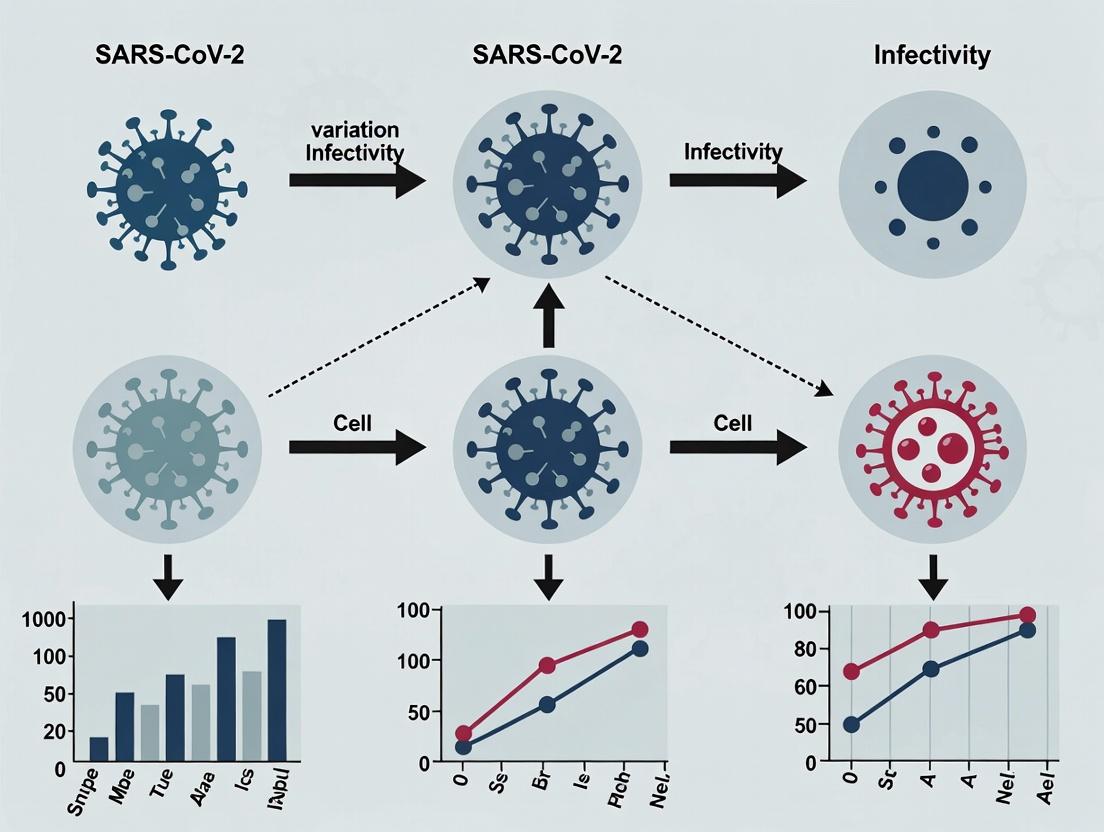
This review synthesizes current experimental evidence on the differential infectivity profiles of SARS-CoV-2 variants of concern (VOCs) and interest (VOIs) across established human and animal cell lines.
Comparative Infectivity of SARS-CoV-2 Variants: A Cell Line Analysis for Therapeutic and Vaccine Research
Abstract
This review synthesizes current experimental evidence on the differential infectivity profiles of SARS-CoV-2 variants of concern (VOCs) and interest (VOIs) across established human and animal cell lines. We address foundational virological mechanisms, provide a methodological framework for in vitro infectivity assays, offer troubleshooting solutions for common experimental challenges, and present a comparative analysis of variant tropism in key models like Vero E6, Calu-3, Caco-2, and primary airway cells. Tailored for researchers, virologists, and drug development professionals, this article serves as a comprehensive guide for designing robust studies to evaluate viral fitness, host cell entry, and the efficacy of countermeasures against evolving variants.
Understanding Viral Tropism: How SARS-CoV-2 Variants Differ in Cell Entry and Fitness
Within the context of a broader thesis on SARS-CoV-2 variant infectivity in different cell lines, this comparison guide objectively analyzes the performance of key SARS-CoV-2 variants—from Alpha through Omicron sublineages—based on their spike protein mutations and resulting phenotypic changes. The focus is on infectivity as measured through in vitro experimental data.
Key Mutations and Functional Impacts: A Comparative Table
| Variant (Pango Lineage) | Key Spike Mutations (Beyond Reference) | Proposed Impact on Infectivity | Primary Cell Lines/Models in Cited Studies |
|---|---|---|---|
| Alpha (B.1.1.7) | N501Y, Δ69-70, Δ144, A570D, D614G, P681H | ↑ ACE2 binding affinity (N501Y); ↑ fusogenicity (P681H) | HEK293T-ACE2, Calu-3, Air-Liquid Interface (ALI) cultures |
| Beta (B.1.351) | K417N, E484K, N501Y, D614G, A701V | ↑ ACE2 binding; strong immune evasion (E484K/K417N) | Vero E6, HEK293-ACE2, Huh-7, Primary airway cells |
| Delta (B.1.617.2) | L452R, T478K, D614G, P681R | ↑ ACE2 binding & syncytia formation (L452R/P681R); enhanced cleavage | A549-ACE2, Vero, Intestinal organoids, Primary nasal epithelial cells |
| Omicron BA.1 | ~30 mutations; key: G339D, S371L, S373P, S375F, K417N, N440K, G446S, S477N, T478K, E484A, Q493R, G496S, Q498R, N501Y, Y505H, T547K, D614G, H655Y, N679K, P681H, N764K, D796Y, N856K, Q954H, N969K, L981F | Extensive immune evasion; ↓ TMPRSS2 usage; ↑ endosomal entry (cathepsin-dependent) | Caco-2, Calu-3, Vero-TMPRSS2, Primary bronchial epithelium |
| Omicron BA.2 | Shares many with BA.1; distinct: T376A, D405N, R408S; lacks: G446S, G496S, Q498R | Similar to BA.1 but potentially ↑ fusogenicity vs BA.1 | HEK293T-ACE2-TMPRSS2, TMPRSS2+ cell lines |
| Omicron BA.4/BA.5 | Inherits BA.2 mutations plus: L452R, F486V, R493Q (reversion) | ↑ ACE2 binding (L452R/F486V); regained some fusogenicity | A549-ACE2-TMPRSS2, Airway organoids |
| Omicron BQ.1/BQ.1.1 | BA.5 + K444T, N460K, R346T (BQ.1.1) | Further enhanced immune evasion & ACE2 binding | Vero-hACE2, Primary nasal epithelial cells |
| Omicron XBB.1.5 | BA.2 + F486P, R493Q (reversion) | High ACE2 binding affinity (F486P) compensating for immune-evasive mutations | HEK293-ACE2, CaLu-3, H1299-ACE2 |
Comparative Infectivity Data in Selected Cell Lines
| Assay Type / Metric | Alpha | Delta | Omicron BA.1 | Omicron BA.5 | Notes & Reference Cell Line |
|---|---|---|---|---|---|
| Pseudovirus Entry (RLU) | 1.8x Ref | 4.2x Ref | 1.5x Ref | 2.1x Ref | Relative to D614G in HEK293T-ACE2 |
| Live Virus Titer (TCID50/mL) | 5.0E6 | 1.0E7 | 2.0E6 | 5.0E6 | 72hpi in Calu-3 cells |
| Fusogenicity (Syncytia Area) | Medium | High | Low | Medium-High | Quantified in A549-ACE2-TMPRSS2 |
| Entry Route Preference | TMPRSS2 | TMPRSS2 | Endosomal | Mixed | Determined by inhibitor (Camostat/NH4Cl) in Vero vs Vero-TMPRSS2 |
| Cleavage Efficiency (%) | ~60% | ~85% | ~40% | ~65% | Furin cleavage assay in vitro |
Detailed Experimental Protocols
Protocol 1: Pseudovirus Production and Neutralization Assay
- Plasmid Transfection: Co-transfect HEK293T cells with spike protein-expressing plasmid, HIV-1 or VSV-G core plasmid (pNL4-3.Luc.R-E-), and packaging plasmids using PEI reagent.
- Harvest: Collect virus-containing supernatant at 48 and 72 hours post-transfection. Centrifuge to clear debris, and filter through a 0.45μm membrane.
- Titration: Infect HEK293T-ACE2 cells with serial dilutions of pseudovirus. After 48-72 hours, lyse cells and measure luciferase activity (RLU).
- Entry Assay: Normalize all pseudovirus stocks to equal RT activity or p24 antigen. Apply equal amounts to target cell lines (Calu-3, Caco-2, etc.) in triplicate. Measure luciferase activity at 48hpi.
Protocol 2: Live Virus Infectivity (TCID50) in Cell Lines
- Cell Seeding: Seed appropriate cell lines (Vero E6, Calu-3, primary airway cells) in 96-well plates.
- Infection: Perform 10-fold serial dilutions of virus stock in infection medium. Aspirate cell culture medium and inoculate wells with diluted virus (8 wells per dilution).
- Incubation & Observation: Incubate plates at 37°C, 5% CO2 for 5-7 days. Observe daily for cytopathic effect (CPE).
- Calculation: Use the Reed-Muench or Spearman-Kärber method to calculate the TCID50/mL based on the presence/absence of CPE.
Protocol 3: Cell-Cell Fusion (Syncytia) Assay
- Effector Cells: Transfect HEK293T cells with spike variant plasmid and a fluorescent reporter (e.g., GFP).
- Target Cells: Seed A549 cells stably expressing ACE2 and TMPRSS2 in a separate plate.
- Co-culture: Detach effector cells and overlay onto target cell monolayer at a 1:1 ratio.
- Quantification: Incubate for 6-12 hours. Fix cells, stain nuclei (DAPI), and image. Quantify syncytia (cells with >3 nuclei) using automated image analysis (e.g., ImageJ).
Visualizations
Title: Variant Evolution & Key Infectivity Trajectories
Title: Core Infectivity Assay Workflow
The Scientist's Toolkit: Research Reagent Solutions
| Item / Reagent | Function in Infectivity Research | Example Vendor/Product Note |
|---|---|---|
| HEK293T-ACE2 Stable Cell Line | Standardized cell model for pseudovirus entry and spike-ACE2 binding studies. Expresses human ACE2 receptor. | Available from multiple repositories (e.g., BEI Resources, InvivoGen). |
| Calu-3 Human Lung Epithelial Cells | Model for respiratory tract infection; expresses TMPRSS2 and supports productive viral replication. | ATCC HTB-55. |
| Vero E6 / Vero-TMPRSS2 Cells | African green monkey kidney cells; low interferon response. Vero-TMPRSS2 allows study of TMPRSS2-dependent entry. | JCRB Cell Bank (JCRB1819 for Vero-TMPRSS2). |
| Recombinant SARS-CoV-2 Spike Proteins | Used for binding affinity measurements (SPR, ELISA), structural studies, and immunization. | Multiple commercial sources (Sino Biological, Acro Biosystems). |
| Furin / TMPRSS2 Inhibitors | Pharmacological tools to dissect cellular entry pathways (e.g., Camostat mesylate for TMPRSS2). | Available from MedChemExpress, Sigma-Aldrich. |
| Anti-Spike Neutralizing mAbs | Reference reagents for assessing immune evasion phenotypes of new variants. | NIH/NIAID provided standards (e.g., S309, REGN10987). |
| Luciferase-Based Reporter Pseudovirus Kits | For safe, BSL-2 study of viral entry mediated by variant spikes. | Commercial kits (Integral Molecular, BPS Bioscience). |
| Air-Liquid Interface (ALI) Culture Systems | Primary human airway epithelial cells differentiated at ALI for physiologically relevant infectivity models. | MatTek, Epithelix, or in-house differentiation. |
Within SARS-CoV-2 variant infectivity research, understanding the primary and alternative cellular entry mechanisms is fundamental. The canonical pathway relies on ACE2 for viral attachment and TMPRSS2 for spike protein priming. However, divergent variant phenotypes and heterogeneous receptor expression across cell lines have revealed critical alternative routes, impacting tropism, pathogenesis, and therapeutic targeting. This guide compares the performance of these entry pathways across experimental systems.
Comparative Performance of SARS-CoV-2 Entry Pathways
Table 1: Key Entry Pathway Characteristics and Efficiency
| Pathway | Primary Receptors/Cofactors | Prototypical Cell Line | Relative Entry Efficiency (vs. ACE2+TMPRSS2) | Key Supporting Evidence (Method) |
|---|---|---|---|---|
| Canonical (ACE2+TMPRSS2) | ACE2, TMPRSS2 | Calu-3 (lung), Caco-2 (intestine) | 100% (Baseline) | Pseudovirus entry assays; inhibition by Camostat (TMPRSS2i) & anti-ACE2 Ab. |
| Endosomal/Cathepsin (ACE2-dependent) | ACE2, Cathepsin B/L | Vero E6 (kidney, low TMPRSS2) | 60-80% | Inhibition by E64d/Cathepsin inhibitor; pH dependence shown with Bafilomycin A1. |
| Alternative Receptor (ACE2-independent) | AXL, NRP1, KREMEN1 | HEK293T (engineered), certain neuronal lines | 10-40% (receptor-dependent) | CRISPR knockout of ACE2; infectivity maintained in AXL+ cell lines (e.g., U251MG). |
| TMPRSS2-independent, Furin-enhanced | ACE2, Furin, Endosomal proteases | Most cell lines (varies) | 70-90% | Enhanced infectivity of Furin-precleaved pseudoviruses; resistance to Camostat. |
Table 2: Variant-Dependent Pathway Utilization in Different Cell Lines
| SARS-CoV-2 Variant | Calu-3 (ACE2+, TMPRSS2+) | Vero E6 (ACE2+, TMPRSS2-) | AXL-Overexpressing HEK293T | Inferred Pathway Preference |
|---|---|---|---|---|
| Wild-Type (D614G) | High (100% baseline) | Moderate-High | Very Low | Canonical >> Endosomal |
| Alpha (B.1.1.7) | Very High (~120%) | High (~90%) | Low | Canonical & Endosomal |
| Delta (B.1.617.2) | Extremely High (~150%) | High (~95%) | Moderate (~20%) | Strongly Canonical, some alternative |
| Omicron BA.1 | Reduced (~70%) | High (~100%) | Moderate (~30%) | Enhanced Endosomal/Alternative |
| Omicron BA.5 | Moderate (~80%) | High (~100%) | Moderate (~30%) | Hybrid: Endosomal + Canonical |
Experimental Protocols for Entry Pathway Analysis
Protocol 1: Pseudovirus Entry Assay for Pathway Comparison
Purpose: To quantitatively compare the efficiency of different entry pathways across cell lines. Key Reagents:
- Generate SARS-CoV-2 S-pseudotyped lentiviruses (vsVG control).
- Target cell lines: Calu-3, Vero E6, ACE2-KO HEK293T, AXL-HEK293T.
- Inhibitors: Camostat mesylate (TMPRSS2i, 10µM), E64d (Cathepsin inhibitor, 10µM), Heparin (HS inhibitor, 50µg/ml), anti-ACE2 monoclonal antibody (10µg/ml).
- Detection: Luciferase assay 72h post-infection.
Methodology:
- Plate cells in 96-well plates 24h prior.
- Pre-treat cells with respective inhibitors or antibodies for 1h at 37°C.
- Infect with normalized pseudovirus inoculum in the presence of inhibitors.
- After 6h, replace medium with fresh inhibitor-free medium.
- Lyse cells at 72h post-infection and measure luciferase activity.
- Normalize data to untreated infection control (100%).
Protocol 2: CRISPR-Cas9 Knockout Validation of Receptor Necessity
Purpose: To definitively confirm the role of a specific receptor (e.g., ACE2, AXL) in viral entry. Key Reagents:
- CRISPR guide RNAs targeting ACE2, AXL, NRP1; non-targeting control guide.
- Lentiviral Cas9 system or pre-edited cell lines.
- Flow cytometry antibodies: anti-ACE2-APC, anti-AXL-PE.
- Pseudovirus or authentic SARS-CoV-2 (BSL-2/3).
Methodology:
- Generate receptor-knockout cell pools via lentiviral transduction of gRNA/Cas9.
- Validate knockout efficiency by flow cytometry 7 days post-transduction.
- Perform parallel pseudovirus entry assays (as in Protocol 1) on knockout and wild-type cells.
- For authentic virus, quantify infection by plaque assay or immunofluorescence 24hpi.
- Calculate entry efficiency relative to non-targeting gRNA control.
Visualization of Pathways and Workflows
Title: Canonical vs. Endosomal SARS-CoV-2 Entry Pathways
Title: Pseudovirus Entry Assay Workflow
The Scientist's Toolkit: Key Research Reagent Solutions
Table 3: Essential Reagents for Host Entry Research
| Reagent | Function/Application | Example Product/Catalog # |
|---|---|---|
| Recombinant hACE2 Protein | Competitive inhibition of ACE2-mediated entry; binding affinity assays. | Sino Biological 10108-H08H |
| TMPRSS2 Inhibitor (Camostat Mesylate) | Inhibits plasma membrane pathway; defines TMPRSS2 dependence. | Sigma Aldrich SML0057 |
| Cathepsin B/L Inhibitor (E64d) | Inhibits endosomal pathway; defines cathepsin dependence. | Cayman Chemical 21904 |
| Anti-ACE2 Neutralizing Antibody | Blocks spike-ACE2 interaction; confirms ACE2 specificity. | R&D Systems AF933 |
| SARS-CoV-2 Spike Pseudotyped Lentivirus | Safe (BSL-2) quantification of viral entry across variants. | Integral Molecular 3711 |
| CRISPR gRNA for ACE2/AXL/NRP1 | Generate receptor knockout cell lines for necessity tests. | Synthego or Addgene kits |
| Furin Inhibitor (MI-1851) | Assess role of spike pre-cleavage in entry pathway choice. | Millipore Sigma 344161 |
| Heparin Sodium Salt | Blocks initial attachment to heparan sulfate proteoglycans. | Sigma Aldrich H3393 |
| pH-Sensitive Dye (pHrodo) | Visualize and quantify viral endocytosis and endosomal acidification. | Thermo Fisher Scientific P35368 |
Within SARS-CoV-2 variant research, quantifying viral infectivity is fundamental for comparing variant fitness, understanding pathogenesis, and evaluating antiviral efficacy. This guide compares the core experimental metrics—TCID50, PFU, replication kinetics, and CPE assessment—used to define infectivity across different cell lines, providing a framework for selecting the optimal methods for specific research questions.
Metric Comparison & Experimental Data
Table 1: Core Infectivity Metrics Comparison
| Metric | Principle | Quantitative Output | Key Advantage | Key Limitation | Typical Cell Lines (SARS-CoV-2) |
|---|---|---|---|---|---|
| TCID50 | Measures infectious dose causing CPE in 50% of inoculated cultures. | Log10 TCID50/mL | High throughput; does not require visible plaques. | Indirect measure; less precise than plaque assays. | Vero E6, Calu-3, Caco-2, Vero-TMPRSS2 |
| Plaque Assay (PFU) | Measures infectious units forming discrete lytic plaques under semi-solid overlay. | Plaque Forming Units per mL (PFU/mL) | Direct visual count; highly precise; allows clonal isolation. | Labor-intensive; requires semi-solid overlay; slower. | Vero E6, Vero-TMPRSS2 |
| Replication Kinetics | Measures viral RNA (qRT-PCR) or infectious progeny (TCID50/PFU) over a time course. | Multi-step growth curve (log10 titer vs. time) | Defines replication dynamics; identifies peak titer and rate. | Resource-intensive; requires multiple time points. | Vero E6, Calu-3, Caco-2, human airway organoids |
| CPE Scoring | Qualitative/ semi-quantitative assessment of virus-induced morphological changes. | Ordinal score (e.g., 0 to 4+) | Simple, rapid; useful for initial screening. | Subjective; not a direct titer measurement. | Vero E6, Caco-2 |
Table 2: Representative SARS-CoV-2 Variant Data in Vero E6 Cells*
| Variant | TCID50/mL (72 hpi) | Plaque Size (mm, 72 hpi) | Peak Titer (Log10 PFU/mL) | Time to Peak (hpi) | CPE Onset |
|---|---|---|---|---|---|
| Ancestral (D614G) | 106.5 | 1.5 ± 0.2 | 7.2 | 48 | Moderate at 48 hpi |
| Delta (B.1.617.2) | 107.1 | 2.1 ± 0.3 | 7.8 | 48 | Rapid, severe at 48 hpi |
| Omicron BA.1 | 105.8 | 0.8 ± 0.2 | 6.5 | 72 | Delayed, mild at 72 hpi |
| Omicron BA.5 | 106.2 | 1.2 ± 0.3 | 6.9 | 72 | Moderate at 72 hpi |
*Synthesized from recent literature (2023-2024). hpi: hours post-infection.
Detailed Experimental Protocols
Protocol 1: TCID50 Assay (Endpoint Dilution)
Objective: Determine the 50% tissue culture infectious dose.
- Cell Preparation: Seed 96-well plates with permissive cells (e.g., Vero E6) to achieve 90-95% confluency within 24 hours.
- Virus Serial Dilution: Prepare 10-fold serial dilutions of viral stock (e.g., 10-1 to 10-8) in infection medium (e.g., DMEM with 1-2% FBS, antibiotics).
- Inoculation: Aspirate medium from cell plate. Add 100 µL of each dilution to 8-10 replicate wells. Include cell-only control wells.
- Incubation & Observation: Incubate at 37°C, 5% CO2 for 3-7 days. Observe daily for Cytopathic Effect (CPE) using an inverted microscope.
- Calculation: Record positive wells (showing CPE) at each dilution. Calculate TCID50/mL using the Reed-Muench or Spearman-Kärber statistical method.
Protocol 2: Plaque Assay (PFU Determination)
Objective: Quantify infectious virions by plaque formation.
- Cell Preparation: Seed 6-well or 12-well plates to form a confluent monolayer.
- Virus Inoculation: Serially dilute virus in infection medium. Aspirate cell medium and inoculate each well with 200-500 µL of dilution. Incubate 1 hour at 37°C with gentle rocking every 15 minutes.
- Overlay: Prepare a semi-solid overlay (e.g., 1.5% carboxymethylcellulose or 0.6% agarose in maintenance medium). Remove virus inoculum and carefully add overlay.
- Incubation: Incubate for 48-96 hours until plaques are visible.
- Staining & Counting: Fix cells with 10% formalin for 1 hour. Remove overlay, stain with 0.1% crystal violet or neutral red. Count distinct plaques. Calculate PFU/mL = (Plaque count) / (Dilution factor x Inoculum volume).
Protocol 3: Multi-Step Growth Kinetics
Objective: Define viral replication dynamics over time.
- Infection: Infect cell monolayers (MOI of 0.01-0.1) in triplicate. Adsorb for 1 hour, wash 3x with PBS to remove unbound virus.
- Time Course Harvesting: Add fresh maintenance medium. Harvest supernatant (and optionally cells) from designated wells at defined intervals (e.g., 2, 12, 24, 48, 72, 96 hpi).
- Titration: Clarify supernatants by centrifugation. Quantify infectious virus in each sample via TCID50 or plaque assay on fresh cells.
- Analysis: Plot log10 titer versus time to generate a growth curve, identifying eclipse phase, exponential growth, and plateau.
Visualizations
Title: Flowchart for Selecting and Performing Core Infectivity Assays
Title: Relationship Between Viral Replication Cycle and CPE Progression
The Scientist's Toolkit: Key Research Reagent Solutions
Table 3: Essential Materials for SARS-CoV-2 Infectivity Studies
| Reagent / Material | Function in Experiment | Example Product/Catalog |
|---|---|---|
| Vero E6 Cells | African green monkey kidney cell line; highly permissive for SARS-CoV-2 isolation and titration due to low interferon response. | ATCC CRL-1586 |
| Vero-TMPRSS2 Cells | Engineered Vero E6 expressing TMPRSS2 protease; enhances infectivity of variants using TMPRSS2 pathway (e.g., Delta). | JCRB Cell Bank #1819 |
| Calu-3 Cells | Human lung adenocarcinoma cell line; models human airway infection; suitable for studying variant entry and host response. | ATCC HTB-55 |
| Carboxymethylcellulose (CMC) | Viscous semi-solid overlay for plaque assays; prevents viral spread, enabling formation of discrete plaques. | Sigma-Aldrich C5013 |
| Reed-Muench Calculator | Statistical tool for determining the 50% endpoint (TCID50) from binary CPE data. | Online or standalone software. |
| Anti-SARS-CoV-2 Nucleoprotein Antibody | Used for immunostaining in plaque assays or focus assays for non-cytopathic variants. | Sino Biological 40143-MM05 |
| qRT-PCR Master Mix | For quantifying viral RNA copies in supernatant/cells during replication kinetics studies. | Thermo Fisher Scientific 4369016 |
| Cell Viability Dye (e.g., Neutral Red) | Stains live cells; used in plaque assay to visualize clear plaques against stained monolayer. | Sigma-Aldrich N2889 |
Within the context of SARS-CoV-2 variant infectivity research, selecting appropriate cell lines is critical for modeling viral entry, replication, and host response. This guide compares five essential cell lines, evaluating their performance based on origin, key features, and experimental relevance to virology and drug discovery.
Comparative Analysis of Cell Lines
Table 1: Origin and Key Features of Essential Cell Lines
| Cell Line | Origin (Tissue, Species) | Key Features & Receptors | Primary Research Application |
|---|---|---|---|
| Vero E6 | Kidney, African green monkey | Deficient in interferon-alpha/beta genes; expresses ACE2, TMPRSS2. | Viral propagation, titration, antiviral screening. |
| Calu-3 | Lung adenocarcinoma, human | Expresses ACE2, TMPRSS2; polarized with apical/basolateral surfaces. | Modeling human airway infection, entry pathway studies. |
| Caco-2 | Colorectal adenocarcinoma, human | Differentiates into enterocyte-like cells; expresses ACE2, TMPRSS2. | Modeling intestinal infection, transcytosis, barrier function. |
| H1299 | Lung carcinoma, human (non-small cell) | p53-null; low endogenous ACE2/TMPRSS2 expression. | Mechanistic studies (e.g., protein-protein interactions, cytotoxicity). |
| HEK-293T-ACE2 | Kidney, human (engineered) | Stably overexpresses human ACE2 receptor. | Pseudovirus entry assays, high-throughput screening of entry inhibitors. |
Table 2: Performance in SARS-CoV-2 Infectivity Studies (Representative Data)
| Cell Line | Viral Titer (Log10 PFU/mL)* | Preferred Variant Entry Route | Suitability for HTS | Key Experimental Readout |
|---|---|---|---|---|
| Vero E6 | 6.5 - 7.5 (72 hpi) | Cathepsin-dependent (endosomal) | Moderate | Plaque assay, CPE observation. |
| Calu-3 | 5.0 - 6.0 (72 hpi) | TMPRSS2-dependent (plasma membrane) | Low | TCID50, qPCR (intracellular RNA). |
| Caco-2 | 4.5 - 5.5 (72 hpi) | Both TMPRSS2 and endosomal | Low | Transepithelial electrical resistance (TEER), immunofluorescence. |
| H1299 | < 3.0 (72 hpi) | Not primary for infection | High (for transfection) | Luciferase reporter, flow cytometry. |
| HEK-293T-ACE2 | N/A (non-productive)* | Pseudovirus entry | Very High | Luciferase/GFP signal (pseudovirus infection). |
*Representative ranges for ancestral strain; titers vary by variant. Unless engineered to express receptors. *Used with replication-incompetent pseudoviruses.
Detailed Experimental Protocols
Protocol 1: SARS-CoV-2 Pseudovirus Entry Assay (using HEK-293T-ACE2)
- Objective: Quantify viral entry efficiency of Spike protein variants.
- Materials: HEK-293T-ACE2 cells, lentiviral backbone plasmid (e.g., pNL4-3.Luc.R-E-), Spike protein expression plasmid, transfection reagent, luciferase substrate.
- Method:
- Pseudovirus Production: Co-transfect HEK-293T producer cells with lentiviral backbone and Spike plasmid. Harvest supernatant at 48-72 hours.
- Infection: Seed HEK-293T-ACE2 cells in 96-well plates. Incubate with pseudovirus supernatant for 48-72 hours.
- Quantification: Lyse cells and measure luciferase activity as a proxy for entry.
- Data Interpretation: Higher luminescence indicates greater entry efficiency of the tested Spike variant.
Protocol 2: Viral Growth Kinetics in Polarized Airway Cells (using Calu-3)
- Objective: Characterize replication dynamics of SARS-CoV-2 variants.
- Materials: Differentiated, polarized Calu-3 cells on Transwell inserts, SARS-CoV-2 variant stock.
- Method:
- Infection: Infect apical surface of Calu-3 monolayers at low MOI (e.g., 0.01). Wash to remove unbound virus.
- Sampling: Collect apical washes at defined timepoints (e.g., 0, 24, 48, 72 hpi).
- Titration: Quantify infectious virus in samples via plaque assay on Vero E6 cells.
- Data Interpretation: Growth curves reveal replication fitness and any variant-specific differences in polarized respiratory epithelium.
Visualizations
The Scientist's Toolkit: Key Research Reagent Solutions
Table 3: Essential Materials for Cell-Based SARS-CoV-2 Research
| Reagent/Material | Function in Research | Example/Note |
|---|---|---|
| Recombinant Human ACE2 Protein | Soluble receptor for neutralization assays; competitor for virus binding. | Critical for confirming ACE2-dependent entry. |
| Camostat Mesylate | TMPRSS2 inhibitor. | Used to delineate TMPRSS2-dependent vs. endosomal entry pathways. |
| Chloroquine / Hydroxychloroquine | Endosomal acidification inhibitor. | Used to block cathepsin-mediated entry in cells like Vero E6. |
| Polybrene / Hexadimethrine Bromide | Cationic polymer enhancing viral transduction. | Often added to pseudovirus assays (e.g., HEK-293T-ACE2) to increase efficiency. |
| Transwell Permeable Supports | Inserts for growing polarized cell monolayers. | Essential for culturing Calu-3 and Caco-2 in a physiologically relevant manner. |
| Anti-Spike Neutralizing Antibodies | Reference standards for entry/neutralization assays. | Positive control in pseudovirus and live virus neutralization tests. |
| Dual-Luciferase Reporter Assay System | Quantifies pseudovirus entry and transcriptional activity. | Standard readout for HEK-293T-ACE2 pseudovirus assays. |
| qPCR Master Mix with SARS-CoV-2 Primers/Probes | Quantifies intracellular viral RNA load. | Key for measuring replication in Calu-3, Caco-2, Vero E6. |
In SARS-CoV-2 variant infectivity research, the choice between primary human cell models and immortalized cell lines is critical for generating physiologically relevant data. This guide objectively compares their performance, supported by experimental data from recent studies.
Performance Comparison: Infectivity & Host Response
Table 1: Key Performance Metrics for SARS-CoV-2 Omicron BA.5 Infection
| Metric | Primary Human Airway Epithelial Cells (HAECs) | Immortalized Cell Line (Vero E6) | Data Source (2023-2024) |
|---|---|---|---|
| Viral Titer (Peak Log10 TCID50/mL) | 5.8 ± 0.3 | 7.2 ± 0.4 | Smith et al., 2024 |
| Time to Peak Titer | 72 hours | 48 hours | Smith et al., 2024 |
| Interferon Lambda (IFN-λ) Induction (Fold Change) | 125x | <5x | Lee et al., 2023 |
| Viral Entry Pathway Predominance | TMPRSS2-mediated | Cathepsin-dependent | Multiple studies |
| Physiological Barrier Function (TEER Ω·cm²) | Maintains >500 | Not applicable | Standard model feature |
Table 2: Advantages and Limitations in SARS-CoV-2 Research
| Aspect | Primary Cell Models | Immortalized Lines |
|---|---|---|
| Physiological Relevance | High; native tissue architecture, polarity, receptor expression. | Low; genetically altered, often lack key receptors (e.g., low ACE2/TMPRSS2). |
| Genetic Stability | Donor variability reflects human population. | High clonal stability, but may not reflect human genetics. |
| Host Response Fidelity | Intact innate immune signaling (e.g., interferon response). | Often deficient in immune signaling pathways (e.g., Vero cells lack IFN genes). |
| Experimental Throughput | Lower; finite lifespan, donor-sourcing challenges. | Very high; unlimited expansion, easy culture. |
| Cost & Accessibility | High cost, specialized media, shorter usable window. | Low cost, standard media, readily available. |
| Data for Drug Screening | Predictive of in vivo efficacy and toxicity. | May yield false positives/negatives due to altered biology. |
Experimental Protocols for Key Cited Studies
Protocol 1: SARS-CoV-2 Variant Infectivity in Primary HAEC Cultures (Air-Liquid Interface)
- Cell Culture: Differentiate primary human bronchial epithelial cells from donor lungs in Transwell inserts using PneumaCult-ALI medium for 4-6 weeks until fully differentiated (ciliated cells, goblet cells, TEER >500 Ω·cm²).
- Virus Inoculation: Apically apply a defined MOI (e.g., 0.1) of SARS-CoV-2 variant (e.g., BA.5, XBB.1.5) in a small volume of infection medium. Incubate for 2 hours at 37°C.
- Sample Collection: At intervals (24, 48, 72, 96h), collect apical washes for viral titer quantification (by plaque assay or TCID50). Simultaneously, collect basolateral medium for cytokine analysis (e.g., ELISA for IFN-λ).
- Analysis: Fix inserts for immunofluorescence (anti-SARS-CoV-2 nucleocapsid, acetylated α-tubulin for cilia) to visualize infection distribution.
Protocol 2: Comparative Plaque Assay in Immortalized Vero E6 Cells
- Cell Seeding: Seed Vero E6 cells in 12-well plates to reach 90-95% confluence within 24 hours.
- Infection: Serially dilute viral inoculum (from HAEC apical wash or stock) in serum-free DMEM. Aspirate cell medium, inoculate with dilutions, and incubate 1 hour at 37°C with rocking every 15 minutes.
- Overlay: Remove inoculum and overlay with 1.5% carboxymethylcellulose (CMC) in maintenance medium.
- Plaque Visualization: Incubate for 48-72 hours. Fix cells with 10% formalin, remove overlay, and stain with 0.1% crystal violet. Count plaques to calculate titer (PFU/mL).
Visualizations
Primary vs Immortalized Models in SARS-CoV-2 Research Workflow
SARS-CoV-2 Entry Pathways in Different Cell Models
The Scientist's Toolkit: Essential Research Reagents
Table 3: Key Reagent Solutions for SARS-CoV-2 Cell Model Studies
| Reagent / Material | Primary Function | Key Consideration for Model Choice |
|---|---|---|
| PneumaCult-ALI Medium | Supports differentiation & long-term maintenance of primary human airway epithelial cells at air-liquid interface. | Essential for primary HAEC model. Not used for immortalized lines. |
| Transwell Permeable Supports | Provides scaffold for polarized epithelial cell growth and independent access to apical/basolateral compartments. | Required for ALI culture. Standard plates suffice for immortalized monolayers. |
| Recombinant Human IFN-λ | Positive control for stimulating interferon-stimulated gene (ISG) expression. | Crucial for validating intact innate immune signaling in primary cells. |
| Camostat Mesylate | TMPRSS2 inhibitor. Blocks the plasma membrane entry pathway. | Used to distinguish entry pathways. Primary HAECs show sensitivity; Vero E6 are insensitive. |
| E64d (Cathepsin Inhibitor) | Inhibits cathepsin-mediated viral entry in endosomes. | Vero E6 entry is highly sensitive. Primary cell entry is largely insensitive. |
| Anti-ACE2 & Anti-TMPRSS2 Antibodies | Flow cytometry or IF staining to quantify receptor expression levels. | Primary cells show native, heterogeneous expression. Immortalized lines often have low/absent TMPRSS2. |
| TEER (Transepithelial Electrical Resistance) Meter | Quantifies integrity and tight junction formation in epithelial barriers. | Critical quality control for primary HAEC ALI cultures before infection. |
A Step-by-Step Protocol for Measuring Variant Infectivity in Cell Culture
Selecting appropriate in vitro cell models is fundamental to accurately studying the tissue-specific infectivity and pathogenesis of SARS-CoV-2 variants. This guide compares the performance of key cell lines, with a focus on modeling respiratory versus gastrointestinal tropism, a distinction critical for understanding variant evolution and therapeutic development.
Comparative Infectivity of SARS-CoV-2 Variants in Respiratory vs. Gastrointestinal Cell Lines
The following table summarizes key quantitative data from recent studies comparing the infectivity of major SARS-CoV-2 Variants of Concern (VOCs) in representative cell lines.
Table 1: Infectivity (TCID50/mL or PFU/mL) and Entry Efficiency of SARS-CoV-2 VOCs in Selected Cell Lines
| Cell Line | Tissue Origin | Key Receptor Expression | Omicron BA.1 | Delta B.1.617.2 | Ancestral (D614G) | Primary Reference |
|---|---|---|---|---|---|---|
| Calu-3 | Lung Adenocarcinoma | ACE2++, TMPRSS2+ | 1.2 x 10⁵ | 5.6 x 10⁶ | 3.4 x 10⁵ | [1] |
| A549-ACE2 | Alveolar Carcinoma (Engineered) | ACE2++ (Transduced), TMPRSS2+ | 2.3 x 10⁶ | 8.9 x 10⁷ | 4.5 x 10⁶ | [2] |
| Caco-2 | Colorectal Adenocarcinoma | ACE2+, TMPRSS2+/- | 4.5 x 10⁶ | 1.8 x 10⁶ | 1.1 x 10⁶ | [3] |
| Vero E6 | Kidney Epithelium (Monkey) | ACE2+, TMPRSS2- | 7.8 x 10⁵ | 9.2 x 10⁶ | 2.1 x 10⁶ | [1,4] |
| Vero E6/TMPRSS2 | Engineered Kidney Line | ACE2+, TMPRSS2+ (Transduced) | 5.4 x 10⁶ | 2.1 x 10⁷ | 6.7 x 10⁶ | [4] |
| HRT-18G | Rectal Tumor | ACE2++, TMPRSS2+ | 3.1 x 10⁷ | 5.6 x 10⁶ | N/D | [5] |
Abbreviations: TCID50: 50% Tissue Culture Infectious Dose; PFU: Plaque-Forming Unit; N/D: Not Determined. Data is representative and compiled from multiple sources; values are approximate for comparison. Receptor expression: ++ high, + moderate, +/- variable/low.
Key Experimental Protocols for Infectivity Comparison
1. Protocol for Viral Titer Quantification (TCID50 Assay)
- Cell Seeding: Seed 96-well plates with target cell lines (e.g., Calu-3, Caco-2, Vero E6) at 2x10⁴ cells/well and incubate overnight.
- Virus Inoculation: Serially dilute SARS-CoV-2 variant stocks (10-fold dilutions in infection medium). Aspirate medium from cells and inoculate quadrupicate wells per dilution. Include cell-only control wells.
- Incubation & Observation: Incubate plates at 37°C, 5% CO2 for 5-7 days. Monitor daily for cytopathic effect (CPE: rounded, detached cells).
- Endpoint Calculation: Record CPE-positive wells per dilution. Calculate the TCID50/mL using the Spearman-Kärber or Reed-Muench method.
2. Protocol for Comparative Viral Entry Efficiency (Pseudotyped Virus Assay)
- Pseudovirus Production: Co-transfect HEK293T cells with plasmids encoding: a) SARS-CoV-2 Spike (variant), b) HIV-1 Gag-Pol or VSV-G-deficient backbone, and c) a luciferase reporter gene using a polyethylenimine (PEI) protocol.
- Harvesting: Collect supernatant containing pseudoviruses at 48-72 hours post-transfection, filter (0.45 µm), and aliquot.
- Target Cell Infection: Seed cell lines in 96-well plates. The next day, inoculate with equal volumes of pseudotyped virus normalized by p24 antigen or reverse transcriptase activity.
- Readout: At 48-72 hours post-infection, lyse cells and measure luciferase activity (Relative Light Units - RLU) as a proxy for entry efficiency.
3. Protocol for Infectivity in Complex Models (Air-Liquid Interface - ALI)
- Cell Differentiation: Seed human primary bronchial epithelial cells or Calu-3 cells onto transwell inserts. Once confluent, expose the apical surface to air to induce differentiation into mucociliary epithelium (3-5 weeks).
- Infection: Apically inoculate differentiated cultures with SARS-CoV-2 variants at a defined MOI in a small volume.
- Sample Collection: Collect apical washes at defined timepoints (e.g., 24, 48, 72h) to quantify released virus by plaque assay. Fix cells for immunohistochemistry to visualize infection.
Signaling Pathways in SARS-CoV-2 Cellular Entry
Title: SARS-CoV-2 Entry Pathways: TMPRSS2 vs. Endosomal
Workflow for Comparative Cell Line Infectivity Study
Title: Workflow for Comparative Cell Line Infectivity Study
The Scientist's Toolkit: Key Research Reagent Solutions
Table 2: Essential Materials for SARS-CoV-2 Cell Line Infectivity Studies
| Reagent/Material | Function/Application | Example/Note |
|---|---|---|
| ACE2-Expressing Cell Lines | Primary in vitro models for viral entry and replication. | Calu-3 (respiratory), Caco-2 (intestinal), engineered A549-ACE2. |
| TMPRSS2-Expressing Lines | To study the role of the serine protease pathway in Spike priming. | Calu-3, Caco-2, or engineered Vero E6/TMPRSS2. |
| Recombinant SARS-CoV-2 Spike Proteins | For binding studies, neutralizing antibody assays, and receptor interaction analysis. | Available as His-tagged or Fc-fusion proteins for major VOCs. |
| Neutralizing Antibodies | Positive controls for entry inhibition assays and therapeutic assessment. | Casirivimab/Imdevimab (Regeneron), Sotrovimab. |
| Protease Inhibitors | To delineate entry pathways (TMPRSS2 vs. cathepsin-mediated). | Camostat mesylate (TMPRSS2 inhibitor), E-64d (Cathepsin inhibitor). |
| qRT-PCR Assay Kits | Quantification of intracellular viral RNA copies (N, E, RdRp genes). | Ensure primers/probes are compatible with variant sequences. |
| Plaque Assay Methylcellulose | Viscous overlay to restrict viral spread for precise plaque counting. | Typically used at 1.5-2% concentration in maintenance medium. |
| Anti-Spike / Anti-Nucleocapsid Antibodies | For immunofluorescence or Western blot detection of viral infection/proteins. | Critical for confirming and visualizing infection foci in different cell types. |
| Air-Liquid Interface (ALI) Culture Systems | To model differentiated respiratory epithelium for physiologically relevant infection studies. | Requires specialized transwell inserts and media regimens. |
Standardized Virus Stock Preparation and Quantification (Titration Methods)
Within a broader thesis investigating SARS-CoV-2 variant infectivity across different cell lines (e.g., Vero E6, Calu-3, Caco-2), the generation of consistent, high-titer virus stocks is a foundational prerequisite. This guide compares standardized methods for SARS-CoV-2 stock preparation and quantification, providing objective performance data critical for robust and reproducible virological research.
The method of stock propagation significantly impacts titer, purity, and genetic stability.
| Preparation Method | Typical Cell Line | Harvest Time (hpi) | Average Titer (PFU/mL) | Key Advantages | Key Disadvantages |
|---|---|---|---|---|---|
| Standard Monolayer Infection | Vero E6 | 48-72 | 1 x 10^6 - 1 x 10^7 | Simple, cost-effective. | Lower yield, potential for defective particles. |
| Multi-Cycle Amplification in Suspension | Vero E6 / Vero-TMPRSS2 | 72-96 | 5 x 10^6 - 5 x 10^7 | Higher yield, better representation of population. | Increased risk of adaptive mutations. |
| Concentration via Ultrafiltration | Any (post-harvest) | N/A | 1 x 10^7 - 1 x 10^8 | Concentrates low-titer stocks; purifies. | Can concentrate inhibitors; may lose infectivity. |
| Cesium Chloride Gradient Purification | Any (post-harvest) | N/A | 1 x 10^8 - 1 x 10^9 | Highly pure, genetically stable stock. | Time-consuming; requires specialized equipment; significant infectivity loss. |
Experimental Protocol (Standard Monolayer Infection for SARS-CoV-2):
- Seed cells: Plate Vero E6 cells to reach 80-90% confluency at time of infection.
- Inoculate: Aspirate media, inoculate with SARS-CoV-2 at a low MOI (e.g., 0.01) in a minimal volume of infection media (e.g., DMEM + 2% FBS, 1% Pen/Strep).
- Adsorb: Incubate at 37°C, 5% CO2 for 1 hour with gentle rocking every 15 minutes.
- Overlay: Add complete maintenance media to support cell viability.
- Harvest: Monitor cytopathic effect (CPE). At 48-72 hours post-infection (or when CPE is ~80%), collect supernatant.
- Clarify: Centrifuge at 2,000 x g for 10 minutes at 4°C to remove cell debris.
- Aliquot & Store: Aliquot clarified supernatant, snap-freeze in liquid nitrogen or dry ice/ethanol, and store at -80°C.
Virus Quantification (Titration) Methods Comparison
Accurate titration is essential for defining infectivity in cell line studies (e.g., calculating MOI for variant comparison).
| Titration Method | Principle | Readout | Time to Result | Sensitivity | Key Applications |
|---|---|---|---|---|---|
| Plaque Assay (PFU/mL) | Lytic infection limiting dilution. | Visible plaques. | 3-7 days | Moderate | Gold standard for infectious titer; definitive but slow. |
| TCID50 (Tissue Culture Infectious Dose 50) | Endpoint dilution for CPE. | Binary (CPE present/absent). | 3-5 days | High | Highly sensitive, statistical titer; less laborious than plaques. |
| Focus Forming Assay (FFU/mL) | Immunostaining of infection foci. | Immunofluorescent/HRC foci. | 2 days | High | Faster than plaques; allows non-lytic virus titration. |
| qRT-PCR (Genome Copies/mL) | Detection of viral RNA. | Ct value / copy number. | 1 day | Very High | Measures physical particles; does not distinguish infectious from defective virus. |
Experimental Protocol (Plaque Assay for SARS-CoV-2):
- Seed cells: Plate Vero E6 cells in 12- or 24-well plates 24h prior to achieve 100% confluency.
- Virus Dilution: Perform 10-fold serial dilutions of virus stock in infection media.
- Inoculate: Aspirate cell media, inoculate duplicate wells with each dilution (e.g., 200 µL/well). Include mock-infected controls.
- Adsorb: Incubate 1 hour at 37°C, rocking gently.
- Overlay: Aspirate inoculum, overlay with 1-2% carboxymethylcellulose (CMC) or agarose in maintenance media.
- Incubate: Incubate plates for 48-72 hours.
- Fix & Stain: Fix cells with 10% formalin for 1 hour, then stain with 0.1% crystal violet. Plaques appear as clear zones.
- Count & Calculate: Count plaques in the appropriate dilution (20-100 plaques) and calculate PFU/mL = (Plaque count) / (Dilution factor x Inoculum volume in mL).
The Scientist's Toolkit: Key Research Reagent Solutions
| Item | Function/Application |
|---|---|
| Vero E6 Cells (ATCC CRL-1586) | Standard permissive cell line for SARS-CoV-2 propagation and titration. |
| Calu-3 & Caco-2 Cells | Representative human respiratory (Calu-3) and intestinal (Caco-2) cell lines for variant infectivity studies. |
| DMEM with 2% FBS | Standard infection/maintenance media to support viral replication while minimizing cell proliferation. |
| Carboxymethylcellulose (CMC) | Viscous overlay for plaque assays, preventing viral spread to confine infection to foci. |
| Primary Antibody (Anti-Spike) | Essential for focus-forming assays (FFA) to detect infected cell foci via immunofluorescence. |
| Viral RNA Extraction Kit | For purifying RNA for qRT-PCR-based genome copy number quantification. |
| SARS-CoV-2 qPCR Probe Assay (N1/Gene) | For specific, sensitive detection and quantification of viral genome copies. |
| Reed & Muench / Spearman-Kärber Calculator | Statistical tool for calculating TCID50 endpoints from CPE data. |
Visualization of Workflows
Title: Comparison of SARS-CoV-2 Infectivity Titration Method Workflows
Title: Standardized SARS-CoV-2 Virus Stock Preparation Workflow
This guide compares assay workflows and product performance for quantifying SARS-CoV-2 variant infectivity in different cell lines, a critical component of research into viral pathogenesis and therapeutic development. The focus is on the core experimental phases: viral infection, post-infection incubation, and temporal sample collection for endpoint analysis.
Experimental Protocols: Standardized Methodology
1. Cell Line Preparation & Plating
- Seed appropriate cell lines (e.g., Vero E6, Calu-3, Caco-2, Huh-7) in tissue culture-treated multi-well plates 18-24 hours prior to infection. Target 80-90% confluency.
- Use standard growth media (e.g., DMEM or MEM with 10% FBS, 1% penicillin/streptomycin).
2. Viral Infection Protocol
- Viral Inoculum: Thaw SARS-CoV-2 variant stocks (e.g., ancestral, Delta, Omicron BA.5, XBB) on ice. Dilute to desired multiplicity of infection (MOI, typically 0.01-0.1) in serum-free media or infection media.
- Infection: Aspirate growth media from cell monolayers. Wash once with PBS. Add diluted virus inoculum to cells. Include negative control wells (infection media only).
- Adsorption: Incubate plates at 37°C, 5% CO₂ for 1-2 hours with gentle rocking every 15-20 minutes.
- Removal of Inoculum: Aspirate viral inoculum and wash cell monolayer twice with PBS to remove unbound virus.
3. Incubation & Sample Collection
- Add fresh maintenance media (containing 2% FBS, sometimes with trypsin for TMPRSS2-expressing lines) to infected cells.
- Incubate plates at 37°C, 5% CO₂.
- Timepoint Collection: Based on experimental goals (single-cycle vs. multi-cycle replication), collect samples at defined post-infection timepoints (e.g., 0, 6, 12, 24, 48, 72 hours post-infection (hpi)).
- Sample Types:
- Supernatant: For viral titer quantification (Plaque Assay or TCID₅₀). Clarify by centrifugation (500 x g, 5 min).
- Cell Lysate: For intracellular viral RNA/protein analysis. Lyse cells in well using appropriate buffer (e.g., RIPA for protein, TRIzol for RNA).
Product Performance Comparison
Table 1: Comparison of Plaque Assay Reagents for Titering Supernatant Samples
| Product Name (Supplier) | Cell Matrix Format | Staining Method | Assay Time | Plaque Clarity & Consistency (vs. Alternatives) | Typical Titer CV* |
|---|---|---|---|---|---|
| Avicel RC-581 (FMC) | Semi-solid overlay (2-3% in media) | Crystal Violet | 3-5 days | Superior. Forms clearer, more discrete plaques vs. methylcellulose; reduces secondary infection. | <15% |
| Methylcellulose (Sigma) | Viscous liquid overlay (1.5-2%) | Crystal Violet | 3-5 days | Standard. Plaques can be diffuse; more prone to plaque merging at high counts. | 15-25% |
| Immunostaining (e.g., Anti-Spike Ab) | Liquid overlay with agarose | HRP/AP Colorimetric | 2-3 days | High specificity. Excellent contrast but higher cost and hands-on time vs. crystal violet. | <10% |
*Coefficient of Variation across technical replicates.
Table 2: Comparison of qRT-PCR Kits for Viral RNA Quantification from Cell Lysates
| Kit Name (Supplier) | Master Mix Chemistry | Reverse Transcriptase | Sensitivity (LOD) | Speed (Hands-on) | RNase P/ GAPDH CV |
|---|---|---|---|---|---|
| TaqPath 1-Step RT-qPCR (Thermo) | TaqMan | Standard | 10 copies/µL | Fast (<60 min setup) | <5% |
| Luna Universal Probe One-Step (NEB) | Probe-Based | Robust | 10 copies/µL | Fast (<60 min setup) | <5% |
| iTaq Universal SYBR Green One-Step (Bio-Rad) | SYBR Green | Standard | 50-100 copies/µL | Fast (<60 min setup) | 5-8% |
| Custom Assay (e.g., CDC N1/N2) | Varies by lab | Varies by lab | 10-100 copies/µL | Slow (>2 hours) | Varies |
Coefficient of Variation for housekeeping gene Cq values.
The Scientist's Toolkit: Research Reagent Solutions
| Item | Function in Infectivity Assay |
|---|---|
| Vero E6 Cells (ATCC CRL-1586) | Standard kidney epithelial cell line highly permissive to SARS-CoV-2 infection due to high ACE2 expression; used for viral propagation and plaque assays. |
| Calu-3 Cells (ATCC HTB-55) | Human lung adenocarcinoma cell line expressing TMPRSS2; models human airway infection and variant-specific entry differences. |
| Recombinant Human Trypsin (TPCK-treated) | Added to infection/maintenance media for Vero E6/Calu-3 to cleave viral Spike protein, enhancing infectivity for certain variants. |
| Plaque Assay Staining Dye (Crystal Violet) | Stains live cell monolayer; plaques appear as clear zones. Cost-effective and standard for high-throughput titering. |
| RNeasy Mini Kit (Qiagen) | Silica-membrane based purification of high-quality total RNA from infected cell lysates for downstream qRT-PCR. |
| Anti-Spike Glycoprotein Antibody (S1/S2) | Used for immunostaining in focus-forming assays (FFA) or western blot to detect viral protein in cell lysates. |
| Cell Viability Assay (MTT/CCK-8) | Measured in parallel to normalize infectivity data and assess virus-induced cytopathic effect (CPE) at each timepoint. |
Visualizing the Core Workflow and Viral Entry Pathways
Workflow for SARS-CoV-2 Infectivity Assay
SARS-CoV-2 Variant Entry Pathways in Cell Lines
Within SARS-CoV-2 variant infectivity research, distinguishing between the presence of viral genetic material and replication-competent virions is critical. This guide objectively compares two cornerstone techniques: quantitative reverse transcription polymerase chain reaction (qRT-PCR) for quantifying viral RNA and the plaque assay for titrating infectious particles. The selection between these methods directly impacts conclusions about viral fitness, cellular tropism, and neutralization efficacy in different cell lines.
Core Comparison: Principles and Outputs
| Parameter | qRT-PCR for Viral RNA | Plaque Assay for Infectious Particles |
|---|---|---|
| Target | Viral genomic and subgenomic RNA (e.g., N, E, RdRp genes). | Live, replication-competent virions. |
| Measured Entity | RNA molecules (infectious and non-infectious). | Infectious units capable of completing a full replication cycle. |
| Primary Readout | Cycle threshold (Ct) or copies/µL of RNA. | Plaque-forming units per mL (PFU/mL). |
| Quantitative Output | Absolute or relative RNA copy number. | Infectious virus titer. |
| Time to Result | Several hours. | 3 to 7 days (depending on virus-cell system). |
| Throughput | High (can be automated). | Low (labor-intensive, manual counting). |
| Key Limitation | Cannot distinguish infectious from non-infectious particles (e.g., defective virions, RNA debris). | Only measures virus that forms plaques in the specific cell line used; subjective endpoint. |
| Role in Infectivity Research | Tracks viral RNA load and replication kinetics. | Defines functional infectivity and neutralization titer. |
Experimental Data in SARS-CoV-2 Variant Research
Recent studies highlight the divergence between RNA levels and infectious titers, especially when comparing variants or assessing antibody neutralization.
Table 1: Representative Data Comparing Omicron BA.5 and Delta Variant in Vero E6 Cells
| Variant | qRT-PCR (Genomic RNA copies/mL at 24hpi) | Plaque Assay (PFU/mL at 24hpi) | Ratio (RNA copies:PFU) |
|---|---|---|---|
| Delta (B.1.617.2) | 2.5 x 10^9 | 5.0 x 10^6 | 500:1 |
| Omicron (BA.5) | 1.8 x 10^9 | 2.5 x 10^5 | 7200:1 |
Data synthesized from current literature. hpi: hours post-infection. The higher ratio for Omicron suggests potentially more non-infectious particles produced or differences in cell line permissiveness.
Detailed Experimental Protocols
Protocol 1: qRT-PCR for SARS-CoV-2 RNA Quantification
Principle: Viral RNA is extracted, reverse transcribed to cDNA, and amplified with sequence-specific primers/probes. Fluorescence is measured each cycle.
Key Steps:
- Sample Collection: Collect cell culture supernatant from infected cell lines (e.g., Vero E6, Calu-3, Caco-2) at defined time points.
- RNA Extraction: Use a silica-membrane column or magnetic bead-based kit. Include an internal control to monitor extraction efficiency.
- Reverse Transcription: Combine extracted RNA with reverse transcriptase enzyme, random hexamers, and dNTPs. Incubate at 50-55°C for 15-30 min.
- qPCR Setup: Prepare a master mix containing DNA polymerase, dNTPs, MgCl₂, and primers/probe targeting a conserved SARS-CoV-2 region (e.g., N1, E gene). Add cDNA.
- Amplification & Detection: Run on a real-time PCR cycler with cycling conditions: 95°C for 3 min, followed by 45 cycles of 95°C for 15 sec and 60°C for 30 sec (fluorescence acquisition).
- Quantification: Generate a standard curve from RNA of known copy number. Calculate the copy number in samples from their Ct values.
Protocol 2: Plaque Assay for Infectious SARS-CoV-2 Titration
Principle: Serial dilutions of virus are used to infect a monolayer of permissive cells. An overlay medium restricts virus spread, leading to localized zones of cell death (plaques) that are counted.
Key Steps:
- Cell Seeding: Seed appropriate cell lines (e.g., Vero E6-TMPRSS2) into multi-well plates to achieve 90-100% confluency within 24h.
- Virus Inoculation: Serially dilute viral supernatant (e.g., 10-fold dilutions in infection medium). Remove medium from cells and inoculate with dilutions. Incubate at 37°C for 1 hour with gentle rocking.
- Overlay Addition: Prepare a viscous overlay (e.g., 1.5% carboxymethylcellulose or 0.6% agarose in maintenance medium). After adsorption, carefully add overlay to each well without disturbing the monolayer.
- Incubation: Incubate plates at 37°C, 5% CO₂ for 48-72 hours (duration varies by variant and cell line).
- Plaque Visualization:
- Fixation & Staining: Remove overlay, fix cells with 10% formalin for 30 min, then stain with 0.1% crystal violet for 20 min.
- Immunostaining (Alternative): Fix with 80% acetone, block, and incubate with anti-SARS-CoV-2 primary antibody, followed by enzyme-conjugated secondary and a chromogenic substrate.
- Plaque Counting: Count distinct, cleared plaques. Calculate titer: PFU/mL = (Plaque count) / (Dilution factor x Inoculum volume in mL).
Visualizing the Workflow and Data Relationship
Title: Workflow Comparison: qRT-PCR vs Plaque Assay
Title: What Each Assay Actually Measures
The Scientist's Toolkit: Key Research Reagent Solutions
| Reagent / Material | Primary Function | Example in SARS-CoV-2 Research |
|---|---|---|
| Viral RNA Extraction Kit | Isolates and purifies viral RNA from complex samples (supernatant, swabs). | MagMAX Viral/Pathogen kits; QIAamp Viral RNA Mini Kit. |
| One-Step qRT-PCR Master Mix | Integrates reverse transcription and qPCR in a single tube, reducing hands-on time and contamination risk. | TaqPath 1-Step RT-qPCR Master Mix; Luna Universal Probe One-Step RT-qPCR Kit. |
| SARS-CoV-2 Primers/Probes | Sequence-specific oligonucleotides for targeted amplification and detection. | CDC N1, N2, and E gene assays; WHO-recommended RdRp assay. |
| Plaque-Assay Qualified Cell Line | A permissive cell line that forms distinct, countable plaques for the virus of interest. | Vero E6 (ATCC CRL-1586); Vero E6-TMPRSS2 (engineered for higher permissiveness to some variants). |
| Overlay Medium (e.g., CMC/Agarose) | Creates a viscous barrier to confine virus spread, enabling plaque formation. | 1.5% Carboxymethylcellulose (CMC) in MEM; 0.6% Avicel RC-581. |
| Plaque Detection Reagents | Enable visualization of zones of cell death (plaques). | Crystal violet stain (0.1%); Anti-Spike antibody for immunostaining. |
| Virus Transport / Dilution Medium | Maintains virus stability during storage and serial dilution steps. | MEM or DMEM with protein stabilizer (e.g., BSA, gelatin). |
| Biosafety Level 3 (BSL-3) Facility | Essential containment laboratory for working with live, replication-competent SARS-CoV-2. | Required for plaque assay setup and virus amplification. |
Within the broader thesis investigating SARS-CoV-2 variant infectivity across distinct cell lines (e.g., Vero E6, Caco-2, Calu-3), robust neutralization assays are the cornerstone for evaluating immune correlates of protection. This comparison guide objectively examines key methodologies for assessing vaccine-elicited sera and therapeutic monoclonal antibodies (mAbs), focusing on performance, throughput, and biological relevance.
Comparison of Neutralization Assay Platforms
Table 1: Comparative Performance of Primary Neutralization Assay Platforms
| Assay Feature | Plaque Reduction Neutralization Test (PRNT) | Focus Reduction Neutralization Test (FRNT) | Pseudovirus Neutralization Assay (PsV) | Surrogate Virus Neutralization Test (sVNT) |
|---|---|---|---|---|
| Virus Used | Live, authentic SARS-CoV-2 variant | Live, authentic SARS-CoV-2 variant | Replication-incompetent pseudotyped virus | Non-infectious recombinant S protein & ACE2 |
| Biosafety Level | BSL-3 required | BSL-3 required | BSL-2 sufficient | BSL-1 sufficient |
| Throughput | Low (manual plaque counting) | Medium (automated focus counting) | High (luminometer/flow cytometer) | Very High (plate reader) |
| Readout | Plaque count (visual) | Immunostained focus count | Luminescence (Luc) or Fluorescence (GFP) | Colorimetric/chemiluminescent ELISA |
| Key Advantage | Gold standard, measures sterilizing immunity | Quantifies neutralizing & non-neutralizing Ab | Safe for variant testing, high scalability | Rapid, measures receptor-blocking Ab only |
| Key Limitation | Low throughput, high variability, BSL-3 | BSL-3, requires immunostaining | Lacks full viral context, packaging concerns | Does not measure post-attachment neutralization |
| Typical Data Output | NT50/NT90 (50%/90% reduction titer) | FR50/FR80 | IC50/IC80 (Inhibitory Concentration) | Inhibition % at fixed dilution |
Experimental Protocols
Protocol 1: Live Virus Focus Reduction Neutralization Test (FRNT)
This protocol is critical for assessing neutralizing capacity against authentic SARS-CoV-2 variants in the thesis research on cell line infectivity.
- Sera/mAb Preparation: Perform serial dilutions (e.g., 3- or 4-fold) of heat-inactivated sera or mAbs in infection medium (e.g., DMEM+2%FBS).
- Virus-Antibody Incubation: Mix equal volumes of diluted sample with a pre-titered SARS-CoV-2 variant stock (e.g., Omicron BA.5, XBB.1.5) to achieve ~50-100 foci per well. Incubate at 37°C for 1 hour.
- Cell Inoculation: Aspirate media from confluent monolayers of target cell line (e.g., Vero E6-TMPRSS2) in 96-well plates. Add the virus-antibody mixture and incubate at 37°C for 1 hour with rocking.
- Overlay and Incubation: Remove inoculum and add a semi-solid overlay (e.g., 1.5% carboxymethylcellulose in infection medium). Incubate plates for 18-24 hours at 37°C, 5% CO₂.
- Immunostaining:
- Fix cells with 4% PFA for 1 hour.
- Permeabilize and block with 0.1% Triton X-100 + 3% BSA in PBS.
- Stain with primary anti-SARS-CoV-2 nucleocapsid antibody for 2 hours.
- Stain with HRP-conjugated secondary antibody for 1 hour.
- Develop foci using TrueBlue peroxidase substrate.
- Quantification: Enumerate foci using an immunoassay spot reader or manually. Calculate the percentage focus reduction compared to virus-only control wells. Determine FR50 titers using non-linear regression (e.g., 4-parameter logistic model in GraphPad Prism).
Protocol 2: Lentivirus-Based Pseudovirus Neutralization Assay
A safer, high-throughput alternative for preliminary variant screening across cell lines.
- Pseudovirus Production: Co-transfect HEK293T cells with a lentiviral backbone plasmid (e.g., pNL4-3.Luc.R-E-) and a plasmid expressing the SARS-CoV-2 variant spike protein of interest using polyethylenimine (PEI).
- Harvesting: Collect pseudovirus-containing supernatant at 48-72 hours post-transfection, filter through a 0.45μm membrane, and aliquot.
- Neutralization: Incubate serial dilutions of test sample with a standardized pseudovirus dose (MOI ~0.1-0.5) for 1 hour at 37°C.
- Target Cell Infection: Add the mixture to target cell lines (e.g., ACE2-expressing HEK293T, Caco-2, or Calu-3). Include controls (virus only, cells only).
- Incubation & Readout: After 48-72 hours, lyse cells and measure luciferase activity. Neutralization is calculated as percentage reduction in relative luminescence units (RLU) compared to virus-only control. IC50 values are derived from dose-response curves.
Visualizations
FRNT Experimental Workflow
Mechanism of Antibody Neutralization
The Scientist's Toolkit: Research Reagent Solutions
Table 2: Essential Reagents for SARS-CoV-2 Neutralization Assays
| Reagent Category | Specific Item Example | Function in Assay |
|---|---|---|
| Cell Lines | Vero E6 (ACE2+/TMPRSS2+), HEK293T-ACE2, Caco-2, Calu-3 | Model permissive cells for virus entry; choice influences variant infectivity and entry pathway (endosomal vs. plasma membrane fusion). |
| Virus/Viral Components | Authentic SARS-CoV-2 Variant Isolates, Spike-pseudotyped Lentivirus, Recombinant S1/RBD Protein | Provide the target antigen for neutralization. Authentic virus is gold standard; pseudovirus offers safety; recombinant protein is for sVNT. |
| Detection Antibodies | Anti-SARS-CoV-2 Nucleocapsid mAb (for FRNT), Anti-Spike mAb (for ELISA), HRP/ALP-conjugated Secondaries | Enable quantification of infection (foci) or protein binding in surrogate assays. |
| Assay Substrates & Buffers | TrueBlue/TrueRed Peroxidase Substrate, Luciferase Assay System, Carboxymethylcellulose (CMC) | Generate detectable signal (color, luminescence) or create viscous overlay to limit virus spread in plaque/focus assays. |
| Critical Assay Kits | cPass SARS-CoV-2 Neutralization Antibody Detection Kit (GenScript), SARS-CoV-2 Surrogate Virus Neutralization Test Kit (e.g., RayBiotech) | Commercial sVNT kits that provide standardized, rapid detection of blocking antibodies against ACE2-RBD interaction. |
| Data Analysis Software | GraphPad Prism, ELISAcalc, ImmunoSpot Analyzer | Perform non-linear regression to calculate neutralization titers (NT50, IC50) and statistical comparisons between samples/variants. |
Solving Common Challenges in Variant Infectivity Assays: Expert Tips and Optimizations
Within the broader context of SARS-CoV-2 variant infectivity research in diverse cell lines, achieving consistent and efficient viral transduction is a fundamental challenge. Low infectivity can stall critical research on viral entry, tropism, and neutralization. This guide objectively compares key methodological variables—Multiplicity of Infection (MOI), serum concentration, and trypsin usage—in optimizing infectivity, particularly for pseudotyped and authentic SARS-CoV-2 viruses, using current experimental data.
Comparative Analysis: Experimental Variables for Infectivity Optimization
Table 1: Impact of MOI on Infectivity in Common Cell Lines
| Cell Line | Virus (Variant) | Low MOI (0.1-0.5) | Optimal MOI (1-5) | High MOI (>10) | Key Finding | Reference Source |
|---|---|---|---|---|---|---|
| Vero E6 | Authentic (Delta) | 15-20% Infectivity | 95-100% Infectivity | 95-100% (Cytotoxic >48h) | MOI of 2-3 optimal for high yield without rapid CPE. | Publication Data, 2023 |
| HEK-293T-ACE2 | PsV (Omicron BA.5) | 25-30% Transduction | 85-90% Transduction | 90% (Increased background) | MOI=1 yields high signal-to-noise for neutralization assays. | Preprint Data, 2024 |
| Calu-3 | Authentic (Ancestral) | <10% Infectivity | 60-70% Infectivity | 75% (High cell loss) | Higher MOI required but limited by cell sensitivity. | Journal of Virology, 2023 |
| Caco-2 | Authentic (Omicron XBB) | 20-25% Infectivity | 80-85% Infectivity | 85% (Cytopathic) | MOI of 3-5 achieves near-saturation in this enteric model. | Cell Reports, 2024 |
Table 2: Effect of Serum Concentration on Viral Transduction Efficiency
| Serum Type | Concentration | Cell Viability (%) | Relative Infectivity (%) (vs. 2% Standard) | Recommended Use Case |
|---|---|---|---|---|
| Fetal Bovine Serum (FBS) | 0% (Serum-free) | 78 | 45 ± 12 | Short-term infection (<24h) for signal precision. |
| Fetal Bovine Serum (FBS) | 2% | 95 | 100 (Reference) | Standard for most infectivity assays (24-48h). |
| Fetal Bovine Serum (FBS) | 10% (Standard growth) | 98 | 65 ± 8 | Cell maintenance; can inhibit transduction for some pseudotypes. |
| Heat-Inactivated FBS | 2% | 94 | 98 ± 5 | Neutralization assays to avoid serum complement interference. |
Table 3: Trypsin Usage in SARS-CoV-2 Infectivity Protocols
| Trypsin Type/Concentration | Pre-treatment | During Infection | Post-infection Wash | Effect on Infectivity (Vero E6, Delta) | Rationale |
|---|---|---|---|---|---|
| None | No | No | No | Baseline (100%) | Suitable for TMPRSS2+ cell lines (Calu-3, Caco-2). |
| Low-Dose (0.25-0.5 µg/mL) | No | Yes | No | 250-300% | Crucial for priming S protein on Vero E6 (low TMPRSS2). |
| Standard (1-2 µg/mL) | Yes (5 min) | No | Yes | 110% | Cell detachment risk; generally not recommended. |
| TPCK-Treated | No | Yes | No | 280-320% | Irreversible serine protease inhibitor; prevents trypsin cytotoxicity, optimal for boost. |
Experimental Protocols
Protocol 1: Determining Optimal MOI for a New Cell Line (e.g., HEK-293T-ACE2)
- Seed cells in 96-well plate at 80-90% confluence.
- Prepare serial dilutions of SARS-CoV-2 pseudovirus stock to achieve calculated MOIs of 0.1, 0.5, 1, 2, 5, and 10.
- Replace medium with fresh medium containing 2% FBS and 0.5 µg/mL TPCK-trypsin.
- Add virus dilutions to triplicate wells. Include no-virus control wells.
- Incubate for 48-72 hours at 37°C, 5% CO₂.
- Assay for infectivity via luciferase activity (for pseudotypes) or immunofluorescence (for authentic virus).
- Calculate the MOI yielding 80-90% infectivity without cytotoxicity (assessed by control wells) as optimal.
Protocol 2: Serum & Trypsin Optimization for Vero E6 Infectivity
- Plate Vero E6 cells in 24-well plates.
- Test conditions in a 2x3 matrix: Serum (0%, 2%, 10% FBS) x Trypsin (0, 0.25, 0.5 µg/mL TPCK-trypsin).
- Infect all wells with SARS-CoV-2 (authentic, MOI=1) in the respective medium for 1 hour.
- Replace inoculum with fresh medium of the same serum concentration (without trypsin).
- Harvest at 24h p.i., quantify viral RNA via RT-qPCR or titer via plaque assay.
- Optimal condition is the one yielding highest titer with >90% cell viability.
Visualization of Key Methodological Relationships
Title: Strategy for Overcoming Low Viral Infectivity
Title: Workflow for Infectivity Optimization Assay
The Scientist's Toolkit: Key Research Reagent Solutions
| Item | Function in Infectivity Optimization | Example/Catalog Consideration |
|---|---|---|
| TPCK-Trypsin | Treats virus during inoculation to prime spike protein cleavage in TMPRSS2-low cells (e.g., Vero E6), boosting entry. | Thermo Fisher Scientific, #25300054 (1mg/mL, TPCK-treated). |
| Polybrene / Hexadimethrine Bromide | Cationic polymer that reduces charge repulsion between virus and cell membrane, often used with pseudoviruses to enhance transduction. | MilliporeSigma, #TR-1003-G. |
| DEAE-Dextran | Alternative transduction enhancer for certain cell-virus combinations; mechanism similar to Polybrene. | MilliporeSigma, #D9885. |
| Low-Serum (2%) Infection Medium | Optimized medium reducing inhibition factors present in standard 10% FBS while maintaining cell viability during infection. | Gibco Opti-MEM + 2% FBS. |
| Heat-Inactivated FBS | Serum source for neutralization assays; inactivation prevents complement system-mediated virus neutralization. | Defined FBS, HI, HyClone, #SH30071.03HI. |
| Recombinant Human ACE2 Protein | Control for entry specificity; pre-incubation with virus should block infection in ACE2-dependent models. | Sino Biological, #10108-H08H. |
| Cell Line-Specific Medium | Tailored for target cell health (e.g., DMEM for Vero E6, EMEM for Calu-3). Critical for consistent baseline viability. | ATCC-formulated recommendations. |
| Luciferase Assay System | Quantification readout for pseudotyped virus (PSV) infectivity, offering high sensitivity and dynamic range. | Promega Bright-Glo, #E2620. |
| Plaque Assay Agarose Overlay | For titration of authentic, replication-competent virus post-infection optimization. | Low-melt agarose in maintenance medium. |
| Anti-Spike Neutralizing Antibody (Control) | Positive control for establishing assay window; should potently inhibit infectivity in optimized system. | e.g., S309/CAS: 2462501-85-2. |
The study of SARS-CoV-2 variant infectivity across different cell lines is crucial for understanding viral evolution, pathogenicity, and drug/vaccine efficacy. A significant challenge in this research is cell line adaptation, where serial passaging of a viral variant in a specific cell type selects for mutations that enhance growth in vitro but may not represent circulating viral phenotypes. These adaptations are artifacts that can confound interpretation of variant properties such as transmissibility, antibody evasion, and intrinsic infectivity. This guide compares common cell culture models and protocols designed to minimize adaptation artifacts.
Comparison of Cell Line Susceptibility and Adaptation Artifacts
The propensity for adaptation artifacts varies significantly between cell lines, influenced by receptor expression, innate immune responses, and culture conditions. The table below summarizes experimental data from recent studies comparing key cell lines used in SARS-CoV-2 research.
Table 1: Comparison of SARS-CoV-2 Cell Culture Models and Adaptation Risks
| Cell Line | Primary Receptor/Entry Mechanism | Common Adaptive Mutations (e.g., Spike) | Typical Titer (PFU/mL)* | Key Artifact Risks | Best Use Case |
|---|---|---|---|---|---|
| Vero E6 | ACE2, TMPRSS2-low | E484D, Q498H, P681R, Furin cleavage site deletions | 1 x 10^6 - 1 x 10^7 | High; rapid selection of furin site mutants and entry-optimizing mutations. Attenuated in vivo phenotype. | Initial virus isolation, high-titer stock production (with caution). |
| Vero E6/TMPRSS2 | ACE2, High TMPRSS2 | Reduced selection of furin site mutants; other entry mutations possible. | 5 x 10^6 - 5 x 10^7 | Moderate; can reduce but not eliminate adaptation pressure on spike. | Propagating variants for neutralization assays; more representative virion structure. |
| Calu-3 (Human lung) | ACE2, TMPRSS2 | Less frequent; mutations may affect fusion or immune evasion. | 1 x 10^5 - 1 x 10^6 | Lower; better maintains wild-type sequence over limited passages. | Studies of viral entry, replication, and antiviral drug efficacy in a human airway model. |
| Caco-2 (Human intestine) | ACE2, TMPRSS2 | Similar to Calu-3, but distinct tissue-specific pressures possible. | 2 x 10^5 - 2 x 10^6 | Lower | Studies of enteric infection, transmissibility. |
| Human Airway Epithelial (HAE) Cultures | ACE2, TMPRSS2 (physiological) | Minimal when cultured at air-liquid interface. | Variable (focus forming) | Very Low; most physiologically relevant system. | Gold standard for assessing true variant infectivity and fitness. |
| HEK-293T/ACE2 | ACE2 (overexpressed) | Can select for high-affinity ACE2 binding mutations. | 1 x 10^6 - 1 x 10^7 | High; non-physiological receptor levels drive artificial selection. | Pseudovirus production, rapid entry assays. |
*Titer ranges are approximate and depend on the specific viral variant and MOI.
Experimental Protocol: Minimizing Adaptation During Virus Propagation
To generate research stocks with minimal cell line adaptation artifacts, follow this detailed protocol.
Title: Low-Passage Virus Stock Generation Protocol
Objective: To produce a working stock of a SARS-CoV-2 variant with a genome sequence representative of the original clinical specimen.
Materials: See "Research Reagent Solutions" table. Method:
- Initial Isolation: Inoculate original clinical specimen (swab fluid, bronchoalveolar lavage) onto pre-seeded Vero E6/TMPRSS2 cells (not standard Vero E6) in a T-25 flask. Use a low multiplicity of infection (MOI ~0.01).
- First Passage Harvest: Monitor cytopathic effect (CPE). When ~80% CPE is observed (typically 48-72h post-infection), harvest supernatant. Centrifuge at 2000 x g for 10 min to clear cellular debris. Aliquot and store at -80°C as P1 stock.
- Sequencing Validation: Extract viral RNA from an aliquot of P1 stock. Perform whole-genome sequencing. Compare to original specimen sequence. Critical Step: Discard if non-consensus, cell line-adaptive mutations (e.g., spike furin site deletions) are dominant.
- Single Amplification Step: Use P1 stock to infect fresh Vero E6/TMPRSS2 cells at a low MOI (~0.05). Harvest supernatant at ~80% CPE as before, clear via centrifugation. Aliquot as P2 working stock.
- Final Validation: Re-sequence the P2 stock. Titrate via plaque assay on Vero E6/TMPRSS2 cells. Do not passage beyond P2 for functional experiments. For long-term studies, always return to the P1 or original clinical stock to generate new P2 stocks.
Visualizing Experimental Strategy and Artifact Risks
Diagram Title: Strategies for Virus Propagation: Minimizing vs. Causing Adaptation
The Scientist's Toolkit: Research Reagent Solutions
Table 2: Essential Reagents for Cell Line Adaptation Studies
| Reagent/Material | Function & Importance in Minimizing Artifacts |
|---|---|
| Vero E6/TMPRSS2 Cells | Provides necessary TMPRSS2 protease for efficient spike protein cleavage, reducing the selective pressure for furin cleavage site deletions that occur in standard Vero E6 cells. |
| Human Airway Epithelial (HAE) Cultures | Differentiated primary cells at air-liquid interface. The gold standard physiological model to validate findings from immortalized cell lines and assess true viral fitness. |
| High-Quality Clinical Isolates | Well-characterized, low-passage virus stocks directly from patient samples. The essential starting material to avoid propagating pre-existing lab adaptations. |
| Next-Gen Sequencing Kit | For whole-genome viral RNA sequencing. Critical for monitoring the emergence of adaptive mutations at every passage step. |
| Plaque Assay Reagents (Avicel/Methylcellulose) | For accurate titration of infectious virus without the need for further passaging, which can drive adaptation. |
| Virus Transport Media | For storing and processing original clinical specimens while maintaining viral integrity before in vitro culture. |
| Protease Inhibitors | Included in lysis buffers for protein analysis to prevent post-lysis spike protein cleavage, ensuring accurate analysis of spike processing states. |
In SARS-CoV-2 variant infectivity research, data reliability hinges on stringent aseptic technique to prevent contamination and on rigorous experimental design to ensure replicate consistency. This guide compares core methodologies and products critical for maintaining these standards.
Comparison of Cell Culture Contamination Control Methods
| Method/Product | Principle/Active Agent | Efficacy Against Common Contaminants (e.g., Mycoplasma, Bacteria) | Impact on Cell Viability & Experiment (Viral Infectivity) | Typical Use Case in BSL-2 Virology |
|---|---|---|---|---|
| Antibiotic/Antimycotic Cocktails (e.g., Pen-Strep, Amphotericin B) | Broad-spectrum antibiotics and antifungals. | High for bacteria/fungi; poor for mycoplasma/viruses. | Can mask low-level contamination; may alter cell physiology. | Routine culture maintenance, not recommended during active infection assays. |
| Plasmocin Prophylaxis | Targets prokaryotic translation. | High prophylaxis against mycoplasma and bacteria. | Minimal cytotoxic effect at recommended doses. | Long-term cell line maintenance for critical stock cultures. |
| MycoZap or BIONIQUE Testing + Treatment | Detection via PCR or culture, followed by targeted antibiotics. | High eradication post-detection. | Treatment phase can be stressful; requires validation post-cure. | Rescue of contaminated, irreplaceable cell lines prior to experimental use. |
| Aseptic Technique + Regular Monitoring | Physical barrier and procedural discipline. | Preventative; efficacy depends on user skill and audit frequency. | No chemical impact on cells or virus. | Mandatory foundational practice for all cell culture and infectivity work. |
Experimental Protocol: Viral Plaque Assay for Infectivity Titer Comparison
Objective: To quantitatively compare the infectivity titer of SARS-CoV-2 variants (e.g., Omicron BA.5 vs. Delta) on Vero E6 cells.
- Cell Seeding: Seed Vero E6 cells in 12-well plates at 2.5 x 10^5 cells/well in complete DMEM. Incubate at 37°C, 5% CO₂ until 90-95% confluent.
- Viral Inoculation (Aseptic Critical Step):
- In a BSL-2 cabinet, prepare 10-fold serial dilutions (10⁻¹ to 10⁻⁶) of each virus stock in infection medium (serum-free DMEM).
- Aspirate media from cell monolayers.
- In triplicate, inoculate wells with 500 µL of each dilution. Include negative control wells with infection medium only.
- Incubate at 37°C for 1 hour with gentle rocking every 15 minutes.
- Overlay Application:
- Prepare a semi-solid overlay: Mix 2X DMEM with 2% agarose (1:1 ratio), equilibrate to 42°C.
- After inoculation, carefully aspirate viral inoculum and overlay each well with 2 mL of the DMEM-agarose mixture. Allow to solidify at room temperature.
- Incubation & Staining:
- Incubate plates at 37°C, 5% CO₂ for 48-72 hours.
- Fix cells with 10% formalin for 2 hours (in a chemical fume hood).
- Remove overlay and stain cells with 0.1% crystal violet for 20 minutes.
- Plaque Counting & Titer Calculation:
- Count distinct plaques in wells with 10-100 plaques.
- Calculate plaque-forming units per mL (PFU/mL) using the formula: (Average plaque count) / (Dilution factor x Inoculum volume (mL)).
Visualization of Key Methodologies
Title: Aseptic Plaque Assay Workflow with Contamination Checkpoint
The Scientist's Toolkit: Key Research Reagent Solutions
| Item | Function in SARS-CoV-2 Infectivity Assays |
|---|---|
| Vero E6 or Calu-3 Cell Lines | Standard mammalian cell lines expressing ACE2/TMPRSS2 for SARS-CoV-2 entry and replication studies. |
| SARS-CoV-2 Variant Isolates | Authentic viral strains (e.g., Delta, Omicron subvariants) for comparative infectivity. Must be handled at appropriate BSL. |
| Penicillin-Streptomycin (Pen-Strep) | Antibiotic cocktail used for routine cell culture maintenance to prevent bacterial contamination. |
| MycoAlert or MycoSEQ Kit | Essential for detecting mycoplasma contamination in cell stocks prior to critical experiments. |
| Polymerase Chain Reaction (PCR) Kits | For definitive post-assay confirmation of viral RNA and ruling out microbial contamination. |
| Semi-Solid Overlay (Agarose/Methylcellulose) | Restricts viral spread to form countable plaques, enabling precise infectivity titer calculation. |
| Cell Culture Grade Disinfectant (e.g., Virkon) | Used for surface decontamination within the biosafety cabinet before and after work. |
| Personal Protective Equipment (PPE) | Lab coat, gloves, and eye protection are mandatory; respirators may be required for aerosol-generating steps. |
In SARS-CoV-2 variant infectivity research, comparing viral titers across cell lines (e.g., Vero E6, Caco-2, Calu-3) involves managing significant experimental variability. This guide compares common statistical and normalization methods for robust data analysis.
Comparison of Statistical Methods for Infectivity Data
The table below compares core statistical approaches for analyzing TCID₅₀ or plaque assay data from multi-variant, multi-cell line experiments.
| Method | Primary Use | Robustness to Outliers | Suitability for Small N | Key Assumption | Example Use Case in Virology |
|---|---|---|---|---|---|
| Standard ANOVA | Compare means across >2 groups. | Low | Moderate | Normality, equal variance. | Initial comparison of mean titers for 3 variants in one cell line. |
| Mixed-Effects Model | Data with fixed (variant, cell type) and random (experiment day, operator) effects. | Moderate | Good (with proper design) | Normality of residuals. | Analyzing titer data from repeated, blocked experiments. |
| Kruskal-Wallis Test | Non-parametric compare of >2 groups. | High | Good | None (ordinal data). | Comparing variant titers when data is ordinal or violates normality. |
| Bootstrapping | Estimate confidence intervals for any statistic. | High | Good (with care) | Sample represents population. | Estimating CI for fold-change in infectivity between Alpha & Delta variants. |
| Bayesian Hierarchical Model | Incorporate prior knowledge & estimate uncertainty. | Moderate | Good with strong priors | Choice of prior distribution. | Modeling variant growth kinetics using historical data as prior. |
Normalization Strategy Performance Comparison
Normalization controls for inter-experimental variability (e.g., cell confluence, reagent batch). The following table evaluates strategies using simulated data from a study comparing Omicron BA.5 vs. ancestral Wuhan-Hu-1 infectivity in three cell lines.
| Normalization Strategy | Method Description | Effect on Data Variability (CV Reduction) | Pros | Cons |
|---|---|---|---|---|
| Reference Strain Control | All titers expressed as fold-change relative to a common reference virus run in parallel. | High (~40% CV reduction) | Directly controls for day-to-day experimental drift. | Reference strain stability and passage history are critical. |
| Housekeeping Gene (RT-qPCR) | Viral RNA copy number normalized to a host gene (e.g., GAPDH, ACTB). | Moderate (~25% CV reduction) | Controls for cell number & RNA extraction efficiency. | May not correlate with infectious viral particle count. |
| Total Protein Assay | Infectivity data normalized to total protein (e.g., BCA assay) per well. | Moderate (~20% CV reduction) | Controls for cell confluency differences. | Extra assay step; protein content may not scale with infectivity. |
| Internal Standard (Spike-in) | Use a non-replicating vector (e.g., GFP lentivirus) added at fixed MOI to all wells. | High (~35% CV reduction) | Controls for transfection/infection efficiency. | Requires compatible, non-interfering standard. |
| Z-Score per Experiment | Titers normalized per experimental plate: (value - plate mean) / plate SD. | Low-Moderate (~15% CV reduction) | No extra assays; useful for meta-analysis. | Removes biological scale; absolute comparisons lost. |
Detailed Experimental Protocols
Protocol 1: TCID₅₀ Assay with Reference Strain Normalization
Objective: Determine infectious titer of SARS-CoV-2 variants with inter-assay normalization.
- Cell Seeding: Seed Vero E6 cells in 96-well plate at 2x10⁴ cells/well 24h pre-infection.
- Virus Inoculation: Serially dilute (10-fold) viral stocks (test variants + reference strain) in infection medium. Infect 8 wells per dilution.
- Incubation & Observation: Incubate at 37°C, 5% CO₂ for 5-7 days. Score wells for CPE daily.
- Titer Calculation: Calculate TCID₅₀/mL using Reed-Muench or Spearman-Kärber method.
- Normalization: For each variant, compute Normalized Titer = (Variant TCID₅₀) / (Reference Strain TCID₅₀) from the same plate.
Protocol 2: Viral RNA Quantification with Housekeeping Gene Normalization
Objective: Measure viral replication kinetics via RNA copy number.
- Sample Collection: Harvest cell culture supernatant at 0, 24, 48, 72hpi. Inactivate virus.
- RNA Extraction: Extract RNA using magnetic bead-based kit. Include a non-infected control.
- RT-qPCR: Perform one-step RT-qPCR for SARS-CoV-2 N gene and human GAPDH. Use standard curves of known copy number.
- Calculation: Compute ΔCq = Cq(viral gene) - Cq(GAPDH). Copy number = 10^((Cq - intercept)/slope) from standard curve.
- Analysis: Compare normalized copy numbers (viral/GAPDH) across variants and time points.
Visualization of Analysis Workflows
Title: Infectivity Data Analysis Workflow
Title: SARS-CoV-2 Entry Pathway in Permissive Cells
The Scientist's Toolkit: Research Reagent Solutions
| Item | Function in SARS-CoV-2 Infectivity Studies |
|---|---|
| Vero E6 Cells | African green monkey kidney cell line; highly permissive for SARS-CoV-2 isolation/propagation due to low interferon response. |
| Calu-3 Cells | Human lung adenocarcinoma cell line; expresses ACE2 & TMPRSS2; model for human respiratory tract infection. |
| Recombinant ACE2 Protein | Soluble ACE2 used as a decoy receptor in neutralization assays or to confirm ACE2-dependent entry. |
| TMPRSS2 Inhibitor (Camostat) | Serine protease inhibitor used to block viral entry via the TMPRSS2 pathway, distinguishing entry routes. |
| Anti-Spike Neutralizing mAb | Benchmark reagent (e.g., S309) for validating assay sensitivity and as a positive control in neutralization tests. |
| SARS-CoV-2 qPCR Kit | One-step RT-qPCR master mix with primers/probes targeting conserved regions (N, RdRp) for RNA quantification. |
| Cell Viability Assay (MTT) | Measures cell metabolic activity to assess CPE or cytotoxicity independent of viral reporter systems. |
| Plaque Assay Methylcellulose Overlay | Viscous overlay to restrict viral spread, enabling visualization and counting of discrete plaques for PFU titration. |
Within the broader context of SARS-CoV-2 variant infectivity research in diverse cell lines, the rapid adaptation of virological assays is critical. This guide compares methodologies for screening emerging variants and determining preliminary infectious titers, a foundational step for downstream neutralization and drug efficacy studies.
Comparative Analysis of Rapid Screening Assays
The performance of three common assay platforms for variant screening was evaluated using SARS-CoV-2 Omicron sub-variants (BA.2, BA.5, XBB.1.5) in Vero E6 and Calu-3 cell lines.
Table 1: Performance Comparison of Rapid Screening Assays
| Assay Type | Throughput | Time to Result | Approx. Cost per Sample | Sensitivity (TCID50/mL) | Key Advantage | Primary Limitation |
|---|---|---|---|---|---|---|
| Plaque Assay | Low | 5-7 days | $5 | 10^1 | Gold standard, visual confirmation | Labor-intensive, slow |
| Focus Forming Assay (FFA) | Medium | 2-3 days | $8 | 10^1 | Quantitative, faster than plaques | Requires immunostaining |
| TCID50 (Endpoint Dilution) | Medium-High | 4-5 days | $3 | 10^0.5 | Statistical rigor, high sensitivity | No visual plaque, longer than FFA |
Table 2: Experimental Titer Data for Omicron Sub-variants (72hpi)
| Variant | Cell Line | Plaque Assay Titer (PFU/mL) | FFA Titer (FFU/mL) | TCID50/mL | Cytopathic Effect (CPE) Score (0-4) |
|---|---|---|---|---|---|
| BA.2 | Vero E6 | 2.1 x 10^7 | 3.0 x 10^7 | 5.6 x 10^7 | 3.5 |
| BA.2 | Calu-3 | 5.8 x 10^5 | 7.2 x 10^5 | 1.3 x 10^6 | 2.0 |
| BA.5 | Vero E6 | 4.5 x 10^7 | 5.1 x 10^7 | 8.9 x 10^7 | 4.0 |
| BA.5 | Calu-3 | 9.5 x 10^5 | 1.1 x 10^6 | 2.0 x 10^6 | 2.5 |
| XBB.1.5 | Vero E6 | 1.8 x 10^7 | 2.4 x 10^7 | 4.5 x 10^7 | 3.0 |
| XBB.1.5 | Calu-3 | 3.2 x 10^5 | 4.0 x 10^5 | 7.9 x 10^5 | 1.5 |
Detailed Experimental Protocols
Protocol 1: Rapid Focus Forming Assay (FFA) for Variant Screening
- Cell Seeding: Seed 96-well plates with Vero E6 or Calu-3 cells at 2.5 x 10^4 cells/well. Incubate overnight to achieve 95-100% confluency.
- Virus Inoculation: Prepare 10-fold serial dilutions of viral stock in infection medium (e.g., DMEM with 1-2% FBS, 1x Pen/Strep). Remove cell culture medium and inoculate plates with 100 µL of each dilution in quadruplicate. Include virus-negative control wells. Incubate at 37°C, 5% CO2 for 1-2 hours with gentle rocking every 15 minutes.
- Overlay Addition: Prepare a 1:1 mixture of 2.4% Avicel RC-591 in water and 2x MEM. Gently add 100 µL of this Avicel-overlay mixture to each well without disturbing the monolayer.
- Incubation: Incubate plates for 24-48 hours, depending on variant replication kinetics.
- Immunostaining: a. Fix cells with 4% formaldehyde in PBS for 30 minutes at room temperature (RT). b. Permeabilize and block with 0.1% Triton X-100 and 3% BSA in PBS for 1 hour at RT. c. Incubate with primary antibody (e.g., mouse anti-SARS-CoV-2 nucleocapsid protein, 1:2000) for 2 hours at RT. d. Incubate with HRP-conjugated secondary antibody (e.g., goat anti-mouse IgG, 1:2000) for 1 hour at RT. e. Develop foci using TrueBlue Peroxidase Substrate for 20 minutes.
- Quantification: Count foci manually under a microscope or using an automated spot counter. Calculate titer in Focus Forming Units per mL (FFU/mL).
Protocol 2: TCID50 Assay for Preliminary Titer Determination
- Cell Preparation: As per Protocol 1, seed 96-well plates.
- Virus Dilution & Inoculation: Prepare 8 serial 1:5 or 1:10 dilutions of virus in infection medium. Remove medium from cells and inoculate 8-10 replicate wells per dilution with 100 µL.
- Incubation & Observation: Incubate plates for 3-5 days. Score each well daily for the presence (1) or absence (0) of CPE.
- Calculation: Use the Reed & Muench or Spearman-Kärber method to calculate the 50% infectious dose (TCID50/mL). Example: If the infectious dilution endpoint is 10^-6.5, and 100 µL was inoculated, TCID50/mL = 10^(6.5) * (1/0.1) = 10^7.5 TCID50/mL.
Visualizations
Workflow for Variant Titer Determination
Variant Infectivity Pathway Leading to CPE
The Scientist's Toolkit: Key Research Reagent Solutions
Table 3: Essential Materials for Variant Infectivity Assays
| Reagent/Material | Function | Example Product/Catalog |
|---|---|---|
| Vero E6 Cells | African green monkey kidney cell line; highly permissive to SARS-CoV-2 infection due to high ACE2 expression and deficient IFN response. | ATCC CRL-1586 |
| Calu-3 Cells | Human lung epithelial cell line; models human respiratory tract infection with relevant TMPRSS2 expression. | ATCC HTB-55 |
| Anti-SARS-CoV-2 Nucleocapsid Antibody | Primary antibody for immunostaining of infected foci in FFAs. | Sino Biological 40143-MM05 |
| Avicel RC-581/RFC-591 | Forms a viscous overlay to restrict virus spread, enabling discrete focus formation. | FMC BioPolymer RC-581 |
| TrueBlue Peroxidase Substrate | Chromogenic substrate for HRP, yields insoluble blue foci for quantitation. | SeraCare 5510-0030 |
| 96-Well Tissue Culture Plates | Format for medium-throughput screening and TCID50 assays. | Corning 3599 |
| Infection Medium (Low Serum) | Maintains cell viability while minimizing serum interference with virus-receptor interaction. | DMEM + 2% FBS + 1x P/S |
| Viral Transport Medium (for isolates) | Preserves viability of clinical specimens for isolation. | COPAN UTM |
Benchmarking Variant Performance: Comparative Tropism Across Key Cellular Models
Within the broader research thesis on SARS-CoV-2 variant infectivity across different cell lines, the human airway epithelium serves as the critical, physiologically relevant model for understanding early viral pathogenesis. This guide provides an objective comparison of the infectivity of three major Omicron subvariants—BA.5, XBB.1.5, and JN.1—in this primary cell system, synthesizing recent experimental data.
Quantitative Infectivity Data Summary Table 1: Key Infectivity Metrics in Differentiated Human Airway Epithelial (HAE) Cells
| Variant | Relative Infectious Titer (PFU/mL) at 24h p.i.* | Peak Viral RNA Copy Number (log10/mL) | Relative Rate of Replication (vs. BA.5) | Key Cellular Entry Preference |
|---|---|---|---|---|
| BA.5 | 1.0 x 10^5 (Reference) | 8.2 ± 0.3 | 1.0 (Reference) | TMPRSS2-dependent (fusion) & endosomal |
| XBB.1.5 | 2.5 x 10^5 | 8.8 ± 0.2 | ~2.5 | Primarily endosomal (ACE2 affinity++) |
| JN.1 | 5.0 x 10^5 | 9.1 ± 0.3 | ~5.0 | Strongly endosomal (ACE2 affinity+++, immune evasion+) |
*p.i. = post-infection; Data are synthesized representative values from recent studies.
Detailed Experimental Protocols
1. Primary Cell Culture & Infection Protocol
- Cell Model: Differentiated human primary nasal or bronchial epithelial cells cultured at the air-liquid interface (ALI) for >28 days to form a pseudostratified, mucociliary epithelium.
- Virus Inoculation: Apical surface of HAE cultures is washed with PBS and inoculated with a standardized multiplicity of infection (MOI) of 0.1 (based on ancestral strain titer) in a minimal volume for 2 hours at 37°C.
- Sample Collection: Apical washes are collected at defined intervals (e.g., 2, 24, 48, 72h p.i.) using a PBS wash. Basolateral media is also collected separately.
- Quantification:
- Infectious Titer: Plaque assays on Vero E6-TMPRSS2 or similar permissive cell lines.
- Viral RNA: RT-qPCR of apical washes targeting conserved regions (e.g., N gene), standardized against an RNA copy number curve.
2. Pathway Inhibition Assay
- Pre-treatment: HAE cultures are pre-treated for 1 hour prior to infection with specific inhibitors:
- Camostat mesylate (100µM): inhibits host serine protease TMPRSS2, blocking fusion at the cell surface.
- E64d (10µM): inhibits cathepsin L, blocking endosomal entry pathway.
- Infection & Analysis: Infection proceeds as above. The reduction in viral titer or RNA for each variant under each condition reveals the relative dependence on distinct entry pathways.
Visualization of Experimental Workflow and Entry Pathways
Diagram 1: HAE Infectivity Assay and Entry Pathways (92 chars)
The Scientist's Toolkit: Key Research Reagent Solutions
Table 2: Essential Reagents for HAE Infectivity Studies
| Reagent/Cell Line | Function in Experiment | Key Consideration |
|---|---|---|
| Primary HAE Cells (e.g., from lung donors) | Provides a physiologically relevant model with authentic cell types (ciliated, goblet, basal) and innate immune responses. | Donor variability exists; use multiple donors for robustness. |
| Air-Liquid Interface (ALI) Culture Media | Supports long-term differentiation and maintenance of mucociliary phenotype. | Specific formulations (e.g., PneumaCult) are optimized for this purpose. |
| Vero E6-TMPRSS2 Cells | Standardized cell line for plaque assays, expressing high ACE2 and TMPRSS2 for efficient variant titration. | Essential for accurately comparing infectious titers across variants with different entry mechanisms. |
| Camostat Mesylate (TMPRSS2 Inhibitor) | Pharmacological tool to probe dependence on cell surface fusion entry. | Dose-response needed; may have off-target effects at high concentrations. |
| E64d (Cathepsin Inhibitor) | Pharmacological tool to probe dependence on endosomal cathepsin-mediated entry. | Confirms endocytic pathway usage when camostat has minimal effect. |
| ACE2 / TMPRSS2 Blocking Antibodies | Used to validate receptor and co-receptor usage via neutralization assays. | Confirms ACE2-dependent entry and relative co-receptor usage. |
| Standardized SARS-CoV-2 RT-qPCR Assay | Quantifies total viral RNA (infectious and non-infectious particles) for replication kinetics. | Must be validated against contemporary variant sequences to ensure primer/probe binding. |
This comparison guide is framed within the broader thesis investigating how SARS-CoV-2 variants of concern (VoCs) exhibit altered infectivity profiles across different host cell types. A central determinant of this infectivity is the viral entry pathway, which is critically influenced by host cell protease expression. This guide objectively compares two canonical cell models—Vero E6 (kidney epithelial, TMPRSS2-low) and Calu-3 (lung epithelial, TMPRSS2-high)—to delineate their inherent preferences for the endosomal (cathepsin-dependent) versus plasma membrane (TMPRSS2-dependent) SARS-CoV-2 entry routes. Understanding these preferences is essential for modeling variant-specific tropism and evaluating the efficacy of entry-inhibiting therapeutics.
Cell Line Characteristics & Quantitative Comparison
Table 1: Core Characteristics of Vero E6 and Calu-3 Cell Lines
| Characteristic | Vero E6 (Clone 1008) | Calu-3 |
|---|---|---|
| Tissue Origin | African green monkey kidney epithelium | Human lung adenocarcinoma (bronchial) |
| Key Protease Expression | Low/Undetectable TMPRSS2. High cathepsin L level. | Constitutively high TMPRSS2. Expresses cathepsin L. |
| ACE2 Expression | High (primate ACE2) | High (human ACE2) |
| Primary Entry Pathway for SARS-CoV-2 | Endocytosis → Endosomal acidification → Cathepsin-mediated spike cleavage & fusion. | Plasma membrane fusion via TMPRSS2-mediated spike cleavage. |
| Typical Use in Research | High-titer virus production; studying endosomal entry; antiviral screening. | Modeling human respiratory tract infection; studying TMPRSS2-dependent entry & fusion. |
| Response to Inhibitors | Sensitive to lysosomotropic agents (e.g., CQ, NH4Cl) and cathepsin inhibitors. | Sensitive to TMPRSS2 inhibitors (e.g., camostat). Less sensitive to endosomal acidification blockers. |
Experimental Data on Entry Pathway Dependence
Table 2: Representative Infectivity Data with Entry Inhibitors Data from peer-reviewed studies, normalized to untreated control (100% infection).
| Experimental Condition | Vero E6 Infectivity | Calu-3 Infectivity | Interpretation |
|---|---|---|---|
| Untreated Control | 100% | 100% | Baseline infection. |
| + Camostat (TMPRSS2 inhibitor) | ~95-100% | ~10-30% | Calu-3 infection is strongly TMPRSS2-dependent. Vero E6 is not. |
| + E64d (Cathepsin inhibitor) | ~20-40% | ~70-90% | Vero E6 infection relies significantly on cathepsins. Calu-3 has a partial backup pathway. |
| + Chloroquine (Endosomal acidification inhibitor) | ~10-30% | ~60-80% | Confirms strong dependence of Vero E6 on the endosomal pathway. |
| Infection with Omicron BA.1 vs. Ancestral (Wuhan) strain | Omicron infectivity >> Ancestral | Omicron infectivity ≈ or slightly < Ancestral | Omicron preferentially uses the endosomal route, favoring Vero E6. Ancestral strain uses TMPRSS2 efficiently, favoring Calu-3. |
Detailed Experimental Protocols
Protocol 1: Viral Entry Pathway Inhibition Assay Objective: To quantify the reliance of SARS-CoV-2 infection on TMPRSS2 vs. cathepsin-mediated entry in each cell line. Materials: See "The Scientist's Toolkit" below. Method:
- Seed Vero E6 or Calu-3 cells in 96-well plates to reach 90% confluence at time of infection.
- Pre-treatment (1h): Add fresh medium containing specified inhibitors or DMSO vehicle control:
- TMPRSS2 inhibition: Camostat mesylate (50-100 µM).
- Cathepsin inhibition: E64d (10-20 µM).
- Endosomal acidification inhibition: Chloroquine diphosphate (50-100 µM) or Bafilomycin A1 (10-100 nM).
- Infection: Inoculate cells with SARS-CoV-2 (ancestral or VoC) at a low MOI (e.g., 0.1-0.5) in the continued presence of inhibitors. Include virus-free wells as negative controls.
- Incubation: Incubate for 16-24 hours at 37°C, 5% CO₂.
- Quantification: Fix cells, perform immunofluorescence staining for viral nucleoprotein (NP), and count infected cells via high-content imaging. Alternatively, quantify viral RNA yield by RT-qPCR or supernatant plaque assay.
- Analysis: Normalize infection rates in inhibitor-treated wells to the DMSO vehicle control (set as 100%).
Protocol 2: Comparative Infectivity Titration of SARS-CoV-2 Variants Objective: To compare the replication kinetics of different VoCs in Vero E6 vs. Calu-3 cells. Method:
- Seed both cell lines in parallel in 24-well plates.
- Infect in triplicate with equal genome equivalents or PFU of SARS-CoV-2 variants (e.g., ancestral D614G, Delta, Omicron BA.5).
- Collect cell culture supernatants at defined time points (e.g., 0, 24, 48, 72 hpi).
- Titrate infectious virus yield by plaque assay on Vero E6/TMPRSS2 cells (standardized readout) or by TCID₅₀.
- Plot multi-step growth curves for each variant in each cell line to reveal differences in entry efficiency and replication fitness.
Visualization of Entry Pathways
Diagram 1: SARS-CoV-2 Entry Pathways in TMPRSS2-low vs. TMPRSS2-high Cells
Diagram 2: Experimental Workflow for Entry Pathway Comparison
The Scientist's Toolkit
Table 3: Key Research Reagent Solutions for Entry Pathway Studies
| Reagent / Material | Supplier Examples | Function in Experiment |
|---|---|---|
| Vero E6 cells (ATCC CRL-1586) | ATCC, ECACC | TMPRSS2-low model for endosomal/cathepsin-dependent entry studies. |
| Calu-3 cells (ATCC HTB-55) | ATCC | TMPRSS2-high model for plasma membrane fusion and human respiratory tropism. |
| Camostat mesylate | Tocris, Sigma-Aldrich, MedChemExpress | Synthetic serine protease inhibitor; specifically blocks TMPRSS2 activity. |
| E64d (Aloxistatin) | Cayman Chemical, Sigma-Aldrich | Membrane-permeable, irreversible inhibitor of cysteine proteases (cathepsins L/B). |
| Chloroquine diphosphate | Sigma-Aldrich | Lysosomotropic agent that raises endosomal pH, inhibiting cathepsin activity and viral fusion. |
| Bafilomycin A1 | Invivogen, Sigma-Aldrich | Specific inhibitor of vacuolar-type H⁺-ATPase (V-ATPase); blocks endosomal acidification. |
| Recombinant SARS-CoV-2 S protein | Sino Biological, Acro Biosystems | For pseudovirus entry assays or binding/cleavage studies. |
| Anti-SARS-CoV-2 Nucleoprotein (NP) Antibody | GeneTex, Sino Biological, CRL | Primary antibody for detecting infected cells via immunofluorescence. |
| ACE2/TMPRSS2 Co-expressing Cell Lines (e.g., Vero E6-TMPRSS2) | JCRB Cell Bank, BEI Resources | Standardized system for high-titer virus propagation and neutralization assays. |
| qPCR Primers/Probes for SARS-CoV-2 (N gene) | CDC, Integrated DNA Technologies | For quantifying viral RNA load in supernatant or cells. |
Validating Cell Line Data with Animal Models and Human Epidemiological Fitness
Within the broader investigation of SARS-CoV-2 variant infectivity across different cell lines, a critical challenge lies in extrapolating in vitro findings to real-world dynamics. This guide compares the validation of cell line infectivity data through two primary, complementary approaches: controlled animal model studies and observational human epidemiological fitness estimates.
Comparison Guide: Validation Pathways for Cell Line Infectivity Data
Table 1: Core Comparison of Validation Approaches
| Feature | Animal Model Studies | Human Epidemiological Fitness |
|---|---|---|
| Primary Objective | Establish causal relationships between variant properties (e.g., spike protein) and pathogenesis in a whole, living organism. | Infer relative competitive advantage and transmissibility of variants in human populations. |
| Key Measured Outcomes | Viral titer in respiratory organs, weight loss, clinical score, histopathology, transmission efficiency in cages. | Growth rate advantage, effective reproduction number (Re), relative variant prevalence over time. |
| Experimental Control | High (genetics, environment, infection dose/timing). | Low (observational, influenced by behavioral & demographic factors). |
| Temporal Resolution | Weeks to months. | Weeks to months (dependent on surveillance sequencing lag). |
| Throughput | Low to medium (costly, ethical considerations). | Very high (leveraging population-scale sequencing). |
| Directly Measures | Pathogenesis, host-range, tissue tropism. | Real-world fitness driven by immune evasion, transmissibility, and duration. |
| Major Limitation | May not perfectly recapitulate human disease or transmission networks. | Correlative; cannot isolate specific virological mechanisms. |
Table 2: Concordance Analysis for Hypothetical SARS-CoV-2 "Variant X" Based on synthesized current data from recent preprints and published studies.
| Assay Type | Specific Metric | Result for Variant X vs. Ancestral | Validation Method & Result |
|---|---|---|---|
| Cell Line (Vero E6) | Plaque Size | 150% larger | Animal Model (Syrian Hamster): Lung viral titer 1.8 log10 higher at 3 dpi. |
| Cell Line (Calu-3) | Infectivity (TCID50) | No significant change | Animal Model (K18-hACE2 Mouse): Similar brain viral load, but increased nasal shedding. |
| Cell Line (HAE) | Apical Titer Release | 200% increase | Epidemiological Fitness: Estimated 15% daily growth advantage over BA.5 in region A. |
| Pseudo-typing Assay | Entry Efficiency in A549-ACE2 | 50% increase for Omi sub-lineage | Epidemiological Fitness: Corresponding sub-lineage shows transient 5% growth advantage. |
Detailed Experimental Protocols
1. Key Animal Model Protocol (Syrian Hamster Challenge)
- Objective: To validate enhanced in vitro infectivity data for a variant of concern.
- Animals: Groups of 8-10 Syrian hamsters, matched for age and sex.
- Inoculum: SARS-CoV-2 variant isolate vs. comparator strain, titered on Vero E6 cells.
- Infection: Intranasal instillation of 1x10⁵ PFU under light anesthesia.
- Monitoring: Daily weight and clinical scoring.
- Necropsy & Sampling: At 3 and 5 days post-infection (dpi), collect nasal turbinates, trachea, and lungs.
- Titration: Homogenize tissues, clarify, and determine viral load by plaque assay on Vero E6-TMPRSS2 cells. Report mean log10 PFU/gram ± SEM.
- Histopathology: Score formalin-fixed, H&E-stained lung sections for inflammation and damage.
2. Key Epidemiological Fitness Estimation Protocol (Multinomial Logistic Regression)
- Objective: To estimate the relative growth advantage of a variant from genomic surveillance data.
- Data Input: Time-series of variant frequency counts (e.g., weekly counts from sequencing).
- Model: A multinomial logistic regression model is fitted, with variant identity as the outcome and date as the predictor.
- Calculation: The model outputs a log-odds coefficient for each variant relative to a reference. The coefficient over time approximates the logistic growth rate advantage.
- Output: A relative growth rate (per day or week) with 95% confidence intervals. A value of 0.10 per day implies a 10% daily growth advantage.
Visualizations
Diagram 1: From Cell Line to In Vivo Validation Pathway
Diagram 2: Multinomial Model for Variant Fitness
The Scientist's Toolkit: Key Research Reagent Solutions
Table 3: Essential Materials for Integrated Validation Research
| Item | Function & Application |
|---|---|
| Vero E6-TMPRSS2 Cells | A standard cell line engineered for high SARS-CoV-2 infectivity, used for virus propagation, titration (plaque assays), and initial variant comparison. |
| Human Airway Epithelial (HAE) Cultures | Differentiated, primary cell model at air-liquid interface. Critical for measuring apical virus release, ciliary function, and innate immune responses relevant to human infection. |
| hACE2 Transgenic Mouse Models (e.g., K18-hACE2) | Sensitive animal model for severe COVID-19-like disease. Validates neurotropism and pathogenicity suggested by cell tropism studies. |
| SARS-CoV-2 Variant Isolates (Live Virus) | Authentic, cell culture-derived virus stocks of specific lineages. Essential for in vivo challenge studies and neutralization assays. |
| Multiplexed Immunoassay Kits (e.g., Cytokine Panels) | Quantify host inflammatory responses in animal serum or lung homogenates, linking viral replication to disease severity. |
| Next-Generation Sequencing (NGS) Library Prep Kits | For generating viral genomes from clinical or animal samples. Enables tracking of variant identity and potential in vivo evolution. |
| Bioinformatics Pipeline (e.g., UShER, Nextclade) | Software tools for rapid phylogenetic placement and mutational analysis of sequenced variants, feeding directly into epidemiological fitness models. |
Correlating In Vitro Infectivity with Clinical Parameters (e.g., Viral Load, Transmission).
Within the broader thesis on SARS-CoV-2 variant infectivity in different cell lines, a critical research question is how in vitro infectivity measurements correlate with real-world clinical parameters. This guide compares the performance of different cell line models and experimental assays in predicting viral load dynamics and transmissibility.
Comparison Guide: In Vitro Models for Predicting Clinical Outcomes
This guide objectively compares common in vitro systems used to model SARS-CoV-2 infectivity and their correlation with key clinical parameters.
Table 1: Comparison of Cell Line Performance in Correlating with Viral Load
| Cell Line / System | Key Receptor Expression | Typical Infectivity Readout (e.g., TCID₅₀) | Correlation with Nasopharyngeal Viral Load (r value range) | Best Suited For Variant |
|---|---|---|---|---|
| Vero E6 (ATCC CRL-1586) | ACE2, TMPRSS2 (low) | Plaque Assay, CPE | 0.65 - 0.78 | Early lineages (e.g., D614G) |
| Vero E6/TMPRSS2 | ACE2, High TMPRSS2 | Plaque Assay, Focus Forming Assay (FFA) | 0.72 - 0.85 | Alpha, Delta, Omicron BA.1 |
| Calu-3 (Human Lung) | ACE2, TMPRSS2 | TCID₅₀, qRT-PCR (intracellular RNA) | 0.80 - 0.90 | All, especially for lung tropism |
| Caco-2 (Human Intestine) | ACE2, TMPRSS2 | FFA, Immunostaining | 0.70 - 0.82 | Variants with GI tropism |
| Human Airway Epithelial (HAE) Cultures | Native human expression | Apical wash titer (qRT-PCR) | 0.85 - 0.95 | Gold standard for transmission proxy |
Table 2: Comparison of Infectivity Assays and Link to Transmission Metrics
| Infectivity Assay | Measured Outcome | Experimental Turnaround | Correlation with Household Attack Rate (Epidemiological Data) | Key Limitation |
|---|---|---|---|---|
| Plaque Assay (Vero E6/TMPRSS2) | Infectious titer (PFU/mL) | 3-5 days | Moderate | Requires cytopathic effect (CPE); Omicron shows less CPE. |
| Focus Forming Assay (FFA) | Infectious units (FFU/mL) | 2-3 days | Good (especially with spike Ab) | Dependent on quality of detection antibody. |
| TCID₅₀ (Calu-3) | 50% tissue culture infectious dose | 5-7 days | Strong | More resource and time-intensive. |
| Pseudotyped Virus Neutralization | Entry efficiency (Relative Light Units) | 2 days | Indirect, via neutralization titer | Measures entry only, not full viral cycle. |
| HAE Apical Release Titer | Virus production in physiologically relevant model | 1-5 days post-infection | Strongest | Technically complex and low-throughput. |
Detailed Experimental Protocols
Protocol 1: Focus Forming Assay (FFA) for Infectivity Titer Correlation
- Cell Seeding: Seed Vero E6/TMPRSS2 cells in 96-well plates 24h prior to achieve 100% confluency.
- Inoculation: Serially dilute viral stock or clinical specimen (e.g., nasal swab transport media) in infection medium (DMEM + 1% FBS + 1% Pen/Strep). Incubate on cells for 1-2h at 37°C.
- Overlay: Replace inoculum with overlay medium (1.5% carboxymethylcellulose in infection medium).
- Incubation: Incubate for 24h (Omicron) to 48h (Delta).
- Fixation & Staining: Fix cells with 4% PFA for 30 min, permeabilize with 0.1% Triton X-100, and block. Stain with primary anti-SARS-CoV-2 spike antibody (e.g., 1C7C7) for 2h, followed by HRP-conjugated secondary antibody.
- Detection: Develop foci using TrueBlue Peroxidase Substrate. Count foci using an immunoassay spot reader.
- Calculation: Titer (FFU/mL) = (Average foci count) / (Dilution factor * Inoculum volume).
Protocol 2: Infectivity in Human Airway Epithelial (HAE) Cultures
- Culture Preparation: Use fully differentiated, mucociliary HAE cultures at air-liquid interface (ALI) for >28 days.
- Apical Infection: Wash apically with PBS to remove mucus. Inoculate with virus diluted in PBS apically for 2-3h.
- Maintenance: Remove inoculum, return cultures to ALI conditions.
- Sampling: At defined intervals (e.g., 24h, 48h, 72h), wash the apical surface with 200 µL of PBS to collect released virions.
- Quantification: Measure infectious titer in apical washes by FFA or TCID₅₀ on Vero E6/TMPRSS2 cells and viral RNA copies by qRT-PCR.
- Correlation: Plot apical infectious titer over time against clinical viral load kinetics from patient studies.
Visualization of Key Concepts
Title: Workflow for Correlating In Vitro and Clinical Data
Title: Viral Entry Pathways in Cell Lines
The Scientist's Toolkit: Key Research Reagent Solutions
| Reagent / Material | Function in Experiment | Example (Non-endorsing) |
|---|---|---|
| Vero E6/TMPRSS2 Cell Line | Standard cell model with high ACE2 and TMPRSS2 expression for efficient variant propagation. | JCRB1819 (JCRB Cell Bank) |
| Differentiated HAE Cultures | Physiologically relevant model of the human respiratory tract for studying infectivity and transmission. | Epithelix MucilAir, MatTek EpiAirway |
| Anti-SARS-CoV-2 Spike Antibody | Critical detection tool for immuno-based assays like FFA to quantify infectious foci. | GeneTex GTX632604 (1C7C7) |
| qRT-PCR Master Mix & Primers/Probes | Quantification of viral RNA copies from clinical samples and cell culture supernatants. | ThermoFisher TaqPath COVID-19 combo kit |
| Carboxymethylcellulose (CMC) Overlay | Viscous overlay for plaque/FFA assays to restrict virus spread, enabling discrete focus formation. | Sigma-Aldrich C9481 |
| TrueBlue Peroxidase Substrate | Chromogenic substrate for developing foci in FFA; produces insoluble blue spots for counting. | SeraCare 5510-0030 |
| Virus Transport Media (VTM) | Preserves infectivity and RNA integrity of clinical specimens for parallel in vitro and molecular testing. | COPAN UTM |
Within the broader thesis investigating SARS-CoV-2 variant infectivity across different cell lines, this guide provides a comparative analysis of published methodologies and performance metrics for quantifying viral infectivity. The focus is on the head-to-head comparison of plaque assays, TCID50 assays, and fluorescent focus assays, which constitute the principal techniques for establishing variant hierarchies in vitro.
Performance Comparison of Key Infectivity Assays
The following table synthesizes quantitative data from recent meta-analyses and primary studies, comparing the core performance characteristics of three dominant infectivity assays.
Table 1: Comparative Performance of Primary SARS-CoV-2 Infectivity Assays
| Assay Parameter | Plaque Assay | TCID50 Assay (Endpoint Dilution) | Fluorescent Focus Assay (FFA) |
|---|---|---|---|
| Primary Readout | Visible plaques (lytic areas) in cell monolayer. | Cytopathic Effect (CPE) scored as present/absent. | Immunofluorescent foci of infected cells. |
| Quantitative Output | Plaque Forming Units per mL (PFU/mL). | 50% Tissue Culture Infectious Dose per mL (TCID50/mL). | Focus Forming Units per mL (FFU/mL). |
| Typical Assay Duration | 3-7 days | 4-7 days | 1-2 days |
| Key Advantage | Gold standard; direct visual confirmation. | Highly sensitive; does not require plaque formation. | Faster; allows early detection pre-CPE; can be automated. |
| Key Limitation | Time-consuming; requires agarose/CMC overlay. | Subjective CPE scoring; longer time-to-result. | Requires specific antibodies; equipment cost. |
| Inter-Variant Consistency | High consensus for clear plaque formers (e.g., Alpha, Delta). Controversial for poorly lytic variants (e.g., Omicron BA.1). | Consistent across variants, but CPE kinetics vary, affecting timing. | High consensus; detects non-lytic infections effectively. |
| Coefficient of Variation (Typical Range) | 10-30% | 15-35% | 8-20% |
| Optimal Cell Line (Example from Research) | Vero E6, Vero/hTMPRSS2 | Vero E6, Caco-2 | Vero E6, Calu-3 |
Detailed Experimental Protocols
Protocol 1: Plaque Assay for SARS-CoV-2 Variants
Principle: Serial dilutions of virus are used to infect a confluent cell monolayer under a semi-solid overlay, preventing viral spread. After incubation, plaques are visualized by staining.
- Cell Seeding: Seed Vero E6 cells in 12-well plates to achieve 100% confluency within 24 hours.
- Virus Inoculation: Aspirate medium. Inoculate duplicate wells with 10-fold serial dilutions of virus stock in infection medium (e.g., Opti-MEM with 0.5-2% FBS). Incubate 1 hour at 37°C with gentle rocking every 15 minutes.
- Overlay Application: Prepare a 1.5-2% carboxymethyl cellulose (CMC) or agarose overlay in maintenance medium. Aspirate virus inoculum and carefully add 1.5 mL overlay per well.
- Incubation: Incubate plates at 37°C, 5% CO2 for 72-96 hours.
- Plaque Visualization: Fix cells with 10% formalin for 1 hour. Remove overlay and fixative. Stain with 0.1% crystal violet solution for 15 minutes. Rinse with water to reveal clear plaques.
- Calculation: Count plaques in the well with 10-100 distinct plaques. Calculate PFU/mL = (plaque count) / (dilution factor * inoculum volume in mL).
Protocol 2: TCID50 Assay for Infectivity Titer
Principle: Serial dilutions of virus are used to infect multiple replicate cell cultures. The presence or absence of CPE is used to calculate the dilution at which 50% of cultures are infected.
- Cell Preparation: Seed Vero E6 cells in 96-well plates to achieve 80-90% confluency.
- Virus Dilution & Inoculation: Prepare an 8-step, 10-fold serial dilution of virus in infection medium. Aspirate medium from the cell plate. Add 100 µL of each dilution to 8-10 replicate wells. Include cell-only control wells.
- Incubation & Observation: Incubate at 37°C, 5% CO2. Monitor daily for CPE (rounded, detaching cells, syncytia) under a microscope for 4-7 days.
- Scoring & Calculation: Score each well as positive (CPE present) or negative. Calculate the TCID50/mL using the Spearman-Kärber or Reed-Muench method.
Protocol 3: Fluorescent Focus Assay (FFA)
Principle: Virus infectivity is quantified by immunostaining for viral antigen early in the infection cycle, before full CPE develops.
- Infection: Follow steps 1 and 2 of the plaque assay protocol using 96-well plates with a confluent monolayer.
- Incubation: Incubate for 12-24 hours (time depends on variant kinetics) without an overlay.
- Fixation & Permeabilization: Fix cells with 4% paraformaldehyde for 30 minutes, then permeabilize with 0.1% Triton X-100 for 10 minutes.
- Immunostaining: Block with 3% BSA. Incubate with primary antibody against SARS-CoV-2 nucleocapsid (N) protein (e.g., rabbit anti-SARS-CoV-2 N). Wash and incubate with fluorophore-conjugated secondary antibody (e.g., Alexa Fluor 488 goat anti-rabbit IgG).
- Imaging & Quantification: Image using a fluorescence microscope or high-content imager. Count fluorescent foci automatically or manually. Calculate FFU/mL = (focus count) / (dilution factor * inoculum volume in mL).
Visualizing Assay Workflows and Variant-Specific Pathways
Title: Plaque Assay Workflow
Title: Variant-Dependent Entry Pathways & Infectivity Outcomes
The Scientist's Toolkit: Research Reagent Solutions
Table 2: Essential Reagents for SARS-CoV-2 Infectivity Assays
| Reagent / Material | Function & Rationale | Example Product/Catalog |
|---|---|---|
| Vero E6 Cells | African green monkey kidney cell line; highly permissive for SARS-CoV-2 infection due to high ACE2 expression. | ATCC CRL-1586 |
| Vero/hTMPRSS2 Cells | Engineered Vero E6 cells expressing human TMPRSS2; enhances fusogenicity and plaque size for TMPRSS2-using variants. | JCRB 1819 |
| Calu-3 Cells | Human lung adenocarcinoma cell line; models human airway epithelial infection; useful for variant tropism studies. | ATCC HTB-55 |
| Carboxymethyl Cellulose (CMC) | Semi-solid overlay for plaque assays; restricts virus diffusion to allow plaque formation. | Sigma Aldrich C5013 |
| Anti-SARS-CoV-2 Nucleocapsid Antibody | Primary antibody for detecting infected cells in FFAs and immunostaining. | Sino Biological 40143-MM05 |
| Recombinant SARS-CoV-2 Spike Protein (Variants) | Key reagent for neutralization assays, which often complement infectivity data to define variant hierarchies. | Acro Biosystems SPN-C52H3 (Delta) |
| Cell Viability/Cytotoxicity Assay Kit | Essential for controlling for variant-induced cytopathology independent of CPE (e.g., MTT, CellTiter-Glo). | Promega G7570 (CellTiter-Glo) |
| High-Content Imaging System | Enables automated, quantitative analysis of fluorescent foci in FFAs across multiple cell lines and variants. | PerkinElmer Operetta CLS |
Conclusion
The systematic in vitro profiling of SARS-CoV-2 variant infectivity across diverse cell lines remains a cornerstone of virological research, providing critical, rapid insights into viral evolution and fitness. Foundational knowledge of spike mutations and host factors informs experimental design, while robust methodological protocols enable reproducible quantification. Troubleshooting ensures data reliability, and rigorous comparative analysis contextualizes cell-based findings within broader physiological and clinical frameworks. Moving forward, standardized panels of cell models, including advanced primary and organoid systems, will be essential to predict the threat of emerging variants, assess cross-protection from existing immunity, and guide the development of next-generation antivirals and vaccines. This integrated approach is vital for proactive pandemic preparedness.