CRISPR-Cas9 in Virology: Cutting-Edge Applications, Methods & Future Directions for Research & Therapeutics
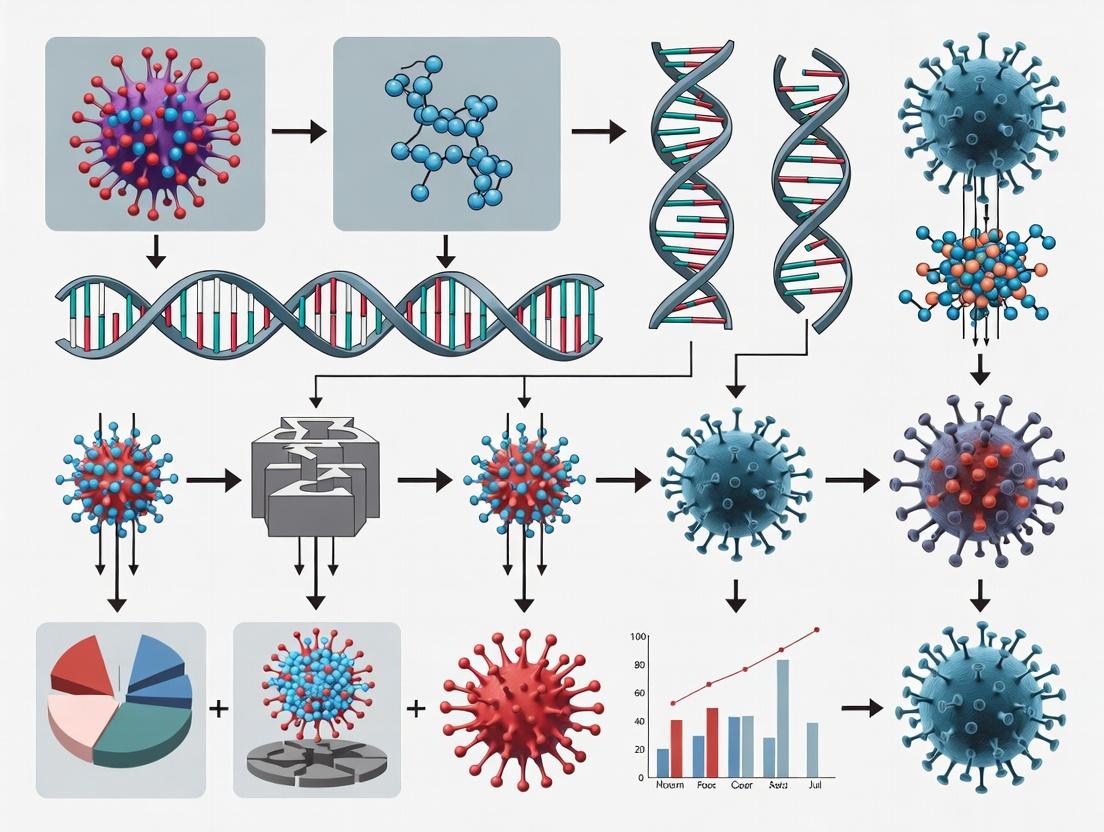
This comprehensive review explores the transformative role of CRISPR-Cas9 technology in modern virology research and antiviral drug development.
CRISPR-Cas9 in Virology: Cutting-Edge Applications, Methods & Future Directions for Research & Therapeutics
Abstract
This comprehensive review explores the transformative role of CRISPR-Cas9 technology in modern virology research and antiviral drug development. Aimed at researchers, scientists, and industry professionals, it provides a foundational understanding of CRISPR-Cas9 mechanisms for targeting viral genomes. The article details cutting-edge methodological applications, including functional genomics screens, direct antiviral strategies, and latency reversal for viruses like HIV and HSV. It addresses critical troubleshooting and optimization challenges such as delivery efficiency, off-target effects, and viral escape. Finally, the review validates CRISPR's power through comparative analysis with traditional antiviral approaches and explores emerging CRISPR systems (e.g., Cas12, Cas13) for diagnostics and therapy. The synthesis highlights current breakthroughs, persistent hurdles, and the promising clinical trajectory of CRISPR-based antiviral interventions.
CRISPR-Cas9 Fundamentals: How Gene Editing is Revolutionizing Our Approach to Viral Genomes
Within the broader thesis on CRISPR-Cas9 applications in virology research, this document details the translation of a bacterial adaptive immune mechanism into a programmable tool for antiviral research and development. The core principle—sequence-specific recognition and cleavage of nucleic acids—provides an unprecedented method to target, edit, and inhibit viral genomes.
Application Notes
Antiviral Mechanisms of Action
CRISPR-Cas systems can be deployed against viruses through several distinct, programmable mechanisms:
- Direct Cleavage of Viral Genomes: Cas nucleases (e.g., Cas9, Cas12, Cas13) guided by CRISPR RNAs (crRNAs) can cleave DNA or RNA viral genomes within infected cells, leading to degradation and inhibition of replication.
- Transcriptional Suppression: Catalytically dead Cas9 (dCas9) fused to repressive domains (e.g., KRAB) can be targeted to viral promoters or coding sequences, blocking transcription without cutting the genome.
- Activation of Host Defense: dCas9 fused to transcriptional activators can upregulate host antiviral interferon-stimulated genes (ISGs).
- Diagnostic Detection: Cas12 and Cas13 collateral cleavage activity forms the basis for rapid, sensitive nucleic acid detection (e.g., SHERLOCK, DETECTR), enabling point-of-care viral diagnosis.
Quantitative Efficacy Data
The following tables summarize key quantitative findings from recent antiviral CRISPR studies.
Table 1: In Vitro Antiviral Efficacy of CRISPR-Cas Systems
| Viral Target | CRISPR System | Cell Model | Efficacy (Reduction in Viral Load/Titer) | Key Reference (Year) |
|---|---|---|---|---|
| HIV-1 (DNA provirus) | SaCas9, SpCas9 | T cell lines, primary CD4+ T cells | 60-95% | (Mancuso et al., 2022) |
| Herpes Simplex Virus 1 (HSV-1) | Cas9, Cas12a | Vero, HEL-299 cells | >99% reduction in plaques | (Roehm et al., 2023) |
| SARS-CoV-2 (RNA genome) | Cas13d (RfxCas13d) | Vero E6 cells | ~98% reduction in viral RNA | (He et al., 2023) |
| Hepatitis B Virus (HBV) | SpCas9 | HepG2.2.15 cells | >90% reduction in cccDNA & antigens | (Kostyushev et al., 2024) |
| Human Papillomavirus 16 (HPV16) | SpCas9 | SiHa cells | 70-80% reduction in E7 oncogene expression | (Yoshiba et al., 2023) |
Table 2: Key Challenges and Quantitative Benchmarks
| Challenge | Metric/Example | Current Status/Value |
|---|---|---|
| Delivery Efficiency (In Vivo) | % of target cells transduced in liver (AAV) | ~10-40% in hepatocytes (NHEJ-based assays) |
| Off-target Activity | Frequency of predicted top off-target sites (GUIDE-seq) | Varies by guide; typically <0.1% to 1% of on-target rate |
| Viral Escape Rate | Frequency of CRISPR-resistant mutants (HIV in vitro) | Up to ~50% with single gRNA; <1% with multiplexed gRNAs |
| Immunogenicity (Anti-Cas) | Prevalence of pre-existing antibodies (Cas9) | ~50-70% in human sera (for S. pyogenes Cas9) |
Experimental Protocols
Protocol: Designing and Testing gRNAs for DNA Virus Excision
Objective: To design and validate multiplexed gRNAs for excision/degradation of episomal DNA virus genomes (e.g., HSV-1, HPV, HBV cccDNA).
Materials:
- Research Reagent Solutions: See Section 4.
- Viral genome sequence (NCBI Accession).
- gRNA design software (e.g., Benchling, CHOPCHOP, CRISPick).
- Plasmid vectors: lentiCRISPR v2 or pX458 (for SpCas9), pX601 (for SaCas9), or pX552 (for AsCas12a).
- Q5 Site-Directed Mutagenesis Kit (NEB).
- Target cell line (e.g., Vero, HepG2).
- Viral stock or replicon model.
- PCR reagents, Surveyor or T7 Endonuclease I assay reagents, DNA extraction kits.
- qPCR primers for viral DNA quantification.
Methodology:
- gRNA Design: Using design software, select 3-5 gRNAs targeting conserved, essential regions of the viral genome. Prioritize sequences with high on-target and low off-target scores. Include a non-targeting control (NTC) gRNA.
- Cloning: Clone individual or multiplexed gRNA sequences into the appropriate CRISPR plasmid backbone using BsmBI or BsaI restriction sites.
- Cell Transfection: Seed target cells in a 24-well plate. Transfect with 500 ng of each CRISPR plasmid using a lipid-based transfection reagent (e.g., Lipofectamine 3000). Include NTC and transfection-only controls.
- Viral Challenge: 24-48h post-transfection, infect cells with the target virus at a low MOI (e.g., 0.1-0.5).
- Harvest and Analysis: 48-72h post-infection:
- Genomic DNA Extraction: Harvest cells, extract total DNA.
- Cleavage Efficiency (Indels): PCR amplify the target viral genomic region from extracted DNA. Purify PCR product and run the Surveyor/T7E1 assay per manufacturer's instructions. Analyze fragments via gel electrophoresis to estimate indel frequency.
- Viral Genome Quantification: Perform qPCR on extracted DNA using primers/probes for a viral gene not directly within the gRNA target sites (to avoid PCR bias) and normalize to a host gene (e.g., RNase P).
- Functional Titer Assay: Collect culture supernatant. Perform plaque assay or TCID50 to quantify infectious viral progeny.
Protocol: Cas13-Mediated Knockdown of RNA Viruses
Objective: To program Cas13 (e.g., RfxCas13d) to degrade SARS-CoV-2 genomic and subgenomic RNA in infected cells.
Materials:
- Research Reagent Solutions: See Section 4.
- SARS-CoV-2 genome sequence.
- Cas13d expression plasmid (e.g., pXR001: EF1a-RfxCas13d-2xNLS).
- crRNA cloning plasmid (e.g., pXR002: U6-crRNA scaffold).
- Vero E6 or Calu-3 cells.
- SARS-CoV-2 isolate (BSL-3 containment required).
- RNA extraction kit (e.g., QIAamp Viral RNA Mini Kit).
- RT-qPCR reagents (e.g., TaqMan Fast Virus 1-Step Master Mix).
Methodology:
- crRNA Design: Design crRNAs targeting highly conserved regions of the SARS-CoV-2 genomic RNA (e.g., RdRp) or subgenomic RNAs (e.g., N). Use predictive tools for RfxCas13d (e.g., ADAPT).
- Cloning: Clone crRNA spacer sequences (23-28 nt) into the pXR002 vector via BsmBI sites.
- Cell Transfection: Co-transfect Vero E6 cells with the pXR001 (Cas13d) and pXR002 (crRNA) plasmids. Use a transfection control (e.g., GFP plasmid).
- Viral Infection: 24h post-transfection, infect cells with SARS-CoV-2 at a low MOI (e.g., 0.01) in BSL-3.
- Sample Collection: At 24h and 48h post-infection, collect cell culture supernatant for viral titer (Plaque Assay) and cell pellets for RNA analysis.
- RT-qPCR Analysis: Extract total RNA. Perform RT-qPCR for SARS-CoV-2 RNA (N gene) and a host housekeeping gene (GAPDH). Calculate fold-change reduction relative to NTC crRNA control.
The Scientist's Toolkit: Research Reagent Solutions
| Item Name (Vendor Examples) | Function in Antiviral CRISPR Research |
|---|---|
| lentiCRISPR v2 (Addgene #52961) | All-in-one lentiviral vector for stable expression of SpCas9 and a gRNA. Enables creation of knock-out cell lines for host dependency factors. |
| HiFi Cas9 Nuclease V3 (IDT) | High-fidelity recombinant SpCas9 protein for RNP delivery. Reduces off-target effects in primary cells (e.g., T cells for HIV research). |
| Alt-R CRISPR-Cas13d (Csm) Kit (IDT) | Comprehensive kit containing Cas13d enzyme, tracrRNA, and reagents for designing and testing crRNAs against RNA viruses. |
| TrueCut Cas9 Protein v2 (Thermo Fisher) | Recombinant Cas9 optimized for minimal off-target activity. Suitable for precise editing of viral genomes in infection models. |
| SARS-CoV-2 (2019-nCoV) CRISPR Assay (Mammoth Biosciences) | DETECTR-based kit utilizing Cas12 for rapid, visual detection of SARS-CoV-2 RNA from extracted RNA samples. |
| AAVpro Helper Free System (Takara Bio) | System for producing high-titer, pure recombinant AAV vectors for in vivo delivery of CRISPR components to target tissues (e.g., liver for HBV). |
| Guide-it Recombinase-mediated Cassette Exchange Kit (Takara Bio) | Facilitates efficient, site-specific integration of large Cas/dCas9 effector fusions (e.g., dCas9-KRAB) into safe-harbor loci in cell lines. |
| Edit-R Inducible Lentiviral Cas9 (Horizon Discovery) | Enables doxycycline-inducible control of Cas9 expression, allowing temporal control over viral genome editing in kinetic studies. |
Visualizations
Title: Evolution from Bacterial Immunity to Antiviral Tool
Title: Protocol Workflow: CRISPR for HIV Provirus Excision
Title: Cas13d Antiviral Mechanism Against RNA Viruses
Within the broader thesis on CRISPR-Cas applications in virology, the design of guide RNAs (gRNAs) represents the most critical determinant of success. Precise targeting is essential for applications ranging from fundamental viral genomics research to the development of "shock-and-kill" curative strategies for latent infections and broad-spectrum antiviral therapeutics. This document outlines the key principles, quantitative parameters, and protocols for designing highly specific and efficient gRNAs against viral DNA and RNA.
Core Principles & Quantitative Parameters for Viral Target Selection
Effective gRNA design requires balancing on-target efficiency with off-target avoidance. The following parameters, derived from recent studies, are crucial.
Table 1: Key Quantitative Parameters for Viral gRNA Design
| Parameter | Optimal Value / Feature | Rationale & Impact |
|---|---|---|
| GC Content | 40-60% | Influences gRNA stability and RNP complex formation. <60% reduces off-targets. |
| gRNA Length | 20 nt spacer (Cas9) | Standard for SpCas9. Truncated (17-18 nt) "enhanced specificity" versions exist. |
| Protospacer Adjacent Motif (PAM) | NGG (SpCas9), varies by Cas variant | Absolute requirement for Cas9 cleavage. Defines targetable genomic regions. |
| On-Target Efficiency Score | >50 (e.g., using Doench '16 rule set) | Predicts high cleavage activity. Algorithm-dependent. |
| Off-Target Mismatch Tolerance | Avoid sites with ≤3 mismatches, esp. in seed region (PAM-proximal 8-12 nt) | Mismatches in seed region severely reduce cleavage; distal mismatches are more tolerated but risky. |
| Poly-T Tracts | Avoid 4+ consecutive T's | Can cause premature Pol III transcription termination in U6-driven constructs. |
| Genomic Context | Target essential, conserved regions (e.g., viral polymerases, integrases) | For therapeutic suppression, targeting conserved regions can limit escape and be effective across strains. |
Protocol: Design and Selection of gRNAs for DNA Viruses (e.g., HSV-1, HBV, HPV)
This protocol details the in silico and initial in vitro steps for designing gRNAs against double-stranded DNA viruses.
Materials & Reagents
- Viral genome reference sequence(s) (NCBI).
- Host genome reference sequence (e.g., hg38 for human).
- gRNA design software: CHOPCHOP, Benchling, or CRISPick.
- Off-target prediction tools: Cas-OFFinder, COSMID.
- Cloning reagents for chosen delivery system (e.g., BsmBI for lentiviral vector).
- In vitro cleavage assay: Recombinant Cas9 protein, synthetic target DNA, gel electrophoresis reagents.
Procedure
- Target Identification: Obtain complete reference sequences for the viral strain(s) of interest. Align multiple strains to identify highly conserved genomic regions essential for replication or structural integrity.
- PAM Identification: For SpCas9, scan the conserved regions for all 5'-NGG-3' sequences. List all potential protospacers (20 nt preceding each PAM).
- Primary Filtering: Eliminate candidate gRNAs with:
- GC content <40% or >60%.
- Homopolymer runs (≥4 identical bases).
- Self-complementarity that could form secondary structures.
- On-Target Efficiency Scoring: Input filtered protospacers into a predictive algorithm (e.g., within CHOPCHOP). Prioritize gRNAs with the highest predicted efficiency scores.
- Comprehensive Off-Target Analysis: a. For each top candidate, perform a genome-wide search against the host genome using Cas-OFFinder, allowing up to 3-4 mismatches. b. Manually inspect hits, particularly those with 0-2 mismatches, especially in the seed region. Discard gRNAs with near-perfect off-target sites in coding host genes. c. Also check for potential off-targets within the viral genome itself (for multi-copy or repeat regions).
- Final Selection & Cloning: Select 3-5 gRNAs per target locus. Design oligonucleotides for cloning into your chosen gRNA expression vector (e.g., Addgene plasmid #52961). Order for synthesis.
- In Vitro Validation (Optional but Recommended): Prior to cellular assays, perform an in vitro cleavage assay using recombinant Cas9 protein and a PCR-amplified viral DNA target. Confirm cleavage efficiency via gel electrophoresis.
Protocol: Design and Selection of gRNAs for RNA Viruses using Cas13
This protocol adapts the design process for targeting single-stranded RNA viruses (e.g., SARS-CoV-2, Influenza, HCV) using the RNA-guided, RNA-targeting Cas13 family (e.g., Cas13a/d).
Materials & Reagents
- Viral RNA genome sequence(s).
- Cas13-specific design tools: CHOPCHOP (Cas13 mode), CRISPR-DT.
- Secondary structure prediction tool: RNAfold (ViennaRNA).
| Item | Function/Explanation |
|---|---|
| SpCas9 Nuclease (WT or HiFi) | Wild-type or high-fidelity variant for DNA cleavage. Hifi reduces off-target effects. |
| Lentiviral gRNA Expression Vector (e.g., lentiGuide-puro) | For stable, integrated delivery of gRNA expression cassettes into target cells. |
| Recombinant Cas13d (RfxCas13d) | Compact, efficient RNA-targeting Cas variant with minimal collateral activity. |
| Chemically Modified gRNA (e.g., 2'-O-methyl, phosphorothioate) | Increases nuclease resistance and stability of synthetic gRNAs, crucial for in vivo applications. |
| NLS-Peptide Conjugates | Nuclear Localization Signal peptides conjugated to Cas9 RNP for enhanced nuclear delivery without DNA vectors. |
| HDR Donor Template (ssODN) | Single-stranded oligodeoxynucleotide for precise viral genome editing (e.g., introducing stop codons). |
| Next-Gen Sequencing Kit (e.g., Illumina) | For comprehensive off-target analysis (GUIDE-seq, CIRCLE-seq) and viral escape mutant profiling. |
Procedure
- Target Region Selection: Focus on accessible regions of the viral RNA genome. Avoid highly structured regions (e.g., internal ribosome entry sites - IRES) unless specifically targeted. Positive-sense RNA genomes can be targeted directly; negative-sense genomes require targeting the replicative intermediate or antigenome.
- PFS (Protospacer Flanking Site) Identification: Cas13 variants require specific flanking sequences (e.g., Cas13a prefers a 3' A, U, or C). Identify all potential target sites (23-28 nt spacers) with the appropriate flanking nucleotide.
- Predict and Avoid RNA Secondary Structure: Use RNAfold to predict the local secondary structure of the viral target site. Prioritize gRNAs targeting regions predicted to be in single-stranded, accessible loops. Discard those targeting stable double-stranded stems.
- Efficiency & Specificity Prediction: Use Cas13-specific scoring models (available in CRISPR-DT). These account for factors like target site accessibility and sequence composition.
- Off-Target Consideration: Predict off-targets against the host transcriptome. While RNA off-targets are generally more tolerated, avoid targeting sequences perfectly complementary to essential host mRNAs, as Cas13's collateral RNase activity could induce significant cellular toxicity.
- Synthesis: For Cas13, gRNAs are typically delivered as in vitro transcribed or synthetic RNAs. Design DNA templates with the appropriate promoter (T7 for IVT) for gRNA production.
Advanced Considerations: Avoiding Viral Escape and Enhancing Specificity
- Combinatorial Targeting: Using 2-3 gRNAs simultaneously against a single viral essential gene drastically reduces the probability of escape through point mutation.
- Multiplexed Targeting: Targeting multiple essential viral genes or highly conserved regions across strains can create a high genetic barrier to resistance.
- Base and Prime Editors: For "bystander effect-free" inactivation, use base editors to introduce stop codons (C-to-T or A-to-G conversions) without generating double-strand breaks, which can be toxic and lead to undesired editing.
gRNA Design and Selection Workflow
CRISPR Virology Applications Overview
Application Notes The systematic interrogation of viral lifecycles using CRISPR-Cas9 has unveiled novel, stage-specific vulnerabilities. By disrupting viral genomic elements or host factors governing epigenomic regulation, researchers can pinpoint precise intervention points for therapeutic development. This approach moves beyond broad antiviral strategies to target essential, conserved stages of viral replication.
Table 1: CRISPR-Cas9 Screens Identifying Key Host Dependency Factors
| Virus Family | Target Stage | Top Hit Gene(s) | Functional Role | Validation Method (e.g., % Infection Reduction upon KO) | Citation (Example) |
|---|---|---|---|---|---|
| Herpesviridae | Latency Establishment | KDM1A/LSD1 | Epigenetic eraser of lytic gene silencing | >90% reduction in reactivation from latency | PMID: 35021087 |
| Retroviridae (HIV-1) | Integration & Transcription | LEDGF/p75 | Chromatin tethering factor for integrase | ~80% reduction in integration events | PMID: 26974588 |
| Hepadnaviridae (HBV) | cccDNA Formation & Maintenance | SMC5/6 Complex | Host restriction factor silencing cccDNA | 60-70% cccDNA transcriptional suppression | PMID: 28768766 |
| Papillomaviridae (HPV) | Episomal Maintenance & Replication | UBN1, ASF1b | Histone chaperone for viral chromatin assembly | ~75% loss of viral episomes | PMID: 30301823 |
| Coronaviridae (SARS-CoV-2) | Entry & Replication | ACE2, TMPRSS2 | Viral entry receptor and priming protease | ~99% reduction in viral entry (ACE2 KO) | PMID: 32979938 |
Experimental Protocols
Protocol 1: CRISPRi/a Screening for Host Epigenetic Regulators of Viral Latency Objective: Identify host epigenetic readers, writers, and erasers essential for maintaining herpesvirus latency. Materials: Latently infected cell line, dCas9-KRAB (CRISPRi) or dCas9-p300 (CRISPRa) lentiviral library, viral reactivation inducer (e.g., TPA), NGS reagents. Workflow:
- Library Transduction: Transduce the cell line at low MOI to ensure single guide RNA (sgRNA) integration.
- Selection: Apply puromycin for 7 days to select stable integrants.
- Challenge & Selection: Treat one population with a reactivation inducer. Maintain a control population in latency.
- Genomic DNA Extraction & NGS: Harvest genomic DNA after 14 days. Amplify integrated sgRNA sequences via PCR for NGS.
- Analysis: Depletion (CRISPRi) or enrichment (CRISPRa) of sgRNAs in the reactivated vs. control population identifies key epigenetic regulators.
Protocol 2: Direct Targeting of Viral Episomal DNA (HPV Model) Objective: Cleave and disrupt extrachromosomal viral genomes using Cas9 nucleases. Materials: HPV-positive cell line (e.g., HeLa, SiHa), lipofectamine, plasmids expressing SpCas9 and sgRNAs targeting E6/E7 region, T7E1 assay/Sanger sequencing reagents. Workflow:
- sgRNA Design: Design 3-4 sgRNAs against conserved regions of the HPV E6/E7 oncogenes.
- Transfection: Co-transfect Cas9 and sgRNA expression plasmids into the cell line.
- Harvest & Extract DNA: Culture for 72-96 hrs. Harvest cells and extract total genomic (including viral) DNA.
- Amplicon Analysis: PCR-amplify the targeted viral region. Subject amplicons to T7 Endonuclease I assay or Sanger sequencing for indel analysis.
- Phenotypic Validation: Assess downstream effects via Western blot (p53, pRB restoration) and cell proliferation assays.
Visualizations
Title: CRISPRi/a Screen for Viral Latency Regulators
Title: CRISPR Targeting Outcomes for Viral Genomes
The Scientist's Toolkit: Essential Research Reagents
| Reagent/Material | Function in Viral Lifecycle Targeting |
|---|---|
| dCas9-KRAB Fusion Protein | CRISPR interference (CRISPRi) tool for transcriptional repression of viral or host genes without DNA cleavage. |
| dCas9-p300 Core Fusion | CRISPR activation (CRISPRa) tool for targeted histone acetylation to reactivate latent virus for "shock-and-kill". |
| High-Efficiency Cas9 Nuclease | For direct cleavage and mutagenesis of integrated or episomal viral DNA sequences. |
| Focused sgRNA Library (Epigenetic) | Pooled sgRNAs targeting genes encoding chromatin modifiers, readers, and ATP-dependent remodelers. |
| NGS Kit for Amplicon Sequencing | Enables deep sequencing of viral target loci post-CRISPR editing to quantify indel spectrum and efficiency. |
| Latently Infected Cell Model | Essential for studying herpesviruses, HIV; provides physiologically relevant context for latency/reactivation screens. |
| T7 Endonuclease I (T7E1) or Surveyor Assay | Rapid, gel-based detection of CRISPR-induced indels at targeted viral genomic sites. |
| Viral Titer Assay (Plaque/TCID50) | Functional readout for how host factor KO or viral genome editing impacts infectious virus production. |
Application Notes
CRISPR-Cas9 systems have revolutionized virology research by offering a programmable platform for directly targeting viral genetic material and modulating host factors. The core strength lies in the system's adaptability; by designing guide RNAs (gRNAs) complementary to viral sequences or host dependency genes, researchers can induce double-strand breaks (DSBs) or employ catalytically inactive variants (dCas9) for transcriptional regulation. This enables a broad-spectrum approach against diverse viral families.
- DNA Viruses (e.g., HBV, HSV-1, HPV): Cas9 nucleases can cleave and disrupt covalently closed circular DNA (cccDNA) reservoirs of Hepatitis B Virus (HBV) or integrate episomal genomes of herpesviruses and papillomaviruses. Eradication of these stable genomic forms is key to a cure.
- RNA Viruses (e.g., Influenza, SARS-CoV-2, HCV): Targeting requires the use of Cas13 effectors (e.g., Cas13a/d), which possess RNA-guided RNA cleavage (collateral and specific) activity. This allows for the direct degradation of viral RNA genomes and transcripts within the cytoplasm.
- Retroviruses (e.g., HIV-1): Strategies target both free virus and, more critically, the integrated proviral DNA within the host genome. Cas9 can excise large segments of the HIV-1 provirus from latently infected cells. A major challenge is the need for multiplexed gRNAs to address viral sequence diversity and escape.
- Latent Reservoirs (HIV-1, HSV): Beyond excision, dCas9 fused to transcriptional activators (VPR, p65) can be used for "shock-and-kill" strategies, reactivating latent virus for immune clearance. Conversely, dCas9-KRAB can be used for permanent transcriptional silencing ("block-and-lock").
Table 1: Quantitative Summary of Key CRISPR Antiviral Studies (2022-2024)
| Viral Target | CRISPR System | Delivery Method In Vivo | Key Metric & Result | Primary Model | Ref. Year |
|---|---|---|---|---|---|
| HIV-1 Provirus | SaCas9 + dual gRNAs | AAV9 | >90% proviral excision in humanized mice; 2.5-log reduction in viral RNA. | Humanized NSG Mice | 2023 |
| HBV cccDNA | CRISPR-Cas9 (Sp) | Lipid Nanoparticles (LNPs) | ~70% reduction in serum HBsAg; ~50% cccDNA reduction in liver. | HBV-Infected Chimpanzee Model | 2022 |
| SARS-CoV-2 RNA | CRISPR-Cas13d (Rfx) | LNP | ~95% reduction in lung viral titer; 100% survival in lethal challenge. | Syrian Hamster | 2023 |
| HSV-1 Latency | dCas9-VPR Activator | AAV8 | 40-fold increase in latent transcript reactivation in sensory ganglia. | Murine Latency Model | 2024 |
| Influenza A (IAV) | CRISPR-Cas13b | LNP (Intranasal) | >99% reduction in lung viral load; potent protection against heterologous strains. | BALB/c Mice | 2023 |
Experimental Protocols
Protocol A: Multiplexed gRNA Delivery for HIV-1 Proviral Excision in Latently Infected Cell Lines Objective: To excise the integrated HIV-1 provirus from the genome of latently infected T-cell lines (e.g., J-Lat) using a single vector expressing SaCas9 and two distinct gRNAs.
- gRNA Design & Cloning: Design two gRNAs targeting conserved regions in the HIV-1 LTRs (U3/R). Clone expression cassettes for both gRNAs and SaCas9 into a single AAV-compatible plasmid (e.g., pAAV).
- Vector Production: Package the construct into AAV9 particles using a standard triple-transfection method in HEK293T cells. Purify via iodixanol gradient ultracentrifugation. Titrate using ddPCR.
- Cell Transduction: Transduce J-Lat cells (clone 10.6) with AAV9 at an MOI of 10^5 vg/cell in the presence of polybrene (8 µg/mL). Include untransduced and scramble-gRNA controls.
- Analysis of Excision (7 days post-transduction):
- Genomic DNA PCR: Isolate gDNA. Perform PCR with primers flanking the excision sites. Successful excision yields a smaller "drop-out" band.
- Flow Cytometry: J-Lat 10.6 cells express GFP upon HIV-1 activation. Excision should ablate Tat-mediated GFP expression post-TNF-α stimulation.
- Deep Sequencing: Amplify the target locus from gDNA and sequence to characterize deletions and indels at cut sites.
Protocol B: LNP-Mediated Cas13d Delivery for SARS-CoV-2 Prophylaxis In Vivo Objective: To assess prophylactic efficacy of an LNP-formulated, mRNA-encoded Cas13d and guide RNA targeting the SARS-CoV-2 RNA-dependent RNA polymerase (RdRp) gene.
- Formulation: Co-encapsulate in vitro-transcribed mRNA encoding RfxCas13d and a single-guide RNA (sgRNA) targeting a conserved RdRp region into biodegradable, ionizable LNPs.
- Animal Dosing: Administer LNPs via intravenous or intranasal route to Syrian hamsters (n=8/group) 24 hours prior to infection. Control groups receive LNP with non-targeting sgRNA or PBS.
- Viral Challenge: Intranasally inoculate animals with a pre-determined lethal dose of SARS-CoV-2 (Delta variant).
- Endpoint Analysis (3- and 5-days post-infection):
- Viral Titration: Homogenize lung tissue. Determine viral titer via plaque assay on Vero E6 cells.
- RT-qPCR: Quantify viral genomic and subgenomic RNA levels in lung homogenate.
- Histopathology: Score H&E-stained lung sections for inflammation and damage.
- Safety: Monitor body weight daily and assess cytokine levels in bronchoalveolar lavage fluid.
Visualizations
CRISPR Excision of HIV-1 Provirus
Cas13d LNP Prophylaxis Against SARS-CoV-2
The Scientist's Toolkit: Key Research Reagent Solutions
| Reagent/Material | Function in Antiviral CRISPR Research |
|---|---|
| AAV Serotypes (e.g., AAV9, AAV-DJ) | In vivo delivery vehicles for CRISPR components; tropism for liver, CNS, or muscle enables targeted organ delivery. |
| Ionizable Lipid Nanoparticles (LNPs) | Efficient, clinically relevant carriers for in vivo delivery of Cas mRNA and sgRNA, particularly to respiratory tract and liver. |
| High-Fidelity Cas9 Variants (e.g., HiFi Cas9) | Engineered nucleases with reduced off-target cleavage, critical for therapeutic safety. |
| Catalytically Dead Cas9 (dCas9) Fusions | Core for "shock-and-kill" (dCas9-VPR) or "block-and-lock" (dCas9-KRAB) strategies against latent reservoirs. |
| Cas13 Effectors (e.g., RfxCas13d) | RNA-targeting systems for direct degradation of RNA virus genomes and transcripts; some exhibit collateral activity useful for diagnostics. |
| Multiplex gRNA Cloning Kits (e.g., Golden Gate) | Enable assembly of multiple gRNA expression arrays into a single vector for targeting diverse or evolving viral sequences. |
| Humanized Mouse Models (e.g., NSG-Hu) | In vivo models with engrafted human immune cells or tissues to study HIV and HBV pathogenesis and therapy. |
| Latently Infected Cell Lines (e.g., J-Lat, U1) | Essential in vitro models for screening reactivation and excision strategies for HIV-1 and other latent viruses. |
From Lab to Pipeline: Cutting-Edge CRISPR-Cas9 Applications in Antiviral Research & Therapy
Within the broader thesis on CRISPR-Cas9 applications in virology research, functional genomics screens represent a cornerstone methodology. These systematic, genome-wide knockout screens enable the unbiased identification of host factors that viruses exploit for replication (dependency factors) or that inhibit viral infection (restriction factors). This application note details current protocols and reagent solutions for conducting such screens, focusing on SARS-CoV-2 and HIV-1 as model pathogens, given their significant contemporary research focus.
Key Quantitative Data from Recent Studies
Table 1: Summary of Key Host Factors Identified via CRISPR Screens in Virology
| Virus Studied | Host Factor Gene | Factor Type (Dependency/Restriction) | Proposed Function/Pathway | Key Supporting Evidence (e.g., Fold-Change in Infection) | Primary Citation (Year) |
|---|---|---|---|---|---|
| SARS-CoV-2 | ACE2 | Dependency | Viral entry receptor | KO abolishes infection (>99% reduction) | Wei et al., Cell (2021) |
| SARS-CoV-2 | TMPRSS2 | Dependency | Priming of Spike protein | KO reduces infection by ~80% | Daniloski et al., Cell (2021) |
| SARS-CoV-2 | HMGB1 | Dependency | Regulates ACE2 expression | KO reduces infection by 60-70% | Zhu et al., Nat Comm (2021) |
| HIV-1 | CD4 & CCR5 | Dependency | Primary receptor & co-receptor | Double KO confers full resistance | Park et al., Cell Rep (2019) |
| HIV-1 | SLC35B2 | Dependency | tRNA nuclear import | KO reduces infection by ~2 log | Mohr & Telenti, Curr Opin Virol (2021) |
| Influenza A | IFITM3 | Restriction | Inhibits endosomal fusion | KO increases infection 5-10 fold | Brass et al., Cell (2009) |
| Multiple (DNA viruses) | cGAS/STING | Restriction | Cytosolic DNA sensing pathway | KO increases DNA virus replication | Ma et al., PNAS (2020) |
Table 2: Comparison of CRISPR Screening Platforms & Libraries
| Library Name | Target Organism | Approx. # of Guides | Viral Screen Applications (Examples) | Key Feature |
|---|---|---|---|---|
| Brunello (Human) | Homo sapiens | ~77,400 guides (19,114 genes) | SARS-CoV-2, HIV-1, IAV | Improved on-target efficiency, reduced off-target effects |
| GeCKO v2 (Human) | H. sapiens | ~123,000 guides (19,050 genes) | ZIKV, DENV, HCV | Dual guide RNAs (sgRNA + tracrRNA) |
| Mouse Brie | Mus musculus | ~102,000 guides (20,611 genes) | MCMV, MHV-68 | Optimized for in vivo and ex vivo mouse models |
| Kinase/Phosphatase Subset | H. sapiens | ~10,000 guides (~900 genes) | HIV-1, HBV | Focused library for signaling pathways |
Detailed Experimental Protocols
Protocol 3.1: Genome-Wide CRISPR Knockout Screen for Viral Dependency Factors
Objective: To identify host genes required for viral entry and replication. Materials: See "Scientist's Toolkit" below.
Procedure:
- Library Lentivirus Production: Generate high-titer lentivirus for the chosen CRISPR library (e.g., Brunello) in Lenti-X 293T cells using standard transfection protocols (psPAX2, pMD2.G packaging plasmids). Titer the virus.
- Target Cell Transduction: Culture permissive target cells (e.g., A549-ACE2 for SARS-CoV-2, Jurkat for HIV-1) at low passage. Transduce cells at an MOI of ~0.3-0.4 to ensure most cells receive a single guide RNA (gRNA). Include a non-targeting control (NTC) gRNA population.
- Selection & Amplification: Apply appropriate selection (e.g., puromycin, 1-2 µg/mL) 48 hours post-transduction for 5-7 days to eliminate untransduced cells. Expand the surviving, library-representing cell population for at least 10 doublings to ensure complete protein turnover and phenotype manifestation.
- Viral Challenge:
- Divide the pooled knockout cells into two groups: Infected and Control (uninfected).
- For the infected group, inoculate with virus at a pre-determined MOI (e.g., MOI=0.5-1.0 for SARS-CoV-2) to achieve 20-40% infection, ensuring sufficient dynamic range for both dropout and enrichment.
- Incubate for an appropriate period (e.g., 72-96 hours for lytic viruses, or until significant cytopathic effect is observed in wild-type controls).
- Genomic DNA (gDNA) Extraction & Sequencing Prep:
- Harvest genomic DNA from both infected and control cell populations using a large-scale gDNA extraction kit.
- Amplify the integrated gRNA cassettes from 5-10 µg of gDNA per sample using a two-step PCR protocol.
- PCR1: Use primers flanking the gRNA scaffold to amplify the region. Use a high-fidelity polymerase.
- PCR2: Add Illumina sequencing adapters and sample barcodes via a second, limited-cycle PCR.
- Purify PCR products and quantify by qPCR or bioanalyzer.
- Next-Generation Sequencing (NGS) & Analysis:
- Pool samples and sequence on an Illumina platform (MiSeq/NextSeq) to achieve >500x coverage of the library.
- Bioinformatics Pipeline:
- Align sequenced reads to the reference gRNA library.
- Count gRNA reads in each sample (infected vs. control).
- Use statistical packages (e.g., MAGeCK, STARS, BAGEL) to identify significantly depleted (dependency factor) or enriched (restriction factor) gRNAs/genes by comparing read counts between conditions. A False Discovery Rate (FDR) < 0.05 is typically used as a cutoff.
Protocol 3.2: Validation of Candidate Hits Using Individual gRNAs
Objective: To confirm the phenotype of top candidate genes from the primary screen.
- Cloning & Virus Production: Clone 2-3 independent gRNAs per candidate gene into a lentiviral CRISPR vector (e.g., lentiCRISPRv2). Produce individual lentivirus stocks.
- Knockout Generation: Transduce naive target cells with each individual gRNA virus, select with antibiotic, and expand clonally or as a polyclonal pool.
- Functional Validation:
- Infection Assay: Challenge knockout cells and control (NTC) cells with a reporter virus (e.g., GFP-expressing) or wild-type virus. Quantify infection 24-72 hpi via flow cytometry (for reporters), plaque assay, or qRT-PCR for viral genomes.
- Rescue Experiment: For dependency factors, re-express a CRISPR-resistant cDNA version of the target gene in the knockout cells. Successful restoration of viral infection confirms on-target effect.
- Immunoblotting: Confirm knockout of the target protein.
Visualizations
The Scientist's Toolkit
Table 3: Essential Research Reagent Solutions
| Reagent / Material | Supplier Examples | Function in Screen | Critical Notes |
|---|---|---|---|
| Genome-wide CRISPR KO Library (e.g., Brunello) | Addgene, Sigma-Aldrich | Provides pooled gRNAs targeting all human genes. Foundation of the screen. | Ensure >500x coverage of library complexity during cell transduction. |
| Lentiviral Packaging Plasmids (psPAX2, pMD2.G) | Addgene | Used to produce replication-incompetent lentiviral particles carrying the gRNA library. | Use 3rd generation systems for enhanced biosafety. |
| Lenti-X 293T Cells | Takara Bio | Highly transfectable cell line for high-titer lentivirus production. | Maintain low passage number for optimal transfection efficiency. |
| Polybrene (Hexadimethrine Bromide) | Sigma-Aldrich | Cationic polymer that enhances viral transduction efficiency. | Titrate for each cell line (typical range 4-8 µg/mL). |
| Puromycin Dihydrochloride | Thermo Fisher | Selective antibiotic for cells expressing the puromycin N-acetyl-transferase gene from the CRISPR vector. | Determine kill curve for each cell line prior to screen (typical 1-5 µg/mL). |
| High-Fidelity PCR Master Mix (e.g., KAPA HiFi) | Roche | Amplifies gRNA sequences from genomic DNA with minimal bias for NGS prep. | Critical for accurate representation of gRNA abundance. |
| NGS Library Prep Kit for Illumina | Illumina, NEB | Prepares the amplified gRNA pool for high-throughput sequencing. | Include unique dual-index barcodes for multiplexing. |
| MAGeCK (Model-based Analysis of Genome-wide CRISPR-Cas9 Knockouts) | Open Source (GitHub) | Primary bioinformatics software for identifying significantly enriched/depleted genes from NGS count data. | Use the RRA (Robust Rank Aggregation) algorithm for hit calling. |
| CRISPR Validation Vector (e.g., lentiCRISPRv2) | Addgene | Backbone for cloning individual gRNAs for hit validation. | Contains Cas9 and puromycin resistance on a single plasmid. |
| Flow Cytometry Antibodies / Viral Reporter Assays | Various | For quantifying viral infection rates in validation experiments (e.g., anti-viral protein Abs, GFP reporters). | Essential for functional phenotyping of knockout cells. |
This application note is framed within a broader thesis on CRISPR-Cas9 applications in virology research, which posits that programmable nucleases represent a paradigm shift from suppressive to curative antiviral strategies. Traditional antiviral drugs primarily target viral enzymes or host factors to suppress replication, often leading to viral persistence, resistance, and chronic infection. This thesis explores the direct, sequence-specific disruption of essential viral genes as a strategy for the clearance of viral genetic material from infected cells, moving beyond lifelong suppression. CRISPR-Cas9 systems, with their adaptable guide RNAs, offer a precise method to target and cleave conserved, essential regions of DNA viruses or proviral DNA of RNA viruses, leading to irreversible mutagenesis and loss of viral function. This document provides updated protocols and data for implementing this strategy in research and pre-clinical development.
Current Quantitative Data on CRISPR-Cas9 Antiviral Efficacy
Recent studies (2023-2024) demonstrate the potent in vitro and in vivo efficacy of CRISPR-Cas9 against diverse viruses. The data below summarizes key quantitative outcomes from cutting-edge research.
Table 1: Efficacy of CRISPR-Cas9 Against Select Viral Pathogens (2023-2024 Data)
| Target Virus | Viral Genome Type | Target Gene(s) | Model System | Delivery Method | Reported Efficacy (Reduction) | Key Metric | Reference (Type) |
|---|---|---|---|---|---|---|---|
| HIV-1 | RNA (Proviral DNA) | LTR, gag, pol | Humanized mice / Latently infected cell lines | AAV9 / Lentiviral Vector | 90-99% ex-vivo, ~60% in vivo | Proviral DNA copies | Peer-Reviewed Pub. |
| HPV-16/18 | DNA | E6, E7 | Cervical carcinoma cell lines (SiHa, HeLa) | Lipid Nanoparticles (LNP) | >95% | Oncoprotein expression, cell viability | Preprint 2024 |
| HBV | DNA | cccDNA, S gene | HBV-infected mice (hydrodynamic injection) | AAV8 / LNPs | ~99% cccDNA reduction | cccDNA, HBsAg serum levels | Peer-Reviewed Pub. |
| HSV-1 | DNA | ICP0, ICP4 | Murine model of keratitis | AAV8 (topical) | ~90% | Viral titers in tears, lesion score | Peer-Reviewed Pub. |
| SARS-CoV-2 | RNA | RdRp, Spike | Vero E6 cells, human airway organoids | Adenovirus Vector (AdV) | 99.9% | Viral RNA copies, plaque formation | Preprint 2023 |
| EBV | DNA | BALF5, BNRF1 | Burkitt’s Lymphoma xenografts | Electroporation (RNP) | ~80% | Tumor volume, viral load | Peer-Reviewed Pub. |
Table 2: Comparison of Delivery Platforms for Antiviral CRISPR-Cas9
| Delivery Platform | Cargo Format | Typical Tropism | Advantages | Key Challenges for Antiviral Use |
|---|---|---|---|---|
| Adeno-Associated Virus (AAV) | Plasmid DNA | Broad (serotype-dependent) | High in vivo transduction efficiency, long-term expression. | Limited cargo capacity (<4.7kb), pre-existing immunity, potential genotoxicity. |
| Lentiviral Vector (LV) | Integrative DNA | Dividing & non-dividing cells | Stable genomic integration, persistent expression. | Insertional mutagenesis risk, unsuitable for in vivo therapeutic use. |
| Lipid Nanoparticles (LNPs) | mRNA + sgRNA | Hepatocytes, immune cells (post-IV) | High efficiency for in vivo mRNA delivery, transient expression, safer profile. | Immunogenicity, off-target liver/spleen accumulation, cost. |
| Electroporation (RNP) | Cas9 Protein + sgRNA | Ex vivo cell therapy | Rapid action, minimal off-targets, no DNA integration. | Not directly applicable for systemic in vivo delivery. |
| Adenovirus (AdV) | DNA | Epithelial, dendritic cells | Very high cargo capacity, strong immunogenicity (vaccine potential). | High immunogenicity limits re-dosing, common pre-existing immunity. |
Detailed Experimental Protocols
Protocol 3.1: Design and Validation of sgRNAs Targeting Essential Viral Genes
Objective: To design and functionally validate sgRNAs for CRISPR-Cas9 cleavage of conserved essential regions in a viral genome.
Materials: See "Scientist's Toolkit" (Section 5). Procedure:
- Target Identification: Using recent NCBI viral genome databases, identify open reading frames (ORFs) for essential genes (e.g., polymerases, capsid proteins, oncogenes, integrases). Perform multiple sequence alignment (Clustal Omega) across viral strains/clades to pinpoint conserved regions (>90% identity).
- sgRNA Design: Use the CHOPCHOP web tool (v3) or Broad Institute's GPP Portal. Input the conserved target sequence (DNA virus or proviral DNA sequence). Select for:
- On-target score: >60.
- Minimal off-targets: BLAST the 20-nt spacer sequence against the human reference genome (hg38) and the host cell genome. Discard designs with >3 mismatches in seed region.
- GC content: 40-60%.
- Cloning into Expression Vector: Anneal and phosphorylate oligos encoding the sgRNA spacer. Ligate into a BsmBI- or BsaI-digited Cas9/sgRNA expression plasmid (e.g., pSpCas9(BB)-2A-Puro, Addgene #62988).
- Validation by Surveyor Nuclease Assay: a. Transfect the target cell line (e.g., HEK293T) harboring an integrated viral sequence or infected with the virus with the Cas9/sgRNA plasmid. b. 72h post-transfection, extract genomic DNA using the QIAamp DNA Mini Kit. c. PCR-amplify the target region (250-500 bp flanking cut site) using high-fidelity polymerase. d. Purify PCR product and subject 200 ng to a re-annealing cycle (95°C, 5 min; ramp down to 25°C at 2°C/min) to form heteroduplexes if indels are present. e. Digest with Surveyor Nuclease S and Enhancer S (IDT) per manufacturer's protocol. f. Analyze fragments on a 2% agarose gel. Cleaved bands indicate successful genome editing. Calculate indel percentage using band intensity formulas.
Protocol 3.2:In VitroClearance of Latent HIV-1 Provirus in T-Cell Models
Objective: To excise integrated HIV-1 proviral DNA from latently infected T-cell lines using a dual-sgRNA strategy. Procedure:
- Cell Culture: Maintain J-Lat full-length cells (Clone 10.6, harboring an integrated, latent HIV-1-GFP provirus) in RPMI-1640 + 10% FBS.
- RNP Complex Formation: For each reaction, combine 6 µg of HiFi Cas9 protein with 2 µg each of two synthesized sgRNAs targeting the 5' and 3' LTRs in 100 µL of nucleofection buffer. Incubate 10 min at 25°C.
- Electroporation: Wash 2e6 J-Lat cells, resuspend in the RNP mix. Transfer to a nucleofection cuvette and electroporate using program T-020 (Lonza 4D-Nucleofector).
- Recovery & Analysis: Immediately add pre-warmed media, transfer to a plate. Analyze at 72h and 7 days.
- Flow Cytometry: Measure loss of GFP+ cells (reporter of proviral activation/excision).
- Digital Droplet PCR (ddPCR): Extract genomic DNA. Use primers/probes flanking the excision site and for a reference gene (RPP30). A reduction in the HIV-LTR copy number relative to reference indicates proviral excision.
Visualization: Pathways and Workflows
Title: Mechanism of Direct Antiviral Clearance by CRISPR-Cas9
Title: In Vivo Antiviral CRISPR Experiment Workflow
The Scientist's Toolkit
Table 3: Essential Research Reagents & Materials
| Item/Category | Example Product/Model | Function in Antiviral CRISPR Research |
|---|---|---|
| CRISPR Nuclease | Alt-R HiFi S.p. Cas9 Nuclease V3 (IDT) | High-fidelity Cas9 protein for RNP formation; reduces off-target effects in sensitive viral clearance assays. |
| sgRNA Synthesis | Custom Alt-R CRISPR-Cas9 sgRNA (IDT) or Synthego v2 | Chemically modified sgRNAs for enhanced stability and on-target activity in cellular and in vivo environments. |
| Delivery Vector (AAV) | pAAV-CBh-Cas9-sgRNA (Addgene #140229) | Plasmid backbone for packaging Cas9 and sgRNA expression cassettes into AAV particles for in vivo delivery. |
| Lipid Nanoparticles | GenVoy-ILM (Precision NanoSystems) | Formulation kit for encapsulating Cas9 mRNA and sgRNA for efficient in vivo delivery, particularly to liver. |
| Validation Kit | Surveyor Mutation Detection Kit (IDT) | Fast, electrophoresis-based method to quantify indel formation efficiency at viral target loci. |
| Absolute Quantification | QX200 Droplet Digital PCR System (Bio-Rad) | Gold-standard for absolute quantification of residual viral DNA copies (e.g., HIV provirus, HBV cccDNA) post-treatment. |
| Off-Target Analysis | Illumina NextSeq 550 System | High-throughput sequencing for unbiased genome-wide identification of off-target cleavage sites (GUIDE-seq, CIRCLE-seq). |
| Cell Model (HIV) | J-Lat Full Length Cells (NIH AIDS Reagent Program) | Latently HIV-infected T-cell line with GFP reporter; essential for testing proviral excision strategies. |
| Animal Model (HBV) | HBV Hydrodynamic Injection Mouse Model | Rapid in vivo model for establishing HBV infection and testing anti-cccDNA CRISPR therapies in mouse liver. |
Within the broader thesis of CRISPR-Cas9 applications in virology research, the targeted eradication of latent viral reservoirs represents a paradigm shift from lifelong suppressive therapy to potential curative strategies. This Application Note details current protocols and research directions for deploying CRISPR systems against two major latent DNA viruses: the integrated proviral DNA of Human Immunodeficiency Virus (HIV-1) and the episomal DNA of Herpes Simplex Virus (HSV).
The table below summarizes recent quantitative findings from in vitro and ex vivo studies.
Table 1: CRISPR-Cas9 Efficacy in Eradicating Latent HIV-1 and HSV Reservoirs
| Target Virus | Model System | CRISPR System & Target(s) | Reported Efficacy (Reduction) | Key Metric | Citation (Year) |
|---|---|---|---|---|---|
| HIV-1 | Latently infected CD4+ T-cell lines (e.g., J-Lat) | SpCas9, gRNAs to LTR (Gag, Pol) | 85-99% | Proviral DNA excision; p24 reduction | Kaminski et al. (2021) |
| HIV-1 | Primary CD4+ T-cells (ART-suppressed, ex vivo) | Dual gRNAs (LTR-LTR) | ~60% ex vivo | Viral RNA/DNA; viral outgrowth assay (VOA) | Dash et al. (2023) |
| HIV-1 | Humanized mouse models (PDX) | SaCas9, multiplexed gRNAs | >90% in tissues | HIV DNA in spleen, lymph nodes | Yin et al. (2022) |
| HSV-1 | Neuronal cell line (e.g., SH-SY5Y) | SpCas9, gRNAs to UL19, UL29 | ~95% | Viral genome cleavage; reduced reactivation | Roehm et al. (2023) |
| HSV-2 | Guinea pig dorsal root ganglia | AAV-delivered Cas9/gRNAs (UL30) | 92% latent load reduction | Ganglionic HSV DNA; recurrent shedding | G‑Anton et al. (2024) |
Detailed Experimental Protocols
Protocol: Excision of Integrated HIV-1 Provirus in Latent T-Cell Lines
Objective: To disrupt the integrated HIV-1 genome in J-Lat 10.6 cells using LTR-targeting gRNAs and measure excision efficiency.
Materials:
- J-Lat 10.6 cell line (or similar)
- SpCas9 expression plasmid (e.g., lentiCRISPRv2)
- gRNA expression constructs targeting HIV-1 5' and 3' LTRs
- Transfection reagent (e.g., Lipofectamine 3000)
- DNA extraction kit
- QPCR reagents for HIV-1 gag and human RPP30
- T7 Endonuclease I assay kit
Procedure:
- gRNA Design & Cloning: Design two gRNAs, one in the U3 region of the 5' LTR and one in the U3 region of the 3' LTR. Clone each gRNA into the lentiCRISPRv2 backbone.
- Cell Transfection: Culture J-Lat cells. Co-transfect 1x10^6 cells with 2 µg of total plasmid DNA (Cas9 + gRNA constructs) using Lipofectamine 3000 per manufacturer's instructions.
- Harvest & DNA Extraction: At 72 hours post-transfection, harvest cells. Extract genomic DNA using a commercial kit.
- Efficiency Analysis (QPCR):
- Perform duplex QPCR for the HIV-1 gag gene (amplicon within intended deletion) and the single-copy human RPP30 gene.
- Calculate proviral copies per cell: 2^(Ct[RPP30] - Ct[gag]).
- Compare to untransfected control. Calculate % reduction.
- Excision Confirmation (PCR & T7E1):
- Perform long-range PCR across the two LTR target sites.
- Run product on agarose gel; successful excision yields a smaller band.
- Purify PCR product, denature/re-anneal, and treat with T7 Endonuclease I to detect indels at excision junctions.
Protocol: Targeting Latent HSV Genomes in Neuronal Cells
Objective: To cleave and disrupt latent HSV-1 genomes in a neuronal model using Cas9/gRNA ribonucleoprotein (RNP) complexes.
Materials:
- Differentiated SH-SY5Y neuronal cells
- Latently HSV-1 infected cell line (or establish via infection + acyclovir)
- Alt-R SpCas9 Nuclease V3
- Alt-R CRISPR-Cas9 tracrRNA & target-specific crRNAs (e.g., to UL19)
- Lipofectamine CRISPRMAX transfection reagent
- DNA extraction kit
- Droplet Digital PCR (ddPCR) system & probes for HSV DNA
- Immunofluorescence antibodies for viral proteins (e.g., ICP0)
Procedure:
- RNP Complex Formation: For each reaction, complex 30 pmol of SpCas9 protein with 36 pmol of equimolar tracrRNA:crRNA duplex (pre-annealed) in buffer to form RNP (20 min, RT).
- Neuronal Cell Transfection: Seed latently infected, differentiated SH-SY5Y cells in 24-well plates. Transfect with RNP complexes using CRISPRMAX according to protocol.
- Genome Cleavage Assessment (ddPCR): At 5-7 days post-transfection, extract total DNA. Use ddPCR with probes for the HSV target locus and a reference human gene to determine absolute copy number reduction of intact viral genomes.
- Reactivation Assay: Treat a subset of transfected cells with 20 nM PMA (phorbol ester) for 24h to induce reactivation. Perform immunofluorescence for immediate-early (ICP0) and late viral proteins to assess reduction in reactivation competence.
The Scientist's Toolkit: Essential Research Reagents
Table 2: Key Research Reagent Solutions for Latent Reservoir Targeting
| Reagent / Solution | Function / Application | Example Product / Note |
|---|---|---|
| Latent Cell Models | Provides biologically relevant system for testing. | J-Lat HIV-1 clones; HSV-infected SH-SY5Y or primary neurons. |
| CRISPR-Cas9 Delivery Vectors | Enables stable or transient expression in target cells. | Lentiviral (lentiCRISPRv2), AAV (for in vivo), or plasmid. |
| Cas9-gRNA RNP Complexes | Direct delivery of editing machinery; reduces off-target risk. | Alt-R SpCas9 Nuclease + synthetic crRNA/tracrRNA. |
| Viral Outgrowth Assay (VOA) Kit | Gold-standard for quantifying replication-competent latent HIV. | Requires CD8-depleted PBMCs from donors & p24 ELISA. |
| Droplet Digital PCR (ddPCR) | Absolute quantification of viral DNA copy number post-editing. | Bio-Rad ddPCR system with custom TaqMan probes for HIV/HSV. |
| Next-Gen Sequencing (NGS) Kit | Comprehensive off-target profiling and on-target analysis. | Illumina TruSeq for targeted sequencing of predicted off-target sites. |
| In Vivo Delivery Vehicle | Targets hard-to-reach reservoirs (e.g., brain, ganglia). | AAV9 or AAV-PHP.eB for neuronal tropism; lipid nanoparticles (LNPs) for T-cells. |
Visualizations
Title: CRISPR Workflow for HIV Provirus Excision
Title: HSV Latency and CRISPR Blockade Pathway
Title: CRISPR Delivery Methods Comparison
Application Notes
This protocol, framed within a thesis exploring CRISPR-Cas9 applications in virology, details the generation of viral receptor knockout human cell lines to create refractory host cells for virology research and therapeutic development. The exemplar target is CCR5, a co-receptor for HIV-1 entry, enabling the creation of cells resistant to R5-tropic HIV-1 infection. The methodology is broadly applicable to other viral receptors (e.g., ACE2 for SARS-CoV-2, CD81 for HCV).
Primary Applications:
- In Vitro Virology Studies: Enables study of viral entry mechanisms, tropism, and evolution in a controlled genetic background.
- Drug & Vaccine Testing: Provides a clean null-background for evaluating entry inhibitors, neutralizing antibodies, and vaccines.
- Cell Therapy Development: Serves as a foundational step for autologous or allogeneic cell therapies (e.g., CCR5-edited hematopoietic stem cells for HIV).
- Host-Virus Interaction Mapping: Facilitates discovery of alternative viral entry pathways or compensatory host factors.
Key Quantitative Data Summary:
Table 1: CRISPR-Cas9 Editing Efficiency Metrics for CCR5 Knockout
| Metric | Typical Range (HEK293T/T-cells) | Measurement Method |
|---|---|---|
| Transfection/Efficiency | 70-95% (HEK293T), 50-80% (T-cells w/ electroporation) | Flow cytometry (GFP/RFP reporter) |
| Indel Frequency | 40-90% | T7 Endonuclease I (T7EI) or TIDE assay |
| Biallelic Knockout Rate | 20-60% | Flow cytometry (anti-CCR5 Ab stain) |
| Cell Viability Post-Editing | 60-85% | Trypan blue exclusion 72h post-transfection |
| HIV-1 Resistance (R5-tropic) | >90% reduction in p24 antigen | p24 ELISA 5-7 days post-infection |
Table 2: Common gRNA Sequences for Human CCR5 Knockout
| Target Exon | gRNA Sequence (5' -> 3') | PAM | Predicted Efficiency (from legacy data) |
|---|---|---|---|
| Exon 3 | GACAAGCCGAGTGTGCAAGA | AGG | High |
| Exon 3 | TTCAAGTCTCAATTACAGAT | GGG | High |
| Exon 4 | GTCATCTTGGAACCTGAGTA | GGG | Medium-High |
| Exon 1 | AGATCTCAACCTGGCTGGGA | AGG | Medium |
Detailed Protocol: CCR5 Knockout in HEK293T Cells Using RNP Electroporation
Materials & Reagents
The Scientist's Toolkit: Key Research Reagent Solutions
| Reagent/Material | Function | Example Vendor/Catalog |
|---|---|---|
| Alt-R S.p. Cas9 Nuclease V3 | CRISPR endonuclease for DNA cleavage | Integrated DNA Technologies |
| Alt-R CRISPR-Cas9 sgRNA (target-specific) | Guides Cas9 to genomic CCR5 locus | Integrated DNA Technologies |
| SE Cell Line 4D-Nucleofector X Kit S | Electroporation reagents for HEK293T | Lonza |
| Anti-CCR5 Antibody (PE-conjugated) | Detection of surface CCR5 protein for knockout validation | BioLegend, Cat# 359106 |
| HIV-1 R5-tropic Virus Stock (e.g., Bal.) | For challenge assays to confirm resistance | NIH AIDS Reagent Program |
| p24 Antigen Capture ELISA Kit | Quantifies HIV-1 replication in culture supernatant | ABL Inc. |
| Genomic DNA Extraction Kit | For isolating DNA for sequencing validation | QIAGEN |
| T7 Endonuclease I | Detects Cas9-induced indels via mismatch cleavage | New England Biolabs |
| Nucleofector 4D Device | Electroporation system | Lonza |
Step-by-Step Methodology
Day 1: Preparation of Ribonucleoprotein (RNP) Complex
- Reconstitute sgRNA: Resuspend Alt-R CRISPR-Cas9 sgRNA (100 µM stock) in nuclease-free duplex buffer.
- Form RNP Complex: In a sterile microcentrifuge tube, combine:
- 3 µL of 62 µM (100 pmol) Alt-R S.p. Cas9 nuclease.
- 2.5 µL of 100 µM (250 pmol) target-specific sgRNA.
- 4.5 µL of sterile 1X PBS.
- Incubate at room temperature for 10-20 minutes.
Day 1: Cell Preparation & Electroporation
- Harvest Cells: Grow HEK293T cells to 80-90% confluency. Trypsinize, quench with media, and count.
- Wash: Pellet 1 x 10^6 cells at 90 x g for 10 minutes. Aspirate supernatant completely.
- Resuspend: Gently resuspend cell pellet in 100 µL of room temperature Nucleofector Solution S. Avoid bubbles.
- Mix & Electroporate: Add the 10 µL RNP complex to the cell suspension. Mix gently. Transfer entire volume to a Nucleofector cuvette. Electroporate using the 4D-Nucleofector with program CM-130.
- Recovery: Immediately add 500 µL of pre-warmed, antibiotic-free complete media to the cuvette. Gently transfer cells to a 12-well plate with 1.5 mL pre-warmed media. Incubate at 37°C, 5% CO2.
Day 3-4: Assessment of Editing Efficiency
- Genomic DNA Analysis (T7EI Assay): Harvest 50% of cells (Day 3). Extract genomic DNA. Amplify the target region (~500-800bp) from edited and unedited control samples using PCR. Purify PCR products.
- Heteroduplex Formation: Mix 200 ng purified PCR product with 2 µL NEB Buffer 2 in 19 µL total. Denature at 95°C for 5 min, reanneal by ramping down to 25°C at -2°C/sec.
- Digestion: Add 1 µL T7 Endonuclease I, incubate at 37°C for 30 min. Analyze fragments on a 2% agarose gel. Cleaved bands indicate indels.
- Flow Cytometry Analysis (CCR5 Surface Expression): Harvest remaining cells (Day 4). Wash with PBS, stain with anti-CCR5-PE antibody (1:20 dilution) for 30 min on ice in the dark. Analyze on a flow cytometer. The percentage of CCR5-negative cells indicates knockout efficiency.
Day 5-12: Functional Validation via HIV-1 Challenge
- Seed Edited Cells: Seed 1 x 10^5 edited cells (and control unedited cells) per well in a 24-well plate.
- Infect: 24 hours later, inoculate with HIV-1 R5-tropic strain (e.g., Bal., MOI=0.1). Include uninfected controls.
- Monitor & Harvest: Refresh media every 2-3 days. Collect culture supernatant at days 3, 5, and 7 post-infection.
- p24 ELISA: Quantify HIV-1 replication by performing p24 antigen ELISA on harvested supernatants per manufacturer's protocol. Compare levels between CCR5-edited and control wells.
Critical Data Analysis and Troubleshooting
- Low Editing Efficiency: Optimize RNP ratio (Cas9:sgRNA from 1:1 to 1:3), test alternative sgRNAs, or increase electroporation voltage within viability limits.
- High Cell Death: Ensure Nucleofector Solution is at room temperature. Reduce number of cells electroporated or amount of RNP. Use a less stringent electroporation program.
- Residual Infection: Check for CXCR4-tropic virus contamination. Confirm knockout via sequencing to identify in-frame mutations that preserve protein function.
Diagrams
Title: Workflow for Engineering Viral Receptor Knockout Cells
Title: CCR5 Knockout Blocks R5-tropic HIV-1 Entry Pathway
The application of CRISPR-Cas9 has revolutionized virology research, enabling direct cleavage and editing of proviral DNA within host genomes. However, a significant limitation of Cas9-based systems is their inability to target RNA viruses that replicate exclusively in the cytoplasm without a DNA intermediate. This gap has spurred the exploration of CRISPR-Cas13 systems, which naturally target and cleave single-stranded RNA (ssRNA). This Application Note details the use of Cas13, particularly the Cas13d subtype, for the direct detection and degradation of RNA virus genomes, such as SARS-CoV-2 and Influenza, providing a potent antiviral strategy that complements the DNA-focused capabilities of Cas9.
Quantitative Comparison of Cas13 Effectors
Table 1: Key Characteristics and Performance Metrics of Cas13 Subtypes
| Subtype | Size (aa) | Target Preference | Collateral Activity | Reported Antiviral Efficacy (Viral Titer Reduction) | Primary Use Case |
|---|---|---|---|---|---|
| Cas13a (LshC2c2) | ~1250 | 3' protospacer-flanking site (PFS) | High (promiscuous RNase) | ~300-fold (Influenza A, cell culture) | RNA detection (SHERLOCK), antiviral |
| Cas13b (PspCas13b) | ~1150 | 3' and 5' PFS | Moderate | ~20-fold (SARS-CoV-2, cell culture) | RNA knockdown, antiviral |
| Cas13d (RfxCas13d) | ~930 | None (minimal constraints) | Low (specific cleavage) | >1000-fold (SARS-CoV-2, cell culture) | Preferred for antiviral therapy (compact, high specificity) |
Experimental Protocol: Cas13d-Mediated Antiviral Knockdown in Cell Culture
This protocol outlines the design and delivery of a CRISPR-Cas13d system to target and degrade the genomic RNA of SARS-CoV-2 in Vero E6 cells.
I. Materials & Reagent Preparation
- Target Cells: Vero E6 cells (ATCC CRL-1586).
- Virus: SARS-CoV-2 isolate (work under approved BSL-3 conditions).
- Cas13d Expression Plasmid: pMP766 (Addgene #155742) encoding RfxCas13d and a U6-driven crRNA scaffold.
- crRNA Design & Cloning:
- Identify conserved regions in the SARS-CoV-2 RNA-dependent RNA polymerase (RdRp) gene via alignment (e.g., using NCBI Virus).
- Design a 30-nt spacer sequence complementary to the target. No PFS required.
- Order oligos: Forward: 5'-GAAATTAATACGACTCACTATAG
[Spacer]GTTTTAGAGCTAGAAATAGC-3'; Reverse: complement. - Clone annealed oligo into BsmBI-linearized pMP766 plasmid.
- Transfection Reagent: Lipofectamine 3000.
- Lysis Buffer: TRIzol for RNA extraction.
- qRT-PCR Kit: For viral load quantification (e.g., primers against SARS-CoV-2 N gene).
II. Procedure
- Day 0: Seed Vero E6 cells in a 24-well plate at 2.5 x 10^5 cells/well.
- Day 1: Transfect cells with 500 ng of Cas13d+crRNA plasmid or a non-targeting crRNA control using Lipofectamine 3000 per manufacturer's protocol.
- Day 2 (24h post-transfection): Infect cells with SARS-CoV-2 at a low MOI (e.g., 0.1). Incubate for 1 hour, replace infection medium with fresh complete medium.
- Day 3 (24h post-infection):
- Harvest supernatant for viral titer determination (TCID50 or plaque assay).
- Lyse cells directly in the well with 500 µL TRIzol for total RNA extraction.
- Analysis:
- Perform qRT-PCR on extracted RNA to quantify intracellular viral RNA levels relative to a housekeeping gene (e.g., GAPDH).
- Titrate supernatant to determine released infectious virions.
The Scientist's Toolkit: Essential Reagent Solutions
Table 2: Key Research Reagents for Cas13 Antiviral Studies
| Reagent / Material | Function / Purpose | Example (Supplier) |
|---|---|---|
| RfxCas13d Expression Plasmid | Delivers the Cas13d effector protein and crRNA scaffold for mammalian expression. | pMP766 (Addgene #155742) |
| High-Efficiency Transfection Reagent | Enables delivery of CRISPR plasmids or RNP complexes into hard-to-transfect cells. | Lipofectamine 3000 (Thermo Fisher) |
| Synthetic crRNA (alt. to plasmid) | For use with recombinant Cas13 protein to form pre-assembled Ribonucleoprotein (RNP) complexes for rapid, transient activity. | Synthetic crRNA (IDT) |
| Recombinant Cas13d Protein | For forming RNPs or in vitro cleavage assays. Purified, nuclease-free protein. | Pichia-produced Cas13d (Applied Biological Materials) |
| RNA Extraction Kit (BSL-3 Compatible) | Safe, reliable isolation of high-quality total RNA, including viral RNA, from infected cells. | TRIzol LS (Thermo Fisher) |
| One-Step qRT-PCR Kit | Quantifies viral RNA copy number from extracted RNA or cell culture supernatant. | TaqPath 1-Step RT-qPCR Master Mix (Thermo Fisher) |
Visualizations
Diagram Title: Cas13 vs. Cas9 in Antiviral Strategy
Diagram Title: Experimental Workflow for Cas13d Antiviral Testing
Overcoming Hurdles: Optimizing CRISPR-Cas9 Efficiency and Specificity in Virology Models
This application note, integral to a thesis on CRISPR-Cas9 applications in virology research, addresses the central challenge of delivering CRISPR-Cas9 ribonucleoprotein (RNP) complexes or encoding plasmids into target cells. Efficient and safe delivery is paramount for functional studies of viral-host interactions, antiviral strategies, and viral gene function. The choice between viral and non-viral vectors profoundly impacts editing efficiency, specificity, immunogenicity, and applicability across in vitro and in vivo virology models.
Quantitative Comparison of Delivery Vectors
A critical assessment of current vector performance is essential for experimental design. The following table summarizes key quantitative metrics from recent literature.
Table 1: Performance Metrics of CRISPR-Cas9 Delivery Vectors in Virology Research
| Vector Type | Specific Vector | Max. Payload (kb) | Typical In Vitro Editing Efficiency (%) | Typical In Vivo Immunogenicity | Titer/Concentration for In Vitro Use | Primary Virology Application Examples |
|---|---|---|---|---|---|---|
| Viral - AAV | AAV2, AAV6, AAV9 | ~4.7 | 5-30 (transient) | Low to Moderate | 1e11 - 1e13 vg/mL | Delivery of SaCas9 for latent HIV-1 provirus excision; in vivo targeting of herpesvirus genomes. |
| Viral - Lentivirus | VSV-G pseudotyped | ~8 | 70-95 (stable) | High (integrating) | 1e7 - 1e8 TU/mL | Generation of stable cell lines with knock-out of viral entry receptors (e.g., ACE2, CCR5). |
| Viral - Adenovirus | AdV5, HD-AdV | ~36 | 40-80 (transient) | Very High | 1e10 - 1e11 vp/mL | High-efficiency editing in primary hepatocytes for HBV cccDNA targeting studies. |
| Non-Viral - Lipid Nanoparticles (LNPs) | Ionizable cationic lipids | >10 | 50-90 (transient) | Low to Moderate (dose-dependent) | 0.5-2.0 mg/mL mRNA | Systemic in vivo delivery of Cas9 mRNA/gRNA for antiviral therapy in animal models. |
| Non-Viral - Electroporation | Nucleofection | N/A (RNP) | 70-95 (transient) | N/A (ex vivo) | 1-10 µM RNP | High-efficiency editing in primary T cells for HIV receptor knockout; ex vivo engineering of antiviral immunity. |
| Non-Viral - Polymer-Based | Polyethylenimine (PEI) | >10 | 20-60 (transient) | Moderate (cytotoxicity) | N/A (w/v ratio) | In vitro plasmid delivery for high-throughput CRISPR screens in virology. |
Detailed Application Notes & Protocols
Application Note 1: AAV Vector Production forIn VivoDelivery of Compact CRISPR Systems
Objective: To produce and titer high-quality, recombinant AAV vectors encoding SaCas9 and a single guide RNA (sgRNA) for targeting a conserved region of the herpes simplex virus (HSV) genome in a murine model of latency. Challenge: AAV's limited cargo capacity requires the use of smaller Cas9 orthologs (e.g., SaCas9). Production yield and purity are critical for in vivo efficacy.
Protocol 1: AAV6 Vector Production via Triple Transfection in HEK293T Cells
- Day 1: Seed HEK293T cells in fifteen 15-cm dishes at 70% confluence in DMEM + 10% FBS.
- Day 2: For each dish, prepare transfection complex:
- Plasmid DNA Mix: 6.6 µg pAAV6-SaCas9-sgRNA(HSV), 12.3 µg pAdDeltaF6, and 5.4 µg pAAV2/6 Rep/Cap in 1.5 mL serum-free DMEM.
- Dilute 72 µL of 1 mg/mL linear PEI (PEI MAX) in 1.5 mL serum-free DMEM.
- Combine diluted PEI with DNA mix, vortex, incubate 15 min at RT.
- Add complex dropwise to cells.
- Day 3: Replace medium with fresh DMEM + 2% FBS.
- Day 5 (72h post-transfection): Harvest cells and media. Pellet cells (500 x g, 10 min). Resuspend cell pellet in lysis buffer (150 mM NaCl, 50 mM Tris-HCl, pH 8.5). Perform three freeze-thaw cycles (dry ice/ethanol to 37°C). Treat with 50 U/mL Benzonase for 30 min at 37°C.
- Purification: Clarify lysate by centrifugation. Purify AAV vectors using an iodixanol step-gradient ultracentrifugation. Desalt into PBS + 0.001% Pluronic F-68 using a centrifugal filter (100k MWCO).
- Titration: Determine genomic titer (vg/mL) via quantitative PCR (qPCR) using primers against the SaCas9 gene, compared to a standard curve of the plasmid.
Diagram Title: AAV Vector Production and Titration Workflow
Application Note 2: Lipid Nanoparticle (LNP) Formulation for Cas9 mRNA/sgRNA Delivery
Objective: To formulate and characterize LNPs encapsulating Cas9 mRNA and sgRNA targeting the hepatitis B virus (HBV) cccDNA for in vitro and in vivo antiviral studies. Challenge: Co-encapsulation and protection of multiple RNA species, achieving high delivery efficiency to hepatocytes, and minimizing off-target liver toxicity.
Protocol 2: Microfluidic Mixing for LNP Formulation
- RNA Preparation: Dilute Cas9 mRNA (cleanCap) and chemically modified sgRNA in 50 mM citrate buffer (pH 4.0) to a final total RNA concentration of 0.2 mg/mL. Maintain a 1:2 mass ratio (mRNA:sgRNA).
- Lipid Preparation: Prepare an ethanol solution containing ionizable cationic lipid (e.g., DLin-MC3-DMA), DSPC, cholesterol, and PEG-lipid at a molar ratio 50:10:38.5:1.5. Total lipid concentration: 10 mM.
- Microfluidic Mixing: Use a staggered herringbone micromixer chip. Set syringe pumps to a flow rate ratio (aqueous:ethanol) of 3:1, with a total combined flow rate of 12 mL/min. Load the RNA citrate buffer and lipid ethanol solution into separate syringes. Initiate mixing, collecting the effluent in a tube.
- Buffer Exchange & Dialysis: Immediately dilute the formed LNPs 1:1 in PBS (pH 7.4). Dialyze against 1 L PBS (pH 7.4) for 4 hours at 4°C using a 20k MWCO dialysis cassette. Change PBS after 2 hours.
- Characterization: Measure particle size and PDI via dynamic light scattering (DLS). Determine RNA encapsulation efficiency using the Ribogreen assay.
Diagram Title: LNP Formulation via Microfluidic Mixing
The Scientist's Toolkit: Key Research Reagent Solutions
Table 2: Essential Reagents for CRISPR Vector Delivery in Virology
| Reagent / Material | Supplier Examples | Function in Delivery Workflow |
|---|---|---|
| pAAV2/6 (Plasmid) | Addgene, Vigene Biosciences | Provides AAV6 serotype capsid proteins for packaging; determines tropism (e.g., for airway epithelia, muscle). |
| pAdDeltaF6 Helper Plasmid | Merck, Cell Biolabs | Provides adenoviral helper functions (E2A, E4, VA RNA) essential for AAV replication and packaging. |
| Ionizable Cationic Lipid (DLin-MC3-DMA) | MedChemExpress, Avanti Polar Lipids | Key structural component of LNPs; protonates in acidic endosome to facilitate endosomal escape of RNA payload. |
| CleanCap Cas9 mRNA | TriLink BioTechnologies | Co-transcriptionally capped mRNA with modified nucleotides for enhanced stability and reduced immunogenicity. |
| Chemically Modified sgRNA (2'-O-Methyl, Phosphorothioate) | Synthego, IDT | Enhances nuclease resistance, reduces immune activation, and improves editing efficiency. |
| Nucleofector Kit for Primary T Cells | Lonza | Optimized electroporation buffer and programs for high-efficiency, low-toxicity delivery of RNPs into hard-to-transfect primary cells. |
| Polyethylenimine (PEI MAX) | Polysciences | High molecular weight cationic polymer for transient plasmid DNA transfection in vitro; cost-effective for screening. |
| Benzonase Nuclease | Merck | Digests unpackaged viral genomes and host cell DNA/RNA during AAV/lentivirus production, reducing viscosity and impurities. |
| Ribogreen RNA Quantitation Kit | Thermo Fisher Scientific | Fluorescent assay to quantify total and free RNA, enabling calculation of encapsulation efficiency in LNPs. |
| QuickTiter Lentivirus Titer Kit | Cell Biolabs | ELISA-based kit for rapid quantification of lentiviral p24 capsid antigen, correlating to functional titer. |
Application Notes
The application of CRISPR-Cas9 in virology research, particularly for targeting and disrupting latent or integrated viral genomes (e.g., HIV-1, HBV, HPV, herpesviruses), is a cornerstone of novel therapeutic development. However, the potential for off-target DNA cleavage poses a significant risk, potentially leading to genotoxic effects that could compromise experimental validity and therapeutic safety. This document details the current strategies for achieving high-precision viral genome editing by employing engineered high-fidelity Cas9 variants and optimized gRNA design protocols, directly supporting a thesis on developing safer CRISPR-based antiviral interventions.
Recent data from 2023-2024 highlights the performance of next-generation high-fidelity nucleases and design tools. The following table summarizes key quantitative comparisons of widely used Cas9 variants:
Table 1: Comparison of High-Fidelity Cas9 Variants for Virology Applications
| Variant | Mutations (relative to SpCas9) | Reported On-Target Efficiency (vs. WT SpCas9) | Reported Off-Target Reduction (vs. WT SpCas9) | Key Advantages for Virology |
|---|---|---|---|---|
| SpCas9-HF1 | N497A/R661A/Q695A/Q926A | ~60-80% | Up to 100-fold | Broad utility; well-validated for episomal viral DNA targeting. |
| eSpCas9(1.1) | K848A/K1003A/R1060A | ~70-90% | >10-fold | Maintains high on-target activity against conserved viral regions. |
| HiFi Cas9 | R691A | ~80-95% | >50-fold | Optimal balance for primary cell edits (e.g., T-cells for HIV). |
| HypaCas9 | N692A/M694A/Q695A/H698A | ~70-85% | >100-fold | Enhanced fidelity while preserving ability to cut methylated viral DNA. |
| evoCas9 | Directed evolution-derived (7 aa changes) | ~50-70% | >100-fold | Extreme fidelity for safety-critical in vivo models. |
| Sniper-Cas9 | F539S/M763I/K890N | ~80-100% | >10-fold | Robust activity across diverse viral sequence contexts. |
Table 2: gRNA Design Parameters for Minimizing Off-Target Effects
| Parameter | Optimal Value/Rule | Rationale & Tool (2024) |
|---|---|---|
| Seed Region (PAM-proximal 8-12 nt) | High uniqueness; avoid homopolymers. | Critical for initial R-loop formation. Check via Cas-OFFinder. |
| Overall gRNA Length | 18-20 nt for SpCas9 variants. | Shorter gRNAs (17-18 nt) can increase specificity but reduce activity. |
| Off-Target Mismatch Tolerance | Avoid >3 mismatches, especially in seed. | Use CFD (Cutting Frequency Determination) scoring in ChopChop v4 or CRISPick. |
| GC Content | 40-60% | Impacts stability and specificity. |
| Predictive Scoring | Use specificity scores (e.g., Doench ‘22 score). | Integrated in Broad Institute's CRISPick and Synthego's GUIDE. |
| Secondary Structure | Avoid internal hairpins (ΔG > -5 kcal/mol). | Impacts RNP complex formation. Predict with RNAfold. |
Experimental Protocols
Protocol 1: Selection and Validation of High-Fidelity Cas9 Variants for Viral Genome Excision
Objective: To compare the on-target efficiency and specificity of HiFi Cas9 versus WT SpCas9 for excising a latent HIV-1 provirus from an infected T-cell line.
Materials (Research Reagent Solutions):
- High-Fidelity Nuclease: HiFi Cas9 protein (IDT).
- gRNA Design Tool: CRISPick web tool for specificity scoring.
- Delivery Vehicle: Lipofectamine CRISPRMAX Cas9 Transfection Reagent (Thermo Fisher).
- Target Cells: ACH2 T-cell line (HIV-1 latent integrant).
- On-Target QC: T7 Endonuclease I assay kit (NEB) & Sanger sequencing primers flanking the HIV-1 LTR target site.
- Off-Target Analysis: Guide-seq kit (Discover-seq, IDT) for unbiased genome-wide profiling.
- Analysis Software: CRISPResso2 for NGS data analysis.
Methodology:
- Design & In Vitro Transcription: Design two gRNAs targeting the 5’ and 3’ LTRs of integrated HIV-1. Generate chemically modified synthetic crRNA and tracrRNA using vendor-specific design tools.
- RNP Complex Formation: For each Cas9 variant (WT and HiFi), complex 30 pmol of Cas9 protein with 36 pmol of crRNA:tracrRNA duplex in serum-free media. Incubate 10 min at RT.
- Cell Transfection: Transfect 2e5 ACH2 cells per condition using CRISPRMAX, following manufacturer’s protocol.
- On-Target Analysis (72h post-transfection): a. Extract genomic DNA. b. Amplify the target locus via PCR. c. Perform T7E1 assay: Denature/reanneal PCR products, digest with T7E1, analyze fragments on agarose gel. Calculate indel %. d. Confirm by Sanger sequencing of cloned PCR products.
- Genome-Wide Off-Target Analysis (Guide-seq): a. Co-transfect cells with Cas9 RNP and a double-stranded oligodeoxynucleotide (dsODN) tag. b. After 72h, harvest genomic DNA and shear by sonication. c. Prepare NGS libraries with primers incorporating the dsODN tag. d. Sequence on an Illumina MiSeq. Analyze using the Guide-seq computational pipeline to identify off-target integration sites.
Protocol 2: High-Specificity gRNA Design and Screening for HBV cccDNA Targeting
Objective: To design and screen gRNAs with minimal predicted off-targets against the human genome for cleaving covalently closed circular DNA (cccDNA) of Hepatitis B Virus.
Materials (Research Reagent Solutions):
- Design Software: ChopChop v4 and Cas-OFFinder.
- Screening Platform: In vitro cleavage assay using synthetic DNA targets.
- Target Substrates: PCR-amplified HBV genome fragments and top 5 predicted human genomic off-target loci.
- Cleavage Reagent: Wild-type SpCas9 Nuclease (NEB).
- Analysis: Fragment Analyzer or Bioanalyzer for high-resolution DNA sizing.
Methodology:
- In Silico Design: a. Input the HBV genotype D sequence into ChopChop. Set parameters: SpCas9, 20-nt gRNA length, exclude sequences with >40% homology to the human genome (hg38). b. For the top 10 candidate gRNAs, use Cas-OFFinder to identify all potential genomic sites with ≤4 mismatches. c. Rank gRNAs by lowest number of predicted off-targets and a high CFD specificity score.
- In Vitro Cleavage Assay: a. Synthesize and anneal each top candidate gRNA oligonucleotide. b. Set up cleavage reactions: 50 ng target DNA (HBV amplicon or human off-target amplicon), 20 nM Cas9, 40 nM gRNA in NEBuffer 3.1 at 37°C for 1h. c. Quench reaction with Proteinase K. d. Analyze products on a Fragment Analyzer using the High Sensitivity NGS Fragment kit. Quantify the percentage of cleaved product. e. Select gRNAs showing >90% cleavage of the HBV target and <5% cleavage of any human off-target amplicon.
Visualizations
Diagram Title: High-Fidelity CRISPR Screening Workflow
Diagram Title: HiFi Cas9 Mechanism vs. Wild-Type
The Scientist's Toolkit
Table 3: Essential Research Reagents for High-Fidelity CRISPR Virology Studies
| Reagent/Material | Supplier Examples | Function in Context |
|---|---|---|
| High-Fidelity Cas9 Nuclease | IDT (HiFi), ToolGen (Sniper), Addgene (Plasmids) | Engineered protein with reduced off-target DNA binding and cleavage. |
| Chemically Modified Synthetic sgRNA | Synthego, Dharmacon, IDT | Enhances stability and reduces immune activation in primary cells (e.g., hepatocytes, T-cells). |
| CRISPR Transfection Reagent | Thermo Fisher (CRISPRMAX), Lonza (Nucleofector) | Optimized for RNP delivery into hard-to-transfect, virally infected cell lines. |
| Guide-seq Kit | Integrated DNA Technologies (IDT) | Unbiased, genome-wide identification of off-target cleavage sites. |
| T7 Endonuclease I / Surveyor Assay Kit | New England Biolabs (NEB), IDT | Rapid, cost-effective validation of on-target editing efficiency. |
| Next-Generation Sequencing Service | Illumina MiSeq, Amplicon-EZ (Genewiz) | Deep sequencing of target loci for precise quantification of indels and off-target events. |
| CRISPick or ChopChop Web Tool | Broad Institute, MIT | Publicly available platforms for designing and scoring high-specificity gRNAs. |
The propensity of viruses, particularly RNA viruses, to mutate and escape selective pressure from antivirals or host immunity is a central challenge in virology and therapeutic development. Within the broader thesis of CRISPR-Cas9 applications in virology, this document explores strategies leveraging CRISPR-Cas9 systems to target conserved and essential regions of viral genomes. The aim is to design guide RNAs (gRNAs) that create lethal disruptions in critical viral functions, minimizing the likelihood of viable escape mutants due to the fitness cost of mutations in these regions. This approach represents a shift from targeting variable regions to a rational, genomics-driven strategy for durable antiviral intervention.
Application Notes
Identification of Conserved, Essential Viral Genomic Regions
Target selection is the critical first step. This requires integrated computational and experimental virology.
A. Computational Genomics Pipeline:
- Data Source: Public repositories (NCBI Virus, GISAID, Los Alamos National Laboratory databases) are mined for full-length viral genome sequences (target pathogen).
- Alignment & Conservation Analysis: Multiple sequence alignment (MSA) using tools like MAFFT or Clustal Omega is performed on a representative, global dataset of viral sequences. Per-base conservation scores are calculated (e.g., Shannon entropy).
- Functional Annotation: Conserved blocks are mapped onto annotated viral genomic features (e.g., polymerase active site, protease catalytic residue, essential cis-acting RNA elements, overlapping reading frames).
- Essentiality Prediction: Regions under strong purifying selection, identified via dN/dS ratio calculations, are flagged as likely essential.
B. In Silico gRNA Design & Off-Target Assessment:
- Tool: Use CRISPR design tools (e.g., CHOPCHOP, CRISPRdirect) with the viral genome as the input reference.
- Priority: Design 3-5 gRNAs per conserved essential region. Prioritize gRNAs with high on-target efficiency scores and minimal predicted off-targets in the host genome (using human hg38 as reference for human viruses).
- PAM Consideration: For SpCas9, target sites must be adjacent to an NGG Protospacer Adjacent Motif (PAM). Other Cas variants (e.g., SaCas9, Cas12) with different PAM requirements can expand targetable space.
Quantitative Framework for Target Site Evaluation
The table below summarizes key metrics for evaluating candidate target sites within conserved essential regions.
Table 1: Quantitative Metrics for Viral gRNA Candidate Evaluation
| Metric | Description | Ideal Target Range | Measurement Tool/Method |
|---|---|---|---|
| Sequence Conservation | Percentage identity across viral isolates/strains. | >95% (for pandemic pathogens) | MSA & Entropy Calculation |
| Functional Criticality | Location relative to essential domain/motif. | Active site, catalytic residue, conserved stem-loop | Protein/RNA structure databases |
| gRNA On-Task Score | Predicted Cas9 cleavage efficiency. | >60 (CHOPCHOP) or top quartile | CHOPCHOP, CRISPRon |
| Host Genome Off-Targets | Number of predicted off-target sites in host genome with ≤3 mismatches. | 0 | Cas-OFFinder, GuideScan |
| Viral Fitness Cost | In vitro fitness reduction upon mutation. | High (e.g., >2 log reduction in titer) | In vitro resistance selection assay |
Experimental Validation Workflow
A sequential pipeline for validating antiviral CRISPR strategies.
Diagram 1: Viral CRISPR Target Validation Pipeline (90 chars)
Detailed Protocols
Protocol 1:In VitroDNA Cleavage Assay for gRNA Validation
Objective: To confirm the in vitro cleavage activity of designed gRNAs before cellular experiments. Materials:
- Purified SpCas9 nuclease (commercial)
- T7 RNA Polymerase kit for gRNA synthesis
- Target DNA: PCR-amplified, ~500 bp viral genomic fragment containing the target site
- Nuclease-free water and buffers
- Agarose gel electrophoresis system
Procedure:
- gRNA Synthesis: Generate gRNAs by in vitro transcription (IVT) from dsDNA templates containing the T7 promoter and gRNA scaffold. Purify using RNA clean-up columns.
- Reaction Setup: In a nuclease-free tube, combine:
- 50 nM purified SpCas9 protein
- 100 nM gRNA
- 10 nM target DNA fragment
- 1x Cas9 reaction buffer
- Nuclease-free water to 20 µL.
- Incubation: Mix gently and incubate at 37°C for 1 hour.
- Reaction Stop: Add Proteinase K (0.5 µg/µL) and incubate at 56°C for 10 min to degrade Cas9.
- Analysis: Run the products on a 2% agarose gel. A successful cleavage will show the full-length band replaced by two smaller bands of predicted sizes.
Protocol 2: Cell-Based Antiviral Efficacy Assay (Using HIV-1 in T-Cell Line as Model)
Objective: To measure the reduction in viral replication following CRISPR-Cas9 delivery. Materials:
- Cell Line: HEK 293T (for virus production), SupT1 (CD4+ T-cell line for infection).
- Plasmids: Lentiviral vector expressing SpCas9 and gRNA(s), HIV-1 molecular clone (pNL4-3).
- Reagents: Polybrene, Puromycin, Lenti-X Concentrator, qRT-PCR kit for HIV-1 RNA.
Procedure:
- Generate Stable Cas9/gRNA Cell Line: a. Produce lentiviral particles encoding Cas9 and a specific gRNA in HEK 293T cells (co-transfect with psPAX2 and pMD2.G). b. At 48 and 72h, harvest supernatant, concentrate with Lenti-X, and transduce SupT1 cells in the presence of 8 µg/mL Polybrene. c. Select with puromycin (1-2 µg/mL) for 7 days to generate a stable polyclonal population.
- Challenge with Virus: a. Produce VSV-G pseudotyped HIV-1 (pNL4-3) in HEK 293T cells. b. Infect stable SupT1-CRISPR cells at a low MOI (0.1). Include a non-targeting gRNA control.
- Monitor Infection: a. Collect supernatant every 2-3 days post-infection. b. Quantify viral production by measuring HIV-1 p24 antigen via ELISA or viral RNA copy number via qRT-PCR.
- Data Analysis: Plot viral titer over time. Calculate the area under the curve (AUC) for test vs. control gRNA. A significant reduction in AUC indicates antiviral efficacy.
Protocol 3:In VitroViral Escape Mutant Selection Assay
Objective: To assess if viruses can escape CRISPR targeting and characterize escape mutations. Procedure:
- Infect the stable SupT1-CRISPR cell line (from Protocol 2, Step 1) with HIV-1 at a higher MOI (e.g., 1.0) to increase the genetic diversity of the input population.
- Propagate the virus by passaging supernatant from infected cultures onto fresh SupT1-CRISPR cells every 5-7 days. Monitor for viral rebound (increase in p24 in supernatant).
- Upon rebound (typically after 2-4 passages), harvest supernatant and extract viral RNA. Reverse transcribe and PCR-amplify the target genomic region.
- Clone the PCR product into a sequencing vector or perform deep sequencing (Illumina MiSeq) to identify mutations within the gRNA target site and PAM.
- Fitness Cost Analysis: Engineer the identified escape mutation(s) back into the parental HIV-1 clone. Co-culture wild-type and mutant virus in competition experiments in Cas9-negative SupT1 cells to determine the relative replicative fitness.
Diagram 2: Viral Escape Mutant Selection & Analysis (83 chars)
The Scientist's Toolkit: Research Reagent Solutions
Table 2: Essential Reagents for Antiviral CRISPR-Cas9 Research
| Reagent / Material | Function & Specific Role |
|---|---|
| SpCas9 Nuclease (purified) | Core enzyme for in vitro cleavage validation assays. |
| Lentiviral CRISPR Vector (e.g., lentiCRISPRv2) | For stable integration and expression of Cas9 and gRNA in mammalian cells. |
| Viral Genome Molecular Clone | Infectious clone (e.g., HIV-1 pNL4-3, Influenza A PR8) for controlled in vitro studies. |
| High-Fidelity DNA Polymerase (e.g., Q5) | Accurate amplification of viral genomic regions for cloning and sequencing. |
| Next-Gen Sequencing Kit (Illumina) | For deep sequencing of viral genomes post-selection to identify escape variants. |
| Viral Titer Assay Kit (e.g., p24 ELISA, TCID50) | Quantification of viral replication and inhibition efficacy in cell culture. |
| Cell Line Permissive to Target Virus | Relevant in vitro model (e.g., Vero E6, Huh-7, primary T-cells). |
| Transfection Reagent (e.g., PEI, Lipofectamine 3000) | For plasmid delivery in packaging and susceptible cell lines. |
Enhancing Editing Efficiency in Primary Cells and Animal Models
Application Notes: A Virology Research Context
Within the framework of CRISPR-Cas9 applications in virology research, enhancing editing efficiency in primary cells and in vivo models is paramount. These systems are essential for modeling host-pathogen interactions, identifying host dependency factors, and developing novel antiviral strategies. Primary cells maintain native physiological states, while animal models provide systemic context. However, their complexity presents significant challenges for genome editing, including difficult transfection, low proliferation rates, and immune responses. This document outlines current strategies and protocols to overcome these barriers, enabling robust functional virology studies.
Table 1: Comparison of Delivery Methods for Primary Cells
| Delivery Method | Typical Efficiency Range (Primary Cells) | Key Advantages | Primary Limitations | Best Suited For |
|---|---|---|---|---|
| Electroporation (Neon/Amaxa) | 40-80% | High efficiency, broad cell type applicability | High cell mortality, requires optimization | Immune cells (T cells, HSCs), fibroblasts |
| Nucleofection | 30-75% | Good for hard-to-transfect cells, high viability | Specialized equipment/reagents, cost | Primary epithelial cells, neurons |
| Viral Vectors (LV, AAV) | 20-90% (transduction) | Stable delivery, high efficiency in vivo | Size limits, immunogenicity, insertional risk | In vivo delivery, non-dividing cells |
| RNP Complex Delivery | 50-90% | Rapid action, reduced off-target, no DNA integration | Transient expression, delivery challenge | Most primary cells, minimizes toxicity |
| Microinjection | >90% | Extremely high efficiency per cell | Low throughput, technically demanding | Zygotes for transgenic animal generation |
Table 2: Reagents and Formulations to Boost In Vivo Editing
| Reagent/Approach | Function/Mechanism | Typical Efficiency Increase | Model System Example |
|---|---|---|---|
| AAV Serotype 9 (AAV9) | Efficient capsid for broad tissue tropism (heart, liver, CNS) | 2-10x over AAV2 | Mouse, rat |
| Lipid Nanoparticles (LNPs) | Encapsulate and deliver sgRNA/Cas9 mRNA, enhance endosomal escape | 5-50x over naked nucleic acid | Liver (mouse, NHP), local administration |
| Hydrodynamic Injection | High-pressure delivery to hepatocytes via tail vein | Can reach >40% hepatocyte editing | Mouse liver |
| Cre-dependent Cas9 mice (e.g., Rosa26-LSL-Cas9) | Provides ubiquitous, inducible Cas9 expression; only sgRNA needed | Enables up to 100% of cell-type-specific editing | Crossed with tissue-specific Cre mice |
| Chemical Modifications (sgRNA) | 2'-O-methyl-3'-phosphorothioate improve stability, reduce immune sensing | 1.5-3x increase in editing yield | Primary T cells, in vivo delivery |
Detailed Protocols
Protocol 1: High-Efficiency Editing of Primary Human T Cells via RNP Electroporation
Application in Virology: Knockout of HIV co-receptors (CCR5) or host restriction factors for functional studies.
Materials (Research Reagent Solutions Toolkit):
- Primary Cells: Isolated human CD4+ T cells.
- RNP Components: Recombinant high-fidelity SpyCas9 protein, synthetic chemically modified sgRNA (targeting gene of interest).
- Electroporation System: Neon Transfection System (Thermo Fisher) or similar.
- Buffer: Neon Resuspension Buffer R.
- Culture Media: RPMI-1640 supplemented with IL-2 (200 U/mL).
- Analysis: T7E1 or Surveyor assay reagents, flow cytometry antibodies for target protein, NGS library prep kit for deep sequencing.
Methodology:
- Design and Synthesis: Design sgRNA for the virology target (e.g., CCR5). Order sgRNA with 3' end chemical modifications (2'-O-methyl-3'-phosphorothioate at first 3 and last 3 nucleotides).
- RNP Complex Formation: Reconstitute sgRNA in nuclease-free buffer. Mix recombinant Cas9 protein (30 pmol) with sgRNA (36 pmol) at a 1:1.2 molar ratio. Incubate at room temperature for 10-20 minutes.
- Cell Preparation: Isolate and activate primary T cells with CD3/CD28 beads for 48-72 hours. Wash and resuspend 1x10^6 cells in Buffer R.
- Electroporation: Combine cell suspension with pre-formed RNP complexes. Electroporate using Neon system (typical parameters: 1600V, 10ms, 3 pulses). Immediately transfer cells to pre-warmed IL-2 containing medium.
- Post-Transfection Culture: Remove activation beads after 24 hours. Culture cells in IL-2 medium. Assess editing efficiency at genomic DNA level 72 hours post-electroporation via T7E1/Surveyor or NGS.
- Functional Assay: Challenge edited T cells with HIV-based pseudovirus to evaluate infectivity relative to controls.
Protocol 2:In VivoLiver Editing in Mice via Lipid Nanoparticle (LNP) Delivery
Application in Virology: Knockout of hepatocyte host factors for hepatitis B/C virus (HBV/HCV) study.
Materials (Research Reagent Solutions Toolkit):
- Animal Model: C57BL/6 mice (6-8 weeks old).
- CRISPR Reagents: Cas9 mRNA (pseudouridine-modified), sgRNA (chemically modified) targeting mouse gene (e.g., Niemann-Pick C1-like 1 (Npc1l1) as a safe target for validation).
- Delivery Vehicle: CRISPR-LNPs (commercially available or formulated in-house using ionizable lipid, DSPC, cholesterol, PEG-lipid).
- Injection Supplies: Syringes, 29G insulin needles.
- Analysis: Tissue homogenizer, genomic DNA extraction kit, NGS platform, serum alanine transaminase (ALT) assay kit for toxicity.
Methodology:
- LNP Formulation (If preparing): Prepare an aqueous phase containing Cas9 mRNA and sgRNA in citrate buffer. Prepare an ethanol phase containing ionizable lipid, DSPC, cholesterol, and PEG-lipid. Mix using a microfluidic mixer. Dialyze against PBS, concentrate, and filter sterilize.
- Dose Preparation: Dilute LNPs in sterile PBS to a dose of 0.5-1 mg/kg mRNA (with sgRNA at equimolar ratio) in a total volume of 100-200 µL per mouse.
- Administration: Inject mice intravenously via the tail vein using a slow, steady push.
- Monitoring: Monitor mice for acute distress. Collect blood 48 hours post-injection for ALT measurement to assess hepatotoxicity.
- Tissue Harvest and Analysis: Euthanize mice at day 7. Harvest liver, homogenize a section, and extract genomic DNA. Amplify the target region by PCR and analyze editing efficiency by NGS (preferred) or T7E1 assay.
- Virology Application: In subsequent experiments, mice edited for a specific host factor (e.g., HBV receptor NTCP) can be challenged with the virus to validate the factor's role in vivo.
Protocol 3: Generation of Cell-Type-Specific Knockouts Using Cre-Dependent Cas9 Mice
Application in Virology: Studying the role of myeloid cell factors in neurotropic virus pathogenesis (e.g., Zika, West Nile).
Materials (Research Reagent Solutions Toolkit):
- Mouse Lines: Rosa26-LSL-Cas9 knock-in mouse (B6;129-Gt(ROSA)26Sortm1(CAG-cas9*,-EGFP)Fezh/J), LysM-Cre mouse (for myeloid-specific expression).
- sgRNA Delivery Vector: AAV serotype 9 expressing sgRNA under a U6 promoter.
- Controls: Cre-negative littermates injected with AAV-sgRNA.
- Analysis: Tissue-specific genomic DNA extraction, flow cytometry for immune cell sorting, immunohistochemistry.
Methodology:
- Mouse Crossing: Cross Rosa26-LSL-Cas9 mice with LysM-Cre mice to generate offspring expressing Cas9-EGFP in myeloid lineages (LysM+ cells).
- sgRNA Design and AAV Production: Design sgRNA against the host virology target gene. Package into AAV9 particles.
- In Vivo Delivery: Inject AAV9-sgRNA (1x10^11 vg, intrathecally or intravenously) into adult double-transgenic (Cas9;Cre) mice and control (Cas9; no Cre) littermates.
- Tissue Analysis: After 3-4 weeks, harvest brain (for neurotropic virus models) and spleen. Isolate genomic DNA from microglia/macrophages (CD11b+ cells) via flow sorting.
- Efficiency Validation: Amplify target loci from sorted cell DNA and quantify indels by NGS.
- Virology Study: Infect validated mice with the neurotropic virus. Compare viral load, immune cell infiltration, and pathology between knockout and control groups to delineate the gene's role in the myeloid compartment.
Visualizations
Title: Workflow for CRISPR Virology Studies in Complex Models
Title: Key Steps in CRISPR Delivery and Action
Title: Troubleshooting Low Editing Efficiency
Ethical and Safety Considerations for In Vivo and Clinical Antiviral Applications
This document details essential ethical and safety protocols for advancing CRISPR-Cas9 antiviral therapies from in vitro research to in vivo models and human clinical trials. As part of a comprehensive thesis on CRISPR applications in virology, this section addresses the translational bridge, emphasizing risk mitigation and regulatory compliance required to target viral pathogens like HIV-1, HBV, HPV, and herpesviruses in living systems.
Core Ethical Considerations: Framework and Application
2.1. Ethical Framework for Antiviral Gene Editing The development of antiviral CRISPR therapies operates within a multi-layered ethical framework. Key pillars include:
- Beneficence & Risk-Benefit Analysis: The potential lifelong cure for chronic viral infection must be weighed against off-target editing risks, immune reactions to Cas9, and vector-related toxicity.
- Justice & Access: Equitable access to potentially high-cost curative therapies across diverse populations and geographies must be considered early in development.
- Respect for Persons & Informed Consent: Clinical trials require robust, understandable consent processes that communicate the novel, permanent nature of gene editing, unknown long-term effects, and possible embryo/germline editing risks if applied in vivo.
- Scientific Integrity & Transparency: Rigorous, unbiased reporting of all research outcomes, including adverse events and failed experiments, is paramount.
2.2. Special Considerations for In Vivo Delivery
- Germline Alteration Risk: Systemic delivery of CRISPR components, especially using viral vectors like AAV, raises a theoretical risk of unintentional editing in reproductive cells. Strategies to mitigate this include the use of tissue-specific promoters and lipid nanoparticles (LNPs) with tropism for somatic target cells (e.g., hepatocytes).
- Environmental Impact: No current antiviral CRISPR therapy is designed for environmental release. Containment at Biosafety Level (BSL) 2 or higher is standard for in vivo animal research involving recombinant viral vectors.
Key Safety Considerations and Risk Assessment Data
3.1. Quantitative Safety Profiles of Common Delivery Vectors Recent studies (2023-2024) highlight the safety and efficacy profiles of primary delivery modalities for in vivo antiviral CRISPR applications.
Table 1: Comparative Safety Profile of In Vivo CRISPR-Cas9 Delivery Vectors for Antiviral Therapy
| Vector | Max Payload (kb) | Immunogenicity Risk | Integration Risk | Primary Safety Concerns | Example Antiviral Target |
|---|---|---|---|---|---|
| Adeno-Associated Virus (AAV) | ~4.7 | Moderate (Pre-existing/induced immunity) | Low (mostly episomal) | Liver toxicity at high doses, capsid immune response | HBV, HIV (latent reservoir) |
| Lentivirus (LV) | ~8 | Low-Moderate | High (random integration) | Insertional mutagenesis, generation of replication-competent virus | HIV-1 (ex vivo T-cell modification) |
| Lipid Nanoparticles (LNP) | >10 | High (acute inflammatory) | None | Cytokine release, complement activation, hepatic tropism | SARS-CoV-2, Influenza (prophylactic) |
| Virus-Like Particle (VLP) | ~5 | Low | None | Lower editing efficiency, manufacturing complexity | HPV, HSV |
3.2. Off-Target Editing Analysis Comprehensive genomic analysis is mandatory. Current best practices utilize:
- CIRCLE-seq in vitro to predict potential off-target sites.
- Whole-Genome Sequencing (WGS) on treated in vivo animal models or ex vivo patient cells to assess actual off-target events. Recent WGS data from a primate HBV therapy study (2024) showed off-target event frequency of <0.1% of all sequenced reads when using high-fidelity Cas9 variants (e.g., SpCas9-HF1).
Detailed Experimental Protocols
4.1. Protocol: Safety and Efficacy Assessment of an LNP-delivered CRISPR Antiviral in a Mouse Model of HBV
- Objective: Evaluate the reduction of HBV cccDNA and safety in a hydrodynamic injection (HDI) mouse model.
- Materials: HBV plasmid for HDI, LNP-formulated saCas9/gRNA targeting HBV, control LNPs, C57BL/6 mice, equipment for serum/tissue collection, ddPCR equipment, WGS platform.
- Procedure:
- Model Establishment: Hydrodynamically inject 10µg of HBV plasmid into mouse tail vein (Day -7).
- Treatment: Randomize mice (n=10/group). Administer a single IV dose of antiviral LNP (e.g., 3 mg/kg) or control LNP at Day 0.
- Monitoring: Weigh mice daily; collect serum weekly for:
- Efficacy: HBV surface antigen (HBsAg) ELISA, HBV DNA qPCR.
- Safety: ALT/AST (liver enzyme) assays, cytokine panel (IL-6, IFN-γ).
- Terminal Analysis (Day 28): Euthanize and harvest liver.
- Efficacy: Extract total DNA. Quantify HBV cccDNA via specific ddPCR assay.
- Safety: Section liver for H&E staining (histopathology). Isolate genomic DNA from treated and control liver tissue for OFF-TARGET ANALYSIS.
- Off-Target Analysis: Perform WGS (30x coverage). Align sequences to reference mouse genome. Use dedicated tools (GATK, CRISPResso2) to identify insertions/deletions (indels) at predicted and genome-wide off-target sites. Compare indel frequency in treated vs. control samples.
4.2. Protocol: Ethical Ex Vivo Knockout of CCR5 in Human CD4+ T-cells for HIV Resistance
- Objective: Generate CCR5-Δ32-mimic CD4+ T-cells for potential therapeutic infusion, following IRB-approved protocols.
- Materials: Healthy donor PBMCs, CD4+ T-cell isolation kit, Lentiviral vector encoding SpCas9 and CCR5-specific gRNA (VSV-G pseudotyped), Recombinant IL-2, Anti-CD3/CD28 activator, FACS sorter, T7E1 assay reagents, NGS off-target panel.
- Procedure:
- Cell Preparation: Isolate CD4+ T-cells from PBMCs via negative selection. Activate with anti-CD3/CD28 beads in media containing IL-2 (50 U/mL) for 48h.
- Genetic Modification: Transduce activated T-cells with lentiviral CRISPR vectors at an MOI of 10. Include a non-targeting gRNA control.
- Expansion: Culture cells in IL-2 media for 10-14 days, removing activator beads after 72h.
- Efficacy Validation:
- Flow Cytometry: Stain for surface CCR5 expression. Calculate knockout efficiency (% CCR5-negative cells).
- Functional Assay: Challenge cells with CCR5-tropic HIV-1 (BaL strain). Measure p24 antigen production vs. controls after 7 days.
- Safety Validation (Pre-Clinical Release Check):
- On-Target Analysis: Extract genomic DNA. Amplify CCR5 locus. Use T7E1 assay or NGS to quantify indel percentage at target site.
- Off-Target Screening: Amplify genomic regions from a pre-defined panel of top 10 predicted off-target sites (from CIRCLE-seq) and subject to NGS. Indel frequency must be <0.5% at any site.
Visualization: Workflows and Pathways
Diagram 1: In vivo antiviral CRISPR development workflow.
Diagram 2: CRISPR antiviral intervention points.
The Scientist's Toolkit: Research Reagent Solutions
Table 2: Essential Reagents for Antiviral CRISPR-Cas9 Safety & Efficacy Research
| Reagent/Material | Supplier Examples | Function in Protocol |
|---|---|---|
| High-Fidelity Cas9 Variant (e.g., SpCas9-HF1, eSpCas9) | Integrated DNA Technologies (IDT), ToolGen | Reduces off-target editing while maintaining on-target activity for safer in vivo use. |
| CRISPR Knockout (KO) Pooled Library (Human Host Factors) | Horizon Discovery, Sigma-Aldrich | Genome-wide screens to identify novel host dependency factors for viruses, revealing new drug targets. |
| AAV Serotype Kit (e.g., AAV8, AAV9, AAV-DJ) | Vector Biolabs, Vigene Biosciences | Enables testing of different capsids for optimal tissue tropism (e.g., liver, CNS) and lower immunogenicity. |
| LNP Formulation Kit for RNA | Precision NanoSystems, Broad Institute LNPCore | Allows encapsulation of Cas9 mRNA and gRNA for transient, non-viral delivery in vivo. |
| CIRCLE-seq Kit | IDT, Custom NGS Core Service | Provides an unbiased, in vitro method to comprehensively identify potential CRISPR off-target sites genome-wide. |
| One-Step Digital PCR (ddPCR) Viral Load Assay | Bio-Rad, Thermo Fisher | Enables absolute quantification of viral DNA/RNA (e.g., HBV DNA, HIV RNA) with high sensitivity for efficacy readouts. |
| Human Cytokine Array Kit | R&D Systems, Abcam | Profiles multiple inflammatory cytokines/chemokines from serum or cell media to assess immune response to treatment. |
| T7 Endonuclease I (T7E1) Mismatch Detection Kit | NEB, Enzynomics | Rapid, cost-effective validation of CRISPR-induced indel mutations at the target locus in ex vivo or in vitro samples. |
Benchmarking Success: Validating CRISPR-Cas9 Against Traditional Antiviral Modalities
Within the thesis on CRISPR-Cas9 applications in virology research, a comparative assessment of gene-targeting technologies is essential. This document provides application notes and protocols for evaluating the efficacy of CRISPR-Cas9 against established modalities—RNA interference (RNAi), antisense oligonucleotides (ASOs), and small molecule inhibitors—specifically in the context of antiviral target discovery and validation.
Table 1: Key Quantitative Parameters of Gene-Targeting Modalities
| Parameter | CRISPR-Cas9 (Knockout) | RNAi (siRNA/shRNA) | Antisense Oligos (ASOs) | Small Molecule Inhibitors |
|---|---|---|---|---|
| Primary Mechanism | DNA cleavage, indels | mRNA degradation/block translation | RNase H-mediated mRNA degradation or splicing modulation | Protein binding & inhibition |
| Typical Onset of Action | 24-48 hrs (protein loss depends on turnover) | 24-72 hrs | 6-24 hrs (gapmers) | Minutes to hours |
| Duration of Effect | Permanent (in replicating cells) | 3-7 days (transient) | Days to weeks | Hours (reversible) |
| Typical Knockdown/KO Efficiency | 70-95% (varies) | 70-90% (mRNA) | 50-85% (mRNA) | 0-100% (IC50-dependent) |
| Primary Off-Target Risk | DNA-level (similar sequences) | Seed-region miRNA-like effects | RNA-hybridization-dependent | Binding pocket homology |
| Suitability for In Vivo Delivery | Challenging (size) | Moderate (lipid nanoparticles) | Good (chemically modified) | Excellent |
| Throughput for Screening | High (lentiviral libraries) | High (arrayed/siRNA libraries) | Moderate | High (small molecule libraries) |
| Applicability to Non-Coding Regions | Yes (promoters, enhancers) | Limited (requires transcript) | Yes (splicing, non-coding RNA) | Rare (requires bindable pocket) |
Table 2: Efficacy in Model Virology Targets (Hypothetical Data)
| Viral Target / Model | CRISPR Efficacy (Viral Titer Reduction) | RNAi Efficacy | ASO Efficacy | Small Molecule Efficacy | Notes |
|---|---|---|---|---|---|
| HIV-1 (CCR5 coreceptor in primary CD4+ T cells) | >95% (KO) | 80-90% | 70-85% | N/A (receptor not enzymatic) | CRISPR enables curative strategy. |
| HCV (IRES element in replicon system) | 90% (targeted cleavage) | 75% | 85% | 95% (NS5B polymerase inhib.) | Small molecules are clinical standard; CRISPR for functional genomics. |
| SARS-CoV-2 (TMPRSS2 in lung cells) | 85-95% (KO) | 70-80% | 65-75% | 90% (e.g., Camostat) | CRISPR identifies host essential factors. |
| HPV16 (E6 oncogene in cancer cell line) | >90% (KO, inducing p53 restoration) | 60-70% (poor) | 80% | Low (no direct inhibitor) | ASOs and CRISPR effective for "undruggable" oncogenes. |
Detailed Protocols
Protocol 3.1: Parallel Efficacy Testing for a Host Dependency Factor in Antiviral Research
Aim: To compare the ability of CRISPR-Cas9, RNAi, ASOs, and a small molecule inhibitor to inhibit a host factor (e.g., TMPRSS2) and subsequently reduce SARS-CoV-2 pseudovirus entry. Materials: See "Scientist's Toolkit" below.
Procedure:
- Cell Seeding: Seed HEK293T cells expressing ACE2 in a 96-well plate (2.5x10^4 cells/well).
- Modality Delivery:
- CRISPR-Cas9: Day 1. Transfect with 50 ng of lentiviral vector encoding Cas9 and TMPRSS2-targeting gRNA (e.g., 5'-CACCGGGAGCATTGCCATCCTCAAG-3') using lipid-based transfection reagent.
- RNAi: Day 1. Transfect with 25 nM ON-TARGETplus siRNA targeting TMPRSS2 using DharmaFECT.
- ASO: Day 1. Add 10 µM gapmer ASO targeting TMPRSS2 mRNA directly to culture medium.
- Small Molecule: Day 3. Add 10 µM Camostat mesylate (TMPRSS2 inhibitor) 1 hour prior to infection.
- Include appropriate non-targeting controls (NTC) for each modality.
- Incubation: Incubate cells for 48-72 hours post-transfection/treatment (CRISPR, RNAi, ASO) to allow for protein depletion.
- Confirmation of Knockdown/KO: Harvest a parallel plate for Western blot analysis of TMPRSS2 protein levels (normalized to β-actin).
- Pseudovirus Infection: On day 3 or 4, infect cells with SARS-CoV-2 Spike-pseudotyped lentiviral particles encoding a luciferase reporter (MOI ~0.5). Spinoculate at 800 x g for 30 min at room temperature.
- Readout: After 48 hours, lyse cells and measure luciferase activity. Normalize to cell viability (e.g., CellTiter-Glo).
- Analysis: Calculate % inhibition of viral entry relative to NTC-treated, infected controls for each modality. Plot dose-response curves for ASO and small molecule to determine IC50.
Protocol 3.2: CRISPR-Cas9 Genetic Knockout for Validating an Antiviral Target
Aim: To generate a clonal cell line with knockout of a candidate host factor to definitively confirm its role in viral replication. Materials: See "Scientist's Toolkit."
Procedure:
- gRNA Design & Cloning: Design two gRNAs targeting early exons of the gene of interest. Clone into a lentiviral CRISPR vector (e.g., lentiCRISPRv2).
- Lentivirus Production: Co-transfect Lenti-X 293T cells with the gRNA vector and packaging plasmids (psPAX2, pMD2.G) using PEI transfection. Harvest supernatant at 48 and 72 hours.
- Transduction & Selection: Transduce target cells (e.g., Huh7 for HCV) with lentivirus in the presence of 8 µg/mL polybrene. Select with appropriate antibiotic (e.g., 2 µg/mL puromycin) for 5-7 days.
- Clonal Isolation: Perform limiting dilution to obtain single-cell clones in 96-well plates. Expand clones for 2-3 weeks.
- Genotype Validation: Extract genomic DNA from clones. PCR-amplify the target region and perform Sanger sequencing. Analyze for frameshift indels using tools like ICE or TIDE.
- Phenotype Validation: Challenge validated knockout clones with the virus of interest (e.g., HCVcc). Quantify viral RNA (by RT-qPCR) and infectious titer (by TCID50) at 24, 48, and 72 hours post-infection vs. parental or non-targeting gRNA control cells.
Visualization Diagrams
Title: CRISPR Target Validation Workflow for Virology
Title: Modality Mechanism Comparison in Antiviral Context
The Scientist's Toolkit: Key Research Reagent Solutions
Table 3: Essential Materials for Comparative Antiviral Efficacy Studies
| Item | Example Product/Catalog # | Function in Protocol |
|---|---|---|
| Lentiviral CRISPR Vector | lentiCRISPRv2 (Addgene #52961) | All-in-one vector expressing Cas9, gRNA, and puromycin resistance for stable KO. |
| Validated siRNA Pool | ON-TARGETplus Human siRNA (Dharmacon) | Pre-designed, pooled siRNAs to minimize off-targets for RNAi comparison. |
| Chemically Modified ASO (Gapmer) | Custom Synthesis (e.g., IDT) | ASO with central DNA region to recruit RNase H for mRNA degradation of target. |
| Small Molecule Inhibitor | Camostat mesylate (Tocris #0695) | Pharmacological inhibitor of serine protease (TMPRSS2) as a comparator. |
| Lipid Transfection Reagent | Lipofectamine CRISPRMAX (Thermo) | Optimized for RNP or plasmid delivery for CRISPR; also used for siRNA. |
| Pseudotyped Viral Particles | SARS-CoV-2 Spike Pseudovirus (e.g., Integral Molecular) | Safe, BSL-2 surrogate for measuring viral entry inhibition. |
| Luciferase Reporter Assay Kit | Bright-Glo Luciferase Assay (Promega) | Sensitive quantitation of pseudovirus infection/transduction efficiency. |
| Cell Viability Assay Kit | CellTiter-Glo 2.0 (Promega) | Luminescent ATP quantitation to normalize for cytotoxicity of treatments. |
| Next-Gen Sequencing Kit | Illumina CRISPR Amplicon Sequencing | Comprehensive, quantitative off-target and on-target editing analysis for CRISPR. |
| Western Blot Antibodies | Anti-TMPRSS2 (Abcam), Anti-β-Actin (Cell Signaling) | Confirm protein-level knockdown/knockout efficacy across modalities. |
The advancement of CRISPR/Cas9 gene editing has revolutionized virology research, enabling precise interrogation of host-virus interactions. A critical bottleneck lies in validating these genetic findings in physiologically relevant systems. This application note details contemporary validation models—from 2D cell culture to humanized mice and 3D organoids—providing protocols for their use in downstream validation of CRISPR/Cas9-generated hypotheses in viral pathogenesis, antiviral drug discovery, and vaccine development.
Comparative Analysis of Validation Models
Table 1: Quantitative and Qualitative Comparison of Key Validation Models in Virology
| Model System | Physiological Relevance | Throughput | Cost | Time for Establishment | Key Applications in Virology |
|---|---|---|---|---|---|
| Immortalized Cell Lines (2D) | Low | Very High | Low | Days | High-throughput CRISPR screens, viral entry assays, initial antiviral testing. |
| Primary Cell Cultures | Medium | Medium | Medium | Weeks (donor-dependent) | Validation of host factors in cell types relevant to infection (e.g., PBMCs, HUVECs). |
| Air-Liquid Interface (ALI) Cultures | Medium-High | Low-Medium | Medium | 4-6 weeks | Modeling respiratory viral infections (e.g., SARS-CoV-2, influenza) in differentiated epithelial cells. |
| Organoids | High | Low | High | 4-8 weeks | Modeling tissue-specific viral tropism, complex host responses, and viral oncogenesis. |
| Humanized Mouse Models | High (for human-specific viruses) | Very Low | Very High | 12-20 weeks | In vivo validation of human-specific host factors (e.g., HIV, Dengue, EBV), preclinical therapeutic evaluation. |
Table 2: CRISPR/Cas9 Applications Across Validation Models
| Target | Cell Line Model | Organoid Model | Humanized Mouse Model |
|---|---|---|---|
| Host Receptor KO (e.g., ACE2 for SARS-CoV-2) | Confirm viral entry blockade in Vero E6 or Calu-3 cells. | Validate infection block in lung or intestinal organoids. | Assess protection against in vivo challenge in hACE2-transgenic or humanized mice. |
| Host Dependency Factor KO (e.g., CCR5 for HIV) | Inhibit HIV replication in T-cell lines (e.g., Jurkat). | Study viral restriction in primary hematopoietic organoids. | Evaluate reconstitution with CCR5-edited CD34+ cells and subsequent viral resistance. |
| Viral Genome Editing | Excise latent provirus (HIV) or oncogenic virus genomes (HPV, EBV) from cultured cells. | Target HBV cccDNA in hepatocyte organoids. | Not typically applied directly; used ex vivo to edit cells prior to engraftment. |
Experimental Protocols
Protocol 1: Generating CRISPR/Cas9-Edited Air-Liquid Interface (ALI) Cultures for Respiratory Virus Studies
Aim: To validate the role of a host factor (identified in a primary screen) in SARS-CoV-2 infection using CRISPR-edited human airway epithelial cultures.
Materials: Primary human bronchial epithelial cells (HBECs), PneumaCult-ALI Medium, Transwell inserts (12mm, 0.4µm pore), Lentiviral CRISPR/Cas9 sgRNA particles targeting gene of interest, Polybrene (8µg/mL), Puromycin for selection.
Procedure:
- Cell Expansion: Expand passage 2 HBECs in submerged culture with appropriate growth medium.
- CRISPR Knockout: At ~70% confluence, transduce HBECs with lentiviral sgRNA particles (MOI=5) in the presence of 8µg/mL Polybrene. Spinoculate at 1000 × g for 60 min at 32°C.
- Selection: 48 hours post-transduction, apply puromycin (dose titrated previously) for 5-7 days to select transduced cells.
- ALI Differentiation: Seed 1.0 × 10^5 selected HBECs onto Matrigel-coated Transwell inserts. Once confluent, lift the apical medium to create an air-liquid interface. Feed basolaterally every 2-3 days for 4-6 weeks until fully differentiated (ciliated and goblet cells present).
- Validation & Infection: Confirm gene knockout via western blot from a parallel insert. Apically inoculate ALI cultures with SARS-CoV-2 (MOI=0.1) in a small volume. Harvest basolateral media for viral titer (plaque assay) and apical surface for viral RNA (qRT-PCR) at 24, 48, and 72 hours post-infection.
Protocol 2: Utilizing Humanized NSG-SGM3 Mice forIn VivoValidation of an HIV Host Factor
Aim: To validate in vivo the antiviral effect of a CRISPR/Cas9-mediated knockout of a host dependency factor in human immune cells.
Materials: NSG-SGM3 (NOD.Cg-Prkdcscid Il2rgtm1Wjl Tg(CMV-IL3,CSF2,KITLG)1Eav/MloySzJ) mice, human CD34+ hematopoietic stem cells (HSCs), CRISPR RNP (Cas9 protein + sgRNA) targeting the host factor, electroporation apparatus (e.g., Lonza 4D-Nucleofector), HIV-1 stock (e.g., JR-CSF strain).
Procedure:
- Ex Vivo HSC Editing: Isolate CD34+ HSCs from cord blood. Electroporate 2.0 × 10^5 cells with 10µg Cas9 protein and 5µg in vitro-transcribed sgRNA as a ribonucleoprotein (RNP) complex using the P3 Primary Cell 4D-Nucleofector Kit (program DZ-100). Include a non-targeting sgRNA control.
- Transplantation: 24 hours post-electroporation, inject 1.0 × 10^5 viable edited CD34+ cells intrahepatically (neonates) or intravenously (irradiated adults) into NSG-SGM3 mice.
- Engraftment Monitoring: After 12-16 weeks, monitor human immune cell engraftment (hCD45+ >25%) in peripheral blood via flow cytometry.
- HIV-1 Challenge & Analysis: Intraperitoneally inoculate mice with 10,000 IU of HIV-1 JR-CSF. Monitor viral load in plasma weekly for 4 weeks using qRT-PCR for HIV-1 gag RNA. At endpoint, analyze human T cell subsets (CD4+/CD8+ ratio) in spleen and bone marrow. Compare viral load and CD4+ T cell depletion between mice engrafted with gene-edited vs. control HSCs.
The Scientist's Toolkit: Research Reagent Solutions
Table 3: Essential Materials for CRISPR Validation in Advanced Models
| Reagent/Material | Function | Example Vendor/Catalog |
|---|---|---|
| Lentiviral CRISPR/Cas9 sgRNA Particles | For stable, efficient gene knockout in hard-to-transfect primary cells and organoids. | Sigma-Aldrich (Mission sgRNA), Takara Bio (pXPR vectors) |
| Cas9 RNP Complex Kits | For rapid, transient, and high-efficiency editing with reduced off-target effects, ideal for ex vivo editing of HSCs for humanized mice. | IDT (Alt-R S.p. HiFi Cas9 Nuclease V3), Synthego (CRISPR 3.0 RNP Kit) |
| Matrigel Basement Membrane Matrix | Provides a 3D extracellular matrix for organoid growth and differentiation. | Corning (356231) |
| PneumaCult-ALI Medium | Specialized medium for the differentiation and maintenance of airway epithelial cells at air-liquid interface. | STEMCELL Technologies (05001) |
| mTeSR Plus for Organoid Culture | Defined, feeder-free medium for maintaining pluripotency in stem cell-derived organoids. | STEMCELL Technologies (100-0276) |
| Recombinant Human Cytokines (IL-3, SCF, FLT3-L) | Essential for the development and maintenance of human immune cells in humanized mouse models. | PeproTech |
| NSG and NSG-SGM3 Mouse Strains | Immunodeficient mice supporting high-level engraftment of human cells and tissues; SGM3 variant expresses human cytokines for enhanced myeloid/immune cell development. | The Jackson Laboratory |
Visualizations
Validation Workflow from CRISPR Screen to Advanced Models
Humanized Mouse Model for HIV Host Factor Validation
CRISPR-Organoid Integration for Virology Research
1. Introduction
This application note, framed within a thesis on CRISPR-Cas9 applications in virology research, analyzes current eradication strategies for three persistent viruses: HIV-1, HBV, and HPV. We compare the successes and limitations of existing therapies and CRISPR-based research, providing protocols and reagents for advancing virological research.
2. Comparative Analysis of Eradication Studies
Table 1: Quantitative Comparison of Viral Eradication Studies
| Virus | Current Standard Therapy | Clinical Cure/Functional Cure Rate | Primary Limitation | Key CRISPR Target(s) in Research |
|---|---|---|---|---|
| HIV-1 | Combination Antiretroviral Therapy (cART) | ~0% Sterilizing Cure; Functional Cure is rare (e.g., "Berlin Patient") | Viral latency (proviral DNA reservoir) | Integrated proviral DNA (LTR, gag, pol); Host co-receptor CCR5 |
| HBV | Nucleos(t)ide Analogs (NAs), Peg-IFN-α | <10% Functional Cure (HBsAg loss) with NAs after 5 years | Stable cccDNA persistence in hepatocyte nuclei | Covalently closed circular DNA (cccDNA), Integrated viral DNA |
| HPV | Surgical Ablation, Cryotherapy, Topical Agents | ~90% clearance of low-grade lesions; High-grade lesions require intervention | Viral DNA persistence in basal epithelial cells; Risk of recurrence | Viral oncogenes E6 and E7 within host genome |
Table 2: CRISPR-Cas9 In Vitro & Preclinical Outcomes
| Virus | Model System | Reported Efficacy (Knockout/Clearance) | Key Challenge for Translation |
|---|---|---|---|
| HIV-1 | Latently infected cell lines, humanized mice | Up to 100% proviral excision in cell culture; Significant viral load reduction in mice | Off-target effects; Delivery to all reservoir cells; Viral escape mutants |
| HBV | HBV-infected hepatoma cell lines, AAV-HBV mouse models | >90% cccDNA disruption in vitro; ~80% reduction in serum HBsAg in mice | Safe delivery to hepatocytes; High cccDNA copy number; Potential genomic instability |
| HPV | HPV+ cervical carcinoma cell lines (SiHa, HeLa), xenograft models | >95% E6/E7 knockout; >80% tumor growth inhibition in mice | Delivery to all transformed cells; Targeting multiple HPV genotypes |
3. Detailed Experimental Protocols
Protocol 3.1: CRISPR-Cas9 Targeting of HIV-1 Proviral DNA in Latently Infected T-Cell Lines Objective: To excise integrated HIV-1 provirus using dual gRNAs flanking the LTR regions. Materials: See "The Scientist's Toolkit" (Section 5). Procedure:
- Cell Culture: Maintain J-Lat 10.6 cells (or other latent HIV-1 model) in RPMI-1640 + 10% FBS.
- gRNA Design: Design two gRNAs targeting conserved sequences within the 5' and 3' LTRs. Clone into a lentiviral Cas9/gRNA expression vector (e.g., lentiCRISPRv2).
- Virus Production: Produce lentiviral vectors in HEK293T cells via co-transfection of packaging/transfer plasmids using PEI transfection reagent.
- Transduction: Transduce J-Lat cells with lentivirus in the presence of 8 µg/mL Polybrene. Select with puromycin (2 µg/mL) for 7 days.
- Analysis:
- PCR Genotyping: Isolate genomic DNA. Perform PCR across the 5' and 3' LTR target sites. A large deletion will produce a smaller band.
- Reactivation Assay: Treat cells with TNF-α (10 ng/mL) for 48h. Measure p24 antigen via ELISA in supernatant to confirm loss of inducible virus production.
Protocol 3.2: Disruption of HBV cccDNA in Infected HepG2-NTCP Cells Objective: To cleave and mutate HBV cccDNA using CRISPR-Cas9 ribonucleoproteins (RNPs). Materials: See "The Scientist's Toolkit" (Section 5). Procedure:
- Infection Model: Differentiate HepG2-NTCP cells with DMSO. Infect with HBV (MOI 500) in the presence of 4% PEG 8000 for 16h.
- RNP Complex Formation: For each gRNA targeting conserved cccDNA region, complex 3 µg of purified S. pyogenes Cas9 protein with 1 µg of synthetic crRNA:tracrRNA duplex in nucleofection buffer. Incubate 10 min at 25°C.
- Delivery: Harvest infected cells. Perform nucleofection (Lonza 4D-Nucleofector, program DS-138) with pre-formed RNP complexes.
- Analysis (7 days post-nucleofection):
- cccDNA Extraction: Use a Hirt extraction protocol to isolate cccDNA.
- qPCR Detection: Use cccDNA-specific primers/probes (spanning the gap region) to quantify remaining intact cccDNA. Normalize to host Albumin gene.
- Sequencing: PCR-amplify the cccDNA target region and subject to Sanger or NGS to confirm indel mutations.
4. Visualization of Key Concepts
CRISPR Strategy to Target HIV-1 Latency
CRISPR Disruption of Persistent HBV cccDNA
CRISPR Workflow to Target HPV Oncogenes E6/E7
5. The Scientist's Toolkit: Key Research Reagent Solutions
Table 3: Essential Research Materials for CRISPR Virology Studies
| Reagent/Material | Function/Application | Example (Non-exhaustive) |
|---|---|---|
| NTCP-Expressing Hepatoma Cells | Permissive for HBV infection; essential for cccDNA studies. | HepG2-NTCP, Huh7-NTCP. |
| Latent HIV-1 Cell Models | Contain single integrated, inducible HIV-1 provirus for latency/reactivation studies. | J-Lat clones (e.g., 10.6, 15.4), U1, OM-10.1. |
| HPV-Positive Cell Lines | Contain integrated HPV genomes for oncogene targeting studies. | SiHa (HPV16), HeLa (HPV18). |
| CRISPR-Cas9 Delivery Vector | Expresses Cas9 and gRNA(s) in mammalian cells. | lentiCRISPRv2, pX459, AAV-CRISPR constructs. |
| Synthetic crRNA:tracrRNA | For rapid RNP formation; high editing efficiency and reduced off-target time. | Alt-R CRISPR-Cas9 system (IDT). |
| cccDNA-Specific qPCR Primers/Probes | Quantify HBV cccDNA without amplifying rcDNA or integrated DNA. | Primers spanning the gap region; TaqMan probes. |
| p24 ELISA Kit | Quantify HIV-1 production and replication in cell culture supernatants. | Commercial kits (e.g., from ABL, ZeptoMetrix). |
| Hirt Extraction Reagents | Isolate low molecular weight DNA, including cccDNA, from cells. | SDS, NaCl, Ethanol precipitation components. |
| Next-Generation Sequencing (NGS) Library Prep Kit | Assess CRISPR editing efficiency and off-target profiles genome-wide. | Kits for amplicon sequencing (e.g., Illumina, Swift). |
| Humanized Mouse Models | Preclinical in vivo testing of HIV-1 or HBV eradication strategies. | NSG mice engrafted with human CD34+ cells or hepatocytes. |
The application of CRISPR-Cas9 systems has revolutionized virology research, enabling targeted disruption of viral genomes, transcriptional modulation, and functional genomics screens. However, limitations in targeting efficiency, precision, and scope have driven the development of next-generation editors. Cas12 nucleases and base/prime editing systems offer distinct advantages for viral genomics, including enhanced multiplexing capability, single-base precision without double-strand breaks (DSBs), and expanded targetability, providing powerful tools for dissecting viral pathogenesis, engineering attenuated strains, and developing novel antiviral strategies.
Comparative Advantages: Cas12 and Base/Prime Editing vs. Cas9
The following table summarizes the key quantitative and qualitative advantages of these emerging systems over canonical Cas9 for viral genomics applications.
Table 1: Comparative Analysis of CRISPR Systems for Viral Genomics
| Feature | CRISPR-Cas9 (SpCas9) | CRISPR-Cas12 (e.g., Cas12a) | Base Editing (BE) | Prime Editing (PE) |
|---|---|---|---|---|
| Nuclease Activity | Blunt DSB | Staggered DSB (5' overhang) | Nickase or deaminase (No DSB) | Nickase + RT (No DSB) |
| PAM Requirement | NGG (SpCas9) | TTTV (Cas12a) | Varies by fused Cas | Varies by fused Cas |
| Editing Precision | Low (Indels via NHEJ) | Low (Indels via NHEJ) | High (Point mutations) | Very High (All 12 transitions/transversions, small insertions/deletions) |
| Multiplexing | Requires multiple gRNAs | Native processing of crRNA array (simpler multiplexing) | Single site | Single site |
| Target Range | Limited by G-rich PAM | Expanded (A/T-rich PAM) | Limited by deaminase window & PAM | Broad (PAM-flexible via PE systems) |
| Primary Use in Virology | Gene knockouts, gene drives, screening | Multiplexed knockouts, diagnostic detection | Introducing precise loss-of-function point mutations (e.g., premature stop codons) | Installing or correcting any point mutation; precise gene disruption without DSBs |
| Reported Efficiency in Viral Contexts | 10-60% indels (varies) | 20-70% indels (multiplex) | 10-50% conversion (point mutations) | 5-30% (broad edits) |
Application Notes
Cas12 for Multiplexed Disruption of Viral Genes
Cas12a (Cpf1) processes its own CRISPR RNA (crRNA) array from a single transcript, enabling simultaneous targeting of multiple sites within a viral genome. This is particularly advantageous for combating RNA viruses with high mutation rates (e.g., HIV-1, Influenza), where targeting multiple conserved regions is essential to prevent escape mutants.
Base Editing for Creating Attenuated Viral Strains
Cytidine (CBE) or Adenine (ABE) Base Editors can introduce precise C•G to T•A or A•T to G•C transitions, respectively. This allows for the introduction of premature stop codons into essential viral genes or the disruption of functional motifs (e.g., protease active sites) without generating DSBs that might trigger undesired recombination in the viral genome.
Prime Editing for Comprehensive Viral Genome Engineering
Prime Editors offer the most versatile platform for installing virtually any substitution, insertion, or small deletion. This is transformative for constructing precise viral mutants for functional studies, correcting hypervariable regions for vaccine design, or engineering viral vectors for gene therapy with enhanced safety profiles.
Detailed Protocols
Protocol 1: Multiplexed CRISPR-Cas12a Knockout of Herpesvirus Genome
Objective: To simultaneously disrupt multiple genes in a large DNA virus (e.g., Human Cytomegalovirus, HCMV) using a single Cas12a crRNA array.
Research Reagent Solutions:
| Item | Function |
|---|---|
| AsCas12a (Alt-R S.p. Cas12a) | RNA-guided endonuclease creating staggered DSBs. |
| Custom crRNA Array (IDT) | Single gene fragment encoding multiple spacers targeting viral genes, separated by direct repeats. |
| Viral BAC DNA | Bacterial Artificial Chromosome containing the full HCMV genome. |
| Electrocompetent E. coli | For transformation and viral genome engineering via recombineering. |
| RecA-stimulated Recombineering Plasmid | Expresses phage-derived proteins to facilitate homologous recombination in E. coli. |
| Luria-Bertani (LB) Agar Plates with Chloramphenicol | For selection and isolation of edited viral BAC clones. |
Methodology:
- Design: Identify 3-4 non-essential or functionally redundant HCMV genes. Design spacers (23-25 nt) with 5' TTTV PAM for each target.
- Array Synthesis: Order a single gBlock gene fragment containing the crRNA array:
DR-spacer1-DR-spacer2-DR-spacer3-DR-spacer4. - Electroporation: Co-transform the HCMV BAC, the recombineering plasmid, and the Cas12a/crRNA array plasmid into electrocompetent E. coli.
- Recombination: Induce the recombineering system with L-arabinose to promote integration of DSB-induced deletions/indels.
- Screening: Plate on chloramphenicol agar. Isolate colonies, extract BAC DNA, and validate multiplex editing via Sanger sequencing across all target loci.
- Reconstitution: Transfect validated BAC DNA into permissive human fibroblasts to reconstitute and phenotype the edited virus.
Diagram 1: Cas12a multiplex editing workflow for herpesvirus.
Protocol 2: ABE-mediated Attenuation of Influenza A Virus
Objective: To introduce a specific A•T to G•C transition creating a premature stop codon in the Influenza NS1 gene to attenuate the virus.
Research Reagent Solutions:
| Item | Function |
|---|---|
| ABE8e (BE4max-based) | High-efficiency Adenine Base Editor (TadA-8e + nCas9). |
| IVT gRNA Template | PCR template for in vitro transcription of target-specific sgRNA. |
| Polymerase I/II Rescue System Plasmids | For reverse genetics reconstitution of Influenza A virus. |
| Human 293T & MDCK Cells | Co-transfection and viral propagation cell lines. |
| Deep Sequencing Primers | For high-throughput quantification of editing efficiency. |
| Plaque Assay Agarose | For titration and plaque morphology analysis of attenuated virus. |
Methodology:
- Design: Design sgRNA to position a target Adenine (desired A•T to G•C edit) within the deaminase activity window (positions 4-8, protospacer) of the NS1 gene, considering SpCas9 PAM (NGG).
- Reverse Genetics: Co-transfect 293T cells with the 8 Influenza reverse genetics plasmids alongside the ABE8e plasmid and sgRNA expression plasmid.
- Virus Recovery: After 72h, collect supernatant and inoculate MDCK cells for virus amplification.
- Analysis: Harvest viral RNA, perform RT-PCR on the NS1 gene, and subject to deep sequencing to quantify editing efficiency at the target site.
- Phenotyping: Compare plaque size, replication kinetics in MDCK cells, and interferon induction of the edited virus versus wild-type.
Diagram 2: ABE workflow for precise influenza virus attenuation.
The integration of Cas12 and base/prime editing systems into the virology toolkit addresses critical limitations of first-generation CRISPR-Cas9. Cas12 enhances multiplexed viral interrogation, while base and prime editors enable nucleotide-level precision for functional studies and therapeutic design without relying on error-prone DSB repair. These systems, framed within the ongoing evolution of CRISPR applications, offer unprecedented resolution for mapping viral gene function, engineering viral genomes, and developing novel, precision-based antiviral agents.
Application Notes
CRISPR-Cas diagnostic systems represent a paradigm shift in molecular detection, offering rapid, sensitive, and field-deployable alternatives to traditional PCR in virology research. These tools are instrumental for pathogen identification, strain typing, and therapeutic monitoring within the broader CRISPR-Cas9 virology research thesis.
Core Platforms:
- SHERLOCK (Specific High-sensitivity Enzymatic Reporter unLOCKing): Utilizes Cas13a (or Cas13b) which, upon binding to target viral RNA, exhibits collateral cleavage of reporter RNA probes, enabling signal amplification.
- DETECTR (DNA Endonuclease Targeted CRISPR Trans Reporter): Utilizes Cas12a which, upon binding to target viral DNA, exhibits collateral cleavage of reporter DNA probes.
Key Performance Metrics (Summarized):
Table 1: Comparative Performance of CRISPR-Cas Diagnostic Platforms for Viral Detection
| Platform | Cas Enzyme | Target (Example Virus) | Reported Sensitivity | Time-to-Result | Readout Method |
|---|---|---|---|---|---|
| SHERLOCKv2 | Cas13a | SARS-CoV-2 RNA | ~2.1 copies/µL | <60 min | Fluorescent or lateral flow strip |
| DETECTR | Cas12a | HPV16 DNA | ~1 copy/µL | <45 min | Fluorescent or lateral flow strip |
| HUDSON + SHERLOCK | Cas13a | Dengue/Zika RNA | ~1 copy/µL | <90 min (inc. sample prep) | Fluorescent |
| LEOPARD | Cas13 variant | Multiple RNA targets | Single-copy level | ~90 min | Multiplexed fluorescent |
Protocol: SHERLOCK Assay for Detection of SARS-CoV-2 RNA
I. Research Reagent Solutions Toolkit
Table 2: Essential Reagents for SHERLOCK Assay
| Reagent | Function | Example/Note |
|---|---|---|
| Cas13 Enzyme (LbuCas13a) | Target recognition & collateral RNAse activity. | Purified protein. |
| crRNA | Guides Cas13 to complementary viral RNA target. | Designed against ORF1ab or N gene of SARS-CoV-2. |
| Target Amplification Reagents (RPA) | Isothermal amplification of target RNA. | TwistAmp Basic kit. |
| Fluorescent Reporter Quenched Probe | Signal generation via collateral cleavage. | FAM-rUrUrU-BHQ1 quenched RNA oligo. |
| T7 Transcription Mix | Converts RPA amplicon to RNA for Cas13 detection. | Contains T7 RNA polymerase, NTPs. |
| Detection Buffer | Optimized reaction buffer for Cas13 activity. | Contains MgCl2, DTT, RNase inhibitor. |
II. Detailed Workflow
A. Sample Preparation & Target Amplification (Pre-SHERLOCK)
- Nucleic Acid Extraction: Extract total RNA from patient swab (heat-inactivation at 60°C for 10 min may be used with HUDSON protocol).
- Reverse Transcription & RPA:
- Set up a 50 µL recombinase polymerase amplification (RPA) reaction.
- Primers: Use primers (forward primer must include a T7 promoter sequence) specific to SARS-CoV-2.
- Protocol: Combine 29.5 µL rehydration buffer, 2.4 µL forward primer (10 µM), 2.4 µL reverse primer (10 µM), 5 µL template RNA, and 2.5 µL magnesium acetate (280 mM). Add one RPA pellet. Incubate at 37-42°C for 25-30 min.
B. SHERLOCK Detection Reaction
- Prepare Detection Mix:
- For a single 10 µL reaction, combine:
- 1.5 µL Detection Buffer (10X)
- 1 µL Cas13 Enzyme (100 nM)
- 1 µL crRNA (100 nM)
- 1 µL Fluorescent Reporter (500 nM)
- 4.5 µL Nuclease-free water
- For a single 10 µL reaction, combine:
- Initiate Reaction:
- Add 1 µL of the RPA amplicon product to the 9 µL Detection Mix.
- Mix by pipetting and briefly centrifuge.
- Incubate & Measure:
- Transfer to a real-time PCR instrument or plate reader.
- Incubate at 37°C, measuring fluorescence (FAM channel) every 30 seconds for 30-60 minutes.
- Analysis:
- A positive sample shows an exponential increase in fluorescence. Threshold is set based on negative control signals.
Diagram 1: SHERLOCK Mechanism Workflow
Diagram 2: CRISPR-Dx Platform Decision Logic
Conclusion
CRISPR-Cas9 has fundamentally reshaped virology research, transitioning from a foundational gene-editing tool to a platform with direct therapeutic potential. This review synthesizes its journey: from enabling high-throughput discovery of virus-host interactions to pioneering strategies for direct viral genome disruption and latent reservoir elimination. While significant challenges in delivery efficiency, specificity, and overcoming viral escape remain, continuous optimization through novel Cas variants and delivery systems is rapidly addressing these gaps. The comparative advantage of CRISPR lies in its precision, programmability, and potential for a curative one-time treatment, setting it apart from traditional lifelong suppressive therapies. The convergence of CRISPR-based antiviral strategies with advanced diagnostics heralds a new era. Future directions must focus on advancing in vivo delivery platforms, rigorous safety validation in preclinical models, and navigating the path to clinical trials. For researchers and drug developers, mastering CRISPR applications is no longer optional but essential for defining the next generation of antiviral therapeutics aimed at durable cures for persistent and pandemic viral threats.