Essential Guide to BSL-3 Laboratory Setup and Operations for SARS-CoV-2 Cell Culture Research
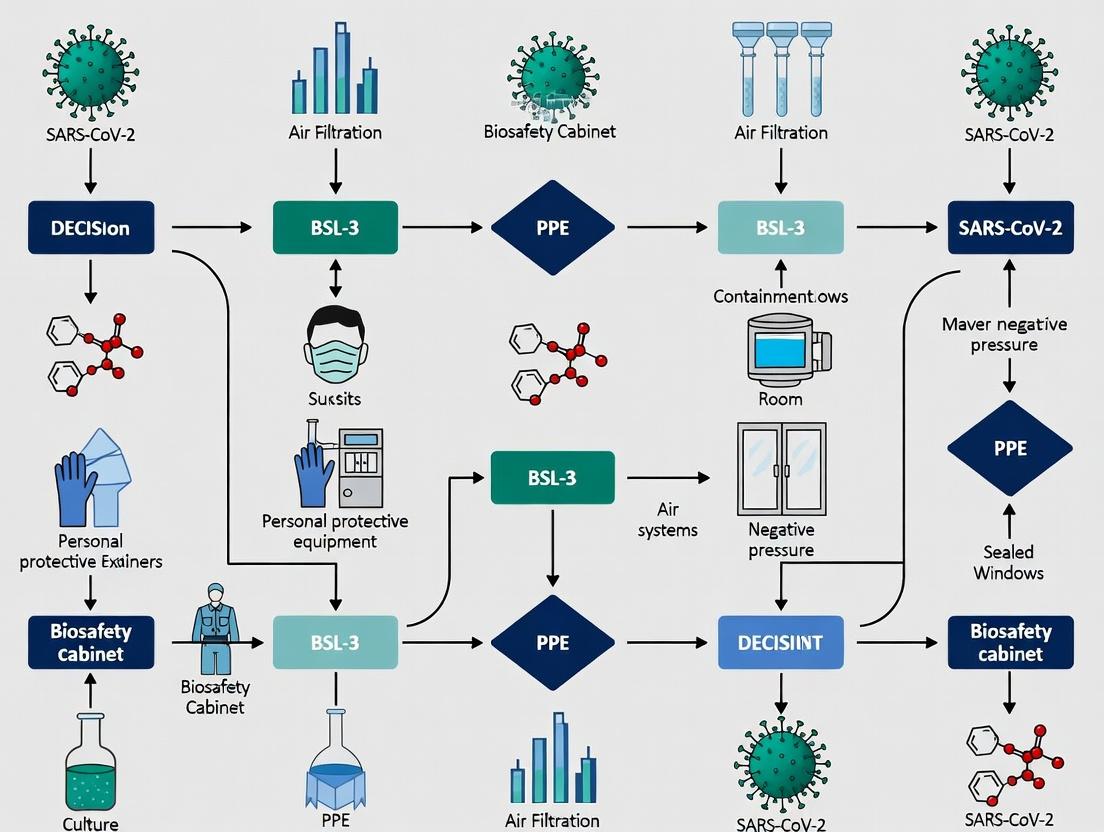
This comprehensive guide details the stringent Biosafety Level 3 (BSL-3) facility requirements for safely culturing and studying the SARS-CoV-2 virus.
Essential Guide to BSL-3 Laboratory Setup and Operations for SARS-CoV-2 Cell Culture Research
Abstract
This comprehensive guide details the stringent Biosafety Level 3 (BSL-3) facility requirements for safely culturing and studying the SARS-CoV-2 virus. Aimed at virologists, infectious disease researchers, and drug development professionals, it explores the foundational biosafety principles and risk assessments, outlines validated methodologies for laboratory workflows and personnel training, addresses common operational challenges and optimization strategies, and examines validation protocols and comparative safety standards. The article synthesizes current guidelines to provide a practical roadmap for establishing and maintaining secure, efficient, and compliant research environments critical for advancing COVID-19 therapeutics and vaccines.
Understanding the Mandate: BSL-3 Fundamentals and Risk Assessment for SARS-CoV-2 Research
SARS-CoV-2, the causative agent of COVID-19, is a betacoronavirus with a positive-sense, single-stranded RNA genome. It primarily infects human respiratory epithelial cells via the angiotensin-converting enzyme 2 (ACE2) receptor. The agent is classified for routine work as a Biosafety Level 3 (BSL-3) pathogen due to its potential for aerosol transmission, significant community health impact, and the absence of universally available therapeutics or vaccines for all variants at the time of classification.
Risk Group Classification
| Organization/Guideline | Risk Group (RG) | Containment Level for Propagation | Rationale |
|---|---|---|---|
| WHO Laboratory Biosafety Manual | RG3 | BSL-3 | Associated with serious human disease, effective treatment/prevention may be available, moderate individual/community risk. |
| CDC/NIH Biosafety in Microbiological and Biomedical Laboratories | RG3 | BSL-3 | Can cause serious or lethal disease via inhalation exposure. |
| European Union Directive 2000/54/EC | Hazard Group 3 | Containment Level 3 | Can cause severe human disease and present a hazard to workers; may present a risk of spread to the community. |
| Consensus for Culturing/Titration | RG3/HG3 | BSL-3/CL3 | Required for procedures generating aerosols/droplets (e.g., virus culture, neutralization assays). |
Technical Support Center: Troubleshooting & FAQs for SARS-CoV-2 BSL-3 Research
Context: This support content is designed for researchers operating within the BSL-3 containment framework as part of a thesis investigating facility requirements for SARS-CoV-2 culture. It addresses common experimental hurdles.
Frequently Asked Questions (FAQs)
Q1: We are experiencing low viral titers in our Vero E6 cell cultures. What could be the cause? A: Low titers can result from:
- Cell Passage Number: High-passage Vero E6 cells may have reduced ACE2 receptor expression. Use low-passage cells (< passage 20).
- Infection Parameters: Optimize Multiplicity of Infection (MOI). For high-yield propagation, an MOI of 0.01-0.1 is often effective.
- Harvest Timing: Virus accumulation is kinetic. Harvest supernatant at peak cytopathic effect (CPE, ~60-80% cell rounding/detachment), typically 48-72 hours post-infection.
- Media Components: Ensure the use of serum-free or low-serum maintenance media post-infection, as serum can inhibit infection. Verify correct concentration of trypsin (1-2 µg/mL TPCK-treated) for S protein priming in Vero E6 cells.
Q2: How do we validate the decontamination of liquid waste from SARS-CoV-2 cultures before removal from the BSL-3 lab? A: Follow a validated autoclave cycle. A standard liquid cycle (121°C, 15 psi, 30-60 minutes) is sufficient. Use chemical indicators (autoclave tape) and biological indicators (e.g., Geobacillus stearothermophilus spores) placed within a representative load for periodic validation. Maintain a log of all cycles. Liquid waste must be treated before draining into the facility's sanitization system.
Q3: Our plaque assays show inconsistent plaque morphology and size. How can we improve reproducibility? A: Inconsistency often stems from the overlay medium.
- Agarose vs. Methylcellulose: Methylcellulose overlays often yield more uniform plaques.
- Overlay Consistency: Ensure the overlay medium is at the correct temperature (cooled to ~37°C) before application to avoid cell shock.
- Neutral Red Staining: Time staining carefully (e.g., 72 hpi). Over-incubation can obscure plaques. Pre-warm the neutral red solution.
Q4: What is the correct procedure for inactivating SARS-CoV-2 samples for safe downstream molecular analysis (e.g., RNA extraction) outside the BSL-3? A: Use a validated inactivation method. Protocol: TRIzol LS Inactivation:
- Inside BSL-3, mix virus-containing sample with TRIzol LS reagent at a 1:3 ratio (sample:TRIzol) in a sealed, resistant tube.
- Incubate at room temperature for at least 10 minutes. This step inactivates the virus.
- The inactivated mixture can be safely removed from containment for RNA extraction following the manufacturer's protocol. Always validate the inactivation protocol for your specific sample type and volume.
Q5: We observe contamination in long-term cell cultures inside the BSL-3. What are the likely sources? A: Contamination in BSL-3 often arises from complex workflows.
- Source: Often mycoplasma or fungal spores.
- Prevention:
- Implement strict media quarantine: All incoming media/reagents should be irradiated or filter-sterilized upon entry.
- Use dedicated, sealed water baths. Avoid water baths if possible; use dry bead baths for thawing.
- Perform regular mycoplasma testing (e.g., PCR-based kits) on cell stocks.
Experimental Protocol: SARS-CoV-2 Plaque Assay for Titer Determination
Objective: To quantify infectious viral particles in a given stock.
Materials (Research Reagent Solutions):
| Item | Function |
|---|---|
| Vero E6 Cells (low passage) | Permissive cell line expressing ACE2 receptor. |
| SARS-CoV-2 Stock (Aliquot) | Viral inoculum to be titrated. |
| Overlay Medium (2X MEM + 1.5% Methylcellulose) | Viscous overlay to restrict virus diffusion for plaque formation. |
| Neutral Red Stain | Vital dye taken up by living cells; plaques appear as clear zones. |
| Formaldehyde (8% in PBS) | Fixative for terminal plaque assays (if required by SOP). |
| TRIzol LS | For post-assay viral inactivation of all materials. |
Detailed Protocol:
- Day 0: Seed cells. Seed Vero E6 cells in 12-well plates at a density of 2.5 x 10^5 cells/well in complete growth medium. Incubate at 37°C, 5% CO2 until >90% confluent (usually 24h).
- Day 1: Infect.
- Serially dilute the virus stock 10-fold (10^-1 to 10^-8) in serum-free MEM.
- Aspirate media from cell monolayers and wash once with PBS.
- Inoculate triplicate wells with 100 µL of each dilution. Include mock-infected controls.
- Adsorb for 1 hour at 37°C, rocking every 15 minutes.
- Prepare overlay medium: Mix equal volumes of 2X MEM (with 4% FBS and antibiotics) and 3% methylcellulose solution.
- After adsorption, gently add 1 mL of overlay medium to each well without disturbing the monolayer.
- Incubate. Incubate plates at 37°C, 5% CO2 for 72 hours. Do not move plates unnecessarily.
- Day 4: Stain and Count.
- Prepare a second overlay containing neutral red (final concentration ~0.03%). Alternatively, fix cells with 8% formaldehyde for 2 hours (in BSC), remove, and stain with crystal violet.
- Add 1 mL of neutral red overlay per well. Incubate for 2-4 hours at 37°C.
- Remove overlay and count clear, unstained plaques. Calculate plaque-forming units per mL (PFU/mL) using dilutions yielding 10-100 plaques.
Diagrams
BSL-3 SARS-CoV-2 Culture & Inactivation Workflow
SARS-CoV-2 Host Cell Entry Pathway
Technical Support Center
Troubleshooting Guides & FAQs
Q1: The anemometer at the room supply diffuser shows airflow is within spec, but my room pressure monitor shows a loss of negative pressure. What should I check? A: This typically indicates a breach in the secondary barrier or an issue with the exhaust system. First, verify the sash position on your Class II BSC (a primary barrier). An open or improperly closed sash can disrupt room balance. Next, initiate a containment leak check procedure for the room: seal the room and introduce a non-hazardous aerosol (e.g., puffs of theatrical fog) while the HVAC is running. Visually inspect for leaks around sealed penetrations, doors, windows, and utility pass-throughs—these are secondary barrier failures. Also, check the differential pressure gauge on the HEPA-filtered exhaust unit for clogs or failure.
Q2: During SARS-CoV-2 culture, I observed swirling aerosols inside my BSC when I moved my arms quickly. Is this a barrier failure? A: Not necessarily. The Class II BSC is a primary barrier designed to protect the product (your cells) and the environment. Swirling indicates a potential breach of the inward airflow curtain at the sash opening, often caused by rapid movement. Immediately cease movement, allow the cabinet to stabilize for 1-2 minutes. Decontaminate all interior surfaces after your procedure. To prevent this, always move arms slowly and perpendicularly into and out of the cabinet. Schedule a certification test for the BSC's face velocity and downflow at the next opportunity.
Q3: The facility alarm indicates a reversal of directional airflow in my lab anteroom. What are the immediate steps? A: This is a critical failure of the primary containment principle. Do not enter. Seal the laboratory if it is occupied. The Building Management System (BMS) should automatically respond. Facility engineers must investigate. Common causes include loss of exhaust fan, failure of a supply air damper, or a blocked exhaust HEPA filter. Experiments inside must be safely terminated or sealed at the primary barrier (e.g., close BSC sash, seal centrifuge buckets) if possible without personnel re-entry. Full decontamination may be required before restart.
Q4: Condensation has formed on the view window (secondary barrier) of my incubator inside the BSL-3 lab. Is this a risk? A: Yes. While the incubator itself is not a primary containment device, condensation can indicate high humidity, which may compromise secondary barriers (like sealed wall penetrations) over time and is a corrosion risk. More critically, it suggests your BSL-3 lab's relative humidity may be exceeding the required 30-60% range, which can impact HEPA filter integrity and viral stability. Report this to facility management to check the HVAC dehumidification cycle and room humidity sensors.
Table 1: BSL-3 Barrier Performance Specifications
| Barrier Type | Example | Key Performance Metric | Target Specification | Validation Frequency |
|---|---|---|---|---|
| Primary | Class II B2 BSC | Inflow Face Velocity | 100-110 feet per minute (fpm) | Annually/Certification |
| Primary | Sealed Centrifuge | Leak Test (Aerosol Challenge) | 0% penetration of test aerosol | Before initial use, after relocation |
| Secondary | Lab Perimeter Walls | Directional Airflow Pressure Differential | ≥ -0.02 inches of water column (wc) | Continuous (monitored), Annual calibration |
| Secondary | HEPA Exhaust Filter | Penetration (DOP/PAO Challenge) | ≤ 0.03% for any particle ≥ 0.3 µm | At installation, Annually |
Table 2: SARS-CoV-2 Culture-Specific BSL-3 Operational Parameters
| Parameter | Requirement for Viral Culture | Rationale |
|---|---|---|
| Room Pressure | Negative to adjacent corridors (-0.02 to -0.05 in. wc) | Contains aerosols within lab envelope |
| Air Changes Per Hour (ACH) | Minimum 12 ACH (supply), often higher (6-12 ACH exhaust-only in lab) | Rapid dilution and removal of airborne contaminants |
| Airflow Direction | In from "clean" areas, through lab, out via HEPA exhaust | Maintains directional flow from low to high hazard |
| BSC Exhaust Connection | Hard-ducted (preferred for B2) or canopy (Type A2) | Ensures primary barrier effluent is treated by facility exhaust |
Experimental Protocol: Validating Directional Airflow for a BSL-3 Suite
Title: Smoke Tube Test for Airflow Direction at Room Entryways
Objective: To visually confirm the correct directional airflow (into the laboratory) at all access points.
Materials:
- Commercial smoke tubes (non-toxic, visible smoke).
- Stopwatch or timer.
- Facility floor plan with designated airflow patterns.
- PPE appropriate for the anteroom (typically lab coat, gloves).
Methodology:
- Preparation: Ensure the BSL-3 lab is operational under normal ventilation conditions. Verify that differential pressure monitors are functioning.
- Location: Stand in the corridor outside the main lab entry door (or anteroom door).
- Test: Break the tip of a smoke tube to generate a small, steady stream of smoke.
- Observation: Hold the smoke tube near the gap at the top of the closed door (or near the door handle). Observe the direction of smoke movement.
- Interpretation: For a negative pressure lab, smoke should be drawn under the door or into the door seam, indicating airflow from the corridor into the lab. No smoke should escape into the corridor.
- Documentation: Record the location, date, time, and observed direction of flow. Repeat at all doors, pass-through chambers, and other penetrations.
- Troubleshooting: If smoke escapes into the corridor, seal the room and alert facility engineering immediately—this is a critical containment failure.
Visualizations
Diagram Title: BSL-3 Barrier & Airflow Strategy for SARS-CoV-2
The Scientist's Toolkit: Key Research Reagent Solutions
Table 3: Essential Materials for SARS-CoV-2 Culture in BSL-3
| Item | Function in BSL-3 Context | Key Consideration |
|---|---|---|
| Vero E6 Cells (ATCC CCL-81) | Permissive cell line for SARS-CoV-2 isolation and propagation. | Maintain in BSL-2; transfer into BSL-3 for infection. |
| Viral Transport Medium (VTM) | For initial specimen handling and dilution. | Must be aliquoted and sterilized before entering BSL-3. |
| Cell Culture Medium (DMEM) | Supports host cell growth during infection. | Supplement with FBS and antibiotics. Bring in sealed bottles. |
| Trypsin-EDTA (for passaging) | Detaches adherent Vero E6 cells for sub-culturing. | Use in BSC after confirming no viral contamination in flask. |
| Plaque Assay Agarose Overlay | For quantifying infectious virus titer (PFU/mL). | Prepare 2x concentrate outside BSL-3, melt and mix inside. |
| Primary Fixative (10% Formalin) | Inactivates virus and fixes cells for safe removal of assay plates. | Must remain in BSL-3 for minimum contact time (e.g., 1 hr) before removal. |
| Liquid Waste Decontamant (e.g., Peracetic Acid) | For inactivating liquid waste in collection vessels prior to drain disposal. | Must be validated for SARS-CoV-2; contact time is critical. |
| Surface Decontaminant (EPA List N disinfectant) | For disinfecting BSC and work surfaces before/after procedures. | Check contact time and ensure it is compatible with equipment. |
| Sharps Container (Autoclavable) | For safe disposal of needles, pipettes, and broken glass. | Must be decontaminated by autoclaving before removal from BSL-3. |
Technical Support Center: Troubleshooting & FAQs for SARS-CoV-2 Research in BSL-3 Facilities
This support center addresses common technical challenges faced during SARS-CoV-2 research within the regulatory context of WHO, CDC, and ISO guidelines, specifically for a thesis on BSL-3 facility requirements.
FAQs & Troubleshooting Guides
Q1: During cell culture inoculation, we observe unexpected cytopathic effect (CPE) degradation in our Vero E6 cells after 48 hours, despite using validated viral stocks. What are the primary troubleshooting steps according to CDC and WHO viability protocols?
A1: Follow this systematic checklist:
- Culture Medium & Reagents: Verify pH and osmolality of maintenance medium. Ensure aliquots of fetal bovine serum (FBS) and trypsin are not subject to repeated freeze-thaw cycles.
- Viral Stock Integrity: Re-titer the working stock on a fresh cell plate to confirm TCID50/mL. Ensure storage at ≤ -70°C and thawing on ice.
- BSL-3 Operational Procedure: Audit incubator logs for temperature (37°C ± 0.5°C) and CO2 (5%) stability. Confirm that decontamination cycles for incubator humidity pans are not leaving residual vapor-phase hydrogen peroxide.
- Mycoplasma Contamination: Test cultures for mycoplasma, a common cause of accelerated CPE and cell death.
Q2: Our qRT-PCR assay for SARS-CoV-2 subgenomic RNA (sgRNA) detection shows high Ct variance between technical replicates. How can we optimize this based on WHO molecular diagnostic guidelines and ISO 20395:2019?
A2: High variance often stems from reverse transcription (RT) efficiency. Implement this protocol:
- Primer/Probe Validation: Ensure sgRNA-specific primers (e.g., targeting the leader-body junction) are distinct from genomic RNA primers. Verify primer-dimer formation via no-template control (NTC) with >40 cycles.
- RT Step Optimization: Use a fixed amount of RNA (e.g., 5 µL of extracted RNA) with a master mix. Employ a reverse transcriptase with high processivity and include an RNase inhibitor. Perform the RT step at 50°C for 30 min, followed by heat inactivation at 85°C for 5 min.
- qPCR Plate Layout: Follow ISO 20395:2019 recommendations for repeatability: each sample should be run in at least three technical replicates on the same plate. Use a calibrated, multi-channel pipette for master mix distribution.
Q3: When performing a microneutralization assay for vaccine serum testing, our negative controls sometimes show partial neutralization. What specific BSL-3 biosafety and reagent handling issues could cause this?
A3: This indicates potential cross-contamination or serum toxicity.
- BSL-3 Workflow Contamination: Ensure unidirectional workflow (serum pre-dilution in BSL-2, virus-serum incubation in BSL-3). Decontaminate incubators and biosafety cabinet (BSC) surfaces with appropriate disinfectants (e.g., 10% bleach, 70% ethanol) between steps.
- Heat-Inactivation of Serum: Improper heat-inactivation (56°C for 30 min) can leave residual complement activity. Verify water bath temperature and timing. Consider using a commercial complement inactivation reagent.
- Cell Control Viability: Always include a "cells-only" control to monitor serum cytotoxicity. If cytotoxicity is observed, pre-dilute serum further or use a different serum source.
Q4: According to ISO 35001:2019 (Biorisk management), what is the critical documentation required when a primary containment device (e.g., a centrifuge rotor) fails during a SARS-CoV-2 sample run?
A4: Immediate action and documentation are critical:
- Incident Report: Document time, date, personnel involved, device ID, and sample details.
- Containment & Decontamination: Record the decontamination procedure (chemical used, contact time, area covered). Place the device in a durable, leak-proof container for autoclaving.
- Risk Assessment: Document the potential exposure risk assessment for staff.
- Corrective & Preventive Action (CAPA): Record root cause analysis (if imbalance, rotor wear, etc.) and the preventive maintenance schedule update. This log is essential for biorisk management audits.
Table 1: Key Guidelines for SARS-CoV-2 Research in BSL-3 Facilities
| Organization | Document / Standard | Key Focus Area for Research | Primary Quantitative Requirement/Recommendation |
|---|---|---|---|
| WHO | Laboratory biosafety guidance related to coronavirus disease (COVID-19) | Risk assessment & specimen handling | Defines virus culture as a high-risk activity requiring BSL-3 core requirements. |
| CDC | Biosafety in Microbiological and Biomedical Laboratories (BMBL) 6th Edition | Facility & operational practices | Specifies ≥12 air changes per hour (ACH) for BSL-3 labs and primary containment (BSC Class II/III) for aerosol-generating procedures. |
| ISO | ISO 35001:2019 | Biorisk management system | Requires documented biorisk assessments updated annually or after any incident/change. |
| WHO/CDC | Diagnostic PCR protocols | Assay validation | Recommends ≥95% sensitivity and ≥99% specificity for diagnostic assays, with Ct < 40 for positive results. |
| ISO | ISO 20395:2019 | Molecular in vitro diagnostics | Requires testing for limit of detection (LoD) with 95% confidence and analysis of ≥20 replicates at target concentration. |
Experimental Protocol: SARS-CoV-2 Virus Neutralization Assay (Microneutralization)
Objective: To quantify the neutralizing antibody titer in serum samples against live SARS-CoV-2 in a BSL-3 facility.
Methodology:
- Serum Preparation: Heat-inactivate test sera at 56°C for 30 minutes. Perform twofold serial dilutions (starting from 1:8) in virus growth medium in a 96-well tissue culture plate.
- Virus Preparation: Thaw SARS-CoV-2 virus stock (e.g., 1000 TCID50/mL) on ice. Dilute virus to 100 TCID50/50 µL in growth medium.
- Neutralization: Add 50 µL of diluted virus to each well containing 50 µL of diluted serum. Include virus-only (VC) and cell-only (CC) controls. Incubate at 37°C, 5% CO2 for 1-2 hours.
- Cell Inoculation: Prepare Vero E6 cells at 1.5 x 10^5 cells/mL. After incubation, add 100 µL of cell suspension to each well of the serum-virus mixture.
- Incubation & Monitoring: Incubate plates at 37°C, 5% CO2 for 5-7 days. Monitor daily for cytopathic effect (CPE) using an inverted microscope.
- Endpoint Determination: The neutralization titer is the reciprocal of the highest serum dilution that prevents CPE in ≥50% of the wells (calculated using the Reed-Muench or Spearman-Kärber method).
- BSL-3 Decontamination: Soak all plates, pipette tips, and liquid waste in 10% bleach solution for ≥30 minutes before removal from the BSC for autoclaving.
Visualizations
The Scientist's Toolkit: Key Research Reagent Solutions
Table 2: Essential Materials for SARS-CoV-2 Cell Culture Research in BSL-3
| Reagent/Material | Primary Function | Key Consideration for BSL-3 Work |
|---|---|---|
| Vero E6 Cells | Permissive cell line for SARS-CoV-2 isolation, propagation, and assays (e.g., plaque, neutralization). | Maintain validated, mycoplasma-free master stock. Use at low passage ( |
| Virus Growth Medium | Supports cell viability and virus replication (e.g., DMEM + 2% FBS). | Prepare large aliquots to minimize freeze-thaw. Include antibiotics (Pen/Strep) to prevent bacterial contamination. |
| Trypsin-EDTA (0.05%) | Detaches and passages adherent Vero E6 cells. | Required for pre-activation of SARS-CoV-2 Spike protein in some culture protocols. Aliquot for single use. |
| Plaque Assay Overlay (e.g., Methylcellulose) | Immobilizes virus to allow formation of discrete plaques for quantification (PFU/mL). | Viscous liquid requires careful pipetting in BSC to avoid aerosols. Prepare sterile. |
| qRT-PCR Master Mix | Enzymatic mix for one-step reverse transcription and quantitative PCR of viral RNA. | Use a mix with UNG enzyme and dUTP to prevent amplicon carryover contamination. Aliquot. |
| RNA Extraction Kit | Isolates viral RNA from culture supernatant or inactivated samples for molecular analysis. | Prefer kits with lysis buffers that inactivate virus (e.g., guanidine salts) for safer BSL-2 downstream steps. |
| Primary Neutralizing Antibody Standard | Provides positive control for neutralization assays (e.g., NIBSC 20/136). | Essential for inter-assay standardization and comparison of results across labs. |
| Viral Inactivation Buffer (e.g., AVL/AL from QIAamp kit) | Chemically inactivates virus for safe RNA extraction outside BSL-3. | Verify contact time and ratio (e.g., 1:5 sample to buffer) for complete inactivation per SOP. |
Technical Support Center: Troubleshooting Guides & FAQs
FAQ: Specimen Flow & Airlock Operations
Q1: Our facility's pressure differentials are fluctuating beyond the +/- 2.5 Pa specification when the personnel airlock door is cycled. What is the root cause and immediate corrective action?
A: Fluctuations exceeding ±2.5 Pa often indicate an imbalance between supply and exhaust airflow or a faulty sealing gasket. Immediate action: 1) Halt specimen transfer, 2) Place the airlock in a "fail-safe" closed state, and 3) Verify the integrity of the door seals. The underlying cause is typically an inadequate air change rate or a malfunctioning differential pressure gauge. Refer to the facility's validated recovery time protocol (see Table 1).
Q2: During a material transfer via the dunk tank, we observed fluid contamination in the inner chamber. Is this a critical breach?
A: Yes, this indicates a potential failure of the liquid-tight barrier. The primary cause is an overfilled tank or incorrect pressure differential. Immediately: 1) Isolate the dunk tank, 2) Decontaminate the inner chamber surface with a validated disinfectant (e.g., 1:10 bleach solution, 20-minute contact time), and 3) Review the standard operating procedure for fill levels, which must account for fluid displacement by the incoming container.
Q3: We are observing condensation in our BSL-3 lab's supply HEPA filter housing. What are the risks and required mitigation steps?
A: Condensation risks filter integrity (microbial growth, damage) and compromises directional airflow. The cause is often supply air dew point exceeding lab dew point. Mitigation: 1) Increase supply air temperature gradually (not to exceed room setpoint by >3°C to avoid thermal currents), and 2) Consult HVAC controls to adjust dehumidification setpoints. Monitor relative humidity to stay within 30-50% specification.
Troubleshooting Guide: Zone Separation Integrity
Issue: Repeated failure of the "clean" to "dirty" change room clothing change protocol, indicated by surface swab positives in the "clean" area.
| Potential Cause | Diagnostic Test | Corrective Action |
|---|---|---|
| Improper doffing sequence | Review CCTV footage of personnel flow. | Retrain staff using visible powder fluorescent tracers to simulate contamination. |
| Inadequate room decontamination cycle | Validate decontamination cycle with biological indicators (e.g., Geobacillus stearothermophilus strips). | Extend hydrogen peroxide vapor (HPV) cycle time or adjust injector placement. |
| Airlock pressure reversal | Log and graph real-time pressure data during door events. | Recalibrate automated damper controls and institute a mandatory 30-second dwell time between door commands. |
Table 1: Validated Performance Specifications for Key BSL-3 Layout Components (SARS-CoV-2 Research)
| Component | Performance Parameter | Target Specification | Validation Frequency |
|---|---|---|---|
| Personnel Airlock | Pressure Differential | ≥ -15 Pa (Lab negative to airlock) | Continuous monitoring, quarterly calibration |
| Door Interlock Delay | 60 seconds minimum | Semi-annually | |
| Material Airlock (Dunk Tank) | Chemical Efficacy of Disinfectant | ≥6-log reduction of murine norovirus | Pre- and post-charge, weekly titration |
| Supply & Exhaust HEPA | Filter Integrity | ≥99.99% efficiency on 0.3µm DOP | Annually, or post-decontamination |
| Lab Zone Pressure | Differential to Corridor | -25 Pa to -40 Pa gradient | Continuous monitoring |
Experimental Protocol: Validating Unidirectional Specimen Flow
Objective: To empirically verify that physical workflow and air currents do not allow retrograde movement of contamination from the high-containment lab to the clean corridor.
Materials: Non-pathogenic aerosol tracer (e.g., Bacillus atrophaeus spores or visible fluorescent powder), aerosol generator, air samplers (e.g., slit-to-agar), surface swabs.
Methodology:
- Setup: Place air samplers in the lab (near specimen processing), personnel airlock, change rooms, and clean corridor.
- Tracer Release: Generate an aerosol of the tracer within the Class II BSC in the lab during a simulated specimen manipulation procedure.
- Simulated Workflow: Have a researcher perform a full exit protocol, including surface decontamination, doffing of PPE in the dirty change room, showering (if required), and donning street clothes in the clean change room.
- Sampling: Run air samplers for 60 minutes post-release. At the end, use swabs to sample high-contact surfaces in the airlock and clean change room.
- Analysis: Culture air sampler plates and swabs. Process fluorescent powder samples under UV light.
- Acceptance Criterion: Zero colony-forming units (CFU) or fluorescent traces detected in the clean corridor and clean change room samplers.
The Scientist's Toolkit: Research Reagent Solutions for SARS-CoV-2 Culture in BSL-3
| Item | Function in SARS-CoV-2 Research | Critical Consideration for BSL-3 Layout |
|---|---|---|
| Vero E6 Cells (ATCC CRL-1586) | Permissive cell line for viral culture and plaque assays. | Primary specimens and virus stocks must remain in sealed, secondary containment during transport from freezer to BSC. |
| Viral Transport Media (VTM) | Stabilizes clinical specimens during transport to the lab. | Inactivation protocol for spent VTM must be defined (e.g., 10% final volume bleach, 30 min contact) before removal from BSC. |
| Avicel RC-591 (Microcrystalline Cellulose) | For semi-solid overlay in plaque assays; enables accurate titration. | Powder poses an inhalation risk; must be weighed and prepared within a certified BSC. |
| Cryovials (External Thread, O-ring) | For long-term storage of viral isolates at ≤ -80°C. | Transfer to/from liquid nitrogen storage must follow a validated material transfer protocol (e.g., through a dunk tank or UV pass-box). |
| RNA Extraction Kits (e.g., MagMAX) | For downstream molecular confirmation of culture success. | All lysates must be inactivated with a validated buffer (e.g., AVL buffer from QIAamp kit) before removal from the containment zone. |
Diagrams
BSL-3 Material Flow for SARS-CoV-2 Specimens
BSL-3 Pressure Cascade & Personnel Flow
Operationalizing Safety: Step-by-Step Procedures for SARS-CoV-2 Culture in BSL-3
This technical support center addresses common personnel-related issues encountered during SARS-CoV-2 research in Biosafety Level 3 (BSL-3) facilities.
Troubleshooting Guides & FAQs
Q1: My baseline serum sample was not collected prior to BSL-3 entry. Can I proceed with the scheduled work? A: No. You must not enter the BSL-3 suite. Baseline serum collection is a mandatory medical surveillance prerequisite. It provides a critical reference point for comparing antibody titers in the event of a potential exposure incident. Contact Occupational Health immediately to schedule collection. All work is postponed until this requirement is fulfilled and documented.
Q2: I have received the standard influenza vaccine, but my records show I am non-compliant for "required vaccinations." What is missing? A: For SARS-CoV-2 research, personnel are typically required to have a current SARS-CoV-2 vaccination, in addition to other regionally mandated vaccines (e.g., Hepatitis B, Tdap). The influenza vaccine, while recommended, is often categorized separately. Check your facility's specific Immunization Policy Table.
Table 1: Typical BSL-3 Personnel Vaccination Requirements for SARS-CoV-2 Research
| Vaccine | Status | Frequency/Booster | Documentation Needed |
|---|---|---|---|
| SARS-CoV-2 | Mandatory | As per current public health guidance & institutional policy | Official vaccination record |
| Hepatitis B | Mandatory | Series of 3; titer check recommended | Physician record or lab report |
| Tetanus/Diphtheria/Pertussis (Tdap) | Mandatory | Booster every 10 years | Physician record |
| Influenza | Strongly Recommended | Annually | Physician record or pharmacy receipt |
| Tuberculosis (TB) Screening | Mandatory (Not a vaccine) | Annual symptom review; testing per risk assessment | PPD or IGRA test result/clearance |
Q3: During a simulated spill drill, I struggled with the waste decontamination protocol sequence. Where can I review this? A: Intensive training must be refreshed annually and after any protocol update. The core workflow for handling a biological spill inside a BSL-3 cabinet is diagrammed below. Always notify colleagues and exit the lab calmly if the spill is overwhelming or outside a containment device.
BSL-3 Biological Spill Decontamination Workflow
Q4: I have completed the initial intensive training. What are the requirements for maintaining my access? A: BSL-3 access is contingent on continuous compliance. Key requirements are summarized in the table below.
Table 2: Personnel Access Maintenance Requirements
| Requirement | Frequency | Key Action |
|---|---|---|
| Medical Surveillance | Annual & Post-Exposure | Health questionnaire, serum banking (as needed), TB screening |
| Vaccination Status | As required per vaccine | Update records with Occupational Health upon receiving boosters |
| Competency-Based Training | Annual | Refresh on SOPs, emergency procedures, equipment use (e.g., BSCs) |
| Protocol-Specific Training | Per project initiation | Demonstrate proficiency for new experimental techniques |
| Exposure Response Drill | Semi-Annual or Annual | Participate in simulated spill, injury, or exposure scenarios |
Experimental Protocol: Personnel Health Monitoring After a Potential Exposure Incident
Objective: To systematically assess and manage personnel following a potential exposure to SARS-CoV-2 within the BSL-3 facility. Methodology:
- Immediate First Aid: Perform wound washing or eye flushing at the nearest emergency station for 15 minutes.
- Containment & Notification: Safely exit the laboratory following emergency egress protocols. Immediately notify the Principal Investigator (PI) and Biological Safety Officer (BSO).
- Medical Evaluation: Report to Occupational Health or designated medical provider for immediate assessment. Provide details of the incident.
- Baseline Sample Collection: If not already on file, a baseline serum sample is collected.
- Post-Exposure Serum Collection: A serum sample is collected at the time of the incident (if possible) and at scheduled follow-ups (e.g., 3 weeks, 6 weeks post-incident).
- Symptom Monitoring: The individual must self-monitor for symptoms (fever, cough, etc.) and report any onset immediately.
- Serological Testing: Baseline and follow-up serum samples are tested in parallel for SARS-CoV-2 antibodies (e.g., via ELISA) to determine if seroconversion occurred due to the incident.
- Return-to-Work Clearance: Based on medical assessment and institutional policy, Occupational Health clears the individual to return to duty.
The logical relationship of the post-exposure decision pathway is shown below.
Post-Exposure Incident Management and Testing Pathway
The Scientist's Toolkit: Research Reagent Solutions for SARS-CoV-2 Culture & Neutralization Assays
Table 3: Essential Materials for SARS-CoV-2 Research in BSL-3
| Item | Function | Example/Note |
|---|---|---|
| Vero E6 / Calu-3 Cells | Permissive cell lines for viral culture and propagation. | Vero E6 (ATCC CRL-1586) is widely used for high-titer stock production. |
| Viral Transport Medium (VTM) | Stabilizes clinical specimens or virus samples during storage/transport. | Contains proteins, antibiotics, and buffers to maintain viral integrity. |
| Cell Culture Medium | Supports growth and maintenance of host cells. | DMEM or MEM, supplemented with Fetal Bovine Serum (FBS) and antibiotics. |
| Trypsin-EDTA (TPCK-treated) | Facilitates cell detachment and splitting. TPCK-treated trypsin is essential for activating SARS-CoV-2 spike protein for cell entry in vitro. | Required for serial virus propagation in Vero E6 cells. |
| Plaque Assay Overlay (Carboxymethylcellulose/Methylcellulose) | Semi-solid overlay to restrict viral spread, enabling plaque formation for titration. | Allows visualization and counting of discrete plaques to calculate viral titer (PFU/mL). |
| Anti-Spike Neutralizing Antibody (Reference Standard) | Positive control for virus neutralization assays (e.g., PRNT). | Validates assay performance; used to calculate percentage neutralization. |
| Fixative Solution | Fixes and inactivates virus post-assay for safe staining. | Typically 10% Formalin or 4% Paraformaldehyde (PFA) for plaque assays. |
| Crystal Violet Stain | Stains live cell monolayer for plaque assay visualization. | Clear plaques appear as unstained areas on a purple background. |
| RNA Extraction Kit | Isolates viral RNA from culture supernatant for quantification. | Essential for determining genomic copies via RT-qPCR. |
| Personal Protective Equipment (PPE) | Primary barrier for personnel. | Powered Air-Purifying Respirator (PAPR) or fit-tested N95, gown, double gloves, eye protection. |
Troubleshooting Guides & FAQs
Q1: Upon receiving a suspected SARS-CoV-2 sample, the external transport container shows signs of leakage. What immediate actions should be taken?
A: Do not open or move the primary sample container. Immediately place the leaking transport container into a secondary, sealable biohazard bag or container. Decontaminate the outer surface of this secondary container with an appropriate disinfectant (e.g., 70% ethanol, followed by a 1:10 dilution of household bleach with a 10-minute contact time). Clearly label it as a biohazard and a leak incident. Notify your BSL-3 facility safety officer and the sample sender immediately. Follow your institutional incident response protocol, which may involve transferring the sealed secondary container directly to a Class II BSC for assessment.
Q2: During the initial sample processing in the Class II BSC, I accidentally created an aerosol (e.g., via a tube pop-off or spill). What is the correct containment and decontamination procedure?
A: 1. Do not panic or leave the BSC. Immediately alert other personnel in the room.
- Keep the BSC blower running. Close any open containers.
- Slowly pour or spray an appropriate disinfectant (e.g., 1:10 bleach) over the spill area, covering it completely. Let it sit for the required contact time (at least 10 minutes for bleach).
- Soak up the disinfectant with absorbent towels, wiping from the edges inward.
- Place all contaminated materials (towels, gloves) into a biohazard bag within the BSC.
- Decontaminate all items in the BSC and the BSC surfaces again.
- Notify your safety officer. The room may need to undergo a defined holding period (e.g., 1 hour) with the ventilation running before full decontamination and re-entry for non-response personnel, as per your facility's aerosol management SOP.
Q3: The virus inactivation step (e.g., using TRIzol or heat) seems inconsistent across samples. How can I validate the completeness of viral inactivation before removing material from BSL-3 containment?
A: You must perform and document a validated inactivation verification test. A standard protocol involves taking a small aliquot of the inactivated sample and inoculating it onto a permissive cell line (e.g., Vero E6 cells). Include a positive control (known live virus) and a negative control.
| Validation Step | Protocol Detail | Success Criteria |
|---|---|---|
| Sample Inactivation | Treat sample with your chosen method (e.g., TRIzol, 56°C for 45 min). | Complete lysis/denaturation. |
| Blind Passage | Inoculate treated sample onto cells. Passage cells 3 times. | No CPE observed in any passage. |
| Control: Live Virus | Inoculate known titer of live virus. | CPE must be observed. |
| Control: Cell Only | No inoculum. | Cells remain healthy. |
| Final Verification | Harvest supernatant from final passage; test for viral RNA via RT-qPCR. | Ct value unchanged from original inactivated sample (no replication). |
Only after the validation test confirms no cytopathic effect (CPE) and no increase in viral RNA indicative of replication, can the inactivated material be considered non-infectious and removed from BSL-3 containment for downstream analyses.
Q4: Our RT-qPCR results from extracted RNA show high Ct values or failures in the positive extraction control. What are the likely causes during the BSL-3 sample processing workflow?
A: This indicates potential RNA degradation or inhibition. Troubleshoot in sequence:
- Sample Integrity: Was the primary sample stored and transported correctly (ideally -80°C, in viral transport media)?
- Lysis Step: Ensure sufficient volume and correct time for the lysis buffer (e.g., in the extraction kit) contact. Incomplete lysis reduces yield.
- Cross-Contamination in BSC: Are you thoroughly decontaminating between samples? Aerosols can degrade RNA. Use sealed bead tubes for homogenization if needed.
- Reagent Handling: Ensure all reagents (ethanol, buffers) are aliquoted for single-use within the BSC to prevent bulk contamination.
- Equipment: Validate that the microcentrifuge and vortexer inside the BSL-3 are functioning correctly.
Experimental Protocol: SARS-CoV-2 Culture and Inactivation for Research
Title: Protocol for SARS-CoV-2 Viral Culture in Vero E6 Cells and Subsequent Chemical Inactivation.
Objective: To propagate SARS-CoV-2 for research purposes and render the culture supernatant non-infectious using TRIzol LS reagent for safe downstream molecular analysis.
Materials & Biosafety: Perform all live virus work in a certified BSL-3 laboratory using a Class II Biological Safety Cabinet (BSC). Personal protective equipment (PPE) must include a powered air-purifying respirator (PAPR) or N95 respirator, double gloves, gown, and eye protection.
Methodology:
- Cell Preparation: Seed Vero E6 cells in T-75 flasks to reach 80-90% confluence at time of infection. Use DMEM with 10% FBS and antibiotics.
- Virus Inoculation (BSL-3):
- Aspirate media from cell flask.
- Inoculate with SARS-CoV-2 stock at a desired MOI (e.g., 0.01) in a minimal volume of infection media (DMEM, 2% FBS). Use just enough to cover the monolayer.
- Incubate at 37°C, 5% CO2 for 1 hour, rocking every 15 minutes.
- Add fresh infection media to a total volume of 10-15 mL. Return to incubator.
- Harvesting (BSL-3):
- Monitor for cytopathic effect (CPE - rounded, detached cells). Typically harvest at 48-72 hours post-infection when CPE is ~80%.
- Carefully transfer the supernatant containing virus to a 50mL conical tube. Clarify by centrifugation at 2000 x g for 10 minutes at 4°C to remove cell debris.
- Aliquot clarified supernatant. Store at -80°C for future use as stock.
- Chemical Inactivation (BSL-3):
- For a 1mL aliquot of viral supernatant, add 3mL of TRIzol LS Reagent. Mix thoroughly by vortexing for 10-15 seconds.
- Incubate at room temperature for 10 minutes. This mixture is now considered inactivated.
- For safe removal from BSL-3: Transfer the inactivated mixture to a sealable, secondary container. Decontaminate the exterior surface of the container with appropriate disinfectant before transport.
- RNA Extraction (Can be performed post-BSL-3):
- Follow the standard phase separation protocol for TRIzol LS. Add 0.8mL of chloroform per 4mL of TRIzol LS mixture, shake vigorously, and centrifuge.
- Transfer the aqueous phase and precipitate RNA with isopropanol. Wash with 75% ethanol and resuspend in RNase-free water.
The Scientist's Toolkit: Research Reagent Solutions
| Item | Function in SARS-CoV-2 Research |
|---|---|
| Viral Transport Media (VTM) | Preserves viral integrity during clinical sample transport. Contains proteins, buffers, and antibiotics to prevent degradation and bacterial overgrowth. |
| Vero E6 Cells | A permissive African green monkey kidney cell line highly susceptible to SARS-CoV-2 infection, used for virus propagation, titration, and neutralization assays. |
| Infection Media (DMEM, 2% FBS) | Low-serum media used during virus infection to minimize serum interference while maintaining cell viability. |
| TRIzol / TRIzol LS Reagent | A monophasic solution of phenol and guanidine isothiocyanate. Rapidly lyses samples and inactivates SARS-CoV-2 while stabilizing RNA for subsequent extraction. |
| qPCR Master Mix (One-Step RT-qPCR) | Contains reverse transcriptase, Taq polymerase, dNTPs, and buffer. Allows for the direct quantification of viral RNA (e.g., from E, N, RdRp genes) from extracted samples in a single tube. |
| Plaque Assay Agarose Overlay | A semi-solid overlay (agarose + media) applied after virus inoculation to limit viral spread, enabling visualization and counting of discrete plaques for virus titration. |
| Neutralizing Antibodies (Reference) | Used as positive controls in plaque reduction neutralization tests (PRNTs) to validate assay performance and quantify neutralizing antibody titers in test samples. |
Visualizations
Technical Support Center: Troubleshooting & FAQs
This support center addresses common operational issues with Powered Air-Purifying Respirators (PAPRs) within the context of Biosafety Level 3 (BSL-3) facilities conducting SARS-CoV-2 culture research. Proper use is critical for containment and researcher safety.
Frequently Asked Questions (FAQs)
Q1: The PAPR motor is running, but I feel a lack of airflow inside the hood or helmet. What should I check? A: A perceived reduction in airflow is a critical alarm. Immediately exit the BSL-3 containment area following your facility's emergency doffing procedure. Once in the anteroom, troubleshoot:
- Primary Check: Inspect the main filter (HEPA) for visible damage, moisture, or clogging. In SARS-CoV-2 research, aerosol generation can lead to filter loading.
- Airflow Path: Check all tubing connections from the blower to the hood for kinks, cracks, or disconnections.
- Battery: Ensure the battery is fully charged. A weak battery can reduce motor efficiency.
- Testing Protocol: Before next use, perform a quantitative fit check per manufacturer instructions using a particle counter or qualitative taste test (e.g., saccharin) if approved for the specific PAPR model.
Q2: During doffing, what is the correct sequence for removing a PAPR with a loose-fitting hood versus a tight-fitting facepiece? A: The sequence is vital to prevent self-contamination. Always follow your facility's validated protocol. A general BSL-3 principle is to remove the most contaminated items last.
- For Loose-Fitting Hoods:
- After exiting the inner lab, decontaminate gloved hands.
- Decontaminate the outside of the PAPR belt/battery and hood.
- Remove the disposable lab coat and gloves (using the glove-in-glove technique).
- Perform hand hygiene.
- Don fresh gloves. Decontaminate the hood surface again.
- Remove the hood by grasping the inside nape of the neck and lifting away from the body.
- Place the hood in a designated container for decontamination.
- Remove the belt/blower unit and place it for decontamination/recharging.
- Remove fresh gloves and perform final hand hygiene.
- For Tight-Fitting Facepieces (Requiring Fit Testing):
- Initial decontamination steps are similar.
- After removing outer gloves and donning fresh ones, the facepiece is removed while in the BSL-3 anteroom, before the surgical mask or N95 respirator used as a "clean" interface underneath.
Q3: How often should PAPR HEPA filters be changed for SARS-CoV-2 research, and what are the indicators? A: Change schedules are not based solely on time but on usage and measurable indicators. Adhere to manufacturer guidelines and facility biosafety protocols.
| Change Indicator | Action Required | Quantitative Metric (if applicable) |
|---|---|---|
| Manufacturer's Maximum Service Life | Replace immediately upon expiry. | e.g., "6 months from first use" |
| Increased Breathing Resistance | Replace filter. Check airflow with anemometer. | Airflow < manufacturer's specified minimum (e.g., < 4 cfm) |
| Visual Damage or Moisture | Replace immediately. | N/A |
| After Contamination Event | Replace immediately. Decontaminate unit. | N/A |
| Routine Preventive Schedule | Replace per facility SOP. | e.g., Every 3 months for high-use BSL-3 |
Q4: What is the proper decontamination procedure for reusable PAPR components (hood, tubing, blower) after BSL-3 use? A:
- Wipe-Down Method (Common for Blower/Belt): Using gloves, wipe all external surfaces with an EPA-registered disinfectant effective against coronaviruses (e.g., diluted bleach, hydrogen peroxide wipe). Allow for the required contact time.
- Vaporized Hydrogen Peroxide (VHP): Many BSL-3 facilities place the entire PAPR unit (with filters removed) in a pass-through chamber for VHP decontamination. Verify compatibility with the manufacturer first.
- Hood/Tubing: Some hoods are disposable. Reusable hoods and tubing must be immersed or thoroughly wiped with disinfectant, then rinsed with sterile water and air-dried in a clean area.
Experimental Protocol: Validating PAPR Decontamination Efficacy
Objective: To validate that a facility's chosen decontamination method (e.g., wipe-down with 1% bleach) effectively inactivates SARS-CoV-2 on PAPR surface materials.
Methodology:
- Material Preparation: Cut 1 cm² coupons from materials matching the PAPR (e.g., polycarbonate visor, silicone facepiece seal, polyurethane tubing).
- Virus Inoculation: Spot-inoculate each coupon with 10 µL of a known titer of SARS-CoV-2 (e.g., 1 x 10^6 TCID50/mL) in triplicate. Allow to dry in a biosafety cabinet for 15 minutes.
- Decontamination Treatment:
- Test Group: Apply the facility's disinfectant (e.g., 1% bleach-saturated wipe) using the approved wipe technique for the recommended contact time (e.g., 1 minute).
- Virus Control Group: Apply a neutralizer (e.g., Dey-Engley broth) or PBS instead of disinfectant.
- Virus Recovery: Immediately after contact time, place each coupon in a tube containing viral transport medium with neutralizers to stop disinfectant action. Vortex vigorously.
- Titration: Perform TCID50 assay or plaque assay on Vero E6 cells using serial dilutions of the recovery medium.
- Analysis: Calculate log10 reduction in viral titer compared to the control. A ≥4-log10 reduction is typically considered effective for BSL-3 agent decontamination.
Scientist's Toolkit: Key Research Reagent Solutions for PPE Validation
| Item | Function in PPE/Containment Research |
|---|---|
| SARS-CoV-2 Virus Stock | Challenge agent for testing decontamination efficacy and containment integrity. |
| Vero E6 Cell Line | Mammalian cell line permissive to SARS-CoV-2 infection, used for virus culture and titration assays (TCID50/Plaque). |
| Viral Transport Medium (with Neutralizers) | Used to recover virus from surfaces; contains buffers and neutralizers (e.g., lecithin, polysorbate 80) to inactivate disinfectants post-contact. |
| EPA-Registered Disinfectant (e.g., 1% Bleach, 70% Ethanol, H2O2-based) | Used for surface decontamination validation studies and routine laboratory decontamination. |
| Anemometer | Measures airflow velocity at the PAPR hood inlet to ensure it meets protective criteria (e.g., >4 cfm). |
| Particle Counter | Used for quantitative fit testing of PAPRs by measuring particulate concentration inside vs. outside the hood. |
| Dey-Engley (D/E) Neutralizing Broth | A general-purpose neutralizing medium used to stop the action of various disinfectants during efficacy testing. |
Visualization: PAPR Donning & Doffing Workflow for BSL-3
Visualization: PAPR Airflow & Filtration Pathway
Technical Support Center
Troubleshooting Guides & FAQs
Class II Biological Safety Cabinet (BSC)
- Q: The BSC alarm is sounding, indicating low inflow or downflow velocity. What are the immediate steps? A: 1. Immediately pause all work and secure samples/vessels. 2. Slowly withdraw arms, allowing the cabinet to purge for 2-3 minutes. 3. Close the sash to the proper operating position. 4. If the alarm persists, decontaminate surfaces, shut down the cabinet, and tag it "Out of Service." Report to facility maintenance. The most common cause is a clogged pre-filter or a sash positioned outside the operational height.
- Q: During SARS-CoV-2 virus culture, a spill occurs inside the BSC. What is the decontamination protocol? A: 1. Do not stop the cabinet. Keep it running to contain aerosols. 2. Slowly pour disinfectant (e.g., freshly diluted 1:10 bleach or EPA-registered disinfectant effective against SARS-CoV-2) onto the spill, working from the edges inward. 3. Cover with absorbent towels soaked in disinfectant for a minimum 30-minute contact time. 4. Wipe up and dispose of all materials in biohazard waste. 5. Wipe all interior surfaces with disinfectant again. 6. Decontaminate gloves before removal.
Autoclave
- Q: Biological indicators show growth after a standard liquid cycle for SARS-CoV-2 waste. What parameters should be verified? A: This indicates sterilization failure. Verify and adjust the following cycle parameters for next run:
- Q: How do I validate an autoclave cycle for decontaminating virus culture media waste? A: Use a combination of chemical and biological validation. Place chemical indicator tape on the outer surface of a waste container and a chemical integrator strip inside a representative, sealed liquid waste bag. Concurrently, place a biological indicator inside a separate, identical sealed waste bag in the center of the load. Run the cycle. Both chemical indicators must show a pass color change, and the biological indicator must show no growth after incubation.
Sealed Centrifuge (Safety Rotor / Bucket)
- Q: The centrifuge is vibrating abnormally during a run with sealed SARS-CoV-2 samples. What is the emergency stop and assessment procedure? A: 1. Press the emergency stop button. 2. Do not open the lid until the rotor has come to a complete stop (wait at least 30 minutes for aerosols to settle). 3. Notify all personnel in the lab. 4. Wearing appropriate PPE, carefully inspect the rotor buckets for visible cracks or leaks. 5. If a leak or tube breakage is suspected, treat the entire rotor/bucket as contaminated. Decontaminate in situ by carefully pouring disinfectant over and into the bucket seals. Transfer the sealed bucket to a BSC for further disassembly and cleanup.
- Q: What is the proper routine decontamination procedure for sealed centrifuge rotors and buckets? A: After each use, especially with infectious materials, wipe the exterior of sealed buckets and the rotor with an appropriate disinfectant. Periodically (e.g., weekly or after a known spill event), decontaminate the interior: In a BSC, open the sealed bucket, remove the adapters, and fully submerge all components in a disinfectant solution for the validated contact time. Rinse with sterile water and air dry in the BSC before reassembly.
Research Reagent Solutions for SARS-CoV-2 Culture in BSL-3
| Item | Function in SARS-CoV-2 Research |
|---|---|
| Vero E6 / hACE2-Expressing Cell Lines | Permissive mammalian cell lines for viral propagation and plaque assays. |
| Viral Transport Media (VTM) | Maintains virus viability during sample transfer from clinical specimens or animal models. |
| Dulbecco's Modified Eagle Medium (DMEM) with 2-5% FBS | Maintenance medium for infected cell cultures, minimizing cellular stress while supporting viral replication. |
| TMPRSS2 Protease | Added to culture to enhance viral entry by priming the SARS-CoV-2 spike protein. |
| Plaque Assay Overlay (Carboxymethylcellulose or Avicel) | Semi-solid overlay to restrict viral spread, enabling visualization and quantification of discrete plaques. |
| Crystal Violet or Neutral Red Stain | Stains living cells or plaques for visualization and titration of infectious virus (PFU/mL). |
| RNA Extraction Kit (Magnetic Bead-based) | For safe, efficient viral RNA extraction within a BSC for downstream qRT-PCR. |
| qRT-PCR Master Mix with SARS-CoV-2 specific primers/probes | For quantitative measurement of viral genomic RNA subgenomic RNA, indicating replication. |
| Fixative Solution (e.g., 10% Neutral Buffered Formalin) | For inactivating and fixing infected cells for safe removal from BSL-3 for immunostaining analysis. |
Experimental Workflow: SARS-CoV-2 Virus Culture & Titration in BSL-3
Title: SARS-CoV-2 Virus Culture and Titration BSL-3 Workflow
BSL-3 Facility Core Equipment Interdependence
Title: BSL-3 Core Equipment Workflow for SARS-CoV-2 Research
Technical Support Center: BSL-3 SARS-CoV-2 Research
Disclaimer: The following guidance is for research conducted within a certified Biosafety Level 3 (BSL-3) laboratory, adhering to institutional biosafety manuals and regulatory requirements (e.g., CDC, WHO, local authorities) for SARS-CoV-2.
Troubleshooting Guides & FAQs
Q1: Post-experiment, we observe persistent viral RNA in liquid waste effluent after standard chemical decontamination. What could be wrong?
A: Persistent RNA detection post-treatment does not necessarily indicate viable virus. However, it suggests suboptimal decontamination protocol. The most common issues are:
- Incorrect disinfectant concentration: Ensure you are using the validated concentration (e.g., 0.5-1.0% final concentration for sodium hypochlorite). Check for dilution errors or expired stock.
- Insufficient contact time: The disinfectant must remain in contact with the effluent for the validated time (typically ≥30 minutes). Review your holding procedure.
- Organic load interference: High concentrations of cell culture media, sera, or other organics can neutralize many disinfectants. Pre-dilution or a switch to a more robust agent (e.g., peracetic acid) may be required.
- pH dependence: The efficacy of chlorine-based disinfectants is highly pH-dependent. Ensure the solution pH is within the effective range (pH <8.0).
Protocol for Validating Liquid Waste Decontamination:
- Spike Test: Spike clean effluent with a known titer of a non-pathogenic surrogate coronavirus (e.g., Murine Hepatitis Virus, MHV) or a chemically inactivated SARS-CoV-2 preparation.
- Treatment: Apply your standard decontamination protocol (chemical type, concentration, contact time).
- Neutralization: At the end of the contact time, immediately add the appropriate neutralizer (e.g., sodium thiosulfate for bleach) to stop the reaction.
- Assay: Perform plaque assay or TCID50 on permissive cells to check for residual infectivity. RT-qPCR can be used in parallel but must be correlated with infectivity data.
- Acceptance Criterion: A ≥6-log10 reduction in infectious titer is the standard benchmark for effective decontamination.
Q2: Our autoclave cycles for solid waste are failing biological indicators (Bacillus stearothermophilus spores). What steps should we take?
A: Autoclave failure is a critical event. Follow this immediate action and diagnostic protocol:
Immediate Actions:
- Quarantine: Do not remove the load. Clearly label the autoclave as out of service.
- Re-sterilize: Run a subsequent extended cycle on the failed load (e.g., 121°C for 90 minutes).
- Notify: Inform your facility biosafety officer and maintenance team.
Diagnostic Troubleshooting Protocol:
- Check Load Configuration: Overfilling or improper bag sealing (tightly closed) prevents steam penetration. Use autoclave-safe bags left partially open and do not exceed 2/3 chamber capacity.
- Verify Cycle Parameters: Confirm the cycle used (e.g., gravity displacement vs. pre-vacuum) reaches and maintains 121°C for the required time (typically 60 minutes for bagged waste). Calibrate temperature sensors.
- Test Empty Chamber: Run a biological indicator and chemical indicator strip in an empty chamber. If it passes, the issue is load-related. If it fails, the autoclave has a mechanical fault (e.g., steam trap malfunction, air leaks).
- Maintenance: Schedule professional servicing for the steam generator, valves, and vacuum system.
Table 1: Common Decontamination Methods for SARS-CoV-2 Waste Streams
| Waste Stream | Primary Method | Key Parameters | Validation Metric | Log10 Reduction Target |
|---|---|---|---|---|
| Liquid Effluent (from sinks, harvest) | Chemical Inactivation (e.g., Bleach) | Concentration: 0.5-1.0% NaOCl; Contact Time: ≥30 min; pH <8.0 | Plaque Assay / TCID50 | ≥ 6.0 |
| Solid Waste (pipettes, gloves, culture vessels) | Steam Sterilization (Autoclaving) | Temperature: 121°C; Time: 60 min (bagged); Pressure: ~15 psi | Biological Indicator (Geobacillus stearothermophilus) | Complete inactivation (no growth) |
| Animal Bedding & Carcasses | Steam Sterilization (Autoclaving) | Temperature: 121°C; Time: 90+ min; Pre-vacuum cycle recommended | Biological Indicator | Complete inactivation (no growth) |
| HVAC Exhaust & Filters | HEPA Filtration | HEPA H14 filter; Regular integrity testing (DOP/PAO scan) | Aerosolized challenge test | ≥ 99.99% of 0.3μm particles |
Q3: What is the appropriate final disposal pathway for treated waste from SARS-CoV-2 research?
A: Final disposal is contingent upon verification of effective decontamination.
- Chemically Treated Liquid Effluent: Once neutralized and infectivity-validated, the liquid can be discharged into the sanitary sewer system, per local regulations.
- Autoclaved Solid Waste: After a successful biological indicator test cycle, the waste is considered non-infectious. It can be handled as regular biohazardous waste and typically sent for incineration or landfilling, following local waste management contracts.
- Sharps: Must be autoclaved in puncture-proof containers before disposal as regulated medical waste.
- Documentation: Maintain rigorous logs for all waste streams: date, content, decontamination method/parameters, operator, and final disposal manifest.
The Scientist's Toolkit: Research Reagent Solutions for Waste Validation
| Item | Function in Waste Management Context |
|---|---|
| Biological Indicators (Spore Strips/ Vials) | Contains a known population of heat-resistant spores (e.g., G. stearothermophilus). The gold standard for validating autoclave efficacy. |
| Chemical Indicators (Autoclave Tape/ Strips) | Change color upon exposure to specific sterilizing conditions (heat/steam). Used for immediate, visual load differentiation but does not guarantee sterility. |
| Viral Surrogate (e.g., MHV) | A non-pathogenic, cultivable coronavirus used in spill or effluent decontamination validation experiments to avoid handling live SARS-CoV-2 outside primary containment. |
| Neutralizing Buffer (e.g., Dey-Engley) | Stops the action of chemical disinfectants during validation assays to allow for accurate microbiological testing without carryover inhibition. |
| ATP Bioluminescence Assay Kit | Provides a rapid (minutes) qualitative assessment of organic residue cleanup on surfaces after decontamination, though not virus-specific. |
Experimental Workflow & Pathway Diagrams
Diagram Title: BSL-3 Liquid Waste Decontamination & Validation Workflow
Diagram Title: SARS-CoV-2 Waste Stream Decision & Containment Pathway
Beyond Compliance: Proactive Problem-Solving and Enhancing BSL-3 Operational Efficiency
Technical Support Center
Troubleshooting Guides & FAQs
Question 1: The facility's main HVAC alarm is sounding, indicating a loss of negative pressure in a BSL-3 lab suite used for SARS-CoV-2 culture. What are the first immediate actions?
- Answer: Activate your facility's emergency response protocol. Immediately, all personnel must suspend all work, safely secure infectious materials (e.g., place open containers in a Class II BSC), and evacuate the affected laboratory suite. Seal the room doors if safe to do so. The Building Management System (BMS) should be checked to identify the specific zone and pressure differential sensor in alarm. Do not re-enter until the cause is identified, corrected, and negative pressure is verified.
Question 2: The pressure differential monitor between the anteroom and the corridor shows a reading of ≤ -2.5 Pa, but our standard operating procedure requires a minimum of -10 Pa. What are the common causes?
- Answer: A failure to achieve the required pressure differential (-10 Pa to -30 Pa is typical for BSL-3) suggests a significant imbalance in air supply and exhaust. Common causes include:
- Clogged Inlet Filters: On the room supply air HEPA filter or backdraft dampers.
- Exhaust Fan Failure: Loss of primary exhaust fan, with a failure of the redundant backup to engage.
- Supply Air Damper Malfunction: A damper may have inadvertently closed or opened, altering the air volume.
- Room Integrity Breach: A door, pass-through, or sealed conduit has been left open or compromised.
- BMS Control Loop Fault: The proportional-integral-derivative (PID) controller responding incorrectly to sensor feedback.
Question 3: Following a power fluctuation, several differential pressure sensors are reading erratically. How do we diagnose a sensor versus a system issue?
- Answer: Perform a manual pressure check using a calibrated magnahelic gauge or digital micromanometer as a reference standard.
- Protocol: Isolate the room. Drill a small test port in the wall or use designated test ports. Connect the reference gauge to measure pressure between the two spaces (e.g., lab to anteroom). Compare the reading to the installed wall-mounted sensor and the BMS value.
- Interpretation: If the reference gauge shows the correct differential but the permanent sensors do not, the sensors or their tubing (which can be clogged or kinked) are faulty. If all measurements agree and show a loss of pressure, the HVAC system is at fault.
Question 4: Our preventative maintenance log shows a gradual decline in anteroom-to-corridor negative pressure over 6 months. What systematic checks should be performed?
- Answer: This indicates a system drift. Perform this ordered checklist:
- Filter Loading: Check and replace pre-filters and final HEPA filters on the supply and exhaust streams. Increased resistance reduces airflow.
- Fan Belt Tension: Check for wear and slip on belt-driven exhaust fans.
- Damper Actuators: Verify that all motorized dampers are reaching their full commanded positions.
- Room Seal Integrity: Conduct a smoke test at door perimeters, ceiling fixtures, and pipe penetrations.
- Sensor Calibration: Recalibrate all pressure sensors in the affected control loop.
Question 5: How often should pressure differentials and alarm systems be tested in a BSL-3 facility conducting high-consequence pathogen research?
- Answer: Frequency must be defined in the facility's verification and validation plan. Based on current guidelines and best practices:
Table 1: Recommended Testing Frequency for Pressure & Alarm Systems
| System Component | Test Frequency | Acceptance Criterion | Reference Standard |
|---|---|---|---|
| Pressure Differential Alarms | Weekly | Audible/visual alarm activates at ±20% of setpoint | In-situ functional test |
| Pressure Sensor Calibration | Bi-Annually | Reading within ±5% of reference standard | NIST-traceable micromanometer |
| HVAC Control System Logic | Annually | Correct response to simulated failures (e.g., fan stop) | Facility Verification & Validation Protocol |
| Room Integrity (Smoke Test) | Annually | No visible ingress of smoke against direction of airflow | Chemical smoke generator |
The Scientist's Toolkit: Essential Research Reagent Solutions for SARS-CoV-2 Culture in BSL-3
Table 2: Key Reagents for SARS-CoV-2 In Vitro Culture
| Reagent/Material | Function in Experiment | Example & Notes |
|---|---|---|
| Vero E6 Cells | Permissive cell line for SARS-CoV-2 isolation and propagation. Expresses high levels of ACE2 receptor. | ATCC CRL-1586; maintain in DMEM + 10% FBS. |
| Viral Transport Media (VTM) | Preserves specimen viability during transport from clinical sample to cell culture. | Contains protein stabilizer (e.g., BSA) and antibiotics in a balanced salt solution. |
| Infection Medium | Serum-free medium used during the virus adsorption and replication phase to prevent serum inhibition. | DMEM supplemented with TPCK-trypsin (1-2 µg/mL) for S protein priming. |
| Plaque Assay Agarose Overlay | Semi-solid medium to limit viral spread, enabling visualization and enumeration of discrete plaques. | Mix of 2X MEM, FBS, and neutralized agarose. Critical for TCID50 or PFU determination. |
| Neutralizing Antibodies | Positive control for viral inhibition assays (e.g., PRNT). | Human convalescent serum or licensed monoclonal antibodies. |
| RNA Extraction Kit | Inactivates virus and purifies viral genomic RNA for downstream qRT-PCR quantification. | Use kits with guanidinium-based lysis buffers for immediate inactivation in BSL-3. |
| Fixative Solution (e.g., 10% NBF) | Inactivates and fixes infected cell monolayers for safe removal from BSL-3 for immunostaining. | Must be validated for complete virus inactivation per facility SOP. |
Experimental Protocol: SARS-CoV-2 Plaque Assay for Titer Determination
Title: Quantification of Infectious SARS-CoV-2 via Plaque Assay.
Methodology:
- Cell Seeding: Seed Vero E6 cells into 12-well plates at a density of 2.5 x 10^5 cells/well in complete growth medium (DMEM + 10% FBS). Incubate at 37°C, 5% CO2 until 90-100% confluent (18-24 hrs).
- Virus Inoculation (BSL-3): Serially dilute viral stock 10-fold in serum-free infection medium. Aspirate medium from cell monolayers. Inoculate duplicate wells with 200 µL of each dilution. Include negative control wells with medium only. Adsorb for 1 hour at 37°C, rocking plates every 15 minutes.
- Agarose Overlay: Prepare overlay medium: mix equal volumes of 2% melted agarose (in water) and 2X MEM (containing 4% FBS and 4 µg/mL TPCK-trypsin). Cool to ~42°C. After adsorption, carefully aspirate inoculum and immediately overlay each well with 1.5 mL of the agarose mixture. Let solidify at room temperature for 20 min.
- Incubation: Incubate plates at 37°C, 5% CO2 for 72 hours.
- Staining (Fixation & Removal from BSL-3): Add 1 mL of 10% Neutral Buffered Formalin directly onto the overlay in each well. Fix for a minimum of 4 hours (validated inactivation time). Plates can then be safely removed from BSL-3.
- Plaque Visualization: Remove the agarose plug and stain cells with 0.1% Crystal Violet in 10% ethanol for 10 minutes. Rinse with water. Clear, circular plaques (areas of lysed cells) will appear against a purple background of viable cells.
- Calculation: Count plaques in the well with 10-100 distinct plaques. Calculate plaque-forming units per mL (PFU/mL) using the formula: (Number of plaques) / (Dilution factor x Volume of inoculum in mL).
Visualizations
Title: Ideal BSL-3 Pressure Cascade Diagram
Title: HVAC Alarm & Pressure Failure Troubleshooting Flowchart
Technical Support Center
Troubleshooting Guides & FAQs
Q1: Our BSC-validated sterility plates are showing microbial growth after surface sampling. What are the most likely contamination sources and how do we proceed?
A: The most likely sources are improper aseptic technique, contaminated disinfectant, or compromised personal protective equipment (PPE). Immediate steps:
- Cease all work in the cabinet.
- Decontaminate the BSC interior and all contents with a freshly prepared 1:10 dilution of sodium hypochlorite (0.55% chlorine) with a validated contact time of 10 minutes.
- Discard all open reagents and media from that session.
- Re-validate the BSC's airflow and integrity before resuming work.
- Review and retrain staff on aseptic technique, focusing on minimizing bypass of the air barrier.
Q2: Post-disinfection verification swabs in the incubator are positive for Bacillus spp. Biofilm is suspected. What is the enhanced decontamination protocol?
A: Bacillus endospores indicate a need for sporicidal agents and mechanical action.
- Pre-cleaning: Remove all shelves and accessories. Physically scrub with a disposable, lint-free cloth and a detergent solution to remove organic matter.
- Primary Decontamination: Apply a hydrogen peroxide-based sporicidal disinfectant (e.g., 7.5% H2O2 ready-to-use solution) or a 1:10 sodium hypochlorite solution. Ensure all surfaces are thoroughly wetted.
- Contact Time: Allow a minimum contact time of 30 minutes for sporicidal activity. For hydrogen peroxide vapor systems, follow manufacturer protocols for cycle time.
- Rinsing: If required by the disinfectant (check SDS), rinse with sterile water or 70% ethanol to prevent corrosion.
- Validation: Let the chamber dry, then run an empty cycle at 37°C for 24 hours. Perform swab testing again before returning cells to the incubator.
Q3: Our automated liquid handler for SARS-CoV-2 culture aliquoting is giving inconsistent volumes, risking cross-contamination. How should we decontaminate and calibrate it?
A: Inconsistent volumes suggest clogged tips or lines from reagent precipitation or biological debris.
- Decontamination: Run the manufacturer-approved decontamination protocol, typically involving a 1:10 bleach solution flush, followed by multiple flushes with molecular-grade water and then 70% ethanol. For BSL-3, perform this inside the BSC if possible.
- Deep Clean: Manually remove and sonicate removable tips and lines in a 2% sodium dodecyl sulfate (SDS) solution, rinse thoroughly with DNase/RNase-free water.
- Calibration: Perform gravimetric calibration using a certified balance. Pipette distilled water and calculate the actual volume dispensed. Adjust the machine's software calibration factors until the dispensed volume is within 1% of the target.
- Verification: Post-calibration, run a dye-based uniformity test across all tips and positions.
Experimental Protocols
Protocol 1: Surface Decontamination Efficacy Testing for SARS-CoV-2 Research
Objective: To validate the contact time for a disinfectant against SARS-CoV-2 on stainless steel (common equipment surface).
Materials:
- SARS-CoV-2 virus stock (BSL-3 handling required)
- Disinfectant solution under test (e.g., 70% Ethanol, 0.55% Chlorine)
- Sterile stainless-steel coupons (1cm x 1cm)
- Virus transport medium (VTM)
- Cell culture (Vero E6 cells) for plaque assay
- Neutralization broth specific to the disinfectant
Methodology:
- Inoculation: Spot 10 µL of SARS-CoV-2 virus suspension (≈10^6 PFU/mL) onto the center of each coupon. Allow to dry in a biosafety cabinet for 40 minutes.
- Disinfection: Apply 50 µL of the disinfectant to cover the dried spot. Use a separate coupon for each contact time (e.g., 30 sec, 1 min, 2 min, 5 min).
- Neutralization: At the designated time, immediately add 450 µL of neutralization broth to the coupon and agitate for 2 minutes to halt disinfectant action.
- Recovery: Pipette the neutralization broth mixture into a microcentrifuge tube. Serially dilute in VTM.
- Titration: Perform a standard plaque assay on Vero E6 cell monolayers with the recovered eluate. Incubate and count plaques.
- Control: Include a virus-only control (no disinfectant) and a disinfectant-only control (no virus).
Protocol 2: Post-Decontamination Environmental Monitoring via ATP Bioluminescence
Objective: To rapidly verify cleaning efficacy on non-critical surfaces (e.g., incubator exteriors, bench tops).
Materials: Commercial ATP swab test system (luminometer and swabs).
Methodology:
- Post-Decontamination Swab: After cleaning and disinfection, vigorously swab a defined area (e.g., 10cm x 10cm) using the pre-moistened ATP swab.
- Activation: Activate the swab according to the manufacturer's instructions, typically by breaking a vial of luciferase/luciferin reagent.
- Measurement: Insert the swab into the luminometer and record the Relative Light Units (RLU).
- Interpretation: Compare the RLU reading to your facility's established pass/fail limit (e.g., <100 RLU for BSL-3 anterooms). A pass indicates effective removal of organic residue.
Data Presentation
Table 1: Efficacy of Common Disinfectants Against Key Contaminants in BSL-3
| Disinfectant | Concentration | Contact Time | Efficacy vs. Enveloped Virus (e.g., SARS-CoV-2) | Efficacy vs. Bacterial Spores (e.g., Bacillus) | Efficacy vs. Mycoplasma | Surface Compatibility | Key Consideration |
|---|---|---|---|---|---|---|---|
| Sodium Hypochlorite (Bleach) | 0.55% Chlorine (1:10 dilution) | 10 min | Excellent (≥4-log reduction) | Excellent | Good | Poor (corrosive to metals) | Must be freshly prepared; inactivated by organics. |
| Ethanol | 70% v/v | 2 min | Excellent | Poor | Good | Good | Evaporates quickly; requires wet contact time. |
| Hydrogen Peroxide (Accelerated) | 7.5% (Ready-to-use) | 5 min | Excellent | Excellent | Excellent | Good | Stabilized formulations required; can be vaporized. |
| Quaternary Ammonium Compounds | Manufacturer's recommended (e.g., 0.5%) | 10 min | Good | Poor | Fair | Excellent | Easily inactivated by anionic detergents & organic load. |
Table 2: Common Contamination Sources in SARS-CoV-2 Cell Culture Labs
| Source Category | Specific Examples | Typical Contaminant | Preventive/Corrective Action |
|---|---|---|---|
| Personnel & PPE | Improper gowning/degowning, contaminated gloves, facial hair | Skin flora, environmental bacteria | Strict adherence to BSL-3 entry/exit protocols; fit-testing for respirators. |
| Laboratory Equipment | Water bath reservoirs, centrifuge rotors, vortex mixers | Pseudomonas, Burkholderia, Mold | Use sealed tubes in water baths; implement routine disinfection schedules. |
| Cell Culture Reagents | Fetal Bovine Serum (FBS), trypsin, shared media bottles | Mycoplasma, Bovine Viral Diarrhea Virus (BVDV) | Source reagents from reputable vendors; use aliquots; test cells regularly. |
| Biological Materials | Cross-handling of different cell lines, contaminated seed stock | Mycoplasma, Cross-species cells | Implement cell line authentication and routine mycoplasma testing. |
| Environmental | Unsealed windows, dirty HVAC filters, cluttered floors | Fungal spores, Dust mites | Maintain facility at negative pressure; adhere to strict housekeeping SOPs. |
Diagrams
Decontamination Failure Root Cause Analysis
Surface Decontamination Standard Workflow
The Scientist's Toolkit: Research Reagent Solutions
| Item | Function in Decontamination/Contamination Control |
|---|---|
| Sodium Hypochlorite (Bleach) | Broad-spectrum, sporicidal chemical disinfectant. The standard for surface decontamination in BSL-3 labs. Must be freshly diluted. |
| Neutralization Broth (D/E Broth) | Contains specific neutralizers (e.g., lecithin, polysorbate) to halt disinfectant action during efficacy testing, allowing accurate microbe recovery. |
| ATP Bioluminescence Assay Kit | Provides rapid (seconds) verification of cleaning efficacy by detecting residual adenosine triphosphate from organic matter. |
| Validated Sporicide (e.g., Hydrogen Peroxide) | Required for persistent contaminants like Bacillus spores. Used in liquid or vaporized form for complex equipment. |
| Mycoplasma Detection Kit (PCR-based) | Essential for routine screening of cell cultures. Mycoplasma is a common, stealthy contaminant that alters host cell responses. |
| 70% Ethanol (v/v) | Intermediate-level disinfectant for clean surfaces and equipment. Effective against enveloped viruses like SARS-CoV-2, fast-drying. |
| Sterile, Lint-Free Wipes | Critical for applying disinfectants without leaving particulates. Must be compatible with the disinfectant used. |
| Environmental Sampling Swabs | Used with appropriate transport media for scheduled surface monitoring to verify decontamination protocols. |
Optimizing Workflow to Minimize Fatigue and Human Error During Extended PPE Use
Troubleshooting Guides & FAQs for BSL-3 SARS-CoV-2 Research
Q1: I experience severe fogging of my safety goggles within 30 minutes of starting work, compromising visibility and safety. What can I do? A: Fogging is a common issue caused by humidity and temperature differentials. Apply a certified anti-fog solution or wipes (e.g., commercial lab-safe products or a diluted baby shampoo film) to both the inside and outside of goggles before donning. Ensure your PAPR (if used) is properly adjusted so exhaled air is not directed upward. If using a respirator, check the nose bridge seal. Integrating mandatory 5-minute "visual clarity checks" at set intervals in the workflow can prompt corrective action.
Q2: My hands become numb and I experience a loss of fine motor control after prolonged use of double gloves. How can this be mitigated? A: This is often due to constriction and reduced tactile feedback. Implement a staggered gloving protocol: don the inner gloves (e.g., nitrile) at the entry bench before full suit-up. Don the outer gloves (e.g., surgical) at the final step before entering the containment zone. Schedule high-dexterity tasks (e.g., pipetting, vial manipulation) for the first 60-90 minutes of your work session. Introduce brief (1-2 minute) "hand relaxation breaks" every 45 minutes where you pause, stretch, and make fists to promote circulation.
Q3: I notice an increase in protocol deviations or minor spills during the second hour of continuous work in the BSL-3 suite. Is this documented, and what workflow adjustments are recommended? A: Yes, performance degradation over time in PPE is well-documented. Implement the "90-Minute Rule" as a core workflow principle. Design experimental protocols to operate in discrete, 90-minute modules with a mandatory 15-minute break outside the containment area after each module. Use this break for hydration, nutrition, and mental reset. Critical steps should not be scheduled in the final 10 minutes of a module.
Q4: How can we effectively monitor and enforce fatigue management in a high-pressure research environment? A: Utilize a buddy system and structured checklists. The "Two-Person Rule" for critical steps (e.g., virus seed stock thawing, live virus harvesting) is essential. Incorporate verbal confirmation checkpoints in your SOPs. Maintain a Fatigue & Error Log (de-identified) to track incidents against time-in-suit and task type, enabling data-driven workflow optimization.
Q5: What are the most critical human factors to consider when designing a BSL-3 lab layout for long-duration SARS-CoV-2 work? A: Ergonomics is paramount. Equipment (biosafety cabinets, incubators, centrifuges) should be positioned to minimize awkward twisting and reaching. Ensure clear, unambiguous labeling of all equipment and reagents. Designate "rest zones" within the lab support area with proper seating and easy access to electrolyte-replenishing fluids. Implement a "mise-en-place" (everything in its place) philosophy for all carts and workstations to reduce cognitive load.
Key Data on PPE-Related Fatigue
Table 1: Impact of Extended PPE Use on Performance Metrics
| Metric | Baseline (No PPE) | After 60 Min in PPE | After 120 Min in PPE | Data Source |
|---|---|---|---|---|
| Fine Motor Skill Accuracy (%) | 99.2 | 97.1 | 89.4 | Lab Study on Pipetting |
| Cognitive Error Rate (per task) | 0.3 | 0.8 | 1.7 | Simulated Protocol Review |
| Reported Discomfort (Scale 1-10) | 1.5 | 4.2 | 7.8 | Researcher Survey |
| Mean Goggle Fogging Incidents | 0.0 | 1.2 | 2.5 | Observational Study |
Table 2: Recommended Work-Rest Cycles for BSL-3 Tasks
| Task Intensity | Max Continuous Work Duration | Minimum Break Duration | Example Tasks |
|---|---|---|---|
| High Dexterity / High Focus | 70 min | 20 min | Plaque assays, microneutralization, cloning |
| Moderate Dexterity | 90 min | 15 min | Cell passaging, RNA extraction, PCR setup |
| Low Intensity / Monitoring | 120 min | 10 min | Incubator monitoring, data recording, equipment calibration |
Experimental Protocol: Assessing Dexterity Loss in Double Gloves
Objective: Quantify the decline in pipetting accuracy and speed over time while wearing BSL-3 mandated PPE.
Methodology:
- Setup: In a mock BSL-3 anteroom, don full PPE (Tyvek suit, PAPR, double nitrile gloves).
- Task: Perform a serial dilution of a non-hazardous dye (e.g., Evans Blue) in a 96-well plate. Each dilution series must be performed in triplicate.
- Timing & Measurement: Start a timer upon entering the mock lab. Perform the dilution series at T=0-15min, T=45-60min, and T=90-105min.
- Analysis: Use a plate reader to measure optical density. Accuracy is calculated as the coefficient of variation (CV%) across triplicates for each dilution step. Speed is measured as time to complete the full plate.
- Control: Repeat the experiment in standard lab attire with single gloves for baseline data.
- Data Logging: Record subjective fatigue scores (Borg Scale) after each session.
The Scientist's Toolkit: Research Reagent Solutions for SARS-CoV-2 Culture
Table 3: Essential Reagents for SARS-CoV-2 In Vitro Culture
| Reagent/Material | Function in SARS-CoV-2 Research | Key Consideration for BSL-3 Workflow |
|---|---|---|
| Vero E6 / Calu-3 Cells | Permissive cell lines for viral propagation and plaque assays. | Pre-aliquot stocks to minimize time in cabinet. Use cell culture flasks with vented caps to reduce manipulation. |
| Viral Transport Media (VTM) | For storing and transporting clinical samples or virus stocks. | Prepare large batches, aliquot in single-use volumes, and inactivate before removal from BSL-3. |
| Avicel / Carboxymethylcellulose | Overlay medium for plaque assays to restrict viral spread, forming discrete plaques. | Pre-mix powder with medium and aliquot before autoclaving to save time. |
| Crystal Violet Stain | Stains cell monolayer in plaque assays; plaques appear as clear holes. | Use a sealed, spill-proof container. Inactivate with 10% bleach before disposal. |
| Triton X-100 | Detergent for virus inactivation in samples prior to RNA extraction or ELISA. | Always have a pre-diluted inactivation buffer ready at the work station. |
| RNAlater | Stabilizes RNA in samples for later extraction, reducing need for immediate processing. | Allows batching of extraction procedures, optimizing containment time. |
Workflow Optimization Diagrams
Title: Optimized BSL-3 Modular Work-Rest Schedule
Title: Fogging Troubleshooting Decision Tree
This technical support center addresses common supply chain and usage issues within the context of SARS-CoV-2 research in BSL-3 facilities. The guidance is framed to support the continuity and integrity of high-containment research.
Troubleshooting Guides & FAQs
Q1: Our Vero E6 cell cultures are showing unexpected cytotoxicity, potentially linked to media or supplement batches. How should we troubleshoot? A: This is a critical issue that can halt research. Follow this systematic protocol:
- Immediate Cessation: Discontinue use of the suspect batch and quarantine remaining units.
- Backtrack: Revert to a previous, confirmed-good batch of media, serum (e.g., FBS), and trypsin. Culture a new vial of cells.
- Test Components: If cells recover, begin a component-wise test. Prepare media using the suspect batch of base medium with good serum, and vice versa.
- Quality Control Assay: Perform a standardized cell viability assay (e.g., MTT, trypan blue exclusion) comparing the suspect and good batches over 72 hours. Document doubling times.
- Supplier Notification: Inform your supplier with lot numbers and your QC data. Request Certificate of Analysis (CoA) for the suspect batch.
Q2: We are experiencing frequent decontamination failures on BSC surfaces, indicated by subsequent environmental swab tests. What could be wrong? A: Failures typically stem from contact time, concentration, or material compatibility.
- Verify Concentration: For prepared solutions (e.g., bleach, peroxide), use test strips to confirm active ingredient concentration daily. Degradation is common.
- Ensure Contact Time: The disinfectant must remain wet on the surface for the manufacturer's recommended contact time (e.g., 10 minutes for many against SARS-CoV-2). Do not wipe dry prematurely.
- Check Compatibility: Ensure the disinfectant is approved for use on your BSC's surface material (e.g., stainless steel). Corrosion can create niches for pathogen persistence.
- Procedure Audit: Observe staff during decontamination to ensure they are covering 100% of the work surface, including edges and the sash interior.
Q3: Our PPE (particularly gloves) are experiencing a high rate of tearing during experiments. Is this a supply chain or usage issue? A: It could be both. Investigate using the following table:
| Factor | Investigation Action | Acceptable Standard |
|---|---|---|
| Material Change | Compare tensile strength data on CoA of new vs. old lot. | Meets or exceeds ASTM D3577/D3578 standards. |
| Sizing | Ensure appropriate sizes are available; tight gloves tear easily. | Full range of sizes in stock. |
| Donning Practice | Observe for over-stretching during donning. | Training on proper donning technique. |
| Jewelry | Enforce policy removal of rings/bracelets. | No jewelry under gloves. |
| Storage | Check storage area for excessive heat, ozone, or UV light. | Stored in climate-controlled, dark space. |
Q4: How do we validate a new supplier of critical consumables like viral transport media or inactivation buffers? A: Implement a phased validation protocol:
- Phase 1: Documentation Review. Audit the supplier's Quality Management System (ISO 13485/9001), obtain CoA for three consecutive lots, and review Material Safety Data Sheets (MSDS).
- Phase 2: Bench-Testing with Surrogate. Test the product using a surrogate virus (e.g., BSL-2 coronavirus MHV) or non-infectious viral particles. Confirm growth, stability, or inactivation efficacy matches your current standard.
- Phase 3: Limited Parallel Testing. Use the new and old supplier products in parallel for a defined number of non-critical SARS-CoV-2 runs (e.g., 5). Compare key parameters (viral titer, RNA recovery, cell viability).
- Phase 4: Full Adoption. Only upon successful completion of all phases should the supplier be added to your approved vendor list.
The Scientist's Toolkit: Key Research Reagent Solutions
| Item | Function in SARS-CoV-2 BSL-3 Research | Critical Quality Attributes |
|---|---|---|
| Vero E6 Cells | Permissive cell line for SARS-CoV-2 propagation and plaque assays. | Mycoplasma-free, validated susceptibility, low passage number. |
| DMEM with High Glucose | Base cell culture medium for maintaining Vero E6 cells. | Consistent osmolarity, pH, endotoxin level. |
| Fetal Bovine Serum (FBS) | Provides essential growth factors and nutrients for cell proliferation. | Heat-inactivated, virus-screened, consistent growth promotion performance. |
| Trypsin-EDTA | Detaches adherent Vero E6 cells for passaging or harvesting. | Sterile, specific activity validated,不含BSE/TSE. |
| Avicel/CMC Overlay | Viscous overlay for plaque assays to restrict viral diffusion, enabling plaque formation. | Consistent viscosity, sterility, non-cytotoxic at working concentration. |
| Neutralizing Buffer (e.g., TriZol, AVL) | Immediately inactivates SARS-CoV-2 upon sample collection for safe RNA extraction outside BSL-3. | Validated >4-log reduction in infectivity, compatible with downstream RNA kits. |
| RNA Extraction Kit | Isolates high-purity viral RNA for qRT-PCR and sequencing. | High yield and purity from low viral loads, includes carrier RNA. |
| Plaque Assay Staining (Crystal Violet or Neutral Red) | Visualizes and quantifies infectious viral particles (PFU/ml). | Cell membrane permeable, clearly defines plaque boundaries. |
| EPA-Listed Disinfectant | Decontaminates surfaces and liquid waste. | Approved for emerging viral pathogens, ready-to-use or easy dilution. |
Experimental Protocols
Protocol 1: Quantitative Plaque Assay for SARS-CoV-2 Titer Determination
Objective: To accurately quantify infectious SARS-CoV-2 particles in stock preparations or experimental samples. Materials: Vero E6 cells (90-95% confluent in 12-well plate), SARS-CoV-2 sample, serum-free DMEM, 2% FBS/DMEM (overlay medium), 1.2% Avicel in water (sterile), 10% Neutral Buffered Formalin, 0.1% Crystal Violet staining solution. Method:
- Cell Preparation: Use a monolayer of Vero E6 cells in a 12-well plate.
- Inoculation: Ten-fold serially dilute the virus sample in serum-free DMEM. Aspirate media from cells and inoculate each well with 200µl of dilution in triplicate. Include negative control wells.
- Adsorption: Incubate plate at 37°C, 5% CO2 for 1 hour, rocking every 15 minutes.
- Overlay: Prepare a 1:1 mix of 2% FBS/DMEM and 1.2% Avicel. Aspirate virus inoculum and gently add 1ml of the overlay mixture to each well.
- Incubation: Incubate for 48-72 hours.
- Fixation & Staining: Carefully aspirate overlay. Fix cells with 10% formalin for 1 hour. Remove formalin and stain with 0.1% Crystal Violet for 20 minutes. Rinse with water.
- Quantification: Count distinct plaques. Calculate titer as PFU/ml = (Average plaque count) / (Dilution factor * Inoculum volume in ml).
Protocol 2: Validation of Chemical Inactivation for RNA Extraction
Objective: To validate that the chosen lysis/inactivation buffer renders a SARS-CoV-2 sample safe for removal from BSL-3. Materials: High-titer SARS-CoV-2 stock (e.g., 1e6 PFU/ml), neutralizing lysis buffer (e.g., AVL, TriZol), serum-free DMEM, Vero E6 cells (96-well plate), qRT-PCR reagents. Method:
- Inactivation: Mix a known volume of virus stock with the lysis buffer at the manufacturer's recommended ratio (e.g., 1:5) in triplicate. Incubate at room temperature for the recommended time (e.g., 10 minutes).
- Residual Infectivity Test (BSL-3): Neutralize an aliquot of the inactivated mix with the appropriate buffer (e.g., for AVL, add ethanol). Perform a 10-fold serial dilution in serum-free media. Inoculate onto Vero E6 cells in a 96-well plate. Observe for CPE for 5-7 days. Include non-inactivated virus as a positive control.
- RNA Recovery Test: Extract RNA from another aliquot of the inactivated mix according to standard protocol. Perform qRT-PCR (e.g., targeting N gene) to confirm RNA is still present and quantifiable.
- Acceptance Criterion: No CPE should be observed in the treated samples at the lowest dilution, indicating a >4-log reduction in infectivity, while the qRT-PCR Ct value should be comparable to a non-inactivated control.
Visualizations
Troubleshooting Cell Culture Toxicity Workflow
Four-Phase Supplier Validation Pathway
Emergency Response Planning for Spills, Loss of Containment, and Personnel Exposure
Technical Support Center: BSL-3 SARS-CoV-2 Research
Troubleshooting Guides & FAQs
Q1: A small, contained spill (e.g., < 1L) of SARS-CoV-2 culture occurs inside a Class II BSC. What is the immediate response protocol?
- A: Immediately alert all personnel in the room. Do not exit the BSC. Pour absorbent material (e.g., spill pillows) over the spill, working from the perimeter inward. Then, carefully pour an appropriate disinfectant (see Table 1) over the absorbent material, ensuring a contact time of at least 30 minutes. After disinfection, place all cleanup materials in a biohazardous waste container. Decontaminate any reusable tools and gloved hands with disinfectant before removing them from the BSC. Document the incident.
Q2: During centrifugation, a tube containing concentrated SARS-CoV-2 ruptures. What are the critical steps for managing this aerosol-generating procedure failure?
- A: 1. Do not open the centrifuge. Close the room, evacuate, and post a warning sign. Allow aerosols to settle for a minimum of 60 minutes. 2. Personnel must don enhanced PPE (e.g., powered air-purifying respirator - PAPR) for re-entry. 3. Carefully open the centrifuge bucket or rotor in the BSC, if possible. Place all contents (broken tubes, buckets, rotors) into a disinfectant solution or a durable, leak-proof container for autoclaving. 4. Decontaminate the centrifuge chamber and cup with an appropriate disinfectant. 5. Implement medical surveillance for exposed personnel as per facility policy.
Q3: A researcher experiences a needlestick or splash to the mucous membranes with SARS-CoV-2 material. What is the first aid and reporting cascade?
- A: For skin puncture: Wash the wound with soap and running water for 15 minutes. For mucous membrane exposure: Rinse eyes at an eyewash station or flush nose/mouth with water for 15 minutes. Immediately notify the Principal Investigator and the Biosafety Officer (BSO). Proceed to occupational health for immediate medical evaluation, risk assessment, and potential post-exposure prophylaxis. The incident must be formally documented and investigated per institutional and regulatory guidelines.
Q4: The primary containment (sealed centrifuge tube, biocontainer) fails during transport within the BSL-3 lab. How should the leak be contained and the area decontaminated?
- A: Cover the spill with absorbent pads or towels to prevent spread. Carefully place the leaking primary container into a secondary containment (e.g., autoclavable pan). Flood the area with an EPA-approved disinfectant effective against coronaviruses (see Table 1). After appropriate contact time, clean up materials and place them in biohazard waste. Decontaminate the secondary container and any tools used. Perform surface sampling after cleanup to verify efficacy if required.
Quantitative Data Summary
Table 1: Disinfectant Efficacy for SARS-CoV-2 in BSL-3 Spill Response
| Disinfectant (Example) | Recommended Concentration | Minimum Contact Time | Effective Against Enveloped Viruses (e.g., SARS-CoV-2) | Notes for BSL-3 Use |
|---|---|---|---|---|
| Sodium Hypochlorite (Bleach) | 0.1% (1,000 ppm) | 10 minutes | Yes | Corrosive; inactivated by organic matter; prepare fresh daily. |
| Hydrogen Peroxide (Ready-to-use) | 3-6% | 5-10 minutes | Yes | Stabilized formulations; less corrosive than bleach. |
| Ethanol | 70-80% | 1 minute | Yes | Flammable; evaporates quickly; not recommended for large surface spills. |
| Phenolic Compounds | As per manufacturer (e.g., 1-2%) | 10 minutes | Yes | Can be residual; check material compatibility. |
Table 2: Post-Exposure Medical Response Timeline for SARS-CoV-2 Incidents
| Time Post-Exposure | Action | Responsible Party |
|---|---|---|
| Immediately (at bench) | First Aid: Flush/Wash for 15 min. | Affected Personnel |
| 0-15 minutes | Alert PI and Biosafety Officer (BSO) | Affected Personnel / Lab Colleague |
| < 1 Hour | Initial medical assessment & exposure risk classification | Occupational Health / BSO |
| ≤ 48 Hours | Initiation of post-exposure monitoring protocol | Occupational Health |
Experimental Protocols
Protocol 1: Surface Decontamination Validation Post-Simulated Spill Objective: To verify the efficacy of the spill cleanup procedure by testing for residual viral RNA or viable virus. Methodology:
- Simulation: Apply an ultraviolet (UV)-inactivated SARS-CoV-2 suspension or an appropriate surrogate (e.g., BSL-2 coronavirus) to a representative non-porous surface (e.g., stainless steel, BSC workpan).
- Cleanup: Execute the laboratory's standard spill response protocol using the designated disinfectant.
- Sampling: Post-contact time, use a pre-moistened (with viral transport medium) swab to sample a defined area (e.g., 10cm x 10cm) of the treated surface and an adjacent, untreated control area.
- Analysis: Extract RNA from the swab medium and perform quantitative RT-PCR (qRT-PCR) for a SARS-CoV-2 gene (e.g., E, N). For viable virus testing (if using a surrogate in BSL-2), inoculate the swab medium onto permissive cell lines and observe for cytopathic effect (CPE).
- Validation: A ≥3-log reduction in genomic copies or absence of viable virus compared to the control indicates effective decontamination.
Protocol 2: Integrity Testing of Secondary Containment Objective: To ensure biocontainers and sealable buckets used for transport within the BSL-3 are leak-proof. Methodology:
- Visual Inspection: Check for cracks, warping, or damaged gaskets.
- Water-Tight Test: Fill the clean container with a colored liquid (e.g., water with food dye). Seal securely.
- Inversion & Pressure Test: Invert the container over absorbent paper and apply gentle pressure to the sides. Alternatively, place the sealed, empty container under a slight vacuum (if designed for it) and monitor pressure hold.
- Assessment: Observe for any leakage over a 15-30 minute period. Any leak indicates failure, and the container must be removed from service.
Mandatory Visualizations
Title: BSL-3 Spill Response Decision & Workflow
The Scientist's Toolkit: Research Reagent Solutions for Spill Management
| Item | Function in Emergency Response Context |
|---|---|
| Spill Control Pillows / Granules | Highly absorbent polymers contained in a sock or loose form. Used to quickly contain and solidify liquid spills, minimizing spread and aerosolization. |
| EPA-Listed Hospital-Grade Disinfectant | A chemical agent registered with the EPA as effective against enveloped viruses like SARS-CoV-2. Must be used at the correct concentration and contact time for surface decontamination. |
| Leak-Proof Biohazard Bags & Sharps Containers | Primary waste containers for contaminated cleanup materials (gloves, towels, absorbents) and broken glass/sharp objects, preventing secondary exposure. |
| Powered Air-Purifying Respirator (PAPR) | Provides a high level of respiratory protection for personnel responding to major spills or aerosol-generating incidents, superior to filtering facepiece respirators (FFRs). |
| Surface Sampling Kit (Swabs & VTM) | Used for post-decontamination validation. Sterile swabs and viral transport medium allow for collection of surface samples to test for residual viral RNA via qRT-PCR. |
| Neutralizing Buffers | Added to sample media when testing disinfectant efficacy. They neutralize the disinfectant's chemical activity at the time of sampling to prevent false-negative culture results. |
Ensuring Efficacy: Validation Protocols and Comparative Analysis of Global BSL-3 Standards
Technical Support Center: Troubleshooting & FAQs
FAQ 1: During a HEPA Filter Scan Test, we observe localized leaks (>0.01%) at the filter frame seal. What are the immediate and corrective actions?
- Immediate Action: Halt all active work in the BSL-3 lab. Confirm the room is at negative pressure. Personnel must follow emergency exit procedures and decontaminate. The lab must be sealed and gaseous decontamination (e.g., vaporized hydrogen peroxide) performed before any physical intervention on the filter housing.
- Root Cause & Correction: This typically indicates a failed gasket, improper installation, or damage to the filter frame/clamping mechanism. Post-decontamination, the filter seal must be physically inspected. Replace the gasket or the entire HEPA filter if damaged. After replacement, a full re-scan of the entire filter face, frame, and housing must be performed and pass before the lab is returned to service.
FAQ 2: Our room pressure differential alarms are triggering intermittently without an obvious cause (e.g., door opening). How do we troubleshoot this?
- Troubleshooting Guide:
- Check Data Logs: Review the Building Management System (BMS) logs for pressure trends. Correlate alarm triggers with other events (HVAC mode changes, exhaust fan fluctuations).
- Inspect Sensors: Calibrate the pressure differential sensors. Ensure sensing lines are not pinched, clogged with dust, or condensed with moisture.
- Test Redundancy: If redundant sensors are installed, compare their readings. A discrepancy indicates a sensor fault.
- Validate HVAC Sequence: Verify that supply and exhaust air flow rates are maintained within their certified setpoints. A drift in VFD (Variable Frequency Drive) output can cause pressure instability.
- Check Room Integrity: A small leak (e.g., around a pipe penetration) can cause sensitivity to external wind pressure or other HVAC zone changes.
FAQ 3: During smoke pattern testing for airflow, the smoke does not move uniformly into the intake grille. What does this signify?
- Interpretation & Action: Non-uniform or turbulent flow at a room exhaust grille indicates improper air distribution, which can create dead zones or eddies where aerosols may linger. This is a critical failure for SARS-CoV-2 research where containment is paramount.
- Protocol: The test must be repeated at multiple locations, especially near workstations (e.g., biological safety cabinets, centrifuges). The solution often requires adjusting the position or type of supply air diffusers and potentially rebalancing the entire room's airflow. The primary goal is a smooth, directional flow from clean to potentially contaminated areas, and into the exhaust.
FAQ 4: The BMS indicates a normal pressure cascade, but manual magnehelic gauges show a different reading. Which system should we trust?
- Procedure: Always prioritize the manual gauge as the definitive source for certification purposes, as it is a primary standard. The BMS is for monitoring and alarm.
- Isolate the magnehelic gauge from the room using tubing and appropriate valves.
- Connect it directly to the same room pressure tap as the BMS electronic sensor.
- Compare readings. A consistent offset requires recalibration of the BMS sensor. A non-linear discrepancy may indicate BMS sensor failure.
Table 1: Quantitative Pass/Fail Criteria for Critical Systems
| System Tested | Measurement Method | Acceptable Standard (BSL-3 for SARS-CoV-2) | Typical Frequency |
|---|---|---|---|
| HEPA Filter Integrity | Aerosol Photometer (PAO, DOP, or equivalent) Scan | Leakage ≤ 0.01% of upstream challenge aerosol concentration at any point | At installation, annually, and post-decontamination |
| Room Pressure Differential | Magnethelic Gauge or Calibrated Electronic Sensor | Minimum negative pressure of -12.5 Pa (-0.05 in. H₂O) to adjacent areas. Alarm setpoints at ±10-15% of target. | Continuous monitoring with alarm. Calibration semi-annually. |
| Airflow Volume & Balance | Balometer / Flow Hood | Supply air ≤ Exhaust air (to maintain negative pressure). Typically, 10-12 air changes per hour (ACH). | Annually and after any HVAC modification |
| Airflow Pattern (Directional) | Visual Smoke Tube Test | Clear, uniform flow from clean to dirty areas, into exhaust grilles without dead zones. | Annually and after room layout changes |
Table 2: Alarm System Response Time & Logging Requirements
| Alarm Type | Sensor to BMS Delay Tolerance | Audible/Visual Alert Requirement | Data Logging Granularity |
|---|---|---|---|
| Loss of Room Negative Pressure | < 10 seconds | Required inside and outside the lab | Every 1 minute (continuous trend) |
| Exhaust HEPA Filter Loss of Integrity | < 30 seconds | Central monitoring station (e.g., Facility Office) | Event-driven log with timestamp |
| Exhaust Fan Failure | < 5 seconds | Required inside the lab, at facility entrance | Every 30 seconds during event |
Experimental Protocols
Protocol 1: HEPA Filter Integrity Scan Test (Modified IEST-RP-CC034.3)
- Objective: To detect and quantify leaks in HEPA filter media, frame seals, and housing gaskets.
- Materials: Aerosol generator (PAO, Emery 3000, or equivalent), aerosol photometer, scanning probe, upwind aerosol concentration probe.
- Methodology:
- Generate polydisperse aerosol upstream of the HEPA filter (in the duct).
- Measure and record the upstream challenge concentration (Cu) using the photometer.
- Systematically scan the entire downstream surface of the filter, its frame, and housing seams with the probe held 1-2 cm from the surface. Use overlapping passes at a rate of < 5 cm/sec.
- The photometer reads the downstream leakage concentration (Cd). Calculate percent penetration: (Cd / Cu) * 100%.
- Any reading exceeding 0.01% requires marking the location for remedial action.
Protocol 2: Room Airflow Visualization Test
- Objective: To visually verify directional airflow from clean corridors into labs and towards exhaust grilles.
- Materials: Commercial smoke tubes (e.g., titanium tetrachloride), or portable fog generator.
- Methodology:
- Begin at the lab entrance. Crack the door slightly or use a pass-through.
- Release a small puff of smoke at the door jamb mid-height. Observe and document the direction of smoke movement (must flow into the lab).
- Inside the lab, release smoke near primary workstations and sample processing areas.
- Observe the path toward room exhaust grilles. Flow should be smooth and direct.
- Document any areas of turbulence, stagnation (dead zones), or flow away from exhausts with video/photos.
Mandatory Visualizations
Diagram 1: BSL-3 Alarm System Logic for Pressure Loss
Diagram 2: HEPA Filter Test & Containment Verification Workflow
The Scientist's Toolkit: Research Reagent Solutions for Facility Certification
| Item | Function in Certification Context |
|---|---|
| Polyalphaolefin (PAO) Aerosol | A chemically inert, non-toxic liquid aerosol used as the challenge agent for HEPA filter integrity testing. It generates a polydisperse cloud detectable by photometers. |
| Aerosol Photometer | The primary instrument for quantitative leak detection. It measures the concentration of scattered light from challenge aerosol particles, providing real-time digital readouts of upstream and downstream concentrations. |
| Magnehelic Gauge | A mechanical, analog pressure differential gauge. Used as the authoritative reference standard for calibrating electronic BMS pressure sensors and for direct manual verification during certification audits. |
| Titanium Tetrachloride Smoke Tubes | Sealed glass ampoules containing TiCl₄. When the tips are broken, they react with atmospheric moisture to produce a dense, white smoke (TiO₂/HCl) for short-duration airflow visualization tests. |
| Digital Anemometer / Balometer | Measures air velocity (anemometer) or volumetric flow (balometer with flow hood). Critical for verifying supply and exhaust air volumes to calculate air changes per hour (ACH) and confirm room balance. |
| Calibrated Leak Orifice | A device with a known, minuscule hole. Used to validate the sensitivity and calibration of the entire aerosol photometer setup before and after a HEPA scan test. |
Technical Support Center: Troubleshooting & FAQs
FAQ 1: Why is my Biological Indicator (BI) for VHP decontamination failing despite cycle parameters being met?
- Answer: VHP efficacy is highly sensitive to environmental conditions. Common causes include:
- Inadequate Relative Humidity (RH) Pre-conditioning: The room or chamber must reach the target RH (typically 40-70%) before VHP injection. Low RH prevents proper micro-condensation on surfaces, reducing spore kill. Verify and calibrate RH probes.
- Poor Distribution: Obstructions or complex equipment layouts can create "shadow zones" with low VHP concentration. Use chemical indicators in multiple locations to map distribution and reposition distribution equipment or fans.
- Material Compatibility: Certain materials (e.g., brass, copper, some plastics) absorb or decompose hydrogen peroxide. Ensure all materials in the space are compatible.
- Rapid Aeration: Aeration phases that are too aggressive can pull VHP away from surfaces before the required contact time is achieved. Review aeration rate settings.
FAQ 2: Our autoclave's physical parameters (time, temperature, pressure) pass, but spore tests intermittently fail. What should we check?
- Answer: This indicates a process or equipment malfunction. Follow this troubleshooting guide:
- Check for Air Pockets: Air is a poor conductor of heat. Ensure the autoclave's steam trap and vacuum system (if equipped) are functioning. Load items in a manner that allows steam penetration (e.g., don't overfill bags, use porous containers).
- Calibrate Sensors: Temperature and pressure probes may be out of calibration, showing false "pass" readings. Perform regular calibration against a NIST-traceable standard.
- Validate the Load Configuration: The validation cycle for a large, dense load of waste is different from that for a few media bottles. Re-run Biological Indicator (BI) tests with the exact type of load causing failures.
- Maintenance: Check door seals for wear and tear, which can cause pressure leaks during the cycle.
FAQ 3: How do we validate the contact time for liquid disinfectants on surfaces in a BSL-3 cabinet?
- Answer: Surface contact time validation requires a carrier test.
- Protocol: Apply a known titer of a suitable surrogate (e.g., Geobacillus stearothermophilus for high-level disinfection) onto small, representative material coupons (stainless steel, plastic, painted surface). Let dry. Apply the disinfectant according to the manufacturer's recommended volume and contact time. Neutralize the disinfectant at the exact end of the claimed contact time, recover the organisms, and culture. A ≥6-log10 reduction validates the contact time.
FAQ 4: Can we use the same biological indicator for autoclave and VHP validation?
- Answer: No. The indicator organisms and their resistances are process-specific.
- Autoclave: Use spores of Geobacillus stearothermophilus (highly resistant to moist heat).
- VHP & Liquid Chemical Sterilants: Use spores of Bacillus atrophaeus (highly resistant to oxidative processes like H2O2).
Table 1: Minimum Efficacy Standards for Decontamination Methods (BSL-3)
| Method | Target Organism | Log10 Reduction Required | Standard / Guideline |
|---|---|---|---|
| Steam Autoclave | Geobacillus stearothermophilus | ≥6 | ANSI/AAMI ST79 |
| VHP / HPV | Bacillus atrophaeus | ≥6 | ISO 22441, ISO 14937 |
| Liquid Chemical Sporicide (Surface) | Bacillus atrophaeus | ≥6 | EPA Guideline 810.2200 |
Table 2: Key Physical Parameters for Decontamination Validation
| Method | Critical Parameter | Typical Validation Range | Notes |
|---|---|---|---|
| Gravity Displacement Autoclave | Temperature at bottom of drain | 121°C to 124°C | Coldest point in chamber |
| Exposure Time | 30 to 60 minutes | Post-equilibration | |
| Pre-vacuum Autoclave | Temperature | 132°C to 135°C | |
| Exposure Time | 4 to 20 minutes | ||
| VHP | Hydrogen Peroxide Concentration | 100 - 1500 ppm | Monitored in real-time |
| Relative Humidity (Pre-conditioning) | 40% - 70% | Critical for efficacy | |
| Contact Time (Dwell Phase) | 30 - 90+ minutes | Determined by BI results |
Experimental Protocols
Protocol 1: Validating an Autoclave Cycle Using Biological Indicators Title: BI Verification of Steam Sterilization Efficacy. Method:
- Select appropriate commercial spore strips or vials of Geobacillus stearothermophilus (e.g., 106 spores per unit).
- Place BIs in the most challenging locations within the autoclave chamber (e.g., drain, center of a dense waste load).
- Run the sterilization cycle with the test load.
- Aseptically transfer the processed BI to sterile growth medium following the manufacturer's instructions. Also incubate an unprocessed positive control BI.
- Incubate the processed BI at 55-60°C for 7 days. Incubate the positive control at 55-60°C for 24 hours to confirm viability.
- Interpretation: No growth (media remains clear) in the processed BI, while the positive control shows growth (media turns yellow/turbid), indicates a passing cycle.
Protocol 2: Mapping VHP Distribution in a Room or Chamber Title: Chemical Indicator Mapping for VHP Distribution. Method:
- Obtain quantitative hydrogen peroxide chemical indicators (e.g., indicator cards that change color based on cumulative ppm-hours exposure).
- Create a 3D grid map of the space to be decontaminated. Place indicators at representative points, especially in areas of concern: behind equipment, inside ductwork (if applicable), floor corners, and the geometric center.
- Run a full VHP cycle.
- Collect indicators and read the cumulative exposure (ppm-hours) according to the manufacturer's guide.
- Interpretation: All points must meet or exceed the minimum exposure level validated by a successful BI kill in the same cycle. Points with low exposure indicate "shadow zones" requiring process adjustment.
Diagrams
Title: VHP Validation Failure Troubleshooting Logic
Title: Workflow for Validating Disinfectant Contact Time
The Scientist's Toolkit: Research Reagent Solutions
Table 3: Essential Materials for Decontamination Validation
| Item | Function in Validation | Example / Specification |
|---|---|---|
| Biological Indicator (BI), Steam | Gold-standard test for autoclave efficacy. Contains a known population of heat-resistant spores. | Geobacillus stearothermophilus spore strips (e.g., 106 spores/unit). |
| Biological Indicator (BI), VHP/Chemical | Gold-standard test for vaporized or liquid chemical sporicide efficacy. Contains oxidant-resistant spores. | Bacillus atrophaeus spore strips or suspensions. |
| Chemical Indicator (CI), VHP | Provides a semi-quantitative map of hydrogen peroxide distribution and cumulative dose (ppm-hours). | Color-changing cards or dosimeters (e.g., readout from 1-1500 ppm-hr). |
| Chemical Integrator, Steam | Mimics BI response by combining thermal and chemical sensors; provides faster results. | Integrator strips that change color only upon adequate heat & steam exposure. |
| Disinfectant Neutralizer | Stops disinfectant action instantly at the end of contact time, crucial for accurate recovery in carrier tests. | Dey-Engley broth or specific neutralizers matched to the disinfectant (e.g., catalase for H2O2). |
| Carrier Coupons | Representative material samples used to test surface disinfection protocols. | 2cm x 2cm squares of stainless steel, ABS plastic, painted steel, etc. |
| NIST-Traceable Data Logger | Independent verification of autoclave or room temperature/humidity during validation cycles. | Multi-channel logger with calibrated temperature & RH probes. |
Technical Support Center
FAQs & Troubleshooting for SARS-CoV-2 Assays
Q1: Our lab operates at BSL-2 with enhanced practices. We are attempting live SARS-CoV-2 neutralization assays but are getting inconsistent cytopathic effect (CPE) readings. What could be the cause? A: Inconsistent CPE in BSL-2/Enhanced settings is often due to suboptimal viral culture conditions or inadequate containment equipment. First, verify the functionality of your Class II Biological Safety Cabinet (BSC). Ensure it was recently certified and that all work is performed within the validated zone. Second, review your virus propagation protocol. Use a high-quality, low-passage viral stock (e.g., USA-WA1/2020) and a susceptible cell line (Vero E6 or Vero E6-TMPRSS2). Ensure the multiplicity of infection (MOI) is calibrated correctly (typically 0.01-0.1 for propagation). Inconsistent CPE can also result from bacterial or mycoplasma contamination of cell cultures; implement routine screening.
Q2: When performing RNA extraction from inactivated SARS-CoV-2 samples for qRT-PCR at BSL-2, our controls show intermittent contamination. How should we troubleshoot? A: Intermittent contamination in qRT-PCR from inactivated samples strongly suggests amplicon contamination or cross-contamination during sample handling. This is a critical risk in BSL-2/Enhanced workflows. 1) Spatial Separation: Perform RNA extraction, PCR setup, and post-PCR analysis in three physically separate rooms. 2) Workflow Discipline: Use unidirectional workflow (clean to dirty) with dedicated equipment and lab coats for each area. 3) Decontamination: Implement rigorous surface decontamination with validated disinfectants (e.g., 70% ethanol, followed by 0.5% hydrogen peroxide). 4) Controls: Include multiple negative controls (no-template, extraction) to pinpoint the contamination stage. Consider using uracil-DNA glycosylase (UDG) in your master mix to degrade carryover amplicons.
Q3: For pseudotyped virus production (BSL-2), our titers are consistently low. What are the key optimization steps? A: Low titers in pseudovirus production are common. Follow this optimization checklist:
- Plasmid Quality: Use endotoxin-free midi or maxi prep DNA. Verify concentration (≥ 1 µg/µL) and A260/280 ratio (~1.8).
- Transfection Efficiency: Use a highly transfectable cell line like HEK293T/17. Optimize the ratio of backbone (e.g., pNL4-3.Luc.R-E-) to spike (e.g., pcDNA3.1-SARS2-S) plasmids. A typical starting ratio is 10:1 (backbone:spike).
- Transfection Reagent: Use a high-efficiency reagent like polyethylenimine (PEI). Ensure the PEI:DNA ratio is optimized (e.g., 3:1).
- Harvesting: Collect supernatant at 48, 72, and possibly 96 hours post-transfection. Pool harvests, filter through a 0.45 µm filter, aliquot, and store at -80°C. Avoid freeze-thaw cycles.
Q4: We are planning to culture clinical isolates of SARS-CoV-2. What are the absolute minimum requirements to do this safely, and when is BSL-3 mandatory? A: The absolute minimum for initial isolation and propagation of SARS-CoV-2 from clinical specimens is BSL-3, as per CDC and WHO guidelines. This is non-negotiable for thesis research involving live, replication-competent virus from patient samples. BSL-2 with enhanced practices is only appropriate for subsequent work with inactivated samples, defined genetic material (clones), or for specific, validated assays using fixed virus after the initial isolation and amplification has been completed in a BSL-3 facility.
Comparative Data & Protocols
Table 1: BSL-3 vs. BSL-2 with Enhanced Practices for Key Assays
| Assay Type | Primary Objective | Recommended Containment Level | Key Rationale & Limitations |
|---|---|---|---|
| Virus Isolation & Culture | Propagating infectious virus from clinical samples. | BSL-3 (Mandatory) | High risk of generating aerosols; potential for unknown pathogenicity. |
| Live Virus Neutralization | Measuring neutralizing antibody titers using WT virus. | BSL-3 (Mandatory) | Requires handling high-titer infectious virus in cell culture. |
| Plaque Assay / TCID₅₀ | Quantifying infectious virus titer. | BSL-3 (Mandatory) | Involves plating infectious virus under liquid/agarose overlay. |
| Drug Screening (Live Virus) | Evaluating antiviral efficacy against replicating virus. | BSL-3 (Mandatory) | Direct interaction with replicating, pathogenic virus. |
| RNA Extraction & qRT-PCR | Viral RNA detection from inactivated samples. | BSL-2 with Enhanced Practices | Sample inactivation (e.g., via AVL buffer) prior to removal from BSL-3 mitigates risk. |
| Pseudovirus Neutralization | Measuring neutralizing antibodies using VSV/MLV-based pseudotypes. | BSL-2 | Pseudotypes are single-cycle, replication-incompetent. |
| ELISA / Western Blot | Protein-based serology or analysis of inactivated lysates. | BSL-2 with Enhanced Practices | Requires validated viral inactivation prior to assay. |
| Structural Studies | Cryo-EM, X-ray crystallography of viral components. | BSL-2 | Uses purified, non-infectious proteins or inactivated virus. |
Protocol 1: SARS-CoV-2 Focus Reduction Neutralization Test (FRNT) at BSL-3 Method: This assay quantifies neutralizing antibodies by counting infection foci.
- Serum/Virus Prep: Inactivate serum at 56°C for 30 min. Dilute serum serially (e.g., 1:20 to 1:1280) in infection medium. Mix equal volumes of diluted serum with ~100 focus-forming units (FFU) of SARS-CoV-2 stock. Incubate 1h at 37°C.
- Infection: Aspirate media from confluent Vero E6 cells in 96-well plates. Add 100 µL of serum-virus mixture per well, in duplicate. Incubate 1h at 37°C (5% CO₂), rocking every 15 min.
- Overlay: Add 100 µL of 1.5% carboxymethylcellulose (CMC) in maintenance media.
- Incubation: Incubate for 24-30h at 37°C (5% CO₂).
- Immunostaining: Fix cells with 4% PFA for 1h (inactivates virus). Permeabilize with 0.1% Triton X-100. Block with 3% BSA. Stain with primary anti-SARS-CoV-2 nucleocapsid antibody (1-2h), then HRP-conjugated secondary antibody (1h). Develop foci using TrueBlue peroxidase substrate.
- Analysis: Count foci using an ELISpot reader or manually. Calculate FRNT₅₀ titer (dilution that reduces foci by 50%).
Protocol 2: Production of SARS-CoV-2 Spike-Pseudotyped Lentivirus (BSL-2) Method: Generates single-cycle, non-replicative viral particles for entry studies.
- Day 1: Plate HEK293T cells in 10 cm dish to reach ~70% confluency next day.
- Day 2: Transfection: For one dish, mix plasmids in Opti-MEM: 10 µg lentiviral backbone (e.g., pLAS2w.FLuc.Ppuro), 10 µg SARS-2 Spike (Δ19), 5 µg pCMV-dR8.91 (packaging), and 2 µg pCMV-VSV-G (optional, enhances infectivity). Add PEI Max (40 kDa) at a 3:1 ratio (PEI:total DNA). Vortex, incubate 15 min, add dropwise to cells.
- Day 3: Media Change: 16h post-transfection, replace media with fresh complete DMEM.
- Day 4 & 5: Harvest: Collect supernatant at 48h and 72h post-transfection. Pool, filter through 0.45 µm PES filter, and concentrate using Lenti-X Concentrator (per manufacturer's protocol). Aliquot and store at -80°C.
- Titering: Transduce HEK293T-ACE2 cells with serial dilutions of pseudovirus. After 72h, measure luciferase activity or puromycin resistance to calculate transducing units/mL.
Visualizations
Title: Workflow for SARS-CoV-2 Sample Analysis
Title: Pseudovirus Production Protocol
The Scientist's Toolkit: Research Reagent Solutions
| Reagent / Material | Function in SARS-CoV-2 Research |
|---|---|
| Vero E6 / Vero E6-TMPRSS2 Cells | Standard, highly susceptible cell line for propagating live SARS-CoV-2 (BSL-3) and running neutralization assays. |
| HEK293T-ACE2 Cells | Engineered cell line stably expressing human ACE2 receptor; essential for pseudovirus entry assays (BSL-2). |
| Polyethylenimine (PEI) Max | High-efficiency, cost-effective cationic polymer transfection reagent for producing pseudoviruses and recombinant proteins. |
| Avicel RC-581 / CMC | Used to create a viscous overlay in plaque or focus-forming assays, restricting virus spread to form discrete, countable foci. |
| Lenti-X Concentrator | Chemical precipitation reagent for rapid concentration of lentiviral pseudotypes, increasing titer 100-fold. |
| Trizol LS / AVL Buffer | For inactivation and lysis of virus in clinical samples, allowing safe RNA extraction at BSL-2 after removal from BSL-3. |
| Recombinant SARS2 Spike (S1, RBD) | Key antigen for developing and calibrating serological assays (ELISA) and as a standard in binding studies. |
| Anti-Nucleocapsid (N) Protein mAb | Primary antibody for detecting SARS-CoV-2 infection in cell-based assays (IFA, FRNT) after fixation. |
| TrueBlue Peroxidase Substrate | Yields an insoluble blue precipitate for immunostaining, used in focus-forming and plaque assays. |
| Luciferase Reporter Gene (e.g., pLAS2w.FLuc) | Backbone for pseudovirus construction; quantifiable luminescence serves as a direct readout for viral entry efficiency. |
Troubleshooting Guides & FAQs
FAQ 1: In which containment level (BSL-2 or BSL-3) should I culture wild-type SARS-CoV-2 for antiviral screening?
- Answer: Guidance differs. For CDC/NIH (USA), propagating SARS-CoV-2 viral cultures is recommended at BSL-3. This is outlined in the NIH Guidelines for Research with Recombinant or Synthetic Nucleic Acid Molecules and CDC guidance. The EU (Directive 2000/54/EC) classifies SARS-CoV-2 as a Hazard Group 3 agent, mandating work at the equivalent Containment Level 3. The WHO, in its Laboratory biosafety guidance related to coronavirus disease, states that diagnostic work should be at BSL-2 with appropriate precautions, but virus culture and work involving high concentrations or volumes should be conducted at BSL-3. Therefore, for culture-based research, BSL-3 is the consensus.
FAQ 2: What are the specific personal protective equipment (PPE) requirements for BSL-3 work on SARS-CoV-2?
- Answer: Standards are largely aligned but with nuanced differences. All require a full, dedicated set of PPE, but specifications vary.
- US (CDC/NIH): Typically requires a powered air-purifying respirator (PAPR) or fit-tested N95 respirator, disposable scrub suit, solid-front gown, gloves, and eye protection. PAPR is often emphasized for high-risk procedures.
- EU: Under CL3 requirements, PPE must include a positive pressure suit or a respirator (FFP2/FFP3, equivalent to N95/N99) with goggles, gown, and gloves. The use of a one-piece positive pressure suit is common.
- WHO: Recommends respirators (N95, FFP2, or equivalent), gowns, gloves, and eye protection, noting that PAPRs should be considered for procedures generating aerosols.
FAQ 3: How should I inactivate SARS-CoV-2 samples for safe downstream processing (e.g., RNA extraction, PCR) outside the BSL-3 lab?
- Answer: All agencies mandate validated inactivation. The protocol must be verified in-house before implementation.
- Primary Method: Use TRIzol LS or a similar guanidinium thiocyanate-phenol solution. Mix the viral transport medium or culture supernatant with TRIzol LS at a minimum 1:1 ratio (often 1:3 for higher certainty). Incubate at room temperature for at least 10 minutes. This is considered to immediately and irreversibly inactivate the virus.
- Validation Requirement (Key Step): After establishing your inactivation protocol, you must validate it by attempting to culture the inactivated sample on permissive cells (e.g., Vero E6) for a minimum of 7 days and observe for cytopathic effect (CPE). No CPE should be observed, and subsequent testing for viral subgenomic RNA should be negative to confirm no replication-competent virus remains.
FAQ 4: My centrifuge tube broke during a high-speed spin with SARS-CoV-2 culture. What is the emergency procedure?
- Answer:
- STOP & SECURE: Do not open the centrifuge lid. Wait at least 30 minutes for aerosols to settle.
- NOTIFY: Alert the laboratory supervisor and Biosafety Officer (BSO) immediately.
- PPE & DISINFECTION: Don full BSL-3 PPE (including respiratory protection). Prepare fresh disinfectant (e.g., 1:10 diluted household bleach, 70% ethanol, or an EPA/EC-approved disinfectant for enveloped viruses).
- DECONTAMINATE: Carefully open the centrifuge, and pour disinfectant over the broken bucket/rotor. Submerge all broken parts in a disinfectant-filled container.
- CLEAN-UP: Use forceps to collect sharp fragments, placing them in a puncture-resistant sharps container. Wipe down the centrifuge bowl, rotor cavity, and any exposed surfaces twice with disinfectant.
- WASTE: Place all cleaning materials into biohazard bags for autoclaving.
- DOCUMENT & REPORT: File a detailed incident report per institutional policy. Monitor health of exposed personnel for 14 days.
Table 1: Comparison of Core SARS-CoV-2 Research Requirements
| Requirement | US (CDC/NIH) | European Union | WHO Guidance |
|---|---|---|---|
| Containment Level for Virus Culture | BSL-3 | Containment Level 3 (CL3) | BSL-3 (for culture/propagation) |
| Primary Lab Access | Double-door entry, negative pressure | Airlock or double-door entry | Controlled access |
| Pressure Differential | ≥ -0.02 inches of water (~ -5 Pa) | ≥ -30 Pa (CL3 standard) | Negative pressure to surroundings |
| Air Handling | 100% exhaust HEPA-filtered or double-HEPA supply/exhaust | Extract air HEPA-filtered; input air filtered if necessary | HEPA filtration of exhaust air |
| Respiratory Protection | PAPR or fit-tested N95 | FFP2/FFP3 respirator or positive pressure suit | Respirator (N95, FFP2, or equivalent); PAPR considered |
| Sample Inactivation Mandate | Required; protocol validation strongly recommended | Required; must be validated | Required before removal from containment |
| Effluent Decontamination | Required for sink drains (autoclave or chemical treatment) | Required for liquid waste from lab | Recommended for liquid waste |
Detailed Experimental Protocols
Protocol 1: Validation of Chemical Inactivation using TRIzol LS
Objective: To prove that the 1:3 (sample:TRIzol LS) incubation method yields no replication-competent SARS-CoV-2.
Materials: SARS-CoV-2 stock, Vero E6 cells, TRIzol LS, cell culture media, waste decontaminant.
Method:
- Inactivation: In the BSL-3, mix 100 µL of SARS-CoV-2 culture (high titer, e.g., >10^6 TCID50/mL) with 300 µL of TRIzol LS in a 1.5 mL tube. Vortex. Incubate at room temperature for 10 minutes.
- Neutralization & Preparation: Add 400 µL of cell culture medium to the mixture to neutralize the TRIzol's cytotoxic effect. This is your "test sample."
- Cell Inoculation: On a pre-seeded monolayer of Vero E6 cells in a 12-well plate, inoculate 200 µL of the "test sample" in triplicate. Include controls: Virus-only control (non-inactivated virus) and cell-only control.
- Incubation & Observation: Incubate plates at 37°C, 5% CO2 for 7 days. Observe daily for Cytopathic Effect (CPE).
- Sub-passage (Blind Passage): On day 7, scrape and freeze-thaw all wells. Clarify supernatant by centrifugation. Inoculate 200 µL of this supernatant onto fresh Vero E6 cells. Observe for another 7 days.
- Confirmation: If no CPE is observed in either passage, confirm by extracting RNA from the supernatant and testing for subgenomic RNA (sgRNA) via RT-qPCR. The absence of sgRNA indicates no active viral replication.
- Conclusion: The protocol is validated only if virus-only controls show CPE, cell controls are clear, and test samples show no CPE and no sgRNA.
Protocol 2: Plaque Assay for SARS-CoV-2 Titer Determination (BSL-3)
Objective: To quantify infectious viral titer (PFU/mL) in a cultured sample.
Materials: Vero E6 cells (90% confluent in 12-well plates), SARS-CoV-2 sample, overlay medium (2% carboxymethylcellulose in maintenance medium), formaldehyde fixative (4%), crystal violet stain (0.1%).
Method:
- Sample Dilution: Prepare 10-fold serial dilutions (from 10^-1 to 10^-6) of the viral sample in serum-free medium.
- Inoculation: Aspirate media from cell monolayers. In duplicate, inoculate 200 µL of each dilution per well. Rock plates every 15 minutes during a 1-hour incubation at 37°C.
- Overlay: Remove inoculum and carefully add 1 mL of pre-warmed overlay medium to each well.
- Incubation: Incubate plates at 37°C, 5% CO2 for 3-5 days.
- Fixation & Staining: Remove overlay, add 1 mL of 4% formaldehyde to fix cells for 30 minutes. Remove fixative (into chemical waste), and stain with 0.5 mL of 0.1% crystal violet for 20 minutes.
- Plaque Counting: Rinse plates with water, air dry. Count clear plaques (areas of dead cells). Calculate PFU/mL: (Average plaque count) / (Dilution factor × Volume of inoculum in mL).
Pathway & Workflow Visualizations
Title: SARS-CoV-2 Inactivation Validation Workflow
Title: Sample Flow from BSL-3 to BSL-2 for SARS-CoV-2
The Scientist's Toolkit: Research Reagent Solutions
Table 2: Essential Reagents for SARS-CoV-2 Culture & Analysis in BSL-3
| Item | Function in SARS-CoV-2 Research |
|---|---|
| Vero E6 Cells | African green monkey kidney cell line highly permissive to SARS-CoV-2 infection, used for virus propagation, plaque assays, and neutralization tests. |
| TRIzol LS Reagent | Guanidinium thiocyanate-phenol solution for immediate inactivation of virus and subsequent preservation of RNA for safe extraction outside BSL-3. |
| Carboxymethylcellulose (CMC) | Viscous agent used in overlay media for plaque assays to restrict viral diffusion, allowing formation of distinct, countable plaques. |
| Recombinant Human ACE2 Protein | Soluble form of the viral receptor used as a critical control in binding assays, neutralization assays, and receptor competition studies. |
| Anti-Spike Neutralizing Antibodies (e.g., CR3022) | Reference antibodies used as positive controls in viral neutralization assays (PRNT, FRNT) to validate assay performance. |
| Plaque Assay Stain (Crystal Violet) | Histological dye that stains live cells, enabling visualization of clear plaques (areas of dead, unstained cells) for infectious titer calculation. |
| qPCR Master Mix with SARS-CoV-2 Primers/Probes | For specific, quantitative detection of viral genomic RNA (e.g., N gene) and subgenomic RNA (evidence of active replication) post-inactivation. |
| Viral Transport Medium (VTM) | Stabilizing medium for preserving clinical or cultured virus samples during storage and transport, often containing protein and antibiotics. |
Technical Support Center: BSL-3 Facility & SARS-CoV-2 Culture Research
FAQs & Troubleshooting
Q1: Our biological safety cabinet (BSC) in the BSL-3 suite fails its annual certification for inward airflow (face velocity). What are the immediate containment actions and root cause analysis steps?
- A: Immediate Action: Halt all ongoing SARS-CoV-2 research within the affected BSC. Seal and decontaminate all materials inside the cabinet via vaporized hydrogen peroxide (VHP). Report the failure to the facility's Biological Safety Officer (BSO). Investigative Protocol: 1) Review differential pressure logs for the BSL-3 anteroom and cabinet room for anomalies. 2) Inspect pre-filters for clogging and room supply/return vents for obstructions. 3) Verify that no equipment or rapid movement compromised the air curtain. 4) Document all findings in the non-conformance event log of your Quality Management System (QMS).
Q2: During an internal audit, we found discrepancies between the documented SARS-CoV-2 aliquotting protocol and actual practice. How do we address this to maintain accreditation compliance?
- A: This is a procedural deviation. Initiate a Corrective and Preventive Action (CAPA) within your QMS. Steps: 1) Corrective Action: Immediately retrain all personnel on the validated protocol using competency-based assessment. Quarantine and validate any aliquots created using the deviant method. 2) Root Cause Analysis: Use the "5 Whys" method. Was it a training gap, ambiguous instructions, or lack of supervision? 3) Preventive Action: Revise the SOP for clarity, implement a peer-review step for critical procedures, and schedule more frequent spot audits. Document everything for the accreditation body (e.g., AAALAC, NSF).
Q3: Our continuous monitoring system shows a sustained positive pressure spike in the waste autoclave vestibule. What is the risk and troubleshooting protocol?
- A: Risk: Positive pressure could force contaminated air from the vestibule (a potential contamination zone) back into the BSL-3 corridor clean area. Protocol: 1) Manually verify pressure with a magnahelic gauge. 2) Check that the autoclave door seals are intact and the cycle exhausted properly. 3) Inspect the vestibule's exhaust HEPA filter for loading; check damper function. 4) Review Building Management System (BMS) setpoints for the vestibule's exhaust fan. Recalibrate sensors if needed.
Q4: Viral titers from our SARS-CoV-2 culture experiments are consistently lower than expected across multiple users. What key documentation and quality controls should we review?
- A: Investigate using a structured approach. Review this data and the corresponding QC points:
Review Area Key Documentation/Log to Audit Typical Acceptable Range/Standard Cell Line Health Cell passage log, mycoplasma testing certs >95% viability, passage # < 30, mycoplasma-free Media & Reagents Certificate of Analysis (CoA), aliquot logs pH 7.2-7.6, osmolality 280-320 mOsm/kg, endotoxin <0.5 EU/mL Inoculum Storage Virus stock inventory, freezer datalogger records Stable at -80°C ± 5°C; avoid repeated freeze-thaw Infection Parameters Experiment SOP, MOI calculation sheets MOI of 0.01-0.1 often used for propagation Incubation Conditions CO2 incubator datalogger reports 37°C ± 0.5°C, 5% CO2 ± 0.2% Assay Controls Plaque assay or TCID50 control plate records Positive control titer within 0.5 log of historical mean Protocol: Cell Viability Assessment via Trypan Blue Exclusion
- Harvest cells, pellet gently.
- Resuspend 20 µL of cell suspension in 20 µL of 0.4% Trypan Blue solution.
- Load 10 µL onto a hemocytometer.
- Count unstained (live) and blue-stained (dead) cells in at least four 1mm x 1mm squares.
- Calculate: % Viability = [Live Cells / (Live + Dead Cells)] * 100. Document in lab notebook.
The Scientist's Toolkit: Essential Research Reagent Solutions
| Item | Function in SARS-CoV-2 BSL-3 Research |
|---|---|
| Vero E6 / Calu-3 Cells | Mammalian cell lines expressing ACE2 receptor, permissive for SARS-CoV-2 infection and propagation. |
| DMEM with 2% FBS | Maintenance medium for viral culture; reduced serum helps prevent interferon response, enhancing virus yield. |
| Trypsin-EDTA (0.25%) | Detaches adherent cells for subculturing and counting; trypsin also cleaves viral spike protein, enhancing infectivity. |
| Plaque Assay Agarose Overlay | Semi-solid overlay (1-2% agarose in media) to restrict viral spread, enabling visualization and counting of discrete plaques. |
| Crystal Violet Stain | Stains fixed cell monolayer post-plaque assay; plaques appear as clear zones against a purple background. |
| Viral Transport Medium (VTM) | For storing and transporting clinical samples or virus isolates; maintains viability during processing. |
| RNA Extraction Kit (Magnetic Bead) | For safe, efficient viral RNA isolation from culture supernatant for qRT-PCR; minimizes aerosol generation. |
| qRT-PCR Master Mix & Primers/Probes | For quantitative detection of SARS-CoV-2 RNA (e.g., targeting N, E, or RdRp genes) to determine viral load. |
| Validated Neutralizing Antibodies | Critical positive control for microneutralization assays to evaluate antiviral compounds or sera. |
| Validated Chemical Inactivant (e.g., AVL) | For safe, immediate inactivation of virus samples prior to removal from BSL-3 for downstream analysis. |
BSL-3 SARS-CoV-2 Experiment Workflow
QMS for BSL-3 Accreditation & Monitoring
Conclusion
Establishing and maintaining a compliant BSL-3 facility for SARS-CoV-2 culture is a complex but non-negotiable foundation for safe and legitimate virological research. This synthesis underscores that safety is not merely a checklist but a dynamic culture, integrating robust engineering controls, rigorous procedural workflows, proactive troubleshooting, and continuous validation. The convergence of these four intents—foundational knowledge, methodological precision, operational resilience, and verified standards—creates an ecosystem where critical research on pathogenesis, antiviral agents, and next-generation vaccines can proceed with confidence. As SARS-CoV-2 becomes endemic and research shifts toward variants and long-term immunity, these BSL-3 principles will continue to underpin scientific advancement. Future directions will likely involve greater integration of automation to reduce personnel exposure, enhanced real-time air and surface monitoring, and ongoing dialogue to harmonize international biosafety standards, ultimately strengthening global preparedness for emerging pathogens.