High-Throughput Virology: Revolutionizing Viral Vector Production for Next-Generation Therapies
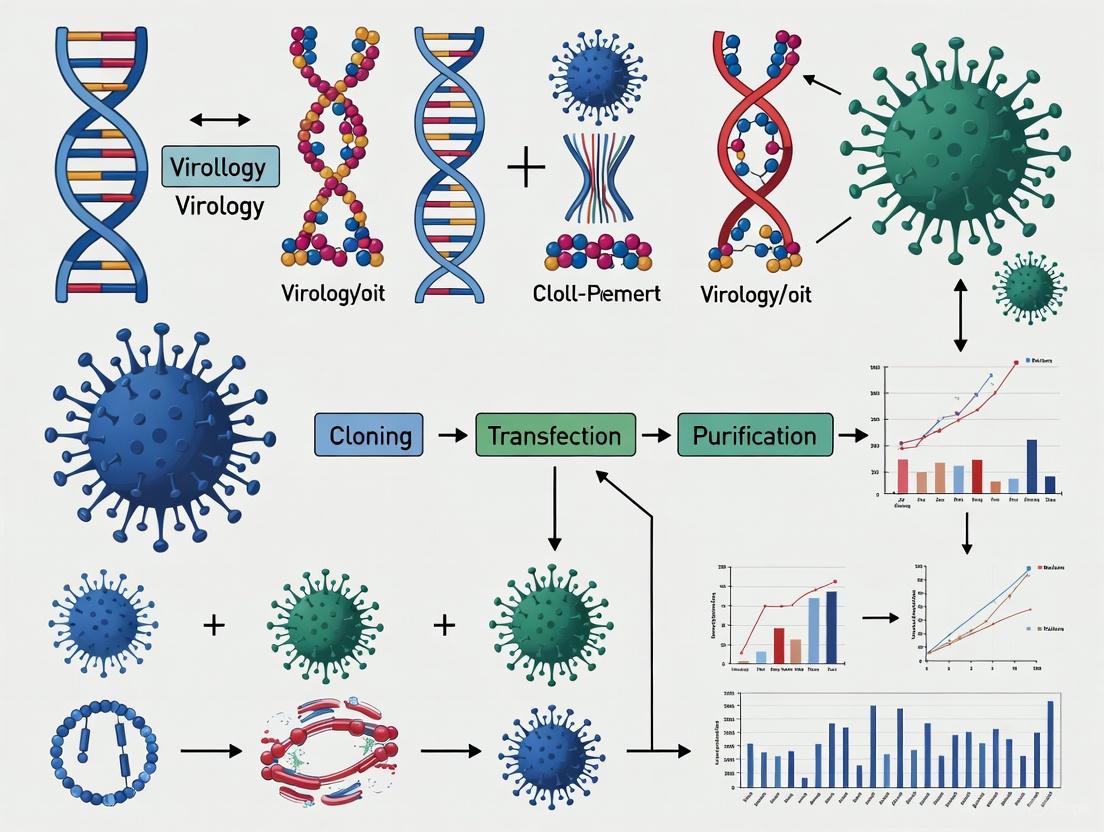
This article explores the transformative impact of high-throughput virology (HTV) platforms on viral vector manufacturing for gene therapies and vaccines.
High-Throughput Virology: Revolutionizing Viral Vector Production for Next-Generation Therapies
Abstract
This article explores the transformative impact of high-throughput virology (HTV) platforms on viral vector manufacturing for gene therapies and vaccines. Aimed at researchers, scientists, and drug development professionals, it provides a comprehensive analysis spanning foundational principles, cutting-edge methodological applications, advanced troubleshooting for yield and quality optimization, and rigorous validation strategies. The content synthesizes current technological advancements, including the integration of robotic automation, Design of Experiments (DoE), and machine learning, to address critical industry challenges such as overcoming innate antiviral defenses and standardizing scalable bioprocesses. By offering a detailed roadmap from discovery to commercial production, this resource equips professionals with the knowledge to accelerate the development of effective viral vector-based biologics.
The High-Throughput Virology Revolution: Core Principles and Industry Impact
Defining High-Throughput Virology (HTV) in Modern Biomanufacturing
High-Throughput Virology (HTV) represents a transformative approach in modern biomanufacturing and antiviral drug discovery, leveraging automation, miniaturization, and advanced data analytics to rapidly process thousands of viral samples or compounds. This paradigm addresses critical bottlenecks in virology research, from accelerating the development of viral vector-based gene therapies to identifying novel antiviral compounds. This application note delineates the core principles, methodologies, and applications of HTV, providing detailed protocols for screening antiviral compounds against the Chikungunya virus and for high-throughput viral titer determination. Supported by quantitative data and standardized workflows, this document serves as a foundational resource for researchers and scientists engaged in advancing virology and biomanufacturing.
High-Throughput Virology (HTV) is an interdisciplinary framework that applies high-throughput screening (HTS) technologies to virological research and biomanufacturing. Its primary objective is to expedite the systematic analysis of viral behaviors, virus-host interactions, and antiviral agents at an unprecedented scale and speed. The global viral vector manufacturing market, a key beneficiary of HTV methodologies, is projected to grow from US$1.74 billion in 2024 to US$5.76 billion by 2031, reflecting a compound annual growth rate (CAGR) of 18.8% [1]. This growth is propelled by the rising pipeline of gene and cell therapies, increased investment in biomanufacturing infrastructure, and technological innovations in single-use bioreactors and closed-system processing [1]. HTV is critical for supporting this expansion, enabling the rapid, reproducible, and cost-effective development of viral vectors for therapeutic and vaccine applications.
Core HTV Applications in Biomanufacturing and Antiviral Discovery
HTV methodologies are instrumental across multiple domains, two of which are highlighted below with quantitative outcomes.
Antiviral Compound Screening
The discovery of antiviral drugs necessitates screening vast chemical libraries to identify compounds that inhibit viral replication. A recent study established a quantitative high-throughput screening (qHTS) pipeline to identify inhibitors of the Chikungunya virus (CHIKV) nsP2 protease, a critical viral replication enzyme [2]. The research utilized a fluorescence resonance energy transfer (FRET)-based assay in a 1,536-well format to screen approximately 31,000 unique small molecules from drug repurposing and medicinal chemistry libraries [2]. This approach generated concentration–response curves directly from the primary screen, thereby reducing false-positive and false-negative rates common in conventional screening [2].
Table 1: Key Assay Parameters for CHIKV nsP2 Protease Screening
| Assay Component | Description | Performance/Value |
|---|---|---|
| Enzyme | Recombinant CHIKV nsP2 protease domain (nsP2pro) | Catalytic efficiency (kcat/Km) for nsp3/4 site peptide: ~14,500 M⁻¹s⁻¹ [2] |
| Substrate | 15-amino acid fluorogenic peptide (nsp3/4 cleavage site, DELRLDRAGG/YIFSS) | Signal-to-Background (S/B) ratio: >3-fold with 150 nM enzyme [2] |
| Throughput | 1,536-well plate format | ~31,000 compounds screened [2] |
| Hit Validation | Counter-screening with full-length nsP2, selectivity assays, and a cell-based split nanoluciferase reporter | Identified novel, cell-active nsP2 inhibitor compounds [2] |
High-Throughput Viral Titer Determination
Accurate viral titration is fundamental in biomanufacturing for quality control and potency assessment. Conventional methods like plaque assays (PFU) and 50% tissue culture infectious dose (TCID₅₀) are time-consuming (taking 5-12 days) and labor-intensive [3]. A high-throughput colorimetric viral titer assay was developed using a tetrazolium-based MTS reagent, which is reduced to a colored formazan product by metabolically active cells [3]. The absorbance of formazan at 490 nm is inversely proportional to the viral load causing cell death. This method demonstrated a linear range for rapid titration between 100 and 2,000 TCID₅₀/ml for porcine respiratory coronavirus and 500 and 10⁶ PFU/ml for bovine alpha herpesvirus 1 [3].
Table 2: Comparison of Viral Titration Methods
| Parameter | Traditional TCID₅₀/PFU | High-Throughput MTS Assay |
|---|---|---|
| Throughput | Low (laborious serial dilutions) | High (96-well plate format, no dilutions within linear range) [3] |
| Time to Result | 5-12 days [3] | Rapid (protocol can be completed within days) [3] |
| Data Output | Discrete, quantal (infected/not infected) [3] | Continuous, quantitative (cell viability percentage) [3] |
| Subjectivity | High (relies on expert observation) [3] | Low (objective colorimetric readout) [3] |
| Primary Application | Gold standard, low-throughput quantification | Rapid screening for drug development and viral survival studies [3] |
Detailed Experimental Protocols
Protocol 1: qHTS for CHIKV nsP2 Protease Inhibitors
Objective: To identify small molecule inhibitors of CHIKV nsP2 protease activity using a FRET-based qHTS approach [2].
Materials:
- Recombinant Protein: Purified CHIKV nsP2 protease domain (nsP2pro) or full-length nsP2 (see Reagent Solutions).
- Substrate: A 15-amino acid peptide encompassing the natural nsp3/4 cleavage site (DELRLDRAGG/YIFSS), labeled with a 5-TAMRA fluorophore and QSY7 quencher.
- Compounds: Library of small molecules dissolved in DMSO.
- Equipment: 1,536-well microplates, a multi-mode plate reader capable of detecting fluorescence (excitation/emission appropriate for TAMRA), and liquid handling automation.
Procedure:
- Assay Setup: In a 1,536-well plate, dispense 2 µL of assay buffer into all wells.
- Compound Addition: Pin-transfer 10 nL of each compound from the library or DMSO control into respective wells.
- Enzyme Addition: Add 2 µL of nsP2pro enzyme solution (150 nM final concentration) to all wells using a dispenser. Centrifuge the plate briefly to mix.
- Reaction Initiation: Add 2 µL of the fluorogenic peptide substrate (5 µM final concentration) to start the reaction.
- Incubation and Reading: Incubate the plate at room temperature for a predetermined period (e.g., 60-90 minutes). Measure the fluorescence intensity at appropriate wavelengths.
- Data Analysis: Calculate the percentage inhibition for each compound using positive (no enzyme) and negative (DMSO only) controls. Fit concentration-response curves to determine IC₅₀ values for active compounds.
Protocol 2: High-Throughput Viral Titer Assay Using MTS
Objective: To rapidly determine the infectious titer of a viral sample by measuring virus-induced cytopathic effects (CPE) via a colorimetric readout [3].
Materials:
- Cells: Permissive cell line (e.g., Vero cells for CHIKV).
- Reagent: MTS tetrazolium compound, often commercially available as a pre-formulated solution (e.g., CellTiter 96 AQueous One Solution).
- Consumables: 96-well clear flat-bottom tissue culture-treated plates.
- Equipment: Plate reader capable of measuring absorbance at 490 nm.
Procedure:
- Cell Seeding: Seed a suspension of permissive cells at a standardized density (e.g., 1x10⁴ cells/well) in a 96-well plate. Incubate for 24 hours at 37°C, 5% CO₂ to form a confluent monolayer.
- Viral Infection: Prepare serial dilutions of the viral sample in culture medium. Remove the medium from the cell plate and inoculate triplicate wells with 100 µL of each viral dilution. Include mock-infected wells (medium only) as a negative control and a virus-induced cytotoxicity control (e.g., cells treated with a lysing agent) as a positive control.
- Incubation: Incubate the plate for 24-72 hours (duration depends on the virus kinetics) until CPE is evident in the positive control wells.
- Viability Staining: Carefully remove the supernatant from all wells. Add a homogeneous mix of 100 µL fresh culture medium and 20 µL MTS reagent to each well.
- Formazan Development: Incubate the plate for 1-4 hours at 37°C, protected from light.
- Absorbance Measurement: Measure the absorbance at 490 nm using a plate reader.
- Data Analysis:
- Calculate cell viability for each well using the formula:
Cell Viability (%) = [(Atested - AMTS) / (ACTRL100% - AMTS)] * 100whereAtestedis the absorbance of the test well,AMTSis the background absorbance of the MTS-medium solution, andACTRL100%is the average absorbance of mock-infected cells [3]. - Plot cell viability against the log viral dilution or known standard titers to determine the unknown sample's titer.
- Calculate cell viability for each well using the formula:
Workflow Visualization
Diagram 1: Generic High-Throughput Virology Screening Workflow.
Diagram 2: Antiviral Screening Cascade for CHIKV Inhibitors [2].
The Scientist's Toolkit: Research Reagent Solutions
Table 3: Essential Reagents for High-Throughput Virology Applications
| Reagent / Material | Function / Application | Example / Specification |
|---|---|---|
| Recombinant Viral Enzymes | Target for biochemical HTS; e.g., CHIKV nsP2 protease for antiviral discovery [2]. | Purified C-terminal 329 aa protease domain (nsP2pro) or full-length protein [2]. |
| Fluorogenic Peptide Substrates | Report on enzymatic activity in real-time via fluorescence increase upon cleavage. | 15-amino acid peptide with nsp3/4 cleavage site, 5-TAMRA/QSY7 FRET pair [2]. |
| MTS Tetrazolium Reagent | Colorimetric measurement of cell metabolic activity for viral CPE quantification and titer determination [3]. | Commercial solution (e.g., CellTiter 96 AQueous One); absorbance read at 490 nm [3]. |
| Specialized Cell Lines | Permissive cells for viral propagation, infection studies, and cell-based antiviral assays. | Swine testicular (ST) cells, Madin-Darby bovine kidney (MDBK) cells, Vero cells [3] [4]. |
| Automated Image Analysis Software | High-throughput, accurate quantification of infected cells in antiviral screens. | MvTec Halcon software for automated detection of infected/uninfected cells (Pearson correlation: 0.9886 vs. manual count) [4]. |
The Critical Need for HTV in Gene Therapy and Vaccine Development
The fields of gene therapy and vaccinology are undergoing a transformative shift, driven by the escalating demands for rapid development and large-scale manufacturing of biologic products. High-Throughput Virology (HTV) has emerged as a critical discipline, enabling the acceleration of research, enhancement of safety profiles, and scaling of production processes that are essential for modern biologics. The successful global response to the COVID-19 pandemic underscored the indispensable role of HTV, where platform technologies like viral vectors and mRNA formulations allowed for unprecedented speed in vaccine development and deployment [5]. This article details specific, high-throughput applications and protocols that are foundational to advancing gene therapy and next-generation vaccine technologies, providing a practical guide for researchers and drug development professionals.
HTV Applications in Vector Engineering and Development
CRISPR-Cas for High-Throughput Viral Genome Engineering
The CRISPR-Cas system has revolutionized viral genome editing, offering a powerful, simple, and efficient alternative to traditional homologous recombination or bacterial artificial chromosome (BAC) systems, which can be time-consuming and laborious, especially for viruses with large genomes [6].
Functional Principle: The system consists of a Cas nuclease and a single-guide RNA (sgRNA). The chimeric sgRNA directs Cas9 to bind to a target DNA fragment adjacent to a Protospacer Adjacent Motif (PAM), stimulating a double-stranded break (DSB). The cellular repair of this DSB via non-homologous end joining (NHEJ) or homology-directed repair (HDR) enables precise gene knockouts, insertions, or deletions [6].
High-Throughput Application: CRISPR-Cas is not only a tool for targeted gene editing but also facilitates high-throughput functional genomics. Genome-wide CRISPR knockout (CRISPR KO) or CRISPR interference (CRISPRi) screens can identify host factors critical for viral infection. For instance, such screens have identified essential receptors for SARS-CoV-2 and noroviruses, as well as host factors involved in the life cycles of viruses like influenza and Dengue virus [7].
Table 1: CRISPR-Cas Systems in High-Throughput Virology
| CRISPR System | Target | Primary Use in Virology | Key Advantage |
|---|---|---|---|
| Cas9 | DNA | Viral genome editing, identification of DNA virus host factors [6] [7] | Precise DNA cleavage, versatile for knockout screens |
| Cas12a | DNA | Viral genome editing, diagnostics [7] | Targets T-rich PAM sites, multiplexing capability |
| Cas13 | RNA | Targeting RNA viruses, viral RNA detection [7] | RNA cleavage, minimizes genomic integration risk |
| dCas9 (CRISPRi/a) | DNA | Transcriptional regulation of viral or host genes [7] | Silencing or activating genes without altering DNA |
High-Throughput Analytical Methods for Vector Characterization
As recombinant Adeno-Associated Virus (rAAV) has become a leading gene therapy vector, the need for high-throughput analytics to determine product potency and safety has intensified. The viral genome (Vg) titer, a standard potency measure, does not distinguish between intact genomes and truncated, non-functional species [8].
Novel Hybrid Capture-MSD Method: A high-throughput RNA-DNA hybrid capture-multiplex meso scale discovery (MSD) method has been developed to quantify the integrity of the rAAV genome. This method specifically quantifies intact versus truncated genomes for both the plus and minus strands individually, providing data that correlates strongly with rAAV activity [8]. This represents a significant advance over conventional titering, enabling more reliable dosing in preclinical and clinical studies.
HTV in Adventitious Agent Safety Testing
Ensuring the absence of adventitious viruses is a critical safety requirement for biological products. High-Throughput Sequencing (HTS), also known as next-generation sequencing (NGS), is now recognized as a powerful alternative to conventional in vivo and in vitro assays for broad virus detection [9].
Validated HTS Workflow: A multi-laboratory study demonstrated the application of short-read HTS for detecting a panel of five viruses (EBV, FeLV, RSV, Reo1, PCV1) spiked into a high-titer adenovirus background. The study evaluated the sensitivity and breadth of detection using independent protocols for sample processing, sequencing, and bioinformatics analysis [9].
Key Findings:
- All participating laboratories detected all five spiked viruses at a concentration of 10^4 genome copies per mL (GC/mL) using both targeted and non-targeted bioinformatic analyses.
- Most laboratories detected all viruses at 10^3 GC/mL with targeted analysis, demonstrating high sensitivity.
- The study highlighted that optimization of steps in the HTS workflow can significantly improve the limit of detection [9].
Table 2: HTS Detection Sensitivity for Adventitious Viruses
| Virus Spike Level (GC/mL) | Targeted Analysis Detection | Non-Targeted Analysis Detection | Key Observations |
|---|---|---|---|
| 10^4 | 5/5 viruses by all labs [9] | 5/5 viruses by all labs [9] | Robust detection at this level by all methodologies |
| 10^3 | 5/5 viruses by 5/5 labs [9] | Variable (e.g., all 5 viruses or only 2) [9] | Targeted analysis provides more consistent sensitivity |
| 10^2 | Variable (e.g., 3/5 viruses) [9] | Variable [9] | Detection at this level is protocol-dependent |
HTV in Antiviral Screening and Vaccine Design
Comparative High-Throughput Screening for Entry Inhibitors
Viral entry is an ideal target for therapeutic intervention. For highly pathogenic viruses, pseudotyped virions enable safe, high-throughput screening (HTS) in BSL-2 facilities [10].
Protocol: Comparative HTS for Entry Inhibitors
- Principle: HIV-based pseudovirions are generated by incorporating the glycoproteins (GP) of target viruses (e.g., Marburg virus, H5N1 influenza, Lassa virus). These pseudovirions encode a luciferase reporter gene, allowing infection to be quantified via luminescence [10].
- Screening Workflow:
- Production: Pseudovirions are produced by co-transfecting 293T cells with plasmids encoding the target GP and an HIV-based reporter vector.
- Assay: Target cells (e.g., A549) are seeded in 384-well plates. Compounds are mixed with pseudovirions and transferred to the cell plates.
- Readout: After 48 hours, luciferase activity is measured. Inhibition is calculated as a percentage reduction in luminescence compared to controls [10].
- Comparative Advantage: Screening a compound library against multiple pseudovirion types simultaneously allows for the immediate identification of virus-specific hits and the reduction of false positives common in HTS [10].
Accelerating Vaccine Development with CRISPR
CRISPR-Cas is a game-changer in vaccine development. It enables the rapid generation of recombinant viral vectors and attenuated live vaccines with precise genomic modifications. Furthermore, it facilitates the creation of gene-edited animal models that are resistant to key infectious diseases, a significant step for both animal health and agricultural biosecurity [7].
Application in Animal Health:
- PRRSV-Resistant Pigs: By using CRISPR-Cas to knockout the CD163 gene in pigs, researchers have successfully generated animals fully resistant to Porcine Reproductive and Respiratory Syndrome Virus (PRRSV), a major agricultural pathogen [7].
- Avian Influenza Resistance: CRISPR editing of the ANP32 gene family in chickens has created resistance to avian influenza infection [7].
These examples demonstrate how HTV approaches can directly engineer disease resistance, bridging the gap between basic research and applied therapeutic outcomes.
Essential Research Reagent Solutions
The successful implementation of HTV relies on a standardized toolkit of reagents and platforms. The following table details key materials used in the featured applications.
Table 3: Research Reagent Solutions for High-Throughput Virology
| Reagent / Solution | Function in HTV | Example Application |
|---|---|---|
| CRISPR sgRNA Libraries | Enables genome-wide loss-of-function or gain-of-function screens | Identification of host factors essential for SARS-CoV-2 replication [7] |
| Viral Pseudotyping Systems | Safe surrogate for studying entry of pathogenic viruses; core of HTS assays | Screening for entry inhibitors against Marburg, H5N1, and Lassa viruses [10] |
| CBER NGS Virus Reagents | Standardized reference panel for HTS assay validation | Evaluating sensitivity and breadth of adventitious virus detection [9] |
| High-Throughput AAV Analytics | Quantifies intact vs. truncated viral genomes; correlates with potency | RNA-DNA hybrid capture-MSD for rAAV genome integrity [8] |
| Lipid Nanoparticles (LNPs) | Versatile vector for mRNA vaccine and therapy delivery | Formulation for SARS-CoV-2 mRNA vaccines [5] |
The integration of High-Throughput Virology methodologies is no longer optional but a critical necessity for advancing gene therapies and vaccines. From the precision engineering of viral vectors with CRISPR and the rigorous safety testing enabled by HTS to the rapid screening of antivirals and design of novel vaccines, HTV provides the speed, scale, and precision required to meet modern public health and therapeutic demands. The protocols and applications detailed herein provide a framework for researchers to leverage these powerful tools, driving innovation from the laboratory bench to clinical and commercial realization.
The convergence of rare disease research and high-throughput virology is catalyzing a paradigm shift in modern medicine. Driven by substantial market growth, scientific innovation, and regulatory evolution, therapeutic developments for rare diseases are increasingly informing mainstream therapeutic applications. The global rare disease treatment market, valued at approximately $232.2 billion in 2024, is projected to reach $792.8 billion by 2037, expanding at a compound annual growth rate (CAGR) of 10.35% [11]. This growth is primarily fueled by advances in precision medicine, genomic technologies, and viral vector engineering, particularly adeno-associated virus (AAV) vectors that enable efficient gene therapy delivery. High-throughput virology methods are accelerating this transition by optimizing vector production and selection, creating powerful synergies between basic virology and clinical application. These developments are transforming rare diseases from neglected areas to pioneering fronts for innovative therapies that eventually benefit broader patient populations.
Rare diseases, collectively defined as conditions affecting small patient populations, represent a significant public health challenge despite their individual rarity. With over 6,000 identified rare diseases affecting an estimated 300-400 million people globally (approximately 3.5-5.9% of the global population), these conditions constitute a substantial medical burden [12]. Approximately 72-80% of rare diseases have a known genetic origin, with about 70% manifesting during childhood [12]. The historical neglect of these conditions, attributable to limited commercial incentives and scientific challenges, has been reversed through targeted legislation like the Orphan Drug Act of 1983, which catalyzed pharmaceutical investment by creating designated pathways and incentives for rare disease therapy development [12].
The rare disease sector has emerged as an unexpected innovation driver in pharmaceutical development, with orphan drugs now representing a significant portion of new drug approvals. In recent years, over half of all new drug approvals by the FDA have been for rare disease indications [12]. This trend reflects a fundamental shift in drug development paradigms, where the focused nature of rare disease research provides ideal conditions for testing targeted therapeutic approaches, including gene therapies, antisense oligonucleotides, and other modality-based treatments that subsequently find applications in more common conditions.
Quantitative Market Landscape and Key Drivers
Market Size and Growth Projections
Table 1: Global Rare Disease Treatment Market Projections
| Year | Market Size (USD Billion) | Growth Rate | Key Influencing Factors |
|---|---|---|---|
| 2024 | 232.2 [11] | - | Base year valuation |
| 2025 | 243.1 [11] | - | Initial growth phase |
| 2030 | 374.4 [13] | 11.6% CAGR (2025-2030) [13] | Precision medicine adoption |
| 2030 | 36.5 [14] | 10.9% CAGR (2025-2030) [14] | Alternative market assessment |
| 2037 | 792.8 [11] | 10.35% CAGR (2025-2037) [11] | Long-term expansion |
The disparate market size figures from different sources reflect varying methodological approaches to market assessment but consistently demonstrate strong growth trajectories across all projections.
Epidemiological Foundations and Diagnostic Advancements
Table 2: Rare Disease Epidemiology and Diagnostic Metrics
| Parameter | Value | Significance |
|---|---|---|
| Global Prevalence | 300-400 million people [12] | Collective disease burden demonstrates market scale |
| US Prevalence | 25-30 million Americans (∼1 in 10) [12] | Substantial addressable market in developed regions |
| Diseases with Approved Treatments | ∼5% (∼95% without specific therapy) [12] | Massive unmet need driving innovation and investment |
| Average Diagnostic Delay | ∼4.5 years (25% wait >8 years) [12] | Diagnostic challenges creating opportunity for improved methods |
| Genetic Origin | 72-80% of rare diseases [12] | Rationale for genetic approaches and precision medicine |
Advances in genomic sequencing technologies are significantly addressing diagnostic challenges. Whole-exome sequencing (WES) and whole-genome sequencing (WGS) demonstrate superior diagnostic rates compared to conventional methods, with pooled rates of 0.3 and 0.4 respectively [11]. Rapid genomic sequencing has demonstrated substantial healthcare cost savings, with studies in Australia, Hong Kong, and the U.S. showing significant reductions in hospital days and associated costs [11].
Therapeutic Pipeline and Clinical Trial Landscape
Table 3: Selected Rare Disease Therapies in Clinical Development
| Drug Name | Indication | Sponsor | Phase | Key Notes | Timeline |
|---|---|---|---|---|---|
| Venglustat | Gaucher Disease Type 3 | Sanofi Genzyme | Phase 3 | Oral substrate reduction therapy | Active (Ends 2026) [11] |
| Elivaldogene autotemcel | Metachromatic Leukodystrophy | Orchard Therapeutics | Phase 3 | Autologous gene therapy, single infusion | Active (Completion 2025) [11] |
| Roctavian | Hemophilia A | BioMarin | Phase 3 | Gene therapy for factor VIII deficiency | Active (Ends 2026) [11] |
| WVE-003 | Huntington's Disease | - | Phase Ib/IIa | Allele-selective antisense oligonucleotide | Positive 2024 results [13] |
| Afamitresgene autoleucel | Synovial Sarcoma | - | Approved (2024) | Immunotherapy for rare soft tissue cancer | FDA approved August 2024 [13] |
The rich clinical pipeline reflects increasing investment in rare disease therapeutics, with both biotechnology and large pharmaceutical companies actively developing targeted approaches. The success of recently launched products demonstrates market viability, with BridgeBio Pharma's Acoramidis earning $36.7 million in U.S. sales alone shortly after its November 2024 launch for treating transthyretin amyloid cardiomyopathy [11].
High-Throughput Virology in Vector Production
AAV Vector Development Workflow
The development of adeno-associated virus (AAV) vectors represents a cornerstone technology enabling gene therapies for rare diseases. AAV has become a pivotal tool in gene therapy, providing a safe and efficient platform for long-term transgene expression [15]. The historical development of AAV, from its initial identification as a contaminant to its current clinical applications, demonstrates how virology fundamentals have been harnessed for therapeutic purposes.
Protocol: High-Throughput AAV Library Screening for Vector Optimization
Objective: To identify AAV variants with enhanced tropism, reduced immunogenicity, and improved transduction efficiency for rare disease gene therapy applications.
Materials:
- AAV Library Diversity: Combinatorial capsid libraries (>10^6 variants)
- Cell Culture Models: Primary human cells, organoids, or tissue-specific lines
- Animal Models: Humanized mouse models or non-human primates
- Sequencing Platform: Next-generation sequencing (NGS) system
- qPCR/DDPCR: For vector genome quantification
Procedure:
Library Administration
- Administer pooled AAV library to human decedents or relevant animal models
- Allow 24-72 hours for biodistribution and cellular entry
- Collect target tissues and isolate vector DNA
Recovery and Amplification
- Extract total DNA from target tissues using silica-membrane columns
- Amplify capsid coding regions with barcoded primers
- Prepare sequencing libraries with unique molecular identifiers
High-Throughput Analysis
- Sequence amplified regions using Illumina platform (minimum 50M reads)
- Map sequences to reference AAV genome
- Quantify variant abundance across tissues
Bioinformatic Selection
- Identify enriched variants with >10-fold increase in target tissues
- Exclude variants with promiscuous tropism or liver enrichment
- Select 5-10 lead candidates for secondary validation
Validation Studies
- Package candidate vectors with reporter genes
- Assess transduction efficiency in primary human cells
- Evaluate immunogenicity profile in human PBMC assays
Timeline: 8-12 weeks for primary screen, 12-16 weeks for validation
Technical Notes: Critical parameters include library diversity, administration route, and selection of clinically relevant models. The administration of AAV libraries to human decedents represents a transformative approach in AAV evolution and selection for human applications [15].
Precision Medicine and Therapeutic Modalities
Therapeutic Platform Applications
The convergence of rare disease research and precision medicine has generated multiple targeted therapeutic platforms with broad applicability:
4.1.1 Gene Therapy and Editing
- AAV-Based Gene Replacement: Successfully applied to spinal muscular atrophy (SMA) with onasemnogene abeparvovec, transforming a lethal childhood condition into a manageable disease [13]
- CRISPR-Cas9 Genome Editing: Demonstrated in Huntington's Disease models to reduce CAG repeats, with applications extending to leukodystrophies and other repeat expansion disorders [13]
- Gene Silencing: Allele-selective antisense oligonucleotides (e.g., WVE-003 for Huntington's) achieving mutant huntingtin protein reduction in clinical trials [13]
4.1.2 Enzyme Replacement and Modulation
- Enzyme Replacement Therapy (ERT): Intravenous administration of recombinant enzymes for lysosomal storage diseases including Fabry disease, Gaucher disease, and Batten disease [13]
- CFTR Modulators: Dramatic improvement in lung function and life expectancy for cystic fibrosis patients, potentially extending median survival toward normal ranges [12]
Protocol: High-Throughput Viral Vector Titer Quantification
Objective: To accurately quantify viral genome particles, physical particles, and infectious units for quality control in vector production.
Materials:
- Purified Viral Preparation: AAV, lentivirus, or other viral vectors
- qPCR/DDPCR System: With SYBR Green or probe-based chemistry
- Electron Microscope: With negative staining capability
- Cell Culture: Permissive cell lines (e.g., HEK293, Vero)
- Antibodies: Primary against viral antigens and fluorescent secondaries
Procedure:
Genome Quantification (qPCR)
- Digest vector preparation with DNase I (1 hour, 37°C) to remove unencapsidated DNA
- Inactivate DNase with EDTA (5mM final concentration, 10 minutes, 65°C)
- Proteinase K treatment to release viral genomes (1 hour, 56°C)
- Extract DNA using silica-membrane columns
- Perform qPCR with standards of known concentration
- Calculate vector genomes/mL using standard curve
Physical Particle Count (Electron Microscopy)
- Fix virus preparation with 2.5% glutaraldehyde (1:1 ratio, ≥1 hour)
- Pellet particles on carbon/Formvar-coated copper grids (10 minutes, 12,000 × g)
- Stain with 2% tungstophosphoric acid (pH 6.0)
- Count particles in 10 grid squares (1 particle/square = 1.5 × 10^5 particles/mL)
- Calculate particles/mL based on counted average
Infectious Titer Determination (Focus Forming Assay)
- Serially dilute vector preparation 10-fold in culture medium
- Inoculate confluent cell monolayers in 96-well plates (100μL/well)
- Incubate 24-48 hours at 37°C, 5% CO₂
- Remove supernatant, wash cells 3× with PBS
- Fix with cold acetone (80% in water, 60 minutes, -20°C)
- Incubate with primary antibody (30 minutes, 37°C)
- Incubate with fluorescent secondary antibody (30 minutes, 37°C)
- Count fluorescent foci at appropriate dilution
Calculations:
- Genome/particle ratio = Vector genomes (qPCR) / Physical particles (EM)
- Infectious unit/particle ratio = FFU / Physical particles (EM)
- Particle/infectivity ratio = Physical particles (EM) / FFU
Quality Thresholds: For AAV vectors, genome/particle ratio should approach 1.0, with particle/infectivity ratio <100:1 for premium preparations.
The Scientist's Toolkit: Essential Research Reagents
Table 4: Key Reagents for High-Throughput Virology and Vector Development
| Reagent/Category | Specific Examples | Function/Application | Technical Notes |
|---|---|---|---|
| Viral Library Platforms | AAV capsid libraries, Lentiviral packaging systems | Diversity generation for vector optimization | Critical for tropism expansion and immune evasion |
| Cell Culture Systems | HEK293, Vero, BHK-21, C6/36, HmLu-1 [16] | Vector production and titration | Species and tissue origin affects viral replication |
| Molecular Kits | TRIZOL Reagent, QuantiTect Probe RT-PCR Kit [17] | Nucleic acid extraction and quantification | Essential for accurate genome counting |
| Quantitative Assays | qPCR, branched DNA, TaqMan systems [18] | Viral load and genome quantification | Varying sensitivity and reproducibility profiles |
| Detection Antibodies | Virus-specific primaries, fluorescent secondaries [17] | Infectivity quantification and visualization | Determines assay specificity and sensitivity |
| Sequencing Platforms | Illumina, Nanopore, PacBio | Vector integration and diversity analysis | Required for library selection tracking |
Integrated Development Pathway
The transition from rare disease research to mainstream applications follows a predictable pathway that integrates basic virology, clinical development, and commercial translation:
The synergy between rare disease therapeutics and high-throughput virology represents a powerful engine for biomedical innovation. Market forces, including substantial growth projections and regulatory incentives, combine with scientific advances in vector engineering and precision medicine to create an unprecedented opportunity for therapeutic development. The quantitative frameworks and standardized protocols presented herein provide researchers with essential tools for advancing this field. As viral vector technologies continue to evolve through high-throughput screening and engineering approaches, the transition from rare disease applications to mainstream medicine will accelerate, ultimately benefiting broader patient populations through platforms refined in rare disease contexts. This trajectory demonstrates how focused investigation of rare conditions can yield disruptive technologies with far-reaching medical implications.
The field of high-throughput virology (HTV) is undergoing a transformative shift, driven by the convergence of automation, miniaturization, and advanced analytics. This evolution is critical for supporting the rapidly expanding cell and gene therapy (CGT) pipeline, which includes over 2,000 candidates in development and relies heavily on viral vectors for delivery [19]. The global viral vector development market, valued at approximately $1 billion in 2025, is projected to grow at a compound annual growth rate (CAGR) of 15.11% to 18.84%, reaching up to $5 billion by 2034 [20] [21]. This growth is fueled by promising clinical results and increasing regulatory approvals for gene therapies and viral vector-based vaccines. However, the path from research to clinic is fraught with challenges, including complex manufacturing processes, high production costs, and difficulties in scaling [22] [19]. HTV platforms, integrating the core components of automation, miniaturization, and analytics, are designed to overcome these bottlenecks by enhancing process robustness, accelerating development timelines, and providing deep product characterization, thereby de-risking the journey from bench to bedside.
Core Component I: Automation in Viral Vector Production
Automation is a cornerstone of modern HTV platforms, directly addressing the critical challenges of scalability, reproducibility, and cost-efficiency that plague viral vector manufacturing.
Strategic Drivers for Automation
The adoption of automated systems is not merely a technical upgrade but a strategic necessity driven by several factors:
- Scalability Demands: As therapies progress from clinical trials to commercialization, manufacturing must scale up from small-scale research batches to large-volume commercial production. Automated bioreactor systems and downstream processing equipment are essential for this transition [19].
- Process Consistency and Reproducibility: Automated systems minimize human error and variability in complex, multi-step processes like transient transfection and downstream purification, ensuring batch-to-batch consistency [22].
- Reducing High Cost of Goods (COGs): Manual, labor-intensive processes, particularly in adherent cell culture systems for lentiviral vector production, contribute significantly to high COGs. Automation through fixed-bed bioreactors or automated suspension cultures reduces labor costs and improves efficiency [19].
Automated Upstream Processing
In upstream processing, automation enables precise control over critical process parameters. The shift from adherent culture in cell stacks to automated suspension-based bioreactors for AAV production represents a significant advancement [19]. For lentiviral vectors, which have traditionally relied on manual multilayer vessels, the implementation of fixed-bed bioreactor systems provides a closed, automated alternative that reduces contamination risk, lowers facility footprint, and enables more consistent vector yields [19].
Automated Analytics and High-Throughput Screening
Beyond production, automation is revolutionizing analytics. The development of a novel, high-throughput RNA-DNA hybrid capture-multiplex meso scale discovery (MSD) method for characterizing the integrity of the rAAV genome is a prime example. This automated method quantifies intact versus truncated genomes for both strands individually with high sensitivity and specificity, providing data that correlates strongly with rAAV activity [8]. Such automated analytical suites are vital for the rapid, data-driven decision-making required in HTV.
Table 1: Key Automated Systems in Viral Vector Manufacturing
| System Type | Application | Key Benefit | Example Technology |
|---|---|---|---|
| Fixed-Bed Bioreactor | Upstream LV Production | Closed, automated system; reduces labor & footprint | Single-use, automated fixed-bed bioreactors |
| Suspension Bioreactors | Upstream AAV Production | Scalable, closed system for commercial volumes | Stirred-tank or single-use bioreactors |
| Automated Purification & Filtration | Downstream Processing | Improves recovery rates & consistency | Tangential Flow Filtration (TFF) systems |
| Hybrid Capture-MSD Assay | rAAV Analytics | High-throughput genome integrity data | Automated MSD plate-based analyzer |
Core Component II: Miniaturization and High-Throughput Process Development
Miniaturization is a powerful paradigm that accelerates process development and optimization while conserving precious resources, acting as a bridge between benchtop research and large-scale GMP manufacturing.
The Rationale for Miniaturized HTV Platforms
The drive towards miniaturization is motivated by the "What to Test" trilemma, which highlights the difficulty in balancing physical fidelity, scalability/efficiency, and cost [23]. Miniaturized platforms address this by:
- Accelerating Experimental Timelines: They enable the parallel execution of hundreds of experiments in a short time, drastically speeding up the optimization of critical process parameters (CPPs) for both upstream and downstream operations.
- Dramatically Reducing Material Consumption: By working at the micro- or milliliter scale, these platforms minimize the consumption of expensive raw materials, such as plasmid DNA and cell culture media.
- Enhancing Data Density and Quality: Miniaturized systems allow for a more comprehensive exploration of the experimental design space, leading to robust and well-characterized processes.
Miniaturization in Analytical Method Development
The principles of miniaturization are also being applied to analytics. The high-throughput RNA-DNA hybrid capture MSD method is a key example, as it allows for the rapid characterization of numerous rAAV samples in parallel, providing crucial data on genome integrity that traditional viral genome titer assays lack [8]. This addresses a critical metrological gap in the field, moving beyond functional demonstration to rigorous, quantitative analysis [23].
A Miniature Mixed-Reality HIL Platform Case Study
The MMRHP (Miniature Mixed-Reality HIL Platform) exemplifies the integration of miniaturization with high-fidelity measurement. While developed for autonomous vehicles, its core principles are directly translatable to HTV for bioprocess optimization. The platform was designed to overcome the "How to Measure" dilemma by providing a systematic framework for auditable, quantitative, closed-loop evaluation [23]. Its key features include:
- A unified spatiotemporal measurement core ensuring consistent quantification.
- A stable closed-loop latency baseline and high spatial accuracy (10.27 mm RMSE).
- A structured, three-phase testing process for identifying performance limits and triggering conditions.
This approach underscores the value of miniaturized, data-rich systems for diagnosing process performance and establishing known, controllable operating boundaries—a fundamental requirement for robust viral vector manufacturing.
Core Component III: Advanced Analytics for Vector Characterization
Advanced analytics form the decision-making backbone of any HTV platform, providing the deep product and process understanding required for regulatory compliance and process control.
Moving Beyond Traditional Titer Assays
While viral genome (Vg) titer is a standard potency measure for rAAV, it is an insufficient metric alone. The rAAV genome is a heterogeneous population containing both intact genomes and numerous truncated species that lack functionality [8]. This disconnect between Vg titer and biological activity necessitates more sophisticated analytical methods to fully characterize product quality.
Genome Integrity Analysis
A novel RNA-DNA hybrid capture-multiplex Meso Scale Discovery (MSD) method has been developed to directly address the limitation of Vg titer. This method specifically quantifies the intact versus truncated genomes of both the plus and minus strands individually with high sensitivity and specificity [8]. The data generated shows a strong correlation with rAAV activity, making it a superior tool for assessing true product potency, optimizing vector design, and improving delivery efficiency.
The Essential "Scientist's Toolkit"
Successful implementation of an HTV platform relies on a suite of specialized research reagents and tools. The table below details key components essential for viral vector process development and analytics.
Table 2: Research Reagent Solutions for High-Throughput Virology
| Reagent/Material | Function in HTV | Application Example |
|---|---|---|
| HEK293 Cell Line & Derivatives | Robust, widely adopted host cell for AAV, Adenovirus, and Lentivirus production [22]. | Adherent or suspension culture in scale-down bioreactor models. |
| Synthetic DNA | Scalable alternative to plasmid DNA; eliminates bacterial contaminants, shortens timelines, reduces costs [19]. | Transient transfection in high-throughput micro-bioreactors. |
| Stable Producer Cell Lines | Engineered cells that stably express viral components, eliminating the need for transfection and its variability [19]. | AAV or LV production in a standardized, high-yield platform process. |
| RNA-DNA Hybrid Capture Probes | Target-specific capture of intact rAAV genomes for precise quantification of full-length vs. truncated species [8]. | High-throughput integrity analysis via multiplex MSD assays. |
| Multiplex MSD Electrochemiluminescence Tags | Enable simultaneous, quantitative detection of multiple analytes (e.g., plus and minus strands) with high sensitivity [8]. | High-throughput potency and integrity profiling of rAAV samples. |
Integrated Experimental Protocols
This section provides a detailed methodology for a key experiment that integrates the three core HTV components to optimize and characterize a viral vector production process.
Protocol: High-Throughput Screening of Transfection Conditions for rAAV Production in a Miniaturized System
1. Objective: To systematically screen transfection parameters (e.g., DNA:PEI ratio, cell density, harvest time) in a high-throughput, miniaturized bioreactor system to identify conditions that maximize the yield of full-length, functional rAAV vectors.
2. Experimental Workflow: The following diagram illustrates the integrated workflow for this high-throughput screening protocol.
3. Materials:
- Cells: HEK293 suspension cells.
- Plasmids: pHelper, pRep/Cap, pITR-transgene (or synthetic DNA alternatives).
- Transfection Reagent: Linear PEI.
- Equipment: Automated micro-bioreactor system (e.g., ambr 250 or 15), liquid handling robot, analytical instruments (qPCR, MSD, HPLC).
- Consumables: Deep-well plates, micro-bioreactor vessels.
4. Procedure: 1. Cell Inoculation: Using an automated liquid handler, inoculate HEK293 suspension cells into an array of micro-bioreactors to a pre-determined viable cell density (VCD). Allow cells to adapt under controlled conditions (temperature, pH, DO, agitation). 2. Design of Experiment (DoE) Execution: Program the liquid handler to execute a pre-defined DoE. This will involve transferring different volumes of DNA and PEI solutions to deep-well plates, allowing complex formation, and subsequently delivering these complexes to the individual micro-bioreactors. 3. Process Monitoring: Allow the transfections to proceed with continuous monitoring and control of CPPs. Feed additions or pH adjustments can be automated. 4. Automated Harvest: At defined timepoints post-transfection, trigger an automated harvest sequence. This may involve transferring the culture contents to a separate plate for primary clarification via centrifugation or filtration. 5. High-Throughput Analytics: - Total Vector Genome Titer: Use a automated, plate-based qPCR or ddPCR assay to determine the total Vg titer for each condition. - Genome Integrity: Apply the RNA-DNA hybrid capture-MSD method to a lysed aliquot from each condition to determine the percentage of full-length, intact genomes [8]. - Infectivity/Potency: If applicable, perform a high-throughput cell-based assay (e.g., using a reporter cell line in a plate format) to assess functional titer. 6. Data Analysis and Modeling: Integrate all data (process parameters, Vg titer, % full-length, potency) into a statistical software package. Build multivariate models to identify the CPPs that most significantly impact both the yield and quality of the rAAV product.
5. Key Outputs:
- A ranked list of transfection conditions based on a combined metric of yield and quality.
- A predictive model showing the relationship between CPPs and Critical Quality Attributes (CQAs).
- A scalable, optimized process ready for verification in a larger bioreactor system.
The synergistic integration of automation, miniaturization, and advanced analytics is no longer a future aspiration but a present-day imperative for advancing viral vector production. These core HTV components directly address the pressing commercial challenges of high COGs, manufacturing complexity, and limited scalability that threaten to constrain the promise of cell and gene therapies [19]. By enabling rapid, data-driven process development, ensuring robust product characterization, and providing a clear path to scalable manufacturing, HTV platforms are de-risking the entire development pathway. As the industry moves towards more standardized, platform-based manufacturing processes and embraces novel technologies like synthetic biology and AI-powered analytics, the role of these integrated HTV components will only become more central. Their continued evolution is essential for translating the remarkable scientific progress in gene therapy into scalable, affordable, and accessible medicines for patients worldwide.
Advanced HTV Workflows: From Robotic Automation to AI-Driven Optimization
The growing demand for viral vectors in gene therapy and vaccinology necessitates the development of robust, scalable, and efficient production platforms [24]. High-Throughput Virology (HTV) platforms address this need by integrating advanced robotic automation with systematic experimental methodologies. The combination of Design of Experiments (DoE) with robotic liquid handling creates a powerful framework for accelerating process optimization in viral vector production [25]. This approach enables researchers to efficiently explore complex parameter spaces, optimize critical process parameters, and enhance product quality and yield while significantly reducing development timelines and costs.
The global market for viral vector production for research use is projected to grow from $1.9 billion in 2025 to $7.3 billion by 2035, representing a compound annual growth rate of 14.4% [24]. This expansion is largely driven by increasing demand for gene therapy research tools and the need for high-quality viral vectors in biomedical applications. Similarly, the automated liquid handling systems market is expected to grow from $3.26 billion in 2025 to $6.35 billion by 2035, with a CAGR of 6.9% [26]. This parallel growth underscores the interdependence of these technologies in advancing virology research.
Robotic Liquid Handling Systems
Robotic liquid handling systems, also known as automated liquid handling workstations, are sophisticated laboratory automation systems designed to precisely dispense liquids in pharmaceutical and biochemical applications [27]. These systems consist of several key components: sampling mechanisms, distribution modules, detection units, and software controls. By automating repetitive pipetting tasks, they enhance workflow efficiency while reducing human error and contamination risks in processes like high-throughput screening, PCR setup, and cell-based assays [27].
Table 1: Robotic Liquid Handling System Specifications
| Parameter | Options | Applications |
|---|---|---|
| Pipetting Technology | Air displacement, Piston/Positive displacement, Acoustic, Free-jet [26] | High-throughput screening, PCR setup, serial dilution [26] |
| Modality | Fixed tips, Disposable tips [26] | Cell culture, bead washing, plate replication [26] |
| Instrument Type | Standalone, Individual benchtop workstation, Multi-instrument systems [26] | Genomics, proteomics, clinical diagnostics [28] |
| Throughput | Single, 8-channel, 12-channel, 24-channel, Other multichannel [28] | Drug discovery, biopharmaceutical R&D [27] |
The global robotic liquid handling equipment market was valued at $1,155 million in 2024 and is projected to reach $1,774 million by 2032, exhibiting a CAGR of 6.5% during this period [27]. This growth is fueled by increasing demands for high-throughput screening in drug discovery, where these systems can reduce screening times by over 40% while improving accuracy and reproducibility [27].
Design of Experiments (DoE) in Virology
DoE represents a systematic approach to investigation that allows for the efficient exploration of process parameters and their interactions. In virology applications, DoE enables researchers to understand the complex relationships between critical process parameters and key quality attributes of viral vectors. The application of DoE is particularly valuable in chromatography optimization, where parameters such as loading density, pH, and residence time can significantly impact product quality and yield [25].
Recent advancements have demonstrated that High-Throughput Process Development (HTPD) combined with DoE methodologies can revolutionize AAV process optimization, creating streamlined, adaptable approaches tailored to diverse serotypes and product profiles [25]. These advanced tools reduce time-to-clinic while elevating quality and yield for gene therapy candidates.
Integrated Platform Configuration
System Components and Integration
The integrated HTV platform combines robotic liquid handling systems with DoE software and specialized analytics to create a comprehensive optimization workflow. Modern systems incorporate advanced features such as barcode identification for tracking sample reagents, temperature control modules, and liquid level sensors for enhanced precision and workflow management [26]. Modular designs allow for customization to meet specific laboratory requirements, with software advancements enabling seamless integration with Laboratory Information Management Systems (LIMS) and other laboratory instruments [28].
A key advancement in this field is the development of flexible workstation configurations, with modular platforms now representing over 40% of new installations [27]. These systems allow laboratories to adapt hardware configurations based on changing research needs – from basic liquid transfers to integrated processes combining dispensing, heating, and shaking. The emergence of collaborative robotics (cobots) in lab environments further supports this trend, enabling safe human-robot interaction during complex protocols [27].
Table 2: Key Platform Components for Viral Vector Production
| Component | Function | Example Specifications |
|---|---|---|
| Robotic Liquid Handler | Precise reagent dispensing and sample preparation | 384-well format, 5-fold reduced reaction volume [29] |
| DoE Software | Experimental design and data analysis | Capable of evaluating 17+ conditions simultaneously [25] |
| Analytics Suite | Quality assessment and process monitoring | MADLS, ELISA for capsid quality and titer [25] |
| Microplate Washer | Bead washing and plate processing | Compatible with flat microplates, ultrasonic/acoustic/centrifugal technology [26] |
Workflow Automation
The integration of robotic automation with DoE principles enables the complete automation of complex experimental workflows. Modern systems can integrate a cap-decapper, semi-automatic sample addition and dilution, and a microplate stacker with automated imaging to reduce hands-on time [29]. This level of automation is particularly valuable in high-throughput neutralization assays, where automated 384-well methods have demonstrated strong concordance with conventional 96-well methods while increasing daily sample throughput by approximately 6.7-fold [29].
The automation of viral vector production workflows follows a systematic process that begins with experimental design and proceeds through automated execution to final analysis. This workflow can be visualized as follows:
This continuous improvement cycle enables rapid optimization of viral vector production processes, with each iteration building upon insights gained from previous experiments.
Application Notes: AAV Manufacturing Case Study
Process Optimization
In a recent case study, the integration of HTPD and DoE methodologies enabled significant advances in AAV process optimization [25]. Researchers employed a flexible, modular downstream process featuring depth filtration, capture and polishing chromatography, and sterile formulation. By integrating robotic automation (e.g., Biomek i7), they could evaluate up to 17 experimental conditions simultaneously, enabling rapid, resource-efficient decisions [25].
Through in-depth statistical DoE assessments, researchers identified that loading density strongly influences AAV products' monomer content and capsid yield. Specifically, higher loading density resulted in higher monomer content (as measured by dynamic light scattering), while lower loading density led to greater capsid recovery (as quantified by ELISA) [25]. Interestingly, parameters such as pH and residence time were found to have minimal impact on yield in this specific system. This discovery enabled more precise capture chromatography control, leading to faster iteration and reduced development cost while ensuring consistency.
Quality and Yield Enhancement
The integrated HTV platform supported significant improvements in critical quality parameters for AAV vectors. The approach enabled:
- Scalable, GMP-compliant plasmid production
- Reduced vector impurities and aggregation
- Enhanced capsid quality for therapeutic-grade AAVs [25]
These quality improvements are particularly important given the stringent requirements for viral vectors used in gene therapy applications. The integration of advanced analytics like multi-angle dynamic light scattering (MADLS) and ELISA within the HTV platform provides comprehensive characterization capabilities that support the development of robust, clinical-grade vector production processes [25].
Detailed Experimental Protocols
Protocol 1: High-Throughput Screening of Chromatography Conditions
Objective: To systematically evaluate the effect of multiple chromatography parameters on AAV vector quality and yield using DoE and robotic liquid handling.
Materials and Equipment:
- Robotic liquid handling workstation (e.g., Biomek i7, Tecan Veya, Hamilton Robotics system)
- 96-well or 384-well chromatography plates
- AAV lysate
- Binding and elution buffers at varying pH and conductivity
- ELISA kits for capsid titer determination
- MADLS instrumentation for aggregation assessment
Procedure:
- DoE Setup: Using statistical software, design an experiment examining 3-5 factors (e.g., loading density, pH, conductivity, residence time, temperature) with 3-5 levels each. A fractional factorial design can reduce the number of conditions while maintaining statistical power.
- Buffer Preparation: Program the liquid handler to prepare binding and elution buffers according to the experimental design. The system should precisely dispense buffer components to achieve the desired pH and conductivity conditions.
- Plate Preparation: The robotic system should aliquot chromatography resin into a 96-well filter plate, with consistent bed volume across all wells.
- Equilibration: Program methods for equilibration with appropriate binding buffer for each condition.
- Loading: Precisely load AAV lysate according to the designated loading densities specified in the experimental design.
- Washing: Execute wash steps with binding buffer.
- Elution: Perform elution with the predetermined buffer conditions for each well.
- Collection: Transfer eluates to a collection plate for analysis.
- Analysis: Automatically transfer aliquots to analytics platforms for capsid titer (ELISA), purity (HPLC), and aggregation (MADLS) assessment.
Table 3: Experimental Parameters and Ranges for AAV Chromatography Screening
| Parameter | Low Level | Middle Level | High Level |
|---|---|---|---|
| Loading Density (vg/mL resin) | 1.0 × 10^12 | 3.0 × 10^12 | 1.0 × 10^13 |
| Binding pH | 6.5 | 7.2 | 8.0 |
| Binding Conductivity (mS/cm) | 5 | 10 | 20 |
| Residence Time (min) | 2 | 5 | 10 |
| Elution pH Step | 0.5 | 1.0 | 1.5 |
Protocol 2: Automated Viral Vector Neutralization Assay
Objective: To implement a high-throughput pseudovirion-based neutralization assay (PBNA) for evaluating neutralizing antibodies against multiple viral types.
Materials and Equipment:
- Automated liquid handling system (e.g., INTEGRA ASSIST PLUS, VIAFLO)
- 384-well cell culture plates
- 293FT cells
- Pseudotyped viruses
- Serum samples
- Fluorescence detection system (e.g., Biotek Cytation 5)
Procedure:
- Sample Preparation: Using the automated cap-decapper and pipetting workstation, prepare serum samples in 96-well U-bottom plates with serial dilutions.
- Virus Addition: Program the liquid handler to add pseudotyped viruses to the serum samples.
- Incubation: Incubate virus-serum mixtures at 4°C for 1 hour.
- Cell Seeding: Automatically seed 293FT cells (3 × 10^3 cells in 20 μL) into 384-well plates.
- Mixture Transfer: Transfer the virus-serum mixture to the cell plates.
- Culture: Incubate at 37°C with 5% CO2 for 60-96 hours.
- Detection: Quantify fluorescent spots using an automated imaging system.
- Analysis: Calculate neutralizing titers based on fluorescent counts [29].
This automated 384-well method has demonstrated strong concordance with conventional 96-well PBNA while increasing daily sample throughput by approximately 6.7-fold and reducing reaction volume by approximately 5-fold [29].
The Scientist's Toolkit
Table 4: Essential Research Reagent Solutions for HTV Platforms
| Reagent/Consumable | Function | Application Notes |
|---|---|---|
| Adeno-associated Viral (AAV) Vectors | Gene delivery vehicles | Account for 39.0% of viral vector production market due to superior safety characteristics [24] |
| Lentiviral Vectors | Stable gene integration | Represent 28.0% of viral vector demand; ideal for applications requiring long-term expression [24] |
| Pseudotyped Viruses | Neutralization assays | Enable safe evaluation of neutralizing antibodies without handling pathogenic viruses [29] |
| Chromatography Resins | AAV purification | Selection critical for optimizing capsid recovery and monomer content [25] |
| ELISA Kits | Capsid titer quantification | Essential for determining viral vector concentrations throughout process optimization [25] |
| MADLS Consumables | Aggregation analysis | Critical for assessing product quality and vector integrity [25] |
Data Analysis and Interpretation
DoE Results and Modeling
The application of DoE in viral vector production generates complex multivariate datasets that require specialized statistical analysis. Response surface methodology and predictive modeling are particularly valuable for identifying optimal process conditions and understanding parameter interactions.
In chromatographic optimization for AAV production, DoE assessments have revealed that loading density strongly influences critical quality attributes. Higher loading density correlates with increased monomer content, while lower loading density enhances capsid recovery [25]. Predictive models generated from DoE data enable researchers to confirm optimal conditions experimentally, leading to more precise process control.
The relationship between experimental factors and process outcomes can be visualized as follows:
Quality Control and Analytics
Integrated HTV platforms rely on advanced analytical techniques to assess product quality and process performance. Key analytical methods include:
- Multi-angle Dynamic Light Scattering (MADLS): Provides comprehensive characterization of vector size distribution and aggregation state [25]
- ELISA: Quantifies capsid titer and assesses vector concentration [25]
- PCR-based methods: Determine genomic titer and assess vector potency
- Next-generation sequencing: Evaluates vector integrity and identifies contaminants
These analytical methods are increasingly being automated and integrated with the liquid handling platforms to enable real-time quality assessment and process control.
The integration of DoE methodologies with robotic liquid handling systems creates a powerful platform for accelerating viral vector process development. This approach enables researchers to efficiently explore complex parameter spaces, optimize critical process parameters, and enhance product quality and yield while significantly reducing development timelines. As the viral vector production market continues its rapid growth – projected to reach $7.3 billion by 2035 [24] – these integrated platforms will play an increasingly important role in translating gene therapy research into clinical applications.
The continued advancement of HTV platforms, including the integration of artificial intelligence for predictive modeling and the development of more modular, flexible automation systems, will further enhance their capabilities. These technological improvements will support the growing demand for viral vectors in gene therapy, vaccinology, and other biomedical applications, ultimately accelerating the development of novel treatments for genetic disorders, cancer, and infectious diseases.
The production of viral vectors and vaccines represents a critical bottleneck in modern therapeutics and immunology. Traditional methods for optimizing these complex bioprocesses are often slow, resource-intensive, and limited in their ability to navigate high-dimensional parameter spaces. The integration of Bayesian optimization (BO) and machine learning (ML) algorithms presents a paradigm shift, enabling rapid, data-driven optimization of biological systems. This approach is particularly valuable in high-throughput virology research, where it accelerates development timelines while improving product yields and quality. By implementing iterative cycles of machine learning prediction and experimental validation, researchers can now optimize systems with dozens of critical parameters simultaneously, dramatically reducing the experimental burden compared to traditional methods such as one-factor-at-a-time (OFAT) or Design of Experiments (DoE) approaches [30]. This document provides detailed application notes and protocols for implementing these algorithmic approaches within virology and vector production research settings.
Key Applications in Virology and Vector Production
The application of Bayesian and machine learning optimization has yielded substantial improvements across multiple domains of virology research and production. The following case studies demonstrate the quantitative benefits achieved through these approaches.
Table 1: Algorithmic Optimization Applications in Virology
| Application Area | Optimization Approach | Key Parameters Optimized | Documented Improvement |
|---|---|---|---|
| mRNA Vaccine Production (SARS-CoV-2) | Bayesian Optimization [31] [32] | 11 IVT process parameters | 12% yield improvement, 50% reduction in reaction time, 44% reduction in expensive reagent use [31] |
| Viral Vaccine Formulation | Bayesian Optimization [33] | Excipient combinations for stability | Improved stability prediction (R² > 0.9) for live-attenuated viruses [33] |
| Cell Culture Media Development | Bayesian Optimization [30] | Media components with categorical and continuous variables | 3-30x fewer experiments required vs. traditional DoE [30] |
| AAV Vector Development | Directed Evolution & Computational Modeling [15] | Capsid engineering, genome regulation | Accelerated selection of human-optimized AAV variants [15] |
| Plant-Based Biopharmaceutical Production | Bayesian Experimental Design [34] | Macronutrient concentrations (sucrose, ammonium, nitrate, phosphate) | 36% improvement in biomass productivity [34] |
Bayesian Optimization Protocol for In Vitro Transcription (IVT) Reaction Enhancement
Background and Principles
In vitro transcription (IVT) reactions for mRNA vaccine production involve complex interactions between multiple component concentrations, enzymatic activity, and reaction conditions. Bayesian optimization provides a powerful framework for navigating this high-dimensional parameter space efficiently. The protocol below outlines a standardized method for implementing BO to enhance IVT processes for viral vaccine production, adapting methodology proven successful in optimizing SARS-CoV-2 mRNA vaccine production [31] [32].
Experimental Protocol
Preliminary Experimental Setup
- Objective Definition: Clearly define primary optimization objectives (e.g., maximize mRNA yield, percent intact mRNA, or minimize reaction time, reagent consumption).
- Parameter Selection: Identify critical process parameters to optimize. For IVT, these typically include:
- Nucleotide triphosphate (NTP) concentrations
- Magnesium ion (Mg²⁺) concentration
- DNA template concentration
- T7 RNA polymerase concentration and type
- Incubation temperature and duration
- Buffer composition and pH
- Constraint Establishment: Define feasible ranges for each parameter based on biochemical constraints and preliminary data.
Initial Design of Experiments
- Space-Filling Design: Generate an initial set of 10-20 experiments using Latin Hypercube Sampling or similar space-filling design to ensure good coverage of the parameter space.
- Experimental Execution: Perform IVT reactions according to the initial design.
- mRNA Quantification: Measure mRNA yield using spectrophotometric or fluorometric methods.
- Quality Assessment: Analyze mRNA integrity via capillary electrophoresis or gel analysis.
- Data Collection: Record all response variables for each experimental condition.
Iterative Optimization Phase
- Model Training: Employ a Gaussian Process (GP) as a probabilistic surrogate model to capture the relationship between process parameters and outcomes.
- Acquisition Function: Use an acquisition function (Expected Improvement is recommended) to identify the most promising experimental conditions for the next iteration.
- Parallel Experimentation: Conduct 4-8 parallel experiments per iteration based on algorithm recommendations.
- Model Updating: Incorporate new experimental results to refine the GP model after each iteration.
- Stopping Criteria: Continue iterations until performance plateaus or reaches target thresholds (typically 5-8 iterations).
Validation
- Confirmatory Experiments: Perform triplicate validation runs using the optimized parameters.
- Benchmarking: Compare optimized conditions against baseline performance using standardized metrics.
Expected Outcomes
Implementation of this protocol should yield significant improvements in IVT performance. Published results demonstrate achievement of 12% yield improvement with 50% reduction in reaction time, while reducing consumption of expensive reagents by up to 44% [31]. Final conditions produced 12 g·L⁻¹ of mRNA in just 2 hours in one application [32].
Workflow Diagram: Bayesian Optimization for Virology Applications
The following diagram illustrates the iterative workflow for Bayesian optimization in virology applications:
High-Through Sequencing for Viral Detection and Characterization
Background
High-Throughput Sequencing (HTS) has become an indispensable tool in virology for adventitious virus detection, viral vector characterization, and virome analysis. When combined with machine learning approaches, HTS enables comprehensive viral safety assessment and discovery. The following protocol outlines a standardized approach for virus detection using short-read HTS in samples with high virus titer and low cellular background, relevant for viral vector and vaccine production [9].
Experimental Protocol
Sample Preparation and Nucleic Acid Extraction
- Sample Input: Use purified viral samples (e.g., adenovirus vector preparation) at 1-5 × 10⁹ genome copies/mL.
- Nucleic Acid Extraction: Employ validated extraction kits that preserve both DNA and RNA viruses.
- Recommended: Combined DNA/RNA extraction protocols or separate extractions followed by pooling.
- Inhibition Control: Include spike-in controls to monitor extraction efficiency.
- Nucleic Acid Quantification: Use fluorometric methods for accurate concentration measurement.
Library Preparation and Sequencing
- Whole Transcriptome Amplification: Implement random amplification approaches to ensure detection of unknown viruses.
- Library Construction: Use Illumina-compatible library preparation kits with dual index barcoding.
- Fragment Size: Target 200-500bp insert size.
- PCR Cycles: Minimize amplification cycles to reduce bias (typically 8-12 cycles).
- Quality Control: Assess library quality using capillary electrophoresis.
- Sequencing: Perform Illumina sequencing (2×150bp or 2×250bp) with sufficient depth (>10 million reads per sample).
Bioinformatic Analysis
- Quality Control and Filtering:
- Use FastQC for initial quality assessment.
- Perform adapter trimming and quality filtering with Trimmomatic or similar tools.
- Host Sequence Removal:
- Align reads to host genome (e.g., human, hamster) using BWA or Bowtie2.
- Retain unmapped reads for viral analysis.
- Viral Detection:
- Targeted Analysis: Map reads to reference genomes of expected viruses.
- Non-Targeted Analysis: Align reads to comprehensive viral databases (RVDB).
- Virus Identification:
- Apply minimum threshold of 10-50 reads mapping to viral genome.
- Require coverage across >5% of genome length.
- Use BLAST for confirmation of novel viruses.
Sensitivity Assessment
- Limit of Detection: Establish detection sensitivity using spiked reference viruses.
- Validation: Demonstrate detection of 10⁴ genome copies/mL for diverse virus types [9].
Expected Outcomes
Proper implementation should enable detection of diverse viruses including Epstein-Barr virus (EBV), feline leukemia virus (FeLV), respiratory syncytial virus (RSV), mammalian orthoreovirus type 1 (Reo1), and porcine circovirus type 1 (PCV1) at concentrations of 10⁴ GC/mL or lower, with some laboratories achieving detection at 10²-10³ GC/mL through protocol optimization [9].
The Scientist's Toolkit: Essential Research Reagents and Platforms
Table 2: Key Research Reagent Solutions for Algorithmic Optimization in Virology
| Reagent/Platform | Function | Application Notes |
|---|---|---|
| T7 RNA Polymerase | Catalyzes in vitro transcription of mRNA | Commercial variants differ in performance; automated screening recommended post-optimization [31] |
| CBER NGS Virus Reagents | Reference standards for HTS validation | Includes EBV, FeLV, RSV, Reo1, PCV1; enables sensitivity determination [9] |
| Gaussian Process Modeling | Probabilistic surrogate model for BO | Particularly suited for noisy biological data with small sample sizes [30] |
| Illumina Short-Read Sequencing | High-throughput viral detection | Enables identification of known and novel viruses without prior sequence knowledge [9] |
| Reference Viral Database (RVDB) | Comprehensive viral sequence database | Essential for non-targeted bioinformatic analysis of HTS data [9] |
| Automated Liquid Handling | High-throughput experimental execution | Enables rapid iteration of Bayesian optimization experimental cycles [31] |
| Bayesian Optimization Software | Algorithmic experimental design | Custom Python implementations or commercial platforms (e.g., Ax, BoTorch) |
Workflow Diagram: High-Throughput Sequencing for Viral Safety
The following diagram illustrates the integrated workflow for viral safety testing using high-throughput sequencing:
Implementation Considerations for Research Programs
Resource Planning and Experimental Design
Successful implementation of algorithmic optimization approaches requires careful resource planning. Bayesian optimization methods typically require 40-60 total experiments to optimize 10-15 parameters, representing a 3-30x reduction in experimental burden compared to traditional DoE approaches [30]. Research programs should allocate resources for:
- Initial Screening Experiments: 10-20 experiments for initial space-filling design
- Iterative Optimization: 4-8 experiments per iteration for 5-8 iterations
- Validation Studies: 5-10 confirmatory experiments
Integration with High-Throughput Platforms
The efficiency of algorithmic optimization is maximized when integrated with automated high-throughput systems:
- Liquid Handling Robots: Enable rapid execution of iterative experimental designs
- Automated Analytics: High-throughput quantification methods (spectrophotometry, capillary electrophoresis)
- Data Management Systems: Structured data capture for seamless model updating
Computational Infrastructure
Adequate computational resources are essential for implementing these approaches:
- Hardware: Multi-core processors for Gaussian process modeling and HTS data analysis
- Software: Python ecosystem (scikit-learn, GPy, BoTorch) for Bayesian optimization
- Bioinformatics: High-performance computing resources for HTS analysis
Bayesian optimization and machine learning approaches represent transformative methodologies for high-throughput virology and vector production research. The protocols outlined in this document provide a framework for implementing these advanced algorithmic techniques to accelerate development timelines, improve product yields, and enhance characterization of viral vectors and vaccines. By integrating computational prediction with experimental validation, researchers can efficiently navigate complex biological design spaces that were previously intractable using traditional optimization approaches. The continued refinement and application of these methods promise to further accelerate virology research and the development of next-generation biologics.
The advancement of gene and cell therapies is critically dependent on the efficient production of high-quality viral vectors. Adeno-associated virus (AAV) and lentiviral vectors (LVs) are among the most widely used viral delivery systems, yet their manufacturing is hampered by inefficiencies, high costs, and scalability challenges [35] [36]. These bottlenecks severely limit the widespread application and commercialization of viral vector-based treatments, particularly as therapies move from targeting ultra-rare diseases to more common indications [35]. This application note details how integrated high-throughput virology (HTV) strategies are being deployed to overcome these persistent manufacturing hurdles, with a focus on practical experimental protocols and quantitative outcomes. We present data and methodologies that demonstrate how HTV approaches can accelerate process development, enhance vector quality, and substantially improve production yields for both AAV and LV systems.
High-throughput virology applies automated, miniaturized, and parallelized experimental systems to rapidly investigate a vast parameter space that influences viral vector production. Traditional optimization methods, which test variables sequentially, are time-consuming and often fail to capture complex parameter interactions. HTV transforms this paradigm by enabling concurrent assessment of dozens to hundreds of culture conditions, genetic constructs, and process parameters. This approach is particularly valuable for viral vector manufacturing, where multiple factors—including plasmid ratios, cell density, media composition, and transfection conditions—collectively determine the yield and quality of the final product [35] [37]. The implementation of HTV allows researchers to build robust, data-driven process models in a fraction of the time required by conventional methods.
AAV Production Optimization
Challenges in AAV Manufacturing
AAV manufacturing faces several inherent challenges, including low volumetric yields, high production costs, and significant product-related impurities such as empty capsids. Current manufacturing techniques are inefficient, leading to prohibitively expensive therapies, with some approved AAV gene therapies costing over $3.5 million per dose [35]. Batch-to-batch variability and low full-to-empty capsid ratios further complicate manufacturing and can risk patient safety [35]. The standard upstream process for AAV production using HEK293 cells involves numerous critical parameters that require optimization, from producer cell-line selection and media formulation to plasmid design and transfection conditions [35].
HTV Strategies for AAV Upstream Process Development
A novel high-throughput process and analytical development (HTPAD) platform has been developed to address AAV production challenges. This platform integrates Quality by Design (QbD) principles, automated purification, and at-line analytics to rapidly identify optimal production conditions [38]. The system is capable of performing over 100 purification runs per week, dramatically accelerating the screening of AAV serotypes and production parameters [38].
Protocol 3.2: High-Throughput Transfection Optimization for AAV Production
- Objective: Systematically optimize plasmid DNA (pDNA) to transfection reagent ratios and cell density at transfection for maximal AAV vector yield in a 96-well microplate format.
- Materials:
- HEK293T or HEK293 suspension cells
- Serum-free medium suitable for transfection and AAV production
- Three production plasmids (pHelper, pRep/Cap, pITR-transgene)
- TransIT-VirusGEN or comparable transfection reagent [37]
- 96-deepwell plates with gas-permeable seals
- Benchtop microplate centrifuge and shaking incubator
- Method:
- Cell Preparation: Harvest exponentially growing HEK293 cells and resuspend in fresh medium to a density of 1 × 10^6 cells/mL. Dispense 500 µL of cell suspension into each well of a 96-deepwell plate.
- DNA-Reagent Complex Formation: Prepare a master mix of the three production plasmids at a fixed molar ratio (commonly 1:1:1). In a separate plate, prepare serial dilutions of the DNA master mix in a reduced-volume buffer. Add transfection reagent to each DNA dilution to create a matrix of DNA:reagent ratios (e.g., 1:1, 1:2, 1:3, 2:1, 3:1). Incubate for 15-30 minutes at room temperature.
- Transfection: Add the DNA-reagent complexes to the cells in the 96-well plate. Seal the plate with a gas-permeable membrane and incubate in a shaking incubator (37°C, 5% CO2, 300 rpm).
- Harvest: At 48-72 hours post-transfection, centrifuge the plate (500 × g, 10 min) to pellet cells and cell debris. Transfer the clarified supernatant containing AAV vectors to a new storage plate.
- Analysis: The harvested vectors can be analyzed using at-line analytics, such as droplet digital PCR (ddPCR) for genomic titer and capillary electrophoresis for full/empty capsid ratio, to rapidly determine the optimal transfection conditions.
Quantitative Data from AAV HTV Studies
Table 1: Key Performance Indicators from an AAV HTPAD Platform [38]
| Parameter | Benchmark (Traditional Method) | HTPAD Platform Performance |
|---|---|---|
| Purification Throughput | 5-10 runs per week | >100 runs per week |
| Process Development Timeline | Several months | Several weeks |
| Full Capsid Enrichment Capability | Yes, but slow method screening | Rapid screening of multiple AEX chromatography methods |
| Scalability | Limited by serial experimentation | Demonstrated from small-scale to scalable processes |
Lentiviral Vector Production Optimization
Challenges in LV Manufacturing
LV production is confronted by several unique challenges, including the phenomenon of retro-transduction (also known as auto-transduction), where producer cells are transduced by the LVs they are producing. This leads to a substantial loss of harvestable infectious vectors, estimated at 60-90% [39]. This process can also lead to the accumulation of vector genomes in producer cells, potentially impacting cell growth, viability, and productivity, while increasing levels of host cell DNA in the product stream [39]. Additionally, conventional LV production via transient transfection is variable, costly, and difficult to scale [40].
HTV Strategies for Stable Producer Cell Line Development
To overcome the limitations of transient transfection, the field is moving towards stable inducible producer cell lines. High-throughput technologies are critical for screening and selecting high-producing clones.
Protocol 4.2: Generation and Screening of Stable LVV Producer Clones Using Transposase-Mediated Integration
- Objective: Generate a polyclonal pool of stable LV producer cells and subsequently isolate high-producing monoclones using a high-throughput screening method.
- Materials:
- GPRTG or comparable LV packaging cell line [40]
- Transfer plasmid containing the gene of interest (GOI) flanked by piggyBac inverted terminal repeats (ITRs)
- Plasmid encoding hyperactive piggyBac transposase [40]
- Electroporation system (e.g., Neon Transfection System or Amaxa 4D Nucleofector)
- Selection antibiotics (e.g., Blasticidin)
- 96-well plates for clonal isolation
- ELISA kits for p24 quantification
- Method:
- Cell Transfection: Co-transfect GPRTG cells with the transposon vector (carrying the GOI) and the transposase plasmid using an optimized electroporation protocol. For instance, using the Neon system: 1-4 million cells, 1-6 µg total DNA, 1-2 pulses, 1350-1700 V, 10-30 ms width [40].
- Selection and Pool Recovery: 48 hours post-transfection, begin selection with the appropriate antibiotic. Maintain the culture until a stable polyclonal pool is established. Monitor cell viability and density throughout the recovery.
- High-Throughput Clonal Screening: Isolate single cells by limiting dilution or using fluorescence-activated cell sorting (FACS) into 96-well plates. Expand clones for 2-3 weeks.
- Micro-Scale Production and Titering: Induce LV production in a 96-deepwell plate format. Use an automated platform to harvest supernatant from each clone.
- Titer Analysis: Quantify infectious titer via flow cytometry (for functional transducing units) or p24 ELISA (for physical titer) directly from the micro-scale harvests.
- Analysis: Select top-performing clones based on infectious titer and cell growth characteristics for further bioreactor-scale validation.
Quantitative Data from LVV HTV Studies
Table 2: Comparison of Stable Cell Line Generation Methods for LVV Production [40]
| Parameter | Concatemeric-Array Integration | Transposase-Mediated Integration |
|---|---|---|
| DNA Input Requirement | High | Low |
| Selection Recovery Kinetics | Prolonged, with significant viability crisis | Faster recovery, mild viability crisis |
| Pool Heterogeneity | High, with greater variability | Highly diverse but more consistent |
| Maximum Titer Achieved | Higher | Slightly Lower |
| Performance Consistency | Variable | More consistent and reliable |
| Scalability | Challenging | Robust and scalable |
Essential Research Reagent Solutions
The successful implementation of HTV relies on a suite of specialized reagents and tools. The following table details key solutions used in the protocols described above.
Table 3: Research Reagent Solutions for HTV in Vector Production
| Reagent / Solution | Function in HTV | Example Use Case |
|---|---|---|
| TransIT-VirusGEN Transfection Reagent | Facilitates high-efficiency plasmid delivery in multi-well formats for rapid optimization of DNA:reagent ratios [37]. | AAV and LV production via transient transfection in 96-well plates. |
| piggyBac Transposase System | Enables stable, high-efficiency integration of large transgenes into host cell genomes for creating producer cell lines with high consistency [40]. | Generation of stable, inducible LVV producer cell lines. |
| Synthetic DNA | Replaces plasmid DNA from bacterial fermentation; reduces impurities, shortens production timelines, and is ideal for high-throughput synthesis of vector components [19]. | Providing Gag/Pol, Rev, and VSV-G genes for LV production or Rep/Cap and Helper genes for AAV production. |
| VSV-G Envelope Plasmid | Most common envelope for pseudotyping LVVs, provides broad tropism but is a key contributor to retro-transduction [39]. | Production of LVs for research and clinical applications. |
| Third-Generation Lentiviral Packaging System | A safer LV system with split genetic elements on multiple plasmids (e.g., pMDLg/pRRE, pRSV-Rev, pMD2.G) to minimize the risk of replication-competent lentiviruses [41]. | Standard for clinical-grade LV vector production. |
Integrated Workflow and Technology Comparison
The following diagrams illustrate the core experimental workflow for HTV implementation and a comparative analysis of LV production technologies.
High-Throughput Virology Workflow
LV Production Technology Decision
The integration of high-throughput virology strategies into AAV and lentiviral vector production processes presents a transformative pathway for the gene and cell therapy industry. As demonstrated in this case study, HTV enables the rapid optimization of complex production parameters, leading to significant improvements in yield, quality, and consistency. The adoption of automated screening platforms, advanced stable cell line engineering techniques, and sophisticated analytics is crucial for overcoming the critical manufacturing bottlenecks that have historically led to prohibitively expensive therapies. By implementing the detailed protocols and leveraging the reagent solutions outlined herein, researchers and drug development professionals can accelerate the transition of promising gene therapies from the research bench to commercially viable and accessible medicines for patients.
In the field of high-throughput virology and vector production, the upstream process development for recombinant adeno-associated viruses (rAAVs) and other viral vectors is a critical determinant of overall yield and product quality. Transient transfection of mammalian cells, typically HEK293 variants, remains the predominant method for rAAV production in both research and industrial settings [42] [43]. The efficiency of this process is heavily influenced by two fundamental parameters: the stoichiometric ratios of the plasmids constituting the transfection system and the transfection methodology itself. Optimizing these parameters is not trivial, as they exhibit complex interactions and are highly dependent on the specific gene of interest (GOI) and production cell line [43]. This application note details standardized protocols and experimental data for the systematic optimization of plasmid ratios and transfection conditions to enhance volumetric productivity and the proportion of full capsids in rAAV production, with direct applicability to high-throughput screening environments.
Background and Significance
The transient transfection of HEK293 cells for rAAV production typically employs a triple-plasmid system, co-transfecting a plasmid carrying the GOI flanked by inverted terminal repeats (ITRs), a pHelper plasmid supplying adenoviral helper functions, and a pRepCap plasmid providing AAV replication and capsid proteins [42] [43]. The traditional one-factor-at-a-time (OFAT) approach to optimizing the ratios of these plasmids is inefficient and often fails to capture significant interaction effects between components.
Modern Design of Experiments (DOE) methodologies, particularly Mixture Design (MD) coupled with Face-Centered Central Composite Design (FCCD), have demonstrated superior capability in navigating this complex design space. This approach systematically explores the effects of each plasmid's proportion in the mixture and its interaction with other process variables, such as the total DNA to transfection reagent ratio [43]. The primary responses for optimization typically include volumetric productivity (Vp), expressed as viral genomes per mL per day (vg × mL−1 × day−1), and the percentage of full capsids (% full), a critical quality attribute. It is noteworthy that the optimal conditions for these responses are often GOI-dependent, necessitating careful optimization for each new therapeutic gene [43].
Experimental Protocols
High-Throughput Transfection and Titration in 384-Well Format
This protocol is adapted for high-throughput screening of factors affecting rAAV production, such as siRNA or small molecule libraries [42].
- Cell Seeding and Reverse Transfection:
- Seed HEK293T/17 cells at a density of (2 \times 10^3) cells per well in 384-well black-walled, clear-bottom plates in 20 μL of complete medium.
- For reverse transfection with siRNA, dilute siRNA to 800 nM in Opti-MEM and mix with RNAiMAX transfection reagent. Incubate for 15 minutes at room temperature to form complexes before adding to cells.
- Forward Transfection with rAAV Plasmids:
- Two days post-seeding, transfect cells using a triple-plasmid system.
- Per well, dilute 0.12 μg of total plasmid DNA in 10 μL Opti-MEM.
- Add 0.36 μL of ViaFect transfection reagent, vortex immediately, and incubate for 15 minutes.
- Add the transfection complex solution directly to the wells.
- Culture Sampling and Viral Harvest:
- Four days post-transfection, harvest the supernatant for extracellular virus.
- For intracellular virus, add 0.5% Triton X-100 to the culture well (e.g., 5.5 μL of 5% stock to 50 μL culture) and incubate for 1 hour to lyse cells and release viral particles without freeze-thaw cycles.
- High-Throughput Titration:
- Genomic Titer (qPCR): Treat crude samples with DNase I to degrade residual plasmid, followed by Proteinase K to dissociate the capsid. Perform qPCR using an inhibitor-tolerant polymerase.
- Infectious Titer (Transduction Assay): Dilute crude samples in PBS containing 0.01% Pluronic F-68. Transduce COS7 cells with 5 μL of diluted sample and score for reporter gene expression (e.g., EGFP).
Systematic Optimization of Plasmid Ratios and Transfection using Mixture Design
This protocol describes the use of DOE to optimize the triple-plasmid transfection for a given GOI [43].
- Cell Culture and Seeding:
- Maintain HEK293SF-3F6 cells in suspension culture in HyCell TransFx-H media.
- One day prior to transfection, seed cells at a density of (1 \times 10^6) cells/mL to achieve a density of (2 \times 10^6) cells/mL at the time of transfection.
- Mixture Design (MD) for Plasmid Ratio Optimization:
- Define a constrained mixture design for the three plasmids (pHelper, pGOI, pRepCap), with the constraint that their percentages sum to 100%.
- Set minimum (e.g., 10%) and maximum (e.g., 60%) boundaries for each plasmid in the mixture.
- Prepare transfection mixes according to the defined experimental design. The total transfection mix volume should be 5% of the culture working volume.
- Transfection Complex Formation:
- Dilute the total DNA (as per the MD ratios) in culture medium.
- Add the appropriate amount of transfection reagent (e.g., FectoVIR-AAV). Vortex briefly and incubate according to the manufacturer's instructions.
- Add the complex to the cells.
- Face-Centered Central Composite Design (FCCD) for DNA:Reagent Ratio:
- Using the optimal plasmid ratio identified from the MD, perform a subsequent FCCD.
- Vary two factors: the total amount of DNA and the amount of transfection reagent, to find their optimal ratio.
- Analytical Assays:
- Assess cell viability at 48 and 72 hours post-transfection using a NucleoCounter or similar system.
- Harvest samples and determine volumetric productivity (Vp) and full capsid percentage (% full) using suitable analytical methods (e.g., ddPCR, AUC, TEM).
General Optimization of Cationic Lipid-Mediated Transfection
This protocol provides a general framework for optimizing cationic lipid-based transfection, applicable to various cell lines and nucleic acid types [44] [45].
- Cell Preparation:
- Use healthy, actively dividing cells at a low passage number.
- Plate adherent cells the day before transfection to achieve 70-90% confluency at the time of transfection. Over-confluent, non-dividing cells show reduced transfection efficiency.
- Complex Formation:
- Use high-quality plasmid DNA with an A260/A280 ratio > 1.8.
- Systematically vary the ratio of transfection reagent (μL) to DNA mass (μg). A typical starting range is 1:1 to 5:1, but this must be optimized for each cell line and reagent [45].
- Dilute DNA and transfection reagent separately in Opti-MEM medium.
- Combine the dilutions, mix gently, and incubate at room temperature for 15-30 minutes to allow complex formation.
- Transfection and Post-Transfection Incubation:
- Add the complexes drop-wise to the cells.
- For sensitive cell lines or reagents with higher cytotoxicity, replace the medium after 4-6 hours. Newer, gentler reagents may not require a medium change.
- Assess protein expression typically 24-72 hours post-transfection, with maximal expression often occurring around 48 hours.
Data Presentation and Analysis
Performance of Transfection Reagents Across Cell Lines
Systematic comparison of transfection reagents reveals that performance is highly cell-line and nucleic-acid dependent. The following table summarizes key findings from a broad study [46].
Table 1: Comparison of Transfection Reagent Performance and Characteristics
| Reagent | Nucleic Acid Type | Key Strengths | Key Limitations | Relative Cytotoxicity |
|---|---|---|---|---|
| Lipofectamine 2000 | DNA, RNA | High efficiency for a wide range of cell types; forms very stable complexes | High cost; can induce cytotoxicity at elevated concentrations | High [46] |
| FuGENE HD | DNA | High efficiency with notably reduced cytotoxicity profile | Cost can be prohibitive for large-scale use | Low [46] |
| Linear PEI (25/40 kDa) | DNA | Cost-effective; high transfection efficiency | Can be associated with higher cytotoxicity; efficiency and cytotoxicity are polymer-size dependent | Medium to High [46] |
| In-house Cationic Lipids (e.g., DOTAP/DOPE) | mRNA | High mRNA transfection efficiency; low cytotoxicity; highly customizable | Performance varies widely with lipid composition and ratio; requires in-house formulation expertise | Low [46] |
| TurboFect | DNA | Demonstrated superior efficiency in Vero cells compared to other methods | Performance is cell-line specific | Low [47] |
Optimized Transfection Conditions for Specific Cell Lines
Different cell lines require distinct optimization strategies. The table below collates published optimal conditions for several cell lines relevant to virology and vector production.
Table 2: Empirically Determined Optimal Transfection Conditions for Selected Cell Lines
| Cell Line | Transfection Method | Optimal DNA Amount | Optimal Reagent:DNA Ratio | Reported Efficiency | Source / Reagent |
|---|---|---|---|---|---|
| HEK293F | Chemical | 0.5 µg pDNA/mL | 1:3 (DNA:PEI) | Minimal cytotoxicity, optimum protein yield | PEI [48] |
| Vero | Chemical | 1 µg (in (6 \times 10^4) cells) | 4 µL reagent : 1 µg DNA | Highest efficiency vs. electroporation & lentivirus | TurboFect [47] |
| HEK293SF-3F6 | Chemical | Variable (DOE) | Variable (DOE) | ~100-fold improvement in Log(Vp) for eGFP | FectoVIR-AAV [43] |
| HEK293T/17 | Chemical (384-well) | 0.12 µg/well total | 3 µL ViaFect : 1 µg DNA | Suitable for HTP screening in siRNA transfections | ViaFect [42] |
Impact of Gene of Interest (GOI) on Optimal Production Conditions
The choice of GOI significantly impacts the optimal production conditions and the resulting vector quality, underscoring the need for GOI-specific optimization [43].
Table 3: Influence of Gene of Interest on rAAV Production Outcomes
| Gene of Interest | Insert Size | Key Findings from Optimization | Optimal pHelper:pGOI:pRepCap Ratio (Example) | Improvement after DOE |
|---|---|---|---|---|
| eGFP | ~2.5 kb | High productivity and viability; commonly used as a model transgene. | 40%:40%:20% | ~100-fold increase in Log(Vp) [43] |
| bdnf | ~2.5 kb | Optimal conditions differed from those for eGFP, highlighting GOI-dependency. | 40%:30%:30% | 12-fold increase in full capsids [43] |
| msh2 | ~4.5 kb | Larger insert size; optimization crucial for maintaining full capsid ratio. | Specific optimal ratios require experimental determination via MD. | Not Specified [43] |
Visualization of Workflows and Concepts
High-Throughput rAAV Production and Titration Workflow
The following diagram illustrates the integrated workflow for high-throughput screening and viral vector titration in 384-well plates.
High-Throughput rAAV Production and Titration Workflow
Mixture Design Concept for Plasmid Ratio Optimization
This diagram conceptualizes the Mixture Design approach for optimizing the three-plasmid mixture used in rAAV production.
Mixture Design Concept for Plasmid Ratio Optimization
The Scientist's Toolkit: Key Research Reagent Solutions
The following table catalogues essential reagents and materials critical for successfully implementing the protocols described in this application note.
Table 4: Essential Reagents and Materials for Upstream Transfection Optimization
| Reagent / Material | Function / Application | Specific Examples / Notes |
|---|---|---|
| Transfection Reagents | Facilitate the formation of complexes with nucleic acids for cellular delivery. | Lipofectamine 2000/3000: High-efficiency, broad-range [44]. PEI MAX (40 kDa): Cost-effective cationic polymer [47] [48]. FectoVIR-AAV: Specialized for AAV production in suspension [43]. ViaFect, TurboFect, X-tremeGENE 9: Common commercial reagents [42] [47]. |
| Cell Lines | Host systems for viral vector production. | HEK293T/17, HEK293SF-3F6: Standard for rAAV production; highly transferable [42] [43]. Vero: Used for viral vaccine production; WHO-approved [47]. COS7: Often used for transduction assays to determine infectious titer [42]. |
| Specialized Media & Supplements | Provide optimal environment for cell health and transfection. | Opti-MEM I: Low-serum medium for complex formation [44] [42]. HyCell TransFx-H: Specialty medium for high-density suspension culture and transfection [43]. Pluronic F-68: Protects cells from shear stress in suspension and is used in dilution buffers [42] [43]. |
| Analytical Enzymes & Kits | Enable quantification of genomic and infectious titers from crude samples. | DNase I: Degrades residual plasmid DNA in crude lysates prior to qPCR [42]. Proteinase K: Dissociates the viral capsid to release the genome for detection [42]. Inhibitor-Tolerant Taq Polymerase (e.g., SsoAdvanced Universal Inhibitor Taq): Essential for reliable qPCR from crude samples without nucleic acid extraction [42]. |
| siRNA Libraries | For functional genomics screens to identify host factors impacting vector production. | Allstars Hs Cell Death Control siRNA: Positive control for transfection efficiency and toxicity [42]. Nonsense siRNA negative controls: Essential negative controls for screening experiments [42]. |
Solving Manufacturing Bottlenecks: Yield, Quality, and Antiviral Defenses
Identifying and Overcoming Innate Antiviral Defense Pathways in Host Cells
The innate immune system serves as the host's first line of defense against viral infections, with the interferon (IFN)-mediated pathway playing a pivotal role. During viral infection, host cells detect viral components through pattern recognition receptors (PRRs), which identify conserved pathogen-associated molecular patterns (PAMPs) [49]. This recognition triggers intricate signaling cascades that ultimately lead to the production of type I interferons (IFN-α and IFN-β) and the establishment of an antiviral state in infected and neighboring cells [49].
For researchers in high-throughput virology and vector production, understanding and controlling these pathways is paramount. Efficient viral vector production often requires circumventing these innate immune responses to achieve high yields without triggering antiviral defenses that could limit replication or transgene expression. This application note provides detailed methodologies for identifying key components of these defense pathways and practical strategies for their modulation, with a focus on scalable, high-throughput approaches suitable for vector production research.
Core Principles of Viral Recognition and Signaling
Pathogen Recognition Receptors and Their Viral Ligands
Viral infection begins when a viral particle contacts a permissive host cell, initiating complex interactions between viral components and the host's responsive systems. The host deploys specialized PRRs that detect distinct viral PAMPs distributed across various cellular compartments, allowing immune detection at different stages of the viral life cycle [49].
The table below summarizes the major classes of PRRs, their locations, and the specific viral components they recognize:
Table 1: Major Pattern Recognition Receptors and Their Viral Ligands
| PRR Class | Example Receptors | Cellular Location | Viral PAMP Specificity |
|---|---|---|---|
| Toll-like receptors (TLRs) | TLR3, TLR7, TLR8 | Cell surface, Endosomes | dsRNA (TLR3), ssRNA (TLR7/8) [49] |
| RIG-I-like receptors (RLRs) | RIG-I, MDA5, LGP2 | Cytoplasm | Viral RNA structures [49] [50] |
| DNA sensors | cGAS, AIM2, IFI16 | Cytoplasm, Nucleus | Viral DNA [49] [50] |
| NOD-like receptors (NLRs) | NLRP1, NLRP6 | Cytoplasm | Cellular stress from infection [49] |
Downstream Signaling and Interferon Stimulated Gene Induction
Upon PAMP binding, PRRs initiate specific signaling cascades that converge on the activation of key transcription factors, including IRF3, IRF7, and NF-κB [49]. These factors translocate to the nucleus and induce the production of type I interferons [49]. Once secreted, IFNs bind to interferon-α/β receptors (IFNARs) on cell surfaces, activating the JAK-STAT pathway. This leads to the formation of the ISGF3 complex (STAT1, STAT2, and IRF9), which translocates to the nucleus and drives the expression of hundreds of interferon-stimulated genes (ISGs) [49].
Many ISGs exert potent antiviral effects through diverse mechanisms. Among them, ISG15 plays a crucial role in the ISGylation process, a ubiquitin-like modification that tags both viral and host proteins to regulate immune responses and inhibit viral replication [49]. The diagram below illustrates the core innate immune signaling pathway from viral detection to antiviral effector function:
High-Throughput Approaches for Pathway Identification
Functional Genomic Screening Technologies
Advanced functional genomic screening approaches enable the systematic identification of host factors critical for viral replication or restriction. These technologies provide powerful tools for mapping virus-host interactions on a genome-wide scale, offering insights into potential targets for modulating innate immune pathways in vector production systems.
Table 2: High-Throughput Functional Genomic Screening Platforms
| Screening Platform | Mechanism | Applications in Virology | Key Advantages |
|---|---|---|---|
| CRISPR/Cas9 Knockout | Cas9 nuclease induces frameshift mutations via non-homologous end joining [51] | Identification of host dependency and restriction factors [51] [52] | Permanent knockout, high efficiency, low false-positive rate [51] |
| RNA Interference (RNAi) | Sequence-specific mRNA knockdown using siRNA or shRNA [52] | Genome-wide loss-of-function screens for viral host factors [53] [52] | Well-established methodology, suitable for arrayed screens [52] |
| Haploid Cell Screening | Retroviral insertional mutagenesis in haploid cells [52] | Identification of essential host factors for viral entry [52] | Efficient gene inactivation, single allele targeting [52] |
| ISG Overexpression Libraries | Arrayed lentivirus libraries for ISG expression [51] | Systematic identification of antiviral restriction factors [51] | Direct assessment of individual ISG effects, gain-of-function [51] |
Protocol: Genome-Wide CRISPR/Cas9 Screen for Antiviral Factors
Principle: This protocol utilizes a pooled lentiviral sgRNA library to generate knockout cells, which are then challenged with a recombinant reporter virus. Sequencing of sgRNA abundance pre- and post-selection identifies host genes essential for viral replication or those that restrict infection [51].
Materials:
- Cas9-expressing cells permissive for your viral vector of interest
- Genome-wide pooled sgRNA library (e.g., GeCKO, Brunello)
- Lentiviral packaging system
- Recombinant reporter virus (e.g., expressing fluorescent protein)
- Antibiotics for selection (e.g., puromycin)
- Next-generation sequencing platform
- Bioinformatics tools for sgRNA quantification (e.g., MAGeCK)
Procedure:
- Library Transduction: Transduce Cas9-expressing cells with the pooled sgRNA library at a low MOI (∼0.3) to ensure most cells receive a single sgRNA. Include a non-targeting control sgRNA population as a reference.
- Selection: Treat transduced cells with appropriate antibiotics for 5-7 days to select for successfully transduced cells.
- Viral Challenge: Infect the pooled knockout cells with your target recombinant virus at a predetermined MOI that yields 20-40% infection in control cells. Include an uninfected control pool.
- Cell Sorting and Recovery: At 48-72 hours post-infection, sort infected and uninfected populations using FACS based on reporter signal. Collect sufficient cells (∼1000X library coverage) for genomic DNA extraction.
- Sequencing Library Preparation: Isolate genomic DNA and amplify integrated sgRNA sequences using PCR with barcoded primers. Pool amplified libraries and sequence using an NGS platform.
- Bioinformatic Analysis: Align sequencing reads to the sgRNA library reference. Calculate enrichment/depletion of sgRNAs in infected vs. uninfected populations using specialized algorithms. Genes with significantly depleted sgRNAs represent potential host dependency factors, while enriched sgRNAs may identify antiviral restriction factors.
Troubleshooting Tips:
- Maintain a minimum of 500 cells per sgRNA throughout the process to ensure library representation
- Optimize viral challenge conditions in pilot experiments to achieve appropriate infection rates
- Include biological replicates to account for experimental variability
- Validate hits using individual sgRNAs and complementary assays
The following diagram illustrates the complete workflow for a pooled CRISPR screen to identify host factors affecting viral replication:
Multiplexed Antiviral Screening for Broad-Spectrum Applications
Protocol: Multiplexed Multicolor Antiviral Assay
Principle: This innovative approach enables simultaneous screening against multiple viruses in a single assay by using recombinant viruses tagged with spectrally distinct fluorescent proteins. This methodology is particularly valuable for identifying broad-spectrum antiviral compounds or host factors that affect multiple viral pathogens, a key consideration for vector production systems targeting different viral families [54].
Materials:
- Recombinant viruses expressing distinct fluorescent proteins (e.g., mAzurite/blue, eGFP/green, mCherry/red)
- Permissive cells for viral replication (e.g., Vero cells)
- High-content imaging system with appropriate filter sets
- 384-well microtiter plates
- Automated liquid handling system
- Compounds or siRNAs for screening
Procedure:
- Virus Preparation: Generate and titrate recombinant reporter viruses for your target pathogens. For orthoflaviviruses, DENV-2/mAzurite (blue), JEV/eGFP (green), and YFV/mCherry (red) have been successfully implemented [54].
- Cell Seeding: Seed appropriate host cells in 384-well plates at optimized density using automated liquid handling systems. Incubate for 24 hours to allow cell adherence.
- Compound/Sample Addition: Add test compounds, siRNAs, or other perturbations to wells using automated dispensers. Include appropriate controls (DMSO controls, known inhibitors).
- Multiplex Infection: Simultaneously infect cells with the mixture of reporter viruses at predetermined MOIs that yield balanced infection rates. Optimization is critical as different viruses may have varying replication kinetics [54].
- Incubation and Imaging: Incubate infected cells for an appropriate duration (typically 48-72 hours). Acquire images using a high-content imaging system with specific filter sets for each fluorescent protein.
- Image Analysis: Quantify infection rates for each virus based on fluorescence signals. Normalize data to control wells and calculate percentage inhibition for each virus.
- Data Deconvolution: Use specialized kernels to convert multidimensional data into simplified outputs. The developed RGB color code system represents antiviral activity against the three viruses, facilitating hit identification [54].
Key Optimization Considerations:
- Balance viral ratios to prevent competition and ensure detectable signal for each virus
- Determine optimal timepoints for readout before extensive CPE develops
- Validate assay specificity using known virus-specific inhibitors and antisera
- Ensure spectral separation between fluorescent proteins to minimize bleed-through
Research Reagent Solutions for Antiviral Pathway Studies
Table 3: Essential Research Reagents for Innate Immunity and Antiviral Studies
| Reagent Category | Specific Examples | Research Applications | Key Functions |
|---|---|---|---|
| Reporter Viruses | DENV-2/mAzurite, JEV/eGFP, YFV/mCherry [54] | Multiplex antiviral screening, viral replication tracking | Enable visualization and quantification of infection in live cells |
| CRISPR Screening Libraries | Genome-wide sgRNA libraries (e.g., Brunello) [51] | Functional genomic screens for host factors | Systematic gene knockout to identify dependency and restriction factors |
| PRR-Specific Agonists | Poly(I:C) (TLR3/RIG-I), CpG ODN (TLR9), cGAMP (STING) [49] | Innate immune pathway activation controls | Activate specific PRR pathways for assay validation and controls |
| IFN Pathway Inhibitors | JAK inhibitors (ruxolitinib), anti-IFNAR antibodies [49] | Blockade of interferon signaling | Determine IFN-dependence of antiviral effects |
| Viral NS Proteins | NS1 (Flavivirus), NS3/4A (HCV), E3L (Vaccinia) [50] | Study of viral immune evasion mechanisms | Characterize how viruses counteract host defenses |
| ISG Expression Plasmids | ISG15, PKR, OAS, Mx1 [51] | Gain-of-function studies of restriction factors | Direct testing of individual ISG antiviral activity |
Applications in Vector Production and Viral Engineering
Understanding and counteracting innate antiviral defenses is crucial for optimizing viral vector production. Several strategies can be employed based on the insights gained from the aforementioned screening approaches:
Targeting Host Dependency Factors: Identification of essential host factors for viral replication through CRISPR screens enables the engineering of producer cell lines that overexpress these factors, potentially boosting vector yields [52].
Counteracting Restriction Factors: Knowledge of potent antiviral ISGs allows for their targeted inhibition through RNAi, CRISPR knockout, or pharmacological inhibitors in producer cell lines, reducing the antiviral barrier to vector amplification [51].
Viral Evasion Engineering: Incorporating viral immune evasion genes (e.g., NS proteins from various viruses that inhibit IFN signaling) into vector genomes or producer cell lines can shield vectors from host defenses [50].
Multiplex Screening for Broad-Spectrum Solutions: The multiplexed antiviral assay platform facilitates the identification of interventions that enhance production across multiple vector systems, particularly valuable for facilities producing diverse viral vectors [54].
The integration of these approaches into vector production pipelines requires careful consideration of safety and regulatory requirements, particularly when implementing genetic modifications to producer cell lines or vector backbones.
In the rapidly evolving field of virology, the demand for engineered viral vectors in both basic and translational research has underscored the critical need for innovative strategies to maximize production yield. The journey from bench to bedside for viral vector-based vaccines and therapies is often hampered by inefficient manufacturing processes, high production costs, and product impurities that can limit efficacy and compromise patient safety [22] [55]. Within this context, the integration of small molecule enhancers with advanced genetic engineering techniques represents a paradigm shift in high-throughput virology for vector production. This approach enables researchers to address fundamental challenges in viral vector manufacturing, including scalability, batch-to-batch variability, and poor quality attributes such as low full-to-empty capsid ratios [55]. The convergence of these technologies is particularly vital as the field moves toward addressing more common indications beyond ultra-rare diseases, necessitating manufacturing processes that are both robust and cost-effective [55].
The limitations of traditional manufacturing approaches have become increasingly apparent. Current adeno-associated virus (AAV) production platforms, which predominantly rely on mammalian cell systems such as HEK293 and insect Sf9-baculovirus systems, often face significant bottlenecks [55]. While the Sf9-baculovirus system can achieve higher volumetric yields in some cases, there is no clear consensus on the ideal platform due to variations in vector quality and potency driven by factors such as capsid serotype, genetic cargo, and production methodology [55]. These challenges have stimulated the development of integrated approaches that combine high-throughput screening with transcriptomics and other advanced analytical methods to yield proprietary datasets and insights into the mechanisms of viral production [55]. This application note details practical strategies at the intersection of small molecule enhancement and genetic engineering, providing researchers with implementable protocols to accelerate vector production within a high-throughput research framework.
Small Molecule Enhancers in Vector Production
Small molecules have emerged as powerful tools to optimize viral vector manufacturing by enhancing critical steps in the production pipeline. These compounds offer distinct advantages for high-throughput applications, including rapid kinetics, cost-effectiveness as reagents, and the ability to fine-tune complex biological processes without the need for permanent genetic modifications [56]. Their application spans both upstream and downstream processes, from improving vector production in host cells to enhancing the performance of gene-editing tools derived from viral vectors.
Small Molecules for Manufacturing Optimization
The strategic implementation of small molecules during manufacturing can significantly boost viral yields and quality by modulating key cellular pathways. As illustrated in Table 1, specific small molecules can enhance various stages of production, including transfection, vector assembly, and the survival of production cell lines.
Table 1: Small Molecules for Enhancing Viral Vector Production
| Small Molecule | Molecular Target | Application in Vector Production | Mechanism of Action |
|---|---|---|---|
| Poloxamer synperonic F108 | Decreases membrane microviscosity | Lentiviral vector transduction enhancement | Improves vector-cell interaction by modulating membrane properties [56] |
| Phorbol 12-myristate 13-acetate | Protein kinase C activator | Lentiviral vector transduction enhancement | Activates intracellular signaling pathways that facilitate viral entry [56] |
| Bortezomib | Proteasome inhibitor | AAV vector transduction enhancement | Inhibits proteasomal degradation of viral vectors, increasing functional titer [56] |
| H89 | Protein kinase A inhibitor | Inhibition of cryopreservation-induced cell death | Enhances viability of production cell lines during storage and recovery [56] |
| JQ1 | BET inhibitor | Inhibition of T cell differentiation during expansion | Maintains stem-like qualities of T-cells for cell therapy applications [56] |
| TWS119 | GSK-3β inhibitor | Inhibition of T cell differentiation during expansion | Promotes undifferentiated state critical for persistent activity in immunotherapies [56] |
These small molecules function by targeting specific cellular processes that otherwise limit production efficiency. For instance, molecules that enhance transduction efficiency work by overcoming physical and biological barriers to viral entry, while those that inhibit cell differentiation help maintain production cell lines in an optimal physiological state for vector generation [56]. The integration of these compounds into high-throughput screening workflows allows for rapid identification of optimal combinations and concentrations for specific production systems.
Small Molecule Modulation of CRISPR-Cas9 Systems
Beyond direct manufacturing applications, small molecules play a crucial role in enhancing the precision and efficiency of CRISPR-Cas9 genome editing systems that are often delivered via viral vectors. The fusion of small molecules with CRISPR-Cas technologies has introduced new dimensions of control over gene editing applications, enabling researchers to fine-tune target specificity and editing efficiency [57]. This synergy is particularly valuable given the challenges of low editing efficiency and unwanted off-target effects that often limit the clinical application of CRISPR-Cas9 systems [57].
Small molecules can enhance CRISPR-Cas9 functionality through multiple mechanisms. They can modulate DNA repair pathways to favor homology-directed repair (HDR) over error-prone non-homologous end joining (NHEJ), thereby increasing the precision of genetic modifications [57]. Additionally, novel approaches are emerging that focus on direct interactions between small molecules and Cas9 proteins, offering more immediate control over the activity of the editing system. These advancements are particularly relevant for viral vector production, as they enable more precise engineering of producer cell lines and more efficient genetic modification of viral genomes.
Table 2: Small Molecule Applications in CRISPR-Cas9 Systems
| Application Area | Key Small Molecules | Experimental Outcome | Relevance to Vector Production |
|---|---|---|---|
| HDR Enhancement | L755507, Brefeldin A | 2-3 fold increase in HDR efficiency [57] | Precise insertion of transgenes into viral genomes |
| NHEJ Inhibition | Scr7, KU0060648 | Reduction in indels by 30-60% [57] | Minimizes unintended mutations during vector engineering |
| Direct Cas9 Modulation | BRD0539 | Alters Cas9 kinetics and binding affinity [57] | Temporal control over genome editing in producer cells |
| Pathway-specific Control | Azidothymidine, Veliparib | Modulates specific DNA repair pathways [57] | Fine-tunes repair outcomes for different engineering objectives |
The combination of small molecules with CRISPR-Cas9 systems exemplifies the powerful synergy between chemical and genetic approaches in modern virology. This integrated strategy enables researchers to exert meticulous control over the editing process, mitigating off-target effects and contributing to the overall refinement of genetic engineering outcomes for viral vector development [57].
Genetic Engineering Strategies for Enhanced Vector Production
Genetic engineering approaches provide the foundation for optimizing viral vector production through systematic modification of both the viral genomes and the production cell lines. These strategies have evolved significantly from early methods reliant on restriction enzyme digestion and ligation to more sophisticated technologies that offer greater precision and flexibility.
Recombineering for Viral Vector Engineering
Recombination-mediated genetic engineering (recombineering) has emerged as a powerful alternative to traditional cloning methods for viral vector development. This technique circumvents the limitations of sequence-dependent restriction enzymes by enabling precise and seamless modifications of viral genomes maintained in bacterial artificial chromosomes (BACs) [58]. The recombineering approach allows for efficient deletion, insertion, or substitution of both coding and non-coding genetic elements, providing a versatile platform for high-throughput viral vector development.
The application of recombineering is particularly valuable in both basic and translational research settings. In basic research, it facilitates the deletion or mutation of viral genes to investigate their function, while in therapeutic development, it enables the generation of tens of recombinant viruses encoding distinct immunostimulatory or therapeutic payloads in parallel [58]. This capability makes recombineering exceptionally well-suited for the rapid preclinical evaluation of novel constructs, significantly accelerating the pipeline from design to functional testing. The technology has proven especially relevant for generating oncolytic viruses based on herpes simplex virus and developing non-replicative adenoviral vectors for gene transfer [58].
Advanced AAV Engineering and Capsid Selection
The engineering of adeno-associated virus (AAV) vectors represents a particularly active area of development in viral vector technology. AAV has become a pivotal tool in gene therapy due to its safety profile and efficiency in achieving long-term transgene expression [15]. The molecular evolution of AAV vectors has seen significant advancements through vector engineering, rational design, directed evolution platforms, and computational modeling, all of which have expanded its therapeutic potential across diverse disease areas [15].
Critical to AAV vector performance are the inverted terminal repeats (ITRs) and capsid-genome interactions, which play crucial roles in vector transduction efficiency and host adaptation [15]. Engineering efforts have focused on optimizing these elements to enhance production yield, tissue specificity, and immune evasion. A notable milestone in AAV research involves the administration of pooled AAV libraries to human decedents followed by analysis, representing a transformative step in AAV evolution and selection for human applications [15]. This approach promises to generate vectors with enhanced clinical translatability, potentially accelerating the gene therapy revolution.
Figure 1: AAV Capsid Selection Workflow
Integrated Experimental Protocols
High-Throughput Screening for Small Molecule Enhancers
Objective: Identify small molecules that enhance AAV production yields in HEK293 cells through a systematic high-throughput screening approach.
Materials:
- HEK293 suspension cells
- AAV rep/cap and helper plasmids
- 384-well deep-well plates
- Small molecule library (e.g., Selleckchem BIOACTIVE compound library)
- Transfection reagent (PEIpro or similar)
- Cell culture media (Freestyle 293 or similar)
- Lysis buffer (including 0.5% Triton X-100)
- DNase I (RNase-free)
- qPCR system with AAV genome-specific primers
Procedure:
- Cell Preparation: Seed HEK293 suspension cells at a density of 1 × 10^6 cells/mL in 384-well deep-well plates with 500 μL culture volume per well.
- Small Molecule Addition: Transfer 100 nL of each small molecule (from 10 mM stock solutions) to respective wells using an acoustic liquid handler, achieving a final concentration of 10 μM.
- Transfection: At 24 hours post small molecule addition, transfect cells with AAV rep/cap and helper plasmids using PEIpro at a 1:3 DNA:PEI ratio.
- Harvesting: At 72 hours post-transfection, harvest cells and supernatants by centrifugation at 3,000 × g for 15 minutes.
- AAV Quantification:
- Resuspend cell pellets in lysis buffer and incubate at 37°C for 1 hour.
- Treat with DNase I (5 U/μL) for 30 minutes at 37°C to remove unencapsulated DNA.
- Heat-inactivate at 75°C for 15 minutes.
- Quantify AAV genome copies by qPCR using serotype-specific primers.
- Data Analysis: Normalize AAV genome copies to untreated controls and calculate fold-increase for each small molecule condition.
Validation: Confirm hits in 24-well and 6-well formats before scaling up to bioreactor conditions. Assess full/empty capsid ratios of promising candidates using analytical ultracentrifugation [55].
Recombineering Protocol for Viral Genome Modification
Objective: Implement recombination-mediated genetic engineering to introduce precise modifications into BAC-cloned viral genomes.
Materials:
- BAC containing viral genome of interest
- Recombineering-ready bacterial strain (e.g., SW105 or similar)
- Linear dsDNA cassette with 50 bp homology arms
- L-arabinose
- LB medium with appropriate antibiotics
- Temperature-controlled shaker incubator
- Electroporator and electroporation cuvettes
- PCR reagents for verification
- Sequencing primers
Procedure:
- Preparation of Electrocompetent Cells: Grow BAC-containing recombineering strain to mid-log phase (OD600 = 0.4-0.6) at 32°C.
- Induction of Recombination Proteins: Add L-arabinose to a final concentration of 0.2% and incubate for 15 minutes at 32°C to induce recombinase expression.
- Preparation of Targeting Cassette: Amplify or synthesize linear dsDNA cassette with 50 bp homology arms matching the target site in the viral genome.
- Electroporation: Chill induced cells on ice for 10 minutes, wash with ice-cold water, and resuspend in ice-cold water. Mix 50 μL cells with 100-200 ng of targeting cassette, transfer to a pre-chilled electroporation cuvette, and electroporate at 1.8 kV.
- Recovery and Selection: Immediately add 1 mL LB medium, recover at 32°C for 2 hours, then plate on selective media.
- Screening and Verification:
- Screen colonies by PCR using primers flanking the insertion site.
- Confirm positive clones by restriction fragment length analysis.
- Validate by Sanger sequencing across the modified region.
- Virus Reconstitution: Transfect verified BAC DNA into permissive mammalian cells to generate recombinant virus.
Troubleshooting: For low recombination efficiency, optimize homology arm length (40-60 bp typically works best) and ensure high-quality, linearized targeting cassette without contaminating salts [58].
The Scientist's Toolkit: Essential Research Reagents
Successful implementation of yield optimization strategies requires access to a curated set of research reagents and platforms. Table 3 summarizes key solutions that form the foundation of high-throughput virology research for vector production.
Table 3: Essential Research Reagent Solutions for Vector Production Optimization
| Reagent/Category | Specific Examples | Function in Vector Production | Implementation Notes |
|---|---|---|---|
| Production Cell Lines | HEK293, HEK293T, Sf9, CHO | Host systems for viral vector production | HEK293 dominates mammalian production; Sf9 offers scalability in insect systems [55] |
| Genetic Engineering Tools | Recombineering systems, CRISPR-Cas9 | Precise modification of viral genomes and producer cells | Recombineering enables seamless BAC modifications; CRISPR for cell line engineering [58] |
| Small Molecule Libraries | Bioactive compound collections, targeted pathway libraries | High-throughput screening for production enhancers | Focus on pathways: apoptosis inhibition, metabolism, protein folding, ER stress [56] |
| Analytical Platforms | qPCR, ddPCR, MSD, AUC, MALS | Quantification of vector quantity and quality | RNA-DNA hybrid capture-MSD method specifically quantifies intact vs. truncated genomes [8] |
| Process Monitoring Tools | Metabolite analyzers, in-line sensors | Real-time monitoring of production bioreactors | Enables feeding strategies and process control to maximize yields [22] |
| Bioinformatics Resources | Viral sequence databases, NGS analysis pipelines | Characterization of vector populations and contaminants | Reference Viral Database (RVDB) enables broad adventitious virus detection [9] |
Analytical Methods for Quality Assessment
Rigorous analytical methods are essential for accurately assessing the impact of yield optimization strategies on vector quality and functionality. Traditional viral genome (Vg) titer measurements often fail to capture the heterogeneity of recombinant AAV populations, which contain both intact genomes and numerous truncated species that likely lack functionality and may induce adverse effects [8]. To address this limitation, innovative approaches such as the RNA-DNA hybrid capture-multiplex meso scale discovery (MSD) method have been developed to characterize rAAV genome integrity with high sensitivity and specificity [8].
This novel method quantifies intact versus truncated genomes of both the plus and minus strands individually, providing a more comprehensive assessment of vector quality than conventional titer measurements. Importantly, the integrity data generated by this approach exhibits a strong correlation with rAAV activity, making it particularly valuable for preclinical and clinical studies where accurate potency assessments are critical [8]. The method also contributes to enhanced vector design and improved delivery efficiency by providing detailed insights into the relationship between vector structure and function.
For comprehensive safety profiling, high-throughput sequencing (HTS) has emerged as a powerful tool for adventitious virus detection in biological products. Recent multi-laboratory studies have demonstrated that HTS can detect viruses spiked into high-titer adenovirus preparations at concentrations as low as 10^4 GC/mL, with some laboratories achieving even better sensitivity (≤10^2 GC/mL) through workflow optimization [9]. This capability is particularly important for ensuring product safety in high-throughput manufacturing environments where multiple vectors are produced in parallel.
Figure 2: HTS Virus Detection Workflow
The integration of small molecule enhancers with genetic engineering strategies represents a transformative approach to maximizing viral vector production yields in high-throughput virology research. The protocols and applications detailed in this document provide researchers with a framework for implementing these technologies in their own workflows, enabling more efficient development of viral vectors for both research and therapeutic applications. As the field continues to evolve, several emerging trends promise to further enhance production capabilities.
The continued advancement of AAV engineering platforms, including rational design, directed evolution, and computational modeling, will likely yield vectors with improved production characteristics and clinical performance [15]. Similarly, the growing sophistication of small molecule screening approaches, particularly when combined with transcriptomics and other omics technologies, will provide deeper insights into the mechanisms governing viral production [55]. These integrated approaches will be essential for addressing the ongoing challenges in viral vector manufacturing, including the need for scalable processes, reduced batch-to-batch variability, and improved product quality. As viral vector technologies continue to expand into new therapeutic areas, the strategies outlined in this application note will play an increasingly vital role in enabling the development of safe, effective, and accessible gene therapies for diverse patient populations.
In the field of virology and gene therapy vector production, the quality of viral vectors is paramount for ensuring therapeutic efficacy and patient safety. Two critical quality attributes that significantly impact recombinant adeno-associated virus (rAAV) products are the ratio of full-to-empty capsids and the presence of double-stranded RNA (dsRNA) contaminants. Full capsids contain the intended therapeutic genetic payload, whereas empty capsids lack the vector genome and are considered product-related impurities [59]. Similarly, dsRNA contaminants are byproducts of in vitro transcription (IVT) that can trigger unwanted immune responses, reducing the efficacy of mRNA-based therapies and viral vectors [60]. Controlling these impurities is essential for reducing capsid load in patients, minimizing immunogenicity, and ensuring consistent product potency [59] [60]. This application note details high-resolution analytical and purification methods to characterize and control these critical attributes, supporting the development of safer and more effective gene therapies.
Analytical Characterization of Full/Empty Capsid Ratios
Impact of Capsid Species on Product Quality
During rAAV manufacturing, three primary types of capsids are produced: full, intermediate, and empty. Full capsids contain the complete, intended vector genome. Empty capsids entirely lack the genetic payload. Intermediate capsids (or partial capsids) contain fragmented or sub-genomic DNA species, including residual host cell DNA or plasmid fragments [59]. The presence of empty and intermediate capsids presents significant challenges. While they contribute to the total viral capsid load administered to a patient, they do not contribute to therapeutic efficacy [59]. An increased capsid load has the potential to exacerbate capsid-triggered immune responses, which have been correlated with adverse events in clinical trials [59]. Recent studies have demonstrated that while intermediate capsids are equally as infectious as full capsids, they do not contribute to the potency of the AAV product, confirming the need to reduce and control their levels [59].
Quantitative Analysis of Capsid Ratios
Accurately quantifying the ratio of full, empty, and intermediate capsids is a critical quality control step. Several orthogonal analytical methods are employed, each with distinct advantages and limitations, as summarized in Table 1.
Table 1: Analytical Methods for AAV Full/Empty Capsid Analysis
| Method | Principle of Measurement | Key Advantages | Key Limitations | Reported Throughput |
|---|---|---|---|---|
| Analytical Ultracentrifugation (AUC) | Separates capsids by buoyant density in a cesium chloride gradient [59]. | Considered the gold standard; can resolve full, intermediate, and empty species [61]. | Low-throughput, time-consuming, requires specialized equipment and trained personnel [62] [61]. | Low |
| Anion Exchange Chromatography (AEX-HPLC) | Separates capsids based on surface charge differences between full and empty particles [61]. | Amenable to purity and concentration assessment; high-resolution versions available [61]. | Requires relatively pure and concentrated samples; may not resolve all serotypes equally [61]. | Medium |
| Charge Detection Mass Spectrometry (CDMS) | Directly measures the mass-to-charge ratio of individual capsids [59]. | Can differentiate capsids based on packaged genome mass [59]. | Specialized instrumentation, not yet widely adopted. | Low |
| Droplet Digital PCR (ddPCR) with Affinity Workflow | Combits capsid immunocapture with genome quantification via ddPCR [61]. | High specificity and reproducibility; faster than orthogonal methods (e.g., ELISA + ddPCR) [61]. | Requires specific kits/antibodies; measures full % indirectly. | High |
| Affinity HPLC with UV/Fluorescence | Uses AAVX affinity resin to capture all intact capsids; eluted fraction analyzed by UV 260/280 nm [62]. | Very fast (<5 min run time); good for high-throughput process development [62]. | Does not physically separate full from empty capsids; infers ratio from UV spectrum. | Very High |
| Capillary Electrophoresis (CE) | Comprehensive platform for multiple critical quality attributes (CQAs) on a single instrument [63]. | Serotype-independent; calculates full % from independently measured genome and capsid titers [63]. | Requires multiple workflows on the same platform for full characterization. | High |
The following workflow illustrates a comprehensive approach to AAV capsid characterization integrating several of these techniques:
Diagram 1: Workflow for AAV Capsid Titer and Full/Empty Ratio Analysis.
Experimental Protocol: Fast Affinity HPLC for Capsid Titer and Full/Empty Ratio
This protocol, adapted from Stahnke et al. (2023), enables the rapid determination of capsid titer and an estimated full/empty ratio in less than 5 minutes [62].
Materials:
- Self-packed AAVX Affinity Column: POROS CaptureSelect AAVX affinity resin packed in a 2 x 20 mm column (60 µL volume) [62].
- Eluent A (Binding Buffer): 25 mM Tris, 150 mM NaCl, 2 mM MgCl₂, pH 7.4.
- Eluent B (Elution Buffer): 100 mM glycine/citric acid, 250 mM MgCl₂, pH 2.5.
- HPLC System: Equipped with UV and fluorescence detectors.
Method:
- Column Equilibration: Equilibrate the AAVX column with 5 column volumes (CV) of Eluent A at a flow rate of 1.5 mL/min.
- Sample Injection: Inject the purified rAAV sample.
- Wash: Wash the column with 5 CV of Eluent A to remove process-related impurities like host cell proteins (HCPs) and nucleic acids not associated with capsids.
- Elution: Elute the bound rAAV capsids using a step gradient to 100% Eluent B. The rAAV fraction elutes as a sharp, symmetrical peak.
- Detection and Analysis: Monitor the elution peak using UV detection at 260 nm and 280 nm. The A260/A280 ratio of the peak is used to estimate the full/empty capsid ratio, as full capsids have a higher A260 signal due to the DNA content.
- Column Regeneration: Re-equilibrate the column with 5 CV of Eluent A for the next run.
Calculation: The capsid titer is determined by comparing the peak area from the chromatogram to a standard curve. The full/empty ratio is estimated from the A260/A280 ratio of the eluted peak, with a higher ratio indicating a greater proportion of full capsids [62].
Removal and Control of dsRNA Contaminants
Origin and Impact of dsRNA Contaminants
In vitro transcription (IVT) using phage RNA polymerases like T7 RNA polymerase is a common method for producing mRNA for vaccines and therapies. A significant byproduct of this process is double-stranded RNA (dsRNA), which is generated through aberrant RNA-dependent RNA polymerase activity and promoter-independent transcription [60]. These dsRNA contaminants are potent inducers of the innate immune response. When introduced into cells, dsRNA is recognized by intracellular sensors (e.g., RIG-I, MDA5) and endosomal Toll-like receptors (e.g., TLR3), leading to the production of type I interferons (IFN-α, IFN-β) and other inflammatory cytokines [60]. This not only causes reduced translation of the therapeutic mRNA but can also lead to unintended immunogenic side effects [60] [64]. Standard purification methods like LiCl precipitation or silica-based columns are ineffective at removing dsRNA, necessitating specialized purification techniques [60].
Methods for dsRNA Removal
The table below compares two effective methods for purifying IVT mRNA to remove dsRNA contaminants.
Table 2: Methods for Removal of dsRNA Contaminants from IVT mRNA
| Method | Principle | Efficiency & Scalability | Advantages | Disadvantages |
|---|---|---|---|---|
| Cellulose-Based Purification | Selective binding of dsRNA to microcrystalline cellulose in ethanol-containing buffer (16% ethanol); ssRNA flows through [60] [64]. | ≥90% dsRNA removal; ~65-80% mRNA recovery; scalable from µg to mg amounts [60]. | Uses standard lab techniques; cost-effective; non-toxic eluents [60]. | Less effective for dsRNA fragments <30 bp; requires temperature control (room temperature) [60]. |
| Reverse-Phase HPLC | Separates dsRNA from IVT mRNA based on hydrophobicity using ion-pairing reagents and acetonitrile gradients [60]. | Highly effective removal of dsRNA; excellent purity. | High-resolution separation. | Not easily scalable; requires specialized HPLC equipment; uses toxic acetonitrile [60]. |
The signaling pathway triggered by dsRNA contaminants and the mechanism of cellulose-based purification are summarized below:
Diagram 2: dsRNA-Triggered Immune Signaling Pathway and Impact on Protein Expression.
Experimental Protocol: Cellulose-Based Purification of IVT mRNA
This protocol, adapted from Baiersdörfer et al. (2019) and Sharabrin et al. (2024), provides a simple and effective method for removing dsRNA contaminants [60] [64].
Materials:
- Microcrystalline Cellulose Powder
- Ethanol (100% and 70%)
- Chromatography Buffer: 1x TE buffer or nuclease-free water with 16% ethanol (v/v).
- IVT mRNA Reaction Mixture
- Microcentrifuge Spin Columns (without resin)
- Nuclease-Free Water
Method:
- Cellulose Preparation: Hydrate cellulose powder in 70% ethanol. Wash twice with nuclease-free water, then equilibrate with 3 volumes of chromatography buffer (containing 16% ethanol).
- Sample Binding: Mix the IVT mRNA reaction mixture with an equal volume of 2x chromatography buffer (32% ethanol final concentration). Add the prepared cellulose slurry to this sample (typically 0.14 g cellulose per 10 µg dsRNA binding capacity [60]). Incubate the mixture for 10 minutes at room temperature with gentle shaking. Note: Performing the incubation at higher temperatures (e.g., 45-65°C) significantly reduces dsRNA removal efficiency [60].
- Separation: Transfer the mixture to a spin column and centrifuge at low speed (e.g., 3,000 x g for 2 minutes). The flow-through contains the purified mRNA.
- Wash (Optional): For higher purity, wash the cellulose resin with one column volume of chromatography buffer and combine with the initial flow-through.
- mRNA Recovery: Precipitate the mRNA from the combined flow-through/wash using standard methods (e.g., sodium acetate and ethanol). Pellet the mRNA by centrifugation, wash with 70% ethanol, and resuspend in nuclease-free water.
- Quality Control: Analyze the purified mRNA for dsRNA content using agarose gel electrophoresis, dot blot with J2 anti-dsRNA antibody, and measure recovery by spectrophotometry.
High-Throughput and Integrated Workflow Solutions
The demand for faster, more efficient characterization in process development has driven the creation of high-throughput and integrated platforms.
- NGS-Based Barcoding for Tropism Screening: A high-throughput AAV Testing Kit consisting of a pool of 30 distinct, barcoded AAV variants allows for the simultaneous evaluation of physical transduction (DNA level) and functional transduction (RNA/cDNA level) in complex models using next-generation sequencing (NGS) [65]. This approach efficiently identifies top-performing capsid candidates for specific therapeutic applications.
- Multi-Attribute CE Workflows: Platforms like the BioPhase 8800 system enable the analysis of multiple AAV critical quality attributes on a single instrument. It independently determines capsid titer (via CE-SDS-LIF of VP proteins) and genome titer (via CGE-LIF of released genomes) from the same sample. The percentage of full capsids is calculated by dividing the genome titer by the capsid titer, providing a serotype-independent and high-resolution analysis [63].
The Scientist's Toolkit: Essential Research Reagents
Table 3: Key Reagents for AAV and mRNA Quality Control
| Reagent / Kit | Supplier Examples | Primary Function |
|---|---|---|
| POROS CaptureSelect AAVX Affinity Resin | Thermo Fisher Scientific | Affinity capture of various AAV serotypes for purification or analytical HPLC [62]. |
| Vericheck ddPCR Empty-Full Capsid Kit | Bio-Rad | Determines full/empty capsid ratio by combining capsid immunocapture with droplet digital PCR for genome quantification [61]. |
| Microcrystalline Cellulose | Sigma-Aldrich | Selective binding of dsRNA contaminants during purification of IVT mRNA [60]. |
| J2 Anti-dsRNA Antibody | Scicons | Detection and quantification of dsRNA contaminants in RNA samples via dot blot or immunoassay [60]. |
| BioPhase 8800 System & Kits | SCIEX | Integrated capillary electrophoresis platform for determining capsid titer, genome titer, VP ratio, and genome integrity [63]. |
| Cesium Chloride (CsCl) | JT Baker | Forms density gradients for the separation of full, intermediate, and empty AAV capsids via ultracentrifugation [59]. |
Addressing Scalability and Standardization Challenges in Bioreactors
The expansion of advanced therapies, particularly viral vectors for gene therapy, has placed unprecedented demands on biomanufacturing capacity. Scalability and standardization represent the primary challenges in transitioning from laboratory-scale research to commercial-scale production of viral vectors. Single-use bioreactor systems are capturing unprecedented attention, with market forecasts showing the global SUB market growing from USD 1.3 billion today to USD 6.3 billion by 2035, driven by a compound annual growth rate (CAGR) near 15% [66]. These systems are fast becoming the industry standard for mammalian cell culture, monoclonal antibody production, and cell and gene therapy development, directly addressing the need for flexible manufacturing platforms that can maintain product consistency across scales.
For virology applications, particularly recombinant adeno-associated virus (rAAV) production, the limitations of traditional methods are particularly constraining. The inherent variability of transient transfection systems and the lack of standardized, scalable purification methods result in significant yield and quality inconsistencies [42] [67]. This application note outlines integrated strategies for overcoming scalability and standardization challenges through technological adoption and methodological refinement, providing a framework for high-throughput virology research and development.
Scalability Strategies: Scale-Up vs. Scale-Out Bioprocessing
Scalability is a fundamental challenge in bioprocessing, particularly in cell culture-based manufacturing for virology. As demand for advanced therapeutics continues to grow, manufacturers must choose between two primary strategies for increasing production capacity: scale-up and scale-out [68].
Table 1: Scale-Up vs. Scale-Out Strategic Comparison
| Parameter | Scale-Up Strategy | Scale-Out Strategy |
|---|---|---|
| Definition | Increasing batch size using larger bioreactors | Increasing capacity using multiple parallel smaller bioreactors |
| Optimal Application | Traditional biologics (mAbs, vaccines) with high-volume needs | Patient-specific therapies (autologous cell/gene therapies) |
| Key Advantages | Economies of scale, centralized production efficiency | Batch integrity, flexibility, reduced cross-contamination risk |
| Primary Challenges | Maintaining homogeneity, oxygen transfer limitations, shear stress | Increased facility footprint, higher operational complexity, batch tracking |
| Regulatory Considerations | Complex validation of process changes at large scale | Consistency validation across multiple parallel units |
Scale-Up Bioprocessing Challenges and Solutions
Scaling up bioprocesses introduces significant engineering and biological challenges. Large bioreactors often struggle with oxygen transfer limitations, as gas exchange becomes less efficient with increased volume. Shear forces generated by mixing impellers can damage shear-sensitive cells, particularly adherent cultures used in viral vector production [68]. Ensuring uniform nutrient distribution across an expanded culture requires advanced mixing strategies to avoid gradients in pH, dissolved oxygen, and metabolite accumulation [68].
For rAAV production, where product quality is highly dependent on precise cellular conditions, these challenges are particularly acute. Regulatory validation is also more complex in scale-up, as process changes at larger volumes must demonstrate equivalence to small-scale conditions [68].
Scale-Out Bioprocessing with Single-Use Systems
Scale-out strategies have gained significant traction for viral vector production, particularly with the adoption of single-use bioreactor (SUB) systems. SUBs rely on pre-sterilized, disposable plastic liners, eliminating time-consuming cleaning cycles, reducing water and chemical usage, and lowering contamination risk between batches [66]. This approach provides exceptional flexibility for multi-product facilities manufacturing patient-specific therapies [66] [68].
Single-use systems enable manufacturers to achieve operational savings of up to 60% compared to traditional stainless-steel systems, with reduced utility bills, less labor, and fewer validation steps [66]. The scale-out approach using SUBs is particularly valuable for facilities managing multiple viral vector products or custom production runs where batch integrity is paramount [66] [68].
Diagram 1: Bioreactor scalability decision framework. Scale-up and scale-out represent distinct approaches with Single-Use Bioreactors (SUBs) enabling both strategies while addressing contamination and cost challenges.
Standardization Through Design of Experiments (DoE)
Standardization of bioprocesses is essential for ensuring consistent viral vector quality and yield. Design of Experiments (DoE) has evolved as an essential and indispensable method to create process knowledge, improving development speed and helping define manufacturing processes for high-quality products [69]. The concept of DoE is to vary process parameters simultaneously over a set of planned experiments and then interpret the results using a proven mathematical model [69].
DoE Methodology and Implementation
Traditional "one-factor-at-a-time" approaches to process optimization are inefficient and often miss critical parameter interactions. DoE methodology provides a structured approach to understanding complex multi-parameter relationships in bioprocessing. The general form of a linear model in DoE can be represented as:
Y = β₀ + β₁X₁ + β₂X₂ + ... + βₚXₚ + ɛ
Where Y represents the response variable (e.g., viral titer), β₀ is the constant term, β₁, β₂, ..., βₚ are the coefficients representing the impact of each factor (X₁, X₂, ..., Xₚ) on the response, and ɛ represents random error [70].
For more complex relationships, interaction terms can be added to the model:
Y = β₀ + β₁X₁ + β₂X₂ + β₃X₁X₂ + ... + ɛ
The interaction term β₃X₁X₂ captures the joint effect of factors X₁ and X₂ on the response variable, accounting for more complex relationships between factors and responses [70].
Table 2: Critical Process Parameters for rAAV Production DoE
| Category | Process Parameters | Target Range | Impact on Product Quality |
|---|---|---|---|
| Cell Culture Conditions | Dissolved Oxygen, Temperature, pH | DO: 30-60%; 37°C; pH 6.8-7.4 | Cell viability, transfection efficiency, vector assembly |
| Transfection Process | DNA:PEI Ratio, Transfection Timing, Media Composition | 1:2-1:4 ratio; 65-80% confluency | Transduction efficiency, empty/full capsid ratio |
| Harvest & Purification | Harvest Time, Lysis Method, Purification Method | 48-72 hours; detergent vs. freeze-thaw | Viral titer, potency, aggregate formation |
| Analytical Methods | qPCR/ddPCR, ELISA, TCID₅₀ | Multiple dilution points | Genomic titer, capsid titer, infectious titer |
Small-scale bioreactor systems designed for parallel operation, such as the ambr15 or ambr250 systems, provide the optimal basis to economically realize a series of DoE experiments [69]. These systems enable researchers to perform a significant number of experiments simultaneously at small culture volumes while maintaining culture environment characteristics comparable to larger scale bioreactors [69].
DoE Case Study: Optimization of Recombinant Protein Expression
A representative case study demonstrates the power of DoE methodology in bioprocess optimization. Researchers used a BIOSTAT Q plus six-fold system in conjunction with DoE to optimize recombinant protein expression in E. coli BL21 (DE3) strains [69]. The study investigated growth rate, cultivation temperature, and IPTG inducer concentration for each E. coli strain, with the effect of each factor on space-time yield of soluble protein used for process evaluation [69].
Through a structured set of optimization experiments and continued interpretation within DoE software, the process could be further understood, leading to a substantial increase in soluble protein concentration. Highly predictive models gave a reliable direction to obtain high space-time yields at low temperature in combination with high growth rate [69]. The final stage involved a robustness trial, testing parameters for the maximum allowable process parameter ranges without influencing product quality, confirming a safe operating range using only six experimental conditions [69].
Application Note: High-Yield rAAV Production in Single-Use Bioreactors
Protocol for High-Yield rAAV Production
Background: Traditional rAAV production methods face significant challenges in scalability and yield consistency. We present a modified protocol for high-yield rAAV production adapted for single-use bioreactor systems, incorporating improvements in both upstream and downstream processing [67].
Materials:
- HEK293T cells (ATCC CRL-3216)
- Single-use bioreactor system (e.g., ambr250 or equivalent)
- DMEM culture medium supplemented with FBS
- Triple plasmid system (pHelper, rep/cap plasmid, transgene plasmid)
- Transfection reagent (PEI or commercial alternative)
- Tangential Flow Filtration (TFF) system
- CsCl gradient centrifugation materials
Methodology:
Step 1: Cell Expansion and Transfection
- Expand HEK293T cells in DMEM supplemented with 10% FBS in single-use bioreactor
- Transfer cells to DMEM with 2% FBS at time of transfection
- Transfect cells at 65-80% confluency using triple plasmid system with optimized DNA:PEI ratio
- Maintain culture for 7 days post-transfection with continuous monitoring of dissolved oxygen (30-60%), pH (6.8-7.4), and temperature (37°C)
Step 2: Extended Harvest and Primary Recovery
- Collect culture media on days 3, 5, and 7 post-transfection
- Harvest cell pellet at day 7 for intracellular virus extraction
- Combine harvested media and process through tangential flow filtration for concentration
- Perform mild detergent treatment (0.5% Triton X-100) for cell-associated virus release [42]
Step 3: Purification and Formulation
- Perform two rounds of CsCl gradient centrifugation with revised sample loading method [67]
- Dialyze purified virus against formulation buffer
- Concentrate using centrifugal filters if needed
- Aliquot and store at -80°C
Diagram 2: High-yield rAAV production workflow. The modified protocol incorporates extended media collection and specialized purification steps to maximize viral vector recovery and quality.
Key Modifications for Enhanced Yield
This protocol incorporates three critical modifications that significantly improve rAAV yield and quality compared to conventional methods:
Extended Collection Timeline: Collecting media at multiple time points (days 3, 5, and 7) capitalizes on sustained viral secretion, addressing the limitation of single-timepoint harvests where a significant quantity of rAAVs remains in the supernatant [67].
Tangential Flow Filtration: Replacing PEG precipitation with TFC minimizes titer loss observed when rAAVs cannot be dissolved after PEG precipitation, improving recovery rates [67].
Modified CsCl Gradient: Enhanced centrifugation methods improve rAAV infection ability by optimizing capsid integrity [67].
Expected Outcomes: Implementation of this protocol typically yields >1 × 10¹² viral genomes per 150-mm dish, measured after purification, with improved full-to-empty capsid ratios compared to conventional methods [67].
The Scientist's Toolkit: Essential Research Reagent Solutions
Table 3: Essential Research Reagents for Scalable rAAV Production
| Reagent/Category | Function/Application | Specification Considerations |
|---|---|---|
| HEK293T Cell Line | Standard platform for rAAV production via transient transfection | Certified for absence of adventitious agents, consistent passage characteristics |
| Triple Plasmid System | Provides AAV rep/cap genes, adenoviral helper functions, and therapeutic transgene | Endotoxin-free preparation, sequence-verified, optimized for high-yield production |
| Transfection Reagents | Plasmid DNA delivery into production cells | PEI-based or commercial reagents with optimized DNA binding capacity |
| Single-Use Bioreactors | Scalable culture vessel with controlled parameters | 15-250mL working volume for process development, compatible with high-throughput systems |
| Culture Media | Cell nutrition and maintenance | Serum-free formulations for scalability, with optimized nutrient composition |
| TFF Membrane | Virus concentration and buffer exchange | Appropriate molecular weight cutoff (typically 100-300kD) for AAV retention |
| Analytical Standards | Quality control and titer quantification | Reference materials for qPCR (genomic titer), ELISA (capsid titer), and TCID₅₀ (infectious titer) |
The integration of single-use bioreactor systems with structured experimental approaches provides a robust framework for addressing the critical challenges of scalability and standardization in viral vector production. Single-use technologies offer substantial advantages in reducing cross-contamination risks while increasing operational flexibility, with demonstrated operational savings of up to 60% compared to traditional stainless-steel systems [66].
The future of bioreactor development for virology applications will be increasingly shaped by digitalization and advanced process control. The integration of AI, machine learning, and IoT is revolutionizing bioprocessing, with automated bioreactor control systems capable of adjusting parameters in real-time, reducing human error and increasing plant capacity by 25-40% [71]. Digital twin technology, creating virtual replicas of bioprocesses, enables proactive deviation detection and dynamic process control, further enhancing standardization across scales [71].
For viral vector production, particularly rAAV, the continued refinement of high-yield production protocols combined with scalable single-use platforms will be essential to meet the growing demands of gene therapy applications. By adopting the integrated strategies outlined in this application note—including systematic scale-up/scale-out decision frameworks, DoE-driven process optimization, and modified high-yield protocols—researchers can significantly advance the reproducibility and scalability of viral vector manufacturing.
Ensuring Success: Analytical Validation, Quality Control, and Platform Comparison
In the development of viral vectors for gene therapy, ensuring product safety, efficacy, and quality is paramount. Critical Quality Attributes (CQAs) are fundamental biological, chemical, or physical properties that must be maintained within appropriate limits to ensure the product meets its intended safety and efficacy profile [72]. For viral vector production, the core CQAs of Titer, Potency, Purity, and Identity form the foundation of Chemistry, Manufacturing, and Control (CMC) analytical strategies [72] [73]. The emergence of high-throughput virology has transformed the characterization of these attributes, enabling more rapid and precise vector production research. This application note details advanced protocols and methodologies for assessing these CQAs, framed within the context of a high-throughput research environment aimed at accelerating the development of gene therapies.
Core Critical Quality Attributes: Definitions and Significance
The following table summarizes the definition, significance, and common analytical techniques for the four core CQAs in viral vector production.
Table 1: Core Critical Quality Attributes for Viral Vector Production
| CQA | Definition | Significance in Vector Production | Common Analytical Techniques |
|---|---|---|---|
| Titer | The quantitative measure of viral vector concentration. | Determines dosing for preclinical/clinical studies; ensures consistency between batches [8] [72]. | Digital droplet PCR (ddPCR), ELISA [72]. |
| Potency | The measure of the biological activity of the vector. | Indicates therapeutic effectiveness; a key indicator of product efficacy [72]. | Cell-based assays, high-throughput imaging assays [8]. |
| Purity | The degree of freedom from product- and process-related impurities. | Ensures patient safety by minimizing contaminants like truncated genomes or host cell proteins [8] [72]. | SDS-PAGE, HPLC, capillary electrophoresis. |
| Identity | Tests that uniquely identify the vector. | Confirms the product is the intended entity; ensures correctness of the genetic construct [72]. | Sequencing, restriction enzyme analysis. |
A significant challenge in characterizing adeno-associated virus (AAV) vectors, a leading viral vector platform, is genomic heterogeneity. The rAAV genome comprises a heterogeneous population, including not only the intact, functional genome but also numerous truncated species which lack functionality and may induce adverse effects [8]. Consequently, the standard viral genome (Vg) titer does not accurately reflect the genome integrity of the rAAV product, a critical aspect of purity and potency that requires specialized methods to quantify [8].
High-Throughput Methods for CQA Assessment
Protocol 1: RNA-DNA Hybrid Capture-MSD for Genome Integrity
The following workflow outlines a novel, high-throughput method for characterizing the integrity of the rAAV genome, which directly correlates with vector activity [8].
Diagram Title: rAAV Genome Integrity Assay Workflow
1. Principle: This method quantifies intact versus truncated rAAV genomes for both plus and minus strands individually using target-specific RNA probes for hybridization, followed by detection on a Meso Scale Discovery (MSD) electrochemiluminescence platform [8].
2. Reagents and Equipment:
- rAAV samples: Purified recombinant AAV vectors.
- Biotinylated RNA probes: Specific to the regions of interest in the rAAV genome.
- MSD Multi-Array Plates: Streptavidin-coated.
- Lysis Buffer: Containing proteinase K to disrupt the capsid and release viral DNA.
- Hybridization Buffer: Optimized for probe-target binding.
- Detection Antibody: Anti-dsDNA or other specific antibody conjugated with SULFO-TAG.
- MSD Read Buffer T: With surfactant.
- Meso Scale Discovery Imager.
3. Procedure: 1. Lysis: Dilute the rAAV sample in lysis buffer and incubate at 56°C for 30-60 minutes to release the viral genome. Inactivate proteinase K by heating to 95°C for 10 minutes. 2. Hybridization: Combine the lysate with biotinylated RNA probes in hybridization buffer. Incubate with shaking at a defined temperature (e.g., 55°C) for 1-2 hours to allow for specific RNA-DNA hybrid formation. 3. Capture: Transfer the hybridization mixture to the streptavidin-coated MSD plate. Incubate with shaking for 1 hour at room temperature to capture the biotinylated hybrid complexes. 4. Washing: Wash the plate 3x with PBS-Tween buffer to remove unbound material. 5. Detection: Add the SULFO-TAG labeled detection antibody to the plate. Incubate with shaking for 1 hour at room temperature. Wash the plate again 3x to remove unbound antibody. 6. Reading: Add MSD Read Buffer to the plate and immediately read on the MSD Imager to measure electrochemiluminescence signal. 7. Analysis: The signal intensity is proportional to the amount of captured intact or truncated genome. Use a standard curve from controls with known integrity to quantitate the percentage of intact genome.
4. Key Advantages:
- High-Throughput: Amenable to 96-well plate format.
- Strand-Specific: Can quantify plus and minus strands individually.
- High Sensitivity & Specificity: Effectively distinguishes between intact and truncated species.
- Strong Correlation with Activity: The integrity data generated shows a strong correlation with rAAV biological activity [8].
Protocol 2: High-Throughput Potency Assay Using Imaging
1. Principle: This protocol uses automated fluorescence microscopy and image analysis to measure the transduction efficiency and transgene expression in susceptible cells, providing a direct readout of biological potency.
2. Reagents and Equipment:
- Cell line: Susceptible to the rAAV serotype (e.g., HEK293, HeLa).
- Cell culture plates: 96-well or 384-well black-walled, clear-bottom plates.
- rAAV vectors: Serially diluted for analysis.
- Fixative: e.g., 4% Paraformaldehyde (PFA).
- Permeabilization Buffer: e.g., 0.1% Triton X-100.
- Primary Antibody: Against the transgene product.
- Fluorescently-labeled Secondary Antibody.
- Nuclear Stain: e.g., DAPI or Hoechst.
- High-Content Imager: e.g., ImageXpress Micro Confocal or similar.
3. Procedure: 1. Cell Seeding: Seed cells at an optimized density in the multi-well plates and culture overnight. 2. Transduction: Infect cells with serial dilutions of the rAAV vectors. Include uninfected controls. 3. Incubation: Incubate for 24-72 hours to allow for transgene expression. 4. Fixation and Staining: Fix cells with PFA, permeabilize, and immunostain for the transgene product and nuclei. 5. Imaging: Automatically acquire multiple images per well using the high-content imager. 6. Image Analysis: Use integrated software to quantify the percentage of transgene-positive cells and the fluorescence intensity per cell.
4. Data Output: This method generates dose-response curves, allowing for the calculation of half-maximal effective concentration (EC50), a key potency metric.
The Scientist's Toolkit: Essential Research Reagents
Successful execution of high-throughput CQA analysis relies on a suite of specialized reagents and tools. The following table details key solutions for the featured protocols.
Table 2: Essential Research Reagent Solutions for CQA Analysis
| Research Reagent | Function/Application | Justification |
|---|---|---|
| Biotinylated RNA Probes | Target-specific capture of rAAV genomes in the hybrid capture-MSD assay [8]. | Enables high-sensitivity, strand-specific quantification of genome integrity. |
| SULFO-TAG Labeled Antibodies | Detection of captured DNA-RNA hybrids in the MSD assay [8]. | Facilitates highly sensitive electrochemiluminescence detection with a broad dynamic range. |
| Baby Hamster Kidney (BHK-21) Cells | A classic cell line for viral isolation and propagation [16]. | Supports viral amplification and is widely used in virology research for its susceptibility. |
| Aedes albopictus (C6/36) Cells | A mosquito cell line used for the isolation and growth of arboviruses [16]. | Essential for research involving arthropod-borne viruses and their vectors. |
| Digital Droplet PCR (ddPCR) | Absolute quantification of viral genomic titer without a standard curve [72]. | Provides high precision for quantifying vector copy number, a key quantity attribute. |
| Flow Cytometry Assays | Quantification of cell surface markers and viability for cell-based therapies like CAR-T [72]. | Critical for assessing identity, purity, and quantity in live cell products. |
Data Presentation and Analysis
The application of high-throughput methods generates quantitative data that must be structured for easy comparison. The table below summarizes example data outputs from the described protocols for different rAAV vector batches.
Table 3: Example High-Throughput CQA Data for rAAV Vector Batches
| Vector Batch | Total Vg Titer (ddPCR) | Intact Genome (%) | Potency (EC50) | Purity (Total Capsids/Total Vg) |
|---|---|---|---|---|
| rAAV-Batch-A | 2.5 x 10^12 vg/mL | 85% | 1.8 x 10^9 vg | 1.2 |
| rAAV-Batch-B | 3.1 x 10^12 vg/mL | 62% | 6.5 x 10^9 vg | 1.5 |
| rAAV-Batch-C | 2.8 x 10^12 vg/mL | 91% | 1.5 x 10^9 vg | 1.1 |
Data Interpretation: The data exemplifies the critical disconnect between total Vg titer and product quality. While Batch B has the highest total titer, its low intact genome percentage correlates with poor potency (higher EC50), highlighting the superiority of the integrity assay over titer measurement alone for predicting biological activity [8]. The ratio of total capsids to total genomic titer is another key purity metric, with a ratio closer to 1.0 indicating a purer preparation with fewer empty capsids.
The precise characterization of Critical Quality Attributes is non-negotiable in the development of safe and effective viral vector-based gene therapies. The integration of high-throughput methods, such as the RNA-DNA hybrid capture-MSD for genome integrity and automated imaging for potency, provides a more robust and predictive framework for CMC analytics than traditional methods. These protocols enable researchers to move beyond simple quantitative measures like titer and gain deeper insights into the critical attributes of purity and biological function. Adopting these advanced, high-throughput approaches will significantly enhance vector design, optimize production processes, and ultimately accelerate the delivery of transformative gene therapies to patients.
The field of high-throughput virology (HTV) for vector production demands rigorous analytical techniques to characterize critical quality attributes of viral vectors and their genetic cargo. As gene therapies and mRNA-based vaccines advance, the requirement for precise, scalable analytics has intensified. High-performance liquid chromatography (HPLC), capillary electrophoresis (CE), and next-generation sequencing (NGS) form a complementary technological triad that addresses these needs. These methods enable researchers to quantify vector potency, assess genetic fidelity, and ensure product safety throughout development and manufacturing cycles. Within a broader thesis on HTV, this document provides detailed application notes and experimental protocols for implementing these core analytical platforms, focusing on their synergistic application in vector production research for drug development professionals.
Next-Generation Sequencing (NGS) in Virology
Application Note: NGS for Vector Genome Characterization
NGS technologies have become indispensable for characterizing the genetic composition of viral vectors used in gene therapy and vaccinology. Unlike conventional quantitative PCR (qPCR) that merely provides viral genome (Vg) titer, NGS offers a nuanced view of genome integrity and sequence fidelity. Recombinant AAV (rAAV) vectors, a leading platform in gene therapy, comprise a heterogeneous population of particles containing both intact genomes and numerous truncated species that likely lack functionality and may induce adverse effects [8]. The Vg titer does not accurately reflect this heterogeneity, creating a disconnect between titer and biological activity. NGS overcomes this limitation by enabling comprehensive sequence analysis at single-base resolution, providing critical data on the proportion of intact versus truncated genomes.
The applications of NGS in HTV extend across the development lifecycle:
- Vaccine Development: NGS enables rapid sequencing of multiple genomic variants of target viruses, facilitating rational vaccine design. It confirms that genetically modified regions of vaccine virus genomes remain as designed and has recently been deemed suitable for vaccine lot release [74].
- Safety Profiling: NGS serves as a highly sensitive tool for detecting adventitious agents in biological products, potentially replacing traditional in vivo testing methods that are time-consuming and resource-intensive [74]. The revised ICH Q5A (R2) guidelines now permit NGS as a replacement method due to its exceptional breadth of virus detection capabilities [74].
- Vector Identity and Purity: NGS characterizes vector genome identity and detects truncated DNA species that may compromise product quality and efficacy [75]. This provides crucial information beyond what is available from titer-based assays alone.
Protocol: NGS for rAAV Genome Integrity Analysis
Purpose: To characterize the integrity of rAAV genomes by quantifying intact versus truncated species using NGS-based approaches.
Experimental Workflow:
Materials and Reagents:
- Viral Vector Sample: Purified rAAV vector stock (>1×10^11 vg/mL)
- Nucleic Acid Extraction Kit: Formalin-fixed paraffin-embedded (FFPE) DNA extraction kit or equivalent
- Library Preparation System: LymphoTrack IGH FR1/2/3 Assay or similar targeted sequencing system
- Quality Controls: Specimen control size ladder mix, negative QC, positive QC, blank QC
- Sequencing System: ABI Ion GeneStudio S5 Plus or equivalent NGS platform
- Analysis Software: LymphoTrack Dx PGM software or equivalent bioinformatics pipeline
Procedure:
- Nucleic Acid Extraction:
- Extract DNA from viral vector samples using FFPE DNA extraction kit according to manufacturer's instructions.
- Determine concentration and purity using Nanodrop spectrophotometry (A260/A280 ratio >1.8 acceptable).
DNA Quality Verification:
- Verify DNA quality using specimen control size ladder mixture per kit specifications.
- Ensure DNA integrity number (DIN) >7.0 for optimal library preparation.
Library Preparation:
- Prepare Master Mix: 45 μL Master Mix, 0.2 μL AmpliTaq Gold Taq, 5 μL sample or control DNA (total volume 50 μL).
- Perform PCR amplification with the following protocol:
- 95°C for 7 minutes (initial denaturation)
- 35 cycles of: 95°C for 45s, 60°C for 45s, 72°C for 90s
- 72°C for 10 minutes (final extension)
- Hold at 15°C
Library Purification and Quantification:
- Purify PCR products using AMPure XP bead-based purification.
- Determine fragment size distribution and concentration using 4200 D1000 ScreenTape assay.
- Dilute libraries to 25 pM for template preparation.
Sequencing:
- Prepare sequencing template using Ion PGMTM Hi-QTM Reagent Mix and Enzyme Mix.
- Load onto ABI Ion GeneStudio S5 Plus system.
- Run sequencing with minimum coverage of 1000× across target regions.
Data Analysis:
- Analyze sequencing results using LymphoTrack Dx PGM software.
- Determine clonality based on established criteria [76].
- Calculate percentage of intact versus truncated genomes based on aligned read coverage.
Quality Control:
- Include negative, positive, and blank controls in each sequencing run.
- Monitor sequencing quality metrics (Q-score >30 for >80% of bases).
- Establish threshold for clonal rearrangement identification (>5% of total reads for a specific sequence).
Performance Data: NGS vs. Capillary Electrophoresis for Clonality Detection
Table 1: Comparison of Detection Rates Between NGS and Capillary Electrophoresis
| Target Locus | Capillary Electrophoresis Positivity Rate | NGS Positivity Rate | Improvement Factor |
|---|---|---|---|
| FR1 | 5% | 35% | 7.0× |
| FR2 | 10% | 45% | 4.5× |
| FR3 | 10% | 50% | 5.0× |
| IGк | 15% | 30% | 2.0× |
Data adapted from comparative study of 20 classic Hodgkin's lymphoma specimens [76]. Similar improvement trends are observed in viral vector characterization.
Capillary Electrophoresis (CE) for Vector Analysis
Application Note: High-Throughput CE for Biopharmaceutical Characterization
Capillary electrophoresis has emerged as a powerful tool for analyzing biopharmaceuticals, including viral vectors and their associated nucleic acids. Its application in HTV spans multiple critical quality attributes, from charge heterogeneity analysis of viral coat proteins to size-based separation of genome species. The technology's miniaturization and automation capabilities make it particularly valuable for high-throughput environments where rapid analysis of multiple samples is essential. CE systems can resolve fragments differing by as little as 10 nucleotides in large RNA molecules, providing critical data on mRNA integrity and purity [77].
Advanced CE applications in virology include:
- mRNA Quality Monitoring: Capillary gel electrophoresis (CGE) under denaturing conditions enables high-resolution separation of large RNA molecules, including mRNAs of approximately 2000 nucleotides, which is crucial for vaccine development and quality control [77]. Compared to standard aqueous CGE methods, resolution for RNA ladder components at 1500 and 2000 nt can be increased approximately 6-fold using optimized non-aqueous gels [77].
- Protein Characterization: CE-SDS (sodium dodecyl sulfate) applications provide analysis of viral vector protein components, including capsid proteins, with resolution ranging from 14 to 300 kDa [78]. This enables detection of fragmentation, aggregation, or other modifications that may impact vector function.
- High-Throughput Analysis: Innovative approaches like sequential injection CE can analyze 3 monoclonal antibody samples in a single run, reducing total analysis time by up to 77% and increasing productivity by 300% compared to traditional single CE-UV runs [79]. This methodology is directly applicable to viral vector characterization in high-throughput environments.
Protocol: CE-SDS for Therapeutic Protein Analysis in Serum
Purpose: To obtain pharmacokinetic (PK) data of therapeutic proteins (including viral vector coat proteins) directly from serum using a high-throughput CE-based microfluidic device.
Experimental Workflow:
Materials and Reagents:
- CE System: LabChip GXII system with microfluidic CE-SDS capability
- Labeling Reagent: Pico Protein fluorescent dye or equivalent
- Separation Buffer: Commercially available CE-SDS running buffer with SDS
- Molecular Weight Markers: Protein standards in range of 14-300 kDa
- Sample Plate: 96-well plate compatible with CE system
- Denaturation Buffer: Compatible with system manufacturer specifications
Procedure:
- Sample Labeling:
- Label protein with Pico Protein dye according to manufacturer's instructions.
- The dye reacts with primary amines, labeling lysine residues and N-terminal amines.
- After quenching the reaction, verify labeling efficiency by mass spectrometry if possible.
Sample Preparation:
- Dilute serum samples in denaturation buffer provided by manufacturer.
- No additional purification or clean-up steps are required prior to analysis.
- Transfer samples to 96-well plate for automated analysis.
Instrument Setup:
- Prime microfluidic chip according to manufacturer's specifications.
- Set up method parameters: separation time of 40 seconds per sample.
- Configure fluorescence detection settings appropriate for the labeled dye.
Sample Analysis:
- Load plate into LabChip GXII instrument.
- Initiate automated run sequence.
- System automatically performs size-based separation with fluorescence detection.
Data Analysis:
- Visualize data as electropherograms or in digital gel format.
- Identify peaks corresponding to intact protein, fragments, and aggregates.
- Quantify peak areas for pharmacokinetic calculations.
Quality Control:
- Establish standard curve with known concentrations of labeled protein (typical linear range: 4 log, LOD ~10 pg/μL).
- Include quality control samples with each run to monitor performance.
- Verify separation resolution meets acceptance criteria (baseline separation of key species).
Performance Data: CE-Based Protein Analysis
Table 2: Analytical Performance of CE-SDS for Therapeutic Protein Monitoring
| Parameter | Performance Specification | Application in Virology |
|---|---|---|
| Analysis Time | 40 seconds per sample | High-throughput screening of vector protein components |
| Detection Range | 4 log linear range | Quantification of viral proteins across physiological concentrations |
| Lower Limit of Detection | ~10 pg/μL for pre-labeled proteins | Sensitive detection of low-abundance viral proteins |
| Size Resolution | 14-300 kDa | Coverage of most viral structural proteins |
| Sample Volume | Minimal (μL range) | Compatible with precious viral vector samples |
Data synthesized from published CE performance characteristics [78] [79].
HPLC Applications in Vector Production
Application Note: HPLC for Viral Vector Characterization
High-performance liquid chromatography provides powerful separation capabilities for various components of viral vector production systems. While the search results provided limited specific details on HPLC applications in virology, the technique is widely documented in biopharmaceutical analysis for characterizing charge variants, assessing purity, and determining critical quality attributes. In the context of HTV, HPLC methods are particularly valuable for:
- Charge Variant Analysis: HPLC with ion-exchange chromatography (IEX) can separate viral vector particles based on surface charge heterogeneity, which may impact infectivity and stability.
- Purity Assessment: Size-exclusion chromatography (SEC) coupled with HPLC systems enables determination of full/empty capsid ratios, a critical quality attribute for viral vector products [75].
- Residual Analysis: Reverse-phase HPLC methods detect and quantify residual process reagents that may remain after vector purification.
The integration of HPLC with mass spectrometry (LC-MS) provides particularly powerful characterization for mRNA-based therapeutics, enabling detailed analysis of 5' capping efficiency, poly(A) tail heterogeneity, and sequence verification [80].
Research Reagent Solutions for Advanced Virology Analytics
Table 3: Essential Research Reagents for HTV Analytical Workflows
| Reagent/Category | Function in Analysis | Example Applications |
|---|---|---|
| Nucleic Acid Extraction Kits | Isolation of vector genomes from complex matrices | DNA/RNA extraction for NGS and CE analysis [76] |
| Library Preparation Kits | Preparation of sequencing libraries for NGS | Target enrichment for vector genome sequencing [76] |
| Fluorescent Labeling Dyes | Tagging molecules for detection | Protein labeling for CE-based pharmacokinetic studies [78] |
| CE Separation Buffers | Medium for electrophoretic separation | Size-based separation of nucleic acids and proteins [77] |
| Quality Control Standards | Method validation and performance monitoring | Positive/Negative controls for analytical runs [76] |
| Chromatography Columns | Stationary phase for separation | HPLC analysis of charge variants and impurities [75] |
Integrated Analytical Approaches
Correlative Data Interpretation Across Platforms
The true power of advanced analytics in HTV emerges when data from multiple platforms are integrated to form a comprehensive understanding of vector characteristics. For example, NGS data on genome integrity should be correlated with CE data on protein composition and HPLC data on charge heterogeneity to identify potential relationships between genetic and structural features. Studies have demonstrated that integrity data generated by novel methods exhibits a strong correlation with the activity of rAAV [8], highlighting the importance of multi-parameter assessment.
The selection of appropriate analytical techniques depends on the specific information required:
- Sequence Integrity and Identity: NGS provides the most comprehensive data on genetic sequence and population heterogeneity.
- Size Heterogeneity: CE offers rapid, high-resolution size-based separation for nucleic acids and proteins.
- Charge Heterogeneity and Purity: HPLC techniques deliver critical data on surface properties and impurity profiles.
Technological Trends and Future Directions
The field of advanced analytics for HTV continues to evolve rapidly. Key trends include:
- Automation and Miniaturization: Development of sequential injection CE methods that dramatically increase throughput [79] and microfluidic approaches that reduce sample volume requirements.
- Multi-Attribute Methods: Efforts to simultaneously monitor multiple critical quality attributes in a single analytical run, such as using NGS to assess mRNA integrity, capping efficiency, and poly(A)-tail length simultaneously [80].
- Regulatory Acceptance: Growing acceptance of advanced methods like NGS for lot release testing [74], replacing traditional animal-based assays.
- Data Integration: Implementation of informatics platforms that combine data from multiple analytical sources to provide comprehensive vector characterization [80].
For researchers implementing these technologies, the progressive refinement of analytical procedures for mRNA vaccines and therapeutics by regulatory bodies provides important guidance on method development and validation requirements [80]. As the field advances, the synergy between HPLC, CE, and NGS will continue to strengthen, providing an increasingly powerful toolkit for characterizing viral vectors and accelerating the development of novel gene therapies and vaccines.
High-Throughput Virology (HTV) has become a cornerstone in accelerating antiviral discovery and optimizing viral vector production for gene therapy. The efficiency of bioprocessing and drug development pipelines is heavily dependent on the selection of appropriate HTV platforms, which are characterized by their throughput, cost-effectiveness, and quality of data output. This application note provides a comparative analysis of prevalent HTV systems, focusing on their operational parameters and applications within virology and vector production research. We present structured experimental protocols and quantitative data to guide researchers and drug development professionals in selecting and implementing optimal HTV strategies for their specific needs, particularly in the context of recombinant adeno-associated virus (rAAV) production and antiviral screening.
The selection of a High-Throughput Virology (HTV) platform is a critical determinant of research efficiency and output quality. The following table summarizes the core characteristics of the primary systems used in virology and vector production, highlighting the trade-offs between scalability, data richness, and operational cost.
Table 1: Comparative Analysis of Key HTV Platforms in Virology
| Platform / System | Throughput & Scale | Key Cost Factors | Primary Data Outputs | Best-Suited Applications |
|---|---|---|---|---|
| Microplate Reader-Based Assays [81] | High-throughput; 96-, 384-, or 1,536-well plates | Reagent volumes, specialized assay kits (e.g., CellTiter-Glo, CellTox Green) | Luminescence (cell viability), Fluorescence (cytotoxicity, reporter expression) | Phenotypic screening (CPE), reporter-based viral fitness assays, drug library screening [82] [81] |
| rAAV Production in HEK293 Cells [55] [42] | Medium-throughput; 384-well plate format for screening | Plasmid transfection reagents, cell culture media, siRNA libraries | Genomic titer (qPCR), Infectious titer (transduction assays), Full/Empty capsid ratio | Optimization of upstream rAAV production parameters, functional genomics screens (e.g., siRNA) [42] |
| Sf9-Baculovirus System [55] | High volumetric yield; Industrial scale-up | Baculovirus stock generation, bioreactor operation | High volumetric vector yield, Variants in capsid serotype and product quality | Large-scale rAAV manufacturing for clinical applications [55] |
Detailed Experimental Protocols
Protocol 1: High-Throughput CPE-Based Antiviral Screening Assay
This protocol details a robust method for screening compound libraries against viruses that induce a measurable cytopathic effect (CPE), utilizing a luminescent cell viability readout.
3.1.1 Principle The assay identifies compounds that protect host cells from virus-induced cell death. Viral infection reduces cellular metabolic activity and compromises membrane integrity. Test compounds that inhibit viral replication allow cells to remain viable, which is quantified using a luminescent ATP-detection assay [82] [81].
3.1.2 Materials & Reagents
- Cell Line: BSR (BHK-21 derivative) or other susceptible cell line [82].
- Virus: Bluetongue Virus (BTV-10) or target virus stock, titered (e.g., 1 × 10⁸ TCID₅₀/mL) [82].
- Assay Medium: DMEM supplemented with 1% FBS, 100 U/mL penicillin, and 100 μg/mL streptomycin [82].
- Test Compounds: Library compounds dissolved in DMSO.
- Viability Reagent: CellTiter-Glo Luminescent Cell Viability Assay (Promega) [82] [81].
- Consumables: 384-well, black-walled, clear-bottom tissue culture-treated plates (Corning) [82].
- Equipment: Microplate reader with luminescence detection capability (e.g., CLARIOstar Plus, PHERAstar FSX) [81].
3.1.3 Procedure
- Cell Plating: Harvest and resuspend BSR cells in assay medium. Dispense 15 μL containing 5,000 cells into each well of a 384-well plate using a bulk dispenser. Incubate plates for 2–4 hours at 37°C, 5% CO₂ [82].
- Compound Addition: Using a liquid handler, add 5 μL of test compounds prepared in assay medium (final concentration, e.g., 10 μM) to the respective wells. Include control wells with DMSO vehicle only (0.1% final concentration) [82].
- Virus Infection: Dilute the virus stock in assay medium to 5,000 TCID₅₀/mL. Add 10 μL of the diluted virus to the compound-treated wells and virus control wells. Add 10 μL of assay medium only (mock infection) to cell control wells [82].
- Incubation: Incubate the plates for 72 hours at 37°C, 5% CO₂, and 80–95% humidity.
- Luminescence Readout:
- Equilibrate plates and the CellTiter-Glo reagent to room temperature for 15 minutes.
- Add 30 μL of the homogeneous reagent solution to each well.
- Incubate for 15 minutes at room temperature to stabilize the luminescent signal.
- Measure luminescence using a microplate reader with an integration time of 0.1 s/well [82].
3.1.4 Data Analysis
- Calculate the Z′-factor for each assay plate using the cell control (CC) and virus control (VC) wells to validate assay quality. A Z′ ≥ 0.7 is indicative of a robust assay [82].
- Normalize raw luminescence data:
% Viability = (Compound Well - Mean VC) / (Mean CC - Mean VC) * 100. - Compounds showing a normalized viability value >110% compared to the virus control (set to 100%) are classified as potential inhibitors for further validation [81].
Protocol 2: Microscale rAAV Production and Titration for Screening
This protocol enables the relative quantification of genomic and infectious rAAV titers from crude lysates of transfected HEK293T/17 cells in a 384-well format, suitable for high-throughput process optimization.
3.2.1 Principle Intracellular rAAV from microscale transfections is released using a mild detergent. The crude lysate is then directly analyzed by qPCR to determine relative genomic titer and by transduction of a permissive cell line (COS7) to determine relative infectious titer, bypassing cumbersome purification steps [42].
3.2.2 Materials & Reagents
- Cell Lines: HEK293T/17 cells for production; COS7 cells for transduction.
- Plasmids: rAAV triple-plasmid system (pAAV-genome, pRep/Cap, pHelper).
- Transfection Reagent: ViaFect (Promega) or equivalent.
- siRNA: For functional genomics screens (e.g., Allstars Hs Cell Death Control siRNA as a positive control) [42].
- Lysis Buffer: 0.5% Triton X-100 in PBS.
- qPCR Reagents: DNase I, Proteinase K, inhibitor-resistant Taq polymerase (e.g., SsoAdvanced Universal Inhibitor Taq, Bio-Rad), primers targeting the CMV promoter or ITR region [42].
- Consumables: 384-well, black-walled clear-bottom plates.
3.2.3 Procedure A. rAAV Production and Crude Lysate Preparation
- Reverse Transfection (Optional): Seed HEK293T/17 cells (2,000 cells/well in 20 μL) complexed with siRNA (e.g., 40 nM) using RNAiMAX in 384-well plates. Incubate for 48 hours [42].
- Forward Transfection: Dilute the rAAV triple-plasmid system (0.12 μg total plasmid/well) in OptiMEM-I. Form complexes with ViaFect transfection reagent and add to the cells. Incubate for 4 days [42].
- Lysis: Add 5.5 μL of 5% Triton X-100 to the 50 μL culture (final 0.5%) and incubate for 1 hour at room temperature to release intracellular rAAV. The supernatant from this lysate is used for titration [42].
B. Genomic Titer by qPCR
- DNase I Treatment: Treat lysate samples with DNase I (10 U/sample) for 1 hour at 37°C to degrade residual plasmid DNA. Inactivate DNase I with EDTA and heat [42].
- Proteinase K Digestion: Treat samples with Proteinase K (>11 U/sample) at 55°C for 60 minutes to dissociate the capsid, followed by inactivation at 85°C for 20 minutes [42].
- qPCR: Perform qPCR using an inhibitor-tolerant Taq polymerase and primers against the transgene (e.g., CMV promoter). Calculate relative genomic titer using the ΔΔCt method against a no-rep/cap plasmid control [42].
C. Infectious Titer by Transduction Assay
- Transduction: Dilute crude lysate samples in 0.01% pluronic F68-PBS and add to COS7 cells plated in 384-well plates. Incubate for an appropriate period (e.g., 48-72 hours).
- Analysis: For an rAAV-EGFP vector, quantify transduction efficiency by measuring EGFP fluorescence intensity using a microplate reader in well-scan mode. Relative infectious titer is proportional to the fluorescence signal [42].
Visualized Workflows and Signaling Pathways
Workflow for High-Throughput Antiviral Screening
The following diagram illustrates the integrated workflow for conducting a high-throughput screening campaign, from assay setup to hit identification.
rAAV Production and Titration at Microscale
This diagram outlines the parallel processes for generating and quantifying rAAV in a high-throughput microplate format.
The Scientist's Toolkit: Essential Research Reagent Solutions
Successful implementation of HTV platforms relies on a suite of specialized reagents and tools. The following table catalogs key solutions for the protocols described in this note.
Table 2: Essential Research Reagents for HTV Applications
| Reagent / Material | Function / Application | Example Use Case |
|---|---|---|
| CellTiter-Glo Luminescent Assay [82] [81] | Quantifies ATP levels as a marker of metabolically active, viable cells. | Endpoint readout for CPE-based antiviral screening assays [82]. |
| CellTox Green Cytotoxicity Assay [81] | Fluorescent dye that binds DNA in membrane-compromised dead cells. | Parallel measurement of cytotoxicity in viral infection models [81]. |
| Triton X-100 [42] | Mild non-ionic detergent for cell lysis. | Releasing intracellular rAAV from producer cells in microscale formats without purification [42]. |
| Inhibitor-Tolerant Taq Polymerase [42] | Resists PCR inhibitors present in crude biological samples. | Direct qPCR for genomic titer from cell lysates without DNA extraction [42]. |
| siRNA Libraries [42] | Targeted knockdown of specific genes to study function. | Functional genomics screens to identify host factors enhancing rAAV production [42]. |
| ViaFect Transfection Reagent [42] | Facilitates plasmid DNA delivery into mammalian cells. | Transient transfection of HEK293 cells with rAAV plasmids in 384-well plates [42]. |
Benchmarking HTV Against Traditional Optimization Methods
The field of virology, particularly in the development of viral vectors for vaccines and gene therapies, is undergoing a transformative shift from labor-intensive, low-yield methods toward automated, high-throughput approaches. High-Throughput Virology (HTV) leverages robotics, advanced analytics, and computational design to systematically optimize complex biological processes at an unprecedented scale and speed. This Application Note provides a detailed benchmarking analysis of HTV against traditional optimization methods, framed within the critical context of viral vector production research. We present quantitative comparisons and detailed, reproducible protocols to equip researchers and drug development professionals with the tools necessary to implement these advanced methodologies, ultimately accelerating the development of novel biologics.
Experimental Design & Benchmarking Strategy
Defining Traditional vs. HTV Workflows
To objectively benchmark the methodologies, we defined two distinct workflows for optimizing a key process in virology: the production of a viral vector.
The Traditional Approach relies on iterative, one-factor-at-a-time (OFAT) experimentation. This method involves manually testing variables in sequence (e.g., optimizing pH, then temperature, then reagent concentration), with each step requiring manual preparation, transfection, and time-consuming, low-throughput analysis techniques such as plaque assays or manual titration. The process is linear, slow, and often misses complex interactions between factors.
The HTV Approach is characterized by parallelized, multivariate experimentation. Using automated liquid handlers, a Design of Experiments (DoE) approach is employed to test numerous factors and their interactions simultaneously in 96- or 384-well plates. Subsequent analysis is performed using high-throughput, automated assays, such as microscale quantitative PCR (qPCR) and high-content imaging. The data generated is then fed into machine learning algorithms for model-guided optimization, creating a rapid, iterative cycle of hypothesis generation and testing.
Key Performance Indicators (KPIs) for Benchmarking
The following KPIs were established to provide a quantitative comparison between the two approaches:
- Total Experiment Duration: Time from experimental design to validated results.
- Reaction Throughput: Number of distinct experimental conditions evaluable per unit time.
- Resource Consumption: Volumes of costly reagents (e.g., plasmids, enzymes) and consumables used.
- Optimization Efficiency: Improvement in primary output (e.g., viral titer, percent full capsids) and reduction in byproducts.
- Operational Labor Hours: Active researcher time required to execute the experiment.
Quantitative Benchmarking Results
The table below summarizes a comparative analysis of HTV versus traditional methods across two pivotal virology applications: mRNA production via In Vitro Transcription (IVT) and viral vector capsid characterization.
Table 1: Benchmarking HTV Against Traditional Methods in Key Virological Applications
| Application & Metric | Traditional Method | HTV Method | Improvement Factor |
|---|---|---|---|
| A. mRNA Vaccine Production (In Vitro Transcription) [31] | |||
| Experimental Duration (for 11 parameters) | Several weeks (OFAT) | 5 experimental rounds | ~5x faster |
| Total mRNA Yield | Baseline | 12% increase | 1.12x |
| Reaction Time | Baseline | 50% reduction | 2x faster |
| Expensive Reagent Use | Baseline | Up to 44% reduction | ~1.8x efficient |
| B. Viral Vector Capsid Characterization [83] | |||
| Sample Throughput (Analytical Ultracentrifugation) | 3 samples/4 hours (SV-AUC) | 21 samples/80 minutes (DGE-AUC) | >40x faster |
| Sample Consumption per Analysis | ~100-400 µL (SV-AUC) | <10 µL (estimated) | >10-40x efficient |
| C. General Virology Workflows | |||
| Optimization Cycle Time | Weeks to months | Days to weeks | 4-10x faster |
| Data Point Generation | 10s-100s | 1000s-10,000s | 10-100x greater |
| Labor Intensity (Hands-on Time) | High | Low (Automated) | ~5-10x reduction |
Detailed HTV Experimental Protocols
Protocol 1: High-Throughput Algorithmic Optimization of In Vitro Transcription (IVT)
This protocol outlines the use of machine learning to optimize IVT for mRNA vaccine production, adapting the methodology from [31].
1. Principle: An iterative Bayesian optimization approach is used to efficiently navigate a multi-dimensional parameter space (e.g., 11 critical process parameters) to maximize mRNA yield and purity.
2. Materials:
- Automated Liquid Handling System: e.g., Hamilton STAR or equivalent.
- Linearized DNA Template: SARS-CoV-2 Delta variant (B.1.617.2) spike protein gene or target of interest.
- IVT Reagents: NTPs, Cap analog, T7 RNA Polymerase (various vendors for comparison), reaction buffer.
- qPCR Instrument and associated reagents for mRNA quantification.
- Bioanalyzer or Fragment Analyzer for mRNA quality/purity assessment.
3. Procedure: 1. Experimental Design: Use a Bayesian optimization software platform to define the initial set of 42 reaction conditions across the 11 parameters (e.g., nucleotide concentration, Mg2+ concentration, polymerase amount, incubation time/temperature). 2. Automated Reaction Setup: Program the liquid handler to dispense all reaction components into a 96-well plate according to the defined conditions. 3. IVT Execution: Run the IVT reactions. 4. High-Throughput Analysis: a. Use an automated, no-extraction qPCR protocol with an inhibitor-resistant Taq polymerase to quantify total mRNA yield directly from crude samples [42]. b. Use a microfluidic capillary electrophoresis system (e.g., Bioanalyzer) to determine the percent intact mRNA. 5. Data Integration & Iteration: Feed the yield and purity data for all 42 conditions back into the Bayesian optimization algorithm. The algorithm will then propose a new set of optimized conditions for the next experimental round. 6. Final Validation: Repeat steps 2-4 for 4-5 rounds until a maximum is found. Validate the final optimized condition against the baseline.
Protocol 2: High-Throughput Capsid Analysis via Density Gradient Equilibrium AUC (DGE-AUC)
This protocol replaces traditional sedimentation velocity AUC (SV-AUC) for characterizing empty/full capsids in viral vectors like Adenovirus (AdV) and AAV [83].
1. Principle: Viral particles are separated in a cesium chloride (CsCl) density gradient formed during ultracentrifugation. Particles migrate to their buoyant density, allowing high-resolution separation and quantification of empty, partial, and full capsids.
2. Materials:
- Analytical Ultracentrifuge (AUC) equipped with multiwavelength UV/Vis detector and interference optics.
- Rotor: 8-hole An-50 Ti or 4-hole An-60 Ti rotor.
- Centerpieces: 6-channel equilibrium centerpieces for high-throughput (21 samples/run).
- CsCl Solution: Optimized density (e.g., 1.325 g/mL for AdV).
- Viral Vector Sample: Purified AdV, AAV, or other vector of interest.
3. Procedure: 1. Sample Preparation: Mix viral vector sample with CsCl solution to the predetermined optimal density. 2. Cell Assembly: Load samples into the 6-channel centerpieces. Use a reference channel with a density-matched CsCl solution. 3. Centrifugation: Run the AUC at the optimized speed (e.g., 20,000-42,000 rpm) and temperature (e.g., 20°C) until equilibrium is reached (~80 minutes for AdV). 4. Data Acquisition: Collect multiwavelength (260 nm, 280 nm) absorbance and Rayleigh interference scans at 5-10 minute intervals. 5. Analysis: The data analysis is significantly simpler than SV-AUC. Plot the final equilibrium absorbance scan. The area under each peak corresponding to a different capsid species (e.g., empty vs. full) is directly proportional to its concentration. The 260/280 nm ratio provides information on nucleic acid content.
Visualizing the Workflows
The following diagrams illustrate the logical and operational differences between the traditional and HTV optimization pathways.
Diagram 1: The traditional OFAT workflow is a slow, sequential process prone to finding local optima and missing factor interactions.
Diagram 2: The HTV workflow is an integrated, parallelized cycle where data drives rapid, intelligent iteration toward a global optimum.
The Scientist's Toolkit: Essential Research Reagents & Solutions
Table 2: Key Reagent Solutions for High-Throughput Virology Workflows
| Reagent / Solution | Function in HTV | Application Example |
|---|---|---|
| Inhibitor-Resistant Taq Polymerase | Enables direct qPCR from complex crude samples, eliminating lengthy nucleic acid extraction steps [42]. | Genomic titer of rAAV from cell lysates. |
| Non-ionic Detergent (Triton X-100) | Gently lyses producer cells to release intracellular virus without damaging capsids, facilitating direct analysis [42]. | Releasing rAAV from HEK293T/17 cells in a 384-well format. |
| Cesium Chloride (CsCl) Gradients | Forms isopycnic gradient for high-resolution separation of viral particles by density in DGE-AUC [83]. | Quantifying empty/full ratios of AdV and AAV vectors. |
| siRNA/miRNA Libraries | Systematic knockdown of host cell factors to identify pathways that enhance viral vector production or transduction [42]. | Engineering more permissive producer cell lines. |
| T7 RNA Polymerase Variants | Catalyzes the IVT reaction; different commercial variants are screened for rate and quality of mRNA production [31]. | High-yield production of mRNA vaccines. |
| Stable Nanobody Scaffolds | Universal frameworks (e.g., cAbBCII10) for constructing synthetic libraries to rapidly generate binders against viral antigens [84]. | Developing diagnostic or therapeutic agents against viral targets. |
Conclusion
High-throughput virology has fundamentally reshaped the viral vector manufacturing landscape, transitioning it from an artisanal process to a data-driven, scalable discipline. The integration of HTV with DOE, robotic automation, and machine learning has demonstrated tangible improvements, including multi-fold yield enhancements and superior product quality control. As the field progresses, the convergence of these technologies with advanced bioinformatics and refined small molecule strategies will be pivotal for overcoming persistent challenges like innate immune responses and production scalability. The continued adoption and refinement of HTV platforms are not merely incremental improvements but essential prerequisites for fulfilling the promise of accessible and efficacious gene and cell therapies for a broader range of diseases, solidifying its role as the cornerstone of next-generation biomanufacturing.
References
- 1. Viral Vector Manufacturing Market Size & Demand 2031 [https://www.theinsightpartners.com/reports/viral-vector-manufacturing-market]
- 2. A quantitative high-throughput screening pipeline to ... [https://www.nature.com/articles/s41598-025-14697-3]
- 3. Development of high-throughput screening viral titration assay [https://pmc.ncbi.nlm.nih.gov/articles/PMC12417078/]
- 4. Development of Automated Image Processing for High ... [https://www.mdpi.com/2076-3417/15/1/385]
- 5. Bridging gene therapy and next-generation vaccine ... [https://www.nature.com/articles/s41434-024-00502-9]
- 6. Latest Advances of Virology Research Using CRISPR ... [https://pmc.ncbi.nlm.nih.gov/articles/PMC8146441/]
- 7. CRISPR-Cas: a game-changer in vaccine development ... [https://www.sciencedirect.com/science/article/pii/S0966842X2500037X]
- 8. Development of high-throughput analytical methods for ... [https://www.sciencedirect.com/science/article/pii/S2329050125001743]
- 9. Virus detection by short read high throughput sequencing ... [https://www.nature.com/articles/s41541-025-01104-1]
- 10. A Comparative High-Throughput Screening Protocol to ... [https://pmc.ncbi.nlm.nih.gov/articles/PMC4679145/]
- 11. Rare Disease Treatment Market Size & Share [https://www.researchnester.com/reports/rare-disease-treatment-market/6667]
- 12. Rare Diseases in 2025: Diagnosis, Treatment & Policy [https://intuitionlabs.ai/articles/rare-disease-landscape-2025]
- 13. How Precision Medicine is Transforming Rare Disease ... [https://tfscro.com/resources/rare-disease-day-2025-how-precision-medicine-is-transforming-treatment-for-rare-diseases/]
- 14. Rare Diseases Treatment Market to Surpass US$36.5 ... [https://finance.yahoo.com/news/rare-diseases-treatment-market-surpass-091200640.html]
- 15. AAV vector development, back to the future [https://www.sciencedirect.com/science/article/pii/S1525001625002734]
- 16. Leveraging Classical Virology and High Throughput ... [https://www.mdpi.com/1999-4915/17/11/1513]
- 17. Quantitative analysis of particles, genomes and infectious ... [https://virologyj.biomedcentral.com/articles/10.1186/1743-422X-8-81]
- 18. Quantitative Molecular Analysis of Virus Expression and ... [https://pmc.ncbi.nlm.nih.gov/articles/PMC86721/]
- 19. Transformative Advances in Viral Vector Manufacturing [https://www.pharmasalmanac.com/articles/transformative-advances-in-viral-vector-manufacturing-unlocking-commercial-scalability-consistency-and-cost-effectiveness]
- 20. Viral Vector Development Market to Reach USD 5.00 ... [https://www.biospace.com/press-releases/viral-vector-development-market-to-reach-usd-5-00-billion-at-18-84-cagr-by-2034]
- 21. Viral Vector Manufacturing Research Report 2025 with ... [https://finance.yahoo.com/news/viral-vector-manufacturing-research-report-144500354.html]
- 22. Guide To Viral Vector Production & Development [https://bataviabiosciences.com/guide-to-viral-vector-production-from-bench-to-bedside-faster/]
- 23. A Miniature Mixed-Reality HIL Platform for Auditable ... [https://arxiv.org/html/2510.18371v1]
- 24. Viral Vector Production (Research-use) Market [https://www.factmr.com/report/viral-vector-production-research-use-market]
- 25. HTPD & DoE Accelerate Gene Therapy Process Optimization [https://www.pharmaron.com/knowledge-center/htpd-doe-for-aav-manufacturing/]
- 26. Automated Liquid Handling Systems Market Industry ... [https://www.businesswire.com/news/home/20251022042520/en/Automated-Liquid-Handling-Systems-Market-Industry-Trends-and-Forecasts-to-2035-Rising-Demand-for-Automated-Pipetting-and-Microplate-Washing-Technologies-in-Pharma-Labs---ResearchAndMarkets.com]
- 27. Robotic liquid hling Equipment Market Outlook 2025-2032 [https://www.intelmarketresearch.com/robotic-liquid-handling-equipment-2025-2032-29-2609]
- 28. Automated Liquid Handling Robots 2025-2033 Analysis [https://www.archivemarketresearch.com/reports/automated-liquid-handling-robots-467309]
- 29. Optimization of a High-Throughput Human Papillomavirus ... [https://pmc.ncbi.nlm.nih.gov/articles/PMC12474018/]
- 30. Accelerating cell culture media development using ... [https://www.nature.com/articles/s41467-025-61113-5]
- 31. High-Throughput Algorithmic Optimization of In Vitro Transcription for SARS-CoV-2 mRNA Vaccine Production - PubMed [https://pubmed.ncbi.nlm.nih.gov/39428617/]
- 32. Maximizing mRNA vaccine production with Bayesian optimization - PubMed [https://pubmed.ncbi.nlm.nih.gov/36017534/]
- 33. Bayesian optimization and machine learning for vaccine ... [https://journals.plos.org/plosone/article?id=10.1371/journal.pone.0324205]
- 34. Bayesian experimental design for optimizing medium ... [https://www.frontiersin.org/journals/bioengineering-and-biotechnology/articles/10.3389/fbioe.2025.1617319/full]
- 35. Advancing AAV with production - high screening and... throughput [https://www.insights.bio/cell-and-gene-therapy-insights/journal/article/3254/Advancing-AAV-production-with-high-throughput-screening-and-transcriptomics]
- 36. Progress and challenges in viral vector manufacturing - PMC [https://pmc.ncbi.nlm.nih.gov/articles/PMC4802372/]
- 37. Transfection to Generate Optimizing -Titer High and AAV ... Lentiviral [https://www.labroots.com/webinar/optimizing-transfection-generate-high-titer-aav-lentiviral-vectors]
- 38. Accelerating AAV process development with high ... [https://www.insights.bio/cell-and-gene-therapy-insights/webinars/770/accelerating-aav-process-development-with-highthroughput-strategies]
- 39. Challenges in lentiviral vector production: retro ... [https://www.frontiersin.org/journals/bioengineering-and-biotechnology/articles/10.3389/fbioe.2025.1569298/full]
- 40. Optimizing Lentiviral Vector Production: Insights Into ... [https://pmc.ncbi.nlm.nih.gov/articles/PMC12501403/]
- 41. Lentivirus Production | GENEWIZ from Azenta [https://www.genewiz.com/en-gb/public/services/gene-synthesis/lentivirus]
- 42. rAAV Production and Titration at the Microscale for High ... [https://pmc.ncbi.nlm.nih.gov/articles/PMC8819507/]
- 43. Mixture design as a tool for improving full-to-empty particle ... [https://www.nature.com/articles/s41434-025-00546-5]
- 44. Optimization of Plasmid DNA Transfection Protocol [https://www.thermofisher.com/us/en/home/references/gibco-cell-culture-basics/transfection-basics/applications/plasmid-transfection/optimizing-plasmid-dna-transfection.html]
- 45. Optimizing Plasmid DNA Delivery [https://www.mirusbio.com/optimizing-plasmid-dna-delivery/?srsltid=AfmBOoq4LW6tUiTlEwCf3GzqGLzOL6fUI-riqhDWIkcx7nMY-OdscQTc]
- 46. A systematic comparison of in-house prepared transfection ... [https://pmc.ncbi.nlm.nih.gov/articles/PMC12603952/]
- 47. Comparing chemical transfection, electroporation, and ... [https://bmcmolcellbiol.biomedcentral.com/articles/10.1186/s12860-024-00511-x]
- 48. Tuning plasmid DNA amounts for cost-effective ... [https://pmc.ncbi.nlm.nih.gov/articles/PMC10784393/]
- 49. Chasing Virus Replication and Infection: PAMP-PRR ... [https://pmc.ncbi.nlm.nih.gov/articles/PMC12031425/]
- 50. Catch me if you can: viral nucleic acids to host sensors [https://www.frontiersin.org/journals/immunology/articles/10.3389/fimmu.2025.1632283/full]
- 51. Discovering antiviral restriction factors and pathways using ... [https://pmc.ncbi.nlm.nih.gov/articles/PMC8295917/]
- 52. Viral-Host Dependency Factors as Therapeutic Targets to ... [https://www.frontiersin.org/journals/virology/articles/10.3389/fviro.2022.935933/full]
- 53. Using High Throughput Approaches to Identify Novel Host ... [https://pmc.ncbi.nlm.nih.gov/articles/PMC7298070/]
- 54. Multiplexed multicolor antiviral assay amenable for high- ... [https://www.nature.com/articles/s41467-023-44339-z]
- 55. Advancing AAV production with high-throughput screening ... [https://www.insights.bio/cell-and-gene-therapy-insights/journal/article/3254/advancing-aav-production-with-highthroughput-screening-and-transcriptomics]
- 56. The role of small molecules in cell and gene therapy - PMC [https://pmc.ncbi.nlm.nih.gov/articles/PMC8130622/]
- 57. Small Molecules Paving the Way for Enhanced Gene ... [https://pmc.ncbi.nlm.nih.gov/articles/PMC10818943/]
- 58. Recombineering-based Manufacturing of Engineered Viral ... [https://pubmed.ncbi.nlm.nih.gov/41082444/?utm_source=FeedFetcher&utm_medium=rss&utm_campaign=None&utm_content=16aqM2ScRApEfQC7QBMWZVXkhO61UrDrMAWizSXyFs-_fl6Ioh&fc=None&ff=20251031084830&v=2.18.0.post22+67771e2]
- 59. Analytical characterization of full, intermediate, and empty ... [https://www.nature.com/articles/s41434-024-00444-2]
- 60. A Facile Method for the Removal of dsRNA Contaminant ... [https://pmc.ncbi.nlm.nih.gov/articles/PMC6444222/]
- 61. AAV Empty-Full Analysis with ddPCR [https://www.bioradiations.com/real-world-aav-empty-full-capsid-analysis-with-ddpcr-technology-insights-from-matica-biotechnology1125/]
- 62. Fast HPLC-based affinity method to determine capsid titer ... [https://pmc.ncbi.nlm.nih.gov/articles/PMC10690635/]
- 63. A new approach for high-resolution full and empty AAV ... [https://sciex.com/tech-notes/biopharma/a-new-approach-for-high-resolution-full-and-empty-aav-capsid-ana]
- 64. Removal of Double-Stranded RNA Contaminants During ... [https://link.springer.com/article/10.1007/s10517-024-06102-2]
- 65. High-Throughput In Vitro, Ex Vivo, and In Vivo Screen of ... [https://pmc.ncbi.nlm.nih.gov/articles/PMC7232709/]
- 66. Why Single-Use Bioreactors Are Revolutionizing Cell ... [https://cellculturecompany.com/why-single-use-bioreactors-are-revolutionizing-cell-culture-in-2025/]
- 67. A modified protocol for the high yield production of ... [https://www.sciencedirect.com/science/article/pii/S2452014421002120]
- 68. Scale-up vs. scale-out in bioprocessing [https://greenelephantbiotech.com/blog/scale-up-vs-scale-out-in-bioprocessing/]
- 69. Design of Experiments with Small-Scale Bioreactor Systems [https://www.bioprocessintl.com/process-development/design-of-experiments-with-small-scale-bioreactor-systems-efficient-bioprocess-development-and-optimization]
- 70. Significance Table - DoE Models for Bioreactors [https://help.idbs.com/Polar/24.x/mergedProjects/Insight_and_Data_Analytics/Significance_Table_-_DoE_Models_for_Bioreactors.htm]
- 71. Trend of Bioreactor: Innovation & Growth in 2025 [https://www.accio.com/business/trend-of-bioreactor]
- 72. Cell and gene therapy answers: Assessing the critical ... [https://www.labcorp.com/education-events/articles/cell-and-gene-therapy-answers-assessing-critical-quality-attributes-challenges-and-importance-cmc]
- 73. FDA cell and gene therapy guidance informs pharma strategies [https://www.drugdiscoverytrends.com/navigating-the-landscape-of-cell-and-gene-therapy-development-insights-from-the-fdas-new-faq/]
- 74. A Promising Tool for Vaccines and Other Biological Products [https://pmc.ncbi.nlm.nih.gov/articles/PMC10052313/]
- 75. Vector Characterization [https://www.synplogen.com/en/genetherapy/vector/]
- 76. A comparison of capillary electrophoresis and next-generation ... [https://pmc.ncbi.nlm.nih.gov/articles/PMC8973983/]
- 77. High-Resolution capillary electrophoresis separation of ... [https://www.sciencedirect.com/science/article/pii/S0021967320300406]
- 78. A high throughput capillary electrophoresis method to ... [https://pmc.ncbi.nlm.nih.gov/articles/PMC3499346/]
- 79. High-throughput capillary electrophoresis analysis of ... [https://pubmed.ncbi.nlm.nih.gov/36719057/]
- 80. mRNA Quality Monitoring Market to Grow at 6.97% CAGR ... [https://www.towardshealthcare.com/insights/mrna-quality-monitoring-market-sizing]
- 81. Leveraging Microplate Readers for High-Throughput Viral ... [https://www.ddw-online.com/accelerating-antiviral-discovery-leveraging-microplate-readers-for-high-throughput-viral-assays-37314-202510/]
- 82. Assay development and high-throughput antiviral drug ... [https://pmc.ncbi.nlm.nih.gov/articles/PMC2727572/]
- 83. Optimizing high-throughput viral vector characterization ... [https://link.springer.com/article/10.1007/s00249-023-01654-z]
- 84. Unveiling the new chapter in nanobody engineering [https://jnanobiotechnology.biomedcentral.com/articles/10.1186/s12951-025-03169-5]