Master LAMP Assay Design: A Complete Guide to Tools, Best Practices & Validation for Researchers
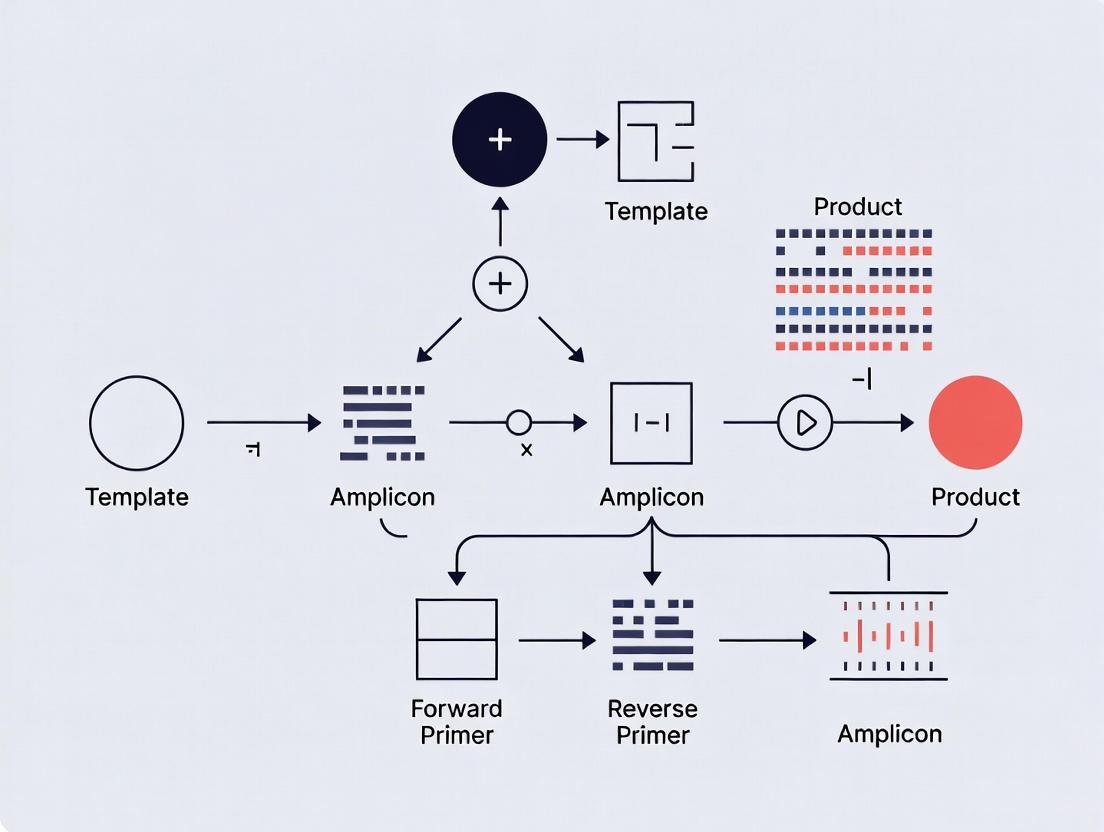
This comprehensive tutorial provides researchers and drug development professionals with a complete guide to LAMP (Loop-Mediated Isothermal Amplification) primer design tools and software.
Master LAMP Assay Design: A Complete Guide to Tools, Best Practices & Validation for Researchers
Abstract
This comprehensive tutorial provides researchers and drug development professionals with a complete guide to LAMP (Loop-Mediated Isothermal Amplification) primer design tools and software. We cover foundational principles, step-by-step methodologies for designing sensitive and specific assays, advanced troubleshooting and optimization strategies for challenging targets, and critical validation and comparative analysis of major software platforms like PrimerExplorer, NEB LAMP Designer, and LAVA. The article aims to empower scientists to confidently develop robust LAMP assays for diagnostics, pathogen detection, and point-of-care applications.
Understanding LAMP Assays: Principles, Advantages, and Key Design Challenges for Researchers
What is LAMP? Core Principles and Mechanism of Isothermal Amplification
1. Introduction Loop-mediated isothermal amplification (LAMP) is a highly specific, efficient, and rapid nucleic acid amplification technique. Unlike PCR, it operates at a constant temperature (typically 60-65°C), eliminating the need for a thermal cycler. This Application Note details the core principles of LAMP, its mechanism, and provides standardized protocols, framed within a thesis on LAMP primer design tool development and software research for optimal assay design.
2. Core Principles and Mechanism LAMP amplifies DNA with high specificity using a DNA polymerase with strand displacement activity and a set of four to six specially designed primers that recognize six to eight distinct regions on the target DNA. The reaction is characterized by the formation of loop structures to enable self-primed amplification, yielding large amounts of DNA and a visible byproduct (magnesium pyrophosphate).
Table 1: Comparison of LAMP with Conventional PCR
| Feature | LAMP | Conventional PCR |
|---|---|---|
| Temperature | Isothermal (60-65°C) | Thermo-cycling (95°C, 50-65°C, 72°C) |
| Time to Result | 15-60 minutes | 1.5 - 3 hours (including analysis) |
| Primers per Target | 4-6 (F3/B3, FIP/BIP, Loop F/B) | 2 |
| Specificity | Very High (recognizes 6-8 regions) | High (recognizes 2 regions) |
| Amplification Efficiency | Very High (10^9 copies in <1h) | High |
| Detection Method | Turbidity, Fluorescence, Colorimetry, Gel Electrophoresis | Gel Electrophoresis, Fluorescence |
| Instrumentation | Simple heat block or water bath | Thermal Cycler |
3. Detailed Mechanism and Visualization The LAMP process involves three core stages: initiation, cycling amplification, and elongation.
4. Experimental Protocol: Standard Colorimetric LAMP Assay Objective: To detect the presence of a specific DNA target via isothermal amplification with visual colorimetric readout.
Table 2: Key Research Reagent Solutions for LAMP
| Reagent / Material | Function / Explanation |
|---|---|
| Bst 2.0/3.0 DNA Polymerase | Strand-displacing DNA polymerase, active at isothermal temperatures. |
| dNTPs | Deoxynucleotide triphosphates (building blocks for DNA synthesis). |
| LAMP Primer Mix (FIP/BIP, F3/B3, LF/LB) | Specially designed primers for initiating and sustaining loop-mediated amplification. |
| WarmStart Colorimetric LAMP Master Mix (commercial) | Optimized mix containing buffer, polymerase, dNTPs, and pH-sensitive dye. |
| Template DNA | Purified or crude extract containing target sequence. |
| Nuclease-free Water | Solvent to adjust reaction volume, free of RNases and DNases. |
| Heating Block/Water Bath | Maintains constant temperature (63-65°C) for isothermal reaction. |
Procedure:
- Primer Design: Using specialized software (e.g., PrimerExplorer, NEB LAMP Designer), design and validate a set of two outer (F3/B3), two inner (FIP/BIP), and optional two loop (LF/LB) primers.
- Reaction Setup (25µL total volume):
- In a sterile tube on ice, combine:
- 12.5 µL WarmStart Colorimetric LAMP 2X Master Mix
- 1.5 µL LAMP Primer Mix (16µM FIP/BIP, 2µM F3/B3, 4µM LF/LB)
- 5-50 ng Template DNA (variable volume)
- Nuclease-free water to 25 µL
- In a sterile tube on ice, combine:
- Amplification:
- Mix gently and centrifuge briefly.
- Incubate in a heating block or water bath at 65°C for 30-45 minutes.
- Optional: Heat inactivation at 80°C for 5 minutes.
- Result Interpretation:
- Positive: Color changes from pink to yellow due to acidification (pyrophosphate ion production).
- Negative: Remains pink.
- Caution: Post-reaction exposure to air may cause color reversion; read immediately.
5. Primer Design Context for Thesis Research Effective LAMP primer design is the critical determinant of assay success. The broader thesis research focuses on developing a tutorial and evaluating software tools for this purpose.
Table 3: Comparison of LAMP Primer Design Software Tools
| Software Tool | Access | Key Features | Limitations |
|---|---|---|---|
| PrimerExplorer (Eiken) | Free Web-based | The standard; designs all 6 primers, suggests reaction temp. | Limited customization, proprietary algorithm. |
| NEB LAMP Designer | Free Web-based | User-friendly, provides primer metrics and specificity check. | Less control over advanced parameters. |
| LAMP Designer (Premier Biosoft) | Commercial | Highly configurable, integrates with assay design suite. | Requires license purchase. |
| LAMP | Primer | Function | Design Consideration (for Software) |
| F3 (Forward Outer) | Initiates strand displacement synthesis from the outer end of F2. | Low Tm (~55-60°C), no secondary structure. | |
| B3 (Backward Outer) | Initiates strand displacement synthesis from the outer end of B2. | Low Tm (~55-60°C), no secondary structure. | |
| FIP (Forward Inner Primer) | Contains F2 region (complementary to F2c) and the same sequence as F1c. | Tm of F2 ~60-65°C; F1c linked via a TTTT spacer. | |
| BIP (Backward Inner Primer) | Contains B2 region (complementary to B2c) and the same sequence as B1c. | Tm of B2 ~60-65°C; B1c linked via a TTTT spacer. | |
| LF (Loop Forward) | Accelerates cycling by binding to the loop region between F1 and F2. | Designed only if the initial amplicon structure allows. | |
| LB (Loop Backward) | Accelerates cycling by binding to the loop region between B1 and B2. | Designed only if the initial amplicon structure allows. |
This application note contextualizes Loop-Mediated Isothermal Amplification (LAMP) within ongoing research into accessible primer design tools and software. For diagnostics and field-based research, LAMP presents distinct advantages over traditional Polymerase Chain Reaction (PCR), particularly in speed, operational simplicity, and suitability for point-of-care (POC) use. The development of intuitive LAMP primer design software is critical to leveraging these advantages for researchers and drug development professionals.
Table 1: Quantitative Comparison of Conventional PCR, qPCR, and LAMP
| Parameter | Conventional PCR | Quantitative PCR (qPCR) | LAMP |
|---|---|---|---|
| Amplification Time | 1.5 - 4 hours | 1 - 2.5 hours | 15 - 60 minutes |
| Typical Reaction Temperature | 94-60°C (Cycling) | 94-60°C (Cycling) | 60-65°C (Isothermal) |
| Instrumentation Requirement | Thermocycler | Expensive Thermocycler with Optics | Heat Block or Dry Bath |
| Sensitivity | ~100 copies | 1-10 copies | 1-10 copies |
| Specificity | High (2 primers) | Very High (2 primers + probe) | Very High (4-6 primers) |
| Ease of Result Detection | Gel electrophoresis | Real-time fluorescence | Turbidity, Colorimetry, Fluorescence |
| Primer Design Complexity | Low (2 primers) | Moderate (2 primers + probe) | High (4-6 primers) - Requires specialized software |
| Robustness to Inhibitors | Low | Moderate | High |
Experimental Protocols
Protocol 2.1: Standard Colorimetric LAMP Assay for Target Detection
Objective: To amplify and detect a specific DNA target via isothermal amplification with visual colorimetric readout. Materials: See "The Scientist's Toolkit" below. Method:
- Primer Design: Use dedicated LAMP primer design software (e.g., PrimerExplorer, NEB LAMP Designer) to generate a set of F3, B3, FIP, and BIP primers for your target sequence.
- Reaction Setup: On ice, prepare a master mix in a 0.2 mL tube:
- 12.5 µL WarmStart Colorimetric LAMP 2X Master Mix
- 1.0 µL 10X Primer Mix (containing all 4-6 primers, final concentration 1.6 µM FIP/BIP, 0.2 µM F3/B3)
- 1.0 µL Template DNA (10 pg – 100 ng)
- Nuclease-free water to 25 µL final volume.
- Amplification: Place tube in a heat block or dry bath pre-equilibrated to 65°C for 15-45 minutes.
- Result Interpretation: Observe color change. Yellow (acidic pH) indicates negative reaction. Pink/Magenta (neutral/basic pH due to DNA amplification byproduct) indicates positive amplification.
Protocol 2.2: Comparative Analysis of LAMP vs. PCR Speed
Objective: Empirically compare time-to-result for LAMP versus endpoint PCR for the same target. Method:
- Sample: Use identical serial dilutions of target DNA (e.g., 10^6 to 10^0 copies/µL).
- Parallel Reactions: Set up LAMP (as per Protocol 2.1) and conventional PCR (using a standard Taq polymerase) for the same target.
- Timed Amplification:
- Start LAMP reaction at 65°C. Remove aliquots at 5, 10, 15, 20, 30, and 45-minute intervals and immediately place on ice.
- Start PCR reaction with standard cycling conditions (e.g., 95°C for 30s, 30 cycles of [95°C/15s, 60°C/30s, 72°C/30s], 72°C for 5m).
- Analysis: Run all time-point aliquots (LAMP) and the final PCR product on an agarose gel. Record the earliest time point where a clear LAMP ladder pattern is visible versus the total time required for PCR completion and gel analysis.
Visualizations
The Scientist's Toolkit
Table 2: Essential Research Reagent Solutions for LAMP Assay Development
| Item | Function | Example/Note |
|---|---|---|
| Isothermal DNA/RNA Polymerase | Enzyme with high strand displacement activity essential for LAMP. | Bst 2.0 or 3.0 DNA Polymerase; WarmStart variants for room-temperature setup. |
| LAMP Primer Mix | Set of 4-6 primers (F3, B3, FIP, BIP, optional LF/LB) targeting 6-8 distinct regions. | Must be designed with specialized software. Critical for specificity and speed. |
| Colorimetric LAMP Master Mix | Optimized buffer with pH indicator (e.g., phenol red), dNTPs, and polymerase. | Enables visual detection without probes; turns from pink/yellow (negative) to yellow/pink (positive). |
| Fluorescent Intercalating Dye | Alternative detection method. Binds to double-stranded DNA. | SYBR Green I, EvaGreen. CAUTION: Can inhibit reactions if added pre-amplification. |
| WarmStart Technology | Polymerase chemically or antibody-bound until activated by high temperature. | Prevents non-specific amplification during setup, crucial for low-copy targets. |
| Crude Lysis Buffer | For rapid sample preparation at point-of-care. | Contains detergents and chelators to release nucleic acids without full purification. |
| Positive Control Template | Plasmid or synthetic DNA containing the target sequence. | Essential for assay validation and troubleshooting. |
| Nuclease-Free Water | Solvent for reactions and dilutions. | Prevents degradation of primers and templates. |
Within the context of a broader thesis on LAMP primer design tool tutorial and software research, understanding the precise anatomy and function of each primer in a Loop-Mediated Isothermal Amplification (LAMP) assay is fundamental. This application note details the six core primers (F3, B3, FIP, BIP, LF, and LB), their design principles, and protocols for their use in nucleic acid detection, targeting researchers and drug development professionals.
Primer Anatomy and Function
A standard LAMP primer set consists of six primers targeting eight distinct regions on the template DNA. Their coordinated action enables high-specificity, isothermal amplification.
Table 1: Core LAMP Primers: Composition and Function
| Primer Name | Regions Targeted | Typical Length | Primary Function |
|---|---|---|---|
| F3 (Forward Outer) | F3c | 18-22 nt | Initiates strand displacement; defines the outer forward boundary. |
| B3 (Backward Outer) | B3c | 18-22 nt | Initiates strand displacement; defines the outer backward boundary. |
| FIP (Forward Inner Primer) | F2 (at 3’) + F1c (at 5’) | 40-45 nt | Core primer; binds to F2 region, and its F1c sequence forms the 5’ loop. |
| BIP (Backward Inner Primer) | B2 (at 3’) + B1c (at 5’) | 40-45 nt | Core primer; binds to B2 region, and its B1c sequence forms the 5’ loop. |
| LF (Loop Forward) | F loop (between F2 & F1) | 18-22 nt | Accelerates amplification by binding to the loop structure formed between F2 & F1. |
| LB (Loop Backward) | B loop (between B2 & B1) | 18-22 nt | Accelerates amplification by binding to the loop structure formed between B2 & B1. |
Table 2: Quantitative Design Parameters for LAMP Primers (Current Guidelines)
| Parameter | F3/B3 | FIP/BIP | LF/LB | Overall |
|---|---|---|---|---|
| Length (nt) | 18-22 | 40-45 total (F2/B2: 18-21; F1c/B1c: 18-21) | 18-22 | - |
| Tm (°C) | ~60 ± 2 | F2/B2: ~60; F1c/B1c: ~65 | ~65 ± 2 | F2/B2 Tm < F1c/B1c Tm |
| GC Content (%) | 40-65 | 40-65 | 40-65 | Avoid long poly-G/C |
| ΔG (3' end) | ≥ -4 kcal/mol | ≥ -4 kcal/mol (for F2/B2 3') | ≥ -4 kcal/mol | Ensures specificity |
| Spacing | F2 0-20 nt from F1; B2 0-20 nt from B1 | - | LF in F1-F2 loop; LB in B1-B2 loop | - |
Detailed Experimental Protocol: LAMP Assay Setup and Optimization
Protocol 1: Standard LAMP Reaction Setup
- Objective: To perform a nucleic acid amplification using a designed LAMP primer set.
- Materials: See "The Scientist's Toolkit" below.
- Procedure:
- Primer Mix Preparation: In a nuclease-free tube, prepare a 10X primer mix in TE buffer (pH 8.0) with the following typical final concentrations in the reaction:
- FIP & BIP: 1.6 µM each
- LF & LB: 0.8 µM each
- F3 & B3: 0.2 µM each
- Master Mix Assembly: On ice, combine in order:
- 12.5 µL 2X Isothermal Amplification Buffer (with betaine)
- 2.5 µL 10X Primer Mix
- 1-2 µL Template DNA (10 pg – 100 ng)
- 1 µL (8U) Bst 2.0/3.0 DNA Polymerase
- Nuclease-free water to a final volume of 25 µL.
- Amplification: Mix gently and centrifuge briefly. Incubate at 60-65°C for 30-60 minutes in a thermal cycler or dry bath.
- Detection: Terminate reaction at 80°C for 5 minutes. Analyze products via 2% agarose gel electrophoresis (ladder-like pattern) or real-time turbidity/fluorescence measurement.
- Primer Mix Preparation: In a nuclease-free tube, prepare a 10X primer mix in TE buffer (pH 8.0) with the following typical final concentrations in the reaction:
Protocol 2: Primer Specificity Validation
- Objective: To confirm the specificity of the designed LAMP primer set.
- Procedure:
- Perform LAMP as in Protocol 1 using the target DNA template.
- Include negative controls: no-template control (NTC) and non-target DNA (e.g., genomic DNA from a related strain/species).
- Post-amplification, add 1 µL of 1:10 diluted SYBR Green I to each tube. Observe under UV light.
- Expected Result: Specific amplification (green fluorescence) only in the target template tube. NTC and non-target controls remain orange. Confirm by gel electrophoresis.
Visualizing LAMP Primer Binding and Amplification
LAMP Amplification Mechanism Workflow
LAMP Primer Binding Sites on Target DNA
The Scientist's Toolkit: Essential Research Reagent Solutions
Table 3: Key Reagents for LAMP Assay Development
| Item | Function | Example/Note |
|---|---|---|
| Bst 2.0 or 3.0 DNA Polymerase | Strand-displacing DNA polymerase for isothermal amplification. | Bst 3.0 offers faster kinetics and higher tolerance to inhibitors. |
| Isothermal Amplification Buffer (2X) | Provides optimal pH, Mg²⁺, dNTPs, and betaine. Betaine reduces melting temperature and inhibits secondary structure. | Often supplied with the polymerase. Critical for efficiency. |
| LAMP Primer Set (F3, B3, FIP, BIP, LF, LB) | Sequence-specific primers driving the amplification. | Must be HPLC-purified. Stored in TE buffer at -20°C. |
| Template Nucleic Acid | Target DNA or reverse-transcribed RNA. | Purity (A260/280) affects reaction. Use 10 pg – 100 ng per 25 µL reaction. |
| Fluorescent Intercalator (e.g., SYBR Green I) | For real-time or end-point visual detection of dsDNA products. | Add post-amplification to avoid inhibition. For real-time, use specialized dyes (e.g., EvaGreen). |
| WarmStart Capability Reagents | Chemically modified Bst polymerase activated only at high temperature. | Reduces non-specific amplification during reaction setup at room temperature. |
| Nuclease-Free Water | Solvent for master mix preparation. | Essential to prevent RNA/DNA degradation and enzyme inhibition. |
Within the broader thesis on LAMP primer design tool tutorial and software research, this application note underscores the foundational principles governing successful nucleic acid amplification. Primer design is the single most critical determinant of assay performance, directly dictating specificity, sensitivity, and amplification efficiency. Poorly designed primers lead to false results, failed experiments, and costly delays, particularly in diagnostic and drug development pipelines.
Core Principles and Quantitative Benchmarks
Specificity
Specificity refers to the primer's ability to uniquely bind to its intended target sequence, minimizing off-target binding and non-specific amplification. This is primarily governed by sequence homology and melting temperature (Tm).
Key Factors:
- Sequence Homology: BLAST analysis against relevant databases is non-negotiable. Avoid sequences with high homology to non-target regions, especially at the 3' end.
- Secondary Structures: Self-dimers and cross-dimers reduce primer availability.
- Tm Matching: Primer pairs should have closely matched Tm values (within 1-2°C).
Table 1: Impact of Primer Mismatches on Specificity
| Mismatch Position | Mismatch Type | Estimated ΔΔG (kcal/mol) | Impact on Amplification |
|---|---|---|---|
| 3' Terminal (last base) | A-C, G-T | +2.1 to +3.4 | Severe Inhibition |
| 3' Penultimate | All | +1.5 to +2.5 | Moderate Inhibition |
| Internal (middle) | All | +0.5 to +1.5 | Mild to No Inhibition |
| 5' Region | All | < +0.5 | Minimal Impact |
Sensitivity
Sensitivity defines the lowest copy number of target nucleic acid that can be reliably detected. It is influenced by primer binding efficiency and the absence of competing reactions.
Key Factors:
- Primer Length: Optimal length is 18-30 bases for PCR.
- GC Content: Ideally 40-60% for stable binding.
- Low Complexity/Repeats: Avoid sequences with runs of a single nucleotide.
Table 2: Primer Characteristics for Optimal Sensitivity
| Characteristic | Optimal Range (PCR) | Optimal Range (LAMP) | Rationale |
|---|---|---|---|
| Length | 18-30 bases | 20-30 bases (FIP/BIP) | Balances specificity and binding energy. |
| GC Content | 40-60% | 40-65% | Ensures stable Tm; too high increases nonspecific binding. |
| Tm (Calculated) | 55-65°C | 55-60°C (inner), 50-55°C (outer) | Dictates stringent annealing. |
| ΔTm (Pair) | ≤ 2°C | N/A (Set of 4-6 primers) | Ensures simultaneous hybridization in LAMP. |
Amplification Efficiency
Efficiency quantifies the rate at which the target is amplified per cycle (PCR) or over time (Isothermal). Ideal efficiency ensures robust, early detection.
Key Factors:
- Primer-Dimer Formation: Creates competing amplicons.
- Amplicon Length/Secondary Structure: Affects polymerase processivity.
- Accurate Tm Calculation: Use a consistent method (e.g., Nearest-Neighbor).
Table 3: Amplification Efficiency Interpretation (qPCR)
| Efficiency (E) | Percentage | Slope | Interpretation |
|---|---|---|---|
| Ideal | 90-105% | -3.6 to -3.1 | Robust, reliable amplification. |
| Acceptable | 80-90% | -3.9 to -3.6 | May reduce sensitivity; requires review. |
| Sub-optimal | < 80% | < -3.9 | Poor reaction; primer redesign recommended. |
| Too High | > 110% | > -3.1 | Indicates inhibition or artifact. |
Experimental Protocols for Validation
Protocol 1:In SilicoSpecificity and Secondary Structure Analysis
Purpose: To computationally validate primer specificity and predict structural conflicts prior to synthesis.
- Sequence Retrieval: Obtain the target DNA/RNA sequence from a curated database (e.g., NCBI GenBank).
- Primer Design: Using tools (e.g., Primer-BLAST, PrimerExplorer V5), generate candidate primers adhering to criteria in Table 2.
- Specificity Check: Perform a nucleotide BLAST (blastn) search with each primer sequence against the appropriate organism genome database. Discard primers with significant homology (>70% over >10 bases) to non-target sites.
- Dimer Analysis: Use oligo analyzer software (e.g., IDT OligoAnalyzer, NUPACK). Enter primer sequences.
- Assess Self-Complementarity: Score > 3 (for any 5-base segment) indicates risk.
- Assess Heterodimer Formation: ΔG > -5 kcal/mol for the primer pair is acceptable.
- Record all analysis parameters and results.
Protocol 2: Empirical Validation of Primer Efficiency and Sensitivity (qPCR)
Purpose: To experimentally determine amplification efficiency and limit of detection (LoD).
- Template Preparation: Serially dilute a quantified target DNA template (e.g., gBlock, plasmid) in nuclease-free water. Create a 10-fold dilution series covering at least 6 orders of magnitude (e.g., from 10^6 to 10^1 copies/μL).
- qPCR Setup: Prepare a master mix containing SYBR Green I dye, polymerase, dNTPs, buffer, and primers at optimal concentration (typically 200-500 nM final). Aliquot into a qPCR plate.
- Add Template: Add each dilution of the standard curve in triplicate. Include no-template controls (NTC).
- Run Cycling Program: Use standard cycling: Initial denaturation (95°C, 2 min); 40 cycles of [95°C 15 sec, Annealing Temp (Tm) 30 sec, 72°C 30 sec]; followed by a melt curve analysis.
- Data Analysis:
- Generate a standard curve by plotting the log of the starting quantity against the quantification cycle (Cq).
- Calculate Amplification Efficiency (E) using the formula: E = [10^(-1/slope)] - 1.
- Determine the Limit of Detection (LoD) as the lowest concentration where 95% of positive replicates are detected.
Protocol 3: Specificity Verification via Gel Electrophoresis and Sequencing
Purpose: To confirm the generation of a single, target-specific amplicon.
- Endpoint Amplification: Perform a standard PCR reaction using the validated primers.
- Gel Electrophoresis: Run the PCR product on a 1-2% agarose gel stained with ethidium bromide or a safe alternative. Include a DNA ladder.
- Analysis: A single, sharp band at the expected amplicon size confirms specificity. Smearing or multiple bands indicate non-specific amplification or primer-dimer.
- Sequence Verification: Purify the gel band using a PCR cleanup kit. Submit for Sanger sequencing. Align the returned sequence to the expected target using alignment software (e.g., SnapGene, BLAST).
Visualizations
Title: Primer Design and Validation Workflow
Title: How Primer Design Parameters Dictate Assay Performance
The Scientist's Toolkit: Research Reagent Solutions
| Item | Function & Importance in Primer Validation |
|---|---|
| High-Fidelity DNA Polymerase | Enzyme with proofreading activity to reduce misincorporation errors during amplification, crucial for sequencing validation. |
| SYBR Green I Nucleic Acid Gel Stain | Intercalating dye for visualization of amplified DNA fragments on agarose gels to check amplicon size and specificity. |
| Quantitative PCR (qPCR) Master Mix | Optimized buffer system containing dyes (SYBR Green or probe), enzyme, dNTPs for accurate real-time efficiency analysis. |
| Nuclease-Free Water | Essential for diluting primers and templates to prevent degradation by environmental nucleases. |
| Cloned DNA Template (e.g., Plasmid) | Provides a stable, quantifiable positive control for standard curve generation in sensitivity/efficiency testing. |
| DNA Ladder (100 bp & 1 kb) | Molecular weight standard for accurate sizing of PCR amplicons on gels. |
| Oligo Synthesis Service | Provider for obtaining desalted or HPLC-purified primer sequences. Purity is critical for consistent performance. |
| Thermal Cycler with Real-Time Capability | Instrument for executing precise temperature cycles and monitoring fluorescence for qPCR efficiency calculations. |
Within the broader research context of evaluating LAMP primer design tools and software, a standardized, high-fidelity experimental workflow is paramount. Loop-mediated isothermal amplification (LAMP) is a widely adopted nucleic acid amplification technique known for its high specificity, efficiency, and isothermal reaction conditions. The success of a LAMP assay is critically dependent on the design of its primers. This application note details the comprehensive workflow for LAMP primer design, in silico validation, wet-lab experimental protocol, and final assay optimization, providing researchers and drug development professionals with a reproducible methodology.
LAMP Primer Design Fundamentals
LAMP employs six independent sequences recognizing eight distinct regions on the target DNA. A standard primer set consists of:
- F3 and B3: Outer primers.
- FIP (Forward Inner Primer): Contains the F2 sequence (complementary to F2c) and the same sequence as F1c.
- BIP (Backward Inner Primer): Contains the B2 sequence (complementary to B2c) and the same sequence as B1c.
- LoopF and LoopB (optional, for accelerated reaction): Recognize sequences between the F2-F1 and B2-B1 regions, respectively.
Diagram 1: LAMP Primer Binding Regions
The Primer Design & Validation Workflow
A systematic approach integrates software-based design with rigorous in silico checks.
Diagram 2: LAMP Primer Design & Validation Workflow
Key Software Tools for Primer Design & Analysis
Table 1: Common LAMP Primer Design and Analysis Tools
| Tool Name | Type | Key Features | Access |
|---|---|---|---|
| PrimerExplorer V5 | Web Server | Standard for LAMP design; automatic 8-region selection. | Eiken Chemical Co. |
| NEB LAMP Designer | Web Tool | User-friendly, integrated with NEB reagents. | New England Biolabs |
| LAMP Designer (Premier Biosoft) | Standalone Software | Advanced design algorithms, multiplexing capability. | Commercial |
| OligoAnalyzer Tool | Web Tool | Analyzes Tm, hairpins, dimers, GC content. | IDT |
| NUPACK | Web/Software | Suite for nucleic acid structure & interaction analysis. | nupack.org |
| BLAST | Web Server | Validates primer specificity against genomic databases. | NCBI |
Primer Quality Control (QC) Parameters
Table 2: Optimal Parameters for LAMP Primer QC
| Parameter | F3 / B3 | F2 / B2 (within FIP/BIP) | F1c / B1c (within FIP/BIP) | LoopF / LoopB |
|---|---|---|---|---|
| Length (nt) | 17-25 | 18-22 | 17-22 | 16-22 |
| Tm (°C) | 55-60 | 58-65 | 58-65 | 55-65 |
| GC Content (%) | 40-65 | 45-65 | 45-65 | 40-60 |
| ΔG (3' end, kcal/mol) | > -9 (for specificity) | |||
| Inter-Primer ΔTm | < 5°C within the set |
Experimental Protocol: LAMP Assay Setup & Optimization
Protocol 4.1: Master Mix Preparation and Reaction Setup
Objective: To perform a standard LAMP amplification and visually detect amplicons via intercalating dye.
Materials (The Scientist's Toolkit): Table 3: Essential Research Reagent Solutions for LAMP
| Reagent / Material | Function / Purpose |
|---|---|
| Bst 2.0/3.0 DNA Polymerase | Thermostable polymerase with high strand displacement activity essential for LAMP. |
| Isothermal Amplification Buffer (10X) | Provides optimal pH, salt (Mg2+, K+, (NH4)+), and dNTPs for the reaction. |
| Betaine (5M stock) | Additive that reduces DNA secondary structure and promotes primer annealing. |
| MgSO4 (100mM stock) | Critical cofactor for polymerase activity; concentration is often optimized. |
| Fluorescent DNA Dye (e.g., SYTO 9, EvaGreen) | Intercalating dye for real-time fluorescence monitoring or end-point detection. |
| Template DNA | Purified genomic DNA, plasmid, or crude lysate containing the target sequence. |
| LAMP Primer Set (F3, B3, FIP, BIP, LF, LB) | Specific oligonucleotides (10µM each) driving the amplification. |
| Nuclease-free Water | Solvent to bring reaction to volume; prevents RNase/DNase degradation. |
| Thermal Cycler or Heated Block | Maintains constant isothermal temperature (typically 60-65°C). |
Methodology:
- Thaw and briefly vortex all reaction components, then centrifuge briefly to collect contents.
- Prepare LAMP Master Mix on ice in a sterile, nuclease-free microcentrifuge tube as follows for a single 25µL reaction:
- Nuclease-free Water: to 25µL final volume.
- 2.5µL 10X Isothermal Amplification Buffer.
- 1.4µL dNTP Mix (10mM total, from buffer or separate).
- 1µL MgSO4 (100mM stock; final concentration often 6-8mM).
- 2.5µL Betaine (5M stock; final 0.8-1M).
- 1µL Fluorescent Dye (e.g., 20X SYTO 9; optional if using turbidity).
- 1µL Bst Polymerase (8U/µL).
- Primer Mix: Add primers at their final optimal concentrations (typical ranges below). Prepare a separate 10X Primer Stock for convenience:
- FIP/BIP: 1.6µM final (add 4µL of 10µM stock per 25µL rxn).
- LF/LB: 0.8µM final (add 2µL of 10µM stock).
- F3/B3: 0.2µM final (add 0.5µL of 10µM stock).
- Mix the master mix thoroughly by pipetting up and down. Centrifuge briefly.
- Aliquot 23µL of the master mix into each reaction tube or well.
- Add 2µL of template DNA (or nuclease-free water for No Template Control - NTC) to each aliquot.
- Incubate in a real-time thermocycler or heated block at 60-65°C for 30-60 minutes, followed by an enzyme inactivation step at 80°C for 5-10 minutes.
Protocol 4.2: Assay Readout and Analysis
A. Real-Time Fluorescence Monitoring:
- Use a real-time thermocycler with isothermal settings. Collect fluorescence data (FAM/SYBR Green channel) every 60 seconds.
- Analysis: Determine the time to positivity (Tp) or threshold time (Tt). Compare Tt values between samples and controls. A sigmoidal amplification curve indicates a positive reaction.
B. End-Point Detection:
- Visual Detection with Colorimetric Dyes: Include a pH-sensitive dye (e.g., phenol red) or metal indicator (e.g., Hydroxy Naphthol Blue) in the master mix. Positive reaction: color change from pink/orange to yellow (pH shift) or from violet to sky blue (Mg2+ depletion).
- Gel Electrophoresis:
- Run 5-10µL of the final reaction product on a 2% agarose gel at 100V for 45 minutes.
- Expected Result: A positive LAMP reaction shows a characteristic ladder-like pattern of multiple bands of different sizes due to the formation of cauliflower-like structures with inverted repeats. No such pattern appears in the NTC.
Troubleshooting and Assay Optimization
Table 4: Common LAMP Assay Issues and Optimization Strategies
| Problem | Potential Cause | Suggested Optimization |
|---|---|---|
| No Amplification | Inefficient primer design, low template quality/concentration, suboptimal Mg2+ concentration. | 1. Re-run in silico specificity/dimer checks. 2. Titrate Mg2+ (4-10 mM final). 3. Use a positive control template. |
| High Background / NTC Amplification | Primer-dimer artifacts, non-specific amplification, reagent contamination. | 1. Increase reaction temperature (e.g., 63-65°C). 2. Redesign primers with stricter 3' end ΔG checks. 3. Use fresh, aliquoted reagents. |
| Slow Amplification (High Tt) | Suboptimal primer concentrations, low activity polymerase, high GC content target. | 1. Titrate inner primer (FIP/BIP) concentrations (1.2-2.0 µM). 2. Ensure fresh polymerase. 3. Increase betaine concentration to 1.2M. |
| Inconsistent Replicates | Poor master mix homogenization, inaccurate pipetting, variable template input. | 1. Prepare a large master mix for all replicates + 10% excess. 2. Use calibrated pipettes and tips. 3. Standardize template extraction. |
This detailed workflow provides a robust framework for transitioning from a target sequence to a validated LAMP assay. By integrating rigorous in silico design and validation with standardized experimental protocols, researchers can systematically develop high-performance LAMP assays. This process is fundamental to the broader thesis goal of critically evaluating and improving the accessibility and efficacy of LAMP primer design software for the scientific and drug development communities.
Essential Bioinformatics Concepts for Effective LAMP Design
Within the broader thesis on LAMP primer design tool development, this document outlines the core bioinformatics concepts and protocols essential for designing robust Loop-Mediated Isothermal Amplification (LAMP) assays. Effective design is critical for diagnostic sensitivity, specificity, and efficiency in research and drug development applications.
Core Bioinformatics Concepts and Data
Sequence Alignment and Conservation Analysis
LAMP primer design begins with identifying highly conserved genomic regions across target pathogen strains to ensure broad detection capability.
Table 1: Conservation Metrics for Target Selection
| Target Region | Length (bp) | Number of Aligned Sequences | Average Identity (%) | Suitable for LAMP? |
|---|---|---|---|---|
| Gene A (ORF1) | 180 | 150 | 99.7 | Yes |
| Gene B (Membrane) | 210 | 150 | 85.2 | No |
| Gene C (Envelope) | 165 | 150 | 98.5 | Yes |
Protocol 1.1: Multiple Sequence Alignment for Conservation
- Input: Gather all available nucleotide sequences for the target organism from databases (NCBI, ENA).
- Alignment: Use MAFFT or Clustal Omega with default parameters.
- Analysis: Calculate percent identity and identify conserved blocks (>95% identity over >150 bp).
- Output: Select a 150-250 bp conserved region for LAMP assay design.
Primer Design Parameters
LAMP requires six primers (F3, B3, FIP, BIP, LF, LB) binding to eight distinct regions. Key parameters govern success.
Table 2: Optimal LAMP Primer Design Parameters
| Parameter | F3/B3 Primers | FIP/BIP Primers | Loop Primers (LF/LB) |
|---|---|---|---|
| Length (bp) | 18-22 | 38-45 | 18-22 |
| Tm (°C) | 55-60 | 60-65 | 60-65 |
| GC Content (%) | 40-60 | 40-60 | 40-60 |
| ΔG (3' end) (kcal/mol) | > -9 | > -9 | > -9 |
| Specificity Check | BLASTn E-value < 0.01 | BLASTn E-value < 0.01 | BLASTn E-value < 0.01 |
Protocol 2.1: In Silico Primer Design and Screening
- Software: Input conserved sequence into dedicated tools (PrimerExplorer V5, NEB LAMP Designer).
- Generation: Generate multiple primer sets adhering to Table 2 parameters.
- Specificity Validation: Perform in silico PCR or BLASTn against host and microbiome genomes.
- Secondary Structure: Analyze primer dimers and hairpins using NUPACK or mfold (ΔG > -5 kcal/mol favorable).
- Ranking: Select top 3 sets based on lowest predicted secondary structure and highest specificity score.
Thermodynamic Simulation
Accurate prediction of reaction efficiency requires modeling at isothermal conditions (60-65°C).
Table 3: Simulated Thermodynamic Properties at 63°C
| Primer Set | Primer Dimer ΔG | Hairpin ΔG | Amplicon Tm | Predicted Efficiency |
|---|---|---|---|---|
| Set 1 | -3.2 kcal/mol | -1.5 kcal/mol | 87.5°C | High |
| Set 2 | -6.8 kcal/mol | -4.1 kcal/mol | 86.1°C | Low |
| Set 3 | -2.9 kcal/mol | -1.8 kcal/mol | 88.2°C | High |
Visualization: LAMP Assay Design Workflow
LAMP Primer Design and Validation Workflow
Visualization: LAMP Reaction Mechanism
Mechanism of LAMP DNA Amplification
The Scientist's Toolkit: Research Reagent Solutions
Table 4: Essential Reagents for LAMP Assay Development & Validation
| Reagent/Material | Function in LAMP Development | Example Product/Kit |
|---|---|---|
| High-Fidelity DNA Polymerase | For cloning target sequence into plasmid for positive control. | Q5 High-Fidelity DNA Polymerase |
| WarmStart Bst 2.0/3.0 Polymerase | Engineered for robust isothermal amplification; high strand displacement activity. | WarmStart Bst 2.0 DNA Polymerase |
| dNTP Mix | Building blocks for DNA synthesis. | PCR Grade dNTP Mix |
| Fluorescent Intercalating Dye | Real-time detection of amplification (e.g., SYTO9, EvaGreen). | SYTO 9 Green Fluorescent Nucleic Acid Stain |
| Colorimetric pH Indicator | Visual detection via pH change (phenol red, hydroxy naphthol blue). | WarmStart Colorimetric LAMP 2X Master Mix |
| Synthetic gBlocks or Plasmid Controls | Positive control template for assay optimization. | IDT gBlocks Gene Fragments |
| RNase/DNase-free Water | To prevent nucleic acid degradation. | UltraPure DNase/RNase-Free Water |
| Thermocycler or Heated Block | Precise temperature control at 60-65°C. | Standard dry bath or isothermal incubator |
Detailed Experimental Protocols
Protocol 4.1: Wet-Lab Validation of LAMP Primer Sets Objective: To empirically validate the in silico designed primer sets.
- Reaction Setup:
- Prepare 25 µL reactions containing: 1X Isothermal Amplification Buffer, 6-8 mM MgSO4, 1.4 mM dNTPs, 1.6 µM each FIP/BIP, 0.2 µM each F3/B3, 0.8 µM each LF/LB, 8 U Bst 2.0/3.0 polymerase, 1X fluorescent dye, and 1-10 ng target DNA.
- Amplification:
- Incubate reactions at 63°C for 60 minutes in a real-time fluorometer or heated block.
- For endpoint detection, include a colorimetric indicator and stop reaction with EDTA.
- Analysis:
- Real-time: Record time to positive (Tp). Lower Tp indicates higher efficiency.
- Endpoint: Visualize on 2% agarose gel. LAMP produces a ladder-like pattern.
- Specificity Test: Run against non-target DNA (e.g., host genome). No amplification should occur.
- Sensitivity Determination (LOD):
- Perform assay with serially diluted target (e.g., 10^6 to 10^0 copies/µL).
- Determine the lowest concentration yielding 95% positive replicates.
Protocol 4.2: Specificity Confirmation via Melt Curve Analysis Objective: To distinguish target amplicon from non-specific products.
- Post-Amplification Melt:
- After LAMP, ramp temperature from 60°C to 95°C at 0.1°C/s while continuously monitoring fluorescence.
- Data Interpretation:
- A single, sharp peak in the derivative melt curve indicates specific amplification.
- Multiple or broad peaks suggest primer-dimer artifacts or non-specific binding.
Step-by-Step LAMP Primer Design: A Hands-On Tutorial with Leading Software Tools
1. Introduction & Thesis Context
Within the broader thesis investigating LAMP primer design software, this application note provides a critical comparison of publicly available design tools and detailed protocols for their use. The selection of an appropriate primer design platform is foundational to the success of Loop-Mediated Isothermal Amplification (LAMP), impacting assay specificity, sensitivity, and development time. This document evaluates prominent tools against key parameters relevant to researchers and diagnostic developers.
2. Comparative Analysis of LAMP Primer Design Tools
Table 1: Feature and Performance Comparison of LAMP Primer Design Tools
| Tool Name | Access/Provider | Core Algorithm | Key Features | Primary Output | Best For |
|---|---|---|---|---|---|
| PrimerExplorer V5 | Eiken Chemical Co., Ltd. (Web-based, free) | Proprietary (Eiken) | The standard; designs 6 primers (F3/B3, FIP/BIP, LF/LB); includes primer checking function. | Primer sequences, genomic positions, melting temps. | General-purpose LAMP design; validation against gold standard. |
| NEB LAMP Designer | New England Biolabs (Web-based, free) | NEB/OligoCalc | Integrated with NEB's LAMP reagents; constraint-driven design for robust performance. | Primer sequences, detailed oligo properties, recommends NEB master mix. | Users of NEB's LAMP kits; streamlined workflow from design to wet-lab. |
| LAVA | University of Leicester (Command-line, open-source) | Thermodynamic & heuristics | Flexible design for complex targets (e.g., multiplex, variant detection); high customization. | Primer sets in text format; advanced diagnostic applications. | Research requiring non-standard LAMP assays; bioinformatics-savvy users. |
| LAMP Designer | Thermo Fisher Scientific (Web-based, free) | Thermo Fisher proprietary | Integrated with PlasmidEditor; designs for Platinum Polymerase. | Primer sequences, graphical view on plasmid/target. | Cloning-based LAMP assay development. |
| LAMP Primer Design Tool | Integrated DNA Technologies (Web-based, free) | IDT's oligo analyzer | Links directly to IDT's ordering platform; checks for secondary structures. | Primer sequences with synthesis options. | Rapid procurement and synthesis. |
Table 2: Quantitative Performance Metrics (Theoretical)
| Metric | PrimerExplorer V5 | NEB LAMP Designer | LAVA | Notes on Measurement |
|---|---|---|---|---|
| Average Design Time (per target) | 5-10 min | 3-7 min | 10-20 min (plus setup) | User interaction time for standard single target. |
| Typical Primer Set Tm Range | 58-65°C (FIP/BIP) | 60-65°C | User-defined (e.g., 59-61°C) | Consistency of inner primer melting temperature. |
| Max Amplicon Length | ~300 bp | ~300 bp | Configurable | Recommended optimal length for efficiency. |
| Dimer Check Stringency | Moderate | High | User-configurable (High) | Propensity to report potential primer-primer interactions. |
3. Application Notes & Experimental Protocols
Protocol 1: Standard LAMP Assay Design Using PrimerExplorer V5 Objective: To design a LAMP primer set targeting a specific gene sequence.
- Target Input: Navigate to the PrimerExplorer V5 website. Paste the target DNA sequence (FASTA format) into the input box. Select the appropriate region (e.g., "Forward" strand).
- Parameter Setting: Use default parameters (Tm for F3/B3: 55-60°C, FIP/BIP/LF/LB: 58-65°C; GC%: 40-65%). For AT/GC-rich targets, adjust GC% limits accordingly.
- Primer Design: Click "Submit." The tool will return multiple candidate primer sets ranked by a proprietary score.
- Primer Selection & Check: Select a set with a high score. Use the built-in "Primer Check" function to analyze potential secondary structures and dimer formations within the set.
- Output: Record all six primer sequences, their genomic positions, and calculated Tm values. Order primers from a synthesis provider.
Protocol 2: Design and In Silico Validation Using LAVA Objective: To design a variant-specific LAMP assay and validate specificity.
- Environment Setup: Install LAVA via Python pip (
pip install lava-assay-design). Ensure all dependencies (NCBI BLAST+, NUPACK) are installed and in PATH. - Target Preparation: Create two FASTA files:
target.fasta(variant sequence) andbackground.fasta(non-target/wild-type sequences). - Command-Line Design: Run:
lava design --target target.fasta --background background.fasta --out-dir ./results/ --min-tm 59 --max-tm 61. This enforces strict Tm uniformity. - Analysis: LAVA outputs primer sets and a specificity report. Examine the
_specificity.txtfile for predicted cross-reactivity. - In Silico PCR Check: Perform a BLASTn search of each primer against the relevant genome database (e.g., nr/nt) to confirm target uniqueness.
Protocol 3: Experimental Validation of Designed Primer Sets Objective: To empirically test the amplification efficiency and specificity of a designed LAMP primer set.
- Reaction Setup: Prepare a 25 µL LAMP reaction:
- 1x Isothermal Amplification Buffer (commercial master mix)
- 6-8 mM MgSO4 (concentration may require optimization)
- 1.4 mM dNTPs
- Primer Mix: 1.6 µM FIP/BIP, 0.2 µM F3/B3, 0.8 µM LF/LB
- 8 U Bst 2.0/3.0 DNA Polymerase
- 1 µL DNA template (~10-100 ng)
- Nuclease-free water to 25 µL
- Amplification: Incubate at 60-65°C (based on primer Tm) for 30-60 minutes in a real-time thermal cycler or heat block.
- Detection: Monitor amplification via intercalating dye (e.g., SYTO 9) fluorescence every 30-60 seconds if using a real-time instrument. For endpoint detection, use colorimetric indicators (phenol red, HNB) or gel electrophoresis.
- Specificity Verification: Run reactions with non-target DNA and no-template controls (NTC). Analyze melt curves post-amplification if using a real-time system.
- Sensitivity Determination: Perform a 10-fold serial dilution of the target template (e.g., from 10^6 to 1 copy/µL) to determine the limit of detection (LoD).
4. Visualizations
Title: Decision Flowchart for Selecting a LAMP Primer Design Tool
Title: LAMP Assay Development and Validation Protocol Steps
5. The Scientist's Toolkit: Research Reagent Solutions
Table 3: Essential Materials for LAMP Assay Development
| Item | Function/Benefit | Example Vendor/Product |
|---|---|---|
| Isothermal Amplification Master Mix | Provides optimized buffer, salts, and Bst polymerase for robust one-step reaction setup. | NEB WarmStart LAMP Kit, ThermoFisher LavaLAMP Master Mix, OptiGene IsoGMP. |
| Bst 2.0/3.0 DNA Polymerase | Engineered DNA polymerase with high strand displacement activity, essential for LAMP. | NEB Bst 2.0/3.0, Lucigen Bst. |
| Fluorescent Intercalating Dye (e.g., SYTO 9) | For real-time monitoring of amplification; binds dsDNA, enabling kinetic analysis. | ThermoFisher SYTO 9, Biotium EvaGreen. |
| Colorimetric Indicators (e.g., HNB, Phenol Red) | For visual, endpoint detection; pH change or metal ion interaction causes color shift. | Hydroxy Naphthol Blue (HNB), Phenol Red. |
| Thermostable Reverse Transcriptase (for RT-LAMP) | Enables direct amplification from RNA targets in a one-pot reaction. | NEB WarmStart RT, Bst 3.0 with intrinsic RT activity. |
| Synthetic gBlocks or Plasmid Controls | Provides consistent, quantifiable positive control template for assay optimization and LoD studies. | Integrated DNA Technologies (IDT) gBlocks. |
| Nuclease-free Water & Tubes | Prevents degradation of primers and templates; ensures reaction integrity. | Various molecular biology suppliers. |
This application note, part of a broader thesis on LAMP primer design tool development, details the critical initial steps for effective loop-mediated isothermal amplification (LAMP) assay development. Accurate sequence input and parameter configuration are foundational for generating specific, efficient primer sets. This protocol is designed for researchers, scientists, and drug development professionals working on molecular diagnostics and pathogen detection.
Research Reagent Solutions & Essential Materials
The following table lists key reagents and materials required for the initial in silico LAMP primer design phase and subsequent validation.
| Item | Function in LAMP Workflow |
|---|---|
| Target DNA Sequence (FASTA format) | The genomic template from which LAMP primers (F3/B3, FIP/BIP, LF/LB) are designed. Sourced from databases like NCBI GenBank. |
| LAMP Primer Design Software (e.g., PrimerExplorer, NEB LAMP Designer) | Algorithms to identify six to eight primer regions meeting LAMP-specific constraints (Tm, GC%, spacing, dimer potential). |
| DNA Polymerase with Strand Displacement Activity (e.g., Bst 2.0/3.0 Polymerase) | Essential enzyme for isothermal amplification. Choice affects amplification speed, yield, and tolerance to inhibitors. |
| dNTP Solution | Deoxynucleotide triphosphates (dATP, dCTP, dGTP, dTTP) providing the building blocks for DNA synthesis. |
| Reaction Buffer (with MgSO₄ or MgCl₂) | Provides optimal ionic strength and pH. Magnesium concentration is a critical variable for primer annealing and enzyme activity. |
| Fluorescent Intercalating Dye (e.g., SYTO 9, EvaGreen) | For real-time monitoring of amplification. Binds double-stranded DNA, allowing quantification and endpoint detection. |
| Thermal Cycler or Water Bath | Maintains constant isothermal temperature (typically 60-65°C) for amplification, without need for thermal cycling. |
Protocol: Inputting Target Sequence Data
This protocol outlines the methodology for acquiring and preparing target sequences for LAMP primer design.
Materials & Software
- Computer with internet access.
- Target LAMP primer design software (e.g., PrimerExplorer V5, NEB LAMP Designer GUI).
- Sequence files in FASTA, GenBank, or plain text format.
Detailed Procedure
Sequence Acquisition:
- Identify the target organism's complete genome or specific gene accession number (e.g., NC_045512.2 for SARS-CoV-2).
- Navigate to the NCBI Nucleotide database (https://www.ncbi.nlm.nih.gov/nucleotide).
- Perform a search using the specific gene or organism name.
- Download the target sequence in FASTA format. For highly specific assays, use a multiple sequence alignment (MSA) of related strains to identify conserved regions.
Sequence Preparation:
- Open the target sequence file in a text editor.
- Ensure the sequence is in standard FASTA format (a single-line header starting with '>', followed by sequence data on subsequent lines).
- Verify sequence length and composition. Remove any non-nucleotide characters (spaces, numbers).
Software Input:
- Launch the LAMP primer design software.
- Locate the sequence input field, often labeled "Input Sequence" or "Target Sequence."
- Paste the prepared FASTA sequence directly into the field. Alternatively, use the software's file upload function.
- Confirm the sequence is correctly parsed by the software, typically indicated by a base pair count or sequence preview.
Data Presentation: Common Input Formats & Specifications
The table below summarizes acceptable sequence input formats and their characteristics for major LAMP design tools.
| Software Tool | Accepted Input Formats | Maximum Sequence Length | Recommended Region Size |
|---|---|---|---|
| PrimerExplorer V5 | FASTA, Plain Text | ~15,000 bp | 150 - 300 bp |
| NEB LAMP Designer | FASTA, GenBank | ~10,000 bp | 120 - 250 bp |
| LAMP Designer (Thermo Fisher) | FASTA | ~5,000 bp | 150 - 200 bp |
| Lava | FASTA | ~30,000 bp | 180 - 350 bp |
Protocol: Configuring Primer Search Parameters
Configuring parameters dictates the physicochemical properties of the output primer sets, directly impacting assay success.
Key Parameter Definitions
- Tm (Melting Temperature): Temperature at which 50% of the DNA duplex dissociates. Critical for uniform primer binding at isothermal temperature.
- GC Content: Percentage of guanine and cytosine bases in the primer. Affects primer stability and Tm.
- Amplicon Length: Desired length of the final LAMP product. Typically 120-300 bp.
- Primer Length Ranges: Defined length limits for each primer type (F3/B3, F2/B2, F1c/B1c, LF/LB).
Detailed Configuration Procedure
Set Core Parameters:
- Input the desired isothermal reaction temperature (e.g., 63°C). The software will calculate primer Tms relative to this.
- Define the GC content range for all primers. A standard range is 40-65%.
- Set the target amplicon length range (e.g., 150-250 bp).
Define Primer-Specific Constraints:
- Configure the length ranges for each primer type. Example settings:
- F3/B3: 17-22 bp
- F2/B2 (part of FIP/BIP): 18-23 bp
- F1c/B1c (part of FIP/BIP): 18-25 bp
- Loop Primers (LF/LB): 18-25 bp
- Set the Tm difference limit between primer pairs (e.g., F1c/B1c Tm difference < 5°C).
- Configure the length ranges for each primer type. Example settings:
Configure Specificity & Filtering:
- Enable self-complementarity/dimer checks to minimize primer-primer interactions.
- Set the maximum poly-X length (e.g., max poly-T = 4) to avoid homopolymeric stretches.
- If designing multiplex assays, configure parameters to avoid cross-hybridization between multiple primer sets.
Data Presentation: Default vs. Optimized Parameter Comparison
The following table compares typical default software settings with optimized parameters for a robust, generic LAMP assay.
| Search Parameter | Default Setting | Optimized Recommendation | Rationale |
|---|---|---|---|
| Reaction Temperature | 65°C | 63°C | Balances enzyme activity with primer specificity. |
| Primer GC Range | 30-70% | 40-60% | Ensures stable priming without excessive secondary structure. |
| Amplicon Size | 80-300 bp | 150-220 bp | Optimizes amplification speed and product yield. |
| F3/B3 Length | 16-20 bp | 18-22 bp | Enhances initial target binding specificity. |
| Max Self-Complementarity (ΔG) | -6.0 kcal/mol | -4.5 kcal/mol | Stricter filter reduces primer dimer formation. |
| Spacing between F2 & F1c | 0-60 bp | 40-60 bp | Ensures proper loop formation for efficient cycling. |
Experimental Protocol forIn SilicoValidation of Designed Primers
Prior to wet-lab testing, in silico validation is crucial.
Methodology
Specificity Check via BLAST:
- Perform a nucleotide BLAST (blastn) search for each designed primer against a non-redundant nucleotide database.
- Set parameters for short, near-exact matches.
- Record the number of off-target matches with ≤2 mismatches.
Secondary Structure Analysis:
- Use tools like mFold or NUPACK to predict secondary structures for each primer at the reaction temperature (e.g., 63°C).
- Calculate the minimum free energy (MFE) of folding. Primers with highly negative MFE (e.g., < -5 kcal/mol) may be less accessible.
Multiplex Compatibility Check:
- If designing multiple primer sets, use beacon designer or similar software to check for cross-dimerization between all primers across sets.
- Set a threshold for cross-dimer ΔG (e.g., > -6.0 kcal/mol).
Visualizations
Diagram Title: LAMP Primer Design & Validation Workflow
Diagram Title: LAMP Primer Design Parameter Logic Flow
Understanding Primer Output Metrics
After running a LAMP primer design tool, the output must be evaluated using specific quantitative metrics. The following table summarizes the key parameters for candidate selection.
Table 1: Key Output Metrics for LAMP Primer Evaluation
| Metric | Optimal Range | Purpose & Rationale |
|---|---|---|
| Primer Length (nt) | F3/B3: 17-25; FIP/BIP: 40-45 | Ensures specificity and efficient binding. Shinner/Shorter primers may lack specificity. |
| Tm (°C) | F3/B3: 55-60; FIP/BIP: 60-65; ΔTm within set < 5 | Critical for synchronized binding during isothermal amplification. |
| GC Content (%) | 40-60% | Influences primer stability and Tm. Content outside range can hinder efficiency. |
| ΔG (kcal/mol) | > -9 (for 3' end) | Predicts secondary structure formation. Less negative 3' ΔG reduces self-dimers. |
| Amplicon Length (bp) | 120-300 | Optimal for rapid amplification and visualization. |
| Inter-Primer Homology | < 4 contiguous bases | Minimizes primer-dimer and non-target amplification artifacts. |
| Specificity Check | Unique to target (BLASTn E-value < 0.01) | Confirms primer binding is exclusive to the intended genomic region. |
Protocol: Systematic Selection of Candidate Primer Sets
Objective: To filter raw primer design output and select the top 3 candidate sets for empirical validation.
Materials & Equipment:
- Primer design software output file (.csv/.txt).
- Local BLAST suite and target genome database.
- Thermostability prediction software (e.g., NUPACK, mfold).
- Spreadsheet software (e.g., Excel, Google Sheets).
Procedure:
- Initial Filtering: Import all generated primer sets into a spreadsheet. Filter out any set where any primer falls outside the "Optimal Range" for Length, Tm, or GC Content as defined in Table 1.
- Specificity Verification: a. Extract the FASTA sequences for all primers (F3, B3, FIP, BIP, LF, LB) from each remaining set. b. Perform a local BLASTn search against the full genome of the target organism (and host if applicable). c. Discard any set where any primer shows >80% sequence similarity over >14 contiguous nucleotides to an off-target site, or a significant alignment (E-value < 0.1) to non-target regions.
- Secondary Structure Analysis: a. For each primer in the shortlisted sets, predict secondary structure at the reaction temperature (typically 60-65°C). b. Calculate the free energy (ΔG) of formation for the most stable structure. Flag primers with ΔG < -9 kcal/mol for potential stability issues. c. Manually inspect predicted structures for stable hairpins, especially at the 3' end.
- Set-Wide Compatibility Check: a. Use software features or dedicated tools to check for inter-primer homology within each set. b. Prioritize sets with the lowest likelihood of primer-dimer formation (e.g., lowest aggregate dimer ΔG).
- Final Ranking & Selection: a. Rank the remaining candidate sets based on a composite score: assign points for being within optimal ranges and penalize for secondary structure stability or homology flags. b. Select the top 3 ranked candidate sets for in vitro testing. Ensure they are located in different genomic regions of the target gene if possible, to account for unknown sequence accessibility issues.
Visualizing the Selection Workflow
Diagram Title: LAMP Primer Set Selection and Filtering Workflow
The Scientist's Toolkit: Key Reagents & Materials
Table 2: Essential Research Reagent Solutions for LAMP Primer Validation
| Item | Function & Application |
|---|---|
| High-Fidelity DNA Polymerase | Used for initial target amplification from gDNA to create positive control template, minimizing mutation risk. |
| Bst 2.0/3.0 DNA Polymerase | The strand-displacing polymerase essential for the core LAMP reaction. 3.0 offers improved speed and robustness. |
| Isothermal Amplification Buffer (with MgSO4) | Provides optimal pH, salt, and magnesium conditions for Bst polymerase activity at constant temperature. |
| Fluorescent Intercalating Dye (e.g., SYTO-9) | Real-time monitoring of LAMP amplification by binding to dsDNA; preferred over SYBR Green as it is more compatible with Bst polymerase. |
| Agarose LE | For standard gel electrophoresis to confirm amplicon size and check for non-specific laddering in LAMP products. |
| dNTP Mix (10mM each) | Nucleotide building blocks for DNA synthesis during amplification. |
| Nuclease-Free Water | Solvent for all master mixes to prevent RNase/DNase degradation of primers and templates. |
| Positive Control Template | Cloned target sequence or previously amplified product to validate primer set functionality. |
| Gel Red Nucleic Acid Stain | Post-run gel staining for visualization of DNA bands under UV light. |
| Thermal Cycler (for control prep) | Used to generate control amplicon via PCR, if needed. |
| Real-Time Isothermal Fluorometer or Water Bath/Fluid Block | Equipment to maintain constant 60-65°C for LAMP and monitor fluorescence in real-time. |
Within the broader thesis research on LAMP (Loop-Mediated Isothermal Amplification) primer design tool development, evaluating individual primer quality is a foundational step. This protocol details the critical in silico analyses required to assess primer candidates for Tm (melting temperature), GC content, secondary structure (hairpins), and dimer formation (self- and cross-dimers). These parameters are paramount for ensuring high amplification efficiency, specificity, and yield in diagnostic and drug development applications.
Key Parameters for Primer Evaluation: Quantitative Benchmarks
Table 1: Optimal Ranges for Primer Quality Parameters
| Parameter | Optimal Range | Acceptable Range | Critical Threshold | Notes |
|---|---|---|---|---|
| Length | 18-25 bp | 15-30 bp | <15 or >35 bp | Specificity vs. binding energy balance. |
| Tm | 52-58°C | 50-65°C | ΔTm > 5°C within primer set | High intra-set Tm uniformity is critical. |
| GC Content | 40-60% | 35-65% | <20% or >80% | Impacts binding stability and secondary structure. |
| ΔG (Hairpin) | > -3.0 kcal/mol | > -5.0 kcal/mol | ≤ -9.0 kcal/mol | More positive (less negative) is better. |
| ΔG (Self-Dimer) | > -5.0 kcal/mol | > -8.0 kcal/mol | ≤ -11.0 kcal/mol | Indicates stable, problematic dimerization. |
| 3' End Complementarity | 0 consecutive bases | Max 3-4 bases | ≥ 5 consecutive bases | Especially critical for LAMP inner primers (FIP/BIP). |
Detailed Protocols for In Silico Analysis
Protocol 1: Calculating Melting Temperature (Tm) and GC%
This protocol uses the nearest-neighbor thermodynamic method, the current standard for accuracy.
- Input Preparation: Prepare a FASTA or plain text file with the candidate primer sequences (5' to 3').
- Method Selection: In your analysis software (e.g., Primer3, IDT OligoAnalyzer, local script), select the
Thermodynamic (nearest-neighbor)method for Tm calculation. - Parameter Setting:
- Set salt concentration (
[Na+]or[K+]) to 50 mM. - Set primer concentration to 0.2 µM (typical for LAMP).
- Set
[Mg++]concentration to the level used in your LAMP buffer (often 6-8 mM).
- Set salt concentration (
- Execution: Run the calculation. Record the Tm for each primer.
- GC% Calculation: The software will concurrently calculate the percentage of Guanine and Cytosine bases. Verify manually: GC% = (Number of G's + Number of C's) / Total Length * 100.
- Analysis: Compile results. Ensure all primers in a set have Tm within 1-2°C of each other and GC% falls within the optimal range.
Protocol 2: Secondary Structure (Hairpin) Analysis
This protocol assesses a primer's tendency to form intramolecular structures.
- Input: The candidate primer sequence.
- Temperature Setting: Set the analysis temperature to the LAMP isothermal amplification temperature (typically 60-65°C).
- Maximum Loop Size: Set to 10-15 bases.
- Energy Calculation: Use the software's secondary structure prediction function (often based on Zuker's algorithm). The key output is the Gibbs Free Energy (ΔG) for the most stable hairpin structure.
- Interpretation: A ΔG value more negative than -3.0 to -5.0 kcal/mol suggests a stable hairpin, particularly problematic if it involves the 3' end, as it will severely hinder primer extension. Discard or redesign primers with stable 3' end hairpins.
Protocol 3: Dimer (Self and Cross) Analysis
This protocol evaluates intermolecular interactions between primers.
- Self-Dimer Analysis:
- Input the single primer sequence.
- Run the self-dimerization or self-complementarity scan.
- Examine the output for the most stable dimer complex. Record its ΔG. Stable dimers (ΔG ≤ -8.0 kcal/mol) reduce primer availability.
- Cross-Dimer Analysis:
- Input all primers in the LAMP set (F3, B3, FIP, BIP, LF, LB).
- Run a pairwise cross-dimer analysis.
- Set the temperature to the reaction temperature (60-65°C).
- Critical Focus: Scrutinize interactions involving the 3' ends of any primer pair. Even a 3-4 base pair match at the 3' end can lead to primer-dimer artifacts and non-specific amplification.
- Decision: Primers forming stable cross-dimers, especially at their 3' ends, must be redesigned.
Logical Workflow for Primer Evaluation
Diagram Title: Primer Quality Evaluation Decision Workflow
The Scientist's Toolkit: Research Reagent Solutions
Table 2: Essential Tools for In Silico Primer Evaluation
| Tool / Resource | Type / Supplier Example | Primary Function in Evaluation |
|---|---|---|
| IDT OligoAnalyzer Tool | Web Tool (IDT) | User-friendly interface for quick Tm, GC%, hairpin, and dimer analysis using standard parameters. |
| Primer3Plus | Web Tool / Open Source | Comprehensive primer design and analysis, highly configurable for setting LAMP-specific constraints. |
| NUPACK | Web Tool / Suite | Advanced analysis of nucleic acid secondary structure and interaction thermodynamics at set temperatures. |
| Oligo (MGB) ΔG Calculation | Algorithm / Literature | Predicts ΔG using the most recent nearest-neighbor parameters, critical for accurate stability prediction. |
| Mfold / UNAFold | Standalone Software | Predicts secondary structure formation under user-defined ionic and temperature conditions. |
| Python/Biopython | Programming Library | Enables batch automation of primer analysis and integration into custom LAMP design pipelines. |
| LAMP-Specific Design Software (e.g., PrimerExplorer, LAVA) | Specialized Web Tool | Integrates these quality checks into the holistic design of all 6 LAMP primers, ensuring set compatibility. |
Incorporating Fluorescent Dyes or Hydrolysis Probes for Real-Time Detection
Within the broader thesis on LAMP primer design tool development and software research, real-time detection methods are critical for validating primer set performance and quantifying target amplification. Incorporating fluorescent dyes or hydrolysis probes transforms LAMP from an end-point assay into a quantitative, real-time technique (qLAMP), enabling kinetic analysis, improved specificity, and precise determination of the limit of detection (LoD). This application note provides detailed protocols and current data for integrating these detection chemistries, serving as an essential experimental companion for researchers utilizing advanced primer design software.
Comparison of Real-Time Detection Chemistries
The selection of a detection chemistry depends on the required specificity, cost, and available instrumentation. The following table summarizes key characteristics based on current literature and product specifications.
Table 1: Comparison of Fluorescent Detection Methods for qLAMP
| Chemistry | Mechanism | Specificity | Cost per rxn | Primary Instrument | Optimal Use Case |
|---|---|---|---|---|---|
| Intercalating Dyes (e.g., SYTO-9, EvaGreen) | Binds dsDNA non-specifically | Low (detects any dsDNA) | Low ($0.10 - $0.50) | Standard real-time PCR cycler with appropriate filters | Primer screening, optimization, presence/absence |
| Hydrolysis Probes (e.g., TaqMan-style) | Probe cleavage between primers; FRET-based | High (requires probe binding) | High ($1.00 - $3.00) | Real-time PCR cycler | High-specificity detection, multiplexing, SNP discrimination |
| Loop Probes (e.g., LF, LB probes) | Binding to loop regions; FRET or quenching | High (requires loop binding) | Moderate-High ($0.75 - $2.00) | Real-time PCR cycler | Specific detection, often used with designed loop primers |
| Pyrophosphate Detection (e.g., Magnesium Pyrophosphate) | Turbidity from precipitate | Low | Very Low | Turbidimeter or naked eye | Low-cost, equipment-free end-point detection |
Experimental Protocols
Protocol: Real-Time LAMP using Intercalating Dyes
This protocol is ideal for initial validation of LAMP primer sets generated by design software.
Materials & Reagents:
- LAMP primer mix (F3, B3, FIP, BIP, optionally LF, LB)
- Isothermal amplification master mix (e.g., WarmStart LAMP Kit)
- Fluorescent DNA intercalating dye (e.g., 1X EvaGreen, 2.5µM SYTO-9)
- Template DNA
- Nuclease-free water
- Real-time isothermal fluorimeter or real-time PCR instrument with isothermal function.
Procedure:
- Reagent Preparation: Thaw all components and keep on ice. Protect the fluorescent dye from light.
- Master Mix Assembly (25 µL reaction):
- 12.5 µL 2x isothermal amplification buffer
- 1.6 µM FIP/BIP primers, 0.2 µM F3/B3 primers, 0.8 µM LF/LB primers (if used)
- 1X concentration of chosen intercalating dye (Note: Add dye after master mix is prepared if master mix contains polymerase)
- Nuclease-free water to 22.5 µL
- Template Addition: Add 2.5 µL of template DNA (or negative control) to each reaction tube/strip/plate.
- Run Setup: Program the instrument for isothermal amplification at 60-65°C for 30-60 minutes, with fluorescence acquisition every 60 seconds.
- Data Analysis: Determine the time to positivity (Tp) or threshold time (Tt) for each sample. Plot log template concentration vs. Tt to generate a standard curve for quantification.
Protocol: Hydrolysis Probe-Based qLAMP for High-Specificity Detection
This protocol uses a dual-labeled probe for increased specificity, crucial for distinguishing closely related targets.
Materials & Reagents:
- LAMP primer mix (as above)
- Isothermal amplification master mix with strand-displacing polymerase
- Dual-labeled hydrolysis probe (5' FAM, 3' BHQ-1, internal ZEN/Iowa Black quencher recommended)
- Template DNA
- Nuclease-free water
- Appropriate real-time instrument.
Procedure:
- Probe Design: Design a probe complementary to a sequence within the single-stranded loop region between F1 and F2 (or B1 and B2). Ensure Tm is ~5-10°C higher than reaction temperature. Software tools from the thesis can automate this.
- Master Mix Assembly (25 µL reaction):
- 12.5 µL 2x isothermal master mix
- Primer concentrations as in Protocol 3.1.
- 0.2 µM hydrolysis probe
- Nuclease-free water to 22.5 µL
- Template Addition & Run: Add 2.5 µL template. Run reaction at 60-65°C for 45-60 min, acquiring fluorescence in the probe channel (e.g., FAM).
- Analysis: The increase in fluorescence is directly proportional to probe cleavage and amplicon accumulation. Use threshold cycles for quantification against a standard curve.
Visualization of Mechanisms and Workflows
Diagram 1: qLAMP Fluorescent Detection Mechanisms
Diagram 2: Real-Time LAMP Experimental Workflow
The Scientist's Toolkit: Research Reagent Solutions
Table 2: Essential Materials for Fluorescent qLAMP
| Item | Example Product/Brand | Function in Experiment |
|---|---|---|
| Strand-Displacing DNA Polymerase | Bst 2.0/3.0 Polymerase, WarmStart LAMP Kit (NEB) | Core enzyme for isothermal amplification; 5'→3' exonuclease activity required for hydrolysis probes. |
| Fluorescent Intercalating Dye | EvaGreen (Biotium), SYTO-9 (Thermo Fisher) | Non-specific dsDNA binding dye for monitoring total amplification yield. |
| Dual-Labeled Hydrolysis Probes | TaqMan Probes (Thermo Fisher), LAMP Fluorescent Probe (IDT) | Sequence-specific probes with reporter/quencher for high-specificity detection. |
| Isothermal Amplification Buffer | Commercial LAMP buffer (e.g., from OptiGene, NEB) | Provides optimal pH, salt, and dNTP conditions for efficient amplification at constant temperature. |
| Synthetic DNA Template/Gene Block | gBlocks (IDT), Ultramers (IDT) | Positive control template for primer/probe validation and standard curve generation. |
| Nucleic Acid Stain for Gel Electrophoresis | GelRed (Biotium), SYBR Safe (Thermo Fisher) | Post-amplification confirmation of product size and specificity (secondary validation). |
| Low-Binding Microtubes/Plates | PCR plates with clear seals (e.g., Bio-Rad, Thermo Fisher) | Minimizes adsorption of reagents and ensures consistent fluorescence readings. |
Designing Multiplex LAMP Assays and Controls for Co-amplification
Within the broader thesis on LAMP primer design tool tutorial and software research, the development of multiplex Loop-Mediated Isothermal Amplification (LAMP) assays represents a critical application frontier. While standard LAMP tools excel at designing primers for single targets, effective multiplexing for the co-amplification of multiple analytes or integrated controls demands specialized design strategies and validation protocols. This application note details the systematic design, optimization, and implementation of multiplex LAMP assays, with a focus on generating robust internal and external controls to ensure assay reliability in diagnostic and drug development settings.
Primer Design Strategy for Multiplex LAMP
Successful multiplex LAMP requires careful primer design to minimize primer-dimer interactions and competitive inhibition between primer sets. Key design parameters, derived from current software analysis and literature, are summarized below.
Table 1: Key Design Parameters for Multiplex LAMP Primer Sets
| Parameter | Target Range for Singleplex | Adjusted Target for Multiplex | Rationale |
|---|---|---|---|
| Tm (F3/B3) | 55-65°C | 58-62°C (±1°C across sets) | Reduces temperature-based amplification bias. |
| Amplicon Length | 120-300 bp | 150-250 bp (distinct sizes preferred) | Facilitates post-amplification differentiation. |
| Inter-Set ΔG (primer dimer) | > -5 kcal/mol | > -3 kcal/mol (calculated in silico) | Minimizes cross-set interactions. |
| GC Content | 40-65% | 50-60% | Improves consistency in amplification efficiency. |
| Primer Concentration | 1.6 µM (FIP/BIP), 0.2 µM (F3/B3) | Optimize between 0.8-1.6 µM (FIP/BIP) | Mitigates competition for polymerase/nucleotides. |
Control Strategy for Co-amplification Assays
Implementing controls is essential to distinguish assay failure from true negative results.
- Internal Amplification Control (IAC): A non-target template (e.g., synthetic, plant gene) with primer binding sites distinct from the target(s) is spiked into every reaction. Its amplification confirms reagent integrity and absence of inhibitors.
- External Controls: Include no-template control (NTC) and positive control (each target individually) in each run to monitor contamination and primer set functionality.
Experimental Protocol: Developing a Duplex LAMP Assay
This protocol details the steps to develop and validate a duplex LAMP assay for two hypothetical pathogens (Target A & B) with an IAC.
A. In Silico Design and Screening
- Using LAMP design software (e.g., PrimerExplorer V5, NEB LAMP Designer), generate primer sets for Target A, Target B, and the IAC sequence.
- Perform multiplex compatibility check:
- Use alignment tools (e.g., NCBI BLAST) to ensure no significant homology between primer sets.
- Use dimer prediction software (e.g., NUPACK, IDT OligoAnalyzer) to calculate inter-set interaction ΔG values. Reject sets with ΔG < -3 kcal/mol.
- Order primers with 5' modifications for detection (e.g., FAM for Target A, HEX for Target B, Cy5 for IAC).
B. Reaction Setup and Optimization
- Master Mix Preparation (25 µL final volume):
- Isothermal Buffer (1X)
- dNTPs (1.4 mM each)
- MgSO₄ (6-8 mM, requires optimization)
- Betaine (0.8 M)
- Bst 2.0/3.0 DNA Polymerase (8-16 U)
- Primer Mix (Optimized concentrations, e.g., 1.2 µM each FIP/BIP, 0.15 µM each F3/B3 per set).
- IAC template (10² copies/reaction).
- Sample DNA (5 µL).
- Nuclease-free water to volume.
- Thermal Cycling: Incubate at 65°C for 30-60 minutes, followed by 80°C for 5 min for enzyme inactivation.
- Detection: Use a real-time fluorometer to monitor amplification curves for each channel (FAM, HEX, Cy5) simultaneously.
C. Validation and Data Interpretation
- Determine the Limit of Detection (LoD) for each target in duplex format versus singleplex.
- Assess specificity using a panel of non-target genomic DNA.
- Validate using blinded clinical or spiked samples. Interpretation guidelines:
- Target A/B Positive: Signal in respective channel with Ct ≤ validated cut-off.
- Negative: No signal for Targets A & B, but IAC signal positive.
- Assay Invalid: No signal in any channel (IAC negative), indicating reaction failure.
The Scientist's Toolkit
Table 2: Essential Research Reagent Solutions for Multiplex LAMP
| Item | Function in Multiplex LAMP |
|---|---|
| Bst 2.0 or 3.0 DNA Polymerase | Thermostable strand-displacing polymerase for isothermal amplification. Bst 3.0 offers faster kinetics. |
| Isothermal Amplification Buffer | Provides optimal pH, salt, and betaine conditions to facilitate primer strand invasion and amplification. |
| Fluorophore-Labeled Primers (e.g., FAM, HEX) | Enables real-time, multi-channel detection of distinct amplicons in a single tube. |
| Synthetic IAC Template & Primers | Non-interfering control nucleic acid to verify reaction efficiency and rule out inhibition. |
| Commercial LAMP Master Mix (Multiplex Optimized) | Pre-formulated mix with enhancers to reduce primer-dimer formation and boost multiplex robustness. |
| Nucleic Acid Intercalating Dye (e.g., SYTO-9) | Alternative to labeled primers for end-point detection; less specific in multiplex. |
| In Silico Primer Design Software | Tools with dimer prediction algorithms are critical for screening multiplex primer compatibility. |
Visualization of Workflows
Title: Multiplex LAMP Development and Validation Workflow
Title: Multiplex LAMP Result Interpretation Logic
Exporting and Documenting Your Final Primer Set for Lab Validation
Within the broader thesis on LAMP primer design tool development and software research, the transition from in silico design to physical validation is critical. This document provides application notes and protocols for the final export and documentation of primer sets, ensuring they are lab-ready for experimental validation by researchers and drug development professionals.
Primer Set Export: Formats and Specifications
A standardized export format is essential for reproducibility and interfacing with laboratory information management systems (LIMS). The primer design tool should generate a comprehensive output file.
Table 1: Essential Data Points for Exported Primer Sets
| Data Point | Description | Format/Example | Purpose in Validation |
|---|---|---|---|
| Primer Name | Unique identifier for each oligo. | F3, B3, FIP, BIP, LF, LB | Unambiguous tube labeling. |
| Sequence (5’->3’) | The exact nucleotide sequence. | e.g., ATCGACTAGCTAGC | Synthesis order. |
| Length (nt) | Number of nucleotides. | Integer (e.g., 18) | QC during resuspension. |
| Tm (°C) | Melting temperature. | Float (e.g., 64.5) | Annealing temperature optimization. |
| GC Content (%) | Percentage of G and C bases. | Float (e.g., 52.3) | Indicates primer stability. |
| Molecular Weight (g/mol) | Calculated molecular weight. | Float | Molar concentration calculation. |
| µg/OD | Micrograms per optical density unit. | Float | Synthesis yield conversion. |
| Cross-Dimer ∆G (kcal/mol) | Predicted free energy of self/inter-dimerization. | Float (e.g., -5.2) | Specificity screen (lower is worse). |
| Genomic Position | Target alignment coordinates. | Chr:start-end | Confirms target specificity. |
Export Protocol:
- From the software interface, select the validated primer set.
- Click "Export" and choose the comprehensive format (e.g.,
.csvor.xlsx). - The file must include all columns listed in Table 1.
- A summary sheet with target gene, amplicon length, and predicted amplification efficiency should be included.
- Print a physical copy for the lab notebook and save a digital copy to the project directory.
Documentation for Synthesis Ordering
Clear documentation prevents errors during commercial synthesis.
Protocol: Preparing the Synthesis Order
- Compile Sequences: Create a table using the export file.
- Specifications: Indicate synthesis scale (typically 25nm for initial validation), purification (HPLC for primers >40nt, PAGE or desalting for shorter), and delivery format (lyophilized in 96-well plate or individual tubes).
- Order Form: Submit the following table to the synthesis provider.
Table 2: Synthesis Order Form Template
| Well Position | Primer Name | Sequence (5’->3’) | Length | Scale | Purification | Notes |
|---|---|---|---|---|---|---|
| A1 | Target_F3 | ACTGCTAGCTAGCTACGCT | 19 | 25nm | Desalt | - |
| A2 | Target_B3 | CGATCGATCGTAGCTAGCT | 19 | 25nm | Desalt | - |
| A3 | Target_FIP | [F2 sequence]+TTTT+[F1c sequence] | 42 | 25nm | HPLC | Check dimerization. |
| A4 | Target_BIP | [B2 sequence]+TTTT+[B1c sequence] | 45 | 25nm | HPLC | Check dimerization. |
| A5 | Target_LF | GCTAGCTACGTAGCTAGCTA | 20 | 25nm | Desalt | Loop primer, optional. |
| A6 | Target_LB | CTAGCTAGCTACGCTAGCTA | 20 | 25nm | Desalt | Loop primer, optional. |
| B1 | PositiveControlF3 | ... | ... | 25nm | Desalt | Known working primer. |
Experimental Protocol: Initial Wet-Lab Validation
This protocol outlines the first steps for validating the newly synthesized LAMP primer set.
Materials & Reagent Solutions
Table 3: Research Reagent Solutions for LAMP Validation
| Item | Function/Description | Example Product/Catalog # |
|---|---|---|
| Synthesized Primers | Lyophilized DNA oligos for the 6-primer set. | Custom order. |
| Nuclease-Free Water | For resuspension and dilution of primers; prevents degradation. | Ambion, #AM9937 |
| LAMP Master Mix | Contains Bst DNA polymerase, buffer, dNTPs, and often a visual dye. | WarmStart LAMP Kit (NEB), #E1700L |
| Template DNA | Positive control (target DNA) and negative control (non-target or H₂O). | Extracted genomic DNA. |
| Fluorescent Intercalating Dye | For real-time detection (e.g., SYTO 9). | Invitrogen SYTO 9, #S34854 |
| Thermocycler or Heated Block | Constant temperature incubation at 60-65°C. | Any standard instrument. |
| Real-Time PCR Instrument (Optional) | For kinetic monitoring of amplification. | Applied Biosystems 7500. |
| Agarose Gel Electrophoresis System | For post-amplification size and specificity analysis. | Standard lab setup. |
Detailed Validation Protocol
Part A: Primer Resuspension and Normalization
- Centrifuge all primer tubes at 3000 x g for 1 minute before opening.
- Resuspend each lyophilized primer in nuclease-free water to a stock concentration of 100 µM. Calculate volume: Volume (µL) = Nanomoles / 100.
- Prepare a 10 µM working stock for each primer by diluting the 100 µM stock 1:10.
- Prepare the primer mix: Combine the working stocks to create a single tube containing all primers at their final optimal concentration (typically: F3/B3 at 0.2 µM, FIP/BIP at 1.6 µM, LF/LB at 0.8 µM). This mix is now ready for use in the LAMP reaction.
Part B: LAMP Reaction Setup
- Assemble reactions on ice:
- 12.5 µL 2x LAMP Master Mix
- 5 µL Primer Mix (from Part A)
- 1 µL Template DNA (10-100 ng) or nuclease-free water (No-Template Control, NTC)
- Nuclease-free water to a final volume of 25 µL
- Add fluorescent dye if using real-time detection (e.g., 0.5 µL of 20x SYTO 9).
- Run the reaction at 63-65°C for 30-60 minutes. Monitor fluorescence in real-time or check turbidity/color change at endpoint.
Part C: Analysis and Documentation of Results
- Record amplification time (Tt) for positive samples from real-time curves.
- Perform gel electrophoresis (2% agarose) on endpoint products. Expect a characteristic ladder-like pattern.
- Document results in a validation table. A successful validation shows:
- Low Tt for positive control.
- No amplification in the NTC.
- Correct ladder pattern on gel.
Workflow and Pathway Visualizations
Diagram Title: LAMP Primer Lab Validation Workflow
Diagram Title: Core LAMP Primers Initiation Pathway
Solving Common LAMP Design Problems: Optimization Strategies for Difficult Targets
Application Notes: Primer Design Flaws in LAMP Assays
Loop-mediated isothermal amplification (LAMP) is highly sensitive to primer design. Poorly designed primers are a primary cause of assay failure, characterized by non-specific amplification, low yield, or false negatives. These issues stem from violations of core thermodynamic and structural principles. The following notes detail common primer design red flags, their impact, and validation protocols.
Table 1: Optimal vs. Problematic Ranges for Key LAMP Primer Parameters
| Parameter | Optimal Range | Red Flag Zone | Consequence of Deviation |
|---|---|---|---|
| Melting Temperature (Tm) | FIP/BIP: 58-65°C; F3/B3: 55-60°C | >5°C difference between inner/outer primers | Inefficient strand displacement; primer dimerization |
| GC Content (%) | 40-65% | <40% or >65% | Low Tm (<40%) or secondary structure (>65%) |
| 3' End Stability (ΔG) | -6 to -10 kcal/mol | > -4 kcal/mol | Poor initiation efficiency; delayed amplification |
| Hairpin ΔG | > -4 kcal/mol | ≤ -6 kcal/mol | Self-annealing; failed primer binding |
| Dimer ΔG | > -8 kcal/mol | ≤ -10 kcal/mol | Primer-primer annealing; non-specific product |
| Amplicon Length | 120-300 bp | >500 bp | Reduced amplification efficiency and speed |
Table 2: Common LAMP Failure Modes Linked to Primer Design
| Observed Failure Mode | Likely Primer Design Cause | Diagnostic Test |
|---|---|---|
| No amplification | High Tm mismatch; unstable 3' end; strong self-dimer | In silico ΔG analysis; Gradient Tm test |
| Non-specific bands/laddering | Low primer specificity; cross-dimer formation | Blast specificity check; Gel electrophoresis |
| High background fluorescence | Excessive primer concentration; primer artifacts | Optimization of Mg2+ & primer concentration |
| Delayed amplification (high Ct) | Suboptimal loop primer design; weak 3' stability | Re-design loop primers; check ΔG 3' end |
| Inconsistent replicate results | Primer secondary structure sensitive to salt/temp | Check hairpin formation at reaction conditions |
Experimental Protocols for Diagnosing Primer Issues
Protocol 1:In SilicoPrimer Analysis and Validation
Objective: To computationally identify design flaws before synthesis.
- Input Sequence: Obtain the target DNA sequence in FASTA format.
- Primer Generation: Use specialized LAMP design software (e.g., PrimerExplorer V5, NEB LAMP Designer) to generate F3, B3, FIP, BIP, LF, LB primer sets.
- Parameter Check: For each candidate set, calculate:
- Tm using the nearest-neighbor method (salt-adjusted).
- GC content for each primer segment.
- ΔG of potential hairpin and homo/hetero-dimer formation using tools like OligoAnalyzer or NUPACK.
- Specificity Verification: Perform BLASTN analysis of all primers against the relevant genome database to check for off-target binding.
- Selection Criterion: Flag any set violating the Optimal Ranges in Table 1. Re-design until all parameters are satisfied.
Protocol 2: Empirical Testing of Primer Sets via Gel Electrophoresis
Objective: To visually assess specificity and product yield of LAMP reactions. Materials: See "The Scientist's Toolkit" below. Method:
- Set up 25 µL LAMP reactions per candidate primer set, using a standard master mix (e.g., WarmStart LAMP Kit).
- Incubate at 65°C for 60 minutes, then heat-inactivate at 80°C for 5 min.
- Prepare a 2% agarose gel with a DNA-intercalating dye.
- Load 10 µL of each reaction product alongside a 100-bp DNA ladder.
- Run gel at 100V for 45 minutes in 1X TAE buffer.
- Interpretation: A successful reaction shows a characteristic ladder pattern. A single band may indicate primer-dimer. No bands or smeared background indicates non-specific binding or failed amplification.
Protocol 3: Real-time Fluorescence Kinetics for Efficiency Assessment
Objective: To quantitatively compare amplification efficiency and speed between primer sets. Method:
- Prepare LAMP reactions as in Protocol 2, but include a fluorescent intercalating dye (e.g., SYTO 9).
- Load reactions into a real-time PCR/isothermal amplification instrument.
- Run at 65°C with fluorescence acquisition every 60 seconds for 90 minutes.
- Analysis: Determine the time to threshold (Tt) for each replicate. A primer set with a lower average Tt and a steeper fluorescence curve is more efficient. High variation between replicates or a shallow curve suggests design flaws.
Visualization: LAMP Primer Design and Failure Analysis Workflow
Title: LAMP Primer Design & Diagnostic Workflow
Title: Primer Red Flags and Their Experimental Consequences
The Scientist's Toolkit: Essential Reagents & Materials
Table 3: Key Research Reagent Solutions for LAMP Primer Validation
| Item | Function in Diagnosis | Example Product/Brand |
|---|---|---|
| LAMP Master Mix (Isothermal) | Provides Bst polymerase, buffer, dNTPs, and Mg2+ for amplification. Essential for empirical testing. | WarmStart LAMP Kit (NEB), Loopamp Kit (Eiken) |
| Fluorescent DNA Intercalator | Enables real-time monitoring of amplification kinetics for efficiency calculation (Protocol 3). | SYTO 9, EvaGreen, SYBR Green |
| Thermostable Reverse Transcriptase | Required for RT-LAMP validation when target is RNA (e.g., viral diagnostics). | WarmStart RTx Reverse Transcriptase |
| DNA Gel Stain & Ladder | For visual analysis of amplicon specificity and size (Protocol 2). | GelRed, SYBR Safe; 100 bp DNA Ladder |
| Nuclease-free Water | Critical for preparing primer stocks and reaction assembly to prevent degradation. | Invitrogen UltraPure DNase/RNase-Free Water |
| Primer Design & Analysis Software | In silico identification of red flags (Tm, ΔG, specificity) (Protocol 1). | PrimerExplorer V5, NUPACK, OligoAnalyzer (IDT) |
| Real-time Isothermal Instrument | For accurate fluorescence acquisition during LAMP for Tt determination. | QuantStudio 5, CFX96 with isothermal block, Genie II |
Optimizing Primer Sets for High GC-Rich or AT-Rich Target Sequences
This document constitutes a critical application note within a broader thesis research on Loop-Mediated Isothermal Amplification (LAMP) primer design tools and software. The thesis investigates automated algorithms for generating specific, efficient primer sets. A paramount challenge for these algorithms is the robust handling of extreme template compositions—specifically, high GC-rich (>70%) or high AT-rich (>70%) sequences. These sequences present unique thermodynamic and structural obstacles that standard design parameters fail to address, leading to primer-dimer artifacts, non-specific amplification, or complete reaction failure. This protocol details empirical strategies and reagent solutions to optimize LAMP primer sets for such difficult targets, providing essential validation protocols for software-generated designs.
Key Challenges and Optimization Strategies
High GC-Rich Targets:
- Challenge: Strong secondary structure (hairpins, G-quadruplexes), high melting temperatures (Tm), and non-specific binding.
- Strategies: Use of PCR enhancers like DMSO, betaine, or glycerol to lower strand separation temperature and disrupt secondary structures. Increase annealing temperature in initial cycles. Incorporate 7-deaza-dGTP to reduce Hoogsteen base pairing. Consider minor groove binder (MGB) probes for detection.
High AT-Rich Targets:
- Challenge: Low Tm, weak primer binding, and susceptibility to DNA degradation.
- Strategies: Increase primer length to raise Tm. Use stabilizing additives like trehalose or BSA. Lower annealing/extension temperature. Consider LNA (Locked Nucleic Acid) or PNA (Peptide Nucleic Acid) modifications in primers to increase binding affinity.
Table 1: Effect of Additives on Amplification Efficiency of GC-Rich Targets
| Additive | Common Concentration | Function in GC-Rich Amplification | Reported Efficiency Increase* |
|---|---|---|---|
| Betaine | 0.8 - 1.2 M | Reduces base stacking, equalizes Tm of AT/BP pairs, disrupts secondary structures. | 45-60% |
| DMSO | 3-10% (v/v) | Disrupts hydrogen bonding, lowers DNA melting temperature. | 30-50% |
| Glycerol | 5-10% (v/v) | Stabilizes enzymes, lowers DNA denaturation temperature. | 20-40% |
| 7-deaza-dGTP | Partial substitution for dGTP | Replaces dGTP, inhibits G-quadruplex formation. | 25-50% |
| Polymerase Blends | e.g., Taq + Pfu | Combines processivity with proofreading for complex templates. | 35-55% |
*Comparative increase in successful amplification yield vs. standard buffer conditions based on surveyed literature.
Table 2: Primer Design Parameter Adjustments for Extreme Sequences
| Parameter | Standard Range | GC-Rich Target Adjustment | AT-Rich Target Adjustment |
|---|---|---|---|
| Primer Length | 18-22 bp | 20-28 bp (to manage high Tm) | 22-30 bp (to increase low Tm) |
| Tm (°C) | 55-65 | 65-72 | 50-60 (may require lower reaction temp) |
| GC Content (%) | 40-60% | Aim for 50-60% if possible | Aim for 30-50% if possible |
| 3'-End Stability | Avoid high GC | Can be relaxed slightly with additives | Critical: Must be strong for initiation. |
Detailed Experimental Protocols
Protocol 1: Empirical Optimization of Buffer Additives for GC-Rich LAMP
- Objective: To determine the optimal enhancer cocktail for a software-generated LAMP primer set targeting a >75% GC region.
- Materials: See "Scientist's Toolkit" below.
- Method:
- Prepare a master mix containing standard LAMP components (polymerase, dNTPs, MgSO4, buffer).
- Aliquot the master mix into 5 separate tubes.
- Spike each tube with a different additive profile:
- Tube A: Control (no additive).
- Tube B: 1 M Betaine final concentration.
- Tube C: 5% DMSO (v/v).
- Tube D: 1 M Betaine + 3% DMSO.
- Tube E: 1 M Betaine + 5% DMSO + 5% Glycerol.
- Add the same amount of template DNA and the candidate primer set to each tube.
- Run LAMP at 65°C for 60 minutes.
- Analyze results via real-time turbidity/fluorescence or post-amplification gel electrophoresis.
- Select the condition yielding the shortest time to positive (Tp) and cleanest gel profile.
Protocol 2: Validation of AT-Rich Primer Sets Using Stabilized Reaction Conditions
- Objective: To validate the specificity and efficiency of a long-primer set designed for an 80% AT-rich target.
- Method:
- Use primer sets designed with increased length (28-30 bp) to achieve a usable Tm.
- Prepare a master mix with an isothermal polymerase suitable for lower temperatures (e.g., Bst 2.0 or GspSSD).
- Include reaction stabilizers: 0.2 mg/mL BSA and 0.3 M Trehalose.
- Lower the reaction temperature. Perform parallel reactions at 60°C, 58°C, and 55°C.
- Run for 90 minutes to account for potentially slower kinetics.
- Include stringent no-template and non-target DNA controls to check for primer-dimer artifacts common in AT-rich sequences.
- Validate products via sequence-specific hybridization probes or restriction digest analysis, as gel electrophoresis may show smearing.
Visualization of Workflows and Relationships
Title: GC-Rich Primer Optimization and Validation Workflow
Title: AT-Rich Primer Optimization and Validation Workflow
The Scientist's Toolkit: Research Reagent Solutions
| Item | Function in Optimization | Example/Note |
|---|---|---|
| Betaine (5M stock) | Primary additive for GC-rich targets; reduces secondary structure, homogenizes base-pair stability. | Use molecular biology grade. Final conc. typically 1.0 M. |
| DMSO (Molecular Grade) | Disrupts DNA secondary structure, improves polymerase accessibility to GC-rich regions. | Use sparingly (3-10%); can inhibit polymerase at high concentrations. |
| Trehalose (Powder) | Stabilizing agent for AT-rich reactions; protects enzymes and DNA during lower temp incubation. | Add to master mix at 0.3-0.5 M final concentration. |
| BSA (Nuclease-Free) | Stabilizes polymerase, binds contaminants, and reduces surface adsorption in AT-rich/low-temperature assays. | Use at 0.1-0.2 mg/mL final concentration. |
| 7-deaza-dGTP | Analogous nucleotide for GC-rich targets; replaces dGTP to minimize G-quadruplex formation. | Often used as a partial (e.g., 50%) substitute for dGTP. |
| Modified Polymerase | Engineered enzymes with higher processivity or tolerance to inhibitors/ additives. | e.g., Bst 2.0 WarmStart, GspSSD for lower temps. |
| LNA-modified Primers | Increases binding affinity (Tm) of primers for AT-rich targets, improving specificity and yield. | Typically incorporate 1-3 LNA residues near the 3' end. |
| Isothermal Buffer Systems | Commercial buffers pre-optimized for difficult templates (e.g., GC/AT Enhancer Buffers). | Often contain proprietary blends of the above components. |
Strategies to Eliminate Primer-Dimer and Non-Specific Amplification
Within the broader thesis on LAMP primer design tool development, the challenge of primer-dimer (PD) formation and non-specific amplification (NSA) represents a critical bottleneck. These artifacts compete for essential reagents, reduce assay sensitivity, and generate false-positive signals, compromising the reliability of diagnostic and research applications. This application note details evidence-based strategies and protocols to mitigate these issues, with a focus on practical integration into primer design workflows.
Root Causes and Strategic Interventions
Primer-Dimer Formation: Caused by complementary sequences, especially at the 3'-ends of primers, leading to polymerase extension. Non-Specific Amplification: Results from primers binding to off-target sequences with low-to-moderate complementarity under permissive cycling conditions.
Table 1: Quantitative Impact of Common Parameters on PD/NSA
| Parameter | Typical Range Tested | Optimal Reduction Range | Observed % Reduction in Artifacts* | Key Consideration |
|---|---|---|---|---|
| Primer Concentration | 0.1 - 1.0 µM | 0.1 - 0.3 µM | 40-70% | Lower concentration reduces interaction probability but can impact sensitivity. |
| Annealing Temperature | Tm -5°C to Tm +5°C | Tm +2°C to +5°C | 50-80% | Incremental increases significantly improve specificity. |
| Mg2+ Concentration | 1.5 - 5.0 mM | 1.5 - 2.5 mM | 30-60% | Critical cofactor for polymerase; lower levels increase stringency. |
| Cycle Number | 25 - 45 | 25 - 35 | 25-50% | Limits amplification of low-abundance off-target products. |
| PCR Additives (e.g., DMSO) | 2-10% v/v | 3-5% v/v | 20-40% | Stabilizes primer-template binding but can inhibit polymerase. |
| Hot-Start Polymerase | N/A | Use recommended | 60-90% | Prevents activity during setup, crucial for low-temperature mishandling. |
*Data synthesized from recent literature (2022-2024).
Experimental Protocols
Protocol 3.1:In SilicoPrimer Analysis for LAMP Assays
Purpose: To computationally screen primer sets for intrinsic PD and NSA potential before synthesis. Materials: LAMP primer design software (e.g., PrimerExplorer, NEB LAMP Designer), general-purpose tools (e.g., NCBI BLAST, OligoAnalyzer). Procedure:
- Input target sequence into the LAMP design tool to generate candidate F3, B3, FIP, BIP, LF, LB primers.
- Export all primer sequences in FASTA format.
- Perform all-against-all BLASTn analysis with short query parameters to identify significant inter-primer complementarity, particularly in the last 5-8 bases at the 3' ends.
- Use OligoAnalyzer or mfold to calculate ΔG of potential dimer formations. Reject sets with ΔG > -6 kcal/mol for any primer pair.
- Perform a local BLAST against the relevant genome database to check for off-target binding sites with >70% continuous complementarity.
- Flag primers for manual refinement or reject the set.
Protocol 3.2: Empirical Optimization Using Gradient PCR and Melt Curve Analysis
Purpose: To experimentally determine optimal annealing temperature and identify non-specific products. Materials: Thermal cycler with gradient function, SYBR Green I dye, optimized master mix, template DNA. Procedure:
- Prepare a standard reaction mix with a low primer concentration (0.2 µM each) and SYBR Green I.
- Set a thermal gradient spanning at least 8°C (e.g., from calculated aggregate Tm -3°C to +5°C).
- Run amplification with a slow ramp rate (1.5°C/sec) to the annealing step.
- Follow amplification with a high-resolution melt curve analysis (e.g., from 65°C to 95°C, increment 0.2°C).
- Analyze results: The optimal annealing temperature yields the lowest Cq with a single, sharp melt peak. Multiple melt peaks indicate NSA.
Protocol 3.3: Incorporation of Hot-Start and Additives
Purpose: To suppress pre-amplification mishandling artifacts and improve stringency. Materials: Chemical or antibody-mediated hot-start polymerase, additives (DMSO, formamide, betaine). Procedure:
- Prepare a master mix with chemical hot-start polymerase (requires initial 5-10 min at 95°C activation).
- Test additives in a checkerboard format:
- Column: DMSO at 0%, 2%, 4%, 6%.
- Row: Betaine at 0 mM, 0.5 M, 1.0 M.
- Keep Mg2+ at a baseline of 2.0 mM.
- Use a positive control (high-copy target) and a no-template control (NTC).
- Run reactions on an agarose gel. The optimal condition yields a strong target band in the positive control and a clean NTC.
Visualizations
Diagram 1: Primer Validation and Optimization Workflow
Diagram 2: Gel Analysis of Amplification Artifacts
The Scientist's Toolkit: Research Reagent Solutions
Table 2: Essential Reagents for Mitigating PD/NSA
| Reagent/Solution | Function & Rationale | Example Product(s) |
|---|---|---|
| Hot-Start DNA Polymerase | Chemically or antibody-modified to be inactive at room temperature. Prevents extension during reaction setup, drastically reducing primer-dimer formation. | Platinum Taq HS, Q5 Hot-Start, HotStarTaq |
| MgCl2 Solution (Separate) | Allows precise titration of Mg2+ concentration. Lowering Mg2+ (1.5-2.5 mM) increases stringency and reduces non-specific binding. | Included with most polymerase buffers. |
| PCR Additives (DMSO, Betaine) | DMSO disrupts secondary structures; betaine equalizes DNA melting temperatures. Both improve primer specificity, especially for GC-rich targets. | Molecular biology grade DMSO, Betaine (5M). |
| SYBR Green I Nucleic Acid Stain | Enables real-time monitoring of amplification and post-amplification melt curve analysis to distinguish specific from non-specific products. | SYBR Green I, EvaGreen |
| dNTP Mix (Balanced) | High-purity, equimolar mix prevents misincorporation and polymerase pausing, which can contribute to mispriming events. | UltraPure dNTP Mix |
| High-Fidelity Buffer Systems | Optimized pH, salt, and additive formulations designed to promote high-specificity primer binding for particular polymerases. | GC Buffer, HF Buffer, Standard Taq Buffer |
| Nuclease-Free Water | Elimulates RNase/DNase contamination that could degrade primers/template and confound results. | Various certified molecular biology grade water. |
| Low-Binding Microtubes | Minimizes adsorption of primers and enzyme, ensuring consistent reagent concentrations critical for stringency. | PCR tubes with LoBind surface |
Adjusting Reaction Parameters Based on In-Silico Primer Properties
Within the broader thesis on LAMP primer design tool tutorials and software research, this protocol details the critical step of translating in-silico primer design outputs into optimized physical reaction conditions. The thermodynamic and structural properties predicted by software (e.g., OligoAnalyzer, NUPACK, or specialized LAMP design tools) must inform empirical parameter adjustment to ensure high sensitivity, specificity, and speed in Loop-Mediated Isothermal Amplification (LAMP) assays.
Key Primer Properties & Corresponding Reaction Adjustments
The following properties, calculated during in-silico analysis, directly guide experimental setup.
Table 1: In-Silico Primer Properties and Recommended Reaction Parameter Adjustments
| Primer Property | Ideal Range (for LAMP) | Sub-Optimal Value | Recommended Parameter Adjustment | Rationale |
|---|---|---|---|---|
| Melting Temp (Tm)(FIP/BIP) | 58-65°C | < 56°C | Increase reaction temperature by 1-3°C; Increase Mg²⁺ concentration (0.5-2 mM steps). | Stabilizes primer-template binding. Higher [Mg²⁺] stabilizes dsDNA. |
| Tm Difference(Between primer sets) | < 5°C | > 8°C | Adjust [primer] ratio: Increase conc. of primer with higher Tm, decrease for lower Tm. | Balances annealing kinetics for synchronous participation of all primers. |
| GC Content (%) | 40-65% | < 35% or > 70% | For low GC: Decrease temperature (1-2°C). For high GC: Add 1-3% DMSO or Betaine (1-1.5M). | Modifies local strand separation energy. Additives reduce secondary structure in GC-rich regions. |
| ΔG of Dimerization(Especially FIP-BIP) | > -5 kcal/mol | < -9 kcal/mol | Decrease primer concentration (from 1.6µM to 0.8µM steps); Increase temperature 2-4°C. | Minimizes primer-primer interactions that compete with target binding. |
| Self-Complementarity(3' end stability) | ΔG > -2 kcal/mol | ΔG < -4 kcal/mol | Titrate Mn²⁺ (0.1-0.5 mM) in addition to Mg²⁺. | Mn²⁺ can promote strand invasion, mitigating self-structure at primer ends. |
| Predicted Amplicon Stability(ΔG of folding) | N/A (Target-specific) | Highly stable (< -50 kcal/mol) | Increase Betaine concentration to 1.5-2.0 M. | Betaine equalizes DNA base stacking stability, aiding strand displacement. |
Experimental Protocols
Protocol 3.1: Initial Master Mix Formulation Based onIn-SilicoData
Purpose: To establish a baseline LAMP reaction using computationally derived primer properties. Materials: See "The Scientist's Toolkit" below. Procedure:
- Calculate Primer Stocks: Resuspend lyophilized primers in TE buffer to 100 µM. Prepare a primer working mix combining F3, B3, FIP, BIP, LF, LB at a 10X concentration relative to the final desired concentration.
- Formulate Master Mix (25µL final):
- 1X Isothermal Amplification Buffer (provided with enzyme)
- Adjusted [MgSO₄]: Start at 6 mM. Increase by 2 mM if average primer Tm < 58°C.
- Additives: If GC content >65%, include 1M Betaine (final).
- dNTPs: 1.4 mM each
- Primers: Start at standard concentrations (F3/B3: 0.2 µM; FIP/BIP: 1.6 µM; LF/LB: 0.8 µM). Adjust ratios if Tm difference >5°C (see Table 1).
- Bst 2.0/3.0 DNA Polymerase: 8 units
- Template DNA: 1-10 ng
- Nuclease-free water to volume.
- Run Reaction: Incubate at initial temperature (based on average FIP/BIP Tm: Tm_avg + 2°C) for 60 minutes. Use a real-time turbidimeter or intercalating dye for kinetic monitoring.
Protocol 3.2: Optimization Matrix for Challenging Primer Sets
Purpose: To systematically optimize conditions for primer sets with sub-optimal in-silico properties (e.g., high dimerization score, high GC%). Experimental Design: A 3-factor matrix is performed in 96-well format.
- Factor A (Temperature): Tmavg -2°C, Tmavg, Tmavg +2°C, Tmavg +4°C.
- Factor B (Mg²⁺): 4 mM, 6 mM, 8 mM.
- Factor C (Additive): No additive, 1% DMSO, 1M Betaine. Procedure:
- Prepare a Master Mix containing all components except Mg²⁺, additive, and enzyme.
- Aliquot the Master Mix into 36 tubes.
- Sparately add the varying concentrations of Mg²⁺, additives, and enzyme to create the 36 condition combinations.
- Dispense 25µL of each mix into a 96-well plate, add template (include No-Template Controls).
- Run amplification in a real-time isothermal instrument monitoring fluorescence every 60 seconds.
- Analysis: Calculate time-to-positive (Tp) for each well. The optimal condition is that which yields the lowest average Tp for positive replicates while maintaining NTC negativity.
Protocol 3.3: Specificity Validation Post-Optimization
Purpose: Confirm that parameter adjustments improve yield without compromising specificity. Procedure:
- Run the optimized and pre-optimized conditions alongside.
- Post-amplification, perform a melting curve analysis (from 65°C to 95°C at 0.1°C/s) if using a dye-based system. A single sharp peak indicates specific amplification.
- Run 5 µL of product on a 2% agarose gel. Authentic LAMP shows a characteristic ladder pattern. Compare band intensity and ladder clarity between conditions.
- For definitive validation, purify the major amplicon band and sequence using F3/B3 primers as sequencing primers.
Diagrams
DOT Script for Figure 1: LAMP Optimization Workflow
Title: LAMP Reaction Optimization Logic Flow
DOT Script for Figure 2: Primer Property Influence on Reaction Kinetics
Title: From Primer Property to Parameter Adjustment
The Scientist's Toolkit
Table 2: Key Research Reagent Solutions for LAMP Optimization
| Item | Function & Relevance to Parameter Adjustment |
|---|---|
| Bst 2.0 or 3.0 DNA Polymerase | High-activity strand-displacing polymerase for LAMP. Bst 3.0 often offers faster kinetics and higher tolerance to inhibitors, beneficial for sub-optimal primers. |
| Isothermal Amplification Buffer (10X) | Provides core salts (KCl, (NH₄)₂SO₄), pH buffer, and Tween-20. The base for all optimization. |
| MgSO₄ Solution (50-100 mM) | Critical cofactor for polymerase activity. Concentration is the primary adjustable parameter to stabilize primer binding based on Tm predictions. |
| Betaine (5M Stock) | Additive that reduces DNA secondary structure by equalizing base-stacking stability. Essential for optimizing reactions with primers designed for high-GC targets. |
| DMSO (100%) | Additive that lowers DNA melting temperature, useful for primers with very stable secondary structure or high GC content. Used at 1-5% (v/v). |
| dNTP Mix (25 mM each) | Building blocks for DNA synthesis. Concentration is rarely adjusted in optimization but must be consistent. |
| Fluorescent DNA Intercalator (e.g., EvaGreen, SYTO-9) | For real-time monitoring of amplification kinetics (Tp measurement) and post-amplification melting curve analysis to check specificity. |
| Thermostable Pyrophosphatase | Prevents inhibition from pyrophosphate accumulation in long or high-yield reactions, improving robustness of optimized conditions. |
| MnCl₂ Solution (10 mM) | Can be titrated in small amounts (0.1-0.5 mM final) to promote strand invasion, potentially aiding primers with self-complementarity issues. |
When to Use Manual Refinement vs. Re-running Software with Adjusted Parameters
Within a comprehensive thesis on LAMP primer design tool evaluation and methodology, a critical operational decision point is the optimization of in silico primer sets. Automated software (e.g., PrimerExplorer, LAMP Designer, OLIGO) provides initial candidate primers, but suboptimal predictions for complex templates (high GC%, repetitive regions) necessitate intervention. This document outlines a systematic protocol for deciding between manual refinement of existing outputs and the complete re-execution of design software with new global parameters, aiming to enhance specificity, amplification efficiency, and robustness for downstream diagnostic or drug development applications.
Decision Framework: Comparative Analysis
The choice between strategies hinges on the nature and extent of the primer set's shortcomings, the software's flexibility, and time/resource constraints.
Table 1: Decision Matrix for Optimization Strategy
| Assessment Criterion | Indicators Favoring MANUAL REFINEMENT | Indicators Favoring RE-RUNNING SOFTWARE |
|---|---|---|
| Nature of Issue | Localized problem (e.g., single primer with high self-dimer ΔG; one region of high Tm mismatch). | Systemic problem (e.g., overall high dimerization potential; consistent failure to meet thermodynamic constraints across all primers). |
| Scope of Changes Needed | Minor adjustments to 1-2 primers (sequence trimming, 1-2 bp shifts). | Major redesign required (re-selection of all F3/B3, FIP/BIP regions). |
| Software Limitation | Software output is generally good but lacks fine-tuned control for final polish. | Initial parameter set (e.g., amplicon size, GC% range, primer length) was fundamentally mis-specified. |
| Time & Computational Cost | Quick turn-around needed; computational resources for full re-run are limited. | Computational resources are available; automated batch processing of multiple targets is feasible. |
| Experimental Feedback | Wet-lab validation (gel electrophoresis, fluorescence curve) shows near-success with minor anomalies. | Wet-lab results indicate complete failure (non-specific amplification, no signal), suggesting a flawed in silico foundation. |
Protocol 1: Manual Refinement of LAMP Primer Sets
Application: Post-processing of a software-generated primer set with minor thermodynamic or structural flaws.
Materials & Reagents (The Scientist's Toolkit)
Table 2: Essential Tools for Manual Primer Refinement
| Tool / Reagent | Function / Purpose |
|---|---|
| Oligonucleotide Calculator (e.g., NEB Tm Calculator, OligoCalc) | Accurately computes melting temperature (Tm), GC%, molecular weight, and extinction coefficient. |
| Dimer/Predictor Software (e.g., AutoDimer, mfold/UNAFold) | Evaluates cross-dimer and self-dimer formation potentials using ΔG calculations. |
| Multiple Sequence Alignment Tool (e.g., Clustal Omega, MUSCLE) | Verifies primer specificity by aligning against non-target genomes (crucial for diagnostic development). |
| LAMP Assay Buffer (10X) | For in silico simulation of reaction conditions when calculating Tm and secondary structure. |
| Spreadsheet Software | For tracking iterative changes, sequence versions, and calculated parameters. |
Experimental Protocol:
- Deficiency Identification: Run initial primer set through dimer-checking and secondary structure prediction tools. Note primers with:
- ΔG for homodimers/heterodimers < -5 kcal/mol.
- Tm variation > 2-3°C within functional pairs (F3/B3, FIP/BIP).
- Predicted stable hairpins near 3' ends.
- Targeted Sequence Adjustment:
- For dimer issues: Trim 1-2 bases from the 5' or 3' end of the offending primer(s). Recalculate ΔG. Alternatively, substitute a single base (A/T for G/C or vice versa) in the dimerizing region while maintaining overall Tm.
- For Tm mismatch: Extend or shorten the primer by 1-2 bp from the 5' end to adjust Tm without altering the critical 3' annealing region. Use the formula: Tm = 64.9 + 41*(yG+zC-16.4)/(wA+xT+yG+zC).
- For hairpins: If the 3' end is involved, shift the primer sequence 1-3 bases upstream or downstream on the template.
- Re-validation: Re-calculate all thermodynamic parameters for the modified set. Re-run specificity checks via BLAST against the appropriate genome database.
- Documentation: Record original and modified sequences, with justification for each change based on quantitative data.
Protocol 2: Re-running Design Software with Adjusted Parameters
Application: Complete re-design when the initial primer set is fundamentally non-functional or inefficient.
Materials & Reagents (The Scientist's Toolkit)
- As per Table 2, plus:
- Updated Genomic Template File: Curated FASTA file, potentially with repetitive or low-complexity regions masked.
- Parameter Log: Detailed record of previous and new software inputs.
Experimental Protocol:
- Failure Analysis: Correlate failed experimental outcomes with software parameters. Determine if the issue was due to:
- Overly restrictive/lenient primer length (e.g., 18-25 bp recommended).
- Incorrect target amplicon size range (120-300 bp for F3-B3 interval).
- Suboptimal salt and primer concentration settings in software thermodynamic models.
- Parameter Adjustment Strategy:
- For high GC targets: Increase maximum Tm allowance, expand GC% range (e.g., to 50-70%), and enable salt concentration adjustment to 50 mM KCl.
- For complex templates: Enable "Avoid repeats" or "Mask template" features. Reduce primer length to minimize off-target binding.
- For specificity: Tighten the 3' end clamp (require higher complementarity in the last 5 bases).
- Batch Re-run: Execute the software with the new global parameter set. Generate 3-5 alternative primer set candidates per target.
- Comparative Evaluation: Use the quantitative scoring table below to select the optimal set for synthesis and testing.
Table 3: Quantitative Scoring for Software-Generated Primer Set Candidates
| Parameter | Optimal Range | Scoring Weight | Candidate A Score | Candidate B Score |
|---|---|---|---|---|
| F3/B3 Tm Difference (°C) | ≤ 2 | High | 2.1 | 1.5 |
| FIP/BIP Tm Difference (°C) | ≤ 3 | High | 2.8 | 3.2 |
| Max Self-Dimer ΔG (kcal/mol) | > -5.0 | Critical | -4.2 | -5.5 |
| Max Cross-Dimer ΔG (kcal/mol) | > -6.0 | Critical | -5.1 | -7.0 |
| Amplicon Size (F3-B3, bp) | 120 - 250 | Medium | 180 | 210 |
| GC Content (%) | 40 - 65 (per primer) | Medium | 55 | 60 |
Visualization of Decision and Workflow
LAMP Primer Optimization Decision Workflow
Core Processes of Each Optimization Strategy
This application note serves as a detailed case study within a broader thesis research project focused on evaluating LAMP primer design tools and software. The objective is to translate theoretical primer design principles into a practical, validated protocol for a challenging real-world target: the hemagglutinin (HA) gene of influenza A virus, chosen for its high sequence variability. The study compares outputs from multiple design platforms to achieve a robust, degenerate primer set.
Comparative Analysis of LAMP Primer Design Software Outputs
Primer sets for a conserved region of the H5 subtype HA gene were designed using three distinct platforms. The key quantitative metrics are summarized below.
Table 1: Comparative Output of LAMP Design Tools for Influenza A HA Target
| Design Tool | Algorithm Basis | # of Primer Sets Generated | Avg. Amplicon Length (bp) | Avg. Primer Tm Range (°C) | Predicted Secondary Structure (Hairpin) Score | Key Feature for Variability |
|---|---|---|---|---|---|---|
| PrimerExplorer V5 | LAMP-specific (F3/B3, FIP/BIP heuristics) | 3 | 198 | 2.1 | Low | Manual degenerate base input |
| NEB LAMP Designer | Isothermal amplification rules | 5 | 215 | 3.5 | Medium | Automatic consensus from alignment |
| LAVA (Linux-based) | Thermodynamic & sequence entropy | 4 | 185 | 1.8 | Very Low | Explicit degenerate primer generation |
Table 2: Selected Final Degenerate Primer Set Sequences
| Primer Name | Sequence (5' -> 3') | Length (nt) | Calculated Tm (°C) | Degenerate Positions (IUPAC) |
|---|---|---|---|---|
| F3 | GACTATGCYTAACCGAGGTCA | 21 | 58.2 | 1 (Y=C/T) |
| B3 | TGRTCCATGCCTCCAAAAG | 19 | 57.8 | 1 (R=A/G) |
| FIP (F1c+F2) | TCCAGCTCCYAAGCAAGACC-CTGACTCGGTTAGGCATAGTC | 40 | 67.1 (F2 region) | 1 (Y) |
| BIP (B1c+B2) | AAGGCATTYTGGACAAACTGTG-TTTGGAGGCATGGACYA | 39 | 65.8 (B2 region) | 2 (Y, R) |
| LF | AGTGGAATAGGTAACACCGC | 20 | 56.5 | 0 |
| LB | CATGGAATTGGTCTTGCCCT | 20 | 57.1 | 0 |
Detailed Experimental Protocol: Assay Validation
Protocol 3.1: In-silico Specificity and Coverage Check
- Input: Final degenerate primer sequences (Table 2).
- Tool: Use BLASTn against the NCBI nucleotide database (nr/nt).
- Parameters: Set
Percom identityto >95% andword sizeto 7. - Analysis: Confirm top hits are specific to Influenza A H5 HA gene. Check for significant off-target hits against human or bacterial genomes.
- Coverage Assessment: Align the primer sequences against a curated FASTA file of 200+ global H5 HA sequences using Clustal Omega. Calculate the percentage of sequences with perfect matches (allowing for defined degeneracy) to all 6 primer binding sites. Target >95% coverage.
Protocol 3.2: LAMP Reaction Setup and Thermal Cycling
- Research Reagent Solutions:
- WarmStart LAMP Kit (DNA & RNA): Contains Bst 2.0/WarmStart RTx polymerase, optimized buffer, and dNTPs.
- SYTO 9 Green Fluorescent Nucleic Acid Stain (20µM): For real-time fluorescence monitoring.
- Synthetic DNA Controls: Twist Bioscience gBlocks Gene Fragments representing major H5 clades.
- Nuclease-free Water: For dilution and negative control.
- Phenol Red Indicator Dye (Optional): For visual endpoint detection (color change from pink to yellow).
- Prepare a master mix on ice for N reactions (including controls) as per table below.
- Aliquot 23 µL of master mix into each 0.2 mL reaction tube or strip.
- Add 2 µL of template (or nuclease-free water for No Template Control, NTC).
- Run reactions on a real-time thermocycler with fluorescence acquisition.
Table 3: LAMP Master Mix Composition (25µL Final Volume)
| Component | Final Concentration | Volume per 25µL rxn |
|---|---|---|
| 2X LAMP Master Mix (from kit) | 1X | 12.5 µL |
| Primer Mix (F3/B3/LF/LB 10µM each; FIP/BIP 40µM each) | As per design | 5.0 µL |
| SYTO 9 Stain | 2.5 µM | 3.125 µL |
| WarmStart RTx Enzyme Mix | 1X | 1.0 µL |
| Nuclease-free Water | - | 1.375 µL |
| Template DNA/RNA | Variable (10^2-10^6 copies/µL) | 2.0 µL |
Thermocycling Conditions: 55°C for 30 minutes (fluorescence acquisition every 30 sec), followed by 80°C for 5 min (enzyme inactivation).
Protocol 3.3: Analytical Sensitivity (LoD) Determination
- Serially dilute the synthetic gBlock target from 10^6 to 10^0 copies/µL in TE buffer containing 10 ng/µL carrier RNA.
- Test each dilution in replicates of 10.
- Run LAMP assay as per Protocol 3.2.
- Record the time to positive threshold (Tp) for each reaction.
- The LoD is defined as the lowest concentration where 95% of replicates (i.e., 9/10) are positive.
- Plot Log10(Starting Copies) against Mean Tp to generate a standard curve.
Visualizations
LAMP Primer Design and Validation Workflow
Essential Research Reagents and Tools
Validating & Comparing LAMP Design Tools: Ensuring Assay Reliability and Choosing Your Platform
Within the broader thesis on LAMP (Loop-Mediated Isothermal Amplification) primer design tool development and software research, in-silico validation is a critical step preceding wet-lab experimentation. This application note details protocols for assessing primer specificity using BLAST and performing comprehensive off-target analysis, essential for ensuring diagnostic accuracy and minimizing false positives in pathogen detection and drug development research.
Key Research Reagent Solutions
| Item/Software | Function in In-Silico Validation |
|---|---|
| NCBI BLAST+ Suite | Local command-line tool for batch primer sequence alignment against custom or standard databases. |
| Primer-BLAST (NCBI) | Web tool specifically designed to check primer specificity and potential amplicons within a given genome. |
| UCSC In-Silico PCR | Rapid genomic alignment tool to check for primer binding sites and predicted product size across assemblies. |
| ViennaRNA Package | Predicts secondary structure formation (e.g., primer-dimer, hairpins) that affects specificity and efficiency. |
| Custom Genome Database | A curated FASTA file containing the target genome(s) and related non-target genomes for cross-reactivity checks. |
| Bowtie2 or BWA | Short-read aligners used for high-throughput off-target analysis of primer sets against large genomic backgrounds. |
| Python/Biopython | Scripting environment for automating analysis workflows, parsing BLAST outputs, and generating reports. |
Protocol I: Specificity Check Using Local BLAST+
Objective
To align candidate LAMP primer sequences (F3, B3, FIP, BIP) against a comprehensive nucleotide database to identify unintended binding sites.
Materials & Setup
- Software: NCBI BLAST+ command-line tools installed.
- Database: Download relevant genomic sequences (e.g.,
refseq_RNA,nt, or a custom FASTA of host and related organism genomes) from NCBI. - Input: A FASTA file containing all candidate primer sequences.
Step-by-Step Methodology
Database Preparation:
Run BLASTN for Each Primer:
-evalue 1: Liberal threshold to capture all potential hits.-word_size 7: Optimized for short query sequences like primers.-outfmt 6: Tabular format for easy parsing.
Result Analysis:
- Filter hits by Percent Identity (>80%) and Alignment Length (>= Primer Length - 2).
- Manually inspect high-scoring hits in non-target genomes using
-outfmt 0for detailed alignment.
Data Interpretation Table
Table 1: BLAST Specificity Result Summary for LAMP Primer Set 'SARS2-FIP'
| Primer Name | Target Genome Hits | Non-Target Genome Hits (≥80% ID) | Highest Scoring Off-Target (Organism) | Mismatch Positions | Recommended Action |
|---|---|---|---|---|---|
| F3 | 1 (Expected) | 0 | - | - | Accept |
| B3 | 1 (Expected) | 2 | Bat coronavirus RaTG13 | 3´ end (pos 18) | Accept with caution |
| FIP (F1c) | 1 (Expected) | 5 | Human coronavirus OC43 | Central (pos 9,12) | Redesign |
| FIP (F2) | 1 (Expected) | 0 | - | - | Accept |
| BIP (B1c) | 1 (Expected) | 1 | Human mitochondrial sequence | 5´ end (pos 2) | Accept |
| BIP (B2) | 1 (Expected) | 0 | - | - | Accept |
Protocol II: Comprehensive Off-Target Analysis Workflow
Objective
To predict and visualize all potential amplification products from a primer set in a complex genomic background, identifying size-overlapping amplicons that cause false positives.
Experimental Workflow Diagram
Diagram 1: Off-target analysis workflow for LAMP primers.
Step-by-Step Methodology
- Generate Potential Binding Sites:
- Use filtered BLAST output (from Protocol I) or align primers with
bowtie2in--very-sensitive-localmode to get all potential binding loci.
- Use filtered BLAST output (from Protocol I) or align primers with
Perform In-Silico PCR:
- For each pair of potential forward and reverse primer binding sites within a feasible distance (e.g., 50-2000 bp), simulate PCR amplification.
- For each pair of potential forward and reverse primer binding sites within a feasible distance (e.g., 50-2000 bp), simulate PCR amplification.
Analyze Amplicon Set:
- Cluster amplicons by size. Any off-target amplicon size similar to the target (~100-200 bp difference) poses a high risk.
- Check if off-target amplicons originate from human or contaminant genomes (e.g., E. coli).
Table 2: Predicted Off-Target Amplicons for SARS-CoV-2 N-gene LAMP Assay (Human Hg38 Background)
| Amplicon ID | Genomic Origin (Chromosome) | Start Position | End Position | Product Length (bp) | GC% | Flanking Primers | Risk Level |
|---|---|---|---|---|---|---|---|
| Target | NC_045512.2 (Virus) | 28,812 | 29,102 | 291 | 48.1 | F3/B3 | - |
| OT_01 | chr14 (Human) | 101,234,567 | 101,234,822 | 256 | 42.5 | FIP/BIP | Low (Size Diff >150bp) |
| OT_02 | chr2 (Human) | 33,456,789 | 33,456,950 | 162 | 39.8 | LF/B3 | High (Size ~Target) |
| OT_03 | Contaminant (PhiX) | 1,234 | 1,480 | 247 | 43.2 | F3/BIP | Medium |
Protocol III: Integrated Specificity and Secondary Structure Analysis
Objective
To concurrently evaluate sequence specificity and intramolecular interactions (self-dimers, hairpins) that compromise primer availability.
Logical Analysis Pathway Diagram
Diagram 2: Dual-path analysis for primer validation.
Methodology
Run Parallel Analyses:
- Path A (Specificity): Execute Protocol I & II.
- Path B (Structure): Use
RNAfoldfrom the ViennaRNA suite to calculate free energy (ΔG) of secondary structures.
Integrated Scoring:
- Assign a Specificity Score (e.g., 0-10) based on number and quality of off-target hits.
- Assign a Structure Score (e.g., 0-10) based on ΔG of self-dimers (ΔG > -5 kcal/mol acceptable).
- Flag primers with a combined score below a predefined threshold (e.g., 12/20) for redesign.
These detailed in-silico validation protocols for specificity and off-target analysis form a critical chapter in a thesis on LAMP primer design tools. By integrating BLAST-based checks, comprehensive off-target simulation, and structural analysis, researchers and drug developers can robustly filter primer sets before costly synthesis and testing, increasing the efficiency and reliability of diagnostic assay development.
Application Notes
Within the broader thesis on LAMP primer design tool research, this analysis provides a critical comparison of leading software packages. The Loop-Mediated Isothermal Amplification (LAMP) technique is pivotal for point-of-care diagnostics, pathogen detection, and drug development research due to its high specificity, sensitivity, and isothermal reaction conditions. The efficacy of a LAMP assay is fundamentally dependent on the rational design of its primers (F3, B3, FIP, BIP, LF, LB). This evaluation benchmarks current tools to guide researchers in selecting optimal software for their specific experimental and diagnostic pipeline requirements.
Key Design Challenges: Effective LAMP primer design must navigate complex constraints, including primer length (typically 18-25 bp for outer primers, 40-45 bp for loop primers), melting temperature (Tm) harmonization (often 60-65°C), GC content (40-65%), and stringent avoidance of secondary structures like primer-dimers and hairpins. Furthermore, primer specificity must be validated against extensive genomic databases to prevent off-target amplification. The software tools benchmarked here automate this complex process with varying algorithms and success rates.
Thesis Integration: This comparative study serves as a foundational module for the thesis, establishing the computational landscape before delving into detailed, hands-on tutorials for each major platform. The performance metrics and feature sets defined here will be referenced throughout subsequent protocol chapters.
Quantitative Feature Comparison Table
Table 1: Benchmarking of Popular LAMP Primer Design Tools
| Software | Latest Version | Algorithm Core | Key Features | Specificity Check | Multiplex Design | GUI/CLI | Cost/Availability | Primary Outputs |
|---|---|---|---|---|---|---|---|---|
| PrimerExplorer | V5 | Proprietary (LAMP-specific) | Standard 6 primer sets, Tm calculation, secondary structure check. | Local BLAST against selected database. | Limited | Web-based GUI | Free (Nihon Genetic Co.) | Primer sequences, Tm, GC%, genomic positions. |
| NEB LAMP Designer | - | Based on PrimerExplorer | Optimized for NEB's Bst polymerase, integrated with NEB reagents. | Links to online BLAST. | No | Web-based GUI | Free (New England Biolabs) | Primer sequences, summary report. |
| LAMP Designer (Thermo Fisher) | - | Proprietary | Design for Thermo's Platinum Polymerase, suggests dye options. | Requires manual BLAST. | No | Web-based GUI | Free (Thermo Fisher Scientific) | Primer list, sequence details. |
| LAVA | 1.0 | Heuristic genetic algorithm | Designs from multiple alignments for conserved targets, highly customizable parameters. | Integrated BLAST. | Yes | Command Line (CLI) | Free, Open-source | Primer sets, alignment info, detailed stats. |
| LAMP Primer Design Tool (Kazusa) | - | Not specified | Simple interface, basic parameters. | Manual BLAST needed. | No | Web-based GUI | Free (Kazusa DNA Research Inst.) | Primer sequences. |
| Auto Prime | - | Advanced thermodynamic model | Q-PCR & LAMP design, sophisticated dimer and structure prediction. | Integrated genome database search. | Advanced | Standalone GUI/CLI | Commercial License | Comprehensive reports, graphical analysis. |
Experimental Protocols
Protocol: StandardizedIn SilicoBenchmarking of LAMP Design Software
Objective: To quantitatively compare the output quality, speed, and success rate of different LAMP design tools using a standardized genomic target.
Materials (The Scientist's Toolkit):
- Target Sequence: FASTA file of the SARS-CoV-2 nucleocapsid (N) gene (Reference genome NC_045512.2, region 28274-29533).
- Hardware: Computer with internet access (for web tools) and/or local software installation.
- Validation Software: NCBI Nucleotide BLAST, MFOLD or NUPACK for secondary structure prediction.
- Parameters Template: Standard design parameters (Tm: 60±2°C, Primer Length: F3/B3: 18-22bp, FIP/BIP: 38-42bp, GC: 40-60%).
Procedure:
- Target Definition: Isolate the target 1260bp region of the SARS-CoV-2 N gene into a clean FASTA file.
- Tool Setup: Open/access each software tool from Table 1. For web tools, navigate to the official site. For CLI tools (e.g., LAVA), prepare the command according to documentation.
- Uniform Input: Input the identical FASTA sequence into each tool.
- Parameter Standardization: Configure each tool's settings to adhere as closely as possible to the standard parameters listed in Materials. Document any forced deviations due to software constraints.
- Execution: Initiate the primer design process. Record the computation time.
- Output Collection: For each tool, document the first three complete primer sets (F3, B3, FIP, BIP, LF, LB) generated.
- In Silico Validation:
- Specificity: Perform a nucleotide BLAST search for each primer sequence against the human genome (hg38) and the RefSeq viral database. Record any significant off-target hits (>80% identity, >18bp length).
- Secondary Structure: Analyze each FIP and BIP primer for self-complementarity and hairpin formation using MFOLD (at 60°C). Record predicted ΔG values for dimerization.
- Inter-Primer Analysis: Manually check for potential cross-dimers between all primers in a set using oligo analyzer software.
- Scoring: Assign a score (1-5) for each tool based on: Success Rate (generation of a full set), Specificity (lack of off-target hits), Primer Quality (conformance to parameters, low ΔG for dimers), and Usability.
Protocol:In VitroValidation of Computationally Designed Primer Sets
Objective: To experimentally verify the functionality and sensitivity of a LAMP primer set designed by top-performing software from Protocol 3.1.
Materials (The Scientist's Toolkit):
| Research Reagent / Material | Function in Experiment |
|---|---|
| Bst 2.0 or 3.0 DNA Polymerase | Strand-displacing DNA polymerase essential for isothermal LAMP amplification. |
| Isothermal Amplification Buffer (Mg2+, dNTPs) | Provides optimal pH, magnesium ions, and nucleotide substrates for the polymerase. |
| Fluorescent Intercalating Dye (e.g., SYTO-9) | Binds to double-stranded DNA, allowing real-time fluorescence monitoring of amplification. |
| Synthetic Target DNA Template | A gBlock gene fragment containing the exact SARS-CoV-2 N target region for controlled sensitivity testing. |
| Thermal Cycler or Heated Block | Maintains a constant isothermal temperature (typically 60-65°C) for the reaction. |
| Real-time Fluorometer or Plate Reader | Measures the increase in fluorescence over time to generate amplification curves. |
| Agarose Gel Electrophoresis System | For post-amplification visualization of characteristic ladder-like LAMP products. |
Procedure:
- Primer Selection: Select the highest-scoring primer set from in silico analysis (e.g., from PrimerExplorer or LAVA).
- Reaction Mix Preparation: Assemble a 25µL LAMP reaction containing: 1X Isothermal Amplification Buffer, 6-8 mM MgSO4, 1.4 mM dNTPs, 8 U Bst Polymerase, 0.2µM F3/B3, 1.6µM FIP/BIP, 0.8µM LF/LB, 1X fluorescent dye, and 1µL of template DNA (serial dilutions from 10^6 to 10^0 copies/µL). Include a no-template control (NTC).
- Amplification: Incubate reactions at 63°C for 60 minutes in a real-time capable instrument, collecting fluorescence data every 30 seconds.
- Termination & Analysis: After amplification, heat-inactivate the polymerase at 80°C for 5 minutes.
- Data Interpretation:
- Real-time Curves: Plot fluorescence vs. time. Determine the time-to-positive (Tp) for each template concentration. Construct a standard curve of log(copy number) vs. Tp to assess sensitivity and efficiency.
- Gel Electrophoresis: Run 5µL of each product on a 2% agarose gel. Successful LAMP reactions will show a distinctive ladder-like pattern due to the formation of concatemeric structures.
- Specificity Check: Verify that the NTC shows no amplification (no fluorescence rise, no ladder on gel).
Visualizations
LAMP Primer Design & Validation Workflow
Key Components & Data Flow in a LAMP Experiment
Introduction Within a broader thesis on LAMP primer design tool development, this application note provides a framework for validating in-silico software predictions through in-vitro experimentation. The transition from computational design to physical validation is critical for establishing the reliability of bioinformatics tools in molecular diagnostics and drug development pipelines.
Table 1: Key Software Parameters for LAMP Primer Design and Predictions
| Parameter | Software Prediction | In-Vitro Correlation Metric |
|---|---|---|
| Primer Specificity (Off-target binding) | BLASTn E-value & mismatch count | Gel electrophoresis band clarity; qPCR/LAMP melt curve analysis |
| Primer Tm (Melting Temperature) | Calculated ΔH/ΔS (NN model) | Empirical Tm from melt curve (difference in °C) |
| Primer Dimer Formation | Gibbs Free Energy (ΔG) | Band size in gel (<100 bp); Ct delay in qPCR |
| Amplicon GC% | Percentage calculation | Sanger sequencing verification |
| Reaction Efficiency | Predicted amplification probability | Time to positivity (Tp) in real-time LAMP; Ct in qPCR |
| Looping Probability (for Loop Primers) | Secondary structure prediction (MFE) | ΔTp with vs. without loop primers |
Experimental Protocol: Validating LAMP Primer Sets
I. Protocol: In-Vitro Specificity and Efficiency Testing Aim: To correlate predicted primer specificity with experimental amplification. Materials: See "The Scientist's Toolkit" below. Procedure:
- Template Preparation: Dilute purified target genomic DNA to 10 ng/µL in nuclease-free water. Prepare negative control (no template) and non-target DNA control.
- LAMP Reaction Setup: On ice, assemble 25 µL reactions:
- 2.5 µL 10x Isothermal Amplification Buffer
- 1.4 µL dNTP Mix (10 mM each)
- 8 U Bst 2.0/3.0 DNA Polymerase
- 6 µL Primer Mix (FIP/BIP: 1.6 µM each, F3/B3: 0.2 µM each, LF/LB: 0.8 µM each)
- 2 µL Template DNA (10 ng/µL)
- Nuclease-free water to 25 µL.
- Amplification: Incubate at 65°C for 60 minutes in a real-time fluorometer or thermal cycler, with fluorescence (SYBR Green) read every 60 seconds.
- Post-Amplification Analysis: Perform a melt curve analysis (65°C to 95°C, increment 0.5°C). Analyze products on a 2% agarose gel stained with ethidium bromide.
- Data Correlation: Record Time to positivity (Tp) and compare gel banding patterns (specific single band vs. primer-dimer smears) against software-predicted specificity scores.
II. Protocol: Cross-Validation with qPCR Aim: To provide orthogonal validation of primer performance. Procedure:
- Use the same F3/B3 LAMP outer primers as qPCR primers.
- Prepare a standard curve using a 10-fold serial dilution of target DNA (100 ng to 1 pg).
- Perform qPCR using a SYBR Green master mix according to manufacturer protocols.
- Correlate qPCR efficiency (E) and Ct values with the in-silico predicted Tm and dimerization ΔG. High qPCR efficiency (>90%) and a single melt peak support the software's specificity prediction.
Visualization: Experimental Validation Workflow
Title: LAMP Primer Validation Workflow from In-Silico to In-Vitro
Title: Correlation of Key LAMP Primer Design Parameters
The Scientist's Toolkit: Research Reagent Solutions
| Item | Function in Validation |
|---|---|
| Bst 2.0/3.0 DNA Polymerase | Strand-displacing polymerase for isothermal LAMP amplification at constant temperature (65°C). |
| Isothermal Amplification Buffer | Provides optimal MgSO4 and pH stability for Bst polymerase activity. |
| SYBR Green I Dye | Intercalating fluorescent dye for real-time monitoring of LAMP/qPCR amplification. |
| dNTP Mix | Nucleotide building blocks for DNA synthesis during amplification. |
| Nuclease-Free Water | Ensures reaction integrity by preventing enzymatic degradation of primers/template. |
| Agarose Gel Electrophoresis System | For post-amplification size verification and non-specific product visualization. |
| Real-Time Fluorometer | Equipment for kinetic measurement of fluorescence (Tp, Ct) and melt curve acquisition. |
| Thermal Cycler | For precise incubation during LAMP and for running qPCR protocols. |
This document, framed within a broader thesis on LAMP (Loop-Mediated Isothermal Amplification) primer design tool research, provides application notes and experimental protocols. It serves as a critical evaluation and implementation guide for researchers, scientists, and drug development professionals selecting and utilizing software for designing robust LAMP assays, focusing on three pivotal criteria: Usability, Algorithm Transparency, and Output Clarity.
Comparative Analysis of LAMP Primer Design Tools
The following table summarizes a 2024 evaluation of prominent LAMP primer design tools based on the core selection criteria. Data is synthesized from recent literature, software documentation, and user community feedback.
Table 1: Comparative Evaluation of LAMP Primer Design Tools (2024)
| Tool Name (Version) | Usability (Interface, Workflow) | Algorithm Transparency (Published Method, Parameters Exposed) | Output Clarity (Primer Report, Visualization) | Key Strength | Notable Limitation |
|---|---|---|---|---|---|
| PrimerExplorer V5 | Web-based, step-by-step wizard. High. | Moderate. Core algorithm (LAMP primer selection rules) published but limited user tuning. | High. Clear tabular & graphical output of primer positions on sequence. | Industry standard; highly reliable for basic designs. | Limited flexibility for novel enzyme systems or bespoke parameters. |
| NEB LAMP Designer | Integrated web tool. Very High. | Low. Proprietary "black-box" algorithm; few adjustable parameters. | Moderate. Provides primer sequences and expected product size. | Extremely simple; optimized for NEB's own master mixes. | Low transparency; difficult to troubleshoot failed designs. |
| LAMP Designer (Ocimum Biosolutions) | Standalone desktop application. Moderate. | High. Exposes comprehensive thermodynamic and heuristic parameters. | High. Detailed reports with dimer analysis and secondary structure predictions. | Highly customizable for advanced users and novel applications. | Steeper learning curve; requires local installation. |
| GLAPD (v2.1) | Command-line/Web server. Low. | Very High. Open-source; algorithm fully documented and modifiable. | Low to Moderate. Text-based output; requires parsing or additional scripts. | Maximum transparency and flexibility for algorithm integration into pipelines. | Poor usability for non-bioinformaticians. |
| LAMP Primer Design in Geneious | Plugin within bioinformatics suite. High. | Moderate. Uses established rules; parameters for specificity checking are visible. | Very High. Visual primer mapping on sequence alongside other sequence annotations. | Excellent within integrated research workflow; leverages suite's visualization. | Requires a Geneious license. |
Experimental Protocols for LAMP Assay Validation
Protocol 3.1:In SilicoSpecificity and Complexity Analysis
Purpose: To validate the specificity and structural suitability of LAMP primer sets generated by a design tool.
Materials (Research Reagent Solutions):
- Target & Off-Target Sequences: FASTA files for the target genome and relevant homologous sequences (e.g., from NCBI BLAST).
- Primer Set: Candidate F3/B3, FIP/BIP, LF/LB sequences in a text file.
- Software: BLASTN suite, NUPACK (for complex secondary structure analysis), or the DINAMelt server.
- Computing Environment: Standard desktop or HPC with sufficient RAM for complex folding calculations.
Procedure:
- Perform a local BLASTN alignment of each individual primer sequence against the database of off-target sequences. Use a word size of 7 and an E-value threshold of 10. Record any matches with >80% identity over the full primer length.
- For the FIP and BIP primers (long concatenated sequences), also check the 5' F1c/F2 (or B1c/B2) and 3' F1/F2c (or B1/B2c) regions separately for off-target binding.
- Assemble the full 6- or 8-primer set in silico with the target amplicon sequence in NUPACK. Run the 'complexes' analysis at the intended reaction temperature (typically 60-65°C) to determine the equilibrium concentration of the desired amplicon-primer complex versus non-specific primer dimers or hairpins.
- Success Criterion: No significant off-target matches in BLAST; desired complex is the predominant species in NUPACK analysis (>85% concentration).
Protocol 3.2: Wet-Lab Validation of Primer Set Efficiency
Purpose: To empirically determine the amplification efficiency and time-to-positive (TTP) of a designed LAMP assay.
Materials (Research Reagent Solutions):
- Template DNA: Purified genomic DNA at a known concentration (e.g., 10 ng/µL) and a serially diluted series (e.g., 10 ng/µL to 1 fg/µL).
- LAMP Master Mix: Commercial mix (e.g., WarmStart LAMP Kit from NEB or Loopamp Kit from Eiken) or a lab-prepared mix with Bst 2.0/3.0 polymerase, dNTPs, buffer, and supplemental MgSO4.
- Designed Primers: Lyophilized F3, B3, FIP, BIP, LF, LB primers resuspended in TE buffer to 100 µM stock. Prepare a 10x primer mix (16 µM FIP/BIP, 2 µM F3/B3, 4 µM LF/LB).
- Detection System: Real-time fluorometer (e.g., CFX96) with intercalating dye (e.g., SYTO-9) or standalone turbidimeter (e.g., LA-500) for real-time monitoring.
Procedure:
- Prepare reactions on ice: 12.5 µL master mix, 2.5 µL 10x primer mix, 1 µL template (across the dilution series), and nuclease-free water to 25 µL final volume. Include a no-template control (NTC).
- Run reactions in a real-time fluorometer at 65°C for 60 minutes, with fluorescence/turbidity read every 60 seconds.
- Record the Time-to-Positive (TTP) for each dilution. The threshold is typically set at 3-5 standard deviations above the mean baseline fluorescence of the NTC.
- Plot log10(initial template copy number) vs. TTP. Perform linear regression.
- Success Criterion: A linear standard curve (R² > 0.98) with a slope indicating high amplification efficiency (theoretical limit: ~2.9 min/log for 10-fold dilutions). NTC should show no amplification within 60 minutes.
Visualization of Key Concepts
Diagram 1: LAMP Primer Design & Amplification Workflow
Diagram 2: Algorithm Transparency & Output Clarity Evaluation Logic
Research Reagent Solutions & Essential Materials
Table 2: Essential Reagents and Materials for LAMP Assay Development & Validation
| Item | Function/Benefit | Example Product/Supplier |
|---|---|---|
| Bst 2.0/3.0 DNA Polymerase | Strand-displacing DNA polymerase essential for isothermal amplification at 60-65°C. High processivity and thermal stability. | WarmStart Bst 2.0/3.0 (NEB), Bst 2.0 WarmStart (MCLAB). |
| LAMP Primer Mix (Custom) | Target-specific oligonucleotides driving the multi-primer amplification. Critical for assay specificity and speed. | Custom synthesis from IDT, Sigma-Aldrich, or Eurofins Genomics. |
| Isothermal Amplification Buffer | Optimized buffer containing dNTPs, salts (Mg2+, K+, (NH4)+), and stabilizers for robust LAMP efficiency. | Provided with commercial kits or prepared from components. |
| Fluorescent Intercalating Dye | Real-time detection of amplicon formation by binding double-stranded DNA. Enables TTP quantification. | SYTO-9, SYBR Green, EvaGreen. |
| Positive Control Template | Cloned target sequence or genomic DNA with known copy number. Essential for standard curve generation and assay optimization. | Synthetic gBlocks (IDT) or purified culture DNA. |
| Nuclease-Free Water | Solvent for primer resuspension and reaction assembly. Must be free of RNase, DNase, and inhibitors. | Ambion Nuclease-Free Water (Thermo Fisher), molecular biology grade water. |
| Lyophilization/Plate Sealing Film | For long-term primer storage and preventing evaporation during incubation in plate-based real-time instruments. | Microseal 'B' Adhesive Seals (Bio-Rad), Pierceable Sealing Foil. |
Within the thesis on LAMP primer design tool development, the output of in silico primers demands rigorous experimental validation. This document provides application notes and detailed protocols for three cornerstone techniques: gel electrophoresis, real-time fluorescence monitoring, and post-amplification sequencing. These methods collectively confirm amplification success, assay efficiency, specificity, and product identity.
The following table summarizes key quantitative metrics and their interpretation for each validation method in the context of LAMP assay development.
Table 1: Summary of Validation Methods & Key Metrics
| Validation Method | Primary Data Output | Key Quantitative Metrics | Interpretation in LAMP Context |
|---|---|---|---|
| Gel Electrophoresis | Band pattern image | Band size (bp), Band intensity (RFU) | Confirms amplification and ladder-like pattern specific to LAMP. Verifies primer set success and absence of primer-dimer. |
| Real-Time Curves | Fluorescence vs. Cycle/Time plot | Time Threshold (Tt), Amplification Slope, R² | Measures reaction speed/efficiency. Lower Tt indicates higher efficiency. Slope informs reaction kinetics. |
| Sanger Sequencing | Chromatogram | Peak Quality (Q Score), % Base Agreement | Confirms exact amplicon sequence. Validates primer specificity and absence of mis-priming. Minimum Q30 score is standard. |
Detailed Experimental Protocols
Protocol 2.1: Post-LAMP Gel Electrophoresis for Product Analysis
Objective: To visualize and confirm the generation of LAMP-specific amplicons with a characteristic ladder-like pattern.
Materials:
- LAMP reaction product (20 µL)
- Standard DNA ladder (100 bp - 3 kb range)
- Agarose (e.g., 2% w/v in 1X TAE)
- Nucleic acid stain (e.g., SYBR Safe, GelRed)
- 1X TAE Buffer (40 mM Tris-acetate, 1 mM EDTA, pH ~8.3)
- Gel loading dye (6X)
- Gel electrophoresis system and power supply
- UV or blue-light transilluminator with documentation system
Procedure:
- Prepare Agarose Gel: Mix 2g agarose with 100 mL 1X TAE. Microwave to dissolve. Cool to ~55°C, add nucleic acid stain as per manufacturer's instructions (e.g., 1:10,000 dilution). Cast gel in tray with comb.
- Prepare Samples: Mix 5 µL of LAMP reaction product with 1 µL of 6X loading dye.
- Load and Run: Load 5-10 µL of DNA ladder and prepared samples into wells. Run gel at 5-8 V/cm (e.g., 100V) in 1X TAE buffer for 45-60 minutes.
- Visualize: Image gel using a transilluminator at the appropriate wavelength for the stain used. A successful LAMP reaction will show a ladder of multiple bands due to its stem-loop product structure.
Protocol 2.2: Real-Time LAMP for Kinetic Analysis
Objective: To monitor amplification kinetics in real-time, determine time threshold (Tt), and assess reaction efficiency.
Materials:
- Real-time thermocycler with fluorescence detection
- Intercalating dye (e.g., SYTO 9, EvaGreen) or strand-displacing DNA polymerase with fluorogenic reporter quencher probes
- LAMP primer mix (F3/B3, FIP/BIP, LF/LB)
- Template DNA
- WarmStart LAMP Kit (or equivalent with Bst 2.0/3.0 polymerase)
Procedure:
- Master Mix Preparation (25 µL reaction):
- On ice, combine 12.5 µL 2X LAMP Master Mix, 1-2 µL primer mix (final: 1.6 µM FIP/BIP, 0.2 µM F3/B3, 0.8 µM LF/LB), 1 µL fluorescent dye (if not pre-included), and nuclease-free water to 23 µL.
- Add 2 µL of template DNA (or negative control: water).
- Run Setup: Program real-time instrument: 65°C for 30-60 minutes, with fluorescence acquisition in the FAM/SYBR channel every 60 seconds. No denaturation step is required for LAMP.
- Data Analysis: Use instrument software to set a fluorescence threshold in the exponential phase of amplification. Record the Time threshold (Tt) for each sample. Plot Tt versus log template concentration to generate a standard curve for efficiency assessment.
Protocol 2.3: Sanger Sequencing of LAMP Amplicons
Objective: To verify the nucleotide sequence of the primary LAMP amplicon and confirm target specificity.
Materials:
- Purified LAMP product
- PCR purification kit or gel extraction kit
- Sanger sequencing primers (F3 or B3 primers are typically suitable)
- BigDye Terminator v3.1 Cycle Sequencing Kit
- Ethanol/EDTA/sodium acetate precipitation reagents
- Capillary sequencer
Procedure:
- Amplicon Purification: Clean up the LAMP reaction using a PCR purification kit to remove primers, dNTPs, and salts. Alternatively, excise the dominant low-molecular-weight band from an agarose gel and extract.
- Sequencing Reaction: Set up a 10 µL sequencing reaction: 1-3 µL purified template (10-50 ng), 2 µL 5X Sequencing Buffer, 1 µL F3 or B3 primer (1 µM), 0.5 µL BigDye Terminator, and nuclease-free water. Cycle: 96°C for 1 min, then 25 cycles of (96°C for 10s, 50°C for 5s, 60°C for 4 min).
- Post-Reaction Cleanup: Purify the extension products using ethanol/EDTA precipitation or a column-based method to remove unincorporated dyes.
- Sequencing & Analysis: Run samples on a capillary sequencer. Analyze chromatograms using software (e.g., SnapGene, BioEdit). Align the obtained sequence with the expected target sequence from the primer design software.
Visualizations: Workflows and Relationships
Title: LAMP Primer Validation Experimental Workflow
Title: Iterative Cycle of LAMP Primer Design & Validation
The Scientist's Toolkit: Essential Research Reagents & Materials
Table 2: Key Research Reagent Solutions for LAMP Validation
| Item | Function/Role in Validation | Example Product/Note |
|---|---|---|
| Bst 2.0/3.0 DNA Polymerase | Strand-displacing enzyme essential for LAMP isothermal amplification. | WarmStart Bst 2.0/3.0 (NEB); offers hot-start capability to reduce non-specificity. |
| LAMP Primer Mix | Custom-designed primers (F3, B3, FIP, BIP, LF, LB) targeting 6-8 regions. | Resuspended in nuclease-free TE buffer. Critical to use HPLC-purified primers. |
| Fluorescent Intercalating Dye | Binds dsDNA, allowing real-time monitoring of amplification. | SYTO 9, EvaGreen. Preferred over SYBR Green I for LAMP due to compatibility. |
| Thermostable Invertase | Can be added to prevent aerosol contamination by degrading carryover amplicons. | WarmStart LAMP Kit includes this for uracil-based contamination control. |
| Agarose & Electrophoresis Buffer | Matrix for separating DNA fragments by size to visualize LAMP ladder. | High-quality agarose (e.g., SeaKem LE) in 1X TAE or TBE buffer. |
| Nucleic Acid Gel Stain | Safer, sensitive alternative to ethidium bromide for DNA visualization. | SYBR Safe, GelRed. Use at recommended dilutions for optimal safety/sensitivity. |
| PCR Purification Kit | For cleaning LAMP products prior to sequencing by removing primers, salts, enzymes. | QIAquick PCR Purification Kit (Qiagen), Mag-Bind TotalPure NGS (Omega Bio-tek). |
| Cycle Sequencing Kit | Provides fluorescently labeled ddNTPs for Sanger sequencing reactions. | BigDye Terminator v3.1 (Thermo Fisher). Compatible with standard capillary sequencers. |
Emerging AI-Powered and Integrated Design Platforms for Next-Gen LAMP
Application Notes
The integration of artificial intelligence (AI) and cloud-based platforms is revolutionizing the design of primers for Loop-Mediated Isothermal Amplification (LAMP), a cornerstone technique in molecular diagnostics and drug development. Traditional LAMP primer design is constrained by the need to manually target six to eight distinct genomic regions and balance complex parameters like Tm, GC content, and secondary structure. Next-generation platforms overcome these hurdles by leveraging machine learning (ML) models trained on vast datasets of successful and failed amplification experiments, enabling the prediction of high-performance primer sets with superior specificity and amplification efficiency.
These integrated environments unify in silico design, thermodynamic simulation, and cross-reactivity validation against public genomic databases into a single workflow. This闭环 (closed-loop) system is critical for developing diagnostics for rapidly mutating pathogens and for identifying novel biomarkers in oncology, where primer design must be both highly specific and adaptable. For drug development professionals, this translates to accelerated preclinical validation of molecular targets and more reliable companion diagnostic development.
Key quantitative benchmarks from recent platform evaluations are summarized below.
Table 1: Performance Comparison of AI-Powered LAMP Design Platforms
| Platform Name | Core AI Feature | Avg. Design Time (min) | Wet-Lab Validation Success Rate (%) | Specificity Check Against NCBI ntDB | Integrated NGS Analysis |
|---|---|---|---|---|---|
| LAMP-Designer AI | Neural Network for dimer prediction | 3.5 | 94.2 | Yes | Yes |
| PrimerPlex-AI | Ensemble model for efficiency scoring | 5.1 | 91.7 | Yes | No |
| autoLAMP Cloud | Genetic Algorithm optimization | 7.8 | 89.5 | Optional Add-on | No |
| Traditional Tool (e.g., PrimerExplorer) | Rule-based heuristics | 45+ | ~75.0 | Manual | No |
Protocols
Protocol 1: AI-Assisted Primer Design for a Novel Viral Target
Objective: To design and in silico validate a LAMP primer set for a conserved region of an emerging viral genome.
- Input & Target Definition: Upload the FASTA file of the target genome sequence to the cloud platform (e.g., LAMP-Designer AI). Define the target region by coordinates or select "Find Conserved Region" for the AI to analyze aligned strain sequences.
- AI-Parameterization: Set constraints (Amplicon size: 150-250 bp; Tm range: 58-62°C for FIP/BIP, 60-65°C for LF/LB). Activate "High-Stringency Specificity" mode and select the relevant taxonomic group for BLAST screening.
- Design Execution: Initiate the AI design engine. The platform will generate 5-10 candidate primer sets ranked by a composite "Reliability Score" (0-1.0) incorporating predicted amplification efficiency, primer dimer risk, and single-nucleotide polymorphism (SNP) tolerance.
- In Silico Validation: For the top 3 ranked sets, run the integrated thermodynamic simulation to visualize secondary structures and potential primer homodimers/heterodimers. Export the primer sequences and a summary report.
Protocol 2: Wet-Lab Validation of AI-Designed Primer Sets
Objective: To experimentally validate the amplification efficiency and specificity of the AI-designed primer set.
- Reaction Setup: Prepare LAMP master mix containing isothermal buffer (20 mM Tris-HCl, 10 mM (NH4)2SO4, 50 mM KCl, 8 mM MgSO4, 0.1% Tween 20), 1.4 mM each dNTP, 1.6 µM each inner primer (FIP/BIP), 0.2 µM each outer primer (F3/B3), 0.8 µM each loop primer (LF/LB), 8 U of Bst 2.0 WarmStart DNA Polymerase, and 2 µL of template DNA (10-100 ng). Use nuclease-free water to 25 µL final volume.
- Amplification: Incubate reactions at 65°C for 60 minutes in a real-time isothermal fluorometer.
- Specificity Verification: Analyze amplicons by 2% agarose gel electrophoresis. A successful reaction shows a characteristic ladder pattern. Perform post-amplification melt curve analysis (from 65°C to 95°C, ramping at 0.1°C/s) to confirm a single, specific product peak.
- Data Feedback to Platform: Upload the kinetic amplification curve (time vs. fluorescence) and melt curve data back to the design platform. Annotate the primer set performance (Success/Failure, Time-to-Positive). This data is used to further refine the AI training models.
Visualizations
AI-Powered LAMP Design & Validation Workflow
LAMP Primer Set Components & Functions
The Scientist's Toolkit: Key Research Reagent Solutions
Table 2: Essential Reagents for AI-Designed LAMP Validation
| Reagent/Material | Function in Protocol | Key Consideration for Next-Gen LAMP |
|---|---|---|
| WarmStart Bst 2.0/3.0 Polymerase | Isothermal strand-displacing DNA polymerase. | High processivity and tolerance to inhibitors is critical for complex clinical samples. |
| Isothermal Amplification Buffer w/ Betaine | Provides optimal ionic & pH conditions; betaine stabilizes DNA denaturation. | Must be optimized in tandem with AI-designed primers for maximum efficiency. |
| Fluorescent Intercalating Dye (e.g., SYTO-9) | Real-time monitoring of amplicon accumulation. | Compatible with isothermal fluorometers for kinetic data capture for AI feedback. |
| Synthetic gBlock Gene Fragments | Controlled, sequence-perfect template for initial primer validation. | Essential as a positive control to decouple design efficacy from sample prep issues. |
| Rapid DNA Extraction Kit (Magnetic Bead-Based) | Fast, pure nucleic acid isolation from diverse samples (blood, swabs, tissue). | Integration of extraction protocol with LAMP design parameters (e.g., fragment length) is an emerging AI frontier. |
| Nuclease-Free Water (PCR Certified) | Solvent for all reaction components. | Must be certified free of contaminants to prevent non-specific amplification. |
Conclusion
Mastering LAMP primer design is a powerful skill that bridges bioinformatics and practical molecular assay development. By understanding the foundational principles, applying systematic methodological steps with modern software tools, employing targeted troubleshooting, and rigorously validating designs, researchers can create highly sensitive and specific diagnostic assays. The evolution of more intelligent, integrated, and user-friendly design platforms promises to further democratize LAMP technology. For biomedical and clinical research, this translates to accelerated development of robust point-of-care diagnostics, rapid pathogen surveillance tools, and accessible molecular testing, ultimately enhancing our capacity to respond to infectious diseases and advance personalized medicine. Future directions will likely see deeper integration of machine learning for primer prediction and automated workflow platforms that streamline design, ordering, and validation.