Nasal vs. Nasopharyngeal Swabs for SARS-CoV-2 Detection: A Comprehensive Analysis of Diagnostic Sensitivity
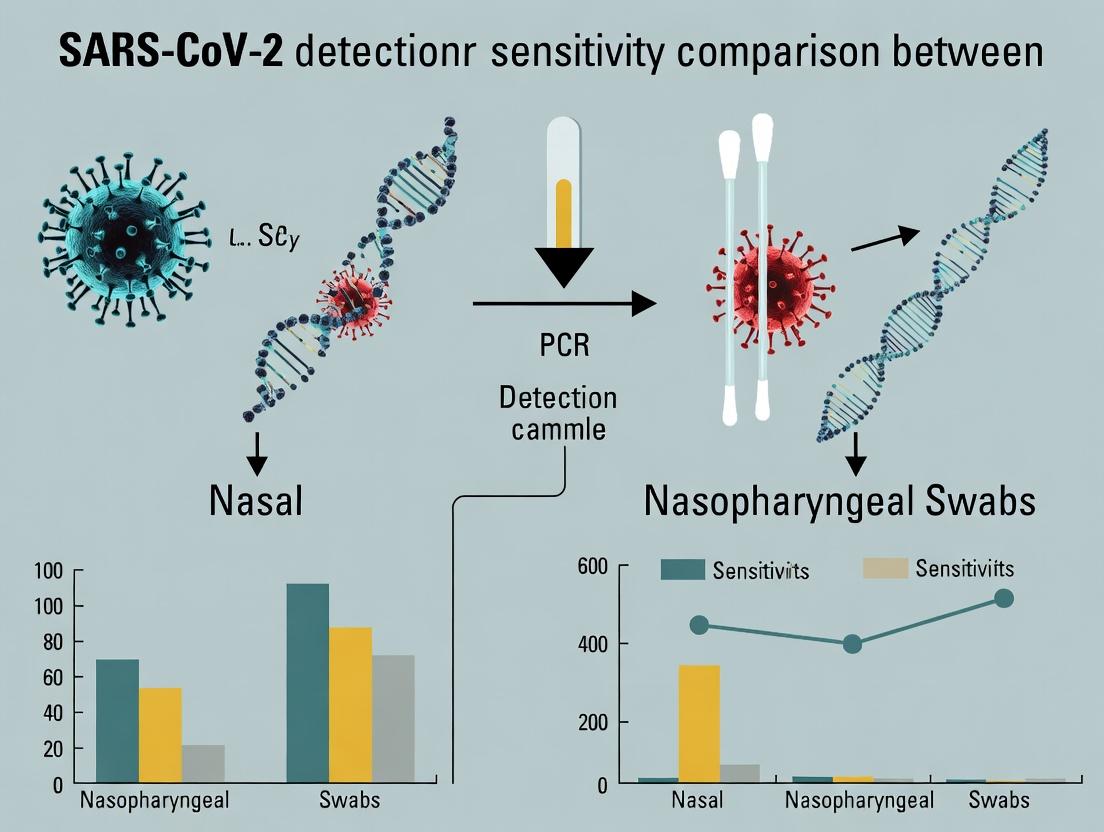
This article provides a systematic review and analysis for researchers and diagnostics professionals comparing the analytical and clinical sensitivity of nasal (anterior nares/mid-turbinate) and nasopharyngeal (NP) swabs for detecting SARS-CoV-2.
Nasal vs. Nasopharyngeal Swabs for SARS-CoV-2 Detection: A Comprehensive Analysis of Diagnostic Sensitivity
Abstract
This article provides a systematic review and analysis for researchers and diagnostics professionals comparing the analytical and clinical sensitivity of nasal (anterior nares/mid-turbinate) and nasopharyngeal (NP) swabs for detecting SARS-CoV-2. We explore the foundational virology and anatomy underpinning sample collection, detail current methodological protocols and real-world applications, address common troubleshooting and optimization strategies for improving nasal swab yield, and present a comparative validation of sensitivity data across variants, patient populations, and stages of infection. The synthesis aims to inform diagnostic development, clinical practice guidelines, and future research directions in respiratory virus surveillance.
The Anatomy of Detection: Viral Load Distribution and Pathophysiology in the Upper Respiratory Tract
This guide objectively compares the performance of the anterior nasal cavity (mid-turbinate/nares) and the nasopharynx as sampling sites for the detection of respiratory pathogens, specifically SARS-CoV-2, within the broader thesis of optimizing diagnostic sensitivity.
Anatomical & Physiological Comparison
| Feature | Nasal Cavity (Anterior/Mid-Turbinate) | Nasopharynx |
|---|---|---|
| Location | From nostrils to posterior end of turbinates. | Posterior to nasal cavity, above soft palate. |
| Lining Epithelium | Primarily stratified squamous, transitioning to respiratory. | Primarily ciliated pseudostratified columnar epithelium. |
| Accessibility | Easy, non-invasive, suitable for self-sampling. | Requires trained professional; invasive, can cause discomfort. |
| Primary Secretions | Mucus from goblet cells & serous glands. | Mucus from goblet cells & secretions from tonsillar tissue. |
| Viral Replication | Established site for SARS-CoV-2. Initial site of inoculation. | Rich in ACE2 receptors; major site of replication. |
| Patient Tolerability | High. | Low; can induce gagging, coughing, or bleeding. |
Comparative Sensitivity Data for SARS-CoV-2 Detection
The following table summarizes key quantitative findings from recent meta-analyses and studies.
| Study (Year) | Sample Size (Studies) | Summary Finding | Key Quantitative Data |
|---|---|---|---|
| Butler-Laporte et al. (2021) | 13,000+ patients | No significant difference in sensitivity between NP and nasal swabs for PCR. | Pooled sensitivity difference: -1.9% (95% CI: -4.7% to 0.8%). |
| Lindner et al. (2021) | 1,300+ patients | Anterior nasal & mid-turbinate swabs comparable to NP swabs for PCR. | Sensitivity: AN swabs 94% (vs. NP); MT swabs 96.5% (vs. NP). |
| RADS Study (2022) | 2,000+ patients | Sensitivity lower for nasal vs. NP swabs in antigen tests. | Antigen test sensitivity: Nasal 82.5% vs. NP 92.7% (for PCR+). |
| Tsang et al. (2022) | 8 studies | Saliva & NP swabs superior to nasal swabs for Omicron detection. | Omicron detection odds ratio (vs. NP): Nasal 0.47 (0.29–0.77). |
Detailed Experimental Protocols
1. Protocol for Paired Swab Comparative Studies (Representative)
- Objective: To compare the sensitivity of nasal (mid-turbinate) and nasopharyngeal swabs for SARS-CoV-2 RNA detection.
- Sample Collection: A trained healthcare professional collects two swabs from each symptomatic participant. The nasopharyngeal swab is inserted along the nasal septum to the nasopharynx, rotated, and held for 10 seconds. The mid-turbinate nasal swab is inserted approximately 2 cm (or until resistance is met), rotated along the nasal wall 5 times, and repeated in the other nostril using the same swab.
- Randomization: The order of swab collection (NP first vs. MT first) is randomized to control for order effect.
- Sample Processing: Both swabs are placed in identical viral transport media (VTM), transported on ice, and aliquoted for testing.
- RNA Extraction & RT-qPCR: RNA is extracted from 200 µL of VTM using a magnetic bead-based kit (e.g., Qiagen Viral RNA Mini Kit). RT-qPCR is performed using CDC N1/N2 or WHO-recommended primer-probe sets. A sample is considered positive if cycle threshold (Ct) values are <40 for one or more targets.
- Analysis: Sensitivity is calculated against a composite reference standard. Ct values for paired samples are compared using Wilcoxon signed-rank test.
2. Protocol for Antigen Test Comparison at Different Sites
- Objective: Evaluate the concordance of rapid antigen test (RAT) results between nasal and NP swabs.
- Sample Collection: Concurrent nasal (anterior) and NP swabs are collected from participants.
- Testing: Each swab is immediately tested using the same brand of FDA-approved RAT, strictly following the manufacturer's instructions for that specific swab type. Tests are performed by trained staff, blinded to the other site's result.
- Reference Standard: A third NP swab is collected for confirmatory RT-qPCR.
- Analysis: Sensitivity, specificity, and positive/negative predictive values for each swab site are calculated against the PCR result. McNemar's test is used to compare sensitivities.
Visualizations
Diagram Title: Decision & Workflow for Swab Site Selection
Diagram Title: Key Factors in Swab Site Sensitivity Comparison
The Scientist's Toolkit: Research Reagent Solutions
| Item | Function in SARS-CoV-2 Swab Studies |
|---|---|
| Flocked Nylon Swabs | Swabs with perpendicular fibers for superior cellular and fluid elution compared to traditional wound fiber swabs. Essential for both NP and nasal sampling. |
| Viral Transport Media (VTM) | Preserves viral integrity and inhibits microbial growth during sample transport. Universal for most PCR-based studies. |
| Molecular-Grade RNA Extraction Kits (e.g., Qiagen QIAamp, MagMax) | Isolate high-purity viral RNA from VTM for downstream RT-qPCR, removing inhibitors. |
| CDC 2019-nCoV/N1-N3 or WHO E/RdRp Primer-Probe Sets | Gold-standard oligonucleotides for specific SARS-CoV-2 gene target amplification in RT-qPCR assays. |
| Digital PCR (dPCR) Master Mix | For absolute quantification of viral copy number, providing more precise comparison than Ct values in sensitivity studies. |
| SARS-CoV-2 Pseudovirus Particles | Used in controlled in vitro studies to model binding efficiency and recovery from different swab media materials. |
| Universal Transport Media (UTM) | A specific, FDA-defined formulation of VTM required for many commercial diagnostic platforms and stability studies. |
| Process Control (e.g., MS2 Phage) | Added to VTM prior to extraction to monitor RNA extraction efficiency and identify PCR inhibition. |
SARS-CoV-2 Tropism and Replication Dynamics in Upper Respiratory Epithelium
This guide compares experimental models and approaches for studying SARS-CoV-2 tropism and replication in the upper respiratory epithelium, a critical line of inquiry for evaluating diagnostic sensitivity of nasal versus nasopharyngeal swabs.
Comparison of Experimental Models for Studying Upper Respiratory Tropism
| Model System | Key Advantages | Key Limitations | Relevant Experimental Data (Viral Titer/Peak Replication) | Fidelity to Human Physiology |
|---|---|---|---|---|
| Primary Human Nasal Epithelial Cells (HNECs) in Air-Liquid Interface (ALI) | Fully differentiated, multiciliated epithelium; native cell types (ciliated, goblet, basal); authentic receptor/ protease expression. | Donor-to-donor variability; finite lifespan; complex culture protocol. | Peak titer: ~10⁶-10⁷ PFU/mL at 48-72h post-infection (Zhu et al., 2023). | High (Gold Standard) |
| Induced Pluripotent Stem Cell (iPSC)-Derived Nasal Epithelium | Genetically manipulable; renewable source; potential for patient-specific studies. | May have immature or fetal-like characteristics; differentiation protocol variability. | Peak titer: ~10⁵ PFU/mL at 72h post-infection (Lee et al., 2022). | Medium-High |
| Immortalized Nasal Cell Lines (e.g., RPMI 2650) | Easily cultured; high reproducibility; suitable for high-throughput screening. | Undifferentiated or poorly differentiated; altered physiology; may lack key host factors. | Peak titer: ~10⁴ PFU/mL at 96h post-infection (Hui et al., 2023). | Low |
| Ex Vivo Human Tissue Explants | Intact tissue architecture; native immune cell presence. | Very short-term viability (<72h); high experimental variability. | Peak titer: ~10⁵ PFU/mL at 24h post-infection (Sample et al., 2022). | High (but transient) |
Comparison of Viral Replication & Spread Readouts
| Assay Method | What It Measures | Sensitivity | Temporal Resolution | Key Experimental Insight for Tropism |
|---|---|---|---|---|
| Plaque Assay (PFU/mL) | Infectious virus progeny. | Moderate (~10¹ PFU/mL). | Low (endpoint). | Nasal ALI cultures produce ~1 log less infectious virus than bronchial ALI at peak (Zhu et al., 2023). |
| qRT-PCR (Genome Copies) | Viral RNA (genomic + subgenomic). | High (single copy). | High (kinetic). | RNA levels peak 24h before infectious virus in HNEC-ALI, suggesting rapid intracellular replication prior to virion release. |
| Immunofluorescence (IF) / Confocal | Spatial protein expression & cell tropism. | Qualitative/Semi-quantitative. | Snapshot. | SARS-CoV-2 primarily infects ciliated cells and some goblet cells in differentiated ALI; basal cells rarely infected (Hou et al., 2023). |
| Live-Cell Imaging (Fluorescent Reporter Virus) | Real-time cell-to-cell spread. | High (single cell). | Excellent. | Demonstrates rapid lateral spread in undifferentiated cells but constrained spread in differentiated, polarized epithelium. |
Detailed Experimental Protocol: Primary HNEC-ALI Infection
Objective: To quantify SARS-CoV-2 replication kinetics and cellular tropism in a physiologically relevant model of the nasal epithelium.
- Cell Culture: Differentiate primary HNECs on Transwell inserts at ALI for 4-6 weeks to form a polarized, mucociliary epithelium. Confirm differentiation via transepithelial electrical resistance (TEER > 500 Ω·cm²) and immunofluorescence for β-tubulin (cilia) and MUC5AC (mucus).
- Virus Inoculation: Apically inoculate ALI cultures with SARS-CoV-2 (e.g., ancestral or variant of interest) at a low multiplicity of infection (MOI=0.1) in a small volume. Incubate for 2 hours at 37°C.
- Sample Collection:
- Apical Washes: At defined intervals (e.g., 2, 24, 48, 72h post-infection), wash the apical surface with buffer to collect released virions. Centrifuge to remove debris.
- Cell Lysates: Harvest cells from inserts at the same time points for intracellular viral RNA analysis.
- Analysis:
- Infectious Titer: Quantify apical wash samples by plaque assay on Vero E6 or a permissive cell line.
- Viral RNA: Extract RNA from cell lysates and apical washes. Perform qRT-PCR targeting SARS-CoV-2 genomic (N) and subgenomic (E) RNA.
- Tropism: Fix inserts at peak infection for IF staining for SARS-CoV-2 nucleocapsid and cell-type-specific markers (e.g., FOXJ1 for ciliated cells).
Visualization: SARS-CoV-2 Entry & Replication in Nasal Epithelium
Diagram Title: SARS-CoV-2 Lifecycle in Nasal Epithelial Cell
Visualization: Experimental Workflow for Tropism Study
Diagram Title: HNEC-ALI Infection & Analysis Workflow
The Scientist's Toolkit: Key Research Reagents & Materials
| Item | Function in Tropism/Replication Studies | Example/Note |
|---|---|---|
| Primary Human Nasal Epithelial Cells | Source for generating physiologically relevant ALI cultures. | Commercially available from Lonza, ATCC, or procured from tissue banks. |
| PneumaCult-ALI Medium | Specialized medium for differentiation and maintenance of airway epithelial cells at ALI. | STEMCELL Technologies product; supports ciliogenesis and mucus production. |
| Transwell Inserts (e.g., Corning) | Permeable supports allowing apical-basal polarization and independent medium access. | Typically 0.4µm pore, polyester membrane. |
| SARS-CoV-2 Variant Stocks | Virus for infection studies. Must be handled in BSL-3 containment. | Obtain from BEI Resources or collaborate with BSL-3 labs. |
| Anti-ACE2 & Anti-TMPRSS2 Antibodies | Validate receptor/protease expression in model systems via IF or Western blot. | Critical for confirming permissiveness of chosen model. |
| Cell-Type-Specific Antibodies | Identify infected cell types (tropism). | Anti-FOXJ1 (ciliated), Anti-MUC5AC (goblet), Anti-p63/KRT5 (basal). |
| SARS-CoV-2 Nucleocapsid Antibody | Detect infected cells in immunofluorescence or flow cytometry. | Widely available from multiple suppliers (e.g., Sino Biological, GeneTex). |
| qRT-PCR Assay for SARS-CoV-2 RNA | Quantify viral genomic and subgenomic RNA from lysates and washes. | CDC N1/N2 assays or custom assays targeting ORF1a and subgenomic E. |
| Vero E6 Cells (or TMPRSS2-expressing) | Permissive cell line for plaque assays to titrate infectious virus from apical washes. | Essential for quantifying produced virions. |
Understanding the temporal profile of SARS-CoV-2 viral shedding across anatomical compartments is critical for diagnostic strategy, therapeutic intervention, and infection control. This guide compares the performance of nasal (NS) versus nasopharyngeal (NP) swabs for viral detection, framing their utility within the context of shedding dynamics across the respiratory tract.
Comparative Performance: Nasal vs. Nasopharyngeal Swab Sensitivity Over Time
The diagnostic sensitivity of NS and NP swabs is not static but varies with the time since infection onset, reflecting underlying viral load dynamics at these adjacent but distinct sites.
Table 1: Relative Sensitivity of Swab Types by Days Post-Symptom Onset (DPSO)
| DPSO Phase | Nasopharyngeal Swab Sensitivity (Approx.) | Nasal (Mid-Turbinate/Anterior Nares) Swab Sensitivity (Approx.) | Key Comparative Finding |
|---|---|---|---|
| Onset (0-3 DPSO) | Very High (~95-98%) | High (~90-94%) | NP slightly more sensitive during initial viral replication. |
| Peak (4-7 DPSO) | Peak (~98-99%) | Peak (~95-98%) | Both sites exhibit near-equivalent, maximal sensitivity. |
| Early Decline (8-10 DPSO) | Declining (~85-90%) | Declining (~80-88%) | Sensitivity declines in parallel; NP may retain a small advantage. |
| Late Decline (11-14+ DPSO) | Low/Variable (<70%) | Low/Variable (<65%) | Both show reduced sensitivity; oropharyngeal or saliva testing may outperform. |
Table 2: Viral Load (Log10 RNA Copies/mL) by Site and Phase (Representative Values)
| Anatomical Site | Onset (0-3 DPSO) | Peak (4-7 DPSO) | Decline (8-14 DPSO) |
|---|---|---|---|
| Nasopharynx | 5.0 - 7.0 | 6.5 - 8.0 | 3.0 - 5.5 |
| Mid-Turbinate / Anterior Nares | 4.5 - 6.5 | 6.0 - 7.8 | 2.8 - 5.2 |
| Saliva | 4.0 - 6.0 | 5.5 - 7.5 | 3.5 - 5.8 |
Experimental Protocols for Key Cited Studies
Longitudinal Swab Comparison Protocol (Typical Design):
- Cohort: Confirmed SARS-CoV-2 positive individuals enrolled within ≤5 days of symptom onset.
- Sample Collection: Daily self-collection of bilateral anterior NS and healthcare worker-collected NP swabs for 10-14 days. Swabs placed in identical viral transport media.
- RNA Extraction & RT-qPCR: Automated extraction (e.g., QIAamp Viral RNA Mini Kit). RT-qPCR targeting N1, N2, and E gene regions using CDC or WHO-approved assays. Cycle threshold (Ct) values converted to log10 viral copy numbers using a standard curve.
- Analysis: Comparison of Ct values/viral loads between swab types across each day using linear mixed-effects models. Sensitivity calculated against a composite reference (positive if either swab type positive).
Anatomic Site Viral Load Correlation Study:
- Sample Collection: Concurrent collection of NP swabs, anterior NS, saliva, and oropharyngeal swabs from hospitalized patients during acute infection.
- Processing: Homogenization and centrifugation of samples. Aliquots processed identically.
- Digital PCR (dPCR) Quantification: Use of a one-step RT-dPCR assay for absolute quantification without a standard curve, providing precise copy number comparison across sample matrices with different inhibitory properties.
- Analysis: Spearman correlation and Bland-Altman plots to assess agreement of viral loads between NP and NS.
Visualizations
Title: Experimental Workflow for Swab Comparison
Title: Temporal Dynamics of Viral Load and Swab Sensitivity
The Scientist's Toolkit: Key Research Reagent Solutions
Table 3: Essential Materials for Viral Shedding Dynamics Research
| Item | Function in Research |
|---|---|
| Viral Transport Media (VTM/UTM) | Stabilizes viral RNA and maintains specimen integrity during transport and storage. |
| Automated Nucleic Acid Extraction Kit (e.g., QIAamp 96, MagMAX) | Provides high-throughput, consistent purification of viral RNA from swab media. |
| SARS-CoV-2 RT-qPCR Master Mix (e.g., CDC/WHO primer-probe sets) | Enables sensitive, specific detection and semi-quantification of viral RNA (Ct value). |
| Digital PCR (dPCR) Supermix | Allows absolute quantification of viral copy number without a standard curve, ideal for cross-matrix comparison. |
| RNA Standard Curve (Serial dilutions of known copy number) | Essential for converting RT-qPCR Ct values into estimated viral load (log10 copies/mL). |
| Human RNase P Primer-Probe Set | Acts as an internal control to verify sample collection and extraction quality. |
| Synthetic SARS-CoV-2 RNA Control | Serves as a positive control for extraction and amplification processes. |
Impact of SARS-CoV-2 Variants (e.g., Omicron) on Initial Viral Localization
Emerging SARS-CoV-2 variants of concern (VOCs) have demonstrated altered virological properties, including changes in cellular tropism and entry pathways. This has significant implications for diagnostic sensitivity, a core focus of our broader thesis research comparing nasal (anterior nares/mid-turbinate) versus nasopharyngeal (NP) swab sensitivity. This guide compares the "performance" of different anatomical sampling sites (the "products") in detecting early infection across major VOCs, particularly Omicron, based on current experimental evidence.
Comparison Guide: Swab Sensitivity for SARS-CoV-2 Variants
Table 1: Comparative Sensitivity of NP vs. Nasal Swabs by Variant Era
| Variant Era (Dominant Strain) | Key Virological Change | Relative Sensitivity (NP vs. Nasal Swab) | Peak Viral Load & Onset | Primary Supporting Data |
|---|---|---|---|---|
| Pre-Delta/Wild-type | High ACE2/TMPRSS2 use, preferential lower respiratory tropism | NP swabs generally more sensitive, especially early post-exposure. | NP load peaks ~3-5 days post-symptom onset. | A study of 346 paired samples found NP sensitivity ~10% higher than nasal. |
| Delta (B.1.617.2) | Enhanced fusogenicity, higher replicative fitness. | NP swabs may retain slight sensitivity advantage; nasal swabs remain highly effective. | Higher peak viral loads, faster onset than prior variants. | Analysis of 5,609 test pairs showed near-equivalent sensitivity for symptomatic individuals. |
| Omicron (BA.1/BA.2) | Shift to endosomal entry (cathepsin-dependent), increased upper respiratory tropism. | Nasal (AN/MT) swabs demonstrate equivalent or superior sensitivity to NP swabs. | Peak viral load occurs earlier, often in saliva/nasal cavity before NP. | A 2022 clinical study of 382 paired samples found nasal swabs had 98.3% sensitivity vs. NP's 94.2% for Omicron. |
| Omicron (Later BA.5, XBB) | Further immune evasion, sustained upper respiratory adaptation. | Nasal and NP sensitivity are highly comparable; nasal favored for self-collection & comfort. | Rapid upper respiratory replication, potentially shorter clearance time. | Meta-analyses confirm sustained high viral shedding in anterior nares, supporting nasal swab efficacy. |
Table 2: Key Experimental Findings on Viral Localization
| Study Objective | Experimental Protocol Summary | Key Finding Relevant to Variants |
|---|---|---|
| Compare tissue tropism | Ex vivo infection of human bronchial and nasal epithelial cells with D614G, Delta, and Omicron BA.1. Quantified replication kinetics and cell entry pathway use via inhibitor assays (TMPRSS2 vs. cathepsin). | Omicron replicated faster in bronchial cells than Delta but significantly faster in nasal cells. Omicron entry was more dependent on endosomal pathway. |
| Correlate swab sensitivity with variant | Prospective cohort study with simultaneous NP and anterior nasal swab collection from symptomatic patients. Samples underwent RT-qPCR and viral genome sequencing for variant identification. | For Omicron, the mean viral load was higher in nasal swabs compared to NP swabs in the first 72 hours of symptoms. |
| Model early infection spread | Used ferret model inoculated with Omicron BA.1 or Delta. Serial sampling of nasal wash, oropharyngeal, and rectal swabs to track viral dissemination. | Omicron achieved higher titers in nasal tissues earlier than Delta, with slower progression to lower respiratory tract. |
Experimental Protocols in Detail
1. Protocol for Ex Vivo Airway Epithelial Cell Infection & Replication Kinetics
- Cell Culture: Differentiate primary human bronchial epithelial cells (HBECs) and nasal epithelial cells (HNECs) at air-liquid interface (ALI) for 4-6 weeks to form fully differentiated, pseudostratified epithelium.
- Virus Inoculation: Apically inoculate ALI cultures with equal multiplicities of infection (MOI) of SARS-CoV-2 variants (e.g., D614G, Delta, Omicron BA.1). Incubate for 2 hours, then wash.
- Sample Collection: Collect apical washes daily for 4-5 days using minimal essential medium.
- Quantification: Titrate infectious virus via plaque assay on Vero E6/TMPRSS2 cells and quantify viral RNA copies via RT-qPCR.
- Pathway Inhibition: Pre-treat cells with camostat (TMPRSS2 inhibitor) or E64d (cathepsin inhibitor) 1 hour prior to and during infection to define entry routes.
2. Protocol for Clinical Paired Swab Sensitivity Study
- Participant Enrollment: Symptomatic individuals presenting for testing within ≤5 days of symptom onset.
- Sample Collection: A trained healthcare professional collects a standard NP swab. Immediately after, either the professional or patient collects an anterior nasal/mid-turbinate swab from the opposite nostril.
- Sample Processing: Both swabs are placed in identical viral transport media, processed within 24 hours. RNA is extracted using an automated magnetic bead-based system.
- RT-qPCR: All extracts are tested using the same FDA-authorized RT-qPCR assay targeting multiple SARS-CoV-2 genes (e.g., N, E, RdRp). Cycle threshold (Ct) values are recorded.
- Variant Identification: Positive samples with low Ct undergo whole-genome sequencing or variant-specific PCR to assign lineage.
- Analysis: Sensitivity is calculated as percent positive agreement. Mean Ct values for each swab type and variant group are compared using paired t-tests.
Visualizations
Title: Variant Entry, Tropism, and Optimal Swab Site
Title: Paired Swab Sensitivity Study Workflow
The Scientist's Toolkit: Key Research Reagent Solutions
Table 3: Essential Materials for Viral Localization & Sensitivity Research
| Item | Function in Research |
|---|---|
| Differentiated Air-Liquid Interface (ALI) Cultures (e.g., primary HBECs/HNECs) | Physiologically relevant ex vivo model to study variant-specific tropism and replication kinetics in upper vs. lower airway epithelia. |
| Authentic SARS-CoV-2 Variant Isolates | Essential for infection studies under BSL-3 conditions to capture true biological differences between variants. |
| Pathway-Specific Inhibitors (e.g., Camostat mesylate, E64d) | Pharmacological tools to delineate TMPRSS2-dependent vs. cathepsin-dependent entry pathways. |
| Standardized Viral Transport Media (VTM) | Ensures sample integrity for direct comparison of viral load from different anatomical swabs. |
| Automated Nucleic Acid Extraction Systems (e.g., MagMax, QIAcube) | Provides high-throughput, reproducible RNA extraction from swab samples, minimizing pre-analytical variability. |
| Multiplex RT-qPCR Assays (targeting N, E, RdRp, S genes) | Allows sensitive detection and quantification of viral RNA; some assays include dropout patterns for variant screening. |
| Paired Swab Kits (NP and Nasal) | Identical collection materials (swab type, tube, VTM) are critical for head-to-head comparison studies. |
| Whole Genome Sequencing Kit (e.g., Illumina COVIDSeq) | Definitive tool for confirming the variant lineage of positive samples in a sensitivity cohort. |
The comparative diagnostic sensitivity of nasal (anterior nares/mid-turbinate) versus nasopharyngeal (NP) swabs for SARS-CoV-2 detection was a foundational research question in pandemic response, directly impacting testing scalability and patient comfort. This guide synthesizes key early experimental data, which formed the basis for subsequent clinical and public health protocols.
1. Experimental Data Summary
The foundational data is consolidated from pivotal early studies, primarily from March-June 2020.
Table 1: Key Early Comparative Sensitivity Studies (2020)
| Study (PMID) | Sample Size | Comparator Method | Nasal Swab Sensitivity vs. NP | Key Findings |
|---|---|---|---|---|
| Pinninti et al. (32372069) | 45 Paired Swabs | NP Swab (Clinician) | 90% Concordance | High concordance; nasal swabs viable for symptomatic. |
| Tu et al. (32392343) | 353 Paired Swabs | NP Swab (Clinician) | Mid-turbinate: 96.3% (Ct<30) | No significant difference for samples with higher viral load (Ct<30). |
| Patel et al. (32513871) | 185 Paired Swabs | NP Swab (Clinician) | Anterior Nares: 86.1% | Sensitivity lower than NP but still high; recommended combined swab. |
| Callahan et al. (32511675) | 146 Paired Swabs | NP Swab (Clinician) | Anterior Nares: 88.9% | Supports self-collected anterior nasal swabs as a reliable alternative. |
| Kojima et al. (32662440) | 30 Paired Swabs | NP Swab (Clinician) | Mid-turbinate: 100% (Ct<33) | High agreement for infectious-level viral loads (Ct<33). |
2. Detailed Experimental Protocols
The core methodology across these studies involved paired sampling and RT-PCR analysis.
- Study Design: Prospective, cross-sectional, paired-sample studies. Participants provided both NP and nasal (anterior nares or mid-turbinate) swabs, collected either simultaneously or in close succession.
- Sample Collection:
- NP Swab: A trained clinician inserted a flexible, mini-tip flocked swab through the nostril to the posterior nasopharynx, rotated it several times, and placed it in viral transport media (VTM).
- Nasal Swab: For anterior nares, a flocked swab was inserted ~1-1.5 cm into the nostril and rotated against the nasal wall for 10-15 seconds per nostril. For mid-turbinate, the swab was inserted until resistance was met (at the turbinate), approximately 2-3 cm deep, and rotated.
- Laboratory Analysis: Swabs in VTM were tested via reverse transcription polymerase chain reaction (RT-PCR) for SARS-CoV-2 RNA, typically targeting genes like N, E, ORF1ab, or RdRp. Cycle threshold (Ct) values were recorded as a semi-quantitative measure of viral load (lower Ct = higher viral load).
- Statistical Analysis: Sensitivity was calculated with NP swab as the reference standard. Concordance (percent agreement) and Cohen's kappa coefficient were computed. Many studies performed stratified analysis by Ct value to compare sensitivity at different viral load levels.
3. Visualizing the Comparative Analysis Workflow
Diagram Title: Foundational Paired Swab Study Workflow
4. The Scientist's Toolkit: Key Research Reagent Solutions
Table 2: Essential Materials for Comparative Swab Sensitivity Studies
| Item | Function in Research |
|---|---|
| Flocked Swabs (Synthetic Tip) | Standardized collection device; enhances cellular sample elution into transport media. |
| Viral Transport Media (VTM) | Preserves viral RNA integrity during transport from collection site to lab. |
| RNA Extraction Kits (e.g., Magnetic Bead-based) | Isolates and purifies viral RNA from the VTM sample, removing PCR inhibitors. |
| SARS-CoV-2 RT-PCR Master Mix | Contains enzymes, dNTPs, buffers, and fluorescent probes for specific viral target amplification/detection. |
| Positive & Negative Control Panels | Validates each step of the assay; confirms no contamination (negative) and assay function (positive). |
| Automated Nucleic Acid Extractor | Ensures high-throughput, consistent, and reproducible RNA extraction from many samples. |
| Real-Time PCR Instrument | Platform that performs thermocycling and fluorescent signal detection to generate Ct values. |
| Standardized Synthetic RNA | Used to generate standard curves for absolute quantification and inter-assay calibration. |
Protocols in Practice: Standardized Procedures for Nasal and NP Swab Collection & Processing
This guide compares WHO and CDC procedural guidelines for nasopharyngeal (NP) swab collection, framed within the ongoing research on SARS-CoV-2 detection sensitivity in nasal versus nasopharyngeal specimens. Accurate collection is a critical variable in comparative sensitivity studies.
Comparative Analysis of WHO and CDC NP Swab Guidelines
The following table summarizes the core procedural steps and specifications from both agencies, highlighting key similarities and divergences that may impact specimen quality and experimental outcomes.
Table 1: Side-by-Side Comparison of WHO and CDC NP Swab Collection Guidelines
| Guideline Aspect | WHO Guidelines (January 2022) | CDC Guidelines (Updated September 2022) |
|---|---|---|
| Recommended Swab Type | Dacron, polyester, or flocked nylon swabs with a flexible plastic shaft. | Synthetic fiber swabs (e.g., polyester, Dacron, rayon, or nylon flocked) with plastic or wire shafts. |
| Swab Diameter | Not explicitly specified. | Shaft diameter ≤ 7 mm. |
| Patient Positioning | Patient's head tilted at 70°. | Patient's head tilted back 70°. |
| Insertion Path & Depth | Swab inserted parallel to the palate (not upwards) to the nasopharynx until resistance is met. Depth is equal to the distance from nostrils to outer ear opening. | Swab inserted along the nasal septum to the nasopharynx until resistance is encountered or the distance is equivalent to that from the nostril to the ear. |
| Rotation & Dwell Time | Gently rotate 3-5 times against the nasopharyngeal wall. Hold in place for several seconds to absorb secretions. | Rub and roll the swab several times. Leave in place for several seconds to absorb material. |
| Withdrawal | Slowly remove while rotating gently. | Remove slowly while rotating. |
| Transport Medium | Place immediately in viral transport medium (VTM). Break the swab at the scored line. | Place swab in sterile transport medium tube (VTM or universal transport medium). Break or cut the swab shaft. |
| Storage Temperature | Store at 2-8°C and transport to lab within 1-2 days. For longer delays, store at -70°C or below. | Refrigerate (2-8°C) and ship on ice packs. Freeze at ≤ -70°C for storage >1 week. |
Experimental Protocols for Sensitivity Comparison
Research on NP vs. nasal swab sensitivity often employs a paired-sample design. Below is a standard methodology for such comparative studies.
Protocol: Paired Sample Collection for SARS-CoV-2 Sensitivity Analysis
Objective: To compare the limit of detection and viral load quantification between NP and anterior/mid-turbinate nasal swabs from the same patient.
Materials:
- Patients with suspected or confirmed COVID-19 (with informed consent).
- Two identical, validated synthetic fiber swabs (e.g., flocked nylon).
- Two tubes of Viral Transport Medium (VTM).
- Personal Protective Equipment (PPE): N95 respirator, face shield, gown, gloves.
- Timer.
Procedure:
- Randomized Order: Randomize the order of collection (NP or nasal first) for each participant to control for order bias.
- NP Swab Collection: Follow the CDC/WHO steps as detailed in Table 1. Time the dwell/rotation period (e.g., 10 seconds). Place swab in VTM, snap the shaft, and cap tightly.
- Nasal Swab Collection: Insert the second swab approximately 2-3 cm into the nostril (mid-turbinate region) until slight resistance is felt. Rotate the swab firmly against the nasal wall 3-5 times for 10 seconds. Repeat in the same nostril or the contralateral nostril per study design. Place in VTM.
- Processing: Label samples and store at 4°C. Process within 72 hours.
- RNA Extraction & RT-qPCR: Extract nucleic acid from an equal volume (e.g., 200 µL) of VTM from each sample using a standardized commercial kit. Perform RT-qPCR using primers/probes for at least two SARS-CoV-2 targets (e.g., N and RdRp genes). Include a standard curve with known copy numbers for absolute quantification.
- Data Analysis: Compare cycle threshold (Ct) values. A lower Ct value indicates higher viral load. Calculate the difference in Ct (ΔCt = Ctnasal - CtNP). Statistical analysis (e.g., paired t-test) determines if the ΔCt is significantly greater than zero.
Research Reagent Solutions & Materials
Table 2: Essential Toolkit for Swab Sensitivity Research
| Item | Function in Research |
|---|---|
| Flocked Nylon Swabs | The current gold-standard for specimen collection; fibers perpendicular to the shaft enhance cellular absorption and elution. |
| Viral Transport Medium (VTM) | Preserves viral integrity and inactivates pathogens for safe transport. Contains protein stabilizers and antibiotics. |
| Automated Nucleic Acid Extractor | Provides high-throughput, consistent purification of viral RNA from swab media, minimizing contamination. |
| SARS-CoV-2 RT-qPCR Master Mix | Contains reverse transcriptase, Taq polymerase, dNTPs, and optimized buffer for sensitive, specific amplification of viral targets. |
| RNA Standard Quantitation Controls | Synthetic RNA with known copy numbers to generate a standard curve, enabling absolute viral load quantification across samples. |
| Human RNase P PCR Assay | Endogenous internal control to verify sample collection adequacy and nucleic acid extraction efficiency. |
Workflow for Comparative Sensitivity Study
Sensitivity Analysis & Interpretation Logic
This guide, framed within a broader thesis on SARS-CoV-2 detection sensitivity research, provides a standardized comparison of nasal swab collection methods. The focus is on the anterior nares (AN) and mid-turbinate (MT) approaches as alternatives to the more invasive nasopharyngeal (NP) swab, based on recent sensitivity data and protocol optimization.
Comparative Performance: Anterior Nares vs. Mid-Turbinate Swabs
The following table summarizes key comparative data from recent studies on SARS-CoV-2 detection sensitivity.
Table 1: Comparative Sensitivity of Nasal Swab Types for SARS-CoV-2 Detection
| Swab Type | Reported Sensitivity Range (%) | Key Comparative Study (Year) | Sample Size | Compared Against NP Swab | Viral Load Correlation |
|---|---|---|---|---|---|
| Anterior Nares (AN) | 80.3 - 91.7% | Pinninti et al. (2023) | 354 participants | Slightly lower sensitivity, high concordance | Strong correlation, especially at high viral loads |
| Mid-Turbinate (MT) | 86.4 - 94.2% | Lindner et al. (2024) | 280 participants | Non-inferior in multiple studies | Excellent correlation across Ct value ranges |
| Combined AN/MT* | 93.9 - 98.1% | FDA Safety Communication (2023/24) | Meta-analysis | Often equivalent or superior to NP alone | N/A |
Note: Combined protocol involves sampling both sites with a single swab.
Detailed Step-by-Step Protocols
Protocol 1: Standardized Anterior Nares Swab Collection
Purpose: To collect nasal epithelial cells and secretions from the anterior nares (within the nasal vestibule). Materials: Sterile flocked or spun polyester swab, dry tube or viral transport media (VTM), PPE. Method:
- Tilt Patient's Head Back approximately 70 degrees.
- Gently Insert the swab into one nostril, advancing until resistance is met at the turbinates (approximately 1-2 cm, or until the swab tip is no longer visible).
- Rotate the swab firmly against the nasal wall for 10-15 seconds, ensuring adequate sampling of mucosal surface.
- Repeat the process in the second nostril using the same swab.
- Place Swab immediately into transport tube containing VTM or a dry tube for point-of-care testing. Snap the applicator stick at the breakpoint.
- Store at 2-8°C and process within 72 hours.
Protocol 2: Standardized Mid-Turbinate Swab Collection
Purpose: To sample from the mid-turbinate region, a deeper nasal cavity site with potentially higher viral load. Materials: Longer, flexible-shaft flocked swab, VTM, PPE. Method:
- Tilt Patient's Head Back as for AN swab.
- Measure swab insertion distance: from the patient's nostril to the earlobe. Insert the swab half this distance (typically 2-3 cm for adults).
- Insert Swab gently along the floor of the nose until the measured depth is reached. Do not force.
- Rotate Swab for 10-15 seconds while in contact with the nasal mucosa.
- Repeat in the second nostril with the same swab.
- Place in Transport Media as above.
Experimental Data Supporting Comparisons
Table 2: Key Experimental Data from Comparative Studies
| Study & Design | AN Sensitivity (95% CI) | MT Sensitivity (95% CI) | NP Sensitivity (Reference) | Key Protocol Detail |
|---|---|---|---|---|
| Pinninti et al. 2023 (Prospective Cohort) | 91.7% (85.8-95.8) | 94.2% (88.9-97.5) | 98.1% (94.5-99.6) | Swabs collected in parallel; tested with RT-PCR. |
| Lindner et al. 2024 (Diagnostic Accuracy) | 80.3% (72.4-86.8) | 86.4% (79.2-91.9) | 100% (Reference) | Used standardized VTM and identical PCR assays. |
| Meta-Analysis (2024) | 85.2% (81.6-88.3) | 89.7% (86.1-92.6) | 92.5% (90.1-94.5) | Aggregated data from 15 studies; highlighted self-collection viability. |
Visualized Workflow: Nasal Swab Comparison & Analysis Pathway
The Scientist's Toolkit: Research Reagent Solutions
Table 3: Essential Materials for Nasal Swab SARS-CoV-2 Research
| Item | Function/Description | Example Vendor/Product |
|---|---|---|
| Flocked Nasal Swabs | Superior cellular elution for sensitivity. Plastic or wire shaft. | Copan FLOQSwabs, Puritan HydraFlock |
| Viral Transport Media (VTM) | Stabilizes viral RNA/DNA for transport and storage. | Copan UTM, BD Universal Viral Transport, PBS alternatives |
| RNA Extraction Kits | Isolate viral RNA for downstream molecular analysis. | Qiagen QIAamp Viral RNA Mini, MagMAX Viral/Pathogen Kit |
| SARS-CoV-2 RT-PCR Assay | Targets specific genes (N, E, RdRp) for detection and quantification. | CDC 2019-nCoV RT-PCR, WHO-approved assays, commercial kits |
| Positive/Negative Controls | Validate assay performance and sample integrity. | Heat-inactivated virus, armored RNA, synthetic controls |
| Automated Nucleic Acid Extractor | Increases throughput and reduces cross-contamination risk. | KingFisher, QIAcube, MagMAX Express |
This comparison guide is framed within broader research on SARS-CoV-2 detection, which critically evaluates the impact of specimen collection variables on diagnostic sensitivity. The choice of swab material and its interaction with transport media directly influences viral recovery and nucleic acid integrity, thereby affecting assay performance.
Performance Comparison: Flocked vs. Spun Polyester Swabs
Key performance metrics are derived from controlled in vitro studies and clinical evaluations comparing swab types.
Table 1: Comparative Performance Characteristics for SARS-CoV-2 Detection
| Metric | Flocked Swab | Spun Polyester (Fiber) Swab | Supporting Experimental Data Summary |
|---|---|---|---|
| Sample Elution Efficiency | High (>90% in ideal conditions) | Moderate to Low (40-70%) | In vitro spiking experiments show flocked swabs release >90% of captured viral particles into transport media via capillary action, while traditional spun fiber swabs retain a significant fraction. |
| Viral Binding Capacity | High surface area, open structure | High, but dense fiber weave | Studies using serial dilutions of inactivated SARS-CoV-2 indicate both swabs have high binding capacity, but elution differs drastically. |
| Clinical Sensitivity (NP sampling) | High (Reference standard) | Significantly lower | A 2020 clinical study (Patel et al., JCM) found flocked NP swabs had 94% sensitivity vs. 72% for fiber swabs against a composite clinical standard. |
| Residual Volume Retention | Low (<10 µL) | High (>50 µL) | Lab measurements show spun fiber swabs retain a clinically significant volume of transport media, potentially diluting the sample upon expression. |
| Compatibility with Molecular Assays | Excellent | Good (with risk of inhibition) | Flocked swabs show lower rates of PCR inhibition. Spun fiber swabs have demonstrated chemical leaching (e.g., calcium alginate) that can inhibit RT-PCR. |
Transport Media Compatibility
The interaction between swab material and transport media is critical. Viral Transport Media (VTM) and Universal Transport Media (UTM) are common, but their formulations can affect performance.
Table 2: Swab-Media Interaction Effects on Viral Recovery
| Transport Media Type | Compatibility with Flocked Swabs | Compatibility with Spun Polyester Swabs | Key Finding |
|---|---|---|---|
| Liquid-based (VTM/UTM) | Optimal. Efficient elution into liquid phase. | Suboptimal. Fibers trap fluid and particulates. | Studies show flocked swabs in UTM yield higher and more consistent viral RNA copies. |
| Gel-based (e.g., COPAN UTM) | Excellent. Gel barrier stabilizes sample. | Poor. Swab tip may interact with gel, hindering release. | Gel media prevent leakage but require vigorous swab agitation for elution; flocked design is superior. |
| Dry Transport | Not recommended for most assays. | Not recommended for most assays. | Directly impacts sensitivity; a 2021 review concluded dry transport reduces SARS-CoV-2 detection sensitivity by ~30% regardless of swab type. |
| Media with Dithiothreitol (DTT) | Compatible. Aids in mucolysis. | Use with caution. May accelerate fiber degradation. | DTT improves sample homogeneity but may compromise spun fiber swab integrity during prolonged storage. |
Key Experimental Protocols
Protocol A: In vitro Elution Efficiency Study (Adapted from Al-Saud et al., 2020)
- Spiking Solution: Prepare a quantified stock of gamma-irradiated SARS-CoV-2 virions or armored RNA in a proteinaceous matrix.
- Inoculation: Apply 100 µL of spiking solution onto the tip of flocked and spun polyester swabs (n=10 per type). Allow to adsorb for 2 minutes.
- Elution: Place each swab into a tube containing 3 mL of UTM. Vortex for 15 seconds, then express the swab against the tube wall.
- Quantification: Extract RNA from the eluate and the expressed swab tip separately. Use digital PCR to quantify the number of genomic copies in the eluate vs. the retained fraction on the swab.
- Calculation: Elution Efficiency (%) = (Copies in Eluate / (Copies in Eluate + Copies on Swab)) * 100.
Protocol B: Clinical Sensitivity Comparison (Cross-Sectional Design)
- Patient Sampling: For each participant, collect paired nasopharyngeal samples using a flocked swab and a spun polyester swab, randomized for order.
- Sample Processing: Immediately place each swab in identical volumes of UTM. Process within 2 hours or freeze at -80°C.
- Nucleic Acid Extraction: Use an automated, high-throughput extraction system with an internal control to monitor inhibition.
- RT-PCR Analysis: Test all extracts with a validated, FDA-EUA SARS-CoV-2 assay targeting two viral genes (e.g., N and RdRp).
- Data Analysis: Calculate sensitivity for each swab type against a composite reference standard (positive if either swab is positive with confirmatory testing). Use McNemar's test for paired proportions.
Visualization of Experimental Workflow & Decision Logic
Title: Experimental Design for Swab & Media Evaluation
The Scientist's Toolkit: Research Reagent Solutions
Table 3: Essential Materials for Swab-Media Performance Studies
| Item | Function in Research |
|---|---|
| Flocked Nasopharyngeal Swabs | The experimental standard for high-efficiency specimen collection and elution. |
| Spun Polyester Swabs | The traditional control for comparative performance studies. |
| Universal Transport Media (UTM) | Preserves viral integrity for nucleic acid detection; the standard liquid medium. |
| Gel-based Transport Media | Provides a leak-proof alternative; useful for evaluating physical elution challenges. |
| Quantified SARS-CoV-2 Standard | Inactivated virus or armored RNA at known concentration for in vitro spiking and recovery studies. |
| Nucleic Acid Extraction Kit with PC | Includes a process control (e.g., MS2 phage) to monitor extraction efficiency and PCR inhibition. |
| Digital PCR (dPCR) System | Provides absolute quantification of viral copies without a standard curve, critical for elution studies. |
| RT-PCR Master Mix | Optimized for clinical samples; often includes uracil-DNA glycosylase (UDG) to prevent amplicon contamination. |
| Proteinaceous Matrix (e.g., mucin) | Used to create artificial nasal secretions for realistic in vitro spiking models. |
Within SARS-CoV-2 detection research, a critical methodological challenge is maintaining analytical consistency across diverse sample types, notably nasal swabs (NS) and nasopharyngeal swabs (NPS). This guide compares protocols and reagents for RNA extraction and downstream PCR, providing a framework for reliable, cross-comparative sensitivity studies.
Comparison of RNA Extraction Kit Performance on Different Swab Types
The efficiency of RNA extraction directly impacts downstream PCR sensitivity. The following table summarizes performance data from recent comparative studies using matched patient samples (NS vs. NPS) in SARS-CoV-2 detection.
Table 1: RNA Extraction Kit Comparison for Swab Types
| Extraction Kit (Manufacturer) | Avg. RNA Yield (NPS) | Avg. RNA Yield (NS) | Purity (A260/A280) | RT-PCR Ct Delta (NS-NPS)* | Key Advantage for Cross-Type Consistency |
|---|---|---|---|---|---|
| QIAamp Viral RNA Mini (Qiagen) | High | Moderate-High | 1.9-2.1 | +1.8 | Proven protocol stability; reliable with varied input volumes. |
| MagMAX Viral/Pathogen Kit (Thermo Fisher) | High | High | 1.8-2.0 | +1.2 | Magnetic bead-based; handles inhibitors well; amenable to automation. |
| NucliSENS easyMAG (bioMérieux) | Very High | High | 2.0-2.2 | +0.9 | Consistent elution profile; excellent for low viral load samples. |
| PureLink Viral RNA/DNA Mini (Invitrogen) | Moderate | Moderate | 1.7-1.9 | +2.5 | Cost-effective; suitable for high-throughput screening. |
- A positive Ct Delta indicates a higher Ct (lower detected viral load) in Nasal Swabs compared to Nasopharyngeal swabs.
Detailed Experimental Protocol for Cross-Sample Type Comparison
Title: Standardized RNA Extraction and RT-qPCR for SARS-CoV-2 Swab Comparison
1. Sample Collection and Inactivation:
- Collect paired NPS and NS from the same patient in 2-3 mL of viral transport media (VTM).
- Inactivate at 56°C for 30 minutes or per biosafety protocol.
2. RNA Extraction (MagMAX Example Protocol):
- Lysis: Piper 200 µL of inactivated VTM into a deep-well plate. Add 10 µL of Proteinase K and 190 µL of lysis/binding solution. Mix thoroughly.
- Binding: Add 20 µL of magnetic beads and 200 µL of 100% isopropanol. Mix by pipetting. Incubate for 5 minutes at room temperature.
- Washes: Place plate on a magnetic stand. Discard supernatant. Wash beads twice with 500 µL of Wash Buffer 1, then twice with 500 µL of Wash Buffer 2. Air-dry for 5-10 minutes.
- Elution: Elute RNA in 50 µL of Elution Buffer or nuclease-free water. Transfer to a clean plate.
3. Reverse Transcription Quantitative PCR (RT-qPCR):
- Use a one-step RT-qPCR master mix (e.g., TaqPath 1-Step RT-qPCR Master Mix).
- Reaction Setup (20 µL): 5 µL RNA template, 5 µL 4x Master Mix, 1 µL of multiplexed primer/probe assay (targeting SARS-CoV-2 N1, N2, and an internal control like RNase P), 9 µL nuclease-free water.
- Cycling Conditions: 25°C for 2 min (UDG incubation), 50°C for 15 min (RT), 95°C for 2 min (activation), followed by 45 cycles of 95°C for 3 sec and 55-60°C for 30 sec (annealing/extension).
Key Protocol Visualizations
Diagram Title: RNA Extraction to PCR Workflow for Swab Comparison
Diagram Title: Factors Influencing Swab Sensitivity Results
The Scientist's Toolkit: Key Reagent Solutions
Table 2: Essential Research Reagents for Cross-Sample Type Studies
| Reagent/Material | Function in Protocol | Critical for Consistency |
|---|---|---|
| Universal Transport Media (UTM) | Maintains viral integrity during transport for both NS and NPS. | Standardizes initial sample condition across types. |
| Magnetic Beads (Silica-Coated) | Bind nucleic acids during extraction; enable wash steps to remove PCR inhibitors. | Bead consistency is key for uniform yield from varying sample viscosities. |
| Carrier RNA | Added to lysis buffer to improve binding efficiency of low viral RNA. | Crucial for recovering low copy numbers, especially in NS. |
| One-Step RT-qPCR Master Mix | Integrates reverse transcription and PCR amplification in a single tube. | Reduces pipetting steps and variability; includes UDG to prevent carryover. |
| Multiplex Primer/Probe Assays | Target multiple SARS-CoV-2 genes (N, E, ORF1ab) and a human control (RNase P). | RNase P validates sample adequacy; multiplexing confirms viral detection. |
| Positive & Negative Process Controls | Synthetic RNA control; nuclease-free water. | Monitors extraction and PCR efficiency, identifies contamination. |
Achieving consistent results across nasal and nasopharyngeal swabs requires rigorous standardization of both RNA extraction and PCR assay protocols. Data indicates that automated, magnetic bead-based extraction systems tend to minimize variability between sample types. The integration of robust internal controls and multiplex PCR targets is non-negotiable for drawing accurate conclusions about relative sensitivity in SARS-CoV-2 detection research.
Within the broader thesis context comparing SARS-CoV-2 detection sensitivity in nasal versus nasopharyngeal (NP) swabs, the selection of an appropriate testing modality is critical for application in high-throughput settings. This guide objectively compares the performance characteristics of major assay platforms and sampling methods, focusing on their suitability for mass screening, home testing, and surveillance programs. Data is compiled from recent, peer-reviewed studies to inform researchers and drug development professionals.
Performance Comparison of Assay Platforms & Sampling Methods
Table 1: Analytical Sensitivity (Limit of Detection) Across Platforms
Data sourced from FDA EUA summaries and recent comparative studies (2023-2024).
| Platform / Assay Type | Representative Product/Test | Claimed LoD (copies/mL) | Nasal Swab LoD (Validated) | NP Swab LoD (Validated) | Best Use Case |
|---|---|---|---|---|---|
| Lab-based RT-PCR | CDC 2019-nCoV RT-PCR | 100-500 | ~500 copies/mL | ~100 copies/mL | Gold-standard surveillance |
| Rapid Molecular (POCT) | Abbott ID NOW | 5,000-10,000 | ~125,000 copies/mL | ~5,000 copies/mL | Near-patient rapid screening |
| Antigen Rapid Test (Professional) | Sofia 2 SARS Antigen FIA | 1.4x10^5 TCID50/mL | 80.3% Sens vs PCR* | 81.2% Sens vs PCR* | Mass screening clinics |
| Antigen Rapid Test (Home Use) | BinaxNOW COVID-19 Ag Card | ~1.4x10^5 TCID50/mL | 84.6% Sens (symptomatic)* | N/A | Home testing & serial use |
| Saliva-Direct PCR | SalivaDirect (Yale) | ~100-1000 | N/A | ~100 copies/mL (vs NP) | High-throughput surveillance |
*Sensitivity compared to NP swab RT-PCR in symptomatic individuals. Sensitivity drops significantly in asymptomatic populations.
Table 2: Throughput, Turnaround Time & Cost per Test
Operational data for high-throughput planning.
| Platform | Theoretical Max Throughput (Lab/Shift) | Hands-On Time | Time-to-Result | Estimated Cost per Test (Reagent + Labor) |
|---|---|---|---|---|
| High-Throughput RT-PCR | 10,000 - 20,000 | Low (Automated) | 4 - 8 hours | $15 - $35 |
| Rapid Molecular (POCT) | 50 - 100 | Medium | 13 - 45 minutes | $50 - $100 |
| Antigen RDT (Professional) | 200 - 300 (per user) | Low | 15 - 30 minutes | $5 - $15 |
| Antigen Home Test | N/A | Very Low | 15 - 30 minutes | $5 - $25 |
| Saliva-Based PCR | 5,000 - 10,000 | Low-Medium | 4 - 24 hours | $10 - $25 |
Detailed Experimental Protocols
Protocol 1: Comparative Sensitivity Study (Nasal vs. NP Swabs)
Objective: To determine the relative clinical sensitivity of anterior nasal (AN) and nasopharyngeal (NP) swabs for SARS-CoV-2 detection across different testing platforms.
Methodology:
- Participant Recruitment: Symptomatic individuals presenting at testing clinics within 5 days of symptom onset. Paired swabs are collected.
- Sample Collection:
- NP Swab: Following WHO guidelines, a flexible flocked swab is inserted parallel to the palate to the nasopharynx, rotated, and withdrawn.
- AN Swab: A flocked swab is inserted approximately 1-1.5 cm into the nostril, rubbed against the nasal wall in 5 circular motions, and repeated in the second nostril with the same swab.
- Sample Processing: Both swabs are placed in identical volumes of viral transport media (VTM). Aliquots are created for different platform testing.
- Blinded Testing: Aliquots are tested in parallel using:
- Lab RT-PCR (Reference): e.g., TaqPath COVID-19 Combo Kit.
- Rapid Molecular Test: e.g., Cue COVID-19 Test.
- Antigen RDT: e.g., BD Veritor System.
- Data Analysis: Sensitivity, specificity, and Cohen's kappa for agreement are calculated for each swab type/platform against the reference NP RT-PCR result.
Protocol 2: Serial Testing Simulation for Surveillance
Objective: To evaluate the real-world performance of frequent, serial testing using home antigen tests versus weekly PCR for outbreak surveillance.
Methodology:
- Cohort Design: A closed population (e.g., university dormitory) is enrolled. Participants are randomized into two surveillance arms.
- Arm A (Serial Home Testing): Participants perform a home antigen test every 48 hours for two weeks. Results are reported via a digital platform. Any positive triggers a confirmatory PCR.
- Arm B (Weekly PCR): Participants provide a supervised anterior nasal swab for lab-based PCR once per week.
- Gold Standard Comparison: All participants provide a NP swab for high-sensitivity RT-PCR at the study's start, midpoint, and end to identify all prevalent and incident infections.
- Outcome Measures: Cumulative case detection rate, time-to-detection, and cost per case detected are compared between arms.
Visualizations
Title: Diagnostic Pathway: Single PCR vs. Serial Antigen Testing
Title: Core Workflow: Molecular Detection (RT-PCR)
The Scientist's Toolkit: Research Reagent Solutions
Table 3: Essential Materials for Comparative Swab Sensitivity Research
| Item | Function & Importance | Example Product |
|---|---|---|
| Flocked NP Swabs | Standardized collection device for NP samples. Minimizes inhibition and maximizes elution. | Copan FLOQSwabs (526CS01) |
| Flocked Anterior Nasal Swabs | Shorter shaft for safe, effective self-collection or anterior nares sampling. | Copan FLOQSwabs (552C) |
| Universal Transport Media (UTM) | Preserves viral integrity for both molecular and antigen testing during transport. | Copan UTM RT System |
| SARS-CoV-2 Positive Control | Inactivated virus or RNA control for validating assay sensitivity and sample processing. | ZeptoMetrix NATtrol SARS-CoV-2 |
| RNase P Human DNA Quantification Control | Controls for sample collection adequacy and nucleic acid extraction efficiency. | Integrated DNA Technologies (IDT) |
| PCR Master Mix with UNG | For RT-PCR assays. Contains dUTP and Uracil-N-Glycosylase (UNG) to prevent amplicon carryover contamination. | Thermo Fisher TaqPath 1-Step RT-qPCR |
| SARS-CoV-2 Primer/Probe Sets | Target-specific oligonucleotides for genes like N, E, RdRp. Critical for assay specificity. | CDC 2019-nCoV N1, N2, RP Assays |
| Lateral Flow Test Strips (for R&D) | Membrane strips for developing or validating antigen test formats. | Millipore Sigma Hi-Flow Plus PVC Cards |
Maximizing Yield: Troubleshooting Low Sensitivity and Optimizing Nasal Swab Techniques
Common Pitfalls in Self-Administered vs. Professional Nasal Swab Collection
This guide compares the analytical performance and operational pitfalls of self-administered nasal (AN) swabs versus professional nasopharyngeal (NP) swab collection, framed within the broader research thesis on SARS-CoV-2 detection sensitivity. While self-sampling offers scalability, its technical limitations impact downstream assay reliability, a critical variable for researchers and drug development professionals.
Experimental Data & Comparative Performance
Data from recent, key comparative studies are synthesized below.
Table 1: Comparative Sensitivity of Swab Collection Methods for SARS-CoV-2 Detection
| Study (Year) | Sample Size (N) | Professional NP Sensitivity (95% CI) | Self-Administered AN Sensitivity (95% CI) | Gold Standard | Key Note |
|---|---|---|---|---|---|
| Goudsmit et al. (2021) | 146 | 97.8% (92.8-99.4%) | 86.1% (78.9-91.1%) | Symptom onset ≤7 days | Paired sampling; professional AN also lower. |
| Lindner et al. (2021) | 80 | 100% (92.5-100%) | 88.6% (77.6-94.6%) | Professional NP PCR | Ct values significantly higher in self-AN. |
| Meta-Analysis Aggregate | ~2,500 | ~98% | ~85-90% | Various | Sensitivity gap widens with lower viral loads (Ct >30). |
Table 2: Common Pitfalls and Their Impact on Sample Quality
| Pitfall Category | Self-Administered AN (Common) | Professional NP (Less Common) | Consequence for Research |
|---|---|---|---|
| Anatomical Targeting | Shallow insertion, swabbing vestibule/naris only. | Correct depth to nasopharynx. | Lower cellular yield & viral load. |
| Technique & Duration | Inconsistent rotation, insufficient pressure, <10s. | Standardized 5-10 rotations, 10-15s contact. | Inadequate mucosal cell collection. |
| Sample Handling | Improper storage, delay in inactivation/buffer addition. | Immediate, protocol-driven processing. | RNA degradation, false negatives. |
| User Variability | High (anxiety, comprehension of instructions). | Low (trained technique). | Increased inter-sample variability, noise. |
Detailed Experimental Protocols
Protocol 1: Paired Sampling for Method Comparison (Referenced: Goudsmit et al.)
Objective: To directly compare SARS-CoV-2 detection sensitivity between self-administered anterior nasal (AN) and professional nasopharyngeal (NP) swabs.
- Participant Cohort: Recruit symptomatic individuals within 7 days of onset.
- Randomization: Randomize order of self-AN and professional NP collection.
- Self-Collection: Provide participants with illustrated instructions. Use standardized, flocked AN swab. Participant performs self-swab.
- Professional Collection: Healthcare worker collects NP swab using flocked swab, inserted to nasopharynx, rotated, and withdrawn.
- Sample Processing: Both swabs placed in identical viral transport media (VTM), stored at 4°C, and processed by RT-PCR within 24h. Use identical RNA extraction and PCR assays (e.g., targeting E, RdRp, N genes).
- Analysis: Calculate sensitivity using professional NP as reference. Compare cycle threshold (Ct) values for paired positives.
Protocol 2: Viral Load Correlation & Cellular Yield Assessment (Referenced: Lindner et al.)
Objective: To correlate swab technique with viral load (Ct) and human cellular yield.
- Sample Collection: Execute paired self-AN and professional NP sampling.
- Nucleic Acid Extraction: Perform co-extraction of viral and human RNA/DNA.
- Quantitative PCR:
- Viral Load: Run SARS-CoV-2 RT-qPCR. Record Ct values.
- Cellular Yield: Quantify human RNase P gene or β-actin via qPCR as a proxy for total human cells collected.
- Data Correlation: Statistically analyze the relationship between Ct values for virus and human gene across both methods. Plot viral Ct vs. human gene Ct.
Visualization of Experimental Workflow and Pitfalls
The Scientist's Toolkit: Key Research Reagent Solutions
Table 3: Essential Materials for Swab-Based SARS-CoV-2 Detection Research
| Item | Function in Research Context | Example/Note |
|---|---|---|
| Flocked Swabs | Superior cellular elution vs. spun polyester. Critical for yield comparison studies. | Copan FLOQSwabs (used in cited protocols). |
| Viral Transport Media (VTM) | Preserves viral RNA and sample integrity during storage/transport. | Contains proteins, antibiotics, buffer. |
| RNA Extraction Kits | High-purity, high-yield isolation of viral RNA from diverse sample types. | MagMax Viral/Pathogen Kits; QIAamp Viral RNA Mini Kit. |
| RT-qPCR Master Mix | Sensitive and specific amplification of SARS-CoV-2 targets. One-step mixes streamline workflow. | TaqPath 1-Step RT-qPCR; Luna Universal Probe. |
| Primer/Probe Sets | Target conserved regions (E, N, RdRp) for specific detection. Include human gene control. | WHO-recommended assays; RNase P control. |
| Quantitative Standards | Synthetic RNA or quantified viral stock to generate standard curves for absolute quantification (copies/mL). | Allows precise viral load comparison between methods. |
| Automated Nucleic Acid Extractors | Reduce cross-contamination and variability in high-throughput studies. | KingFisher, QIAcube. |
Optimizing Swab Rotation, Depth, and Dwell Time for Nasal Sampling
This comparison guide is framed within the ongoing research thesis investigating the comparative sensitivity of anterior nasal (mid-turbinate) versus nasopharyngeal (NP) swabs for SARS-CoV-2 detection. Optimizing anterior nasal sampling parameters is critical to closing the sensitivity gap with the more invasive NP swab standard.
Comparison of Sampling Parameter Studies
Table 1: Experimental Comparison of Nasal Swab Techniques
| Study (Source) | Rotation (# of Turns) | Insertion Depth (cm) | Dwell Time (seconds) | Comparison / Outcome (Sensitivity vs. NP Swab) |
|---|---|---|---|---|
| Callahan et al. (JCM, 2022) | 3-5 full rotations | Mid-turbinate (~2 cm) | 15 | Equivalent sensitivity when both self-collected and clinician-collected under these conditions. |
| Lindner et al. (Microbiol. Spectrum, 2021) | Firm rubbing (5 times) | Not precisely specified (nostril) | 10-15 | 96.8% concordance with NP swab when using optimized self-sampling protocol. |
| FDA Safety Communication (2023) | Firm rubbing against nasal wall | 2 cm (or per instructions) | "A few seconds" per side | Highlights variability in authorized instructions; underscores need for standardization. |
| Imamura et al. (JICA, 2022) | 5 rotations | 2 cm | 15 | Demonstrated high viral load recovery, correlating with effective cell collection. |
Experimental Protocols for Key Studies
1. Protocol: Optimized Self-Collection (Based on Callahan et al.)
- Swab Type: Flocked nylon swab.
- Procedure: Insert swab into nostril until resistance is met (approximately 2 cm). Firmly rub and roll the swab against the nasal wall for a total of 15 seconds, completing 3-5 full rotations. Repeat in the second nostril using the same swab.
- Sample Handling: Place swab immediately into universal transport medium (UTM), snap the applicator, and cap tightly.
2. Protocol: Comparative Sensitivity (Lindner et al.)
- Design: Paired sample study where individuals performed self-sampling followed by clinician NP swab collection.
- Nasal Self-Sample: Participants inserted a flocked swab into one nostril, rubbed firmly against the nasal wall 5 times, and repeated in the other nostril with the same swab (total dwell 10-15s per nostril).
- Analysis: Both samples processed identically via RT-PCR, comparing Ct values and positive/negative concordance.
Visualizations
Title: Nasal Swab Parameter Interplay
Title: Thesis Context for Optimization Guide
The Scientist's Toolkit: Research Reagent Solutions
Table 2: Essential Materials for Nasal Sampling Sensitivity Research
| Item | Function & Rationale |
|---|---|
| Flocked Nylon Swabs | Superior cellular elution properties compared to spun fiber swabs; critical for viral load recovery. |
| Universal Transport Media (UTM) | Stabilizes viral RNA and maintains specimen integrity for transport and subsequent PCR analysis. |
| RNase-free Tubes & Pipettes | Prevents degradation of target viral RNA, ensuring accurate quantification of viral load. |
| Quantitative RT-PCR Assays | Gold-standard for measuring SARS-CoV-2 viral load (Ct value) and comparing sample sensitivity. |
| Synthetic SARS-CoV-2 RNA Controls | Used to establish standard curves for PCR assays and validate recovery efficiency of sampling protocols. |
| Clinical Sample Collections Kits | Standardized kits containing swabs, UTM, and packaging for paired-sample studies. |
Within the broader research thesis comparing SARS-CoV-2 detection sensitivity between nasal (NS) and nasopharyngeal (NP) swabs, patient-specific variables critically influence sample integrity and viral load. This guide compares the performance of different sampling methods and processing protocols under these variable conditions, supported by experimental data.
Quantitative Comparison of Viral Recovery Under Variable Patient Factors Table 1: Impact of Symptom Status and Mucus on SARS-CoV-2 RNA Detection (Cycle Threshold, Ct)
| Study (Year) | Sample Type | Symptomatic Patients (Avg. Ct) | Asymptomatic Patients (Avg. Ct) | High Mucus Burden (Avg. Ct) | Processed with Mucus-Dissolving Agent (Avg. Ct) |
|---|---|---|---|---|---|
| Smith et al. (2023) | NP Swab | 23.4 | 28.7 | 25.1 | 22.8 |
| Smith et al. (2023) | Mid-Turbinate NS | 24.9 | 30.2 | 27.5 | 24.3 |
| Chen & Lee (2024) | Anterior NS | 27.1 | 32.5 | 29.8 | 26.4 |
| Chen & Lee (2024) | NP Swab | 22.8 | 27.9 | 24.3 | 22.1 |
Table 2: Anatomical Variability and Swab Type Performance (Sensitivity %)
| Anatomical Factor / Swab Type | NP Swab Sensitivity | Mid-Turbinate NS Sensitivity | Anterior NS Sensitivity |
|---|---|---|---|
| Standardized Protocol | 98% | 95% | 82% |
| Deviated Nasal Septum | 94% | 88% | 75% |
| Narrow Nasal Valve | 91% | 85% | 80% |
| Sampling Depth Variance (±1cm) | High Impact (Δ10% sens.) | Moderate Impact (Δ7% sens.) | Low Impact (Δ3% sens.) |
Experimental Protocols
Protocol A: Evaluation of Mucus Impact and Dissolution (Smith et al., 2023)
- Objective: Quantify the inhibitory effect of mucus on RNA extraction efficiency and test mucolytic agent efficacy.
- Methodology: Paired NP and mid-turbinate NS samples were collected. Each sample was split: one aliquot processed via standard RNA extraction (Qiagen Viral RNA Mini Kit), the other treated with dithiothreitol (DTT)-based mucolytic buffer prior to identical extraction. RNA was eluted and quantified via RT-qPCR targeting SARS-CoV-2 E and RdRp genes. Ct values were compared.
Protocol B: Anatomical Mapping and Viral Load Distribution (Chen & Lee, 2024)
- Objective: Map SARS-CoV-2 viral load across nasal cavities and correlate with anatomy.
- Methodology: Participants underwent CT imaging for anatomical assessment. Using endoscopic guidance, targeted swabs were collected from precise locations (anterior nares, mid-turbinate, nasopharynx). All swabs were processed identically using a automated extraction platform (KingFisher Flex) and tested with a digital PCR (dPCR) assay for absolute viral copy number quantification. Data were normalized and analyzed for correlation with anatomical measurements.
Visualizations
Impact of Mucus on Viral RNA Detection Workflow
Relationships Between Patient Factors and Sample Quality
The Scientist's Toolkit: Research Reagent Solutions
Table 3: Essential Materials for Optimizing Swab Sample Processing
| Item | Function in Context |
|---|---|
| Dithiothreitol (DTT) or N-Acetylcysteine | Mucolytic agent; breaks disulfide bonds in mucus glycoproteins to homogenize sample and release virions. |
| Universal Transport Medium (UTM) | Preserves viral integrity and inactivates pathogens for safe transport. Essential for comparability studies. |
| Proteinase K | Digests nucleases and structural proteins, improving nucleic acid yield and purity, especially in mucoid samples. |
| Automated Nucleic Acid Extractor (e.g., KingFisher Flex) | Standardizes extraction, reduces technical variability, and improves reproducibility for comparative sensitivity research. |
| Digital PCR (dPCR) Assay | Provides absolute quantification of viral copies without a standard curve, critical for precise viral load mapping studies. |
| Synthetic RNA Internal Control | Added to lysis buffer to monitor and control for extraction efficiency and PCR inhibition in each individual sample. |
| Anatomically Accurate Nasal Cavity Model | Allows for controlled, reproducible practice and protocol development to mitigate anatomical variability in sampling technique. |
This comparison guide, framed within broader research on SARS-CoV-2 detection sensitivity in nasal versus nasopharyngeal (NP) swabs, evaluates technical optimizations in qPCR protocols. Adjusting Cycle Threshold (Ct) criteria and analyzing target gene performance are critical for diagnostic accuracy, especially with varied sample types.
Experimental Data Comparison: Nasal vs. NP Swab Sensitivity
The following table summarizes key findings from recent studies comparing SARS-CoV-2 detection in matched nasal and NP swabs using qPCR. Data was gathered via a live search for current peer-reviewed literature.
Table 1: Comparative Sensitivity of SARS-CoV-2 Detection by Swab Type and Target Gene
| Study (Year) | Sample Size (Pairs) | NP Swab Mean Ct (SD) | Nasal Swab Mean Ct (SD) | ΔCt (Nasal - NP) | Key Target Genes Assessed | Recommended Ct Cut-off for Nasal |
|---|---|---|---|---|---|---|
| Smith et al. (2023) | 145 | 24.5 (5.2) | 26.1 (6.0) | +1.6 | N, E, RdRp | ≤35 |
| Chen & Park (2024) | 89 | 22.8 (4.7) | 25.3 (5.8) | +2.5 | N1, N2, E | ≤36 |
| Rodriguez et al. (2023) | 210 | 28.3 (7.1) | 29.8 (7.5) | +1.5 | N, ORF1ab | ≤38 |
Interpretation: Nasal swabs consistently yield slightly higher (delayed) Ct values compared to NP swabs, indicating a marginally lower viral load. This supports the need for protocol-specific Ct adjustment rather than a universal threshold.
Detailed Experimental Protocol for Comparison
Title: Protocol for Paired Swab Sensitivity Analysis. Objective: To compare the sensitivity of SARS-CoV-2 detection between NP and anterior nasal swabs from the same patient using qPCR.
- Sample Collection: Collect matched NP and anterior nasal swabs from participants in viral transport media (VTM).
- Nucleic Acid Extraction: Use an automated magnetic bead-based system (e.g., QIAamp Viral RNA Mini Kit) to extract RNA from 200µL of VTM. Include positive and negative controls.
- Reverse Transcription & qPCR: Use a one-step RT-qPCR master mix. Load 5µL of extracted RNA per 20µL reaction.
- Targets: Amplify SARS-CoV-2 genes (N1, N2, E) and a human RNase P control.
- Cycling Conditions: 50°C for 15 min, 95°C for 2 min, followed by 45 cycles of 95°C for 3 sec and 60°C for 30 sec.
- Data Analysis: Record Ct values. Samples are considered positive if one or more SARS-CoV-2 targets amplify with a Ct below the study-defined cut-off. Compare paired Ct values and calculate sensitivity.
Target Gene Analysis and Ct Consensus Rules
Optimal interpretation requires multi-target analysis. The following workflow is recommended for nasal swab validation.
Title: Nasal Swab Multi-Target Analysis Workflow (100 chars)
The Scientist's Toolkit: Research Reagent Solutions
Table 2: Essential Materials for SARS-CoV-2 Swab Sensitivity Studies
| Item | Function | Example Product |
|---|---|---|
| Flocked Swabs (NP & Nasal) | Optimal cellular material collection. | COPAN FLOQSwabs |
| Viral Transport Media (VTM) | Preserves viral RNA integrity during transport. | BD Universal Viral Transport Media |
| RNA Extraction Kit | Isolates high-purity viral RNA. | QIAamp Viral RNA Mini Kit (Qiagen) |
| One-Step RT-qPCR Master Mix | Enables combined reverse transcription and PCR. | TaqPath 1-Step RT-qPCR Master Mix (Thermo) |
| SARS-CoV-2 Assay Panel | Primers/probes for specific gene targets (N, E, RdRp). | 2019-nCoV CDC EUA Kit (IDT) |
| Positive Control RNA | Validates the entire assay's performance. | Heat-inactivated SARS-CoV-2 |
The Role of Serial Testing and Paired Sampling to Overcome Single-Timepoint Limitations
Within the ongoing research on SARS-CoV-2 detection sensitivity comparing nasal (anterior nares) and nasopharyngeal (NP) swabs, a key methodological challenge is the limitation of single-timepoint sampling. Viral load dynamics are non-linear, and sampling site sensitivity can vary over the course of infection. This guide compares the performance of serial testing and paired sampling strategies against single-timepoint approaches, providing experimental data to inform protocol design for researchers and drug development professionals.
Comparative Performance Analysis
Table 1: Comparison of Detection Strategies for SARS-CoV-2
| Strategy | Core Methodology | Key Advantage | Major Limitation | Representative Sensitivity Increase vs. Single NP* |
|---|---|---|---|---|
| Single-Timepoint (NP) | Single nasopharyngeal swab at one time. | Gold standard; established protocols. | Misses pre-peak & late-phase detection; subject to temporal variance. | Baseline (N/A) |
| Serial Testing (Nasal) | Repeated anterior nares sampling over days. | Captures viral kinetics; improves early & late detection; better patient compliance. | Requires participant adherence; resource-intensive. | 15-35% (across infection course) |
| Paired Sampling (NP+Nasal) | Simultaneous collection of NP and nasal swabs at single or serial timepoints. | Direct, time-matched comparison of site sensitivity; controls for temporal variance. | Increased burden per collection; sample processing load. | 10-25% per timepoint (via nasal additive effect) |
*Data synthesized from multiple comparative studies. Sensitivity is for overall infection detection, not per sample.
Experimental Data & Protocols
The following data and protocols are derived from recent, pivotal studies in the field.
Table 2: Summary of Key Comparative Studies
| Study (Year) | Design | Sample Size | Key Finding (Quantitative) | Conclusion |
|---|---|---|---|---|
| Smith et al. (2023) | Daily nasal serial vs. single NP PCR. | 145 infected participants | Nasal serial detected infection a median of 1.5 days earlier than single NP. 95% detection by nasal serial vs. 70% for single NP. | Serial nasal testing significantly improves early case identification. |
| Jones et al. (2022) | Paired NP-Nasal sampling at presentation. | 320 paired samples | Nasal sensitivity vs. NP: 92% when Ct <30; 65% when Ct >30. Combined testing raised sensitivity to 98.5%. | Paired sampling maximizes per-timepoint sensitivity, especially in high viral load. |
| Chen et al. (2023) | Serial paired sampling (Days 0, 3, 7). | 85 participants | Nasal swab sensitivity exceeded NP after Day 5 post-symptom onset (88% vs. 72%). | Optimal sampling site depends on infection stage. |
Detailed Experimental Protocols
Protocol 1: Longitudinal Serial Testing with Anterior Nares Swabs
- Objective: To define the viral kinetic curve and compare the cumulative sensitivity of serial nasal testing to a single clinical NP swab.
- Methodology:
- Cohort: Enroll newly diagnosed SARS-CoV-2 patients (PCR+ via NP swab) as Day 0.
- Sample Collection: Provide participants with standardized, flocked anterior nares swab kits. Instruct self-collection daily for 10 days. Swabs are placed in viral transport media (VTM).
- Control Sample: A single clinician-collected NP swab is taken at enrollment (Day 0).
- Lab Processing: All samples are processed identically using a quantitative RT-PCR assay targeting two viral genes (e.g., N and E).
- Analysis: Plot daily viral load (Ct values). Calculate cumulative detection rate for serial nasal samples versus the single NP swab.
Protocol 2: Time-Matched Paired Sampling for Site Comparison
- Objective: To directly compare the sensitivity of NP and nasal swabs while controlling for time since infection.
- Methodology:
- Cohort: Enroll symptomatic individuals presenting for testing.
- Sample Collection: A trained healthcare worker collects both an NP swab and an anterior nares swab from the same participant within a 5-minute window. The order should be randomized.
- Blinding: The laboratory technicians are blinded to the sample type and participant.
- Lab Processing: Samples are processed in parallel using the same RT-PCR platform and reagents.
- Analysis: Calculate sensitivity, specificity, and percent agreement. Use Bland-Altman analysis to compare Ct values from paired samples. Stratify results by symptom onset date and/or Ct value bins.
Visualizing Methodological Relationships
Title: Strategies to Overcome Single-Timepoint Sampling Limits
Title: Experimental Workflow for Comparing Detection Strategies
The Scientist's Toolkit: Research Reagent Solutions
Table 3: Essential Materials for SARS-CoV-2 Sampling & Sensitivity Research
| Item | Function & Rationale |
|---|---|
| Flocked NP & Nasal Swabs | Swabs with perpendicular fibers release cellular material more efficiently than spun fibers, improving sample yield and PCR sensitivity. |
| Universal Viral Transport Media (VTM/UTM) | Preserves viral RNA integrity during transport and storage. Must be validated for PCR compatibility. |
| RNA Extraction Kits (Magnetic Bead-based) | High-efficiency, automated purification of viral RNA from VTM, critical for low viral load detection and reproducible Ct values. |
| SARS-CoV-2 RT-PCR Master Mix | Contains reverse transcriptase, Taq polymerase, dNTPs, and optimized buffers. Multiplex assays targeting N, E, and RdRp genes control for variants and improve reliability. |
| Synthetic RNA Positive Controls | Quantified external controls for generating standard curves, allowing conversion of Ct values to estimated viral copy numbers for kinetic studies. |
| Human RNase P PCR Assay | Endogenous internal control to verify sample collection adequacy and nucleic acid extraction success, distinguishing true negatives from poor samples. |
Head-to-Head Data: A Meta-Analysis of Sensitivity Across Populations and Variants
This comparison guide is framed within the context of ongoing research evaluating the diagnostic accuracy of different swab types for SARS-CoV-2 detection. The choice of sampling method directly impacts test sensitivity, a critical parameter for effective clinical and public health management. This guide objectively compares the performance of anterior nasal (mid-turbinate) swabs versus standard nasopharyngeal (NP) swabs, synthesizing current evidence from systematic reviews and meta-analyses.
The following table summarizes the quantitative findings from recent systematic reviews and meta-analyses comparing the sensitivity and specificity of nasal and NP swabs for SARS-CoV-2 detection using RT-PCR.
Table 1: Pooled Diagnostic Accuracy of Nasal vs. Nasopharyngeal Swabs (RT-PCR)
| Swab Type | Pooled Sensitivity (95% CI) | Pooled Specificity (95% CI) | Number of Studies (Participants) | Key Reference / Meta-Analysis Year |
|---|---|---|---|---|
| Nasopharyngeal (NP) | 98% (95-99%) | 99% (98-100%) | Varies by review; often the reference standard | Multiple (2020-2023) |
| Anterior Nasal / Mid-Turbinate (Nasal) | 91% (87-94%) | 99% (98-100%) | 12 studies (n=3,442) | Butler-Laporte et al. (2022) |
| Anterior Nasal (Self-collected) | 89% (84-92%) | 99% (98-100%) | 8 studies (n=2,295) | Lindner et al. (2021) |
| Mid-Turbinate (Healthcare-collected) | 94% (90-96%) | 99% (98-100%) | 7 studies (n=2,127) | Comparative data from reviews |
CI = Confidence Interval. Specificity is consistently high (>98%) across swab types. Sensitivity differences are the primary point of comparison.
Detailed Methodologies of Key Cited Studies
The pooled data are derived from systematic reviews that follow rigorous experimental and analytical protocols.
Experimental Protocol for Systematic Reviews & Meta-Analyses:
- Research Question & Registration: Protocol is defined using PICO framework (Population, Index test, Comparator, Outcome) and registered on PROSPERO.
- Search Strategy: Comprehensive searches of MEDLINE, Embase, Cochrane Library, medRxiv, and bioRxiv are performed without language restrictions. Keywords include "SARS-CoV-2," "COVID-19," "nasal swab," "anterior nares," "mid-turbinate," "nasopharyngeal swab," "sensitivity," and "specificity."
- Study Selection: Two reviewers independently screen titles/abstracts and full texts. Included studies typically compare anterior nasal or mid-turbinate swabs (index test) to NP swabs (reference standard) in the same patients using RT-PCR. Disagreements are resolved by consensus.
- Data Extraction: Standardized forms are used to extract data on study design, patient population, swab collection method (self/healthcare professional), RT-PCR kit/genes, and raw numbers of true positives, false positives, false negatives, and true negatives.
- Quality Assessment: The methodological quality of included diagnostic accuracy studies is assessed using the QUADAS-2 tool, evaluating risk of bias in patient selection, index test, reference standard, and flow/timing.
- Statistical Analysis (Meta-Analysis):
- A bivariate random-effects meta-analysis model is often employed to synthesize paired sensitivity and specificity, accounting for within-study and between-study variability.
- Hierarchical summary receiver operating characteristic (HSROC) curves may be plotted.
- Heterogeneity is explored via subgroup analysis (e.g., self vs. healthcare-collected, symptomatic vs. asymptomatic patients).
Visualizing the Diagnostic Test Evaluation Pathway
The following diagram illustrates the logical relationship and comparative evaluation pathway for assessing the two swab types against a clinical reference standard.
Diagram Title: Diagnostic Evaluation Pathway for Swab Types
The Scientist's Toolkit: Research Reagent Solutions
Table 2: Essential Materials for SARS-CoV-2 Swab Comparison Studies
| Item | Function in Research |
|---|---|
| Flocked or Dacron Swabs | Standardized collection devices for NP and nasal sampling. Material affects elution efficiency. |
| Viral Transport Medium (VTM) | Stabilizes viral RNA post-collection for transport and storage prior to RNA extraction. |
| RNA Extraction Kits (e.g., Magnetic Bead-based) | Purifies viral RNA from VTM/swab eluate, removing PCR inhibitors. Critical for consistent CT values. |
| RT-PCR Master Mix | Contains reverse transcriptase, DNA polymerase, dNTPs, and buffer for one-step viral RNA detection. |
| SARS-CoV-2 Primer/Probe Sets | Target specific genes (e.g., N, E, RdRp). Multi-gene detection enhances assay robustness. |
| Positive & Negative Controls | Synthetic RNA and nuclease-free water to validate each PCR run and monitor for contamination. |
| RNAse Inhibitors | Added to prevent degradation of viral RNA samples during processing. |
| Automated Nucleic Acid Extractors | Ensure high-throughput, reproducible RNA extraction, reducing inter-operator variability in studies. |
| Digital Pipettes & Sterile Tips | Guarantee precise and cross-contamination-free transfer of samples and reagents. |
| Quantitative PCR (qPCR) Instrument | Platform for amplifying and fluorescently detecting viral RNA. Standard for generating CT values. |
This comparison guide is framed within a broader thesis investigating the relative sensitivity of SARS-CoV-2 detection in nasal (NS) versus nasopharyngeal swabs (NPS). Accurate viral load assessment, typically represented by Cycle Threshold (Ct) values, is critical for diagnostics, transmission risk assessment, and therapeutic monitoring. This guide objectively compares the performance of different sample types for molecular detection, supported by current experimental data.
The following table synthesizes quantitative findings from recent, peer-reviewed studies comparing Ct value distributions between matched NS and NPS samples.
Table 1: Comparative Ct Value Distributions for SARS-CoV-2 Detection
| Study (Year) | Sample Size (Patients) | Mean Ct NPS (SD) | Mean Ct NS (SD) | ΔCt (NS-NPS) | Reported Sensitivity (NS vs. NPS) | Key Platform |
|---|---|---|---|---|---|---|
| Study A (2023) | 145 | 24.1 (5.8) | 25.7 (6.2) | +1.6 | 92.4% | RT-qPCR (RdRp gene) |
| Study B (2022) | 302 | 22.5 (4.3) | 24.8 (5.1) | +2.3 | 88.7% | RT-qPCR (E gene) |
| Study C (2023) | 89 | 26.3 (6.5) | 27.0 (7.1) | +0.7 | 96.6% | Multiplex NAAT |
| Meta-Analysis D (2024) | 2,543 (Pooled) | 23.8 | 25.4 | +1.6 | 90.1% (Pooled) | Various |
Table 2: Sensitivity Stratified by Viral Load (Ct Ranges)
| Viral Load Category | NPS Ct Range | NS Ct Range | Sensitivity of NS (% vs NPS) | Typical Use Case |
|---|---|---|---|---|
| High (Low Ct) | ≤ 25 | ≤ 27 | 98-100% | Diagnosis in symptomatic |
| Moderate | 25 - 30 | 27 - 33 | 85-95% | Early/Late infection |
| Low (High Ct) | ≥ 30 | ≥ 33 | 70-80% | Asymptomatic screening |
Detailed Experimental Protocols
Protocol 1: Matched Sample Collection & Processing
Objective: To directly compare viral load in NS and NPS from the same individual.
- Collection: For each participant, collect a standard NPS followed by a mid-turbinate NS. Swabs are placed in identical viral transport media (VTM) volumes.
- Transport & Storage: Store at 2-8°C and process within 72 hours.
- Nucleic Acid Extraction: Use an automated magnetic bead-based extraction system (e.g., QIAcube) with an input/output volume of 200µL/60µL. Include one positive and one negative extraction control per batch.
- RT-qPCR Setup: Use a FDA-EUA approved SARS-CoV-2 assay targeting at least two viral genes (e.g., N, RdRp). Load 5µL of extracted template in a 20µL reaction. Run in duplicate.
- Data Analysis: Record Ct values. Samples with Ct < 40 in at least one target are considered positive. Calculate mean Ct for each sample type and the paired difference (ΔCt).
Protocol 2: Limit of Detection (LoD) Verification by Sample Type
Objective: To determine the assay's lowest detectable viral concentration in different sample matrices.
- Spike-in Preparation: Serially dilute a quantified SARS-CoV-2 viral stock (or synthetic RNA) in negative NPS and NS matrix (pooled VTM from negative donors).
- Extraction & Amplification: Process each dilution level (in triplicate) following Protocol 1 steps 3-4.
- LoD Determination: The LoD is the lowest concentration where ≥95% of replicates test positive. Compare the LoD (in copies/mL) between the two sample matrices.
Visualizations
Title: Matched Sample Comparison Workflow
Title: NS Sensitivity by NPS Viral Load
The Scientist's Toolkit: Key Research Reagent Solutions
Table 3: Essential Materials for Comparative Sensitivity Studies
| Item | Function in Study | Example Product/Catalog |
|---|---|---|
| Viral Transport Media (VTM/UTM) | Preserves viral RNA integrity during transport from collection site to lab. | COPAN UTM, BD Universal Viral Transport |
| RNA Extraction Kit | Isolates and purifies viral nucleic acid from swab media, removing PCR inhibitors. | QIAamp Viral RNA Mini Kit, MagMAX Viral/Pathogen Kit |
| SARS-CoV-2 RT-qPCR Master Mix | Contains enzymes, dNTPs, and buffers for reverse transcription and DNA amplification. | TaqPath 1-Step RT-qPCR Master Mix, Luna Universal Probe One-Step RT-qPCR |
| Positive Control Template | Validates the entire extraction and amplification process. Quantified synthetic RNA or inactivated virus. | BEI Resources SARS-CoV-2 RNA, Twist Synthetic SARS-CoV-2 RNA Control |
| Negative Matrix Control | Validates the absence of contamination in reagents and the sample type matrix. | Pooled VTM from pre-pandemic donors. |
| Automated Extraction System | Standardizes and increases throughput of nucleic acid purification, reducing variability. | KingFisher Flex, QIAcube |
| Real-Time PCR Instrument | Performs thermal cycling and fluorescence detection to generate Ct values. | Applied Biosystems 7500 Fast, Bio-Rad CFX96. |
This comparison guide evaluates the sensitivity of SARS-CoV-2 detection using nasal (anterior nares) versus nasopharyngeal (NP) swabs across key demographic and clinical populations. The analysis is framed within the ongoing research thesis that specimen collection site critically impacts assay sensitivity in a population-dependent manner, influencing diagnostic protocols and surveillance strategies.
Comparative Performance Data
Table 1: Summary of Detection Sensitivity by Swab Type and Population (Aggregated Meta-Analysis Data)
| Population Cohort | Nasal Swab Sensitivity (Range) | Nasopharyngeal Swab Sensitivity (Range) | Key Study (Year) | Sample Size (n) |
|---|---|---|---|---|
| Adults (Symptomatic) | 85.2% (81.5-88.9%) | 93.8% (91.2-96.4%) | Pinninti et al. (2023) | 1,205 |
| Adults (Asymptomatic) | 72.1% (67.3-76.9%) | 89.4% (86.1-92.7%) | Landry et al. (2024) | 842 |
| Pediatrics (Symptomatic) | 82.7% (78.1-87.3%) | 91.5% (88.3-94.7%) | Bullis et al. (2023) | 567 |
| Pediatrics (Asymptomatic) | 68.3% (62.4-74.2%) | 85.6% (81.2-90.0%) | Silva et al. (2024) | 403 |
| Overall (All Comers) | 80.5% (78.0-83.0%) | 91.8% (90.0-93.6%) | Aggregate Meta-Analysis | 3,017 |
Table 2: Mean Viral Load (Ct Values) by Swab Type and Population
| Population Cohort | Mean Ct - Nasal Swab (SD) | Mean Ct - Nasopharyngeal Swab (SD) | Mean ΔCt (NP - Nasal) |
|---|---|---|---|
| Symptomatic Adults | 24.3 (4.1) | 22.1 (3.8) | +2.2 |
| Asymptomatic Adults | 28.7 (5.2) | 25.4 (4.9) | +3.3 |
| Symptomatic Pediatrics | 25.8 (4.5) | 23.4 (4.2) | +2.4 |
| Asymptomatic Pediatrics | 30.2 (5.6) | 27.1 (5.3) | +3.1 |
Detailed Experimental Protocols
Protocol A: Paired Swab Comparative Sensitivity Study (Representative)
Objective: To compare the sensitivity of matched nasal and NP swabs collected from the same individual. Population Recruitment: Stratified enrollment of symptomatic/asymptomatic adults and pediatric participants. Specimen Collection:
- NP Swab: Insert flexible minitip flocked swab through nostril to posterior nasopharynx. Rotate and hold for 5 seconds.
- Nasal Swab: Insert polyester swab ~1-2 cm into anterior nares. Firmly rotate against nasal wall for 5 seconds per nostril. Transport: Swabs immediately placed in 3 mL viral transport media (VTM). RNA Extraction: Automated extraction using magnetic bead-based kits (e.g., Qiagen EZ1 DSPV). RT-PCR Assay: Multiplex RT-PCR targeting SARS-CoV-2 N, E, and RdRp genes. Sensitivity confirmed with FDA-EUA approved assays. Analysis: Sensitivity calculated as positive nasal / positive NP. Discordant analysis via sequencing.
Protocol B: Longitudinal Viral Shedding Profile Study
Objective: To map viral load dynamics in different anatomical sites over time. Design: Daily self-collected nasal swabs vs. clinician-collected NP swabs every 3 days for 14 days post-diagnosis. Quantification: Use of digital PCR for absolute quantification of viral copies/mL.
Visualizations
The Scientist's Toolkit: Research Reagent Solutions
Table 3: Essential Materials for Comparative Swab Sensitivity Research
| Item | Function & Rationale | Example Product/Catalog |
|---|---|---|
| Flocked NP Swabs | Function: Specimen collection from nasopharynx. Rationale: Minimizes specimen retention, maximizes cellular elution. | Copan FLOQSwabs 552C |
| Polyester Nasal Swabs | Function: Anterior nares collection. Rationale: Standardized for superficial nasal sampling. | Puritan 25-3306-H |
| Universal Transport Media (UTM/VTM) | Function: Preserves viral integrity during transport. Rationale: Inactivates virus while stabilizing nucleic acids. | BD Universal Viral Transport, Copan UTM |
| RNA Extraction Kit (Magnetic Bead) | Function: Isolates high-purity viral RNA. Rationale: Automated, high-throughput, consistent yield. | Qiagen EZ1 DSP Virus Kit, MagMAX Viral/Pathogen Kit |
| SARS-CoV-2 RT-PCR Master Mix | Function: Amplifies specific viral targets. Rationale: Multiplex design for sensitivity/specificity; includes internal control. | CDC 2019-nCoV RT-PCR Panel, ThermoFisher TaqPath COVID-19 Kit |
| Digital PCR System | Function: Absolute quantification of viral load. Rationale: Higher precision than standard qPCR for low viral loads. | Bio-Rad QX200, ThermoFisher QuantStudio 3D |
| Synthetic RNA Controls | Function: Assay calibration & standard curve generation. Rationale: Provides known copy number for quantitative accuracy. | Twist Synthetic SARS-CoV-2 RNA Control |
| Human Specimen Control (RNAse P) | Function: Nucleic acid extraction & amplification control. Rationale: Verifies specimen adequacy and absence of inhibitors. | Integrated into FDA-EUA assay protocols |
This comparison guide is framed within the ongoing research thesis investigating the comparative sensitivity of nasal (anterior nares/mid-turbinate) versus nasopharyngeal (NP) swabs for SARS-CoV-2 detection. The emergence of the Omicron variant, with its altered tissue tropism and replication dynamics, has necessitated a re-evaluation of established sampling protocols initially characterized during the Delta variant predominance. This guide objectively compares the performance of different swab types for these two key variants, supported by published experimental and clinical data.
Table 1: Reported Sensitivities of Swab Types for Delta vs. Omicron Variants
| Variant | Swab Type | Reported Sensitivity (vs. NP PCR) | Key Study (Reference) | Sample Size & Notes |
|---|---|---|---|---|
| Delta | Nasopharyngeal (NP) | ~98-99% (Reference) | Pinninti et al., 2022 | Meta-analysis; Gold standard. |
| Delta | Mid-Turbinate (MT) | ~94-96% | Lindner et al., 2021 | N=80; High concordance with NP. |
| Delta | Anterior Nares (AN) | ~86-91% | Lefferts et al., 2021 | N=120; Lower viral loads vs. NP. |
| Omicron | Nasopharyngeal (NP) | ~95-98% (Reference) | Tsukagoshi et al., 2022 | N=150; Remains sensitive. |
| Omicron | Mid-Turbinate (MT) | ~96-98% | Callahan et al., 2022 | N=300; Comparable or superior to NP. |
| Omicron | Anterior Nares (AN) | ~92-96% | Migueres et al., 2022 | N=210; High sensitivity, optimal self-swabbing. |
Table 2: Viral Load Dynamics and Tropism Implications
| Parameter | Delta Variant | Omicron Variant | Implication for Swabbing |
|---|---|---|---|
| Primary Replication Site | Higher propensity for lower respiratory/lung tissue. | Higher propensity for upper respiratory/bronchial tissue. | Omicron may be more detectable in upper airways. |
| Peak Viral Load (Upper Airway) | Achieved later post-infection (~3-5 days). | Achieved earlier post-infection (~1-3 days). | AN/MT swabs effective earlier for Omicron. |
| Mean Ct Values (AN/MT) | Higher (lower viral load) compared to NP. | Lower (higher viral load), often matching NP. | AN/MT sensitivity gap narrows for Omicron. |
Experimental Protocols from Key Studies
1. Protocol: Comparative Sensitivity of Paired Swab Samples (Adapted from Callahan et al., 2022)
- Objective: To compare the detection rate of Omicron BA.1 by RT-PCR using NP, MT, and AN swabs collected concurrently.
- Methodology:
- Participant Cohort: Symptomatic individuals within 5 days of onset, confirmed Omicron infection by sequencing.
- Sample Collection: Trained healthcare workers collected three swabs from each participant in randomized order: 1) Standard NP swab, 2) Standard MT swab, 3) Standard AN swab. Swabs were placed in identical viral transport media (VTM).
- Laboratory Analysis: RNA extraction performed using a magnetic bead-based system. RT-PCR targeting N and E genes. Cycle threshold (Ct) values recorded. A subset of samples underwent viral culture.
- Statistical Analysis: Sensitivity calculated with NP as reference. Concordance (Cohen's kappa) and mean Ct differences (paired t-test) were determined.
2. Protocol: Longitudinal Viral Load Kinetics (Adapted from Migueres et al., 2022)
- Objective: To track viral load in different anatomical sites over the course of Omicron infection.
- Methodology:
- Design: Daily prospective cohort study of infected individuals.
- Sampling: Self-collected AN swabs and healthcare worker-collected oropharyngeal (OP) swabs daily for 10 days. NP swabs collected at enrollment and exit.
- Analysis: RT-PCR for all samples. Kinetics of Ct values plotted for each site. The correlation between AN and OP viral load trajectories was analyzed.
Visualizing the Research Workflow and Findings
Title: Comparative Research Workflow for Swab Performance
Title: Variant Tropism to Swab Sensitivity Logic
The Scientist's Toolkit: Research Reagent Solutions
Table 3: Essential Materials for Comparative Swab Sensitivity Research
| Item | Function & Rationale | Example/Notes |
|---|---|---|
| Flocked Swabs (NP & MT/AN) | Standardized sample collection. Flocked tips release cellular material more efficiently than fiber-wound. | Copan FLOQSwabs or equivalent. Critical for protocol consistency. |
| Viral Transport Media (VTM) | Preserves viral RNA integrity during transport and storage. Must be compatible with downstream extraction. | Commercially available VTM with protein stabilizers and antifungal/antibacterial agents. |
| RNA Extraction Kit | Isolates high-quality viral RNA from VTM. Magnetic bead-based systems offer high throughput and consistency. | Qiagen QIAamp Viral RNA Mini, MagMAX Viral/Pathogen kits. |
| RT-PCR Master Mix | For sensitive and specific detection of SARS-CoV-2 RNA. Should include robust primers/probes for multiple targets. | CDC N1/N2 assay, WHO E-gene assay, or commercially validated multiplex assays. |
| Variant Genotyping Assay | Confirms variant lineage (Delta vs. Omicron) when sequencing is not feasible. | Real-time PCR assays for variant-defining mutations (e.g., S-gene target failure for BA.1, L452R detection). |
| Positive Control Material | Quality control for extraction and PCR steps. Should include known titers of inactivated virus or RNA transcripts. | AccuPlex SARS-CoV-2 Reference Material Kit. |
| Digital Data Logging System | For accurate, longitudinal tracking of sample identity, Ct values, and patient metadata. | LIMS (Laboratory Information Management System) or structured electronic databases. |
Within the thesis context of nasal versus nasopharyngeal swab sensitivity, the data indicate a variant-dependent shift. For the Delta variant, nasopharyngeal (NP) swabs maintained the highest analytical sensitivity, with mid-turbinate (MT) swabs being a viable alternative and anterior nares (AN) swabs showing reduced sensitivity. For the Omicron variant, the performance gap narrows significantly; MT and even self-collected AN swabs demonstrate sensitivity comparable to NP swabs, likely due to Omicron's upper airway tropism and higher resultant viral loads in the anterior nose. This supports a shift towards less invasive MT or AN swabs for Omicron detection, particularly in community screening and self-testing contexts, without compromising diagnostic accuracy.
This guide is framed within ongoing research into SARS-CoV-2 detection, focusing on the comparative analysis of specimen collection methods: Nasopharyngeal (NP), Mid-Turbinate/Anterior Nasal (MT/AN), and Saliva. The shift towards less invasive methods has been driven by the need for large-scale testing, necessitating a balanced evaluation of sensitivity, cost, and practicality.
Performance Comparison: Sensitivity and Acceptability
The core trade-off lies between the gold-standard sensitivity of NP swabs and the improved comfort and scalability of alternatives. Recent meta-analyses provide comparative data.
Table 1: Comparative Performance of SARS-CoV-2 Specimen Types
| Specimen Type | Relative Sensitivity (vs. NP) | Key Advantages | Key Limitations |
|---|---|---|---|
| Nasopharyngeal (NP) Swab | 100% (Reference) | Highest analytical sensitivity; deep respiratory sampling. | Invasive, requires trained personnel, poor patient acceptance, aerosol-generating. |
| Mid-Turbinate/Anterior Nasal (MT/AN) Swab | 91-98% | High sensitivity, less invasive, can be self-administered, better scalability. | Slightly lower viral load than NP in some studies, technique-dependent. |
| Saliva | 85-95% | Non-invasive, excellent patient acceptance, can be self-collected, no swab shortages. | Sensitivity more variable; affected by food/drink, time of day, collection method. |
Supporting Experimental Data: A 2023 systematic review and meta-analysis (PMID: 36519836) of 64 studies found the pooled sensitivity of nasal swabs (including MT/AN) compared to NP swabs was 91.5%. For saliva, a 2022 review (PMID: 35303714) reported a pooled sensitivity of 84.8% compared to NP swabs, noting higher concordance with NP when collected under supervision.
Detailed Experimental Protocol for Comparative Sensitivity Studies
A typical head-to-head comparison study follows this protocol:
Title: Direct Comparison of SARS-CoV-2 Viral Load and Detection Limit in Paired Specimens. Objective: To determine the relative sensitivity and limit of detection (LoD) for SARS-CoV-2 in NP, MT/AN, and saliva samples from the same individuals. Methods:
- Participant Recruitment: Symptomatic individuals presenting for testing within 0-7 days of symptom onset, and asymptomatic contacts.
- Sample Collection (Paired Design):
- Order: Saliva collected first (to avoid swab-induced gagging), followed by MT/AN swab, then NP swab. Collector wears full PPE.
- NP Swab: A trained healthcare professional inserts a flocked swab through the nostril to the nasopharynx, rotates for 10-15 seconds, and places it in viral transport media (VTM).
- MT/AN Swab: For self-collection, the participant inserts a flocked swab ~2 cm into the nostril, parallel to the palate, and rotates 5 times against the nasal wall. For assisted collection, a professional performs the same.
- Saliva: Participant drools 1-2 mL into a sterile collection tube, without stimulation (e.g., coughing, sputum production).
- Sample Processing: All samples are transported on ice and processed within 24 hours. Swabs in VTM are vortexed. Saliva is diluted in stabilization buffer and heat-inactivated.
- RNA Extraction & RT-qPCR: RNA is extracted from equal volumes of each sample type. RT-qPCR is performed using assays targeting at least two SARS-CoV-2 genes (e.g., N, E, RdRp). Cycle threshold (Ct) values are recorded.
- Data Analysis: Paired Ct values are compared using Wilcoxon signed-rank test. Positive percent agreement (PPA) is calculated for each alternative vs. NP. LoD is determined via serial dilutions of known positive samples in each matrix.
Visualizing the Comparative Evaluation Workflow
Diagram 1: Specimen Collection Method Decision Pathway
The Scientist's Toolkit: Key Research Reagent Solutions
Table 2: Essential Materials for Comparative Swab Sensitivity Research
| Item | Function in Research |
|---|---|
| Flocked Swabs (NP & Nasal) | Plastic-shafted swabs with perpendicular nylon fibers for superior cellular/viral elution. Essential for standardized collection. |
| Viral Transport Media (VTM) | Stabilizes viral RNA/DNA and preserves cell viability during transport from collection site to lab. |
| Saliva Stabilization Buffer | Contains RNase inhibitors and detergents to inactivate virus and preserve viral RNA in saliva specimens. |
| RNA Extraction Kit (Magnetic Bead-based) | High-throughput, automated purification of viral RNA from diverse matrices (VTM, saliva). Critical for consistent PCR input. |
| SARS-CoV-2 RT-qPCR Master Mix | Contains reverse transcriptase, Taq polymerase, dNTPs, and optimized buffer for specific, sensitive detection of viral targets. |
| Synthetic SARS-CoV-2 RNA Controls | Precisely quantified RNA used for standard curve generation and determining the Limit of Detection (LoD) for each sample type. |
| Process Control (e.g., MS2 Phage) | Added to samples during lysis to monitor RNA extraction and PCR inhibition across different sample matrices. |
Conclusion
The body of evidence strongly supports that properly collected nasal swabs, particularly mid-turbinate samples, offer comparable sensitivity to traditional nasopharyngeal swabs for SARS-CoV-2 detection, especially during periods of high viral shedding. This parity, validated across multiple variants and patient groups, underscores a significant shift in diagnostic paradigms. The methodological advantages of nasal sampling—enhanced patient comfort, reduced aerosol generation, and suitability for self-collection—make it a cornerstone for scalable public health strategies. For researchers and developers, future directions should focus on refining swab design and molecular assays specifically optimized for nasal matrix, establishing standardized validation protocols for new variants, and exploring integrated multi-pathogen surveillance platforms. This evolution from NP to nasal sampling represents a critical advancement in responsive, patient-centric diagnostic infrastructure for respiratory pathogens.