Optimized DNase I Treatment Protocol: A Complete Guide for Removing Extracellular DNA in Cell Culture and Bioprocessing
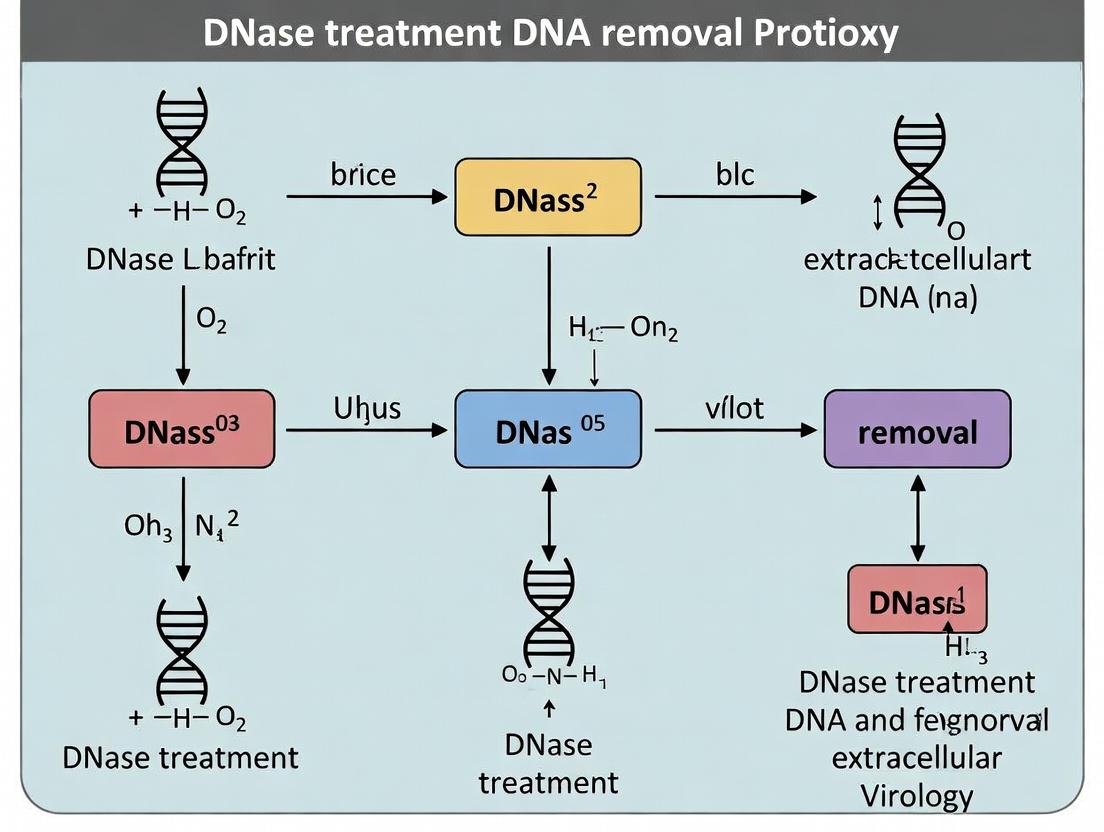
This comprehensive guide details current best practices for effective DNase treatment to remove extracellular DNA (eDNA) from biological samples.
Optimized DNase I Treatment Protocol: A Complete Guide for Removing Extracellular DNA in Cell Culture and Bioprocessing
Abstract
This comprehensive guide details current best practices for effective DNase treatment to remove extracellular DNA (eDNA) from biological samples. It addresses key user intents: providing foundational knowledge on eDNA's sources and impacts, delivering step-by-step methodological protocols for diverse applications, offering troubleshooting and optimization strategies for challenging scenarios, and comparing DNase treatment to alternative eDNA removal techniques. Tailored for researchers, scientists, and bioprocessing professionals, this article synthesizes the latest information to ensure robust sample preparation, improve downstream assay accuracy, and enhance biotherapeutic product purity.
Understanding Extracellular DNA: Sources, Problems, and the Rationale for DNase Treatment
Definition
Extracellular DNA (eDNA) is defined as DNA located outside the cell membrane. This includes DNA actively secreted or passively released through cell lysis, necrosis, or other forms of cell death. In bioprocessing, eDNA is a critical component of the "host cell protein" (HCP) impurity profile and can form viscous aggregates or gels that impede purification, reduce product yield, and potentially trigger immune responses in therapeutic applications.
The primary sources of eDNA in bioprocesses are dependent on cell type, culture conditions, and process operations.
Table 1: Common Sources and Characteristics of eDNA
| Source | Mechanism | Typical Cell Types | Impact on Process |
|---|---|---|---|
| Apoptosis/Necrosis | Programmed cell death or traumatic cell rupture releases genomic DNA. | CHO, HEK293, Hybridoma | Major source; increases with culture age and stress. |
| Active Secretion | Release via neutrophil extracellular traps (NETs) or vesicular transport. | Immune cells (e.g., neutrophils), some cancer lines. | Can be a significant contributor in blood-based cultures. |
| Mechanical Shear | Cell damage from agitation, sparging, or pumping. | All suspension cultures. | Scalable issue in bioreactors; correlates with power input. |
| Cell Harvest Operations | Lysis from centrifugation, depth filtration, or shear during transfer. | All. | Spike in eDNA post-harvest if operations are harsh. |
| Viral Lysis | Intentional (viral production) or contaminant-induced cell rupture. | Insect cells (baculovirus), infected cultures. | Extremely high eDNA levels. |
Technical Support Center: eDNA Troubleshooting & FAQs
Troubleshooting Guides
Problem 1: Increased Viscosity and Clogging During Depth Filtration
Symptoms: Rapid pressure increase, reduced flow rate, frequent filter changes. Likely Cause: High-molecular-weight eDNA forming gel-like networks with HCPs. Steps:
- Assay eDNA: Quantify eDNA in harvest fluid (see Protocol A).
- Check Cell Viability: If viability <80% at harvest, optimize feed strategy or reduce shear to minimize lysis.
- Implement Treatment: Add a mammalian-grade, endotoxin-free DNase I to the harvest fluid (see Protocol B). Incubate with mild agitation (e.g., 50 rpm) for 1-2 hours at 25-37°C before filtration.
- Verify: Re-measure eDNA post-treatment. Expect >90% reduction.
Problem 2: Poor Column Binding Capacity and Flow During Chromatography
Symptoms: Reduced dynamic binding capacity, abnormal peak shapes, high backpressure on resin. Likely Cause: eDNA fouling the chromatography resin, blocking pores. Steps:
- Prevent: Ensure effective eDNA removal in the clarification step (see Problem 1).
- Clean: Perform a stringent clean-in-place (CIP) procedure on the fouled column. A sequence of 1M NaOH (30 min), 2M NaCl (30 min), and 70% ethanol (30 min) may be required.
- Test: Run a blank gradient (no product load) to check for residual UV-absorbing material eluting from the column.
Problem 3: High Aggregation in Purified Drug Substance
Symptoms: Elevated soluble aggregates in size-exclusion chromatography (SEC-HPLC). Likely Cause: Trace eDNA co-purifying with the target protein, acting as a nucleation point. Steps:
- Test for Co-purification: Use a fluorescent DNA-binding dye (e.g., PicoGreen) assay on purified product fractions.
- Optimize Wash: Increase salt concentration (e.g., add 150-250 mM NaCl) or include a polycationic wash step (e.g., 0.1% polydisperse amine) in your bind-and-elute chromatography to displace DNA.
- Consider Anion Exchange: Implement a negative chromatography step (flow-through mode) tailored to bind eDNA while your product flows through.
Frequently Asked Questions (FAQs)
Q1: How do I quantify eDNA in my complex process fluid? A: Fluorescent dye-based assays (e.g., Quant-iT PicoGreen, Qubit) are most sensitive and specific. Prepare a standard curve using lambda DNA in your specific buffer matrix (e.g., harvest fluid) to account for matrix effects. See Protocol A.
Q2: Can I use a standard PCR DNase for eDNA removal in my biologics process? A: No. For upstream or harvest treatment, you must use a GMP-grade, animal-origin-free, endotoxin-free recombinant DNase (e.g., Benzonase, DENARASE). PCR-grade enzymes contain unacceptable impurities for therapeutic processes.
Q3: My DNase treatment is ineffective. What could be wrong? A: Check three factors:
- Cofactors: Ensure your buffer contains the required Mg2+ (1-2 mM final concentration) for DNase I activity.
- Inhibitors: High salt (>400 mM) or chelating agents (EDTA) can inhibit activity. Dilute or dialyse if necessary.
- Enzyme-to-Substrate Ratio: For viscous lysates, you may need to increase the DNase dosage (e.g., 50-100 U/mL instead of 10 U/mL).
Q4: Does eDNA pose a safety risk in final drug products? A: Yes. Residual eDNA is considered a process-related impurity with theoretical risks, including potential oncogene transfer or immunogenicity. Regulatory guidelines (ICH Q6B) require demonstration of its reduction to low levels (typically <10 ng/dose for some products).
Experimental Protocols
Protocol A: Quantification of eDNA Using PicoGreen Assay
Purpose: To accurately measure eDNA concentration in clarified cell culture harvest. Materials: Quant-iT PicoGreen dsDNA reagent, TE buffer (10 mM Tris-HCl, 1 mM EDTA, pH 7.5), lambda DNA standard, black 96-well plate, plate reader. Method:
- Centrifuge culture sample at 12,000xg for 10 min to remove cells/debris.
- Prepare a 1:10 to 1:100 dilution of the supernatant in TE buffer.
- Prepare lambda DNA standards in TE buffer (range: 0-1000 ng/mL).
- Mix 100 µL of each standard/sample with 100 µL of 1:200 diluted PicoGreen reagent in a well.
- Incubate in dark for 5 min.
- Measure fluorescence (excitation ~480 nm, emission ~520 nm).
- Generate standard curve and calculate eDNA concentration in original sample.
Protocol B: Benzonase Treatment for Harvest Clarification
Purpose: To degrade eDNA and reduce fluid viscosity prior to depth filtration. Materials: Recombinant Benzonase (≥250 U/µL), 1M MgCl2 stock, harvest fluid, mixing system. Method:
- Prepare Harvest: Cool harvest to 15-25°C.
- Add Cofactor: Add MgCl2 stock to achieve a final concentration of 1-2 mM. Mix gently.
- Add Enzyme: Add Benzonase to a final concentration of 25-50 U/mL. Ensure uniform dispersion.
- Incubate: Incubate with gentle stirring (50-100 rpm) for 1-2 hours at 15-25°C.
- Proceed: Continue directly to depth filtration without inactivating the enzyme.
Visualizations
Diagram 2: Workflow for eDNA Analysis and Mitigation
The Scientist's Toolkit: Key Reagents for eDNA Research
Table 2: Essential Research Reagents for eDNA Analysis and Removal
| Reagent / Material | Primary Function | Key Considerations for Use |
|---|---|---|
| Quant-iT PicoGreen dsDNA Assay | Fluorescent quantification of dsDNA in solution. Extremely sensitive (down to ~25 pg/mL). | Matrix Effects: Standard curve must be in matching buffer. Specificity: Binds dsDNA; may underestimate ssDNA or DNA-protein complexes. |
| Recombinant Benzonase | Endonuclease that degrades all forms of DNA and RNA to 2-5 base oligonucleotides. | GMP-grade: Required for process use. Cofactor: Requires Mg2+ (1-2 mM). Stable and active from 0-37°C. |
| Recombinant DNase I | Endonuclease that cleaves DNA preferentially at phosphodiester linkages adjacent to pyrimidine nucleotides. | Salt Sensitivity: Activity inhibited at >400 mM NaCl. Purity: Must be RNase-free and low in protease activity for most applications. |
| Anion Exchange Resin (e.g., Q Sepharose) | Binds negatively charged eDNA for removal or analysis. Used in negative chromatography or DNA pull-down assays. | Binding Capacity: High for DNA. Elution: Requires high salt (e.g., 1-2 M NaCl) for recovery. |
| Polyethylenimine (PEI) | A cationic polymer used to precipitate DNA and anionic proteins in a "flocculation" step for clarification. | Concentration Optimization: Highly sample-dependent. Can also precipitate target proteins if not carefully optimized. |
| Fluorescence Plate Reader | Detection instrument for PicoGreen and other fluorescence-based assays. | Sensitivity: Requires capability to read low fluorescence signals. Filters: Must match dye (Ex/Em ~480/520 nm for PicoGreen). |
Troubleshooting Guides & FAQs
Q1: Our qPCR assays for detecting residual host cell DNA (rcDNA) in purified biologics show high variability and false positives. Could extracellular DNA (eDNA) contamination from upstream processing be the cause?
A: Yes, eDNA is a likely culprit. eDNA, released via cell lysis, apoptosis, or active secretion during bioreactor production, can bind nonspecifically to product molecules or vessel surfaces. This eDNA co-purifies through downstream chromatography steps, eluting in unpredictable bursts and causing spikes in rcDNA assays. It is not representative of intact genomic DNA but interferes with quantitative assays.
- Troubleshooting Steps:
- Map the Contamination: Test in-process samples (harvested cell culture fluid, post-protein A eluate, post-low pH viral inactivation) using both total DNA quantification (e.g., fluorescent dye-based assays) and qPCR for a specific genomic target. A disproportionate ratio suggests nonspecific eDNA.
- Assess DNase Treatment Efficiency: Implement a controlled DNase treatment protocol (see below) on an affected intermediate sample. A significant drop in total DNA post-treatment confirms eDNA presence.
- Review Purification Buffers: Ensure all buffers used in chromatography and filtration contain sufficient chelating agents (e.g., EDTA) to inhibit endogenous nucleases that can fragment DNA and increase eDNA load.
Q2: After DNase I treatment during downstream processing, our DNA clearance validation fails to meet regulatory guidelines. What are common protocol failures?
A: Incomplete DNase digestion often stems from suboptimal reaction conditions or inhibition.
- Troubleshooting Steps:
- Check Divalent Cations: DNase I requires Mg²⁺ and Ca²⁺. Verify your buffer provides 2.5-5 mM MgCl₂ and 0.5-1 mM CaCl₂. Avoid buffers with EDTA or EGTA that chelate these ions.
- Test for Inhibition: Spik a known quantity of control DNA into your sample buffer and attempt digestion. Poor recovery indicates sample components (e.g., denaturants, certain salts, residual proteases) are inhibiting the enzyme.
- Optimize Incubation Parameters: Ensure sufficient time and temperature. A standard benchtop protocol is 30-60 minutes at 37°C. For process-scale, consider longer incubation (e.g., 2-4 hours) at 25-37°C with mixing.
- Validate Inactivation: Post-digestion, DNase must be fully inactivated (e.g., by heat or EDTA addition) before qPCR, as it will degrade assay components and cause false negatives.
Q3: We observe reduced product recovery after implementing a DNase treatment step. Is this expected, and how can we mitigate it?
A: Product loss can occur due to nonspecific binding or coprecipitation.
- Troubleshooting Steps:
- Assess Enzyme Purity: Use a recombinant, high-purity, RNase-free DNase I formulated for bioprocessing. Cruder preparations may contain proteases or other contaminants.
- Optimize Dosage: Perform a dose-response experiment. Excessive DNase can increase protein aggregation. Use the minimum effective dose.
- Adjust pH and Conductivity: Slight adjustments to pH (e.g., within 6.5-8.0) and ionic strength can minimize interactions between DNase, digested DNA fragments, and the target product.
- Clarify Post-Treatment: Add a depth filtration or enhanced clarification step after DNase treatment and before chromatography to remove enzyme-aggregate complexes.
Experimental Protocol: Bench-Scale Validation of DNase Treatment for eDNA Removal
Objective: To evaluate the efficacy of DNase I in reducing extracellular DNA in harvested cell culture fluid (HCCF) prior to purification.
Materials:
- HCCF sample.
- Recombinant DNase I (e.g., Benzonase Endonuclease, Pulmozyme (dornase alfa), or equivalent).
- DNase Reaction Buffer: 50 mM Tris-HCl, pH 7.5, 2.5 mM MgCl₂, 0.5 mM CaCl₂.
- 0.5 M EDTA, pH 8.0.
- Thermomixer or water bath.
- Quant-iT PicoGreen dsDNA Assay Kit or equivalent.
- qPCR system with primers for host-specific genomic target.
Method:
- Sample Preparation: Clarify HCCF via centrifugation (10,000 x g, 20 min). Aliquot into two tubes (Test and Control).
- DNase Treatment (Test Sample):
- Adjust 1 mL of clarified HCCF to 1X DNase Reaction Buffer.
- Add DNase I to a final concentration of 50 U/mL (optimize as needed).
- Incubate at 37°C for 60 minutes with gentle shaking.
- Enzyme Inactivation: Add EDTA to the Test sample to a final concentration of 10 mM to chelate Mg²⁺/Ca²⁺ and stop the reaction. Incubate at 70°C for 10 minutes.
- Control Sample: Treat the Control sample identically but add EDTA before adding DNase I.
- Analysis:
- Total DNA: Perform PicoGreen assay on both treated and control samples per manufacturer's instructions. Calculate % reduction.
- Specific Genomic DNA: Perform qPCR on both samples using a validated host cell DNA assay.
Data Interpretation Table:
| Sample Condition | Total DNA (PicoGreen, ng/mL) | qPCR for gDNA (copies/mL) | Observation |
|---|---|---|---|
| Control (No active DNase) | High (e.g., 10,000) | Low/Moderate (e.g., 10^5) | High eDNA load masks true gDNA signal. |
| DNase Treated | Low (e.g., 200) | Low (e.g., 10^3) | eDNA removed, true gDNA baseline visible. |
| % Reduction | ~98% | Variable (target-dependent) | Confirms eDNA clearance. |
The Scientist's Toolkit: Key Research Reagent Solutions
| Item | Function in eDNA/DNase Research |
|---|---|
| Recombinant DNase I (Benzonase) | Engineered endonuclease that degrades all forms of DNA and RNA. High specific activity, essential for process-scale clearance of eDNA. |
| Quant-iT PicoGreen dsDNA Reagent | Ultra-sensitive fluorescent dye for quantifying double-stranded DNA. Critical for measuring total DNA burden from eDNA before and after treatment. |
| SYBR Green qPCR Master Mix | For real-time PCR quantification of specific host cell genomic DNA sequences. Distinguishes persistent genomic fragments from bulk eDNA. |
| CHT Ceramic Hydroxyapatite | A chromatography resin that effectively binds DNA fragments. Used in polishing steps after DNase treatment to remove digested nucleotides. |
| Process-Compatible Depth Filters | Filters (e.g., Millistak+ X0SP) used post-DNase treatment to remove enzyme aggregates and DNA-protein complexes, improving product stream clarity. |
Workflow & Pathway Diagrams
eDNA Contamination & Clearance Workflow
DNase I Mechanism for eDNA Hydrolysis
DNase I Technical Support Center
Troubleshooting Guides & FAQs
Q1: My DNase I treatment is failing to completely remove extracellular DNA, resulting in high background in my PCR assays. What could be the cause? A: Incomplete digestion is often due to suboptimal reaction conditions. Key factors include:
- Divalent Cation Concentration: DNase I absolutely requires Mg²⁺ for catalysis and Ca²⁺ for structural stability. Ensure your buffer provides 2.5-5 mM MgCl₂ and 0.5-1 mM CaCl₂.
- Inhibitor Presence: EDTA or other chelators in your sample will inhibit DNase I by sequestering Mg²⁺/Ca²⁺. Ensure chelators are removed via buffer exchange or adequately diluted.
- Secondary Structure: Dense chromatin or DNA-protein complexes can shield DNA. Increase enzyme units, extend incubation time, or consider adding mild detergents (e.g., 0.01% Triton X-100) to improve access.
- Enzyme Inactivation Post-Digestion: If not properly heat-inactivated (with EDTA, e.g., 65°C for 10 min), residual activity can degrade PCR primers/templates. Verify inactivation protocol.
Q2: I am seeing significant degradation of my single-stranded cDNA or RNA after DNase I treatment. How is this possible given its specificity? A: While DNase I has a strong preference for double-stranded DNA (dsDNA), it does retain detectable activity on single-stranded DNA (ssDNA) and can, at high concentrations or prolonged incubation, degrade RNA.
- Cause: The enzyme's active site binds the minor groove of dsDNA, but ssDNA can form transient secondary structures (hairpins) that mimic a minor groove. RNA can also form such structures.
- Solution: Strictly follow the manufacturer's recommended units/µg of DNA ratio and incubation time (typically 15-30 min at 37°C). For RNA sample prep, always use a certified RNase-free DNase I and include a dedicated RNAse inhibitor. For sensitive ssDNA, titrate enzyme concentration down.
Q3: My protocol for extracellular DNA removal from cell culture supernatants is inconsistent. What critical steps am I likely missing? A: Sample preparation is crucial for consistent enzymatic activity.
- Pre-clearing: Always centrifuge the supernatant (e.g., 300 x g for 10 min) to remove any intact cells or large debris before adding DNase I. Treating inside cells will confound results.
- Buffer Compatibility: Cell culture media often contain divalent cations, but pH and other components may be suboptimal. Dilute the sample 1:1 with the recommended 10X DNase I Reaction Buffer or perform a buffer exchange into a Tris- or HEPES-based buffer (pH 7-8).
- Control for DNA Release: Include a "No DNase" control treated identically but with water or buffer instead of enzyme to quantify the baseline extracellular DNA.
Quantitative Data Summary
Table 1: Kinetic Parameters of DNase I for Different Substrates
| Substrate Type | Relative Cleavage Rate (vs. dsDNA) | Primary Cleavage Site | Optimal pH |
|---|---|---|---|
| Double-stranded DNA | 1.0 (Reference) | Phosphodiester bond 5' to a pyrimidine (T/C) | 7.0 - 8.0 |
| Single-stranded DNA | ~10⁻² to 10⁻³ | Less specific; influenced by secondary structure. | 7.0 - 8.0 |
| RNA | ~10⁻⁵ | Very low, non-specific. | 7.0 - 8.0 |
Table 2: Standard DNase I Digestion Protocol for Extracellular DNA Removal
| Parameter | Standard Condition | Adjustment for Tough Substrates |
|---|---|---|
| Enzyme Concentration | 0.1 - 2 units per µg DNA | Increase to 5-10 units per µg DNA. |
| Incubation Time | 15 - 30 minutes | Extend to 60 minutes. |
| Temperature | 37°C | 25°C - 37°C (activity reduces at lower temps). |
| Divalent Cations | 2.5 mM MgCl₂, 0.5 mM CaCl₂ | Ensure concentration, do not exceed 10 mM Mg²⁺. |
| Inactivation | 65°C for 10 min with 5-10 mM EDTA | Add EDTA to 20 mM final concentration. |
Detailed Experimental Protocol: DNase I Treatment of Cell Culture Supernatant for eDNA Removal
Objective: To enzymatically digest extracellular DNA (eDNA) from mammalian cell culture supernatant prior to analysis of released analytes (e.g., cytokines, exosomes) or downstream molecular applications.
Materials (The Scientist's Toolkit):
- DNase I, RNase-free: Endonuclease that hydrolyzes phosphodiester bonds.
- 10X DNase I Reaction Buffer: Provides optimal pH and divalent cations (Mg²⁺, Ca²⁺).
- 0.5 M EDTA, pH 8.0: Chelates Mg²⁺/Ca²⁺ to irreversibly inactivate DNase I.
- Refrigerated Microcentrifuge: For pelleting cells and debris.
- Thermal Cycler or Heat Block: For precise incubation at 37°C and 65°C.
- Nuclease-free Microcentrifuge Tubes & Pipette Tips: Prevents exogenous contamination.
Methodology:
- Sample Collection: Collect cell culture supernatant into a sterile tube.
- Pre-clearing: Centrifuge at 300 x g for 10 minutes at 4°C to pellet intact cells. Transfer the supernatant to a new tube. For complete debris removal, centrifuge again at 2,000 x g for 10 minutes.
- Reaction Setup: In a nuclease-free tube, combine:
- 100 µL cleared supernatant.
- 10 µL 10X DNase I Reaction Buffer.
- 1 µL RNase-free DNase I (e.g., 5 units).
- Nuclease-free water to a final volume of 100 µL if adjusting.
- Negative Control: Prepare an identical sample, replacing DNase I with nuclease-free water.
- Digestion: Mix gently and incubate at 37°C for 30 minutes.
- Inactivation: Add 1 µL of 0.5 M EDTA (final conc. ~5 mM) to the reaction mix. Incubate at 65°C for 10 minutes.
- Processing: The treated supernatant is now ready for immediate use or can be stored at -20°C. For applications sensitive to EDTA, the sample may require buffer exchange.
Mechanism and Specificity Visualization
Technical Support Center
Troubleshooting Guides & FAQs
Q1: I am preparing RNA for qPCR from mammalian cell lysates. My RNA samples appear intact on a gel, but my qPCR results are inconsistent with high Cq values for some samples. Could genomic DNA contamination be the issue?
A: Yes, this is a classic symptom of gDNA contamination. RNA preps, especially from cell lysates or tissues rich in nucleases, can carry over significant amounts of gDNA. This DNA can serve as a non-specific template in qPCR, especially if your primers are not intron-spanning. DNase I treatment of the purified RNA sample is essential before reverse transcription. Use a rigorous, dedicated RNase-free DNase I, incubate as per protocol (typically 15-30 min at 37°C), and then thoroughly inactivate/remove the enzyme to prevent it from degrading your cDNA in subsequent steps.
Q2: During extracellular vesicle (EV) proteomics, I'm detecting a high background of nuclear and histone proteins. How can I improve my EV purity?
A: The presence of chromatin and nucleoprotein complexes is a major contaminant in EV isolations. These aggregates co-pellet with EVs during ultracentrifugation. DNase I treatment is essential to degrade this extracellular DNA scaffold. Protocol: Resuspend your EV pellet (from cell culture supernatant or biofluid) in a suitable buffer (e.g., PBS with MgCl2). Add RNase-free DNase I (e.g., 50-100 U/mL) and incubate at 37°C for 30-60 minutes before proceeding with downstream protein extraction or analysis. This dramatically reduces nuclear protein contaminants and improves the specificity of your EV proteomic profile.
Q3: My cell-free DNA (cfDNA) sequencing library prep from plasma is yielding very low complexity libraries with high duplicate reads. What step might I be missing?
A: Modern cfDNA library prep kits for next-generation sequencing (NGS) explicitly require DNase treatment of the extracted nucleic acid. This might seem counterintuitive, but the target is background genomic DNA from lysed blood cells that can dwarf the true cfDNA signal. Protocol: After cfDNA extraction, treat the eluate with a dsDNA-specific DNase (like DNase I, but ensure the enzyme is compatible with your buffer). The goal is not complete digestion but the selective fragmentation and depleting of long, contaminating gDNA fragments, enriching for the short (~170 bp) mononucleosomal cfDNA. Follow kit instructions precisely for incubation time to avoid over-digestion.
Q4: I'm working with a viscous bacterial lysate that is clogging my chromatography columns during protein purification. What can I do?
A: The viscosity is often due to the release of high molecular weight genomic DNA upon cell lysis. Benzonase or a similar nonspecific nuclease is essential here. It degrades both DNA and RNA, drastically reducing viscosity. Protocol: Add Benzonase (e.g., 25-50 units/mL) directly to your clarified lysate after cell disruption. Incubate on ice or at room temperature (per enzyme specs) for 15-30 minutes. The lysate will become noticeably less viscous. Ensure your lysis buffer contains Mg2+, which is a cofactor for most nucleases. This step is critical for efficient filtration and column-based purification.
Q5: In my in vitro transcription (IVT) reaction to make mRNA for transfections, I'm getting a double band on my analytical gel. What does this indicate?
A: The lower molecular weight band is likely your desired mRNA. The higher band is commonly template plasmid DNA that has co-purified with the RNA product. DNase treatment is an essential, standard final step in IVT protocols. Protocol: After the IVT reaction is complete, add 1-2 units of DNase I (RNase-free) per µg of template DNA used directly to the reaction mix. Incubate at 37°C for 15 minutes. This will digest the linearized plasmid template. Follow this with standard RNA cleanup (e.g., phenol-chloroform extraction or column purification) to remove enzymes, nucleotides, and degraded DNA.
Table 1: Impact of DNase Treatment on Common Experimental Readouts
| Application | Key Metric | Without DNase Treatment | With DNase Treatment | Essential? |
|---|---|---|---|---|
| RNA-seq (Bulk) | % Reads Aligning to Intergenic Regions | Typically 5-30% (high background) | Reduced to <1-5% | Yes, for most protocols |
| EV Proteomics | # of Nuclear Proteins Identified | Can be 100s, dominating the profile | Reduced by 60-90% | Highly Recommended |
| cfDNA NGS | Library Duplication Rate | Often >50% | Typically <15% | Yes, for most kits |
| Bacterial Protein Purification | Lysate Viscosity (cP) | Can be >100 cP, unprocessable | Reduced to <20 cP, easily filterable | Critical |
| RT-qPCR (from total RNA) | Cq Value Difference (-RT vs +RT) | Often <5 cycles (indicating gDNA amplification) | >7-10 cycles (specific cDNA signal) | Yes |
| IVT mRNA Production | % Template DNA Contamination | Can be up to 20-30% of nucleic acid content | <0.1% | Yes |
Detailed Experimental Protocol: DNase Treatment for EV Proteomics Sample Preparation
Title: Protocol for DNase I Treatment of Extracellular Vesicle Pellets Prior to Proteomic Analysis.
Objective: To degrade chromatin and DNA-protein complexes co-isolated with extracellular vesicles, thereby reducing nuclear protein contaminants in downstream mass spectrometry.
Reagents:
- Isolated EV pellet (e.g., from ultracentrifugation)
- DNase I, RNase-free (e.g., 1 U/µL)
- DNase I Reaction Buffer (10X: 100 mM Tris-HCl, pH 7.5, 25 mM MgCl2, 5 mM CaCl2)
- Nuclease-free water
- PBS, sterile
Methodology:
- Gently resuspend the final washed EV pellet in 95 µL of PBS.
- Add 10 µL of 10X DNase I Reaction Buffer to the suspension. Mix gently by pipetting. Do not vortex vigorously.
- Add 5 µL of RNase-free DNase I (1 U/µL). Mix gently by flicking the tube.
- Incubate the reaction at 37°C for 45 minutes in a thermomixer with gentle agitation (300 rpm).
- After incubation, add 10 µL of 50 mM EDTA (pH 8.0) to chelate Mg2+/Ca2+ and stop the reaction.
- Proceed immediately with EV lysis for protein extraction (e.g., using RIPA buffer with protease inhibitors).
- The treated EV lysate is now ready for protein quantification, digestion, and LC-MS/MS analysis.
Controls: Include a matched EV sample processed identically but with nuclease-free water substituted for the DNase I enzyme.
Visualizations
Diagram 1: Decision Pathway for DNase Use in Nucleic Acid Workflows
Diagram 2: Workflow for DNase Treatment in RNA-seq Library Preparation
The Scientist's Toolkit: Research Reagent Solutions
Table 2: Essential Reagents for DNase-based DNA Removal
| Reagent | Primary Function | Key Considerations for Use |
|---|---|---|
| DNase I, RNase-free | Degrades single- and double-stranded DNA to oligonucleotides. Essential for RNA work. | Must be rigorously tested for RNase activity. Use with Mg2+/Ca2+ buffer. Inactivate with EDTA or heat. |
| Recombinant Benzonase | Nonspecific endonuclease degrades all forms of DNA and RNA to 2-5 base fragments. | Ideal for reducing viscosity in lysates. Requires Mg2+. Powerful; use controlled incubation times. |
| dsDNase | Specifically targets double-stranded DNA with high activity. Used in NGS kits. | Engineered for rapid digestion of long dsDNA, sparing short fragments like cfDNA. |
| Turbo DNase | A potent, engineered DNase that can be rapidly and completely heat-inactivated. | Useful when complete enzyme removal is critical and column cleanup is not desired. |
| DNase I Reaction Buffer (10X) | Provides optimal pH and divalent cation (Mg2+, Ca2+) conditions for DNase I activity. | Always prepare fresh dilutions. Avoid buffers containing chelators like EDTA. |
| MgCl₂ (25-50 mM Stock) | Essential cofactor for almost all nucleases. | Often added separately to lysates or reactions to ensure optimal concentration. |
| EDTA (50 mM, pH 8.0) | Chelates Mg2+/Ca2+, instantly stopping DNase activity. | Critical for halting reactions post-digestion to prevent nonspecific degradation. |
Step-by-Step DNase Treatment Protocols for Cell Culture, FBS, and Bioprocessing
Troubleshooting Guides & FAQs
Q1: My DNase I treatment is inefficient, leaving substantial eDNA post-treatment. What could be wrong? A: This is often due to suboptimal cation cofactor concentrations. DNase I requires Mg²⁺ for catalysis and Ca²⁺ for structural stability. In complex biological buffers (e.g., cell culture media, serum-containing samples), these ions may be chelated or present at non-optimal levels. Solution: Perform a titration of MgCl₂ (0.5-10 mM) and CaCl₂ (0.1-2 mM) in your specific reaction buffer using a fixed amount of DNase I. A standardized assay is provided below.
Q2: After DNase treatment, my RNA/protein yield or viability is low. Is the DNase toxic? A: Commercial DNase I preparations are often contaminated with RNase A. Even trace amounts can degrade RNA. For sensitive applications, use only RNase-free, recombinant DNase I. Additionally, residual DNase activity post-reaction can damage genomic DNA during downstream steps. Always include a rigorous inactivation step (e.g., with EDTA or heat).
Q3: Should I use a commercial buffer or prepare my own? A: Commercial buffers (e.g., DNase I Reaction Buffer) are optimized for general use. For specialized extracellular DNA (eDNA) removal from biofluids, a custom buffer may be necessary. The key is to maintain final pH ~7.5-8.0 and provide sufficient ionic strength. Tris-HCl (10-50 mM) is common. Avoid phosphate buffers if you plan to use EDTA for inactivation, as they can form precipitates.
Q4: How do I validate complete eDNA removal? A: Use a highly sensitive, intercalating dye-based fluorescence assay (e.g., PicoGreen, Quant-iT PicoGreen) specific for double-stranded DNA. Measure fluorescence before and after DNase treatment and inactivation. Compare to a no-DNase control and a DNA standard curve. A >95% reduction in signal is typically indicative of effective removal.
Experimental Protocols
Protocol 1: Optimization of Mg²⁺/Ca²⁺ Cofactors for eDNA Removal. Objective: Determine the optimal Mg²⁺ and Ca²⁺ concentrations for maximal DNase I activity in a complex sample matrix (e.g., cell culture supernatant). Materials: See "Research Reagent Solutions" table. Procedure:
- Prepare a master mix of your sample containing eDNA in 10 mM Tris-HCl, pH 7.5.
- Aliquot 50 µL of master mix into a 96-well plate.
- Spike in MgCl₂ and CaCl₂ stocks to create a matrix of final concentrations (e.g., Mg²⁺: 0, 1, 2, 5, 10 mM; Ca²⁺: 0, 0.5, 1, 2 mM).
- Add 1 µL (5 units) of RNase-free recombinant DNase I to each well. Include a no-enzyme control for each condition.
- Incubate at 37°C for 15 minutes.
- Stop the reaction by adding EDTA to a final concentration of 5 mM.
- Add Quant-iT PicoGreen reagent (diluted 1:200 in TE buffer) and measure fluorescence (excitation 480 nm, emission 520 nm).
- Calculate % eDNA remaining relative to the no-enzyme control for each condition.
Protocol 2: Validating DNase Inactivation for Downstream Assays. Objective: Ensure DNase I is fully inactivated to prevent degradation of genomic DNA in subsequent steps (e.g., PCR, DNA extraction). Procedure:
- After DNase treatment, split the sample into two aliquots.
- To the test aliquot, add a known amount of purified, high-molecular-weight genomic DNA (e.g., 100 ng of lambda DNA).
- To the control aliquot, add an equivalent volume of nuclease-free water.
- Incubate both aliquots at 37°C for 30 minutes (simulating downstream conditions).
- Run both samples on a 0.8% agarose gel. Degradation (smearing) of the spiked-in DNA in the test aliquot indicates incomplete DNase inactivation. The control shows the state of the sample post-treatment.
Data Presentation
Table 1: Impact of Divalent Cations on DNase I Efficacy in Cell Culture Supernatant
| [Mg²⁺] (mM) | [Ca²⁺] (mM) | Mean Fluorescence (RFU) | % eDNA Remaining |
|---|---|---|---|
| 0 | 0 | 14500 ± 450 | 100.0 |
| 2 | 0 | 8200 ± 310 | 56.6 |
| 5 | 0 | 3100 ± 150 | 21.4 |
| 5 | 1 | 580 ± 45 | 4.0 |
| 10 | 1 | 650 ± 60 | 4.5 |
| 10 | 2 | 620 ± 55 | 4.3 |
Note: Data from Protocol 1. Baseline (0,0) set to 100%. Optimal condition highlighted (5 mM Mg²⁺, 1 mM Ca²⁺).
Diagrams
DNase I Treatment Workflow for eDNA Removal
DNase I Inactivation Pathways
The Scientist's Toolkit
Table 2: Research Reagent Solutions for eDNA Removal Studies
| Item | Function & Rationale |
|---|---|
| Recombinant, RNase-free DNase I | Pure enzyme preparation devoid of RNase A contamination, essential for RNA-sensitive workflows and reproducible activity. |
| Molecular Biology Grade MgCl₂ & CaCl₂ | Provide essential divalent cation cofactors. High purity prevents inhibition by trace metals. |
| Quant-iT PicoGreen dsDNA Reagent | Ultra-sensitive fluorescent dye for quantifying low eDNA concentrations pre- and post-treatment (detection limit ~25 pg/mL). |
| 10X DNase I Reaction Buffer | A standardized buffer (typically 100 mM Tris-HCl, pH 7.5, 25 mM MgCl₂, 5 mM CaCl₂) for general optimization. |
| 0.5 M EDTA, pH 8.0 | Effective chelator of Mg²⁺ and Ca²⁺, used to rapidly halt and inactivate DNase I activity post-treatment. |
| Nuclease-free Water | Prevents introduction of exogenous nucleases that could confound results or damage samples. |
| Lambda DNA (intact) | High-molecular-weight DNA used as a spike-in control to test for residual DNase activity after inactivation steps. |
Technical Support Center
Troubleshooting Guides & FAQs
Q1: My sample shows high genomic DNA contamination after treatment. What went wrong? A: This is often due to insufficient Mg2+ concentration or the presence of inhibitors. Ensure:
- The final MgCl2 concentration is 2.5-5 mM.
- Your sample (e.g., serum, cell lysate) is properly diluted to reduce inhibitor concentration.
- You are using an appropriate DNase I concentration (see Table 1).
Q2: The DNase enzyme appears inactive. How can I verify activity? A: Perform a control reaction with a known quantity of lambda DNA substrate.
- Set up a 50 µL reaction: 1 µg Lambda DNA, 1X Reaction Buffer, 5 µL of your DNase I stock.
- Incubate at 37°C for 10 minutes.
- Heat-inactivate at 75°C for 10 min.
- Run on a 1% agarose gel. Complete degradation of the DNA indicates active enzyme.
Q3: My RNA/protein sample is degraded after treatment. How do I prevent this? A: DNase I is a metalloenzyme. Avoid chelating agents like EDTA in your sample buffer before adding DNase. Use a purified, RNase-free and protease-free grade of DNase I. Always include an inhibitor like RNaseOUT during RNA sample treatment.
Q4: The inactivation step is not stopping the reaction, leading to over-digestion. A: Standard heat inactivation (65-75°C for 10 min) may be insufficient for some recombinant enzymes. For critical downstream applications, use a chelation-based inactivation method or purify the sample post-treatment using phenol-chloroform extraction or a spin column.
Detailed Experimental Protocol for In-Solution DNase Treatment
Purpose: To remove contaminating extracellular or genomic DNA from protein, RNA, or other biological samples.
Materials:
- Sample containing DNA contamination.
- DNase I (RNase-free, e.g., 1 U/µL).
- 10X DNase I Reaction Buffer: 100 mM Tris-HCl (pH 7.5), 25 mM MgCl2, 5 mM CaCl2.
- Nuclease-free Water.
- EDTA (0.5 M, pH 8.0) or specific DNase Inactivation Reagent.
- Thermostatic mixer.
Procedure:
- Sample Preparation: In a nuclease-free microcentrifuge tube, combine up to 48 µL of your sample. If the sample contains high EDTA or other chelators, ensure the final reaction concentration of Mg2+ is adequate (≥2.5 mM) by adjusting the buffer volume.
- Reaction Setup: Add 5 µL of 10X DNase I Reaction Buffer. Add 1-2 µL of DNase I (typically 5-10 U per µg of DNA contaminant). Adjust the final volume to 50 µL with nuclease-free water.
- Incubation: Mix gently and incubate at 37°C for 15-30 minutes.
- Enzyme Inactivation:
- Heat Inactivation: Incubate at 75°C for 10 minutes. This method is quick but may not be 100% effective for all enzymes.
- Chelation Inactivation: Add 5 µL of 0.5 M EDTA (final conc. ~50 mM) to chelate Mg2+ and Ca2+, stopping the reaction. Note: EDTA will inhibit downstream PCR or other enzymatic steps.
- Column Purification: Pass the reaction mixture through a nucleic acid binding or protein binding column to remove the enzyme, salts, and digested nucleotides. This is the most thorough method.
Quantitative Data Summary
Table 1: Recommended DNase I Working Conditions for Different Sample Types
| Sample Type | Typical DNase I Concentration | Incubation Time (37°C) | Key Consideration |
|---|---|---|---|
| Cell Culture Supernatant | 10 U/mL | 20 min | Dilute sample 1:1 to reduce inhibitors. |
| Purified RNA Prep | 1 U/µg RNA | 15 min | Must use RNase-free DNase. Include RNase inhibitor. |
| Serum/Plasma | 20-50 U/mL | 30 min | High protein content may require more enzyme. |
| Protein Lysate | 5-10 U/µg total protein | 15-20 min | Verify DNase does not bind/proteolyze target protein. |
| Bulk Reagent Prep | 50 U/mL | 30-60 min | Scale reaction, monitor with gel electrophoresis. |
Table 2: Common DNase Inactivation Methods Comparison
| Method | Procedure | Efficiency | Downstream Compatibility | Recommended For |
|---|---|---|---|---|
| Heat Inactivation | 75°C for 10 min | ~90-99% | Good, but residual activity possible | Routine RNA samples, non-critical assays. |
| Chelation (EDTA) | Add to 50 mM final | ~99% | Poor (EDTA inhibits enzymes) | Samples for non-enzymatic downstream use. |
| Acid-Phenol Extraction | Phenol:Chloroform mix | ~99.9% | Good, but removes protein | RNA isolation workflows. |
| Spin Column Purification | Bind-wash-elute | ~99.9% | Excellent | Sensitive applications (qPCR, sequencing). |
The Scientist's Toolkit: Research Reagent Solutions
| Item | Function in Protocol |
|---|---|
| RNase-Free DNase I | Core enzyme for DNA digestion without degrading RNA samples. |
| 10X DNase I Reaction Buffer | Provides optimal pH and divalent cations (Mg2+, Ca2+) for enzyme activity. |
| RNaseOUT/RNasin | Ribonuclease inhibitor to protect RNA integrity during co-treatment. |
| 0.5 M EDTA, pH 8.0 | Chelates Mg2+/Ca2+ to inactivate DNase via metal ion deprivation. |
| Nuclease-Free Water | Prevents introduction of external nucleases that could compromise samples. |
| PCR Clean-Up / RNA Clean-Up Kit | Spin column system for post-DNase purification and buffer exchange. |
| Lambda DNA (Control) | Substrate for verifying DNase I enzyme activity in control experiments. |
| Glycogen or tRNA | Carrier to improve precipitation recovery of nucleic acids post-treatment. |
Protocol Workflow & Pathway Diagrams
Title: DNase Treatment and Inactivation Workflow
Title: DNase I Activation and Inhibition Pathways
Within the broader scope of extracellular DNA removal research, the presence of contaminating DNA in fetal bovine serum (FBS) poses a significant challenge. This extraneous nucleic acid can interfere with sensitive downstream applications such as PCR, sequencing, and transfection efficiency assays. DNase treatment of FBS provides a robust method to eliminate this background, ensuring cleaner experimental conditions for cell culture and subsequent analyses.
Detailed DNase Treatment Protocol for FBS
This protocol is designed to degrade DNA contaminants while preserving the essential growth-promoting properties of FBS.
Materials & Reagents:
- Fetal Bovine Serum (FBS)
- DNase I (e.g., RNase-free, recombinant grade)
- DNase I Reaction Buffer (e.g., 10X concentrate containing Tris-HCl, MgCl₂, CaCl₂)
- 0.5M EDTA, pH 8.0 (for enzyme inactivation)
- Sterile, nuclease-free water
- Sterile filtration units (0.22 µm pore size)
- Water bath or incubator set to 37°C
Procedure:
- Preparation: Thaw the bottle of FBS overnight at 4°C. Gently mix.
- Aliquoting: Aseptically aliquot the required volume of FBS into a sterile container.
- DNase I Addition: For each 1 mL of FBS, add 10 µL of 10X DNase I Reaction Buffer and 2-5 units of DNase I enzyme. Mix gently by swirling. Note: The optimal enzyme concentration may require empirical optimization.
- Incubation: Incubate the mixture at 37°C for 30-60 minutes. Gentle agitation during incubation can improve efficiency.
- Enzyme Inactivation: Add 0.5M EDTA to a final concentration of 5-10 mM (e.g., 10-20 µL per 1 mL of FBS) to chelate Mg²⁺ and Ca²⁺ ions, irreversibly inactivating DNase I.
- Sterilization: Sterilize the treated FBS by passing it through a 0.22 µm low-protein-binding sterile filter into a new, sterile bottle.
- Quality Control: Aliquot and store at -20°C. Verify DNA removal via gel electrophoresis or qPCR and confirm serum functionality with a cell viability/growth assay.
Troubleshooting Guide & FAQs
Q1: After DNase treatment and filtration, my qPCR still shows high levels of gDNA. What went wrong? A: This indicates incomplete DNA degradation. Potential causes and solutions:
- Insufficient Enzyme/Time: The DNA load in your specific FBS lot may be higher than expected. Solution: Titrate the DNase I concentration (e.g., up to 10 U/mL) and/or extend incubation time to 2 hours.
- Inactivation Issue: DNase I was not fully inactivated before filtration, allowing it to remain active but then be removed by the filter before digesting all DNA. Solution: Ensure correct EDTA concentration and a 5-minute room temperature incubation post-addition before filtering.
- Inhibition: Serum components can sometimes inhibit enzyme activity. Solution: Perform a pilot test by diluting an FBS sample 1:1 with reaction buffer before treatment.
Q2: My cells show poor attachment and proliferation after switching to DNase-treated FBS. Did the treatment damage critical serum factors? A: This is a critical control. While DNase I is specific, the process can affect sensitive components.
- Heat Inactivation Parallel: The 37°C incubation itself can partially heat-inactivate complement proteins, which is generally beneficial but can subtly alter serum profile.
- EDTA Effect: Residual EDTA can chelate cations necessary for cell adhesion. Solution: Double-check EDTA calculations and consider testing the treated serum with a known sensitive cell line in a side-by-side growth assay with standard FBS.
- Optimization: Always perform a cell viability and growth kinetics assay as a mandatory quality control step for each new batch of treated serum. See Table 2 for typical QC parameters.
Q3: Can I use this treated serum for all my cell culture applications, including transfections? A: Yes, it is highly recommended for transfection and any application sensitive to DNA contamination. The removal of exogenous DNA reduces background and potential interference with transfected plasmids or nucleic acids, leading to more consistent and interpretable results.
Q4: Is it necessary to use RNase-free DNase I? A: For most general cell culture purposes where the target is genomic DNA, standard molecular biology grade DNase I is sufficient. However, if you are also isolating RNA from your cultured cells or performing RNA-sensitive assays, using RNase-free DNase I is mandatory to avoid compromising cellular RNA integrity.
Table 1: Efficacy of DNase I Treatment on Background DNA in FBS
| FBS Lot | Treatment Condition | Incubation Time | Residual DNA (ng/µL) by QPCR | Reduction (%) |
|---|---|---|---|---|
| A12345 | Untreated Control | N/A | 1.45 ± 0.21 | 0% |
| A12345 | DNase I, 5 U/mL | 30 min | 0.08 ± 0.02 | 94.5% |
| A12345 | DNase I, 5 U/mL | 60 min | < 0.01 (ND) | >99.3% |
| B67890 | Untreated Control | N/A | 2.10 ± 0.30 | 0% |
| B67890 | DNase I, 10 U/mL | 60 min | 0.05 ± 0.01 | 97.6% |
Table 2: Cell Culture Performance Post-Treatment (Example Data)
| Cell Line | Serum Type | Doubling Time (hrs) | Viability (% Live Cells) | Transfection Efficiency (%)* |
|---|---|---|---|---|
| HEK 293 | Standard FBS | 22 ± 2 | 95.2 ± 1.5 | 75 ± 5 |
| HEK 293 | DNase-Treated FBS | 23 ± 2 | 94.8 ± 2.1 | 82 ± 4* |
| HUVEC | Standard FBS | 48 ± 4 | 90.5 ± 3.0 | 40 ± 8 |
| HUVEC | DNase-Treated FBS | 50 ± 5 | 89.0 ± 3.5 | 45 ± 7 |
*Transfection efficiency measured using a standardized GFP reporter plasmid. Note the potential for improved consistency.
The Scientist's Toolkit: Key Research Reagent Solutions
| Item | Function & Importance in Protocol |
|---|---|
| Recombinant DNase I (RNase-free) | The core enzyme for digesting single- and double-stranded DNA contaminants. RNase-free grade prevents degradation of RNA in serum or subsequent cell cultures. |
| 10X DNase I Reaction Buffer | Provides optimal pH and ionic conditions (Mg²⁺, Ca²⁺) for maximum DNase I enzymatic activity. Essential for consistent and efficient digestion. |
| 0.5M EDTA, pH 8.0 | A chelating agent that inactivates DNase I by removing essential divalent cations (Mg²⁺/Ca²⁺), stopping the reaction to prevent over-digestion or damage to serum. |
| 0.22 µm Sterile Syringe Filter (Low Protein Binding) | Removes any potential aggregates and, crucially, provides sterile filtration post-treatment. Low protein binding minimizes loss of critical serum growth factors. |
| Sterile, Nuclease-Free Tubes/Bottles | Prevents introduction of new nuclease or nucleic acid contamination during the handling and storage of the treated serum. |
| qPCR Kit for Residual DNA Detection | The gold-standard quality control tool for quantitatively assessing the efficacy of DNA removal post-treatment, targeting conserved genomic sequences (e.g., β-actin). |
Visualization: Experimental Workflow & Logic
Diagram 1: DNase Treatment of FBS Workflow with QC Feedback Loop
Diagram 2: Protocol Role in Extracellular DNA Research Thesis
Technical Support & Troubleshooting Center
Troubleshooting Guide
Q1: My primary cell viability drops significantly after DNase I treatment. What could be the cause and how can I mitigate this? A: Primary cells are highly sensitive to contamination by divalent cation cofactors and prolonged incubation. The issue is often excessive Mg²⁺ or Ca²⁺ concentration or over-incubation.
- Solution: Use a recombinant, proteinase-free DNase I formulated for sensitive cells. Strictly limit treatment time to 5-15 minutes at 2-8°C (on ice or in a refrigerator), not at 37°C. Perform an immediate, thorough wash with cold, DNase-free buffer or media post-treatment. Titrate the DNase concentration using the table below as a starting guide.
Q2: After DNase treatment of my stem cell culture, I observe unexpected differentiation or reduced pluripotency. How is this linked to the protocol? A: DNase treatment can mechanically or enzymatically disturb the cell surface, affecting receptors and signaling pathways critical for stem cell fate. Agitation and the presence of impurities in the enzyme preparation are common culprits.
- Solution: Use a gentle, rocking motion instead of pipetting or vortexing during treatment. Employ a high-purity, animal-origin-free, recombinant DNase I to avoid endotoxins and contaminants. Always include an untreated control cultured identically to isolate the treatment effect.
Q3: I am working with low-abundance RNA transcripts. My qPCR results are inconsistent post-DNase treatment, with high Cq values or failed amplifications. What should I check? A: Incomplete DNase inactivation or carryover is a major issue, as residual DNase can degrade cDNA during reverse transcription or PCR setup. Additionally, the DNase buffer components can inhibit downstream enzymatic reactions.
- Solution: Use a defined inactivation protocol. For Mg²⁺/Ca²⁺-dependent DNases, add 2.5-5 mM EDTA and heat at 65°C for 10 minutes. Purify the RNA immediately using a clean-up kit (e.g., silica-membrane column) after treatment. Always perform a no-reverse-transcriptase (-RT) control in your qPCR assay.
Q4: How do I verify the efficiency of extracellular DNA removal without damaging my sensitive cells? A: Direct assessment on the sample is challenging. Use a surrogate assay.
- Solution: Spike a known quantity of exogenous, non-genomic DNA (e.g., plasmid, lambda DNA) into an identical, mock-treated sample (without cells) and run it through your exact treatment protocol. Post-treatment, use a fluorescent DNA quantification assay (e.g., PicoGreen) or gel electrophoresis to measure remaining DNA. Efficiency should be >95%.
Frequently Asked Questions (FAQs)
Q: Can I use the same DNase I concentration and incubation time for all my sensitive sample types? A: No. Optimal conditions vary dramatically. See the titration table below. Always perform a pilot experiment to optimize for your specific cell type and application.
Q: Is it necessary to DNase-treat serum-free media used for stem cell culture? A: Yes. Serum-free media often contain DNA-binding proteins and growth factors that can co-aggregate with extracellular DNA, forming particles that trigger unwanted differentiation or apoptosis. Prophylactic treatment of the media itself before cell exposure is recommended.
Q: What is the single most critical step for successful DNase treatment of low-abundance targets? A: Complete removal/inactivation of the DNase enzyme before proceeding to cDNA synthesis or library preparation. Any residual activity will destroy your target nucleic acids. A combined approach of chemical chelation (EDTA) followed by solid-phase purification is most reliable.
Table 1: Recommended DNase I Treatment Parameters for Sensitive Samples
| Sample Type | Starting [DNase I] | Incubation Temp | Incubation Time | Essential Inactivation Step | Key Consideration |
|---|---|---|---|---|---|
| Primary Cells (e.g., PBMCs, neurons) | 5-10 U/mL | 2-8°C (on ice) | 5-10 min | Immediate cold wash + media change | Minimize time; monitor viability with Trypan Blue. |
| Pluripotent Stem Cells (iPSCs/ESCs) | 1-5 U/mL | 2-8°C (on ice) | 5-7 min | Gentle wash with pre-warmed culture media | Use low-adhesion plates during treatment to minimize shear stress. |
| Low-Abundance RNA/cfDNA | 1-2 U/µg nucleic acid | 25-37°C | 15-30 min | EDTA (5mM) + 65°C for 10 min OR Column Purification | Include a "DNase Spike-and-Recovery" control for cfDNA assays. |
| Culture Media (Prophylactic) | 10-20 U/mL | 37°C | 30 min | Filter sterilization (0.1 µm) | Removes enzyme and any degraded DNA fragments. |
Table 2: Troubleshooting Metrics and Benchmarks
| Problem | Possible Cause | Diagnostic Test | Success Benchmark |
|---|---|---|---|
| Low Cell Viability | Enzyme toxicity, mechanical stress | Trypan Blue/Flow cytometry post-treatment | >85% viability vs. untreated control |
| Incomplete DNA Removal | Low enzyme activity, insufficient time | PicoGreen assay on supernatant | >95% reduction in fluorescence signal |
| Inhibition of RT-PCR | Residual DNase, salt carryover | -RT control qPCR, RNA Integrity Number (RIN) | -RT Cq > 35, or ΔCq(+RT/-RT) > 10; RIN > 8.5 |
| Cell Fate Change | Contaminants, shear stress | Pluripotency marker assay (e.g., Oct4 by flow) | Marker expression parity with untreated control |
Experimental Protocols
Protocol 1: DNase Treatment of Adherent Primary Cell Cultures for RNA Analysis
- Preparation: Pre-chill required buffers and media on ice. Warm trypsin/EDTA or gentle dissociation reagent to 37°C.
- Gentle Harvesting: Dissociate cells using standard method. Quench digestion immediately with complete media.
- Wash & Count: Pellet cells (300 x g, 5 min, 4°C). Resuspend gently in 1 mL cold, sterile PBS. Perform cell count.
- DNase Treatment: Pellet again. Resuspend cell pellet in cold DNase I reaction buffer (e.g., 10 mM Tris-HCl, pH 7.5, 2.5 mM MgCl₂, 0.5 mM CaCl₂) containing recombinant DNase I at 5 U/mL. Gently flick tube.
- Incubate: Place tube on ice or in a 4°C refrigerator for 8 minutes. Gently flick tube once at the 4-minute mark.
- Stop Reaction: Add 2 volumes of cold complete media to dilute reagents. Pellet cells immediately (300 x g, 5 min, 4°C).
- Wash: Aspirate supernatant carefully. Resuspend pellet in 1 mL cold complete media. Pellet again.
- Proceed: Aspirate supernatant. Proceed immediately to total RNA isolation using your preferred method, adding a final RNA clean-up column step.
Protocol 2: Verification of Extracellular DNA Removal Efficiency (Spike-and-Recovery)
- Spike Solution: Prepare a 100 ng/µL solution of sheared salmon sperm or lambda DNA in nuclease-free water.
- Set Up Reactions: In sterile, nuclease-free tubes, set up:
- Test: 95 µL of your cell culture supernatant (cell-free) + 5 µL spike DNA (0.5 µg total).
- Control: 95 µL PBS + 5 µL spike DNA.
- Treatment: Add DNase I to the Test tube per your optimized protocol (e.g., 5 U, 25°C, 15 min). Add buffer only to the Control.
- Inactivate: Inactivate DNase identically to your sample protocol (e.g., add EDTA to 5 mM, heat 65°C, 10 min).
- Quantify: Use the Qubit dsDNA HS Assay or PicoGreen according to manufacturer instructions to measure DNA concentration in both tubes.
- Calculate: % Removal = [1 - (Test DNA conc. / Control DNA conc.)] x 100. Aim for >95% removal.
Visualizations
Title: DNase Treatment Workflow for Sensitive Cells
Title: Downstream Inhibition by Residual DNase
The Scientist's Toolkit: Research Reagent Solutions
| Reagent/Material | Function & Rationale | Key Selection Criteria for Sensitive Samples |
|---|---|---|
| Recombinant, Proteinase-Free DNase I | Catalyzes hydrolytic cleavage of phosphodiester bonds in DNA. Recombinant form ensures high purity, absence of animal-sourced contaminants (endotoxins, RNases). | Format: Lyophilized or solution. Purity: >95%, free of RNase (<1 ng RNase per µg DNase) and protease. Source: Recombinant (E. coli). |
| Chelating Agent (e.g., EDTA, EGTA) | Inactivates Mg²⁺/Ca²⁺-dependent DNase I by chelating essential divalent cations. Stops the reaction completely to prevent target degradation. | Grade: Molecular Biology/Ultra-Pure. Use: Prepare a 0.5M stock, pH 8.0. Final working concentration typically 2.5-5 mM. |
| Solid-Phase Purification Columns | Binds target nucleic acids (RNA) while allowing contaminants (salts, enzymes, dNTPs) to pass through. Critical for removing all traces of DNase post-treatment. | Type: Silica-membrane spin columns. Capacity: Should exceed your expected nucleic acid yield. Elution: Use warm, nuclease-free water or TE buffer. |
| Fluorescent DNA Quantitation Assay (PicoGreen) | Binds specifically to dsDNA with high sensitivity (pg/mL). Used in spike-and-recovery experiments to quantitate extracellular DNA removal efficiency. | Specificity: High for dsDNA over RNA/protein. Range: Compatible with expected [DNA] in supernatant (often ng/mL). |
| Cell Strainer (40 µm) | Removes large cellular debris and aggregates from single-cell suspensions after DNase treatment, preventing clogs in downstream processing. | Material: Sterile, non-pyrogenic nylon mesh. Size: 30-40 µm for most primary cells. |
Solving Common DNase Treatment Problems: Incomplete Digestion, Sample Loss, and Viability Issues
Within the context of extracellular DNA (eDNA) removal research, incomplete DNase digestion is a critical failure point that can compromise downstream applications, from NGS library preparation to accurate quantification of cell-free DNA in drug development studies. This guide provides a structured approach to diagnose and troubleshoot this common issue.
Troubleshooting Guides & FAQs
Q1: How can I quickly test if my DNase digestion was complete? A: Run the post-digestion sample alongside undigested control DNA on a high-sensitivity agarose gel or a Fragment Analyzer/Bioanalyzer. Incomplete digestion is indicated by a residual high-molecular-weight smear or discrete bands above the expected size of digested fragments. For eDNA removal studies, always include a "no DNase" control to visualize the starting material.
Q2: What are the primary causes of incomplete digestion in eDNA protocols? A: The main culprits are:
- Inhibitors in the Sample: Common in biological fluids (e.g., serum, plasma), contaminants like EDTA, SDS, or high salt can chelate Mg²⁺ or denature the enzyme.
- Suboptimal Reaction Conditions: Incorrect Mg²⁺ concentration, incorrect pH, or temperature outside the optimal range (usually 37°C for most DNases).
- Enzyme Issues: Using expired or improperly stored enzyme, insufficient enzyme units per µg of DNA, or incomplete inactivation post-reaction.
- DNA Substrate Issues: The DNA is highly structured (e.g., gDNA in chromatin) or the amount exceeds the enzyme's capacity.
Q3: How do I systematically identify the specific cause in my experiment? A: Follow this diagnostic workflow:
Q4: What is a definitive quantitative assay for DNase efficiency? A: Perform a qPCR-based residual DNA assay. Design primers targeting a multi-copy genomic region (e.g., Alu repeats for human DNA) or a spiked-in control DNA sequence. Compare the Cq values of digested samples to a standard curve of known DNA amounts. Efficiency is calculated as the percentage reduction in amplifiable DNA.
Protocol: qPCR Efficiency Test
- Spike-in Control: Add a known quantity (e.g., 100 pg) of non-homologous linear DNA (e.g., lambda phage DNA) to your sample pre-digestion.
- Digest: Perform your standard DNase treatment.
- Inactivate: Heat-inactivate the DNase (if applicable) and dilute the sample.
- qPCR Setup: Run qPCR with primers specific to the spike-in DNA and your target eDNA. Include a dilution series of the spike-in DNA for a standard curve.
- Analysis: Calculate the amount of residual spike-in and target DNA. Digestion efficiency >99% is typically required for sensitive applications.
Q5: My sample contains known inhibitors (e.g., from serum). How can I overcome this? A: Implement one or more of the following strategies, as validated in eDNA removal studies:
| Strategy | Protocol Adjustment | Rationale |
|---|---|---|
| Dilution | Dilute sample 2-5 fold in nuclease-free water or reaction buffer prior to digestion. | Reduces inhibitor concentration below critical threshold. |
| Clean-up | Use a column-based clean-up kit prior to digestion. Select a kit that retains small DNA fragments if analyzing cfDNA. | Physically separates DNA from inhibitors. |
| Enhanced Enzyme | Use a robust, inhibitor-resistant DNase I formulation (e.g., recombinant, high-purity). | Engineered enzyme tolerates common contaminants. |
| Buffer Optimization | Increase Mg²⁺ concentration (e.g., from 2.5mM to 5mM) or add supplementary Mg²⁺. | Counteracts chelators and ensures cofactor availability. |
| Increased Units | Double or triple the standard enzyme-to-DNA ratio. | Outcompetes non-competitive inhibition. |
Table 1: Impact of Common Inhibitors on DNase I Activity Data synthesized from recent vendor technical bulletins and published protocols.
| Inhibitor | Concentration Showing >50% Inhibition | Mitigation Strategy |
|---|---|---|
| EDTA | >0.1 mM | Increase Mg²⁺ concentration (5-10 mM final) |
| SDS | >0.01% (w/v) | Dilute sample or use inhibitor-resistant DNase |
| NaCl | >100 mM | Dilute sample to <50 mM final |
| Heparin | >0.1 U/mL | Pre-clean with heparin-binding column |
| Albumin (BSA) | Typically not inhibitory; can be stabilizing | Not required |
Table 2: Typical DNase I Digestion Efficiency Benchmarks
| Application | Required Efficiency | Recommended Validation Method |
|---|---|---|
| RNA Purification (gDNA removal) | >95% reduction in amplifiable DNA | RT-qPCR of a genomic target |
| Cell-Free DNA Library Prep | >99.9% | qPCR of multi-copy locus (e.g., Alu) |
| Serum/Plasma eDNA Removal Studies | >99% | Spike-in control with qPCR |
| Viral Vector Prep (Residual DNA) | >99.99% | Sensitive qPCR or ddPCR assay |
The Scientist's Toolkit: Research Reagent Solutions
| Item | Function in DNase Digestion Troubleshooting |
|---|---|
| Lambda DNA/HindIII Marker | Provides a clean, linear DNA substrate for a positive control digestion assay. |
| Inhibitor-Resistant DNase I | Recombinant enzyme formulated to maintain activity in challenging samples like blood or soil. |
| MgCl₂ Solution (100mM) | Allows for supplementing reaction cofactor to counteract chelators like EDTA or citrate. |
| SYBR Gold Nucleic Acid Gel Stain | A highly sensitive dye for visualizing low-abundance residual DNA on gels post-digestion. |
| qPCR Master Mix with UDG | For residual DNA quantification; UDG prevents amplicon carryover contamination. |
| DNA Clean-up & Concentration Kit | For removing inhibitors pre-digestion or concentrating DNA post-digestion for analysis. |
| Synthetic Oligo Spike-in Control | A defined, short DNA sequence for absolute quantification of digestion efficiency via qPCR/ddPCR. |
| Fragment Analyzer/Bioanalyzer | Provides digital, quantitative data on DNA fragment size distribution before and after digestion. |
Technical Support Center
Troubleshooting Guides & FAQs
Q1: My DNase treatment is incomplete, leaving residual extracellular DNA (eDNA) in my sample. What are the most likely causes? A: Incomplete digestion is commonly linked to suboptimal critical parameters. The primary suspects, in order, are:
- Insufficient Enzyme Concentration: The recommended ranges are often starting points. High eDNA load or inhibitory sample components require optimization.
- Non-optimal Incubation Time: The standard 15-30 min may be inadequate for complex samples.
- Incorrect Mg2+ Concentration: DNase I is a Mg2+-dependent enzyme. Deviations from the optimal 2.5-5 mM range in your buffer can drastically reduce activity.
- Incorrect Temperature: Room temperature incubation is common, but 37°C is optimal for enzymatic activity. Lower temperatures slow the reaction.
- Presence of Inhibitors: EDTA, SDS, or high salt concentrations from upstream processing can inhibit DNase I.
Q2: How do I optimize DNase I concentration for my specific cell culture supernatant or biofluid sample? A: Perform a concentration gradient experiment.
- Protocol: Prepare identical aliquots of your sample. Add DNase I to final concentrations of 0.1, 0.5, 1.0, 2.0, and 5.0 U/µL (or as per your vendor's range). Incubate at 37°C for 30 minutes in a buffer containing 2.5 mM MgCl2. Terminate the reaction with 5 mM EDTA and heat inactivation (65°C, 10 min). Quantify residual DNA using a fluorescent DNA-binding dye (e.g., PicoGreen) or qPCR. Plot residual DNA vs. concentration to find the point of diminishing returns.
Q3: The incubation temperature for DNase treatment is often listed as "room temperature or 37°C." Which is better for eDNA removal in drug development research? A: For rigorous, reproducible removal of eDNA in research aimed at downstream 'omics' analyses (proteomics, metabolomics), 37°C is superior. The enzymatic reaction follows first-order kinetics; the rate constant (k) increases with temperature (within limits), leading to more complete digestion in the same timeframe. Room temperature protocols are acceptable for quick DNA clearance but may not be sufficient for complete removal in inhibitor-prone matrices.
Q4: My buffer conditions are fixed by my downstream assay. How can I compensate? A: If your final buffer lacks optimal Mg2+ or has chelators, you must adjust the treatment step.
- Protocol for Chelating Buffers (e.g., containing EDTA): Perform DNase treatment in a separate, optimized buffer (e.g., 10 mM Tris-HCl, 2.5 mM MgCl2, 0.5 mM CaCl2, pH 7.5). After digestion and heat inactivation, desalt or dialyze the sample into your desired assay buffer. Do not simply add Mg2+ to an EDTA-containing buffer without calculating molar excess.
Q5: How do I validate the success of eDNA removal without interfering with my target analytes? A: Use a spike-in control and sensitive detection.
- Protocol (Spike-in Control Validation): Spike a known quantity of a unique DNA sequence (e.g., a plasmid not found in your sample) into an aliquot of your sample pre-treatment. Subject it to your optimized DNase protocol. Post-treatment, use sequence-specific qPCR to quantify the remaining spike-in DNA. >99% reduction indicates effective treatment. This controls for matrix effects.
Table 1: Optimization Ranges for Critical DNase Treatment Parameters
| Parameter | Typical Recommended Range | Optimized Range for High eDNA/Inhibitor Load | Key Consideration |
|---|---|---|---|
| DNase I Concentration | 0.1 - 1.0 U/µL | 1.0 - 5.0 U/µL | Linear increase in activity up to a plateau; higher concentrations mitigate mild inhibitors. |
| Incubation Time | 15 - 30 minutes | 30 - 60 minutes | Follows first-order kinetics; longer times needed for high starting [DNA] or suboptimal T/pH. |
| Temperature | 20-25°C (RT) | 37°C | Q10 ~2; rate approximately doubles from 25°C to 37°C. |
| Mg2+ Concentration | 2.5 - 5.0 mM | 5.0 mM | Essential cofactor. Saturation kinetics; 5mM ensures excess in complex matrices. |
| pH (Tris Buffer) | 7.5 - 8.0 | 7.6 | Sharp activity peak; strict control required. |
Table 2: Troubleshooting Matrix: Symptom, Cause, and Solution
| Symptom | Most Probable Cause | Recommended Solution |
|---|---|---|
| High residual DNA post-treatment | 1. Insufficient [Enzyme] | Perform concentration gradient (see FAQ 2). |
| 2. Incorrect [Mg2+] | Verify buffer composition; ensure Mg2+ is in 5-10x molar excess over chelators. | |
| Loss of protein activity/viability | Overly harsh conditions (high [enzyme], long time, high T) | Titrate enzyme to minimum required dose; reduce time; consider a gentler, room temp protocol if compatible. |
| Inconsistent results between replicates | Variable temperature or time | Use a calibrated heat block, not air incubation; use precise timers. |
| No reduction in DNA signal | Complete inhibition (EDTA, SDS) or inactive enzyme | Treat a positive control (λ DNA) in optimal buffer to test enzyme. Pre-clean sample to remove inhibitors. |
Experimental Protocols
Protocol 1: Systematic Optimization of DNase I Parameters for eDNA Removal Objective: To determine the optimal combination of enzyme concentration and incubation time for a novel biofluid sample. Materials: See "The Scientist's Toolkit" below. Method:
- Prepare a master mix of DNase I Reaction Buffer (10 mM Tris-HCl pH 7.6, 2.5 mM MgCl2, 0.5 mM CaCl2).
- Aliquot 95 µL of your sample into a 96-well plate.
- Create a matrix: Add DNase I to achieve final concentrations of 0.5, 1.0, 2.0 U/µL across columns. Designate rows for incubation times of 15, 30, 45, 60 min.
- Incubate at 37°C in a thermal cycler or heat block.
- At each timepoint, inactivate the enzyme by adding EDTA to 5 mM and heating at 65°C for 10 min.
- Quantify residual double-stranded DNA using the PicoGreen assay according to manufacturer instructions. Include a no-enzyme control and a no-DNA blank.
- Calculate % DNA removal relative to the no-enzyme control. Plot 3D surface or heatmap.
Protocol 2: Validation of eDNA Removal via qPCR Objective: To confirm >99% removal of specific genomic eDNA sequences. Method:
- Perform DNase treatment on your sample using optimized and suboptimal conditions (e.g., optimal vs. room temperature).
- Inactivate DNase as in Protocol 1.
- Extract total nucleic acids using a silica-column method. Include a carrier RNA if DNA yield is expected to be low.
- Perform qPCR targeting a multi-copy genomic element (e.g., Alu repeats for human-derived eDNA). Use a standard curve of known genomic DNA concentration.
- Compare Cq values between treated and untreated samples. Calculate the log10 reduction in DNA copies.
Diagrams
Title: DNase I Parameter Optimization Workflow
Title: DNase I Inhibition & Rescue Pathways
The Scientist's Toolkit
Table 3: Essential Research Reagent Solutions for DNase Treatment Optimization
| Reagent / Material | Function in eDNA Removal Research | Key Consideration |
|---|---|---|
| Recombinant DNase I (RNase-free) | Core enzyme for digesting single/double-stranded eDNA. | Use RNase-free grade for RNA-seq workflows; specific activity can vary by vendor. |
| 10X DNase I Reaction Buffer | Provides optimal pH (Tris), Mg2+ and Ca2+ cofactors. | Ca2+ stabilizes the enzyme; avoid buffers containing EDTA. |
| 0.5M EDTA, pH 8.0 | Chelates Mg2+/Ca2+ to irreversibly terminate digestion. | Essential for stopping reaction prior to heat step to prevent renaturation. |
| PicoGreen dsDNA Quantification Kit | Ultra-sensitive fluorescent detection of residual dsDNA post-treatment. | >1000x more sensitive than A260; critical for optimization. |
| qPCR Master Mix & Primers | Target-specific validation of genomic eDNA removal (e.g., for Alu, LINE-1). | Demonstrates functional clearance relevant to downstream assays. |
| Silica-membrane Nucleic Acid Cleanup Columns | To isolate residual DNA post-treatment for qPCR validation. | Removes proteins, salts, and inhibitors that could affect qPCR. |
| Heat Block (Calibrated) | For precise 37°C incubation and 65°C inactivation. | Air incubators can have poor heat transfer; a block ensures uniformity. |
Mitigating Cell Toxicity and Protecting Sample Integrity During Treatment
Technical Support Center
Troubleshooting Guides & FAQs
Q1: My cells show significantly reduced viability (>40% death) after DNase I treatment. What could be the cause and how can I mitigate this? A: High cell death is often due to residual divalent cations (Ca²⁺, Mg²⁺) from the culture medium or buffer, which hyper-activate DNase I, leading to non-specific membrane damage.
- Solution: Perform two gentle washes with a cation-free buffer (e.g., DPBS without Ca²⁺/Mg²⁺) prior to treatment. Use a recombinant, proteinase-free DNase I formulation at a lower concentration (e.g., 10-50 Kunitz units/mL) for a shorter duration (5-10 minutes at 2-8°C). Always include a viability control treated with buffer only.
Q2: I am seeing degradation of my cell surface markers post-treatment, affecting my flow cytometry results. How can I protect sample integrity? A: Proteolysis or conformational changes can occur if impurities are present or if the treatment buffer pH is incorrect.
- Solution: Ensure you are using a high-purity, protease-free DNase I grade. Maintain the treatment buffer at a physiological pH (7.2-7.5) and include a stabilizing agent like 1 mM MgCl₂ (which is sufficient for DNase activity but minimizes toxicity) or 0.1% bovine serum albumin (BSA). Keep samples on ice during treatment.
Q3: After extracellular DNA (eDNA) removal, my subsequent cell culture shows aberrant proliferation. Is the DNase treatment affecting my cells long-term? A: Yes, if not properly quenched or removed, residual DNase I can be internalized and cause nuclear DNA damage, impacting long-term cell health.
- Solution: Thoroughly quench the reaction post-treatment. For calcium-containing DNase, add 5-10 mM EGTA. For magnesium-dependent enzymes, increase EDTA concentration in your wash buffer. Perform three consecutive centrifugations (300 x g, 5 min) with fresh culture medium to ensure complete enzyme removal before re-plating.
Q4: My control samples (no DNase) show high background in my eDNA quantification assay. Is my protocol contaminating the samples? A: This indicates mechanical cell lysis during handling, which releases genomic DNA and confounds eDNA measurement.
- Solution: Optimize pipetting and centrifugation steps. Use wide-bore or low-retention pipette tips. Reduce centrifugation force and duration (e.g., 200 x g for 4 minutes). Treat samples in a buffer supplemented with 5 mM glucose to maintain energy homeostasis and membrane integrity.
Table 1: Impact of DNase I Treatment Parameters on Cell Viability
| Treatment Condition | Concentration (U/mL) | Duration (min) | Temp (°C) | Mean Viability (%) ± SD | eDNA Clearance Efficiency (%) |
|---|---|---|---|---|---|
| Control (Buffer only) | 0 | 15 | 37 | 98.5 ± 0.7 | 0 |
| Standard Protocol | 100 | 15 | 37 | 62.3 ± 5.1 | 99.1 |
| Optimized (Low-Temp) | 50 | 10 | 4 | 95.2 ± 1.8 | 98.7 |
| With BSA Stabilizer | 100 | 15 | 37 | 88.4 ± 3.2 | 98.9 |
| High Ca²⁺/Mg²⁺ | 100 | 15 | 37 | 45.6 ± 8.4 | 99.5 |
Table 2: Efficacy of Different DNase Quenching Methods on Sample Recovery
| Quenching Method | Reagent Concentration | Post-Treatment Viability (%) | Residual DNase Activity (%) | Recommended For |
|---|---|---|---|---|
| None (Dilution only) | N/A | 70.2 | 12.5 | N/A |
| EDTA | 5 mM | 85.7 | 4.1 | Magnesium-dependent DNase |
| EGTA | 10 mM | 94.3 | <0.5 | Calcium-dependent DNase |
| Heat Inactivation | 75°C for 10 min | 32.1* | <0.1 | Cell-free samples only |
| Phenol-Chloroform | 1:1 v/v | 0* | 0 | Nucleic acid extraction |
*Indicates method is incompatible with live cells.
Experimental Protocols
Protocol: Optimized DNase I Treatment for Adherent Cell Cultures (Focus on Viability)
- Pre-treatment Wash: Aspirate culture medium. Gently wash the monolayer twice with 5 mL of pre-chilled, cation-free DPBS.
- Treatment Solution Preparation: Prepare a fresh solution of recombinant, protease-free DNase I in an isotonic buffer (e.g., 10 mM HEPES, 140 mM NaCl, 5 mM KCl, 1 mM MgCl₂, 5 mM glucose, pH 7.4). Filter sterilize (0.2 µm). Final concentration: 25 U/mL.
- Treatment: Add treatment solution to cover cells (e.g., 2 mL for a T25 flask). Incubate on a rocking platform at 4°C for 8 minutes.
- Quenching & Removal: Gently aspirate treatment solution. Apply quenching buffer (culture medium with 10 mM EGTA) for 2 minutes.
- Post-treatment Wash: Aspirate and wash cells gently twice with full culture medium.
- Harvest: Proceed with trypsinization (using reduced trypsin exposure time) or direct analysis.
Protocol: Validation of eDNA Removal and Integrity Check via qPCR
- Sample Collection: Collect cell-free supernatant from control and treated samples. Centrifuge at 16,000 x g for 10 min at 4°C to remove any vesicles/debris.
- DNA Isolation: Use a commercial cell-free DNA isolation kit. Elute in 20 µL of TE buffer.
- qPCR Analysis: Design primers for a multicopy genomic element (e.g., Alu repeats for human samples) and a mitochondrial gene (e.g., MT-ND1). The ratio of genomic to mitochondrial DNA can indicate the source of eDNA (lysis vs. secretion).
- Reaction Setup: Use SYBR Green master mix. Include a standard curve from serially diluted genomic DNA.
- Calculation: Calculate eDNA concentration from the standard curve. Clearance efficiency = [1 - (eDNAtreated / eDNAcontrol)] * 100%.
Diagrams
Optimized DNase Treatment & Integrity Check Workflow
DNase Toxicity Pathways vs. Protective Measures
The Scientist's Toolkit: Research Reagent Solutions
Table 3: Essential Reagents for Non-Toxic eDNA Removal
| Reagent / Material | Key Function | Recommended Specification / Note |
|---|---|---|
| Recombinant DNase I (Proteinase-free) | Catalyzes hydrolysis of extracellular DNA. | High specific activity, free of RNase & protease contamination. Essential for sensitive assays. |
| Cation-Free Dulbecco's PBS (DPBS) | Washing buffer to remove activating divalent cations (Ca²⁺, Mg²⁺) prior to treatment. | Must be verified as Ca/Mg-free. Pre-chill to 4°C. |
| HEPES-Buffered Saline Solution | Treatment buffer base. Provides stable physiological pH outside a CO₂ incubator. | Use at 10-25 mM final concentration, pH 7.2-7.5. |
| Magnesium Chloride (MgCl₂) | Cofactor for DNase I activity. Required at low, precise concentrations. | Optimize to 0.5-1.0 mM to support activity while minimizing toxicity. |
| Bovine Serum Albumin (BSA), Fraction V | Stabilizing agent. Reduces non-specific adsorption and protects cell membranes. | Use at 0.1% (w/v). Ensure it's nuclease-free. |
| EGTA (Ethylene glycol-bis(β-aminoethyl ether)) | Specific calcium chelator. Quenches calcium-dependent DNase activity more effectively than EDTA. | Use at 5-10 mM for quenching. Prepare in culture medium. |
| Cell-Free DNA Collection Tubes | Stabilizes eDNA in supernatant post-treatment for accurate downstream quantification. | Contains preservatives that inhibit further nuclease activity. |
| Live/Dead Viability Stain (e.g., propidium iodide/annexin V counterstain) | Critical for post-treatment viability assessment via flow cytometry. | Must be performed post-quenching and washing for accurate results. |
Troubleshooting Guide & FAQs
Q1: My downstream PCR is still inhibited after DNase treatment and heat inactivation. What's wrong? A: Heat inactivation (e.g., 65°C for 10 min with EDTA) can be incomplete for some recombinant DNases, especially at high enzyme concentrations. Residual DNase can degrade newly synthesized cDNA or PCR templates. Verify by setting up a control reaction with purified genomic DNA. If the DNA is degraded, consider switching to an inactivation method like the Phenol:Chloroform:Isoamyl Alcohol (PCI) extraction and ethanol precipitation protocol detailed below, or use a commercial DNase inactivation reagent.
Q2: I used a spin-column cleanup after DNase treatment, but my RNA/DNA yield is very low. What should I do? A: This is common. The binding capacity of silica membranes is finite. If the DNase incubation buffer contains high concentrations of salts or glycerol, it can exceed this capacity, leading to poor recovery. Ensure you do not overload the column. Diluting the reaction mixture with nuclease-free water before adding binding buffer can help. As an alternative, implement the PCI extraction protocol for maximum recovery.
Q3: How can I definitively prove that my DNase is fully inactivated and not just inhibited? A: Perform a functional verification assay. Split your treated sample post-inactivation. To one half, add a known amount of intact, high-molecular-weight genomic DNA (e.g., 100 ng). Incubate under your downstream application conditions (e.g., 37°C for 30 min). Run both halves on an agarose gel. If the spiked DNA remains intact, DNase is truly inactive. If it is degraded, active enzyme remains.
Q4: Are there any risks with using phenol-chloroform extraction for inactivation? A: Yes. It introduces hazardous chemicals and requires careful handling to avoid contamination. Traces of phenol can inhibit enzymatic downstream steps. Ensure thorough ethanol precipitation and washing. It is also more time-consuming than spin-column methods but is considered the gold standard for complete enzyme removal.
Key Experimental Protocols
Protocol 1: Phenol:Chloroform:Isoamyl Alcohol (PCI) Extraction for Complete DNase Removal
- After DNase I digestion, add an equal volume of PCI (25:24:1) to the reaction tube.
- Vortex vigorously for 15 seconds. Centrifuge at 12,000 × g for 5 minutes at 4°C.
- Carefully transfer the upper aqueous phase to a new tube.
- Add 1/10 volume of 3M sodium acetate (pH 5.2) and 2-2.5 volumes of 100% ice-cold ethanol. Mix well.
- Incubate at -20°C for at least 30 minutes to precipitate nucleic acids.
- Centrifuge at 12,000 × g for 15 minutes at 4°C. Discard supernatant.
- Wash pellet with 1 mL of 70% ethanol. Centrifuge again for 5 minutes.
- Carefully aspirate ethanol and air-dry the pellet for 5-10 minutes.
- Resuspend the nucleic acid pellet in nuclease-free water or TE buffer.
Protocol 2: Verification of DNase Inactivation via Spiked-DNA Assay
- Divide the putatively inactivated sample into two 10 µL aliquots (Test and Control).
- To the Test aliquot, add 1 µL of a 100 ng/µL solution of intact genomic DNA.
- To the Control aliquot, add 1 µL of nuclease-free water.
- Incubate both aliquots at 37°C for 30 minutes.
- Add loading dye and run the entire volume on a 1% agarose gel.
- Interpretation: If high-molecular-weight DNA is present only in the Test lane (comigrating with the Control DNA lane), inactivation is complete. If the DNA in the Test lane is smeared or absent, active DNase remains.
Table 1: Comparison of Common DNase Inactivation/Removal Methods
| Method | Principle | Efficiency of Enzyme Removal/Inactivation | Nucleic Acid Recovery | Time Required | Suitability for High-Throughput |
|---|---|---|---|---|---|
| Heat + Chelator (e.g., EDTA) | Denaturation & Cofactor Chelation | Variable (65-95%). Concentration-dependent. | ~100% | Fast (10-15 min) | Excellent |
| Spin-Column Purification | Size-Exclusion & Silica Binding | High (>99%) | Moderate to High (60-80%) | Moderate (15-20 min) | Good |
| PCI Extraction + Precipitation | Solvent Denaturation & Physical Separation | Very High (~100%) | High (70-90%) | Slow (>60 min) | Poor |
| Commercial Inactivation Reagents | Chemical Denaturation/Inhibition | High (>99%) | High (80-95%) | Fast (5 min) | Excellent |
Table 2: Functional Verification Assay Results (Hypothetical Data)
| Inactivation Method Used | Result of Spiked-DNA Gel Assay | Verdict for Sensitive Downstream PCR | Recommended Action |
|---|---|---|---|
| Heat (65°C, 10 min) with EDTA | Spiked DNA degraded | FAIL - Active DNase present | Implement PCI or column cleanup |
| Spin-Column Cleanup | Spiked DNA intact | PASS - DNase removed | Proceed to PCR |
| PCI Extraction | Spiked DNA intact | PASS - DNase removed | Proceed to PCR |
| No Inactivation Control | Spiked DNA degraded | FAIL - Positive Control | N/A |
The Scientist's Toolkit: Research Reagent Solutions
| Item | Function in DNase Inactivation/Verification |
|---|---|
| DNase I (Recombinant, RNase-free) | The core enzyme for digesting contaminating DNA. RNase-free grade is critical for RNA work. |
| EDTA (0.5 M, pH 8.0) | Chelates Mg2+/Ca2+ cofactors, aiding in heat inactivation of DNase I. |
| Phenol:Chloroform:Isoamyl Alcohol (25:24:1) | Denatures and partitions proteins (like DNase) into the organic phase, separating them from nucleic acids. |
| 3M Sodium Acetate (pH 5.2) | Provides salt for efficient ethanol precipitation of nucleic acids after PCI extraction. |
| Glycogen or tRNA | Carrier to improve visibility and recovery of low-concentration nucleic acid pellets. |
| Spin Columns with Silica Membranes | Bind nucleic acids under high-salt conditions, allowing proteins and enzymes to be washed away. |
| Commercial DNase Inactivation Resin | Proprietary matrix that binds and immobilizes DNase and ions rapidly without precipitation. |
| Intact Genomic DNA (e.g., from Lambda phage) | Essential substrate for the functional verification assay to test for residual DNase activity. |
Visualization: Workflows and Verification
Title: DNase Inactivation Method Selection and Verification Workflow
Title: Flowchart for Functional Verification of DNase Inactivation
Best Practices for Handling and Storage of DNase I to Maintain Maximum Activity
Within the broader thesis on DNase treatment protocols for extracellular DNA removal research, maintaining the maximum enzymatic activity of DNase I is critical for generating reproducible and reliable data. This technical support center provides targeted guidance for researchers, scientists, and drug development professionals.
Research Reagent Solutions Toolkit
| Reagent/Material | Function in DNase I Handling & Storage |
|---|---|
| RNase-free, DNase-free Water | Preferred resuspension/dilution medium to prevent contamination and inactivation. |
| Glycerol (Molecular Biology Grade) | Used to prepare 50% (v/v) glycerol stocks for long-term storage at -20°C. |
| Sterile, Nuclease-free Microcentrifuge Tubes | Prevents adsorption and contamination of the enzyme. |
| pH-Stable Buffers (e.g., Tris-CaCl₂) | Maintains optimal pH (typically ~7.5) and provides essential Ca²⁺ cofactor. |
| Albumin (BSA), Molecular Biology Grade | Often added as a stabilizing agent to prevent enzyme adsorption to surfaces. |
Troubleshooting Guides & FAQs
Q1: My DNase I treatment is inconsistently removing DNA from my RNA preps. What are the key handling errors? A: Inconsistent activity is often due to improper storage or buffer conditions.
- Storage Check: Ensure aliquots are stored at -20°C or below in a non-frost-free freezer. Avoid repeated freeze-thaw cycles; store working aliquots in 50% glycerol at -20°C for single-use. Never store at +4°C long-term.
- Buffer Integrity: Verify your reaction buffer contains the necessary 1-10 mM Ca²⁺ and Mg²⁺ ions. DNase I requires Ca²⁺ for structural stability and Mg²⁺ for catalytic activity. EDTA or other chelators in your sample can inhibit the enzyme.
- Protocol: Use the recommended incubation temperature (typically 25-37°C) and time.
Q2: After reconstitution, how should I aliquot and store DNase I for maximum shelf life? A: Follow this detailed protocol:
- Reconstitute the lyophilized enzyme with the provided nuclease-free buffer or sterile water to the recommended stock concentration.
- Prepare a 50% glycerol solution using sterile, nuclease-free glycerol and appropriate buffer.
- Mix the DNase I stock solution 1:1 with the 50% glycerol solution. This creates a 50% (v/v) glycerol stock.
- Aliquot immediately into sterile, nuclease-free tubes. Use volumes appropriate for a single experiment (e.g., 10-50 µL).
- Store aliquots at -20°C (not -80°C, as 50% glycerol does not solidify at -20°C, preventing freeze-thaw damage). Under these conditions, activity is stable for ≥1 year.
Q3: What are the most common contaminants that inhibit DNase I activity, and how do I avoid them? A: The primary inhibitors are divalent cation chelators (EDTA, EGTA) and denaturants (SDS, guanidinium salts). Always inactivate or dilute these before adding DNase I.
- For RNA preps: Ensure complete removal of chaotropic salts from column-based purifications by following wash steps precisely. Ethanol carryover can also inhibit activity; ensure pellets are adequately dried.
- General Protocol: After any purification involving inhibitors, perform a buffer exchange or precipitation step into a compatible, chelator-free buffer (e.g., 10 mM Tris-HCl, pH 7.5, with 1-10 mM CaCl₂/MgCl₂) before DNase treatment.
Q4: How do I quantify DNase I activity loss over time under different storage conditions? A: You can use a spectrophotometric degradation assay.
Experimental Protocol: DNase I Activity Assay
- Substrate: Prepare 100 µg/mL of high molecular weight DNA (e.g., calf thymus DNA) in reaction buffer (20 mM Tris-HCl pH 7.5, 10 mM MgCl₂, 1 mM CaCl₂).
- Reaction Setup: In a cuvette, mix 1 mL of DNA substrate solution. Take an initial A₂₆₀ reading.
- Initiation: Add a known, diluted amount of DNase I from your test storage condition (e.g., 0.01-0.1 units).
- Measurement: Immediately monitor the decrease in A₂₆₀ at 25°C for 2-5 minutes. The rate of increase in absorbance (due to hyperchromic shift from nucleotide release) is proportional to activity.
- Calculation: One Kunitz unit is defined as an increase in A₂₆₀ of 0.001 per minute per mL at 25°C. Compare activity of test samples to a freshly reconstituted standard.
Table 1: Stability of DNase I Under Various Storage Conditions
| Storage Condition | Formulation | Temperature | Typical Stable Duration |
|---|---|---|---|
| Long-term | Lyophilized (desiccated) | -20°C or below | 2-5 years |
| Medium-term | Solution in 50% Glycerol | -20°C (non-frost-free) | 1-2 years |
| Short-term | Diluted in Reaction Buffer | 0-4°C (on ice) | 1 day (activity declines) |
| Incompatible | Aqueous solution (no glycerol) | -20°C (with freeze-thaw) | Rapid activity loss |
Table 2: Effect of Common Reagents on DNase I Activity
| Reagent | Typical Concentration | Effect on DNase I Activity | Mitigation Strategy |
|---|---|---|---|
| EDTA | >1 mM | Complete inhibition (chelates Ca²⁺/Mg²⁺) | Add excess Mg²⁺/Ca²⁺; dilute or buffer exchange |
| SDS | >0.01% | Denaturation/inactivation | Dilute to <0.001%; add non-ionic detergent |
| Guanidine HCl | >0.5 M | Potent inhibition/denaturation | Must remove via precipitation or column |
| Ethanol | >10% (v/v) | Significant inhibition | Ensure complete evaporation before resuspension |
| Glycerol | Up to 50% (v/v) | Stabilizing, no inhibition | Ideal for storage aliquots |
Visualizations
Title: Optimal DNase I Aliquot and Storage Workflow
Title: DNase I Catalytic Cycle and Inhibition
Assaying DNase Efficiency and Comparing Methods: When to Choose Alternatives like Benzonase or Physical Removal
Troubleshooting & FAQs
Q1: Our qPCR standard curve has a low efficiency (<90% or >110%). What could be wrong? A: This indicates pipetting errors, inhibitor carryover from the DNase-treated sample, or primer-dimers. Troubleshoot by: 1) Preparing fresh, serial dilutions of the standard. 2) Adding a post-DNase purification step (e.g., column clean-up) to remove inhibitors and inactivate the enzyme. 3) Running a melt curve to check for non-specific amplification and re-optimizing primer annealing temperatures.
Q2: After DNase treatment, gel electrophoresis still shows a high molecular weight smear, but qPCR shows a >99% reduction in signal. Is the treatment successful? A: Likely, yes. Gel electrophoresis is less sensitive and may visualize residual sheared or denatured DNA that is not amplifiable by qPCR. The qPCR data is the more relevant metric for functional DNA removal in most downstream applications. Confirm by running a sensitive fluorescent nucleic acid stain on the gel instead of ethidium bromide.
Q3: Fluorometric assays (e.g., Qubit, PicoGreen) show variable results post-DNase treatment. Why? A: Fluorometric dyes can be sensitive to buffer conditions, pH, and the presence of proteins or the DNase enzyme itself. Ensure: 1) The assay is calibrated with standards in the same buffer as your sample. 2) The DNase is effectively heat-inactivated or removed before measurement, as it can interfere. 3) You are using a dsDNA-specific dye (e.g., PicoGreen) for double-stranded eDNA quantification.
Q4: How do we choose between these validation methods for our DNase treatment protocol thesis? A: Use a tiered approach:
- Fluorometry: For rapid, quantitative assessment of total dsDNA removal during protocol optimization.
- qPCR: As the gold standard for sensitive, sequence-specific confirmation that target genomic regions (e.g., host cell DNA, contaminant genes) are eliminated to required thresholds (e.g., ≤10 pg/ dose).
- Gel Electrophoresis: A qualitative, low-cost method to visually confirm the degradation of high molecular weight DNA, but not sufficient alone.
Q5: We suspect DNase carryover is inhibiting our downstream qPCR. How can we prevent this? A: Implement a post-treatment inactivation/removal step. The optimal method depends on your sample type:
- Heat Inactivation: Incubate at 75°C for 10 minutes (with EDTA if the protocol allows).
- Column Purification: Most effective for complete enzyme and ion removal.
- PCI Extraction: For robust removal but may be more cumbersome.
- Always include a "DNase-treated, no-template" control in your qPCR to test for carryover inhibition.
Experimental Protocols
Protocol 1: Validation of eDNA Removal by SYBR Green qPCR
- Sample Preparation: Treat sample with DNase I (e.g., 1 U/µg DNA, 37°C, 30 min). Include a no-DNase control.
- DNase Inactivation: Heat-inactivate at 75°C for 10 min or purify using a spin column.
- qPCR Setup: Prepare reactions with SYBR Green Master Mix, species-specific primers (e.g., targeting a single-copy gene like β-actin), and 2-5 µL of treated/control sample.
- Run qPCR: Use a standard thermal cycling protocol (95°C for 3 min; 40 cycles of 95°C for 15 sec, 60°C for 1 min).
- Analysis: Compare Cq values between treated and control samples. Calculate % reduction using the ∆∆Cq method: % Removal = (1 - 2^(-∆∆Cq)) * 100.
Protocol 2: Validation by Agarose Gel Electrophoresis
- Post-Treatment Processing: After DNase treatment, add EDTA to 5 mM to chelate Mg2+ and stop the reaction.
- Gel Preparation: Cast a 1% agarose gel in 1X TAE buffer containing a fluorescent DNA stain (e.g., GelRed).
- Loading: Mix 20 µL of sample with 4 µL of 6X loading dye. Load alongside a DNA ladder and untreated control.
- Electrophoresis: Run at 5-8 V/cm until adequate separation.
- Visualization: Image under UV/blue light. Successful treatment is indicated by the absence of high molecular weight bands in the treated lane.
Protocol 3: Validation by Fluorometric Assay (PicoGreen)
- Reagent Prep: Dilute PicoGreen reagent 1:200 in 1X TE buffer.
- Standard Curve: Prepare dsDNA standards (0-1000 ng/mL) in a buffer matching your sample.
- Sample Prep: Ensure samples and standards are in the same buffer. Dilute DNase-treated samples if necessary.
- Assay: Mix 100 µL of each standard/sample with 100 µL of diluted PicoGreen in a black-walled microplate. Incubate in the dark for 5 min.
- Measurement: Read fluorescence (excitation ~480 nm, emission ~520 nm). Calculate DNA concentration in treated samples from the standard curve.
Table 1: Comparison of eDNA Validation Methods
| Method | Principle | Sensitivity | Specificity | Quantitative? | Time to Result | Key Limitation |
|---|---|---|---|---|---|---|
| Quantitative PCR (qPCR) | Amplification of target sequence | Very High (fg-pg) | High (primer-defined) | Yes | 2-4 hours | Inhibitor sensitive, requires specific primers |
| Gel Electrophoresis | Size separation & staining | Low (ng) | None (total DNA) | No | 1-2 hours | Low sensitivity, not quantitative |
| Fluorometric Assay | Fluorescent dye intercalation | Moderate (pg-ng) | Low (often dsDNA-specific) | Yes | <30 minutes | Dye interference, measures total DNA |
Table 2: Typical eDNA Removal Efficiency Data
| Sample Type | DNase Treatment | Validation Method | Result (vs. Untreated Control) | % Removal |
|---|---|---|---|---|
| Cell Culture Supernatant | 1 U/µg, 37°C, 30 min | qPCR (β-actin) | ∆Cq = 10.2 cycles | 99.9% |
| Protein Purification Eluate | 50 U/mL, 25°C, 10 min | PicoGreen Assay | 5 ng/mL vs. 2500 ng/mL | 99.8% |
| Viral Vector Prep | Column-based DNase | Gel Electrophoresis | No high MW smear visible | >95%* |
| *Gel estimation is not precise. |
The Scientist's Toolkit: Research Reagent Solutions
| Item | Function in eDNA Removal Validation |
|---|---|
| DNase I (RNase-free) | Core enzyme for digesting single/double-stranded DNA contaminants. |
| SYBR Green qPCR Master Mix | Contains polymerase, dNTPs, buffer, and dye for real-time PCR quantification. |
| Species-specific Primers | Amplify a unique, high-copy target gene (e.g., Alu repeats for human DNA) for sensitive detection. |
| dsDNA-specific Fluorophore (PicoGreen) | Binds specifically to dsDNA for accurate quantitation without interference from RNA or proteins. |
| SPRI/AMPure Beads | Magnetic beads for post-DNase clean-up to remove enzymes, salts, and inhibitors. |
| Heat-labile DNase | Allows for gentle, heat-based inactivation (65°C for 10 min) to prevent downstream interference. |
| Mg2+ / Ca2+ Solution | Provides essential divalent cations required for DNase I enzymatic activity. |
| EDTA Solution | Chelates Mg2+/Ca2+ to rapidly halt DNase activity for precise reaction control. |
Diagrams
qPCR Validation Workflow
Method Selection Logic
DNase Treatment & Validation Pathway
Within the broader thesis on extracellular DNA (eDNA) removal protocols for bioprocessing, the selection of a suitable nuclease is a critical decision point. eDNA in bioreactors increases broth viscosity, complicates filtration, and can harbor process-related impurities. This technical support center compares two predominant enzymes, DNase I and Benzonase, across key operational parameters to guide researchers and process development professionals in protocol optimization.
Troubleshooting Guides & FAQs
FAQ 1: Which nuclease should I choose for clearing genomic DNA from aE. colilysate?
Answer: For lysate clarification, Benzonase is generally preferred. It is a non-specific endo-exonuclease that degrades both DNA and RNA to very short oligonucleotides (2-5 bases), effectively reducing viscosity and nucleic acid load. DNase I is specific for double-stranded DNA, leaving RNA intact, which may not sufficiently reduce viscosity if RNA is present in significant amounts.
FAQ 2: My nuclease treatment is inefficient. What are the primary causes?
Answer: Inefficiency commonly stems from:
- Divalent Cation Deficiency: Both enzymes require Mg²⁺ (1-10 mM). Benzonase also requires Ca²⁺ for full activity.
- Incorrect pH: Optimize pH: DNase I (pH 7-8), Benzonase (pH 8-10).
- Inhibitor Presence: EDTA, SDS, or high salt concentrations can inhibit activity. Ensure purification steps or dilution.
- Temperature: Activity decreases significantly below 37°C. Always incubate at the recommended temperature.
FAQ 3: How do I ensure complete nuclease inactivation and removal from my product stream?
Answer: Standard protocols involve:
- Heat Inactivation: For heat-stable products, heat to 60-80°C for 20-60 minutes.
- Chelation: Adding EDTA to chelate Mg²⁺/Ca²⁺ halts activity.
- Chromatographic Removal: Use ion-exchange or affinity chromatography post-treatment, as nucleases are highly charged.
- Filtration: Utilize size-exclusion or tangential flow filtration (TFF) to separate the small enzyme from larger product proteins.
FAQ 4: How does the cost structure differ between these enzymes for a 2000L GMP production run?
Answer: While DNase I (bovine or recombinant) often has a lower cost per unit, Benzonase typically has a significantly higher specific activity and broader substrate range, meaning you use less enzyme per liter of harvest. The Total Cost of Ownership (TCO) must factor in material costs, reduced processing time (due to efficiency), and validation costs for host cell DNA clearance. See the cost analysis table below.
Quantitative Data Comparison
Table 1: Biochemical & Functional Properties
| Property | DNase I | Benzonase |
|---|---|---|
| Source | Bovine pancreas / Recombinant (e.g., Pichia pastoris) | Recombinant E. coli (derived from Serratia marcescens) |
| Specificity | Cleaves double-stranded DNA preferentially at phosphodiester linkages adjacent to pyrimidine nucleotides. | Non-specific endo-exonuclease. Degrades all forms of DNA and RNA (single-stranded, double-stranded, linear, circular). |
| Optimal pH | 7.0 - 8.0 | 8.0 - 10.0 |
| Divalent Cations | Requires Mg²⁺ (and Ca²⁺ for stabilization). | Requires Mg²⁺ and Ca²⁺ for full activity. |
| Typical Working Temp. | 25°C - 37°C | 37°C |
| Final Size of Products | Oligonucleotides (approx. 3-8 bp). | Very short oligonucleotides (2-5 bp). |
| Common Applications | Cell culture harvest clarification, reducing dsDNA size; RNA preparation (remove genomic DNA). | Primary: Host cell DNA/RNA clearance in viral vector & protein production. Secondary: Lysate viscosity reduction, nucleic acid removal in vaccines. |
Table 2: Efficiency & Cost Analysis for Large-Scale Bioprocessing
| Parameter | DNase I | Benzonase | Notes for Scale-Up |
|---|---|---|---|
| Specific Activity (U/mg) | ~2,000 - 10,000 U/mg | ~250,000 - 1,000,000 U/mg | Benzonase's higher activity means lower mass input. |
| Typical Process Concentration | 10 - 100 µg/mL | 1 - 5 U/mL (often ~1-5 µg/mL) | Dosage is highly feedstock-dependent. |
| Relative Cost per Unit ($/U) | Lower | Higher | Based on list prices for commercial GMP-grade enzymes. |
| Typical Cost per 1000L Batch | $2,000 - $10,000 | $5,000 - $25,000 | Key Insight: Benzonase may offer lower cost per gram of nucleic acid cleared due to higher efficiency and broader substrate range. |
| Regulatory Documentation | Extensive for recombinant forms. | Extensive DMF (Drug Master File) and GMP pedigree available. | Both are acceptable for FDA/EMA filings with proper validation. |
Experimental Protocols
Protocol 1: Standardized Test for Nuclease Efficiency in Harvested Cell Culture Fluid (HCCF)
Objective: Quantify and compare the DNA clearance efficiency of DNase I vs. Benzonase in a representative bioreactor sample. Materials: HCCF, DNase I (GMP-grade), Benzonase (GMP-grade), 1M MgCl₂, 1M CaCl₂, 1M Tris-HCl pH 8.0, 0.5M EDTA, Quant-iT PicoGreen dsDNA Assay Kit. Method:
- Prepare three 10 mL aliquots of HCCF: A (Control), B (DNase I), C (Benzonase).
- To B and C, add MgCl₂ to 2 mM final. To C, also add CaCl₂ to 1 mM final.
- Adjust all aliquots to pH 8.0 with Tris-HCl.
- Add DNase I to B (final 50 µg/mL). Add Benzonase to C (final 2 U/mL).
- Incubate at 37°C for 2 hours with gentle mixing.
- Heat-inactivate at 60°C for 30 minutes (or add EDTA to 5 mM).
- Clarify samples by 0.22 µm filtration.
- Quantify residual dsDNA using the PicoGreen assay according to kit instructions. Compare % reduction vs. control.
Protocol 2: Validation of Nuclease Removal via Ion-Exchange Chromatography
Objective: Demonstrate effective removal of residual nuclease post-treatment to support product purity specifications. Materials: Nuclease-treated product pool, SP Sepharose Fast Flow resin, Low Salt Buffer (50 mM NaAcetate, pH 5.0), High Salt Buffer (50 mM NaAcetate, 1M NaCl, pH 5.0), SDS-PAGE system. Method:
- Equilibrate an IEX column with >5 column volumes (CV) of Low Salt Buffer.
- Load the nuclease-treated sample, adjusting conductivity to match load buffer.
- Wash with 5-10 CV of Low Salt Buffer to elute weakly bound species (target product often elutes here for many mAbs).
- Elute bound proteins (including residual nuclease) with a step or linear gradient to 100% High Salt Buffer over 20 CV.
- Collect fractions and analyze by SDS-PAGE (sensitive silver stain or specific activity assay) to confirm absence of nuclease in the product-containing flow-through/wash fractions.
Visualizations
Diagram 1: Nuclease Selection Decision Workflow
Diagram 2: eDNA Removal & Downstream Impact Pathway
The Scientist's Toolkit: Research Reagent Solutions
| Reagent / Material | Function in eDNA Removal Research |
|---|---|
| GMP-Grade Benzonase | High-activity, non-specific nuclease for maximal reduction of nucleic acid load and viscosity in complex feedstocks. Essential for viral vector processes. |
| Recombinant DNase I (Animal-Origin Free) | DNA-specific enzyme for applications where RNA integrity must be maintained or for processes operating at neutral pH. |
| Quant-iT PicoGreen dsDNA Assay | Ultra-sensitive fluorescent assay for quantifying residual double-stranded DNA post-treatment, critical for process validation. |
| MgCl₂ & CaCl₂ Stock Solutions | Provide essential divalent cations required for nuclease enzymatic activity. Must be high-purity, endotoxin-low for bioprocessing. |
| SP Sepharose Fast Flow Resin | A strong cation-exchange chromatography media used to separate residual positively-charged nuclease from negatively-charged product proteins (e.g., mAbs). |
| Process-Relevant Harvested Cell Culture Fluid (HCCF) | The actual feedstock containing the eDNA challenge. Critical for performing representative small-scale studies prior to scale-up. |
| 0.22 µm Sterile Filters | For clarifying samples after nuclease treatment before downstream analysis or chromatography. |
Troubleshooting Guides & FAQs
General Issues with Extracellular DNA Removal
Q1: My DNase I treatment appears inefficient, leaving significant eDNA contamination. What could be wrong? A: Inefficient digestion can stem from several factors. First, verify that your buffer contains the required divalent cations (Mg²⁺ and Ca²⁺). DNase I is inactive in EDTA-containing buffers. Second, check for inhibition by contaminants like SDS, which must be thoroughly removed. Third, consider the sample viscosity; high-viscosity samples may require dilution, longer incubation times, or increased enzyme units. Finally, ensure the reaction is performed at the optimal temperature (typically 37°C).
Q2: After tangential flow filtration (TFF), my target protein recovery is low. How can I optimize this? A: Low recovery in TFF often relates to membrane adsorption or incorrect pore size selection. Pre-treat the membrane with a blocking agent (e.g., 1% BSA or the target protein itself in a sacrificial run). Ensure the selected membrane Molecular Weight Cut-Off (MWCO) is appropriate—it should be at least 3-5 times smaller than your target molecule but larger than contaminants. Optimize transmembrane pressure and cross-flow velocity to minimize fouling and polarization.
Q3: During alcohol precipitation for eDNA removal, my target vesicles or proteins co-precipitate. How do I prevent this? A: Co-precipitation is common with standard protocols. Implement a selective precipitation by carefully optimizing the alcohol type, concentration, and incubation temperature. For vesicle samples, using lower concentrations of isopropanol (e.g., 25-30%) with a low-temperature incubation (4°C or on ice) can selectively precipitate DNA while leaving vesicles in suspension. Adding a carrier like glycogen is not recommended if it interferes with downstream assays.
Method-Specific Problems
Q4: In chromatography-based removal, eDNA contamination persists in the flow-through. What should I do? A: This indicates the binding capacity of your anion-exchange or heparin resin is exhausted or conditions are suboptimal. Ensure the sample load pH is at least 1.0 pH unit below the pI of DNA (highly negative), allowing for strong binding. Check the ionic strength of your loading buffer; it must be low (typically <50 mM NaCl) to facilitate DNA binding. If capacity is the issue, reduce the load volume or scale up the resin bed.
Q5: My enzymatic digestion protocol leaves residual RNase contamination affecting downstream RNA analysis. A: Use a dedicated, RNase-free DNase I formulation. If unavailable, a heat-inactivation step post-digestion (75°C for 10 min with EDTA) can denature the DNase I, which is a common source of RNase contamination. Alternatively, consider using a solid-phase or immobilized DNase to facilitate physical separation of the enzyme after treatment.
Quantitative Data Comparison
Table 1: Efficiency and Operational Parameters of eDNA Removal Methods
| Method | Typical eDNA Removal Efficiency | Processing Time | Target Recovery Yield | Key Limitation | Scalability |
|---|---|---|---|---|---|
| DNase I Digestion | 95-99.9% | 30 min - 2 hours | >95% (if not inhibited) | Inhibited by contaminants; introduces enzyme | Excellent |
| Tangential Flow Filtration | >99% (size-dependent) | 1 - 4 hours | 70-90% (membrane-dependent) | Fouling; shear stress on vesicles | Industrial |
| Alcohol Precipitation | 70-95% | 1 hour + overnight | Variable; high co-precipitation risk | Non-specific; long incubation | Moderate |
| Anion-Exchange Chromatography | >99% | 2 - 6 hours | 80-95% | Buffer exchange needed; cost | High |
Table 2: Impact on Sample Integrity in Vesicle/Protein Research
| Method | Risk of Target Damage/Degradation | Residual Contaminants (Enzyme/Solvents) | Suitability for Live Cell Studies | Typical Cost per Sample (USD) |
|---|---|---|---|---|
| DNase I Digestion | Low (if inactivated) | Possible RNase/Protease | No | $5 - $15 |
| Tangential Flow Filtration | Medium (shear stress) | None | No | $50 - $200 (capEx) |
| Alcohol Precipitation | High (denaturation) | Alcohol traces | No | $1 - $5 |
| Anion-Exchange Chromatography | Low | Salt ions | No | $20 - $100 |
Experimental Protocols
Protocol 1: Optimized Benzonase Digestion for Complex Samples
This protocol is for removing eDNA from viscous cell culture supernatants or serum.
- Clarify sample by centrifugation at 10,000 x g for 30 minutes at 4°C.
- Prepare Digestion Mix: To 1 mL of clarified sample, add MgCl₂ to a final concentration of 2 mM and Benzonase to 50 U/mL.
- Incubate at 37°C for 45-60 minutes with gentle agitation.
- Terminate by adding EDTA to 5 mM final concentration.
- Purify the target (e.g., exosomes) via size-exclusion chromatography (e.g., qEV column) or ultrafiltration (100kDa MWCO) to remove enzyme and nucleotides.
Protocol 2: Two-Step TFF and Steric Exclusion Chromatography
For industrial-scale purification of monoclonal antibodies from eDNA.
- Primary TFF: Use a 300 kDa MWCO hollow fiber filter. Dilute harvested cell culture fluid 1:1 with 20 mM Tris, pH 8.0. Perform diafiltration with 5 volumes of the same buffer.
- Load the retentate onto a steric exclusion chromatography (SXC) column packed with polyethylene glycol (PEG)-functionalized resin.
- Wash with 20 mM Tris, 150 mM NaCl, pH 8.0, to remove residual eDNA and host cell proteins.
- Elute the antibody with a step gradient to 20 mM Tris, 1M NaCl, pH 8.0.
- Desalt into formulation buffer using a final TFF step.
Visualizations
Title: DNase I eDNA Removal Workflow
Title: Method Selection Logic for eDNA Removal
The Scientist's Toolkit: Research Reagent Solutions
Table 3: Essential Materials for eDNA Removal Research
| Item | Function in Research | Example Product/Catalog # | Notes |
|---|---|---|---|
| Benzonase Nuclease | Degrades all forms of DNA and RNA; reduces viscosity. | Sigma-Aldrich, E1014 | High specific activity; requires Mg²⁺. |
| RNase-free DNase I | Specifically degrades DNA without RNA contamination. | Qiagen, 79254 | Critical for RNA-seq sample prep. |
| Amicon Ultra Centrifugal Filters | Physical removal via size exclusion (ultrafiltration). | Millipore, UFC810096 (100kDa MWCO) | Choose MWCO based on target size. |
| HiTrap Heparin HP Column | Affinity chromatography for DNA binding. | Cytiva, 17040701 | Binds DNA/RNA; elute with high salt. |
| PEG 8000 | Polymer for steric exclusion or precipitation assays. | Fisher Scientific, BP233-1 | Concentration is critical for selectivity. |
| Quant-iT PicoGreen dsDNA Assay | Ultra-sensitive quantification of residual eDNA. | Thermo Fisher, P11496 | Detection limit ~25 pg/mL. |
| qEV size-exclusion columns | Post-digestion purification of nanoparticles. | IZON Science, SP1 | Isolate vesicles free of enzyme/nucleotides. |
| ANION EX Chromatography Resin | High-capacity anion exchanger for process-scale DNA removal. | Bio-Works, 110014 | For mAb and vaccine purification. |
Technical Support Center
Troubleshooting Guides & FAQs
Q1: During NGS library prep for low-input samples, I'm getting high duplication rates and poor library complexity. Could residual extracellular DNA (eDNA) be the cause, and how can I confirm it? A: Yes, eDNA from lysed cells or contaminating nucleic acids can dominate your sequencing data, especially in low-input scenarios like liquid biopsies or single-cell workflows. This exogenous DNA creates identical sequencing reads, inflating duplication rates. To confirm:
- Spike-in Controls: Use a synthetic, non-human (e.g., bacteriophage) DNA spike-in at a known concentration during sample lysis. If its representation in the final sequencing data is significantly lower than expected, it suggests competitive amplification from background eDNA.
- Bioanalyzer/TapeStation Profile: Look for a broad, smeared size distribution below your target insert size, indicating fragmented genomic DNA contamination.
- qPCR for Ubiquitous Sequences: Perform qPCR for a highly abundant, multi-copy genomic target (e.g., Alu repeats) on your sample pre- and post-DNase treatment. A significant drop (≥2 logs) post-treatment confirms effective eDNA removal.
Q2: My ELISA for a secreted protein shows consistently high background, even in negative controls. Could eDNA be interfering with the assay? A: Absolutely. eDNA, often released from dead cells in culture supernatants or serum samples, can non-specifically bind to polystyrene plates via charge interactions. This creates a positively charged surface that enhances non-specific adsorption of detection antibodies, causing high background.
- Troubleshooting Protocol:
- Treat Sample: Incubate your sample (cell culture supernatant, serum) with a robust, recombinant DNase I (e.g., 10 U/mL, 30 min at 37°C) prior to adding it to the ELISA plate.
- Include a DNase Control Well: Add DNase directly to your sample diluent in a well to rule out any effect of the enzyme itself on the target protein.
- Modify Plate Blocking: Increase the concentration of an anionic blocking agent (like fragmented salmon sperm DNA) in your blocking buffer to compete with eDNA for plate binding sites.
- Compare Signals: Measure the absorbance in your negative control wells with and without DNase treatment. A significant decrease in background OD confirms eDNA interference.
Q3: In lentiviral vector production, I'm seeing reduced functional titers (TU/mL) but high total particle counts (by p24 ELISA). Does eDNA play a role in this discrepancy? A: This is a classic symptom of eDNA contamination. During transfection and vector harvest, significant eDNA from producer cells is co-purified with viral particles. This eDNA can:
- Form Aggregates: Bind to viral particles, causing aggregation that reduces infectivity.
- Inhibit Transduction: Compete with the viral vector for binding to target cells.
- Skew Quantification: p24 ELISA measures a core structural protein and cannot distinguish between infectious particles and non-infectious aggregates or debris bound with eDNA.
- Protocol for Improvement: Integrate a benzonase treatment step (a broad-spectrum endonuclease) during downstream processing.
- Method: Post-harvest, clarify the vector supernatant by low-speed centrifugation. Treat with benzonase (50 U/mL, 1-2 mM MgCl₂, 30-60 min at 37°C). This degrades eDNA without harming the enveloped viral vector. Then proceed with concentration/purification. This step often significantly improves the infectious titer to total particle ratio.
Experimental Data Summary
Table 1: Impact of DNase/Benzonase Treatment on Experimental Outcomes
| Application | Metric Without Treatment | Metric With Treatment | Treatment Protocol | Key Implication |
|---|---|---|---|---|
| NGS (cfDNA) | Duplication Rate: 45-60% | Duplication Rate: 8-15% | DNase I (RNase-free), 0.2 U/µL, 10 min, RT | Increases library complexity & unique read yield. |
| ELISA (Serum) | Background OD₄₉₀: 0.25 - 0.35 | Background OD₄₉₀: 0.05 - 0.08 | Recombinant DNase I, 10 U/mL, 30 min, 37°C | Improves assay sensitivity & signal-to-noise ratio. |
| Lentiviral Production | Infectivity Ratio (TU/p24): 1:1000 | Infectivity Ratio (TU/p24): 1:200 | Benzonase, 50 U/mL, 1mM MgCl₂, 60 min, 37°C | Enhances functional titer and vector purity. |
| Protein Purification | Host Cell DNA: >10,000 pg/mg protein | Host Cell DNA: <100 pg/mg protein | Benzonase, 25 U/mL, 2h, 4°C post-lysis | Critical for meeting regulatory standards for biologics. |
Detailed Protocol: Integrated DNase Treatment for Sensitive NGS Library Preparation This protocol is designed for cell-free DNA or low-input cellular samples.
- Sample Lysis & Binding: Lysate your sample in a chaotropic binding buffer (e.g., GuHCl-based) and bind nucleic acids to silica magnetic beads.
- On-Bead DNase Treatment: Do not elute. Resuspend the bead-nucleic acid pellet in 50 µL of a DNase I Digestion Buffer (10 mM Tris-HCl, pH 7.5, 2.5 mM MgCl₂, 0.5 mM CaCl₂).
- Enzyme Addition: Add 5 µL of RNase-free, recombinant DNase I (1 U/µL). Mix gently and incubate at 25°C for 15 minutes with intermittent flicking.
- Stop & Wash: Add 5 µL of 50 mM EDTA (pH 8.0) to chelate Mg²⁺ and stop the reaction. Perform two stringent washes with 80% ethanol.
- Elution: Elute the purified, eDNA-depleted nucleic acids in 20-30 µL of nuclease-free water or TE buffer. Proceed with library construction.
The Scientist's Toolkit: Key Reagent Solutions
Table 2: Essential Reagents for Effective eDNA Removal
| Reagent | Function & Key Property | Primary Use Case |
|---|---|---|
| Recombinant DNase I (RNase-free) | Degrades single/double-stranded DNA. Must be rigorously free of RNase to protect RNA targets. | NGS library prep (RNA-seq, cfDNA), ELISA sample prep, general molecular biology. |
| Benzonase Nuclease | Extremely active endonuclease that degrades all forms of DNA and RNA. Works in a broad range of conditions. | Viral vector purification, recombinant protein purification, chromatin immunoprecipitation (ChIP). |
| Silica Magnetic Beads | Provide a solid phase for nucleic acid binding, enabling easy on-bead enzymatic treatments and clean-up. | All purification workflows prior to NGS, PCR, or other enzymatic steps. |
| Spike-in Control DNA (e.g., ERCC, PhiX) | Synthetic, sequence-defined nucleic acids added at a known concentration to monitor technical variability and contaminant competition. | Quantifying eDNA impact in NGS, normalizing sequencing data. |
| Anionic Blocking Reagents (e.g., Salmon Sperm DNA) | Competes with sample eDNA for non-specific binding sites on assay surfaces (e.g., ELISA plates). | Reducing background in immunoassays and hybridization-based assays. |
Visualization of Workflows & Concepts
Title: Impact of eDNA and DNase Treatment on Downstream Assays
Title: DNase Treatment Mechanism for ELISA Background Reduction
Regulatory Considerations for DNase Use in Therapeutic Manufacturing and Quality Control
This technical support center is framed within a broader thesis on DNase treatment protocols for extracellular DNA removal research, addressing key regulatory and practical considerations for researchers, scientists, and drug development professionals.
Troubleshooting Guides & FAQs
Q1: Our residual DNase activity post-cleared harvest exceeds specification limits. What steps should we taken? A: This is a critical impurity concern. First, confirm the assay validity. Ensure your DNase is of GMP-grade with a well-defined specific activity. Implement a dedicated viral inactivation/removal step (e.g., low pH hold, solvent/detergent) if not already in place, as DNase can co-purify with viruses. Re-evaluate your clearance strategy: a second chromatography step (e.g., cation exchange) or an optimized depth filter often provides sufficient log reduction. Document all clearance validation data for regulatory submission.
Q2: How do we justify the DNase concentration and incubation time in our purification protocol to a regulator? A: Justification must be data-driven. Perform a Design of Experiment (DoE) to establish a proven acceptable range (PAR) for critical parameters: DNase concentration (U/mL), incubation time, temperature, and Mg²⁺/Ca²⁺ co-factor concentration. The PAR must demonstrate effective host cell DNA reduction to acceptable levels (e.g., ≤10 ng/dose as per WHO/EMA guidelines) without impacting product quality attributes (e.g., fragmentation, aggregation). Include this validation in your Chemistry, Manufacturing, and Controls (CMC) section.
Q3: What analytical methods are required to demonstrate DNase removal and absence in the final drug substance? A: A tiered approach is required:
- Activity Assays: Sensitive fluorometric or colorimetric substrate-based assays to quantify active DNase.
- Protein-based Assays: ELISA or mass spectrometry for the DNase protein itself.
- Clearance Validation: Spiking studies during process development to calculate the log10 reduction factor (LRF) across specific unit operations (see Table 1).
Q4: Can animal-derived DNase be used in manufacturing for human therapeutics? A: Its use is highly discouraged due to TSE/BSE risk. Regulatory agencies (FDA, EMA) mandate the use of recombinant, non-animal-derived enzymes. You must provide a Certificate of Analysis and a regulatory support file from the vendor detailing the origin, production cell line, and absence of animal components.
Q5: How should we handle and document a deviation in DNase incubation temperature during a GMP run? A: Immediately initiate a deviation report. Reference your validation data to assess if the temperature fell within the PAR. If within PAR, it may be processed as a minor deviation with impact assessment. If outside PAR, you must assess impact on DNA clearance and product quality via prior comparability studies or retain samples for extended testing. A batch disposition decision will require this full assessment.
Data Presentation: Key Regulatory Limits and Validation Data
Table 1: Summary of Key Regulatory Guidelines for Residual DNA
| Agency/Guideline | Recommended Limit for Residual Host Cell DNA | Key Considerations for DNase Use |
|---|---|---|
| WHO Technical Report Series №978 | ≤10 ng/dose | Risk-based approach; considers DNA size and oncogenicity. Validation of DNase clearance is required. |
| FDA (Points to Consider) | ≤100 pg/mg protein for monoclonal antibodies | Process capability; clearance must be validated. DNase is noted as a common clearance step. |
| European Pharmacopoeia (Ph. Eur. 5.2.14) | ≤10 ng/dose for products from continuous cell lines | Emphasizes the need to validate the removal of all purification reagents, including DNase. |
| ICH Q6B (Specifications) | Based on process capability and clinical experience | Sets criteria for impurities including residual enzymes like DNase. Requires specification justification. |
Table 2: Typical Log Reduction Values (LRV) for DNase Clearance Across Unit Operations
| Unit Operation | Mechanism of DNase Removal/Inactivation | Typical Achievable LRV | Critical Parameters to Validate |
|---|---|---|---|
| Low pH Incubation (Viral Inactivation) | Protein Denaturation | >4.0 LRV | pH, hold time, temperature |
| Cation Exchange Chromatography | Binding and Separation | 2.0 – 4.0 LRV | Conductivity, pH, resin binding capacity |
| Anion Exchange Chromatography | Flow-through or Bind/Elute | 1.0 – 3.0 LRV | pH, loading conditions |
| Ultrafiltration/Diafiltration (UF/DF) | Size Exclusion | 1.0 – 2.0 LRV | Membrane molecular weight cutoff (MWCO) |
| Nanofiltration | Size Exclusion | >3.0 LRV (if applicable) | Filter pore size, pressure |
Experimental Protocols
Protocol 1: Validation of DNase Clearance Using a Spiking Study
Objective: To determine the log10 reduction of active DNase across a specific purification step.
Materials:
- GMP-grade DNase I of known specific activity.
- Purification intermediate (pre-unit operation).
- Standard buffer solutions.
- Fluorometric DNase activity assay kit (e.g., using DNA-quenching probe).
Methodology:
- Spike Preparation: Spike the purification intermediate with a known, high concentration of DNase I (e.g., 10x the typical use level). Include a non-spiked control.
- Process Step Execution: Subject both the spiked and control samples to the unit operation being validated (e.g., chromatography column run, filtration, low pH hold).
- Sample Collection: Collect samples pre- and post-unit operation.
- Activity Assay: Dilute samples into the linear range of the activity assay. Perform the fluorometric assay according to kit instructions, measuring the rate of fluorescence increase.
- Calculation:
- Calculate the DNase activity (U/mL) in pre- and post-operation samples from a standard curve.
- LRV = log10 (Pre-op activity / Post-op activity).
- Documentation: Perform in triplicate. Report mean LRV and standard deviation.
Protocol 2: DoE for Establishing DNase Treatment PAR
Objective: To define the proven acceptable range for DNase concentration and incubation time.
Materials: Cell culture harvest, DNase I stock, MgCl₂/CaCl₂ solutions, microplate DNA quantification assay.
Methodology:
- Define Factors & Ranges: e.g., Factor A: DNase (10-50 U/mL), Factor B: Time (30-120 min), Factor C: Temperature (20-25°C).
- Experimental Design: Use a fractional factorial or response surface design.
- Execution: Treat identical harvest aliquots per the DoE matrix. Quench reactions with EDTA.
- Analysis: Quantify residual DNA (e.g., by qPCR or Threshold assay). Assess product quality (SEC for aggregation, CE-SDS for fragmentation).
- Modeling: Use statistical software to model the relationship between factors and responses (DNA clearance, product quality). Define the PAR where DNA is ≤10 ng/dose and product quality meets specifications.
Mandatory Visualizations
Title: Regulatory Decision Pathway for DNase Process Validation
Title: Typical mAb Purification Workflow with DNase Clearance & Assays
The Scientist's Toolkit: Research Reagent Solutions
Table 3: Essential Materials for DNase-Based DNA Clearance Studies
| Item | Function & Rationale |
|---|---|
| GMP-grade, Recombinant DNase I | Catalyzes the hydrolysis of extracellular DNA. Recombinant source is mandatory to avoid TSE/BSE risk and ensure consistency. Must have high specific activity and Certificate of Analysis. |
| MgCl₂ / CaCl₂ Solutions | Divalent cation co-factors required for DNase I enzymatic activity. Concentration must be optimized and controlled. |
| Fluorometric DNase Activity Assay Kit | For sensitive, quantitative measurement of trace active DNase during clearance validation. Superior to gel-based methods. |
| qPCR System with Host Cell-Specific Primers/Probes | Gold-standard for quantifying low levels of residual host cell DNA post-treatment. Required for setting the DNA clearance profile. |
| Size-Exclusion Chromatography (SEC) Columns | To monitor potential product aggregation or fragmentation induced by DNase treatment conditions. |
| Anion & Cation Exchange Resins (Lab-scale) | For screening and optimizing chromatographic steps that provide effective DNase clearance. |
| Process-Scale Depth Filters | Often used post-DNase treatment to remove DNA fragments and other impurities; capacity needs validation. |
Conclusion
Effective removal of extracellular DNA via optimized DNase treatment is a critical, yet often overlooked, step in ensuring the reliability of experimental data and the purity of biopharmaceutical products. This guide has synthesized the journey from foundational understanding through practical application, problem-solving, and method validation. The key takeaways are: 1) a proactive assessment of eDNA contamination is essential for many workflows; 2) a standardized, yet adaptable, protocol maximizes digestion efficiency while preserving sample quality; and 3) validation of eDNA removal is non-negotiable for rigorous science. Looking forward, as cell-based therapies and sensitive genomic analyses advance, the demand for robust, scalable, and regulatory-compliant eDNA removal strategies will only intensify. Future directions include the development of more thermostable or immobilized nucleases for continuous bioprocessing and integrated solutions that combine enzymatic digestion with next-generation purification technologies, paving the way for cleaner biologics and more precise diagnostic tools.