Phage Therapy Protocols for Antibiotic Resistance: A Comprehensive Guide for Researchers and Drug Developers
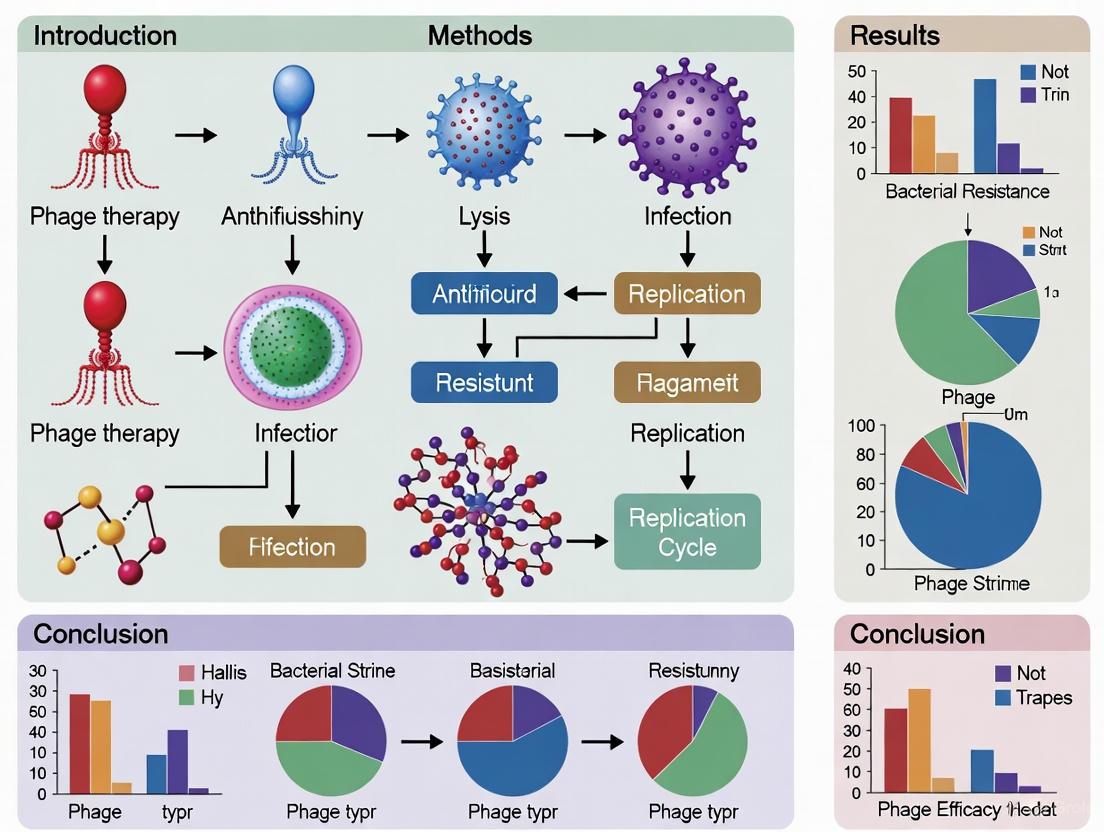
This article provides a comprehensive analysis of modern phage therapy protocols as a solution to the global antimicrobial resistance (AMR) crisis.
Phage Therapy Protocols for Antibiotic Resistance: A Comprehensive Guide for Researchers and Drug Developers
Abstract
This article provides a comprehensive analysis of modern phage therapy protocols as a solution to the global antimicrobial resistance (AMR) crisis. It explores the foundational science of bacteriophages, detailing their mechanisms of action and the evolving regulatory landscape, including recent European Pharmacopoeia standards. The review covers methodological approaches from personalized therapy to standardized manufacturing, alongside strategies to overcome key challenges like bacterial resistance through AI-driven optimization and phage-antibiotic synergy. It further evaluates clinical validation data from recent trials and comparative advantages over conventional antibiotics. Aimed at researchers, scientists, and drug development professionals, this synthesis of current evidence and protocols serves as a critical resource for advancing phage-based therapeutics from compassionate use to mainstream clinical application.
The Science and Regulatory Landscape of Bacteriophages
Bacteriophage Structure and Classification
Bacteriophages, or phages, are viruses that specifically infect and replicate within bacteria [1]. They are the most abundant biological entities on the planet, with an estimated total population exceeding 10^31 particles [1] [2]. Their basic structure consists of genetic material (DNA or RNA) enclosed within a protein capsid, often accompanied by a tail structure used for host attachment and infection [3].
Phages are classified into multiple taxonomic groups across different realms. A significant group is the class Caudoviricetes, which comprises tailed bacteriophages and is the most abundant group of viruses on Earth [1] [4]. This class includes well-studied families distinguished by their tail morphology [1]:
- Myoviridae: Phages with long, contractile tails (e.g., T4 phage).
- Siphoviridae: Phages with long, non-contractile tails (e.g., λ phage).
- Podoviridae: Phages with short, non-contractile tails (e.g., T7 phage).
The intricate tail structures are mechanical marvels that facilitate infection. During infection, phage tail fibers bind to specific receptors on the bacterial cell surface—a process known as adsorption [3]. The sheath then propels a rigid tube that punctures the bacterial cell membrane, allowing the viral genetic material to be injected into the host's cytoplasm [3].
The Lytic and Lysogenic Life Cycles
Temperate phages can follow two distinct reproductive life cycles: the lytic cycle and the lysogenic cycle. The decision point between these cycles is a critical focus for therapeutic development.
Table 1: Key differences between the Lytic and Lysogenic life cycles.
| Feature | Lytic Cycle | Lysogenic Cycle |
|---|---|---|
| Alternative Name | Virulent infection [3] | Temperate or non-virulent infection [3] |
| Viral Genome State | Free-floating in the host cell [3] | Integrated into the host genome as a prophage [5] [3] |
| Genome Replication | Replicates independently of the host [3] | Replicated passively along with the host genome [3] |
| Host Cell Fate | Lysed (destroyed) at the end of the cycle [5] | Remains alive and functions normally while the virus is dormant [5] |
| Outcome | Production of many viral progeny; cell death [5] [3] | One viral copy is passed to each daughter cell; no immediate cell death [3] |
| Therapeutic Suitability | Preferred for phage therapy [5] [6] [7] | Generally avoided due to potential for lysogenic conversion [7] |
Life Cycle Workflow
The following diagram illustrates the decision pathway and key steps of the lytic and lysogenic cycles:
Detailed Experimental Protocol: Life Cycle Analysis
Objective: To determine whether an isolated bacteriophage is lytic or temperate and characterize its life cycle.
Materials:
- Bacterial host culture (e.g., E. coli).
- Bacteriophage lysate.
- Double-layer agar (soft agar overlay).
- Liquid growth medium (e.g., LB broth).
- Mitomycin C (a DNA-damaging agent for prophage induction).
Methodology:
- Plaque Assay for Lytic Activity:
- Mix a log-phase bacterial culture with a dilution of the phage lysate in molten soft agar and pour onto a base agar plate.
- Incubate overnight. The formation of clear plaques (zones of lysis) indicates lytic activity [5].
- Lysogen Isolation and Induction:
- From the center of a turbid plaque (which may indicate a temperate phage), pick material and stab into a fresh agar plate to streak for isolated bacterial colonies.
- Grow isolated colonies in liquid culture until reaching the log phase.
- Divide the culture. To one half, add Mitomycin C (typical final concentration: 0.5 - 2 µg/mL). The other half serves as an uninduced control [8].
- Continue incubating and monitor culture turbidity (OD600) for 3-6 hours. Lysis of the induced culture, but not the control, indicates the presence of an inducible prophage.
- Confirm phage release by performing a plaque assay with the supernatant of the lysed culture.
Historical Context and Modern Application in Phage Therapy
The history of phage therapy is marked by early promise, a period of abandonment in the West, and a recent renaissance driven by the antibiotic resistance crisis.
Historical Timeline and Key Figures
Table 2: Major milestones in the discovery and therapeutic application of bacteriophages.
| Year | Event | Key Figure(s) |
|---|---|---|
| 1915 | Discovery of a "transmissible lytic principle" that kills bacteria. | Frederick Twort [1] [9] |
| 1917 | Independent discovery and naming of "bacteriophage" (bacteria-eater). | Félix d'Hérelle [1] [9] |
| 1919 | First documented clinical application of phages to treat dysentery. | Félix d'Hérelle [1] |
| 1920s-1940s | Development and widespread use of phage therapy, particularly in the Soviet Union and Eastern Europe [1] [7]. | Giorgi Eliava, Félix d'Hérelle [1] |
| 1940s | Discovery and mass production of antibiotics leads to decline of phage therapy in the West [2] [7]. | - |
| 1969 | Nobel Prize awarded for discoveries of viral replication and genetic structure. | Delbrück, Hershey, Luria [1] |
| 2015-Present | High-profile success cases and growing clinical trials renew interest in phage therapy for multidrug-resistant infections [7]. | - |
The decline of phage therapy in the West was due to a combination of factors: the convenience and broad-spectrum activity of antibiotics, a poor fundamental understanding of phage biology, and variable success in early clinical trials due to improper phage preparation and characterization [1] [9] [7]. Research continued in Georgia, Poland, and Russia, where phage therapy remained a routine medical practice [7].
Phage Therapy in the Age of Antibiotic Resistance
The escalating crisis of antimicrobial resistance (AMR), directly responsible for over 133,000 deaths annually in the WHO European Region alone, has spurred the urgent search for alternatives [6]. Phage therapy has re-emerged as a promising solution with several key advantages and challenges.
Advantages over Antibiotics:
- High Specificity: Lytic phages target specific bacterial strains without disrupting the beneficial microbiota [6] [10].
- Self-Replication: Phages amplify at the site of infection, potentially allowing for lower initial doses [2].
- Biofilm Penetration: Phages can penetrate and degrade bacterial biofilms, which are often impervious to antibiotics [10].
- Low Toxicity: Phages do not infect human cells and are generally considered safe [6].
Key Challenges:
- Narrow Host Range: The high specificity requires identifying the exact bacterial strain and a matching phage, making therapy more complex than broad-spectrum antibiotics [7].
- Bacterial Resistance: Bacteria can evolve resistance to phages, though phages can co-evolve to overcome it [6] [7].
- Regulatory and Manufacturing Hurdles: The living, replicating nature of phages does not fit neatly into traditional drug regulatory frameworks. Manufacturing must ensure purity, removing bacterial toxins and DNA from final preparations [6] [7].
The Scientist's Toolkit: Research Reagent Solutions
Table 3: Essential reagents and materials for bacteriophage research and therapy development.
| Research Reagent | Function and Application in Phage Research |
|---|---|
| Double-Layer Agar | Standard method for phage plaque assays to isolate, enumerate, and purify phage particles based on plaque morphology [5]. |
| Mitomycin C | DNA-damaging agent used in laboratory protocols to induce the transition from the lysogenic to the lytic cycle in temperate phages [8]. |
| Phage Cocktails | Therapeutic preparations containing multiple phages that target a single bacterial pathogen in different ways, reducing the risk of resistance development [1] [6] [7]. |
| CRISPR-Cas Systems | Molecular biology tool derived from bacterial immunity. Used in phage engineering to create modified phages with enhanced lytic capabilities or to deliver bacterial lethal genes [7]. |
| Cryo-Electron Microscopy | Advanced structural biology technique used to determine the high-resolution 3D structure of phages, aiding in understanding infection mechanisms and evolutionary relationships [4]. |
Advanced Experimental Protocol: Isolating a Therapeutic Lytic Phage
Objective: To isolate and characterize a strictly lytic bacteriophage from an environmental sample for potential therapeutic use against a specific multidrug-resistant bacterial pathogen.
Materials:
- Target bacterial strain (e.g., MRSA, MDR P. aeruginosa).
- Environmental sample (e.g., wastewater, soil runoff).
- Filtration units (0.22 µm pore size).
- Liquid growth medium.
- Chloroform.
- DNase I and RNase.
Methodology:
- Sample Enrichment and Phage Isolation:
- Mix the environmental sample with an exponential-phase culture of the target bacterium in a growth medium.
- Incubate with shaking for 18-24 hours.
- Centrifuge the culture to pellet bacterial debris. Filter the supernatant through a 0.22 µm filter to remove remaining bacteria.
- Treat the filtrate with chloroform (to kill any remaining cells) and nucleases (to degrade free nucleic acids), leaving only infectious phage particles.
Plaque Assay and Purification:
- Perform a double-layer agar plaque assay with the filtered lysate.
- Pick a well-isolated, clear plaque (indicating lytic activity) and elute it in a buffer.
- Repeat the plaque assay at least three times with the eluted phage to ensure a clonal, pure population.
Host Range Determination:
- Spot the purified phage lysate onto lawns of different bacterial strains, including close relatives of the target and common commensals.
- Record the efficiency of plating (EOP) to determine the phage's specificity and ensure it does not lyse non-target bacteria.
Genomic Characterization:
- Extract phage genomic DNA and sequence it.
- Bioinformatic analysis is critical to confirm the absence of lysogeny, toxin, or antibiotic resistance genes, ensuring safety for therapeutic application [7].
This detailed protocol underscores the meticulous process required to develop a targeted, safe, and effective phage therapeutic, positioning phage therapy as a powerful tool in the global fight against antibiotic-resistant infections.
Antimicrobial resistance (AMR) represents one of the most severe threats to global public health, undermining our ability to treat common infectious diseases. As antibiotic efficacy diminishes, the medical and scientific communities face mounting pressure to quantify this crisis accurately and develop viable therapeutic alternatives. Within this context, bacteriophage (phage) therapy has re-emerged as a promising approach to combat multidrug-resistant bacterial infections. These naturally occurring viruses that infect and lyse bacteria offer a targeted, evolvable solution to AMR. This application note provides a current quantitative overview of the AMR burden and details essential protocols for integrating phage-based strategies into antibiotic resistance research pipelines, providing researchers with the tools to advance this critical field.
Quantifying the Global AMR Burden
The global burden of AMR is staggering, with surveillance data revealing escalating mortality, economic costs, and widespread resistance across common bacterial pathogens.
Table 1: Global Mortality and Impact of Antimicrobial Resistance
| Metric | Figure | Source/Time Period |
|---|---|---|
| Global deaths directly attributable to AMR | 1.27 million | 2019 (Global Burden of Disease) [11] |
| Global deaths associated with AMR | 4.95 million | 2019 (Global Burden of Disease) [11] |
| Projected direct deaths by 2050 | ~2 million annually | Forecast to 2050 [11] |
| U.S. antimicrobial-resistant infections | >2.8 million annually | CDC's 2019 AR Threats Report [12] |
| U.S. deaths from resistant infections | >35,000 annually | CDC's 2019 AR Threats Report [12] |
| Annual cost of treating resistant infections in the U.S. | >$4.6 billion | CDC Study [12] |
Recent data from the World Health Organization (WHO) indicates that in 2023, one in six laboratory-confirmed bacterial infections globally were resistant to available antibiotic treatments. Between 2018 and 2023, antibiotic resistance rose in over 40% of the pathogen-antibiotic combinations monitored by WHO, with an average annual increase of 5–15% [13]. The burden is not uniform, with the WHO South-East Asian and Eastern Mediterranean Regions experiencing the highest rates, where one in three reported infections were resistant [13].
Table 2: Pathogen-Specific Resistance to Key Antibiotics (2023 WHO Data)
| Pathogen | Antibiotic Class | Resistance Proportion | Notes |
|---|---|---|---|
| E. coli | Third-generation cephalosporins | >40% | First-choice treatment for bloodstream infections [13] |
| K. pneumoniae | Third-generation cephalosporins | >55% | Leading drug-resistant Gram-negative bacteria [13] |
| K. pneumoniae | Third-generation cephalosporins (African Region) | >70% | Highlights regional disparities [13] |
Phage Therapy as a Promising Alternative
Phage therapy, the use of bacterial viruses to treat infections, is gaining renewed interest as a potential alternative or adjunct to conventional antibiotics [2]. Its advantages include:
- High Specificity: Lytic phages target specific bacterial strains without disrupting commensal microbiota [6].
- Self-Amplification: They replicate at the site of infection, increasing their therapeutic dose dynamically [2].
- Biofilm Degradation: Phages can penetrate and break down bacterial biofilms, which are often impervious to antibiotics [2].
- Different Resistance Profile: Bacteria that develop resistance to phages can become re-sensitized to antibiotics or suffer a fitness cost, potentially restoring treatment options [6].
Currently, phage therapy in most Western countries is primarily used on a compassionate basis for life-threatening, multidrug-resistant infections when all other treatments have failed [6]. Further robust clinical evidence is required for its wider regulatory approval and routine use.
Experimental Protocols for Phage Research
Integrating phage therapy into research requires standardized, reliable protocols. Below are detailed methods for key experiments.
Protocol: Double Agar Overlay Spot Assay for Phage Susceptibility
This gold-standard method determines the host range and lytic activity of a bacteriophage.
- Application: Qualitative assessment of phage susceptibility for a bacterial isolate.
- Principle: Phages are spotted on a lawn of bacteria. Clear zones (plaques) form where the phage has infected and lysed the host cells.
Materials:
- Target bacterial culture in log phase (e.g., OD600 ~0.4-0.6)
- Purified phage lysate
- TY Agar Plates (1.5-2% agar)
- TY Overlay Medium (0.65% agar), maintained molten at 45-50°C
- SM Buffer
- Sterile NaCl (0.85%)
Procedure:
- Prepare Bacterial Lawn: Standardize the bacterial culture to a 3 McFarland standard (approximately 9 x 10^8 CFU/mL) in sterile saline [14].
- Mix Bacteria with Overlay: Add 200 µL of the standardized bacterial suspension to 4 mL of molten TY overlay medium. Vortex gently to mix.
- Pour Overlay: Quickly pour the mixture onto a pre-warmed TY agar plate. Gently swirl the plate to ensure an even layer covers the entire surface. Allow the overlay to solidify completely.
- Spot Phage Lysate: Pipette 10 µL of the phage lysate (and appropriate serial dilutions in SM buffer if performing titer determination) onto the surface of the solidified overlay. Allow the spots to dry into the agar.
- Incubate and Analyze: Invert the plates and incubate at 37°C for 18-24 hours. Observe for the formation of clear, circular zones of lysis (plaques) within the bacterial lawn, indicating susceptibility to the phage.
Protocol: ColorPhAST - A Rapid Colorimetric Phage Susceptibility Test
This novel 2-hour colorimetric assay allows for rapid determination of phage susceptibility, ideal for high-throughput screening.
- Application: Rapid, quantitative phage susceptibility testing.
- Principle: Bacterial metabolism of glucose acidifies the medium, changing the color of phenol red from red/orange to yellow. A susceptible phage will lyse bacteria, halting metabolism and preventing this color change [14].
Materials:
- ColorPhAST Solution: 2.5% Mueller-Hinton broth, 0.007% phenol red, 0.5% D-(+)-glucose, pH adjusted to 7.5. Pre-warm to 37°C before use [14].
- Target bacterial culture in log phase.
- Purified phage lysate.
- Sterile 96-well microtiter plate.
- Microplate reader (for OD560 and OD620) or visual inspection.
Procedure:
- Dispense Solution: Aliquot 100 µL of pre-warmed ColorPhAST solution into the required number of wells in a 96-well plate.
- Inoculate and Infect:
- Test Well: Add 50 µL of bacterial culture and 50 µL of phage lysate.
- Bacterial Control Well: Add 50 µL of bacterial culture and 50 µL of SM buffer.
- Phage Control Well: Add 50 µL of sterile growth medium and 50 µL of phage lysate.
- Incubate and Monitor: Incubate the plate at 37°C without shaking. Monitor the color change visually or kinetically using a plate reader by measuring the absorbance ratio at OD560/OD620 every 30 minutes for up to 2 hours.
- Interpret Results:
- Susceptible Isolate: The test well remains red/orange (no acidification due to phage-mediated lysis).
- Resistant Isolate: The test well turns yellow, similar to the bacterial control (ongoing metabolism and acidification).
This test has demonstrated a sensitivity of 95.6% and specificity of 100% against E. coli [14].
Protocol: Time-Kill Curve Assay for Phage-Antimicrobial Synergy
This protocol evaluates the synergistic effect of combining phages with antimicrobials like silver nanoparticles (AgNPs) to enhance efficacy and delay resistance.
- Application: Quantifying the combined bactericidal activity of phages and antimicrobials over time.
- Principle: Tracking viable bacterial counts in the presence of single agents versus their combination reveals enhanced killing and suppression of resistant sub-populations.
Materials:
- Target bacterial culture (e.g., multidrug-resistant P. aeruginosa).
- Purified phage lysate (e.g., high titer ~10^8 PFU/mL).
- Antimicrobial agent (e.g., biosynthesized Silver Nanoparticles (AgNPs)).
- Sterile growth broth.
- Sterile SM Buffer.
Procedure:
- Prepare Test Conditions: In flasks or multi-well plates, set up the following conditions in a final volume of 10 mL (or 1 mL for micro-assay):
- Bacteria only (Control)
- Bacteria + Phage (at a specific Multiplicity of Infection - MOI)
- Bacteria + AgNPs (at sub-inhibitory concentration, e.g., 1/2x MIC)
- Bacteria + Phage + AgNPs (Combination)
- Incubate and Sample: Incubate all conditions at 37°C with shaking. At predetermined time intervals (e.g., 0, 2, 4, 6, 8, 12, 24 h), aseptically remove 100 µL aliquots from each condition.
- Serially Dilute and Plate: Perform serial 10-fold dilutions of each aliquot in sterile saline or broth. Plate appropriate dilutions onto agar plates for viable colony count.
- Incubate and Count: Incubate plates for 18-24 hours at 37°C. Count the resulting colonies and calculate the Colony-Forming Units per mL (CFU/mL) for each condition and time point.
- Analyze Data: Plot log10 CFU/mL versus time for each condition. A ≥2-log decrease in CFU/mL for the combination compared to the most effective single agent is considered synergistic. The delay in regrowth (resistance) is also a key metric [15].
Visualization of Research Workflows
The following diagrams illustrate the logical relationships in AMR and the experimental workflow for rapid phage susceptibility testing.
AMR Crisis and Solution Pathways
Rapid Phage Susceptibility Test Workflow
The Scientist's Toolkit: Research Reagent Solutions
Table 3: Essential Reagents for Phage Therapy and AMR Research
| Research Reagent | Function/Application | Example Use Case |
|---|---|---|
| Lytic Bacteriophages | Target and lyse specific bacterial hosts; the core therapeutic and research entity. | Isolated from environmental sources (e.g., wastewater) and purified for in vitro and in vivo efficacy studies [2] [14]. |
| Biosynthesized Silver Nanoparticles (AgNPs) | Broad-spectrum antimicrobial agent; used in combination therapy to enhance phage efficacy and delay resistance. | Green synthesis using plant extracts (e.g., Bauhinia variegata); combined with phages in time-kill assays against MDR P. aeruginosa [15]. |
| ColorPhAST Solution | Enables rapid, colorimetric phage susceptibility testing in 2 hours based on bacterial metabolism. | High-throughput screening of clinical bacterial isolates for susceptibility to a phage library [14]. |
| Phenol Red Indicator | pH indicator in culture media; color change signifies bacterial metabolic activity. | Key component of the ColorPhAST solution, changing from red/orange (pH ~7.5) to yellow (acidic) [14]. |
| TY (Tryptone-Yeast) Medium | Standardized growth medium for phage propagation and plaque assays. | Used in double agar overlay methods for phage titer determination and host range analysis [14]. |
| SM Buffer | Stable storage and dilution buffer for bacteriophages, maintaining phage viability. | Used for long-term storage of phage stocks and for creating serial dilutions in plaque assays [14]. |
Bacterial Lysis Mechanics
The lysis of bacterial cells by bacteriophages is the definitive endpoint of a successful infection. This process involves a carefully orchestrated series of events, culminating in the physical rupture of the cellular envelope and the release of new phage virions.
Physical Dynamics of Membrane Lysis
Recent biophysical studies on Escherichia coli have delineated the lytic process into distinct dynamical phases. Following the creation of critical defects in the peptidoglycan cell wall, the inner and outer membranes undergo a bulging process, leading to lysis. The dynamics of this process occur on two characteristic timescales [16]:
- Bulging: The formation of an initial, partially subtended spherical bulge occurs on a characteristic timescale of approximately 1 second. This is driven by the relaxation of entropic and stretching energies of the inner membrane, cell wall, and outer membrane under the influence of internal turgor pressure [16].
- Swelling: The subsequent growth of the bulge occurs on a slower characteristic timescale of approximately 100 seconds. This phase is mediated by the enlargement of wall defects and culminates in lysis as both inner and outer membranes exceed their yield areal strains [16].
Table 1: Key Parameters in Bacterial Cell Envelope Mechanics
| Parameter | Estimate | Source / Component |
|---|---|---|
| Axial Cell Wall Elastic Modulus | 0.06 – 0.12 N/m | E. coli Peptidoglycan (2D) [16] |
| Circumferential Wall Elastic Modulus | 0.15 – 0.30 N/m | E. coli Peptidoglycan (2D) [16] |
| Membrane Area Stretch Modulus | 0.03 – 0.24 N/m | Inner & Outer Membranes [16] |
| Turgor Pressure | 0.3 – 2 atm | Typical for E. coli [16] |
| Characteristic Bulge Formation Time | ~1 second | After wall digestion [16] |
| Characteristic Swelling Time | ~100 seconds | After initial bulge [16] |
Protocol: Quantifying Lysis Dynamics via Time-Lapse Microscopy
This protocol outlines a method for observing and quantifying the physical dynamics of phage-induced lysis in real-time.
Key Reagents:
- Strain: Wild-type E. coli MG1655 (or equivalent) [16].
- Antibiotic: Cephalexin (50 μg/mL) or other β-lactam to digest cell wall for controlled studies [16].
- Growth Medium: Appropriate broth (e.g., LB).
- Imaging Chamber: MatTek dish or equivalent for microscopy.
Procedure:
- Cell Preparation: Grow E. coli to mid-log phase (OD600 ≈ 0.4-0.6) in the appropriate growth medium.
- Wall Digestion (Optional): For studies on lysis mechanics independent of phage enzymes, treat cells with cephalexin (50 μg/mL) to inhibit cross-linking and create defined wall defects [16].
- Phage Infection: Add phage suspension at a high multiplicity of infection (MOI ≈ 10) to ensure synchronous infection. Alternatively, for controlled lysis, use engineered phages or lysozymes.
- Image Acquisition: Mount sample on microscope stage maintained at 37°C. Acquire phase-contrast images at a high frame rate (e.g., 1 frame per 100 ms) for the first 10 seconds to capture bulging, then reduce to 1 frame per 10 seconds for up to 30 minutes to monitor swelling and eventual lysis [16].
- Data Analysis:
Biofilm Penetration and Degradation
Biofilms represent a primary defense of bacterial communities against antimicrobials, including phages. The extracellular polymeric substance (EPS) matrix is a major contributor to this protection, and phages have evolved multiple mechanisms to overcome it.
Mechanisms of Matrix Penetration
The biofilm matrix is a complex agglomeration of biopolymers, including polysaccharides, proteins, lipids, and extracellular DNA (eDNA) [18] [19]. This matrix can constitute over 90% of the biofilm's mass, acting as a formidable physical and chemical barrier [19]. Phages employ several strategies to breach this defense:
- Enzyme Production: Many phages encode and express depolymerases and other enzymes (e.g., dispersin B) that specifically degrade key structural components of the EPS [18] [20]. This enzymatic activity locally dissolves the matrix, creating channels that allow phage virions to access underlying bacterial cells [19].
- Diffusion through Water Channels: Mature biofilms develop a complex three-dimensional structure interspersed with networks of water channels [18]. These channels can facilitate the passive diffusion of phages into the deeper layers of the biofilm.
- Direct Matrix Binding: While some antibiotics like aminoglycosides can be neutralized by binding to negatively charged eDNA in the matrix, phages are less susceptible to this form of sequestration due to their larger size and distinct surface properties [19].
Protocol: Assessing Phage-Mediated Biofilm Disruption
This protocol quantifies the efficacy of phages and their enzymes in disrupting pre-established biofilms.
Key Reagents:
- Biofilm Strain: e.g., Pseudomonas aeruginosa or Staphylococcus aureus capable of robust biofilm formation.
- Phage Cocktail: Phages known or suspected to produce depolymerases.
- Staining Solution: 0.1% Crystal Violet or SYTO 9 for confocal microscopy.
- Buffer: Phosphate Buffered Saline (PBS).
Procedure:
- Biofilm Formation: In a 96-well plate, incubate bacteria in a suitable medium for 24-48 hours to allow biofilm development. Gently wash wells with PBS to remove non-adherent planktonic cells.
- Phage Treatment: Apply the phage suspension or purified depolymerase enzyme in buffer to the pre-formed biofilms. Include a buffer-only control.
- Incubation: Incubate under static conditions at the optimal host temperature for a defined period (e.g., 4-24 hours).
- Biofilm Quantification:
- Crystal Violet Assay: Fix biofilms with methanol, stain with 0.1% Crystal Violet for 15 minutes, wash, and solubilize the dye with acetic acid. Measure absorbance at 595 nm to quantify remaining biomass [19].
- Confocal Microscopy: For structural analysis, stain biofilms with SYTO 9 and visualize using a confocal laser scanning microscope to observe the architectural disruption and channel formation induced by phage treatment [19].
- Data Analysis: Compare the biomass and structure of phage-treated biofilms to untreated controls. Effective penetration and disruption are indicated by a significant reduction in stained biomass and a loss of structural integrity.
Biofilm Penetration Pathway
Host Specificity and Receptor Recognition
The remarkable specificity of phages for their bacterial hosts is a cornerstone of their therapeutic application, enabling the targeted elimination of pathogens while sparing the commensal microbiota.
Molecular Basis of Host Specificity
Host specificity is primarily determined by the initial adsorption step, which is mediated by receptor-binding proteins (RBPs) located on the phage's tail fibers, baseplate, or spikes [21] [22] [20]. These RBPs interact with specific structures on the bacterial surface with high precision. Common bacterial receptors include:
- Lipopolysaccharide (LPS) O-antigen: Highly variable, leading to serogroup-specific, narrow host ranges [21] [20].
- Outer membrane proteins (e.g., porins): Used by many Siphoviridae and Podoviridae [21].
- Other surface structures: Such as pili, flagella, teichoic acids (in Gram-positives), and capsules [20].
Table 2: Primary Receptors and Phage Receptor-Binding Proteins (RBPs)
| Bacterial Receptor | Phage Family Examples | RBP Type / Location | Specificity Consequence |
|---|---|---|---|
| Lipopolysaccharide (LPS) O-Antigen | Myoviridae, Podoviridae | Long Tail Fiber (LTF) distal subunit [21] | Often narrow, serogroup-specific [21] |
| LPS Core | Podoviridae | Short Tail Fiber (STF) [21] | Can be broader than O-antigen specific phages [21] |
| Outer Membrane Proteins (OMPs) | Siphoviridae | Baseplate proteins [21] | Varies, can be strain-specific |
| Pili / Flagella | Various | Tail fibers / spikes | Can be narrow, targeting specific appendages |
Engineering and Predicting Host Range
The narrow host range of many natural phage isolates presents a challenge for therapy. Synthetic biology and computational approaches are being deployed to overcome this limitation.
- RBP Engineering: Host range can be rationally modulated by swapping RBPs or their receptor-binding domains between phages. This can be achieved via homologous recombination or full-genome synthesis and rebooting in L-form bacteria [22]. High-throughput "phagebody" libraries can also be created to select for mutants with expanded host ranges [22].
- Machine Learning Prediction: Computational models are being developed to predict phage-host interactions using genomic data. For instance, models trained on large interaction datasets between Escherichia strains and phages have shown that adsorption factors are paramount for predicting successful infections, enabling the design of more effective, tailored phage cocktails [23].
Protocol: Determining Host Range via Efficiency of Plating (EOP)
The EOP assay is the gold-standard method for empirically defining the infectivity of a phage against a panel of bacterial strains.
Key Reagents:
- Phage Lysate: High-titer, purified phage stock.
- Bacterial Panel: A diverse collection of bacterial strains, ideally with sequenced and known surface receptor profiles.
- Soft Agar: 0.4-0.7% agar in appropriate broth.
- Bottom Agar: 1.0-1.5% agar in appropriate broth.
Procedure:
- Prepare Bacterial Lawns: For each strain in the panel, mix 100 μL of a mid-log phase culture with 3-5 mL of molten soft agar and pour onto a bottom agar plate. Allow to solidify.
- Spot Phage Lysate: Apply a small droplet (e.g., 5-10 μL) of a serial dilution of the phage lysate onto the surface of each bacterial lawn. Allow the spot to dry.
- Incubate and Analyze: Incubate plates overnight at the optimal temperature for the host. The presence of plaques indicates a productive infection.
- Calculate EOP: EOP is calculated as the plaque count on the test strain divided by the plaque count on the primary host strain. An EOP ≥ 0.5 is considered high, 0.1-0.5 moderate, 0.001-0.1 low, and < 0.001 indicates no infection [21].
Phage-Host Specificity and Infection Pathway
The Scientist's Toolkit: Key Research Reagent Solutions
Table 3: Essential Reagents for Phage Mechanism Research
| Reagent / Kit | Primary Function in Research | Experimental Context |
|---|---|---|
| Phage DNA Isolation Kit | Purification of high-quality, high-molecular-weight phage genomic DNA for sequencing and genetic analysis. | Essential for genome sequencing (e.g., Illumina, ONT) to identify lysogeny, resistance, or virulence genes [24]. |
| Beta-lactam Antibiotics (e.g., Cephalexin) | Selective inhibition of cell wall transpeptidases to create defined defects in the peptidoglycan layer for lysis studies. | Used in biophysical studies to dissect the mechanical process of lysis independent of phage-encoded lysins [16]. |
| L-Form Bacterial Strains | Act as reboot hosts for the assembly of synthetic phage genomes, enabling genetic engineering across genera. | Critical for rebooting engineered phage genomes in Gram-positive hosts like Listeria monocytogenes [22]. |
| Cell-Free TXTL Systems | Test-tube synthesis of self-assembling phage particles from DNA, allowing rebooting outside a living cell. | Used for rapid prototyping of engineered phages and for infecting undomesticated bacterial hosts [22]. |
| Crystal Violet / SYTO 9 Stain | Staining of biofilm biomass for quantitative (absorbance) or qualitative (confocal microscopy) assessment. | Standard reagents for quantifying biofilm formation and disruption in microtiter plate or microscopy-based assays [19]. |
The escalating global crisis of antimicrobial resistance (AMR), responsible for approximately 1.27 million deaths annually, has catalyzed a critical re-evaluation of bacteriophage (phage) therapy as a viable therapeutic alternative [25]. Projections indicate that drug-resistant bacteria could cause over 39 million deaths worldwide by 2050, making the development of alternative antimicrobial strategies a critical imperative [25]. Within this context, regulatory bodies across the globe are evolving their frameworks to accommodate the unique characteristics of phage-based therapeutics, creating new pathways for their development and approval. This application note synthesizes the current regulatory landscape governing phage therapy, focusing on the European Medicines Agency (EMA), the U.S. Food and Drug Administration (FDA), and the groundbreaking general chapter 5.31 of the European Pharmacopoeia (Ph. Eur.) on "Phage therapy medicinal products" adopted in March 2024 [26]. Designed for researchers, scientists, and drug development professionals, this document provides a detailed analysis of the regulatory requirements and offers practical protocols to align research and development efforts with these evolving standards.
Comparative Analysis of Regulatory Frameworks
The regulatory approaches for phage therapy are evolving distinctly across major jurisdictions. The table below provides a structured comparison of the key elements.
Table 1: Comparative Analysis of Phage Therapy Regulatory Frameworks
| Aspect | U.S. Food and Drug Administration (FDA) | European Medicines Agency (EMA) & European Pharmacopoeia |
|---|---|---|
| Primary Guidance | Flexible FDA guidance for antibacterial therapies (2025) and LPAD pathway [27]. | New Ph. Eur. general chapter 5.31 (2024) for product quality [26]. |
| Regulatory Focus | Flexible efficacy trials, preclinical data, and accelerated pathways for unmet needs [27]. | Standardizing production, quality control, and characterization of phage products [26]. |
| Approval Pathways | Limited Population Pathway for Antibacterial and Antifungal Drugs (LPAD); smaller or single trials; use of historical controls [27]. | Centralized, national, and hospital-based pathways under the overarching quality standards of Ph. Eur. [25] [26]. |
| Clinical Evidence | Accepts wider non-inferiority margins; nested trial designs; real-world evidence [27]. | Aligns with EMA clinical guidelines, with Ph. Eur. focusing on quality rather than clinical trial design [25]. |
| Key Advantage | Adaptable development pathways for targeted, narrow-spectrum products addressing urgent unmet needs [27]. | A unified, up-to-date pharmacopoeial text providing a clear framework for product quality in a rapidly developing field [26]. |
Detailed Regulatory Pathways and Application Protocols
FDA's Flexible Pathway for Serious Bacterial Diseases
The FDA's 2025 guidance, "Antibacterial Therapies for Patients with an Unmet Medical Need," outlines a flexible yet rigorous framework. Developers must justify the unmet need by demonstrating that the target serious bacterial infection has no effective current treatments, using epidemiological data and outcome analyses [27].
Protocol 1: Justifying Unmet Medical Need and Designing a Pivotal Trial
Unmet Need Dossier Compilation:
- Gather surveillance data on the incidence and mortality rates of the target drug-resistant pathogen from sources like the CDC and WHO [25] [27].
- Compile historical data or real-world evidence (RWE) showing poor outcomes (e.g., high mortality, treatment failure rates) in the target population [27].
- Demonstrate the ineffectiveness of all currently approved antibiotics against the target pathogen through antimicrobial susceptibility testing (AST) data [28].
Pivotal Clinical Trial Design:
- Design: A single, well-controlled pivotal study may be sufficient. Consider adaptive or nested trial designs that enroll patients with various infection types (e.g., pneumonia, sepsis) caused by the same bacterial species [27].
- Endpoint: All-cause mortality is an acceptable primary endpoint. The FDA may accept a wider non-inferiority margin (e.g., 20%) compared to standard antibiotics, acknowledging the critical need in otherwise untreatable patients [27].
- Control Arm: Where a placebo arm is unethical, use an external or historical control group compiled from the unmet need dossier [27].
- Patient Population: Focus on a limited population with confirmed infections due to the target MDR pathogen, using rapid diagnostic tests for enrollment [27].
European Pharmacopoeia Chapter 5.31 on Phage Therapy Medicinal Products
The Ph. Eur. chapter 5.31, effective July 2024, provides the first official pharmacopoeial standard for phage therapy products, emphasizing quality and manufacturing control [26].
Protocol 2: Critical Quality Control Testing for Phage Active Substances
This protocol outlines the essential quality control tests for a phage active substance, as guided by the principles of Ph. Eur. chapter 5.31 [26] [29].
Identity and Host Range Verification:
- Method: Polymerase Chain Reaction (PCR) or genome sequencing for genetic identity. Plaque Assay or Double-Layer Agar Method for functional host range confirmation against a panel of target bacterial strains [30].
- Procedure: a. Isplate phage DNA and perform PCR with sequence-specific primers or undertake whole-genome sequencing (WGS). b. For functional testing, prepare soft agar overlays containing individual bacterial strains from the panel. c. Mix a standardized phage lysate with the bacterial culture and pour over a base agar layer. d. Incubate overnight and observe for plaque formation. The pattern of lysis confirms the functional host range.
Potency and Infectivity Titer Determination:
- Method: Plaque Assay (Plaque Forming Units - PFU/mL).
- Procedure: a. Perform serial decimal dilutions of the phage sample. b. Mix a known volume of each dilution with a susceptible bacterial host in molten soft agar. c. Pour the mixture onto a base agar plate and incubate. d. Count the number of plaques formed at a countable dilution (typically 30-300 plaques) and calculate the titer using the formula: PFU/mL = (Number of plaques) / (Dilution factor × Volume plated).
Purity and Safety Testing:
- Endotoxin Testing: Use the Limulus Amebocyte Lysate (LAL) assay to quantify endotoxins, ensuring levels are within specified limits for the intended route of administration.
- Sterility Testing: Apply membrane filtration or direct inoculation methods as per Ph. Eur. general chapters 2.6.1 and 2.6.27 to confirm the absence of viable microorganisms.
- Absence of Temperate Phages: Propagate the phage preparation on a susceptible host and subsequently screen the bacterial progeny for the presence of lysogenized phage genomes using PCR or induction assays (e.g., mitomycin C treatment) [25] [30].
Table 2: The Scientist's Toolkit: Essential Reagents for Phage Therapy R&D
| Research Reagent / Material | Function and Application in Phage Therapy Development |
|---|---|
| Susceptible Bacterial Strains | Target hosts used for phage propagation, potency determination (plaque assay), and host range characterization [30]. |
| Cell Culture Media & Agar | Supports bacterial growth and provides a matrix for plaque assays and phage isolation (e.g., Double-Layer Agar Method) [30]. |
| Limulus Amebocyte Lysate (LAL) | Critical reagent for quantifying bacterial endotoxins in the final product, a key safety parameter [26]. |
| PCR & Sequencing Reagents | Used for genetic identity confirmation of phage banks, screening for virulence or lysogeny genes, and full genome sequencing [30]. |
| Animal Infection Models | Preclinical in vivo models (e.g., murine) to assess phage therapy efficacy and pharmacokinetics/pharmacodynamics (PK/PD) [30] [27]. |
| Chromatography & Filtration Systems | Downstream purification tools for removing impurities (e.g., bacterial debris, endotoxins) from phage lysates to meet quality specifications [25]. |
Integrated Development Workflow and Regulatory Strategy
Navigating the regulatory pathway for a phage therapy product requires a coordinated strategy that integrates quality, non-clinical, and clinical development phases. The following diagram visualizes this integrated workflow and its alignment with regulatory checkpoints.
This workflow highlights the critical parallel interactions between development activities and regulatory frameworks. Adherence to Ph. Eur. chapter 5.31 begins at the discovery phase and continues throughout the product lifecycle, ensuring consistent quality [26]. Simultaneously, early engagement with FDA guidance on unmet need and preclinical package design is crucial for streamlining later clinical development [27].
The regulatory environment for phage therapy is rapidly maturing, providing clearer and more adaptable pathways for bringing these innovative treatments to patients facing the dire threat of antimicrobial resistance. The synergistic evolution of frameworks—exemplified by the FDA's flexible clinical guidance and the Ph. Eur.'s pioneering quality standards in chapter 5.31—offers a robust foundation for developers. Success in this arena hinges on a proactive, integrated strategy that prioritizes early and continuous dialogue with regulatory agencies, strict adherence to evolving quality norms, and the strategic application of flexible development tools. By leveraging these protocols and insights, researchers and drug development professionals can accelerate the translation of phage therapy from a promising concept into a tangible, life-saving clinical reality, thereby turning the tide against the global AMR crisis.
The advancement of phage therapy as a solution to the antibiotic resistance crisis is shaped by two distinct regulatory and manufacturing pathways. Standardized Medicine Products are industrially produced, undergo rigorous clinical trials, and require formal marketing authorization for broad patient access. In contrast, Personalized Magistral Formulations are compounded in pharmacies for individual patients based on a specific prescription, falling under a different regulatory framework that exempts them from marketing authorization [31]. The choice between these pathways determines the entire trajectory of product development, quality control, and clinical application, making this distinction fundamental for research and drug development professionals working in the field of antimicrobial resistance.
Comparative Analysis: Standardized Products vs. Magistral Formulations
Table 1: Comprehensive Comparison of the Two Primary Pathways
| Aspect | Standardized Phage Therapy Medicinal Products (PTMPs) | Personalized Magistral Formulations |
|---|---|---|
| Regulatory Status | Biological medicinal product requiring marketing authorization or investigational medicinal product status for clinical trials [31]. | Exempt from marketing authorization; prepared as formula magistralis for an individual patient [31]. |
| Manufacturing Scale & Scope | Industrial-scale, preemptive production [31]. | Small-scale, on-demand preparation in a (hospital) pharmacy [31]. |
| Target Patient Population | Broad, for all patients within the approved indication [31]. | Individual, specific patient based on a physician's prescription [31]. |
| Key Regulatory Framework | Directive 2001/83/EC; European Pharmacopoeia Chapter 5.31; EMA Guidelines (in development) [31]. | Directive 2001/83/EC (Article 3(1) exemption); national pharmacy compounding regulations [31]. |
| Primary Use Context | Large-scale clinical trials; future commercial distribution [31]. | Last-resort treatment under the Declaration of Helsinki (§37) for compassionate use [31] [32]. |
| Flexibility & Adaptability | Low; changes in phage composition (e.g., due to resistance) face major regulatory challenges [31]. | High; phages can be flexibly and quickly modified or replaced without regulatory approval for changes [31]. |
| Quality Control Standards | Must comply with full Good Manufacturing Practice (GMP) and Ph. Eur. standards [31]. | Must be manufactured according to recognized pharmaceutical rules (e.g., national pharmacopoeia) [31]. |
Experimental Protocols for Product Development and Validation
Protocol 1: Phage Potency and Plaque Assay
The plaque assay is the standard method for quantifying viable phage particles and determining the biological activity of both standardized and magistral preparations, a critical quality attribute [31].
Workflow Diagram: Phage Potency and Plaque Assay
Detailed Methodology:
- Preparation: Perform 10-fold serial dilutions of the phage sample in an appropriate buffer (e.g., SM buffer) to achieve a countable range (typically 30-300 plaques per plate).
- Soft Agar Overlay: Combine a known volume of the phage dilution (e.g., 100 µL) with a mid-log phase culture of the specific bacterial host (e.g., 200 µL) and 3-4 mL of molten, tempered soft agar (0.5-0.7%).
- Plating: Immediately pour the mixture over a solid base agar plate. Gently swirl to ensure even distribution and allow the overlay to solidify.
- Incubation: Invert the plates and incubate at the optimal temperature for the host bacterium (e.g., 37°C) for 12-18 hours or until plaques are visible.
- Enumeration and Calculation: Count the number of plaques on a plate with a statistically valid count. Calculate the phage titer using the formula: PFU/mL = (Number of plaques) / (Dilution factor × Volume plated in mL).
- Validation: This method is currently being standardized by the European Pharmacopoeia Commission (draft chapter 2.7.38) to ensure harmonization and validation across laboratories [31].
Protocol 2: Adaptive Evolution to Overcome Bacterial Resistance
This protocol describes the Appelmans method to generate phages with expanded host ranges, enhancing the efficacy of both predefined cocktails and personalized formulations by countering evolved bacterial resistance [20].
Workflow Diagram: Adaptive Evolution of Phages
Detailed Methodology:
- Initial Setup: Grow a cocktail of target bacterial strains (including resistant variants) to mid-log phase in a suitable liquid medium.
- First Infection Cycle: Add the parental phage cocktail to the bacterial culture at a high multiplicity of infection (MOI). Incubate with shaking until lysis is observed (culture clearing).
- Harvesting: Centrifuge the lysed culture and filter the supernatant through a 0.22 µm filter to remove bacterial debris, collecting the enriched phage population.
- Iterative Evolution: Use a small volume of the filtered lysate (e.g., 1-10%) to infect a fresh, log-phase bacterial culture. Repeat this process for 10-20 cycles, optionally increasing the selective pressure by using a higher proportion of resistant bacterial strains over time.
- Isolation and Characterization: After the final cycle, plaque-purify the evolved phages. Sequence their genomes to identify mutations, particularly in receptor-binding proteins (tail fibers, baseplate proteins). Validate the expanded host range by testing the newly evolved phages against a panel of originally resistant bacterial strains and quantify improvements in lytic activity (e.g., one-step growth curve, burst size) [20].
The Scientist's Toolkit: Essential Research Reagents
Table 2: Key Research Reagent Solutions for Phage Therapy Development
| Reagent / Material | Critical Function | Application Notes |
|---|---|---|
| Phage DNA Isolation Kit | Purification of high-quality viral genomic DNA for sequencing and characterization. | Essential for confirming the absence of lysogeny, virulence, or antibiotic resistance genes. Enables long-read (ONT) and high-depth (Illumina) sequencing [33]. |
| Bacterial & Phage Banks | Well-characterized and quality-controlled starting materials for consistent manufacturing. | A critical quality attribute per Ph. Eur. Requires specifications for identity, purity, and activity. Serves as the foundation for both standardized and magistral products [31]. |
| Cell Culture Media & Agar | Supports the propagation of bacterial host strains and facilitates plaque assays. | The choice of medium impacts bacterial receptor expression and, consequently, phage infectivity. Soft agar (0.5-0.7%) is used for overlay plaques [2]. |
| Endotoxin Testing Kits | Quantification of bacterial endotoxins as a key safety specification for parenteral products. | A critical impurity to monitor and control, especially for IV-administered phages. Required for both pathways to ensure patient safety [31]. |
| Reference Standards | Qualified biological reference materials for assay calibration and validation. | Used to standardize potency assays (e.g., plaque assay) and ensure consistency across different batches and manufacturing sites [31]. |
The dual pathways of standardized medicinal products and personalized magistral formulations provide a complementary framework for integrating phage therapy into modern medicine. While standardized products are essential for broad clinical application and commercial viability, magistral formulations offer an indispensable, flexible solution for compassionate use and highly personalized medicine [31] [32]. Future progress hinges on continued regulatory evolution, such as the upcoming EMA guideline on quality aspects of PTMPs and the new European Pharmacopoeia chapter, which will provide clearer frameworks for both pathways [31]. For researchers, success will depend on leveraging robust protocols for phage characterization and adaptive evolution, ensuring that phage therapy can realize its potential in the global fight against antibiotic-resistant infections.
Developing and Implementing Effective Phage Therapy Protocols
The escalating crisis of antimicrobial resistance (AMR) necessitates the development of novel therapeutic strategies. Bacteriophage (phage) therapy, the use of viruses to specifically infect and lyse bacterial pathogens, has re-emerged as a promising alternative or adjunct to conventional antibiotics [34]. Phages operate through mechanisms distinct from antibiotics, making them largely unaffected by common antibiotic resistance mechanisms such as efflux pumps and enzyme inactivation [35]. To be integrated into modern clinical and research practice, phage therapy requires standardized, robust protocols. This application note details three critical pillars of advanced phage application: monophage therapy, the formulation of rational phage cocktails, and the exploitation of phage-antibiotic synergy (PAS). These protocols are designed for researchers and drug development professionals working to combat multidrug-resistant (MDR) bacterial infections within a rigorous scientific framework.
Monophage Therapy: Isolation, Purification, and Susceptibility Testing
Monophage therapy involves the use of a single, well-characterized phage isolate against a target bacterial pathogen. Its application is crucial for compassionate use cases where a specific pathogen is isolated.
Protocol: Phage Isolation and Biobanking
This protocol outlines steps for establishing a phage library, a foundational resource for any phage therapy pipeline [36] [37].
Step 1: Sample Collection and Processing
- Liquid samples (e.g., wastewater): Centrifuge at 5500 × g for 10 min at 4°C to remove debris. Filter the supernatant through a 0.22 µm PVDF/PES filter.
- Solid samples (e.g., soil): Dissolve ~50 g in 500 mL of double-distilled water (ddH2O). Incubate for 24 h at 20–25°C to allow phage diffusion. Centrifuge and filter as above [36].
Step 2: Phage Enrichment
- Combine 8 mL of filtered sample with 100 µL of a target bacterium suspension (10^8–10^9 CFU/mL).
- Add 2 mL of 5X concentrated growth media suitable for the target bacteria.
- Incubate for 16 h at the bacterium's optimal temperature (e.g., 37°C).
- Centrifuge the culture at 5500 × g for 10 min at 4°C and filter the supernatant through a 0.22 µm filter [36].
Step 3: Plaque Assay and Isolation
- Prepare a bacterial lawn by mixing a bacterial suspension (OD600 nm = 0.8–1.2) with melted top agar (equilibrated to 50°C) and pouring onto a base agar plate.
- Spot the enriched filtrate or its serial dilutions onto the bacterial lawn.
- Incubate plates until plaques (clear zones) appear.
- Pick individual plaques and suspend in a buffer (e.g., SM buffer) to harvest phage particles [36] [37].
Step 4: Phage Characterization and Biobanking
- Safety: Sequence the phage genome to confirm the absence of virulence, toxin, or antibiotic resistance genes. Use only obligately lytic phages [37].
- Host Range: Determine the lytic activity against a panel of relevant bacterial strains using spot tests or efficiency of plating (EOP) assays [38].
- Storage: Bank phages at high titers (e.g., >10^9 PFU/mL) in appropriate buffers at 4°C or -80°C, avoiding repeated freeze-thaw cycles [37].
Protocol: Standardized Phage Purification for Therapeutic Use
High-quality, endotoxin-free phage preparations are critical for patient safety. The following steps are adapted from a standardized 16- to 21-day procedure [39].
Step 1: Large-Scale Cultivation
- Infect a log-phase culture of the host bacterium in a suitable liquid medium with the phage at a high multiplicity of infection (MOI).
- Incubate with aeration until cell lysis is observed.
- Add chloroform to ensure complete lysis, then remove cell debris by low-speed centrifugation [39].
Step 2: Concentration and Purification
- Precipitation: Concentrate phage particles from the supernatant using polyethylene glycol (PEG) precipitation.
- Resuspension and Clarification: Resuspend the pellet and perform multiple low-speed centrifugations to remove residual debris.
- Ultrafiltration: Use cross-flow ultrafiltration to further concentrate the phage and remove small-molecule contaminants.
- Purification: Apply density gradient centrifugation (e.g., CsCl gradient) to obtain highly purified, intact phage particles [39].
Step 3: Endotoxin Removal and Quality Control
- Endotoxin is removed through multiple low-speed centrifugations, microfiltration, and cross-flow ultrafiltration, which can reduce endotoxin levels by up to 10^6-fold [39].
- Quality Control:
- Titer: Determine via plaque assay.
- Sterility: Confirm the absence of bacterial contamination.
- Endotoxin: Test using a Limulus Amebocyte Lysate (LAL) assay to meet clinical safety standards.
Rational Cocktail Formulation
Phage cocktails enhance therapeutic efficacy by broadening the host range and reducing the risk of phage resistance. A rational design is based on phenotypic and genotypic characterization.
Experimental Workflow for Cocktail Design
The following workflow diagram outlines the key decision points for formulating a rational phage cocktail.
Quantitative Basis for Cocktail Formulation
The selection of phages for a cocktail should be guided by quantitative data on host range and efficacy, as demonstrated in recent studies.
Table 1: Example Host Range Data for Cocktail Candidate Phages [38]
| Phage Isolate | Target Pathogen | Genus/Cluster | Plaque Morphology | Host Range (No. of Strains Lysed / Total Tested) |
|---|---|---|---|---|
| KPW17 | Klebsiella pneumoniae | Webervirus | Clear plaques, ~5 mm, turbid halo | 8/11 (73%) K. pneumoniae; 6/14 (43%) K. oxytoca |
| ECSR5 | Enterobacter cloacae | Eclunavirus | Clear plaques, ~2 mm | 4/23 (18%) Enterobacter spp. |
| PAW33 | Pseudomonas aeruginosa | Bruynoghevirus | Not Specified | Active against reference, environmental, and clinical strains |
| ABTW1 | Acinetobacter baumannii | Vieuvirus | Not Specified | Active against clinical strain AB3 |
Phage-Antibiotic Synergy (PAS)
PAS describes phenomena where the combined effect of a phage and an antibiotic is greater than the sum of their individual effects. This can allow for the re-introduction of previously ineffective antibiotics.
Mechanisms of PAS
The interaction between phages and antibiotics is complex and can be synergistic, additive, or antagonistic. Key synergistic mechanisms include [35]:
- Antibiotic-Induced Morphological Changes: Sub-inhibitory concentrations of β-lactam antibiotics can cause bacterial filamentation, increasing the intracellular yield of phage progeny [35].
- Phage-Induced Antibiotic Sensitization: Phages that use bacterial structures involved in antibiotic resistance (e.g., efflux pumps) as their receptors can select for phage-resistant mutants that have concurrently lost this resistance mechanism, re-sensitizing the bacteria to the antibiotic [40] [38].
- Enhanced Bacterial Killing: Phages can rapidly reduce bacterial density, facilitating the action of immune cells and antibiotics, which are more effective at lower bacterial loads [40].
Protocol: In Vitro PAS Assessment
Checkerboard assays are the gold standard for quantifying phage-antibiotic interactions.
Step 1: Preparation
- Prepare a suspension of the target bacterium at ~10^5–10^6 CFU/mL in a suitable broth.
- Prepare serial two-fold dilutions of the antibiotic in a microtiter plate.
- Prepare serial two-fold dilutions of the phage (in PFU/mL) in a separate tube.
Step 2: Checkerboard Setup
- Add the antibiotic dilutions to the plate's rows.
- Add the phage dilutions to the plate's columns, creating a matrix where each well contains a unique combination of phage and antibiotic concentrations.
- Add the bacterial suspension to all wells.
- Include controls: bacteria only, phage only, antibiotic only, and sterile media.
Step 3: Incubation and Analysis
- Incubate the plate at 37°C for 16–24 hours.
- Measure bacterial growth (e.g., optical density at 600 nm).
- Calculate the Fractional Inhibitory Concentration (FIC) index to determine interaction:
- FIC = (FICantibiotic) + (FICphage)
- Where FICantibiotic = (MIC of antibiotic in combination) / (MIC of antibiotic alone)
- And FICphage = (MIC of phage in combination) / (MIC of phage alone)
- Interpretation: ΣFIC ≤ 0.5 = synergy; 0.5 < ΣFIC ≤ 4 = additive/indifferent; ΣFIC > 4 = antagonism [35] [38].
Quantitative Data on Phage-Antibiotic Interactions
Empirical testing is required to identify synergistic pairs, as outcomes are highly specific to the tripartite interaction of phage, antibiotic, and bacterial strain.
Table 2: Exemplary PAS Results for Gram-negative ESKAPE Pathogens [38]
| Bacterial Pathogen | Phage | Synergistic Antibiotic(s) | Observed Interaction |
|---|---|---|---|
| Pseudomonas aeruginosa | PAW33 | Ciprofloxacin (CIP), Levofloxacin (LEV) | Synergistic eradication |
| Klebsiella pneumoniae | KPW17 | Doripenem (DOR), Levofloxacin (LEV) | Synergistic eradication |
| Enterobacter cloacae (NCTC 13406) | ECSR5 | Doripenem (DOR), Gentamicin (CN) | Synergy |
| Enterobacter cloacae (4L) | ECSR5 | Gentamicin (CN) | Additive |
| Acinetobacter baumannii (AB3) | ABTW1 | Piperacillin-Tazobactam (TZP), Imipenem (IPM) | Indifferent |
The Scientist's Toolkit: Research Reagent Solutions
The following table lists essential materials and their functions for executing the protocols described in this application note.
Table 3: Essential Research Reagents for Phage Therapy Protocols
| Reagent / Material | Function / Application | Protocol Reference |
|---|---|---|
| 0.22 µm PVDF/PES Filters | Sterile filtration of environmental samples and phage lysates to remove bacteria. | Phage Isolation [36] |
| Top Agar & Base Agar | Formation of bacterial lawns for plaque assays to isolate and titrate phages. | Plaque Assay [36] [37] |
| Polyethylene Glycol (PEG) 8000 | Precipitation and concentration of phage particles from large-volume cultures. | Phage Purification [39] |
| Cesium Chloride (CsCl) | Density gradient ultracentrifugation for high-purity phage preparation. | Phage Purification [39] |
| Limulus Amebocyte Lysate (LAL) Assay Kit | Detection and quantification of endotoxins in final phage preparations for safety. | Quality Control [39] |
| Cation-adjusted Mueller-Hinton Broth | Standardized medium for antibiotic susceptibility and checkerboard assays. | PAS Assessment [38] |
| 96-Well Microtiter Plates | Platform for performing high-throughput checkerboard assays. | PAS Assessment [38] |
The escalating global crisis of antimicrobial resistance (AMR) necessitates the development of innovative therapeutic strategies. Bacteriophage (phage) therapy has resurfaced as a promising alternative or adjunct to conventional antibiotics, particularly for infections caused by multidrug-resistant (MDR) bacteria [10] [13]. Unlike broad-spectrum antibiotics, phages offer a highly specific, personalized approach, as they are selected for their ability to lyse a patient's specific bacterial isolate [37]. This Application Note delineates a comprehensive, standardized workflow for developing personalized phage therapies, providing researchers and drug development professionals with detailed protocols for bacterial isolation, phage screening, cocktail formulation, and treatment administration.
The entire personalized phage therapy process, from patient diagnosis to treatment monitoring, is summarized in the following workflow diagram.
Phase 1: Pathogen Identification and Characterization
Bacterial Isolation from Clinical Specimens
The foundation of successful phage therapy is the accurate isolation and identification of the causative bacterial pathogen [37].
- Sample Collection: Aseptically collect clinical samples (e.g., sputum, blood, wound exudate, urine) from patients with suspected MDR infections. Transport samples promptly to the laboratory under appropriate conditions.
- Culture-Based Isolation: Inoculate samples onto relevant culture media (e.g., MacConkey agar, Blood agar, Chocolate agar) and incubate under conditions suitable for the suspected pathogen. This step is non-negotiable, as phage therapy requires a live bacterial isolate for subsequent sensitivity testing [37].
- Pathogen Identification: Identify bacterial colonies using standard microbiological techniques or automated systems. Confirmation can be achieved via:
- Biochemical Profiling: API strips or VITEK systems.
- Mass Spectrometry: MALDI-TOF MS for rapid identification.
- Molecular Methods: PCR or 16S rRNA gene sequencing for definitive identification, especially for rare or fastidious organisms [37].
Antibiotic Resistance Profiling
Determine the antibiotic resistance profile of the isolated pathogen to confirm the need for phage therapy and to identify potential antibiotics for combination therapy.
- Method: Perform antibiotic susceptibility testing (AST) using the Kirby-Bauer disk diffusion method, E-test, or broth microdilution according to Clinical and Laboratory Standards Institute (CLSI) guidelines [41].
- Analysis: Classify the isolate as MDR, extensively drug-resistant (XDR), or pan-drug-resistant (PDR) based on established criteria [37]. This profiling informs whether phage therapy will be used as a standalone treatment or in combination with antibiotics.
Phase 2: Phage Preparation and Preclinical Validation
Phage Sourcing and Isolation
Phages for therapeutic use can be sourced from existing libraries or isolated de novo from environmental samples.
- Environmental Sampling: Collect samples from natural habitats rich in bacterial targets, with hospital and municipal sewage being a highly productive source [42] [41].
- Enrichment Protocol:
- Sample Processing: Centrifuge raw sewage at 6,000 × g for 10 minutes at 4°C to remove large debris.
- Filtration: Filter the supernatant through a 0.45 μm membrane filter to remove remaining bacterial cells.
- Enrichment Culture: Mix the filtered supernatant with Lysogeny Broth (LB) medium and a log-phase culture of the patient's bacterial isolate.
- Incubation: Incubate the mixture overnight at 37°C with shaking (150 rpm).
- Harvesting: Centrifuge the culture and filter the supernatant through a 0.22 μm filter to obtain a sterile phage lysate [41].
- Direct Plating: For samples with high phage concentration, direct plating with the host bacteria using a soft agar overlay can be used without prior enrichment [42].
Phage Screening and Host Range Determination
Isolated phages must be screened for their lytic activity against the patient's bacterial isolate and a panel of related strains to determine host range breadth, a critical factor for therapeutic utility [42].
Table 1: Methods for Detecting and Characterizing Phage Lytic Activity
| Method | Description | Key Advantages | Key Limitations |
|---|---|---|---|
| Spot Testing | A drop of phage lysate is spotted on a bacterial lawn; zone of lysis indicates activity. | Simple, allows high-throughput screening of multiple phages/filtrates. | Prone to false positives; does not confirm productive infection [42]. |
| Plaque Assay | Phage dilutions mixed with bacteria in soft agar overlay; plaques indicate infection and lysis. | Demonstrates productive phage replication; plaque morphology can inform life cycle. | Not all phages form clear plaques; requires solid media growth [42] [43]. |
| Efficiency of Plating (EOP) | Quantifies plaque-forming units on a test strain relative to a reference strain. | Standardized quantitative measure of plating efficiency. | May underestimate phage lytic activity compared to liquid culture [43]. |
| Liquid Culture Lysis | Phage added to broth culture; lysis monitored via turbidity (spectrophotometry). | Applicable to bacteria unsuited for solid media; adaptable to automation. | False negatives possible if phage-resistant mutants arise rapidly [42]. |
Protocol: Efficiency of Plating (EOP) Assay
- Prepare serial ten-fold dilutions of the phage stock.
- Mix 100 μL of each phage dilution with 100 μL of a mid-log phase bacterial culture and 3-4 mL of molten soft agar.
- Pour the mixture onto a pre-warmed base agar plate and allow to solidify.
- Incubate plates overnight at the host's optimal temperature.
- Count plaques and calculate the EOP as:
(PFU/mL on test strain) / (PFU/mL on reference strain). - Classification: EOP > 0.5 = High; 0.1–0.5 = Medium; 0.001–0.1 = Low; < 0.001 = Inefficient [43].
Phage Cocktail Design and Characterization
To broaden the host range and minimize the risk of phage resistance, phages are typically formulated into cocktails.
- Cocktail Design Strategy: Combine phages that:
- Target different bacterial receptors to minimize cross-resistance.
- Exhibit complementary host ranges to ensure broad coverage.
- Show strong lytic activity in liquid culture assays, which may be a better predictor of efficacy than EOP alone [43].
- Essential Characterization Steps:
- Genomic Sequencing: Sequence the genome of all candidate phages to ensure the absence of undesirable genes (e.g., toxin genes, antibiotic resistance genes, integrases associated with lysogeny) [42] [37].
- Life Cycle Confirmation: Use genomic data and experimental observations (e.g., plaque morphology) to confirm an obligately lytic life cycle. Temperate phages are excluded due to the risk of lysogeny and horizontal gene transfer [42].
- Biofilm Disruption Assay: Assess the cocktail's ability to control or remove pre-formed biofilms, a critical feature for treating chronic infections [43]. Use a standard biofilm viability assay in 96-well plates or confocal laser scanning microscopy to visualize biofilm structure.
Table 2: Research Reagent Solutions for Phage Therapy Development
| Reagent / Material | Function / Application | Key Considerations |
|---|---|---|
| Lysogeny Broth (LB) & Agar | Standard medium for bacterial cultivation and phage propagation. | Ensure consistency in composition for reproducible phage yields. |
| Soft Agar (Top Agar) | For plaque assays to immobilize bacteria and facilitate plaque formation. | Typical concentration: 0.3-0.7% agar. |
| 0.22 μm & 0.45 μm Filters | Sterilization of phage lysates and processing of environmental samples. | Phage particles typically pass through, while bacteria are retained. |
| DNase I & RNase | Treatment of crude lysates to degrade free nucleic acids from host bacteria. | Reduces viscosity and non-phage DNA/RNA contamination. |
| PEG 8000 | Precipitation and concentration of phage particles from liquid lysates. | Commonly used in conjunction with NaCl. |
| Cesium Chloride (CsCl) | For high-purity purification of phages via density gradient centrifugation. | Removes residual bacterial endotoxins and contaminants [37]. |
| API Strips / MALDI-TOF MS | Pathogen identification following isolation from clinical samples. | Essential for confirming the bacterial species before phage selection [37] [41]. |
| Antibiotic Susceptibility Disks | Phenotypic profiling of bacterial antibiotic resistance. | Guides decision on potential phage-antibiotic synergy [41]. |
Phase 3: Treatment Formulation and Administration
Phage Preparation and Purification for Clinical Use
Therapeutic phage preparations must meet stringent safety and quality criteria.
- Amplification & Initial Purification: Infect a log-phase culture of a suitable host bacterium (free of virulence and resistance genes) with the phage. After lysis, remove cell debris by centrifugation and filtration. Treat with chloroform to inactivate any remaining bacteria and certain types of phages (e.g., filamentous) [42] [37].
- High-Purity Purification: Use polyethylene glycol (PEG) precipitation followed by ultracentrifugation through a cesium chloride (CsCl) density gradient or chromatography techniques to obtain high-titer, endotoxin-free phage preparations [37].
- Formulation: Prepare phages in a suitable buffer (e.g., SM buffer) at a defined titer (typically ≥10^8 PFU/mL). Formulations can include liquids for injection or nebulization, powders, or creams, depending on the infection site [37].
Administration Routes and Treatment Regimens
The administration route is chosen based on the infection site, with regimens often developed on a personalized basis.
Table 3: Administration Routes for Phage Therapy in Respiratory Infections
| Administration Route | Reported Use in CSLD | Reported Treatment Duration | Considerations |
|---|---|---|---|
| Nebulized/Inhaled | Most common (used alone or in combination) [44] | 1 hour to indefinite courses [44] | Direct delivery to the site of lung infection. |
| Intravenous (IV) | Used alone or with nebulized [44] | Days to weeks, in cycles [44] | Systemic delivery for disseminated infections. |
| Oral | Used alone or with nebulized [44] | Up to 2+ years [44] | Less direct route for respiratory infections. |
| Bronchoscopic | Combined with nebulized [44] | Varies | Allows direct application to infected areas. |
Protocol: Phage-Antibiotic Combination Therapy Mathematical modeling and clinical evidence suggest combination therapy can enhance efficacy and suppress resistance [40].
- Identify Synergistic Pairs: Select phages and antibiotics that demonstrate an evolutionary trade-off, where bacterial resistance to the phage increases sensitivity to the antibiotic (e.g., phage OMKO1 and ciprofloxacin against Pseudomonas aeruginosa) [40].
- Dosing: Administer phages and antibiotics concomitantly. In silico models indicate that therapeutic success can be achieved even with sub-inhibitory concentrations of antibiotics when combined with phages [40].
- Monitor for Resistance: Regularly test bacterial isolates from the patient for the emergence of phage-resistant and antibiotic-resistant variants. The combination should ideally select for mutants that are less fit or more antibiotic-sensitive [40].
Monitoring and Adaptive Management
Continuous monitoring is essential for successful personalized therapy.
- Efficacy Monitoring: Track patient symptoms, inflammatory markers, and bacterial load in relevant samples (e.g., sputum, blood) [44].
- Phage Pharmacokinetics: When possible, measure phage titers in the patient's blood or other body fluids to understand replication and persistence [37].
- Resistance Detection: Periodically isolate bacteria from the patient and test their susceptibility to the therapeutic phage cocktail. The cocktail can be adaptively modified if resistance emerges [37].
The efficacy of bacteriophage (phage) therapy is profoundly influenced by the method of administration, which must be tailored to the infection site to ensure adequate delivery of viable phage particles. The rise of antimicrobial resistance (AMR) has reignited global interest in phage therapy as a potent alternative or adjunct to conventional antibiotics [45] [46]. As biological entities, phages present unique delivery challenges compared to traditional antibiotic compounds, necessitating route-specific protocols that preserve their stability and bactericidal activity [45] [47]. The three primary administration routes—nebulized inhalation, intravenous, and topical application—each possess distinct pharmacokinetic profiles, advantages, and technical considerations. This document provides detailed application notes and experimental protocols for these routes, framing them within the critical context of antibiotic resistance research. The information is designed to support researchers, scientists, and drug development professionals in standardizing methodologies and advancing the clinical application of phage therapeutics against multidrug-resistant pathogens, particularly the formidable ESKAPE organisms (Enterococcus faecium, Staphylococcus aureus, Klebsiella pneumoniae, Acinetobacter baumannii, Pseudomonas aeruginosa, and Enterobacter species) [47].
The selection of an administration route is contingent upon the infection type, target pathogen, and desired pharmacokinetics. The following table summarizes the core characteristics, key applications, and primary challenges associated with the three major delivery routes.
Table 1: Comparative Analysis of Phage Therapy Administration Routes
| Administration Route | Target Infections/Applications | Key Advantages | Major Challenges |
|---|---|---|---|
| Nebulized Inhalation | Chronic respiratory infections (e.g., in Cystic Fibrosis, COPD) caused by P. aeruginosa and other pathogens [45] [48]. | Delivers high phage concentrations directly to the site of pulmonary infection [45]. | Potential loss of phage viability due to mechanical shear and osmotic stress during aerosolization [45] [47]. |
| Intravenous (IV) | Systemic infections, bacteremia, deep-seated infections such as periprosthetic joint infections (PJI) [46] [47]. | Enables systemic dissemination to inaccessible infection sites [46]. | Rapid clearance by the reticuloendothelial system and potential immune recognition [45] [47]. |
| Topical Application | Skin and wound infections, including burn wound infections and diabetic foot ulcers [49] [47]. | Minimal systemic exposure; can be formulated into gels, creams, and impregnated dressings [47]. | Formulation stability and ensuring sufficient phage penetration into deeper tissue layers [47]. |
Nebulized Inhalation Protocol
Background and Applications
Inhalation therapy represents the optimal strategy for treating lower respiratory tract infections. It allows for the direct delivery of phages to the lungs, bypassing systemic circulation and achieving high local concentrations [45]. This approach is particularly vital for managing chronic lung infections in patients with cystic fibrosis (CF) and chronic obstructive pulmonary disease (COPD), which are frequently complicated by multidrug-resistant Pseudomonas aeruginosa [45] [48]. A landmark 2025 study demonstrated that personalized, nebulized phage therapy in CF patients resulted in a significant reduction in sputum P. aeruginosa density and a median improvement of 6% in predicted forced expiratory volume (FEV1) [48].
Key Experimental Data and Formulation
Critical parameters for nebulization include phage titer, formulation buffers, and nebulizer type, all of which directly impact the delivered dose and viability.
Table 2: Nebulization Parameters and Outcomes from Recent Studies
| Phage Cocktail/Formulation | Nebulizer Type | Initial Titer (PFU) | Post-Nebulization Viability | Clinical/Experimental Outcome |
|---|---|---|---|---|
| Personalized Cocktails (e.g., OMKO1, LPS-5) [48] | Jet Nebulizer | 1 × 10^10 PFU per dose [48] | Not explicitly quantified, but clinical efficacy confirmed [48] | Decreased sputum P. aeruginosa by ~10^4 CFU/ml; improved lung function [48]. |
| Liquid Phage Formulations in Saline [45] | Jet, Ultrasonic, Vibrating Mesh | ~10^9 - 10^10 PFU/ml | Variable titer loss; Vibrating Mesh nebulizers generally cause less inactivation [45] | In vitro studies confirm the importance of nebulizer selection for maximizing viable output [45]. |
Detailed Experimental Protocol for Aerosol Delivery
Procedure:
- Phage Preparation: Prepare a high-titer phage stock (≥10^9 PFU/mL) in a sterile saline or a stabilizing buffer (e.g., PBS with 0.01% gelatin) [45]. Avoid highly viscous or proteinaceous solutions if using ultrasonic nebulizers.
- Nebulizer Selection: Utilize a vibrating mesh nebulizer for optimal phage viability, as it generates less shear stress and heat compared to jet or ultrasonic nebulizers [45].
- Aerosol Generation: Load the phage preparation into the nebulizer reservoir. Operate the nebulizer until it produces a consistent, low-velocity aerosol cloud. The generated aerosol should consist of particles with a mass median aerodynamic diameter (MMAD) below 5 µm to ensure deep lung deposition [45].
- Viability Assessment: Determine the phage titer in the nebulizer reservoir before and after the nebulization process using a standardized plaque assay [45] [50]. Calculate the percentage of viable phages delivered.
- Inhalation (In Vivo): For animal studies or human compassionate use, deliver the aerosol directly to the subject via a nose cone or face mask. A common regimen involves twice-daily administration for 7-14 days, with a total daily dose of ~10^10 PFU [48].
Intravenous Administration Protocol
Background and Applications
Intravenous delivery is essential for treating systemic and deep-seated infections where the infection site is not accessible via topical or inhalation routes. It is the most commonly reported route for severe cases, such as periprosthetic joint infections (PJI), bacteremia, and disseminated infections [46] [47]. This method allows phages to circulate throughout the body, reaching pathogens via the bloodstream. A prospective study on PJI patients receiving adjunctive IV phage therapy demonstrated an eight times lower relapse rate at one-year follow-up compared to a control group receiving only antibiotics [46].
Key Experimental Data and Pharmacokinetics
IV administration requires careful attention to dosage, dosing interval, and phage purity to mitigate immune reactions and ensure safety.
Table 3: Intravenous Dosing and Pharmacokinetic Data
| Infection Type (Pathogen) | Reported IV Dosing Regimen | Phage Cocktail Details | Key Findings |
|---|---|---|---|
| Periprosthetic Joint Infection (PJI) [46] | Variable; multiple doses over days/weeks. | Often cocktails targeting specific pathogens like S. aureus or P. aeruginosa. | Favorable recovery and prosthesis retention in case reports; well-tolerated with mild, transient side effects (e.g., fever) [46]. |
| Compassionate Use Cases (Various MDR pathogens) [51] [52] | Often 1-2 daily infusions for 14 days; part of standardized monitoring protocols. | Personalized or pre-existing cocktails matched to the patient's bacterial isolate. | Protocols emphasize pre-administration safety testing, including endotoxin levels and sterility [51]. |
Detailed Experimental Protocol for Systemic Delivery
Procedure:
- Phage Preparation and Quality Control: Phages must be highly purified and formulated in sterile, pyrogen-free saline (e.g., 0.9% NaCl). The final product must undergo rigorous quality control, including sterility testing, endotoxin quantification (using LAL assay), and confirmation of the absence of temperate phage genes [50] [51].
- Dosage and Administration: Filter the phage preparation through a 0.22 µm filter immediately before administration. For human compassionate use, a typical starting dose ranges from 10^9 to 10^10 PFU, administered via slow intravenous infusion over 60-120 minutes to monitor for acute adverse reactions [51] [53].
- Pharmacokinetic Sampling: Collect serial blood samples at predefined time points (e.g., pre-dose, 15 min, 1h, 2h, 4h, 8h post-infusion). Process plasma immediately and store at -80°C for subsequent analysis.
- Titer Determination: Use a plaque assay to quantify phage titers (PFU/mL) in the plasma samples. This data is used to calculate pharmacokinetic parameters such as peak concentration (C~max~), half-life (t~1/2~), and area under the curve (AUC) [51].
- Immune Monitoring: Monitor the patient's serum for the development of anti-phage neutralizing antibodies pre- and post-therapy to assess the potential humoral immune response [45] [51].
Topical Application Protocol
Background and Applications
Topical phage therapy is a straightforward and effective method for treating localized skin and soft tissue infections, such as burn wounds, surgical site infections, and diabetic foot ulcers [49] [47]. Its primary advantage is the delivery of a high local dose of phages directly to the colonized or infected tissue with minimal systemic exposure. Phages can be incorporated into various delivery vehicles, including hydrogels, creams, and impregnated dressings, to enhance stability and prolong contact time [47].
Key Experimental Data and Formulations
The formulation vehicle is critical for maintaining phage activity at the wound site.
Table 4: Topical Formulations and Efficacy Data
| Formulation Type | Target Pathogen | Application Context | Reported Efficacy |
|---|---|---|---|
| Hydrogel-Phage Formulation [49] | Acinetobacter baumannii | Burn wound infection in a murine model. | Significantly accelerated wound healing and bacterial clearance compared to controls [49]. |
| Liposome-Phage Nanocomplex [47] | Staphylococcus aureus | Epithelial cell coculture models. | Enhanced killing of S. aureus, |
| demonstrating potential of advanced delivery systems [47]. | |||
| Topical Solution/Ointment [49] | Staphylococcus aureus | Diabetic foot ulcers (clinical case series). | Recovery of all six patients with antibiotic-resistant ulcers after topical phage application [49]. |
Detailed Experimental Protocol for Wound Delivery
Procedure:
- Wound Debridement and Preparation: Surgically debride the wound to remove necrotic tissue and reduce the bacterial bioburden. Cleanse the area with a non-antibiotic sterile solution (e.g., saline) to avoid phage inactivation.
- Phage Formulation Preparation: Incorporate the phage cocktail into a suitable topical vehicle. A common laboratory method is to mix a high-titer phage lysate (≥10^9 PFU/mL) with a sterile, non-inhibitory hydrogel (e.g., carbomer-based hydrogel) to a final concentration of ~10^8 PFU/g of gel [47].
- Application: Apply a generous layer (e.g., 2-3 mm thick) of the phage-hydrogel formulation directly to the entire wound surface. Cover with a sterile, non-occlusive dressing to maintain a moist environment.
- Dosing Schedule: Change the dressing and reapply the phage formulation daily or every other day, depending on the level of exudate and clinical progression. A standard treatment course may last 7-21 days [49].
- Efficacy Monitoring: Monitor the wound for clinical signs of improvement (reduced redness, swelling, and purulence). Quantitatively assess bacterial load by collecting tissue biopsies or swabs for culture and phage titer before and after treatment [51] [49].
The Scientist's Toolkit: Essential Research Reagents
Successful phage therapy research relies on a suite of specialized reagents and tools for phage isolation, characterization, and application.
Table 5: Key Research Reagents and Their Functions in Phage Therapy Development
| Reagent / Kit / Material | Primary Function | Application Context in Protocol Development |
|---|---|---|
| Phage DNA Isolation Kit (e.g., Norgen Biotek Cat. 46800) [49] | Purification of high-quality, high-molecular-weight phage genomic DNA. | Essential for genome sequencing (Illumina, Nanopore) to confirm the absence of lysogeny and virulence genes before therapeutic use [49]. |
| Bacterial Host Strains | Propagation and titration of bacteriophages. | Used to prepare high-titer phage stocks for all administration routes via culture in liquid or on solid media [51] [49]. |
| Stabilizing Excipients (e.g., Trehalose, Sucrose, Gelatin) [45] [47] | Protection of phage virions from physical and osmotic stress. | Added to liquid formulations for nebulization or IV infusion to maximize viability [45] [47]. |
| Endotoxin Removal Kits / LAL Assay Kits [50] [51] | Removal and quantification of bacterial endotoxins from phage preparations. | Critical quality control step for any phage formulation, especially those for IV or inhalation routes, to prevent pyrogenic reactions [50] [51]. |
| Hydrogel Matrices (e.g., Carbomer, Alginate) [49] [47] | Creates a stable, moisturizing vehicle for topical application. | Used to formulate phage-containing gels for sustained release on wound surfaces [49] [47]. |
Workflow and Pathway Diagrams
Phage Therapy Administration Route Decision Pathway
Phage Preparation & Quality Control Workflow
The resurgence of bacteriophage (phage) therapy as a promising solution to the global antimicrobial resistance (AMR) crisis necessitates the establishment of robust quality control (QC) frameworks and adherence to Good Manufacturing Practices (GMP). Phages, as biological entities, present unique challenges for standardization and quality assurance that are distinct from conventional pharmaceuticals. A Quality by Design (QbD) approach is recommended by the World Health Organization, where quality is built into the product through a systematic process design rather than relying solely on end-product testing [54]. This involves defining Critical Quality Attributes (CQAs)—the physical, chemical, biological, or microbiological properties that must be controlled within appropriate limits to ensure the final product meets its quality specifications [54]. For phage therapeutics, the foundation of this quality system rests on three pillars: well-defined CQAs, rigorously characterized phage bank systems, and standardized, validated potency assays. This protocol details these components within the context of GMP-compliant phage therapy development for antibiotic resistance research, providing application notes for researchers and drug development professionals.
Critical Quality Attributes (CQAs) for Phage Therapeutics
CQAs are fundamental benchmarks in a QbD framework, enabling the consistent production of safe and efficacious phage products. The following table summarizes the key CQAs for phage therapeutics, their justification, and common analytical methods.
Table 1: Critical Quality Attributes for Phage-Based Therapeutics
| CQA Category | Specific Attribute | Importance & Justification | Recommended Analytical Methods |
|---|---|---|---|
| Identity & Purity | Genomic Sequence Identity | Confirms the phage identity and absence of undesirable genes (e.g., toxin, antibiotic resistance, lysogeny genes) [55] [56]. | Whole-genome sequencing (Illumina, Oxford Nanopore) [56]. |
| Host Protein & DNA Residue | Ensures product purity and minimizes potential for inflammatory responses in patients [51]. | SDS-PAGE, ELISA, qPCR for residual host DNA. | |
| Safety | Sterility | Ensures the product is free from viable contaminating microorganisms [51]. | Membrane filtration, broth culture per pharmacopoeia standards. |
| Endotoxin Level | Critical safety parameter; high endotoxin levels can trigger pyrogenic reactions [6]. | Limulus Amebocyte Lysate (LAL) assay. | |
| Capsid Structural Integrity | Impacts stability, safety, and infectivity; broken capsids may not function correctly [56]. | Transmission Electron Microscopy (TEM). | |
| Potency & Activity | Plaque-Forming Units (PFU) per mL | The primary measure of viable, infectious phage concentration [57] [51]. | Plaque assay (double-layer agar or spot test). |
| Host Range & Efficacy of Plaquing (EOP) | Determines the spectrum of bacterial strains the phage can infect and kill, and its relative efficiency [57]. | Spot testing against a panel of bacterial strains; EOP calculation. | |
| Biofilm Penetration & Disruption | Key for treating device-related chronic infections where biofilms protect bacteria [51]. | Biofilm assays (e.g., crystal violet, confocal microscopy). |
Phage Bank Systems
Phage banks are centralized repositories of well-characterized bacteriophages that serve as the starting and reference material for therapeutic development [55]. They are critical for ensuring a consistent and reliable supply of phages for both personalized therapy and fixed cocktail formulation.
Types and Applications of Phage Banks
Two primary models exist for phage banking, each with distinct applications:
- Personalized Medicine Banks: These support the compassionate use of phages for life-threatening infections when standard treatments have failed [6] [55]. Phages are selected from the bank based on their match to a specific patient's bacterial isolate.
- Pre-set Cocktail Banks: These contain phages formulated into fixed cocktails targeting common pathogens (e.g., Pseudomonas aeruginosa, Staphylococcus aureus). The cocktails are regularly screened and updated against circulating clinical strains to maintain efficacy, a practice long-employed in Eastern European institutions [55]. This model is particularly valuable for developing countries and agricultural applications [55] [58].
Establishing a GMP-Compliant Master Phage Bank
The creation of a Master Phage Bank (MPB) follows a stringent workflow to ensure quality and traceability. The process, from phage isolation to bank qualification, is outlined below.
Diagram 1: Master Phage Bank Establishment Workflow
Following the establishment of the MPB, a Working Cell Bank (WCB) is created from an aliquot of the MPB. This two-tiered bank system protects the original MPB from over-use and contamination.
The Scientist's Toolkit: Key Reagents for Phage Banking
Table 2: Essential Research Reagents for Phage Banking and Potency Assays
| Reagent / Material | Function / Application | Experimental Notes |
|---|---|---|
| Phage DNA Isolation Kit | Purifies high-quality viral DNA for whole-genome sequencing and genetic characterization [56]. | Critical for confirming the absence of lysogeny and virulence genes. Use kits designed for high-purity, high-molecular-weight DNA. |
| Lysogeny Broth (LB) Agar/Medium | Standard medium for cultivating bacterial hosts and performing plaque assays. | Use consistent lot-to-lot to ensure reproducible phage propagation and assay performance. |
| Graphite-Filled, Hydrophobic Pipette Tips | Used in automated liquid handlers for precise spotting of phage dilutions in potency assays [57]. | Hydrophobicity ensures total drop detachment for accurate and reproducible spot tests. |
| Sterile Square Petri Plates (120 x 120 mm) | Provide a large, flat surface area for high-throughput spotting of multiple phage dilutions on a single plate [57]. | Ensures consistent agar thickness, which is critical for automated Z-axis positioning. |
| Cryopreservation Vials & Stabilizing Buffers | For long-term storage of master and working phage banks. | Formulations often include cryoprotectants like glycerol or sucrose to maintain phage viability during freeze-thaw cycles. |
Potency Assays: Manual and Automated Methods
Potency is a critical attribute reflecting the biological activity of a phage product. The plaque assay is the unavoidable gold standard for determining the concentration of viable, infectious phage particles (Plaque-Forming Units, PFU) [57].
Protocol 1: Reference Manual Double-Layer Agar & Spot Test
This is the reference method for phage titer determination and efficiency of plaquing (EOP) calculation [57].
Application Note: This method is labor-intensive but provides the highest resolution for visualizing individual plaques. It is ideal for low-to-medium throughput characterization.
Procedure:
- Prepare Bacterial Lawn: Grow the host bacterium to mid-exponential phase (OD600 ~0.3-0.4). For the double-layer method, mix 100 µL of bacterial culture with a phage dilution in 3-4 mL of molten soft agar (0.5-0.7%) and pour onto a base agar plate. For the direct spot test, inundate the surface of a pre-poured agar plate with 1 mL of bacterial culture, remove excess liquid, and let the surface dry [57].
- Serially Dilute Phage: Perform ten-fold serial dilutions of the phage stock in a suitable buffer (e.g., SM buffer) in a 96-well plate.
- Apply Phage: For the spot test, spot 5-10 µL of each dilution in triplicate onto the prepared bacterial lawn. For the double-layer method, the phage is incorporated directly into the soft agar overlay.
- Incubate and Analyze: Incubate plates overnight at the optimal temperature for the host bacterium. The next day, count the number of discrete plaques at a countable dilution (typically 30-300 plaques). Calculate the titer using the formula: PFU/mL = (Number of plaques) / (Dilution factor × Volume plated in mL).
Protocol 2: Automated High-Throughput Potency Assay
Automation addresses the need for standardized, reproducible, and high-throughput potency testing, especially when screening large phage libraries against numerous bacterial isolates [57].
Application Note: This method significantly reduces labor and variability, improving the reproducibility of potency assessments with a reported lower mean coefficient of variation (13.3% for automated vs. 24.5% for manual) [57]. It is essential for labs processing high sample volumes.
Procedure:
- Programming and Setup:
- Program a liquid-handling robot (e.g., Tecan Genesis) with the labware dimensions and a dispensing sequence.
- The method involves automated pipetting and phage drop-off on square agar plates pre-coated with a bacterial lawn [57].
- Plate Preparation:
- Prepare square agar plates (120 x 120 mm) with a constant 50 mL of medium to ensure a uniform Z-height for the robot.
- Inundate each plate with 4 mL of a fresh bacterial culture, remove excess liquid, and air-dry in a biological safety cabinet for 15-30 minutes. Dryness is critical to prevent drop spreading [57].
- Automated Run:
- Load a 96-deep well plate containing phage stocks and serial dilutions.
- The robot arm, equipped with hydrophobic tips, aspirates phage suspension and distributes a defined volume (e.g., 5 µL) in triplicate onto the surface of the lawn for each bacterial strain [57].
- The process is repeated for all dilutions and phages.
- Post-Run Analysis:
- Incubate plates overnight at 37°C.
- Count plaques manually or using an automated colony counter. The data can be used to calculate PFU/mL and EOP, providing a high-throughput phagogram.
The logical workflow for implementing these assays in a quality control system is as follows.
Diagram 2: Potency Assay Decision and Execution Workflow
The path to regulatory approval and widespread adoption of phage therapy depends on the implementation of rigorous, standardized QC protocols. By defining CQAs, establishing well-characterized phage bank systems under a QbD framework, and employing validated potency assays—both manual and automated—the field can generate the robust efficacy and safety data required by regulators. The protocols and application notes detailed here provide a foundational framework for researchers and drug developers to advance phage-based solutions against antibiotic-resistant infections, ensuring that these promising therapeutics are both safe and effective.
The escalating global burden of antimicrobial resistance (AMR), responsible for over 6 million deaths annually linked to antibiotic-resistant bacteria, has catalyzed the revitalization of bacteriophage (phage) therapy as a promising therapeutic alternative [59]. Phage therapy utilizes naturally occurring bacterial viruses to specifically target and eliminate bacterial pathogens, offering a precision antimicrobial approach with distinct advantages over conventional antibiotics [60] [61]. These benefits include strain-specific activity that preserves commensal microbiota, self-amplification at infection sites enabling low-dose administration, and the potential to counteract multidrug-resistant (MDR) infections through unique bactericidal mechanisms [61] [59].
This application note provides a structured framework for implementing phage therapy protocols within research settings focused on two clinically challenging areas: respiratory infections in cystic fibrosis (CF) patients and urinary tract infections (UTIs). The content synthesizes current evidence from compassionate use cases and emerging clinical studies, offering standardized methodologies for phage selection, preparation, administration, and efficacy assessment to advance translational research in antibiotic resistance.
Clinical Evidence and Quantitative Outcomes
Recent clinical studies demonstrate the potential efficacy of phage therapy against multidrug-resistant infections. The table below summarizes key quantitative outcomes from implemented protocols in cystic fibrosis and urinary tract infections.
Table 1: Clinical Outcomes of Phage Therapy Applications
| Infection Type | Patient Population | Causative Pathogen | Administration Route | Treatment Duration | Microbiological Outcomes | Clinical Outcomes |
|---|---|---|---|---|---|---|
| Cystic Fibrosis Pulmonary Infection | 9 adults with CF and drug-resistant infections [62] [63] | Pseudomonas aeruginosa | Nebulized inhalation | 7-10 days | Reduced colony forming units (CFUs) in sputum in all patients; evidence of phage-resistant isolates with reduced virulence or antibiotic resistance [62] [63] | Improved lung function in all patients; no serious adverse events reported [62] [63] |
| Complicated UTI | Case study [60] | ESBL E. coli | Intravenous | 3 weeks | No ESBL E. coli recurrence during 4-year follow-up [60] | Successful long-term eradication [60] |
| Complicated UTI | Case study [60] | Klebsiella pneumoniae | Intravesical irrigation | 8 weeks | Negative urine cultures for 14 months post-treatment [60] | Sustained resolution of infection [60] |
| Complicated UTI | Clinical Trial [60] | E. coli | Intravesical and Intravenous | Varying doses (up to 10 days) | Resolution of UTI by day 10 in 16 treated patients [60] | Favorable short-term outcomes [60] |
Table 2: Analysis of Phage Administration Routes and Considerations
| Administration Route | Advantages | Limitations | Typical Treatment Duration | Evidence Level |
|---|---|---|---|---|
| Nebulized Inhalation | Direct delivery to pulmonary infection site; favorable safety profile [62] [63] | Potential for bronchospasm; requires specialized delivery equipment | 7-10 days [62] [63] | Clinical study (9 patients) [62] [63] |
| Intravenous | Systemic distribution; suitable for disseminated infections | Higher risk of immune recognition; potential filtration by reticuloendothelial system | 2-4 weeks [60] [59] | Case reports and series [60] [59] |
| Intravesical Irrigation | Direct bladder exposure; high local phage concentrations | Invasive procedure requiring catheterization | 1-8 weeks [60] | Case reports [60] |
| Oral | Non-invasive; potential for gut microbiome modulation | Limited bioavailability; gastric acid degradation | Varies; limited data | Limited clinical evidence |
Experimental Protocol for Personalized Phage Therapy
Protocol Workflow Visualization
Diagram 1: Personalized Phage Therapy Development Workflow. This diagram illustrates the sequential steps for developing personalized phage therapeutics, from patient identification to outcome assessment.
Step-by-Step Protocol Implementation
Bacterial Isolation and Phenotypic Characterization
- Clinical Specimen Processing: Collect respiratory secretions (sputum) from CF patients or urine from UTI patients using sterile techniques [60] [62]. Process specimens within 2 hours of collection or store at 4°C for maximum 24 hours.
- Pathogen Isolation and Identification: Culture specimens on appropriate media (blood agar, MacConkey agar) under standard atmospheric conditions at 35-37°C for 18-24 hours [60]. Identify bacterial species using MALDI-TOF mass spectrometry or automated systems.
- Antibiotic Susceptibility Testing: Perform broth microdilution according to CLSI guidelines to determine minimum inhibitory concentrations (MICs) against relevant antibiotics [60] [62]. Classify isolates as multidrug-resistant (MDR), extensively drug-resistant (XDR), or pan-drug-resistant (PDR).
- Biofilm Formation Assessment: Quantify biofilm production using microtiter plate assays with crystal violet staining [59]. Measure optical density at 570nm and classify isolates as non-biofilm producers, weak, moderate, or strong biofilm formers.
Phage Screening and Host Range Determination
- Phage Sourcing and Preparation: Obtain phages from environmental sources (wastewater, river water) or established phage banks [59] [62]. Concentrate and purify phage stocks using polyethylene glycol (PEG) precipitation followed by cesium chloride density gradient ultracentrifugation.
- Host Range Analysis: Conduct spot tests using 10μL of high-titer phage lysate (≥10⁸ PFU/mL) on lawns of clinical isolates [61] [62]. Score clearance zones after overnight incubation: confluent lysis (++), semiconfluent lysis (+), individual plaques (±), or no lysis (-).
- Efficiency of Plating (EOP) Determination: Quantify phage infectivity by calculating EOP as the ratio of plaque-forming units (PFU) on clinical isolate versus propagation host [61]. Classify phages as high efficiency (EOP ≥0.5), medium efficiency (0.1>EOP<0.5), or low efficiency (EOP ≤0.1).
Phage Characterization and Safety Assessment
- Genomic Analysis: Extract phage DNA using phenol-chloroform method or commercial kits [61]. Sequence genomes using Illumina or Nanopore platforms. Analyze sequences for:
- Toxin genes: Screen for bacterial virulence factors (shiga toxin, cholera toxin, Panton-Valentine leukocidin) using BLAST against virulence factor databases.
- Antibiotic resistance genes: Identify potential antibiotic resistance genes using ResFinder or CARD databases.
- Lysogeny potential: Detect integrase genes, repressors, and attachment sites to exclude temperate phages unsuitable for therapy [64] [61].
- Morphological Characterization: Examine phage morphology by transmission electron microscopy (TEM) after negative staining with 2% uranyl acetate [61] [59]. Classify according to International Committee on Taxonomy of Viruses (ICTV) guidelines.
Cocktail Formulation and Potency Testing
- Cocktail Design Rationale: Select 3-5 phages with complementary host ranges targeting different bacterial receptors [61]. Include phages with depolymerase activity against capsular polysaccharides or biofilms for enhanced efficacy [59].
- Potency and Stability Testing: Determine phage titer over time under different storage conditions (-80°C, 4°C, room temperature) using double-layer agar method [61]. Assess stability in relevant physiological fluids (sputum, urine, serum) by incubating phages in 90% fluid at 37°C with periodic titer determination.
- Sterility and Endotoxin Testing: Validate sterility by inoculating phage preparations into thioglycollate broth and observing for turbidity after 14 days [61]. Quantify endotoxin levels using Limulus Amebocyte Lysate (LAL) assay, ensuring <5 EU/kg/hour for intravenous administration.
Phage-Antibiotic Synergy and Resistance Mechanisms
Therapeutic Strategy Visualization
Diagram 2: Phage Therapy Evolutionary Trade-off Mechanism. This diagram illustrates how phage resistance development can lead to beneficial trade-offs, such as reduced bacterial virulence or restored antibiotic susceptibility.
Phage-Antibiotic Synergy (PAS) Protocol
Synergy Screening Assay
- Checkerboard Microtiter Setup: Prepare serial two-fold dilutions of antibiotics in 96-well plates along horizontal axis and phage dilutions along vertical axis [61]. Final volume per well: 100μL.
- Bacterial Inoculation and Incubation: Add 100μL bacterial suspension (5×10⁵ CFU/mL) to each well. Incubate at 37°C for 18-24 hours. Include growth controls (bacteria only), sterility controls (media only), and phage/antibiotic controls.
- Synergy Calculation: Measure optical density at 600nm. Calculate Fractional Inhibitory Concentration (FIC) index using formula: FIC index = (MIC of antibiotic in combination/MIC of antibiotic alone) + (MIC of phage in combination/MIC of phage alone). Interpret results as: synergy (FIC index ≤0.5), additive (0.5
4) [61].
Resistance Monitoring and Evolutionary Trade-offs
- Phage Resistance Frequency Determination: Mix 100μL bacterial culture (10⁸ CFU/mL) with 100μL high-titer phage (10⁹ PFU/mL). Plate mixture on double-layer agar after 15 minutes adsorption. Calculate resistance frequency as: (number of resistant colonies/total CFU) × 100% [62] [63].
- Characterization of Resistant Mutants: Isolate 10-20 resistant colonies for further analysis [62] [63]. Compare to parent strain for:
- Growth kinetics: Measure optical density every 30 minutes for 24 hours.
- Antibiotic susceptibility: Repeat MIC testing against relevant antibiotics.
- Virulence attributes: Assess motility, biofilm formation, and cytotoxicity in cell culture models.
- Receptor expression: Analyze surface receptors using flow cytometry or Western blot.
Research Reagent Solutions for Phage Therapy
Table 3: Essential Research Reagents for Phage Therapy Protocols
| Reagent Category | Specific Products/Components | Research Application | Key Considerations |
|---|---|---|---|
| Bacterial Culture Media | Lysogeny Broth (LB), Tryptic Soy Broth (TSB), Mueller Hinton Agar | Routine bacterial cultivation and antibiotic susceptibility testing | Formulation affects phage adsorption and replication efficiency; maintain consistency across experiments |
| Phage Propagation Media | SM Buffer (100mM NaCl, 8mM MgSO₄, 50mM Tris-Cl, pH 7.5), Lambda Diluent | Phage storage, dilution, and propagation | Magnesium concentration critical for phage stability; filter sterilize (0.22μm) to prevent contamination |
| DNA Extraction Kits | Phenol-chloroform kits, Commercial phage DNA kits (Norgen Biotek) | Phage genomic DNA isolation for sequencing and characterization | Avoid shearing of high molecular weight DNA; assess purity (A260/A280 ratio 1.8-2.0) |
| Biofilm Assessment Reagents | Crystal violet, Congo red, Calcofluor white, SYTO 9/propidium iodide | Quantification of biofilm formation and assessment of phage penetration | Multiple staining approaches recommended for comprehensive analysis |
| Phage Enumeration Materials | Agarose, Top agar (0.7%), Bottom agar (1.5%), Soft agar overlays | Plaque assay for phage quantification and isolation | Optimize agar concentration for specific phage types; maintain precise incubation temperatures |
| Antibiotic Stock Solutions | Clinical-grade antibiotics for synergy studies | Phage-antibiotic combination testing | Prepare fresh solutions or aliquots stored at -80°C; verify activity with quality control strains |
| Cell Culture Models | Human lung epithelial cells (A549), Urinary tract cells (T24, 5637) | Assessment of phage safety and host-pathogen interactions | Use low-passage cells; maintain sterile technique during phage exposure experiments |
| Endotoxin Detection | Limulus Amebocyte Lysate (LAL) assay kits | Safety testing of phage preparations | Follow manufacturer protocols precisely; include appropriate standards and controls |
Concluding Remarks and Research Applications
The protocols outlined in this application note provide a standardized framework for implementing phage therapy research in cystic fibrosis and urinary tract infections. The structured approach to phage selection, characterization, and combination with antibiotics demonstrates potential for addressing multidrug-resistant infections through evolutionary trade-offs rather than direct eradication alone [62] [63].
Future research directions should focus on optimizing personalized phage cocktail formulation through computational prediction of receptor usage, enhancing phage penetration into biofilms via engineered depolymerases, and establishing standardized pharmacokinetic/pharmacodynamic models for phage dosing [61] [59]. Additionally, development of synchronized regulatory and manufacturing pathways will be essential for translating phage therapy from compassionate use to standardized clinical application.
These protocols provide researchers with essential methodologies to advance phage therapy as a revitalized weapon in the antimicrobial arsenal, offering promising solutions to the growing crisis of antibiotic resistance across diverse clinical applications.
Overcoming Clinical and Technical Hurdles in Phage Development
The rapid evolution of bacterial resistance to bacteriophages represents a significant challenge in therapeutic applications. Effectively countering this resistance requires a strategic framework, broadly categorized into proactive and reactive approaches [65]. Proactive strategies are implemented at the start of treatment to prevent resistance from emerging. In contrast, reactive strategies are deployed after resistance has been detected during the course of therapy, often involving the substitution of phages that are no longer effective [65]. This framework is essential for designing robust phage therapy protocols that can adapt to dynamic host-pathogen coevolution, a critical consideration for research aimed at combating antibiotic-resistant infections.
The distinction between community resistance (where most target bacteria are already resistant at the start of treatment) and treatment resistance (where resistance emerges and increases in frequency during therapy) further refines this strategic approach [65]. Combating these resistance types often involves a common mechanistic principle: targeting multiple bacterial characteristics simultaneously or serially to overwhelm the pathogen's adaptive capacity [65]. The following sections detail the specific protocols and application notes for implementing these strategies in a research setting.
Proactive Anti-Resistance Strategies
Proactive strategies aim to suppress the emergence of resistance from the outset of treatment. These are typically "ready-made" or fixed formulations applied in parallel [65].
Phage Cocktail Formulation and Analysis
Phage cocktails leverage multiple phages with different infection mechanisms to reduce the probability of bacterial escape.
- Objective: To create a mixture of phages that minimizes cross-resistance by targeting independent bacterial receptors or employing diverse lethal mechanisms.
- Principle: A successful cocktail forces bacteria to acquire multiple simultaneous resistance mutations to survive, a evolutionarily costly and often unattainable feat [65] [61].
- Protocol: In vitro Cocktail Efficacy and Resistance Suppression Assay
- Phage Selection: Select at least 2-4 lytic phages against the target pathogen. Confirm via genomic sequencing the absence of virulence, antibiotic resistance, and lysogeny genes [66].
- Host Range Profiling: Determine the individual host range of each phage against a panel of at least 20-30 clinically relevant strains of the target pathogen using a spot test or efficiency of plating (EOP) assay.
- Cross-Resistance Testing: Isplicate bacterial clones resistant to Phage A. Challenge these resistant clones with Phages B, C, and D. Select phages for the cocktail that efficiently lyse clones resistant to other cocktail members, indicating independent resistance pathways.
- Cocktail Formulation: Combine phages in a balanced ratio, often based on their individual plaque-forming unit (PFU) titers. Common ratios are 1:1 or titers adjusted to match lytic efficiencies.
- Resistance Emergence Assay:
- Inoculate growth medium with the susceptible bacterial strain.
- Treat with the pre-formed cocktail at a pre-optimized Multiplicity of Infection (MOI).
- Incubate with shaking and monitor optical density (OD600) for 24 hours.
- Plate serial dilutions of the culture onto agar plates at 0, 6, and 24 hours to enumerate bacterial counts and detect resistant mutants.
- Compare the frequency of resistance emergence against monophage treatments.
Table 1: Quantitative Comparison of Proactive Anti-Resistance Strategies
| Strategy | Key Mechanism | Typical Experimental Reduction in Resistance Frequency | Key Considerations for Protocol Design |
|---|---|---|---|
| Phage Cocktails [65] [61] | Targets multiple, independent bacterial receptors | 10 to 1000-fold reduction compared to monophage [65] | Cocktail complexity vs. breadth of coverage; ensure no antagonism between phages. |
| Phage-Antibiotic Synergy (PAS) [46] [61] | Antibiotics enhance phage replication/activity; Phages resensitize bacteria to antibiotics | PAS combinations show 70% superior eradication rates vs. phage alone in some cohorts [61] | Antibiotic class, concentration (often sub-MIC), and timing are critical; can be inhibitory. |
| Phages Targeting Fitness/Virulence [65] | Bacterial resistance to phage incurs severe fitness costs (e.g., reduced virulence, resensitization to antibiotics) | Up to 82% of in vivo studies report phage resistance, but often with attenuated virulence [20] | Requires in-depth understanding of phage-bacterial molecular interactions and trade-offs. |
| Broad Host Range Phages [65] | Single phage recognizes multiple bacterial receptors | Host range expansion observed via adaptive evolution [20] | "Broad" is relative; host range must be validated against a diverse strain panel. |
Phage-Antibiotic Synergy (PAS)
This strategy exploits the complementary antibacterial actions of phages and antibiotics to enhance efficacy and suppress resistance.
- Objective: To identify phage-antibiotic combinations that yield synergistic bacterial killing and reduce the incidence of resistance to both agents.
- Principle: Sub-inhibitory concentrations of certain antibiotics can enhance phage replication and bacteriolytic activity. Conversely, phage infection can damage bacterial cells and disrupt biofilms, resensitizing the population to antibiotics [46] [61].
- Protocol: PAS Checkerboard Assay
- Preparation: Prepare a standard bacterial suspension and a phage stock of known titer.
- Antibiotic Dilution: Perform a 2-fold serial dilution of the antibiotic in a 96-well microtiter plate along the x-axis, covering a range from above to below the Minimum Inhibitory Concentration (MIC).
- Phage Dilution: Perform a 2-fold serial dilution of the phage along the y-axis.
- Inoculation: Add the bacterial suspension to each well.
- Incubation and Analysis: Incubate the plate for 18-24 hours and measure OD600. Calculate the Fractional Inhibitory Concentration (FIC) index to quantify synergy (FIC ≤0.5), indifference (>0.5 to ≤4), or antagonism (>4).
Directed Evolution for Host Range Expansion
This proactive method pre-adapts phages to overcome common bacterial resistance mechanisms before therapeutic use.
- Objective: To generate phage variants with an expanded host range capable of infecting bacterial strains that are resistant to the parent phage.
- Principle: By repeatedly passaging a phage population on a bacterial strain that has evolved resistance or on a mixed population of resistant hosts, selective pressure favors mutants with altered receptor-binding proteins that can recognize new receptors or modified versions of the original one [20].
- Protocol: Appelmans Protocol for Adaptive Phage Evolution
- Setup: Co-culture a high-titer phage stock (e.g., ~10^8 PFU/mL) with a high-density culture of the target resistant bacteria (e.g., ~10^8 CFU/mL) in a liquid medium.
- Serial Passage: Incubate until lysis is observed (or for 24-48 hours). Centrifuge the culture and filter the supernatant through a 0.22 µm filter to remove bacteria.
- Iteration: Use a small aliquot of the filtrate (containing evolved phages) to infect a fresh culture of the same resistant strain. Repeat this process for 10-20 passages.
- Plaque Isolation and Validation: After the final passage, plaque-purify individual phage variants. Isolate and amplify these clones, then test their ability to lyse the original resistant strain and other strains in the panel compared to the ancestral phage.
The following diagram illustrates the logical workflow for selecting and implementing these proactive strategies.
Reactive Anti-Resistance Strategies
Reactive strategies are deployed after the detection of phage resistance during treatment. These are typically more personalized, involving the serial application of different phages [65].
Phage Substitution Protocols
The core reactive approach is to replace a phage that has encountered resistance with a new, effective one.
- Objective: To rapidly identify and deploy a substitute phage capable of lysing the resistant bacterial population that has emerged during treatment.
- Principle: Bacterial resistance to one phage (e.g., via receptor modification) often remains susceptible to other phages that use different receptors for adsorption [65].
- Protocol: Rapid Phage Substitution for Resistant Isolates
- Isolation of Resistant Clones: Obtain a bacterial sample from a simulated or actual treatment failure. Isplate on agar to obtain single colonies.
- Phenotypic Confirmation: Confirm the resistance phenotype by spot-testing the original therapeutic phage on the isolated clones.
- Phage Matching: Screen a pre-existing phage bank or library against the resistant isolate using a standard spot test or efficiency of plating (EOP) assay.
- Selection and Amplification: Select one or more phages that form clear plaques on the resistant lawn. Amplify these candidate phages to a high titer for the next treatment cycle.
- Validation: Re-assess the new phage(s) in a time-kill curve assay against the resistant isolate to confirm lytic efficacy before the next application.
Table 2: Summary of Reactive Phage Sourcing Strategies
| Sourcing Strategy | Description | Typical Workflow Timeline | Advantages & Limitations for Research |
|---|---|---|---|
| Autophages [65] | Phages are isolated de novo from environmental samples using the resistant clinical isolate as the host. | Long (days to weeks) for isolation, purification, and characterization. | High likelihood of finding an effective phage; time-consuming and resource-intensive. |
| Phage Banks/Libraries [20] [65] | Pre-characterized, sequenced phage collections are screened against the resistant isolate. | Short (1-3 days) for screening and amplification. | Rapid and reproducible; limited by the diversity and scope of the existing library. |
| Phage Training (Adaptive Evolution) [65] | The original therapeutic phage or a bank phage is experimentally evolved to overcome the specific resistance. | Medium (1-2 weeks) for serial passage and variant selection. | Tailored solution to specific resistance mechanism; requires established evolution protocol. |
Analysis of Resistance Mechanisms and Fitness Costs
A critical reactive analysis is to understand why resistance occurred and exploit its potential weaknesses.
- Objective: To characterize the molecular basis of bacterial resistance to the phage and identify any associated fitness trade-offs that can be therapeutically exploited.
- Principle: Resistance mutations (e.g., in surface receptors) often impair bacterial fitness, potentially leading to restored antibiotic susceptibility (collateral sensitivity) or attenuated virulence [20].
- Protocol: Fitness Cost Assessment of Phage-Resistant Mutants
- Growth Kinetics: In parallel with the wild-type susceptible strain, grow the phage-resistant mutant in a rich, non-selective medium. Monitor OD600 over 24 hours to compare growth rates and maximum yields.
- Virulence Factor Assay: Quantify known virulence factors of the pathogen (e.g., protease production, biofilm formation, toxin secretion) in the resistant mutant versus the parent strain.
- Antibiotic Susceptibility Profiling: Perform MIC assays for a panel of relevant antibiotics on both the resistant mutant and the parent strain. A significant increase in sensitivity (e.g., 4-fold decrease in MIC) indicates collateral sensitivity.
- Competition Assay: Co-culture the phage-resistant mutant with the wild-type susceptible strain in a 1:1 ratio in vitro. Sample over time and plate to determine the proportion of each population. A decline in the mutant's proportion indicates a competitive fitness disadvantage.
The following diagram outlines the decision-making process for a reactive response.
The Scientist's Toolkit: Essential Research Reagents and Materials
Successful implementation of these protocols requires specific reagents and tools. The following table details key solutions for phage therapy resistance research.
Table 3: Research Reagent Solutions for Phage Resistance Studies
| Research Reagent / Tool | Primary Function in Protocol | Key Considerations |
|---|---|---|
| Phage DNA Isolation Kit [67] | Purifies high-quality, sequencing-ready viral DNA from phage lysates. | Essential for genomic characterization (e.g., absence of toxin/AMR genes) and confirming lytic nature [66]. |
| Plaque Assay Reagents (Agar, Soft Agar, Host Strain) | The cornerstone method for phage quantification (titering), isolation, and purification. | Requires optimization for each host-phage pair. Critical for potency determination, a key quality attribute [50]. |
| Defined Bacterial Strain Panels | Provides a diverse set of target pathogens for host range determination and cross-resistance testing. | Should include standard reference strains and recent clinical isolates to ensure relevance [20]. |
| Cell Culture Systems & Growth Media | Supports in vitro propagation of bacterial hosts and execution of kinetic kill curves, PAS, and fitness assays. | Medium composition can affect receptor expression and phage infection dynamics [20]. |
| Next-Generation Sequencing (NGS) Services | Provides whole-genome sequencing of both phages and bacterial isolates (pre/post resistance). | Identifies genetic basis of phage host range and bacterial resistance mutations [20] [66]. |
| Microtiter Plates & Automated Spectrophotometer | Enables high-throughput, quantitative assays (e.g., MIC, PAS, growth kinetics) with minimal reagent use. | Allows for robust, replicable data collection for comparative analyses. |
Concluding Remarks
Integrating both proactive and reactive strategies within a single research framework is paramount for developing resilient phage-based interventions against antibiotic-resistant bacteria. Proactive cocktail design and PAS offer powerful first-line defenses, while reactive substitution protocols and fitness cost analyses provide essential contingency plans. The ultimate efficacy of phage therapy in clinical settings will depend on this dual-strategy approach, which mirrors the dynamic and co-evolutionary arms race between phages and their bacterial hosts. The protocols and tools outlined here provide a foundational roadmap for researchers to systematically address the critical challenge of bacterial resistance in pre-clinical development.
The escalating crisis of antimicrobial resistance (AMR) necessitates innovative therapeutic strategies that extend beyond conventional antibiotic paradigms. This application note details a targeted protocol for exploiting an evolutionary trade-off in bacteria: the development of resistance to lytic bacteriophages can resensitize bacteria to antibiotics from which they had previously evolved resistance. Designed for researchers and drug development professionals, this document provides a comprehensive framework for the selection and validation of phages that induce this critical resensitization. Within the broader thesis of developing phage therapy protocols, we present detailed methodologies, quantitative data analysis techniques, and essential reagent solutions to advance this promising approach against multi-drug resistant (MDR) infections.
The perpetual evolutionary arms race between bacteria and their viral predators, bacteriophages, has created a landscape of interdependent defense mechanisms in bacterial pathogens. A key insight for modern antimicrobial therapy is that bacterial adaptations to survive phage predation can impose a fitness cost, potentially compromising other survival systems, including those that confer antibiotic resistance. This phenomenon, an evolutionary trade-off, opens a therapeutic window.
The core premise is that genetic mutations or physiological changes which allow a bacterium to evade phage infection—such as modifying or losing cell surface receptors that phages use for adsorption—can simultaneously restore susceptibility to certain antibiotic classes. For instance, a mutation that alters a porin channel to block phage entry might also facilitate the increased uptake of a β-lactam antibiotic. Our protocol is designed to systematically identify and leverage these trade-offs, with a focus on high-priority ESKAPE pathogens such as Pseudomonas aeruginosa and Klebsiella pneumoniae [68] [69]. This approach aligns with the "One Health" initiative endorsed by the World Health Organization, promoting integrated strategies to combat AMR [69].
The following tables consolidate key quantitative findings from recent studies, providing a basis for designing resensitization experiments and setting benchmarks for success.
Table 1: Efficacy of Phage Cocktails Against Biofilms of Common MDR Pathogens Source: Infection and Drug Resistance, 2025 [70]
| Target Pathogen | Biofilm Formation Substrate | Phage Cocktail Concentration | Reduction in Biofilm Biomass (%) | Key Experimental Observation |
|---|---|---|---|---|
| Klebsiella pneumoniae (No. 361) | Polyvinyl Chloride (PVC) Catheter | ≥10⁷ PFU/mL | 34.5% | Significant disruption of biofilm structure observed via SEM |
| Pseudomonas aeruginosa (No. 7) | Polyvinyl Chloride (PVC) Catheter | ≥10⁷ PFU/mL | 34.1% | Degradation of extracellular polymeric matrix |
| Klebsiella pneumoniae (No. 361) | Polystyrene Plate | ≥10⁷ PFU/mL | 39.3% | PCR confirmed presence of resistance genes (e.g., blaKPC, blaNDM-1) |
| Pseudomonas aeruginosa (No. 7) | Polystyrene Plate | ≥10⁷ PFU/mL | 52.8% | Most effective reduction observed; associated genes (algD, PelF) identified |
Table 2: Documented Phage-Antibiotic Synergistic (PAS) Effects in Clinical and Preclinical Models
| Pathogen | Infection Model / Study Type | Phage-Antibiotic Combination | Key Outcome Metric | Result / Clinical Improvement |
|---|---|---|---|---|
| Mixed MDR Infections | Multicenter Retrospective Analysis (100 patients) | Personalized Phage + Concomitant Antibiotics [71] | Bacterial Eradication | 61.3% of cases |
| Mixed MDR Infections | Multicenter Retrospective Analysis (100 patients) | Personalized Phage + Concomitant Antibiotics [71] | Clinical Improvement | 77.2% of cases |
| Staphylococcus aureus | Experimental Ventilator-Associated Pneumonia [72] | Phage + Standard-of-Care Antibiotics | Survival / Pathogen Clearance | Improved outcomes in animal model |
| Acinetobacter baumannii | Critical Human Case Study [73] | Intravenous Phage Cocktail (after antibiotic failure) | Patient Survival | Successful recovery from terminal infection |
Core Experimental Protocol
This section provides a step-by-step methodology for selecting phages that force evolutionary trade-offs leading to antibiotic resensitization.
Phage Selection and Propagation
Objective: To isolate and amplify a diverse library of lytic phages targeting the MDR bacterial strain of interest.
Materials:
- Bacterial Strains: Clinical isolates of target pathogens (e.g., MDR P. aeruginosa, K. pneumoniae) with well-characterized antibiotic resistance profiles.
- Source Material: Environmental samples (e.g., municipal wastewater, hospital effluent) [70].
- Media: Double-layer agar plates, liquid broth suitable for the target bacterium.
- Buffers: SM Buffer for phage suspension and storage.
Procedure:
- Phage Isolation: Mix environmental samples with log-phase bacterial cultures. Incubate, then filter sterilize (0.22 µm filter) to remove bacterial debris. Spot the filtrate onto a double-layer agar lawn of the target bacterium. Incubate and pick well-isolated plaques for purification [70].
- Phage Purification: Perform at least three successive rounds of single-plaque isolation to ensure a clonal phage population.
- High-Titer Lysate Preparation: Amplify purified phages by inoculating a liquid bacterial culture at high multiplicity of infection (MOI). After complete lysis, centrifuge and filter to obtain a high-titer stock (≥10⁹ PFU/mL). Store at 4°C.
- Host Range Determination: Spot purified phage lysates onto a panel of genetically diverse clinical isolates of the target pathogen to identify broad-host-range phages, which are prime candidates for therapy.
In Vitro Selection of Phage-Resistant Bacterial Mutants
Objective: To generate bacterial mutants resistant to the selected phages for subsequent phenotypic analysis.
Procedure:
- Selection Pressure: Inoculate log-phase cultures of the MDR bacterium with the selected phage at a high MOI (e.g., 10).
- Isolation of Mutants: Plate the mixture onto agar plates and incubate. The resulting colonies represent phage-resistant mutants. Pick multiple, independent mutant colonies for further analysis.
- Stable Mutant Validation: Re-streak isolated mutants and confirm their resistance to the original selecting phage.
Phenotypic Screening for Antibiotic Resensitization
Objective: To determine if phage resistance has altered the antibiotic susceptibility profile of the bacterial mutants.
Procedure:
- Antibiotic Susceptibility Testing (AST):
- Perform standard broth microdilution or disk diffusion assays according to CLSI/EUCAST guidelines on both the wild-type (phage-sensitive) parent strain and the derived phage-resistant mutants.
- Test a panel of antibiotics relevant to the pathogen, focusing on those to which the wild-type is resistant.
- Data Analysis: A statistically significant increase in the zone of inhibition or a decrease in the minimum inhibitory concentration (MIC) for an antibiotic in the mutant compared to the wild-type indicates successful resensitization.
Validation in Complex Biofilm Models
Objective: To confirm that the identified phage-antibiotic combination is effective against biofilm-associated infections, which are notoriously difficult to treat.
Procedure:
- Biofilm Formation: Grow biofilms of the wild-type MDR strain on relevant substrates (e.g., PVC coupons to mimic catheters, polystyrene plates) for 24-48 hours [70].
- Treatment Regimen: Treat established biofilms with:
- Phage cocktail alone (≥10⁷ PFU/mL)
- Resensitized antibiotic alone
- The combination of phage and antibiotic
- A negative control (buffer only)
- Efficacy Assessment:
- Quantitative: Use crystal violet staining to measure total biofilm biomass and plate counts to determine viable bacteria [70].
- Qualitative: Use scanning electron microscopy (SEM) to visualize the structural integrity of the biofilm.
Diagram 1: Experimental workflow for selecting resensitizing phages.
The Scientist's Toolkit: Research Reagent Solutions
Table 3: Essential Reagents and Materials for Phage-Driven Resensitization Research
| Reagent / Material | Function / Application in Protocol | Key Considerations |
|---|---|---|
| Lytic Bacteriophages | The primary selective pressure to force evolutionary trade-offs in target bacteria. | Must be strictly lytic; avoid temperate phages. Characterize host range and genomic sequence [69] [71]. |
| Multi-Drug Resistant (MDR)Bacterial Strains | The target pathogens for resensitization. | Use clinically relevant isolates with genotypically and phenotypically confirmed antibiotic resistance profiles. |
| Phage Cocktails | A mixture of multiple phages to broaden host range, enhance efficacy, and reduce the risk of phage resistance. | Cocktails showed 34.1-52.8% biofilm reduction in recent studies [70]. |
| Customizable Phage Banks | Centralized repositories providing diverse, well-characterized phage isolates for research. | Several banks exist in Germany and the EU, though standardization is needed [72]. |
| AI-Generated Phage Genomes | Provides novel, functional phage sequences designed to target specific bacterial receptors or overcome resistance. | AI (Evo model) has successfully generated functional phage genomes that outperform wild-type [74]. |
| Biofilm Assay Substrates | To model device-associated infections (e.g., central venous catheters). | PVC and Polystyrene are standard; results vary by substrate [70]. |
| PCR Assays for Resistance Genes | To monitor genetic determinants of antibiotic (e.g., blaKPC, blaNDM-1) and biofilm (e.g., algD, fimH) resistance. | Confirms genotype-phenotype links in wild-type and mutant strains [70]. |
Advanced Application: Integrated Phage-Antibiotic Synergy (PAS) Workflow
The following diagram integrates the core protocol with advanced techniques like AI-driven phage design and personalized therapy, representing the translational future of this approach.
Diagram 2: Integrated workflow combining AI design and library screening.
Discussion and Outlook
The protocol outlined herein provides a robust, experimentally-validated path for exploiting bacterial evolutionary trade-offs. The quantitative data demonstrates the feasibility of this approach, particularly when phages and antibiotics are used in concert [75] [71]. The future of this field lies in several key areas:
- AI and Generative Design: The use of AI, as demonstrated by models like Evo, to design novel phage genomes with enhanced abilities to target specific receptors and overcome resistance will dramatically accelerate candidate discovery [74].
- Personalized Therapeutic Cocktails: Moving beyond one-size-fits-all solutions, the future involves rapidly matching patient-specific bacterial isolates with resensitizing phages from large banks, a process supported by emerging regulatory frameworks like the Belgian model [71] [72].
- Overcoming Biofilm-Associated Resistance: As shown in Table 1, phage cocktails are particularly effective at degrading biofilms, addressing a critical limitation of conventional antibiotics [70].
While challenges in regulatory approval, large-scale production, and the need for more randomized controlled trials remain, the strategic selection of phages to resensitize bacteria to antibiotics represents a paradigm shift in our fight against antimicrobial resistance [76] [72].
The escalating crisis of antimicrobial resistance (AMR) necessitates the development of innovative therapeutic strategies that can outpace bacterial evolution. Phage therapy, which utilizes viruses to specifically infect and kill bacteria, has re-emerged as a promising alternative to conventional antibiotics [20]. However, its widespread clinical application has been hampered by two significant challenges: the narrow host range of many naturally occurring phages and the rapid evolution of bacterial resistance against them [20]. The nascent field of AI-driven phage engineering represents a paradigm shift, employing sophisticated computational models and genetic optimization techniques to proactively design phages with enhanced therapeutic potential. These approaches leverage predictive host-range modeling to anticipate phage-bacteria interactions and implement genetic modifications that expand target specificity while circumventing resistance mechanisms. By framing phage development within a predictive engineering framework, researchers can now design precision antimicrobial agents with tailored properties, moving beyond the traditional paradigm of isolating phages from natural environments. This application note details the core methodologies and experimental protocols underpinning these advanced approaches, providing researchers with practical tools to accelerate the development of next-generation phage therapeutics against drug-resistant pathogens.
Predictive Host-Range Modeling: Approaches and Implementation
Genome Language Models forDe NovoPhage Design
The application of artificial intelligence, particularly genome language models, has enabled the de novo design of functional phage genomes with specified infectivity profiles. A groundbreaking demonstration of this capability comes from researchers at Stanford University and Arc Institute, who utilized generative AI models to design novel, functional phage genomes capable of infecting and killing Escherichia coli [77] [74].
Key Implementation Details:
- Model Architecture: The team employed Evo series genome language models, with Evo 2 being trained on an extensive dataset encompassing over 9.3 trillion nucleotides across biological spectra from bacteria, archaea, to humans and plants [74].
- Template Selection: ΦX174 phage was selected as the design template due to its well-characterized genome (5,386 nucleotides encoding 11 genes with 7 regulatory elements and 2 recognition sequences), which represents a balance between synthetic feasibility and biological complexity [74].
- Design Process: The base Evo model underwent supervised fine-tuning to generate ΦX174-style sequences, overcoming the challenge of predicting overlapping reading frames where mutations must satisfy structural constraints for multiple proteins simultaneously [74].
- Experimental Validation: From approximately 300 AI-designed phage genomes synthesized and tested, 16 were functionally validated to successfully replicate and kill bacteria, with some designs exhibiting superior fitness and lysis kinetics compared to the wild-type ΦX174 [77] [74].
Table 1: Performance Metrics of AI-Designed Phage Genomes
| Phage Design | Novel Mutations | Nucleotide Identity to Nearest Natural Relative | Functional Status | Remarks |
|---|---|---|---|---|
| Evo-Φ2147 | 392 | 93.0% (NC51) | Functional | Potential new species per some taxonomic standards |
| Evo-Φ36 | Not specified | Not specified | Functional | Integrated distant relative G4's J protein (25 aa vs 38 aa) |
| All functional designs (n=16) | 67-392 | Varies | All functional | 13 contained previously unobserved natural mutations |
Host Range Prediction Through Machine Learning
Beyond de novo generation, AI models are increasingly deployed to predict the host range of existing and newly discovered phages. Machine learning algorithms trained on large datasets of phage-host interactions can identify genomic signatures associated with infectivity profiles, enabling pre-selection of phages most likely to evolve broad activity against resistant strains [20].
Implementation Framework:
- Data Requirements: Successful modeling requires comprehensive datasets encompassing phage genomic sequences, bacterial receptor information, and experimentally validated infection outcomes.
- Feature Selection: Model inputs typically include sequence composition, receptor-binding protein characteristics, and phylogenetic markers.
- Validation Protocol: Predictions must be rigorously validated through experimental host range assays against panels of target bacterial strains.
Genetic Optimization Strategies for Enhanced Therapeutic Phages
Adaptive Evolution and Directed Evolution
Adaptive evolution represents a powerful strategy for enhancing phage therapeutic properties through experimental simulation of natural co-evolutionary dynamics. The Appelmans protocol exemplifies this approach, wherein phages are sequentially passaged through mixed bacterial populations containing both sensitive and resistant strains, applying selective pressure that drives the evolution of expanded host range and enhanced lytic capabilities [20].
Key Mechanisms of Adaptation:
- Receptor Binding Protein Modification: Phages evolve mutations in tail fibers, baseplate proteins, or spikes that enable recognition of modified or alternative bacterial surface receptors [20].
- Anti-Defense System Evolution: Phages develop countermeasures to bacterial immune systems such as CRISPR-Cas through anti-CRISPR proteins or genomic sequence modifications that evade targeting [20].
- Enzyme Acquisition: Some evolved phages gain enzymatic capabilities, such as depolymerases, that degrade protective bacterial capsules or extracellular polysaccharides, exposing hidden receptor sites [20].
Table 2: Bacterial Resistance Mechanisms and Corresponding Phage Adaptations
| Bacterial Resistance Mechanism | Description | Phage Adaptive Response | Experimental Validation |
|---|---|---|---|
| Surface receptor modification | Alteration or loss of phage-binding receptors (LPS, outer membrane proteins) | Mutation of tail fibers to recognize modified or alternative receptors | Demonstrated across multiple phage-bacterial systems [20] |
| CRISPR-Cas systems | Sequence-specific degradation of phage genomes | Evolution of anti-CRISPR proteins or genome modification | Documented in P. aeruginosa and other pathogens [20] |
| Biofilm formation | Extracellular polymeric substances shielding cells and receptors | Production of depolymerases to degrade biofilm matrix | Observed in clinical isolates [20] |
| Restriction-modification systems | Cleavage of foreign DNA at specific recognition sites | Phage DNA methylation or mutation of restriction sites | Validated through serial passage experiments [20] |
Iterative Phage Adaptation Screening (iPAS)
The Iterative Phage Adaptation Screening (iPAS) strategy represents a systematic approach to genetic optimization that cycles between selection pressure and phage characterization. Recent work applying iPAS against carbapenem-resistant Acinetobacter baumannii (CRAB) demonstrated the development of precision phage cocktails that not only effectively killed target bacteria but also leveraged evolutionary trade-offs where bacterial resistance to phages resulted in restored antibiotic susceptibility [77].
Experimental Workflow:
- Initial Selection: Phages are screened for initial activity against target bacterial panels.
- Resistance Induction: Bacterial populations are exposed to phages to select for resistant mutants.
- Phage Adaptation: Phages are passaged through resistant bacterial populations to select for adaptive mutants.
- Characterization: Evolved phages are characterized for host range expansion, lytic activity, and impact on bacterial fitness.
- Cocktail Formulation: Multiple adapted phages are combined to create synergistic formulations that suppress resistance emergence.
Experimental Protocols and Workflows
Protocol: AI-Guided Phage Design and Validation
This protocol outlines the complete workflow for generating and validating AI-designed phage genomes, based on the methodology pioneered by Stanford University and Arc Institute researchers [77] [74].
Step 1: Model Training and Fine-Tuning
- Utilize a base genome language model (e.g., Evo 1 or Evo 2) pre-trained on diverse biological sequences.
- Perform supervised fine-tuning on target phage genomic sequences to specialize the model for phage design.
- Validate model performance through in silico generation and comparison to known functional phage genomes.
Step 2: Generative Design and In Silico Screening
- Generate candidate phage genomes using appropriate prompts to guide sequence generation.
- Implement computational filters to eliminate sequences with undesirable features (e.g., premature stop codons, unstable secondary structures).
- Select top candidates for synthesis based on novelty, completeness of essential genes, and predicted fitness.
Step 3: DNA Synthesis and Assembly
- Synthesize selected genome designs using commercial or in-house DNA synthesis platforms.
- For larger genomes, employ hierarchical assembly strategies with seamless cloning techniques.
- Verify synthesized constructs through full-length sequencing before proceeding to biological validation.
Step 4: Functional Validation in Bacterial Models
- Transform or transfect synthesized genomes into appropriate bacterial hosts for phage replication.
- Recover viable phage particles and confirm genomic integrity.
- Characterize plaque morphology, burst size, and life cycle parameters.
Step 5: Host Range and Efficacy Assessment
- Test AI-designed phages against panels of target bacterial strains, including antibiotic-resistant isolates.
- Evaluate lytic activity through efficiency of plating and bacterial killing assays.
- Compare performance metrics to wild-type phages and established therapeutic candidates.
AI-Driven Phage Design Workflow
Protocol: Directed Evolution for Host Range Expansion
This protocol details the implementation of directed evolution to expand phage host range against resistant bacterial populations, incorporating elements from the Appelmans protocol and contemporary adaptations [20].
Step 1: Preparation of Bacterial Libraries
- Cultivate target bacterial strains, including antibiotic-resistant clinical isolates.
- For mixed population experiments, combine strains in ratios that mimic clinical infection scenarios.
- Prepare both planktonic and biofilm-associated bacterial populations for evolution experiments.
Step 2: Serial Passage and Selection Pressure
- Infect bacterial populations with starting phage stocks at appropriate multiplicity of infection (MOI).
- Incubate for sufficient time to allow bacterial lysis and phage replication.
- Harvest phage lysates and use to infect fresh bacterial populations for subsequent rounds.
- Monitor bacterial density and phage titer throughout passaging to track population dynamics.
Step 3: Isolation and Characterization of Evolved Phages
- After 10-20 serial passages, plaque-purify individual phage variants from the evolved population.
- Sequence entire genomes of evolved phages to identify adaptive mutations.
- Map mutations to functional protein domains, with particular attention to receptor-binding proteins.
Step 4: Phenotypic Screening of Evolved Phages
- Test evolved phages against original bacterial strains and additional resistant isolates.
- Quantify efficiency of plating and adsorption rates compared to ancestral phages.
- Assess stability of evolved phenotypes through additional passages without selection pressure.
Step 5: Cocktail Formulation and Resistance Management
- Combine multiple evolved phages with complementary host ranges into therapeutic cocktails.
- Test cocktails for ability to suppress resistance emergence during long-term co-culture.
- Evaluate potential synergistic effects with conventional antibiotics.
The Scientist's Toolkit: Essential Research Reagents and Solutions
Successful implementation of predictive host-range modeling and genetic optimization requires specialized reagents and analytical tools. The following table details essential components for establishing these capabilities in a research setting.
Table 3: Research Reagent Solutions for AI-Driven Phage Engineering
| Category | Specific Items | Function/Application | Examples/Specifications |
|---|---|---|---|
| Computational Tools | Genome language models | De novo phage genome design | Evo 1, Evo 2 models [74] |
| Host prediction algorithms | Predicting phage-bacteria interactions | Machine learning classifiers trained on genomic features [20] | |
| Structural prediction software | Modeling protein-receptor interactions | AlphaFold2, phage tail fiber modeling [20] | |
| Molecular Biology Reagents | DNA synthesis platforms | Construction of designed phage genomes | Commercial synthesis services for 5-10 kb constructs [74] |
| CRISPR-Cas systems | Bacterial genome editing for receptor studies | Controlled CRISPRi system for essential gene analysis [77] | |
| Cloning and assembly kits | Recombinant phage construction | Gibson assembly, yeast recombination systems | |
| Analytical Instruments | 96-channel potentiometer | High-throughput bacterial metabolism measurement | Metabolic power output assessment in low-energy states [78] |
| Cryo-electron microscopy | High-resolution structural analysis of phage-receptor complexes | Structural studies of receptor-binding proteins [20] | |
| Next-generation sequencers | Tracking phage and bacterial evolution during adaptation | Whole genome sequencing of evolved populations | |
| Biological Resources | Bacterial strain panels | Host range determination | Diverse clinical isolates with characterized resistance profiles [79] |
| Phage libraries | Starting material for directed evolution | Natural phage collections against priority pathogens [20] | |
| Cell culture models | In vitro infection studies | Human cell lines for toxicity and efficacy assessment |
Visualization of Phage-Bacteria Interaction Networks
Understanding the complex molecular interactions between phages and their bacterial hosts is essential for effective engineering strategies. The following diagram maps key interaction points and potential engineering targets throughout the phage infection cycle.
Phage Infection and Bacterial Defense
The integration of artificial intelligence with advanced genetic engineering has transformed phage therapy from an empirically-driven practice to a precision engineering discipline. Predictive host-range modeling and genetic optimization techniques, as detailed in this application note, provide researchers with powerful tools to design phages that overcome the fundamental limitations of natural isolates. The demonstrated success of AI-generated phage genomes [77] [74] and evolved phage cocktails [79] [20] underscores the tremendous potential of these approaches in addressing the antimicrobial resistance crisis.
Future developments in this field will likely focus on several key areas: enhancing the scalability of AI models to handle larger, more complex phage genomes; improving integration between computational prediction and high-throughput experimental validation; and establishing standardized frameworks for regulatory approval of engineered phage products. Additionally, the strategic combination of phage therapy with conventional antibiotics presents a promising avenue for clinical application, leveraging synergistic effects to enhance efficacy while suppressing resistance emergence [75]. As these technologies mature, they will increasingly enable the rapid design and deployment of phage-based therapeutics tailored to specific resistant infections, ultimately contributing to a more sustainable arsenal against antimicrobial-resistant pathogens.
The resurgence of bacteriophage (phage) therapy represents a promising frontier in the battle against multidrug-resistant bacterial infections [2]. Unlike broad-spectrum antibiotics, phages offer targeted bactericidal activity, potentially preserving the host's beneficial microbiome and providing a mechanism to disrupt bacterial biofilms [80]. However, the translational pathway from experimental therapy to standardized clinical application is fraught with significant safety and pharmacokinetic challenges, chiefly concerning immunogenicity and endotoxin release [81] [82].
Immunogenicity refers to the ability of therapeutic phages to provoke host immune responses. Phages are immunogenic entities that can stimulate both innate and adaptive immunity, leading to phage neutralization and reduced therapeutic efficacy upon repeated administration [81] [83]. Endotoxin release, specifically the sudden liberation of lipopolysaccharides (LPS) from the outer membrane of lysed gram-negative bacteria, can trigger potent inflammatory responses, risking septic shock and organ failure [82] [84]. Consequently, the highest permitted endotoxin level for intravenous medicines is strictly limited to 5 Endotoxin Units (EU) per kg per hour [84].
This application note details critical safety and pharmacokinetic considerations and provides standardized protocols for mitigating these risks, framed within the context of advanced phage therapy research for antibiotic-resistant infections.
Quantitative Safety & Pharmacokinetic Data
A critical evaluation of phage therapy requires an understanding of its measurable safety and pharmacokinetic profile. The data below summarize key quantitative findings on immunogenicity, endotoxin release, and phage kinetics.
Table 1: Summary of Key Quantitative Findings on Immunogenicity and Phage Pharmacokinetics
| Parameter | Findings | Experimental Context | Source |
|---|---|---|---|
| Phage Neutralization | Rapid clearance; neutralization reached 99.9% by infected hosts (Day 13). | Sheep model of MRSA fracture-related infection (FRI). [83] | |
| Circulation Time | Phages cleared from circulation within 240 minutes post-IV administration. | Sheep model (non-infected and MRSA FRI). [83] | |
| Endotoxin Reduction | Combination of ultrafiltration & EndoTrap HD reduced endotoxin from 3.5x10⁴ EU/10⁹ PFU to 0.09 EU/10⁹ PFU. | Purification of E. coli phage lysates. [84] | |
| Enterotoxin Reduction | Ultrafiltration reduced Staphylococcal enterotoxin A from 1.3 ng/10⁹ PFU to 0.06 ng/10⁹ PFU. | Purification of S. aureus phage lysates. [84] | |
| Clinical Safety Profile | No serious side effects reported in human phage therapy; generally safe and tolerable. | Review of animal and human studies. [81] [82] |
Table 2: Efficacy of Combined Phage-Antibiotic Therapy in a Murine VAP Model
| Treatment Group | Clinical Score (24 hpi) | Bacterial Load (Lungs) | Cytokine Levels (BALF) | Lung Barrier Injury |
|---|---|---|---|---|
| Control (PBS) | High | High | High (e.g., IL-6, TNFα) | High |
| Meropenem Only | Improved | Reduced by 2-3 log | Trend reduction | Not Significantly Reduced |
| Phage Cocktail Only | Improved | Reduced | Significantly Reduced | Significantly Reduced |
| Adjunctive Therapy | 1 point (Best outcome) | Reduced by 2-3 log | Significantly Reduced | Significantly Reduced |
Experimental Protocols
Protocol 1: Assessing Phage Immunogenicity and NeutralizationIn Vivo
Objective: To evaluate the kinetics of phage clearance and the development of neutralizing antibodies in a large animal model.
Materials:
- Animals: Large animal models (e.g., sheep).
- Phage Preparation: Purified, endotoxin-reduced lytic phage suspension (e.g., ~10⁹ PFU/mL).
- Administration Routes: IV and local instillation.
- Sample Collection: Serum, tissue fluids collected via implanted filtration probes.
Methodology:
- Phage Administration: Administer two successive rounds of phage therapy. Each round consists of phage suspension delivered 3 times per day for 10 days, with a 28-day wash-out interval between rounds [83].
- Serial Sampling: Collect blood and tissue fluid samples at predetermined time points post-administration (e.g., 0, 60, 240 minutes, and daily).
- Phage Titer Quantification: Determine phage concentration in samples using a standard double-layer agar plaque assay.
- Neutralization Assay:
- Incubate serum samples with a known titer of phages.
- Measure the remaining infectious phage particles via plaque assay.
- Calculate the percentage of phage neutralization relative to a control incubated with pre-immune serum [83].
Key Measurements: Phage concentration in blood/tissue over time, phage neutralization percentage.
Protocol 2: Purification of Phage Lysates to Remove Endo- and Enterotoxins
Objective: To efficiently remove harmful bacterial endotoxins and protein toxins from phage preparations while maintaining high phage yield.
Materials:
- Crude Phage Lysate
- Ultrafiltration device (100,000 Molecular Weight Cut-Off, MWCO)
- Endotoxin Removal Affinity Column (e.g., EndoTrap HD)
- Anion Exchange Chromatography system (e.g., DEAE or QA monolithic column)
- LAL Endotoxin Assay Kit
- ELISA Kit for specific bacterial toxins (e.g., staphylococcal enterotoxins)
Methodology:
- Initial Clarification: Pre-clear the crude lysate by centrifugation or filtration to remove bacterial debris.
- Primary Purification (Choice of Methods):
- Ultrafiltration: Concentrate and dialyze the lysate using a 100,000 MWCO filter. This effectively removes soluble protein toxins like enterotoxins [84].
- Polyethylene Glycol (PEG) Precipitation: Precipitate phages with PEG, then re-suspend in an appropriate buffer.
- Endotoxin Removal (Combination Approach):
- Pass the pre-purified phage preparation through an Endotoxin Removal Affinity Column (e.g., EndoTrap HD) according to the manufacturer's instructions [84].
- Alternative/Complementary Method: Apply the sample to an Anion Exchange Chromatography column. Elute phages using a salt gradient; endotoxins typically bind more strongly and are separated [84].
- Quality Control:
- Measure endotoxin levels in the final product using the LAL assay.
- Quantify specific protein toxins (if applicable) using ELISA.
- Determine the final phage titer via plaque assay to calculate the yield and the endotoxin-to-phage ratio (EU/10⁹ PFU) [84].
Key Measurements: Endotoxin concentration (EU/mL), specific toxin concentration (ng/mL), phage titer (PFU/mL), final endotoxin-to-phage ratio.
The Scientist's Toolkit
Table 3: Essential Research Reagents and Materials for Phage Safety & PK Studies
| Research Reagent / Material | Function and Application | Key Considerations |
|---|---|---|
| Lytic Phages | The therapeutic agent itself; must be strictly lytic to avoid horizontal gene transfer. | Avoid temperate phages; screen for absence of resistance and virulence genes [81]. |
| Endotoxin Removal Columns (e.g., EndoTrap HD) | Affinity resin for removing lipopolysaccharides (LPS) from phage preparations. | Highly effective when combined with ultrafiltration; critical for IV formulations [84]. |
| Limulus Amoebocyte Lysate (LAL) Assay | Gold-standard test for quantifying endotoxin levels. | Essential for final product safety validation against the 5 EU/kg/h limit [84]. |
| Ultrafiltration Devices (100kDa MWCO) | Concentrates phages and removes smaller impurities like protein toxins and free endotoxins. | Effective for removing staphylococcal enterotoxins; a key pre-purification step [84]. |
| Animal Models (e.g., Sheep, Mice) | In vivo models for assessing PK, immunogenicity, and therapeutic efficacy. | Large animals better recapitulate human PK; infected models show accelerated immune neutralization [83]. |
Visualizing Workflows and Pathways
Phage-Induced Immune and Toxin Release Pathway
Integrated Phage Purification and Safety Assessment Workflow
The rapid emergence of antibiotic-resistant bacteria represents one of the most serious public health challenges of our time, with antibiotic-resistant bacteria responsible for over 1 million deaths worldwide in 2019 alone [20]. With multidrug-resistant (MDR) pathogens such as Klebsiella pneumoniae, Pseudomonas aeruginosa, and Acinetobacter baumannii now showing resistance rates greater than 90% to carbapenems (last-resort antibiotics), the therapeutic pipeline for conventional antimicrobials has proven insufficient to address this escalating crisis [20]. In this critical landscape, bacteriophage (phage) therapy has gained renewed attention as a promising alternative to conventional antibiotics, offering targeted antibacterial action with the potential to preserve beneficial microbiota [20] [85].
However, the current implementation of phage therapy remains largely confined to compassionate use cases, creating a significant gap between isolated treatment successes and scalable clinical application [86] [87]. Compassionate phage therapy (cPT) is typically considered only after antibiotic failure is clearly documented, conventional treatments have been exhausted, and no suitable clinical trials are available for patient enrollment [86]. This reactive approach has resulted in a fragmented ecosystem characterized by inconsistent regulatory pathways, non-standardized production methodologies, and limited data sharing [87]. The American Society for Microbiology (ASM) has identified these systemic barriers, noting that without coordinated intervention, phage therapy's impact "will remain confined to isolated success stories" [87].
This application note addresses the critical transition from individualized compassionate use to standardized, scalable production frameworks. We present structured protocols, analytical frameworks, and implementation strategies designed to support researchers, scientists, and drug development professionals in overcoming the key technical and regulatory challenges in phage therapy development. By establishing standardized methodologies for phage characterization, propagation, and manufacturing, we aim to bridge the gap between promising clinical evidence and commercially viable, regulated phage products capable of addressing the antimicrobial resistance (AMR) crisis at scale.
Current State Analysis: Compassionate Use Frameworks
Compassionate use of phage therapy represents a crucial access pathway for patients with otherwise untreatable antibiotic-resistant infections. The ethical foundation for compassionate use is codified in the Helsinki Declaration, which states that physicians may use unproven interventions when proven options are nonexistent or ineffective, provided they seek expert advice, obtain informed consent, and document outcomes [86]. The regulatory landscape for compassionate phage therapy varies significantly across jurisdictions, creating a complex patchwork of access pathways as detailed in Table 1.
Table 1: Compassionate Use Regulatory Pathways and Treatment Centers
| Country/Jurisdiction | Regulatory Pathway | Key Institutions/Centers | Treatment Scope |
|---|---|---|---|
| United States | Emergency Investigational New Drug (eIND) [86] | Center for Innovative Phage Applications and Therapeutics (IPATH) [86] | Personalized compassionate treatments |
| France | Temporary Use Authorization (ATU) [86] | Individual physicians and academic collaborators [86] | Case-by-case approvals |
| Australia | Special Access Schemes [86] | Not specified in search results | Individual patient requests |
| Poland | National regulation scheme [86] | Ludwik Hirszfeld Institute Phage Therapy Unit [86] | Nearly 1500 patients reported since 2000 [86] |
| Belgium | Magistral preparation framework [86] | Compounding pharmacies under monograph [86] | Individual prescriptions |
| Georgia | Approved medicine [86] | Eliava Institute [86] | International patients on-site |
The compassionate use model faces significant scalability challenges. Treatment remains highly personalized, requiring precise matching of phages to a patient's specific bacterial isolate [87]. The process is often time-consuming, potentially delaying treatment initiation and affecting outcomes [86]. Financially, the cost of producing phages suitable for human application is currently high, with the burden typically falling on phage providers rather than being covered by standardized reimbursement mechanisms [86]. Additionally, data collection remains fragmented across individual cases, limiting the collective ability to derive generalizable insights about safety, efficacy, and dosing paradigms [87].
Despite these limitations, compassionate use cases have provided valuable proof-of-concept evidence for phage therapy's potential. Notable successes include the treatment of a life-threatening A. baumannii infection by Dr. Robert Schooley's team at UC San Diego using a customized phage cocktail developed through multi-institutional collaboration [85]. Similarly, the Phage Therapy Unit in Poland has published summaries and case reports on nearly 1500 patients since 2000, accumulating substantial clinical experience [86]. These cases demonstrate phage therapy's life-saving potential while highlighting the urgent need for more standardized approaches to overcome the limitations of purely compassionate use models.
Technical Protocols: Phage Characterization and Host Range Expansion
Overcoming the narrow host range of many naturally occurring phages and preventing the emergence of bacterial resistance are critical technical challenges in phage therapy. The rapid evolution of bacterial resistance to initially effective phages has been reported in up to 82% of in vivo studies [20]. This section details standardized protocols for phage characterization and host range expansion through adaptive evolution.
Phage DNA Isolation and Genomic Characterization
High-quality phage DNA isolation represents the foundational step in phage characterization and safety assessment. The following protocol is adapted from studies characterizing novel virulent phages such as Burkholderia phage Bm1 and Acinetobacter baumannii phage VBABAcb75 [85].
Protocol: Phage DNA Isolation for Genomic Sequencing
- Objective: To purify high-quality viral DNA suitable for both long-read (Oxford Nanopore Technologies) and high-depth Illumina sequencing.
- Materials:
- Phage DNA Isolation Kit (e.g., Norgen Biotek Cat. 46800) [85]
- High-titer phage lysate (≥10⁸ PFU/mL)
- DNase I (to eliminate contaminating bacterial DNA)
- RNase A (to eliminate RNA)
- Proteinase K
- Ethanol (70% and 100%)
- Elution buffer (10 mM Tris-HCl, pH 8.5)
- Procedure:
- Concentrate phage particles from 1 mL of high-titer lysate by centrifugation at 20,000 × g for 1 hour at 4°C.
- Resuspend the pellet in 200 µL of lysis buffer containing Proteinase K and incubate at 56°C for 30 minutes.
- Add 400 µL of binding solution and mix thoroughly by vortexing.
- Load the mixture onto a purification column and centrifuge at 6,000 × g for 1 minute.
- Wash the column twice with 500 µL of wash buffer, centrifuging at 6,000 × g for 1 minute after each wash.
- Elute DNA with 50-100 µL of elution buffer preheated to 75°C.
- Quantify DNA concentration using a fluorometric method and assess purity via A260/A280 ratio.
- Genomic Analysis Applications:
- Safety Assessment: Identify lysogeny-associated genes (integrases, repressors), antimicrobial resistance genes, and toxin genes [85].
- Functional Annotation: Annotate structural, replication, and lysis-related genes through sequence similarity tools (e.g., BLAST, InterProScan) [85].
- Comparative Genomics: Compare with known phage genomes to establish evolutionary relationships and identify unique features.
- Engineering Foundations: Identify potential targets for genetic modification to enhance therapeutic properties.
Table 2: Essential Reagents for Phage Genomic Characterization
| Research Reagent | Function/Application | Example Product/Specification |
|---|---|---|
| Phage DNA Isolation Kit | Purification of high-quality, sequence-ready viral DNA | Norgen Biotek Cat. 46800 [85] |
| DNase I | Degradation of contaminating bacterial genomic DNA | RNase-free, purification grade |
| RNase A | Elimination of bacterial and phage RNA | Molecular biology grade |
| Proteinase K | Digestion of viral capsid proteins and contaminating enzymes | >30 U/mg activity |
| Binding Solution | Selective binding of nucleic acids to silica membrane | Proprietary formulation, typically containing guanidine salts |
| Elution Buffer | Low-ionic-strength solution for DNA elution | 10 mM Tris-HCl, pH 8.5 |
Adaptive Evolution Protocol for Host Range Expansion
Adaptive evolution represents a powerful strategy to overcome evolved bacterial resistance by experimentally harnessing natural coevolutionary dynamics [20]. The following protocol, based on the Appelmans method, enables the generation of phages with expanded host ranges capable of infecting resistant bacterial strains [20].
Protocol: Adaptive Evolution to Overcome Bacterial Resistance
- Objective: To evolve phages with expanded host range and enhanced lytic activity against initially resistant bacterial strains through serial passage.
- Materials:
- Wild-type phage stock (high titer, ≥10⁸ PFU/mL)
- Bacterial strains: mixture of susceptible and resistant target pathogens
- Growth medium appropriate for bacterial strains
- Sterile filtration units (0.22 µm)
- Shaking incubator
- Soft agar for overlay assays
- Procedure:
- Prepare a mixed bacterial culture containing both phage-sensitive and phage-resistant strains (including strains with diverse resistance mechanisms: receptor modification, CRISPR-Cas, restriction-modification) in early logarithmic growth phase.
- Inoculate with wild-type phage at a low multiplicity of infection (MOI ≈ 0.01) to ensure selective pressure.
- Incubate with shaking until complete lysis is observed or for 24 hours, whichever comes first.
- Filter the lysate through a 0.22 µm filter to remove bacteria and debris.
- Use a portion of the filtered lysate to initiate the next passage with fresh mixed bacterial culture.
- Repeat steps 1-5 for 10-20 serial passages.
- After the final passage, plaque-purify individual phage variants and screen for expanded host range against initially resistant bacterial strains.
- Characterize evolved phages through genomic sequencing to identify mutations in receptor-binding proteins, tail fibers, or baseplate components.
- Key Parameters for Success:
- Selective Pressure: Maintain evolutionary pressure by using bacterial mixtures with diverse resistance mechanisms [20].
- Passage Monitoring: Regularly assess phage titer and host range throughout the evolution process.
- Environmental Simulation: Incorporate conditions mimicking infection sites (e.g., biofilms, nutrient limitation) to select for phages effective in clinically relevant environments [20].
- Mechanistic Insights: Evolved phages typically contain mutations in major binding proteins such as tail fibers or baseplate components, enabling recognition of modified or alternative bacterial receptors [20].
The workflow below illustrates the adaptive evolution protocol for host range expansion.
Scaling Production: Manufacturing and Quality Control
Transitioning from laboratory-scale phage production to standardized, scalable manufacturing represents a critical hurdle in making phage therapy widely available. This section addresses key considerations and protocols for establishing robust manufacturing processes and comprehensive quality control systems.
Manufacturing Process Standardization
Scalable phage manufacturing requires harmonized protocols that ensure consistent product quality while accommodating the biological diversity of phage products. The ASM Health Phage Therapy Coordination Initiative has identified the development of scalable manufacturing and quality standards as a priority for field advancement [87].
Protocol: Laboratory-Scale Phage Production for Therapeutic Lots
- Objective: To produce high-titer, endotoxin-reduced phage lysates suitable for therapeutic applications under controlled conditions.
- Materials:
- Master Phage Bank (characterized, sequence-verified)
- Specific pathogen-free bacterial host strains
- Bioreactor or large-scale culture flasks
- Purification: tangential flow filtration system, chromatography columns
- Endotoxin removal resins
- Sterile filtration units (0.22 µm)
- Quality control media and reagents
- Procedure:
- Inoculum Preparation: Expand bacterial host culture in appropriate medium to mid-logarithmic phase (OD₆₀₀ ≈ 0.4-0.6).
- Phage Infection: Infect culture with phage at MOI of 0.01-0.1 to synchronize infection cycles.
- Lysate Production: Incubate with adequate aeration until complete lysis is observed (typically 4-8 hours).
- Clarification: Remove bacterial debris by centrifugation at 8,000 × g for 30 minutes at 4°C.
- Concentration: Concentrate phage particles using tangential flow filtration with 100 kDa molecular weight cut-off membranes.
- Purification: Apply additional purification steps as needed (e.g., cesium chloride gradient ultracentrifugation, ion-exchange chromatography).
- Endotoxin Reduction: Process through endotoxin removal resin according to manufacturer specifications.
- Sterile Filtration: Pass through 0.22 µm filter into sterile final container.
- Formulation: Adjust to final formulation buffer (e.g., SM buffer or PBS-based) and aliquot.
- Critical Quality Attributes:
- Potency: Titer ≥10⁹ PFU/mL by double agar overlay plaque assay
- Purity: Endotoxin levels <5 EU/kg/day (FDA guideline for intrathecal administration)
- Sterility: No growth in thioglycollate and soyabean casein digest media
- Identity: PCR confirmation of specific phage genome
- Stability: Maintains ≥80% initial titer after 12 months at recommended storage condition
Quality Control Framework and Analytics
Establishing robust quality control systems is essential for ensuring the safety, potency, and consistency of phage products. The table below outlines key quality control testing requirements for therapeutic phage products.
Table 3: Quality Control Testing Framework for Therapeutic Phage Products
| Test Category | Specific Assays | Acceptance Criteria | Frequency |
|---|---|---|---|
| Safety | Sterility testing (USP <71>) | No microbial growth in 14 days | Each lot |
| Endotoxin quantification (LAL test) | <5 EU/kg/day for parenteral routes | Each lot | |
| Mycoplasma testing (PCR/culture) | Negative | Each lot and Master Bank | |
| General toxicity (in vivo/in vitro) | No adverse effects | First-in-human lots | |
| Potency | Plaque-forming unit (PFU) assay | Titer ≥10⁹ PFU/mL (lot release) | Each lot |
| Host range verification against target panels | Consistent with reference | Each lot | |
| One-step growth curve parameters | Burst size and latent period within specifications | Characterize Master Bank | |
| Identity | Genome sequencing (full/partial) | 100% match to reference sequence | Master Bank and when indicated |
| PCR with specific primers | Positive amplification with reference | Each lot | |
| Restriction fragment length polymorphism | Pattern match to reference | When genetic drift suspected | |
| Purity | SDS-PAGE of structural proteins | Pattern match to reference with no extra bands | Each lot |
| Absorbance ratio (A260/A280) | 1.2-1.8 (indicates pure nucleic acid/protein) | Each lot | |
| Residual host DNA quantification | <10 ng/dose | Each lot | |
| Bioburden testing (in-process) | <1 CFU/mL | In-process |
Implementation of these quality control measures requires specialized instrumentation and reagents that constitute essential components of the phage therapy research toolkit.
Table 4: Essential Equipment for Phage Manufacturing and Quality Control
| Equipment Category | Specific Instruments | Key Applications |
|---|---|---|
| Upstream Processing | Bioreactors (bench-scale to production) | High-density bacterial culture and phage amplification |
| Shaking incubators | Small-scale phage production and host cultivation | |
| Centrifuges (refrigerated) | Bacterial cell removal and debris clarification | |
| Downstream Processing | Tangential Flow Filtration systems | Phage concentration and buffer exchange |
| Ultracentrifugation equipment | High-purity phage purification | |
| Chromatography systems (AKTA-type) | Ion-exchange and size-exclusion purification | |
| Quality Control | Plaque assay instrumentation (automated counters) | Potency testing and titer determination |
| Endotoxin detection system (LAL) | Safety testing for pyrogens | |
| PCR and sequencing platforms | Identity confirmation and genetic stability | |
| Electrophoresis systems | Protein purity assessment |
Implementation Strategy: Coordination Framework
Successful scaling of phage therapy requires coordinated efforts across multiple stakeholders, including researchers, clinicians, regulators, and manufacturers. The ASM Health Phage Therapy Coordination Network proposes a comprehensive framework to address current fragmentation in the field [87].
The strategic framework for phage therapy implementation involves multiple interconnected components that must advance simultaneously to transition from compassionate use to standardized application.
Strategic Roadmap and Timelines
Implementation of this coordinated framework follows a phased approach with distinct short-term, mid-term, and long-term objectives as defined by the ASM Health initiative [87].
Table 5: Phased Implementation Roadmap for Scalable Phage Therapy
| Phase | Timeline | Key Objectives | Success Metrics |
|---|---|---|---|
| Short-Term | 0-18 months | • Launch compassionate use registry• Streamline regulatory pathways• Develop manufacturing prototypes• Create clinician guidance documents | • 10+ sites in registry• FDA/EMA guidance drafts• 3+ GMP-compliant production protocols• 50+ physicians trained |
| Mid-Term | 18-36 months | • Expand access beyond academic centers• Initiate inclusive clinical trials• Establish product quality standards• Develop phage-antibiotic synergy protocols | • Treatment available in 20+ centers• 5+ multi-site trials launched• Quality standards adopted by 3+ manufacturers• PAS protocols for 3+ pathogen groups |
| Long-Term | 3-5+ years | • Regulatory approvals of phage products• US leadership in AMR innovation• Global evidence base establishment• Phage engineering guidelines | • 2+ FDA-approved phage products• 30% reduction in target AMR infections• 10+ countries with aligned regulations• Engineering monograph for regulatory submissions |
Equity and Global Access Considerations
As phage therapy advances, ensuring equitable access across diverse populations and healthcare settings remains a critical consideration. The ASM framework specifically emphasizes the importance of including "pediatric, immunocompromised and under-resourced populations" in clinical trials and access frameworks [87]. Additionally, the initiative aims to ensure inclusion of low- and middle-income country (LMIC) partners in trial design and access frameworks, recognizing that antibiotic resistance burdens are often highest in resource-limited settings [87]. This includes creating data-sharing models to accelerate global regulatory convergence and facilitating equitable deployment of phage therapies where they are most needed [87].
The transition from compassionate use to standardized, scalable phage production represents both a scientific challenge and an public health imperative. By implementing the protocols, quality frameworks, and coordination strategies outlined in this application note, researchers and drug development professionals can systematically address the key barriers that have limited phage therapy to isolated success stories. The structured approach to phage characterization, adaptive evolution, manufacturing standardization, and quality control provides a roadmap for developing reproducible, safe, and effective phage products capable of addressing the growing threat of antimicrobial resistance.
As the field advances, continued collaboration across academic, industry, regulatory, and clinical domains will be essential to realize the full potential of phage therapy. The coordinated framework presented here offers a pragmatic path forward to transform phage therapy from an investigational intervention of last resort into a standardized, scalable component of our antimicrobial armamentarium. Through these efforts, we can harness the unique properties of bacteriophages to address one of the most pressing medical challenges of our time.
Clinical Evidence and Value Proposition of Phage Therapy
Application Notes: Efficacy Endpoints in Phage Therapy Clinical Trials
The evaluation of phage therapy for respiratory infections, particularly those involving multidrug-resistant pathogens, relies on a combination of microbiological, functional, and patient-reported outcomes. The tables below summarize the quantitative efficacy data and key clinical trial designs from recent research.
Table 1: Quantitative Efficacy Endpoints from Recent Phage Therapy Clinical Studies
| Study Description | Microbiological Eradication Endpoint | Lung Function Endpoint | Symptom & Quality of Life Endpoints | Reference |
|---|---|---|---|---|
| Personalized, nebulized phage therapy for MDR/PDR P. aeruginosa in cystic fibrosis (n=9) | - Median decrease in sputum P. aeruginosa density: 104 CFU ml-1 (5-18 days post-therapy) [48]. | - Median improvement in percent predicted FEV1 (ppFEV1): 6% (21-35 days post-therapy) [48]. | - Analysis of sputum isolates showed evidence of trade-offs decreasing antibiotic resistance or bacterial virulence [48]. | |
| Phase 1b/2a trial of BX004 (inhaled phage cocktail) for P. aeruginosa in CF | - Complete bacterial clearance in 14.3% of patients after 10 days of treatment [88]. | - Improvement in pulmonary function associated with reduced bacterial burden in a predefined subgroup (baseline FEV1<70%) [88]. | Not specified in results summary. | |
| Phase 2b trial of BX004 for CF (ongoing, n≈60) | - Reduction in bacterial burden is a primary efficacy endpoint [88]. | - Improvement in lung function (FEV1) is a co-primary efficacy endpoint [88]. | - Quality of life measured by CFQ-R and CRISS [88]. |
Table 2: Key Registered Clinical Trials and Their Endpoints
| Trial / Protocol Name | Pathogen & Population | Primary Efficacy Endpoints & Assessment Method | Trial Design |
|---|---|---|---|
| POSTSTAMP (Ongoing) | Mycobacterium abscessus in people with cystic fibrosis (n=10 planned) [89]. | - Microbiological: Frequency of Mab detection in sputum cultures pre- and post-treatment [89]. | - Open-label, add-on therapy.- IV phage administration twice daily for 52 weeks alongside guideline-based antibiotics [89]. |
| BX004 Phase 2b (Ongoing) | P. aeruginosa in cystic fibrosis (n≈60) [88]. | - Microbiological: Reduction in bacterial burden.- Functional: Improvement in lung function (FEV1).- Patient-Reported: Quality of life (CFQ-R, CRISS) [88]. | - Randomized, double-blind, placebo-controlled.- Nebulized phage cocktail twice daily for 8 weeks [88]. |
Experimental Protocols
Protocol for Personalized Phage Susceptibility Testing and Trade-off Selection
This protocol is adapted from the compassionate use study in Nature Medicine that selected phages based on predicted evolutionary trade-offs [48].
I. Sputum Collection and Bacterial Isolation
- Procedure: Collect spontaneously expectorated sputum from patients. Homogenize the sample using Sputasol or dithiothreitol (DTT). Serially dilute and plate on selective agar (e.g., Pseudomonas Isolation Agar). Incubate plates at 37°C for 24-48 hours. Select single colonies for sub-culture to obtain pure clinical isolates of the target pathogen (e.g., P. aeruginosa). Preserve isolates in glycerol stocks at -80°C [48].
II. Phage Susceptibility Testing (Plaque Assay)
- Reagents: Soft Agar (0.4-0.7%), Bottom Agar (1-1.5%), Phage Lysate(s), log-phase bacterial culture.
- Procedure:
- Mix 100 µL of log-phase bacterial culture with a predefined volume of phage lysate (e.g., Multiplicity of Infection of 0.1).
- Incubate the phage-bacteria mixture at room temperature for 15 minutes to allow for adsorption.
- Add the mixture to 5 mL of molten soft agar (45°C) and vortex gently.
- Pour the mixture over a bottom agar plate and swirl to ensure even distribution.
- Once the top agar solidifies, incub the plate upside down at the host bacterium's permissive temperature (e.g., 37°C) for 6-18 hours.
- Examine plates for zones of clearing (plaques). A susceptible isolate will produce clear or turbid plaques [48].
III. Selection for Evolutionary Trade-offs
- Procedure:
- From the clear plaques in the susceptibility assay, pick phages known to bind to bacterial surface receptors that are also critical for antibiotic resistance or virulence (e.g., efflux pumps, lipopolysaccharide (LPS), type-IV pili) [48].
- Co-culture the clinical bacterial isolate with the candidate phage for several serial passages to force the evolution of phage resistance.
- Isolate phage-resistant bacterial mutants and subject them to the following phenotypic assays:
- Antibiotic Resensitization: Perform antibiotic susceptibility testing (e.g., broth microdilution) against a panel of relevant antibiotics. Compare MICs of the phage-resistant mutant to the parent strain. A significant reduction (e.g., ≥4-fold) indicates a trade-off [20] [48].
- Virulence Attenuation: Assess virulence factors relevant to the receptor. For instance, if the phage uses the type-IV pilus, test for reduced twitching motility or biofilm formation in the mutant compared to the parent strain [48].
Protocol for Standardized Sputum Microbiological Analysis
This protocol details the quantitative assessment of bacterial load from patient sputum, a key microbiological endpoint [48].
I. Sputum Processing and Plating
- Reagents: Phosphate-Buffered Saline (PBS), Dithiothreitol (DTT) or Sputasol.
- Equipment: Sterile tubes, vortex, serological pipettes, bacterial culture plates.
- Procedure:
- Weigh the spontaneously expectorated sputum sample.
- Add an equal volume of DTT or Sputasol and vortex thoroughly until fully homogenized.
- Incubate at room temperature for 15 minutes with occasional vortexing.
- Serially dilute the homogenized sputum (e.g., 1:10, 1:100, 1:1000) in sterile PBS.
- Plate 100 µL of each dilution onto selective agar plates in duplicate.
- Incubate plates at 37°C for 24-48 hours.
II. Quantitative Culture and CFU Enumeration
- Procedure:
- Count the number of colonies on plates that contain between 30 and 300 colonies.
- Calculate the Colony Forming Units per milliliter (CFU ml-1) of sputum using the formula:
CFU/ml = (Number of colonies × Dilution factor) / Volume plated (ml) - Report the results as a log10 transformation for statistical analysis. A significant reduction in log10 CFU ml-1 from baseline is a primary indicator of microbiological efficacy [48].
Protocol for Assessing Lung Function and Patient-Reported Outcomes
I. Spirometry (FEV1 Measurement)
- Equipment: Calibrated spirometer.
- Procedure: Conduct spirometry according to American Thoracic Society/European Respiratory Society (ATS/ERS) guidelines. The key parameter is the Forced Expiratory Volume in 1 second (FEV1). Measure FEV1 at baseline (pre-therapy) and at defined intervals post-therapy initiation (e.g., 21-35 days). Report the value as a percent of predicted (ppFEV1) based on the patient's age, height, sex, and ethnicity. An absolute or percent change in ppFEV1 is a critical functional endpoint [48] [88].
II. Patient-Reported Outcome (PRO) Measures
- Instruments:
- Cystic Fibrosis Questionnaire-Revised (CFQ-R): A validated disease-specific quality of life instrument. The respiratory symptoms scale is particularly relevant [88].
- Chronic Respiratory Infection Symptom Score (CRISS): A tool to assess symptom severity in patients with chronic respiratory infections [88].
- Procedure: Administer the PRO questionnaires at baseline and at predefined timepoints during and after the treatment period. Analyze changes in scores to quantify subjective improvement in symptoms and quality of life [88].
Visualization of Phage Therapy Efficacy Assessment Workflow
The following diagram illustrates the logical workflow for assessing efficacy endpoints in a phage therapy clinical trial, from patient screening through final analysis.
The Scientist's Toolkit: Research Reagent Solutions
Table 3: Essential Reagents and Materials for Phage Therapy Efficacy Research
| Item | Function/Application | Key Characteristics & Notes |
|---|---|---|
| Lytic Phage Library | The active therapeutic agent for targeting specific multidrug-resistant bacteria [48]. | Must be fully characterized; should include phages that bind to critical bacterial receptors (e.g., efflux pumps, LPS) to drive beneficial trade-offs [20] [48]. |
| Selective Culture Media | For isolation and quantification of the target pathogen (e.g., Pseudomonas Isolation Agar) from complex samples like sputum [48]. | Suppresses the growth of commensal flora, allowing accurate enumeration of the pathogen. |
| Plaque Assay Reagents | The standard method for quantifying phage concentration (plaque-forming units, PFU) and determining host range via susceptibility testing [48] [50]. | Requires soft agar, bottom agar, and log-phase bacterial cultures. Critical for quality control and potency assessment [50]. |
| Dithiothreitol (DTT) | A mucolytic agent for homogenizing sputum samples prior to bacterial culture and CFU counting [48]. | Essential for standardizing the processing of viscous respiratory samples from CF patients. |
| Calibrated Spirometer | For objectively measuring lung function, specifically the FEV1, a primary clinical endpoint [48] [88]. | Must be operated in compliance with ATS/ERS standards to ensure data validity. |
| Validated PRO Instruments | To quantitatively assess patient-centered outcomes, such as symptom burden and quality of life (e.g., CFQ-R, CRISS) [88]. | Provide critical data on the therapy's impact from the patient's perspective. |
| Phage-Neutralizing Antibodies | Used in in vitro assays to confirm that observed antibacterial effects are specifically due to phage action and not other factors. | Important for controlled experimental design and mechanism-of-action studies. |
Within the broader research on phage therapy protocols for combating antibiotic-resistant infections, the comprehensive and systematic analysis of the therapy's safety profile is a fundamental component of translational science. As phage therapy moves from compassionate use toward standardized clinical application, understanding its adverse event profile is critical for protocol development, regulatory approval, and clinical adoption. This application note provides a detailed safety analysis synthesized from recent clinical trials, case reports, and series, offering researchers and drug development professionals a structured overview of documented adverse events, their frequency, and methodologies for safety monitoring in phage therapy investigations.
Table 1: Documented Adverse Events and Safety Outcomes in Recent Phage Therapy Studies
| Study Context (Source) | Patient Population/ Infection Type | Route of Administration | Reported Adverse Events | Severity & Causality Assessment |
|---|---|---|---|---|
| Cystic Fibrosis (n=9) [48] | Adults with MDR/PDR Pseudomonas aeruginosa lung infections | Nebulized/Inhaled | No adverse events reported in inpatients (n=4). Outpatients (n=4/5) reported transient, self-limiting subjective fevers and fatigue on days 2-3. | Mild; possibly related to immune response to phage or bacterial lysis. No treatment interruption required. |
| Periprosthetic Joint Infection (PJI) (n=23) [46] | Patients with prosthetic joint infections | Local injection/ Bone cement | Mild and transient side effects, including fever. Therapy was overall "well tolerated". | Mild; transient. Did not impact the course of therapy. |
| Case Report: CRPA Lung Infection [90] | 83-year-old male with carbapenem-resistant P. aeruginosa pneumonia | Nebulized/Inhaled | No significant phage-related adverse reactions, such as allergy, were observed. | Good patient tolerance throughout the 8-week treatment course. |
| Review of Clinical Cases (n=100) [30] | Diverse infections (pulmonary, soft tissue, osteoarticular) | Various | "An excellent safety profile, and no serious adverse events" were reported across the cohort. | Phage therapy demonstrated a favorable safety record in a substantial patient group. |
| Burn Wound Infection Case Study [91] | Patient with MDR Acinetobacter baumannii burn wound | Topical application | No adverse reactions were detected despite monitoring for immune reactions. | No safety signals identified. |
Experimental Protocols for Safety and Immunogenicity Assessment
A standardized approach to safety monitoring is essential for generating comparable data across clinical trials and case reports. The following protocols detail key methodologies for assessing the safety and immunogenicity of bacteriophage therapies.
Protocol for Clinical Safety Monitoring in Phage Therapy Trials
Objective: To systematically capture, grade, and attribute all adverse events occurring during and after the administration of phage therapy. Materials:
- Phage formulation (cocktail or monophage) at clinical-grade titer (e.g., 1 × 10^10 PFU/mL)
- Standardized data collection forms (e.g., Case Report Forms)
- Laboratory equipment for hematology and clinical chemistry (e.g., automated analyzers)
- Cytokine assay kits (e.g., ELISA or multiplex bead-based arrays for IL-6, TNF-α, IL-1β, IFN-γ)
Methodology:
- Baseline Assessment:
- Record vital signs (temperature, heart rate, blood pressure, respiratory rate).
- Collect blood samples for baseline complete blood count (CBC), comprehensive metabolic panel (CMP) including renal (creatinine, BUN) and hepatic (ALT, AST) function markers, and C-reactive protein (CRP).
- Collect serum and plasma and store at -80°C for potential subsequent immune marker analysis.
- Intervention: Administer phage therapy via the prescribed route (IV, inhaled, topical, etc.) at the defined dose and frequency.
- Active Monitoring:
- Vital Signs: Monitor every 4-8 hours for the first 48-72 hours, then daily.
- Symptom Log: Patients should maintain a daily log of any new symptoms (e.g., fever, chills, fatigue, pain at administration site, rash).
- Laboratory Tests: Repeat CBC, CMP, and CRP at 24 hours, 72 hours, and at the end of the treatment course.
- Immune Marker Analysis: Analyze stored serum samples for cytokine levels (e.g., IL-6, TNF-α) at baseline, 24 hours, and end-of-treatment to screen for a systemic inflammatory response.
- Causality Assessment: All adverse events must be assessed for relatedness to the phage product using a standardized algorithm (e.g., WHO-UMC system), categorizing them as "not related," "unlikely," "possible," "probable," or "definite."
- Follow-up: Continue safety monitoring for a defined period (e.g., 30 days) after the last phage dose to capture delayed events.
Protocol for In Vitro and In Vivo Immunogenicity Profiling
Objective: To evaluate the potential for phage preparations to elicit innate and adaptive immune responses. Materials:
- Purified phage stock
- Human peripheral blood mononuclear cells (PBMCs) from healthy donors
- Cell culture media and reagents
- ELISA plate reader or flow cytometer
- Animal model (e.g., murine model)
Methodology:
- Innate Immune Response (Using Human PBMCs):
- Isolate PBMCs from donor blood.
- Co-culture PBMCs with the phage preparation at a multiplicity of infection (MOI) of 10-100 for 24-48 hours.
- Collect culture supernatants and quantify pro-inflammatory cytokines (e.g., IL-1β, IL-6, TNF-α) using ELISA.
- Compare cytokine levels to those induced by a known stimulant (e.g., LPS) and an unstimulated control.
- Adaptive Immune Response (Using Animal Models):
- Administer phages to mice via the intended clinical route (e.g., intraperitoneal, intravenous) on day 0 and a booster dose on day 14.
- Collect serum samples on days 0, 14, and 28.
- Analyze serum for the presence of phage-neutralizing antibodies using a plaque reduction assay. A significant reduction in plaque-forming units (PFUs) in the presence of post-immunization serum compared to pre-immune serum indicates the development of a neutralizing antibody response.
Visualizing the Safety Assessment Workflow
The following diagram illustrates the logical workflow for the comprehensive safety assessment of phage therapy, from initial administration to final analysis.
Figure 1: Comprehensive Safety Assessment Workflow for Phage Therapy Clinical Protocols.
The Scientist's Toolkit: Key Research Reagent Solutions
Table 2: Essential Materials and Reagents for Phage Therapy Safety Research
| Research Reagent / Material | Function in Safety & Efficacy Analysis | Example Application in Protocol |
|---|---|---|
| Plaque Assay Kit | To quantify viable phage particles (titer in PFU/mL) and confirm preparation potency and stability. | Phage titer verification pre-administration; detection of phage in patient samples (e.g., sputum, serum) [90]. |
| Cytokine ELISA/Multiplex Array | To quantify levels of inflammatory cytokines (e.g., IL-6, TNF-α, IL-1β) in serum or cell culture supernatants. | Monitoring for a systemic inflammatory response post-phage infusion [91]. |
| Cell Culture Media for PBMCs | To support the growth of human immune cells for in vitro immunogenicity studies. | Co-culture of phages with PBMCs to assess innate immune activation [30]. |
| Plaque Reduction Neutralization Assay | To detect and quantify the presence of phage-neutralizing antibodies in patient serum. | Assessing the adaptive humoral immune response against therapeutic phages in animal models or patient samples. |
| Next-Generation Sequencing (NGS) | For whole-genome sequencing (WGS) of phage preparations and bacterial isolates. | Ensuring phage preparations are free of toxin genes, virulence factors, or antibiotic resistance genes; tracking bacterial genomic evolution under phage pressure [30] [90]. |
| Animal Models (e.g., Murine) | To conduct pre-clinical safety and efficacy studies in a whole-organism context. | Evaluating toxicity, pharmacokinetics, and immunogenicity of phage candidates prior to human trials [30]. |
The consolidated safety data from recent clinical experiences, as detailed in this application note, provide compelling evidence that phage therapy is generally well-tolerated across a range of infection types and administration routes. The most commonly reported adverse events are mild and transient, primarily consisting of febrile responses and fatigue that resolve without intervention. The absence of serious adverse events directly attributable to phages in a growing body of literature supports the continued clinical development of this therapeutic modality. For the field to advance, the implementation of standardized safety monitoring protocols, as outlined herein, is paramount. This will enable robust, comparable data collection, further elucidate the interaction between phages and the human immune system, and build the comprehensive safety dataset required for regulatory approval and integration into standard treatment protocols for multidrug-resistant infections.
Phage therapy, the use of bacteriophages (viruses that infect bacteria) to treat bacterial infections, presents a paradigm shift in antimicrobial strategies. Its proposed advantages over conventional antibiotics are rooted in fundamental biological principles that align with the need for precision medicine in the era of antibiotic resistance. This document outlines the core comparative advantages of phage therapy—specifically, its unmatched specificity, capacity for self-amplification, and minimal disruption to commensal microbiota—and provides supporting experimental data and protocols for researchers. These properties make phage therapy a compelling subject for antibiotic resistance research, offering a targeted and dynamic approach to combating multidrug-resistant pathogens [81] [10].
Quantitative Comparison: Phage Therapy vs. Antibiotics
The table below summarizes the key differential features between lytic phage therapy and traditional broad-spectrum antibiotics.
Table 1: Comparative Analysis of Lytic Phage Therapy and Conventional Antibiotics
| Feature | Lytic Phage Therapy | Broad-Spectrum Antibiotics |
|---|---|---|
| Specificity | High; typically strain- or species-specific [81] | Low to moderate; affects broad taxonomic groups |
| Mechanism of Action | Binds to specific bacterial receptors, replicates inside host, induces lysis [92] | Targets essential bacterial structures or pathways (e.g., cell wall, protein synthesis) |
| Impact on Commensal Microbiota | Minimal to none; preserves beneficial flora [93] | Significant; often causes dysbiosis and secondary infections [93] |
| Self-Replication (at infection site) | Yes; "active" therapeutic that amplifies dose in presence of host [81] | No; "passive" therapeutic with decreasing concentration |
| Resistance Development | Bacteria may evolve receptor modifications; can be addressed with phage cocktails [20] | Bacteria evolve via mutations or horizontal gene transfer; often leads to cross-resistance |
| Typical Spectrum | Narrow | Broad |
Advantage 1: High Specificity and Targeted Action
The specificity of phage therapy is its most defining characteristic. This precision stems from the initial interaction where a phage's receptor-binding proteins (RBPs) recognize and bind to specific molecules on the bacterial surface, such as outer membrane proteins, lipopolysaccharides (LPS), pili, or flagella [20]. This interaction is highly determinant, often meaning a phage will only infect a particular strain or a limited set of strains within a bacterial species [81]. This precision allows researchers to design therapeutic interventions that surgically remove a pathogen without collateral damage to the rest of the microbial community.
Experimental Protocol 1: Demonstrating Phage Specificity via Spot Assay and Efficiency of Plating (EOP)
Objective: To determine the host range of a candidate therapeutic phage against a panel of bacterial isolates.
Materials:
- Candidate Therapeutic Phage: Purified and titered lysate of a lytic phage.
- Bacterial Panel: Target pathogen species (e.g., Pseudomonas aeruginosa) and related non-target species (e.g., E. coli, Klebsiella pneumoniae), and human cell lines for cytotoxicity screening [81].
- Soft Agar: 0.4-0.7% agar in suitable growth medium.
- Base Agar: 1.5% agar in suitable growth medium.
- Phage Buffer: (e.g., SM Buffer).
Method:
- Prepare Bacterial Lawns: Grow bacterial isolates to mid-log phase. Mix 100 µL of each bacterial culture with 3-5 mL of soft agar (melted and maintained at 45-50°C) and pour onto a base agar plate. Allow to solidify.
- Spot Phage Lysate: On each lawn, spot 5-10 µL of serial dilutions (e.g., 10⁰ to 10⁻⁸) of the phage lysate. Allow the spots to dry.
- Incubate and Observe: Incubate plates overnight at the optimal temperature for the host bacteria. Observe for zones of clearance (plaques) in the bacterial lawn.
- Calculate EOP: For quantitative analysis, perform a double-layer agar plaque assay with each susceptible strain. The EOP is calculated as (Plaque count on test strain / Plaque count on primary host strain). Classify results as high (EOP >0.5), medium (0.1-0.5), low (0.001-0.1), or inactive (no plaques) [81].
- Cytotoxicity Screening: As required for therapeutic phages, screen phage preparations for the absence of cytotoxic effects on relevant human cell lines [81].
Expected Outcome: The phage will form clear plaques on a subset of the bacterial panel, visually demonstrating its narrow host range and high specificity.
Advantage 2: Self-Amplification and Dynamic Dosing
Unlike static antibiotic concentrations, phages are "living" therapeutics that can proliferate at the site of infection. A single phage particle infecting a bacterium can produce 50-200 new progeny phages, which are released upon host lysis to infect neighboring pathogenic cells [81]. This self-amplifying nature creates a dynamic drug concentration that is directly proportional to the bacterial load, potentially leading to more efficient pathogen clearance and reducing the need for repeated high-dose administrations.
Diagram 1: The Self-Amplifying Lytic Cycle of a Bacteriophage
Advantage 3: Preservation of Commensal Microbiota
The narrow host range of therapeutic phages is the key to preserving the commensal microbiome. A landmark study directly compared the ecological impact of phage and antibiotic treatment on a bacterial community, finding that penicillin induced significant changes in diversity, composition, and assembly mechanisms, while phage treatment caused no significant disruption when its specific host was present [93]. This preservation is critical, as a healthy microbiome plays essential roles in nutrient metabolism, protection against pathogens, and immune system regulation [94]. Antibiotic-induced dysbiosis can disrupt these functions, leading to secondary infections and other long-term health consequences [93].
Experimental Protocol 2: Assessing Microbiome Impact Using In Vitro Communities
Objective: To compare the ecological impact of phage therapy versus antibiotic treatment on a defined bacterial community.
Materials:
- Resident Bacterial Community: Can be a synthetic community of known species or a natural community derived from an environment (e.g., lake water [93]) or host-associated site.
- Target Pathogen: A strain susceptible to the phage being tested.
- Therapeutic Phage: Lytic phage targeting the above pathogen.
- Antibiotic: A broad-spectrum antibiotic (e.g., Penicillin [93]).
- Growth Medium & Microcosms: Suitable for maintaining the community.
- Flow Cytometer and reagents for cell density analysis (e.g., SYBR Green I/II, Propidium Iodide) [93].
- 16S rRNA Gene Sequencing platform for community composition analysis.
Method:
- Community Inoculation and Invasion: Establish replicate microcosms of the resident bacterial community. Introduce the target pathogen at a defined density (e.g., low vs. high) to a subset of microcosms, leaving some uninvaded as controls [93].
- Application of Treatments: One hour post-invasion, apply one of the following to the microcosms:
- Longitudinal Sampling: Sample the microcosms over several days (e.g., 7 days) to monitor community dynamics.
- Analysis:
- Bacterial Density: Use flow cytometry with live/dead staining to track total and living bacterial abundance [93].
- Community Composition: Perform 16S rRNA gene amplicon sequencing on samples from key time points. Analyze α-diversity (within-sample diversity) and β-diversity (between-sample dissimilarity) [93].
- Community Assembly: Apply statistical models (e.g., Neutral Community Model) to determine whether stochastic or deterministic processes dominate community assembly [93].
Expected Outcome: Antibiotic treatment will significantly reduce bacterial density and α-diversity, and alter β-diversity and community assembly. In contrast, phage treatment will show minimal effects on these parameters compared to the untreated control, confirming its minimal impact on the non-target microbiota.
Research Toolkit: Essential Reagents and Materials
The table below lists key reagents and their applications in phage therapy research, as derived from the cited experimental protocols.
Table 2: Key Research Reagent Solutions for Phage Therapy Studies
| Research Reagent / Kit | Function / Application | Experimental Context |
|---|---|---|
| Phage DNA Isolation Kit (e.g., Norgen Biotek Cat. 46800) | Purification of high-quality, high-molecular-weight phage genomic DNA for sequencing and genomic characterization. | Essential for confirming the absence of virulence or antibiotic resistance genes and for identifying lysogeny-associated genes like integrases [92]. |
| SYBR Green I & II / Propidium Iodide | Fluorescent nucleic acid stains for flow cytometry. SYBR Green stains all cells; PI stains membrane-compromised (dead) cells. | Used to quantify total and living bacterial density in community impact studies (Protocol 2) [93]. |
| Soft Agar & Base Agar | Media for the double-layer agar method, the standard technique for phage plaque assays and titer determination. | Used in host range determination (Protocol 1) and phage potency assays as per developing pharmacopoeia standards [50]. |
| Defined Bacterial Communities | Synthetic or environmental microbial communities serving as a model system for ecological impact studies. | Crucial for evaluating the effect of phage therapy on non-target commensal microbiota in a controlled setting (Protocol 2) [93]. |
| Phage Cocktail Components | A mixture of multiple phages with complementary host ranges to broaden efficacy and suppress resistance. | A key strategy to overcome the limitation of narrow host range and preempt bacterial resistance development [81] [95]. |
Concluding Perspectives
The comparative advantages of phage therapy—specificity, self-amplification, and microbiota preservation—position it as a powerful and precise tool in the arsenal against antibiotic-resistant bacteria. For the research community, these advantages translate into experimental paradigms that require a deep understanding of phage-host interactions, co-evolution dynamics, and ecological impact. The protocols and data presented herein provide a foundation for rigorous preclinical evaluation of phage-based therapeutics. Future work must focus on optimizing phage cocktail design, understanding phage-immune system interactions, and navigating the evolving regulatory landscape to translate these compelling advantages into standardized, approved therapies [20] [50].
The escalating crisis of antimicrobial resistance (AMR) presents a profound threat to global health, economic stability, and food security. AMR is directly responsible for over 1.27 million deaths annually worldwide, with projections suggesting it could cause 10 million deaths per year by 2050 if left unchecked, potentially surpassing cancer as a leading cause of mortality [96]. The economic implications are equally severe, with projected healthcare costs and productivity losses exceeding $100 trillion USD by mid-century [96]. Within the WHO European Region alone, AMR directly causes 133,000 deaths annually and is indirectly linked to a further 541,000 deaths, costing approximately €11.7 billion each year in healthcare expenses and lost productivity [6].
A critical driver of AMR is the massive overuse of antimicrobials in animal agriculture, which accounts for approximately 70% of all antibiotics sold globally [96]. This consumption is particularly prevalent in intensive livestock farming, where antimicrobials are routinely administered for disease prevention, growth promotion, and metaphylactic use. The veterinary antibiotic stewardship protocols outlined in this document provide a framework for responsible antimicrobial use across One Health sectors—encompassing human, animal, and environmental health—while highlighting bacteriophage (phage) therapy as a promising alternative for combating resistant pathogens.
Quantitative Impact Assessment of Antibiotic Reduction Strategies
Economic and Health Impact Metrics
Table 1: Global Economic and Health Impact of Antimicrobial Resistance
| Impact Category | Quantitative Measure | Geographic Scope | Timeframe |
|---|---|---|---|
| Annual AMR-attributable deaths | 1.27 million direct deaths | Global | Current |
| Projected annual AMR deaths | 10 million | Global | By 2050 |
| Economic impact | > $100 trillion USD | Global | Cumulative to 2050 |
| European AMR deaths | 133,000 direct; 541,000 indirect | WHO European Region | Annual |
| European economic cost | €11.7 billion | EU and European Economic Area | Annual |
| Veterinary antibiotic use | 70% of global antibiotic sales | Global | Annual |
Table 2: Documented Outcomes from Antibiotic Reduction Programs
| Intervention Strategy | Setting | Reduction Achieved | Key Outcomes |
|---|---|---|---|
| Denmark's "Yellow Card" scheme | Regulatory | Significant reduction in veterinary consumption | Established without compromising productivity |
| Netherlands targeted reduction | National program | Substantial decrease in antimicrobial use | Lowered resistance rates while maintaining animal health |
| Phage therapy for cystic fibrosis | Clinical (9 patients) | 10⁴ median reduction in Pseudomonas aeruginosa CFU | 6-8% improvement in lung function [48] |
| Personalized phage therapy | Clinical (100 cases) | 77.2% clinical improvement; 61.3% bacterial eradication | Retrospective analysis across 35 hospitals [71] |
Protocol 1: Phage Therapy for Human Medicine - Respiratory Infections
Experimental Protocol: Inhaled Phage Administration for Multidrug-Resistant Pulmonary Infections
Principle: Nebulized lytic bacteriophages targeting multidrug-resistant (MDR) or pan-drug-resistant (PDR) Pseudomonas aeruginosa in cystic fibrosis patients can reduce bacterial density and improve lung function through personalized phage selection based on predicted evolutionary trade-offs [48].
Materials:
- Bacterial isolates: Sputum samples containing MDR/PDR P. aeruginosa
- Phage library: Environmentally sourced lytic phages binding to bacterial cell surface receptors (e.g., efflux pumps, lipopolysaccharide, type-IV pili)
- Equipment: Jet nebulizers, sputum collection containers, microbial culture supplies
- Safety: Institutional review board approval, FDA Single Patient Investigational New Drug (SPIND) authorization
Procedure:
- Patient Screening and Consent: Identify candidates with MDR/PDR P. aeruginosa pulmonary infections refractory to antibiotic therapy. Obtain written informed consent following IRB and regulatory approvals.
- Bacterial Isolation and Phage Susceptibility Testing: Process spontaneously expectorated sputum samples to isolate P. aeruginosa strains. Test bacterial susceptibility against phage library to identify suitable candidates.
- Phage Selection Strategy: Select phages that bind to bacterial receptors involved in antibiotic resistance or virulence (e.g., efflux pumps, LPS, TIVP) to drive evolutionary trade-offs where phage resistance coincides with resensitization to antibiotics or attenuated virulence.
- Treatment Administration: Prepare phage cocktail or single-phage formulation at 1 × 10¹⁰ PFU/dose. For inpatients, administer via jet nebulizer twice daily for 7-10 days; for outpatients, administer once daily for same duration.
- Clinical Monitoring: Assess sputum bacterial density (CFU quantification) at baseline, 5-18 days post-therapy, and 15-42 days post-therapy. Monitor lung function (ppFEV1) at baseline and 21-35 days post-therapy.
- Outcome Assessment: Evaluate microbiological success (reduction in CFU), clinical improvement (lung function), and evidence of trade-offs (antibiotic resensitization, virulence attenuation).
Research Reagent Solutions for Respiratory Phage Therapy
Table 3: Essential Reagents for Pulmonary Phage Therapy Research
| Reagent/Material | Specifications | Research Function |
|---|---|---|
| Lytic bacteriophages | Target PsA receptors: Mex pumps, LPS, TIVP | Primary therapeutic agent; drives evolutionary trade-offs |
| Pseudomonas aeruginosa isolates | MDR/PDR strains from sputum | Target pathogen for susceptibility testing |
| Jet nebulizer | Medical-grade delivery device | Administers phage formulation to pulmonary system |
| Culture media | For bacterial propagation and phage amplification | Supports phage-bacteria interaction studies |
| Sputum processing reagents | Dithiothreitol, buffers, filters | Prepares clinical samples for bacterial isolation |
| Phage quantification supplies | Agar overlays, host bacteria | Determines phage titer (PFU/mL) |
Protocol 2: Veterinary Antibiotic Stewardship - Livestock Applications
Experimental Protocol: Implementing Phage-Based Interventions in Livestock Production
Principle: Phage application in livestock can reduce antibiotic consumption by targeting specific bacterial pathogens in food-producing animals, thereby diminishing the overall selective pressure for AMR while maintaining animal health and productivity [96] [6].
Materials:
- Phage preparations: Cocktails targeting foodborne pathogens (e.g., Salmonella, E. coli, Campylobacter)
- Application systems: Feed additives, water treatments, or sprays
- Monitoring tools: Diagnostic tests for target pathogens, antibiotic residue tests
- Data collection: Farm management software, animal health records
Procedure:
- Farm Assessment: Evaluate current antibiotic use patterns, identify high-risk periods for bacterial infections, and establish baseline resistance profiles of target pathogens.
- Phage Product Selection: Choose phage formulations specific to prevalent pathogens in the operation (e.g., Salmonella-specific phages for poultry, E. coli-specific phages for cattle).
- Intervention Design: Develop targeted phage application protocols:
- Preventive approach: Administer phage preparations during high-risk periods (weaning, transport)
- Therapeutic approach: Use phages as alternatives to antibiotics for specific infections
- Implementation: Incorporate phages into existing management systems:
- Add to animal feed or drinking water
- Apply as sprays to animal housing environments
- Use in processing facilities to reduce carcass contamination
- Monitoring and Evaluation: Track antibiotic consumption, pathogen prevalence, animal health parameters, and productivity metrics.
- Economic Analysis: Calculate cost-benefit ratio of phage intervention versus conventional antibiotic use, including long-term resistance management benefits.
Research Reagent Solutions for Veterinary Phage Applications
Table 4: Essential Reagents for Veterinary Phage Research
| Reagent/Material | Specifications | Research Function |
|---|---|---|
| Foodborne pathogen phages | Target Salmonella, E. coli, Campylobacter | Reduces specific pathogens in livestock |
| Animal feed additives | Phage-enriched formulations | Delivery method for prophylactic administration |
| Water treatment systems | Phage suspensions for drinking water | Large-scale application method for flocks/herds |
| Environmental sprays | Phage solutions for housing surfaces | Reduces pathogen load in animal environment |
| Pathogen detection kits | Culture-based or molecular tests | Monitors target pathogen prevalence |
| Antibiotic residue tests | Immunoassays or HPLC methods | Quantifies reduction in antibiotic use |
Protocol 3: Agricultural and Environmental Applications
Experimental Protocol: Phage-Based Biocontrol in Agriculture and Environmental Management
Principle: Phage application in agricultural settings can control bacterial pathogens in crops, reduce antibiotic use in aquaculture, and decontaminate environmental reservoirs of resistance genes, addressing AMR from a One Health perspective [6].
Materials:
- Phage cocktails: Target plant pathogens (e.g., Xanthomonas, Erwinia)
- Application equipment: Sprayers, irrigation systems
- Environmental sampling tools: Water, soil, and surface sampling kits
- Microbiological testing: Culture media, PCR reagents for pathogen detection
Procedure:
- Pathogen Identification: Sample and identify bacterial pathogens affecting crops (e.g., Erwinia amylovora in orchards) or contaminating environmental sites.
- Phage Sourcing and Characterization: Isolate or select phages with lytic activity against target pathogens. Confirm host range and efficacy under environmental conditions.
- Formulation Development: Prepare stable phage formulations suitable for agricultural use (sprays, soil drenches) or environmental application (water treatment, surface disinfection).
- Application Protocol:
- Crop protection: Apply phage sprays during vulnerable growth stages or at first disease signs
- Aquaculture: Introduce phages to water systems to control bacterial infections
- Environmental decontamination: Use phages for wastewater treatment or hospital surface disinfection
- Efficacy Assessment: Monitor disease incidence, crop yield, pathogen levels in environment, and reduction in chemical antibiotic/antimicrobial use.
- Environmental Impact Evaluation: Assess effects on non-target microorganisms, phage persistence, and resistance development in target populations.
Research Reagent Solutions for Agricultural Phage Applications
Table 5: Essential Reagents for Agricultural and Environmental Phage Research
| Reagent/Material | Specifications | Research Function |
|---|---|---|
| Plant pathogen phages | Target Xanthomonas, Erwinia spp. | Controls bacterial diseases in crops |
| Phage spray formulations | UV-protective, adhesive components | Ensures phage viability in field conditions |
| Soil and water samplers | Sterile collection equipment | Monitors pathogen and phage distribution |
| Environmental testing kits | Culture or molecular detection | Quantifies target pathogens in samples |
| Phage stability enhancers | Protectants for various environments | Maintains phage efficacy under field conditions |
| Non-target organism assays | Beneficial microbiota tests | Assesses specificity of phage applications |
Integrated One Health Impact Assessment
The protocols outlined demonstrate the potential of phage therapy and antibiotic stewardship to significantly reduce antimicrobial consumption across human, veterinary, and agricultural sectors. Successful interventions, such as Denmark's "Yellow Card" scheme and the Netherlands' targeted reduction programs, have demonstrated that 50-70% reductions in veterinary antibiotic consumption are achievable without compromising productivity [96]. In human medicine, personalized phage therapy approaches have shown 77.2% clinical improvement rates in challenging MDR infections [71], while inhaled phage therapy for cystic fibrosis patients resulted in a median 10⁴ reduction in P. aeruginosa CFU and 6-8% improvement in lung function [48].
The One Health framework provides the most effective approach for implementing these strategies, recognizing the interconnectedness of human, animal, and environmental health. By integrating phage therapy across these sectors, we can address the transmission of resistant pathogens and resistance genes through food chains, direct contact, and environmental exposure [96]. Agricultural runoff containing antibiotic residues has been identified as a significant environmental reservoir of resistance genes, particularly in regions with high-density animal farming [96], highlighting the need for the environmental decontamination approaches described in Protocol 3.
Future development should focus on creating standardized phage therapy protocols, addressing regulatory challenges, and building economic models that capture the long-term benefits of reduced AMR incidence. With coordinated global action, technological innovation, and policy-driven interventions, the integrated approaches outlined in these application notes can significantly mitigate AMR, ensuring long-term antimicrobial efficacy and ecological sustainability for future generations.
The growing crisis of antimicrobial resistance (AMR) has catalyzed a renewed interest in bacteriophage (phage) therapy as a promising alternative or adjunct to conventional antibiotics. Despite a long history of compassionate use and a favorable safety profile, phage therapy has not yet achieved the regulatory milestone of demonstrated efficacy in randomized controlled trials (RCTs) required for widespread market authorization [50] [31]. The path to pivotal trials is fraught with unique challenges stemming from the biological properties of phages, which include high specificity, self-propagation, and the potential for evolution [97]. Recent regulatory progress, such as the incorporation of a dedicated chapter for Phage Therapy Medicinal Products (PTMPs) in the European Pharmacopoeia, provides a foundational framework for quality [50]. However, the decisive next step is the evidence-based demonstration of efficacy and safety in rigorous, multicenter RCTs [50] [98]. This document outlines critical considerations, standardized protocols, and experimental methodologies for designing such pivotal trials to meet regulatory standards for PTMP approval.
Regulatory Landscape and Framework for PTMPs
Navigating the regulatory landscape is a prerequisite for successful trial design. PTMPs are classified as biological medicinal products in Europe and require either marketing authorization or investigational medicinal product status for use in clinical trials [50]. Two primary manufacturing and application pathways exist, each with distinct regulatory implications, as summarized in Table 1.
Table 1: Regulatory Pathways for Phage Therapy Medicinal Products (PTMPs)
| Pathway | Description | Regulatory Status | Key Challenges |
|---|---|---|---|
| Standardized Preparations | Industrially produced, often fixed phage cocktails, manufactured in advance [50]. | Subject to full marketing and manufacturing authorization [50]. | Challenges in adapting fixed compositions to evolving bacterial resistance ("moving targets") [50]. |
| Individual Magistral Formulations | Personalized preparations manufactured in a pharmacy for an individual patient based on a prescription [50]. | Exempt from marketing authorization; considered "last-resort" treatment [50]. | Limited scalability; only available to a small number of patients in exceptional cases [50]. |
For engineered phages, the regulatory classification can shift. In the UK and EU, phages with genetic modifications directly linked to their mechanism of action (e.g., to enhance efficacy or carry payloads) are classified as gene therapy medicinal products and Advanced Therapy Medicinal Products (ATMPs), triggering additional regulatory requirements and environmental risk assessments [99].
The following diagram illustrates the key decision points and pathways in the regulatory framework for PTMPs.
Core Components of PTMP RCT Design
Trial Population and Phage Selection
A critical first step is defining a patient population with infections caused by target bacterial pathogens that have exhausted conventional therapeutic options [51]. The phage product must demonstrate high in vitro activity against the patient's isolated bacterial strain(s) before inclusion [51]. Phage selection must adhere to stringent safety criteria, which have been informed by historical regulatory consensus, though some are now being re-evaluated based on empirical risk (Table 2).
Table 2: Key Phage Exclusion Criteria and Associated Risks
| Exclusion Criterion | Rationale | Assessment Method | Risk Re-evaluation |
|---|---|---|---|
| Virulence/AMR Genes | Avoid transferring genes that could worsen infection or confer resistance [66]. | Bioinformatics screening against known virulence factor (e.g., VFDB) and AMR gene (e.g., ResFinder) databases [66]. | Justified; though frequency of AMR genes in phages is likely low [66]. |
| Transduction Capability | Prevent horizontal gene transfer of undesirable traits [66]. | Transduction assay; sequencing of capsid-protected DNA [66]. | Risk may be overestimated by current assays; functional impact in clinical settings is likely low [66]. |
| Lysogenic (Temperate) Life Cycle | Concerns about lysogenic conversion (integrating into host genome) and transduction [66]. | Genomic analysis for integrase and other lysogeny-related genes [66]. | Most consistently applied criterion, but scientific basis is debated; transduction is not exclusive to temperate phages [66]. |
Quality and Manufacturing Controls
Consistent quality is paramount for an RCT. The European Pharmacopoeia chapter 5.31 and the draft EMA guideline on quality aspects of PTMPs provide a framework for harmonized quality standards across Europe [50] [97]. Key requirements include:
- Bacterial Cell Banks: A two-tiered seed lot system (Master and Working) is recommended. The Master Cell Bank requires full genome sequencing to confirm identity, purity (absence of contaminating phages), and the absence of detrimental factors like toxin genes [97].
- Phage Seed Lots: Phages used must be lytic. Their origin, history, and preparation must be documented, and they require full genome sequencing, electron microscopy for structure, and plaque assays for potency [97].
- Critical Quality Attributes: These include identity, purity, microbial safety (sterility, endotoxins), and potency. Biological activity (potency) is a critical attribute, typically determined by plaque assay, for which a harmonized method (Ph. Eur. chapter 2.7.38) is under development [50].
Endpoint Selection and Monitoring Protocol
Designing meaningful endpoints for PTMP trials requires careful consideration. Previous trials have faced challenges due to suboptimal endpoint selection and logistical issues [98]. A standardized monitoring protocol ensures systematic data collection for safety, efficacy, and pharmacokinetics. Table 3 outlines a schedule based on a national Australian trial protocol [51].
Table 3: Standardized Schedule of Enrolment, Interventions, and Assessments
| Period | Enrolment | Intervention | Follow-up | |
|---|---|---|---|---|
| Time Point | -4 weeks to Day 0 | Day 1–14† | Day 15–29 | Day 30–210‡ |
| Eligibility Screen | X | |||
| Informed Consent | X | |||
| Pretreatment Workup | X | |||
| Determine Phage Regimen | X | |||
| Phage Therapy Administration | X | |||
| Blood & Clinical Sampling | X | X | X | X |
| Quality-of-Life Questionnaire | X | X | X | |
| Adverse Event Reporting | X | X | X |
† Duration can be adjusted as determined by the clinical team. ‡ Follow-up continues for 6 months post-therapy for long-term safety [51].
- Primary Outcome: Often focused on safety, measured by the frequency and severity of adverse events over a defined period (e.g., 29 days) [51].
- Secondary Outcomes: Can include long-term safety, clinical response (e.g., resolution of symptoms, radiological improvement), microbiological clearance, patient-reported quality of life, phage pharmacokinetics, host immune responses, and changes in the microbiome [51].
- Exploratory Endpoints: The emergence of in vitro phage resistance and phage-antibiotic synergy (PAS) are critical endpoints to understand treatment dynamics and potential failure modes [51] [30].
Experimental Protocols for Phage Characterization
Protocol: Phage Potency and Plaque Assay
Objective: To determine the infectious titer (potency) of a phage preparation, a critical quality attribute [50] [97].
Materials:
- Research Reagent Solutions: See Table 4.
- Double-layer agar (DLA) plates: A bottom layer of solid agar and a top layer of soft agar.
- Target bacterial host in mid-logarithmic growth phase.
- Phage preparation at an unknown titer.
- Saline-Magnesium (SM) buffer.
Table 4: Research Reagent Solutions for Phage Potency Assay
| Reagent / Material | Function | Specifications / Notes |
|---|---|---|
| Bacterial Host Strain | Susceptible lawn for phage infection and plaque formation. | From qualified cell bank; confirmed susceptibility to the target phage. |
| Double-Layer Agar (DLA) | Provides solid support and semi-solid overlay for discrete plaque formation. | Soft agar (0.4-0.7%) top layer allows phage diffusion. |
| Saline-Magnesium (SM) Buffer | Phage diluent; stabilizes phage particles during serial dilution. | Contains gelatin for further particle stabilization. |
| Pipettes and Sterile Tips | For accurate serial dilutions and plating. | Aseptic technique is critical. |
Methodology:
- Host Culture Preparation: Grow the target bacterium to mid-log phase (OD600 ~0.4-0.6).
- Serial Dilution: Perform ten-fold serial dilutions of the phage lysate in SM buffer (e.g., from 10⁻¹ to 10⁻⁸).
- Infection and Plating: Mix 100 µL of a bacterial culture with 100 µL of a phage dilution. Incubate at room temperature for 10-15 minutes to allow for phage adsorption.
- Overlay: Add the bacteria-phage mixture to 3-5 mL of molten soft agar (kept at ~45°C), mix gently, and pour immediately onto a pre-warmed DLA plate. Swirl gently to ensure even distribution.
- Incubation and Analysis: Allow the overlay to solidify, then invert and incubate the plates at the host bacterium's permissive temperature (e.g., 37°C) for 6-18 hours.
- Plaque Counting: Count the number of plaques (clear zones) on plates having between 30 and 300 plaques. Calculate the plaque-forming units per milliliter (PFU/mL) using the formula: PFU/mL = (Number of plaques) / (Dilution factor × Volume plated in mL).
Protocol: Assessment of Phage-Antibiotic Synergy (PAS)
Objective: To evaluate whether sub-inhibitory concentrations of an antibiotic enhance the lytic activity of a phage [30].
Materials:
- Target bacterial strain.
- Phage preparation of known titer.
- Antibiotic of interest.
- Mueller-Hinton broth (MHB) or appropriate culture medium.
- 96-well microtiter plates.
Methodology:
- Broth Microdilution Setup: In a 96-well plate, prepare a checkerboard dilution of the phage and antibiotic. Create two-fold serial dilutions of the antibiotic along one axis and serial dilutions of the phage along the other.
- Inoculation: Add a standardized inoculum of the target bacterium (~5 × 10⁵ CFU/mL) to each well.
- Controls: Include wells for bacteria only (growth control), phage only, antibiotic only, and sterile medium (negative control).
- Incubation: Incubate the plate under static conditions at 37°C for 16-20 hours.
- Analysis: Measure the optical density (OD600) of each well. PAS is indicated by a well showing significantly reduced bacterial growth (lower OD600) compared to wells containing either the phage or antibiotic alone at the same concentrations. The Minimum Inhibitory Concentration (MIC) of the antibiotic may also appear lower in the presence of the phage.
The Scientist's Toolkit: Essential Research Reagents
Successful PTMP development and RCT execution rely on a suite of essential materials and reagents, as detailed in Table 5.
Table 5: Research Reagent Solutions for PTMP Development
| Category | Item | Function / Purpose |
|---|---|---|
| Starting Materials | Qualified Bacterial Cell Banks | Provides consistent, well-characterized host for phage propagation and potency assays [97]. |
| Phage Seed Lots | Genetically sequenced and phenotypically characterized master phage stock for manufacturing [97]. | |
| Analytical Tools | Next-Generation Sequencing (NGS) | Confirms identity and purity of cell banks and phage seed lots; detects contaminating genetic elements [97] [66]. |
| Electron Microscopy | Determines phage morphology and structure [97]. | |
| Plaque Assay Materials | Determines phage potency and infectious titer [50] [51]. | |
| Process Materials | Chromatography & Filtration Systems | Purifies phage lysates by removing bacterial debris and process-related impurities like endotoxins [50]. |
| Good Manufacturing Practice (GMP) Facilities | Ensures production of clinical-grade phage products with consistent quality and safety [50]. |
The path to regulatory approval for phage therapy hinges on the successful execution of well-designed pivotal RCTs. This requires a multidisciplinary approach that integrates evolving regulatory guidance, robust quality control, and clinically relevant trial protocols. By adhering to standardized methods for phage characterization, embracing innovative trial designs that account for the personalized nature of many PTMPs, and proactively engaging with regulatory agencies, researchers can generate the high-quality evidence needed to demonstrate the safety and efficacy of phage therapy. This will ultimately pave the way for its integration into the standard of care for combating antibiotic-resistant infections.
Conclusion
Phage therapy represents a paradigm shift in combating antimicrobial resistance, transitioning from a historical remedy to a precision medicine tool underpinned by growing clinical evidence and harmonized regulatory standards. The synthesis of foundational science, advanced methodological protocols, innovative troubleshooting strategies, and rigorous clinical validation underscores its transformative potential. For researchers and drug developers, the path forward necessitates a multidisciplinary focus: generating robust efficacy data through randomized controlled trials, further standardizing manufacturing and potency assays, fully leveraging AI and synthetic biology for next-generation phage design, and navigating the evolving regulatory pathways for both personalized and standardized products. By addressing these priorities, the scientific community can fully integrate phage therapy into the antimicrobial arsenal, offering a sustainable, targeted solution to one of the most pressing global health challenges of our time.
References
- 1. Bacteriophage [https://en.wikipedia.org/wiki/Bacteriophage]
- 2. Phage therapy: An alternative to antibiotics in the age of ... [https://pmc.ncbi.nlm.nih.gov/articles/PMC5547374/]
- 3. Lytic vs Lysogenic Cycles of Bacteriophage [https://www.technologynetworks.com/immunology/articles/lytic-vs-lysogenic-understanding-bacteriophage-life-cycles-308094]
- 4. Scientists Explore Structure of Bacteriophage [https://www.sci.news/biology/bacteriophage-structure-14359.html]
- 5. 21.2B: The Lytic and Lysogenic Cycles of Bacteriophages [https://bio.libretexts.org/Bookshelves/Introductory_and_General_Biology/General_Biology_(Boundless)/21%3A_Viruses/21.02%3A_Virus_Infections_and_Hosts/21.2B%3A_The_Lytic_and_Lysogenic_Cycles_of_Bacteriophages]
- 6. Bacteriophages and their use in combating antimicrobial ... [https://www.who.int/europe/news-room/fact-sheets/item/bacteriophages-and-their-use-in-combating-antimicrobial-resistance]
- 7. Phage Therapy: Past, Present and Future [https://asm.org/articles/2022/august/phage-therapy-past,-present-and-future]
- 8. The Life Cycle Transitions of Temperate Phages [https://pmc.ncbi.nlm.nih.gov/articles/PMC9502458/]
- 9. The strange history of phage therapy - PMC [https://pmc.ncbi.nlm.nih.gov/articles/PMC3442826/]
- 10. Phage therapy: A targeted approach to overcoming ... [https://www.sciencedirect.com/science/article/pii/S0882401024005552]
- 11. Antimicrobial resistance (AMR) [https://www.healthdata.org/research-analysis/health-topics/antimicrobial-resistance-amr]
- 12. Antimicrobial Resistance Facts and Stats [https://www.cdc.gov/antimicrobial-resistance/data-research/facts-stats/index.html]
- 13. WHO warns of widespread resistance to common ... [https://www.who.int/news/item/13-10-2025-who-warns-of-widespread-resistance-to-common-antibiotics-worldwide]
- 14. ColorPhAST: a visual rapid colorimetric assay for detecting ... [https://www.frontiersin.org/journals/microbiology/articles/10.3389/fmicb.2025.1638204/full]
- 15. Augmenting phage therapy using green nanotechnology for ... [https://pmc.ncbi.nlm.nih.gov/articles/PMC12365234/]
- 16. Mechanics and Dynamics of Bacterial Cell Lysis - PMC [https://pmc.ncbi.nlm.nih.gov/articles/PMC6588734/]
- 17. On the mechanisms of lysis triggered by perturbations ... [https://www.nature.com/articles/s41467-023-39723-8]
- 18. Mechanisms and Impact of Biofilms and Targeting ... [https://pmc.ncbi.nlm.nih.gov/articles/PMC8401077/]
- 19. Mechanisms of antimicrobial resistance in biofilms [https://www.nature.com/articles/s44259-024-00046-3]
- 20. Phage Therapy as a Novel Alternative to Antibiotics Through ... [https://pmc.ncbi.nlm.nih.gov/articles/PMC12562026/]
- 21. Host-specificity and therapeutic potential of novel ... [https://www.nature.com/articles/s41598-025-25008-1]
- 22. Enhancing phage therapy through synthetic biology and ... [https://pmc.ncbi.nlm.nih.gov/articles/PMC11996084/]
- 23. Predicting phage–host specificity [https://www.nature.com/articles/s41579-024-01132-z]
- 24. Phage Therapy: The Future of Fighting Antibiotic Resistance [https://norgenbiotek.com/blog/phage-therapy-future-fighting-antibiotic-resistance?srsltid=AfmBOoouIg_gR4xwyYb0sj5XBtuFTZ6OGyqzojY4oivPLtgjM2ZUQLF8]
- 25. Bacteriophage Therapy: Discovery, Development, and FDA ... [https://pmc.ncbi.nlm.nih.gov/articles/PMC12389134/]
- 26. New general chapter on Phage therapy medicinal products ... [https://www.edqm.eu/en/w/new-general-chapter-on-phage-therapy-medicinal-products-5.31-adopted-and-pre-published-on-the-edqm-website]
- 27. FDA's New Antibiotic Guidance: A Flexible Pathway for ... [https://www.wcgclinical.com/insights/fdas-new-antibiotic-guidance-a-flexible-pathway-for-urgent-therapies/]
- 28. Current economic and regulatory challenges in developing ... [https://pmc.ncbi.nlm.nih.gov/articles/PMC12159177/]
- 29. European Pharmacopoeia (Ph. Eur.) [https://www.edqm.eu/en/european-pharmacopoeia/-/asset_publisher/72suwj188sZ8/content/public-consultation-on-new-general-chapter-on-phage-therapy-active-substances-and-medicinal-products-for-human-and-veterinary-use-in-pharmeuropa-35.2]
- 30. Phage therapy as a revitalized weapon for treating clinical ... [https://pmc.ncbi.nlm.nih.gov/articles/PMC12540056/]
- 31. Regulation of phage therapy medicinal products [https://pmc.ncbi.nlm.nih.gov/articles/PMC12605122/]
- 32. Current status of bacteriophage therapy for severe bacterial ... [https://jintensivecare.biomedcentral.com/articles/10.1186/s40560-024-00759-7]
- 33. Phage Therapy: The Future of Fighting Antibiotic Resistance [https://norgenbiotek.com/blog/phage-therapy-future-fighting-antibiotic-resistance?srsltid=AfmBOooHBYa4PXF7P9GHflVwfXb9bgMr6TrtvlFMBesssDt6Ju_E3LI4]
- 34. Recent advances in bacteriophage-based therapeutics [https://www.sciencedirect.com/science/article/pii/S2211383522002143]
- 35. The Current Landscape of Phage–Antibiotic Synergistic (PAS ... [https://pmc.ncbi.nlm.nih.gov/articles/PMC12190067/]
- 36. Protocol for phage matching, treatment, and monitoring ... [https://pmc.ncbi.nlm.nih.gov/articles/PMC11070627/]
- 37. Exploring the whole standard operating procedure for phage ... [https://translational-medicine.biomedcentral.com/articles/10.1186/s12967-019-2120-z]
- 38. Phage-antibiotic synergy to combat multidrug resistant ... [https://www.nature.com/articles/s41598-025-01489-y]
- 39. Standardized bacteriophage purification for personalized ... [https://www.nature.com/articles/s41596-020-0346-0]
- 40. Quantitative Models of Phage-Antibiotic Combination ... [https://pmc.ncbi.nlm.nih.gov/articles/PMC7002117/]
- 41. Lytic Bacteriophage Screening Strategies for Multidrug ... [https://pmc.ncbi.nlm.nih.gov/articles/PMC6858784/]
- 42. Phages for Phage Therapy: Isolation, Characterization, and ... [https://pmc.ncbi.nlm.nih.gov/articles/PMC6469166/]
- 43. Comparative analysis of effectiveness for phage cocktail ... [https://www.nature.com/articles/s41598-023-40228-z]
- 44. Phage Therapy Administration Route, Regimen, and Need ... [https://pmc.ncbi.nlm.nih.gov/articles/PMC10196080/]
- 45. Stability Considerations for Bacteriophages in Liquid ... [https://pmc.ncbi.nlm.nih.gov/articles/PMC10453214/]
- 46. Current Applications and the Future of Phage Therapy for ... [https://pmc.ncbi.nlm.nih.gov/articles/PMC12189447/]
- 47. Overcoming antimicrobial resistance: Phage therapy as a ... [https://www.sciencedirect.com/science/article/abs/pii/S0924857925001955]
- 48. Personalized inhaled bacteriophage therapy for treatment ... [https://www.nature.com/articles/s41591-025-03678-8]
- 49. Phage Therapy: The Future of Fighting Antibiotic Resistance [https://norgenbiotek.com/blog/phage-therapy-future-fighting-antibiotic-resistance?srsltid=AfmBOorXUCgSsTI8HhjzpjKPitTAu14r4sxuxgwIn2xpAC4J9nZHL_uH]
- 50. Regulation of phage therapy medicinal products [https://www.frontiersin.org/journals/cellular-and-infection-microbiology/articles/10.3389/fcimb.2025.1631359/full]
- 51. Standardised treatment and monitoring protocol to assess ... [https://pmc.ncbi.nlm.nih.gov/articles/PMC9743374/]
- 52. Bacteriophage therapy for multidrug-resistant infections [https://www.jci.org/articles/view/187996]
- 53. A Way Forward for Phage Therapy in the United States [https://gmr.scholasticahq.com/article/117696-a-way-forward-for-phage-therapy-in-the-united-states]
- 54. Defining Critical Quality Attributes in the Pharmaceutical ... [https://www.gxp-cc.com/insights/blog/defining-critical-quality-attributes-in-the-pharmaceutical-manufacturing-process/]
- 55. Phage banks as potential tools to rapidly and cost-effectively ... [https://pmc.ncbi.nlm.nih.gov/articles/PMC8846552/]
- 56. Phage Therapy: The Future of Fighting Antibiotic Resistance [https://norgenbiotek.com/blog/phage-therapy-future-fighting-antibiotic-resistance?srsltid=AfmBOopD3Qf5ZDdlJdVRQZ1lWjql0Njett_CjTyAG_X0GbyeSM00auoN]
- 57. Validation of an Automated Pipetting and Phage Drop-Off ... [https://pmc.ncbi.nlm.nih.gov/articles/PMC10886619/]
- 58. Phage therapy for environmental biotechnology applications [https://www.frontiersin.org/journals/microbiology/articles/10.3389/fmicb.2025.1621103/full]
- 59. Emerging antimicrobial therapies for Gram-negative ... [https://pmc.ncbi.nlm.nih.gov/articles/PMC11868545/]
- 60. Phage Therapy for Urinary Tract Infections [https://pmc.ncbi.nlm.nih.gov/articles/PMC12356746/]
- 61. Phage therapy as a revitalized weapon for treating clinical ... [https://www.oaepublish.com/articles/mrr.2025.31]
- 62. Inhaled bacteriophage therapy shows promise in cystic ... [https://www.cidrap.umn.edu/antimicrobial-stewardship/inhaled-bacteriophage-therapy-shows-promise-cystic-fibrosis-patients]
- 63. Phage Therapy May Treat Drug Resistance in Patients With ... [https://medicine.yale.edu/news-article/phage-therapy-may-treat-drug-resistance-in-patients-with-cystic-fibrosis-study-finds/]
- 64. Urinary bacteriophage cooperation with bacterial ... [https://www.nature.com/articles/s42003-025-07598-8]
- 65. Phage Therapy: Combating Evolution of Bacterial ... [https://pmc.ncbi.nlm.nih.gov/articles/PMC12390681/]
- 66. Re-evaluating what makes a phage unsuitable for therapy [https://www.nature.com/articles/s44259-025-00117-z]
- 67. Phage Therapy: The Future of Fighting Antibiotic Resistance [https://norgenbiotek.com/blog/phage-therapy-future-fighting-antibiotic-resistance?srsltid=AfmBOoqd5pCyCivVNZb2kGMQZO_s0h9RRo2JrMHO2KqL6bhO44DObmQO]
- 68. 噬菌体疗法:抗生素耐药性危机下的新希望与挑战——多维应用 [https://www.forwardpathway.com/276470]
- 69. 噬菌体及其在对抗细菌耐药性中的应用(2025.2) [http://www.cphage.com/media_phage_creatiphage/207]
- 70. 噬菌体混合物对抗耐抗生素细菌形成的生物膜的有效性 [https://www.ebiotrade.com/newsf/2025-11/20251111083136973.htm]
- 71. 噬菌体疗法:迎战抗生素耐药性的未来希望 [https://news.bioon.com/article/237b830045b8.html]
- 72. [Phage therapy in Germany-Update 2025] [https://pubmed.ncbi.nlm.nih.gov/40338297/]
- 73. 噬菌体疗法:对抗耐药性感染的新兴力量 [https://www.forwardpathway.com/197997]
- 74. 斯坦福、Arc研究所联手,AI成功生成功能性噬菌体基因组 [https://angelobiotech.com/newsshow/436.html]
- 75. 噬菌体与抗生素联合疗法在细菌性感染治疗中的研究进展 [https://www.ebiotrade.com/newsf/2025-11/20251105085718724.htm]
- 76. 全球抗生素抗藥性噬菌體治療市場規模、份額和趨勢分析報告 [https://www.databridgemarketresearch.com/zh/reports/global-phage-therapy-for-antibiotic-resistance-market?srsltid=AfmBOoo742DE6Im8-97YLfLrk5fTeMMl11Hf0e5-yDv0q7dNXJFBFS3A]
- 77. 越限抗卖的越多?超级重磅:全球首个AI生成基因组诞生 [http://www.cphage.com/78/230]
- 78. 细菌冬眠状态与抗生素耐药性的研究进展:2025年新技术与 ... [https://www.forwardpathway.com/133409]
- 79. 新研究用5种噬菌体联合对抗超级细菌 - 新闻 [https://news.sciencenet.cn/htmlnews/2025/9/552518.shtm]
- 80. A Comprehensive Review on Phage Therapy and ... [https://www.mdpi.com/2079-6382/13/9/870]
- 81. Phage Therapy: A Different Approach to Fight Bacterial ... [https://pmc.ncbi.nlm.nih.gov/articles/PMC9550173/]
- 82. The Safety of Bacteriophages in Treatment of Diseases ... [https://pmc.ncbi.nlm.nih.gov/articles/PMC10610463/]
- 83. Evaluating the safety, pharmacokinetics and efficacy of phage ... [https://pmc.ncbi.nlm.nih.gov/articles/PMC12006137/]
- 84. The Removal of Endo- and Enterotoxins From ... [https://www.frontiersin.org/journals/microbiology/articles/10.3389/fmicb.2019.01674/full]
- 85. Phage Therapy: The Future of Fighting Antibiotic Resistance [https://norgenbiotek.com/blog/phage-therapy-future-fighting-antibiotic-resistance?srsltid=AfmBOorrYiTo9ty52Z8y-egdD3bmA7VNPDjz01VndnVQPDy7sMyHKC5J]
- 86. Current State of Compassionate Phage Therapy - PMC [https://pmc.ncbi.nlm.nih.gov/articles/PMC6521059/]
- 87. Phage Therapy Coordination Network | ASM.org [https://asm.org/about-asm/asm-strategic-roadmap/asm-health/phage-therapy-coordination-network]
- 88. BiomX Announces Successful Initiation of Phase 2b Trial ... [https://ir.biomx.com/news-releases/news-release-details/biomx-announces-successful-initiation-phase-2b-trial-first]
- 89. Trial design of bacteriophage therapy for nontuberculous ... [https://www.sciencedirect.com/science/article/pii/S1569199325007659]
- 90. A case report of bacteriophage therapy for the treatment ... [https://www.nature.com/articles/s41598-025-17510-3]
- 91. Phage Therapy: Navigating the Mechanisms, Benefits, and ... [https://www.medrxiv.org/content/10.1101/2025.04.19.25325436v1.full-text]
- 92. Phage Therapy: The Future of Fighting Antibiotic Resistance [https://norgenbiotek.com/blog/phage-therapy-future-fighting-antibiotic-resistance?srsltid=AfmBOoobW6SOUQ0E2qxRDqTd_mZzp4pWdLdTkXWNPuPzGdcHTQUnAeVu]
- 93. The impact of phage treatment on bacterial ... [https://www.nature.com/articles/s41598-023-48434-5]
- 94. A Comprehensive Review Exploring the Protective Role of ... [https://pmc.ncbi.nlm.nih.gov/articles/PMC11356920/]
- 95. 噬菌体疗法的研究现状及前景 [https://lifescience.sinh.ac.cn/202507/20250708.htm]
- 96. Revisiting antibiotic stewardship: veterinary contributions to... [https://bnrc.springeropen.com/articles/10.1186/s42269-025-01317-3]
- 97. Phages As A Pharmaceutical New EMA Guidance On ... [https://www.clinicalleader.com/doc/phages-as-a-pharmaceutical-new-ema-guidance-on-antimicrobial-drug-development-0001]
- 98. Testing safety and efficacy of phage therapy for the treatment ... [https://cordis.europa.eu/programme/id/HORIZON_HORIZON-HLTH-2025-01-DISEASE-01/fr]
- 99. Interpretation guidance for MHRA regulatory considerations ... [https://pmc.ncbi.nlm.nih.gov/articles/PMC12614234/]