The Silent Factories: How a Hamster's Ovary Cells Make Your Medicine
Exploring the microscopic powerhouses revolutionizing biopharmaceutical production
Introduction: The Unseen Heroes of Modern Medicine
In the high-stakes world of pharmaceutical development, an unexpected hero has emerged: the Chinese hamster ovary cell. These microscopic powerhouses, known simply as CHO cells in scientific circles, have become the invisible workhorses behind many of today's most advanced medicines. From life-saving cancer treatments to drugs for autoimmune diseases, these tiny cellular factories work around the clock in laboratory bioreactors to produce the complex protein-based therapeutics that modern medicine depends on.
Global market value for biopharmaceuticals produced using CHO cells in 2025 1
Antibody concentrations achieved in today's optimized processes 3
Scale of modern bioreactor tanks used in production 3
What makes this story particularly compelling is the dramatic technological evolution that has transformed how we work with these cells. Today, scientists are using groundbreaking gene-editing tools like CRISPR, developing innovative microfluidic devices, and building sophisticated digital models to push these cellular factories to their maximum potential.
More Than Just a Hamster Cell: What Makes CHO Cells Special
So what exactly are Chinese hamster ovary cells, and why have they become the darlings of the biopharmaceutical industry? The story begins in the 1950s, when researcher Theodore Puck first isolated a cell line from the ovary of a Chinese hamster. These cells possessed remarkable properties that made them ideally suited for pharmaceutical production.
Mammalian Cells
CHO cells are mammalian cells, which means their biological machinery is remarkably similar to our own. This enables them to properly fold complex proteins and add necessary sugar molecules (glycosylation) that many therapeutic proteins require 3 .
Suspension Cultures
CHO cells can be adapted to grow in suspension cultures, floating freely in large bioreactor tanks that can scale up to an impressive 12,000 liters or more 3 .
The Clone Conundrum: Why Finding the Perfect Cell is Like Hunting for Treasure
One of the biggest challenges in harnessing CHO cells for drug production lies in their inherent variability—a phenomenon scientists call clonal heterogeneity. When researchers introduce a gene for a therapeutic protein into a population of CHO cells, each cell incorporates that gene differently. The result is a diverse mixture where some cells produce large amounts of the desired protein, while others produce very little or none at all 3 .
The Library Analogy
Think of a library where you randomly insert the same new book onto different shelves. If the book lands in a frequently-visited section, it will be read often. But if it ends up in a dark, forgotten corner, it might gather dust. Similarly, when a therapeutic gene integrates near active regions of the genome, it tends to be highly expressed; when it lands near silent regions, its expression may be minimal 3 .
Traditional Method
Limiting Dilution - Cells are so diluted that statistically, each well of a microtiter plate should contain just one cell. However, this process is incredibly time-consuming, labor-intensive, and inefficient 2 .
Success Rate
Only about 1-2% of cell clones produced through random integration end up being suitable for large-scale industrial production 3 . The hunt for the perfect producer cell is truly like finding a needle in a haystack.
A Closer Look: The Experiment That Isolated Perfection
The painstaking process of finding those rare, high-producing cells inspired researchers to develop more efficient methods. A team of scientists tackled this challenge by creating a novel microwell-based microfluidic (MBM) device that dramatically improves the single-cell isolation process 2 .
Methodology: Step-by-Step Cell Isolation
Device Preparation
First, the MBM device is sterilized with ethanol and rinsed with deionized water to ensure a clean environment for the delicate cells.
Cell Loading
The microwell and fluidic layers are filled with cell culture medium, after which a carefully calibrated CHO cell suspension is introduced. The cell concentration is optimized to approximately 10,000 cells per milliliter to maximize the chance of capturing single cells in the microwells 2 .
Cell Settling
The device is left undisturbed for exactly 3 minutes, allowing gravity to gently guide cells into the individual microwells. During this process, the positively charged glass slide helps keep the cells in place.
Visual Confirmation
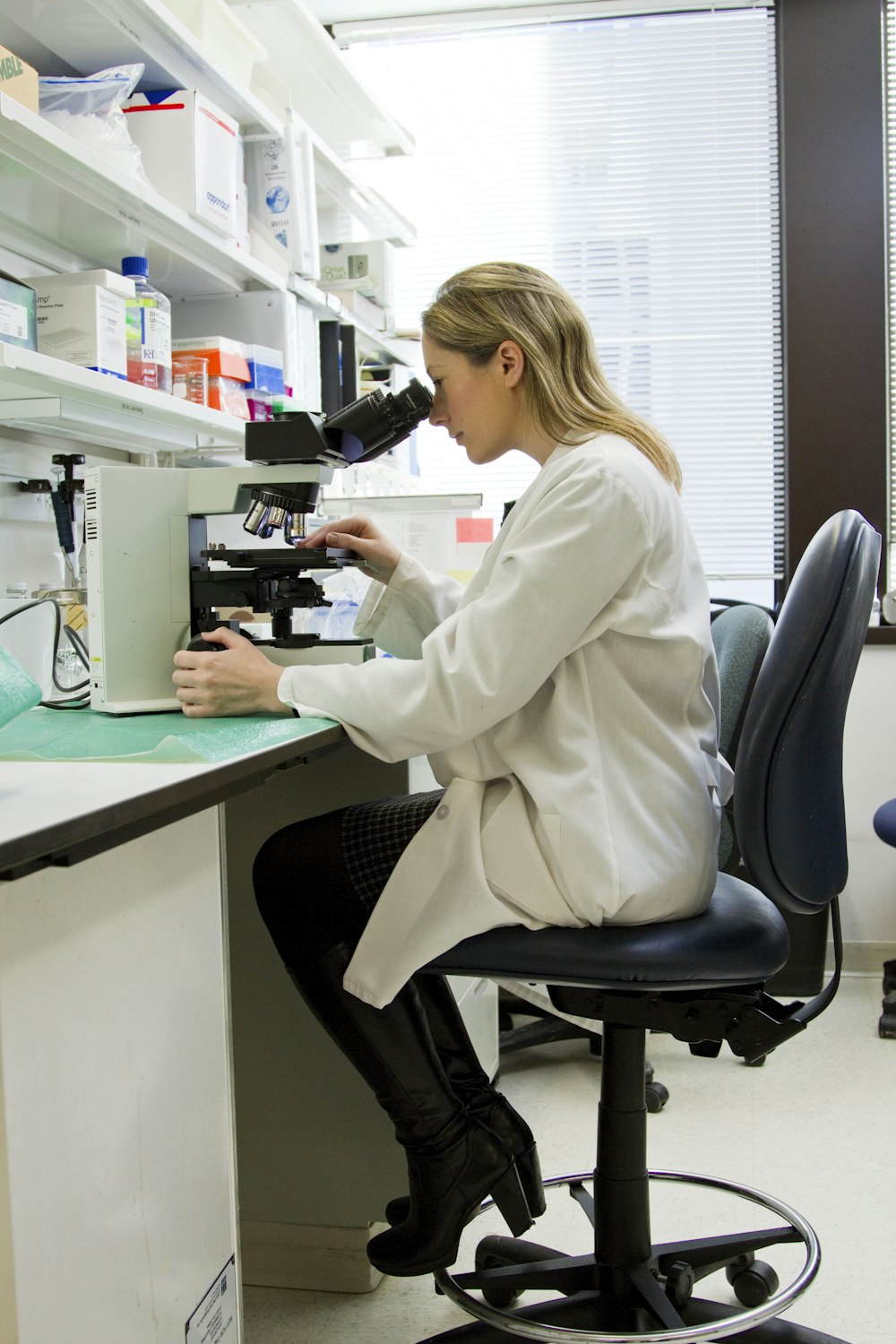
Researchers then examine the device under a microscope to identify wells containing exactly one cell. The structured layout makes this verification process significantly easier than with traditional methods.
Clone Retrieval
Once single cells are identified and have multiplied into small colonies, researchers use micropipettes to carefully transfer them to larger culture vessels for further growth and analysis 2 .
Remarkable Results and Implications
The performance of this innovative system has been impressive. Compared to the conventional limiting dilution method, the MBM device provided a 4.7-fold increase in the number of single cells isolated per round of cell loading and demonstrated a 1.9-fold decrease in total processing time 2 .
| Method | Cells Isolated per Round | Total Processing Time | Skill Requirement |
|---|---|---|---|
| Limiting Dilution (Traditional) | Baseline (1x) | Baseline (1x) | High |
| MBM Device (New) | 4.7x improvement | 1.9x faster | Moderate to Low |
Perhaps even more importantly, the system reduced the skill barrier required for effective single-cell isolation. Novice technicians using the device achieved significantly better results than when using traditional methods, suggesting this technology could make the process more accessible and reproducible across different laboratories 2 .
The Scientist's Toolkit: Essential Tools for Cellular Engineering
Creating the perfect protein-producing CHO cell requires a sophisticated arsenal of biological tools. These research reagents and technologies form the foundation of modern bioprocess development:
| Tool Category | Specific Examples | Function |
|---|---|---|
| Gene Editing Systems | CRISPR/Cas9, ZFN, TALEN | Precisely modify CHO cell DNA to enhance protein production 4 8 |
| Single-Cell Isolation Methods | MBM device, FACS, limiting dilution | Isolate individual high-producing cells from a mixed population 2 |
| Expression Vectors | 2A peptide systems (F2A, E2A, T2A), IRES | Enable coordinated expression of multiple genes, including therapeutic proteins and fluorescent markers |
| Culture Media | Serum-free specialized media | Support CHO cell growth and protein production in defined conditions 3 |
| Analytical Tools | scRNAseq, scmtDNAseq, enhancer mapping | Provide deep insight into cellular functions and identify production bottlenecks 6 7 |
F2A Peptide System
The F2A peptide system has proven particularly valuable for efficient cell screening. This clever genetic tool allows researchers to link the gene for a therapeutic protein with a reporter gene (like red fluorescent protein, RFP). When the cell's machinery reads this genetic instruction, it produces both proteins in equal amounts. The brightness of the red fluorescence directly correlates with the production level of the therapeutic protein, creating a visible beacon that helps scientists quickly identify the best producers .
CRISPR/Cas9 Genome Editing
Meanwhile, CRISPR/Cas9 genome editing has revolutionized our ability to make precise changes to the CHO cell genome. For instance, researchers have used this technology to knock out the glutamine synthetase (GS) gene, creating selection systems that efficiently identify high-producing clones 8 . The precision of these modern tools represents a quantum leap from earlier methods that relied on random genetic integration.
Beyond the Basics: The Future of CHO Cell Engineering
As impressive as current technologies are, the field of CHO cell engineering continues to advance at an accelerating pace. Researchers are now developing even more sophisticated approaches to push the boundaries of what these cellular factories can achieve:
Smarter Screening
Semi-solid medium screening systems combine specialized growth media with advanced genetic vectors to identify high-producing clones in as little as three weeks—significantly faster than traditional methods .
Site-Specific Integration
Using technologies like CRISPR/Cas9, researchers can now insert therapeutic genes into specific "hotspot" locations in the genome that are known to support high levels of consistent protein production 3 .
AI and Digital Twins
Researchers are beginning to use machine learning algorithms to analyze complex relationships between process parameters and product quality attributes 5 .
Comparison of Gene Integration Methods in CHO Cells
| Integration Method | Key Characteristics | Advantages | Disadvantages |
|---|---|---|---|
| Random Integration (RTI) | Traditional method; genes insert randomly | Can generate highly expressive clones; established gold standard | High clonal heterogeneity; laborious screening; relies on chance 3 |
| Semi-Targeted (STI) | Uses transposase systems like PiggyBac | Higher expression stability than RTI; shorter development time | Unpredictable copy number; some clone-to-clone variation 3 |
| Site-Specific (SSI) | CRISPR-mediated precise insertion | Minimal clonal heterogeneity; predictable expression | Requires identification of optimal genomic sites; lower initial expression 3 |
Mapping the Genome's Control Centers
In a groundbreaking 2025 study, researchers completed the first comprehensive map of functional enhancers in CHO cells 6 . Enhancers are regions of DNA that act as genetic control switches, determining how actively a gene is expressed.
The study identified key transcription factors like YY1 that play crucial roles in determining enhancer strength. When researchers disrupted YY1 binding motifs, enhancer activity decreased significantly, highlighting its importance as a transcriptional activator in CHO cells 6 .
Mitochondrial Mysteries
At an even deeper level, scientists are investigating how mitochondrial DNA (mtDNA) variations might influence CHO cell performance. Unlike the nuclear genome, mitochondria contain multiple copies of their DNA, and mutations can create a mixed population within a single cell—a phenomenon called heteroplasmy 7 .
Using sophisticated single-cell mtDNA sequencing (scmtDNAseq), researchers have discovered widespread heteroplasmy in CHO cell populations. Surprisingly, studies have shown that this heteroplasmy remains relatively stable even when cells are "switched on" to produce therapeutic antibodies 7 .
Conclusion: The Quiet Revolution in Medicine Manufacturing
The humble beginnings of CHO cells in a hamster's ovary belie their extraordinary impact on human health. These microscopic factories have become indispensable to modern medicine, producing therapies that save millions of lives each year. The technological journey from simple cell cultures to precisely engineered digital-controlled production systems represents one of biotechnology's greatest success stories.
As research continues to unravel the mysteries of these remarkable cells—from their genomic control systems to their metabolic networks—we can expect even more sophisticated medicines to emerge from these silent factories. The next generation of CHO cells, engineered with enhanced pathways and optimized using artificial intelligence, will produce not just more protein, but more complex proteins that were previously impossible to manufacture.
In the invisible world of cellular factories, great things truly do come in small packages.