Unearthing Nature's Hidden Arsenal: The Global Soil Virus Atlas and Its Untapped Potential for Drug Discovery
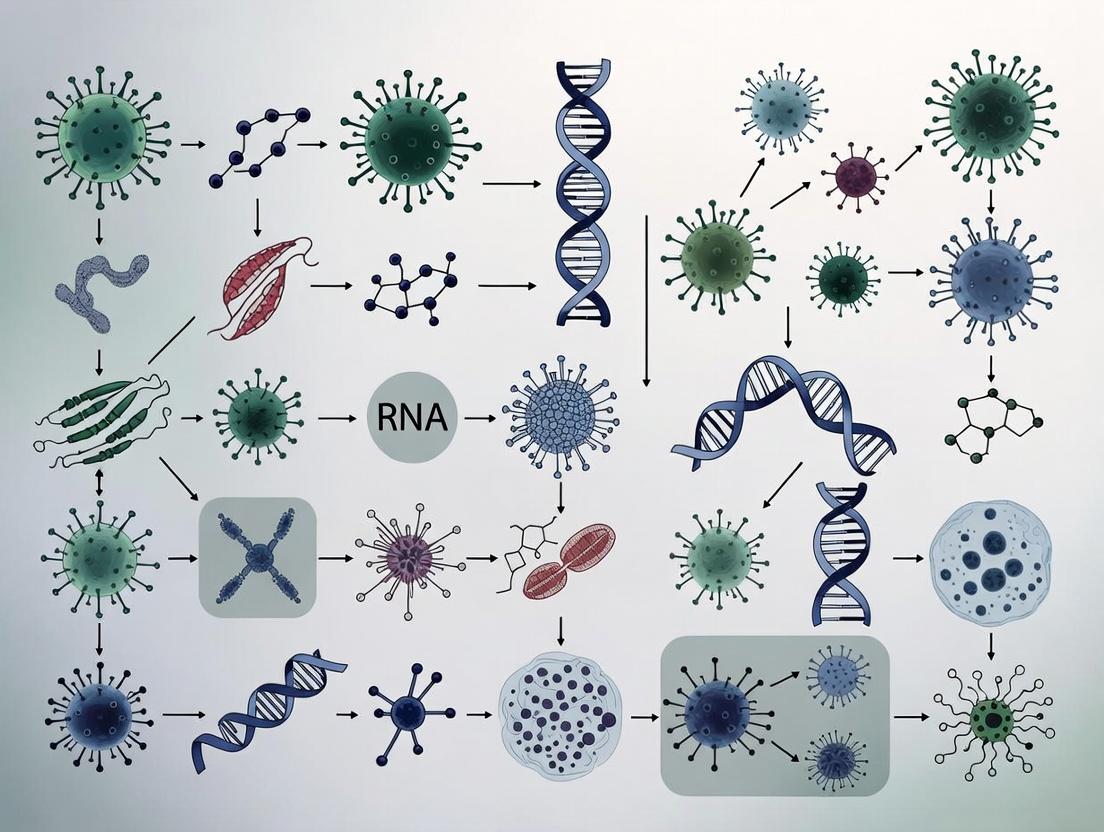
This article synthesizes the latest research on the Global Soil Virus Atlas (GSVA), an initiative to map Earth's vast, unexplored viral biodiversity.
Unearthing Nature's Hidden Arsenal: The Global Soil Virus Atlas and Its Untapped Potential for Drug Discovery
Abstract
This article synthesizes the latest research on the Global Soil Virus Atlas (GSVA), an initiative to map Earth's vast, unexplored viral biodiversity. Aimed at researchers, scientists, and drug development professionals, it covers the foundational discovery of novel viral taxa in soil, the cutting-edge metagenomic and bioinformatic methodologies powering the atlas, the challenges in viral genome recovery and host assignment, and the comparative analysis of soil viromes against other biomes. The discussion highlights how this massive, curated database serves as a foundational resource for identifying novel enzymes, anti-microbial peptides, and phage therapy candidates, ultimately framing soil as a critical frontier for next-generation biomedical innovation.
Beneath Our Feet: Discovering the Immense and Unexplored Diversity of Soil Viruses
Within the framework of the Global Soil Virus Atlas (GSVA), a major international research initiative, the soil virosphere emerges as one of the planet's largest and least understood reservoirs of genetic diversity. This "black box" is estimated to contain on the order of 10^31 viral particles, a staggering figure that underscores its magnitude and potential. Soil viruses, predominantly bacteriophages, are key regulators of microbial community structure, biogeochemical cycling, and horizontal gene transfer. Unlocking this genetic treasury is a core objective of modern biodiscovery, with direct implications for biotechnology, epidemiology, and drug development, particularly in the search for novel enzymes (e.g., lysins, polymerases) and bioactive compounds.
Table 1: Quantitative Metrics of Global Soil Virosphere Diversity
| Metric | Estimated Value | Method of Estimation/Measurement |
|---|---|---|
| Global Viral Particle Abundance | ~1 x 10^31 | Epifluorescence microscopy, qPCR of conserved genes |
| Viral Operational Taxonomic Units (vOTUs) per kg of soil | 10^3 - 10^5 | Metagenomic assembly & clustering (95% ANI) |
| Percentage of Unknown Function ("Dark Matter") | >90% | Homology-based annotation (e.g., against RefSeq) |
| Virus-to-Microbe Ratio (VMR) in Soil | 0.01 - 100 (highly variable) | Counts of viral-like particles vs. 16S rRNA gene copies |
| Predicted Host-Associated Genes (AMGs) | Thousands per metagenome | Metabolic pathway analysis of viral contigs |
Core Methodologies for Soil Virome Exploration
Experimental Protocol: Viral Particle Purification & Metagenome Sequencing
Objective: To isolate soil viral particles (the virome) free of cellular genetic material and generate sequencing libraries.
Materials: Fresh soil sample (50-100g), SM Buffer, Potassium citrate buffer, Chloroform, DNase I, RNase A, Sucrose density gradient, Pyrophosphate, MgCl2, PEG 8000, NaCl.
Procedure:
- Viral Elution: Homogenize soil in SM buffer or potassium citrate buffer with 1-10 mM pyrophosphate. Centrifuge at low speed (6,000 x g) to remove soil debris.
- Filtration: Pass supernatant through a 0.22 μm PES filter to remove microbial cells and large particles.
- Concentration: Option A) Ultracentrifugation (e.g., 150,000 x g for 3h). Option B) Precipitation with PEG 8000 (10% w/v, 4°C overnight) followed by low-speed centrifugation.
- Nucleic Acid Treatment: Treat concentrate with DNase I and RNase A (1 unit/μL, 37°C, 1h) to degrade free nucleic acids.
- Viral Lysis & DNA Extraction: Incubate with proteinase K and SDS, or use a commercial kit (e.g., Qiagen DNeasy) to liberate and purify viral DNA.
- Library Prep & Sequencing: Use MDA (Multiple Displacement Amplification) for low-input DNA, followed by Nextera XT library preparation. Sequence on Illumina NovaSeq (short-read) and/or PacBio HiFi (long-read) platforms.
Experimental Protocol: Host Linking via CRISPR Spacer Analysis
Objective: To connect assembled viral contigs to their microbial hosts.
Materials: Host microbial genome database (e.g., GTDB), CRISPR spacer identification software (e.g., MinCED, Crass), BLASTn suite.
Procedure:
- CRISPR Spacer Extraction: From assembled metagenome-assembled genomes (MAGs) of potential hosts, identify and extract CRISPR spacer arrays using dedicated software.
- Spacer-to-Virome Alignment: Perform all-vs-all BLASTn alignment of extracted spacer sequences against the catalog of assembled soil viral contigs.
- Match Criteria: Define a host link with high stringency: spacer-virus identity >95% over 100% of spacer length, with no more than 1 bp mismatch.
- Validation: Statistical validation via network analysis or complementary methods (e.g., viral-tagging, Hi-C).
Visualization of Key Concepts & Workflows
Soil Virome Analysis Core Workflow (76 chars)
Soil Phage Lifecycle & Genetic Transfer (70 chars)
The Scientist's Toolkit: Key Research Reagent Solutions
Table 2: Essential Reagents & Kits for Soil Viromics Research
| Item/Category | Example Product/Supplier | Primary Function in Soil Viromics |
|---|---|---|
| Viral Elution Buffer | SM Buffer (100 mM NaCl, 8 mM MgSO₄, 50 mM Tris-HCl, pH 7.5) | Maximizes desorption of viral particles from soil colloids. |
| Density Gradient Medium | Cesium Chloride (CsCl), Sucrose | Separates viral particles from contaminants via isopycnic centrifugation. |
| Nuclease Mix | Baseline-ZERO DNase, RNase A | Degrades free-floating environmental DNA/RNA, ensuring viral capsid-protected nucleic acid is sequenced. |
| Low-Input DNA Amplification | Repli-g Single Cell Kit (Qiagen) | Whole genome amplification of minute quantities of viral DNA prior to library prep. |
| Metagenomic Library Prep | Nextera XT DNA Library Prep Kit (Illumina) | Fast, integrated fragmentation and adapter tagging for short-read sequencing. |
| Long-Read Library Prep | SMRTbell Prep Kit 3.0 (PacBio) | Preparation of high molecular weight libraries for complete viral genome assembly. |
| CRISPR Spacer Finder | MinCED (Command-line tool) | Identifies and extracts CRISPR spacer sequences from host MAGs for linking to viruses. |
The Global Soil Virus Atlas (GSVA) initiative is a cornerstone project in the systematic exploration of Earth's last major frontier of unknown genetic diversity: the soil virosphere. Framed within a broader thesis on uncharted microbial life, the GSVA posits that soil viral communities are immense reservoirs of unexplored phylogenetic and functional diversity, with profound implications for global biogeochemical cycles, ecosystem stability, and biotechnology. Current estimates suggest less than 0.001% of soil viral diversity has been cataloged, creating a critical gap in our understanding of the planet's microbiome. The GSVA directly addresses this by constructing the first spatially explicit, global-scale atlas to decode the composition, function, and ecological impact of soil viruses.
Core Goals of the GSVA Initiative
The GSVA is structured around four interlocking strategic goals, designed to transition soil viral ecology from a descriptive to a predictive science.
Table 1: Primary Goals of the GSVA Initiative
| Goal Category | Specific Objectives | Expected Outputs |
|---|---|---|
| Diversity Cataloging | 1. Recover complete viral genomes (vOTUs) from global soils.2. Characterize viral host linkages (prokaryotes, fungi).3. Resolve spatial and temporal distribution patterns. | A publicly accessible database of millions of curated vOTUs with georeferenced metadata. |
| Functional Annotation | 1. Identify auxiliary metabolic genes (AMGs) influencing host metabolism.2. Characterize viral-encoded CRISPR elements and other host interaction systems.3. Predict roles in carbon, nitrogen, and nutrient cycling. | Annotated genomes with predicted ecological functions, highlighting biotechnologically relevant genes. |
| Ecological Modeling | 1. Quantify viral abundance and diversity drivers (e.g., pH, moisture, carbon).2. Model viral impacts on microbial community structure and resilience.3. Integrate viral data into Earth system models. | Global maps of viral diversity hotspots and models predicting viral activity under environmental change. |
| Resource Development | 1. Create a standardized, open-access data processing pipeline.2. Establish a physical repository of viral particles and host strains.3. Develop tools for in silico and experimental host prediction. | A suite of validated protocols, software tools, and biobanks for the global research community. |
Global Sampling Strategy: Design and Rationale
The sampling strategy is statistically designed to capture global environmental gradients that govern microbial life.
3.1 Stratified Random Sampling Framework
- Primary Strata: Biomes (e.g., Tropical Forest, Tundra, Desert, Agricultural).
- Secondary Strata: Within each biome, sites are selected across gradients of key edaphic variables: pH (3.5-9.0), Soil Organic Carbon (0.1-30%), Clay Content (1-60%), and Mean Annual Temperature/Precipitation.
- Replication: Triplicate soil cores (0-20 cm depth, excluding organic horizon) are collected per unique georeferenced site.
Table 2: Key Global Sampling Parameters and Targets
| Parameter | Global Target | Sampling Protocol Detail |
|---|---|---|
| Number of Sites | ~1,000 spatially independent sites | Distributed via a stratified random design across all continents and biomes. |
| Sample Depth | 0-20 cm (mineral soil) | Collected with a sterile stainless steel corer; O-horizon removed. |
| Sample Processing | Immediate cryopreservation | Soils homogenized, subsampled, and stored at -80°C in the field within 4 hours. |
| Metadata Collected | >50 variables | Includes GPS, climate data, vegetation type, and standard soil physicochemical analysis (pH, C, N, texture). |
| Target Sequencing Depth | ≥ 100 Gb per site (metagenomic) | Enables recovery of low-abundance viral genomes and robust assembly. |
Experimental Protocol: From Soil to Viral Catalog
This protocol details the core wet-lab and computational workflow for generating the GSVA database.
4.1 Viral Particle Isolation & DNA Extraction
- Soil Suspension: Resuspend 10-50g of soil in 1X SM Buffer, agitate gently for 1 hour at 4°C.
- Clarification: Centrifuge at 10,000 x g for 15 min to remove soil debris and microbial cells. Retain supernatant.
- Viral Concentration: Filter supernatant through a 0.22 µm PES membrane to remove remaining cells. Concentrate filtrate using tangential flow filtration (100 kDa cutoff) or PEG precipitation.
- DNase Treatment: Treat concentrate with a cocktail of DNases (e.g., Turbo DNase, Baseline-ZERO) to remove free extracellular DNA.
- Viral Lysis & DNA Extraction: Lysate viral capsids with Proteinase K and SDS. Extract DNA using a phenol-chloroform-isoamyl alcohol method or commercial kits optimized for low-biomass (e.g., Qiagen DNeasy PowerSoil). Include an internal DNA standard (e.g., phage λ DNA) for quantification and QC.
4.2 Metagenomic Sequencing & Bioinformatics
- Library Prep & Sequencing: Prepare libraries using low-input, whole-genome amplification-free protocols (e.g., Illumina DNA Prep). Sequence on Illumina NovaSeq X Plus platform (2x150 bp).
- Quality Control & Assembly: Trim adapters and low-quality bases (Trimmomatic). De novo co-assemble quality-filtered reads from all samples using metaSPAdes or MEGAHIT with careful k-mer selection.
- Viral Sequence Identification: Identify viral contigs from assemblies using a consensus approach: i) VirSorter2 (viral hallmark gene detection), ii) DeepVirFinder (k-mer based machine learning), iii) CheckV for completeness estimation and contamination removal.
- Clustering & Annotation: Dereplicate viral genomes at 95% average nucleotide identity (ANI) over 80% alignment fraction to define vOTUs. Annotate using DRAM-v (for AMGs), PHROG database (functional genes), and tRNAscan-SE.
Title: GSVA Experimental Workflow from Sampling to Database
The Scientist's Toolkit: Key Research Reagent Solutions
Table 3: Essential Materials and Reagents for GSVA-style Viromic Studies
| Item | Function | Example Product/Note |
|---|---|---|
| SM Buffer (100 mM NaCl, 8 mM MgSO₄, 50 mM Tris-HCl pH 7.5) | Viral storage and suspension buffer; maintains capsid stability. | Prepared sterile, nuclease-free. |
| 0.22 µm PES Membrane Filters | Size-based separation of viral particles (<0.22 µm) from microbial cells. | Sterile, low protein binding. |
| Tangential Flow Filtration (TFF) System (100 kDa MWCO) | Gentle, high-recovery concentration of viral particles from large volumes. | Preferable to ultracentrifugation for diversity preservation. |
| Turbo DNase / Baseline-ZERO DNase | Degrades free-floating external DNA without damaging encapsidated viral DNA. | Critical for reducing non-viral background. |
| Proteinase K & SDS | Lysine viral capsids to release nucleic acids for downstream extraction. | Must be molecular biology grade. |
| Internal DNA Standard (phage λ DNA) | Spiked-in control for quantifying extraction efficiency and detecting inhibition. | Allows for quantitative viral metagenomics (qVM). |
| Low-Input DNA Library Prep Kit | Prepares sequencing libraries from picogram quantities of DNA without whole-genome amplification, which introduces bias. | Kits from Illumina, NEB, or Roche. |
| CheckV Database | Reference database for assessing viral genome completeness, contamination, and host contamination. | Essential for quality control of viral contigs. |
| DRAM-v Software | Distilled and Refined Annotation of Metabolism for viruses; specialized for identifying and characterizing AMGs. | Key for functional profiling. |
Title: Viral AMG Impact on Host Metabolism and Ecosystem
Thesis Context: This whitepaper details key findings from the Global Soil Virus Atlas (GSVA) research initiative, highlighting the vast unexplored viral biodiversity in global soil ecosystems. The discovery of novel viral taxa and abundant 'dark matter' genomes—sequences with no detectable homology to known viruses—necessitates new methodological frameworks and represents a significant frontier for biotechnology and therapeutic discovery.
Quantitative Prevalence of Novel Soil Viral Diversity
Recent meta-genomic analyses of soil samples from diverse biomes (forests, grasslands, permafrost, agricultural land) reveal a staggering proportion of uncharacterized viral sequences. Data from the GSVA consortium is summarized below.
Table 1: Prevalence of Novel Viral Sequences in Global Soil Metagenomes
| Biome (Number of Samples) | Total Viral Contigs Identified | Contigs with No Known Homologs (Dark Matter) | Percentage Novel (%) | Predicted Novel Families |
|---|---|---|---|---|
| Boreal Forest (n=120) | 1,450,000 | 1,246,000 | 85.9 | ~220 |
| Agricultural (n=95) | 987,000 | 728,000 | 73.8 | ~150 |
| Grassland (n=80) | 880,000 | 748,000 | 85.0 | ~190 |
| Permafrost (n=65) | 760,000 | 684,000 | 90.0 | ~210 |
| Desert (n=50) | 510,000 | 433,500 | 85.0 | ~95 |
| Total/Average | 4,587,000 | 3,839,500 | 83.7 | ~865 |
Data synthesized from GSVA Phase I (2022-2024) publications. Homology was determined via BLASTp against NCBI Viral RefSeq (v.2024.1) with e-value < 1e-5.
Core Experimental Protocols for Soil Virome Analysis
Protocol: Viral Particle Enrichment and DNA/RNA Co-Extraction
Objective: Isolate intact viral particles from soil to minimize cellular DNA contamination.
- Soil Processing: Suspend 10g of soil in 30mL of SM buffer (100mM NaCl, 8mM MgSO₄, 50mM Tris-HCl pH 7.5). Homogenize by vortexing for 15 min.
- Clarification: Centrifuge at 10,000 x g for 15 min at 4°C. Filter supernatant sequentially through 5.0μm and 0.45μm polyethersulfone membrane filters.
- Viral Concentration: Filter the 0.45μm filtrate through a 100kDa tangential flow filtration (TFF) unit. Alternatively, precipitate overnight with 10% PEG-8000/1M NaCl at 4°C.
- Nuclease Treatment: Treat concentrate with a cocktail of DNase I and RNase A (1 U/μL each) for 1h at 37°C to degrade free nucleic acids.
- Nucleic Acid Extraction: Lys viral particles with Proteinase K (0.5mg/mL) and SDS (0.5%) at 56°C for 1h. Extract total nucleic acid using phenol-chloroform-isoamyl alcohol, followed by isopropanol precipitation.
- RNA Conversion: Treat half of the extract with Reverse Transcriptase (SuperScript IV) using random hexamers to generate cDNA from RNA viral genomes.
- Library Prep & Sequencing: Construct metagenomic libraries (Illumina Nextera XT) from DNA and cDNA pools. Sequence on Illumina NovaSeq X (2x150 bp) or perform long-read sequencing (PacBio HiFi).
Protocol:In SilicoIdentification of 'Dark Matter' Genomes
Objective: Bioinformatic pipeline for assembling viral genomes and detecting novel taxa.
- Quality Control & Assembly: Trim adapters and low-quality bases with Trimmomatic (v0.39). Perform de novo assembly using metaSPAdes (v3.15.5) and MEGAHIT (v1.2.9) with k-mer sizes 21, 33, 55, 77, 99, 127.
- Viral Contig Identification: Predict open reading frames (ORFs) with Prodigal (v2.6.3) in metagenomic mode. Screen contigs against viral protein databases (ViPDB, NCBI Virus, IMG/VR) using Diamond BLASTp (e-value < 1e-3). Retain contigs with >50% of ORFs hitting viral proteins.
- 'Dark Matter' Detection: For contigs with <10% of ORFs showing any homology (e-value < 1e-5) to proteins in public databases (NCBI nr, UniProt, Pfam), classify as 'Dark Matter'. Apply CheckV (v1.0.1) for completeness estimation.
- Clustering & Taxonomy: Cluster viral genomes at 95% average nucleotide identity (ANI) over 85% alignment fraction (using FastANI) to define viral populations. Use gene-sharing network analysis (vConTACT2) to cluster populations into novel candidate families (Viral Clusters, VCs).
Visualization of Methodological and Analytical Workflows
Title: Soil Virome Analysis from Wet Lab to Dark Matter
The Scientist's Toolkit: Key Research Reagent Solutions
Table 2: Essential Reagents & Kits for Soil Virome Studies
| Item Name (Example) | Function in Protocol | Critical Parameters/Notes |
|---|---|---|
| SM Buffer (Virion Stabilization) | Provides isotonic, Mg²⁺-rich environment to maintain viral capsid integrity during soil elution. | Must be sterile-filtered (0.22µm); MgSO₄ prevents virion disintegration. |
| Polyethersulfone (PES) Membrane Filters (0.45µm) | Removes bacteria-sized particles and large debris from soil slurry. | Low protein binding minimizes viral particle loss. |
| 100kDa Tangential Flow Filtration (TFF) Cassette | Concentrates viral particles from large volumes of filtrate. | More efficient and gentle than PEG precipitation; reduces co-precipitation of humics. |
| Turbo DNase & RNase A Cocktail | Degrades unprotected nucleic acid from lysed cells, enriching for encapsidated viral genomes. | Must be rigorously removed (e.g., with phenol extraction) prior to library prep. |
| Proteinase K & SDS Lysis Buffer | Disrupts viral capsids to release genomic material for downstream sequencing. | Incubation at 56°C for 1h is standard; SDS inhibits enzymes. |
| Phenol:Chloroform:Isoamyl Alcohol (25:24:1) | Organic extraction removes proteins, lipids, and enzyme inhibitors (e.g., humic acids). | Critical for clean nucleic acids from complex soil matrices. |
| SuperScript IV Reverse Transcriptase | Generates cDNA from RNA virus genomes within the mixed nucleic acid extract. | High temperature tolerance improves yield of structured RNA genomes. |
| Illumina Nextera XT DNA Library Prep Kit | Prepares sequencing-ready libraries from fragmented, low-input DNA/cDNA. | Includes adapter indices for multiplexing hundreds of samples. |
| MetaSPAdes/MEGAHIT Assemblers | De novo assembles short reads into longer contigs in complex metagenomic samples. | Requires high-memory compute nodes (>500 GB RAM for large datasets). |
| CheckV Database & Tool | Assesses completeness and identifies host contamination in viral genome contigs. | Essential for quality control of 'dark matter' genome bins. |
Geographic and Ecological Patterns in Soil Viral Community Structure
Context: Global Soil Virus Atlas & Unexplored Biodiversity Research
This whitepaper synthesizes current research on the biogeographic and ecological drivers structuring soil viral communities, a critical frontier in the Global Soil Virus Atlas initiative. Understanding these patterns is essential for harnessing soil viral biodiversity, which influences global biogeochemical cycles, microbial host dynamics, and is a reservoir of novel genetic material for biotechnological and therapeutic applications.
Soil represents one of the most complex and biodiverse habitats on Earth, with viruses being the most abundant biological entities therein. Recent metagenomic studies reveal that soil viral diversity vastly exceeds that of aquatic systems, yet over 99% of soil viral sequences lack matches in public databases. The Global Soil Virus Atlas aims to systematically catalog this diversity and elucidate the principles governing its global distribution.
Key Geographic and Ecological Drivers
Live search results from recent literature (2023-2024) identify several core factors shaping soil viral community structure.
Primary Determinants
- Soil Physicochemistry: pH, moisture content, and organic carbon are dominant filters.
- Climate: Mean annual temperature and precipitation govern viral persistence and turnover.
- Host Community: The composition and abundance of bacterial, archaeal, and eukaryotic hosts are the principal biological drivers.
- Land Use: Natural vs. agricultural systems impose distinct selective pressures.
- Spatial Scale: Patterns differ across local (cm), regional (km), and continental scales.
Table 1: Key Drivers of Soil Viral Diversity from Recent Meta-Analyses
| Driver | Correlation with Viral Alpha Diversity | Key Influenced Parameter | Effect Size Notes |
|---|---|---|---|
| Soil pH | Strong, often unimodal (peak ~neutral) | Viral community composition | Dominant factor in multivariate models; influences host physiology & particle adsorption. |
| Moisture Content | Positive, up to saturation | Viral abundance & activity | Mediates diffusion and host contact rates. Arid soils show reduced diversity. |
| Organic Carbon | Positive | Viral abundance & temperate phages | Provides energy for hosts; correlates with microbial biomass. |
| Mean Annual Temperature | Context-dependent | Turnover & evolutionary rates | May increase diversity in colder biomes due to reduced decay; complex interactions. |
| Plant Community | Moderate to Strong | Viral composition (host-mediated) | Root exudates shape host communities; specific plant functional types have signature viromes. |
| Agricultural Management | Generally negative | Diversity & functional potential | Tillage and monoculture reduce diversity compared to native grasslands/forests. |
Table 2: Comparative Viral Metrics Across Major Biomes (Representative Ranges)
| Biome | Estimated Viral Particles per Gram | Dominant Lifestyle* (Lysogenic: Lytic) | % Unknown Genes (Virome) | Notable Pattern |
|---|---|---|---|---|
| Forest (Temperate) | 10^8 - 10^9 | ~60:40 | 85-95% | High spatial heterogeneity; strong plant-type influence. |
| Grassland | 10^8 - 10^9 | ~50:50 | 80-90% | More homogeneous at local scale; sensitive to grazing/fire. |
| Agricultural | 10^7 - 10^8 | ~40:60 | 70-85% | Lower diversity; higher putative mobility/AMG elements. |
| Desert | 10^6 - 10^7 | ~70:30 | >95% | Low abundance; high lysogeny potential; hypersaline niches are hotspots. |
| Permafrost | 10^7 - 10^8 | ~80:20 | 90-98% | High lysogeny; unique archaeal viruses; thaw releases novel virosphere. |
*Lifestyle ratios are inferred from genetic markers (e.g., integrases) and are approximate.
Core Experimental Protocols
Protocol: Viral Metagenome (Virome) Sequencing from Soil
Objective: To extract and sequence virus-like particles (VLPs) for community analysis.
- Viral Particle Extraction: Homogenize 10-50g of soil in SM buffer. Remove debris by low-speed centrifugation (5,000 x g, 10 min).
- VLP Purification: Filter supernatant sequentially through 5.0μm and 0.45μm or 0.22μm PES membranes to remove cells and large particles.
- Concentration: Concentrate VLPs by tangential flow filtration or polyethylene glycol (PEG) precipitation (10% PEG 8000, 1M NaCl, overnight at 4°C). Pellet by centrifugation (11,000 x g, 60 min, 4°C).
- DNase Treatment: Resuspend pellet in SM buffer. Treat with a DNase/RNase cocktail (e.g., Turbo DNase) to degrade free nucleic acids not within capsids.
- Nucleic Acid Extraction: Lyse VLPs with proteinase K and SDS. Extract viral DNA/RNA using a commercial kit with carrier RNA for DNA extracts to improve yield.
- Library Preparation & Sequencing: For DNA viromes, use multiple displacement amplification (MDA) with phi29 polymerase for low-input samples, though it introduces bias. Alternatively, use linker-amplification or direct library prep from >1ng DNA. Sequence on Illumina NovaSeq or PacBio HiFi for longer reads.
- Bioinformatic Analysis: Quality filter reads. Assemble (metaSPAdes, MEGAHIT). Predict viral contigs (VirSorter2, DeepVirFinder, CheckV). Annotate (PHROG, VOGDB, custom HMMs). Analyze taxonomy (ICTV, vConTACT2) and auxiliary metabolic genes (AMGs).
Protocol: Viral-Tagging Meta-Omics (VT) for Host Linking
Objective: To link viruses to their microbial hosts.
- Sample Preparation: Divide soil slurry. One portion is processed for virome (as in 3.1). A parallel portion is used for 16S/18S rRNA gene and metagenomic sequencing of the total microbial community.
- CRISPR Spacer Linkage: In silico: Extract CRISPR arrays from microbial metagenomes using tools like MinCED or CRISPRCasFinder. Match spacer sequences to viral contigs from the same sample using BLASTn or specialized tools (e.g., Crass). A match indicates a past host-virus interaction.
- Prophage Extraction: Identify integrated prophages within bacterial metagenome-assembled genomes (MAGs) using VirSorter2 and Pharokka. This provides direct host association.
- Triangulation: Combine linkage data with co-occurrence network analysis (e.g., sparse correlations like SparCC) across geographic or temporal gradients to infer active host-virus dynamics.
Visualizations
The Scientist's Toolkit: Research Reagent Solutions
Table 3: Essential Materials for Soil Viromics Research
| Item | Function | Key Consideration |
|---|---|---|
| SM Buffer (100mM NaCl, 8mM MgSO₄, 50mM Tris-HCl, pH 7.5) | Standard elution and suspension buffer for VLPs. Maintains particle stability during extraction. | Must be filter-sterilized; Mg²⁺ helps preserve tailed phage integrity. |
| Polyethylene Glycol 8000 (PEG 8000) | Precipitates VLPs from large-volume, cell-free filtrates for concentration. | Concentration and incubation time must be optimized for soil type. |
| Benzonase or Turbo DNase | Degrades unprotected nucleic acids (from lysed cells) post-filtration. Critical for virome purity. | Requires subsequent inactivation (e.g., EDTA/heat) before viral lysis. |
| Phi29 Polymerase & Random Hexamers | For Multiple Displacement Amplification (MDA) of low-yield viral DNA. | Introduces severe amplification bias; use with caution for quantitative goals. |
| Proteinase K & SDS | Lyse viral capsids to release nucleic acids for downstream extraction. | Incubation at 56°C required; follow with standard phenol-chloroform or column cleanup. |
| Carrier RNA (e.g., from MS2 phage) | Added during silica-column-based DNA extraction to improve binding and recovery of low-concentration viral DNA. | Essential for non-amplified library prep from most soils. |
| Size Selection Beads (SPRI) | Cleanup of nucleic acids and library fragments; selection of viral-sized DNA. | Critical for removing residual humics and short fragments. |
| CRISPR Array Detection Software (MinCED) | In silico tool to identify CRISPR spacers in host metagenomes for host linking. | Requires high-quality MAGs or contigs for reliable results. |
| Viral Contig Classifier (VirSorter2, CheckV) | Identifies viral sequences from metagenomic assemblies and assesses completeness/genome quality. | CheckV is crucial for removing contaminant host genes and identifying proviruses. |
The vast, unexplored biodiversity of the soil ecosystem represents a critical frontier in virology. As part of the broader thesis driving the Global Soil Virus Atlas (GSVA), this document positions soil viromes as a unique and functionally distinct reservoir, contrasting them with the more extensively studied marine and human gut viral ecosystems. Understanding these contrasts is paramount for unlocking novel bioactive compounds, evolutionary insights, and ecological models for drug development and biotechnology.
Comparative Quantitative Analysis of Viral Ecosystems
The following tables summarize key quantitative metrics that define and differentiate these three major viral reservoirs.
Table 1: Abundance and Diversity Metrics
| Metric | Soil Virome | Marine Virome | Human Gut Virome |
|---|---|---|---|
| Estimated Viral Particles | ~10^8 – 10^9 per gram | ~10^6 – 10^7 per mL | ~10^8 – 10^9 per gram |
| Virus-to-Prokaryote Ratio (VPR) | ~0.01 – 1 (Highly variable) | ~3 – 10 (Typically >1) | ~0.1 – 1 |
| Estimated Viral "Dark Matter" | >90% unknown function | ~70-80% unknown function | ~80-90% unknown function |
| Dominant Nucleic Acid Type | dsDNA (Caudovirales) | dsDNA (Caudovirales) | dsDNA (Caudovirales) & ssDNA (Microviridae) |
| Influence of Environmental Filters | Extreme (pH, Clay, Moisture) | Moderate (Temp, Salinity, Depth) | High (Host Physiology, Diet) |
Table 2: Functional and Ecological Impact
| Feature | Soil Virome | Marine Virome | Human Gut Virome |
|---|---|---|---|
| Primary Ecological Role | Nutrient cycling (C, N, P), host community control | "Viral shunt" (C recycling), algal bloom termination | Microbiome modulation, immune system interaction |
| Lytic vs. Lysogenic | High lysogeny (stress response) | Predominantly lytic; lysogeny in oligotrophic zones | Temperate phages prevalent, dynamic lytic/lysogenic switch |
| Horizontal Gene Transfer | Extensive (AMGs, ARGs) | Major driver of microbial evolution (AMGs) | Phage-mediated transfer of virulence & fitness genes |
| Key Auxiliary Metabolic Genes (AMGs) | Photosynthesis (psbA), carbon cycling (cbbL), stress response | Photosynthesis (psbA, psbD), nutrient cycling (nar, pst) | Carbohydrate metabolism, bile salt resistance |
Experimental Protocols for Virome Characterization
The GSVA employs integrated multi-omics workflows to deconvolute viral diversity. Below are detailed protocols for key experiments.
Protocol: Viral Particle Purification from Soil (Modified from ISO 2019)
Function: Isolation of intact viral-like particles (VLPs) from complex soil matrices. Steps:
- Homogenization: Suspend 10-50g of soil in 100mL SM Buffer (100mM NaCl, 8mM MgSO₄, 50mM Tris-HCl, pH 7.5) with 2.5g Chelex 100.
- Separation: Centrifuge at 10,000 x g for 20 min at 4°C. Retain supernatant.
- Filtration: Pass supernatant sequentially through 5.0μm and 0.45μm PVDF filters. For marine samples, use 0.22μm.
- Concentration: Ultracentrifuge filtrate at 150,000 x g for 3h at 4°C. Resuspend pellet in 1-2mL SM Buffer. Alternatively, use tangential flow filtration (TFF) for large volumes.
- Density Gradient Purification: Layer concentrate onto a pre-formed CsCl density gradient (1.3-1.7 g/mL). Ultracentrifuge at 210,000 x g for 24h. Extract viral band.
- DNase Treatment: Incubate with 5U DNase I (RNase-free) for 1h at 37°C to remove free nucleic acids.
Protocol: Viral Metagenomics (Viromics) Library Preparation
Function: Generation of sequencing libraries from purified viral nucleic acids. Steps:
- Nucleic Acid Extraction: Use phenol-chloroform-isoamyl alcohol (25:24:1) or a commercial kit (e.g., QIAamp Viral RNA Mini Kit) for dual DNA/RNA extraction.
- Amplification: For dsDNA, employ multiple displacement amplification (MDA) with φ29 polymerase. Use caution to minimize bias. For RNA, perform reverse transcription with random hexamers.
- Library Construction: Fragment DNA (if needed) via sonication or enzymatic digestion. Perform end-repair, A-tailing, and ligation of Illumina-compatible adapters. Amplify with 6-10 PCR cycles.
- Sequencing: Use paired-end sequencing on Illumina NovaSeq or long-read platforms like PacBio HiFi for complete genomes.
Protocol: Host-Virus Interaction Validation (VirusFISH)
Function: Visualizing and confirming virus-host relationships in situ. Steps:
- Probe Design: Design Cy3-labeled oligonucleotide probes targeting a conserved region of the viral contig.
- Sample Fixation & Permeabilization: Fix environmental sample (soil slurry, marine water, gut content) with 3% paraformaldehyde. Permeabilize with lysozyme (1mg/mL, 1h, 37°C).
- Hybridization: Apply probe (50ng/μL) in hybridization buffer (20% formamide, 0.9M NaCl) and incubate at 46°C for 3h.
- Washing & Counterstaining: Wash with pre-warmed buffer. Counterstain hosts with DAPI or a universal 16S rRNA probe (FITC-labeled).
- Imaging: Visualize using epifluorescence or confocal microscopy.
Visualization of Workflows and Relationships
Title: Virome Characterization Core Workflow
Title: Ecosystem-Specific Viral Traits & Impacts
The Scientist's Toolkit: Key Research Reagent Solutions
Table 3: Essential Materials for Virome Research
| Item | Function | Application Note |
|---|---|---|
| SM Buffer | Viral storage & suspension buffer. Maintains phage integrity. | Standard for soil/gut elution; for marine, adjust NaCl to reflect salinity. |
| Chelex 100 Resin | Chelating agent. Removes divalent cations inhibiting downstream steps. | Critical for soil to reduce humic acid co-precipitation. |
| Polyvinylidene Fluoride (PVDF) Filters | Sequential size filtration to remove cells/debris. | 5.0μm, 0.45μm, and 0.22μm pores. Low protein binding reduces VLP loss. |
| Cesium Chloride (CsCl) | Forms density gradient for ultracentrifugation. Purifies VLPs from contaminants. | Optimum density for soil VLPs is ~1.35-1.5 g/mL. |
| DNase I (RNase-free) | Degrades unprotected DNA. Confirms nucleic acids are encapsidated. | Essential control step before viral genome extraction. |
| φ29 DNA Polymerase | Enzyme for Multiple Displacement Amplification (MDA). Amplifies femtogram DNA. | Major source of bias; use with caution and include controls. |
| Virus-Specific FISH Probes | Fluorescently-labeled oligonucleotides for in situ host identification. | Designed from contigs; confirms host linkage and activity. |
| CrAssphage-like Marker Primers | PCR primers for specific viral clades. Rapid screening of samples. | qPCR for human gut crAssphage; soil lacks universal markers. |
From Soil to Sequence: Methodologies for Mining the Viral Dark Matter and Biomedical Applications
Soil ecosystems harbor the planet's most vast and unexplored reservoir of viral genetic diversity. The Global Soil Virus Atlas initiative seeks to systematically characterize this virosphere, revealing novel viral lineages, host interactions, and functional genes critical for biogeochemical cycling and biotechnological innovation. This technical guide details the foundational wet-lab workflows for isolating and preparing viral nucleic acids from complex soil matrices, a prerequisite for high-quality metagenomic sequencing and downstream discovery in drug development and systems biology.
Viral Particle Enrichment from Soil: Core Principles & Protocols
The objective is to separate viral particles from cellular organisms and soil debris while preserving nucleic acid integrity and representational fidelity.
Pre-Treatment and Viral Liberation
Soil samples (typically 10-50 g) undergo pre-treatment to dissociate viruses from soil particles.
- Protocol: Suspend soil in a virion extraction buffer (e.g., 10 mM Sodium Pyrophosphate, 150 mM NaCl, pH 7.0) at a 1:5 (w/v) ratio. Agitate vigorously (e.g., vortex, shaking) for 30-60 minutes at 4°C.
- Rationale: Pyrophosphate chelates cations, reducing electrostatic interactions between viruses and soil colloids.
Clarification and Filtration
Remove bacteria, fungi, and large debris.
- Protocol: Centrifuge suspension at 10,000 × g for 15 min at 4°C. Pass supernatant sequentially through 5.0 μm and 0.45 μm pore-size filters. For a more stringent size-based separation, tangential flow filtration (TFF) with a 0.22 μm or 300 kDa cutoff membrane is employed.
Viral Concentration
Concentrate the filtrate to a workable volume (∼1-5 mL).
- Protocol A (PEG Precipitation): Add PEG-8000 to a final concentration of 10% (w/v) and NaCl to 0.5 M. Incubate overnight at 4°C, pellet by centrifugation (11,000 × g, 60 min), and resuspend in SM Buffer or nuclease-free water.
- Protocol B (Ultracentrifugation): Pellet virions via ultracentrifugation (e.g., 150,000 × g for 3 hrs at 4°C) through a cushion of 20% sucrose. Resuspend pellet gently.
Optional DNase/RNase Treatment
To enrich for encapsulated nucleic acids, treat concentrated viral samples with DNase I and RNase A (1 U/μL each) for 1 hour at 37°C to degrade free nucleic acids. The enzymes are subsequently inactivated (e.g., with EDTA or heat).
Table 1: Comparison of Viral Concentration Methods
| Method | Typical Recovery Efficiency | Relative Cost | Time Required | Key Advantage | Key Limitation |
|---|---|---|---|---|---|
| PEG Precipitation | 50-70% | Low | Overnight + 2 hrs | Simple, high-throughput, no specialized equipment. | Co-precipitates humics, less pure. |
| Ultracentrifugation | 60-80% | High | 4-5 hours | High purity, effective for diverse virion sizes. | Requires expensive equipment, potential for virion damage. |
| Tangential Flow Filtration | 70-90% | Medium-High | 2-3 hours | Scalable, gentle on virions, good for large volumes. | Membrane fouling, initial setup cost. |
Title: Soil Viral Particle Enrichment Workflow
Co-Extraction of Viral DNA and RNA
A robust, bias-minimized co-extraction is vital for assessing both DNA and RNA virospheres.
Viral Lysis and Nucleic Acid Binding
- Protocol: To the enriched viral pellet/suspension, add:
- Lysis Buffer: 4M Guanidine Thiocyanate, 0.1M Tris-HCl (pH 8.0), 1% β-mercaptoethanol.
- Proteinase K (20 mg/mL final).
- Incubate at 56°C for 30-60 min.
- Rationale: Guanidine thiocyanate denatures proteins and nucleases. Proteinase K digests capsid proteins.
Organic Extraction and Cleanup
- Protocol: Add 1 volume of acid phenol:chloroform:isoamyl alcohol (25:24:1, pH 4.5). Mix thoroughly, centrifuge. Transfer aqueous phase. Perform a second extraction with chloroform. Precipitate nucleic acids with isopropanol and GlycoBlue coprecipitant. Wash pellet with 80% ethanol.
- Alternative: Use silica column-based kits designed for total nucleic acid extraction (e.g., ZymoBIOMICS DNA/RNA Miniprep). Ensure lysis conditions are sufficiently harsh for viral capsids.
DNAse or RNAse Treatment for Fractionation
To obtain separate DNA and RNA viromes:
- For DNA virome: Split extract. Treat one half with RNase A.
- For RNA virome: Treat the other half with Turbo DNase. For RNA, a subsequent purification via silica column is recommended.
- For ssDNA/RNA: Use S1 nuclease or duplex-specific nuclease (DSN) treatments in controlled conditions to enrich for single-stranded genomes.
Quality Control and Quantification
- Quantification: Use fluorescence-based assays (Qubit) over absorbance (Nanodrop), as they are less influenced by contaminants.
- Fragment Analysis: Analyze extracts on a Bioanalyzer/TapeStation to assess size distribution and integrity.
- Amplification: For RNA viromes and low-biomass samples, perform whole transcriptome amplification (WTA) or multiple displacement amplification (MDA) with caution, acknowledging potential bias.
Table 2: Nucleic Acid Extraction & QC Metrics
| Step/Parameter | Target Metric | Method/Tool | Purpose & Interpretation |
|---|---|---|---|
| Lysis Efficiency | >95% virion lysis | qPCR/RT-qPCR of spiked control virus | Ensures genome accessibility; low efficiency indicates poor lysis. |
| Nucleic Acid Yield | 0.1 - 10 ng/μL | Qubit dsDNA/RNA HS Assay | Quantifies total recovered NA; highly variable based on soil type. |
| Purity (A260/280) | 1.8 - 2.0 | Nanodrop Spectrophotometer | Ratios outside range indicate protein/phenol contamination. |
| Fragment Size | Broad distribution (0.5-50 kb) | Bioanalyzer (DNA/RNA HS Kit) | Confirms lack of excessive shearing; identifies rRNA contamination in RNA. |
| Amplification Bias | Minimized | Shotgun sequencing controls | Compare amplified vs. unamplified library profiles if possible. |
Title: Viral Nucleic Acid Co-Extraction & Fractionation
The Scientist's Toolkit: Essential Research Reagent Solutions
Table 3: Key Reagents, Kits, and Materials for Soil Viromics
| Item Name (Example) | Category | Function in Workflow | Critical Notes |
|---|---|---|---|
| Sodium Pyrophosphate | Pre-treatment Buffer | Chelating agent to desorb viruses from soil particles. | Use high-purity, prepare fresh to avoid hydrolysis. |
| Polyethylene Glycol (PEG) 8000 | Concentration Agent | Precipitates viral particles via volume exclusion. | Concentration and time are critical; can co-precipitate inhibitors. |
| SM Buffer (100 mM NaCl, 8 mM MgSO₄, 50 mM Tris, pH 7.5) | Viral Resuspension | Stable storage buffer for concentrated virions. | MgSO₄ helps maintain virion integrity for some groups. |
| Turbo DNase | Enzyme | Degrades free and contaminating DNA; RNA-selective. | More robust than standard DNase I for challenging samples. |
| Proteinase K | Enzyme | Digests capsid proteins and cellular contaminants. | Must be inactivated post-lysis to protect nucleic acids. |
| Acid Phenol:Chloroform:IAA | Organic Solvent | Separates nucleic acids from proteins and lipids. | Acidic pH keeps RNA in aqueous phase. |
| GlycoBlue Coprecipitant | Precipitation Aid | Increases visibility and efficiency of nucleic acid pellets. | Allows precipitation of small amounts of NA. |
| ZymoBIOMICS DNA/RNA Miniprep Kit | Commercial Kit | Integrated silica-membrane based purification of total NA. | Includes effective inhibitor removal steps for soil. |
| Qubit dsDNA/RNA HS Assay Kits | Quantification | Fluorescent, specific quantification of NA in crude extracts. | Essential for accurate library prep input measurement. |
| Phi29 DNA Polymerase | Enzyme | Used in Multiple Displacement Amplification (MDA) of viral DNA. | High processivity but can cause amplification bias and chimeras. |
Bioinformatic Pipelines forDe NovoViral Genome Assembly and Annotation
This technical guide details computational workflows for viral metagenomic analysis, specifically contextualized within the "Global Soil Virus Atlas" (GSVA) research initiative. Soil represents one of Earth's most complex and underexplored viromes, harboring immense biodiversity critical for nutrient cycling, microbial population control, and potential drug discovery. De novo assembly and annotation of viral genomes from these environments present unique challenges due to high genetic diversity, lack of reference sequences, low viral biomass, and high host-derived contamination. This whitepaper provides an in-depth framework to address these challenges, enabling researchers to characterize the uncultivated viral majority from soil metagenomes.
The standard pipeline progresses from raw sequencing data to annotated viral genomes, with iterative quality control.
Diagram Title: Core Pipeline for Soil Viral Metagenomics
Detailed Methodologies & Protocols
Preprocessing and Viral Sequence Enrichment
Objective: Remove low-quality sequences, host-derived (bacterial, fungal, plant) reads, and enrich for viral signatures.
Protocol:
- Quality Trimming & Filtering: Use
fastp(v0.23.4) orTrimmomatic(v0.39) with parameters: SLIDINGWINDOW:4:20, MINLEN:50. - Host Read Removal: Align reads to host genome databases (e.g., soil-specific plant, nematode, protist genomes) using
Bowtie2(v2.5.1). Retain unmapped reads. - Viral Enrichment: A dual-step approach:
- Step A (Signature-based): Retain reads matching known viral proteins in
VIP/Viriondatabases usingDIAMOND(v2.1.8) blastx (e-value < 1e-5). - Step B (Prediction-based): Predict viral reads from remaining data using
VirFinder(v1.1) orDeepVirFinder(score > 0.7, p-value < 0.05).
- Step A (Signature-based): Retain reads matching known viral proteins in
De NovoGenome Assembly
Objective: Assemble short reads into longer contiguous sequences (contigs) representing partial or complete viral genomes.
Protocol:
- Multi-Assembler Strategy: Employ at least two assemblers with different algorithms to maximize recovery. Common choices:
metaSPAdes(v3.15.5): k-mer sizes 21,33,55,77,99,127 (for diverse populations).MEGAHIT(v1.2.9):--k-min 21 --k-max 141 --k-step 20(memory-efficient).
- Assembly Merging: Use
MetaWRAPbinning module orBowtie2to map reads back to all assemblies. Select the assembly with the best overall metrics (N50, total length, % reads mapped).
Viral Contig Identification and Binning
Objective: Distinguish viral from bacterial contigs and bin viral contigs into putative viral populations/genomes.
Protocol:
- Identification: Process all contigs > 1.5 kbp through a consensus of tools.
- Run
CheckV(v1.0.1) for initial identification and quality estimation. - Run
VirSorter2(v2.2.4) with--include-groups dsDNAphage,ssDNA,RNA,lavidaviridae. - Run
DeepVirFinderon contigs. - Consensus Rule: Retain contigs flagged as viral by ≥2 tools, or with a CheckV "provirus" or "virus" classification.
- Run
- Binning (for Population Genomics): Use coverage profiles (reads mapped per sample) and composition (k-mer) with
vRhyme(v1.1.0) to bin related viral contigs.
Genome Annotation
Objective: Assign taxonomic origin and predict gene functions.
Protocol:
- Taxonomic Annotation: Use
geNomad(v1.7.3) for robust taxonomy and plasmid discrimination. Cross-reference withDRAM-v(v1.4.2) 'virus taxonomy' output. - Functional Annotation:
- Gene Calling: Use
Prodigal(v2.6.3) in metagenomic mode (-p meta). - Protein Function: Annotate against
PHROGS,VFDB,VOGDB, andPfamusingDRAM-v. Identify Auxiliary Metabolic Genes (AMGs) via manual curation of DRAM-v outputs, requiring strong viral context (e.g., lack of cellular lineage signals, proximity to viral hallmark genes).
- Gene Calling: Use
Diagram Title: Viral Genome Annotation Workflow
Data Presentation
Table 1: Comparison of Key De Novo Assemblers for Viral Metagenomics
| Assembler | Algorithm | Optimal Use Case | Key Strength | Limitation for Soil Viromes |
|---|---|---|---|---|
| metaSPAdes | De Bruijn graph (multi-k) | Complex, diverse communities | High accuracy, handles uneven coverage | High computational resources |
| MEGAHIT | Succinct de Bruijn graph | Large datasets, low-memory env. | Extremely memory-efficient | May produce shorter contigs |
| metaFlye | Repeat graph | Long-read (Nanopore/PacBio) data | Can assemble complete genomes | Higher error rate with short reads |
Table 2: Viral Identification Tool Performance Metrics (Benchmark Data)
| Tool | Principle | Sensitivity | Specificity | Speed | Key Output |
|---|---|---|---|---|---|
| CheckV | Reference-based + ML | High (>90%) | Very High (>95%) | Medium | Genome quality, completeness |
| VirSorter2 | HMM-based gene clusters | High | Moderate (prone to prophage) | Fast | Viral segment scores (1-6) |
| DeepVirFinder | CNN on k-mer frequency | Moderate | High | Very Fast | Probability score (0-1) |
The Scientist's Toolkit: Research Reagent Solutions
Table 3: Essential Computational Tools & Databases
| Item (Tool/Database) | Category | Primary Function | Relevance to Soil Viromics |
|---|---|---|---|
| FastQC & fastp | Preprocessing | Quality control of raw reads. | Critical for removing adapter sequences from soil-derived, often low-biomass libraries. |
| Bowtie2 / BWA | Alignment | Maps reads to reference genomes. | Removes abundant host (bacterial/archaeal) reads, enriching viral signal. |
| CheckV | Identification & QC | Assesses viral contig quality and completeness. | Provides standardized metrics (completeness, contamination) for GSVA genome submissions. |
| geNomad | Classification | Simultaneously identifies viruses and plasmids. | Distinguishes genuine soil viruses from mobile genetic elements, improving purity. |
| DRAM-v | Annotation | Distills functional annotations from multiple DBs. | Streamlines identification of Auxiliary Metabolic Genes (AMGs) crucial for soil biogeochemistry. |
| PHROGS Database | Functional DB | Database of phage protein families. | Improves functional annotation for the vast diversity of soil phages. |
| Virion Database | Curated DB | High-quality reference viral genomes/proteins. | Provides essential ground truth for identifying novel viral fragments in metagenomes. |
| vRhyme | Binning | Bins viral contigs into populations using coverage. | Enables population-level analysis and reconstruction of higher-quality draft genomes. |
Thesis Context: This whitepaper outlines a methodological framework for the functional annotation of viral sequences derived from expansive environmental metagenomics projects, such as the Global Soil Virus Atlas (GSVA). The GSVA seeks to catalog the vast, unexplored biodiversity of soil virospheres, which represent a major reservoir of uncharacterized genetic diversity with profound implications for biogeochemical cycling, microbial population dynamics, and potential biotechnological applications. Moving beyond mere taxonomic classification, predictive functional profiling is critical to translating genomic sequence data into testable hypotheses about viral roles in soil ecosystems.
Environmental metagenomic studies, including the GSVA, generate millions of viral contigs, most of which bear no sequence similarity to known viruses in reference databases. While tools like vConTACT2 and VPF-Class enable taxonomic clustering and protein family assignment, they do not directly predict specific ecological functions. Predictive functional profiling bridges this gap by employing a combination of homology-based, motif-based, and machine-learning approaches to assign putative roles to genes of interest, focusing on three core viral life cycle modules: Host Interaction (e.g., adhesion, injection), Metabolism (e.g., auxiliary metabolic genes, AMGs), and Lysis (e.g., endolysins, holins).
Core Methodological Framework
Data Curation and Pre-processing
- Input: Quality-filtered viral contigs from GSVA metagenomic assemblies.
- Gene Calling: Use tools like Prodigal (in metagenomic mode,
-p meta) or PHANOTATE (virus-specific) for open reading frame (ORF) prediction. - Protein Sequence Deduplication: Cluster predicted protein sequences at 95% identity using CD-HIT to reduce computational redundancy.
Hierarchical Functional Annotation Pipeline
The annotation proceeds in a tiered manner, prioritizing high-confidence annotations before employing more sensitive, lower-specificity methods.
Table 1: Tiered Annotation Strategy for Viral Functional Genes
| Tier | Method/Tool | Target | Strength | Limitation |
|---|---|---|---|---|
| T1: High-Confidence Homology | DIAMOND (BLASTp) vs. custom DBs | Known viral host-interaction, AMG, lysis genes | High specificity, direct functional inference | Misses novel genes with low similarity |
| T2: Domain & Motif Detection | HMMER (Pfam, VOGDB), InterProScan | Conserved functional domains (e.g., peptidoglycan binding) | Can detect distant homology via conserved motifs | May assign general domains without precise function |
| T3: Genomic Context & Synteny | CRISPR spacer matching, tRNA, proximity to AMGs | Host prediction, functional operon inference | Provides ecological context | Indirect evidence, requires high-quality contigs |
| T4: Ab Initio Prediction | DeepVirFinder, VirSorter2 (for AMGs), custom ML models | Novel functional classes | Potential to discover entirely new gene families | High false-positive rate, requires rigorous validation |
Specialized Protocols for Core Functional Modules
Protocol 2.3.1: Identifying Auxiliary Metabolic Genes (AMGs)
Objective: To identify viral-encoded genes that modulate host metabolism during infection.
- Perform Tier 1 search against curated AMG databases (e.g., IMG/VR, VOGDB AMG subset).
- For remaining ORFs, use HMMER3 to scan against Pfam profiles of metabolic enzymes (e.g., PF00274 for RuBisCO large subunit, PF00348 for PSII D1 protein).
- Apply a host-origin filter: Check for the absence of genomic features suggesting horizontal gene transfer from a prokaryotic host (e.g., check for adjacent viral hallmark genes, abnormal GC content, or codon usage bias relative to the viral contig).
- Manually inspect top hits for the presence of intact catalytic sites.
Protocol 2.3.2: Predicting Host Interaction & Receptor-Binding Proteins
Objective: To annotate genes involved in viral attachment and host recognition.
- For bacteriophages: Use tools like PhaGCN2 for host prediction at the genus level. Search ORFs against databases of known receptor-binding protein (RBP) domains (e.g., phage tail fiber, spike protein Pfams).
- For putative eukaryotic viruses: Use HHpred for sensitive remote homology detection against PDB structures of viral capsid and fusion proteins.
- Structural prediction: Submit candidate RBP sequences to AlphaFold2 or ColabFold to model 3D structure. Compare predicted structures to known RBP folds using DALI or Foldseek.
Protocol 2.3.3: Detecting Lysis Module Genes
Objective: To identify genes responsible for host cell lysis (holins, endolysins, spanins).
- Endolysin identification: Search for catalytic domains associated with peptidoglycan degradation (e.g., glycoside hydrolases, amidases, endopeptidases) and cell wall binding domains (CBDs) via HMMER/Pfam.
- Holin prediction: Scan transmembrane domains using TMHMM. Search for small (< 150 aa), multi-transmembrane proteins with no enzymatic activity, often encoded upstream of endolysins.
- Operon analysis: Visually inspect genomic organization. A canonical lysis module is often arranged as:
[holin gene] - [endolysin gene].
Data Presentation: Functional Profiles from a Hypothetical GSVA Sample
Table 2: Quantitative Functional Profile from a GSVA Peatland Metagenome (Hypothetical Data)
| Functional Category | Subcategory | Gene Count | % of Annotated ORFs | Example Pfam ID (Count) |
|---|---|---|---|---|
| Host Interaction | Receptor Binding / Tail Fiber | 1,250 | 5.2% | PF05257 (380) |
| Capsid / Structural | 4,800 | 20.0% | PF03864 (1,950) | |
| Metabolism (AMGs) | Carbon Metabolism | 940 | 3.9% | PF00101 (120) |
| Photosynthesis | 310 | 1.3% | PF00124 (85) | |
| Stress Response | 425 | 1.8% | PF00218 (210) | |
| Lysis | Endolysin | 760 | 3.2% | PF00959 (300) |
| Holin (predicted) | 820 | 3.4% | N/A (by TMHMM) | |
| Other / Unknown | Viral Replication/Other | 5,195 | 21.7% | - |
| No significant similarity | 9,500 | 39.6% | - | |
| TOTAL ORFs Analyzed | 24,000 | 100% |
Visualization of Workflows and Pathways
Diagram 1: Predictive Functional Profiling Workflow
Diagram 2: Viral Lysis Module Genetic Organization
The Scientist's Toolkit: Research Reagent Solutions
Table 3: Essential Research Reagents and Resources for Functional Profiling
| Item / Resource | Function in Workflow | Example / Specification |
|---|---|---|
| Curated Functional Databases | Provide high-quality reference sequences for homology searches (Tier 1). | VOGDB, IMG/VR, PHROGs, pVOGs, ACLAME. |
| Pfam and InterPro HMM Profiles | Enable detection of conserved protein domains for functional inference (Tier 2). | Pfam-A.hmm, TIGRFAMs, CDD profiles. |
| CASP-Quality Structure Prediction | Generate 3D models for novel proteins to infer function via fold similarity. | AlphaFold2 (local or ColabFold), RoseTTAFold. |
| High-Performance Computing (HPC) Cluster | Execute computationally intensive searches (DIAMOND, HMMER) and ML predictions. | SLURM/SGE-managed cluster with >1TB RAM & GPU nodes. |
| Metagenomic Read Archive | Validate predictions via mapping and abundance analysis. | Raw GSVA reads aligned back to contigs (Bowtie2, BWA). |
| Cultivated Host Isolates | In vitro validation of predicted host interaction and lysis functions. | Soil bacterial isolates from the same GSVA sample site. |
| Cloning & Expression Kits | Express and purify predicted viral proteins for biochemical assays. | Gibson Assembly kits, His-tag purification systems (Ni-NTA). |
| Peptidoglycan Substrate Assays | Directly test the activity of predicted endolysin proteins. | Fluorescently labeled M. lysodeikticus cell walls, zymogram gels. |
1. Introduction: The Viral Metagenomic Frontier The Global Soil Virus Atlas (GSVA) represents one of the most extensive, yet largely untapped, reservoirs of genetic diversity on Earth. Within the virosphere of soil—a matrix of immense chemical and biological complexity—viruses have evolved sophisticated proteins to manipulate bacterial hosts, including enzymes that degrade complex polymers, nucleases that hijack host metabolism, and antimicrobial peptides (bacteriocins) for inter-microbial warfare. This technical guide details the bioinformatic and experimental pipelines for mining this "dark matter" of biology for biomedical and biotechnological applications, framing the exploration within the thesis that soil viral biodiversity is a critical frontier for novel therapeutic discovery.
2. Target Protein Classes & Biomedical Rationale
| Protein Class | Key Functions & Mechanisms | Biomedical/Biotech Applications |
|---|---|---|
| Polysaccharide Lyases (PLs) | Cleave glycosidic linkages in acidic polysaccharides (e.g., alginate, hyaluronan, pectin) via β-elimination. | Anti-biofilm agents, treatment of cystic fibrosis (mucin degradation), biocontrol in agriculture, tools for glycomics. |
| DNases | Hydrolyze phosphodiester bonds in DNA. Includes endo- and exo-nucleases with varying sequence/structure specificity. | Anti-cancer therapeutics (targeting extracellular DNA in tumors), anti-biofilm agents, molecular biology reagents (e.g., non-specific nucleases for clearance), adjuvants. |
| Bacteriocins (Viral-encoded) | Ribosomally synthesized antimicrobial peptides, often targeting closely related bacterial strains to the host. | Narrow-spectrum antibiotics (preserving microbiome), food preservatives, topical anti-infectives against multi-drug resistant pathogens. |
| Novel/Uncharacterized Proteins | Proteins with no homology to known families (ORFans), often associated with auxiliary metabolic genes or host manipulation. | New enzymatic activities, structural scaffolds for protein engineering, novel mechanisms of action for drug discovery. |
3. Core Bioinformatic Screening Workflow The initial discovery phase relies on a multi-tiered computational pipeline applied to GSVA metagenomic assemblies.
Diagram 1: Bioinformatic Screening Pipeline
4. Detailed Experimental Protocols
4.1. Protocol: Heterologous Expression & Purification of Target Proteins Objective: To produce soluble, active protein from selected GSVA genes in a bacterial host. Materials: See "The Scientist's Toolkit" below. Procedure:
- Gene Synthesis & Cloning: Codon-optimize the viral gene for expression in E. coli (e.g., BL21(DE3)). Clone into an expression vector (e.g., pET series) with an N- or C-terminal affinity tag (6xHis, GST).
- Transformation & Culture: Transform plasmid into expression strain. Inoculate single colony into 5 mL LB + antibiotic, grow overnight (37°C, 220 rpm). Dilute 1:100 into 500 mL fresh medium, grow to OD600 ~0.6-0.8.
- Induction: Add IPTG to final concentration (typically 0.1-1.0 mM). Incubate at reduced temperature (16-25°C) for 16-20 hours to enhance soluble expression.
- Cell Lysis: Harvest cells by centrifugation (4,000 x g, 20 min, 4°C). Resuspend pellet in 25 mL Lysis Buffer (20 mM Tris-HCl pH 8.0, 300 mM NaCl, 10 mM imidazole, 1 mM PMSF, lysozyme). Incubate on ice 30 min, sonicate (10 cycles: 30 sec on, 30 sec off, 40% amplitude). Clarify by centrifugation (16,000 x g, 30 min, 4°C).
- Affinity Chromatography: Filter supernatant (0.45 μm) and load onto a pre-equilibrated Ni-NTA column (5 mL). Wash with 10 column volumes (CV) of Wash Buffer (20 mM Tris-HCl pH 8.0, 300 mM NaCl, 25 mM imidazole). Elute with 5 CV of Elution Buffer (20 mM Tris-HCl pH 8.0, 300 mM NaCl, 250 mM imidazole).
- Buffer Exchange & Storage: Desalt eluted protein into Storage Buffer (20 mM Tris-HCl pH 8.0, 150 mM NaCl, 10% glycerol) using a PD-10 column or dialysis. Concentrate using a centrifugal filter (10 kDa MWCO). Determine concentration (Bradford assay), aliquot, flash-freeze in liquid N₂, store at -80°C.
4.2. Protocol: Functional Assay for Polysaccharide Lyase Activity Objective: To detect and quantify cleavage of anionic polysaccharides. Materials: Purified enzyme, substrate (e.g., sodium alginate, hyaluronic acid), UV-Vis spectrophotometer. Procedure:
- Reaction Setup: Prepare 1 mL reaction containing 0.2% (w/v) substrate in appropriate buffer (e.g., 50 mM Tris-HCl, pH 8.0, with 1 mM CaCl₂ for alginate lyases). Pre-warm to assay temperature (e.g., 30°C).
- Initiation & Measurement: Add enzyme to a final concentration of 0.1-1.0 μM. Immediately monitor the increase in absorbance at 235 nm (A₂₃₅) due to formation of unsaturated uronyl products for 5-10 minutes.
- Analysis: Calculate activity using the molar extinction coefficient for the unsaturated product (ε ~ 6,150 M⁻¹cm⁻¹ for alginate). One unit (U) of activity is defined as the amount of enzyme producing 1 μmol of product per minute.
4.3. Protocol: Bacteriocin Antimicrobial Activity Assay (Spot-on-Lawn) Objective: To assess inhibitory activity of a purified viral protein against bacterial targets. Materials: Purified protein, target indicator strain(s), soft agar. Procedure:
- Indicator Lawn: Grow target bacterium to mid-log phase (OD600 ~0.5). Mix 100 μL culture with 5 mL molten soft agar (0.7% agar, 45°C), pour onto an LB agar plate. Allow to solidify.
- Spot Application: Spot 5-10 μL of purified protein (and buffer-only control) onto the surface of the lawn. Air-dry spots.
- Incubation & Analysis: Incubate plate at permissive temperature for the indicator strain (e.g., 37°C for E. coli) overnight. Measure the diameter of the clear zone of inhibition (ZOI) around each spot.
5. The Scientist's Toolkit: Key Research Reagent Solutions
| Reagent/Material | Function/Purpose | Example Product/Catalog |
|---|---|---|
| Codon-Optimized Gene Fragment | Enables high-yield heterologous expression in the chosen host system. | Twist Bioscience gBlock, IDT Gene Fragments. |
| Expression Vector (pET System) | Provides T7 promoter for strong, inducible expression in E. coli. | Novagen pET-28a(+) (His-tag), pET-GST. |
| Competent E. coli Cells | High-efficiency transformation hosts for cloning and protein expression. | NEB Turbo (cloning), NEB BL21(DE3) (expression). |
| Ni-NTA Affinity Resin | Immobilized metal-ion chromatography for rapid purification of His-tagged proteins. | Qiagen Ni-NTA Superflow, Cytiva HisTrap HP. |
| Protease Inhibitor Cocktail | Prevents proteolytic degradation of target protein during cell lysis and purification. | Roche cOmplete EDTA-free. |
| Size-Exclusion Chromatography Column | Final polishing step to remove aggregates and isolate monomeric protein. | Cytiva HiLoad 16/600 Superdex 75 pg. |
| Spectrophotometer Cuvettes (UV) | Essential for enzymatic assays monitoring changes in UV absorbance (e.g., A₂₃₅ for PLs). | Hellma Analytics SUPRASIL quartz cuvettes. |
| Microbial Culture Media Components | For cultivation of indicator strains in antimicrobial assays. | BD Bacto Tryptone, Yeast Extract, Agar. |
6. Data Integration & Prioritization Framework Quantitative data from functional assays must be integrated with bioinformatic features to prioritize leads.
Table: Lead Prioritization Scoring Matrix
| Protein ID | Homology (E-value) | Expression Yield (mg/L) | Specific Activity (U/mg) | Antimicrobial Spectrum (No. of strains inhibited) | Toxicity (HeLa cell IC₅₀, μM) | Priority Score (1-10) |
|---|---|---|---|---|---|---|
| GSVAPL001 | 2e-45 (PL5 family) | 15.2 | 850 | N/A | >100 | 8 |
| GSVADNase042 | 1e-10 (NucA-like) | 8.7 | 1100 | N/A | 75 | 7 |
| GSVABac108 | No hit (ORFan) | 5.1 | N/A | 3 (incl. MRSA) | >100 | 9 |
| GSVANovel205 | No hit (ORFan) | 2.3 | Novel fluorescence | N/A | >100 | 6 |
Diagram 2: Lead Prioritization & Validation Workflow
7. Conclusion The systematic screening of the Global Soil Virus Atlas, leveraging the integrated bioinformatic and experimental frameworks outlined herein, provides a robust pipeline for converting viral genetic diversity into characterized biomedical assets. The discovery of novel polysaccharide lyases, DNases, bacteriocins, and uncharacterized proteins not only validates the thesis of soil virosphere's untapped potential but also delivers tangible leads for addressing pressing challenges in antimicrobial resistance, cancer therapy, and industrial biotechnology.
The Global Soil Virus Atlas (GSVA) represents a frontier in biodiversity research, cataloging an estimated 10^31 viral particles globally, with soil alone harboring immense, untapped genetic diversity. This vast metagenomic resource encodes a reservoir of novel bioactive proteins and peptides with potential applications in medicine, agriculture, and industry. This whitepaper details the technical pipeline for translating raw viral sequences from projects like the GSVA into validated, engineered bioactives.
The Validation and Engineering Pipeline
Stage 1:In SilicoDiscovery & Prioritization
Objective: Filter GSVA-derived sequences to identify high-potential bioactive candidates.
Protocol:
- ORF Prediction & Annotation: Use tools like Prodigal or GeneMarkS to predict open reading frames (ORFs) from metagenomic contigs. Annotate against databases (NCBI nr, Pfam, UniProt) using DIAMOND or HMMER.
- Toxicity & Allergenicity Screening: Employ tools like ToxinPred and AllerTOP to filter out sequences with potential safety risks.
- Structure & Function Prediction: Utilize AlphaFold2 or RoseTTAFold for 3D structure prediction. Perform functional site prediction (e.g., catalytic sites, binding pockets) using CASTp or InterProScan.
- Homology Modeling & Docking: For putative enzyme or receptor-binding candidates, perform molecular docking with predicted structures against target substrates or receptors using AutoDock Vina or HADDOCK.
Table 1: Key In Silico Prioritization Metrics & Tools
| Analysis Stage | Key Metric | Typical Tool/DB | Acceptance Threshold (Example) |
|---|---|---|---|
| ORF Quality | Coding Potential | Prodigal | Score > 0.8 |
| Similarity Filter | Known Toxin Homology | BLASTp vs. Toxin DB | E-value > 1e-5 (exclude) |
| Structure Quality | Predicted Local Distance Difference Test (pLDDT) | AlphaFold2 | pLDDT > 70 (confident) |
| Functional Potential | Presence of Functional Domain | Pfam Scan | E-value < 0.01 |
Title: In Silico Candidate Prioritization Workflow
Stage 2:In VitroExpression & Purification
Objective: Produce recombinant viral protein for functional testing.
Protocol: Heterologous Expression in E. coli
- Gene Synthesis & Cloning: Codon-optimize the viral DNA sequence for the host (e.g., E. coli BL21(DE3)). Clone into an expression vector (e.g., pET series) with an N-/C-terminal His-tag.
- Transformation & Culture: Transform competent cells, plate on selective agar. Inoculate a single colony into LB broth, grow to OD600 ~0.6-0.8.
- Induction: Induce protein expression with Isopropyl β-d-1-thiogalactopyranoside (IPTG, typically 0.1-1.0 mM). Incubate at optimized temperature (often 16-37°C) for 4-16 hours.
- Cell Lysis & Purification: Pellet cells by centrifugation (4,000 x g, 20 min). Lyse using sonication or chemical lysis buffer. Clarify lysate by centrifugation (15,000 x g, 30 min, 4°C).
- Immobilized Metal Affinity Chromatography (IMAC): Pass clarified lysate over a Ni-NTA agarose column. Wash with 20-50 mM imidazole buffer. Elute pure protein with 250-500 mM imidazole buffer.
- Buffer Exchange & Quantification: Desalt into assay-compatible buffer using PD-10 columns or dialysis. Quantify via UV absorbance at 280 nm or BCA assay. Assess purity by SDS-PAGE.
Table 2: Key Reagents for Recombinant Protein Production
| Reagent / Material | Function | Example Product/Kit |
|---|---|---|
| Codon-Optimized Gene Fragment | Template for expression; optimization increases yield. | IDT gBlocks, Twist Biosynthesis |
| T7 Expression Vector | High-copy plasmid with inducible T7 promoter. | Novagen pET series |
| E. coli Expression Host | Robust, high-yield protein production strain. | BL21(DE3), Rosetta(DE3) |
| Ni-NTA Resin | Affinity matrix for purifying His-tagged proteins. | Qiagen Ni-NTA Superflow, Cytiva HisTrap HP |
| Imidazole | Competitive ligand for eluting His-tagged proteins from Ni-NTA. | Sigma-Aldrich ≥99% purity |
| Protease Inhibitor Cocktail | Prevents proteolytic degradation during extraction. | Roche cOmplete EDTA-free |
Stage 3: Functional & Mechanistic Validation
Objective: Determine bioactive function and elucidate mechanism of action (MoA).
Protocol for an Antimicrobial Peptide (AMP) Candidate:
- Minimum Inhibitory Concentration (MIC) Assay: Perform broth microdilution per CLSI guidelines. Serially dilute purified peptide in Mueller-Hinton Broth in a 96-well plate. Inoculate wells with ~5 x 10^5 CFU/mL of target bacteria (e.g., S. aureus, E. coli). Incubate 18-24 hours at 37°C. MIC is the lowest concentration with no visible growth.
- Time-Kill Kinetics: Expose bacteria at 1x and 4x MIC. Take aliquots at 0, 15, 30, 60, 120 mins, serially dilute, and plate on agar for CFU count.
- Membrane Permeabilization Assay: Use the fluorescent dye SYTOX Green, which enters cells with compromised membranes and binds DNA. Incubate bacteria with peptide and 1 µM SYTOX Green. Monitor fluorescence increase (ex/em 504/523 nm) over time.
- Mechanism-Specific Assays:
- Inner Membrane Depolarization: Use disc3(5) dye.
- Cell Wall Binding: Fluorescent peptide labeling and microscopy.
- Intracellular Target (e.g., DNA) Binding: Gel retardation assay.
Table 3: Representative Functional Validation Data for a Hypothetical Soil Viral AMP
| Assay | Target Organism | Result | Interpretation |
|---|---|---|---|
| MIC | Staphylococcus aureus (MRSA) | 2 µM | Potent antimicrobial activity |
| MIC | Pseudomonas aeruginosa | 32 µM | Moderate activity |
| Time-Kill (1x MIC) | S. aureus | >3-log reduction in 2h | Bactericidal |
| SYTOX Green Uptake | S. aureus | Rapid fluorescence increase | Mechanism involves membrane disruption |
| Hemolysis (HC50) | Human Red Blood Cells | >128 µM | High therapeutic index |
Title: Proposed Viral AMP Mechanism of Action
Stage 4: Protein Engineering for Optimization
Objective: Enhance stability, activity, or reduce immunogenicity.
Protocol: Site-Directed Mutagenesis for Thermostability
- Design: Identify flexible or unstable regions via molecular dynamics simulations (GROMACS) or consensus sequence analysis. Select residues for mutagenesis to proline, charged residues, or disulfide bond formation.
- Mutagenesis: Use the QuikChange Lightning protocol (Agilent). Design complementary primers containing the desired mutation. Perform PCR with high-fidelity DNA polymerase using the wild-type plasmid as template.
- Template Digestion: Digest parental methylated DNA with DpnI restriction enzyme (37°C, 1 hour).
- Transformation & Sequencing: Transform into competent E. coli, plate, and pick colonies for Sanger sequencing to confirm mutation.
- Validation: Express, purify, and compare mutant to wild-type using:
- Differential Scanning Fluorimetry (DSF): Measure melting temperature (Tm) using SYPRO Orange dye.
- Functional Assay: Compare MIC or enzymatic activity after heat treatment.
Integration with the Global Soil Virus Atlas
The GSVA provides the foundational sequence data. This pipeline closes the loop from discovery to application.
- Feedback for GSVA Annotation: Functional validation of predicted proteins provides ground-truth data, improving in silico annotation algorithms for the Atlas.
- Targeted Bio-Prospecting: Discovered functions (e.g., novel cellulose degradation) can guide targeted mining of GSVA metadata for related environmental conditions.
The pipeline from sequence to product for viral-derived bioactives is a multidisciplinary endeavor combining bioinformatics, molecular biology, biochemistry, and structural analysis. Framed within the context of the Global Soil Virus Atlas, it provides a rigorous, reproducible framework for transforming the planet's vast viral dark matter into validated, engineered solutions for global health and industrial challenges.
Navigating the Challenges: Optimizing Soil Virome Analysis for High-Quality Data Output
Thesis Context: This technical guide addresses critical methodological challenges in the construction of a Global Soil Virus Atlas, a project aimed at unlocking the planet's vast, unexplored viral biodiversity for applications in ecology, biotechnology, and drug discovery.
The Dual Challenge in Soil Viromics
Soil represents the most complex microbial habitat on Earth, with an estimated 10^9 viral particles per gram. However, two intertwined technical barriers impede the accurate cataloging of this diversity: the pervasive contamination by non-target host (bacterial and archaeal) DNA and the inherent fragmentation of viral genomes during extraction and sequencing.
Table 1: Quantitative Impact of Pitfalls on Soil Virome Data
| Pitfall | Typical Effect on Metagenomic Data | Estimated Data Loss/Distortion |
|---|---|---|
| Host DNA Contamination | Overwhelming proportion of non-viral reads | 70-95% of sequences may be host-derived |
| Viral Genome Fragmentation | Incomplete viral genomes (contigs) | <5% of viral contigs are complete genomes |
| Chimeric Assemblies | Artificial sequences merging host/viral DNA | Can affect 1-15% of assembled contigs |
Detailed Experimental Protocols
Protocol for Physical & Chemical Viral Particle Purification
This protocol minimizes host DNA contamination prior to DNA extraction.
- Soil Suspension: Resuspend 10g of soil in 30mL of SM Buffer (100mM NaCl, 8mM MgSO₄, 50mM Tris-HCl, pH 7.5). Agitate for 30 minutes at 4°C.
- Clarification: Centrifuge at 10,000 x g for 10 minutes at 4°C. Filter supernatant sequentially through 5.0μm and 0.45μm polyethersulfone membranes.
- Viral Concentration: Filter the 0.45μm filtrate using a 100kDa tangential flow filtration (TFF) system or treat with polyethylene glycol (PEG 8000) precipitation (10% w/v, overnight at 4°C).
- Nuclease Treatment: Incubate the concentrate with a cocktail of DNase I and RNase A (1 U/μL each) for 1 hour at 37°C to degrade free nucleic acids not protected within a capsid.
- Capsid Lysis & DNA Extraction: Inactivate nucleases with 25mM EDTA, then lyse capsids with Proteinase K (0.5 mg/mL) and SDS (0.5%) at 56°C for 1 hour. Purify DNA using a phenol-chloroform-isoamyl alcohol method or a commercial kit designed for low-biomass samples.
Protocol for Post-SequencingIn SilicoDecontamination
A computational pipeline to remove residual host sequences.
- Initial Quality Control: Use Fastp v0.23.2 to trim adapters and low-quality bases (Phred score <20).
- Host Read Subtraction: Align reads against a custom database of soil bacterial/archaeal genomes (e.g., from the GTDB) and eukaryotic model organisms using Bowtie2 v2.4.5. Classify and discard aligning reads.
- Viral Read Enrichment: Screen non-host reads against a viral protein database (ViPDB, NCBI Viral RefSeq) using DIAMOND v2.1.6 in blastx mode. Retain reads with significant hits (e-value < 1e-5).
- Assembly & Re-check: Assemble enriched reads using a metaSPAdes v3.15.5 or virus-specific assembler (VirSorter2). Screen all resulting contigs >1.5kbp against host databases again to flag and remove contaminants.
Title: Soil Virome Purification & Analysis Workflow
Overcoming Viral Genome Fragmentation
Fragmentation leads to incomplete genome bins, hindering taxonomic classification and functional annotation.
Table 2: Strategies to Reconstruct Fragmented Genomes
| Strategy | Principle | Tool/Technique |
|---|---|---|
| Long-Read Sequencing | Generates reads spanning repetitive regions | Oxford Nanopore, PacBio HiFi |
| Chromatin Conformation | Captures physical proximity of genomic fragments | Hi-C metagenomics (e.g., HiContact) |
| Co-abundance Networks | Links fragments that co-occur across samples | vRhyme, PHIST |
| Reference-Guided Linking | Uses related viral genomes as scaffolds | BLASTn, Genome Detective |
Protocol for Viral Hi-C Proximity Ligation
This protocol links physically proximal DNA fragments within a viral capsid prior to extraction.
- Purified Virion Crosslinking: Formaldehyde (1% final concentration) is added to the purified viral concentrate from Step 3 of Protocol 2.1. Incubate for 10 minutes at room temperature.
- Quenching & Lysis: Add glycine to 125mM final concentration. Incubate 5 minutes. Lyse capsids with SDS (0.5%) and Proteinase K.
- DNA Extraction & Proximity Ligation: Extract DNA. Use an attenuated T4 DNA Ligase under dilute conditions to favor intra-molecular ligation of crosslinked fragments.
- Crosslink Reversal & Sequencing: Reverse crosslinks by incubating at 65°C overnight. Purify DNA and prepare for paired-end and Hi-C sequencing.
Title: Multi-Method Viral Genome Reconstruction
The Scientist's Toolkit: Research Reagent Solutions
Table 3: Essential Reagents & Materials for Soil Viromics
| Item | Function & Rationale |
|---|---|
| SM Buffer | Stable storage and elution buffer for viruses, preserves capsid integrity. |
| PEG 8000 | Precipitates viral particles from large volume supernatants for concentration. |
| DNase I / RNase A Cocktail | Degrades unprotected host nucleic acids, enriching for encapsidated viral genomes. |
| Proteinase K & SDS | Lyse viral protein capsids to release nucleic acids for downstream extraction. |
| Formaldehyde (1%) | Crosslinks DNA strands within capsids for proximity ligation (Hi-C) methods. |
| Low-Biomass DNA Extraction Kit | Optimized for small DNA yields (e.g., Qiagen DNeasy PowerSoil, ZymoBIOMICS) |
| Methylated DNA Standard (Spike-in) | Quantitative control for extraction efficiency and detection of amplification bias. |
| Host Genome Database | Custom database of local soil microbiomes for specific in silico subtraction. |
| Viral Protein Database (ViPDB) | Curated database for sensitive identification of divergent viral sequences. |
Implementing these rigorous, multi-stage protocols for mitigating host contamination and genome fragmentation is non-negotiable for generating the high-fidelity data required by the Global Soil Virus Atlas. Only by overcoming these pitfalls can we accurately map the planet's viral dark matter, revealing novel enzymes, genetic systems, and potential therapeutic agents hidden within soil ecosystems.
Improving Host-Virus Linkage Predictions Using CRISPR Spacers, tRNA Matches, and Machine Learning
Abstract: This technical guide presents a framework for predicting host-virus linkages, a critical challenge in environmental viromics. Within the context of the Global Soil Virus Atlas (GSVA), which aims to catalog the vast unexplored biodiversity of soil viral ecosystems, accurate host assignment is essential for understanding viral ecology, evolution, and potential for biotechnological application. We detail a methodology integrating three complementary data signals—CRISPR spacer matching, tRNA-based oligonucleotide frequency correlation, and protein homology—within a machine learning (ML) ensemble to achieve high-confidence predictions from complex metagenomic data.
Soil represents one of the most complex and underexplored microbial ecosystems on Earth. The Global Soil Virus Atlas seeks to systematically characterize its viral diversity, which is overwhelmingly composed of uncultivated viruses. A fundamental obstacle is the lack of methods to reliably link these viral sequences to their microbial hosts. Resolving this linkage is paramount for constructing ecological networks, predicting virus-host dynamics, and identifying novel viral systems with therapeutic potential (e.g., novel phage therapies, genetic tools).
Traditional cultivation-based methods are insufficient for >99% of environmental viruses. Current in silico methods each have limitations:
- CRISPR Spacer Analysis: High specificity but low sensitivity, as not all hosts possess or express CRISPR-Cas systems.
- Sequence Homology (e.g., prophages): Limited to integrated proviruses and suffers from database bias.
- Oligonucleotide Frequency (e.g., k-mer, tRNA profiles): Broad sensitivity but can yield false positives due to shared genomic signatures across taxa.
This guide proposes a synergistic pipeline that integrates these signals, using machine learning to weigh their evidence and generate probabilistic host assignments at various taxonomic levels.
Core Methodological Components
Data Acquisition and Pre-processing
Input Data:
- Viral Contigs: Assembled from soil metagenomes (e.g., from GSVA), typically >5 kbp, identified using tools like VirSorter2, DeepVirFinder, or CheckV.
- Microbial Genomes/Contigs: Co-assembled from the same metagenomes or derived from reference databases (GTDB, RefSeq).
Pre-processing Pipeline:
- Deduplication: Cluster viral sequences at 95% average nucleotide identity (ANI).
- Gene Prediction & Annotation: Use Prodigal for ORF calling, and tools like eggNOG-mapper or PHROG for functional annotation.
- tRNA Prediction: Use tRNAscan-SE to identify tRNA genes in both viral and microbial sequences.
Experimental & Computational Protocols
Protocol A: CRISPR Spacer Matching
This method identifies exact or near-exact matches between viral protospacers and host CRISPR arrays.
- Extract CRISPR Spacers: Run
crisprdetectorCRISPRCasFinderon all microbial host genomes/contigs. Export spacer sequences. - Build Spacer Database: Create a BLAST database of all unique spacer sequences.
- Identify Protospacers: For each viral contig, use BLASTN (short task, word size 7, evalue 0.001) to search the spacer database. Retain matches with ≤1 mismatch over the full spacer length.
- Validation: Adjacent protospacer adjacent motif (PAM) sequence analysis can confirm Cas system type specificity.
Protocol B: tRNA Gene Matching & Correlation
This method exploits the observation that viruses often acquire tRNA genes from their hosts, and their overall genomic tRNA usage is correlated.
- tRNA Gene Presence: Perform an all-vs-all BLASTN of predicted viral tRNAs against a database of host tRNAs. Matches with >95% identity and coverage are recorded as direct evidence.
- Oligonucleotide Frequency (ONF) Correlation:
- Calculate the normalized frequency of all 4-mer oligonucleotides for each viral and host genome.
- Compute the Pearson correlation coefficient between the viral ONF vector and every host ONF vector.
- A correlation threshold (e.g., >0.85) suggests a potential host-link. This is particularly effective for predicting hosts of temperate phages.
Protocol C: Protein-Based Homology Searches
This method detects viral integration (prophages) or recent horizontal gene transfer.
- Prophage Detection: Run VirSorter2 and geNomad on microbial genomes in "full" mode to identify integrated viral regions.
- Shared Protein Content: Perform an all-vs-all protein BLASTP (evalue 1e-5) between viral and host proteins. A host with a statistically significant number of best hits to a virus (e.g., >5 shared unique proteins) is considered a candidate.
Protocol D: Machine Learning Ensemble Integration
A supervised classifier is trained to integrate signals from Protocols A-C and predict the probability of a true host-link.
- Feature Engineering: For each virus-host pair, generate a feature vector:
CRISPR_match(binary): 1 if a spacer match exists.tRNA_direct_match(binary): 1 if a tRNA gene match exists.ONF_correlation(continuous): Correlation coefficient value.Shared_proteins(integer): Count of uniquely shared proteins.Taxonomic_distance(encoded): Between candidate host and hosts from other evidence.
- Training Data: Use a curated set of known virus-host pairs from public databases (e.g., MGV, IMG/VR) and negative pairs.
- Model Training: Train a Gradient Boosting Classifier (e.g., XGBoost) or Random Forest on the feature set. Optimize using cross-validation.
- Prediction & Output: The model outputs a probability score for each candidate link. Predictions can be stratified by taxonomic rank (species, genus, family) based on the resolution of the input features.
Table 1: Comparative Performance of Individual Host-Linkage Methods (Benchmark on Known Pairs)
| Method | Principle | Avg. Precision | Avg. Recall | Key Limitation |
|---|---|---|---|---|
| CRISPR Spacer Match | Sequence complementarity | ~0.98 | ~0.25 | Only applicable to CRISPR-encoding hosts |
| tRNA ONF Correlation | Genomic signature similarity | ~0.75 | ~0.65 | Can be confounded by shared ecology |
| Protein Homology/Prophage | Shared gene content | ~0.90 | ~0.40 | Limited largely to temperate viruses |
| ML Ensemble (A+B+C) | Integrated evidence weighting | ~0.92 | ~0.80 | Requires high-quality training data |
Table 2: Key Research Reagent Solutions & Computational Tools
| Item | Function in Protocol | Example Tool/Resource |
|---|---|---|
| Metagenomic Assembler | Reconstructs viral and microbial genomes from raw reads. | metaSPAdes, MEGAHIT |
| Viral Sequence Identifier | Distinguishes viral from bacterial sequences in contigs. | VirSorter2, DeepVirFinder, CheckV |
| CRISPR Array Detector | Identifies and extracts spacer sequences from host genomes. | CRISPRCasFinder, PILER-CR |
| tRNA Predictor | Finds tRNA genes in viral and host sequences. | tRNAscan-SE 2.0 |
| Homology Search Suite | Performs BLAST-based alignment for spacers, tRNAs, proteins. | BLAST+, MMseqs2 |
| Machine Learning Library | Implements the ensemble classifier for integrated prediction. | scikit-learn, XGBoost |
| Reference Database | Provides curated microbial taxonomy and known virus-host pairs. | GTDB, IMG/VR, MGV |
Visualizations
Workflow for Integrated Host Prediction
Signal Integration in ML Classifier
Application within the Global Soil Virus Atlas
The proposed pipeline is designed for scale and automation, fitting directly into the GSVA analytical workflow. By applying this integrated prediction framework to thousands of soil metagenomes, the GSVA can move beyond cataloging viral sequences to constructing predictive ecological models. This enables hypothesis-driven research on soil viral roles in carbon cycling, antibiotic resistance gene transfer, and the discovery of novel anti-microbial agents. The high-confidence host linkages provide essential context for interpreting viral gene function and evolution in the most biodiverse environment on Earth.
The Global Soil Virus Atlas (GSVA) represents a monumental effort to catalog the planet's vast, unexplored soil virosphere. This biodiversity is a frontier for discovering novel genes, understanding ecosystem regulation, and identifying bioactive compounds with potential therapeutic applications. However, the immense promise of GSVA research is bottlenecked by a lack of standardized methodologies and inconsistent metadata reporting, hindering data integration, reproducibility, and downstream drug discovery pipelines.
The Standardization Imperative: Quantitative Disparities
The current heterogeneity in GSVA research protocols leads to significant data variability, making cross-study comparisons unreliable. The following table summarizes key discrepancies in recent soil virome studies that complicate the construction of a unified atlas.
Table 1: Disparities in Current Soil Virome Study Methodologies
| Protocol Stage | Common Variants in Literature | Impact on GSVA Data Integration |
|---|---|---|
| Soil Pre-processing | Sieve size (2mm vs. 5mm), Storage temp. (-80°C vs. -20°C), Homogenization method. | Alters physical access to viral particles, affecting yield and representation. |
| Viral Particle Separation | Density gradient centrifugation (CsCl, OptiPrep, Nycodenz), Filtration (0.22µm vs. 0.45µm). | Differential recovery of virus-like particles (VLPs) by size and density, skewing community profiles. |
| Nucleic Acid Extraction | Linker-Amplified Shotgun Libraries (LASL), Multiple Displacement Amplification (MDA), non-amplified direct extraction. | Introduces amplification biases, affecting quantitative assessments of viral richness and evenness. |
| Sequencing & Assembly | Illumina (short-read), PacBio/Oxford Nanopore (long-read), hybrid; assemblers (metaSPAdes, VirSorter). | Influences contig continuity, essential for accurate host linkage and gene cluster identification. |
| Metadata Collected | Inconsistent use of ENVO/MIxS terms for soil depth, horizon, pH, moisture, geographic coordinates. | Precludes robust ecological modeling and correlation of viral diversity with environmental drivers. |
Proposed Unified Experimental Protocols
To enable the GSVA's goals, the community must adopt core standardized workflows. The following protocols are proposed as foundational.
1. Standardized Soil Virome Isolation Protocol (S-SVIP)
- Sample Preparation: Fresh soil samples sieved (2mm sieve), with a 10g aliquot flash-frozen in liquid N₂ for -80°C archival. A parallel 1g aliquot processed immediately for VLP extraction.
- VLP Extraction & Purification:
- Viral Liberation: Suspend 10g soil in 30mL SM Buffer + 1% (w/v) Potassium Citrate. Shake horizontally (200 rpm, 30 min, 10°C).
- Clarification: Centrifuge (4,000 x g, 15 min, 4°C). Filter supernatant sequentially through 5.0µm and 0.45µm PES membranes.
- Concentration & Purification: Concentrate filtrate using 100kDa tangential flow filtration (TFF). Layer retentate onto a pre-formed OptiPrep density gradient (5%-40%). Ultracentrifuge (200,000 x g, 3h, 4°C, SW41 Ti rotor).
- Harvest: Syringe-extract the diffuse VLP band. Desalt into SM Buffer using 100kDa centrifugal filters.
2. Unified Sequencing & Bioinformatics Pipeline (GSVA-Seq)
- DNA/RNA Co-extraction: Use a modified phenol-chloroform protocol with DNase/RNase treatments to separately isolate encapsidated viral nucleic acids.
- Library Prep: For DNA, adopt a non-amplified, sheared, and blunt-end ligation approach. For RNA, use a template-switching reverse transcription protocol without PCR pre-amplification.
- Sequencing: Paired-end Illumina sequencing (2x150bp) as a baseline; supplement with long-read sequencing (PacBio HiFi) for complex samples.
- Bioinformatics: A mandated workflow: Quality trimming (FastP) → de novo co-assembly (metaSPAdes) → contig curation (VirSorter2, CheckV) → gene prediction (Prodigal) → functional annotation (against PHROGs, VOGDB).
Visualization of Workflows and Relationships
Title: GSVA Unified Workflow from Sample to Database
Title: Value Chain of Standardized GSVA Data
The Scientist's Toolkit: Essential Research Reagents & Materials
Table 2: Key Reagent Solutions for GSVA Standardized Protocols
| Item | Function & Rationale |
|---|---|
| OptiPrep (60% Iodixanol) | Inert, iso-osmotic density gradient medium. Preferred over CsCl for better VLP integrity and recovery. |
| SM Buffer (100 mM NaCl, 8 mM MgSO₄, 50 mM Tris-HCl, pH 7.5) | Standard viral storage and elution buffer, stabilizes VLPs during processing. |
| Potassium Citrate (1% w/v) | Added to SM Buffer for soil suspensions; chelates divalent cations to desorb viruses from soil particles. |
| Polyethersulfone (PES) Membranes (0.45µm, 0.22µm) | Low protein-binding filters for sequential clarification and sterilization of soil supernatants. |
| 100kDa Tangential Flow Filtration (TFF) Cassette | Gentle concentration of VLPs from large-volume filtrates with minimal shear stress. |
| DNase I (RNase-free) & RNase A (DNase-free) | Enzymatic treatments to digest unprotected nucleic acids, ensuring only encapsidated genomes are sequenced. |
| Phase Lock Gel Tubes | Essential for clean separation during phenol-chloroform extraction of viral RNA/DNA, maximizing yield. |
| Non-homologous Linker Adapters | For blunt-end ligation library prep, minimizing amplification bias in viral metagenomes. |
The path to unlocking the therapeutic and ecological insights within the global soil virosphere depends on a collective shift toward rigorous standardization. By implementing unified protocols for wet-lab experimentation, sequencing, bioinformatics, and—critically—metadata annotation, the GSVA community can transform fragmented datasets into a truly integrative, queryable atlas. This foundational work is not merely an academic exercise; it is the essential prerequisite for systematic biodiscovery, enabling researchers and drug developers to efficiently mine soil viruses for novel genetic elements and bioactive compounds.
The quest to catalog the unexplored biodiversity within the Global Soil Virus Atlas (GSVA) presents one of the most formidable computational challenges in modern biology. Soil, a complex matrix of minerals, organic matter, and life, harbors an estimated 10^31 viral particles, the vast majority of which are uncharacterized. A single, comprehensive metagenomic survey aiming to capture this diversity could generate >5 petabytes (PB) of raw sequencing data. This whitepaper details the technical hurdles and solutions for managing and analyzing data at this scale, a critical path for unlocking novel bioactive compounds and enzymes for drug development.
The Data Deluge: Quantitative Scope
| Data Stage | Estimated Volume (Per 10,000 Samples) | Primary Format(s) | Key Challenge |
|---|---|---|---|
| Raw Sequencing Output (FASTQ) | 2.5 - 3.5 PB | FASTQ, BCL | Storage, transfer, integrity checks |
| Quality-Trimmed & Host-Filtered Data | 1.8 - 2.5 PB | FASTQ, FASTA | High-performance I/O, parallel processing |
| De Novo Assembled Contigs | 50 - 100 TB | FASTA, GFA | Memory-intensive computation (assembly graph) |
| Gene Catalog (Predicted Proteins) | 2 - 5 TB | FASTA, TSV | Massive-scale annotation, indexing |
| Annotated & Aligned Metagenomes | 100 - 200 TB | SAM/BAM, SQL/NoSQL DB | Queryable storage, complex data relationships |
Core Computational Pipeline & Methodologies
Experimental Protocol: End-to-End Metagenomic Processing for GSVA
Objective: Process petabyte-scale raw sequencing reads from global soil samples into a curated, searchable catalog of viral genomic sequences and predicted proteins.
Detailed Protocol:
Sample Acquisition & Sequencing:
- Input: Soil cores from globally distributed biomes (e.g., permafrost, grasslands, forests).
- Viral Particle Enrichment: Sequential centrifugation (low-speed to remove debris), 0.22µm filtration, and FeCl₃ flocculation to concentrate viral-like particles (VLPs).
- Nucleic Acid Extraction: Use of enzymatic lysis (proteinase K, lysozyme) followed by phenol-chloroform extraction and isopropanol precipitation.
- Library Prep & Sequencing: Employ Illumina NovaSeq X Plus or PacBio Revio systems for short-read (2x150bp) and long-read (HiFi) data, respectively. Multiplex 10,000+ samples per run.
Primary Data Processing (Pre-assembly):
- Demultiplexing & Format Conversion: Use
bcl2fastqordoradobasecaller. Output: compressed FASTQ. - Quality Control & Adapter Trimming: Utilize
FastQCfor report generation andfastp/Cutadaptwith multi-threading for parallel, quality-based trimming (Phred score ≥20, remove adapters). - Host & Non-Viral Sequence Removal: Co-assemble all reads per biome with
MegaHIT(lightweight). Align reads against assembly usingBowtie2. Filter out reads aligning to non-viral contigs (identified viaCheckVdatabase). Remaining "clean" reads proceed.
- Demultiplexing & Format Conversion: Use
Metagenomic Assembly:
- Strategy: Hybrid, multi-sample assembly. Process samples by biome.
- Short-Read Assembly: For each biome, pool quality-filtered reads. Perform de novo assembly using
metaSPAdes(-k 21,33,55,77,99,127 -t 64 -m 2000). This step is RAM-intensive, requiring nodes with ≥2TB memory. - Long-Read Assembly: Assemble PacBio HiFi reads separately using
hifiasm-meta. - Hybrid Scaffolding: Use
Opera-MSor a custom pipeline to integrate short-read contigs and long-read scaffolds into a more complete metagenome-assembled genome (MAG) graph.
Viral Sequence Identification & Curation:
- Extract all contigs >1kb. Predict open reading frames (ORFs) with
Prodigal(metagenomic mode). - Run
CheckVfor quality assessment and completeness estimation of viral contigs. - Use
DeepVirFinderandVIRIFY(based on HMM profiles) to identify viral sequences from the larger contig set. - Cluster viral genomes at 95% average nucleotide identity (ANI) using
FastANIandMMseqs2to create a non-redundant viral genomic catalog.
- Extract all contigs >1kb. Predict open reading frames (ORFs) with
Gene Catalog Construction & Annotation:
- Deduplicate protein sequences from the viral catalog at 100% identity using
CD-HIT. - Create a clustered gene catalog at 90% identity (
MMseqs2cluster). - Functional Annotation: Parallelized diamond BLASTP searches (
--more-sensitive) againstUniRef90,Pfam, andVOGDB. RunDRAM-vfor viral-specific metabolic pathway annotation. - Structural Annotation: Use
AlphaFold2(multi-GPU, batch processing) orESMFoldon a subset of novel, high-interest proteins.
- Deduplicate protein sequences from the viral catalog at 100% identity using
Large-Scale Read Mapping & Abundance Profiling:
- Index the non-redundant gene catalog with
kallistoorSalmonfor ultra-rapid, alignment-free quantification. - Map all quality-filtered reads from each sample back to the catalog to generate abundance matrices (TPM counts). This step is highly I/O intensive.
- Index the non-redundant gene catalog with
Diagram Title: GSVA Petascale Data Processing Pipeline
The Scientist's Toolkit: Key Research Reagent & Computational Solutions
| Item / Solution | Category | Function in GSVA Research |
|---|---|---|
| FeCl₃ Flocculation Reagent | Wet Lab | Concentrates dispersed viral particles from large volumes of soil eluate for efficient extraction. |
| PacBio SMRTbell Prep Kit 3.0 | Wet Lab | Prepares high-molecular-weight DNA for long-read HiFi sequencing, critical for resolving complex viral genomes. |
| CheckV Database | Bioinformatics | Provides curated database for identifying and assessing the completeness of viral contigs, removing non-viral sequences. |
| VOGDB (Virus Orthologous Groups) | Bioinformatics | Essential for functional annotation of viral proteins, identifying conserved domains in novel sequences. |
| MetaSPAdes Assembler | Computational | Key algorithm for de novo assembly of complex, multi-sample metagenomic datasets from short reads. |
| DIAMOND BLASTP | Computational | Ultra-fast protein sequence aligner, enabling comparison of billions of predicted proteins against reference databases. |
| Kallisto / Salmon | Computational | Alignment-free, k-mer-based tools for rapid quantification of gene abundance across tens of thousands of samples. |
| Slurm Workload Manager | Infrastructure | Orchestrates parallel execution of thousands of batch jobs across high-performance computing (HPC) clusters. |
| Google Cloud Life Sciences API / AWS Batch | Infrastructure | Managed cloud services for scalable, fault-tolerant execution of pipeline steps on virtual clusters. |
| Apache Parquet + Dask | Data Management | Columnar storage format and parallel computing framework for efficient analysis of massive gene-by-sample abundance matrices. |
Signaling Pathway: The Data & Compute Interaction
Diagram Title: Compute-Data Interaction in Petascale Analysis
Overcoming the computational hurdles of petabyte-scale metagenomics is no longer a theoretical constraint but an engineering imperative for projects like the Global Soil Virus Atlas. The path forward requires a tight integration of optimized, parallelized algorithms, robust data management frameworks, and scalable cloud/HPC infrastructure. Successfully navigating this challenge will transform soil viral dark matter into a structured, explorable resource, directly fueling the discovery of novel viral proteins, enzymes, and systems with transformative potential for biotechnology and therapeutic development.
Quality Control Benchmarks for Curated Viral Genomic Databases
The Global Soil Virus Atlas (GSVA) represents a monumental effort to catalog the vast, unexplored biodiversity of viral entities within global soil ecosystems. This research is predicated on generating and analyzing massive metagenomic and metatranscriptomic datasets. The utility and reliability of the resulting atlas—and any downstream applications in fields like drug discovery and ecology—are entirely dependent on the quality of the underlying viral genomic databases. This technical guide establishes mandatory Quality Control (QC) benchmarks for the curation of these databases, ensuring they serve as a robust foundation for hypotheses on viral diversity, host interactions, and functional potential in soil microbiomes.
Core Quality Control Benchmarks & Metrics
The following table outlines the mandatory QC benchmarks across four phases of database curation.
Table 1: Mandatory QC Benchmarks for Viral Genomic Database Curation
| Phase | Metric | Benchmark Threshold | Purpose/Rationale |
|---|---|---|---|
| Assembly & Contig Curation | CheckV Estimated Completeness | ≥50% (for draft genomes); ≥90% (for high-quality) | Filters fragmentary sequences; prioritizes near-complete genomes. |
| CheckV Contamination | ≤5% | Identifies and removes sequences with significant host or non-viral contamination. | |
| Contig Length (Soil Viral) | ≥10 kbp (for analysis); ≥30 kbp (for reference) | Longer contigs are more likely to represent complete viral genomes and contain more genes for annotation. | |
| Presence of Hallmark Viral Genes | ≥1 major capsid protein (MCP) or terminase large subunit | Provides fundamental evidence of viral origin. | |
| Taxonomic Classification | Confidence Score (vConTACT2, VPF-Class) | ≥0.75 (High Confidence) | Ensures reliable clustering and assignment to viral families/orders. |
| Unclassified Fraction | Document and report, but <30% of total HQ genomes | Acknowledges dark matter while ensuring database is anchored in known diversity. | |
| Functional Annotation | Proportion of Proteins with Pfam/COG/KEGG Hits | Report value; no universal threshold | Measures annotation depth. Low rates may indicate novel viral proteins. |
| Anti-CRISPR, AMR, Auxiliary Metabolic Gene (AMG) Identification | Strict evidence requirement (HHsearch p-value <1e-5, genomic context) | Critical for accurate functional interpretation; prevents false positives in host-derived genes. | |
| Host Linkage Confidence (CRISPR spacers, tRNA matches) | ≥2 unique, high-stringency matches | Provides reliable host prediction for ecological inference. | |
| Database Integrity | Sequence Duplication (CD-HIT, 95% identity) | Remove redundant sequences | Prevents database inflation and analytical bias. |
| Format Compliance (FASTA headers, metadata) | INSDC/GenBank standards | Ensures interoperability with public repositories and tools. | |
| Metadata Completeness | ≥95% of entries with geographic location, sample type, sequencing depth | Essential for ecological meta-analysis (e.g., GSVA). |
Detailed Methodological Protocols
Protocol for Establishing Genome Quality (CheckV)
Objective: To estimate completeness, contamination, and host contamination for viral contigs. Reagents/Materials: CheckV database, high-performance computing cluster. Workflow:
- Input Preparation: Compile all viral contigs from assembly in a single FASTA file.
- Database Download:
checkv download_database ./checkv_db - Run CheckV Analysis:
checkv end_to_end input_contigs.fasta output_dir -d ./checkv_db -t 32 - Output Interpretation: Analyze the
quality_summary.tsvfile. Flag contigs as:- High-Quality (HQ): completeness ≥90%, contamination ≤5%, has terminus sequence.
- Medium-Quality (MQ): completeness ≥50%, contamination ≤5%.
- Low-Quality (LQ): completeness <50% or contamination >5%.
- Filter: For a reference database, retain only HQ and MQ contigs. Document LQ contigs in a separate "fragments" file.
Protocol for Taxonomic Classification (vConTACT2)
Objective: To cluster viral genomes and infer taxonomy using gene-sharing networks. Reagents/Materials: Prodigal, DIAMOND, vConTACT2 database, Cytoscape (for visualization). Workflow:
- Gene Prediction:
prodigal -i viral_genomes.faa -a viral_proteins.faa -p meta - Create Gene-to-Genome Map: Tab-delimited file linking each protein ID to its source genome ID.
- Run vConTACT2:
- Interpretation: Clusters (potential genera/families) are in
vcontact2_results/virus_genome_clusters.csv. Combine withvirus_host_connections.csvfor host information. Assign taxonomy based on consensus of known RefSeq members within a cluster.
Title: vConTACT2 Taxonomic Classification Workflow
Protocol for Host Linkage via CRISPR Spacer Matching
Objective: To predict prokaryotic hosts for viral contigs by matching CRISPR spacer sequences. Reagents/Materials: CRISPRCasFinder, BLASTn+, custom host genome database. Workflow:
- Extract Host CRISPR Spacers: Run CRISPRCasFinder on all bacterial/archaeal genomes/metagenomes from the same GSVA samples. Compile unique spacer sequences into a FASTA file (
host_spacers.fna). - Prepare Viral Contigs: Use the HQ/MQ viral contigs as query.
- Perform Strict BLASTn Search:
- Filter Matches: Require exact match (100% identity over 100% of spacer length). A single viral contig matching ≥2 unique spacers from the same host genus is considered a High-Confidence Linkage.
The Scientist's Toolkit: Research Reagent Solutions
Table 2: Essential Reagents & Tools for Viral Database QC
| Item/Tool Name | Category | Primary Function in QC |
|---|---|---|
| CheckV | Software/DB | Benchmark for viral genome completeness, contamination, and host region identification. |
| VirSorter2 | Software | Deep learning tool for initial identification of viral sequences from metagenomic assemblies. |
| vConTACT2 | Software/DB | Gene-sharing network analysis for clustering and taxonomic classification of viral genomes. |
| DRAM-v | Software | Distills and annotates viral metabolic potential, specializing in AMG annotation with strict thresholds. |
| CRISPRCasFinder | Software | Identifies CRISPR arrays in host genomes to extract spacer sequences for host linking. |
| Pfam & VOGDB | Database | Curated protein family databases for functional annotation of viral proteins. |
| cd-hit | Software | Rapid clustering of nucleotide/protein sequences to remove redundancy from final databases. |
| GTDB-Tk | Software | Provides standardized taxonomic classification of putative host genomes, improving consistency. |
| Snakemake/Nextflow | Workflow Manager | Orchestrates complex, reproducible QC pipelines across high-performance computing environments. |
| KBase | Platform | Integrated cloud platform offering many QC and analysis apps for public and private data. |
Title: Overall QC Pipeline for GSVA Database Curation
Validating the Resource: How the Soil Virus Atlas Compares and Informs Broader Virology
The Global Soil Virus Atlas (GSVA) represents a pivotal initiative to characterize the vast, unexplored biodiversity of soil viral communities. This in-depth technical guide benchmarks the GSVA against established databases—the Global Virome Data (GVD), Integrated Microbial Genomes/Viruses (IMG/VR), and the Gut Phage Database (GPD)—within the broader thesis of global soil virome research. Soil viruses are critical drivers of biogeochemical cycles and microbial evolution, yet their diversity remains massively under-sampled. This analysis provides a framework for researchers to select appropriate database resources and methodologies for discovery and applied research in drug development (e.g., phage therapy, enzyme discovery).
Comparative Database Analysis
The following table summarizes the core quantitative and qualitative metrics of four major viral databases relevant to environmental and human-associated virome research.
Table 1: Benchmarking Viral Metagenomic Databases
| Feature | GSVA (Global Soil Virus Atlas) | GVD (Global Virome Data) | IMG/VR v4.0 | GPD (Gut Phage Database) |
|---|---|---|---|---|
| Primary Focus | Soil ecosystems globally; uncultivated viral diversity. | Pan-ecosystem, emphasis on zoonotic risk & emerging pathogens. | Integrated microbial and viral genomes from diverse ecosystems. | Human gut phage genomes & hosts. |
| Sample Source | Global standardized soil cores (e.g., from National Ecological Observatory Network). | Wildlife, livestock, human samples from hotspots for disease emergence. | Publicly available metagenomes, isolates, SAGs from varied biomes. | Human gut metagenomes & isolates. |
| # of Viral Sequences (approx.) | ~2.5 million viral operational taxonomic units (vOTUs). | ~1.8 million viral sequences. | ~15 million viral genomes / fragments. | ~280,000 viral genomes. |
| # of Unique Viral Clusters (VCs) | ~360,000 (at species-level, >95% ANI). | Data integrated with NCBI, clustered with cd-hit. | ~2.3 million viral clusters (VCs, >95% ANI). | ~70,000 viral clusters (VCs). |
| Key Metadata | Extensive geochemical, climatic, and host-proximity data. | Host species, location, date of collection. | Ecosystem classification, sample details, predicted hosts. | Host taxonomy (bacterial), CRISPR-spacer links, health status. |
| Host Prediction Tool | CRISPR-spacer matches, tRNA matches, oligonucleotide frequency. | Machine learning models on sequence features. | CRISPR-spacer matches, prophage detection, sequence alignment. | Highly curated CRISPR-spacer and tRNA-based links. |
| Access & Interface | Dedicated portal with spatial mapping tools; raw data in ENA/SRA. | Data accessible via NCBI, with dedicated GVD portal for analysis. | JGI's powerful web-based comparative analysis system. | Web-based query and BLAST against catalog. |
| Strengths | Standardized soil-specific context; enables global ecological modeling. | Public health focus; links to zoonotic hosts. | Largest volume; integrated with microbial hosts and tools. | High-quality host linkages; human health relevance. |
| Limitations | Still growing; less diverse non-soil sequences. | Less emphasis on soil environmental viruses. | Heterogeneous data quality; can be complex to navigate. | Narrow niche (human gut). |
Detailed Experimental Protocols for GSVA-Style Analysis
The core methodology for building and analyzing a database like the GSVA involves a multi-stage bioinformatics pipeline.
Protocol 1: Viral Sequence Recovery from Soil Metagenomes
- DNA Extraction: Use a standardized, high-yield kit (e.g., DNeasy PowerSoil Pro Kit) to co-extract viral and microbial DNA from 10g of soil. Include extraction controls.
- Sequencing Library Prep: Prepare metagenomic libraries from both total DNA and from a viral-enriched fraction (via 0.22µm filtration and PEG precipitation). Use Illumina NovaSeq for short-read (2x150bp) and/or PacBio HiFi for long-read sequencing.
- In Silico Viral Identification:
- Assemble reads using metaSPAdes (v3.15.5) or MEGAHIT (v1.2.9).
- Identify viral sequences from assemblies using a consensus approach:
a. Run VirSorter2 (v2.2.4) with the
--include-groups "dsDNAphage,ssDNA"and--min-score 0.5flags. b. Run DeepVirFinder (v1.0) with default parameters, retaining sequences with score >0.9 and p-value <0.05. - Merge outputs, remove duplicates, and extract all putative viral contigs >5 kb.
- Dereplication & Clustering: Use CD-HIT (v4.8.1) or vConTACT2 to cluster viral sequences at 95% average nucleotide identity (ANI) over 85% alignment fraction to define vOTUs or Viral Clusters (VCs).
Protocol 2: Host Prediction for Soil Viral Genomes
- CRISPR Spacer Matching:
- Extract CRISPR spacers from co-assembled microbial genomes using MinCED (v0.4.2).
- Align spacers against the viral catalog using BLASTn (v2.13.0+) with parameters
-task blastn-short -evalue 1e-5 -perc_identity 90. - Record matches with ≤2 mismatches as high-confidence host linkages.
- tRNA Sequence Match: Use tRNAscan-SE (v2.0.9) to identify tRNA genes in viral contigs. Compare these sequences against a database of host tRNAs using BLASTn.
- Sequence Composition (k-mer) Based Prediction: Use WIsH (v1.0) or PHP to model the likelihood of a viral genome originating from a specific bacterial phylum/genus based on oligonucleotide frequency.
Protocol 3: Cross-Database Benchmarking Experiment
- Dataset Curation: Download 1,000 high-quality, soil-derived viral genomes from each database (GSVA, IMG/VR, GVD). For GPD, use a random subset.
- Clustering Across Databases: Use a uniform clustering pipeline (MMseqs2 linclust with
-c 0.8 --min-seq-id 0.95 --cov-mode 1) on the combined 4,000-genome set. - Analysis: Calculate the percentage of GSVA clusters that are unique vs. shared with each other database. Assess the relative richness and novelty (e.g., based on gene-sharing networks) of each database's contribution to the pooled dataset.
Visualization of Workflows and Relationships
Title: GSVA Construction Pipeline
Title: Database Overlap and Primary Focus
The Scientist's Toolkit: Key Research Reagent Solutions
Table 2: Essential Materials for Soil Virome Research
| Item | Function & Rationale |
|---|---|
| DNeasy PowerSoil Pro Kit (Qiagen) | Standardized, high-yield co-extraction of microbial and viral DNA from difficult soil matrices, minimizing inhibitor carryover. |
| 0.22µm Polyethersulfone (PES) Filters | For tangential flow or vacuum filtration to concentrate virus-like particles (VLPs) from large volumes of soil slurry supernatant. |
| PEG 8000 (Polyethylene Glycol) | Used in PEG precipitation protocol to further concentrate VLPs from filtered supernatant prior to DNA extraction. |
| Benchmarking Mock Community (e.g., ZymoBIOMICS) | Contains known bacterial and viral sequences; essential as a positive control to evaluate extraction, sequencing, and bioinformatic recovery efficiency. |
| PhiX Control v3 (Illumina) | Spiked into sequencing runs for low-diversity libraries (like amplified viral genomes) to improve cluster detection and base calling. |
| Critical Bioinformatics Tools: • VirSorter2 • CheckV • DRAM-v | VirSorter2: Primary tool for identifying viral sequences from metagenomic assemblies.CheckV: Assesses completeness and contamination of viral genomes.DRAM-v: Annotates viral functional potential and auxiliary metabolic genes (AMGs). |
| High-Performance Computing (HPC) Cluster | Essential for processing terabytes of metagenomic data, running assembly, and large-scale comparative analyses across databases. |
This case study is framed within the broader research imperative of the Global Soil Virus Atlas (GSVA), which aims to catalog the immense, unexplored biodiversity of soil viral communities. Soil represents one of the most complex and underexplored reservoirs of viral genetic diversity on Earth. Phage-encoded lysins (endolysins) are peptidoglycan-degrading enzymes that represent a promising class of novel antimicrobial agents against antibiotic-resistant bacteria. This whitepaper details the systematic discovery and in vitro validation of a novel lysin, termed SoilLys-01, mined from a GSVA metagenomic dataset.
Discovery Pipeline from GSVA Metagenomic Data
2.1 Data Mining and In Silico Identification The discovery workflow began with the analysis of assembled contigs from a GSVA soil metagenome (loamy agricultural soil, 10-20 cm depth). The pipeline is detailed below.
Diagram Title: Bioinformatics Pipeline for Lysin Discovery
2.2 Candidate Selection SoilLys-01 was selected based on: 1) Presence of a canonical catalytic domain (glycoside hydrolase, GH24 family) linked to a novel putative cell wall binding domain (CBD), 2) Phylogenetic distance from known lysins in public databases, and 3) Genomic context suggestive of a phage origin within a Bacillus-host contig bin.
0In VitroValidation Experimental Protocols
3.1 Recombinant Protein Expression and Purification
- Gene Synthesis & Cloning: The codon-optimized soillys-01 gene was synthesized and cloned into a pET-28a(+) vector with an N-terminal 6xHis-tag.
- Expression Host: E. coli BL21(DE3).
- Expression Protocol: A single colony was inoculated in 5 mL LB-Kanamycin (50 µg/mL) overnight at 37°C. 1 L of auto-induction media (ZYM-5052) was inoculated 1:100 and grown at 37°C to OD600 ~0.6, then incubated at 18°C for 20 hours.
- Purification Protocol: Cells were pelleted, resuspended in Lysis Buffer (50 mM NaH₂PO₄, 300 mM NaCl, 10 mM imidazole, pH 8.0), and lysed by sonication. The clarified lysate was applied to a Ni-NTA agarose column, washed with Wash Buffer (20 mM imidazole), and eluted with Elution Buffer (250 mM imidazole). The eluate was dialyzed into Storage Buffer (20 mM Tris-HCl, 100 mM NaCl, 50% glycerol, pH 7.4).
3.2 Peptidoglycan Degradation (Zyogram) Assay
- Protocol: Micrococcus luteus cells were embedded in 1% agarose. 10 µg of purified SoilLys-01 was loaded into a well cut in the agarose plate. The plate was incubated in a humid chamber at 37°C for 18 hours and then stained with 1% methylene blue. Lytic activity is visualized as a clear zone against the blue-stained bacterial lawn.
3.3 Spectrophotometric Lytic Activity Assay
- Protocol: Target bacteria (Bacillus subtilis, Micrococcus luteus, Staphylococcus aureus MRSA) were grown to mid-log phase, washed, and resuspended in Reaction Buffer (20 mM Tris-HCl, 150 mM NaCl, pH 7.4) to OD600 ~0.8. Purified SoilLys-01 was added to a final concentration of 10 µg/mL. The decrease in OD600 was monitored every 30 seconds for 15 minutes using a plate reader at 37°C. Buffer alone served as a negative control; known lysin LysK was a positive control for staphylococci.
Key Results and Data Presentation
Table 1: Biochemical Characteristics of SoilLys-01
| Parameter | Value |
|---|---|
| Molecular Weight | 32.5 kDa |
| Theoretical pI | 8.4 |
| Catalytic Domain | Glycoside Hydrolase, family GH24 |
| Putative CBD Type | Novel, SH3-like |
| Optimal pH (Range) | 7.5 (6.5 - 8.5) |
| Optimal NaCl Conc. | 75 mM |
Table 2: In Vitro Lytic Activity of SoilLys-01 (10 µg/mL)
| Target Bacterial Species | Strain | *Relative Lytic Activity (% OD600 Reduction in 10 min) | Clear Zone Diameter (mm) |
|---|---|---|---|
| Micrococcus luteus (Gram+) | ATCC 4698 | 85% ± 3.2 | 12.5 ± 0.8 |
| Bacillus subtilis (Gram+) | 168 | 45% ± 5.1 | 6.0 ± 0.5 |
| Staphylococcus aureus (Gram+) | MRSA USA300 | 22% ± 4.7 | 3.5 ± 0.3 |
| Escherichia coli (Gram-) | MG1655 | <5% | No zone |
*Activity normalized to buffer control. Data = Mean ± SD (n=3).
The Scientist's Toolkit: Research Reagent Solutions
Table 3: Essential Materials and Reagents
| Item | Function/Description | Example Vendor/Cat. No. |
|---|---|---|
| GSVA Metagenomic Dataset | Raw sequence data for in silico mining. Provides the source genetic material. | Global Soil Virus Atlas (Accession: GSVA-SL_AG01) |
| pET-28a(+) Vector | Prokaryotic expression vector with T7 promoter and 6xHis-tag for high-yield, purifyable protein production. | Novagen, 69864-3 |
| Ni-NTA Agarose Resin | Immobilized metal affinity chromatography resin for purification of 6xHis-tagged recombinant proteins. | Qiagen, 30210 |
| Auto-induction Media | Media formulation for high-density, automated protein expression in E. coli. | MilliporeSigma, ZYM-5052 |
| M. luteus ATCC 4698 | Standard, highly lysin-sensitive Gram-positive strain used for initial activity screening (Zyogram assay). | ATCC, 4698 |
| Spectrophotometric Plate Reader | Instrument for kinetic measurement of bacterial cell lysis via optical density (OD600) reduction. | BioTek, Synergy H1 |
| Tris-HCl Buffer (pH 7.4) | Standard physiological pH buffer for lysin storage and activity assays. | Thermo Fisher, J60736.AK |
This case study successfully demonstrates the pipeline from GSVA bioinformatic discovery to in vitro biochemical validation of a novel phage-derived lysin, SoilLys-01. Its potent activity against Micrococcus luteus and moderate activity against Bacillus subtilis and MRSA validates the GSVA as a rich resource for novel antimicrobial protein discovery. Future work will focus on engineering chimeric lysins by fusing the novel CBD of SoilLys-01 to other catalytic domains and testing efficacy in murine infection models.
The Global Soil Virus Atlas (GSVA) initiative seeks to catalog the immense, unexplored biodiversity of viruses in Earth's terrestrial crust. A central pillar of this research is the functional annotation of viral genomes, particularly the identification and characterization of Auxiliary Metabolic Genes (AMGs). AMGs are viral-encoded genes that modulate host metabolism during infection to augment viral replication. While AMGs in marine viruses (particularly cyanophages) have been extensively studied, the GSVA reveals a distinct and complex repertoire in soil viral communities. This whitepaper provides a technical comparison of unique AMGs in soil versus marine environments, detailing experimental protocols for their discovery and validation, and discussing implications for biogeochemical cycling and biotechnological application.
Core Comparative Data: Soil vs. Marine Viral AMGs
Table 1: Prevalence and Functional Categories of Key AMGs in Soil vs. Marine Viromes
| Functional Category | Exemplar AMG | Primary Host Context | Prevalence in Marine Viromes | Prevalence in Soil Viromes (GSVA Data) | Postulated Viral Benefit |
|---|---|---|---|---|---|
| Carbon Metabolism | psbA (Photosystem II) | Cyanobacteria | Very High (>70% of phages) | Low/None | Maintains energy production |
| cbbL (RuBisCO) | Cyanobacteria, Autotrophs | Moderate | Very Low | Augments carbon fixation | |
| GH (Glycoside Hydrolases) | Diverse Bacteria | Low | Very High | Degrades complex soil organics (cellulose, chitin) | |
| Nitrogen Metabolism | nar/nap (Nitrate reductase) | Nitrifying/Denitrifying Bacteria | Moderate | High | Alters nitrogen redox for energy/anaerobiosis |
| glnA (Glutamine synthetase) | Cyanobacteria, Ammonia oxidizers | High | Moderate | Assimilates ammonia, counters host stress | |
| Phosphorus Metabolism | phoH / pstS | Prochlorococcus, Pelagibacter | Very High | Moderate | Scavenges phosphate in oligotrophic waters |
| Stress & Auxiliary | csp (Cold shock protein) | Psychrophilic Bacteria | Moderate (polar waters) | High (especially permafrost) | Protects nucleic acids in cold/freeze-thaw |
| sod (Superoxide dismutase) | Diverse Bacteria | Low-Moderate | High | Counters host oxidative burst defense | |
| Unique to Soil | vhh (Versatile heme hydrolase) | Actinobacteria, Mycobacterium | Not Reported | Present | Acquires iron from heme in iron-limited soil |
Table 2: Key Metagenomic & Experimental Metrics for AMG Discovery
| Metric | Typical Marine Virome Study | Typical Soil Virome Study (GSVA) |
|---|---|---|
| Viral DNA Yield | 0.5 - 5 µg/L seawater | 0.01 - 0.5 µg/g soil |
| Dominant Host Prediction | Prochlorococcus, Pelagibacter | Actinobacteria, Proteobacteria, Bacteroidota |
| Assembly Contig N50 | 10 - 50 kb | 3 - 15 kb |
| % of Contigs with AMG | ~15-25% | ~10-20% |
| Top AMG Validation Method | Synechococcus phage infection models | Host-centric: CRISPR-based editing, heterologous expression |
Experimental Protocols for AMG Identification & Validation
Protocol 1: Viral Metagenomic (Viromic) Workflow for AMG Discovery
- Sample Processing & Viral Particle Purification:
- Marine: Pre-filtration (0.22 µm) to remove cells, tangential flow filtration (30 kDa) to concentrate viruses.
- Soil (Critical): 10g soil homogenized in SM buffer. Sequential centrifugation (500 x g, 10 min; 10,000 x g, 30 min). Supernatant filtered through 0.22 µm. Virus-like particles (VLPs) precipitated with 10% PEG-8000/0.5 M NaCl overnight at 4°C, pelleted (12,000 x g, 1h).
- DNA Extraction & Library Prep: Treat purified VLP concentrate with DNase I (1 U/µg, 37°C, 1h) to remove external DNA. Lysis with proteinase K/SDS. DNA extraction via phenol-chloroform-isoamyl alcohol. Amplify using multiple displacement amplification (MDA) with φ29 polymerase to overcome low yield.
- Sequencing & Bioinformatic Analysis: Sequence on Illumina NovaSeq (2x150 bp). Quality trim reads (Trimmomatic). De novo assemble (metaSPAdes). Predict viral contigs (VirSorter2, DeepVirFinder). Annotate genes (Prokka, DRAM-v). Identify AMGs: 1) Check against curated AMG databases (VFAM, vFAM), 2) Search for key metabolic domains (Pfam, KEGG), 3) Examine genomic context (e.g., flanking viral hallmark genes).
Protocol 2: Experimental Validation of a Soil-Specific AMG (e.g., vhh)
- Cloning & Expression: Amplify the viral vhh gene from soil viral metagenomic DNA. Clone into an inducible expression vector (e.g., pET28a) with an N-terminal His-tag. Transform into E. coli BL21(DE3). Induce expression with 0.5 mM IPTG at 18°C for 16h.
- Protein Purification: Lyse cells by sonication. Purify recombinant VHH protein using Ni-NTA affinity chromatography. Confirm purity via SDS-PAGE.
- Functional Assay (Heme Degradation): Prepare reaction: 5 µM purified VHH, 10 µM hemin (in DMSO), 100 mM NaCl, 50 mM Tris-HCl (pH 8.0), 1 mM DTT. Incubate at 30°C. Monitor spectrometrically (300-700 nm) over 2h for the characteristic shift/bleaching of the Soret peak (~400 nm). Compare to buffer-only and inactive mutant controls.
- Host Complementation Assay: Create a knockout of the native heme utilization gene in a soil isolate (e.g., Streptomyces sp.) via CRISPR-Cas9. Transform mutant strain with a plasmid expressing the viral vhh or an empty vector. Spot cultures on minimal media with heme as the sole iron source to assess functional complementation.
Visualization of Workflows and Concepts
The Scientist's Toolkit: Key Research Reagent Solutions
Table 3: Essential Materials for Soil Virome & AMG Research
| Item / Reagent | Supplier Examples | Function in Protocol |
|---|---|---|
| PEG-8000 (Polyethylene Glycol) | Sigma-Aldrich, Fisher Scientific | Precipitation and concentration of VLPs from large-volume soil extracts. |
| DNase I (RNase-free) | Thermo Fisher, NEB | Digests free-floating external DNA post-filtration, ensuring viral enrichment. |
| φ29 Polymerase & MDA Kit | REPLI-g (Qiagen), GenomiPhi (Cytiva) | Whole genome amplification of minute quantities of viral DNA for sequencing. |
| VirSorter2 & DRAM-v Software | (Open Source) | Critical bioinformatics pipelines for identifying viral sequences and annotating AMG function with metabolic context. |
| CRISPR-Cas9 Kit for Actinobacteria | (e.g., pCRISPomyces-2) | Enables targeted gene knockout in common soil bacterial hosts for AMG complementation assays. |
| Hemin (Iron(III) protoporphyrin IX) | Frontier Scientific, Sigma-Aldrich | Substrate for functional validation of heme-related AMGs (e.g., vhh). |
| Ni-NTA Agarose Resin | Qiagen, Cytiva | Affinity purification of His-tagged recombinant AMG proteins for in vitro assays. |
| Sterivex-GV 0.22µm Filter Units | MilliporeSigma | Sterile filtration of soil supernatants to remove bacterial cells while passing VLPs. |
1.0 Introduction: Context within the Global Soil Virus Atlas The Global Soil Virus Atlas (GSVA) initiative seeks to catalog the immense, unexplored biodiversity of soil viral communities and decipher their functional roles in terrestrial ecosystems. This whitepaper addresses a core GSVA research pillar: quantifying the ecological impact of soil viruses on nutrient cycling and microbial population dynamics. Moving beyond metagenomic discovery, this guide details the experimental frameworks needed to move from viral sequence to validated ecosystem function.
2.0 Quantitative Synthesis of Current Data
Table 1: Documented Impacts of Soil Viral Lysis on Nutrient Pools
| Nutrient Element | Reported Release Rate via Lysis | Study Context | Key Method |
|---|---|---|---|
| Carbon (C) | 1.3 - 2.5 g C m⁻² d⁻¹ (gross) | Grassland mesocosm | ³H-Thymidine prophage induction |
| Nitrogen (N) | 40-60% of microbial N turnover | Agricultural soil | Viral reduction + ¹⁵N-SIP |
| Phosphorus (P) | Up to 30% of dissolved organic P | Forest litter layer | Metatranscriptomics + P fractionation |
| Iron (Fe) | Siderophore gene (e.g., pvsA) carriage in 25% of vOTUs | Biocrust communities | Metalophore gene mining |
Table 2: Viral Population Control Metrics Across Soil Types
| Soil Type | Virus-to-Microbe Ratio (VMR) | Estimated Daily Lysis Rate | Dominant Regulation Mechanism |
|---|---|---|---|
| Agricultural | 0.1 - 5.0 | 5-30% of bacterial community | Lytic (piggyback-the-winner dynamics) |
| Peatland | 3.0 - 15.0 | 1-10% of bacterial community | Lysogenic (temperate phage dominance) |
| Desert Biocrust | 5.0 - 30.0 | 10-20% of bacterial community | Chronic release (e.g., Caudoviricetes) |
3.0 Core Experimental Protocols
3.1 Protocol: Quantifying Viral-Mediated Nutrient Flux Objective: To directly measure the release of nutrients from microbial cells via viral lysis. Workflow:
- Soil Slurry Preparation: Homogenize 10 g soil in 100 mL sterile, low-nutrient buffer. Split into two treatments: Virus-Present (VP) and Virus-Reduced (VR) using 0.22 µm (VP) vs. 0.02 µm (VR) tangential flow filtration.
¹³C/¹⁵N-Labeling: Spike both treatments with¹³C-glucose and¹⁵N-ammonium chloride. Incubate in the dark for 24h to label the active microbial biomass.- Lysis Induction: For VP, add mitomycin C (1 µg mL⁻¹) to induce prophages. VR serves as a non-lysis control.
- Sampling & Analysis: Collect samples at T0, T6, T12, T24h. Centrifuge (10,000 x g, 15 min) to separate cells (pellet) from dissolved nutrients (supernatant).
- Measurement: Analyze supernatant via Isotope-Ratio Mass Spectrometry (IRMS) for
¹³C-DOC and¹⁵N-DON. Calculate the viral shunt flux as the difference in labeled nutrient concentration between VP and VR treatments.
3.2 Protocol: Viral Tagging for Population Tracking (VTrack) Objective: To link specific viral genotypes to the control of specific microbial hosts and associated functions. Workflow:
- Host-Virus Isolation: Isolate a target bacterium and its associated phage from soil using enrichment culture.
- Fluorescent Labeling: Engineer the phage genome via CRISPR to carry a green fluorescent protein (GFP) gene under a late promoter. Purify the recombinant phage.
- Microcosm Reintroduction: Introduce the labeled host bacterium into a sterilized soil microcosm. Allow it to establish for 48h, then introduce the GFP-tagged phage.
- Tracking: At intervals, extract soil, stain total bacteria with DAPI, and analyze via Flow Cytometry or Microscopy. The GFP signal identifies infected cells. Quantify host population decline via qPCR targeting the host's single-copy gene.
4.0 Visualizations of Key Concepts and Workflows
Viral Shunt in Soil Nutrient Cycling
GSVA Functional Validation Pipeline
5.0 The Scientist's Toolkit: Key Research Reagent Solutions
Table 3: Essential Reagents for Soil Virology Experiments
| Reagent/Material | Function/Application | Key Consideration |
|---|---|---|
| Pyrophosphate Buffer (0.1M, pH 7.0) | Dislodges viruses from soil colloids during extraction. | Preferred over potassium citrate for diverse soils; minimizes inhibition. |
| CsCl (Gradient Grade) | Forms density gradients for ultracentrifugation-based virus purification. | Essential for obtaining pure virion fractions for DNA/RNA extraction or SIP. |
| SYBR Gold/Iodide Stain | For epifluorescence microscopy enumeration of virus-like particles (VLPs). | More sensitive than SYBR Green I for soil extracts with high background. |
¹³C/¹⁵N-Labeled Substrates |
Tracing viral shunt flux via Stable Isotope Probing (SIP). | Use simple compounds (glucose, NH₄⁺) or host-specific metabolites (e.g., methylamine). |
| Mitomycin C & Norfloxacin | Chemical inducers for triggering lysogenic prophages in community studies. | Concentration must be titrated to induce lysis without complete biocidal effect. |
| PEG 8000 (10% w/v) | Precipitates viruses from large-volume, low-concentration soil extracts. | Incubate at 4°C overnight for maximum recovery. |
| DNase I (RNase-free) | Digests free extracellular DNA prior to viral nucleic acid extraction. | Critical step to ensure sequenced DNA is from encapsulated virions. |
| Host Range Strains | Collection of gammaproteobacteria and actinobacteria for plaque assays. |
Necessary for isolating and propagating novel soil phages from enrichments. |
The Global Soil Virus Atlas (GSVA) represents a monumental effort to catalog the vast, uncharted diversity of viruses in Earth's terrestrial ecosystems. This unexplored biodiversity is a reservoir of novel bacteriophages (phages) with immense therapeutic potential. Within this context, the GSVA transitions from a static catalog to a dynamic, predictive tool. By leveraging genomic and ecological metadata, researchers can strategically mine this atlas to guide the isolation of phages targeting specific, high-priority antibiotic-resistant bacterial pathogens. This whitepaper outlines the technical framework for using the atlas predictively, moving from sequence-based discovery to functional phage recovery.
Core Predictive Workflow: From Atlas to Isolate
The predictive pipeline involves a sequence of bioinformatic and microbiological steps designed to maximize the success rate of isolating therapeutic phages.
Title: Predictive Phage Isolation from the Soil Virus Atlas
Key Predictive Bioinformatics Methodologies
In SilicoHost Prediction Algorithms
Host prediction is the critical first step in filtering the GSVA. Multiple computational approaches are used in concert.
Table 1: Comparative Analysis of Host Prediction Tools
| Tool/Method | Principle | Target Data from GSVA Contigs | Accuracy Range* | Key Output for Lab Work |
|---|---|---|---|---|
| CRISPR Spacer Match | Matches protospacers in viral contigs to spacers in bacterial CRISPR arrays. | Viral genomic sequences | 80-95% (when match found) | Highly specific bacterial host genus/species. |
| tRNA Profiling | Matches viral tRNA genes to bacterial host tRNA pools. | tRNA sequences within viral contigs | 60-75% | Suggests probable host taxonomic family. |
| WIsH (Who is the Host) | Markov models to compare genomic sequence to bacterial reference genomes. | Full viral contig sequence | 50-70% at genus level | Predicts host genus from sequence composition. |
| VIPHI | Integrates genomic features, sequence homology, and CRISPR matches. | Integrated features from contigs | 75-85% | Confidence-scored host prediction list. |
| Network Inference | Co-occurrence patterns of viruses and hosts across metagenomic samples. | Contig abundance across samples | 65-80% | Ecological host associations. |
*Accuracy is highly dependent on database completeness and target pathogen.
Probe Design for Targeted Enrichment
Following host prediction, sequence-specific probes are designed to enrich environmental samples for desired phages prior to culturing.
Detailed Protocol: Phage Targeted Enrichment by Hybrid Capture
Objective: To physically enrich phage genomic material from a complex soil extract based on in silico predictions from the GSVA.
Materials:
- Biotinylated DNA Probes: Designed against conserved regions of predicted phage clusters from GSVA (e.g., using Twist Bioscience or IDT xGen services).
- Streptavidin Magnetic Beads: (e.g., Dynabeads MyOne Streptavidin C1).
- Soil Phage Lysate: Crude phage preparation from soil sample.
- Hybridization Buffer: (e.g., SSC, SDS, EDTA, Denhardt’s solution).
- Wash Buffers: Low- and high-stringency buffers (SSC with varying concentrations of SDS).
- Magnetic Separation Rack.
- Elution Buffer: Low-salt TE buffer or nuclease-free water.
Procedure:
- Phage DNA Extraction: Isolate total DNA from the soil phage lysate using a method that preserves large fragments (e.g., phenol-chloroform extraction).
- DNA Shearing & Size Selection: Shear DNA to ~500 bp and select fragments (200-1000 bp).
- Hybridization: Mix sheared DNA with biotinylated probes in hybridization buffer. Denature at 95°C for 5 min, then incubate at 65°C for 16-24 hours.
- Capture: Add streptavidin beads to the hybridization mix, incubate at room temperature for 30 min with rotation.
- Washing: Place tube in magnetic rack. Wash beads sequentially with: a) Low-stringency buffer (2× SSC, 0.1% SDS) at room temperature. b) High-stringency buffer (0.1× SSC, 0.1% SDS) at 65°C.
- Elution: Resuspend beads in elution buffer, heat at 95°C for 5 min, and immediately separate on magnetic rack. Transfer supernatant containing enriched phage DNA.
- Amplification & Cloning: Amplify enriched DNA using multiple displacement amplification (MDA). Clone into a fosmid vector for functional screening or use directly for sequencing.
Experimental Validation & Characterization Workflow
Isolated phages must be rigorously characterized. The following workflow details the post-isolation pipeline.
Title: Phage Validation and Characterization Pipeline
Key Functional Assays: Detailed Protocols
Protocol 1: Host Range Determination via Spot Test
- Prepare overnight cultures of target pathogen and related strains (other antibiotics-resistant clinical isolates).
- Mix 100 µL of each bacterial culture with 4 mL soft agar (0.5-0.7%), pour over a base agar plate.
- Allow to solidify. Spot 5-10 µL of serial dilutions (10⁰ to 10⁻⁸) of purified phage lysate onto designated sectors.
- Incubate plates at host optimal temperature overnight.
- Record lysis (clear zones) at each dilution to determine efficiency of plating (EOP).
Protocol 2: Antibiotic-Phage Synergy (Checkerboard) Assay
- Prepare a 96-well microtiter plate with Mueller-Hinton broth.
- Serially dilute an antibiotic (e.g., meropenem) along the x-axis (columns).
- Serially dilute phage lysate along the y-axis (rows).
- Inoculate each well with a standardized inoculum (~5 × 10⁵ CFU/mL) of the target pathogen.
- Incubate statically for 18-24 hours at 37°C.
- Measure OD600. Calculate Fractional Inhibitory Concentration (FIC) index to determine synergy (FIC ≤ 0.5).
Table 2: Quantitative Output from Phage Characterization
| Assay | Measured Parameter | Typical Output Format | Therapeutic Relevance |
|---|---|---|---|
| Host Range | Efficiency of Plating (EOP) | EOP = (Plaques on test strain) / (Plaques on host strain). Classified as High (≥0.1), Moderate (0.001–0.1), Low (<0.001). | Determines spectrum of activity and potential for cocktail design. |
| One-Step Growth | Latent Period, Burst Size | Latent period: 20-40 min. Burst size: 50-200 pfu/infected cell. | Informs dosing kinetics and replication rate in vivo. |
| Biofilm Disruption | % Reduction in Biofilm Biomass | 40-80% reduction in OD590 vs. untreated control. | Predicts efficacy against chronic, device-related infections. |
| Checkerboard Assay | Fractional Inhibitory Concentration (FIC) Index | FIC Index = FICantibiotic + FICphage. Synergy: ≤0.5; Additive: >0.5–1; Indifference: >1–4. | Identifies potent combination therapies to suppress resistance. |
The Scientist's Toolkit: Research Reagent Solutions
Table 3: Essential Materials for Predictive Phage Isolation & Characterization
| Item / Reagent | Function in Workflow | Example Product / Specification |
|---|---|---|
| High-Throughput DNA Extraction Kit | Isolation of viral DNA from complex soil matrices for GSVA contribution and probe enrichment. | ZymoBIOMICS Viral DNA Kit, DNeasy PowerSoil Pro Kit. |
| Metagenomic Sequencing Service | Generating the contig data that populates the GSVA and enables in silico prediction. | Illumina NovaSeq, PacBio HiFi, for long-read scaffolding. |
| Biotinylated Oligo Pools | Synthesis of custom probes for targeted hybridization capture of predicted phages. | Twist Bioscience Custom Pools, IDT xGen Lockdown Probes. |
| Streptavidin Magnetic Beads | Physical capture of probe-hybridized phage DNA during enrichment step. | Dynabeads MyOne Streptavidin C1. |
| Bacterial Pathogen Panel | Clinically relevant, antibiotic-resistant strains for host range and synergy testing. | ATCC or BEI Resources MDR strains (e.g., ESKAPE pathogens). |
| Multiple Displacement Amplification (MDA) Kit | Whole-genome amplification of low-concentration enriched phage DNA. | REPLI-g Single Cell Kit (Qiagen). |
| Transmission Electron Microscope (TEM) | Visualization and morphological classification of isolated phage particles. | Negative staining with 2% uranyl acetate. |
| Automated Plaque Counter | High-throughput quantification of phage titer and host range assays. | ProtoCOL 3 (Synbiosis) or OpenCFU software. |
| Microtiter Plate Reader | Kinetic monitoring of bacterial lysis, biofilm, and synergy assays. | Spectrophotometer capable of OD600 and OD590 readings. |
Conclusion
The Global Soil Virus Atlas represents a paradigm shift, transforming soil from mere dirt into a meticulously catalogued library of unparalleled genetic innovation. By exploring its foundational diversity, leveraging advanced methodologies, overcoming technical challenges, and validating its contents through comparative analysis, the research community now possesses a powerful scaffold for discovery. For biomedical and clinical research, the implications are profound. The GSVA provides a systematic, data-driven approach to mine for novel therapeutic agents—from enzymes that break down bacterial biofilms to phages targeting untreatable infections. Future directions must focus on moving *in silico* predictions to *in vitro* and *in vivo* validation, fostering interdisciplinary collaboration between environmental virologists and drug developers, and expanding the atlas to include underrepresented biomes. Ultimately, the GSVA positions the planet's soil as a central, sustainable resource in the urgent quest for new solutions to the global antimicrobial resistance crisis and beyond.