Unlocking HIV's Secrets: How a Simple Blood Spot is Revolutionizing Viral Monitoring
The paper-thin laboratory that's transforming global HIV care
The Paper-Thin Laboratory: A Global Health Game Changer
Imagine being able to diagnose and monitor a deadly virus without refrigeration, complex laboratory equipment, or highly trained phlebotomists. For millions of people living with HIV in resource-limited settings, this isn't just scientific fantasy—it's becoming reality thanks to a surprising innovation: dried blood spots. These unassuming drops of blood dried on filter paper are transforming HIV management in the most challenging environments, from remote rural clinics to conflict zones where traditional blood testing is impossible.
Did You Know?
Dried blood spot technology was originally developed for newborn screening in the 1960s and has since been adapted for HIV monitoring.
At the heart of this transformation lies a critical scientific challenge: how to reliably extract and measure HIV's genetic material (RNA) from these dried samples to monitor viral load (the amount of virus in the blood) and detect drug resistance. This isn't just academic—it's a crucial tool in the global fight against AIDS, determining whether treatments are working or if viruses are developing resistance to medications. The solution hinges on two fundamental questions: which RNA extraction methods work best, and how long do these precious samples remain viable without refrigeration? The answers are revolutionizing HIV care worldwide 1 9 .
Why Monitoring HIV Matters: The Life-and-Death Importance of Viral Load
To understand why dried blood spots represent such a breakthrough, we first need to grasp why HIV monitoring is so crucial:
Treatment Effectiveness
HIV is a rapidly mutating virus that can develop drug resistance if medications aren't fully suppressing its replication. Viral load tests determine if antiretroviral therapy (ART) is working or needs adjustment.
Preventing Progression
Keeping viral levels low prevents the virus from destroying immune cells, keeping AIDS at bay and enabling people with HIV to live healthy lives.
Stopping Transmission
People with undetectable viral loads cannot sexually transmit HIV, making effective treatment a powerful prevention tool.
Until recently, viral load monitoring required sophisticated laboratories that simply don't exist in many parts of the world. Patients would have blood drawn into tubes, plasma separated by centrifugation, samples frozen, and shipped on ice to distant facilities—a process demanding trained personnel, reliable electricity, and cold storage at every step. This excluded millions from proper care, with devastating consequences 9 .
The Dried Blood Spot Revolution: Science on a Filter Paper
Dried blood spots (DBS) and dried plasma spots (DPS) offer an elegant solution to these logistical nightmares. The technology is deceptively simple: a few drops of blood or plasma are collected onto a special filter paper card, allowed to dry at room temperature, and then can be stored or shipped without refrigeration to a testing facility.
The advantages are transformative 9 :
- No need for phlebotomists: Finger-prick samples can be collected by minimally trained staff
- Elimination of cold chain: No refrigeration required for storage or transport
- Reduced biohazard risk: Viruses are inactivated during the drying process
- Cost effectiveness: Shipping paper cards is far cheaper than frozen plasma
- Stability: Samples remain viable for extended periods without power
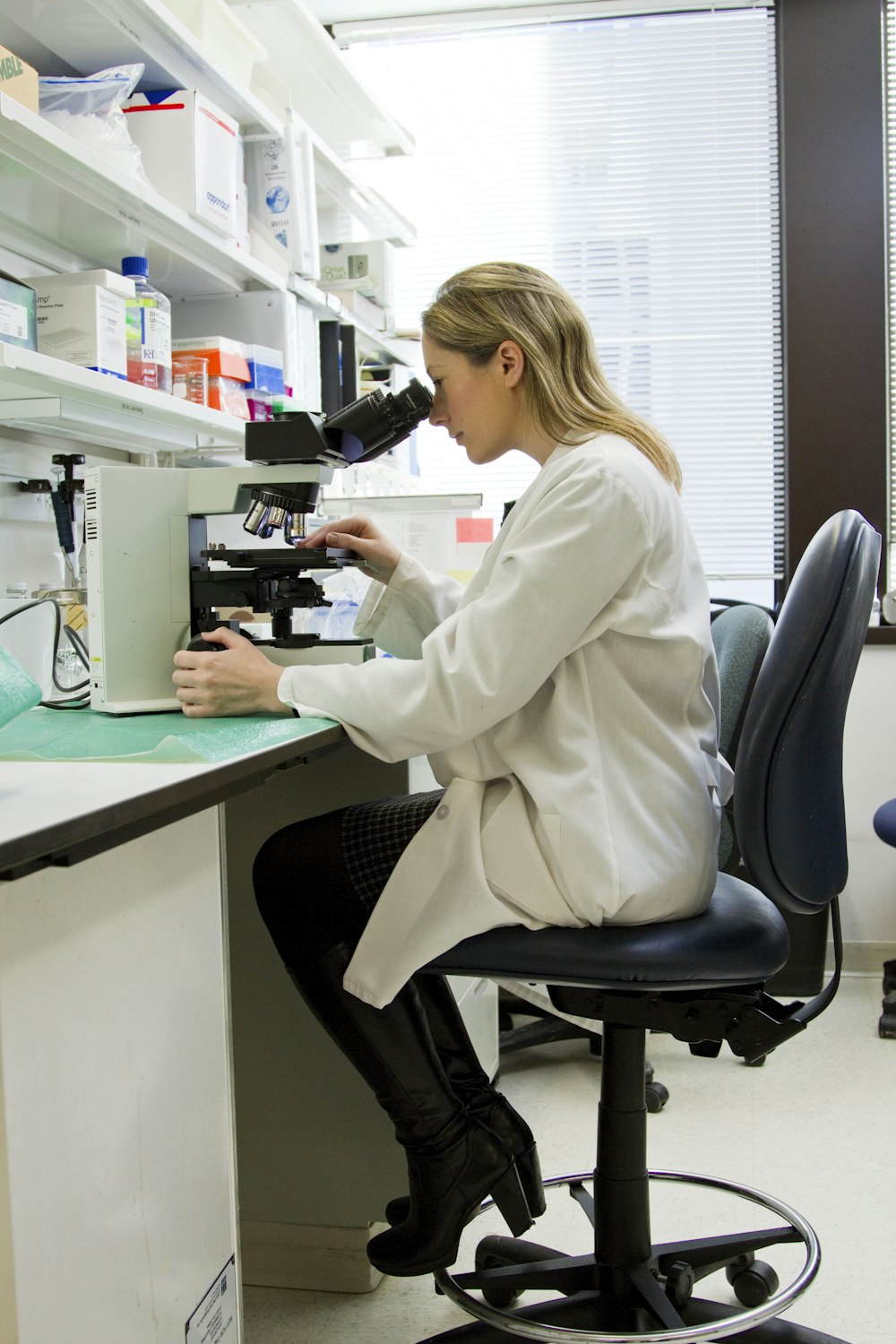
"But this promising solution comes with its own scientific challenges: How do we efficiently extract HIV RNA from these dried samples? How does the choice of extraction method affect our ability to measure viral load and detect drug-resistant mutations? And perhaps most importantly for remote locations, how long do these samples actually last under real-world conditions?"
The Extraction Method Matters: Unlocking Genetic Secrets
Not all RNA extraction methods perform equally when working with dried blood spots. A landmark 2009 study published in the Journal of Clinical Microbiology put four major extraction methods to the test, with revealing results 1 .
The Experimental Approach
Researchers collected samples from 47 HIV-positive patients and created both dried plasma spots (DPS) and dried blood spots (DBS) on filter paper cards. These samples were then processed using four different commercial RNA extraction kits:
1
Nuclisens assay (bioMérieux)
2
Abbott Molecular sample preparation system
3
QIAamp minikit (Qiagen)
4
High Pure viral nucleic acid kit (Roche)
After extraction, the researchers measured how accurately each method could quantify viral load compared to fresh plasma, and how well the extracted RNA worked for PCR amplification needed for drug resistance testing.
Performance Comparison of RNA Extraction Methods
| Extraction Method | Median Difference in Viral Load Measurement | PCR Amplification Efficiency |
|---|---|---|
| Nuclisens assay | 0.03 log10 copies/mL (most accurate) | High concordance |
| Abbott Molecular system | 0.35 log10 copies/mL (slight underestimation) | In concordance |
| QIAamp minikit | Not specified (less efficient) | Lower efficiency |
| High Pure kit | Not specified (less efficient) | Lower efficiency |
The clear winner was the Nuclisens method, which showed nearly perfect agreement with fresh plasma measurements. The Abbott system performed reasonably well but slightly underestimated viral levels. The other two methods showed significantly lower efficiency for both RNA quantification and subsequent PCR applications 1 .
Extraction Efficiency Comparison
A Tale of Two Samples: Plasma Spots vs. Blood Spots
The study revealed another crucial distinction: not all dried spots are created equal. When researchers compared dried plasma spots (DPS) with dried blood spots (DBS) from the same patients, they discovered that DBS consistently overestimated viral load compared to plasma measurements, particularly at lower viral concentrations (below 3.7 log10 copies/mL) 1 .
Dried Plasma Spots (DPS)
Provide more accurate viral load measurements
Preferable for precise monitoring of treatment effectiveness
Dried Blood Spots (DBS)
Can still be extremely useful when plasma separation isn't feasible
Laboratories need to establish appropriate cutoff values to account for overestimation
The explanation lies in the sample composition: DBS contain both viral RNA in the plasma portion and proviral DNA from infected blood cells, both of which can be detected by PCR. In patients on effective treatment with low viral loads, this cellular DNA contribution becomes relatively more significant, leading to apparent higher viral measurements 9 .
The Race Against Time: How Storage Conditions Determine Success
For dried spots to revolutionize HIV care in remote areas, they need to withstand challenging environmental conditions. The researchers conducted crucial stability tests to determine just how tough these samples really are 1 .
Experimental Storage Conditions
Scientists stored dried plasma spots at different temperatures (20°C/68°F and 37°C/99°F) for varying durations, then tested how well the viral RNA survived by measuring both viral load accuracy and PCR amplification success.
| Storage Temperature | Viral Load Stability Duration | PCR Amplification Stability |
|---|---|---|
| 20°C (68°F) | Up to 3 months | Up to 1 month |
| 37°C (99°F) | Up to 1 month | Only 1 week |
The results revealed an important distinction: while viral load measurements remained relatively stable for extended periods, the ability to perform PCR amplification for drug resistance testing declined much more rapidly. This means that even when a sample can still give an accurate viral load reading, it might no longer be suitable for the more delicate genetic analysis needed to detect resistance mutations 1 .
Storage Stability Over Time
Practical Implication
This has practical implications for testing programs: samples intended for drug resistance testing need to reach laboratories more quickly, especially in hot climates, while those destined only for viral load monitoring have a longer window of usability.
The Scientist's Toolkit: Essential Tools for Dried Spot Research
Working with dried blood spots requires specialized materials and reagents. Here's what scientists need in their toolkit 1 2 9 :
| Item | Function | Examples/Notes |
|---|---|---|
| Filter Paper Cards | Matrix for blood/plasma sample collection | Whatman 903, Munktell, or specialized plasma separation cards |
| RNA Extraction Kits | Isolation of viral RNA from dried samples | Nuclisens, Abbott Molecular, QIAamp, High Pure systems |
| Plasma Separation Cards | Separate plasma from blood cells during collection | Cobas Plasma Separation Card (PSC) |
| Real-time PCR Instruments | Amplify and detect viral RNA | Various commercial platforms |
| Thermal Cyclers | DNA amplification for resistance testing | Standard laboratory equipment |
| Viral Load Assays | Quantify HIV RNA concentration | Commercial tests adapted for dried spots |
Recent innovations like the Cobas Plasma Separation Card (PSC) offer significant advantages by removing blood cells during sample collection, thus reducing the DNA contamination that can cause overestimation of viral load in standard dried blood spots 9 .
Traditional DBS Workflow
Sample Collection
Finger-prick blood applied to filter paper
Drying
Air drying at room temperature for several hours
Storage & Transport
Stored with desiccant at ambient temperature
RNA Extraction
Using specialized kits like Nuclisens
Analysis
PCR for viral load and resistance testing
Innovations in DBS Technology
- Plasma separation cards that reduce DNA contamination
- Improved extraction methods with higher RNA yields
- Automated processing for higher throughput
- Multiplex assays for simultaneous detection of multiple pathogens
- Point-of-care devices for rapid results in remote settings
From Laboratory to Life: The Real-World Impact
The implications of this research extend far beyond laboratory benchmarks. For millions of people living with HIV in resource-limited settings, these findings translate to:
Expanded Access
Clinics without freezing capabilities can now participate in viral load monitoring programs.
Earlier Detection
Regular monitoring becomes feasible, allowing clinicians to switch regimens before full-blown drug resistance develops.
Better Surveillance
Public health officials can track HIV drug resistance patterns across regions, informing treatment guidelines.
Simplified Transport
Dried spots can be sent through regular mail systems, eliminating expensive cold chain logistics.
The technology continues to evolve, with recent studies exploring its application for hepatitis B and C monitoring, creating a versatile platform for managing multiple viral infections using the same simple collection method 9 .
The Future in a Blood Spot: Conclusions and Looking Ahead
Dried blood spot technology represents more than just a technical workaround—it's a fundamental reimagining of how diagnostic testing can be delivered to those most in need. The careful optimization of RNA extraction methods and understanding of storage limitations have transformed simple filter paper into a powerful tool for global health equity.
"What began as a clever solution for newborn screening decades ago has blossomed into a comprehensive platform that brings sophisticated viral monitoring to the most remote corners of the world."
Ongoing research focuses on improving the technology even further: developing more robust extraction methods, creating advanced plasma separation cards that eliminate blood cell contamination, and establishing standardized protocols that ensure reliable results across diverse settings 9 .
The Evolution of Dried Blood Spot Technology
1960s
Newborn screening for metabolic disorders
1990s
HIV antibody testing
2000s
HIV DNA PCR for infant diagnosis
2010s+
Viral load monitoring & drug resistance testing
As the technology continues to improve, the goal of providing equitable HIV care regardless of geography comes increasingly within reach—all thanks to a few drops of blood dried on a piece of paper.