Unveiling the Viral Universe: Exploring Biodiversity, Discovery Methods, and Therapeutic Potential of Undiscovered Viruses
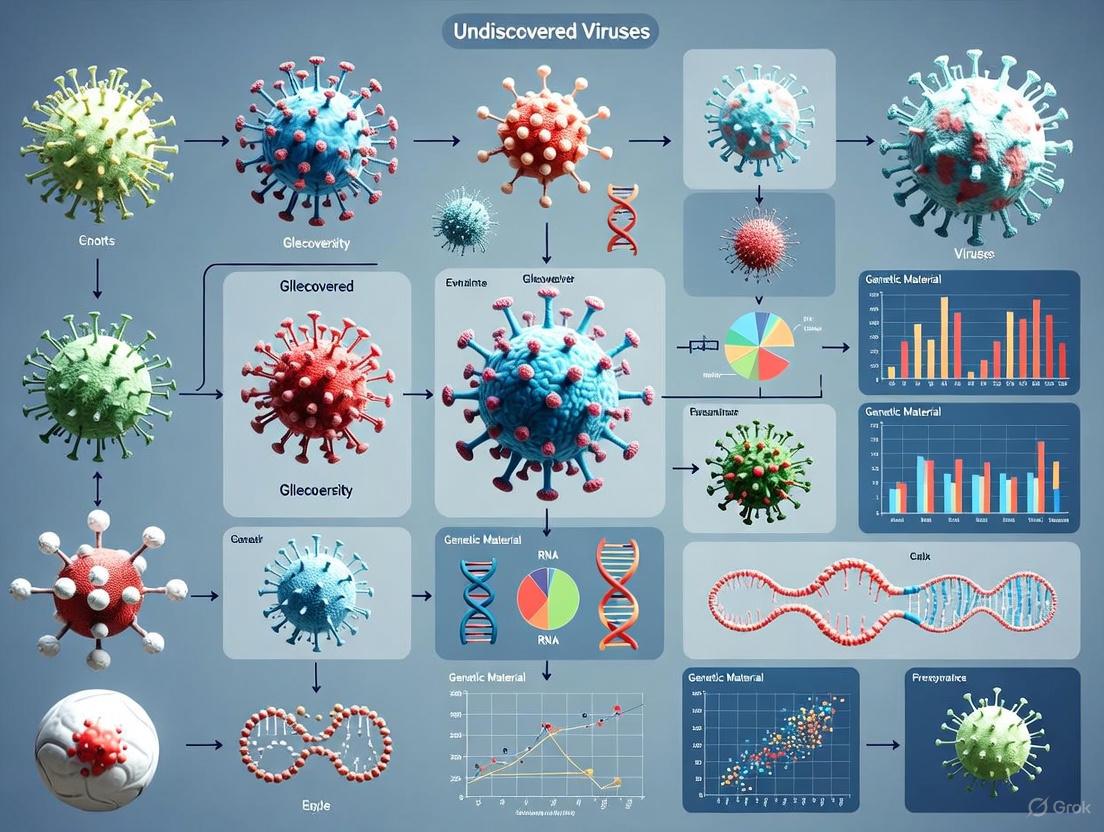
This article synthesizes current advancements and challenges in the exploration of viral biodiversity, a field revolutionized by metagenomics and artificial intelligence.
Unveiling the Viral Universe: Exploring Biodiversity, Discovery Methods, and Therapeutic Potential of Undiscovered Viruses
Abstract
This article synthesizes current advancements and challenges in the exploration of viral biodiversity, a field revolutionized by metagenomics and artificial intelligence. It details the vast scope of undiscovered viruses, often termed 'viral dark matter,' and the innovative, high-throughput methods enabling their discovery. For an audience of researchers and drug development professionals, the content critically examines the technical and systematic hurdles in viral characterization and drug discovery. Furthermore, it validates the ecological and clinical significance of these findings, linking viral diversity to emerging diseases and evaluating the promise of broad-spectrum antiviral agents derived from both viral and marine natural product research.
The Vast Frontier: Quantifying Viral Biodiversity and Its Ecological Drivers
The quest to define the scale of viral diversity is a fundamental challenge in virology and pandemic preparedness. Research efforts have produced a wide range of estimates, from a defined minimum of 320,000 viruses in mammals to a seemingly bottomless pit of millions when considering all viral life. This apparent contradiction reflects the rapid evolution of discovery technologies and the vastness of the virosphere itself. Understanding this scale is not merely an academic exercise; it is a critical component of global health security, as the majority of emerging infectious diseases are zoonotic, crossing from animals into humans [1]. This guide examines the quantitative estimates, the methodologies driving these discoveries, and the advanced tools that are transforming our ability to catalogue and comprehend viral threats.
Historical Baseline Estimates and Methodologies
The first systematic effort to quantify mammalian viral diversity established a foundational baseline. A 2013 study in mBio estimated the existence of at least 320,000 unknown viruses in mammals [1] [2]. This figure was not a guess but was derived from a rigorous, scalable field and statistical protocol.
Key Experimental Protocol: Mammalian Virus Discovery and Extrapolation
The methodology that produced the 320,000 estimate can be broken down into a step-by-step experimental workflow [1]:
- Field Sampling and Selection of Model Species: Researchers collected 1,897 biological samples from a defined population of flying foxes (a species of bat) in Bangladesh. This animal was selected as a model because it is a known reservoir for zoonotic viruses like Nipah.
- Laboratory Analysis via PCR: Samples were analyzed in the laboratory using polymerase chain reaction (PCR) assays designed to detect viruses from nine different viral families. This step identified 55 viruses, of which only five were previously known.
- Statistical Estimation of Local Diversity: Ecological statistical models, specifically designed to account for rare, undetected species, were applied to the sample data. This analysis estimated that the flying fox population actually contained 58 viruses, accounting for three rare viruses missed by sampling.
- Global Extrapolation: The final step involved extrapolating the data from the model species to all known mammals. With 58 viruses estimated in one mammal species and 5,486 known mammalian species, the calculation (58 viruses/mammal × 5,486 mammals) yielded the global estimate of at least 320,000 viruses.
The study also provided a cost-benefit analysis, estimating that discovering these viruses would cost approximately $6.3 billion, a fraction of the economic impact of a single major pandemic like SARS, which was calculated at $16 billion [1].
The Paradigm Shift: Metagenomics and the Expanding Virosphere
While the 320,000 figure established a critical baseline, the advent of metagenomic sequencing has revealed a virosphere of far greater depth and complexity, leading to its characterization as a "bottomless pit" of diversity.
What is Metagenomics?
Metagenomics is the study of genetic material recovered directly from environmental or clinical samples without the need for isolation or culture [3]. Unlike traditional methods like PCR, which require prior knowledge of the target virus, metagenomics sequences all the DNA and/or RNA in a sample, providing an unbiased view of the entire microbial community and enabling the discovery of entirely novel viruses [3].
Key Experimental Protocol: Shotgun Metagenomic Sequencing for Viral Discovery
The standard workflow for viral metagenomics is as follows [3]:
- Sample Collection: Diverse samples are gathered (e.g., wastewater, tissue, seawater).
- Nucleic Acid Extraction: Total RNA and DNA are extracted, often amplified, and converted into sequencing libraries.
- Shotgun Sequencing: All genetic material in the library is sequenced using high-throughput platforms (e.g., Illumina, Oxford Nanopore).
- Bioinformatic Analysis:
- Assembly: Sequencing reads are assembled into longer contiguous sequences (contigs) using tools like metaSPAdes or MEGAHIT.
- Viral Identification: Assembled sequences are compared to reference databases (e.g., RefSeq, RVDB) and analyzed with machine learning tools (e.g., VirSorter2, DeepVirFinder) to distinguish viral from host sequences, even when similarity to known viruses is low.
- Functional Annotation: Predicted viral genomes are annotated to identify genes and their potential functions.
Revealing the "Bottomless Pit" of Diversity
Metagenomic applications have consistently revealed a viral world far larger than previously imagined:
- Global Ocean Viromes 2.0: This dataset identified nearly 200,000 viral populations from ocean samples alone, a 12-fold increase over previous catalogs [3].
- Viral "Dark Matter": A vast proportion—often over 99% of sequences from environmental samples—shows no similarity to known viruses in existing databases. This "viral dark matter" hints at the immense unknown diversity [3].
- Broader Estimates: When considering all potential hosts and environments, recent research references an estimated 1.7 million still-undiscovered viruses present in the natural environment, or the "global virome" [4].
- Ancient and Extreme Environments: Metagenomic analysis of a 40,000-year-old Tibetan glacier sequenced 1,705 viral genomes, most of which were novel. Viruses are also being discovered in deep-sea hydrothermal vents and brine pools, expanding the known boundaries of viral existence [3].
The following table summarizes the key quantitative estimates that define the scale of viral diversity.
Table 1: Quantitative Estimates of Global Viral Diversity
| Scope of Estimate | Estimated Number | Key Supporting Evidence | Source |
|---|---|---|---|
| Mammals | 320,000 viruses | Extrapolation from systematic sampling of flying foxes | [1] |
| Global Virome | ~1.7 million viruses | Synthesis of data on zoonotic viruses and host diversity | [4] |
| Ocean Environments | ~200,000 viral populations | Metagenomic analysis of global ocean sampling expeditions (GOV 2.0) | [3] |
The Scientist's Toolkit: Essential Research Reagents and Solutions
The advancement of viral discovery relies on a suite of sophisticated reagents, technologies, and computational platforms.
Table 2: Key Research Reagent Solutions for Viral Discovery
| Tool Category | Specific Examples | Function in Viral Discovery |
|---|---|---|
| Sequencing Technologies | Illumina (MiSeq, NovaSeq), Oxford Nanopore, PacBio | High-throughput sequencing of all nucleic acids in a sample; short-read provides accuracy, long-read enables complete genome assembly. [3] |
| Bioinformatics Software | VirSorter2, DeepVirFinder, metaSPAdes, MEGAHIT | Identifies viral sequences from complex metagenomic data and assembles fragmented genomes. [3] |
| Reference Databases | IMG/VR, RefSeq, RVDB, Viro3D | Provides curated sequences for taxonomic classification and functional annotation of newly discovered viruses. [3] [5] |
| AI & Machine Learning | Custom AI platforms (e.g., Professor Holmes' pipeline) | Rapidly interprets metatranscriptomic data to identify all pathogens in a sample within hours. [6] |
| Containment Facilities | BSL-3 and BSL-4 Laboratories | Essential for working with authentic, high-consequence pathogens that cannot be handled in standard labs. [7] |
Advanced Visualization: From Discovery to Clinical Application
The journey from viral discovery to clinical application involves multiple, interconnected workflows. The diagram below illustrates the evolution from the traditional surveillance model to the modern, computationally-driven pipeline.
A key output of modern computational virology is the detailed structural modeling of viral proteins, which is crucial for understanding virus function and designing interventions. The next diagram outlines the process of creating and utilizing an AI-powered structural database.
The journey from an estimate of 320,000 mammalian viruses to the recognition of a "bottomless pit" of diversity marks a profound shift in our understanding of the virosphere. The initial figure provided a critical, cost-effective target for systematic surveillance. Meanwhile, metagenomics has revealed a universe of viral "dark matter," expanding our estimates into the millions and highlighting the vast unknown that remains [1] [3] [4]. This is not a contradiction but a reflection of technological progress.
The future of viral discovery lies in the integration of large-scale, unbiased metagenomic sampling with powerful AI-driven computational platforms like Viro3D [5]. These tools are transforming the "bottomless pit" from an insurmountable challenge into a tractable, if immense, resource. By moving from random discovery to predictive, intelligence-driven characterization, the scientific community is building a foundational understanding that will ultimately mitigate outbreak emergence and accelerate the development of countermeasures, turning a global vulnerability into a pillar of global health security.
The term "viral dark matter" describes the vast multitude of viral sequences that cannot be attributed to known viruses or exhibit only distant relationships to reference databases, representing a substantial gap in our understanding of the viral universe [8]. This undiscovered territory is now recognized as a fundamental challenge in virology, with significant implications for public health, evolutionary biology, and ecosystem dynamics. Despite the estimated 10³¹ virus particles on Earth, less than 1% have been identified and characterized [9], highlighting the immense scale of this unexplored frontier.
The relentless emergence of RNA viruses poses a perpetual threat to global public health, necessitating continuous discovery efforts to understand these pathogens [10]. Viral dark matter represents not just a taxonomic curiosity but a critical component in our understanding of viral evolution, host interactions, and potential pathogenicity. As research continues to unveil this hidden diversity, it becomes increasingly clear that exploring viral dark matter is essential for pandemic preparedness, ecological balance, and advancing fundamental virological knowledge [10] [8].
Defining the Scope and Significance of Viral Dark Matter
Quantitative Assessment of the Unknown
Metagenomic studies consistently reveal that a vast proportion of sequences don't match any known virus, with typically 60-95% of viral sequences in datasets remaining uncharacterized and classified as viral dark matter [3] [11]. This "dark" fraction varies across environments but consistently represents the majority of sequence space in most virome studies. The recent GOV 2.0 dataset compiled from ocean sampling expeditions identified nearly 200,000 viral populations—about 12 times more than earlier datasets—with the vast majority representing previously unknown viruses [3].
Table 1: Prevalence of Viral Dark Matter Across Environments
| Environment | Estimated Viral Dark Matter | Research Significance |
|---|---|---|
| Human Gut | High (e.g., crAssphage was unknown before 2014) | Host-microbe interactions, human health [3] |
| Ocean Ecosystems | ~99% lack close relatives among cultivated viruses | Biogeochemical cycles, climate regulation [3] [11] |
| Herbivorous Wildlife (QTP) | 9 of 32 identified parvoviruses unclassified | Ecosystem health, zoonotic transmission risks [9] |
| Fungal Hosts | Continuous discovery of novel RNA viruses | Biological control, host evolution [12] |
Implications for Science and Medicine
The exploration of viral dark matter has yielded fundamental insights with practical applications. The discovery of crAssphage, an exceptionally abundant bacteriophage in the human gut that was completely unknown before 2014, revolutionized our understanding of the human virome [3]. This finding demonstrated that even the most prevalent viruses can remain invisible to traditional detection methods. Furthermore, viral dark matter investigations have revealed auxiliary metabolic genes (AMGs) in viral genomes that can reprogram host metabolism [3]. For example, viruses in deep-sea hydrothermal vents carry genes involved in sulfur cycling, amino acid metabolism, and energy conservation, challenging the traditional view of viruses as mere genetic parasites and highlighting their ecosystem-scale impacts [3].
From a medical perspective, understanding viral dark matter is crucial for anticipating emerging threats. Studies suggest that approximately 70% of emerging human infectious diseases originate from wildlife [9], making the characterization of viral dark matter in animal reservoirs an essential component of pandemic preparedness. Research on the Qinghai-Tibet Plateau exemplifies this approach, where viral metagenomics of herbivorous wildlife revealed 32 parvoviruses, 9 of which could not be assigned to any existing subfamily [9].
Methodological Approaches for Illuminating Viral Dark Matter
Advanced Sequencing and Metagenomic Protocols
The revolution in viral discovery has been driven primarily by metagenomic approaches that bypass traditional cultivation requirements. Shotgun metagenomic sequencing enables unbiased identification of all genetic material in a sample without specific primers or culture conditions, allowing detection of both known and unknown viruses [3]. This approach has been successfully applied to diverse sample types, from ancient ice cores to clinical specimens.
Table 2: Key Sequencing Technologies for Viral Dark Matter Exploration
| Technology | Key Features | Applications in Viral Discovery |
|---|---|---|
| Illumina Platforms (MiSeq, NovaSeq) | High-accuracy short reads | Viral genome assembly, population studies [3] |
| Oxford Nanopore | Long-read sequencing, portability, real-time data | Field-based discovery, complex genome resolution [10] [3] |
| PacBio | Long-read sequencing | Resolving repetitive regions, complete viral genomes [10] |
| Single-Cell Sequencing | Individual host cell resolution | Viral quasispecies, host-virus interactions [10] |
The protocol for comprehensive viral dark matter exploration typically involves:
- Sample Processing and Viral Enrichment: Fecal samples, for instance, are resuspended in PBS, subjected to shaking and low-speed centrifugation to remove non-viral particulate matter [9]. For tissue samples, homogenization and filtration steps are incorporated.
- Nucleic Acid Extraction: This critical step often uses optimized kits that capture both DNA and RNA viruses. The extraction method can significantly impact results and introduce biases [8].
- Library Preparation and Sequencing: Following quality control, libraries are constructed using methods appropriate for the sequencing technology (e.g., Illumina, Nanopore). For RNA viruses, reverse transcription is incorporated [9] [12].
- Bioinformatic Analysis: This involves quality trimming, host sequence removal, de novo assembly, and viral sequence identification using specialized tools [12].
Bioinformatics Workflows and Computational Tools
The deluge of sequencing data demands robust bioinformatics pipelines for effective analysis. The typical workflow involves multiple stages of sequence processing and annotation:
Visualization of the Bioinformatic Analysis Workflow for Viral Dark Matter Discovery
Advanced algorithms and machine learning models are instrumental in deciphering complex viral genomes. Tools such as VirSorter2 and DeepVirFinder use machine learning to detect viral sequences, including novel ones [3]. The Serratus platform exemplifies scalable bioinformatics, having re-analyzed petabase-scale sequence data to facilitate the discovery of over 130,000 new RNA viruses by focusing on the conserved RNA-dependent RNA polymerase gene [10]. Other essential tools in the viral dark matter pipeline include:
- MetaSPAdes and MEGAHIT: For assembling fragmented viral genomes from complex metagenomes [3]
- VIBES (Viral Integrations in Bacterial genomES): A workflow for automated prophage annotation in bacterial genomes [13]
- BATH: For annotation of protein-coding DNA on query prophage genomes [13]
- PHROG database: For viral gene annotation [13]
- Kraken2 and Kaiju: For taxonomic classification of sequences [3]
Functional Characterization of Novel Viruses
While genomic identification has accelerated, functional and biological validation lags behind due to the lack of isolates and model systems [10]. Moving from sequence to function involves several complementary approaches:
High-Throughput Functional Screening methods are now being developed to probe the "dark proteome" of viral genomes. Researchers can "print" segments of genetic code from hundreds of viruses into a single tube, introduce these sequences into cells, and use next-generation sequencing to identify synthesized proteins [14]. This approach has identified thousands of previously unknown microproteins encoded by the dark matter of viral genomes, many of which play important roles in immune system interactions [14].
Culture Methods remain essential for functional characterization. Traditional approaches using cell lines (for eukaryotic viruses) and bacterial strains (for phage) provide critical insights into viral pathogenicity, replication mechanisms, and host interactions [8]. However, many viruses identified through metagenomics resist cultivation, presenting ongoing challenges.
Microscopy Techniques, particularly electron microscopy (EM), continue to provide valuable structural information. EM enables visualization of viral morphology, which can facilitate classification and provide insights into infection mechanisms [8].
Research Reagents and Experimental Solutions
Table 3: Essential Research Reagents and Platforms for Viral Dark Matter Studies
| Reagent/Solution | Function | Examples/Applications |
|---|---|---|
| Specific Pathogen Free (SPF) Embryonated Eggs | Viral propagation substrate | Low-cost production of some challenge viruses [15] |
| Qualified Cell Lines (Vero, MRC-5, PerC6) | In vitro viral culture | GMP-compliant virus propagation [15] |
| Reverse Genetics Systems | Generation of genetically defined viruses | Production of wild-type-like or attenuated viruses [15] |
| Viral Protein Databases (PHROG, RefSeq) | Viral gene annotation | Functional prediction of novel viral sequences [13] |
| Cloud Computing Platforms (AWS, Google Cloud) | Large-scale data analysis | Petabase-scale sequence alignment [10] [3] |
Case Studies and Research Applications
Exploring Viral Dark Matter in Unique Ecosystems
The Qinghai-Tibet Plateau study exemplifies a systematic approach to viral discovery in ecologically significant regions. Researchers collected 741 fecal samples from six herbivorous wildlife species across three distinct habitats [9]. Through metagenomic analysis, they identified 32 parvoviruses, of which 13 were closely related to known members of established subfamilies, 5 belonged to the Densovirinae subfamily, 5 classified into the newly proposed Hamaparvovirinae, and 9 remained unclassified, unable to be assigned to any existing subfamily [9]. This research demonstrates how targeted sampling of specific ecosystems can reveal substantial novel viral diversity and expand our understanding of host-virus relationships.
Mining Public Genomic Data for Viral Sequences
An alternative approach involves computationally mining existing public genomic data sets for viral sequences. One study applied the VirSorter tool to 14,977 publicly available microbial genomes, identifying 12,498 high-confidence viral sequences linked to their microbial hosts [11]. This effort increased the number of viral genome sequences available ten-fold and provided the first viral sequences for 13 new bacterial phyla, including ecologically abundant phyla [11]. This methodology demonstrates how re-analysis of existing data can efficiently expand known viral diversity and help taxonomically identify 7-38% of "unknown" sequence space in viromes.
Fungal Viruses as a Source of Novel RNA Viruses
Analysis of fungal-associated next-generation sequencing data has revealed significant viral dark matter. One study downloaded and analyzed over 200 public datasets from approximately 40 different Bioprojects, identifying 12 novel RNA viruses with amino acid sequence identity below 70% compared to any known virus [12]. Phylogenetic analysis classified these into various orders and families, including Mitoviridae, Benyviridae, and Botourmiaviridae, with some likely representing new taxa at the family, genus, or species level [12]. This research highlights how focused analysis of specific host groups can illuminate previously hidden viral diversity.
Challenges and Future Perspectives
Persistent Methodological Limitations
Despite remarkable progress, significant challenges persist in the study of viral dark matter. Sample collection issues, including remote access, sample degradation, contamination, and lack of standardized methods, continue to limit the quality and scope of samples [10]. Data interpretation remains challenging due to the difficulty of discriminating real viral sequences from noise in large metagenomic datasets [10]. Additionally, taxonomic uncertainty plagues the field as novel lineages challenge existing classification schemes, demanding more flexible and dynamic frameworks [10].
The problem of viral characterization represents a particularly significant bottleneck. While genomic identification has become increasingly efficient, functional and biological validation lags behind due to the lack of isolates and appropriate model systems [10]. This gap between sequence identification and functional understanding represents the next frontier in viral dark matter research.
Emerging Technologies and Approaches
Future progress in illuminating viral dark matter will likely come from several promising directions:
- Integration of Multi-Omic Approaches: Combining genomics, transcriptomics, and proteomics to illuminate virus-host dynamics [10]
- AI-Powered Discovery: Machine learning models to enhance virus classification, host prediction, and outbreak risk assessment [10]
- Portable Sequencing Platforms: Field-based and real-time virus detection through ultra-portable, affordable sequencing technologies [10]
- One Health Frameworks: Integrated views of human, animal, and environmental health to contextualize virus emergence [10]
- Global Collaboration and Capacity Building: International cooperation, open-access data, and inclusive training to democratize discovery efforts [10]
These advances, combined with ongoing methodological refinements, will continue to illuminate viral dark matter, enhancing our ability to anticipate emerging threats and understand fundamental aspects of viral evolution and ecology. As one researcher noted, "The more light we can shed on the dark matter of viral genomes now, the better we can protect ourselves from viral disease in the future" [14].
The concurrent pressures of climate change, biodiversity loss, and emerging infectious diseases represent an unprecedented planetary crisis. Current intergovernmental assessments have drawn focus to the escalating climate and biodiversity emergencies, yet the interactions among all three pressures are rarely considered together despite their profound implications for planetary health [16] [17]. These global change drivers do not operate in isolation; rather, they exhibit non-linearities with complex dampening and reinforcing interactions that make considering their interconnections essential to anticipating future pandemic risks [17]. While substantial global attention focuses on reducing pandemic risk through preparedness and response, primary prevention—reducing the likelihood of zoonotic spillover where a pathogen transmits from an animal host to humans—remains largely absent from global policy conversations [18]. This whitepaper elucidates the mechanistic pathways linking these global pressures, with particular focus on their implications for viral biodiversity and spillover risk, providing researchers with both theoretical frameworks and practical methodological tools for advanced investigation in this emerging field.
Quantifying the Global Change Drivers
The State of Planetary Change
Human activities drive a wide range of environmental pressures, including habitat change, pollution, and climate change, resulting in unprecedented effects on biodiversity. A comprehensive 2025 meta-analysis of 2,133 publications covering 97,783 sites revealed that human pressures distinctly shift community composition and decrease local diversity across terrestrial, freshwater, and marine ecosystems [19]. The analysis quantified changes associated with the five dominant human pressures across multiple spatial scales, demonstrating significant compositional shifts in biological communities driven by these anthropogenic forces.
Table 1: Global Trends in Climate, Biodiversity, and Disease Drivers
| Global Pressure | Current State | Trend Direction | Key Quantitative Findings |
|---|---|---|---|
| Climate Change | 2024 first full year >1.5°C above pre-industrial [20] | Accelerating | Solar/wind need 29% annual growth (currently 13%) to meet 2030 targets [20] |
| Biodiversity Loss | Unprecedented species decline [19] | Intensifying | Human pressures consistently decrease local diversity across ecosystems [19] |
| Deforestation | 8.1 million hectares/year permanent forest loss [20] | Increasing | ~22 soccer fields of forest lost per minute [20] |
| Infectious Disease Emergence | 75% of emerging human pathogens are zoonotic [21] | Increasing frequency | Biodiversity loss identified as biggest environmental driver of outbreaks [22] |
Relative Impact of Global Change Drivers on Disease
Research has quantified the relative contributions of different global change drivers to infectious disease outcomes. A comprehensive meta-analysis of nearly 1,000 studies found that biodiversity loss is the single biggest environmental driver of infectious disease outbreaks, followed by climate change and introduction of non-native species [22]. Interestingly, habitat loss (specifically urbanization) was found to decrease disease risk, partly due to better sanitation infrastructure and reduced wildlife interactions in urban settings [22]. This nuanced understanding is critical for prioritizing intervention strategies.
Mechanisms Linking Planetary Change and Spillover Risk
The Spillover Cascade Framework
Zoonotic spillover requires pathogens to overcome a series of ecological and physiological barriers. The process can be conceptualized as a cascade mechanism where alignment of specific conditions enables cross-species transmission [18]:
- Distributional Overlap: The reservoir host and humans must have connected distributions, usually through overlapping habitats
- Host Physiological State: Stressors (habitat loss, food scarcity) can increase host viral infection and shedding
- Exposure Opportunity: Specific human behaviors or interactions provide transmission routes
- Human Susceptibility: Pathogen must overcome structural and immunological barriers in humans
- Transmission Amplification: Pathogen must amplify, be excreted, and transmit onward exponentially [18]
Land-use changes erode the first three barriers by altering reservoir hosts' spatial behavior and allostatic load (energy and stress budget), while simultaneously changing human behavior patterns that increase exposure risk [18].
Host Physiological Mechanisms: Allostatic Overload
Healthy animals maintain a positive energy balance through allostasis—a dynamic process integrating neuroendocrine, metabolic, cardiovascular, and immune systems to adapt to varying conditions. When environmental changes like habitat destruction or food scarcity occur, animals may shift into allostatic overload, where energy expenditure exceeds input [18]. The consequences for spillover risk are profound:
- Chronic stress biomarkers: Elevated glucocorticoid hormones (e.g., cortisol) lead to immune dysregulation
- Impaired infection resistance: Reduced capacity to control viral infections
- Increased pathogen shedding: Higher probability, magnitude, and duration of viral shedding in stressed hosts [18]
Empirical evidence demonstrates that bats experiencing food scarcity or low body weight shed higher levels of viruses like Hendra virus, especially during winter and after periods of resource limitation [18]. Australian Pteropus alecto bats that shifted to novel agricultural and urban habitats due to winter habitat loss showed higher Hendra virus shedding compared to bats in traditional habitats [18].
Biodiversity's Dual Role: Dilution and Amplification Effects
Biodiversity loss influences disease transmission through multiple mechanistic pathways. The relationship is complex and context-dependent:
- Dilution Effect: Diverse host communities can reduce disease transmission by regulating populations of competent hosts or vectors [21] [17]
- Anthropogenic Selection: Human-disturbed landscapes often favor species that host zoonotic pathogens [18]
- Transmission Efficiency: Simplified ecosystems may increase contact rates between reservoir hosts and humans [21]
For vector-borne diseases like malaria, vector biodiversity significantly affects transmission through interspecific variation in competence, feeding behavior, and seasonality [17]. The presence of species that can aestivate during dry seasons sustains high malaria transmission in arid climates, while co-occurrence of dry and rainy season vectors increases disease prevalence [17].
Viral Biodiversity and Metagenomic Exploration
The Unexplored Virosphere
Metagenomic sequencing has revolutionized our understanding of viral diversity, revealing a vast universe of undiscovered viruses—often referred to as "viral dark matter" [3]. The Global Soil Virus Atlas, compiled from 2,953 sequenced soil metagenomes, represents one of the most extensive catalogs with 616,935 uncultivated viral genomes and 38,508 unique viral operational taxonomic units (vOTUs) [23]. Critical findings include:
- Extreme diversity: Rarefaction curves indicate most soil viral diversity remains unexplored despite massive sequencing efforts
- High spatial turnover: Low rates of shared vOTUs across samples (only 13.9% of vOTUs appeared in more than one sample)
- Functional potential: Identification of 5,043 genes mapping to 83 KEGG pathways associated with biogeochemical functions [23]
Table 2: Viral Metagenomics: Key Findings and Research Gaps
| Ecosystem | Key Metagenomic Findings | Proportion Novel Viruses | Biogeochemical Implications |
|---|---|---|---|
| Global Soils | 616,935 viral genomes from 2,953 samples [23] | >99% lacking close relatives [23] | AMGs for carbon cycling (e.g., galactose metabolism) [23] |
| Marine Systems | 200 viral AMGs for carbon/nutrient cycling [3] | Vast majority unknown | Sulfur metabolism, nutrient cycling [3] |
| Ancient Ice | 1,704 viral genomes from Tibetan glacier [3] | Most unlike known viruses | Historical viral diversity, re-emergence potential [3] |
| Human Gut | crAssphage discovery - more abundant than all other known phages combined [3] | Previously completely unknown | Human microbiome regulation [3] |
Viral Dark Matter and Functional Genomics
Metagenomic studies consistently reveal that a vast proportion of viral sequences don't match any known viruses. The GOV 2.0 dataset identified nearly 200,000 viral populations from ocean sampling—approximately 12 times more than earlier datasets [3]. Functional annotation of these novel sequences remains challenging, with only ~18% of 1.4 million viral genes from the Global Soil Virus Atlas found in annotation databases [23]. The discovery of auxiliary metabolic genes (AMGs)—viral genes that influence host metabolism—has been particularly transformative, revealing viruses' ability to reprogram host metabolism and exert ecosystem-scale impacts [3] [23].
Methodological Framework: Experimental Protocols
Metagenomic Workflow for Viral Discovery
The explosion of viral metagenomics has been driven by advances in sequencing technologies, bioinformatics, and computational tools. A standardized workflow for viral discovery and characterization includes:
Sample Processing & Sequencing:
- Environmental Sample Collection: Soil, water, sewage, or clinical specimens with appropriate preservation
- Nucleic Acid Extraction: Optimized protocols for viral particle recovery and DNA/RNA co-extraction
- Library Preparation & Sequencing: Shotgun metagenomic approaches using Illumina (short-read) and Oxford Nanopore/PacBio (long-read) platforms [3]
Bioinformatic Analysis:
- Quality Control & Assembly: Tools like metaSPAdes and MEGAHIT for assembling fragmented viral genomes
- Viral Sequence Identification: VirSorter2 and DeepVirFinder using machine learning to detect novel viruses
- Taxonomic Classification: Kraken2 and Kaiju for read classification against databases
- Functional Annotation: Prokka and InterProScan against IMG/VR, RefSeq, and RVDB databases [3]
Host Association & Validation:
- Host Prediction: CRISPR spacer matching and tRNA signature analysis
- Phylogenetic Analysis: IQ-TREE and RAxML for evolutionary relationships
- Experimental Validation: Host range testing and functional characterization of AMGs [3] [23]
The Scientist's Toolkit: Essential Research Reagents
Table 3: Essential Research Reagents for Viral Metagenomics and Spillover Research
| Reagent/Technology | Primary Function | Application Examples | Key Considerations |
|---|---|---|---|
| Shotgun Metagenomic Sequencing | Unbiased sequencing of all nucleic acids in sample [3] | Discovery of novel viruses without prior knowledge [3] | Requires high sequencing depth for rare variants |
| Viral Particle Enrichment Kits | Concentration and purification of viral particles from complex samples | Soil, water, and clinical sample processing [23] | Critical for reducing host DNA contamination |
| CRISPR Spacer Databases | Connecting viruses to putative microbial hosts [23] | Host prediction for novel viral sequences | Limited to hosts with characterized CRISPR systems |
| Viral Reference Databases (IMG/VR, RefSeq, RVDB) | Taxonomic classification and functional annotation [3] | Identifying novel sequences via absence of matches | Rapidly expanding but still incomplete |
| Machine Learning Classifiers (DeepVirFinder) | Identification of viral sequences from assembled contigs [3] | Detecting novel viruses without sequence similarity | Training set limitations affect accuracy |
| Auxiliary Metabolic Gene (AMG) Annotation Pipelines | Predicting viral genes that manipulate host metabolism [23] | Identifying viral roles in biogeochemical cycling | Requires careful filtering of host contamination |
| Long-Read Sequencing Technologies | Resolving complex viral genomes and repeats [3] | Complete genome assembly for novel viruses | Higher error rates require validation |
Ecological Countermeasures and Intervention Science
Targeted Ecological Interventions
Preventing spillover requires strategic ecological management based on understanding the mechanisms linking environmental change and disease emergence. Targeted ecological countermeasures include:
- Habitat Conservation & Restoration: Protecting intact ecosystems maintains natural barriers between reservoir hosts and humans [18]
- Resource Supplementation: Providing reliable food sources for wildlife in natural habitats reduces allostatic overload and viral shedding [18]
- Landscape Management: Creating buffers between human-dominated and natural areas reduces high-risk interfaces [18]
For bat reservoirs, studies show that providing reliable winter food sources in natural habitats can reduce viral shedding by preventing allostatic overload and minimizing shifts to human-dominated landscapes [18]. Such ecological interventions address the root causes of spillover rather than downstream symptoms.
Integrated Surveillance Frameworks
A comprehensive approach to spillover prevention integrates surveillance across multiple domains:
- Environmental Monitoring: Tracking habitat change, climate patterns, and biodiversity shifts
- Wildlife Health Surveillance: Monitoring pathogen prevalence and physiological stress in reservoir hosts
- Human-Behavior Mapping: Documenting high-risk activities at human-wildlife interfaces
- Metagenomic Surveillance: Unbiased pathogen detection in environmental and clinical samples [3] [18]
Metagenomic sequencing has proven particularly valuable for outbreak investigation, enabling rapid pathogen identification without prior knowledge, as demonstrated during the COVID-19 pandemic when SARS-CoV-2 was identified directly from clinical samples [3].
Knowledge Gaps and Research Priorities
Despite significant advances, critical knowledge gaps remain in understanding the interconnectedness of planetary change and spillover risk:
- Mechanistic Studies: Few studies (approximately 25% of relevant literature) explicitly examine mechanistic links between all three global pressures [17]
- System-Specific Dynamics: Only a handful of disease systems (e.g., batrachochytrium in amphibians) have been thoroughly investigated for three-way interactions [17]
- Taxonomic Bias: Most research focuses on mammalian reservoirs, with limited attention to other taxa hosting vast viral diversity [23]
- Functional Prediction: Predicting functions of novel viral genes remains a major bottleneck, requiring experimental validation [3] [23]
- Scale Integration: Mismatches in scales between ecological processes, disease dynamics, and intervention opportunities present substantial challenges [16] [17]
Addressing these gaps requires embracing interdisciplinary scientific cultures that integrate animal, human, and environmental perspectives while developing novel methodologies for studying complex, multi-scale ecological systems [16] [17].
The interconnected crises of climate change, biodiversity loss, and emerging infectious diseases represent a defining challenge for contemporary science and policy. Reducing pandemic risk at its source requires understanding and addressing the ecological drivers of spillover through integrated approaches that span traditional disciplinary boundaries. Metagenomic tools now provide unprecedented capability to explore the vast viral biodiversity that represents both a threat and an untapped repository of biological innovation. By connecting viral discovery to ecological mechanism and planetary change, researchers can transform our approach to pandemic prevention while advancing fundamental understanding of the Earth's virosphere. The scientific framework presented here provides both theoretical foundations and practical methodologies for advancing this critical research agenda.
The emergence of novel infectious diseases is inextricably linked to anthropogenic environmental change. Habitat fragmentation, in particular, creates ecological fault lines that disrupt wildlife dynamics and catalyze pathogen spillover into human populations. This whitepaper examines Hendra virus and Lyme disease as paradigmatic case studies of how habitat fragmentation drives disease emergence. Within the broader context of viral biodiversity research, these case studies illuminate the mechanistic pathways connecting ecosystem integrity to human health. Current estimates suggest there are over 320,000 undiscovered mammalian viruses, a vast "viral dark matter" representing both a threat and an opportunity for proactive discovery [3] [24]. Metagenomic approaches are now revealing this hidden virosphere, identifying over 70,000 previously unknown RNA viruses through advanced computational methods [25]. Understanding the ecological drivers that bring these potential pathogens into contact with human populations is fundamental to pandemic prevention.
Hendra Virus: Habitat Loss and Altered Bat Ecology
Ecological Drivers and Spillover Mechanism
Hendra virus (HeV), a member of the Henipavirus genus, was first identified in 1994 during an outbreak in Brisbane, Australia that killed 21 horses and one human [26]. The natural reservoir for HeV is fruit bats of the Pteropus genus (flying foxes), with the black flying fox (Pteropus alecto) identified as the species most likely to excrete the virus [26] [27]. Viral spillover occurs when horses ingest or inhale food or water contaminated with bat excreta or urine, with human infection following through close contact with infected horses [26]. The case fatality rate is approximately 75-80% in horses and 57% in humans, with no approved human treatments available [26].
A 25-year longitudinal study published in Nature revealed the precise mechanism by which habitat loss drives HeV spillover [27]. Historical land clearing for agriculture and urban development removed over 70% of native forests that provided winter foraging habitat for flying foxes, particularly nectar-producing trees in the Eucalyptus and Corymbia genera [28] [27]. This habitat loss, interacting with climate variations, has fundamentally altered bat ecology in three critical ways:
- Behavioral Shifts: Nomadic bat populations have undergone persistent fission into smaller, resident groups near reliable anthropogenic food sources in agricultural and urban areas [27].
- Increased Proximity: Approximately 87% of new roosts formed in urban areas, with 86% of spillovers occurring in agricultural areas where horses are densely populated [27].
- Physiological Stress: Nutritional stress during food shortages increases viral shedding in bats, with pulses of HeV excretion most intense after spring food shortages [26] [27].
Table 1: Quantitative Analysis of Habitat Change and Bat Population Dynamics in Subtropical Queensland (1996-2020)
| Parameter | Pre-2003 (Baseline) | 2020 Status | Change | Reference |
|---|---|---|---|---|
| Winter habitat extent (far SE Queensland) | 100% (1996 baseline) | ~70% of 1996 extent | -30% loss | [27] |
| Number of bat roosts | Stable | 5x increase | +500% | [27] |
| Winter aggregations (>100,000 bats) | 4 in 6 years | 1 in 14 years | -83% frequency | [27] |
| Roosts in urban/agricultural areas | Minority | 87% of new roosts | Major shift | [27] |
| Spillover events | 0 (1996-2002) | 40 events (2003-2020) | From 0 to 2.2/year | [27] |
Experimental Protocols and Surveillance Methodologies
Research into HeV ecology and spillover prediction employs integrated methodologies spanning field ecology, virology, and climate science:
Bayesian Network Modeling: Researchers developed integrative Bayesian network models incorporating six key variables: strong El Niño events (Oceanic Niño Index ≥ 0.8), food shortages, winter-flowering pulses, land cover within foraging areas, bat population dynamics, and the presence of roosts in agricultural areas [27]. These models accurately predicted the presence or absence of spillover clusters across 25 years of data.
Viral Surveillance and Detection: qRT-PCR assays detect HeV antigen in horse blood or swab samples within four hours. Virus isolation from nasopharyngeal/oropharyngeal swabs or clotted blood provides confirmation. ELISA tests detect anti-HeV antibodies in clotted blood, enabling epidemiological tracking of past exposure [26].
Bat Fitness Monitoring: Nutritional stress is quantified through multiple indicators: sharp increases in bats admitted to wildlife rehabilitation centers (threshold: ≥30 animals/month) and decreased percentage of lactating females with pre-weaning young (<79%) [27]. Nectar productivity data from commercial apiarists provides complementary evidence of food shortages.
Diagram 1: Hendra Virus Spillover Pathway. This mechanism illustrates how environmental drivers trigger behavioral and physiological changes in bat reservoirs, ultimately leading to spillover events.
Lyme Disease: Forest Fragmentation and Host Community Dynamics
Ecological Mechanisms and Risk Factors
Lyme disease, caused by the bacterium Borrelia burgdorferi and transmitted by blacklegged ticks (Ixodes species), represents a contrasting model of how habitat fragmentation drives disease emergence through altered host community ecology. In the United States, reported cases have risen dramatically from 16,862 in 2001 to 61,802 in 2022, with concurrent geographic expansion into southeastern regions [29].
The relationship between forest fragmentation and Lyme disease risk exemplifies the "dilution effect" concept in disease ecology [30]. Unlike Hendra virus, where spillover increases directly with habitat loss, Lyme disease emergence involves more complex ecological interactions:
Host Competence Gradient: The primary reservoir host, the white-footed mouse (Peromyscus leucopus), is both highly competent for B. burgdorferi and thrives in fragmented forests. In contrast, alternative hosts like squirrels and opossums are less efficient reservoirs and decline in fragmented landscapes [31] [30].
Tick Vector Dynamics: Forest fragmentation creates more "edge habitat," which benefits tick survival and increases human exposure risk. Ticks in fragmented landscapes have higher infection prevalence due to the dominance of white-footed mice in the host community [31].
Socioecological Feedback: A 2025 machine learning analysis of county-level surveillance data (2001-2022) identified population density, ecological niche of I. scapularis, and maximum temperature as key predictors of Lyme disease risk [29]. The study also revealed that the COVID-19 pandemic severely disrupted reporting dynamics, with 2020 and 2021 cases falling 43.9% and 22.0% below predictions, respectively, highlighting how human behavior interacts with ecological risk factors [29].
Table 2: Machine Learning Analysis of Lyme Disease Predictors (2001-2022 Surveillance Data)
| Predictor Category | Specific Variables | Relative Importance | Direction of Effect |
|---|---|---|---|
| Socioeconomic | Population Density | High | Positive correlation |
| Vector Distribution | Ecological Niche of I. scapularis | High | Positive correlation |
| Climate | Maximum Temperature | High | Variable by region |
| Land Cover | Forest Proportion | Medium | Complex, non-linear |
| Land Cover | Urban Area Proportion | Medium | Negative correlation |
| Climate | Precipitation | Medium | Variable by region |
Predictive Modeling and Surveillance Approaches
Contemporary Lyme disease research employs sophisticated integrated modeling frameworks:
Machine Learning Risk Models: Recent studies utilize Random Forest, Boosted Regression Trees, and XGBoost algorithms to analyze county-level surveillance data alongside environmental, socioeconomic, and tick vector data [29]. SHapley Additive exPlanations (SHAP) values quantify the contribution of each predictor variable, revealing that population density, ecological niche of I. scapularis, and maximum temperature are the most influential factors [29].
Integrated Vector-Host-Disease Modeling: Researchers develop ecological niche models for blacklegged ticks using CDC ArboNET data combined with environmental variables, then integrate these vector models with disease risk projections incorporating both ecological and socioeconomic covariates [29].
Land Cover Analysis: Studies utilize 300m resolution global land cover products from the Copernicus Climate Change Service, reclassifying 22 surface categories into eight major types (cropland, forest, grassland, shrubland, water bodies, urban areas, bare areas, snow/ice) to calculate proportional land use for each county [29].
Diagram 2: Lyme Disease Emergence Pathway. Forest fragmentation reduces biodiversity and increases competent reservoir host populations, enhancing transmission cycles and human exposure risk.
The Scientist's Toolkit: Research Reagent Solutions
Table 3: Essential Research Tools for Viral Ecology and Spillover Prediction
| Tool/Category | Specific Examples | Function/Application | Use Case |
|---|---|---|---|
| Sequencing Technologies | Illumina (MiSeq, NovaSeq), Oxford Nanopore, PacBio | Shotgun metagenomics for unbiased pathogen discovery | Viral discovery in environmental samples [3] |
| Bioinformatics Tools | VirSorter2, DeepVirFinder, VIBRANT, MARVEL | Machine learning-based viral sequence identification | Detecting novel viruses in metagenomic data [3] |
| AI/ML Platforms | LucaProt, ESMFold, AlphaFold | Protein structure prediction and viral sequence identification | Identifying RNA viruses via RdRp detection [25] |
| Viral Databases | IMG/VR, RefSeq, RVDB | Taxonomic and functional annotation of viral sequences | Reference databases for pathogen identification [3] |
| Pathogen Detection | qRT-PCR, ELISA, Virus Isolation | Confirmatory diagnostics and surveillance | Hendra virus detection in horses and bats [26] |
| Modeling Frameworks | Bayesian Network Models, Random Forest, XGBoost | Integrating ecological data to predict spillover risk | Forecasting Hendra and Lyme disease risk [29] [27] |
The case studies of Hendra virus and Lyme disease demonstrate that the pathways connecting habitat fragmentation to disease emergence are complex and context-dependent. Hendra virus spillover operates through direct displacement of reservoir hosts and physiological stressors, while Lyme disease emergence involves more complex community ecology and dilution effects. Despite these differences, both systems reveal the profound consequences of human-driven landscape change for pathogen dynamics.
From a viral biodiversity perspective, these mechanisms take on added significance when considering the estimated 320,000 undiscovered mammalian viruses, many of which may be susceptible to similar ecological perturbations [24]. Metagenomic technologies are rapidly expanding our knowledge of the virosphere, with AI-powered approaches recently identifying 70,500 previously unknown RNA viruses [25]. Understanding the ecological drivers that could bring these potential pathogens into contact with human populations is no longer optional—it is fundamental to pandemic prevention.
Future research priorities should include: (1) expanded longitudinal studies integrating virology, ecology, and climatology; (2) development of predictive models that incorporate both ecological and socioeconomic variables; and (3) implementation of ecological countermeasures such as habitat restoration and strategic buffer zones. As evidenced by the success of Bayesian network models in predicting Hendra virus spillover [27] and machine learning approaches to Lyme disease risk [29], the integration of multidisciplinary data streams offers powerful tools for preempting disease emergence before spillover occurs.
Next-Generation Discovery: Metagenomics, AI, and High-Throughput Tools
Shotgun metagenomics has revolutionized viral ecology and discovery by providing a culture-independent method to characterize the entirety of genetic material within a sample. This approach has unveiled an astonishing diversity of viruses in environments ranging from the human gut to ancient glaciers, revealing that most viral sequences bear no resemblance to known viruses—a phenomenon termed "viral dark matter." This technical guide explores the principles, methodologies, and applications of shotgun metagenomics in viral census, detailing experimental protocols, bioinformatics pipelines, and analytical tools that enable researchers to identify novel viruses, quantify viral load, and investigate viral functions without prior knowledge of viral sequences.
Traditional virology relies on culture-based isolation or targeted detection methods such as PCR and serological tests, which require prior knowledge of the virus or its host [3]. These methods are inherently biased toward viruses that can be cultivated in laboratory conditions or those with known genetic sequences, leaving the vast majority of viral diversity undetected. Shotgun metagenomic sequencing circumvents these limitations through an unbiased approach that sequences all nucleic acids present in a sample, enabling the discovery of both known and novel viruses [3] [32]. This capability has transformed our understanding of the virosphere, revealing viruses in extreme environments such as deep-sea hydrothermal vents and ancient ice cores, and identifying ubiquitous human viruses like crAssphage, which is more abundant in the human gut than all other known phages combined yet remained undetected until 2014 [3].
The fundamental advantage of shotgun metagenomics lies in its comprehensiveness. By sequencing all DNA (and/or RNA) in a sample, researchers can simultaneously address two key questions: "Which viruses are present?" (taxonomic composition) and "What are they capable of doing?" (functional potential) [33] [34]. This dual capacity provides unprecedented insights into viral community structure, ecological drivers, and functional roles, including the discovery of auxiliary metabolic genes (AMGs) that allow viruses to manipulate host metabolism [3]. For example, metagenomic analysis of hydrothermal vent viruses has revealed AMGs involved in sulfur cycling, amino acid metabolism, and energy conservation processes, challenging the traditional view of viruses as mere genetic parasites and highlighting their role as ecosystem engineers [3].
Core Principles and Advantages
Comparison with Traditional Methods
Table 1: Comparison of Viral Detection Methods
| Method | Principle | Advantages | Limitations |
|---|---|---|---|
| Viral Culture | Isolation and propagation in host cells | Gold standard for viable virus study; enables functional characterization | Only detects cultivable viruses (<1%); requires specific host cells; time-consuming [3] |
| PCR/Serology | Amplification of known sequences or antibody detection | High sensitivity for known targets; quantitative potential | Requires prior knowledge; blind to novel viruses [3] |
| Amplicon Sequencing (e.g., 16S) | Targeted amplification of phylogenetic marker genes | Cost-effective; good for taxonomic profiling | Limited to known markers; cannot detect novel viruses without conserved regions; provides minimal functional information [33] [34] |
| Shotgun Metagenomics | Sequencing all nucleic acids in a sample | Detects known and novel viruses; provides functional information; enables genome assembly | Higher cost; complex data analysis; host DNA contamination [33] [3] |
Key Advantages for Viral Discovery
Shotgun metagenomics offers several distinct advantages for viral census and biodiversity research. Its unbiased nature allows for the detection of highly divergent or novel viruses that lack sequence similarity to known references, enabling discoveries such as the 1,705 ancient viral genomes recovered from Tibetan glacier ice, most of which bore no resemblance to known viruses [3]. This capability is crucial for comprehensive viral surveillance, as demonstrated during the COVID-19 pandemic when metagenomic sequencing identified SARS-CoV-2 without prior knowledge of the virus [3].
Additionally, shotgun metagenomics provides functional insights beyond mere taxonomic identification. By capturing entire genomic content, researchers can identify viral genes, metabolic capabilities, and potential virulence factors [33] [32]. This approach has revealed that viruses carry auxiliary metabolic genes (AMGs) that influence host processes such as sulfur metabolism in deep-sea vent ecosystems [3]. The ability to reconstruct complete or partial viral genomes from metagenomic data further enables evolutionary studies and the investigation of viral contributions to horizontal gene transfer [3].
Experimental Design and Protocols
Sample Preparation and Sequencing Strategies
Proper sample preparation is critical for successful viral metagenomics. The key objectives are to collect sufficient microbial biomass while minimizing contamination, particularly when working with low-biomass samples where "blank" sequencing controls and ultraclean reagents are essential [32]. DNA extraction methods must be optimized for the sample type, whether environmental (soil, water), clinical, or other sources. For viral studies, additional steps such as filtration, centrifugation, or DNase treatment may be incorporated to enrich for viral particles and remove host DNA [35].
Multiple sequencing platforms are available for shotgun metagenomics, each with distinct characteristics. Illumina platforms dominate the field due to their high accuracy (error rate: 0.1-1%) and substantial output (up to 1.5Tb per run) [32]. The MiSeq instrument (2x300 bp, 15Gb output) is suitable for smaller studies, while HiSeq systems (2x125-250 bp, up to 1Tb output) accommodate larger projects [32]. Emerging technologies like Pacific Biosciences (PacBio) SMRT sequencing and Oxford Nanopore offer long-read capabilities (average read lengths up to 30 kb for PacBio) that can resolve complex genomic regions and improve genome assembly, though with higher error rates [3] [32].
Enrichment Techniques for Enhanced Viral Detection
While unbiased shotgun metagenomics is powerful, its sensitivity can be limited by overwhelming host DNA. Targeted sequence capture (TSC) approaches use oligonucleotide bait probes to enrich viral nucleic acids through hybridization, significantly improving sensitivity and genome coverage [36] [35]. A study comparing TSC using a commercial ViroCap panel with standard shotgun metagenomics on porcine samples detected 46 different viral species with TSC compared to 40 with shotgun metagenomics, demonstrating enhanced detection capability [35]. TSC also showed a log-linear relationship between spike-in virus concentration and mean read depth, enabling viral load quantification [36].
Table 2: Experimental Protocols for Viral Metagenomics
| Protocol Step | Standard Shotgun Metagenomics | Targeted Enrichment Approaches |
|---|---|---|
| Sample Processing | Direct nucleic acid extraction; may include filtration/DNase treatment for viral enrichment [35] | Similar initial processing followed by hybridization with viral probes [35] |
| DNA Input Requirements | Varies by protocol: 1ng-50ng input amounts evaluated; higher inputs (e.g., 50ng) generally favorable [37] | Compatible with low inputs; demonstrated detection at 10²-10⁵ genome copies [36] |
| Library Preparation | KAPA, Flex, or XT kits evaluated for various input amounts [37] | Target enrichment panels (e.g., ViroCap) with customized probe sets [35] |
| Sequencing Depth | >30 million reads recommended for human stool samples [37] | Variable based on probe design; can require less depth for target viruses [36] |
| Key Advantages | Truly unbiased; detects completely novel viruses | Improved sensitivity; better genome coverage; potential for viral quantification [36] [35] |
Protocol Optimization
Systematic evaluation of experimental protocols reveals that inter-protocol variability is significantly smaller than variability between samples or sequencing depths [37]. For human stool samples, a sequencing depth of more than 30 million reads is generally recommended, with higher input amounts (e.g., 50ng) proving favorable for most library preparation kits [37]. The selection between standard shotgun metagenomics and targeted approaches should be guided by research objectives: unbiased discovery of novel viruses favors standard shotgun protocols, while detection sensitivity for known viral families and genome completeness benefits from targeted enrichment [35].
Bioinformatics Analysis Pipeline
The analysis of viral metagenomes involves multiple computational steps to process raw sequencing data into biologically meaningful information. The workflow typically begins with quality control and preprocessing of reads, followed by assembly, viral sequence identification, taxonomic classification, and functional annotation [34] [32]. Specialized tools have been developed to address the unique challenges of viral metagenomics, particularly the high proportion of novel sequences that lack matches in reference databases.
Assembly and Viral Identification
Assembly of viral metagenomes poses unique challenges due to the highly fragmented nature of the data and the presence of closely related viral strains. De Bruijin graph-based approaches implemented in tools like metaSPAdes and MEGAHIT are commonly used for de novo assembly of metagenomic sequences [3] [32]. For samples where closely related reference genomes are available, reference-based assembly using tools like Newbler, AMOS, or MIRA can produce more accurate results [32].
Viral sequence identification employs both similarity-based and machine learning approaches. VirSorter2 and DeepVirFinder use machine learning algorithms to detect viral sequences, including novel ones with limited similarity to known viruses [3]. These tools are particularly valuable for uncovering "viral dark matter"—sequences that don't match any known viruses, which can comprise the majority of sequences in many environments [3]. The Global Ocean Viromes 2.0 (GOV 2.0) dataset, for example, identified nearly 200,000 viral populations, approximately 12 times more than earlier datasets [3].
Taxonomic Classification and Functional Annotation
Taxonomic classification tools such as Kraken2 and Kaiju assign taxonomic labels to sequences based on their similarity to reference databases [3]. This process is challenging for viral sequences due to the rapid evolution of viral genomes and the incompleteness of reference databases. Specialized viral databases including IMG/VR, RefSeq, and RVDB have been developed to improve classification accuracy [3].
Functional annotation identifies genes and their potential functions within viral sequences. This typically involves identifying open reading frames and comparing them against databases such as KEGG, UniProt, TIGRFAM, and eggNOG [32]. For viral metagenomes, special attention is given to auxiliary metabolic genes (AMGs) that may influence host metabolism [3]. Tools like the HUMAnN pipeline can determine the presence and abundance of microbial pathways from metagenomic data [32].
Estimating Viral Richness and Diversity
Unlike bacterial communities that can be profiled using the 16S rRNA gene, viruses lack a universal phylogenetic marker, requiring alternative approaches to estimate richness (the number of distinct viral taxa) [38]. Contig spectrum analysis has emerged as a powerful method, where sequences are assembled into contigs and the distribution of sequences across contigs is analyzed to estimate richness [38]. The program CatchAll analyzes contig spectra as frequency count data, providing statistical estimates of viral richness that have revealed greater viral diversity than previous methods in nearly all environments analyzed, including swine feces and reclaimed fresh water [38]. This approach represents a significant advancement over earlier tools like PHACCS, which relied on rank-abundance data rather than formal statistical analysis of frequency counts [38].
The Scientist's Toolkit
Table 3: Essential Research Reagents and Computational Tools for Viral Metagenomics
| Category | Item | Function/Application |
|---|---|---|
| Wet Lab Reagents | QIAamp Viral RNA Mini Kit | Nucleic acid extraction from diverse sample types [35] |
| KAPA, Flex, or XT library prep kits | Library preparation for various DNA input amounts (1ng-50ng) [37] | |
| ViroCap or other target enrichment panels | Oligonucleotide bait probes for viral sequence capture [35] | |
| Sequencing Platforms | Illumina (MiSeq, HiSeq, NovaSeq) | High-accuracy short-read sequencing; dominant in field [3] [32] |
| PacBio SMRT systems | Long-read sequencing for complex genome regions [3] [32] | |
| Oxford Nanopore | Long-read sequencing for real-time analysis [3] | |
| Bioinformatics Tools | metaSPAdes, MEGAHIT | De novo assembly of metagenomic sequences [3] |
| VirSorter2, DeepVirFinder | Viral sequence identification using machine learning [3] | |
| Kraken2, Kaiju | Taxonomic classification of sequences [3] | |
| CatchAll, PHACCS | Estimation of viral richness from contig spectra [38] | |
| Databases | IMG/VR, RefSeq, RVDB | Reference databases for viral sequence annotation [3] |
| KEGG, UniProt, TIGRFAM | Functional annotation databases [32] | |
| MG-RAST, CAMERA | Platforms for metagenomic analysis and storage [38] [32] |
Applications in Viral Biodiversity Research
Expanding the Known Virosphere
Shotgun metagenomics has dramatically expanded our knowledge of viral diversity across diverse ecosystems. In extreme environments such as hydrothermal vents, metagenomics has revealed viruses adapted to high temperatures and pressures, many of which propagate through lysogeny and carry genes supporting sulfur metabolism [3]. Arctic ice core analysis has uncovered viral genomes tens of thousands of years old, with most bearing no resemblance to modern viruses, raising questions about the potential re-emergence of ancient viruses as climate change accelerates ice melting [3].
Human-associated viromes have also been revolutionized through metagenomics. The discovery of crAssphage in 2014 exemplifies the power of this approach—researchers assembled its genome from human fecal metagenomes, revealing a bacteriophage that is more abundant in the human gut than all other known phages combined yet had remained undetected by traditional methods [3]. Subsequent analysis predicted its host within the Bacteroides genus, a dominant member of the gut microbiome [3].
Outbreak Investigation and Pathogen Discovery
Metagenomics has become an indispensable tool for identifying emerging pathogens and tracking their spread. During the COVID-19 pandemic, metagenomic sequencing of clinical samples from early patients revealed SARS-CoV-2 without prior knowledge of the virus, enabling rapid development of diagnostics and subsequent monitoring of mutations and global transmission patterns [3]. Beyond COVID-19, metagenomics has illuminated the complexity of viral encephalitis cases, where unbiased sequencing has identified rare pathogens such as astroviruses and novel herpesviruses that standard PCR panels missed [3].
In agricultural settings, shotgun metagenomics enables comprehensive surveillance of viral threats. A study of porcine viruses in the Dutch-German border region used both shotgun metagenomics and targeted sequence capture to detect circulating viruses, with phylogenetic analysis of recovered influenza A virus genomes revealing close similarity to a zoonotic strain previously detected in the Netherlands [35]. This application demonstrates the utility of metagenomics for One Health approaches that integrate human, animal, and environmental health.
Challenges and Future Directions
Current Limitations
Despite its transformative potential, viral metagenomics faces several significant challenges. The phenomenon of "viral dark matter"—sequences with no similarity to known viruses—remains substantial, reflecting incomplete reference databases and the vast undiscovered viral diversity [3]. Sequence contamination from host or environmental DNA can complicate assembly and analysis, requiring sophisticated filtering approaches [3]. Computational requirements for processing and storing metagenomic data are substantial, necessitating specialized expertise and infrastructure [32]. Additionally, predicting the function of novel viral genes remains a major bottleneck, as sequence similarity-based approaches often fail for truly novel viruses, requiring experimental validation for functional characterization [3].
Emerging Trends and Opportunities
Future developments in viral metagenomics will likely focus on integrating multi-omics approaches, combining metagenomic data with metatranscriptomic, proteomic, and metabolomic data to gain more comprehensive insights into viral activity and host interactions [3]. Computational method refinement will continue, with machine learning tools such as VIBRANT and MARVEL pushing boundaries in sensitivity and resolution [3]. Single-virus genomics and CRISPR-based detection methods represent promising avenues for improved viral characterization [3]. As sequencing costs decrease and technologies advance, the application of shotgun metagenomics will become increasingly pervasive, potentially enabling real-time surveillance of viral threats and discoveries of novel viral enzymes with biotechnological applications [3] [32].
Shotgun metagenomics has fundamentally transformed our approach to viral census, providing an unbiased lens through which to observe the vast diversity of the viral world. By enabling the detection and characterization of both known and novel viruses without prior knowledge or cultivation, this approach has revealed the staggering extent of "viral dark matter" while providing insights into viral functions, evolution, and ecological impacts. Despite ongoing challenges in data analysis and interpretation, continued advancements in sequencing technologies, bioinformatics tools, and enrichment strategies promise to further illuminate the virosphere, with significant implications for public health, ecology, and biotechnology. As global sampling campaigns continue and reference databases expand, shotgun metagenomics will play an increasingly vital role in uncovering the invisible viral majority and understanding its role in ecosystem dynamics and disease processes.
The field of virology is undergoing a profound transformation driven by artificial intelligence and advanced sequencing technologies. The convergence of transformer-based deep learning models and metagenomic sequencing has enabled researchers to systematically explore the vast "viral dark matter," leading to the discovery of tens of thousands of previously unknown RNA viruses. This whitepaper provides a comprehensive technical examination of the computational frameworks, experimental methodologies, and bioinformatic pipelines that have facilitated this unprecedented expansion of the known RNA virosphere. Within the context of viral biodiversity research, we detail how transformer architectures and structure prediction tools like ESMFold are being deployed to classify novel viruses, predict host interactions, and characterize viral functions at scale, offering new insights for therapeutic development and pandemic preparedness.
Viral biodiversity represents one of the most significant frontiers in biology, with current estimates suggesting that less than 1% of RNA viruses have been formally characterized [10]. The historical reliance on culture-based isolation and targeted PCR assays created substantial blind spots in our understanding of the virosphere, particularly for viruses that cannot be propagated in laboratory settings or that infect non-model organisms [3]. The emergence of metagenomic sequencing has fundamentally altered this landscape by enabling culture-independent detection of viral sequences直接从环境样本中获取遗传物质 [3].
The scale of this undiscovered diversity became apparent through projects like the Global Ocean Viromes 2.0 (GOV 2.0), which identified nearly 200,000 viral populations—a 12-fold increase over previous datasets [3]. Similarly, analysis of deep-sea sediments and terrestrial soils has revealed extraordinary viral richness, with Australian soil studies alone contributing 3,935 novel RNA viruses from initial sampling efforts [39]. These discoveries are rapidly expanding known viral families and challenging existing taxonomic frameworks.
The integration of AI technologies, particularly transformer models, has created a paradigm shift in how researchers analyze and interpret this deluge of viral sequence data. These models are enabling unprecedented advances in predicting viral protein structures, identifying host-virus interactions, and classifying novel viral sequences from complex metagenomic datasets [40] [10]. This technical guide examines the methodologies powering this revolution and their implications for viral discovery and characterization.
Technical Framework: Transformer Architectures in Viral Bioinformatics
Foundation of Transformer Models
The transformer is a deep neural network architecture based on the self-attention mechanism, originally developed for natural language processing tasks. Its fundamental innovation lies in its ability to weigh the importance of different elements in a sequence when processing each component, enabling the capture of long-range dependencies and complex contextual relationships [40]. This architecture has proven exceptionally well-suited for biological sequences, where functional properties emerge from nucleotide or amino acid interactions across extensive molecular distances.
In virology, transformer models process viral genomes and protein sequences as biological "texts," learning patterns and relationships that elude traditional alignment-based methods. The self-attention mechanism allows these models to identify co-evolutionary signals, conserved functional domains, and structural motifs without explicit phylogenetic guidance [40]. This capability is particularly valuable for discovering highly divergent viruses that lack close relatives in reference databases.
Protein Structure Prediction with ESMFold
ESMFold represents a breakthrough in protein structure prediction that leverages transformer architectures trained on millions of natural protein sequences. Unlike template-based modeling approaches, ESMFold learns evolutionary constraints directly from sequence data using a masked language modeling objective, enabling accurate de novo structure prediction [41]. For viral discovery, this capability is transformative, as many novel viruses encode proteins with no recognizable homology to characterized families.
In benchmark assessments, ESMFold has demonstrated remarkable performance on viral peptide structure prediction. When evaluated on a set of 394 peptide targets with NMR-determined structures, ESMFold achieved root-mean-square deviation (RMSD) values below 1Å for 21 targets using iterative decoding, outperforming many traditional approaches [41]. This accuracy enables researchers to rapidly generate structural hypotheses for novel viral proteins identified through metagenomic surveys.
Specialized Implementations for Virology
The application of transformer architectures has expanded beyond structure prediction to address diverse challenges in viral bioinformatics:
DiffFormer: A conditional denoising diffusion model with transformer architecture for bulk RNA-seq deconvolution, enabling precise estimation of cell-type proportions in complex tissues [42]. This approach has demonstrated superior performance compared to traditional linear models, with RMSE reduced from 0.1060 to 0.0120 on benchmark datasets [42].
Viral Host Prediction: Transformer-based models are being deployed to predict host ranges for newly discovered viruses by learning patterns from viral genome sequences and host characteristics [10]. These predictions guide experimental validation and risk assessment for zoonotic potential.
Metagenomic Sequence Classification: Self-attention mechanisms enable improved identification of viral sequences in complex metagenomic assemblies by distinguishing genuine viral signals from contamination and host-derived fragments [3] [10].
The Viral Discovery Pipeline: Methodologies and Workflows
Sample Collection and Metagenomic Sequencing
The initial phase of viral discovery requires careful sample collection and processing to capture diverse viral communities while preserving nucleic acid integrity:
Sample Acquisition Sources:
- Environmental Samples: Soil, sediment, seawater, and freshwater systems harbor extraordinary viral diversity [39] [43]. Australian soil sampling alone has yielded tens of thousands of novel RNA viruses across all major clades [39].
- Clinical and Biological Specimens: Human gut microbiomes, wastewater, and tissue samples from diverse organisms serve as rich sources for virus discovery [3].
- Extreme Environments: Hydrothermal vents, deep-sea sediments, and glacial ice preserve ancient viral lineages with unique adaptations [3] [43].
Sample Processing Protocols:
- Viral Particle Enrichment: Sequential filtration (0.2-0.45 μm filters) and ultracentrifugation to separate viral particles from cellular debris [43].
- Nucleic Acid Extraction: optimized protocols for simultaneous DNA and RNA recovery, particularly challenging for RNA viruses due to transcript instability [10].
- Library Preparation: Ribodepletion to remove host ribosomal RNA, followed by reverse transcription for RNA viruses and whole-genome amplification for DNA viruses [3] [10].
- Sequencing Platform Selection: Illumina short-read platforms provide accuracy for variant calling, while Oxford Nanopore and PacBio long-read technologies resolve complex genomic regions and structural variants [3].
Computational Workflow for Viral Identification
The core computational pipeline for identifying novel viruses from metagenomic data involves multiple stages of processing and analysis:
Figure 1: Computational workflow for viral identification from metagenomic data
Critical Steps in Viral Detection:
Quality Control and Preprocessing: Adapter trimming, quality filtering, and host sequence removal using tools like FastQC, Trimmomatic, and Bowtie2 [3] [10].
De Novo Assembly: Sequence assembly using metagenome-specific assemblers such as metaSPAdes and MEGAHIT, which are optimized for variable coverage and strain diversity [3].
Viral Sequence Identification: Application of viral detection tools including VirSorter2, DeepVirFinder, and VIBRANT that use machine learning to distinguish viral from bacterial sequences [3]. These tools identify viral hallmark genes, genomic features, and sequence patterns indicative of viral origin.
Transformer-Enhanced Analysis: Implementation of transformer-based models for:
Structure Prediction and Functional Inference
For novel viruses lacking sequence similarity to known families, protein structure prediction provides critical insights into potential function:
ESMFold Implementation Protocol:
- Input Preparation: Viral protein sequences are prepared in FASTA format with any signal peptides or transmembrane domains annotated.
- Multiple Sequence Alignment: While ESMFold requires no explicit MSA, optional homology information can enhance accuracy for conserved viral proteins.
- Structure Inference: The ESMFold model processes sequences through 36 transformer blocks with 650 million parameters to generate 3D atomic coordinates [41].
- Model Validation: Predicted structures are evaluated using per-residue confidence scores (pLDDT) and compared to existing structures when available.
Application to Viral Proteins:
- RNA-Dependent RNA Polymerase (RdRp): Structure prediction for this conserved enzyme enables phylogenetic placement of novel RNA viruses [10].
- Viral Envelope Proteins: Modeling surface proteins informs understanding of host cell entry mechanisms [44].
- Auxiliary Metabolic Genes (AMGs): Predicting structures of viral-encoded metabolic genes reveals potential roles in host reprogramming [43].
Quantitative Discoveries: Scaling Viral Biodiversity
The integration of transformer-based analysis with large-scale metagenomic sequencing has generated an unprecedented expansion of known viral diversity, as summarized in Table 1.
Table 1: Major RNA Virus Discovery Initiatives and Their Contributions
| Source/Initiative | Novel Viruses Identified | Key Findings | Reference |
|---|---|---|---|
| Global Ocean Viromes 2.0 | ~200,000 viral populations | 12x increase over previous datasets | [3] |
| Australian Soil Virome | 3,935 (initial); tens of thousands (projected) | Continent-specific viral evolution | [39] |
| Chinese Soil Metatranscriptomics | 6,624 | Relationship between virome composition and soil properties | [39] |
| Deep-Sea Sediment Analysis | ~30,000 viral OTUs | Over 99% lack cultivated relatives | [3] [43] |
| Serratus Petabase Analysis | >130,000 RNA viruses | Included novel coronaviruses | [10] |
The cumulative impact of these initiatives has substantially reduced the proportion of "viral dark matter" - sequences with no similarity to known viruses - and revealed previously unknown viral lineages occupying distinct evolutionary branches [3] [10]. The Serratus project exemplifies the scale of modern discovery, re-analyzing 5.7 million biologically diverse samples totaling 10.2 petabases to uncover over 130,000 new RNA viruses through focused identification of RNA-dependent RNA polymerase genes [10].
Experimental Validation Framework
Verification of Computational Predictions
Computational predictions of novel viruses require experimental validation to confirm biological relevance and host associations:
Viral Particle Visualization:
- Transmission Electron Microscopy (TEM): Direct imaging of viral morphology from purified environmental samples confirms viral identity and reveals structural diversity [43]. Deep-sea sediment studies have documented diverse viral morphologies, including envelope structures and capsid variations [43].
Host Interaction Validation:
- Viral Tagging: Fluorescent labeling combined with flow cytometry sorts virus-host pairs for genomic verification [3].
- Single-Cell RNA Sequencing: Resolution of viral infections at individual host cell level identifies susceptible cell types and infection dynamics [10].
- Culture Systems: Development of novel cultivation approaches for previously uncultivable viruses using predicted host ranges [10].
Functional Characterization of Viral Genes
Auxiliary Metabolic Genes (AMGs): Deep-sea viral studies have revealed AMGs involved in sulfur cycling, amino acid metabolism, and energy conservation processes [43]. These genes are actively expressed during infection and may enhance host resilience to extreme conditions [43].
Metatranscriptomic Analysis: Measurement of viral gene expression in natural environments confirms activity and provides insights into infection dynamics. In deep-sea sediments, metatranscriptomics has demonstrated active expression of viral functional genes involved in complex organic matter degradation [43].
Essential Research Toolkit
Table 2: Critical Research Reagents and Computational Tools for Viral Discovery
| Category | Tool/Reagent | Function | Application in Viral Discovery |
|---|---|---|---|
| Sequencing Platforms | Oxford Nanopore MinION | Portable real-time sequencing | Field-based viral discovery during outbreaks [10] |
| Illumina NovaSeq | High-throughput short-read sequencing | Large-scale metagenomic projects [3] | |
| Bioinformatics Tools | VirSorter2 | Viral sequence identification | Detects novel viruses in assembled contigs [3] |
| DeepVirFinder | Machine learning-based detection | Identifies viral sequences using deep learning [3] | |
| ESMFold | Protein structure prediction | Models 3D structures of viral proteins [41] | |
| Serratus | Petabase-scale sequence alignment | Enabled discovery of >130,000 RNA viruses [10] | |
| Analytical Frameworks | DiffFormer | Bulk RNA deconvolution | Estimates cell-type proportions from bulk data [42] |
| Kraken2 | Taxonomic classification | Classifies viral sequences from metagenomes [3] | |
| Experimental Methods | Chem-CLIP | Mapping drug-binding pockets | Identifies targetable sites in viral RNA [44] |
| Metatranscriptomics | Assessing gene expression | Confirms activity of discovered viruses [43] | |
| Single-cell RNA-seq | Host-virus interactions | Resolves infection at cellular level [10] |
Implications for Therapeutic Development and Public Health
The expansion of known viral diversity through AI-driven discovery has profound implications for therapeutic development and pandemic preparedness:
RNA-Targeted Antiviral Development: The identification of conserved structural elements across viral families enables targeted therapeutic interventions. The Disney lab has demonstrated this approach by identifying "druggable pockets" in the SARS-CoV-2 frameshift element, then using systematic chemistry and computational methods to develop Compound 6, which induces viral protein misfolding and degradation [44]. This platform can be extended to other RNA viruses, including influenza, norovirus, Ebola, and Zika [44].
Pandemic Preparedness: Comprehensive viral databases generated through AI-enhanced discovery provide reference frameworks for rapid pathogen identification during outbreaks. The ability to quickly characterize novel viruses and predict their protein structures accelerates diagnostic development and therapeutic targeting [10]. Metagenomic surveillance of wastewater and clinical samples using these tools enables real-time monitoring of viral emergence and spread [3] [10].
Biotechnological Applications: Novel viral enzymes discovered through metagenomic surveys have applications in industrial processes and molecular biology. Viral auxiliary metabolic genes from extreme environments represent particularly valuable resources for biotechnology [3] [43].
Challenges and Future Directions
Despite remarkable progress, significant challenges remain in the comprehensive characterization of the viral universe:
Technical Limitations:
- Viral Dark Matter: A substantial proportion of viral sequences still lack functional annotation or classification [3].
- RNA Virus Underrepresentation: Technical hurdles in RNA stabilization and library preparation have created biases toward DNA virus discovery [3] [10].
- Reference Database Gaps: Incomplete databases limit classification of novel viruses, particularly from undersampled environments [10].
Methodological Advances:
- Integrated Multi-Omics Approaches: Combining metagenomics, metatranscriptomics, metaproteomics, and metabolomics provides complementary insights into viral activity and host impacts [3] [10].
- Portable Sequencing Technologies: Field-deployable platforms enable real-time viral discovery and outbreak investigation [10].
- Advanced Computational Architectures: Next-generation transformer models with improved attention mechanisms and training strategies will enhance prediction accuracy for viral proteins [40] [42].
Ethical and Equity Considerations: Viral discovery raises important questions about sample ownership, informed consent, and equitable benefit sharing, particularly for samples from biodiverse regions [10]. Addressing these concerns requires international collaboration and inclusive governance frameworks.
The ongoing AI revolution in virology promises to further illuminate the dark corners of the virosphere, transforming our understanding of viral evolution, ecology, and pathogenesis while providing unprecedented tools for therapeutic intervention and pandemic prevention.
In the quest to understand viral biodiversity and uncover undiscovered viruses, next-generation sequencing has rightfully taken a central role. However, an overreliance on genomic data alone presents a critical limitation: it reveals genetic blueprints but often fails to deliver functional, biological, or pathogenic insights about newly discovered viruses. The true characterization of viral agents—essential for understanding pathogenesis, host interactions, and therapeutic development—requires a multidisciplinary approach that bridges classical virology with modern technologies. This technical guide outlines an integrated workflow combining viral cultivation, electron microscopy, and serology to transform genetic sequences into biologically validated pathogens, providing researchers with a comprehensive framework for moving beyond mere sequence identification to functional characterization within the context of viral discovery.
Viral Cultivation: The Foundation for Biological Characterization
Viral cultivation remains an indispensable step for obtaining sufficient viral material for downstream analyses, including pathogenicity studies, antigen production, and vaccine development.
Experimental Protocol: Cell Culture Propagation
The following protocol adapts standardized methods for isolating and propagating viruses in cell culture systems, crucial for subsequent morphological and serological analysis [45] [46].
- Propagation Host Selection: Identify and prepare an appropriate cell line based on the viral host range. Common propagation hosts include Vero cells (ATCC CCL-81) for various viruses like herpesviruses and MRC-5 cells (ATCC CCL-171) for human cytomegalovirus [46]. The host cell is selected based on a "lock and key" mechanism where viral surface proteins must match specific receptor sites on the host cell surface.
- Cell Preparation: Seed the recommended host cell line into tissue culture vessels 1-2 days prior to infection. Allow cells to reach 70-90% confluency to form a monolayer suitable for infection [45] [46].
- Virus Inoculation:
- Thaw frozen virus stock via gentle agitation in a 37°C water bath until ice crystals melt (approximately 2 minutes) [46].
- Decontaminate the vial with 70% ethanol and work in a biological safety cabinet.
- Remove growth medium from the cell monolayer, wash cells once or twice with phosphate-buffered saline (PBS).
- Inoculate with viral stock at an appropriate multiplicity of infection (MOI), typically ranging from 0.01 to 1, depending on the virus and experimental goals [45].
- For lyophilized cultures, rehydrate with sterile double-distilled water, dilute in base medium, and inoculate host cells [46].
- Incubation and Monitoring: Add virus growth medium (often supplemented with 2-10% serum) and incubate at 37°C with 5% CO₂. Monitor daily for cytopathic effects (CPE), such as cell rounding, detachment, or syncytia formation [46].
- Harvesting: Typically 24-72 hours post-infection, terminate cultivation by replacing medium with appropriate fixative (e.g., 2.5% glutaraldehyde) for subsequent electron microscopy or harvesting virus-containing supernatant for other assays [45].
Table 1: Exemplary Propagation Hosts for Tissue Culture-Adapted Viruses [46]
| Virus Example | ATCC Number | Recommended Propagation Host | ATCC Number |
|---|---|---|---|
| Human herpesvirus 1 | VR-260 | Vero | CCL-81 |
| Human herpesvirus 5 (Cytomegalovirus) | VR-538 | MRC-5 | CCL-171 |
| Influenza A virus (H1N1) | VR-1520 | MDCK | CCL-34 |
| Human respiratory syncytial virus | VR-26 | HEp-2 | CCL-23 |
| JC polyomavirus | VR-1583 | COS-7 | CRL-1651 |
Research Reagent Solutions for Viral Cultivation
Table 2: Essential Materials for Viral Cultivation Workflows [46]
| Research Reagent | Function & Application |
|---|---|
| Vero E6 cells (ATCC) | African green monkey kidney epithelial cells; propagation host for various viruses including SARS-CoV-2 [45]. |
| Dulbecco's Modified Eagle Medium (DMEM) | Cell culture medium supplemented with L-glutamine and fetal bovine serum for host cell growth [45]. |
| Fetal Bovine Serum (FBS) | Serum supplement for cell growth medium; often reduced to 2-10% for virus growth medium [46]. |
| Phosphate-Buffered Saline (PBS) | Balanced salt solution for washing cell monolayers before inoculation [46]. |
| Glutaraldehyde (2.5%) | Fixative for stabilizing viral architecture and cellular ultrastructure post-infection for EM studies [45]. |
Electron Microscopy: Visualizing Viral Architecture
Electron microscopy provides unparalleled capability for direct visualization of viral pathogens based on morphology, serving as a crucial scouting method that requires no specific probes or prior knowledge of the pathogen.
Experimental Protocol: Negative Staining EM of Suspensions
Negative staining is a rapid technique for visualizing viral particles in suspensions, ideal for initial identification and morphological assessment [47].
- Grid Preparation: Use 300-400 mesh copper EM grids filmed with Formvar or Pioloform. Apply a thin carbon layer to improve stability. Make the surface hydrophilic and sticky by treatment with Alcian blue or plasma glow discharge to ensure efficient particle adsorption [47].
- Sample Adsorption:
- Drop-On-Grid (DOG): Add a small volume (5-10 µL) of viral suspension directly onto the pre-treated grid surface. Optimal for dense particles like bacteria or poxviruses [47].
- Grid-On-Drop (GOD): Place the grid on a droplet of the suspension. Preferable for samples with high concentrations of irrelevant dense particles that might sediment away from the grid surface [47].
- Washing and Staining: After 1-2 minutes of adsorption, blot excess liquid with filter paper. Wash with distilled water if necessary to remove salts. Apply heavy metal stain (e.g., 1-2% uranyl acetate or phosphotungstic acid) for 10-60 seconds. Blot excess stain and air-dry the grid [47].
- Imaging and Analysis: Examine grids in a transmission electron microscope operated at 80-100 kV. Identify viruses based on characteristic morphologies (size, shape, surface structures). For SARS-CoV-2, measure parameters like maximal diameter and spike number from multiple particle images [45].
Experimental Protocol: Thin Section EM for Ultrastructural Analysis
Thin sectioning reveals viral architecture within the cellular context, showing intracellular replication, assembly, and virus-host interactions [45] [47].
- Fixation: Fix infected cell pellets in 2.5% glutaraldehyde in 0.05 M HEPES buffer (pH 7.2) for at least 1 hour at room temperature. Optionally, add 1% paraformaldehyde for improved preservation [45].
- Embedding:
- Sectioning and Staining: Cut ultrathin sections (70-90 nm) using an ultramicrotome. Collect sections on EM grids. Stain with uranyl acetate and lead citrate to enhance contrast [47].
- Imaging and Morphometry: Record multiple random images at appropriate magnifications (e.g., 20,000-50,000×). For SARS-CoV-2 variants, quantitative morphometric analysis can include maximum particle diameter, particle circumference, and spike number/density using established measurement methods [45].
Figure 1: Thin Section EM Workflow
Table 3: Morphometric Data of SARS-CoV-2 Variants from Thin Section EM [45]
| SARS-CoV-2 Variant | Maximum Particle Diameter (nm) | Spike Number per Virus Profile | Key Morphological Characteristics |
|---|---|---|---|
| Munich929 (Early isolate) | Data provided in study | Data provided in study | Baseline morphology for comparison |
| Italy-INMI1 (Early isolate) | Data provided in study | Data provided in study | Baseline morphology for comparison |
| Alpha (B.1.1.7) | Data provided in study | Data provided in study | Slightly increased spike density, smaller particle size |
| Beta (B.1.351) | Data provided in study | Data provided in study | Reduced spike density, larger particle size |
| Delta (B.1.617.2) | Data provided in study | Data provided in study | Slightly increased spike density |
| Omicron BA.2 (B.1.1.529) | Data provided in study | Data provided in study | Slightly increased spike density, smaller particle size |
Serology: Defining Host Immune Responses and Antigenic Relationships
Serological assays provide critical information about host immune responses to viral infection, essential for understanding antigenic relationships, epidemiology, and immune status.
Experimental Protocol: Virus Neutralization Assay
The neutralization assay measures functional antibodies that prevent viral infection, providing a gold standard for assessing protective immunity [48].
- Serum Preparation: Heat-inactivate test serum at 56°C for 30 minutes to destroy complement activity. Prepare serial dilutions (typically 2-fold or 4-fold) in maintenance medium [48].
- Virus-Serum Incubation: Mix equal volumes of serum dilution with a standardized viral suspension containing 100 TCID₅₀ (50% tissue culture infectious dose) of virus. Incubate at 37°C for 1-2 hours to allow antibody-virus interaction [48].
- Inoculation and Incubation: Add the virus-serum mixture to pre-seeded cell monolayers in 96-well plates. Include virus-only and cell-only controls. Incubate at appropriate conditions (e.g., 37°C, 5% CO₂) for the virus-specific incubation period [48].
- Reading and Interpretation:
- For cytopathic effect (CPE)-based assays: Monitor daily for CPE. The neutralization titer is the highest serum dilution that prevents CPE in 50% of wells [48].
- For plaque reduction assays: After incubation, overlay with semi-solid medium, stain with crystal violet, and count plaques. The PRNT₅₀ (plaque reduction neutralization test 50%) titer is the serum dilution that reduces plaques by 50% compared to virus controls [48].
Experimental Protocol: Enzyme-Linked Immunosorbent Assay (ELISA)
ELISA allows high-throughput detection of virus-specific antibodies and is amenable to automation for large-scale serosurveys [48].
- Antigen Coating: Immobilize viral antigens (purified virus, recombinant proteins, or synthetic peptides) to plastic microtiter wells by incubating overnight at 4°C in carbonate-bicarbonate buffer (pH 9.6) [48].
- Blocking and Serum Incubation: Block non-specific binding sites with protein-based blockers (e.g., 5% non-fat milk or BSA). Add serial dilutions of test serum to antigen-coated wells and incubate 1-2 hours at 37°C [48].
- Detection:
- Wash to remove unbound antibodies.
- Add enzyme-conjugated secondary antibody (e.g., anti-human IgG or IgM conjugated to horseradish peroxidase) and incubate 1 hour at 37°C.
- Add enzyme substrate (e.g., TMB for peroxidase) and incubate for color development.
- Stop the reaction with acid and measure absorbance at appropriate wavelength [48].
- Interpretation: Determine antibody titers or use quantitative standards. For acute infection diagnosis, demonstrate seroconversion (negative to positive) or a 4-fold rise in IgG titer between acute and convalescent sera. Virus-specific IgM indicates recent primary infection [48].
Figure 2: ELISA Serology Workflow
Integrated Workflow for Viral Discovery and Characterization
The true power of these techniques emerges when they are strategically integrated into a cohesive workflow that guides researchers from initial detection to comprehensive characterization.
Figure 3: Integrated Viral Characterization Workflow
- Sequencing-Informed Cultivation: Use metagenomic data to guide cultivation strategies by identifying potential host ranges and replication requirements [10] [3]. For unknown viruses, apply multiple cell lines and culture conditions to overcome host specificity barriers.
- Morphology to Inform Serology: EM characterization provides critical information about structural proteins that serve as major antigenic targets. This guides the selection of antigens for serological assays, whether using whole virus preparations or recombinant structural proteins [45] [47].
- Temporal Integration: In outbreak scenarios, negative staining EM can provide ultra-rapid identification (within hours) of viral family based on morphology, informing immediate public health responses while cultivation and detailed characterization proceed [47].
- Quality Integration: Implement serological confirmation of viral infection in source materials and cell cultures used for EM studies to ensure the biological relevance of morphological observations [48].
In the expanding frontier of viral discovery, where metagenomics continues to reveal vast amounts of "viral dark matter" [3], the integrated application of viral cultivation, electron microscopy, and serology remains indispensable for transforming genetic sequences into biologically understood pathogens. This multidisciplinary approach provides the necessary framework to validate genomic predictions, understand pathogenic potential, and develop effective countermeasures. For researchers dedicated to uncovering and characterizing the viral universe, embracing this comprehensive workflow ensures that our ability to discover new viruses is matched by our capacity to understand their biological significance and mitigate their threats to global health.
The vast majority of viral diversity on Earth remains unexplored, with less than 1% of potential viral species identified to date [49]. This "viral dark matter" represents one of the final frontiers in microbiology, with profound implications for understanding ecosystem dynamics, host-pathogen interactions, and emerging infectious diseases [3]. Metagenomics has emerged as the primary tool for illuminating this uncharted territory, enabling researchers to sequence and analyze genetic material directly from environmental samples without the need for cultivation [3]. This approach has revealed viruses in some of Earth's most extreme environments, from deep-sea hydrothermal vents to ancient Arctic ice, while also uncovering astonishing viral abundance in human-associated and other ecosystems [3].
The computational identification of viral sequences within complex metagenomic datasets presents significant challenges. Traditional methods often fail to detect novel viruses that lack similarity to known references, while false positives remain a persistent concern [50]. This technical whitepaper presents an integrated bioinformatics pipeline combining metaSPAdes assembly with VirSorter2 and Kraken2 classification, specifically designed to address these challenges within the context of viral biodiversity research. By leveraging complementary approaches—reference-based classification and de novo identification—this pipeline provides researchers with a robust framework for discovering and characterizing novel viruses across diverse sample types.
Pipeline Architecture and Workflow
The proposed pipeline employs a multi-stage approach that transforms raw sequencing reads into classified viral contigs with functional and taxonomic annotations. Each component has been selected based on rigorous benchmarking studies and practical considerations for viral discovery applications.
Table 1: Pipeline Components and Their Primary Functions
| Pipeline Stage | Tool | Primary Function | Key Advantage for Viral Discovery |
|---|---|---|---|
| Quality Control | fastp | Read trimming and quality filtering | Removes low-quality sequences that impede assembly |
| Host Depletion | Kraken2 | Filtering of host-associated reads | Reduces false positives by removing non-viral sequences |
| Assembly | metaSPAdes | De novo metagenomic assembly | Reconstructs complete viral genomes from complex communities |
| Viral Identification | VirSorter2 | Machine learning-based viral detection | Identifies novel viruses without reference dependence |
| Taxonomic Classification | Kraken2 | k-mer-based taxonomic assignment | Provides rapid classification against reference databases |
| Functional Annotation | HMMer3 | Protein family identification | Detects viral hallmark genes and auxiliary metabolic genes |
The logical workflow begins with raw sequencing reads and progresses through sequential stages of filtering, assembly, and classification, with multiple quality checkpoints throughout the process.
Benchmarking Performance of Viral Identification Tools
Selecting appropriate tools for viral identification requires careful consideration of performance metrics. A comprehensive benchmarking study evaluated ten state-of-the-art phage identification tools using artificial contigs from RefSeq genomes and a mock community containing four phage species [51]. The results provide critical guidance for tool selection in viral discovery pipelines.
Table 2: Performance Metrics of Leading Viral Identification Tools
| Tool | Approach | Precision | Recall | F1 Score | Strengths | Limitations |
|---|---|---|---|---|---|---|
| VIBRANT | Neural network based on protein signatures | 0.92 | 0.94 | 0.93 | Identifies AMGs; works on diverse phages | - |
| VirSorter2 | Multi-classifier machine learning | 0.91 | 0.95 | 0.93 | Detects diverse DNA/RNA viruses | - |
| Kraken2 | k-mer-based taxonomic classification | 0.96 | 0.78 | 0.86 | High precision; extremely fast | Lower recall on novel viruses |
| DeepVirFinder | k-mer-based deep learning (CNN) | 0.84 | 0.81 | 0.82 | Good with short sequences | Variable performance across environments |
| PPR-Meta | Deep learning (CNN) for phages/plasmids | 0.72 | 0.75 | 0.73 | Identifies both phages and plasmids | High false positives in shuffled sequences |
The benchmarking revealed that k-mer-based tools generally outperformed reference similarity tools and gene-based methods [51]. Notably, VIBRANT and VirSorter2 achieved the highest F1 scores (0.93) on RefSeq artificial contigs, while Kraken2 demonstrated superior performance (F1 score: 0.86) in mock community analysis, primarily due to its high precision (0.96) [51]. These findings underscore the value of employing complementary approaches—using high-sensitivity tools like VirSorter2 for novel virus discovery alongside high-precision tools like Kraken2 for classification against known references.
metaSPAdes Assembly Protocol
Algorithmic Foundations
metaSPAdes addresses key challenges in metagenomic assembly through innovative algorithmic approaches derived from the SPAdes toolkit [52]. It constructs a de Bruijn graph of all reads, transforms it into an assembly graph using sophisticated simplification procedures, and reconstructs paths corresponding to long genomic fragments within the metagenome [52]. A critical innovation in metaSPAdes is its approach to microdiversity—instead of attempting to reconstruct every strain variant, it focuses on building a consensus backbone of strain mixtures, thereby maintaining assembly continuity in highly diverse viral populations [52].
Implementation Protocol
Input Requirements: Prepare quality-filtered paired-end reads in FASTQ format. The protocol assumes prior quality control has been performed using tools like fastp.
Basic Assembly Command:
Parameters:
-tspecifies thread count;-mlimits memory usage in GB.Complex Community Parameters: For highly diverse samples or those with significant microdiversity:
The multiple k-mer values improve recovery of sequences with varying coverage levels.
Output Interpretation: The primary assembly output files include:
contigs.fasta: Final assembled contigsscaffolds.fasta: Scaffolded assemblies (if paired-end information available)assembly_graph.fastg: Assembly graph for visualization and analysis
metaSPAdes has demonstrated superior performance in benchmark comparisons against IDBA-UD, Ray-Meta, and MEGAHIT across diverse synthetic and real datasets, particularly for complex microbial communities with significant strain variation [52].
VirSorter2 Classification Methodology
Installation and Setup
VirSorter2 installation is streamlined through conda environments [53]:
Database download and setup (required only once):
Classification Protocol
Basic Execution:
Parameters:
-wspecifies output directory;--min-lengthfilters short contigs;-jsets thread count.Viral Group Specialization: VirSorter2 can target specific viral groups depending on research goals:
Quality Control and Validation: The default score cutoff (0.5) works well for known viruses but may yield false positives in environmental samples [53]. For high-confidence hits:
VirSorter2 authors recommend using the default cutoff (0.5) for maximal sensitivity followed by quality checking with CheckV.
Output Interpretation: Key output files include:
final-viral-combined.fa: Identified viral sequencesfinal-viral-score.tsv: Comprehensive scoring table for filteringfinal-viral-boundary.tsv: Boundary information for proviruses
Advanced Configuration
For large datasets or time-sensitive analyses, enable rapid mode:
This disables the provirus detection step and limits ORF sampling, significantly reducing runtime at the cost of sensitivity for integrated viruses [53].
Kraken2 Taxonomic Classification
Algorithmic Innovations
Kraken2 introduces major improvements over its predecessor, reducing memory requirements by 85% while increasing speed fivefold [54]. This performance gain is achieved through a probabilistic, compact hash table that stores minimizers (ℓ-mers) rather than all k-mers [55]. A critical feature for viral metagenomics is Kraken2's translated search mode (Kraken2X), which provides increased sensitivity for genetically diverse viral sequences by searching in amino acid space [54].
Database Customization Protocol
Standard Database Construction:
Custom Database for Viral Discovery: For comprehensive viral detection, create a custom database incorporating eukaryotic viruses and giant viruses:
Multi-Database Classification (k2 wrapper): The newer k2 wrapper supports classification across multiple databases:
Classification Protocol
Basic Classification:
Confidence Thresholding: To reduce false positives, employ confidence thresholds:
Bracken Integration for Abundance Estimation:
Bracken uses a Bayesian algorithm to integrate reads classified at higher taxonomic levels into species-level abundance estimates [54].
Integrated Pipeline Case Study: Migratory Bird Viromes
Experimental Context
A recent study of viral diversity in Siberian cranes and wild geese wintering at Poyang Lake, China, demonstrates the power of integrated metagenomic approaches [49]. Researchers collected 320 fecal samples, pooled them into 32 groups, and performed viral enrichment through filtration and nuclease treatment to remove unprotected nucleic acids [49]. This rigorous preparation enabled the identification of 183 novel viruses, including a novel coronavirus, parvoviruses, picornaviruses, and CRESS-DNA viruses [49].
Bioinformatics Workflow Implementation
The study employed a comprehensive workflow that aligns with the pipeline described in this whitepaper:
Library Preparation and Sequencing:
- Nucleic acid extraction using QIAamp Viral RNA Mini Kit
- cDNA synthesis with random hexamers
- Illumina NovaSeq 6000 sequencing (150bp paired-end)
Bioinformatic Analysis:
- De novo assembly of metagenomic reads
- Viral sequence identification through homology searches
- Phylogenetic analysis to characterize novel viruses
Key Findings:
- Discovery of viruses with zoonotic potential
- Evidence of cross-species transmission
- Significant viral diversity previously undocumented in these species
This case study highlights the critical importance of appropriate bioinformatic pipelines for revealing viral diversity in environmentally relevant samples with implications for both conservation medicine and public health [49].
Research Reagent Solutions
Table 3: Essential Research Reagents for Viral Metagenomics
| Reagent/Kit | Manufacturer | Function in Viral Discovery | Application Notes |
|---|---|---|---|
| QIAamp Viral RNA Mini Kit | Qiagen | Co-purification of viral RNA and DNA | Maintains integrity of both nucleic acid types [49] |
| Nextera XT DNA Library Prep Kit | Illumina | Library preparation for sequencing | Compatible with low-input samples |
| Turbo DNase | Thermo Fisher | Digestion of unprotected host nucleic acids | Critical for viral enrichment [49] |
| Benzonase Nuclease | Novagen | Degradation of linear nucleic acids | Enriches for encapsidated viral genomes |
| NEBnext Ultra II RNA Second Strand Module | New England Biolabs | dsDNA synthesis from cDNA | Essential for RNA virus detection [50] |
| Superscript IV Reverse Transcriptase | Thermo Fisher | cDNA synthesis from viral RNA | High efficiency with random hexamers |
The integrated bioinformatics pipeline presented in this whitepaper—combining metaSPAdes assembly with VirSorter2 and Kraken2 classification—provides a robust foundation for exploring viral biodiversity in diverse sample types. By leveraging complementary approaches that balance sensitivity and precision, researchers can effectively navigate the challenges of viral "dark matter" and uncover novel viral sequences with evolutionary and functional significance.
As viral metagenomics continues to evolve, several emerging trends warrant attention: the development of long-read sequencing applications for complete viral genomes, improved database representation of environmental viruses, and the integration of machine learning approaches for functional prediction [3]. The recent development of specialized tools like BEREN for giant virus discovery [56] and AliMarko for automated validation pipelines [50] demonstrates the ongoing innovation in this field. By adopting and further refining integrated bioinformatic approaches, researchers can accelerate our understanding of the viral universe and its profound impacts on global ecosystems and human health.
Navigating the Bottlenecks: From Viral Dark Matter to Functional Annotation
Overcoming Database Gaps and the Underrepresentation of RNA Viruses
The pursuit of a complete catalog of the viral universe is a fundamental endeavor in virology, crucial for public health, ecology, and evolutionary biology. However, this mission is significantly hampered by profound database gaps and the systematic underrepresentation of RNA viruses. The vast majority of viral sequences discovered through metagenomic studies bear little to no resemblance to known viruses in reference databases, a phenomenon often termed "viral dark matter" [3]. This challenge is particularly acute for RNA viruses, which have historically been studied less intensively than their DNA counterparts. The root causes are multifaceted, stemming from the biological characteristics of RNA viruses, technical limitations in sequencing and analysis, and the inherent biases of cultivation-dependent discovery methods. This whitepaper provides an in-depth technical guide to the innovative methodologies and strategic approaches that are helping researchers overcome these barriers, thereby illuminating the hidden diversity of the RNA virosphere within the broader context of viral biodiversity research.
The Problem: Quantifying the Unknown
Current research reveals the staggering extent of undiscovered viral diversity. The recently published Global Soil Virus Atlas, compiled from 2,953 soil metagenomes, offers a stark illustration of the challenge. This resource comprises 616,935 uncultivated viral genomes and 38,508 unique viral operational taxonomic units (vOTUs) [23] [57]. Despite this massive scale, rarefaction curves indicate that most soil viral diversity remains unexplored, a finding underscored by high spatial turnover and low rates of shared vOTUs across different geographical samples [23]. This pattern of localized, hyper-diverse viral communities is not unique to soil; it is a recurring theme across ecosystems, from oceans to the human gut.
The underrepresentation of RNA viruses is a critical component of this knowledge gap. Traditional virology has relied on culture-based methods or targeted PCR, approaches that are inherently biased towards viruses that can be propagated in laboratory settings or for which some genetic information is already known [3]. These methods often miss novel RNA viruses. Furthermore, the instability of RNA and technical hurdles in sequence amplification and recovery have resulted in a research landscape where, as noted in a 2025 review, RNA virus discovery significantly lags behind the discovery of DNA viruses, creating a critical blind spot in our understanding of global viromes and their potential threats [10].
Table 1: Key Findings Highlighting Viral Database Gaps from Recent Studies
| Study / Dataset | Total Viral Sequences Identified | Novel or Uncultivated Viruses | Key Implication |
|---|---|---|---|
| Global Soil Virus Atlas (2024) | 616,935 uncultivated viral genomes; 38,508 vOTUs [23] | >99% of vOTUs had low rates of cross-sample sharing [23] | Demonstrates extreme spatial diversity and that most soil viruses are uncharacterized. |
| Ocean Viromes (GOV 2.0) | ~200,000 viral populations [3] | Around 12 times more than previous datasets [3] | Shows previous ocean viral diversity was vastly underestimated. |
| General Metagenomic Findings | N/A | A vast proportion of sequences are "viral dark matter" with no known relatives [3] | Reference databases are missing a significant portion of the true virosphere. |
Technological Advancements Driving Discovery
The field of virus discovery has been revolutionized by a suite of technological innovations that bypass traditional cultivation and targeted detection methods.
High-Throughput and Metagenomic Sequencing
The advent of next-generation sequencing (NGS) platforms, such as those from Illumina, has enabled the simultaneous analysis of vast viral populations within complex biological samples [10]. Shotgun metagenomic sequencing is the cornerstone of this approach, as it allows for the unbiased identification of all genetic material in a sample without the need for specific primers or culture conditions [3]. This method has been successfully applied to discover novel viruses in environments ranging from Arctic ice cores to the human gut, as exemplified by the identification of the highly abundant bacteriophage crAssphage from human fecal metagenomes [3].
The emergence of long-read sequencing technologies from Pacific Biosciences and Oxford Nanopore Technologies has further empowered researchers. These platforms provide real-time data, portability (e.g., the MinION device), and improved resolution for assembling complex viral genomes, which are often replete with repetitive regions that challenge short-read assemblers [10]. The application of long-read sequencing to virome samples helps avoid the biases and fragmentation introduced by short-read assembly [58].
Advanced Metatranscriptomics for RNA Viruses
For RNA virus discovery specifically, metatranscriptomics—the sequencing of total RNA from a sample—has become a critical tool. This approach directly captures the RNA viral community and its activity. A major breakthrough is the development of direct RNA sequencing technologies, such as those from Oxford Nanopore. These methods bypass the need for cDNA synthesis, a step that can introduce significant biases and artifacts, thereby providing a more accurate view of the native RNA virome and its transcriptional dynamics [58].
Experimental Protocol Comparisons: VLP vs. Bulk Metagenomics
The choice of nucleic acid extraction protocol is a critical determinant of the outcome in virome studies. Research directly comparing these methodologies highlights their distinct strengths and weaknesses [59].
Virus-like Particle (VLP) Enrichment Protocols (e.g., NetoVIR): These methods involve filtering and nuclease treatment to remove free nucleic acids and non-viral cells, followed by the physical disruption of the remaining viral capsids to release viral nucleic acids.
- Strengths: Results in purer viral sequences, requires less sequencing depth, and reduces host and bacterial contamination [59].
- Weaknesses: Can be biased against viruses with unusual capsid properties (e.g., size, stability, lack of a capsid) and typically yield lower quantities of nucleic acid, often requiring amplification steps that may further introduce bias [59]. They are also often more labor-intensive.
Bulk Metagenomics Protocols: These protocols extract total nucleic acids from a sample without prior purification of viral particles.
- Strengths: More efficient, easier, and faster to perform. They are less biased against viruses that might be lost during VLP enrichment steps [59].
- Weaknesses: Carry a high risk of contamination with non-viral (host and bacterial) genetic material, making them computationally demanding to analyze and potentially obscuring low-abundance viral signals [59].
The decision between these approaches depends on the research goals. VLP enrichment is superior for characterizing the free-floating particulate virome, while bulk metagenomics may provide a more holistic view of all viral genetic material present, including integrated proviruses.
The Computational Toolkit: Bridging the Gap with Bioinformatics
The deluge of data from metagenomic sequencing demands equally advanced computational tools for analysis. Robust bioinformatics pipelines are essential for identifying viral sequences from the metagenomic background, assembling them into genomes, and predicting their function.
- Viral Identification and Assembly: Tools like VirSorter2 and DeepVirFinder use machine learning models to distinguish viral from non-viral sequences in metagenomic assemblies, even in the absence of close database homologs [3]. Assemblers like metaSPAdes and MEGAHIT are specifically designed to handle the complex, fragmented nature of metagenomic data [3].
- Taxonomic Classification: Tools such as Kraken2 and Kaiju perform rapid taxonomic assignment of sequence reads, though their accuracy is limited by the completeness of reference databases [3].
- Functional Annotation: Databases like the Kyoto Encyclopedia of Genes and Genomes (KEGG) and Pfam, along with annotation tools like Prokka and InterProScan, are used to predict the functions of viral genes [23] [3]. This is crucial for identifying auxiliary metabolic genes (AMGs)—viral genes that can modulate host metabolism and influence global biogeochemical cycles, such as carbon and nutrient cycling in soils [23].
- Host Prediction: Connecting viruses to their hosts remains a major challenge. Methods leveraging CRISPR spacer matches have successfully linked thousands of soil viruses to bacterial and archaeal hosts, providing context for their ecological roles [23]. Novel experimental methods are also being developed to assign hosts to unculturable phages [58].
Table 2: Essential Research Reagents and Tools for Modern RNA Virus Discovery
| Category | Tool / Reagent | Specific Function in Research |
|---|---|---|
| Sequencing Technologies | Illumina Platforms (e.g., NovaSeq) | Provides high-accuracy short-read sequencing for profiling viral communities. |
| Oxford Nanopore (e.g., MinION) | Enables long-read, real-time sequencing; portable for field deployment. | |
| Bioinformatics Software | VirSorter2 / DeepVirFinder | Machine learning-based identification of viral sequences from metagenomes. |
| metaSPAdES / MEGAHIT | Assembly of fragmented metagenomic reads into longer contigs/genomes. | |
| Serratus | Cloud-based infrastructure for petabase-scale viral discovery. | |
| Reference Databases | IMG/VR, RefSeq, RVDB | Reference databases for taxonomic and functional annotation of viral sequences. |
| Sample Prep Reagents | RNAlater Solution | Stabilizes and preserves RNA integrity in samples prior to nucleic acid extraction. |
| Filtration units (0.8 µm, 0.2 µm) | Physically separates viral particles from larger cells and debris in VLP protocols. | |
| DNase/RNase enzymes | Digests unprotected nucleic acids outside of viral capsids during VLP enrichment. |
Integrated and Future Perspectives
Overcoming the underrepresentation of RNA viruses requires more than just improved sequencing; it demands an integrated, systematic approach. The One Health framework, which recognizes the interconnectedness of human, animal, and environmental health, is essential for contextualizing virus emergence and understanding the full scope of viral biodiversity [10]. Future progress hinges on several key strategies:
- Global Collaboration and Capacity Building: International data-sharing initiatives and inclusive training are critical to democratize virus discovery and ensure equitable participation [10].
- Multi-omics Integration: Combining genomic, transcriptomic, proteomic, and metabolomic data will provide a holistic view of virus-host interactions and functional impacts, moving beyond mere sequence catalogs [10] [3].
- AI-Powered Discovery: Machine learning and artificial intelligence will play an increasingly vital role in predicting viral host ranges, inferring pathogenicity, and classifying the vast expanse of viral dark matter [10].
- Functional Validation: Laboratory-based experiments remain indispensable for confirming the infectivity, host range, and gene function of newly discovered viruses, turning genomic predictions into biological understanding [3].
The challenge of database gaps and the underrepresentation of RNA viruses is being met with an powerful arsenal of technological and computational tools. The path forward is clear: a continued commitment to global sampling, the development and application of even more sensitive and unbiased discovery platforms, and the tight integration of computational prediction with experimental validation. By embracing these strategies, the scientific community can systematically fill the voids in our viral databases, transforming the "viral dark matter" into a catalog of understood biological entities. This endeavor is not merely an academic exercise; it is a critical component of pandemic preparedness, ecosystem management, and a comprehensive understanding of life on Earth.
Strategies for Functional Prediction of Novel Viral Genes and Auxiliary Metabolic Genes (AMGs)
The study of viral genes, particularly those with no known homologs, represents one of the most significant challenges in modern virology. Viral metagenomics has revealed that less than 1% of publicly available viral metagenomic sequences originate from soil ecosystems, reflecting the extreme diversity of the viral universe and our limited understanding of its functional capacity [23]. This "viral dark matter" – sequences that don't match any known viruses – comprises the majority of viral genetic material in many environments, from deep-sea vents to the human gut [3]. Within this dark matter lie auxiliary metabolic genes (AMGs), viral-encoded genes that manipulate host metabolism during infection. These genes are now recognized as critical players in global biogeochemical cycles, yet their functions often remain uncharacterized [60] [61]. This technical guide provides a comprehensive framework for predicting the functions of novel viral genes and AMGs, essential for advancing our understanding of viral biodiversity and its ecological and biomedical implications.
Fundamental Concepts and Definitions
Novel Viral Genes
Novel viral genes refer to open reading frames (ORFs) in viral genomes that show no significant sequence similarity to proteins of known function in databases such as SwissProt [62]. The function of a substantial percentage (over 15%) of putative protein-coding ORFs in sequenced viral genomes falls into this category, making them inaccessible to traditional sequence-similarity-based annotation methods.
Auxiliary Metabolic Genes (AMGs)
AMGs are viral genes that are non-essential for viral replication but increase viral fitness by maintaining or manipulating host metabolism during infection [60]. These genes are highly prevalent in viral genomes and have been reported to be involved in diverse functions, including nutrient metabolism, transportation, bacterial motility, and biofilm formation [61]. AMGs are broadly categorized into two classes:
- Class I AMGs: Genes directly involved in metabolic pathways defined by KEGG.
- Class II AMGs: Genes that perform peripheral roles in metabolisms [61].
Table 1: Key Characteristics of Viral AMGs
| Characteristic | Description | Functional Implications |
|---|---|---|
| Origin | Derived from host genomes through horizontal gene transfer | High sequence similarity to host homologs |
| Function | Manipulate host metabolism to enhance viral fitness | Boost progeny reproduction or increase host survivability |
| Prevalence | Highly abundant in viral genomes, especially in certain families (e.g., Myoviridae) | Widespread impact on biogeochemical cycles |
| Expression | Can be actively expressed during infection | Direct metabolic manipulation during infection cycle |
Computational Prediction Strategies
Sequence Similarity-Independent Methods
When sequence similarity-based approaches fail due to the absence of homologs in reference databases, alternative computational methods become essential:
Support Vector Machine-Based Classification (SVMProt) SVMProt utilizes a machine learning approach that classifies proteins into functional classes based on sequence-derived physicochemical properties rather than sequence similarity [62]. The method works by:
- Training: Proteins in a training set, represented by their physicochemical properties, are projected onto a hyperspace where proteins in a class are separated from those outside the class by a hyperplane.
- Prediction: A new sequence is projected onto the same hyperspace, and SVMProt determines whether the corresponding protein is a member of that class based on its location relative to the hyperplane.
- Performance: In tests on 25 novel viral proteins without SwissProt homologs, SVMProt correctly predicted functional classes for 72% of proteins, compared to its overall accuracy of 87% for 34,582 proteins [62].
Hybrid Machine Learning and Protein Similarity (VIBRANT) VIBRANT represents a more recent approach that utilizes a hybrid machine learning and protein similarity approach that is not reliant on sequence features for automated recovery and annotation of viruses [63]. Key features include:
- Uses neural networks of protein signatures and a novel v-score metric
- Maximizes identification of both lytic viral genomes and integrated proviruses
- Identifies viral AMGs and metabolic pathways
- Outperforms other tools (VirFinder, VirSorter, and MARVEL) by recovering an average of 94% of viruses from metagenome-derived sequences [63]
The following diagram illustrates the integrated computational workflow for predicting novel viral gene functions:
AMG-Specific Prediction Workflows
The prediction of AMGs requires specialized workflows that account for their unique characteristics:
VIBRANT AMG Detection Protocol
- Viral Sequence Identification: VIBRANT uses neural networks of protein annotation signatures from non-reference-based similarity searches with Hidden Markov Models (HMMs) as well as a unique "v-score" metric to identify viral sequences [63].
- Genome Quality Assessment: Determination of genome quality and completeness using multiple metrics.
- AMG Annotation: Characterization of viral community function by highlighting AMGs and metabolic pathways through comparison with functional databases (KEGG, Pfam, CAZy) [63].
- Curated AMG Identification: Application of filters to distinguish true AMGs from non-viral metabolic genes, including assessment of genomic context, host-derived genes, and functional relevance to viral infection cycles [61].
Critical Consideration: Lifestyle-Based AMG Profiles Different viral lifestyles (lytic vs. lysogenic) significantly impact AMG compositions, which must be considered during functional prediction:
- Lytic viruses: Exhibit greater AMG diversity and tend to encode AMGs for chaperone biosynthesis, signaling proteins, and lipid metabolism to boost progeny reproduction [61].
- Temperate viruses: Often encode AMGs for host survivability, increasing bacterial virulence and augmenting host fitness in harsh environments [61].
Table 2: Quantitative Overview of Viral AMG Diversity Across Environments
| Environment | Number of Viral Genomes | Number of Unique vOTUs | Putative AMGs Identified | Predominant AMG Functions |
|---|---|---|---|---|
| Global Soils [23] | 616,935 | 38,508 | 5,043 | Glycosyltransferase (GT4), Glycosylhydrolase (GH73), CBM50 |
| Baltic Sea [64] | Not specified | Not specified | High proportion in Myoviridae | Methylases, Photosynthesis, Cobalamin biosynthesis |
| Marine Systems [61] | Not specified | Not specified | >200 | Sulfur oxidation, Carbon metabolism, Nutrient cycling |
Experimental Validation Protocols
Molecular Validation of Viral Gene Expression
Computational predictions require experimental validation to confirm biological relevance. Quantitative methods are essential for assessing viral gene expression:
Quantitative PCR (qPCR) and Reverse Transcription qPCR (RT-qPCR)
- Principle: Fluorogenic probe-based PCR methodology (TaqMan) enables real-time sequence detection using dual-labeled fluorogenic probes [65].
- Protocol:
- Nucleic Acid Extraction: Isolate DNA (for viral load quantification) or RNA (for expression studies) from infected hosts or environmental samples.
- Probe Design: Design primers and probes targeting the novel viral gene of interest.
- Amplification: Perform amplification with simultaneous probe cleavage and fluorescence detection during exponential phase.
- Quantification: Use standard curves for absolute quantitation of gene copy numbers [65].
- Applications: Documented in infections with HIV-1, hepatitis viruses, HCMV, and others to correlate virus load with disease outcome [65].
Competitive PCR (cPCR)
- Principle: Co-amplification of target sequence with known amounts of internal standard competitor.
- Advantages: Considered reference method for absolute quantitation of nucleic acid species with high reliability [65].
- Limitations: Technically complex, requires experienced operators, limiting widespread routine use [65].
Functional Characterization of AMGs
Heterologous Expression and Enzyme Assays
- Cloning: Amplify and clone AMG sequences into expression vectors.
- Expression: Transform into suitable expression hosts (E. coli, other prokaryotic/eukaryotic systems).
- Protein Purification: Use affinity chromatography to purify recombinant proteins.
- Functional Assays: Design substrate-specific assays to test predicted functions (e.g., glycosyl hydrolase activity for CAZyme AMGs).
- Metabolite Analysis: Use LC-MS/MS to detect expected products of enzymatic reactions.
Host Infection Studies
- Host Cultivation: Culture putative bacterial or archaeal hosts.
- Infection Models: Establish infection systems with viral isolates or cloned viral genomes.
- Metabolic Profiling: Monitor host metabolism pre- and post-infection using transcriptomics, proteomics, and metabolomics.
- Phenotypic Assays: Assess changes in host survivability, resource utilization, or biogeochemical transformation rates.
The Scientist's Toolkit: Essential Research Reagents and Materials
Table 3: Key Research Reagent Solutions for Viral Gene Function Studies
| Reagent/Material | Function/Application | Example Uses |
|---|---|---|
| VIBRANT Software [63] | Automated recovery, annotation, and curation of viruses from metagenomic assemblies | Viral sequence identification, AMG prediction, genome quality assessment |
| SVMProt [62] | Functional classification of proteins from primary sequence without relying on sequence similarity | Initial functional class assignment for novel viral proteins |
| TaqMan Probes [65] | Fluorogenic probes for real-time PCR quantification of specific nucleic acid sequences | Validation of viral gene expression, viral load quantification |
| Competitive PCR Internal Standards [65] | Synthetic nucleic acid sequences for absolute quantitation in cPCR | Absolute measurement of viral gene copy numbers |
| Metagenomic Assembly Tools (SPAdes, MEGAHIT) [61] [64] | Assembly of fragmented viral genomes from complex metagenomes | Reconstruction of viral genomes from environmental sequences |
| Functional Databases (KEGG, Pfam, CAZy) [23] [61] | Reference databases for functional annotation of predicted genes | AMG identification and functional classification |
| Cloning and Expression Systems | Heterologous expression of putative AMGs for functional testing | Biochemical characterization of novel viral enzymes |
Case Studies and Applications
Global Soil Virus Atlas
The Global Soil Virus Atlas represents one of the most comprehensive applications of viral gene prediction strategies, compiling 616,935 uncultivated viral genomes from 2,953 soil metagenomes [23] [57]. Key findings include:
- Identification of 5,043 genes mapping to 83 KEGG pathways, with the most common putative AMGs associated with major soil carbon cycling processes (galactose metabolism, starch and sucrose metabolism) [23].
- Demonstration of viral potential to impact soil carbon and nutrient cycling through specific AMG-encoded functions [57].
- Rarefaction curves indicated that most soil viral diversity remains unexplored, with high spatial turnover and low rates of shared viral operational taxonomic units across samples [23].
Baltic Sea Viral AMG Diversity
Analysis of 212 Baltic Sea metagenomes revealed compartment-specific viral communities and AMG distributions [64]:
- The predominant viral lifestyle was lytic, though lysogeny was more prevalent in sediments than pelagic samples.
- The highest proportion of AMGs was identified in Myoviridae genomes.
- The most abundant AMGs encoded functions that protect viruses from degradation by their hosts, such as methylases, along with AMGs involved in photosynthesis, 7-cyano-7-deazaguanine synthesis, and cobalamin biosynthesis [64].
Critical Challenges and Future Directions
Interpretation and Annotation Caveats
Recent research has called for caution in the biological interpretation of viral AMGs, highlighting instances of misannotation due to limitations of annotation tools [60]. Key challenges include:
- Function Inference: Many annotations rely solely on sequence similarity, which may not accurately reflect true biological function.
- Host Assignment: Connecting viruses to their correct hosts remains challenging, with only 2.78% of quality-controlled viral contigs associated with CRISPR spacer hits in soil studies [23].
- Lifestyle Determination: Distinguishing between lytic and temperate viruses in environmental samples requires additional analyses beyond sequence data.
Emerging Technologies and Approaches
The field is rapidly evolving with new technologies and frameworks:
- Expanded Frameworks: Proposal of "auxiliary viral genes" (AVGs) as an inclusive term for all genes auxiliary to core viral functions, with associated eco-evolutionary frameworks for analysis [60].
- Integrated Multi-omics: Combining metagenomics with metatranscriptomics and metaproteomics to validate AMG expression and function in natural environments [61].
- Single-Virus Genomics: Emerging approaches to study individual viral particles, bypassing assembly challenges and connecting viral genomes to host interactions at the single-cell level [3].
The following diagram illustrates the integrated framework for predicting and validating novel viral gene functions:
In conclusion, the functional prediction of novel viral genes and AMGs requires an integrated approach combining sophisticated computational tools with rigorous experimental validation. As viral metagenomics continues to reveal the astounding diversity of the virosphere, these strategies will be essential for illuminating the functional capacity of viral dark matter and its impacts on biological systems from human health to global biogeochemical cycles.
The field of virology stands at a critical juncture, caught between an unprecedented capacity for discovery and a fragile foundation of support. The study of viral biodiversity has been revolutionized by metagenomic sequencing, revealing a vast universe of unknown viruses—from 1,704 ancient viral genomes in Tibetan glaciers to 230 novel giant viruses in ocean waters [3] [66]. This expansion of known viral diversity represents both extraordinary opportunity and existential threat. Yet, this progress occurs against a backdrop of systemic instability in research funding that undermines sustained investigation into antiviral solutions. This whitepaper analyzes the fundamental disconnect between the reactive nature of antiviral funding and the proactive research required to address viral threats, with particular focus on implications for viral biodiversity studies and pandemic preparedness. The central paradox is clear: while viral discovery accelerates, the development of countermeasures stagnates due to inconsistent investment, leaving society vulnerable to emerging threats from both newly discovered and re-emerging ancient viruses [67].
The Instability of Antiviral Research Funding
Quantifying the Funding Landscape
The funding environment for antiviral research is characterized by cyclical investment patterns that surge during outbreaks and recede during inter-pandemic periods. This reactive approach creates a "feast or famine" dynamic that prevents the sustained, systematic investigation needed for developing broad-spectrum antiviral agents (BSAAs). Recent cuts have been severe and widespread, as detailed in Table 1.
Table 1: Recent Major Funding Cuts Impacting Antiviral Research and Pandemic Preparedness
| Funding Program/Area | Magnitude of Cuts | Consequences | Citation |
|---|---|---|---|
| HHS Public Health Grants | Over $11 billion abruptly canceled | Disrupted infectious disease monitoring, immunization access, emergency preparedness | [68] |
| NIH Antiviral Drug Discovery (AViDD) Program | $67 million grant terminated mid-program | Immediate halt to pan-coronavirus antiviral development; layoffs of specialized staff | [69] |
| U.S. Global Health Funding | Cuts to HIV research and prevention programs | Halting of seminal mRNA HIV vaccine trials in South Africa; dissolution of research consortia | [70] |
| Federal Research Operations | Government shutdown impacts | Suspension of grant reviews, data collection, and scientific operations across agencies | [71] |
The impact extends beyond immediate project cancellations. As one researcher noted regarding the AViDD program termination: "The U.S. taxpayers already pumped half a billion dollars into this effort, and that's just going to evaporate" [69]. This represents not just lost funds but squandered scientific momentum, with promising candidates like a broad-spectrum RNA antiviral showing more comprehensive activity than remdesivir now in limbo [69].
Structural Barriers to Consistent Funding
The underlying funding instability stems from several structural barriers. Antiviral development faces a unique "valley of death" between basic research and clinical application, exacerbated by market failures that discourage private investment. Pharmaceutical companies recognize that "they won't be able to charge a monopoly price for their pandemic antivirals" during emergencies, removing commercial incentives for development [69]. Additionally, a 2023 Government Accountability Office report confirmed that "market forces alone are unlikely to induce antiviral drug development at levels that would benefit society" [69].
The problem is further compounded by political influences on scientific funding. As noted in analyses of recent policy changes, research appears to be "an innocent bystander in what is a big political standoff" [70]. The use of funding cuts to advance ideological positions creates additional uncertainty, with researchers facing "both known and unknown consequences for the future of US science" [71].
Impact on Viral Biodiversity Research and Pandemic Preparedness
Disruption of Critical Research Trajectories
The funding instability has severally impacted multiple frontiers of viral research with direct implications for pandemic preparedness:
Viral Discovery and Characterization: Metagenomic studies have revealed that less than 1% of potential viral species have been identified [49], creating a massive knowledge gap. The "viral dark matter" – sequences with no similarity to known viruses – represents a particular challenge, as these novel viruses may include future pandemic threats. Research has identified 23 viral operational taxonomic units (vOTUs) in ancient deep-sea sediments exhibiting high homology with 12 species of human pathogenic viruses [67], demonstrating that potential threats may be preserved in environmental reservoirs for thousands of years.
Broad-Spectrum Antiviral Development: The rational design of broad-spectrum antiviral agents requires sustained investment to target conserved viral proteins across multiple pathogens within a family [72]. Current approaches focus on homologous targets within single viral families, such as coronaviruses or filoviruses, but even these targeted efforts face disruption. As researchers note, "Lack of consistent funding translates to lack of prolonged BSAA development efforts" [72], creating a fundamental mismatch between scientific requirements and funding realities.
Research Infrastructure and Expertise: The most devastating long-term impact may be the erosion of human capital and institutional knowledge. The abrupt termination of programs like AViDD has forced researchers to "fire around 40% of his staff," with many specialized scientists on visas having to "return to their home countries" [69]. As one affected scientist lamented, "We lost talent that would have made America a better place" [69]. This loss of expertise is particularly damaging in specialized fields like metagenomics and antiviral development, where "it takes us decades to build momentum and be a recognized scientist" [70].
Case Study: The AViDD Program Cancellation
The termination of the NIH's Antiviral Drug Discovery (AViDD) centers exemplifies the disruption caused by funding instability. This program represented a strategic approach to pandemic preparedness, focusing on developing drugs for viral families with high pandemic potential. When canceled, multiple promising programs were halted:
- A modified version of baloxavir marboxil for Lassa fever, which had demonstrated efficacy in mouse models and was "about as good as a preclinical data package as you can get for a treatment for Lassa fever" [69]
- A pan-coronavirus antiviral (ASAP-0017445) that had completed preclinical toxicology studies and was nominated as a preclinical candidate [69]
- A broad-spectrum RNA antiviral candidate showing activity against multiple RNA viruses [69]
The cancellation highlights the disconnect between political and scientific timelines, with one researcher noting, "I think they did a keyword search and said, 'Ah, this is under the COVID relief act.' No one read that it was for pandemic preparedness" [69].
Methodological Frameworks for Viral Biodiversity Research
Metagenomic Approaches to Viral Discovery
Viral metagenomics has become the cornerstone methodology for exploring viral biodiversity, enabling researchers to identify novel viruses without prior knowledge of their sequences. The standard workflow, illustrated in Figure 1 below, allows comprehensive characterization of viral communities in diverse sample types.
Figure 1: Viral Metagenomics Workflow for Biodiversity Studies
The power of this approach is demonstrated in recent studies. Analysis of migratory birds at Poyang Lake identified 183 novel viruses through metagenomic surveying of 320 fecal samples [49]. Similarly, the development of specialized tools like BEREN (Bioinformatic tool for Eukaryotic virus Recovery from Environmental metageNomes) has enabled researchers to identify 230 novel giant viruses in marine environments by processing large metagenomic datasets [66].
Table 2: Essential Research Reagents for Viral Metagenomics Studies
| Reagent/Category | Specific Examples | Function in Viral Research |
|---|---|---|
| Sample Collection & Preservation | RNAlater, DNA/RNA Shield | Stabilizes nucleic acids during field collection and transport |
| Filtration Systems | 0.45µm filters | Removes bacterial and eukaryotic cells, enriching viral particles |
| Nuclease Enzymes | Turbo DNase, Benzonase, RNase A | Digests unprotected host nucleic acids, enriching encapsidated viral genomes |
| Nucleic Acid Extraction Kits | QIAamp Viral RNA Mini Kit | Simultaneously extracts viral RNA and DNA from diverse sample types |
| Library Preparation Kits | Nextera XT DNA Sample Preparation Kit | Prepares sequencing libraries from minimal input material |
| Sequencing Platforms | Illumina NovaSeq 6000, Oxford Nanopore | Provides high-throughput sequencing capacity for metagenomic analysis |
| Bioinformatic Tools | VirSorter2, DeepVirFinder, Kraken2, metaSPAdes | Identifies viral sequences, assembles genomes, and classifies viruses |
Experimental Protocol: Viral Metagenomics from Environmental Samples
The following detailed protocol has been adapted from migratory bird viral diversity studies [49] and giant virus discovery research [66]:
Sample Collection and Processing:
- Collection: Collect fresh fecal samples (or other environmental samples) using sterile techniques. For the migratory bird study, 320 samples were pooled into 32 groups based on species classification [49].
- Homogenization: Resuspend 100 mg of sample in 1 mL of Dulbecco's phosphate-buffered saline (DPBS) and subject to three freeze-thaw cycles to promote viral particle release.
- Clarification: Centrifuge at 15,000 × g for 10 minutes at 4°C to remove large debris.
- Filtration: Pass supernatant through 0.45 µm filters to remove eukaryotic and bacterial cell-sized particles.
- Nuclease Treatment: Incubate filtered supernatant with Turbo DNase, Baseline-ZERO DNase, Benzonase Nuclease, and RNase A at 37°C for 1 hour to digest unprotected nucleic acids and enrich for encapsidated viral genomes.
Nucleic Acid Extraction and Library Preparation:
- Extraction: Extract total nucleic acids using QIAamp Viral RNA Mini Kit or equivalent, following manufacturer's instructions.
- cDNA Synthesis: For RNA viruses, convert RNA to cDNA using Superscript IV Reverse Transcriptase with random hexamers.
- dsDNA Synthesis: Generate double-stranded DNA from cDNA or single-stranded DNA viruses using Klenow polymerase reaction.
- Library Preparation: Prepare sequencing libraries using Illumina-compatible kits (e.g., Nextera XT DNA Sample Preparation Kit).
- Sequencing: Sequence on appropriate platform (e.g., Illumina NovaSeq 6000 using 150 bp paired-end reads).
Bioinformatic Analysis:
- Quality Control: Filter raw reads for quality and remove host contaminants.
- Assembly: Assemble quality-filtered reads using metaSPAdes or MEGAHIT.
- Viral Identification: Identify viral sequences using VirSorter2, DeepVirFinder, or custom tools like BEREN for giant viruses.
- Annotation: Annotate contigs using Prokka, InterProScan, or similar tools against viral databases (RefSeq, RVDB).
- Phylogenetic Analysis: Construct phylogenetic trees using IQ-TREE or RAxML to evolutionary relationships.
Strategic Directions for Stabilizing Antiviral Research
Policy and Funding Reforms
Addressing the systemic hurdles in antiviral research requires fundamental reforms to create a more stable and strategic funding ecosystem:
Dedicated BSAA Funding Mechanisms: Establish protected funding streams specifically for broad-spectrum antiviral development, insulated from political cycles and outbreak-driven reactions. This should include sustained support for target identification across priority viral families, particularly those with high pandemic potential [72].
Public-Private Partnerships: Develop innovative partnership models that share risk and reward between public funders and private companies. These could include advance market commitments, patent pools, and tiered pricing strategies that create viable markets for antiviral development [73].
Global Coordination and Equity: Implement coordinated international funding mechanisms that ensure equitable access to medical countermeasures. The COVID-19 pandemic revealed that "the existing framework for the development, manufacturing, allocation, and distribution of these MCMs favored high-income countries (HICs), leaving low- and middle-income countries (LMICs) underserved" [73]. Addressing this requires building regional manufacturing capacity and technology transfer initiatives.
Research Prioritization Framework
Given limited resources, strategic prioritization is essential. Research should focus on:
Viral Families with High Pandemic Potential: Based on WHO's Disease X concept, priority should be given to: (i) novel SARS-related coronaviruses; (ii) pandemic influenza strains; (iii) mutated filoviruses with enhanced transmissibility; and (iv) flaviviruses with expanding ranges [72].
Conserved Viral Targets: Rational drug design should focus on homologous targets within viral families, such as RNA-dependent RNA polymerases, proteases, or entry machinery conserved across multiple pathogens [72].
Host-Directed Therapies: Targeting host factors required for viral replication presents a higher barrier to resistance and potentially broader spectrum activity, though this approach faces greater challenges in specificity and safety [72].
The relationship between these strategic priorities and viral biodiversity research is illustrated in Figure 2 below.
Figure 2: Interdependence of Viral Discovery and Therapeutic Development
The challenges outlined in this whitepaper represent a critical inflection point for virology and public health. The expanding catalog of viral diversity—from ancient deep-sea sediments [67] to contemporary migratory birds [49]—underscores both the opportunity and imperative for proactive viral research. Yet this scientific potential is undermined by funding systems that prioritize reactive responses over sustained preparedness.
The path forward requires recognizing that viral discovery and therapeutic development are interconnected components of pandemic preparedness. Metagenomic studies that identify novel viruses must be coupled with platforms for rapid characterization of their pathogenic potential. Similarly, broad-spectrum antiviral development must focus on conserved targets across viral families with high pandemic potential [72]. Most critically, funding mechanisms must be restructured to support sustained investigation rather than reactive responses.
As one researcher impacted by recent cuts noted, "It takes us decades to build momentum and be a recognized scientist, and overnight decisions are being made to just destroy careers and the work that we've done" [70]. The solution requires commitment to stable, strategic investment in antiviral research as a global public good—one that recognizes the interconnected nature of viral discovery, therapeutic development, and pandemic preparedness in an era of expanding viral biodiversity.
Bioprospecting, the search for useful biological compounds and genes in nature, is undergoing a radical transformation, particularly in the realm of viral discovery. The field is now characterized by an unprecedented ability to identify viral diversity at scale, yet this very success has exposed fundamental challenges in translating discovery into tangible benefits. Where traditional bioprospecting focused on cultivable organisms, modern approaches must navigate a landscape dominated by uncultivable viruses, complex regulatory frameworks, and ethical imperatives for equitable benefit-sharing. The recent identification of over 70,500 previously unknown RNA viruses through artificial intelligence exemplifies both the vast potential and the daunting scale of this new frontier [74]. This technical guide examines the core challenges—hit rates, sustainable sourcing, and benefit-sharing—within the context of viral biodiversity research, providing researchers, scientists, and drug development professionals with frameworks to navigate this evolving landscape.
The paradigm has shifted from isolated discovery to systemic characterization. While metagenomic sequencing has revealed that less than 1% of viral sequences find matches in reference databases [3], this "viral dark matter" represents both a challenge and an opportunity. Success in this new environment requires integrating technological innovation with thoughtful consideration of sourcing sustainability and the equitable distribution of benefits arising from utilization of genetic resources.
Hit Rates and Discovery Efficiency in Viral Bioprospecting
The Modern Discovery Pipeline
The contemporary viral bioprospecting pipeline represents a fundamental departure from traditional, culture-dependent approaches. The integration of metagenomics and artificial intelligence has created a high-throughput discovery engine, though one with its own distinct bottlenecks and failure points.
Table 1: Key Stages and Challenges in Modern Viral Discovery
| Stage | Traditional Approach | Modern Approach | Primary Challenge |
|---|---|---|---|
| Sample Collection | Targeted collection of specific hosts | Environmental sampling (water, soil, ice, clinical specimens) [3] | Representative sampling and nucleic acid preservation [10] |
| Identification | Culture-based isolation & PCR | Shotgun metagenomic sequencing & AI-powered bioinformatics [3] [74] | Over 99% of sequences lack close relatives in databases [3] |
| Characterization | Functional studies in host systems | In silico prediction of gene function & host interactions [3] | Functional validation lags far behind genomic identification [10] |
| Hit Validation | Phenotypic screening | Development of orthogonal assays for functional validation [75] | Connecting sequence data to biologically relevant phenotypes [75] |
The quantitative output of this new pipeline is staggering. Projects like the Global Ocean Viromes 2.0 have identified nearly 200,000 viral populations—a 12-fold increase over previous datasets [3]. Similarly, the Serratus project analyzed 5.7 million samples to identify over 130,000 new RNA viruses by targeting the RNA-dependent RNA polymerase gene [10]. However, these impressive discovery numbers contrast sharply with validation hit rates. As evidenced by one bioprospecting effort, screening 20,000 unique small molecules yielded fewer than 100 putative therapeutic candidates requiring further investigation—a hit rate of approximately 0.5% [75].
Experimental Protocols for Viral Discovery
Protocol 1: Metagenomic Sequencing for Viral Discovery
Sample Processing and Nucleic Acid Extraction: Begin with sample homogenization and centrifugation to remove cellular debris. For RNA viruses, extract total RNA using commercial kits with safeguards against degradation. For DNA viruses, extract total DNA. Quality control via bioanalyzer is critical [3] [10].
Library Preparation and Sequencing: For RNA viruses, perform ribosomal RNA depletion followed by reverse transcription to cDNA. Prepare sequencing libraries using Illumina-compatible protocols for short-read data or Oxford Nanopore/PacBio protocols for long-read data. The MinION platform is particularly valuable for field deployment and real-time analysis [10].
Bioinformatic Analysis:
- Quality Control: Use FastQC to assess read quality and Trimmomatic to remove adapters and low-quality bases.
- De novo Assembly: Assemble quality-filtered reads into contigs using metaSPAdes or MEGAHIT [3].
- Viral Sequence Identification: Screen contigs using VirSorter2 and DeepVirFinder, which employ machine learning to detect viral signatures even in novel sequences [3] [10].
- Taxonomic Classification: Use Kraken2 with custom viral databases for preliminary classification. For novel viruses, perform protein-based searches using HMMER against viral protein families [10].
Functional Prediction: Identify auxiliary metabolic genes (AMGs) by annotating predicted open reading frames with tools like Prokka or InterProScan. AMGs can reveal how viruses potentially manipulate host metabolism, such as the sulfur metabolism genes found in viruses from hydrothermal vents [3].
Viral Bioprospecting Workflow
Protocol 2: Orthogonal Assay Development for Hit Validation
A critical lesson from failed bioprospecting ventures is the necessity of orthogonal assays established early in the discovery process. Relying on a single, low-throughput phenotypic assay (e.g., in vivo behavioral tracking) creates a major bottleneck. A robust validation strategy requires [75]:
Primary High-Throughput Screening: Develop a cell-based reporter assay relevant to the target phenotype (e.g., neurotransmitter release for itch pathways). This enables rapid screening of thousands of fractions.
Secondary Mechanism-Based Assays: Implement 1-2 additional assays probing specific mechanisms (e.g., ion channel activity, immune modulation) to confirm primary hits and begin mechanistic deconvolution.
Tertiary Phenotypic Validation: Use complex phenotypic assays (e.g., in vivo mouse scratch models) only for the most promising candidates, as these are typically low-throughput, expensive, and variable.
The failure to establish such an orthogonal cascade was a key factor in the demise of one tick-based bioprospecting project, where the team noted: "We should have prioritized assessing whether we could see convergence across multiple orthogonal assays with a range of throughput and cost" [75].
Sustainable Sourcing in the Age of Metagenomics
Novel Sourcing Environments and Methodologies
Sustainable sourcing in viral bioprospecting has evolved beyond physical collection to encompass digital sequence information (DSI) obtained from diverse and often fragile ecosystems.
Table 2: Extreme Environments as Viral Sources
| Environment | Viral Discoveries | Sourcing Challenges | Sustainability Considerations |
|---|---|---|---|
| Hydrothermal Vents | Viruses with AMGs for sulfur metabolism [3] | High pressure, temperature, and technical access requirements | Potential disturbance of unique chemosynthetic ecosystems |
| Ancient Ice Core | 1,705 viral genomes from Tibetan glacier, most novel [3] | Preservation of nucleic acids in frozen state | Ecosystem disruption from ice melt and collection activities |
| Human Gut Microbiome | crAssphage and other highly abundant but previously unknown viruses [3] | Complex community dynamics and host specificity | Ethical collection protocols and donor consent |
| Marine Environments | ~30,000 viral OTUs from South China Sea [3] | Immense volume and viral diversity | Compliance with Marine Biological Diversity of Areas Beyond National Jurisdiction (BBNJ) Agreement [76] |
Metagenomics has fundamentally altered sourcing paradigms by enabling discovery without physical collection of organisms. Researchers can now source viral diversity from publicly accessible databases containing metagenomic data, or through minimal-impact physical sampling where a single environmental sample can yield thousands of viral sequences. This approach aligns with sustainability goals by reducing the physical footprint of bioprospecting activities. However, it creates new regulatory challenges regarding the status of DSI and its relationship to physical genetic resources [76].
Sourcing and Regulatory Workflow
Sourcing and Regulatory Compliance Pathway
Equitable Benefit-Sharing Frameworks
The International Regulatory Landscape
Equitable benefit-sharing represents both an ethical imperative and a significant operational challenge in viral bioprospecting. The international regulatory landscape consists of a complex matrix of agreements governing access and benefit-sharing (ABS), each with distinct objectives, scopes, and tools.
Table 3: International ABS Regulatory Frameworks
| International Agreement | Primary Objective | Scope | Benefit-Sharing Tools |
|---|---|---|---|
| Convention on Biological Diversity (CBD) | Conservation, sustainable use, benefit-sharing [76] | Non-human biological resources within national jurisdiction | Prior Informed Consent (PIC), Mutually Agreed Terms (MAT) [76] |
| Nagoya Protocol | Fair and equitable benefit-sharing contributing to conservation/sustainable use [76] | Genetic resources and associated traditional knowledge within national jurisdiction | PIC, MAT (contracts, benefit-sharing agreements) [76] |
| BBNJ Agreement | Fair and equitable benefit-sharing of marine genetic resources of areas beyond national jurisdiction [76] | Marine genetic resources of ABNJ and associated DSI/traditional knowledge | Notification mechanism, benefit-sharing fund, requirements to deposit in public databases [76] |
| Plant Treaty | Sustainable agriculture and food security [76] | Plant genetic resources for food and agriculture | Multilateral system, Standard Material Transfer Agreement [76] |
| PIP Framework | Improve pandemic influenza preparedness and response [76] | Influenza viruses with pandemic potential | Standard Material Transfer Agreement, information systems [76] |
| DSI Multilateral Mechanism | Support generation, access and use of DSI with fair benefit-sharing [76] | DSI of genetic resources within publicly accessible databases | Benefit-sharing fund, open access [76] |
The regulatory landscape is characterized by tension between bilateral systems (CBD and Nagoya Protocol) that take a transactional approach through case-by-case authorization, and multilateral systems (Plant Treaty, PIP Framework, BBNJ Agreement, DSI MLM) that employ collaborative techniques for sharing information and benefits at the scale of broader R&D communities [76]. This complexity is exacerbated by extreme heterogeneity in how countries implement their obligations, creating a "complex global web of ABS law and policy" that is particularly challenging for small and medium enterprises to navigate [76].
Implementing Effective Benefit-Sharing
The implementation gap in benefit-sharing is significant, with little empirical evidence that existing frameworks are delivering expected monetary and non-monetary benefits [76]. Bhutan's recent launch of nine bioprospecting products developed under its ABS framework demonstrates a successful model, featuring close collaboration between entrepreneurs and local communities, with products bearing the ABS logo to symbolize ethical sourcing and benefit-sharing [77].
The emerging Cali Fund represents a new approach to DSI benefit-sharing, aiming to create a global financial mechanism for fair and equitable sharing. However, private sector engagement requires "careful calibration of expectations, legal obligations, and operational design," as vague or overly broad obligations can deter participation in R&D with high inherent risks [78].
A circular bio-economy approach has been proposed to transform ABS governance from a linear 'single use' regulatory model toward a "generative value chain model" using a range of legal tools that facilitate long-term benefit sharing [76]. This aligns with the reality that viral bioprospecting involves non-linear R&D processes where value is generated through iterative research on genetic sequences and associated data.
The Scientist's Toolkit: Essential Research Reagents and Solutions
Table 4: Key Research Reagents for Viral Bioprospecting
| Reagent/Solution | Function | Examples/Notes |
|---|---|---|
| Nucleic Acid Preservation Buffers | Stabilize RNA/DNA during sample transport and storage | Critical for field collections; prevents degradation of viral nucleic acids [10] |
| Ribosomal Depletion Kits | Remove host/organism rRNA to enrich viral sequences | Essential for metatranscriptomic studies of RNA viruses [10] |
| Single-Cell Sequencing Kits | Enable viral discovery at individual host cell resolution | Reveals viral tropism and heterogeneity in infection [10] |
| Viral Sequence Databases | Reference for taxonomic classification and novelty assessment | IMG/VR, RefSeq, RVDB; critical for identifying "viral dark matter" [3] |
| Machine Learning Tools | Identify viral sequences in metagenomic assemblies | VirSorter2, DeepVirFinder; essential for novel virus discovery [3] [10] |
| Auxiliary Metabolic Gene Annotation Tools | Predict viral genes that manipulate host metabolism | HMMER, InterProScan; identifies AMGs like sulfur metabolism genes [3] |
| Portable Sequencing Platforms | Enable field-based, real-time viral discovery | Oxford Nanopore MinION; used for outbreak response and remote fieldwork [10] |
Viral bioprospecting stands at a crossroads, where technological breakthroughs have revealed unprecedented diversity while exposing critical challenges in validation, sustainable sourcing, and equity. Success in this field requires moving beyond mere discovery to establish integrated workflows that connect sequence data to biological function, implement circular models of benefit-sharing, and develop orthogonal validation strategies that can efficiently triage candidates in a vast discovery space. The researchers who will thrive in this new landscape are those who can simultaneously master the technical dimensions of viral discovery and navigate the complex ethical and regulatory frameworks that govern the utilization of genetic resources. As the field continues to evolve, the integration of AI-powered discovery, portable sequencing technologies, and innovative benefit-sharing mechanisms will separate productive bioprospecting ventures from those that, despite promising beginnings, ultimately encounter insurmountable barriers to translation.
From Sequence to Significance: Validating Ecological and Clinical Impact
Viruses, the most abundant biological entities on Earth, are now recognized not merely as pathogens but as critical regulators of microbial ecosystems and global biogeochemical cycles [3]. The exploration of viral biodiversity, particularly through metagenomics, has revealed a vast universe of undiscovered viruses, often referred to as "viral dark matter" [3]. This technical guide examines the mechanisms by which viruses influence host metabolism and ecosystem function, framing this understanding within the context of discovering and characterizing novel viral diversity. In deep-sea and soil environments—two of the planet's largest viral reservoirs—viruses drive processes essential to carbon and nutrient cycling through sophisticated interactions with their microbial hosts [43] [23]. By manipulating host metabolic pathways and acting as vectors for horizontal gene transfer, viruses are integral to the functioning of ecosystems, highlighting the importance of their study within broader research on viral biodiversity.
Viral Modulation of Host Metabolism
A key mechanism by which viruses influence ecosystems is through the direct manipulation of host cell metabolism during infection. As obligate intracellular parasites, viruses lack their own metabolism and must co-opt the biochemical machinery of their host cells to generate energy and synthesize viral components [79].
Metabolic Reprogramming in Human Viruses
Infection by human viruses typically induces significant shifts in host cell metabolic pathways, often mirroring the Warburg effect observed in cancer cells, characterized by elevated aerobic glycolysis and a shift from fatty acid oxidation (FAO) to fatty acid synthesis (FAS) [79]. Table 1 summarizes the metabolic targets of various human viruses.
Table 1: Metabolic Targets of Human Viruses
| Virus | Nucleic Acid | Primary Cell Types | Metabolism Targeted | Action |
|---|---|---|---|---|
| Adenovirus | DNA | Non-tumorigenic epithelial cell line (MCF10A) | Glycolysis | Upregulated [79] |
| HCMV | DNA | MRC-5 human fetal lung fibroblasts | Glycolysis, FAS | Upregulated [79] |
| EBV | DNA | Nasopharyngeal carcinoma cells | Glycolysis | Upregulated [79] |
| KSHV | DNA | Human B-cell lymphomas | Glycolysis, FAS | Upregulated [79] |
| HCV | RNA | Huh-7 cell line | Glycolysis, FAS, FAO | Upregulated [79] |
| HIV | RNA | Primary CD4+ T cells | Glycolysis, Glutaminolysis | Upregulated [79] |
| DENV | RNA | Primary dermal fibroblasts | Glycolysis, FAS | Upregulated [79] |
| IAV | RNA | Madin-Darby canine kidney cells | Glycolysis | Upregulated [79] |
| Zika Virus | RNA | Neuronal cells | TCA Cycle (via IRG1) | Altered [79] |
Viral strategies for metabolic manipulation can be highly specific. For instance, Dengue virus (DENV) taps into host lipid reserves by breaking down lipid droplets via autophagy, releasing fatty acids for oxidation to fuel viral replication [79]. In contrast, Hepatitis C virus (HCV) dynamically shifts its metabolic requirements over the course of infection, initially elevating both FAS and FAO before suppressing many pathways and relying on host amino acids like glutamine to sustain the TCA cycle [79]. The differences between herpesviruses further illustrate this specificity; Human Cytomegalovirus (HCMV) significantly increases glycolytic flux and de novo FAS for its envelope, whereas Herpes Simplex Virus (HSV), with a faster replication cycle, has minimal impact on glycolysis but commandeers nucleotide synthesis for genome replication [79].
Auxiliary Metabolic Genes (AMGs) in Environmental Viruses
In environmental settings, viruses influence host metabolism through Auxiliary Metabolic Genes (AMGs). These are viral genes encoding metabolic enzymes that reprogram host physiology to optimize conditions for viral replication [43] [3]. Metagenomic studies of deep-sea cold seeps and hydrothermal vents have revealed viruses carrying AMGs associated with sulfur cycling, amino acid metabolism, and energy conservation [43] [3]. In soil ecosystems, the Global Soil Virus Atlas has identified 5,043 genes mapping to 83 KEGG pathways, with the most common putative AMGs involved in carbon cycling, such as glycosyltransferases (GT4) and glycosylhydrolases (GH73) [23]. The expression of these AMGs can enhance the host's ability to metabolize complex organic matter, thereby directly influencing ecosystem-level processes like carbon turnover [43].
Methodologies for Exploring Viral Diversity and Function
The study of viral communities, particularly the uncultivated majority, relies on integrated multi-omics approaches. The following workflow outlines a comprehensive protocol for characterizing viral communities and their functions in environmental samples.
Experimental Protocols for Viral Metagenomics
The following protocols are critical for generating data on viral communities and their functions.
Viral Particle Extraction and Purification from Sediments/Soils: This protocol is foundational for subsequent DNA/RNA viromic analyses.
- Materials: Sediment or soil sample, Sterile SM buffer or PBS, Potassium citrate solution, Cesium chloride (CsCl) or sucrose for density gradients, 0.22 µm pore-size filters, Ultracentrifuge.
- Procedure:
- Resuspend the sediment/soil sample in buffer and homogenize gently.
- Separate viral particles from cells and debris through sequential centrifugation steps (low-speed to remove large particles, followed by 0.22 µm filtration).
- Concentrate viral particles using ultrafiltration or density gradient centrifugation with CsCl or sucrose.
- The purified viral fraction can be visualized using Transmission Electron Microscopy (TEM) to confirm viral morphology and diversity [43].
Dual DNA and RNA Virome Sequencing: This protocol allows for the comprehensive capture of both DNA and RNA viral diversity.
- Materials: Purified viral particles, DNase I, RNase A, Viral nucleic acid extraction kit, Reverse transcriptase, Random hexamers, DNA/RNA fragmentation system, Next-generation sequencer.
- Procedure:
- Treat the purified viral fraction with DNase I and RNase A to degrade free nucleic acids not protected within viral capsids.
- Extract total nucleic acids (both DNA and RNA) from the viral particles.
- For RNA viruses, convert RNA to cDNA using reverse transcriptase with random hexamers.
- Prepare sequencing libraries from both the DNA and cDNA fragments.
- Sequence using high-throughput platforms (e.g., Illumina for short-read, Oxford Nanopore or PacBio for long-read) [43].
Metatranscriptomic Analysis of Viral Gene Expression: This protocol assesses the active functional potential of viruses within a community.
- Materials: Total RNA from environmental sample, Ribosomal RNA depletion kit, RNA fragmentation reagents, Reverse transcriptase, Next-generation sequencer.
- Procedure:
- Extract total RNA from an environmental sample (e.g., sediment or soil).
- Deplete ribosomal RNA to enrich for messenger RNA.
- Prepare a sequencing library from the enriched mRNA.
- Sequence and map the resulting reads to assembled viral contigs to identify actively expressed viral genes, including AMGs [43].
The Scientist's Toolkit: Research Reagent Solutions
Table 2: Essential Research Reagents and Resources for Viral Ecology
| Item | Function/Application |
|---|---|
| Next-Generation Sequencers (Illumina, PacBio, Oxford Nanopore) | Enables shotgun metagenomic, viromic, and transcriptomic sequencing for untargeted discovery of viral sequences [3]. |
| Viral Identification Software (VirSorter2, DeepVirFinder) | Employs machine learning to identify viral sequences from metagenomic assemblies, including novel viruses [3] [80]. |
| Viral Databases (IMG/VR, GOV 2.0, GSV Atlas) | Curated repositories of viral genomes and metadata essential for taxonomic classification and comparative analysis [80] [23]. |
| Functional Annotation Databases (KEGG, Pfam, CAZy) | Used to annotate gene functions and identify viral AMGs involved in host metabolic pathways [3] [23]. |
| Cesium Chloride (CsCl) / Sucrose | Used in density gradient centrifugation for the purification and concentration of viral particles from complex environmental samples [43]. |
| Ribosomal RNA Depletion Kits | Critical for metatranscriptomic studies to enrich for viral and bacterial mRNA, allowing for the analysis of actively expressed genes [43]. |
Quantitative Data on Viral Diversity and Ecosystem Impact
Large-scale metagenomic studies provide quantitative evidence of viral diversity and its potential link to ecosystem processes.
Viral Diversity Metrics from Major Studies
Table 3: Quantifying Viral Diversity and AMG Potential in Environmental Studies
| Study/Resource | Environment | Key Quantitative Findings |
|---|---|---|
| Global Soil Virus Atlas [23] | Global Soils (2,953 samples) | - 616,935 uncultivated viral genomes (UViGs)- 38,508 unique viral OTUs (vOTUs)- 5,043 putative AMGs identified- 1,432,147 viral genes predicted (only ~18% annotatable) |
| Deep-Sea Sediment Study [43] | Cold Seeps & Seamounts | - Distinct viral communities across sites- Nascent cold seep had increased proportion of RNA & temperate viruses- Viral functional genes actively expressed |
| Soil Keystone Viruses [81] | Chinese Farmlands & Forests | - 4,460 vOTUs (farmlands); 5,207 vOTUs (forests)- Keystone vOTU diversity, not total diversity, correlated with ecosystem multifunctionality- Keystone vOTUs were better predictors of multifunctionality than prokaryotic or fungal diversity |
The sheer scale of undiscovered viral diversity is highlighted by the Global Soil Virus Atlas, which found that rarefaction curves for soil viruses did not reach saturation even with 2 Terabytes of metagenomic sequencing, indicating most soil viral diversity remains unknown [23]. This "viral dark matter" represents a vast reservoir of unexplored genetic potential [3].
Viral-Host Interactions and Ecosystem Consequences
The relationship between viruses and their hosts is a primary mechanism through which viruses impact ecosystem function. The following diagram illustrates the consequences of viral infection at the host and ecosystem levels.
Host prediction via CRISPR spacer mapping in the Global Soil Virus Atlas connected 1,450 viruses to putative hosts across 82 bacterial and archaeal orders [23]. A study of Chinese farmlands and forests revealed that the hosts of keystone viruses were dominated by specific phyla: Gemmatimonadota in farmlands and Actinobacteria in forests, phyla that were either absent or less abundant in non-keystone virus hosts [81]. This suggests a selective and potentially specialized relationship between keystone viruses and their hosts, which in turn influences broader ecosystem processes.
The integration of viral ecology into ecosystem models is no longer optional but essential for a complete understanding of biogeochemistry. Viruses are embedded in the fabric of microbial life, acting as master manipulators of host metabolism through AMGs and as key agents of mortality and gene flow. The evidence is clear: the diversity and activity of viral communities, particularly keystone viruses, are robust predictors of ecosystem multifunctionality [81]. Future research must continue to leverage multi-omics technologies to illuminate the vast "viral dark matter," functionally characterize novel AMGs, and experimentally verify the predicted links between viral genes and ecosystem outcomes. By deepening our knowledge of viral biodiversity and its ecological impact, we unlock new insights into the fundamental rules governing life on Earth.
Table 1: High-Priority Viral Families for Pandemic Preparedness
| Viral Family | Key Characteristics | Zoonotic Potential | Medical Countermeasure Status |
|---|---|---|---|
| Orthomyxoviridae (e.g., Influenza A) | High mutation rate, respiratory transmission, seasonal endemicity | High (avian, swine) | Vaccines exist but require annual updates; limited broad-spectrum antivirals |
| Coronaviridae (e.g., SARS-CoV-2, MERS) | Recombinogenic, respiratory transmission, asymptomatic spread | High (bats, camels) | Vaccines and therapeutics for SARS-CoV-2; limited for other high-threat coronaviruses |
| Paramyxoviridae (e.g., Nipah, Measles) | Causes upper/lower respiratory tract infections, encephalitis | High (bats, rodents) | No antivirals; vaccines only for measles and mumps |
| Picornaviridae (e.g., EV-D68, EV-A71) | Non-enveloped, resilient, spread via respiratory/fecal-oral/fomite routes | Zoonotic members pose spillover risk | No antivirals or vaccines (except for polio & hepatitis A) |
| Pneumoviridae (e.g., RSV, Metapneumovirus) | Major cause of respiratory illness, high transmissibility | Member metapneumovirus is of zoonotic origin | Preventive MCMs only for RSV; no MCMs for metapneumovirus |
| Adenoviridae | Causes explosive outbreaks with severity; multiple zoonotic counterparts | High | Military-only vaccine for 2 serotypes; no antivirals |
A major challenge in pandemic preparedness is anticipating threats among the vast array of viruses that can infect humans. Scientific consensus, driven by characteristics such as efficient respiratory transmission and a lack of medical countermeasures (MCMs), has identified six viral families as holding the greatest pandemic potential: Orthomyxoviridae, Coronaviridae, Paramyxoviridae, Picornaviridae, Pneumoviridae, and Adenoviridae [82]. In the modern era, the respiratory mode of transmission is a distinguishing characteristic of viruses capable of causing worldwide, acutely disruptive pandemics, due to the difficulty of arresting their spread and the potential for asymptomatic contagiousness [82]. This guide provides a technical framework for prioritizing these viral families for surveillance and research within the critical context of vast, undiscovered viral biodiversity.
The Rationale for Prioritization: Virological and Epidemiological Foundations
The selection of these six viral families is not arbitrary but is based on a clear set of virological and epidemiological characteristics that correlate with pandemic risk.
- Respiratory Transmission: As exemplified by the COVID-19 pandemic, respiratory transmission allows for explosive spread that can outpace public health containment measures. This transmission route is particularly problematic as it can be facilitated by asymptomatic or pre-symptomatic individuals [82].
- Lack of Medical Countermeasures (MCMs): For many serious viral threats within these families, there are no widely available vaccines or antivirals. This lack of MCMs leaves the global population vulnerable to a novel pathogen's unmitigated effects [82].
- Zoonotic Analogues and Seasonality: These families contain viral species that have already demonstrated efficient human-to-human spread. The presence of endemic seasonal members (e.g., rhinoviruses, RSV) indicates established transmission dynamics in human populations, while the existence of zoonotic counterparts (e.g., Nipah virus in bats, avian influenza) provides a perpetual reservoir for spillover events [82].
The Context of Viral Biodiversity and "Viral Dark Matter"
Prioritization must be understood within the reality that the known virosphere represents a tiny fraction of what exists. Metagenomic studies consistently reveal that a vast proportion of sequenced genetic material does not match any known virus, a phenomenon termed "viral dark matter" [3].
- Scale of Diversity: The total number of viruses on Earth is estimated to be around 10³¹, with less than 1% of potential viral species identified [49]. Recent studies using advanced metagenomics have identified hundreds of novel viruses in environments ranging from the deep ocean to the guts of migratory birds, most bearing little resemblance to known viruses [56] [49].
- Implications for Surveillance: This immense diversity means that the next pandemic virus is as likely to emerge from a completely unknown lineage as from a known one. Therefore, surveillance strategies must balance targeted monitoring of known high-risk families with agnostic, broad-scale pathogen discovery efforts to characterize the "dark matter" and identify new threats [3].
Experimental Protocol: Viral Metagenomics for Pathogen Discovery
Viral metagenomics is a powerful, unbiased method for identifying all genetic material in a sample, enabling the discovery of both known and unknown viruses without prior target selection [3]. The following protocol, adapted from recent studies, outlines a standard workflow for enteric virus surveillance in animal reservoirs [49].
Workflow Overview: Viral Metagenomics in Animal Reservoirs
Table 2: Key Research Reagents for Viral Metagenomics
| Reagent / Tool | Function | Technical Note |
|---|---|---|
| Turbo DNase, Benzonase | Digests unprotected host and bacterial nucleic acids; enriches encapsidated viral genomes. | Critical step to reduce host background [49]. |
| QIAamp Viral RNA Mini Kit | Co-purification of viral RNA and DNA genomes from samples. | Allows for comprehensive virome capture [49]. |
| Nextera XT DNA Library Prep Kit | Prepares sequencing-ready libraries from dsDNA. | Standard for Illumina platforms [49]. |
| Illumina NovaSeq 6000 | High-throughput sequencing platform. | Provides deep coverage for complex metagenomes [49]. |
| VirSorter2 & DeepVirFinder | Machine learning tools to identify viral sequences in assembled data. | Key for detecting novel viruses beyond reference databases [3]. |
| BEREN (Bioinformatic Tool) | Specifically designed to identify giant virus genomes in eukaryotic metagenomes. | Example of a specialized tool for a viral subset [56]. |
Detailed Methodology
Sample Collection & Preparation:
- Collection: 320 fecal samples were collected non-invasively from wintering Siberian cranes and wild geese at Poyang Lake, China. Species identification was confirmed via field observation by ornithologists [49].
- Pooling: Samples were pooled into 32 groups based on species to increase cost-effectiveness and representativeness [49].
- Viral Enrichment: Pools were homogenized and subjected to freeze-thaw cycles. Supernatants were centrifuged and passed through a 0.45µm filter to remove eukaryotic and bacterial cell-sized particles. Filtrates were treated with a cocktail of DNases (Turbo DNase, Baseline-ZERO, Benzonase) and RNase A to digest unprotected nucleic acids, enriching for viral particles [49].
Nucleic Acid Extraction & Library Construction:
- Total nucleic acids were extracted using the QIAamp Viral RNA Mini Kit.
- RNA was reverse-transcribed to cDNA using random hexamers. Double-stranded DNA (dsDNA) was synthesized from both cDNA and ssDNA virus genomes.
- Sequencing libraries were prepared with the Nextera XT DNA Sample Preparation Kit and sequenced on an Illumina NovaSeq 6000 platform (150 bp paired-end) [49].
Bioinformatic Analysis:
- Assembly: Raw sequencing reads were quality-controlled and assembled into contigs using tools like metaSPAdes or MEGAHIT [3].
- Viral Identification: Assembled contigs were analyzed by viral identification tools such as VirSorter2 and DeepVirFinder, which use machine learning to detect viral sequences based on genomic signatures, even without close sequence homology to known viruses [3].
- Taxonomic & Functional Annotation: Contigs are compared to databases (e.g., RefSeq, RVDB) for taxonomic classification. Genes are predicted and annotated to characterize functions, revealing traits like auxiliary metabolic genes (AMGs) that may influence host ecology [56].
Integrated Preparedness: From Surveillance to Medical Countermeasures
Preparedness requires a pipeline that moves from surveillance and discovery to the development and manufacturing of MCMs. Key goals for the prioritized viral families include [82]:
- Vaccines & Monoclonal Antibodies: Develop prototype vaccine and monoclonal antibody candidates through Phase 2A/2B trials for members of these viral families. Demonstrating the capacity to manufacture these biological products at scale is a critical component.
- Antiviral Development: Advance broad-spectrum and virus-specific antiviral candidates through Phase 2A/2B trials, or to approval for existing clinical needs within the same viral family.
- Diagnostic Enhancement: Develop and deploy enhanced diagnostics, including home and point-of-care devices, for pandemic viral families beyond the current standards for influenza and SARS-CoV-2.
A Framework for Prioritizing Pathogens
Public health agencies use structured frameworks to rank pathogen threats. A 2024 French study utilized a Multi-Criteria Decision Analysis (MCDA) with the following weighted criteria to identify high-priority entities, including "Disease X" (an unknown pathogen) and known threats like viral haemorrhagic fevers and respiratory viral infections [83].
Decision Framework for Pathogen Prioritization
Figure 2: Criteria and expert-assigned weights for pathogen prioritization. Weights are based on a 2024 French study using Multi-Criteria Decision Analysis [83].
The strategic prioritization of viral families with high pandemic potential—Orthomyxoviridae, Coronaviridae, Paramyxoviridae, Picornaviridae, Pneumoviridae, and Adenoviridae—is a cornerstone of effective pandemic preparedness. This focus must be integrated with a robust understanding of the vast, undiscovered viral biodiversity that represents the source of future "Disease X" threats. By combining targeted surveillance of known threats with agnostic metagenomic discovery and a dedicated pipeline for developing MCMs, the global research and public health community can substantially strengthen its capacity to mitigate the suffering and societal disruption caused by future pandemics.
The field of antiviral drug discovery is in a period of rapid transformation, driven by an increasing understanding of viral biology and the pressing need to address global health threats. This evolution is occurring against a backdrop of expanding viral biodiversity, with metagenomic studies revealing that the vast majority of viruses, often referred to as "viral dark matter," remain uncharacterized [3] [23]. This newly recognized diversity underscores the critical limitation of current antiviral arsenals, which are effective against only a small number of known viruses [84]. The central paradigm in antiviral therapy has traditionally centered on Direct-Acting Antivirals (DAAs), which target specific viral proteins. However, the high mutation rates of viruses and the consequent emergence of drug resistance have prompted the exploration of an alternative strategy: Host-Acting Antivirals (HAAs), also known as Host-Directed Agents (HDAs), which target host cellular factors essential for viral replication [85] [86] [87].
This whitepaper provides a comparative analysis of DAA and HAA strategies, framing them within the context of an expanding virosphere. We will examine their distinct mechanisms of action, inherent advantages and limitations, and the experimental frameworks used in their discovery and validation. The discussion will highlight how the choice between these strategies is being reshaped by modern technologies, including artificial intelligence and metagenomics, which are revealing the true scale of viral diversity and creating new opportunities for therapeutic intervention.
Fundamental Mechanisms of Action
Direct-Acting Antivirals (DAAs)
DAAs are designed to directly inhibit essential viral proteins, disrupting key steps in the viral replication cycle. Their targets are highly specific to the virus, which ideally minimizes off-target effects on host cells. As of 2024, the U.S. FDA had approved 27 new DAAs in the preceding decade, highlighting the productivity of this approach [84]. These drugs typically target proteins involved in processes such as viral entry, genome replication, and the assembly and release of new viral particles [87].
A prominent example is MDL-001, a novel, oral DAA identified through AI-driven discovery. It acts as a non-nucleoside inhibitor targeting the highly conserved Thumb-1 domain of viral RNA-dependent RNA polymerase (RdRp). This mechanism is notable for its broad-spectrum activity, demonstrating efficacy against six viral families, including SARS-CoV-2, Influenza A/B, RSV, and Hepatitis B, C, and D [88].
Host-Acting Antivirals (HAAs)
In contrast, HAAs operate by modulating host cell pathways and proteins that viruses hijack for their replication. This approach is based on the understanding that viruses are obligate intracellular parasites that depend on host machinery [85] [86]. By targeting these host factors, HAAs aim to create a cellular environment that is hostile to viral replication.
Key host-directed targets span diverse cellular pathways, including [85] [86]:
- MicroRNAs (miRNAs): Short non-coding RNAs that regulate gene expression post-transcriptionally. They can play either antiviral (e.g., miR-342-5p, which modulates cholesterol biosynthesis to inhibit HCMV, HSV1, and IAV) or proviral roles.
- Transcription factors: Such as IRFs (Interferon Regulatory Factors), which are central to antiviral immune responses.
- Heat shock proteins (Hsps): Molecular chaperones that viruses often require for proper protein folding.
- The Ubiquitin-Proteasome System: A key pathway for protein degradation that many viruses manipulate.
- Various metabolic pathways.
The following diagram illustrates how these two therapeutic strategies intervene at different points of the viral life cycle.
Comprehensive Comparative Analysis
The strategic choice between DAA and HAA approaches involves balancing multiple factors, from the risk of resistance to the breadth of spectrum. The table below provides a detailed, quantitative comparison of their core characteristics.
Table 1: Quantitative and Qualitative Comparison of DAA vs. HAA Strategies
| Feature | Direct-Acting Antivirals (DAAs) | Host-Acting Antivirals (HAAs) |
|---|---|---|
| Molecular Target | Viral proteins (e.g., RdRp, protease) [84] [88] [87] | Host cellular factors (e.g., miRNAs, IRFs, Hsps, ubiquitin-proteasome system) [85] [86] |
| Spectrum of Activity | Typically narrow-spectrum; newer candidates like MDL-001 show broad activity across 6 viral families [88] | Inherently broad-spectrum; effective against multiple viruses using the same host pathway [85] [86] [87] |
| Genetic Barrier to Resistance | Low to medium. Single amino acid substitutions (e.g., M184V in HIV-1, P495S in HCV NS5B) can confer high-level resistance [88] [87] | Theoretically high. Requires viral adaptation to use an alternate host factor, which may involve multiple mutations [86] [87] |
| Likelihood of Drug Resistance | High for some viruses (e.g., rapid emergence of resistance to first-generation HCV protease inhibitors) [87] | Lower likelihood; mutants resistant to HAAs are rarely observed in vitro [87] |
| Notable Advantages | High specificity, minimal host cytotoxicity, well-established development pathway [84] [87] | Durability, potential for repurposing, can overcome pre-existing DAA resistance [85] [86] [87] |
| Primary Limitations | Susceptible to rapid obsolescence due to viral mutation and cross-resistance [87] | Potential for host toxicity, more complex pharmacokinetics, requires deep understanding of host-virus interactions [85] [86] |
| Development & Approval Trend | 27 new FDA approvals from 2013-2024 [84] | Emerging field; few approved drugs but growing research interest and pipeline [85] [86] |
Discovery and Development in the Age of Viral Biodiversity
The conventional model of antiviral development, which often follows the emergence of a pathogen, is being challenged by metagenomic studies that reveal the immense, unexplored diversity of the virosphere.
The Challenge of Viral Dark Matter
Metagenomic sequencing—the study of genetic material recovered directly from environmental samples—is revolutionizing virology. It has uncovered vast viral sequences that bear no resemblance to known viruses, a finding highlighted by the discovery of 1,705 ancient viral genomes in Tibetan glacier ice, most of which were novel [3]. This "viral dark matter" constitutes a significant portion of sequenced viromes. For instance, the Global Ocean Viromes 2.0 dataset identified nearly 200,000 viral populations, while a global atlas of soil viruses revealed 616,935 uncultivated viral genomes, over 99% of which lacked close relatives in cultivated reference databases [3] [23]. This vast, undiscovered biodiversity implies that our current antiviral arsenal, which targets a minuscule fraction of viruses, is fundamentally inadequate [84]. This reality provides a powerful rationale for investing in broad-spectrum therapeutic strategies, particularly HAAs.
AI-Accelerated Antiviral Discovery
Artificial intelligence is now a critical tool for accelerating the discovery of both DAAs and HAAs. AI and machine learning can screen compound libraries, predict protein structures, and model host-virus interaction networks proactively, even before a new pathogen emerges [89]. This capability is central to global initiatives like the PANVIPREP in the EU and the U.S. Antiviral Program for Pandemics [89].
A prime example of AI-driven discovery is MDL-001. Model Medicines' virology program used AI to move from concept to the discovery of both the novel Thumb-1 target site and the MDL-001 drug candidate in under 100 days [88]. This demonstrates the potential of computational approaches to drastically compress the early discovery timeline.
The following workflow integrates metagenomics and AI into a unified framework for antiviral discovery, highlighting the divergent paths for DAA and HAA development.
Experimental Protocols for Validation
Rigorous experimental validation is required to establish the efficacy and mechanism of action for both DAA and HAA candidates. The following protocols outline key methodologies cited in recent research.
Protocol 1: Characterization of a Novel DAA (MDL-001)
This protocol is based on the preclinical characterization of the broad-spectrum DAA MDL-001 [88].
- Objective: To comprehensively validate the mechanism of action, broad-spectrum antiviral activity, in vivo efficacy, and safety profile of a novel direct-acting antiviral.
- Materials:
- Test Compound: MDL-001.
- Virus Panel: SARS-CoV-2, Influenza A/B, RSV, Hepatitis B, C, and D.
- Cell Cultures: Appropriate cell lines for in vitro replication of each virus.
- Animal Models: Murine or other suitable models for in vivo efficacy studies (HCV, HBV, SARS-CoV-2).
- RdRp Enzymes: Recombinant viral RNA-dependent RNA polymerases.
- Methodology:
- Mechanism of Action Validation:
- Perform viral passaging studies (e.g., 8-week HCV passaging under MDL-001 pressure) to select for resistant variants.
- Sequence resistant viral populations (e.g., NS5B gene for HCV) to identify resistance-conferring mutations (e.g., P495S).
- Conduct enzyme inhibition assays using recombinant RdRps to confirm direct binding and inhibition.
- In Vitro Broad-Spectrum Activity:
- Infect cell cultures with the virus panel and treat with a dose range of MDL-001.
- Quantify viral load reduction (e.g., by RT-qPCR) to determine EC₅₀/EC₉₀ values for each virus.
- In Vivo Efficacy:
- Establish infection in animal models (e.g., humanized liver mice for HCV/HBV, Syrian hamsters for SARS-CoV-2).
- Administer MDL-001 orally and monitor viral load reduction over time. Target: >1.8-log₁₀ reduction for HBV, >3.1-log₁₀ for HCV.
- Pharmacokinetics & Safety:
- Measure tissue concentrations in target organs (lung, liver) to ensure they exceed the in vitro EC₉₀.
- Conduct extended toxicology studies in >400 animals, including AMES, hERG, and Micronucleus tests.
- Mechanism of Action Validation:
Protocol 2: Validation of a Host-Directed Antiviral Target
This protocol outlines the process for identifying and validating a host factor, such as a microRNA, as a potential HAA target [85] [86].
- Objective: To identify a host miRNA involved in virus-host interaction and validate its role and therapeutic potential.
- Materials:
- Cell Line: Human cell line susceptible to the virus of interest (e.g., Huh-7 for HCV, A549 for IAV).
- Virus: Virus stock (e.g., IAV H1N1, HCMV).
- miRNA Mimics and Inhibitors: Synthetic oligonucleotides to overexpress or knock down the target miRNA.
- Transfection Reagent: For delivering miRNA mimics/inhibitors into cells.
- Antibodies: For Western blot analysis of target proteins (e.g., MK2, SREBF2).
- Methodology:
- Identification of Candidate miRNA:
- Infect cells and perform miRNA sequencing at multiple time points post-infection.
- Identify differentially expressed miRNAs. Example: miR-342-5p was identified as an interferon-stimulated miRNA [86].
- Functional Validation:
- Transfert cells with either a miRNA mimic (to overexpress) or inhibitor (to knock down).
- Infect cells and quantify viral replication (e.g., by plaque assay or RT-qPCR) to determine if the miRNA has antiviral (replication decreases with mimic) or proviral (replication decreases with inhibitor) activity.
- Target Pathway Elucidation:
- Use bioinformatic tools to predict mRNA targets of the miRNA.
- Validate targeting via luciferase reporter assays with the 3'UTR of the putative mRNA target.
- Confirm modulation of the host pathway by Western blot. Example: Validate that miR-342-5p represses proteins like IDI1 and SC4MOL in the sterol biosynthesis pathway [86].
- Broad-Spectrum Assessment:
- Repeat the functional validation (Step 2) with multiple, phylogenetically distinct viruses that may rely on the same host pathway (e.g., HCMV, HSV1, IAV for sterol pathway).
- Identification of Candidate miRNA:
The Scientist's Toolkit: Essential Research Reagents
Successful antiviral research, particularly in a field being reshaped by metagenomics, relies on a suite of specialized tools and reagents. The following table details key resources for working with viral biodiversity and validating new therapeutics.
Table 2: Key Research Reagent Solutions for Antiviral Discovery
| Reagent / Tool | Primary Function | Application Context |
|---|---|---|
| Shotgun Metagenomic Sequencing (Illumina, Oxford Nanopore, PacBio) [3] | Unbiased sequencing of all nucleic acids in a sample to discover novel viruses without prior knowledge or culture. | Discovery of "viral dark matter" in environmental (soil, water) and clinical samples [3] [23]. |
| Viral Identification Software (VirSorter2, DeepVirFinder) [3] | Uses machine learning to detect viral sequences from complex metagenomic data, including novel viruses. | Initial binning and identification of viral contigs from metagenomic assemblies [3]. |
| Viral & Microbial Databases (IMG/VR, RefSeq, RVDB) [3] | Curated repositories of genomic sequences for taxonomic and functional annotation of newly discovered viral sequences. | Classifying novel viruses and predicting gene function, including auxiliary metabolic genes (AMGs) [3] [23]. |
| miRNA Mimics & Inhibitors [86] | Synthetic molecules to overexpress or knock down specific cellular microRNAs for functional studies. | Validating the role of host miRNAs (e.g., miR-342-5p) as antiviral or proviral factors in HAA development [86]. |
| Recombinant Viral Polymerases (e.g., RdRp) [88] | Purified viral enzymes for high-throughput screening and mechanistic studies of DAAs. | Validating the direct mechanism of action of polymerase inhibitors like MDL-001 [88]. |
| CRISPR Host Genome Screening [85] | High-throughput gene knockout technology to identify host factors essential for viral replication. | Systematic discovery of new host dependency factors as potential HAA targets [85]. |
The comparative analysis of Direct-Acting and Host-Acting Antivirals reveals two complementary, rather than mutually exclusive, strategies for combating viral infections. DAAs offer high specificity and a proven development pathway, with newer candidates like MDL-001 demonstrating that broad-spectrum activity is an achievable goal [88]. However, their long-term utility is perpetually challenged by the inevitability of viral evolution and resistance [87]. HAAs present a compelling alternative with the potential for broader, more durable efficacy by targeting stable host genomes, though they carry a potentially higher bar for safety and require a more nuanced understanding of host-virus interactions [85] [86].
The context for this strategic choice has been fundamentally altered by metagenomics, which has revealed that the known virosphere is merely the tip of a vast microbial iceberg [3] [23]. The existence of this immense "viral dark matter" suggests that future pandemics could emerge from completely unknown viral lineages, for which no targeted DAA would be ready. This reality makes the pursuit of broad-spectrum antivirals, whether they are DAAs targeting highly conserved viral structures or HAAs targeting common host pathways, a critical scientific and public health imperative. The integration of AI and machine learning into the discovery workflow, as demonstrated by the rapid identification of MDL-001, provides a powerful new capability to respond proactively to this diverse viral threat [88] [89]. The future of antiviral therapy lies in a diversified arsenal that leverages the strengths of both DAA and HAA strategies, guided by a deeper appreciation of the vast and interconnected nature of the global virosphere.
The recent compilation of the Global Soil Virus Atlas, comprising 616,935 uncultivated viral genomes, has revealed that most viral diversity remains unexplored, underscored by high spatial turnover and low rates of shared viral operational taxonomic units (vOTUs) across samples [23]. This vast, undiscovered virosphere represents both a challenge and an opportunity for antiviral discovery. Simultaneously, the marine environment provides a correspondingly diverse reservoir of bioactive compounds capable of targeting these viruses. Marine organisms, including algae, invertebrates, bacteria, and fungi, produce unique secondary metabolites with novel mechanisms of action against viral pathogens [90] [91]. The structural complexity of these marine natural products (MNPs), evolved through ancient ecological interactions, often exceeds that of terrestrial compounds and provides privileged scaffolds for targeting conserved viral proteins and host pathways [92] [93]. This confluence of viral diversity and marine chemical diversity creates a powerful paradigm for discovering broad-spectrum antiviral agents, which is critically needed in the face of emerging viral pathogens and the limitations of current antiviral therapies [92] [94].
Marine ecosystems host an extraordinary diversity of organisms that produce bioactive compounds with demonstrated antiviral activities. The table below summarizes the primary marine sources and their key antiviral components.
Table 1: Marine Organisms as Sources of Antiviral Compounds
| Marine Source | Key Antiviral Compounds | Primary Targets/Mechanisms | Representative Examples |
|---|---|---|---|
| Macroalgae | Sulfated polysaccharides, phlorotannins, lectins | Viral entry inhibition; RT and integrase inhibition | Calcium spirulan (Spirulina platensis) against HIV; fucoidans from brown algae [90] [91] |
| Marine Invertebrates | Alkaloids, terpenoids, peptides | Inhibition of viral replication and transcription | Niphatevirin (sponge Niphates erecta) against HIV [91] |
| Marine Bacteria & Actinobacteria | Peptides, lactones, antimycin analogues | Inhibition of mitochondrial electron transport | Antimycin A1a (Streptomyces kaviengensis) against RNA viruses [95] |
| Marine Fungi | Tricyclic alternarenes, gliotoxin, cephalosporins | Enzyme inhibition (e.g., dUTPase) | Tricycloalternarene C (Alternaria sp.) against African swine fever virus [96] |
| Cyanobacteria | Proteins, sulfated glycans | gp120 binding, viral entry inhibition | Cyanovirin-N (Nostoc ellipsosporum) against HIV, SARS-CoV-2 [92] [91] |
Metagenomics in Marine Viral Discovery
Metagenomic approaches have revolutionized our understanding of marine viral diversity and function. Shotgun metagenomic sequencing enables the identification of all genetic material in a sample without prior knowledge of viruses or their hosts, allowing discovery of entirely new viral families [3]. This approach has revealed that a vast proportion of viral sequences in marine environments don't match any known viruses, a phenomenon termed "viral dark matter" [3]. Analysis of viral genomes has also uncovered auxiliary metabolic genes (AMGs) that allow viruses to influence host metabolism, including genes involved in sulfur cycling, amino acid metabolism, and energy conservation [23] [3]. These AMGs can stabilize host tRNA, enhancing microbial resilience to extreme conditions, and reveal a deep evolutionary relationship between viruses and their hosts [3].
Table 2: Metagenomic Technologies for Viral Discovery
| Technology/Platform | Application in Viral Discovery | Key Features |
|---|---|---|
| Shotgun Metagenomics | Unbiased sequencing of all nucleic acids in a sample | Detects both known and novel viruses without specific primers [3] |
| Long-Read Sequencing (Nanopore, PacBio) | Resolving complex or highly repetitive viral genomes | Enables near-complete viral genome assembly from environmental samples [3] |
| VirSorter2 & DeepVirFinder | Viral sequence detection using machine learning | Identifies viral sequences, including novel ones, in complex metagenomes [3] |
| IMG/VR Database | Taxonomic and functional annotation of viral sequences | Supports comparative analysis of viral diversity across ecosystems [23] [3] |
| MetaSPAdes & MEGAHIT | Assembly of fragmented viral genomes | Reconstructs viral genomes from complex metagenomic data [3] |
Mechanisms of Action and Molecular Targets
Marine natural products exert their antiviral effects through diverse mechanisms, targeting both viral and host cellular processes. The following diagram illustrates the primary antiviral mechanisms and cellular targets of marine-derived compounds.
Targeting Conserved Viral Processes
Broad-spectrum antiviral activity often relies on targeting highly conserved viral proteins or essential host pathways. Marine natural products have shown particular promise against several key targets:
RNA-dependent RNA polymerase (RdRp): Highly conserved in betacoronaviruses and other RNA viruses, RdRp is an essential enzyme for viral replication and an attractive target for broad-spectrum inhibitors [92]. Compounds such as caryophyllene from Syzygium aromaticum have demonstrated strong binding affinity to RdRp in molecular docking studies [94].
Viral proteases (3CLpro and PLpro): These proteases are essential for processing viral polyproteins in coronaviruses and show high conservation across virus families. Marine-derived flavonoids including taxifolin, pectolinarigenin, and tangeretin exhibit inhibitory activity against SARS-CoV-2 3CLpro [92] [94].
Mitochondrial electron transport: Antimycin A analogues from marine Streptomyces function by inhibiting the cellular mitochondrial electron transport chain, thereby suppressing de novo pyrimidine synthesis and exhibiting broad-spectrum activity against multiple RNA virus families [95].
Experimental Workflows for Discovery and Validation
The process of discovering and validating antiviral compounds from marine sources involves an integrated multidisciplinary approach combining computational, biochemical, and cell-based methods.
Bioassay-Guided Fractionation and Screening
Traditional bioassay-guided fractionation remains a robust method for discovering bioactive marine natural products. The workflow typically involves:
Sample Collection and Extraction: Marine organisms are collected with appropriate permissions and ethical considerations, followed by extraction using solvents of varying polarity [90] [93].
Primary Screening: Crude extracts are screened for antiviral activity using cell-based assays measuring cytopathic effect (CPE) reduction, viral antigen expression, or plaque reduction [95] [91].
Bioassay-Guided Fractionation: Active extracts are fractionated using chromatographic techniques (e.g., HPLC, VLC), with fractions continuously tested for antiviral activity until pure active compounds are isolated [95].
Structure Elucidation: Active compounds are characterized using spectroscopic methods including NMR, MS, and X-ray crystallography [95] [91].
Mechanism of Action Studies: The specific viral lifecycle stage inhibited is determined through time-of-addition experiments, binding assays, and enzymatic inhibition studies [95] [91].
Computational Screening and In Silico Approaches
Computer-aided drug discovery has become an essential component of marine natural product research, significantly accelerating the identification of promising candidates:
A recent study screening 4,683 marine fungal metabolites against African swine fever virus dUTPase exemplifies this approach [96]. The protocol included:
ADMET Profiling: Compounds were evaluated using 31 descriptors for absorption, distribution, metabolism, excretion, and toxicity properties. Only compounds passing all seven drug-likeness filters (including Lipinski's Rule of Five and QED score >0.67) and meeting at least 20 of 24 ADMET criteria advanced to docking studies [96].
Consensus Molecular Docking: Docking experiments were performed using multiple software programs to predict binding poses and rank compounds, with tricycloalternarene C from Alternaria sp. emerging as a top candidate [96].
Molecular Dynamics Simulations: 300 ns MD simulations were conducted to evaluate protein-ligand complex stability, followed by principal component analysis to verify simulation convergence and MMPBSA/GBSA analysis to estimate binding affinity [96].
The Scientist's Toolkit: Essential Research Reagents and Solutions
The following table details key reagents, technologies, and platforms essential for research in marine natural product-based antiviral discovery.
Table 3: Essential Research Reagents and Solutions for Antiviral Discovery
| Category | Specific Tools/Reagents | Application/Function |
|---|---|---|
| Cell-Based Assay Systems | MT-4 cells, Vero E6, Caco-2 | Viral replication and cytopathic effect (CPE) assays [95] [91] |
| Molecular Docking Software | AutoDock Vina, Schrödinger Maestro, SwissDock | Predicting ligand-protein interactions and binding affinities [96] [94] |
| ADMET Prediction Platforms | ADMETLab 2.0 | In silico assessment of drug-likeness and toxicity profiles [96] |
| Natural Product Databases | CMNPD, MarinLit, NPASS | Curated repositories of marine natural product structures [92] [96] |
| Viral Targets | RdRp (PDB: 7Z4S), 3CLpro (PDB: 6LU7), dUTPase (PDB: 6LJ3) | Protein structures for computational and biochemical screening [96] [94] |
| Chromatography Materials | HP-20 resin, C18 silica, Sephadex LH-20 | Bioassay-guided fractionation of marine extracts [95] [90] |
Challenges and Future Perspectives
Technical and Logistical Challenges
Despite the promising potential of marine natural products in antiviral drug discovery, several significant challenges remain:
Supply and Sustainability: Many marine source organisms are difficult to collect and cultivate, creating supply challenges for drug development. Sustainable sourcing strategies, including partial synthesis, aquaculture, and biotechnology approaches are essential [90] [93].
Structural Complexity: The complex chemical structures of many marine natural products present synthetic challenges for medicinal chemistry optimization and scale-up production [93] [91].
Biodiversity Access: Limited access to deep-sea biodiversity, requiring sophisticated equipment like ROVs and AUVs, hinders bioprospecting efforts. Regulatory frameworks including the Nagoya Protocol further complicate international research collaboration [97].
Technical Barriers: Culturing deep-sea organisms in laboratory conditions remains challenging, and the high proportion of "viral dark matter" in metagenomic datasets complicates functional annotation [3] [97].
Emerging Opportunities and Future Directions
Several emerging trends and technologies are poised to advance the field of marine natural product-based antiviral discovery:
Integration of Multi-Omics Technologies: Combining metagenomics, metatranscriptomics, and metabolomics approaches will enable direct linking of bioactive compounds to their biosynthetic gene clusters and producer organisms [3].
Artificial Intelligence and Machine Learning: ML approaches are increasingly capable of simultaneously evaluating different features to predict inhibitory activity, providing semi-quantitative measures of feature relevance for selecting compound subsets relevant for specific viral targets [92].
Marine Biotechnology Market Growth: The marine biotechnology market is projected to reach USD 15.4 Billion by 2035, driving increased investment in marine drug discovery [97]. Over 25 marine-derived compounds are currently in clinical pipelines, with several approved drugs including Cytarabine, Ziconotide, Eribulin, and Trabectedin already on the market [97].
Host-Directed Therapies: Increasing attention is focusing on marine compounds that target host factors rather than viral proteins, potentially offering broader spectrum activity and higher genetic barriers to resistance [95] [92].
In conclusion, the integration of advanced metagenomic viral discovery with sophisticated approaches to marine natural product screening and optimization represents a powerful strategy for addressing the critical need for broad-spectrum antiviral therapies. As technological capabilities advance and our understanding of both viral diversity and marine chemical ecology deepens, this field holds exceptional promise for contributing to global pandemic preparedness and sustainable drug discovery.
Conclusion
The exploration of viral biodiversity is no longer a niche scientific pursuit but a critical component of global health security and ecological understanding. The synthesis of foundational knowledge, cutting-edge methodological tools, and honest troubleshooting of existing challenges paints a clear path forward. Future efforts must prioritize the systematic filling of global surveillance gaps, the integration of multi-omics data to move beyond sequence to function, and sustained investment in the rational design of broad-spectrum antiviral therapies. By viewing the virosphere not as a mere threat but as a reservoir of unparalleled genetic innovation, researchers and drug developers can unlock new paradigms for treating disease and understanding life itself.
References
- 1. First Estimate of Total Viruses in Mammals [https://www.publichealth.columbia.edu/research/center-infection-and-immunity/first-estimate-total-viruses-mammals]
- 2. Total Number of Viruses in Mammals is Finite [https://respiratory-therapy.com/disorders-diseases/infectious-diseases/influenza/scientists-total-number-of-viruses-in-mammals-is-finite/]
- 3. Metagenomics Unveils Viral Biodiversity [https://virologyresearchservices.com/2025/10/28/metagenomics-unveils-viral-biodiversity/]
- 4. The natural virome and pandemic potential: Disease X [https://www.sciencedirect.com/science/article/pii/S1879625723000779]
- 5. New AI-powered database set to accelerate virus research [https://www.ddw-online.com/new-ai-powered-database-set-to-accelerate-virus-research-37181-202509/]
- 6. World-leading virologist recognised for pioneering AI ... [https://au.gsk.com/en-au/media/press-releases/world-leading-virologist-recognised-for-pioneering-ai-based-infectious-disease-detection-technology/]
- 7. Discovery and development of antiviral drugs for biodefense [https://pmc.ncbi.nlm.nih.gov/articles/PMC2972676/]
- 8. Unraveling the viral dark matter through viral metagenomics [https://pmc.ncbi.nlm.nih.gov/articles/PMC9523745/]
- 9. Viral metagenomics reveals parvovirus dark matter of ... [https://bmcmicrobiol.biomedcentral.com/articles/10.1186/s12866-025-04281-0]
- 10. An Update on RNA Virus Discovery: Current Challenges and ... [https://pmc.ncbi.nlm.nih.gov/articles/PMC12300815/]
- 11. Viral dark matter and virus–host interactions resolved from ... [https://elifesciences.org/articles/08490]
- 12. Discovery of novel RNA viruses through analysis of fungi ... [https://bmcgenomics.biomedcentral.com/articles/10.1186/s12864-024-10432-w]
- 13. VIBES: A Workflow for Annotating and Visualizing Viral ... [https://pmc.ncbi.nlm.nih.gov/articles/PMC10614876/]
- 14. Virology Lab Probes the Dark Matter of Viral Genomes [https://hms.harvard.edu/news/virology-lab-probes-dark-matter-viral-genomes]
- 15. The manufacturing of human viral agents for use in clinical... challenge [https://pmc.ncbi.nlm.nih.gov/articles/PMC6114718/]
- 16. climate change, biodiversity loss, and infectious diseases [https://www.sciencedirect.com/science/article/pii/S2542519624000214]
- 17. climate change, biodiversity loss, and infectious diseases - PMC [https://pmc.ncbi.nlm.nih.gov/articles/PMC11090248/]
- 18. Ecological countermeasures to prevent pathogen spillover ... [https://www.nature.com/articles/s41467-024-46151-9]
- 19. The global human impact on biodiversity [https://www.nature.com/articles/s41586-025-08752-2]
- 20. The State of Climate Action in 2025: 10 Key Findings [https://www.wri.org/insights/climate-action-progress-1-5-degrees-c-2025]
- 21. Biodiversity loss, emerging pathogens and human health risks [https://pmc.ncbi.nlm.nih.gov/articles/PMC7423499/]
- 22. Biodiversity loss is biggest driver of infectious disease ... [https://www.theguardian.com/environment/article/2024/may/09/biodiversity-loss-is-biggest-driver-of-infectious-disease-outbreaks-says-study]
- 23. A global atlas of soil viruses reveals unexplored ... [https://www.nature.com/articles/s41564-024-01686-x]
- 24. A strategy to estimate unknown viral diversity in mammals [https://pubmed.ncbi.nlm.nih.gov/24003179/]
- 25. AI scans RNA ‘dark matter’ and uncovers 70,000 new viruses [https://neuron.expert/news/ai-scans-rna-dark-matter-and-uncovers-70000-new-viruses/8808/en/]
- 26. Hendra Virus: An Emerging Zoonotic Threat in a Warming ... [https://www.news-medical.net/health/Hendra-Virus-An-Emerging-Zoonotic-Threat-in-a-Warming-World.aspx]
- 27. Pathogen spillover driven by rapid changes in bat ecology [https://www.nature.com/articles/s41586-022-05506-2]
- 28. Habitat loss for black flying foxes and implications ... [https://link.springer.com/article/10.1007/s10980-023-01642-w]
- 29. Projecting lyme disease risk in the United States: A machine ... [https://pmc.ncbi.nlm.nih.gov/articles/PMC12266540/]
- 30. Impacts of biodiversity on the emergence and transmission ... [https://www.nature.com/articles/nature09575]
- 31. Declining biodiversity and emerging diseases are ... [https://news.mongabay.com/2025/02/declining-biodiversity-and-emerging-diseases-are-entwined-more-study-needed/]
- 32. Introduction to Shotgun Metagenomics, from Sampling ... [https://www.cd-genomics.com/introduction-to-shotgun-metagenomics-from-sampling-to-data-analysis.html]
- 33. An introduction to the analysis of shotgun metagenomic data [https://pmc.ncbi.nlm.nih.gov/articles/PMC4059276/]
- 34. Data Processing and Visualization for Metagenomics [https://gwu-libraries.github.io/metagenomics-analysis/aio/index.html]
- 35. Application of shotgun metagenomics sequencing and ... [https://pmc.ncbi.nlm.nih.gov/articles/PMC9540031/]
- 36. Quantifying viral load and characterizing virus diversity in ... [https://pubmed.ncbi.nlm.nih.gov/40996787/]
- 37. Evaluation of Experimental Protocols for Shotgun Whole ... [https://pubmed.ncbi.nlm.nih.gov/32750872/]
- 38. Estimation of viral richness from shotgun metagenomes using ... [https://microbiomejournal.biomedcentral.com/articles/10.1186/2049-2618-1-5]
- 39. Australian soils are rapidly expanding the known RNA ... [https://www.globalsoilbiodiversity.org/blog-beneath-our-feet/2025/11/14/australian-soils-are-rapidly-expanding-the-known-rna-virosphere]
- 40. Transformers in RNA structure prediction: A review [https://www.sciencedirect.com/science/article/pii/S200103702500090X]
- 41. Improving prediction accuracy in chimeric proteins with ... [https://pmc.ncbi.nlm.nih.gov/articles/PMC12328686/]
- 42. A Transformer-Based Deep Diffusion Model for Bulk RNA ... [https://pmc.ncbi.nlm.nih.gov/articles/PMC12467303/]
- 43. Deep-sea viral diversity and their role in host metabolism of ... [https://www.nature.com/articles/s41467-025-65207-y]
- 44. Scientists Blaze New Path to Fighting Viral Diseases [https://wertheim.scripps.ufl.edu/2025/10/06/scientists-blaze-new-path-to-fighting-viral-diseases/]
- 45. Electron microscopy images and morphometric data of ... [https://www.nature.com/articles/s41597-024-04182-3]
- 46. Virology Culture Guide [https://www.atcc.org/resources/culture-guides/virology-culture-guide]
- 47. Diagnostic electron microscopy in human infectious diseases [https://pmc.ncbi.nlm.nih.gov/articles/PMC12352021/]
- 48. Diagnostic Techniques: Serological and Molecular Approaches [https://pmc.ncbi.nlm.nih.gov/articles/PMC7150332/]
- 49. Unexplored viral diversity in Siberian cranes and wild geese [https://pmc.ncbi.nlm.nih.gov/articles/PMC12456024/]
- 50. AliMarko: A Pipeline for Virus Identification Using an Expert ... [https://pmc.ncbi.nlm.nih.gov/articles/PMC11946232/]
- 51. Gauge your phage: benchmarking of bacteriophage ... [https://pmc.ncbi.nlm.nih.gov/articles/PMC10120246/]
- 52. metaSPAdes: a new versatile metagenomic assembler - PMC [https://pmc.ncbi.nlm.nih.gov/articles/PMC5411777/]
- 53. jiarong/VirSorter2: customizable pipeline to identify viral ... [https://github.com/jiarong/VirSorter2]
- 54. Improved metagenomic analysis with Kraken | Genome Biology 2 [https://genomebiology.biomedcentral.com/articles/10.1186/s13059-019-1891-0]
- 55. Manual · DerrickWood/ kraken Wiki · GitHub 2 [https://github.com/DerrickWood/kraken2/wiki/Manual]
- 56. Scientists discover 230 new giant viruses that shape ocean ... [https://news.miami.edu/rosenstiel/stories/2025/06/scientists-discover-230-new-giant-viruses-that-shape-ocean-life-and-health.html]
- 57. A global atlas of soil viruses reveals unexplored ... [https://pubmed.ncbi.nlm.nih.gov/38902374/]
- 58. Emerging technologies in the study of the virome [https://www.sciencedirect.com/science/article/pii/S1879625722000402]
- 59. Comparison of Experimental Methodologies Based on Bulk ... [https://pmc.ncbi.nlm.nih.gov/articles/PMC10820677/]
- 60. A call for caution in the biological interpretation of viral ... [https://pubmed.ncbi.nlm.nih.gov/40866482/]
- 61. Viral community-wide auxiliary metabolic genes differ by ... [https://microbiomejournal.biomedcentral.com/articles/10.1186/s40168-022-01384-y]
- 62. Prediction of functional class of novel viral proteins by a ... - PMC [https://pmc.ncbi.nlm.nih.gov/articles/PMC7111859/]
- 63. VIBRANT: automated recovery, annotation and curation of ... [https://pmc.ncbi.nlm.nih.gov/articles/PMC7288430/]
- 64. Auxiliary Metabolic Gene Functions in Pelagic and Benthic ... [https://www.frontiersin.org/journals/microbiology/articles/10.3389/fmicb.2022.863620/full]
- 65. Quantitative Molecular Analysis of Virus Expression and ... [https://pmc.ncbi.nlm.nih.gov/articles/PMC86721/]
- 66. Scientists uncover 230 giant ocean viruses that hijack ... [https://www.sciencedaily.com/releases/2025/06/250606193228.htm]
- 67. Thousands-years-old deep-sea DNA viruses reveal the ... [https://www.sciencedirect.com/science/article/pii/S2090123225002176]
- 68. Abruptly cancel over $11 billion in HHS grants that support ... [https://www.democracy2025.org/response-center/jpmaec]
- 69. He was making drugs for the next pandemic. Then the feds ... [https://cen.acs.org/pharmaceuticals/drug-discovery/making-drugs-next-pandemic-feds/103/web/2025/09]
- 70. U.S. Funding Cuts Stop Crucial HIV Research Work in Its ... [https://globalhealthnow.org/2025-05/us-funding-cuts-stop-crucial-hiv-research-work-its-tracks]
- 71. All Government Shutdowns Disrupt Science—in 2025, the ... [https://www.clinicallab.com/all-government-shutdowns-disrupt-science-in-2025-the-consequences-extend-far-beyond-a-lapse-in-funding-28466]
- 72. Challenges of broad-spectrum antiviral drug discovery and ... [https://www.sciencedirect.com/science/article/abs/pii/S1359644625001990]
- 73. Overcoming barriers to medical countermeasures [https://pmc.ncbi.nlm.nih.gov/articles/PMC11938316/]
- 74. AI scans RNA 'dark matter' and uncovers 70000 new viruses [https://www.nature.com/articles/d41586-024-03320-6]
- 75. Lessons from our approach to bioprospecting in ticks [https://research.arcadiascience.com/pub/perspective-approach-bioprospecting-ticks/release/1/]
- 76. A circular bio-economy approach to regulating genetic ... [https://pmc.ncbi.nlm.nih.gov/articles/PMC12536872/]
- 77. Bhutan Launches Nine (9) Bioprospecting Products ... [https://nbc.gov.bt/bhutan-launches-nine-9-bioprospecting-products-developed-under-the-access-and-benefit-sharing-abs-framework/]
- 78. Covington Lawyer to Advise on Global Biodiversity Fund [https://www.cov.com/en/news-and-insights/media-mentions/2025/04/covington-lawyer-to-advise-on-global-biodiversity-fund]
- 79. Virus Infections and Host Metabolism—Can We Manage ... [https://pmc.ncbi.nlm.nih.gov/articles/PMC7887310/]
- 80. A Comprehensive Review of Current Virus Databases - PMC [https://pmc.ncbi.nlm.nih.gov/articles/PMC10537806/]
- 81. Soil keystone viruses are regulators of ecosystem ... [https://www.sciencedirect.com/science/article/pii/S0160412024005506]
- 82. Viral Families With Pandemic Potential - PMC [https://pmc.ncbi.nlm.nih.gov/articles/PMC12141742/]
- 83. Prioritisation of infectious diseases from a public health ... [https://pmc.ncbi.nlm.nih.gov/articles/PMC11650512/]
- 84. A medicinal chemistry overview of direct-acting antivirals ... [https://www.sciencedirect.com/science/article/pii/S0223523425008700]
- 85. Overview of host-directed antiviral targets for future ... [https://www.sciencedirect.com/science/article/pii/S2211383525001431]
- 86. Overview of host-directed antiviral targets for future research ... [https://pmc.ncbi.nlm.nih.gov/articles/PMC12138082/]
- 87. Strategies and efforts in circumventing the emergence of ... [https://www.nature.com/articles/s44259-025-00125-z]
- 88. Model Medicines To Present Preclinical Data Readout for ... [https://www.biospace.com/press-releases/model-medicines-to-present-preclinical-data-readout-for-mdl-001-a-direct-acting-broad-spectrum-antiviral-targeting-a-novel-viral-mechanism-at-idweek-2025]
- 89. The latest trends in drug discovery [https://www.cas.org/resources/cas-insights/2025-drug-discovery-trends]
- 90. Exploration of marine macro algal-derived compounds as ... [https://www.sciencedirect.com/science/article/abs/pii/S2950199725000758]
- 91. Natural Marine Antiviral Products - PMC - PubMed Central - NIH [https://pmc.ncbi.nlm.nih.gov/articles/PMC7147892/]
- 92. Broad-spectrum marine natural product antiviral agents | IDR [https://www.dovepress.com/in-silico-approaches-for-the-screening-and-discovery-of-broad-spectrum-peer-reviewed-fulltext-article-IDR]
- 93. How Marine Biodiversity Can Drive Drug Discovery and ... [https://www.embrc.eu/marine-biodiversity-drug-discovery-pandemic-preparedness/]
- 94. Recent Advances in Antiviral Natural Products 2025 [https://www.mdpi.com/journal/viruses/special_issues/S3NHH68548]
- 95. Discovery of potent broad spectrum antivirals derived from ... [https://pubmed.ncbi.nlm.nih.gov/24349254/]
- 96. Marine fungal metabolites as antiviral agents [https://pmc.ncbi.nlm.nih.gov/articles/PMC12579737/]
- 97. Marine Biotechnology Market Share, Size & Growth 2025-2035 [https://www.metatechinsights.com/industry-insights/marine-biotechnology-market-3208]