Viral Genetic Diversity and Evolutionary Dynamics: Mechanisms, Analysis, and Clinical Implications for Drug Development
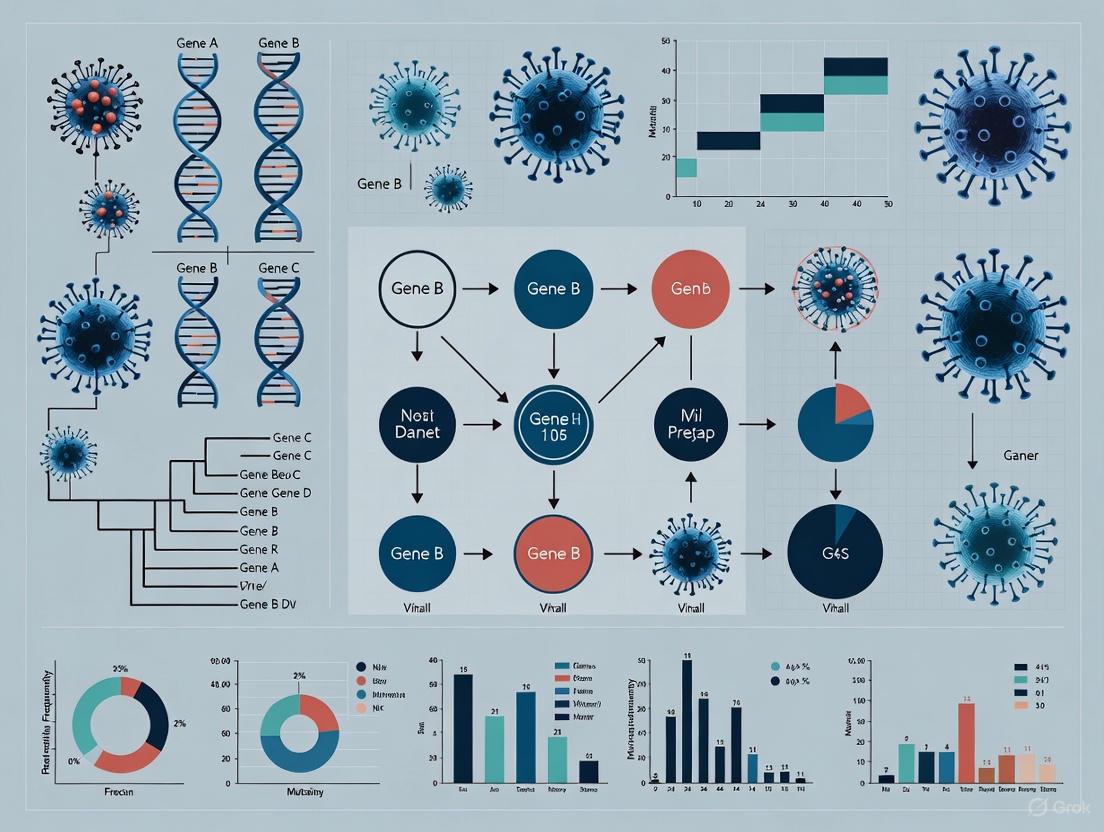
This article provides a comprehensive examination of the mechanisms generating viral genetic diversity and the evolutionary relationships that shape viral populations.
Viral Genetic Diversity and Evolutionary Dynamics: Mechanisms, Analysis, and Clinical Implications for Drug Development
Abstract
This article provides a comprehensive examination of the mechanisms generating viral genetic diversity and the evolutionary relationships that shape viral populations. It explores the foundational principles of viral evolution, from error-prone replication and recombination to the formation of quasispecies. The review critically assesses modern methodologies, including high-throughput sequencing and computational models, for analyzing viral diversity and tracking transmission dynamics. A dedicated focus on troubleshooting addresses challenges such as sequencing errors and the emergence of drug resistance. Finally, the article offers a comparative analysis of different viral families and validation techniques, synthesizing key insights to inform the development of novel therapeutics, vaccines, and public health strategies against fast-evolving viral pathogens.
The Engines of Viral Diversity: Unraveling Mechanisms of Mutation and Evolution
Error-Prone Replication and the Absence of Proofreading in RNA Viruses
Error-prone replication is a hallmark of RNA viruses, serving as a primary mechanism for generating genetic diversity and facilitating rapid evolution. Unlike DNA-based organisms, most RNA viruses lack the sophisticated proofreading mechanisms that ensure high-fidelity genome replication. This inherent capacity for error generates heterogeneous viral populations, or quasispecies, which provide the raw material for adaptation to new hosts, evasion of immune responses, and development of antiviral resistance [1] [2]. The high mutation rates observed in RNA viruses stem from the error-prone nature of their replication machinery, particularly the RNA-dependent RNA polymerase (RdRp), which does not possess intrinsic proofreading capability in most viral families [1].
The absence of robust proofreading mechanisms in RNA viruses creates a fundamental evolutionary trade-off. While high mutation rates generate diversity that enables rapid adaptation, they also risk accumulating deleterious mutations that can compromise viral fitness. Most RNA viruses navigate this balance by maintaining mutation rates just below the error threshold, beyond which the viral population would accumulate too many lethal mutations and face extinction—a phenomenon known as lethal mutagenesis [2]. Understanding these dynamics is crucial for research on viral evolution and the development of antiviral strategies that exploit this vulnerability.
Molecular Basis of Error-Prone Replication in RNA Viruses
The Error-Prone RNA-Dependent RNA Polymerase (RdRp)
At the core of error-prone viral replication is the RNA-dependent RNA polymerase (RdRp), which catalyzes the synthesis of new RNA strands using viral RNA as a template. Unlike cellular DNA polymerases, RdRp exhibits low fidelity due to its structural flexibility and limited capacity for nucleotide selection. The enzyme frequently incorporates incorrect nucleotides during genome replication because it lacks the precise molecular recognition domains found in high-fidelity polymerases [1]. This intrinsic infidelity is compounded by the absence of exonuclease activity that could remove misincorporated nucleotides in most RNA viruses.
The error rate of viral RdRp is quantitatively staggering, with misincorporation occurring as frequently as once per 10^3 to 10^5 nucleotides polymerized [1]. For a typical RNA virus with a 10,000-base genome, this translates to approximately one mutation in every newly synthesized genome. When considering that a single infected cell may produce thousands of viral particles, the potential for genetic diversity becomes enormous—a single infection can theoretically generate thousands of viral mutants [1].
Comparative Analysis of Nucleic Acid Polymerase Fidelity
Table 1: Comparison of Fidelity Across Different Nucleic Acid Polymerases
| Polymerase Type | Template | Proofreading Activity | Error Rate (per nucleotide incorporated) | Biological System |
|---|---|---|---|---|
| RNA-dependent RNA polymerase (RdRp) | RNA | Generally absent | 10^-3 to 10^-5 | Most RNA viruses |
| DNA-dependent DNA polymerase | DNA | Present (3'-5' exonuclease) | 10^-7 to 10^-9 | Cellular organisms |
| RNA-dependent DNA polymerase (Reverse transcriptase) | RNA | Limited/None | 10^-4 to 10^-5 | Retroviruses |
| Coronavirus RdRp | RNA | Present (nsp14-ExoN) | ~10^-6 to 10^-7 | Coronaviridae |
The dramatic difference in fidelity between RNA viral replication and cellular DNA replication, spanning several orders of magnitude, underscores the unique evolutionary strategy of RNA viruses [1]. This high error rate has profound implications for viral evolution, pathogenesis, and therapeutic interventions.
The Coronavirus Exception: A Unique Proofreading System
Molecular Architecture of the Coronavirus Proofreading Complex
Coronaviruses represent a notable exception among RNA viruses due to their possession of a unique proofreading mechanism. This system centers on non-structural protein 14 (nsp14), a bifunctional enzyme containing an N-terminal 3'-to-5' exoribonuclease domain (ExoN) and a C-terminal N7-methyltransferase domain [3]. The ExoN domain functions as the proofreading component, recognizing and removing misincorporated nucleotides during RNA synthesis. The exonuclease activity is not autonomous but requires interaction with nsp10, which acts as a crucial cofactor that stimulates the proofreading function [3].
The proofreading complex operates in concert with the viral RdRp (nsp12) and other replication enzymes. During RNA synthesis, the replication complex occasionally incorporates incorrect nucleotides. The ExoN domain of nsp14 recognizes these mismatches and excises the erroneous nucleotides from the nascent RNA chain, allowing RdRp to continue with correct nucleotide incorporation [3] [4]. This proofreading capacity significantly enhances replication fidelity compared to other RNA viruses and enables coronaviruses to maintain the largest known RNA genomes, ranging from approximately 26 to 32 kilobases [3].
Experimental Evidence for Coronavirus Proofreading Function
Table 2: Key Experimental Evidence Demonstrating Coronavirus Proofreading Activity
| Experimental Approach | Key Findings | Implications |
|---|---|---|
| ExoN deletion mutants | 15- to 20-fold increase in mutation frequency; attenuation of viral virulence | Confirmed ExoN's role in maintaining replication fidelity and virulence |
| Susceptibility to mutagenic agents (e.g., 5-fluorouracil) | ExoN-deficient SARS-CoV showed 160-fold reduction in replication with 5-FU; ExoN+ virus was protected | Demonstrated ExoN provides protection against lethal mutagenesis |
| Genome sequencing after mutagen treatment | ExoN-deficient virus: 3,648 mutations; ExoN-proficient virus: 259 mutations | Quantified the protective effect of proofreading against mutagenesis |
| Biochemical characterization of nsp14 | Exonuclease activity dependent on nsp10 cofactor; structural studies revealed catalytic mechanism | Elucidated the molecular basis of proofreading |
The critical evidence for coronavirus proofreading comes from studies with ExoN deletion mutants. When researchers deleted the ExoN domain from SARS-CoV, the resulting virus exhibited dramatically increased sensitivity to mutagens like 5-fluorouracil (5-FU) [4]. While wild-type virus replication was relatively unaffected by 5-FU treatment, ExoN-deficient viruses experienced a 160-fold reduction in replication efficiency and accumulated far more mutations—3,648 mutations in ExoN-deficient populations versus only 259 mutations in proofreading-competent viruses [4]. These findings conclusively demonstrated that ExoN functions as a proofreading enzyme that protects coronaviruses from lethal mutagenesis.
Methodologies for Studying Viral Replication and Mutation Dynamics
Experimental Protocols for Assessing Mutation Rates
Mutagen Sensitivity Assay
Purpose: To evaluate viral susceptibility to mutagenic compounds and assess proofreading activity. Procedure:
- Infect susceptible cells (e.g., Vero E6) with wild-type and proofreading-deficient viruses at low MOI
- Treat cultures with serial dilutions of mutagenic agents (e.g., 5-fluorouracil, ribavirin)
- Harvest viral supernatits at 24-48 hours post-infection
- Quantify viral titers by plaque assay or TCID50
- Extract viral RNA for genome sequencing and mutation frequency analysis
Interpretation: Proofreading-deficient viruses exhibit significantly greater replication impairment and higher mutation accumulation in the presence of mutagens compared to wild-type viruses [4].
Viral Population Sequencing and Mutation Frequency Analysis
Purpose: To quantitatively measure mutation rates and patterns in viral populations. Procedure:
- Generate viral stocks from individual clones or limited passages
- Infect cells at low MOI to avoid population bottlenecks
- Extract viral RNA from progeny virions
- Perform reverse transcription and PCR amplification of multiple genome regions
- Sequence using next-generation sequencing platforms (Illumina, Nanopore)
- Analyze sequence data to identify mutations relative to consensus
Key Calculations:
- Mutation frequency = Total mutations / (Genome size × Number of sequences)
- Transition/transversion ratios to identify mutation patterns [3] [4]
Mathematical Modeling of Replication-Mutation Dynamics
Mathematical models provide powerful tools for understanding viral replication dynamics and mutation accumulation. A standard approach incorporates key parameters including infected cell death rate (δ), rate constant for virus infection (β), and maximum rate constant for viral replication (γ) [5] [2].
The basic model structure includes:
- Target cells (T)
- Infected cells (I)
- Viral load (V)
The dynamics can be described by: dT/dt = -βTV dI/dt = βTV - δI dV/dt = γI - βTV - cV
Where the within-host reproduction number at symptom onset (RS0 = γ/δ) represents the average number of newly infected cells produced by a single infected cell [5]. This framework allows researchers to identify regimes of error catastrophe and lethal mutagenesis, where antiviral treatments can drive viral extinction by pushing mutation rates beyond sustainable thresholds [2].
Research Reagents and Experimental Tools
Table 3: Essential Research Reagents for Studying RNA Virus Replication and Proofreading
| Research Reagent | Application/Function | Example Use in Proofreading Studies |
|---|---|---|
| Mutagenic nucleoside analogs (5-FU, ribavirin) | Induce lethal mutagenesis; test proofreading efficiency | Comparing susceptibility of ExoN+ vs ExoN- viruses [4] |
| ExoN-active site inhibitors | Specifically block proofreading activity | Investigating consequences of transient proofreading inhibition |
| Recombinant nsp14-nsp10 complex | Biochemical characterization of proofreading | In vitro exonuclease assays; structural studies |
| Reverse genetics systems | Generate isogenic viruses with specific mutations | Creating ExoN catalytic site mutants [3] |
| Next-generation sequencing platforms | Quantify mutation frequency and patterns | Comprehensive mutation profiling after mutagen treatment |
| Mathematical modeling software | Simulate replication-mutation dynamics | Predicting error thresholds and lethal mutagenesis conditions [2] |
Visualization of Coronavirus Proofreading Mechanism
Implications for Antiviral Development and Therapeutic Strategies
The unique features of RNA virus replication, particularly the absence of proofreading in most families and its presence in coronaviruses, present distinct opportunities for therapeutic intervention. Two primary strategies have emerged:
Lethal Mutagenesis
This approach exploits the inherently high mutation rates of RNA viruses by further increasing the error frequency beyond the sustainable threshold. Nucleoside analogs such as ribavirin and favipiravir can incorporate into viral RNA during replication, causing additional mutations that ultimately lead to viral extinction through error catastrophe [1] [2]. Mathematical models predict that successful lethal mutagenesis requires reducing viral replication while simultaneously increasing mutation rates, creating a therapeutic window where viral load declines due to accumulated deleterious mutations [2].
Proofreading-Targeted Therapies
For coronaviruses, the ExoN proofreading activity represents a unique drug target. Inhibiting ExoN could sensitize coronaviruses to existing nucleoside analogs, creating combination therapies that first disable proofreading and then induce lethal mutagenesis [3] [4]. Research has demonstrated that coronaviruses lacking functional ExoN become highly susceptible to mutagens, supporting this therapeutic strategy [4]. Combination approaches using proofreading inhibitors with mutagenic agents may overcome the resistance conferred by the coronaviral proofreading system.
The timing of antiviral intervention is critical, particularly for rapidly replicating viruses like SARS-CoV-2, which reaches peak viral load just 2.0 days after symptom onset—significantly earlier than SARS-CoV (7.2 days) or MERS-CoV (12.2 days) [5]. Treatments that block de novo infection or virus production are most effective when initiated before this viral peak, while therapies promoting cytotoxicity of infected cells show less sensitivity to treatment timing [5].
Error-prone replication and the general absence of proofreading mechanisms in RNA viruses represent fundamental biological properties with profound implications for viral evolution, pathogenesis, and therapeutic development. The coronaviral exception, with its unique ExoN-mediated proofreading system, demonstrates how virological rules can be broken while providing valuable insights into the balance between genomic stability and adaptability. Understanding these mechanisms at molecular, population, and theoretical levels provides the foundation for innovative antiviral strategies that exploit the delicate balance RNA viruses maintain between mutational freedom and informational integrity. Future research directions include developing specific ExoN inhibitors, optimizing combination therapies that induce lethal mutagenesis, and further elucidating the structural basis of replication fidelity across diverse RNA virus families.
The Impact of Recombination and Reassortment on Genome Organization
Genetic recombination and reassortment are fundamental molecular processes that drive viral evolution and generate genetic diversity. Recombination refers to the rearrangement of DNA or RNA sequences through the breakage and rejoining of nucleic acid strands, while reassortment is a specific type of recombination occurring in segmented viruses where entire genome segments are exchanged during co-infection [6] [7]. These mechanisms facilitate the evolution of viral pathogens by enabling them to overcome selective pressures, adapt to new hosts, evade immune responses, and develop resistance to antiviral therapies [6]. For researchers and drug development professionals, understanding these processes is crucial for predicting emerging viral threats, designing broad-spectrum therapeutics, and developing effective vaccines. This technical guide examines the impact of recombination and reassortment on viral genome organization within the broader context of viral genetic diversity and evolutionary relationships research.
Fundamental Mechanisms
Molecular Basis of Recombination
Genetic recombination involves the exchange of genetic material between two viral genomes, creating novel chimeric sequences. The process can be categorized into distinct types based on the underlying mechanism and sequence requirements:
Homologous recombination occurs between sequences with extensive similarity, where the crossover happens at the same position in both parental strands [7]. This process can be reciprocal, producing an even exchange of genetic material, or nonreciprocal (gene conversion), where one chromosome donates a sequence to another without receiving anything in return [7].
Non-homologous (illegitimate) recombination occurs at different sites in the parental strands with little to no sequence homology, often producing aberrant genetic structures [6]. This type of recombination typically involves microhomologies of just a few base pairs at the recombination junctions [7].
Site-specific recombination is mediated by sequence-specific recombination enzymes, often encoded by viruses or transposable elements, and may rely on very short stretches of homology between interacting nucleic acids [7].
For RNA viruses, the predominant mechanism is copy-choice recombination, where the viral RNA-dependent RNA polymerase switches templates during genome replication, generating a chimeric progeny genome [8]. The rate of RNA recombination varies dramatically among virus families, with some negative-sense single-stranded RNA viruses exhibiting effectively clonal populations, while some positive-sense RNA viruses and retroviruses display high recombination rates that can exceed mutation rates per nucleotide [8].
Reassortment in Segmented Viruses
Reassortment is a specialized form of genetic exchange unique to viruses with segmented genomes. When two different viral strains co-infect a single cell, they can package a mixture of genomic segments from both parents into progeny virions, creating novel genotypes in a single replication cycle [9]. This process is particularly significant for evolutionary leaps because it allows for the simultaneous exchange of multiple genes, potentially creating viruses with new antigenic and pathogenic properties [9].
The compatibility of segments from different parental strains determines the success of reassortment outcomes. Protein-protein interactions and segment-packaging signals often constrain which segment combinations can form functional viruses [8]. Some viruses exhibit non-random segregation patterns, where certain gene combinations are preferentially maintained due to functional compatibilities that enhance fitness [8].
Figure 1: Reassortment Mechanism in Segmented Viruses. During coinfection, genomic segments from parental viruses mix and are repackaged into progeny virions with novel gene combinations.
Impact on Viral Genome Organization
Structural Consequences for Viral Genomes
Recombination and reassortment exert profound influences on viral genome organization, potentially leading to both adaptive benefits and structural constraints:
Generation of novel gene arrangements: Recombination can produce genomes with unusual organizations, as demonstrated in snake arenaviruses where recombinant segments featured two intergenic regions and superfluous content while remaining capable of stable replication and transmission [10].
Alteration of regulatory elements: Crossovers within non-coding regions can modify transcription regulation signals, replication origins, or packaging signals, potentially altering viral replication kinetics and host range [6].
Segment compatibility constraints: In segmented viruses, reassortment is constrained by the need for maintained functional interactions between gene products. Surface proteins often exhibit co-evolutionary patterns with low reassortment rates, as seen in influenza A virus where HA, NA, and MP genes tend to reassort together to maintain compatibility [11].
Modular genome evolution: Recombination facilitates the exchange of functional modules between viruses, allowing for the acquisition of new capabilities. The GPC gene of snake arenaviruses appears to have been acquired through recombination with filoviruses or avian retroviruses, representing a significant alteration of genome organization [10].
Quantitative Assessment of Recombination and Reassortment
Table 1: Recombination and Reassortment Frequencies Across Virus Families
| Virus Family | Genome Type | Recombination Rate | Reassortment Potential | Key Factors Influencing Frequency |
|---|---|---|---|---|
| Retroviridae (HIV) | ssRNA-RT | High (exceeds mutation rate) [6] | Not applicable | Template switching between two copackaged genomes [8] |
| Orthomyxoviridae (Influenza) | (-)ssRNA segmented | Low for RNA recombination [6] | High [11] | Segment compatibility, host species [11] |
| Arenaviridae | (-)ssRNA segmented | Variable; documented in snake arenaviruses [10] | Documented in natural infections [10] | Coinfection frequency, host factors [10] |
| Picornaviridae | (+)ssRNA | High in some members [6] | Not applicable | Polymerase processivity, RNA secondary structure [8] |
| Herpesviridae | dsDNA | High homologous recombination [6] | Not applicable | Host recombination machinery, DNA repair pathways [6] |
Table 2: Documented Reassortment Events in Segmented Viruses
| Virus | Segment Number | Reassortment Efficiency | Constrained Segments | Experimental System |
|---|---|---|---|---|
| Influenza A virus | 8 | High in avian strains [11] | HA, NA, MP (co-evolve) [11] | Tagged virus system [9] |
| Mammalian orthoreovirus | 10/11 | Non-random segregation [8] | L1, M1 constraints [9] | HRM genotyping [9] |
| Snake arenaviruses | 2 | Widespread in natural infections [10] | S segment dominance [10] | Metagenomic sequencing [10] |
| Rotavirus | 11 | Variable | NSP genes [8] | Electrophoretic mobility [9] |
Methodologies for Detection and Analysis
Experimental Approaches for Reassortment Quantification
Accurate quantification of reassortment requires sensitive methods that can distinguish highly similar parental genomes while minimizing selection biases:
Tagged virus systems: The construction of well-matched parental viruses differing only by silent mutations enables reassortment quantification without fitness differences confounding results. These systems use high-resolution melt (HRM) analysis to distinguish segment origins based on single-nucleotide differences in short amplicons (65-110 bp) [9].
High-resolution melt (HRM) genotyping: This post-PCR method detects subtle differences in amplicon melting curves caused by synonymous mutations identifying parental origins. The method is sensitive enough to detect single-nucleotide changes, making it ideal for quantifying reassortment between highly similar viruses [9].
Epitope-tagged reporters: For tracking infection and segment origin in mixed infections, epitope tags (e.g., 6xHIS, HA) can be inserted into viral proteins with flexible linkers (GGGGS) to avoid interference with protein folding. This enables immunological detection of parental origins in reassortant viruses [9].
Metagenomic sequencing: Deep sequencing of viral populations from natural infections allows comprehensive detection of recombination and reassortment events without prior assumptions about parental strains. This approach identified 210 genome segments grouping into 23 L and 11 S genotypes in snake arenaviruses, revealing extensive diversity [10].
Computational Detection Methods
Bioinformatic tools are essential for identifying recombination and reassortment events from sequence data:
TreeSort algorithm: This novel tool uses the phylogeny of a selected viral segment as a reference to identify branches where reassortment has occurred with high probability. It reports specific gene segments involved in reassortment and their divergence from prior pairings, enabling analysis of thousands of whole genomes [11].
Phylogenetic incongruence: Comparison of gene trees across different genome segments can reveal reassortment events through topological conflicts. This approach has revealed elevated reassortment rates in highly pathogenic avian influenza H5N1 clade 2.3.4.4b during 2020-2023 [11].
Recombination breakpoint detection: Algorithms such as those implemented in RDP, GENECONV, and Bootscan can identify recombination breakpoints by scanning for significant changes in sequence similarity or phylogenetic relationships along genome alignments [6].
Figure 2: Workflow for Detecting Recombination and Reassortment Events. Integrated experimental and computational pipeline for identifying and characterizing viral genome rearrangements.
Research Reagent Solutions
Table 3: Essential Research Reagents for Studying Recombination and Reassortment
| Reagent/Cell Line | Specification | Research Application | Key Features |
|---|---|---|---|
| BHK-T7 cells | Baby hamster kidney cells stably expressing T7 RNA polymerase [9] | Reverse genetics for segmented viruses | Enables plasmid-based recovery of recombinant viruses |
| A549 cells | Human lung epithelial cells (ATCC CCL-185) [9] | Influenza and reovirus reassortment studies | Permissive for respiratory viruses, relevant cell type |
| L929 cells | Spinner-adapted mouse fibroblast cells [9] | Reovirus propagation and reassortment assays | High-yield virus production in suspension culture |
| Tagged virus systems | Wild-type and variant pairs with synonymous mutations [9] | Quantitative reassortment measurement | Eliminates selection bias in reassortment frequency |
| HRM genotyping kits | High-resolution melt analysis reagents [9] | Discrimination of segment origins | Detects single-nucleotide differences in amplicons |
| Epitope-tagged constructs | HA, 6xHIS tags with GGGGS linkers [9] | Tracking parental segment origin | Allows immunological detection without disrupting protein function |
Evolutionary Consequences and Research Applications
Impact on Viral Evolution and Emergence
Recombination and reassortment significantly accelerate viral evolution through several mechanisms:
Emergence of novel pathogens: Reassortment can create viruses with new antigenic properties and host ranges, as demonstrated by the 2009 influenza A virus pandemic that resulted from reassortment between avian, swine, and human strains [9].
Alteration of virulence and pathogenesis: Recombinant viruses may acquire mutations that enhance pathogenicity. Arenavirus recombination is thought to have given rise to ancestral S segments of New World rodent arenaviruses, potentially influencing their disease potential [10].
Expansion of host range: Genetic exchanges can facilitate cross-species transmission by providing viruses with genetic combinations necessary to infect new host species. The Western equine encephalitis virus emerged through recombination between two parental viruses [6].
Immune evasion and drug resistance: In HIV, recombination rapidly shuffles resistance mutations across populations, accelerating the development of multidrug resistance and complicating treatment strategies [6].
Research Applications and Therapeutic Implications
Understanding recombination and reassortment processes has direct applications in public health and therapeutic development:
Vaccine design: Identifying constrained gene partnerships through reassortment analysis informs the design of broad-coverage vaccines. The low reassortment frequency between surface protein genes in influenza suggests these should be targeted together in vaccine formulations [11].
Antiviral development: Knowledge of recombination hotspots and mechanisms aids in designing inhibitors that target these processes or their products, potentially reducing viral evolutionary capacity.
Pandemic risk assessment: Tools like TreeSort enable real-time tracking of reassortment patterns across hosts, identifying novel virus combinations with heightened pandemic potential for prioritized response [11].
Molecular epidemiology: Recombination and reassortment signatures serve as markers for tracking transmission pathways and understanding outbreak dynamics during viral investigations.
Recombination and reassortment are powerful drivers of viral evolution that profoundly impact genome organization and diversity. These processes facilitate rapid viral adaptation through the generation of novel genetic combinations, influencing pathogenesis, host range, and antigenic properties. For researchers and drug development professionals, understanding these mechanisms is essential for predicting viral emergence, designing effective countermeasures, and developing strategies to combat antiviral resistance. Continued advancement in detection methodologies, particularly tagged virus systems coupled with sensitive genotyping and computational tools like TreeSort, will enhance our ability to monitor and respond to the evolving threat landscape of recombinant viruses. Integrating knowledge of these fundamental genetic processes into research and public health practice remains crucial for addressing current and future viral challenges.
Viral quasispecies represent a fundamental paradigm in virology that describes RNA viruses and certain DNA viruses as dynamic, complex populations of closely related genetic variants. This population structure, governed by high mutation rates during replication, enables remarkable adaptability and has profound implications for pathogenesis, drug resistance, and therapeutic development. This whitepaper examines the theoretical foundations of quasispecies theory, explores advanced methodologies for their characterization, and discusses the clinical consequences of this unique evolutionary strategy. By integrating quantitative data, experimental protocols, and computational approaches, we provide researchers with a comprehensive framework for investigating viral quasispecies in the context of viral genetic diversity and evolutionary relationships.
Viral quasispecies are defined as dynamic collections of closely related viral genomes subjected to continuous genetic variation, competition among variants, and selection of the most fit distributions in a given environment [12] [13]. This population structure contrasts with classical views of viral species as static entities with defined nucleotide sequences, instead characterizing them as mutant swarms or mutant clouds where genetic diversity is the norm rather than the exception [14] [15]. The quasispecies concept has become the most adequate framework for understanding RNA virus dynamics because it explicitly incorporates limited copying fidelity as a key parameter in its mathematical formulation and emphasizes the critical role of mutant distributions during replication [13].
The biological significance of quasispecies stems from their contribution to viral adaptability and evolutionary potential. At any given time, a viral population maintains a reservoir of both genotypic and phenotypic variants, providing what has been termed adaptive pluripotency [14] [15]. This diversity enables rapid response to selective pressures such as host immune responses, antiviral therapies, or environmental changes. The quasispecies structure has practical consequences for disease control, as interventions targeting a single viral genotype may select for pre-existing resistant mutants within the mutant spectrum [16].
Theoretical Framework and Evolutionary Concepts
Historical Foundations and Mathematical Formulations
Quasispecies theory originated from two independent lines of inquiry: theoretical work on molecular evolution by Manfred Eigen and Peter Schuster, and experimental observations of RNA bacteriophage Qβ populations by Charles Weissmann and colleagues [16] [14] [15]. Eigen's pioneering mathematical treatment addressed the evolution of molecules that replicated with regular production of error copies, seeking to develop a model for self-organization and adaptability of primitive replicons at the origin of life [13].
The core quasispecies model is described by the set of differential equations:
This mathematical formulation describes the time change of the fraction of the population of the ith mutant sequence (xi) where (fj) is the replication rate of the jth mutant, (Q_{ji}) is the probability of mutation from sequence j to i, and (Ω(x)) denotes the average fitness of the population [16]. The model portrays viral populations as organized mutant spectra dominated by a master sequence—the genotype with the highest replicative capacity—surrounded by a cloud of closely related variants.
Error Threshold and Sequence Space
A fundamental concept arising from quasispecies theory is the error threshold, which represents the maximum mutation rate compatible with maintenance of genetic information [16] [14]. When mutation rates exceed this threshold, the master sequence can no longer stabilize the mutant ensemble, leading to loss of genetic information and potentially viral extinction—a transition that forms the basis of an antiviral strategy termed lethal mutagenesis [14] [15].
In a simplified two-population model (wild-type and average mutant), the error threshold occurs when mutation rate overcomes the critical value:
Where (f0) is the fitness of the wild-type sequence and (f1) is the fitness of the average mutant [16]. This relationship highlights the delicate balance between mutation rates that generate diversity and those that destroy inheritable genetic information.
Quasispecies theory also introduces the concept of sequence space—a multidimensional discrete space where each node corresponds to a genotype connected to neighboring genotypes by single-point mutations [16]. For an RNA virus, the sequence space is astronomically large (4^L for a genome of length L), and the distribution of fitness values across this space constitutes the fitness landscape that guides evolutionary trajectories [16].
Fitness Landscapes and Evolutionary Dynamics
Fitness landscapes represent a conceptual model where each genotype is associated with a quantitative fitness value [16]. These landscapes range from smooth surfaces with single peaks to rugged terrains with multiple adaptive solutions. For RNA viruses, fitness landscapes are increasingly viewed as very rugged and dynamic, reflecting the complex interactions between viral genotypes and host environments [16].
The quasispecies structure leads to unique evolutionary phenomena such as "survival of the flattest"—where a quasispecies located at a low but evolutionarily neutral and highly connected region in the fitness landscape can outcompete a quasispecies located at a higher but narrower fitness peak [15]. This occurs because the former population possesses greater robustness to mutation, maintaining functionality across a wider range of genetic variants.
Methodologies for Quasispecies Characterization
Next-Generation Sequencing Approaches
Next-generation sequencing (NGS) technologies have revolutionized quasispecies characterization by enabling detection of variants at frequencies as low as 1% in the quasispecies pool [17]. The massive sequencing depth provided by NGS platforms allows unprecedented resolution of mutant spectra, revealing the complex genetic architecture of viral populations.
Key NGS applications in quasispecies research include:
- Ultra-deep sequencing of viral genomes to characterize minority variants
- Haplotype reconstruction to determine linked mutations across genomes
- Longitudinal tracking of quasispecies evolution during infection and treatment
- Identification of adaptive mutations under selective pressures
Computational Assembly and Analysis Tools
The genetic diversity and high mutation rates of viral quasispecies present significant challenges for genome assembly. Specialized computational tools have been developed to address these challenges:
Table 1: Computational Tools for Viral Quasispecies Analysis
| Tool | Methodology | Application | Key Features |
|---|---|---|---|
| SAVAGE [18] | Overlap graph-based assembly | De novo haplotype reconstruction | Reference-free assembly; deep coverage data (>20,000×) |
| FC-Virus [19] | Homologous k-mer backbone | Full-length consensus assembly | Identifies k-mers shared across strains; builds single consensus |
| QAP [17] | Operational taxonomic unit analysis | Quasispecies quantification | Automated processing of NGS data; machine learning integration |
| VICUNA [18] | Overlap-layout-consensus | Consensus assembly from ultra-deep sequencing | Designed for highly diverse viral populations |
| HaploClique [18] | Maximal clique enumeration | Haplotype resolution | Reference-guided overlap graph approach |
Experimental Protocol: NGS-Based Quasispecies Analysis
The following protocol outlines a standardized approach for characterizing viral quasispecies using next-generation sequencing:
Sample Preparation and Library Construction
- Extract viral RNA/DNA from patient serum or cell culture samples
- Amplify target regions using reverse transcription-PCR with overlapping primers
- For whole-genome analysis, amplify multiple overlapping fragments covering the entire viral genome
- Quantify amplification products and normalize concentrations
- Prepare sequencing libraries using platform-specific kits (e.g., Nextera DNA Sample Prep Kit for Illumina)
- Perform size selection to remove fragments <400 bp using AMPure XP beads
- Validate library quality using an Agilent Bioanalyzer
- Quantify libraries by real-time PCR prior to sequencing
Sequencing and Data Processing
- Sequence amplified fragments using an Illumina MiSeq platform (2 × 300 bp paired-end protocol)
- Perform image analysis and base calling using platform-specific software (e.g., CASAVA for Illumina)
- Quality filter raw sequencing data: remove adapters, discard reads <250 bp, and eliminate low-quality sequences (base quality <25)
- Map clean reads to reference genomes using appropriate mapping algorithms
- Assemble read pairs into amplicon sequences based on mapping positions
- Correct sequencing errors and generate viral haplotypes
Quasispecies Quantification and Analysis
- Define viral operational taxonomic units (OTUs) based on genetic distances
- Perform hierarchical clustering analysis to identify quasispecies patterns
- Conduct principal component analysis to visualize population structures
- Apply machine learning algorithms for phenotype classification (e.g., K-nearest neighbor, support vector machine, random forest)
- Correlate quasispecies features with clinical and virological parameters
Quantitative Analysis of Quasispecies Diversity
Mutation Rates and Population Genetics
Viral quasispecies are characterized by exceptionally high mutation rates that drive their genetic diversity. RNA viruses exhibit mutation rates ranging from 10^-6 to 10^-4 mutations per nucleotide per cellular infection, while DNA viruses typically range from 10^-8 to 10^-6 [20]. These rates are several orders of magnitude higher than those of cellular organisms, facilitating rapid generation of genetic diversity.
The population genetics of viral quasispecies are influenced by the interplay of mutation supply, genetic drift, and selection. The total mutation supply depends on both the mutation rate per sequence (μ) and the effective population size (Ne), captured in the population mutation rate θ = 4Neμ [20]. Viral populations typically experience stronger genetic drift than other organisms with similar census population sizes due to fluctuating population sizes and skewed offspring distributions.
Clinical Correlations and Quantitative Assessments
Advanced quasispecies analysis has revealed significant correlations between viral diversity and clinical outcomes. In a study of 290 HBeAg-positive patients, quasispecies analysis based on NGS data demonstrated distinct clustering between immune tolerant (IT) and chronic hepatitis B (CHB) patients [17]. Machine learning models incorporating quasispecies features showed higher diagnostic accuracy for IT phase classification compared to conventional markers like HBsAg titer, APRI, and FIB-4 scores.
Table 2: Quantitative Parameters in Viral Quasispecies Research
| Parameter | Description | Measurement Approach | Biological Significance |
|---|---|---|---|
| Mutation Rate | Rate of nucleotide changes per replication cycle | Clonal sequencing, fluctuation tests | Determines evolutionary potential; typically 10^-6 to 10^-4 for RNA viruses |
| Mutation Frequency | Average number of mutations per genome relative to consensus | NGS with error correction | Indicator of population diversity; ~1-2 mutations/genome in Qβ phage |
| Shannon Entropy | Measure of quasispecies complexity | NGS variant frequency distribution | Higher values indicate greater diversity within population |
| Hamming Distance | Number of positional differences between sequences | Pairwise sequence comparison | Quantifies genetic divergence within quasispecies |
| Error Threshold | Maximum mutation rate compatible with genetic stability | Theoretical calculation, mutagenesis experiments | μc = 1 - f1/f_0 in simple model; basis for lethal mutagenesis |
Biological Implications and Clinical Relevance
Pathogenesis and Immune Evasion
The quasispecies nature of viruses has profound implications for pathogenesis and immune evasion. The continuous generation of variant genomes provides a reservoir for immune escape mutants that can evade host neutralizing antibodies and cytotoxic T-cell responses [16] [14]. This dynamic is particularly evident in chronic infections such as those caused by HIV-1 and hepatitis C virus, where quasispecies evolution facilitates persistence in the face of sustained immune pressure [14] [15].
Studies of hepatitis B virus (HBV) have revealed that quasispecies complexity within the basal core promoter/precore/core region correlates with liver inflammation and fibrosis severity [17]. The relative abundance of specific viral OTUs differs significantly between immune tolerant and chronic hepatitis B patients, suggesting that quasispecies composition reflects host-virus interactions and disease progression.
Drug Resistance and Antiviral Therapy
Quasispecies dynamics present major challenges for antiviral therapy through several mechanisms:
- Pre-existence of resistant variants within mutant spectra before treatment initiation
- Rapid selection of resistant mutants under drug pressure
- Compensatory mutations that restore fitness to resistant variants
- Collective behavior of mutant spectra that can suppress or enhance specific variants
The high evolutionary potential of viral quasispecies necessitates combination therapies targeting multiple viral functions simultaneously [12]. This approach reduces the probability of selecting resistant mutants by requiring multiple concurrent mutations for escape. Additionally, the error threshold concept has inspired therapeutic strategies based on lethal mutagenesis, where mutagenic agents are used to increase viral mutation rates beyond sustainable levels [14] [12].
Intra-population Interactions and Collective Behavior
A crucial aspect of quasispecies dynamics is the presence of interactions among components of mutant spectra. These include:
- Complementation: Cooperative interactions where genomes encode products that mutually assist replication
- Interference: Negative interactions where some genomes suppress replication of others
- Defector phenomena: Mutants that exploit resources without contributing to population fitness
Experimental evidence demonstrates that the complete mutant ensemble often exhibits replicative advantages over its individual components [12]. This collective behavior underscores that viral quasispecies can act as units of selection, with properties that transcend those of their constituent variants.
Research Reagent Solutions
Table 3: Essential Research Reagents for Viral Quasispecies Studies
| Reagent/Category | Specific Examples | Function/Application | Considerations |
|---|---|---|---|
| Nucleic Acid Extraction Kits | QIAamp UltraSens Virus Kit | Viral RNA/DNA extraction from clinical samples | Maximize yield from low-volume samples; prevent contamination |
| Amplification Primers | HBV fragment P5 primers (BCP/precore/core) | Target-specific amplification for NGS | Design overlapping amplicons for genome coverage |
| Library Preparation Kits | Nextera DNA Sample Prep Kit | NGS library construction from PCR products | Fragment size selection critical for quality libraries |
| Sequencing Platforms | Illumina MiSeq | High-depth sequencing of viral populations | 2 × 300 bp paired-end provides length and accuracy balance |
| Computational Tools | SAVAGE, FC-Virus, QAP | Data analysis, assembly, and quantification | Choose based on reference availability and research goals |
| Quality Control Tools | Agilent Bioanalyzer, AMPure XP beads | Library validation and size selection | Essential for removing primer dimers and short fragments |
Viral quasispecies represent a fundamental evolutionary strategy that enables RNA viruses and some DNA viruses to maintain adaptability in changing environments. The theoretical framework developed by Eigen and Schuster, combined with modern experimental approaches, has transformed our understanding of viral populations as dynamic mutant ensembles rather than static entities. The application of next-generation sequencing technologies and sophisticated computational tools has provided unprecedented insights into quasispecies dynamics, revealing their critical roles in pathogenesis, immune evasion, and drug resistance.
Ongoing research continues to elucidate the complex interactions within mutant spectra and their collective behavior as units of selection. These advances hold promise for novel therapeutic strategies that leverage quasispecies principles, such as lethal mutagenesis and combination therapies that exploit evolutionary constraints. As our understanding of viral quasispecies deepens, so too does our capacity to develop more effective interventions against rapidly evolving viral pathogens.
Apolipoprotein B mRNA-editing enzyme catalytic polypeptide-like (APOBEC) enzymes are host-encoded cytidine deaminases that function as a frontline defense mechanism against viral pathogens by introducing mutations into viral genomes. While their role in restricting viruses such as HIV-1 is well-established, recent evidence indicates that these enzymes also serve as powerful drivers of viral genetic diversity, influencing evolutionary trajectories, immune evasion, and therapy resistance. This whitepaper provides an in-depth technical analysis of the mechanisms by which APOBEC-mediated hypermutation occurs, summarizes quantitative data on mutation signatures across different viruses, details key experimental methodologies for studying these phenomena, and discusses the implications for viral evolution and therapeutic intervention within the broader context of viral genetic diversity research.
The APOBEC family of zinc-dependent cytidine deaminases represents a crucial component of the innate immune system, providing an intracellular defense mechanism against exogenous viruses and endogenous retroelements [21] [22]. In humans, the APOBEC3 (A3) subfamily has expanded to include seven members (A3A, A3B, A3C, A3D, A3F, A3G, and A3H) that serve as potent restriction factors against diverse viral pathogens [23] [24]. These enzymes catalyze the deamination of cytosine to uracil (C-to-U) in single-stranded DNA (ssDNA) intermediates generated during viral replication, leading to genomic strand guanine-to-adenine (G-to-A) hypermutation in subsequent replication cycles [21] [22]. This mutagenic capability can be profoundly lethal to viruses, with certain A3 enzymes capable of deaminating up to 10% of viral cDNA cytosines in a single replication round, effectively destroying viral infectivity [21].
Beyond their direct antiviral restriction function, APOBEC enzymes have emerged as significant drivers of viral evolution. Sublethal levels of APOBEC-mediated mutagenesis introduce genetic diversity that can be subject to natural selection, potentially yielding viral variants with enhanced fitness, including those capable of immune evasion and drug resistance [23] [24]. The COVID-19 pandemic has provided striking evidence for this phenomenon, with analyses of SARS-CoV-2 genomes revealing that more than 65% of recorded mutations are attributable to interactions with APOBECs and adenosine deaminases acting on RNA (ADAR) [23]. This dual nature—both restraining and shaping viral populations—establishes APOBEC enzymes as critical determinants in host-virus evolutionary dynamics.
Biochemical Mechanisms of APOBEC-Mediated Hypermutation
Structural Basis and Deamination Mechanism
APOBEC enzymes share a conserved structural architecture centered on a zinc-coordinating active site. The catalytic domain contains a consensus zinc-binding motif with the sequence His-X-Glu-X23–28-Pro-Cys-X2–4-Cys (where X represents any amino acid), where the histidine and cysteine residues coordinate a zinc ion essential for catalytic activity [21] [24]. The proposed deamination mechanism, derived from structural studies of bacterial and yeast cytidine deaminases, involves a zinc-mediated hydrolytic attack on the cytosine base:
- A conserved glutamic acid residue deprotonates a water molecule, generating a zinc-stabilized hydroxide ion [21] [24].
- This hydroxide ion attacks the 4-position of the cytosine pyrimidine ring, leading to the formation of an unstable tetrahedral intermediate [21].
- The reaction proceeds with the elimination of ammonia (NH3), resulting in a uracil base [21] [22].
The structural basis for substrate specificity has been elucidated through co-crystal structures of A3A and A3B C-terminal domain bound to ssDNA. These structures reveal that the DNA substrate adopts a U-shaped conformation, with the target cytosine flipped out and inserted deep into the zinc-coordinating active site pocket, while the -1 nucleotide (immediately 5' to the target cytosine) is also flipped out and makes specific hydrogen-bonding contacts with the protein that determine sequence preference [21].
Figure 1: APOBEC Deamination Mechanism. The diagram illustrates the stepwise process of cytosine-to-uracil deamination catalyzed by APOBEC enzymes, involving zinc-mediated hydrolysis.
A critical feature of APOBEC enzymes is their distinct preference for specific dinucleotide contexts, which creates recognizable mutational signatures in viral genomes:
- A3G uniquely prefers target cytosines preceded by another cytosine (5′-CC → 5′-CU) [21] [22] [24].
- A3A, A3B, A3C, A3D, A3F, and A3H prefer target cytosines preceded by a thymine (5′-TC → 5′-TU) [21] [22].
Additional flanking sequences (the -2 and +1 positions) also influence deamination efficiency, though these preferences are less strictly defined [21]. The structural basis for the TC/CC preference lies in specific interactions between the enzyme and the flipped-out -1 base (T for A3A-A3H, C for A3G) [21]. This specificity allows researchers to infer which APOBEC enzyme is responsible for observed mutation patterns in viral sequences.
Table 1: APOBEC Enzyme Characteristics and Mutation Signatures
| APOBEC Enzyme | Domain Organization | Preferred Motif | Primary Viral Targets | Subcellular Localization |
|---|---|---|---|---|
| A3A | Z1 | 5′-TC | SARS-CoV-2, HBV | Nucleus/Cytoplasm |
| A3B | Z2-Z1 | 5′-TC | HIV-1, HBV | Nucleus |
| A3C | Z2 | 5′-TC | HIV-1, HBV | Nucleus/Cytoplasm |
| A3D | Z2-Z2 | 5′-TC | HIV-1 | Cytoplasm |
| A3F | Z2-Z2 | 5′-TC | HIV-1 | Cytoplasm |
| A3G | Z2-Z1 | 5′-CC | HIV-1, HTLV-1 | Cytoplasm |
| A3H | Z3 | 5′-TC | HIV-1, HBV | Haplotype-dependent |
APOBEC-Mediated Hypermutation Across Different Virus Families
Retroviruses: HIV-1 as the Prototype
The interaction between APOBEC3 enzymes and HIV-1 represents the most extensively characterized model of APOBEC-mediated viral restriction. The established mechanism involves:
- Packaging: A3D, A3F, A3G, and A3H incorporate into budding HIV-1 virions through interactions between their N-terminal domains and viral genomic RNA [21].
- Reverse Transcription: During reverse transcription in the newly infected cell, the viral RNA genome is reverse-transcribed into ssDNA, which serves as a substrate for APOBEC enzymes.
- Deamination: APOBEC enzymes deaminate cytosines to uracils in the nascent minus-strand viral DNA [21] [22].
- Fixed Mutations: During plus-strand synthesis, the uracils template adenines, resulting in G-to-A hypermutation in the genomic strand [21] [25].
HIV-1 has evolved a sophisticated countermeasure in the form of the Viral Infectivity Factor (Vif) protein, which acts as a substrate receptor for a CUL5 E3 ubiquitin ligase complex that targets multiple A3 enzymes for proteasomal degradation [21] [24]. In Vif-deficient HIV-1, A3 enzymes can introduce lethal levels of mutation, but in Vif-proficient viruses, sublethal mutagenesis may occur, potentially driving viral evolution and the emergence of variants with altered phenotypes [23] [24].
Figure 2: APOBEC3 Restriction of HIV-1 and Vif Counteraction. The diagram contrasts viral outcomes in the presence and absence of the HIV-1 Vif protein, which targets APOBEC3 proteins for degradation.
DNA Viruses and RNA Viruses
APOBEC enzymes demonstrate activity against a broad spectrum of viruses beyond retroviruses:
- Hepatitis B Virus (HBV): A3A hypermutates a small proportion (~10⁻²) of HBV genomes extensively, with up to 40% of cytosines converted to uracils in the hypermutated genomes [25] [26]. The overall hypermutation frequency is low, but the mutations are extensive in the affected genomes.
- SARS-CoV-2: Recent evidence demonstrates that A3A, A1 (with cofactor A1CF), and A3G can edit specific sites on SARS-CoV-2 RNA, producing C-to-U mutations [27]. Surprisingly, rather than inhibiting viral replication, APOBEC3 expression promoted viral replication and propagation in Caco-2 cells, suggesting SARS-CoV-2 may exploit APOBEC-mediated mutations for fitness and evolution [27]. Database analyses indicate that C-to-U mutations account for approximately 40% of all single nucleotide variations in SARS-CoV-2 sequences [27].
Table 2: Hypermutation Patterns Across Different Viruses
| Virus | Genome Type | APOBEC Enzymes Involved | Hypermutation Frequency | Mutation Load in Hypermutated Genomes |
|---|---|---|---|---|
| HIV-1 | Retrovirus | A3D, A3F, A3G, A3H | Up to 43% (env DNA) | Up to 50% of guanines mutated |
| HTLV-1 | Retrovirus | A3G | Low (10⁻²–10⁻⁴) | Extensive in affected proportion |
| HBV | DNA virus | A3A | <2–35% (varies by method) | 20-40% of cytosines mutated |
| SARS-CoV-2 | RNA virus | A3A, A1, A3G | Not quantified | Specific UC/AC motif editing |
Quantitative Analysis of APOBEC-Mediated Mutations
The extent and impact of APOBEC-mediated hypermutation vary significantly across virus families and experimental systems. Key quantitative observations include:
- HIV-1: Massive parallel sequencing of HIV-1 env DNA revealed that G-to-A hypermutations varied from <1% to 85% depending on the genomic site, with a hypermutation level of 75.2 ± 9.1% observed at hotspot 7424 among sequences with GG-to-AG mutations [25] [26]. Overall, 43.1 ± 5.2% of HIV-1 env DNA sequences showed evidence of hypermutation by endogenous APOBEC3 proteins [26].
- HBV: Studies using differential DNA denaturation PCR (3D-PCR) estimated that only ~10⁻² HBV genomes in the total population were hypermutated by A3A, but in these hypermutated genomes, an average of 20.5% and 40.1% of cytosines on the minus and plus strands, respectively, were mutated in the evaluated region [25] [26].
- Experimental Systems: In cell-free systems, hypermutation induced by purified A3G is proportional to enzyme concentration in a dose-dependent manner [25] [26]. This contrasts with the situation in cells, where extensive hypermutation occurs only in a small proportion of viral genomes, suggesting the involvement of cellular regulatory factors [25] [26].
Table 3: Experimental Methods for Detecting APOBEC Hypermutation
| Method | Principle | Applications | Sensitivity | Advantages | Limitations |
|---|---|---|---|---|---|
| 3D-PCR | Exploits lower denaturation temperature of AT-rich hypermutated DNA | HIV-1, HBV, HTLV-1, MLV | Can detect 1 hypermutant in 10⁴ wild-type | Enriches rare hypermutated genomes; no specialized equipment | Semi-quantitative; requires optimization of denaturation temperature |
| Safe Sequencing System (SSS) | Uses unique molecular barcodes to eliminate PCR and sequencing errors | SARS-CoV-2 RNA editing studies | Can distinguish true mutations with frequency <0.1% | Extremely high accuracy; quantitative | Expensive; technically demanding; limited coverage |
| Deep Sequencing with Bioinformatics | High-throughput sequencing followed by motif analysis | HIV-1, cancer genomes | Depends on sequencing depth | Genome-wide analysis; can attribute to specific APOBECs | Requires sophisticated bioinformatics; may miss rare hypermutants |
| Massive Parallel Sequencing | Clonal sequencing of specific genomic regions | HIV-1 env hypermutation | Quantitative across population | Provides quantitative frequency data | Targeted approach; may miss genome-wide patterns |
Detailed Experimental Protocols
Detecting Hypermutation Using 3D-PCR
Differential DNA Denaturation PCR (3D-PCR) is a well-established method for enriching and detecting hypermutated viral genomes based on their reduced thermodynamic stability due to increased AT content resulting from C-to-U mutations [25] [26].
Protocol:
- Nucleic Acid Extraction: Extract total DNA or RNA from infected cells or viral particles. For RNA viruses, perform reverse transcription using a high-fidelity reverse transcriptase.
- Primary PCR Amplification: Amplify the target viral genomic region of interest using standard PCR conditions with gene-specific primers.
- 3D-PCR Amplification:
- Prepare identical PCR reactions with the primary PCR product as template.
- Perform parallel amplifications across a gradient of denaturation temperatures (typically ranging from 78°C to 88°C in 0.5-1°C increments).
- The optimal denaturation temperature for enriching hypermutated sequences must be determined empirically for each target.
- Analysis:
- Analyze PCR products by agarose gel electrophoresis.
- Hypermutated sequences will be preferentially amplified at lower denaturation temperatures.
- Clone and sequence products from different temperature fractions to confirm the presence of G-to-A (for plus-strand) or C-to-T (for minus-strand) mutations in the appropriate APOBEC context (TC or CC motifs).
Technical Considerations:
- The method is particularly useful for detecting low-frequency hypermutation events (as low as 10⁻⁴) [25].
- Proper controls are essential, including samples known to be non-hypermutated.
- The technique has been successfully applied to HIV-1, HTLV-1, HBV, and MLV [25] [26].
Safe Sequencing System (SSS) for RNA Editing Detection
The Safe Sequencing System (SSS) is a targeted next-generation sequencing approach that minimizes errors to accurately detect rare mutations, such as those introduced by APOBEC-mediated RNA editing [27].
Protocol:
- Reporter Construct Design:
- Clone target viral RNA segments (e.g., 200 nt segments from SARS-CoV-2 genome) into a DNA reporter vector downstream of an eGFP coding sequence.
- Include an AAV intron within eGFP to enable differentiation between mature mRNA and genomic DNA.
- Cell-Based Editing Assay:
- Co-transfect HEK293T cells with the reporter vector and APOBEC expression vectors (e.g., A3A, A1+A1CF, A3G).
- Include empty vector controls for background mutation rate determination.
- RNA Extraction and Reverse Transcription:
- Extract total RNA 48 hours post-transfection.
- Perform reverse transcription using a high-fidelity reverse transcriptase (e.g., AccuScript) with a primer annealing to the exon-exon junction to specifically amplify mature mRNA.
- UID Library Preparation:
- Perform 2 cycles of initial PCR amplification using primers containing a 15 nt Unique IDentifier (UID) barcode to tag each original RNA molecule.
- Purify the initial PCR products.
- Amplify with Illumina adaptors for sequencing.
- Bioinformatic Analysis:
- Group sequencing reads by UID to create consensus sequences for each original molecule.
- Eliminate random mutations that are not present in all reads of a UID family.
- Calculate editing efficiency at each cytosine by comparing to control samples.
Technical Considerations:
- SSS effectively overcomes the high error rate of standard NGS sequencing (~10⁻²–10⁻³) [27].
- The method is expensive, typically limiting analysis to specific genomic regions rather than entire viral genomes.
- The approach confirmed that A1+A1CF and A3A exhibit higher RNA editing activity on SARS-CoV-2 segments than A3G [27].
Figure 3: Safe Sequencing System Workflow. The diagram outlines the experimental pipeline for detecting APOBEC-mediated RNA editing with high accuracy using unique molecular barcodes.
The Scientist's Toolkit: Key Research Reagents
Table 4: Essential Research Reagents for APOBEC-Virus Studies
| Reagent/Category | Specific Examples | Function/Application | Experimental Context |
|---|---|---|---|
| Expression Vectors | APOBEC3A, A3B, A3C, A3D, A3F, A3G, A3H expression plasmids | Gain-of-function studies; mechanistic analysis | HIV-1, HBV, SARS-CoV-2 restriction assays |
| Cell Lines | HEK293T, HepG2, Caco-2, THP-1, Primary CD14+ cells | Model systems for viral infection and APOBEC expression | Cell-based editing and restriction assays |
| Detection Kits | 3D-PCR reagents; Safe Sequencing System components | Detection and quantification of hypermutated genomes | HIV-1, HBV, SARS-CoV-2 mutation analysis |
| Antibodies | Anti-APOBEC3G; Anti-Vif; Anti-HA tag (for tagged proteins) | Immunoblotting; immunoprecipitation; cellular localization | Protein expression and interaction studies |
| Viral Systems | Vif-deficient HIV-1; HBV replication competent clones; SARS-CoV-2 replicons | Models for APOBEC restriction and hypermutation | Antiviral activity assays; evolution studies |
| Inhibitors/Activators | RNase A (disrupts HMM RNPs); Proteasome inhibitors (MG132) | Manipulate APOBEC activity and stability | Mechanistic studies of regulation |
Implications for Viral Evolution and Therapeutic Applications
Driving Viral Evolution
APOBEC-mediated mutagenesis represents a double-edged sword in host-virus interactions. While lethal levels of mutation effectively restrict viral replication, sublethal mutagenesis provides a source of genetic diversity that can drive viral evolution:
- Immune Evasion: APOBEC-induced mutations can generate viral variants capable of escaping host immune responses [23] [24].
- Drug Resistance: Application of Vif inhibitors in HIV-1 therapy has led to the selection of viral variants that are more efficient at replication in the presence of human A3G [23].
- Viral Fitness: In the case of SARS-CoV-2, APOBEC3 expression appears to promote viral replication and propagation, suggesting that some viruses may exploit APOBEC-mediated mutations for fitness gains [27].
The interplay between APOBEC enzymes and viral antagonists creates a molecular "arms race" that shapes viral evolution. Viruses that develop more effective countermeasures against APOBEC restriction (like HIV-1 Vif) gain a selective advantage, while hosts may evolve new APOBEC variants to counter these viral adaptations [23].
Therapeutic Opportunities
The detailed understanding of APOBEC-virus interactions has revealed several promising therapeutic avenues:
- APOBEC Enhancement Strategies: Developing small molecules that enhance APOBEC activity or stability could potentiate their innate antiviral effects. This approach might be particularly effective against viruses lacking robust APOBEC countermeasures.
- Vif Inhibitors: For HIV-1, disrupting the Vif-A3G interaction represents a promising therapeutic strategy. Compounds that prevent Vif-mediated degradation of A3G could restore the cell's innate antiviral defense [21] [24].
- APOBEC Inhibitors in Cancer: Although beyond the scope of viral therapy, APOBEC enzymes (particularly A3A and A3B) are major sources of mutation in cancer genomes [21]. Inhibitors developed for cancer applications might also be useful for controlling APOBEC-mediated viral evolution in chronic infections.
The dual role of APOBEC enzymes—as both restriction factors and mutators driving evolution—underscores the complexity of targeting these enzymes for therapeutic purposes. A nuanced approach that considers the specific virus, infection context, and potential evolutionary consequences will be essential for successful therapeutic development.
APOBEC enzymes represent a powerful innate defense mechanism that directly mutates viral genomes through site-specific cytidine deamination. While their restriction function provides crucial protection against diverse viral pathogens, their mutagenic capacity also serves as a significant driver of viral evolution, contributing to immune evasion, drug resistance, and viral fitness. The experimental approaches detailed in this whitepaper—from 3D-PCR to Safe Sequencing Systems—provide researchers with robust methodologies for investigating APOBEC-mediated hypermutation across different viral systems. As research in this field advances, a more complete understanding of how APOBEC enzymes shape viral genetic diversity will inform the development of novel antiviral strategies and enhance our ability to predict and manage viral evolution in the context of both emerging infections and persistent viral diseases.
A paradigm shift is occurring in our understanding of RNA virus evolution, revealing that arthropods harbor an unprecedented diversity of negative-sense RNA viruses that represent the ancestral roots of major pathogen groups. Through advanced meta-transcriptomic approaches, researchers have discovered that arthropods contain viruses falling basal to vertebrate-specific arenaviruses, filoviruses, hantaviruses, influenza viruses, lyssaviruses, and paramyxoviruses [28]. This technical guide examines the genomic diversity, evolutionary relationships, and experimental methodologies underpinning this discovery, providing researchers with comprehensive protocols and analytical frameworks for investigating the arthropod virosphere. The findings demonstrate that arthropods serve as central reservoirs in viral evolution and highlight the potential for discovering novel viral lineages through systematic surveillance.
Negative-sense RNA viruses (NSVs) constitute major pathogens causing influenza, hemorrhagic fevers, encephalitis, and rabies in humans and livestock [28]. Taxonomically, these viruses encompass at least eight families and four unassigned genera, characterized by an encapsidated negative-sense RNA genome, inverted complementary genome ends, and a homologous RNA-dependent RNA polymerase (RdRp) [28]. Despite their medical importance, the origins and evolutionary history of NSVs remained largely obscure until recent systematic surveys of arthropod viruses.
Arthropods represent the most diverse and abundant group of animals on Earth, yet their viromes have been historically underexplored, with previous studies focusing predominantly on arthropod-borne viruses (arboviruses) affecting human health [28] [29]. This bias has created significant gaps in understanding viral diversity and evolution. The application of high-throughput sequencing (HTS) technologies has revolutionized virus discovery, enabling researchers to identify novel viral lineages without prior knowledge of sequence information [30]. These approaches have revealed that arthropods harbor a remarkable array of NSVs, including ancestral forms of viruses that cause significant disease in vertebrates [28] [31].
The evolutionary significance of arthropods as viral reservoirs extends beyond mere diversity. Studies demonstrate that many arthropod viruses appear ancestral to vertebrate-infecting viruses, suggesting that arthropods have played a central role in viral evolution over geological timescales [28] [29]. This discovery has profound implications for understanding viral origins, host adaptation, and the emergence of pathogenic viruses. Furthermore, the genomic structures found in arthropod NSVs exhibit remarkable variation, including segmented, unsegmented, and circular forms, providing new insights into the evolution of viral genome organization [28].
Genomic Diversity and Evolutionary Relationships
Extent of Viral Diversity in Arthropods
Comprehensive surveys of arthropod species have revealed an extraordinary diversity of negative-sense RNA viruses, far exceeding previous estimates. A landmark study analyzing 70 arthropod species from four classes (Insecta, Arachnida, Chilopoda, and Malacostraca) discovered 112 novel viruses, providing evidence for at least 16 potentially new families and genera of NSVs [28]. These viruses were defined by their RdRp sequences sharing less than 25% amino acid identity with existing taxa, with the most divergent sequences showing as little as 15.8% amino acid identity to their closest relatives [28].
The scale of this diversity becomes evident when examining broader taxonomic sampling. A subsequent study analyzing 1,243 species across all insect orders and outgroups identified 488 viral RdRp sequences with similarity to negative-sense RNA viruses [29]. These were detected in 324 arthropod species, with coding-complete or nearly-complete genomes obtained in 61 cases [29]. Phylogenetic analyses indicated that these sequences showed similarity to viruses classified in Bunyavirales (n = 86), Articulavirales (n = 54), and several orders within Haploviricotina (n = 94) [29]. Based on phylogenetic topology and available coding-complete genomes, researchers estimate that at least 20 novel viral genera in seven families need to be defined, with only two being monospecific [29].
Table 1: Novel Negative-Sense RNA Viruses Discovered in Arthropod Studies
| Host Group | Number of Species Surveyed | Novel Viruses Identified | Proposed New Taxa | Reference |
|---|---|---|---|---|
| Mixed arthropods (4 classes) | 70 | 112 | 16+ potential families/genera | [28] |
| Hexapoda (comprehensive) | 1,243 | 488 RdRp sequences | 20+ novel genera, 7 families | [29] |
| Aedes aegypti mosquitoes | 96 populations | Multiple ISVs (CFAV, AeAV, PCLV) | - | [32] |
Evolutionary Connections to Vertebrate Viruses
Phylogenetic analyses demonstrate that arthropods harbor viruses that fall basal to major vertebrate virus groups, indicating ancestral relationships. Arthropod viruses have been identified that are ancestral to vertebrate-specific arenaviruses, filoviruses, hantaviruses, influenza viruses, lyssaviruses, and paramyxoviruses [28]. This discovery suggests that arthropods have been central to the evolutionary history of these important pathogen groups.
The evolutionary patterns observed in these viruses provide evidence for both virus-host co-divergence and cross-species transmission. Despite frequent cross-species transmission events, the RNA viruses in vertebrates generally follow the evolutionary history of their hosts [31]. This pattern is particularly evident in flaviviruses, which demonstrate host-specific nucleotide motif usage, with vertebrate-infecting viruses possessing under-representation of CpG and TpA, and insect-only viruses displaying only TpA under-representation [33]. This mimicking of host nucleotide patterns suggests long-term evolutionary associations and host-induced pressures shaping viral genome composition.
Table 2: Arthropod Viruses with Evolutionary Links to Vertebrate Pathogens
| Arthropod Virus Group | Related Vertebrate Virus Family | Evolutionary Relationship | Key Genomic Features |
|---|---|---|---|
| Chuviruses | Arenaviruses, Filoviruses | Basal position in phylogenies | Circular genome forms |
| Insect rhabdoviruses | Lyssaviruses (rabies) | Ancestral lineages | Shared RdRp motifs |
| Arthropod-borne flaviviruses | Vertebrate flaviviruses (dengue, Zika) | Common ancestry with host-specific adaptations | CpG under-representation in vertebrate variants |
| Arthropod influenza-like viruses | Orthomyxoviridae (influenza) | Deep evolutionary roots | Segmented genomes |
Genome Structure Diversity
Arthropod NSVs display remarkable diversity in genome organization and structure, providing insights into the evolution of viral genomes. The spectrum of genome structures includes non-segmented, segmented, and circular forms [28]. This variation in genome architecture is more extensive than that observed in vertebrate viruses, suggesting that arthropods maintain a greater diversity of genomic solutions [28] [31].
The number of genome segments varies considerably among arthropod NSVs, from one (order Mononegavirales; unsegmented) to two (family Arenaviridae), three (Bunyaviridae), three-to-four (Ophioviridae), and six-to-eight (Orthomyxoviridae) [28]. This diversity is further complicated by differences in the number, structure, and arrangement of encoded genes. Notably, some arthropod viruses, such as those in the Chuvirus family, exhibit circular genome forms, which had not been previously documented in NSVs [28]. The discovery of this genomic diversity in arthropods sheds new light on the evolution of genome organization and suggests that arthropods serve as natural laboratories for viral genomic innovation.
Methodological Approaches for Virus Discovery
Sample Collection and Preparation
Comprehensive virus discovery begins with strategic sample collection and processing. In the seminal study by Li et al., researchers collected 70 arthropod species representing four classes (Insecta, Arachnida, Chilopoda, and Malacostraca) from various locations in China [28]. Specimens were pooled by taxonomic group, resulting in 16 separate cDNA libraries for sequencing [28]. This approach ensured broad representation across arthropod diversity while maximizing sequencing efficiency.
Nucleic acid extraction methods vary depending on downstream applications. For total RNA sequencing, extraction is typically performed using TRI Reagent protocols, with quality assessment conducted using instruments such as the 2100 Bioanalyzer to record band sizes associated with 18S and 28S rRNA peaks as a measure of RNA integrity [32]. For virome studies focusing on virus discovery, several nucleic acid templates can be utilized: (i) total plant RNA extracts, usually with ribosomal depletion; (ii) virion-associated nucleic acids (VANA) extracted from purified viral particles; (iii) double-stranded RNA (dsRNA) enriched through cellulose chromatography or monoclonal antibody pull-down; and (iv) small interfering RNAs (siRNAs) [30]. Each approach has distinct advantages and limitations, with total RNA sequencing and siRNA sequencing being most generically applicable to viruses with different genome types and replication strategies [30].
Library Preparation and Sequencing
Library preparation methodologies are critical for successful virus discovery. In arthropod virus studies, library preparation is typically performed using kits such as the TruSeq Stranded Total RNA LT Sample Prep Kit with rRNA depletion (Ribo-Zero H/M/R Gold) [32]. This ribosomal RNA depletion step is crucial for enriching non-host transcripts, including viral RNAs, thereby improving sequencing depth for viral discovery.
Sequencing is predominantly performed on Illumina platforms, such as the Illumina NovaSeq 6000, generating 100-base pair paired-end reads [32]. The scale of data generation in these studies is substantial, with the Li et al. study producing 147.4 Gb of 100-base pair-end reads from 16 cDNA libraries [28]. This deep sequencing enables detection of low-abundance viral transcripts and facilitates assembly of complete or near-complete viral genomes.
Figure 1: Experimental Workflow for Arthropod Virus Discovery
Bioinformatic Analysis and Virus Identification
Bioinformatic processing of sequencing data follows a structured workflow. Quality control is performed using tools such as FastQC, followed by adapter trimming and removal of low-quality bases using Prinseq-lite or Trimmomatic [32]. To enhance virus detection efficiency, host transcripts are typically filtered by aligning sequences to the host genome (where available) using aligners like Hisat2 [32]. The remaining non-host reads are then subjected to de novo assembly using programs such as Trinity to generate contigs [32].
Viral sequence identification employs similarity-based approaches, with assembled contigs compared against protein sequences of negative-sense RNA viruses using Blastx [28]. Stringent thresholds (E ≤ 1×10^(-6)) are applied to minimize false positives [32]. For the core viral gene used in phylogenetic analysis, the RNA-directed RNA polymerase (RdRp) is typically targeted due to its conservation across all replicating RNA viruses [29]. Profile hidden Markov models (pHMMs) trained on conserved RdRp motifs can enhance detection of divergent viruses [29].
Phylogenetic placement of novel viruses utilizes multiple sequence alignment of RdRp sequences followed by tree reconstruction using maximum likelihood or Bayesian methods. These analyses determine the evolutionary relationships between newly discovered viruses and established taxa, revealing ancestral positions and novel lineages [28] [29].
The Scientist's Toolkit: Essential Research Reagents and Materials
Table 3: Essential Research Reagents for Arthropod Virus Discovery
| Reagent/Resource | Function/Application | Example Specifications |
|---|---|---|
| TRI Reagent | RNA extraction and preservation | Maintains RNA integrity during arthropod homogenization |
| TruSeq Stranded Total RNA LT Kit | Library preparation for transcriptome sequencing | Includes rRNA depletion for viral RNA enrichment |
| Ribo-Zero rRNA Removal Kit | Depletion of ribosomal RNA | Increases sequencing depth of viral transcripts |
| Illumina NovaSeq 6000 | High-throughput sequencing platform | 100bp paired-end reads, >20Gb data per sample |
| FastQC | Quality control of raw sequencing data | Identifies adapter contamination, quality scores |
| Trimmomatic | Read trimming and adapter removal | Removes low-quality bases ( |
| Hisat2 | Sequence alignment to host genomes | Filters host-derived reads from dataset |
| Trinity | De novo transcriptome assembly | Assembles contigs from non-host reads |
| BLAST Suite | Sequence homology searches | E-value threshold ≤1×10^(-6) for viral identification |
| RdRp profile HMMs | Detection of divergent RNA viruses | Custom models for conserved polymerase motifs |
Significance and Research Implications
The discovery of an enormous diversity of negative-sense RNA viruses in arthropods has fundamentally altered our understanding of viral evolution. The findings that arthropods harbor viruses ancestral to major groups of vertebrate pathogens suggest that arthropods have played a central role in viral evolution, potentially serving as the source of these pathogen groups rather than merely as vectors [28]. This paradigm shift has important implications for predicting and preparing for emerging viral diseases.
From a technical perspective, these discoveries demonstrate the power of meta-transcriptomic approaches for virus discovery. The ability to identify novel viruses without prior knowledge or culture has opened new frontiers in virology [30]. However, this approach also presents challenges, particularly in taxonomic classification of viruses based solely on genomic sequence without biological characterization [29] [30]. There is growing recognition that the current known virosphere represents only a tiny fraction of actual viral diversity, with significant gaps remaining, particularly for highly divergent viruses [30].
The evolutionary patterns observed in arthropod viruses provide insights into fundamental processes of virus-host interaction. The evidence for virus-host co-divergence in major phylogenetic lineages, identified through rigorous hypothesis testing frameworks [29], suggests long-term evolutionary relationships between viruses and their arthropod hosts. Additionally, the host-specific patterns of nucleotide motif usage observed in flaviviruses [33] indicate that viruses evolve under host-induced pressures that shape their genomic composition.
Future research directions include expanding taxonomic sampling to fill phylogenetic gaps, developing improved bioinformatic tools for detecting highly divergent viruses, and integrating evolutionary studies with experimental investigations of virus-host interactions. The continued application of HTS technologies to diverse arthropod species promises to further illuminate the origins and evolution of negative-sense RNA viruses, with potential applications in pandemic preparedness, drug discovery, and understanding fundamental processes in viral evolution.
Figure 2: Research Implications of Arthropod Virus Discovery
Decoding the Viral Universe: Advanced Sequencing and Computational Tools for Viral Genomics
The study of viral quasispecies – the complex and dynamic swarms of mutant variants within a host – is crucial for understanding viral pathogenesis, drug resistance, and evolutionary dynamics. Next-generation sequencing (NGS) technologies have revolutionized this field by enabling researchers to characterize genetic diversity at unprecedented resolution. Among available platforms, Illumina MiSeq and Ion Torrent PGM have emerged as prominent workhorses for viral genomics. This technical guide provides an in-depth comparison of these two platforms specifically for viral quasispecies analysis, framed within the broader context of viral genetic diversity and evolutionary relationships research.
The selection of an appropriate sequencing platform significantly impacts the fidelity and depth of quasispecies characterization. Each technology presents distinct trade-offs in accuracy, read length, throughput, and cost that must be carefully balanced against research objectives. This review synthesizes current technical specifications, experimental protocols, and analytical considerations to inform researchers and drug development professionals in optimizing their viral diversity studies.
Technology Comparison: Fundamental Principles and Performance Metrics
Core Sequencing Technologies
The Illumina MiSeq and Ion Torrent PGM employ fundamentally different detection mechanisms that directly influence their performance characteristics for viral quasispecies analysis.
Illumina MiSeq utilizes a fluorescence-based sequencing-by-synthesis approach with reversible terminator chemistry. DNA fragments are amplified on a flow cell via bridge PCR to create clusters, then fluorescently-labeled nucleotides are incorporated sequentially with imaging at each cycle [34]. This optical detection method provides highly accurate base calling but requires longer run times due to the imaging processes.
Ion Torrent PGM employs semiconductor sequencing technology that detects hydrogen ions released during nucleotide incorporation. DNA-coated beads undergo emulsion PCR before being deposited into semiconductor chip wells where pH changes are measured as nucleotides are incorporated [34]. This direct electronic detection eliminates the need for optical systems, enabling faster run times and a more compact instrument footprint.
Performance Metrics for Viral Quasispecies Analysis
Table 1: Key Platform Specifications for Viral Quasispecies Studies
| Parameter | Illumina MiSeq | Ion Torrent PGM |
|---|---|---|
| Sequencing Chemistry | Fluorescent dye-terminator | Semiconductor pH detection |
| Maximum Read Length | 2 × 300 bp (paired-end) | 400 bp (single-end) [34] |
| Typical Output Range | Millions to billions of reads [34] | 300-600 Mb (314 chip) to ~2 Gb (318 chip) [35] |
| Run Time | ~24-48 hours [34] | 4-8 hours [35] |
| Error Profile | Low substitution errors (~0.1%) [36] | Higher indel errors, particularly in homopolymers [34] |
| Read Configuration | Paired-end available [34] | Single-end only [34] |
| Raw Error Rate | ~0.1-0.5% per base [34] | ~1% per base [34] |
Table 2: Performance Considerations for Viral Applications
| Application Need | Recommended Platform | Rationale |
|---|---|---|
| Detection of rare variants | Illumina MiSeq | Higher base accuracy improves confidence in low-frequency variant calling |
| Rapid turnaround | Ion Torrent PGM | Shorter run times (hours vs. days) enable quicker results [35] |
| Strain discrimination in complex regions | Illumina MiSeq | Paired-end reads aid in resolving repetitive elements [34] |
| Large genome assembly | Illumina MiSeq | Higher throughput and paired-end reads facilitate better assembly |
| Amplicon sequencing | Ion Torrent PGM | Fast runs suitable for targeted panels; 400bp reads cover most amplicons |
| Budget-constrained labs | Ion Torrent PGM | Lower initial instrument cost [34] |
For viral quasispecies analysis, the platform-specific error profiles are particularly important. The Ion Torrent platform struggles with homopolymer regions (stretches of identical bases) where it cannot precisely count long runs of the same nucleotide, leading to insertion/deletion errors [34]. This limitation is significant for viral studies as these errors can be misinterpreted as genuine quasispecies diversity. Illumina's technology provides more uniform accuracy across different sequence contexts, making it preferable for detecting true low-frequency variants.
The availability of paired-end sequencing on Illumina platforms provides a significant advantage for certain analyses. Sequencing DNA fragments from both ends effectively doubles the information per fragment, aiding in read alignment and detection of structural variants [34]. This capability is particularly valuable for de novo assembly of viral genomes and for resolving complex genomic regions.
Experimental Design and Workflow Integration
Sample Preparation and Library Construction
Proper sample preparation is critical for successful viral quasispecies characterization. The initial steps must efficiently capture viral genetic diversity while minimizing artifacts and biases.
Nucleic Acid Extraction: Efficient extraction of viral nucleic acids is essential for comprehensive quasispecies detection. Silica membrane-based methods have demonstrated superior performance for recovering both RNA and DNA viruses compared to phenol:chloroform or bead-based methods [37]. The extraction method should be validated for efficiency across different viral genome types (ss/ds DNA/RNA) to ensure unbiased representation of viral diversity.
Nuclease Treatment: For samples with high background nucleic acids, nuclease treatment can enrich for encapsidated viral genomes by digesting free nucleic acids [37]. This step improves detection sensitivity by increasing the ratio of viral to host sequences, though conditions must be optimized to avoid damaging viral particles of interest.
Whole Genome Amplification: For samples with limited viral material, whole genome amplification techniques can increase nucleic acid quantities sufficient for library preparation [37]. However, these methods can introduce amplification biases that may distort true quasispecies distributions, necess careful optimization and validation.
Table 3: Research Reagent Solutions for Viral HTS Workflows
| Reagent/Kit | Function | Application Notes |
|---|---|---|
| QIAamp UltraSens Virus Kit | Viral nucleic acid extraction | Used for HBV DNA extraction in quasispecies studies [17] |
| Ion Xpress Plus Fragment Library Kit | Library preparation for Ion Torrent | Enzyme-based construction in as little as 2 hours [38] |
| Nextera DNA Sample Prep Kit | Library preparation for Illumina | Used for preparing HBV amplicon libraries [17] |
| Ion AmpliSeq Cancer Hotspot Panel | Targeted amplification | Customizable panels for focused viral variant detection [35] |
| Ion PGM Hi-Q Sequencing Kit | Sequencing chemistry | Reduces indel error rates for microbial/viral sequencing [38] |
Platform-Specific Workflows
The following workflow diagrams illustrate optimized experimental pathways for viral quasispecies analysis on each platform.
Diagram 1: Illumina MiSeq viral quasispecies workflow. The process involves library preparation, cluster generation by bridge PCR, sequencing with fluorescent detection, and final data output.
Diagram 2: Ion Torrent PGM viral quasispecies workflow. Key steps include library preparation, emulsion PCR on beads, semiconductor sequencing, and electronic signal detection.
Applications in Viral Quasispecies Research
Case Study: HBV Quasispecies Analysis with Illumina MiSeq
A 2021 study demonstrated the power of NGS for hepatitis B virus (HBV) quasispecies analysis using the Illumina MiSeq platform [17]. Researchers developed a novel approach combining NGS with machine learning algorithms to precisely identify immune-tolerant (IT) phases in chronic HBV infection.
Experimental Protocol:
- Sample Collection: Serum samples from 290 HBeAg-positive patients were collected at the time of liver biopsy
- DNA Extraction: HBV DNA was extracted from 200μL serum using QIAamp UltraSens Virus Kit
- Amplification: The BCP/precore/core region (fragment P5) was amplified using specific primers
- Library Preparation: PCR products were processed using Nextera DNA Sample Prep Kit
- Sequencing: Libraries were sequenced on Illumina MiSeq using 2×300 bp protocol
- Data Analysis: Raw data was processed through quality filtering, read assembly, and error correction
This study successfully differentiated IT and chronic hepatitis B (CHB) patients based on quasispecies characteristics, demonstrating the clinical utility of deep sequencing for understanding viral evolution and disease progression.
Full-Length Viral Consensus Assembly
Viral quasispecies analysis often requires specialized assembly approaches. The FC-Virus algorithm represents a novel de novo assembly method specifically designed for reconstructing full-length consensus sequences from highly diverse viral populations [19].
Key Algorithmic Steps:
- Homologous k-mer Identification: k-mers common across most viral strains are identified through frequency distribution analysis
- Read Selection: Reads containing multiple homologous k-mers are selected as "homologous reads"
- Consensus Building: A seed read with the highest number of homologous k-mers initiates backbone construction
- Sequence Refinement: Iterative extension and refinement produces the final consensus
This approach addresses challenges posed by sequencing biases, varying strain abundance, and repetitive segments that often fragment conventional assembler outputs.
Data Analysis Considerations
Bioinformatics Pipelines for Quasispecies Characterization
The analysis of HTS data for viral quasispecies presents unique computational challenges. Four major analytical approaches dominate the field:
- Assembly of New Genomes: De novo assembly reconstructs viral genomes without reference bias but struggles with highly diverse populations
- Reference-Based Mapping: Reads are aligned to reference sequences for variant calling, though this approach may miss novel variations
- Metagenomic Analysis: Untargeted detection of viral sequences in complex samples
- Specific Variant Detection: Focused identification of minority variants with potential functional significance [36]
Specialized tools like the Quasispecies Analysis Package (QAP) have been developed to quantitatively analyze massive viral quasispecies data generated from NGS [17]. This software performs quality filtering, read assembly, error correction, and haplotype reconstruction to characterize the complex diversity within viral populations.
Impact of Platform Choice on Downstream Analyses
Recent research highlights significant differences in downstream analyses when using data from different sequencing platforms. A 2025 study comparing Illumina and Ion Torrent for Listeria monocytogenes surveillance found notable discrepancies in core genome MLST (cgMLST) analysis, with same-strain allele discrepancies averaging 14.5 alleles – well above the 7-allele threshold typically used for cluster detection [39].
While this study focused on bacterial genomes, the implications for viral quasispecies analysis are clear: cross-platform comparisons require careful normalization. The research found that SNP-based analyses showed better compatibility between platforms than cgMLST approaches, suggesting variant calling may be more robust than assembly-based methods when integrating data from multiple technologies [39].
The choice between Illumina MiSeq and Ion Torrent PGM for viral quasispecies analysis involves balancing multiple technical and practical considerations. Illumina MiSeq provides superior accuracy and paired-end reads beneficial for detecting true low-frequency variants and resolving complex genomic regions. Ion Torrent PGM offers rapid turnaround times and lower initial costs, advantageous for rapid screening and budget-constrained environments.
For research requiring the highest confidence in variant calling, particularly for therapeutic decision-making or vaccine design, the Illumina platform currently represents the gold standard. However, for surveillance applications or diagnostic settings where speed is prioritized, Ion Torrent platforms provide a compelling alternative. As both technologies continue to evolve, along with specialized analytical methods like FC-Virus for consensus assembly and QAP for quasispecies quantification, researchers are increasingly equipped to unravel the complex dynamics of viral diversity and evolution.
Future directions in viral quasispecies research will likely involve multi-platform approaches that leverage the respective strengths of each technology, combined with advanced computational methods to extract maximum biological insight from the complex datasets generated by these powerful sequencing technologies.
In the study of viral genetic diversity and evolution, researchers are frequently constrained by the minimal genetic material obtainable from environmental samples or clinical isolates. Whole Genome Amplification (WGA) has emerged as a foundational technology for non-selectively amplifying entire genomes, enabling comprehensive analysis from trace DNA quantities [40]. The primary challenge, however, lies in achieving uniform amplification across the entire genome without introducing sequence bias or artifacts that could misrepresent evolutionary relationships or diversity patterns. Uneven amplification creates significant coverage gaps and biases that compromise the accuracy of downstream analyses, including variant calling, haplotype reconstruction, and phylogenetic inference—all essential for understanding viral dynamics. This technical guide examines the core methodologies for uniform genome amplification, provides detailed protocols, and presents strategies for optimizing coverage uniformity specifically within viral genomics research. By implementing these refined approaches, researchers can obtain more accurate representations of viral populations, enabling more precise tracking of evolutionary pathways and transmission dynamics.
Core Principles and Hurdles in Whole Genome Amplification
Whole Genome Amplification is defined as a technology for the non-selective amplification of the complete genome sequence, first appearing in 1992 [40]. Its primary purpose in viral research is to amplify trace nucleic acid samples without sequence bias, providing sufficient DNA template for multi-locus analysis and comprehensive genomic studies, including next-generation sequencing (NGS) [40]. The fundamental challenge in WGA stems from the need to equally amplify all genomic regions despite variations in GC content, secondary structures, and repetitive elements—problems particularly pronounced in viral genomes which may exhibit extreme nucleotide compositions.
The term coverage in NGS describes the average number of reads that align to, or "cover," known reference bases, with the coverage level directly determining the confidence for variant discovery [41]. Uniformity refers to the evenness of read distribution across the target genome. Ideal amplification exhibits Poisson-like coverage distribution with a small standard deviation, while poor uniformity shows a broad range of read depths and significant coverage gaps [41]. These gaps are critical in viral studies as they may obscure functionally important mutations or recombinatory events.
A principal technical hurdle is amplification bias, where certain genomic regions amplify more efficiently than others due to factors like primer compatibility, template secondary structure, and GC content [40]. PCR-based WGA methods are particularly prone to such biases, leading to underrepresented loci and inaccurate representation of viral quasi-species compositions [42]. Additionally, enzyme fidelity presents another major concern, as polymerases without proofreading activity introduce mutations that can be misinterpreted as genuine genetic diversity in viral populations [40].
Comparative Analysis of WGA Methodologies
WGA technologies are broadly categorized into three groups: PCR-based methods, isothermal amplification, and microfluidic amplification [40]. Each approach demonstrates distinct advantages and limitations for viral genomics applications, with significant implications for coverage uniformity and amplification bias.
Table 1: Comparison of Whole Genome Amplification Methods
| Method | Amplification Principle | Uniformity & Coverage | Best Applications in Viral Research |
|---|---|---|---|
| DOP-PCR(Degenerate Oligonucleotide Primer PCR) | Uses primers with fixed and random sequences; exponential amplification via thermal cycling [40]. | Low coverage uniformity; suitable for copy number variation but exhibits significant sequence-dependent bias [40]. | Pre-amplification of extremely low template amounts; not recommended for comprehensive diversity studies. |
| MDA(Multiple Displacement Amplification) | Isothermal amplification using Phi29 polymerase and random hexamer primers; linear amplification via strand displacement [40] [42]. | High uniformity with minimal locus bias; long fragments (up to 100 kb); 1000× higher fidelity than Taq polymerase [42]. | Gold standard for uniform viral genome amplification; single-virus sequencing; detecting rare variants. |
| MALBAC(Multiple Annealing and Looping-Based Amplification Cycles) | Linear amplification followed by PCR; uses primers that form loop structures to prevent requenching [40]. | Improved uniformity over PCR methods but less than MDA; higher error rates than MDA [40]. | Middle-ground option when balancing uniformity with amplification yield is necessary. |
The selection of an appropriate WGA method profoundly impacts the accuracy of viral genetic analyses. PCR-based methods like DOP-PCR and PEP-PCR frequently exhibit locus dropout and uneven coverage, making them poorly suited for comprehensive diversity studies where detecting all variants is essential [42]. In contrast, isothermal methods like Multiple Displacement Amplification (MDA) utilize Phi29 DNA polymerase, which possesses 3'→5' exonuclease (proofreading) activity, delivering up to 1000-fold higher fidelity than Taq polymerase [42]. This high fidelity is crucial for viral evolutionary studies to distinguish genuine mutations from amplification artifacts. The strand-displacement mechanism of Phi29 polymerase enables the generation of long DNA fragments up to 100 kb, facilitating more complete genome coverage even from damaged samples like formalin-fixed paraffin-embedded (FFPE) tissues [40] [43]. This robust performance across challenging sample types makes MDA particularly valuable for archival viral samples.
Experimental Protocols for Uniform Viral Genome Amplification
Multiple Displacement Amplification (MDA) Protocol for Viral Samples
The following protocol utilizes MDA technology, specifically REPLI-g kits, recognized for highly uniform amplification across entire genomes with minimal locus bias [42].
Sample Preparation:
- Input Material: Use 1-10 ng of viral DNA or entire viral particles lysed in alkaline conditions. For single-virus amplification, isolate individual particles via fluorescence-activated cell sorting (FACS) or microfluidic encapsulation.
- DNA Denaturation: Incubate the sample with denaturation buffer (0.4 M KOH, 10 mM EDTA, 100 mM DTT) for 3 minutes at room temperature to completely denature double-stranded DNA without fragmenting.
- Neutralization: Add neutralization buffer (0.4 M HCl, 0.6 M Tris-HCl) to bring the solution to pH 7.0-8.0, optimal for Phi29 polymerase activity.
Amplification Reaction:
- Reaction Setup: Prepare a 50 μL reaction mixture containing:
- Denatured and neutralized viral DNA template
- 50 μM random hexamer primers
- 800 μM dNTPs
- 1× Phi29 polymerase reaction buffer
- 100 U Phi29 DNA polymerase
- Isothermal Amplification: Incubate the reaction at 30°C for 6-16 hours. The extended incubation ensures complete genome coverage, though optimization may be required for specific viral families.
- Enzyme Inactivation: Heat-inactivate Phi29 polymerase at 65°C for 10 minutes to terminate the reaction.
Post-Amplification Processing:
- Product Quantification: Quantify amplified DNA using fluorometric methods (e.g., Qubit) rather than UV spectrophotometry, as the latter is less accurate for complex mixtures.
- Quality Assessment: Analyze fragment size distribution via pulsed-field or standard agarose gel electrophoresis. Expect a smear ranging from 10-100 kb for successful MDA.
- Purification: Purify amplification products using magnetic bead-based clean-up systems to remove enzymes, primers, and salts before downstream applications.
Critical Considerations for Viral Genomics:
- Include negative controls (no template) to monitor contamination, crucial when working with low-biomass viral samples.
- For metagenomic studies of viral communities, incorporate unique molecular identifiers (UMIs) during amplification to distinguish genuine viral variants from amplification errors.
- Optimize amplification time based on viral genome size and complexity; shorter times (4-6 hours) may reduce chimeric molecules in heterogeneous viral populations.
Diagram 1: MDA Workflow for Viral Genomes
Coverage Optimization and Quality Control
Achieving uniform coverage requires both optimized wet-lab protocols and computational assessment. The Lander/Waterman equation provides a fundamental method for computing genome coverage: C = LN / G, where C represents coverage, G is the haploid genome length, L is the read length, and N is the number of reads [41]. For viral genomics, recommended coverage levels typically exceed 100× to confidently detect minor variants within viral populations [41].
Quality Control Metrics:
- Coverage Histograms: Generate histograms depicting the range and uniformity of sequencing coverage. Ideal plots show a Poisson-like distribution with a small standard deviation, indicating random read distribution [41].
- Inter-Quartile Range (IQR): Calculate the difference in sequencing coverage between the 75th and 25th percentiles of the histogram. A low IQR reflects more uniform sequence coverage, while a high IQR indicates high variation [41].
- Variant Call Validation: Confirm a subset of identified variants via orthogonal methods (e.g., droplet digital PCR) to distinguish genuine viral diversity from amplification artifacts.
Troubleshooting Common Issues:
- Incomplete Coverage: Increase input DNA if possible, extend amplification time, or add single-stranded binding proteins to resolve secondary structures.
- Amplification Bias: Incorporate molecular balancing technologies or switch to strand-conserving methods like complementary long padlock probes (cLPP) that capture both strands of the target region [43].
- High Error Rates: Verify polymerase proofreading activity and ensure proper storage of enzyme reagents; consider using polymerases with intrinsic 3'→5' exonuclease activity like Phi29 [40].
The Scientist's Toolkit: Essential Reagents and Technologies
Successful uniform amplification requires carefully selected reagents and technologies optimized for preserving sequence representation. The following toolkit highlights critical components for viral genome amplification studies.
Table 2: Research Reagent Solutions for Uniform Viral Genome Amplification
| Reagent/Technology | Function | Application in Viral Genomics |
|---|---|---|
| Phi29 DNA Polymerase | High-fidelity polymerase with strand-displacement activity and 3'→5' proofreading [42]. | Gold standard for unbiased viral WGA; essential for accurate variant calling in diverse populations. |
| Random Hexamer Primers | Short primers with random sequences that bind at multiple sites across the genome [40]. | Provides uniform priming across diverse viral genomes regardless of sequence composition. |
| Single-Strand Binding Proteins | Proteins that bind single-stranded DNA and prevent secondary structure formation [40]. | Improves amplification through structured regions of viral genomes (e.g., stem-loops in RNA viruses). |
| Complementary Long Padlock Probes (cLPP) | Double-stranded DNA probes that capture both strands of target regions [43]. | Enhances accuracy for targeted viral sequencing; preserves strand information. |
| Molecular Barcodes (UMIs) | Unique nucleotide sequences added to individual DNA molecules before amplification [43]. | Distinguishes genuine viral variants from PCR errors in heterogeneous populations. |
Application to Viral Genetic Diversity and Evolutionary Studies
Implementing uniform amplification strategies directly enhances several critical applications in viral genomics. In evolutionary relationship studies, unbiased amplification enables accurate reconstruction of phylogenetic trees by equally representing all genomic regions, including those with extreme GC content that might otherwise be underrepresented [44]. The preservation of strand information through methods like cLPP provides an additional level of accuracy for determining evolutionary lineages and detecting convergent evolution [43] [44].
For viral diversity quantification, uniform coverage is essential for detecting minor variants within viral quasi-species. The high fidelity of Phi29 polymerase ensures that low-frequency mutations genuinely represent viral diversity rather than amplification artifacts [42]. This capability is particularly crucial for monitoring drug-resistance emergence in HIV or influenza, where minor variants may determine treatment outcomes.
In outbreak investigation, the ability to generate complete viral genomes from minimal clinical material enables rapid identification of transmission chains and evolutionary dynamics. Strand-conserving enrichment methods like cLPP are particularly valuable for damaged samples from formalin-fixed paraffin-embedded (FFPE) tissues, which are common in retrospective outbreak investigations [43].
Diagram 2: Viral Research Applications of Uniform Amplification
Uniform genome amplification remains a cornerstone capability for advancing viral genetic diversity and evolutionary research. The strategic selection of amplification methodologies—prioritizing high-fidelity, isothermal approaches like MDA over error-prone PCR-based methods—significantly impacts the accuracy and completeness of resulting viral genome data. Through implementation of the detailed protocols, quality control metrics, and reagent solutions outlined in this guide, researchers can overcome the technical hurdles of amplification bias and coverage non-uniformity that have traditionally compromised viral genomic studies. As viral genomics continues to confront emerging pathogens and complex evolutionary questions, these refined amplification strategies will prove essential for generating the high-quality data necessary to decipher viral adaptation mechanisms, transmission dynamics, and evolutionary relationships with unprecedented precision.
Viral genetic diversity is a fundamental driver of pathogenesis, immune evasion, and treatment resistance. The high mutation rate of RNA viruses, approximately 3 × 10⁻⁵ to 5 × 10⁻⁵ mutations per base per replication cycle in HIV, generates complex populations of related sequences known as viral quasispecies [45] [46]. This diversity creates a reservoir of potentially beneficial mutations that enables rapid viral adaptation to selective pressures, including host immune responses and antiviral therapies [46]. Traditional culture-based methods and Sanger sequencing have proven insufficient for characterizing this complexity, as they typically reveal only consensus sequences and miss critical minority variants [47] [48].
Next-generation sequencing (NGS) technologies have revolutionized virology by enabling comprehensive analysis of viral populations at unprecedented resolution [47] [49]. Metagenomic approaches allow researchers to sequence all genetic material in a sample without prior targeting, revealing vast previously undocumented viral diversity—so-called "viral dark matter" that can constitute over 99% of sequences in some environments [47]. The computational challenge lies in translating these massive, complex NGS datasets into biologically meaningful insights about viral population structure, evolutionary dynamics, and functional implications.
This technical guide examines computational pipelines for haplotype reconstruction and local diversity estimation, framed within the broader context of viral evolutionary research. We focus specifically on within-sample diversity, which measures the heterogeneity of viral strains within a single host or environmental sample. This intrahost variability provides crucial insights into disease progression, treatment outcomes, and epidemiological tracking [49]. The pipelines and methodologies discussed herein serve as essential tools for researchers investigating viral evolution, transmission dynamics, and the development of intervention strategies.
Computational Foundations for Viral Diversity Analysis
Key Concepts and Definitions
- Viral Quasispecies: An ensemble of related viral sequences generated through error-prone replication, functioning as a unit of selection [46].
- Within-Sample (Intrahost) Diversity: The genetic heterogeneity of viral populations within a single infected host or environmental sample [49].
- Haplotype: A specific combination of genetic variants present on a single viral genome.
- Local Diversity: Genetic variation measured across short genomic regions, typically covered entirely by sequencing reads [49].
- Global Haplotype: Complete viral genome sequences reconstructed from sequencing data, representing the most comprehensive measure of viral diversity [49].
- Viral Dark Matter: The substantial proportion of viral sequences in metagenomic studies that show no similarity to known viruses in reference databases [47].
Biological Significance of Viral Diversity
The genetic heterogeneity of viral populations has direct implications for pathogenesis and treatment. Experimental evidence demonstrates that limiting genomic diversity through high-fidelity polymerase mutations produces virions that replicate at wild-type levels but show attenuated pathogenicity and restricted tissue tropism [46]. Strikingly, expanding quasispecies diversity of these high-fidelity viruses through chemical mutagenesis restores neurotropism and pathogenesis, providing direct evidence that selection operates at the population level rather than on individual variants [46].
In HIV infection, diversity accumulates non-linearly, with recently infected individuals showing rates of sequence diversification 30-fold higher than chronically infected patients [45]. This dynamic diversity influences the emergence of drug resistance mutations and immune escape variants, with effective population size estimates suggesting both selective forces and genetic drift shape HIV evolution [45].
Table 1: Key Measures of Viral Genetic Diversity
| Measure | Description | Biological Significance |
|---|---|---|
| Average Pairwise Distance (APD) | Percentage of differing nucleotides between sequences in a population | Quantifies overall genetic heterogeneity within a viral population |
| Synonymous vs. Nonsynonymous Changes | Ratio of silent to amino acid-altering mutations | Indicates selective pressure; predominance of synonymous changes suggests neutral evolution |
| Effective Population Size (Nₑ) | Number of individuals contributing to next generation | Determines relative strength of selection vs. genetic drift |
| Mutation Frequency | Number of mutations per genome | Reflects replication fidelity and selective constraints |
Pipeline Architecture: From Raw Sequencing Data to Viral Haplotypes
Computational pipelines for viral diversity analysis integrate multiple processing steps into cohesive workflows. Modern implementations like V-pipe 3.0 emphasize sustainability through reproducibility, scalability, adaptability, and transparency [49]. The typical workflow begins with quality control of raw sequencing reads, proceeds through alignment and processing steps, and culminates in diversity estimation through multiple complementary approaches.
Critical Processing Steps
Quality Control and Preprocessing
Initial quality assessment tools like FastQC and PRINSEQ evaluate read quality, GC content, adapter contamination, and sequence duplication [49]. Following quality control, preprocessing steps include adapter trimming, quality-based filtering, and error correction. For metagenomic samples, host DNA/RNA depletion is crucial to increase viral sequence recovery [47] [50]. In the study of Sogatella furcifera viromes, researchers removed host ribosomal RNA before paired-end sequencing on the DNBSEQ platform, significantly enhancing viral sequence detection [50].
Sequence Alignment and Assembly
Reads can be aligned to reference genomes using tools such as BWA MEM, Bowtie 2, or minimap2, or assembled de novo using tools like VICUNA [49]. The choice between reference-based and de novo approaches depends on the research question and availability of suitable references. For novel virus discovery, de novo assembly is essential, while reference-based alignment provides more sensitive variant detection for characterized viruses.
In viral metagenomics, a key challenge is the high proportion of "viral dark matter" – sequences with no similarity to known viruses. The Global Ocean Viromes 2.0 dataset identified nearly 200,000 viral populations, approximately 12 times more than earlier datasets, highlighting both the scale of undocumented diversity and the importance of sensitive assembly methods [47].
Diversity Estimation Approaches
Computational pipelines implement three primary approaches for diversity estimation at different genomic scales:
- Mutation Calling: Identifies single nucleotide variants using tools like LoFreq and VILOCA [49]. This approach provides the finest granularity but may miss linked mutations.
- Local Haplotype Reconstruction: Tools like ShoRAH and VILOCA identify co-occurring mutations within short genomic regions covered by individual sequencing reads [49]. This approach offers a balance between resolution and phylogenetic context.
- Global Haplotype Reconstruction: The most computationally challenging approach, using tools like PredictHaplo, HaploClique, and QuasiRecomb to reconstruct complete viral genomes from sequencing data [49]. This provides the most comprehensive view of viral diversity but requires sufficient sequencing depth and coverage.
Table 2: Computational Tools for Viral Diversity Analysis
| Tool | Function | Methodology | Applications |
|---|---|---|---|
| ShoRAH | Local haplotype reconstruction | Bayesian clustering of reads | HIV, hepatitis virus diversity studies |
| PredictHaplo | Global haplotype reconstruction | Iterative read clustering and assembly | Viral pathogen characterization |
| LoFreq | Mutation calling | Sensitive SNV detection leveraging base quality | Low-frequency variant detection |
| VILOCA | Mutation calling & local haplotypes | Local realignment and variant phasing | Comprehensive variant analysis |
| HaploClique | Global haplotype reconstruction | Overlap graph-based assembly | Complex viral population analysis |
Experimental Protocols for Viral Diversity Studies
Sample Processing and Sequencing
Viral diversity studies begin with appropriate sample collection and processing. The protocol below outlines a representative approach for insect virome analysis, as used in the Sogatella furcifera study [50]:
Sample Collection and Pooling: Collect approximately 30 adult individuals from each sampling site. Pool specimens to capture population-level diversity while managing sequencing costs.
RNA Extraction: Use TRIzol reagent or similar methods for total RNA extraction. Include DNase treatment to remove contaminating DNA.
Library Preparation: Remove host ribosomal RNA using depletion methods. Prepare sequencing libraries with appropriate adapters. For small RNA analysis, use size selection to enrich for 18-30 nucleotide fragments.
Sequencing: Perform paired-end sequencing (150bp) on platforms such as DNBSEQ or Illumina. Sequence small RNA libraries with single-end 50bp reads.
This protocol successfully identified 28 nearly complete viral genomes from planthopper samples, including 11 novel viruses from 7 viral families [50].
Bioinformatics Analysis Protocol
Quality Filtering: Process raw reads with tools like FastQC and Cutadapt to remove adapters, low-quality bases, and ambiguous base calls [50].
Sequence Assembly: Assemble clean reads into contigs using MEGAHIT with default parameters [50].
Viral Sequence Identification: Align contigs to non-redundant protein databases using Diamond BLASTX (E-value < 0.001). Retain only contigs with best hits to viral proteins.
Virus Classification and Annotation: Cluster virus-like contigs using cd-hit-est (80% nucleotide identity threshold). Predict open reading frames with ORFfinder and identify conserved domains using CD-Search [50].
Validation of Viral Replication: For RNA viruses, map small RNA reads to viral genomes using Bowtie (allowing one mismatch). Calculate virus-derived small interfering RNAs (vsiRNAs) with custom Perl scripts to demonstrate active viral replication [50].
Validation of Haplotype Reconstruction
To validate computational haplotype reconstruction, experimental confirmation is essential:
Clonal Sequencing: Isolate individual viral genomes through limiting dilution or plaque purification followed by Sanger sequencing.
Functional Studies: Test reconstructed haplotypes in replication competence assays or animal models of pathogenesis.
Independent Method Verification: Compare results across multiple computational tools with different algorithmic approaches.
In the poliovirus fidelity mutant study, researchers confirmed the restricted diversity of G64S polymerase mutants through direct sequencing of viral isolates, finding approximately 6-fold fewer mutations than wild-type populations (~0.3 vs. ~1.9 mutations/genome) [46].
Research Reagent Solutions for Viral Diversity Studies
Table 3: Essential Research Reagents and Their Applications
| Reagent/Resource | Function | Application Example |
|---|---|---|
| TRIzol Reagent | Total RNA extraction from diverse sample types | RNA extraction from insect vectors for metatranscriptomics [50] |
| DNBSEQ Platform | High-throughput sequencing | Paired-end sequencing of viral metatranscriptomes [50] |
| V-pipe 3.0 | Sustainable workflow for viral NGS data | Within-sample diversity estimation from clinical and environmental samples [49] |
| NVIGV | Visualization of viral NGS data | Inspection of read alignments and variant calls [49] |
| FastQC | Quality control of raw sequencing data | Initial assessment of read quality before preprocessing [49] |
| BWA MEM | Sequence alignment to reference genomes | Mapping reads to viral references for mutation calling [49] |
| RACE Kits | Rapid amplification of cDNA ends | Determination of complete viral genome sequences [50] |
Analysis Frameworks and Phylogenetic Placement
Phylogenetic Tree Construction Methods
Reconstructed viral haplotypes require phylogenetic analysis to elucidate evolutionary relationships. Common methods include:
Distance-based methods (Neighbor-Joining): Calculate genetic distances between sequences and build trees through sequential clustering [51] [52]. NJ methods are computationally efficient for large datasets but may lose information when converting sequences to distances.
Maximum Parsimony: Seeks the tree requiring the fewest evolutionary changes [51] [52]. MP has no explicit model assumptions but can be computationally intensive for large datasets.
Maximum Likelihood: Finds the tree with the highest probability given the sequence data and an evolutionary model [51] [52]. ML provides robust statistical framework but requires careful model selection.
Bayesian Inference: Estimates posterior probability of trees using Markov Chain Monte Carlo methods [52]. BI incorporates prior knowledge and provides probability measures for tree features.
Phylogenetic Applications in Viral Research
Phylogenetic analysis of viral sequences has revealed critical insights into viral origins and spread. For HIV-1, phylogenetic studies demonstrated zoonotic transmission from chimpanzees (Pan troglodytes troglodytes) in Central Africa in the early 20th century, with the virus disseminating through colonial trade networks before global expansion [53]. Similar approaches track the emergence and spread of other viral pathogens, including influenza, coronaviruses, and arboviruses.
In practice, HIV-1 phylogenetic analyses often use the neighbor-joining method with uncorrected p-distances for intrapatient comparisons where genetic distances are small (<0.03) [45]. This approach provides greater accuracy than more complex models in such settings due to lower variance in distance estimates [45].
Applications and Implications for Viral Research
Understanding Pathogenesis and Immune Evasion
Characterizing viral diversity provides crucial insights into pathogenesis mechanisms. The poliovirus fidelity mutant study demonstrated that genomic diversity itself represents a virulence determinant, with restricted-diversity viruses showing attenuated pathogenicity despite normal replication in vitro [46]. This establishes quasispecies diversity as a biological property subject to evolutionary selection.
In HIV infection, diversity measurements track disease progression and adaptation. The accumulation of synonymous changes dominates during chronic infection, suggesting neutral evolution once the virus has adapted to the host environment [45]. This dynamic diversity landscape influences the emergence of drug resistance mutations, with effective population size estimates suggesting both selective forces and genetic drift shape HIV evolution [45].
Outbreak Investigation and Public Health Surveillance
Computational pipelines for viral diversity analysis have become essential tools for public health. During the COVID-19 pandemic, metagenomic sequencing enabled rapid identification of SARS-CoV-2 and tracking of its global spread [47]. The V-pipe 3.0 pipeline includes specialized modules for wastewater surveillance, enabling population-level monitoring of viral pathogens through tools like COJAC and LolliPop [49].
The integration of phylogenetic methods with epidemiological data allows reconstruction of transmission networks and identification of outbreak sources. For HIV, such analyses reveal transmission dynamics between populations and can guide targeted prevention strategies [53].
Vaccine and Therapeutic Development
Viral diversity presents significant challenges for vaccine and therapeutic development. The extensive genetic heterogeneity of HIV-1, with multiple groups, subtypes, and circulating recombinant forms, contributes to vaccine failure and treatment resistance [53]. Computational pipelines that accurately reconstruct viral haplotypes enable identification of conserved epitopes for vaccine targeting and detection of minority resistant variants that may compromise therapy.
Characterization of the human virome through metagenomic approaches has revealed ubiquitous viral infections, such as the bacteriophage crAssphage which is more abundant in the human gut than all other known phages combined [47]. Understanding these viral communities may lead to novel therapeutic approaches, including phage-based treatments and viral-mediated modulation of microbial communities.
The study of viral genetic diversity and evolutionary relationships is a cornerstone of modern virology and public health. Phylogenetic analysis, which reconstructs the evolutionary history of pathogens using genetic sequence data, provides a powerful framework for understanding these relationships. When applied to genomic data collected through surveillance systems, it transforms into a tool for real-time tracking of outbreak dynamics. This approach allows researchers to trace transmission pathways, identify emerging variants, and inform public health interventions with unprecedented speed and precision [54]. The integration of high-throughput sequencing and advanced computational tools has enabled the scientific community to move from retrospective analysis to proactive, real-time epidemic monitoring, fundamentally changing our approach to infectious disease control. This technical guide examines the core principles, methodologies, and applications of phylogenetic analysis within genomic surveillance systems, framed within the broader context of viral evolution research.
Core Principles and Key Terminology
Understanding the fundamental concepts is crucial for interpreting phylogenetic data within surveillance contexts.
- Phylogenetic Tree: A graphical representation of the evolutionary relationships among genetic sequences. Branch lengths typically represent genetic divergence (number of mutations), while the tree's topology shows the inferred evolutionary history [54].
- Genomic Surveillance: The systematic collection and analysis of pathogen genome sequences to monitor genetic changes and understand epidemic dynamics in near real-time [55].
- Clade/Lineage: A group of organisms descended from a common ancestor. In viral phylogenetics, lineages (such as Pango lineages for SARS-CoV-2) are used to categorize viruses based on shared ancestry and mutations [56].
- Molecular Clock: A method that uses the rate of genetic mutation to estimate the time of divergence between viral sequences, allowing researchers to date the emergence of lineages and transmission events [57].
Real-World Case Study: Yellow Fever Virus Re-emergence
A 2021 yellow fever virus (YFV) outbreak in Rio Grande do Sul, Brazil, demonstrates the application of genomic surveillance. The outbreak resulted in significant mortality in howler monkey populations and prompted a Public Health Emergency declaration, despite no reported human cases.
Researchers employed near-complete genome sequencing of YFV strains from the outbreak and conducted phylogenetic analysis to determine the virus's origin and spread. The study revealed that the virus was likely reintroduced from São Paulo state through Paraná and Santa Catarina by late 2020 [55]. This genomic evidence provided critical insights for implementing preventive measures in high-risk areas, showcasing how phylogenetic trees can reconstruct spatio-temporal dynamics during an active outbreak.
Table 1: Key Findings from the 2021 Yellow Fever Virus Genomic Surveillance Study
| Aspect | Finding |
|---|---|
| Pathogen | Yellow Fever Virus (YFV) |
| Location | Rio Grande do Sul State, Brazil |
| Timeframe | 2021 Re-emergence |
| Primary Hosts Affected | Howler monkeys (genus Alouatta) |
| Genomic Analysis | Near-complete genomes sequenced from outbreak samples |
| Phylogenetic Inference | Reintroduction from São Paulo via Paraná and Santa Catarina |
| Public Health Impact | Informed preventive measures in high-risk areas |
Methodologies and Experimental Protocols
The standard workflow for phylogenetic analysis in outbreak settings involves a structured pipeline. The following diagram illustrates the core steps from sample collection to final visualization.
Sample and Data Preparation
The initial phase focuses on generating high-quality input data for analysis.
- Sequence Generation: For the YFV study, this involved obtaining near-complete viral genomes from host samples [55]. Metagenomic sequencing offers an unbiased alternative, identifying all genetic material in a sample without prior targeting, which is powerful for detecting novel or unexpected pathogens [47].
- Sequence Processing and Filtering: Raw sequences are quality-controlled and filtered. This involves excluding low-quality sequences or those with excessive gaps, and often subsampling data to ensure representative geographic and temporal distribution. The
augur filtercommand, used in Nextstrain workflows, can group sequences by criteria like country and year, selecting a maximum number of sequences per group to manage computational load while maintaining diversity [57]. - Multiple Sequence Alignment: Filtered sequences are aligned to a reference genome to identify homologous positions. In the Nextstrain Zika tutorial example, the
augur aligncommand performs this alignment using a reference sequence, forcing all sequences into the same coordinate space, which is essential for accurate phylogenetic comparison [57].
Phylogenetic Tree Construction and Refinement
This core phase infers evolutionary relationships and incorporates temporal data.
- Tree Inference: An initial phylogenetic tree is inferred from the aligned sequences. The
augur treecommand generates a tree in Newick format, where branch lengths represent nucleotide divergence [57]. For large datasets, such as those from bacteria, initial trees can be built from variable sites only in VCF files to improve computational efficiency [58]. - Time-Resolving the Tree: The initial tree is refined using a molecular clock model to create a time-scaled phylogeny. The
augur refinecommand applies TreeTime to adjust branch lengths, positioning tips by sample date and inferring the most likely time of ancestral nodes. This step also filters probable outlier sequences and assigns confidence intervals to inferred dates [57] [58].
Phylogenetic Annotation and Downstream Analysis
The final phase involves enriching the tree with biological and epidemiological data for interpretation.
- Ancestral State Reconstruction: Traits such as geographic location (region, country) are inferred for internal nodes of the time-scaled tree. The
augur traitscommand uses a maximum likelihood approach to reconstruct these ancestral characteristics, providing hypotheses about the movement and spread of the virus [57]. - Mutation Analysis: The
augur ancestralandaugur translatecommands are used to infer the ancestral sequence of internal nodes and identify nucleotide and amino-acid mutations along the tree's branches [57]. This is critical for identifying mutations associated with functional changes, such as those in SARS-CoV-2 Spike protein.
The Scientist's Toolkit: Essential Research Reagents and Materials
Successful implementation of genomic surveillance relies on a suite of wet-lab and computational tools.
Table 2: Key Research Reagent Solutions for Genomic Surveillance and Phylogenetic Analysis
| Tool/Reagent | Primary Function | Application Context |
|---|---|---|
| Nextstrain Build | Open-source bioinformatic workflow for end-to-end phylogenetic analysis [57]. | Core framework for building, refining, and visualizing time-scaled phylogenies from raw sequence data. |
| Augur | Command-line toolkit within Nextstrain for processing, filtering, aligning, and tree-building [57] [58]. | Executes specific pipeline steps (e.g., augur tree, augur refine). |
| Auspice | Interactive visualization platform for exploring phylogenetic trees and associated data [57]. | Sharing and interpreting dynamic phylogenetic results with the scientific community and public health officials. |
| Reference Genome | A curated, annotated genome sequence for a pathogen (e.g., GenBank format) [57]. | Serves as a coordinate system for sequence alignment and mutation calling. |
| Pangolin | Software for assigning SARS-CoV-2 lineages to sequence data [56]. | Critical for tracking the spread and prevalence of specific variants during the COVID-19 pandemic. |
| Oxford Nanopore Sequencing | Technology for long-read, real-time sequencing (e.g., MinION, GridION) [59]. | Enables rapid, in-field generation of genomic data for outbreak surveillance. |
| EPI2ME | User-friendly platform providing packaged, open-source bioinformatics workflows [59]. | Makes genomic analysis accessible to researchers without extensive computational expertise. |
Integration with Metagenomics and Advanced Applications
Metagenomic sequencing significantly expands the scope of genomic surveillance by allowing detection of known and novel viruses without targeted assays. This approach has revealed an immense diversity of viruses, or "viral dark matter," in environments ranging from the human gut to deep-sea vents [47]. For example, metagenomic analysis of human fecal samples led to the discovery of crAssphage, a previously unknown bacteriophage that is more abundant in the human gut than all other known phages combined [47].
Metagenomics also enables the study of deep evolutionary history. A 2025 study identified 22 novel RNA viruses and 20 non-retroviral endogenous RNA viral elements (nrEVEs) in horseshoe crab genomes. The integration of viral sequences (hcEVEs) provided a genetic fossil record, revealing that modern negative-sense RNA viruses may trace their origins to ancient oceanic chuviruses and demonstrating long-term virus-host coevolution over millions of years [60].
Visualization and Data Interpretation
Effective visualization is critical for interpreting complex phylogenetic data. Nextstrain's Auspice provides interactive displays that integrate the phylogenetic tree with metadata such as sampling location and time. These visualizations allow researchers to explore the genetic diversity of pathogens, visualize the geographic spread of lineages, and understand the timing of emergence events [54].
The following diagram outlines the logical flow from raw genetic data to actionable public health insights, which is the ultimate goal of genomic surveillance.
The relentless evolutionary capacity of viruses poses a fundamental challenge to antiviral therapeutics. The concept of the genetic barrier to resistance provides a crucial quantitative framework for understanding and predicting this evolutionary process. Defined as the mutational threshold a viral population must cross to develop clinically meaningful resistance, the genetic barrier determines the durability and efficacy of antiviral treatments [61]. This parameter is not intrinsic to the drug alone but emerges from a complex interplay between viral biology, drug characteristics, and host environment. Within the broader context of viral genetic diversity research, quantifying this barrier enables a proactive approach to drug development, allowing researchers to design therapies that strategically manipulate evolutionary trajectories to minimize resistance emergence.
The genomic landscapes of RNA viruses, characterized by high mutation rates and rapid replication, create ideal conditions for resistance development. Factors such as poor replication fidelity, high replication rates, and substantial genetic diversity drive high evolutionary rates that facilitate the emergence of resistant variants under selective drug pressure [61]. Conversely, coronaviruses like SARS-CoV-2 present a more complex picture due to their exoribonuclease proofreading activity in nonstructural protein 14 (ExoN), which generally makes them less prone to acquire mutations but simultaneously enables escape from nucleotide analog antiviral drugs [62]. Understanding these viral-specific evolutionary dynamics is essential for accurate genetic barrier quantification and effective antiviral design.
Theoretical Foundations of Genetic Barrier Quantification
Evolutionary Models and Quantitative Metrics
The genetic barrier to resistance can be quantified through evolutionary models that calculate the evolutionary distance from wild-type to resistant genotypes. Advanced modeling approaches consider both the number of required mutations and the evolutionary cost of each specific nucleotide change. One sophisticated methodology employs an evolutionary model-based counting method that captures the complex interplay between codon predominance, polymorphisms, and associated evolutionary costs [63]. This approach calculates subtype-tailored summary scores that reflect the genetic potential for resistance development across different viral populations.
The probabilistic framework for resistance emergence follows a structured pathway:
- Baseline Diversity: Pre-existing genetic variation in the viral population
- Selective Pressure: Drug-mediated selection favoring resistant variants
- Mutation Fixation: Establishment of resistance mutations in the population
- Compensatory Adaptation: Additional mutations that restore viral fitness
This process can be mathematically modeled using stochastic dynamics that incorporate mutation rates, selection coefficients, and population bottlenecks. The effective genetic barrier integrates both the number of mutations required and the type of nucleotide substitutions needed, with transition mutations (AG, CT) occurring more frequently than transversion mutations and thus presenting a lower barrier [61].
Population Genetic Parameters Influencing Resistance Development
Table 1: Key Population Genetic Parameters Affecting Viral Resistance
| Parameter | Impact on Resistance | Exemplary Viruses |
|---|---|---|
| Mutation Rate | Higher rates accelerate resistance emergence | HIV-1, HCV |
| Recombination Rate | Facilitates assembly of multiple resistance mutations | Influenza A, Coronaviruses |
| Effective Population Size | Larger populations contain more pre-existing variants | HIV-1, SARS-CoV-2 |
| Selection Strength | Stronger selection accelerates fixation of resistance | All treated viruses |
| Replication Rate | Faster replication increases mutation supply | HCV, Influenza A |
Quantitative models must account for heterogeneity in both effective population size (Ne) and effective migration rate (me) when analyzing genomic barriers to gene flow in viral populations [64]. This demographically explicit framework captures how selection against barriers operates differently across genomic regions, affecting the local genetic barrier to resistance.
Quantitative Frameworks for Genetic Barrier Assessment
Computational Models and Scoring Systems
Sophisticated computational approaches have been developed to quantify genetic barriers across different viral contexts. For HIV-1 integrase inhibitors, researchers have created optimized genetic barrier scores based on empirical substitution costs that contrast with earlier approaches using arbitrary costs differing from in vivo estimates [63]. This model-based counting method enables quantitative comparison of resistance potential across different viral subtypes and mutational pathways.
The genetic barrier score incorporates multiple variables:
- Number of nucleotide substitutions required to evolve from wild-type to resistant genotype
- Type of nucleotide changes (transitions vs. transversions)
- Codon usage bias in different viral subtypes
- Evolutionary costs of specific amino acid substitutions
- Pre-existing polymorphisms that may predispose to resistance
For SARS-CoV-2, studies have quantified resistance development against specific antivirals. Research on nirmatrelvir revealed specific mutations (E166V, L27V, N142S, A173V, and Y154N) associated with resistance, while noting a relatively slower resistance development rate compared to other antivirals [62]. Similarly, remdesivir resistance has been associated with Nsp12 mutations (Phe480Leu or Val557Leu) that confer 6-fold reduced susceptibility while impairing viral fitness in the absence of the drug [62].
Stochastic Evolutionary Modeling
Stochastic models of virus evolution provide powerful tools for simulating genomic diversification and within-host selection during experimental serial passages or natural infection. These models incorporate realistic descriptions of virus genotypes in nucleotide and amino acid sequence spaces, accounting for factors including target cell number, bottleneck size, passage period, and replication rates of different genotypes [65].
A fundamental framework models viral population dynamics using a set of stochastic events:
Where U represents uninfected host cells, Vn represents virions with genotype n, In represents cells infected with genotype n, a is the infection rate, rn is the replication rate, and Qmn is the mutation probability from genotype n to m [65].
This modeling approach revealed that the likelihood of observing adaptations during passages becomes negligible as the required number of mutations rises above two amino acid sites, highlighting the critical importance of multi-mutation requirements for establishing high genetic barriers [65].
Diagram 1: Evolutionary pathway to antiviral resistance
Experimental Methodologies for Quantification
Serial Passage Experiments Under Selective Pressure
Controlled serial passage experiments represent a cornerstone methodology for empirically quantifying genetic barriers to resistance. In this approach, viral populations are serially passaged in the presence of increasing drug concentrations, allowing direct observation of adaptation dynamics. The experimental framework involves:
- Inoculation of cell culture or live hosts with viral pathogens
- Within-host selection for advantageous variants during growth phases
- Population sampling at fixed time intervals
- Next-generation sequencing to track emerging mutations
- Fitness assessments of resistant variants in competitive assays
A critical innovation in these experiments is the implementation of population bottlenecks that simulate transmission events and stochastic effects in natural populations. The size of these bottlenecks significantly impacts adaptation dynamics, with smaller bottlenecks increasing genetic drift effects and potentially accelerating resistance emergence in small populations [65].
Quantitative measurements during serial passages include:
- Mutation frequency trajectories across passage rounds
- Selection coefficients for emerging variants
- Genetic diversity measures within populations
- Replication kinetics of resistant mutants
- Phenotypic resistance fold-change values
Deep Sequencing and Resistance Mutation Tracking
The advent of deep sequencing technologies has revolutionized genetic barrier quantification by enabling high-resolution tracking of minority variants and complex mutation patterns. Experimental protocols typically involve:
- High-fidelity RNA extraction and reverse transcription
- Multiplex PCR amplification of target genomic regions
- Library preparation for Illumina or Nanopore sequencing
- Bioinformatic processing for variant calling and frequency determination
- Longitudinal analysis of mutation emergence and fixation
For SARS-CoV-2, this approach has identified specific mutation patterns associated with different antiviral classes. Protease inhibitors like nirmatrelvir select for mutations at positions E166, L27, N142, A173, and Y154, while RdRp inhibitors such as remdesivir select for mutations in the nsp12 gene [62].
Deep sequencing also enables quantification of mutation rates and recombination frequencies directly from clinical samples, providing essential parameters for accurate genetic barrier modeling. These empirical measurements reveal substantial variation across viral families, with HIV-1 exhibiting particularly high mutation and recombination rates that facilitate rapid adaptation [66].
Table 2: Experimental Methods for Genetic Barrier Assessment
| Method Category | Specific Techniques | Key Measurable Outputs |
|---|---|---|
| In Vitro Evolution | Serial passage experiments, Plaque purification | Mutation rates, Selection coefficients, Fitness costs |
| Deep Sequencing | Illumina sequencing, Nanopore sequencing, Single-genome sequencing | Mutation frequencies, Haplotype distributions, Minority variants |
| Phenotypic Assays | PhenoSense, Antivirogram, Plaque reduction assays | Fold-resistance (FR), IC50 values, Viral replication capacity |
| Structural Biology | X-ray crystallography, Cryo-EM, NMR spectroscopy | Drug-target binding affinities, Conformational changes |
| Population Genomics | Genome-wide association studies, Phylogenetic analysis | Mutation correlations, Transmission patterns, Selective sweeps |
Computational Approaches and Machine Learning
Predictive Modeling of Resistance Development
Machine learning algorithms have emerged as powerful tools for quantitative prediction of antiviral resistance. Using genotype-phenotype correlation datasets, these models can predict resistance levels from viral sequence data alone. Key approaches include:
- Random Forest Regression (RFR) for capturing complex, nonlinear relationships between mutations and resistance levels
- Support Vector Regression (SVR) for high-dimensional data with limited samples
- Self-Consistent Regression (SCR) for identifying significant parameters while modeling relationships
For HIV-1 protease inhibitors, these models have achieved impressive predictive accuracy, with R² values ranging from 0.828 to 0.909 for most drugs, demonstrating the feasibility of quantitative resistance prediction from sequence data [67]. The models utilize binary feature vectors indicating the presence or absence of specific peptide fragments in viral sequences to predict fold-resistance values.
Feature Selection and Barrier Quantification
Computational identification of the most informative genetic features for resistance prediction provides direct insights into genetic barrier mechanisms. For HIV-1 protease inhibitors, feature importance analysis has revealed:
- Primary resistance mutations that directly impact drug binding
- Secondary mutations that compensate for fitness costs
- Polymorphisms that predispose to resistance development
- Epistatic interactions between mutations that collectively affect resistance
The genetic barrier can be quantified computationally by analyzing the distribution of mutational paths from wild-type to resistant genotypes across sequence space. This approach considers not only the number of mutations but also their sequential constraints and epistatic interactions [63].
Diagram 2: Computational workflow for resistance prediction
Research Reagents and Experimental Tools
Table 3: Essential Research Reagents for Genetic Barrier Studies
| Reagent Category | Specific Examples | Research Applications |
|---|---|---|
| Cell Culture Systems | Caco-2, Vero E6, HEK-293T, PBMCs | Viral propagation, Fitness assays, Drug susceptibility testing |
| Phenotypic Assay Kits | PhenoSense HIV, Antivirogram, Virological | Standardized resistance measurement, IC50 determination |
| Sequencing Platforms | Illumina MiSeq, Nanopore MinION, PacBio Sequel | Full genome sequencing, Variant detection, Haplotype reconstruction |
| Cloning Systems | BioBrick plasmids, Gibson assembly, Golden Gate shuffling | Reverse genetics, Mutant construction, Chimeric virus generation |
| Clinical Databases | Stanford HIV DB, Los Alamos HIV DB, GISAID | Genotype-phenotype correlation, Prevalence monitoring, Mutation annotation |
Application to Antiviral Development and Therapy
Strategic Design of High Genetic Barrier Therapies
Quantifying genetic barriers directly informs the strategic design of mutation-resistant antivirals. Several key approaches have emerged:
- Combination Therapy: Utilizing drugs with non-overlapping resistance profiles to create a high composite genetic barrier
- Multitargeting Agents: Designing single molecules that engage multiple viral targets simultaneously
- Structure-Based Design: Engineering drugs that target conserved regions with functional constraints
- Host-Targeting Antivirals (HTAs): Developing agents that target host factors with lower mutation rates
For SARS-CoV-2, the superior resilience of nirmatrelvir compared to earlier protease inhibitors demonstrates how structural flexibility (e.g., through a flexible benzyl group in GC376) can overcome resistance mutations [68]. Similarly, for HIV-1, next-generation NNRTIs with adaptive scaffolds (e.g., quinazoline-based inhibitors) maintain efficacy against resistant strains by accommodating common mutations while preserving binding affinity [68].
Clinical Implementation and Resistance Monitoring
The translation of genetic barrier metrics to clinical practice involves:
- Pre-treatment resistance screening to identify baseline polymorphisms
- Regimen selection based on genetic barrier assessments
- Adherence optimization to prevent resistance emergence
- Therapeutic drug monitoring to maintain effective concentrations
- Salvage therapy planning for treatment-experienced patients
Real-world evidence confirms that antivirals with higher genetic barriers demonstrate superior long-term efficacy. For HIV-1, integrase inhibitors like dolutegravir and bictegravir have largely replaced earlier regimens due to their higher genetic barriers and reduced resistance selection [63]. Similarly, for hepatitis C virus, combination direct-acting antivirals with high genetic barriers have achieved sustained virologic response rates exceeding 95% [61].
Quantitative assessment of the genetic barrier to drug resistance represents a critical advancement in antiviral development. By integrating evolutionary models, deep sequencing technologies, and machine learning approaches, researchers can now predict resistance trajectories and design more resilient therapeutic interventions. The field is progressing toward increasingly sophisticated multiscale models that incorporate within-host dynamics, transmission bottlenecks, and population-level spread.
Future directions include:
- Real-time resistance forecasting using global surveillance data
- AI-driven drug design targeting high genetic barrier profiles
- Personalized regimen selection based on viral subtyping and host factors
- Dynamic therapy adaptation in response to emerging resistance
- Novel modalities including covalent inhibitors, degraders, and oligomerization controllers
As antiviral therapy continues to evolve, the quantitative framework for assessing genetic barriers will remain essential for extending therapeutic longevity and combating viral adaptation. The integration of structural biology, population genetics, and clinical virology provides a multidisciplinary foundation for developing the next generation of mutation-resilient antivirals.
Navigating Analytical Pitfalls: Optimizing Strategies for Accurate Viral Diversity Assessment
In the study of viral genetic diversity and evolution, the accuracy of molecular techniques is paramount. Errors introduced during reverse transcription (RT), polymerase chain reaction (PCR), and sequencing can generate artificial genetic diversity, profoundly distorting evolutionary analyses and leading to incorrect inferences about viral phylogeny, population dynamics, and adaptation mechanisms [69] [70]. Such artifacts can mimic genuine genetic variation, creating false variants that obscure true evolutionary relationships and selection pressures. This technical guide provides an in-depth examination of the sources and impacts of these errors within viral evolution research and details robust experimental strategies for their minimization. As viral populations, particularly RNA viruses and retroviruses like HIV-1, often exist as complex swarms of genetic variants, distinguishing real mutations from technical artifacts is a fundamental challenge that requires meticulous laboratory practice and validation [69].
Reverse Transcription Errors
Reverse transcriptase (RT), the enzyme responsible for converting RNA into complementary DNA (cDNA), is a significant source of error in viral sequence data. Unlike host DNA polymerases, RT lacks a proofreading function (3'-5' exonuclease activity), leading to high error rates estimated on the order of 10⁻⁴ errors per base incorporated [69]. This inherent low fidelity means that, on average, every cDNA copy of a typical viral genome will contain at least one mutation not present in the original RNA template.
These errors are not random; they are influenced by sequence context, with certain "hot spots" exhibiting higher mutation rates [69]. Furthermore, phenomena such as clustered hypermutations have been observed in HIV-1 and other retroviruses, where up to 30% of guanines in a localized genomic region can be substituted with adenines [69]. For researchers investigating viral quasi-species and evolutionary trajectories, such artifacts can create the illusion of complex variant spectra, overestimate the mutation rate, and lead to incorrect conclusions about antiviral drug resistance or immune escape mechanisms.
PCR-Induced Artifacts
The PCR amplification process itself is a major generator of artificial genetic diversity. Two primary artifacts are of particular concern:
- PCR-Mediated Recombination (Chimeras): This occurs when an incompletely extended DNA fragment from one allele acts as a primer on a different, but homologous, template during a subsequent PCR cycle. This generates a recombinant molecule that does not exist in the original sample [71] [70]. In studies of highly polymorphic regions, such as viral envelopes or the Major Histocompatibility Complex (MHC), chimeras can be misinterpreted as novel, naturally recombinant strains or evidence of inter-clade recombination events [70].
- Heteroduplex Formation: In the final PCR cycles, single-stranded DNA products from different alleles can anneal to form heteroduplexes. These mismatched molecules can be misinterpreted in cloning-based analyses or, upon repair by E. coli mismatch repair systems during cloning, can be converted into mosaic sequences that are recorded as genuine alleles [70].
The rate of PCR-mediated recombination is strongly influenced by experimental parameters, including template concentration, cycle number, and polymerase choice [71]. These artifacts directly inflate estimates of genetic diversity and can confound analyses of viral population structure.
Sequencing Errors and Artefacts
Next-Generation Sequencing (NGS), while powerful, introduces its own layer of noise. Sequencing-run-specific errors can occur at discrete cycles, generating high-coverage noise sequences that resemble genuine alleles with single-base substitutions [72]. If not filtered bioinformatically, these artifacts can lead to false exclusions of true variants or, conversely, the false inclusion of non-existent ones. This is especially critical in viral research when tracking low-frequency variants within a host, where an artifact could be mistaken for an emerging resistant mutant [72]. Standard bioinformatic pipelines employ static and dynamic analytical thresholds to filter out low-read noise, but high-coverage artifacts can bypass these filters and require specialized tools for identification [72].
The table below summarizes the key artifacts, their causes, and their specific impact on viral evolutionary studies.
Table 1: Key Artifacts in Molecular Workflows and Their Impact on Viral Evolution Research
| Artifact Type | Primary Cause | Impact on Viral Genetic Diversity & Evolutionary Analysis |
|---|---|---|
| RT Misincorporation [69] | Low fidelity of Reverse Transcriptase; lack of proofreading. | Inflates the perceived mutation rate; creates false single-nucleotide variants (SNVs) that distort quasi-species spectra and phylogenetic trees. |
| PCR Recombination (Chimeras) [71] [70] | Incomplete amplicons priming on heterologous templates in later PCR cycles. | Generates artificial recombinant viruses that can mislead the analysis of recombination hotspots and evolutionary history. |
| Heteroduplexes [70] | Annealing of sense and antisense strands from different alleles in final PCR cycles. | Leads to cloning of mosaic sequences, overestimating allele diversity and complexity in viral populations. |
| Sequencing Errors [72] | Errors during the sequencing run itself, often at specific cycles. | Creates high-coverage false SNPs that can be misinterpreted as real low-frequency variants or novel mutations. |
| PCR Hypermutation [69] | Reverse transcriptase operating under suboptimal conditions (e.g., low dNTPs). | Results in localized clusters of mutations, potentially misinterpreted as targeted mutagenesis or host-induced editing. |
Minimizing Errors: Optimized Experimental Protocols
Strategies for High-Fidelity Reverse Transcription
To ensure the accurate representation of viral RNA sequences in cDNA, the following steps are critical:
- Enzyme Selection: Use high-performance, thermostable reverse transcriptases with enhanced fidelity and resistance to inhibitors often found in clinical or environmental samples [73] [74]. Engineered versions of viral RTs (e.g., from M-MLV or HIV-1) or engineered DNA polymerases with RT activity can offer improved performance [75].
- RNA Template Integrity: Assess RNA quality using gel electrophoresis or microfluidics-based systems (e.g., Bioanalyzer). Degraded RNA increases the likelihood of truncated cDNA and mis-incorporation [74].
- Inhibitor Removal: Repurify RNA samples if necessary and use RTases resistant to common inhibitors. Diluting input RNA can also reduce inhibitor concentration, though this may compromise sensitivity [73] [74].
- Secondary Structure Denaturation: For GC-rich viral genomes, denature secondary structures by heating RNA to 65°C for ~5 minutes prior to reverse transcription, then chill rapidly on ice [74].
- Genomic DNA Removal: Treat RNA samples with DNase I to prevent amplification of contaminating genomic DNA, a common source of false-positive signals and sequence artifacts [74].
Protocols to Reduce PCR Artifacts
The following protocol, adapted from studies on complex MHC loci, is highly effective for minimizing PCR-mediated recombination and is directly applicable to amplifying diverse viral populations [71] [70].
- Principle: To reduce recombination by limiting the abundance of incomplete amplicons in later PCR cycles.
- Procedure:
- Template Dilution: Use the lowest possible template concentration that still yields a robust amplification. High template concentration increases collision frequency and chimera formation [71].
- Cycle Reduction: Minimize the number of PCR cycles. Artifact formation is most prevalent in the late exponential/plateau phase of PCR [71] [70].
- Polymerase Choice: Use a high-fidelity, proofreading DNA polymerase. "Processivity-enhanced" polymerases can substantially decrease PCR-mediated recombination by completing strand synthesis more efficiently [71].
- Reconditioning PCR: A low-cycle (e.g., 3-5 cycles) "re-amplification" of a diluted pooled PCR product can reduce heteroduplexes by allowing them to denature and reanneal correctly, though its efficacy can vary [70].
- Independent Replicates: Perform multiple independent PCR reactions from the same sample. Artifacts are stochastic, while true alleles should appear reproducibly. Pooling these reactions for sequencing ensures the consensus reflects the true diversity [71] [70].
Table 2: Optimized PCR Conditions to Minimize Artifacts for Evolutionary Studies
| Parameter | Standard Protocol (Artifact-Prone) | Optimized Protocol (Artifact-Reduced) | Rationale |
|---|---|---|---|
| Template Amount | High (e.g., >100 ng) | Low (e.g., 10-30 ng) [70] | Reduces template molecules available for primer switching. |
| Cycle Number | High (e.g., 40+) | Low (e.g., 25-30) [71] [70] | Limits the late cycles where incomplete products accumulate. |
| Polymerase | Standard Taq | High-Fidelity, Processivity-Enhanced Polymerase [71] | Improves fidelity and reduces premature dissociation, minimizing incomplete strands. |
| Elongation Time | Standard or minimal | Increased elongation time [70] | Allows polymerase to fully complete more amplicons. |
| Experimental Design | Single PCR reaction | Multiple independent PCRs pooled for sequencing [71] [70] | Distinguishes stochastic artifacts from reproducible, true alleles. |
Bioinformatic Filtering of Sequencing Data
Robust bioinformatic pipelines are essential for the final removal of technical artifacts.
- Application of Analytical Thresholds: Use both static (e.g., minimum read count of 10-30) and dynamic thresholds (e.g., 1.5-4.5% of total locus reads) to filter out low-level noise sequences [72].
- Duplicate Removal: For single-molecule sequencing, use Unique Molecular Identifiers (UMIs) to tag original molecules, allowing bioinformatic collapse of PCR duplicates and distinguishing true variants from PCR/sequencing errors [76].
- Artefact-Aware Genotyping: Manually inspect sequences that are flagged by software or that deviate from expected patterns. Be wary of single-base differences in high-coverage data, which can be sequencing artifacts [72].
- Inter-Laboratory Comparisons: Where possible, participate in inter-laboratory studies using standardized reference materials to validate the reliability of sequencing results and artifact filtering strategies [77].
The following diagram illustrates the integrated workflow for minimizing artifacts across the entire RT-PCR-Sequencing pipeline, highlighting critical control points.
The Scientist's Toolkit: Essential Reagents and Materials
The selection of appropriate reagents is critical for success. The following table details key solutions for setting up robust experiments in viral genetic diversity studies.
Table 3: Research Reagent Solutions for Error-Reduced Viral Sequencing
| Reagent / Material | Function / Application | Key Considerations for Error Reduction |
|---|---|---|
| High-Fidelity Reverse Transcriptase [73] [74] | Synthesizes cDNA from viral RNA templates. | Select enzymes with high thermostability, resistance to inhibitors, and documented high fidelity. |
| Proofreading, Processivity-Enhanced DNA Polymerase [71] | Amplifies cDNA for sequencing library preparation. | Prefer enzymes engineered for high processivity and 3'→5' exonuclease (proofreading) activity to reduce misincorporation and recombination. |
| Unique Molecular Identifiers (UMIs) [76] | Short random nucleotide sequences that uniquely tag individual RNA molecules before amplification. | Allows bioinformatic correction of PCR and sequencing errors by grouping reads derived from the original molecule. |
| DNase I, RNase-free [74] | Degrades contaminating genomic DNA in RNA samples. | Prevents amplification of non-target DNA, a source of false positives and sequence artifacts. Prefer kits with gentle inactivation steps to preserve RNA integrity. |
| High-Quality RNA Extraction Kit | Isulates viral RNA from complex matrices (e.g., serum, tissue). | Kits designed for specific sample types (e.g., blood, plants) minimize co-purification of PCR inhibitors like salts and heme [74]. |
| Nuclease-Free Water [74] | Solvent for preparing reaction mixes. | Certified nuclease-free to prevent degradation of RNA, DNA, and enzymes, which can lead to truncated products and artifacts. |
Accurately deciphering viral evolution requires a clear distinction between genuine genetic variation and technical noise. Errors arising from reverse transcription, PCR amplification, and sequencing can significantly distort the picture, leading to flawed evolutionary models and incorrect biological conclusions. By understanding the mechanisms behind these artifacts—such as the innate low fidelity of RT, template-switching during PCR, and run-specific sequencing errors—researchers can implement rigorous, end-to-end mitigation strategies. This involves integrating wet-lab best practices, including the use of high-fidelity enzymes, optimized low-template/low-cycle PCR protocols, and robust RNA handling, with sophisticated bioinformatic filtering. Adherence to such a comprehensive framework is essential for producing reliable data that truly reflects the complex dynamics of viral genetic diversity and evolutionary relationships.
In the study of viral genetic diversity and evolution, the accurate identification of mutations is foundational. Next-generation sequencing (NGS) provides the raw data to uncover this diversity, but the true challenge lies in the bioinformatic interpretation of this data—specifically, in the process of variant calling. The core of this challenge is establishing a variant calling threshold that optimally balances sensitivity (the ability to correctly identify true mutations) and specificity (the ability to avoid false positives) [78] [79]. This balance is not merely a technical consideration; it is critical for tracking viral transmission, understanding pathogenesis, identifying drug resistance, and designing vaccines and therapeutics.
This technical guide provides researchers and drug development professionals with a framework for establishing robust variant calling thresholds, with a specific focus on applications in viral genetics. We will explore the key concepts, quantitative metrics, influential factors, and advanced methodologies that underpin this essential bioinformatics decision.
Core Concepts and Quantitative Foundations
Defining Key Performance Metrics
The performance of a variant calling pipeline is quantitatively assessed using several inter-related metrics, all of which are influenced by the chosen threshold.
- Sensitivity (Recall): The proportion of true variants that are correctly identified by the caller.
Sensitivity = True Positives / (True Positives + False Negatives) - Specificity: The proportion of true negative positions that are correctly excluded.
Specificity = True Negatives / (True Negatives + False Positives) - Precision (Positive Predictive Value): The proportion of called variants that are true variants.
Precision = True Positives / (True Positives + False Positives) - False Positive Rate (FPR): The proportion of true negative positions that are incorrectly called as variants.
FPR = 1 - Specificity
In practice, increasing the sensitivity (e.g., by lowering the VAF threshold) often comes at the cost of reduced specificity and precision, and vice versa [78] [80]. The optimal operating point on this curve depends on the specific research question.
Established Thresholds in Practice
The following table summarizes common thresholds and filters used in different sequencing contexts, illustrating how they are tailored to the application and sample type.
Table 1: Common Variant Calling Thresholds and Filters in Practice
| Application / Sample Type | Typical VAF Threshold | Common Read Depth Filter | Key Considerations & Rationale | Primary Citation Context |
|---|---|---|---|---|
| Tumor Tissue (Human) | ≥ 1% | Unique variant-supporting reads ≥ 5 | High tumor purity allows for confident detection at lower VAFs. | [78] |
| Plasma ctDNA (Human) | ≥ 0.3% | Unique variant-supporting reads ≥ 3 | Lower VAF thresholds are necessary due to low ctDNA fraction in total cfDNA. | [78] |
| Microbial Genomes | Varies; often ≥ 2-5% | Total depth ≥ 20; Alt depth ≥ 2 | Balances detection of low-frequency variants with control of false positives from sequencing errors. | [80] [81] |
| RNA-Seq (Expressed Variants) | ≥ 2% | Total depth ≥ 20; Alt depth ≥ 2 | Must control for alignment errors near splice junctions and RNA editing sites. | [81] |
Factors Influencing Threshold Selection
Technical and Biological Variables
Choosing a single, universal threshold is not feasible. The decision must be informed by several key variables intrinsic to the experiment and the sample itself.
- Sequencing Technology and Depth: The inherent error profile of the sequencing platform (e.g., Illumina short-read vs. Oxford Nanopore long-read) directly impacts the minimum feasible threshold [82] [83]. Furthermore, sequencing depth is paramount; a higher depth provides more statistical power to distinguish a true low-VAF variant from stochastic sequencing errors [78] [83]. For instance, a VAF of 1% requires a depth of at least 200x to be represented by a few supporting reads, but higher depth (e.g., 1000x) is needed for confident calling.
- Variant Type and Genomic Context: Point mutations (SNPs) are generally easier to call accurately than insertions or deletions (indels) [80]. Indels are prone to alignment artifacts, especially in repetitive regions, necessitating more stringent thresholds or specialized algorithms [83]. Similarly, calling variants in regions of high sequence homology (e.g., gene families like CYP21A2/CYP21A1P) requires sophisticated alignment strategies and adjusted thresholds to avoid misalignment [84].
- Sample Purity and Heterogeneity: In viral populations, the genetic heterogeneity can be extreme, with a complex mixture of haplotypes. The presence of a dominant wild-type population can mask low-frequency variants. The effective threshold for detection is thus limited by the frequency of the variant in the population and the "background" of sequencing errors [80].
The Impact of Bioinformatics Tools
The choice of variant calling algorithm itself is a critical factor. Traditional statistical callers like bcftools have been widely used but may struggle with indels, sometimes resulting in high false-negative rates [80].
The advent of artificial intelligence (AI) and deep learning (DL) has introduced a new generation of variant callers that can improve this balance.
Table 2: Selected AI-Based Variant Calling Tools and Features
| Tool | Underlying Technology | Key Features & Strengths | Reported Performance |
|---|---|---|---|
| DeepVariant | Deep Convolutional Neural Network (CNN) | Analyzes pileup images of reads; high accuracy across technologies; automatically produces filtered variants. | Higher accuracy than many traditional tools (GATK, SAMtools); used in large-scale projects like UK Biobank. [79] |
| DeepTrio | Deep CNN | Analyzes family trios (e.g., child and parents) jointly; improves accuracy, especially for de novo mutations. | Surpasses non-trio methods (GATK, Strelka) in challenging regions and at lower coverages. [79] |
| Clair3 | Deep Learning | Optimized for both short and long-read data; fast runtime and high performance at lower sequencing coverages. | Faster runtime and better performance at lower coverage than other state-of-the-art callers. [79] |
| QuickVariants | Custom heuristic/ML | Designed for microbial/viral studies; emphasizes speed and indel accuracy; distinguishes variants in read middles vs. ends. | 9x faster than bcftools with significantly higher indel accuracy (fewer false negatives). [80] |
These tools often have built-in models that implicitly define a threshold, potentially reducing the burden of manual parameter tuning while achieving superior performance [79] [80].
A Workflow for Establishing a Custom Threshold
Establishing a robust threshold requires empirical validation. Below is a generalized experimental and computational workflow.
Workflow Diagram Title: Empirical Threshold Determination
Step 1: Create a Ground Truth Dataset
The most reliable method is to use a synthetic control with a known set of variants. This can be achieved by:
- In-silico Spiking: Introducing known mutations at specific frequencies into a reference genome sequence and simulating sequencing reads [80].
- Physical Controls: Using commercially available reference standard samples (e.g., from the Genome in a Bottle Consortium) that have been extensively characterized [83].
Step 2: Iterative Calling and Metric Calculation
Process the ground truth dataset through your variant calling pipeline multiple times, varying a key parameter like the minimum VAF threshold. For each run, compare the output to the known variant set and calculate the sensitivity, precision, and FPR.
Step 3: Visualization and Threshold Selection
Plot the results on a Receiver Operating Characteristic (ROC) curve or a similarly styled plot showing sensitivity vs. (1 - precision). The optimal threshold is the point on the curve that best aligns with your research priorities—for example, the point closest to the top-left corner for a general balance, or a point favoring high sensitivity for surveillance of emerging variants.
Diagram Title: Threshold Selection Trade-off
Step 4: Application and Reporting
Once validated, apply the chosen threshold and full set of parameters to your experimental data. It is critical to report all filtering parameters and thresholds used in publications to ensure reproducibility, including the variant caller, version, and any post-calling filters applied.
Advanced Considerations for Viral Research
The Role of Long-Read Sequencing and Structural Variants
While often focused on SNVs and indels, viral evolution is also driven by structural variants (SVs) such as large deletions, insertions, and inversions. Short-read sequencing is limited in its ability to resolve these, particularly in complex or repetitive regions [83]. Long-read sequencing technologies (PacBio, Oxford Nanopore) are revolutionizing this space. When working with long-read data, the same principles of threshold balancing apply, but the tools and specific metrics (e.g., read support for a breakpoint) will differ. Tools like Sniffles2 have been benchmarked as high performers for SV calling in long-read data [83].
Integrating Multi-Omics Data
In a virology context, confirming that a DNA-level mutation is actually expressed can be critical for understanding its functional impact. Targeted RNA-seq can be used to validate and prioritize variants found in DNA sequencing. A VAF threshold applied to RNA-seq data (e.g., ≥2%) can confirm that a variant is not only present in the viral population but also transcribed, strengthening its potential clinical relevance for immune evasion or drug resistance [81]. This integrated DNA-to-RNA approach provides a more robust framework for identifying actionable mutations in drug development.
The Scientist's Toolkit: Essential Research Reagents and Materials
Table 3: Key Reagents and Materials for Variant Calling Workflows
| Item | Function / Application | Example / Note |
|---|---|---|
| Reference Standard DNA | Provides a ground truth for benchmarking variant calling sensitivity and specificity. | Genome in a Bottle (GIAB) samples [83] or commercial viral controls. |
| Next-Generation Sequencer | Generates high-throughput sequencing data from genetic material. | Illumina NovaSeq X (short-read), PacBio Sequel II/Oxford Nanopore (long-read) [82] [85]. |
| DNA/RNA Extraction Kit | Isulates high-quality, pure nucleic acids from complex samples (e.g., cell culture, patient swabs). | Qiagen DNeasy Blood & Tissue Kit, QIAamp Circulating Nucleic Acid Kit [78]. |
| Library Prep Kit | Prepares the nucleic acid sample for sequencing by fragmenting, sizing, and adding platform-specific adapters. | KAPA Hyper DNA Library Prep Kit, Agilent Clear-seq/ROche Comprehensive Cancer panels for targeted sequencing [78] [81]. |
| Variant Caller Software | The core algorithm that identifies genetic variants from aligned sequence data. | DeepVariant, Clair3, QuickVariants (AI-based) [79] [80]; bcftools, GATK (traditional) [80]. |
| High-Performance Computing (HPC) Resources | Provides the computational power required for data-intensive alignment and variant calling tasks. | Local computing clusters or cloud-based platforms (AWS, Google Cloud Genomics) [85]. |
Addressing Reference Biases in Read Alignment for Unbiased Diversity Estimates
Reference bias in read alignment represents a significant challenge in genomic studies, particularly for viral genetic diversity and evolutionary research. This technical guide examines the mechanisms of reference bias and its impact on the accurate characterization of viral populations. We present comprehensive solutions, including pangenome graph references and personalized alignment algorithms, which incorporate known genetic variation to mitigate mapping artifacts. Supported by quantitative data and detailed protocols, this whitepaper provides researchers and drug development professionals with methodologies to achieve more accurate viral diversity estimates and evolutionary inferences, thereby strengthening genomic analyses in virology and therapeutic development.
In viral genomics, most analytical workflows begin with the alignment of sequencing reads to a reference genome. Reference bias occurs when aligners systematically favor reads that match the reference sequence over those containing legitimate alternative alleles, leading to incorrect alignments or failure to map reads with non-reference variants [86]. This bias disproportionately affects studies of viral genetic diversity and evolution because it distorts the true genetic composition of viral populations, potentially obscuring critical mutations, transmission patterns, and evolutionary relationships [87]. For RNA viruses, which exhibit high mutation rates, this problem is particularly acute as their diversity is central to understanding pathogenesis, immune evasion, and drug resistance [60] [88].
The implications of reference bias extend across multiple domains of virology. It can confound measurements in hypervariable regions, lead to the misidentification of allele-specific effects, and produce inaccurate phylogenetic trees by underrepresenting the true genetic diversity of viral populations [86] [87]. Traditional methods that rely on a single linear reference genome, such as the Hereford assembly in cattle or similar standardized references in virology, inherently lack the allelic diversity present in natural populations, making them susceptible to these biases [89]. As research increasingly focuses on subtle viral subpopulations and precise evolutionary tracing—as seen in studies of Lassa virus and Carlavirus sigmasolani—addressing reference bias transitions from a technical refinement to a methodological necessity for generating biologically meaningful results [87] [88].
Core Mechanisms and Impact of Reference Bias
Fundamental Mechanisms
Reference bias originates from the fundamental design of alignment algorithms, which prioritize sequence identity to a reference genome. When a sequencing read contains non-reference alleles, the aligner may either fail to map it correctly, assign a lower mapping quality, or place it at an incorrect genomic location [86] [90]. This problem is exacerbated around indels and splice sites, where alignment becomes computationally complex and heavily penalized against the reference [86]. For RNA viruses studied via RNA-seq, the challenge intensifies as aligners often depend on canonical splice site dinucleotides (e.g., GT-AG) present in the reference genome, potentially missing personal splice junctions created through splice site polymorphisms [90].
The bias manifests differently depending on the genomic context and alignment parameters. Aligners that favor local alignments with soft clipping demonstrate increased bias around gaps compared to end-to-end alignment modes, which tend to reduce bias at indels [86]. Furthermore, in complex genomic regions with high repetitiveness or local coordinate ambiguity due to gaps, reads supporting alternative alleles may be systematically undercounted or misplaced, creating artificial gaps in diversity estimates [86].
Impact on Viral Diversity and Evolutionary Studies
The consequences of reference bias directly compromise key objectives in viral research. In metagenomic studies aiming to discover novel viruses, reference bias can cause highly divergent viruses to remain undetected, as their sequences may align poorly to reference databases [47]. This contributes to the phenomenon of "viral dark matter"—sequences that do not match any known viruses—which may represent truly novel viruses or, alternatively, known viruses that failed to align due to reference bias [47].
For evolutionary studies, biased alignment distorts the calculation of fundamental population genetic parameters. When estimating nucleotide diversity or constructing phylogenetic trees, underrepresentation of non-reference alleles flattens apparent diversity and can lead to incorrect evolutionary inferences [87] [88]. In Bayesian phylogenetic analyses used to date viral origins and spread, such as those conducted for Potato virus S, reference bias in the underlying sequence data can skew substitution rate estimates and divergence time calculations [88]. Similarly, in tracking viral transmission dynamics, bias-induced missing variants may obscure transmission links or create spurious clusters in phylogenetic trees [87].
Table 1: Quantifying Reference Bias Impact Across Studies
| Study Context | Primary Bias Effect | Impact on Diversity Estimates | Citation |
|---|---|---|---|
| Bovine genome analysis | Read mapping errors favoring reference alleles | 20-30% mapping improvement with graph genomes | [89] |
| Viral metagenomics | Under-detection of divergent viruses | >99% of marine viral populations lacked reference matches | [47] |
| RNA-seq alignment | Allelic ratio biases & missing splice junctions | iMapSplice reduced reference allelic ratio bias | [90] |
| Lassa virus evolution | Incomplete variant representation in lineages | Compromised phylogenetic and evolutionary analysis | [87] |
Quantitative Assessment of Reference Bias
Metrics and Measurement Approaches
Comprehensive assessment of reference bias requires specialized metrics that capture deviations from expected allelic distributions. Biastools introduces three fundamental balance measurements for quantifying bias at heterozygous sites: Simulation Balance (SB) represents the ground truth proportion of reads originating from the reference-carrying haplotype during read simulation; Mapping Balance (MB) reflects the allelic balance considering only successfully mapped reads; and Assignment Balance (AB) captures the allelic balance after haplotype assignment algorithms process the alignments [86]. The differences between these metrics provide normalized measures of bias: Normalized Mapping Balance (NMB) = MB - SB quantifies bias introduced specifically during mapping, while Normalized Assignment Balance (NAB) = AB - SB captures the combined effect of mapping and haplotype assignment [86].
These metrics enable precise categorization of bias events into distinct classes. Loss bias occurs when reads systematically fail to align to alternative alleles, appearing as points in the upper-right quadrant of NMB vs. NAB plots (both NMB and NAB > 0) [86]. Flux bias involves reads with low mapping quality that may be placed incorrectly across repetitive regions, while local bias occurs when assignment algorithms disproportionately favor reference alleles despite balanced read mapping [86]. This classification helps researchers identify the primary sources of bias in their specific analytical workflows.
Quantitative Findings from Genomic Studies
Empirical studies demonstrate that the magnitude of reference bias varies significantly across genomic contexts and methodologies. In bovine genome studies, breed-specific augmented graph references reduced mapping errors by 20-30% compared to linear reference sequences, with the most significant improvements observed when graphs incorporated variants with alternate allele frequencies between 0.1 and 0.2 [89]. Notably, adding rare alleles (alternate allele frequency < 0.01) to graphs sometimes decreased mapping accuracy, suggesting that variant prioritization is critical for optimal graph composition [89].
In RNA-seq alignment, personalized approaches like iMapSplice demonstrate substantial improvements in detecting splice junctions created by splice site polymorphisms, while simultaneously reducing reference allelic ratio biases [90]. The effectiveness of these methods varies across sequence types, with single nucleotide variants (SNVs) and indels exhibiting distinct bias profiles that require specialized handling in alignment algorithms [86].
Table 2: Bias Measurement Metrics and Their Interpretation
| Metric | Calculation | Interpretation | Optimal Value |
|---|---|---|---|
| Simulation Balance (SB) | Proportion of simulated reads from REF haplotype | Ground truth from simulation | Varies by site |
| Mapping Balance (MB) | Allelic balance of successfully mapped reads | Bias introduced during mapping | Close to SB |
| Assignment Balance (AB) | Allelic balance after haplotype assignment | Combined mapping + assignment bias | Close to SB |
| Normalized Mapping Balance (NMB) | MB - SB | Pure mapping bias | 0 |
| Normalized Assignment Balance (NAB) | AB - SB | Combined mapping and assignment bias | 0 |
Solutions and Debiasing Strategies
Pangenome graph references represent a paradigm shift from linear to variation-aware reference structures. These graphs incorporate known genetic variations as alternate paths alongside the reference sequence, allowing aligners to map reads to their most appropriate location without being penalized for diverging from a single reference allele [86] [89]. The construction of pangenome graphs typically begins with a linear reference as a backbone, which is then augmented with variants filtered by population allele frequency [89]. For viral genomics, this approach could integrate diverse viral strains to create comprehensive reference structures that capture the species' genetic diversity rather than representing just a single haplotype.
The practical implementation of graph references shows significant promise for reducing bias. In bovine genomics, breed-specific augmented graphs enabled more accurate read mapping and unbiased variant discovery for both SNPs and indels [89]. The optimal composition of these graphs depends on careful variant prioritization—graphs containing randomly selected variants do not improve mapping over linear references, while those incorporating common variants filtered by allele frequency (typically >0.03-0.1) provide substantial benefits [89]. Tools such as the variation graph toolkit (vg) facilitate the construction and use of these graph references, enabling alignment workflows that account for population genetic diversity [86] [89].
Personalized Alignment Algorithms
Personalized alignment approaches incorporate individual-specific genetic variants to create customized reference structures for each sample. iMapSplice exemplifies this strategy for RNA-seq data by leveraging known SNPs from DNA-seq of the same individual to create personalized genome indices containing both reference and alternative bases [90]. This method breaks the dependency on reference genome splice site dinucleotide motifs, enabling discovery of personal splice junctions created through splice site polymorphisms while simultaneously reducing reference allelic ratio biases [90].
Unlike approaches that require building complete genome indices for each individual, which is computationally intensive, iMapSplice implements a lightweight strategy that incorporates individual variation without rebuilding entire indices [90]. This makes personalized alignment feasible for studies with large sample sizes. The algorithm identifies exonic mappings, bridges adjacent read segments through spliced alignment, and assembles candidate alignments while considering individual genetic variation throughout the process [90]. For viral research, where both host and viral genetic variation may influence infection outcomes, such personalized approaches offer opportunities to capture biologically relevant variations that would be missed with standard references.
End-to-End Alignment Modes
The alignment mode itself significantly influences bias, particularly around indels. Studies comparing local versus end-to-end alignment modes found that end-to-end alignment reduces bias at indels relative to local aligners [86]. Local aligners, which allow soft-clipping of read ends, demonstrate increased bias around gaps, potentially because they can more easily clip out non-reference alleles at sequence boundaries [86]. For viral genomics, where indels contribute substantially to genetic diversity and functional variation, selecting appropriate alignment modes represents a simple but effective strategy to minimize certain categories of reference bias.
Diagram 1: Technical solutions for addressing reference bias
Experimental Protocols for Bias Assessment and Mitigation
Biastools Simulation and Analysis Protocol
Biastools provides a comprehensive framework for measuring reference bias through simulation experiments. The protocol begins with preparing a diploid personalized reference genome using known variants (e.g., from a VCF file) and tools like bcftools consensus [86]. Researchers then simulate Illumina-like whole genome sequencing data to approximately 30× coverage, evenly divided between the two haplotypes, using the biastools --simulate command, which leverages the Mason2 simulator [86]. The simulated reads are aligned to both standard reference genomes and variation-aware references using aligners such as Bowtie2, BWA-MEM, Minimap2, and VG Giraffe [86].
After alignment, researchers compute Simulation Balance (SB), Mapping Balance (MB), and Assignment Balance (AB) metrics at each heterozygous variant site [86]. The assignment step employs either a "naive" algorithm, which trusts the aligner's base placements, or a "context-aware" algorithm that revisits alignment decisions considering all alignments and donor ploidy [86]. Finally, Normalized Mapping Balance (NMB = MB - SB) and Normalized Assignment Balance (NAB = AB - SB) are calculated and visualized in scatter plots to categorize bias events into loss, flux, or local bias [86]. This protocol enables systematic comparison of alignment methods and reference structures, identifying which perform best for specific variant types and genomic contexts.
Constructing Breed-Specific Augmented Genome Graphs
For viral studies adapting pangenome approaches, the construction of lineage-specific augmented graphs follows a validated protocol from bovine genomics [89]. The process begins with selecting a linear reference sequence appropriate for the viral family or genus. Researchers then compile known variants from population sequencing data, filtering them based on alternate allele frequency thresholds (e.g., >0.03-0.1) within the target viral lineage [89]. The variation graph toolkit (vg) is used to augment the linear reference with these prioritized variants, creating a graph structure that incorporates diversity while maintaining computational tractability [89].
After graph construction, researchers build alignment indices optimized for their specific read length and sequencing technology. For evaluation, they simulate reads from viral haplotypes not included in the graph construction and align these to both linear and graph references using vg and standard aligners [89]. Mapping accuracy is quantified by comparing the proportion of correctly mapped reads, with particular attention to variant sites that differ from the linear reference [89]. This protocol enables the creation of specialized reference graphs that capture relevant viral diversity without introducing unnecessary complexity from rare variants that might decrease mapping performance.
Table 3: Research Reagent Solutions for Reference Bias Mitigation
| Tool/Resource | Primary Function | Application in Viral Research | Key Features |
|---|---|---|---|
| Biastools [86] | Reference bias measurement and categorization | Quantify bias in viral diversity studies | Simulate, predict, and scan modes; categorizes bias sources |
| VG Toolkit [86] [89] | Graph genome construction and alignment | Create viral pangenome references | Incorporates variants as alternate paths; enables unbiased mapping |
| iMapSplice [90] | Personalized RNA-seq alignment | Viral transcriptome studies in specific hosts | Uses individual variants; discovers personal splice junctions |
| FORGe [89] | Variant prioritization for graph genomes | Optimize viral graph references | Selects informative variants based on frequency and impact |
Implementation in Viral Evolutionary Studies
Enhancing Metagenomic Viral Discovery
Metagenomic sequencing has revolutionized viral discovery by enabling unbiased characterization of viral communities without prior cultivation [47]. However, reference bias limits this potential when sequences are aligned to reference databases containing only known viruses. Implementing variation-aware approaches in metagenomic pipelines can significantly improve detection of novel and highly divergent viruses [47]. By representing viral diversity as graph structures rather than individual references, aligners can better recognize distant viral relatives that share only partial similarity with known sequences.
Practical implementation involves constructing composite reference graphs that incorporate diverse viral sequences from public databases, organized by viral family or genus. For example, in studies of ancient viruses from glacial ice or deep-sea vents, such comprehensive references could help resolve viral sequences that would otherwise remain classified as "viral dark matter" [47]. Tools such as VirSorter2 and DeepVirFinder, which already employ machine learning to detect viral sequences, could be enhanced with variation-aware references to improve sensitivity for divergent viruses [47]. This approach is particularly valuable for ongoing efforts to characterize the global virome, where much of the diversity remains unexplored due to technical limitations including reference bias.
Improving Phylogenetic and Evolutionary Inference
Accurate reconstruction of viral evolutionary relationships depends on unbiased representation of genetic diversity in the underlying sequence alignments. Reference bias distorts phylogenetic inference by systematically excluding variants that diverge from reference sequences, potentially leading to incorrect topological arrangements and divergence time estimates [87] [88]. Implementing bias-mitigation strategies is especially important for establishing reliable evolutionary timelines and understanding viral spread, as demonstrated in studies of Lassa virus and Carlavirus sigmasolani [87] [88].
For temporal phylogenetic analyses using Bayesian methods, such as those implemented in BEAST, reference bias in the sequence data can skew substitution rate estimates and consequently affect dating of evolutionary events [88]. By applying pangenome graph references or personalized alignment to the raw read data before variant calling and phylogenetic reconstruction, researchers can generate more accurate multiple sequence alignments that better reflect true viral diversity [87]. This approach is particularly valuable when studying rapidly evolving viruses where the accurate detection of minor variants is crucial for understanding within-host evolution and transmission dynamics.
Diagram 2: Viral evolutionary analysis workflow with bias mitigation
Reference bias in read alignment presents a significant methodological challenge that directly impacts the accuracy of viral genetic diversity estimates and evolutionary inferences. The solutions presented in this technical guide—pangenome graph references, personalized alignment algorithms, and appropriate alignment modes—provide researchers with practical approaches to mitigate these biases and generate more biologically authentic results. As viral genomics continues to inform critical areas including emerging infectious disease surveillance, vaccine design, and antiviral development, addressing these fundamental technical issues becomes increasingly important for drawing valid conclusions from genomic data. By implementing the protocols and metrics described here, researchers can significantly improve the fidelity of their viral diversity studies and evolutionary analyses, leading to more robust scientific insights and more effective public health interventions.
Overcoming Host Nucleic Acid Contamination to Enrich Viral Signal
The accurate assessment of viral genetic diversity is fundamentally constrained by a pervasive technical challenge: the overwhelming presence of host nucleic acid in samples derived from tissues, blood, or environmental substrates. This host background acts as a significant contaminant, drastically diluting viral genetic signal and impeding the sensitivity of sequencing technologies. Overcoming this barrier is a critical prerequisite for advancing research into viral evolutionary relationships, as it enables the discovery of low-abundance viruses, provides a more complete picture of the virome, and allows for precise characterization of virus-host interactions. This guide details current, effective methodologies for the specific enrichment of viral sequences, framing them within the context of metagenomic studies aimed at elucidating viral ecology and evolution.
Multiple strategies exist to deplete host nucleic acids or selectively target viral sequences. The choice of method depends on the sample type, viral properties, and research objectives. The following table summarizes the primary approaches.
Table 1: Core Methodologies for Enriching Viral Genetic Signal
| Method Category | Principle | Key Techniques | Typical Workflow | Primary Application |
|---|---|---|---|---|
| Physical Separation | Exploits size and density differences between host cells/particles and viral particles. | Filtration, Ultracentrifugation, Chromatography [91] | Sample → Filtration (0.22µm) → Ultracentrifugation → Nucleic Acid Extraction | Concentrating viral particles from liquid samples like serum or cell culture supernatant. |
| Nuclease Digestion | Degrades unprotected nucleic acid outside of viral capsids. | Benzonase, DNase I | Treated Sample → Nuclease Incubation → Enzyme Inactivation → Nucleic Acid Extraction | Selectively degrading free host DNA/RNA and DNA from broken cells, enriching for encapsulated viral nucleic acids [92]. |
| Sequence-Specific Capture | Uses complementary probes to hybridize and isolate target viral sequences. | Probe-Based Hybridization (NEO-capture) [92] | Fragmented DNA → Adapter Ligation → Biotinylated Probe Hybridization → Streptavidin Bead Capture → Washing & Elution | Targeted enrichment of specific viral families or sequences from complex backgrounds for deep sequencing. |
| Enzymatic/Amplification Selection | Preferentially amplifies viral sequences using specific primers or linkers. | Linker-Mediated PCR (LM-NEO-PCR) [92] | Fragmented DNA → Genome Walker Adapter Ligation → Virus-Specific Primer PCR → NGS | Untargeted amplification of viral sequences adjacent to known viral regions (e.g., LTRs, NEO gene) [92]. |
Detailed Experimental Protocols
Linker-Mediated PCR (LM-NEO-PCR) for Viral Integration Site Discovery
This protocol is designed to selectively amplify unknown genomic regions flanking known viral sequences, such as retroviral integration sites, and is highly effective for enriching low-abundance viral-host junctions from a vast background of host genomic DNA [92].
Workflow Overview:
The following diagram illustrates the key steps in the LM-NEO-PCR protocol for enriching viral integration sites.
Step-by-Step Methodology:
DNA Fragmentation and End-Preparation:
- Isolate high-quality genomic DNA (gDNA) from the sample (e.g., transduced cell lines).
- Fragment gDNA to an average size of ~1,000 bp using a focused-ultrasonicator (e.g., Covaris).
- Purify sheared DNA using AMPure XP beads.
- Perform blunt-end repair and 3'-A-tailing of the DNA fragments using an enzyme such as Klenow exo-.
Genome Walker Adapter Ligation:
- Ligate an asymmetric T-linker to the A-tailed DNA fragments. This linker is composed of short and long oligonucleotides with 3'-dT-overhangs.
- The 3' ends of the oligonucleotides should be modified with NH2 groups to prevent non-specific polymerase extension and to direct amplification unidirectionally toward the unknown genomic region [92].
Linker-Mediated NEO-PCR (LM-NEO-PCR):
- Perform the first round of PCR using a forward primer specific to a known viral sequence (e.g., the neomycin, NEO, gene) and a reverse primer specific to the linker.
- To preferentially enrich viral sequences, use a higher concentration of the NEO-specific primer than the linker-specific primer.
- Execute a second, nested PCR using a forward primer located in the 3' Long Terminal Repeat (LTR) of the virus and the same linker-specific reverse primer. This step increases specificity.
NGS Library Preparation and Sequencing:
- Prepare the final PCR products for next-generation sequencing (NGS) using a PCR-free library preparation protocol (e.g., Illumina TruSeq DNA PCR-free) to minimize amplification bias.
- Ligate dual-indexed adapters (e.g., Illumina Nextera i5 and i7) for sample multiplexing.
- Sequence the libraries on an appropriate platform (e.g., Illumina MiSeq) to generate paired-end reads.
Bioinformatic Analysis:
- Process the raw FASTQ files by trimming adapters and low-quality bases using tools like cutadapt.
- Map the trimmed reads to the host reference genome (e.g., hg38) using an aligner such as BWA.
- Identify Virus Integration Sites (VIS) by locating reads that span the virus-genome junction. Merge reads within a 300 bp window as a single VIS locus.
- Annotate the identified VIS loci with neighboring genes using databases like NCBI RefSeq.
Biotinylated Probe Capture for Viral Sequence Enrichment
This protocol uses biotinylated probes to selectively hybridize and pull down viral sequences, which is particularly useful for detecting specific viruses or viral families present at low frequencies in a complex sample [92].
Workflow Overview:
The diagram below outlines the two main variations of the biotinylated capture protocol.
Step-by-Step Methodology:
Sample and Probe Preparation:
- Fragment gDNA as described in the previous protocol.
- Design a biotinylated probe or primer that is complementary to the target viral sequence (e.g., the NEO gene or a conserved viral region).
Protocol Pathway A: Capture-PCR
- Hybridization: Incubate the fragmented gDNA with the biotinylated probe to allow for specific hybridization.
- Capture and Wash: Add streptavidin-coated magnetic beads to the mixture to capture the probe-bound viral DNA. Perform stringent washes to remove non-specifically bound host DNA.
- Elution and Amplification: Elute the captured viral DNA from the beads. Amplify the eluted DNA using PCR with primers specific to the viral sequence (e.g., NEO-specific and/or LTR-specific primers) [92].
Protocol Pathway B: PCR-Capture
- Pre-Amplification: First, perform a PCR on the fragmented gDNA using a biotinylated primer for the known viral sequence.
- Capture and Wash: Capture the biotinylated PCR products using streptavidin-coated magnetic beads, followed by stringent washing.
- Elution: Elute the purified, enriched viral amplicons for downstream processing.
Downstream Analysis:
- The enriched products from either pathway are then used to construct NGS libraries.
- Subsequent sequencing and bioinformatic analysis, as outlined in Section 3.1, are performed to identify and characterize the viral sequences.
The Scientist's Toolkit: Essential Research Reagents
Successful enrichment relies on a suite of specific reagents and tools. The following table catalogs key solutions for these protocols.
Table 2: Essential Research Reagents for Viral Signal Enrichment
| Reagent / Tool | Function | Example / Specification |
|---|---|---|
| Biotinylated Probes/Primers | Sequence-specific hybridization and capture of viral nucleic acids. | 5'-end biotinylated oligonucleotides targeting conserved viral genes (e.g., NEO, RdRp) [92]. |
| Streptavidin-Coated Magnetic Beads | Solid-phase capture of biotinylated probe-DNA complexes. | High-binding-capacity paramagnetic beads for efficient pull-down and washing. |
| Genome Walker Adapter System | Provides a known sequence for PCR amplification of unknown flanking regions. | Asymmetric T-linker with 3'-dT-overhang and 3'-end-NH2 modification [92]. |
| Nuclease Enzymes | Degrades unprotected (non-encapsidated) host nucleic acid. | Benzonase, DNase I (RNase-free) [92]. |
| High-Fidelity DNA Polymerase | Accurate amplification of target sequences with minimal error introduction. | Enzymes with strong proofreading activity (e.g., Pfu, Q5) [93]. |
| Chromatography Resins/Matrices | Purification of viral particles based on properties like charge or affinity. | Cation Exchange (CEX) for capture; Anion Exchange (AEX) for empty/full capsid separation; Monoliths/Membranes for large particles [91]. |
The systematic depletion of host nucleic acids and the targeted enrichment of viral sequences are no longer peripheral techniques but are central to modern viral metagenomics and evolution studies. By applying the detailed wet-lab protocols for LM-NEO-PCR and biotin-capture, alongside robust bioinformatic processing, researchers can dramatically increase the signal-to-noise ratio in their sequencing data. This enables the detection of previously obscured viral pathogens, the precise mapping of viral integration events, and the discovery of novel viral lineages. As these methods continue to evolve and integrate with emerging sequencing technologies, they will profoundly deepen our understanding of the global RNA virome, the intricate networks of virus-host relationships, and the evolutionary dynamics that shape them.
Challenges in Multipartite Genome Assembly and Segment Linkage Determination
The field of viral genomics is rapidly evolving, driven by the understanding that viral diversity holds keys to understanding ecosystem dynamics, host-pathogen interactions, and evolutionary biology. Multipartite genomes, which are segmented and distributed across multiple nucleic acid molecules, present a unique set of challenges for researchers attempting to reconstruct complete viral sequences from fragmented data. This assembly process is further complicated by the need for accurate segment linkage determination—establishing which segments originate from the same viral individual or strain within a mixed population. Within the context of researching viral genetic diversity and evolutionary relationships, these challenges are not merely technical obstacles but fundamental barriers to accurately characterizing the virosphere [47] [48].
The emergence of metagenomics and viromics (the sequence-based analysis of uncultivated viruses) has dramatically expanded our view of viral diversity, often without requiring laboratory cultivation [47] [48]. These approaches have revealed that a vast proportion of viral sequences, often referred to as "viral dark matter," do not match any known viruses, suggesting an immense universe of undiscovered diversity [47]. For example, the Global Ocean Viromes 2.0 dataset identified nearly 200,000 viral populations, about 12 times more than earlier datasets, while deep-sea expeditions have uncovered ~30,000 viral Operational Taxonomic Units (vOTUs), with over 99% lacking close relatives among cultivated reference viruses [47]. Accurately assembling multipartite genomes from such complex samples is crucial for moving beyond simple catalogs of sequences toward meaningful biological insights about viral function, host interactions, and evolutionary history.
Fundamental Computational and Biological Challenges
The process of genome assembly is mathematically complex. The de novo genome assembly problem has been proven to be NP-hard, meaning no efficient computational solution is known for all cases [94]. This inherent difficulty is exacerbated in multipartite viral genomes by several specific biological and technical factors.
Table 1: Key Challenges in Multipartite Viral Genome Assembly
| Challenge Category | Specific Challenge | Impact on Assembly and Linkage |
|---|---|---|
| Computational | Short Read Lengths & Large Data Volumes | Difficulty assembling repeats; efficiency issues requiring parallel implementations or specialized hardware [94] |
| Biological | Genomic Repeats & "Viral Dark Matter" | Creates ambiguity in assembly graphs; vast proportion of sequences are novel with no reference matches [94] [47] |
| Technical | Absence of Mate-Pairs | Difficulty assembling repeats and lack of scaffolding information [94] |
| Biological | Co-infection & Strain Heterogeneity | Difficult to determine which segments belong to the same viral individual in a mixed population [48] |
| Technical | Variable Segment Abundance | Different segments of the same virus may be present at vastly different concentrations within a sample |
A primary biological challenge is the prevalence of genomic repeats. During assembly, repeats create ambiguities because a read that originates from a repetitive region can be correctly assembled into multiple genomic locations, leading to fragmented or incorrect assemblies [94]. This problem is often compared to solving a jigsaw puzzle with large stretches of uniform color—without unique markers to guide placement, the correct arrangement becomes ambiguous [94]. For multipartite viruses, this repeat problem is compounded when identical or similar repetitive elements exist across different segments.
Furthermore, the sheer quantity of data generated by modern sequencing technologies poses significant computational hurdles. The computation of overlaps between reads—a key component of many assembly algorithms—can require time proportional to the square of the number of reads in the worst-case scenario [94]. When dealing with complex metagenomic samples containing thousands of viral genotypes, this quadratic scaling becomes prohibitive, demanding efficient algorithms and substantial computational resources.
Finally, the problem of segment linkage in multipartite viruses is particularly vexing. When multiple viral strains co-infect a single host or exist within an environmental sample, determining which genome segments physically reside within the same viral particle is often impossible from bulk sequence data alone. This linkage ambiguity directly impedes understanding of viral genetic networks, functional genomics, and accurate evolutionary relationships.
Methodological Approaches and Experimental Protocols
Sample Preparation and Sequencing Strategies
The foundation of successful assembly lies in robust sample preparation and choosing an appropriate sequencing technology. The specific protocol depends on whether the study is culture-based or uses direct metagenomic sequencing from an environmental or clinical sample.
Table 2: Key Research Reagent Solutions for Viromics
| Reagent/Resource Category | Specific Examples | Function in Viromics |
|---|---|---|
| Sequencing Technologies | Illumina (MiSeq, NovaSeq), Oxford Nanopore, PacBio | Generate short-read (Illumina) or long-read (Nanopore, PacBio) sequence data for assembly [47] |
| Sample Preparation Kits | TRIzol Reagent, rRNA depletion kits | Extract total nucleic acid and enrich for viral sequences by removing host/organismal rRNA [50] |
| Assembly Software | metaSPAdes, MEGAHIT | Assemble fragmented viral genomes from complex metagenomic reads [47] |
| Viral Identification Tools | VirSorter2, DeepVirFinder | Use machine learning to detect viral sequences, including novel ones, in assembled contigs [47] |
| Classification & Annotation | Kraken2, Kaiju, IMG/VR, RVDB | Classify reads taxonomically and functionally annotate viral genomes [47] |
Protocol 1: Metatranscriptomic Virome Analysis of Insect Vectors This protocol, adapted from a study on the white-backed planthopper, outlines the process for discovering novel RNA viruses from an insect vector [50].
- Sample Collection and Pooling: Collect target insects (e.g., ~30 adult individuals) from multiple field sites to capture geographic diversity. Pool individuals from the same location to create a representative sample [50].
- RNA Extraction: Homogenize the pooled samples and extract total RNA using a reagent like TRIzol. This recovers all RNA, including viral RNA [50].
- rRNA Depletion: Treat the total RNA to remove ribosomal RNA (rRNA) from the host and other organisms. This enriches for viral and messenger RNA, significantly improving the detection of viral sequences [50].
- Library Preparation and Sequencing: Construct paired-end RNA sequencing libraries from the rRNA-depleted RNA. Sequence the libraries on a high-throughput platform such as the DNBSEQ or Illumina platforms [50].
- Complementary Small RNA Sequencing: To provide evidence of active viral replication, separately sequence the small RNA fraction (e.g., 21-22 nucleotide RNAs). Virus-derived small interfering RNAs (vsiRNAs) are a hallmark of an active antiviral RNAi response in the host [50].
Protocol 2: Single-Virus Genomics and Long-Read Sequencing For resolving complex regions and linking segments, long-read technologies are increasingly valuable.
- Viral Particle Enrichment: Filter the environmental sample (e.g., water, soil extract) to remove large cells and debris. Concentrate viral particles using ultrafiltration or tangential flow filtration.
- DNA Extraction and Amplification: Extract DNA from the viral concentrate. For single-virus genomics, use fluorescence-activated cell sorting (FACS) to isolate individual viral particles, followed by multiple displacement amplification (MDA) to amplify the genome.
- Long-Read Sequencing: Prepare libraries without fragmentation and sequence using long-read technologies such as PacBio HiFi or Oxford Nanopore. HiFi sequencing is particularly advantageous as it provides high accuracy across repetitive regions and transposons, which are common in viral genomes [95] [96].
- Validation: Use rapid-amplification of cDNA ends (RACE) to close genomic gaps and confirm terminal sequences of novel viral genomes identified through sequencing [50].
Bioinformatics Workflow for Assembly and Linkage
The following workflow diagram and accompanying description outline the core bioinformatic process for assembling multipartite viral genomes from metagenomic data.
Figure 1: Bioinformatic Workflow for Viral Genome Assembly and Segment Linkage.
- Quality Control and Filtering: Process raw sequencing reads using tools like
fastqcandcutadaptto remove adapter sequences, low-quality bases, and reads containing ambiguous base calls. This step produces a set of high-quality "clean" reads for assembly [50]. - De Novo Assembly: Assemble the clean reads into longer contiguous sequences (contigs) using a metagenome-aware assembler such as MEGAHIT or metaSPAdes with default parameters. These tools are designed to handle the uneven coverage and mixed community nature of metagenomic data [47] [50].
- Viral Sequence Identification: Compare all assembled contigs against protein databases (e.g., NR) using
BLASTXor specialized tools like VirSorter2 and DeepVirFinder, which use machine learning to identify viral sequences even those that are highly divergent from known viruses. Retain only contigs with significant hits to viral proteins [47] [50]. - ORF Prediction and Annotation: Analyze virus-like contigs using ORFfinder to predict open reading frames (ORFs). Functionally annotate predicted proteins using
RPS-BLASTagainst conserved domain databases and other tools to identify putative functions and key viral domains (e.g., RNA-dependent RNA polymerase - RdRp) [50]. - Contig Clustering and Segment Linkage Analysis: This is the critical step for multipartite viruses.
- Co-abundance Profiling: Analyze the coverage (abundance) of viral contigs across multiple samples or time points. Contigs that consistently co-occur at similar abundance levels across different samples are strong candidates for belonging to the same multipartite virus.
- k-mer Frequency Analysis: Use shared k-mer patterns to infer linkage between segments.
- Machine Learning Approaches: Employ advanced algorithms that integrate multiple lines of evidence (coverage, sequence composition, etc.) to predict segment pairs.
- For Multi-segmented Viruses: Determine additional segments based on sequence homology, co-occurrence patterns, and relative abundance across sequencing libraries [50].
Advanced Strategies for Segment Linkage Determination
Overcoming the segment linkage problem requires moving beyond standard assembly pipelines. The following advanced strategies leverage different types of data and experimental designs to infer which segments are physically linked.
Table 3: Strategies for Determining Segment Linkage
| Strategy | Principle | Application Context |
|---|---|---|
| Long-Read Sequencing | Physically connects distant genomic regions or full segments on a single read | Resolving complex repeats; spanning entire segment junctions; high-quality genome finishing [95] |
| Single-Virus Genomics | Sequences DNA from individually isolated viral particles | Directly links all segments from a single virus, bypassing computational inference [48] |
| Linked-Read Sequencing | Barcodes DNA molecules from the same long fragment | Provides long-range information using short-read technology to link segments |
| Co-occurrence/Co-abundance | Segments from the same virus are expected to have correlated abundance across samples | Metagenomic time-series or multi-sample studies; infers linkage statistically [50] |
Figure 2: Multi-Method Approach to Segment Linkage.
The diagram above illustrates how these strategies can be integrated:
- Long-Read Sequencing can directly resolve the structure of larger segments and, in some cases, capture evidence of segment association in a single read.
- Single-Virus Genomics provides the most direct evidence by guaranteeing that all sequenced segments originated from the same physical viral particle.
- Metagenomic Time Series relies on the biological principle that all segments of a virus will fluctuate in abundance in a correlated manner across different environmental conditions or time points.
By computationally integrating evidence from these disparate sources, researchers can form high-confidence hypotheses about segment linkage, which can then be validated experimentally.
Implications for Viral Diversity and Evolutionary Research
Accurately resolving multipartite genomes is not an endpoint in itself but a gateway to deeper biological insights. It fundamentally shapes our understanding of viral diversity and evolution.
The discovery of crAssphage, a bacteriophage more abundant in the human gut than all other known phages combined, was made possible by metagenomic assembly. Its 97 kb circular genome was assembled from multiple human fecal metagenomes, revealing a sequence unlike any previously known virus [47]. This finding underscores that the most prevalent viruses in certain ecosystems may remain invisible to traditional methods and highlights the power of assembly-driven discovery.
Furthermore, the identification of Auxiliary Metabolic Genes (AMGs) in viral genomes has reshaped our understanding of virus-host interactions. Metagenomic analysis of viruses from deep-sea hydrothermal vents, for example, has revealed viral genes involved in sulfur cycling and amino acid metabolism [47]. These AMGs can be acquired from hosts and, when expressed during infection, reprogram host metabolism, effectively making viruses key players in global biogeochemical cycles. Accurately linking these AMGs to their specific viral genomes is essential for understanding their functional impact.
For drug development and therapeutic discovery, precise genome assembly is critical. It enables the identification of novel viral pathogens, as was the case with SARS-CoV-2, and supports the tracking of mutations and global transmission in near real-time [47]. In the context of the human microbiome, strain-level resolution—a similar challenge to segment linkage—is opening frontiers in live biotherapeutic development, cancer biomarker discovery, and understanding the gut-brain axis [97]. The ability to distinguish between strains, much like linking segments, is essential for moving from correlation to causation in understanding the role of viruses in health and disease.
The challenges of multipartite genome assembly and segment linkage determination sit at the crux of modern viral genomics. While significant hurdles remain due to biological complexity, computational burdens, and technical limitations, the field is advancing rapidly. The convergence of long-read sequencing technologies, single-virus methods, and sophisticated computational algorithms for co-abundance and linkage analysis is progressively illuminating the once "dark" virosphere.
Future progress will hinge on the continued integration of multiple data types and experimental approaches. Combining metagenomics with proteomics, metabolomics, and host ecology will provide multi-layered insights that can help validate hypothesized segment linkages. Furthermore, as global sequencing campaigns continue and databases swell with diverse viral sequences, the proportion of "viral dark matter" will shrink, providing a richer reference framework for assembly and annotation. For researchers and drug development professionals, mastering these assembly and linkage techniques is no longer a niche skill but a fundamental requirement for contributing to the next wave of discovery in viral genetic diversity and its applications in medicine, agriculture, and biotechnology.
Comparative Viral Genomics: Validation, Family Diversity, and Clinical Correlations
In the field of viral genetic diversity and evolutionary relationships research, accurately estimating genetic diversity is fundamental to understanding viral evolution, pathogenesis, and transmission dynamics. High-throughput sequencing technologies have revolutionized our ability to characterize viral populations, yet the accuracy of the diversity estimates they generate remains a significant challenge. Different sequencing platforms, bioinformatic pipelines, and analytical methods can yield substantially different estimates of genetic variation, complicating biological interpretation and hindering scientific progress.
Orthogonal validation—the practice of verifying results through multiple, methodologically independent approaches—has emerged as a critical framework for strengthening confidence in genomic findings [98] [99]. This technical guide explores the theoretical foundations and practical implementation of orthogonal validation for viral diversity estimates, focusing specifically on the integration of clonal sequencing and functional assays as benchmark standards. Within the context of a broader thesis on viral genetic diversity, this approach provides a rigorous methodology for validating findings from high-throughput sequencing, ensuring that observed genetic variations accurately reflect biological reality rather than technical artifacts.
The challenge is particularly acute in virology, where sequencing must often detect rare variants within complex viral populations and distinguish genuine evolutionary relationships from sequencing errors or computational artifacts. By establishing a robust validation framework combining deep clonal sequencing with functionally relevant biological assays, researchers can significantly enhance the reliability of their diversity estimates and evolutionary conclusions.
The Need for Orthogonal Validation in Viral Diversity Studies
Viral diversity estimates derived from single methodological approaches are susceptible to multiple sources of error and bias. Next-generation sequencing technologies, while powerful, introduce platform-specific errors that can be misinterpreted as genuine genetic variation [47]. Bioinformatics pipelines for variant calling employ different algorithms and thresholds that significantly impact diversity estimates, while sample preparation and amplification artifacts can create spurious variants that distort true population structures.
The consequences of inaccurate diversity estimates ripple throughout downstream analyses. Phylogenetic reconstructions based on erroneous sequences can produce misleading evolutionary relationships, as demonstrated by studies of Lassa virus where incomplete sequences compromised phylogenetic accuracy [87]. Similarly, estimates of evolutionary rates and selection pressures—critical for understanding viral adaptation—heavily depend on the accuracy of underlying diversity measurements. Without proper validation, conclusions about viral origins, transmission patterns, and functional evolution remain uncertain.
Orthogonal validation addresses these limitations by aggregating independent lines of evidence, ensuring that observations reflect biological reality rather than methodological artifacts. As demonstrated in cancer research, combining multiple prediction algorithms significantly improves the negative predictive value of mutation effect predictions [100]. This principle applies equally to virology, where integrating complementary techniques provides a more complete and reliable picture of viral diversity.
A Practical Framework for Orthogonal Validation
Core Validation Technologies
Implementing orthogonal validation for viral diversity estimates requires the strategic integration of methodologies that operate on different technical principles and biological substrates. The core approaches include:
High-Throughput Sequencing Platforms: Next-generation sequencing (NGS) technologies, particularly shotgun metagenomic sequencing, provide comprehensive profiling of viral communities without prior sequence knowledge [47]. These platforms serve as the primary discovery tool for identifying genetic variants but require validation due to their inherent error rates and technical limitations.
Clonal Sequencing: Traditional Sanger sequencing of cloned viral fragments offers high accuracy for specific genomic regions but with lower throughput. This method provides the base-by-base validation essential for confirming variants identified through NGS and is particularly valuable for resolving complex genomic regions or validating low-frequency variants.
Functional Assays: Experimental approaches that test the biological consequences of genetic variations provide critical validation of functional significance. These may include replication assays, host range studies, or neutralization tests that establish phenotype-genotype correlations and confirm that observed genetic variations produce biologically meaningful differences.
Implementation Strategy
Effective orthogonal validation follows a tiered approach, beginning with the confirmation of technical accuracy and progressing to biological significance:
Technical Validation: Confirm that observed genetic variants represent true sequences rather than technical artifacts through methodological replication and clonal sequencing.
Biological Validation: Verify that validated genetic variations produce meaningful phenotypic differences through functional assays.
Evolutionary Validation: Place validated variations within an evolutionary context through phylogenetic analysis and comparative genomics.
This multi-layered approach ensures that diversity estimates are both technically accurate and biologically relevant, providing a solid foundation for evolutionary inference.
Quantitative Benchmarking of Diversity Estimation Methods
Rigorous benchmarking against known standards is essential for evaluating the performance of diversity estimation methods. Studies across genomics have demonstrated that accuracy varies considerably between computational methods, with significant implications for biological interpretation [100] [101].
Table 1: Performance Metrics for Genetic Variant Detection Methods
| Method Category | Sensitivity Range | Specificity Range | Optimal Application Context | Key Limitations |
|---|---|---|---|---|
| Shotgun Metagenomics | High for abundant variants | Moderate to high | Discovery of novel viruses and variants [47] | Limited for low-frequency variants (<1%) |
| Clonal Sequencing | High for targeted regions | Very high | Validation of specific variants [98] | Low throughput, targeted approach |
| Single-Cell RNA-seq CNV Callers | 60-95% depending on method [101] | Variable | Cellular heterogeneity in viral populations | Indirect measurement of DNA from RNA data |
| Expression-based CNV Prediction | ~75-95% knockdown efficiency [99] | Dependent on off-target controls | Functional validation of genetic elements | Indirect correlation with DNA variation |
The selection of appropriate benchmarking standards is critical for meaningful validation. These may include:
Reference Standards: Synthetic viral communities with known compositions or well-characterized viral strains that provide ground truth for method evaluation.
Orthogonal Measurements: Different methodological approaches applied to the same samples, such as comparing single-cell RNA-seq CNV callers with whole-genome sequencing data [101].
Functional Correlates: Biological assays that measure phenotypic consequences, providing independent validation of functional significance.
Table 2: Comparison of Orthogonal Validation Approaches in Genomics
| Validation Approach | Key Strengths | Key Limitations | Implementation in Viral Research |
|---|---|---|---|
| Multiple Algorithm Consensus | Improved negative predictive value; aggregates orthogonal information [100] | Modest improvement in overall accuracy | Combining multiple variant callers for viral sequence analysis |
| Cross-Technology Validation | Identifies technology-specific biases; confirms technical accuracy [98] | Resource intensive; requires multiple platforms | Validating NGS variants with clonal sequencing |
| Functional Assays | Confirms biological relevance; establishes phenotype-genotype links | May not detect neutral variations; resource intensive | Replication fitness assays for viral variants |
| Loss-of-Function Cross-Validation | Different mechanisms reduce false positives from off-target effects [102] | May not be directly applicable to all viral systems | Using both CRISPR and RNAi to validate host factor genes |
Experimental Protocols for Orthogonal Validation
Clonal Sequencing Protocol for Viral Variant Validation
Clonal sequencing provides high-confidence validation of viral variants identified through high-throughput methods. The following protocol outlines a standardized approach:
Sample Preparation and RNA/DNA Extraction
- Extract viral nucleic acids using silica membrane columns or magnetic beads, incorporating DNase or RNase treatments as appropriate for RNA or DNA viruses.
- Include extraction controls to monitor for contamination and quantify nucleic acid yield using fluorometric methods.
Reverse Transcription and Amplification (for RNA viruses)
- Perform reverse transcription using virus-specific primers or random hexamers with Superscript IV reverse transcriptase.
- Amplify target regions using high-fidelity DNA polymerases with proofreading capability (e.g., Q5, Phusion) to minimize amplification errors.
- Design primer sets to generate overlapping amplicons covering the genomic regions of interest.
Cloning and Transformation
- Clone amplification products into plasmid vectors using TA or blunt-end cloning strategies.
- Transform cloning reactions into competent E. coli cells with blue-white selection and verify insert size through colony PCR.
- Pick and culture a sufficient number of clones to achieve adequate coverage of viral population diversity.
Sequencing and Analysis
- Sequence plasmid inserts using Sanger sequencing with vector-specific primers.
- Assemble and align sequences using appropriate software (e.g., Geneious, CLC Bio).
- Identify authentic variants supported by multiple independent clones and compare with high-throughput sequencing results.
This protocol typically achieves >99.99% base-level accuracy, providing a robust standard for validating variants detected by NGS.
Functional Assay Protocol for Viral Variants
Functional assays validate the biological significance of genetic variations through phenotypic characterization:
Virus Recovery and Propagation
- Engineer viral variants through site-directed mutagenesis or synthesize viral genomes containing variants of interest.
- Recover infectious virus through plasmid transfection of permissive cells.
- Propagate recovered virus under standardized conditions and sequence to confirm variant stability.
Replication Kinetics Assay
- Infect cell monolayers at low multiplicity of infection (MOI=0.01) in triplicate.
- Collect supernatant samples at multiple time points post-infection (e.g., 0, 12, 24, 48, 72 hours).
- Quantify viral titers through plaque assay, TCID50, or qPCR to establish replication curves.
Plaque Phenotype Characterization
- Infect cell monolayers under semi-solid overlay to restrict viral spread.
- Stain with crystal violet or neutral red after appropriate incubation period.
- Measure plaque size, morphology, and count to characterize cytopathic effects.
Host Range and Interference Assays
- Test viral replication across multiple cell types from different species or tissues.
- Perform competition assays between reference and variant viruses to assess fitness differences.
- Evaluate sensitivity to neutralizing antibodies or antiviral compounds as relevant.
Functional validation confirms that genetic variations produce biologically meaningful phenotypic differences, completing the orthogonal validation cycle from sequence to function.
Visualization of Orthogonal Validation Workflows
Integrated Validation Workflow
Benchmarking Decision Pathway
The Scientist's Toolkit: Essential Research Reagents and Solutions
Successful implementation of orthogonal validation requires carefully selected reagents and tools. The following table outlines essential solutions for viral diversity studies:
Table 3: Research Reagent Solutions for Orthogonal Validation
| Reagent Category | Specific Examples | Function in Validation | Implementation Notes |
|---|---|---|---|
| High-Fidelity Polymerases | Q5, Phusion, PrimeSTAR | Accurate amplification for clonal sequencing | Essential for minimizing amplification errors in template preparation |
| Cloning Systems | TA cloning vectors, Gibson Assembly | Isolation of individual viral sequences | Enable separation of mixed viral populations for single-variant analysis |
| Cell Lines | Vero E6, Caco-2, Huh-7, primary cells | Functional assay substrates | Select based on viral tropism and research question; include multiple cell types for host range studies |
| Sequencing Standards | Synthetic viral genomes, control plasmids | Benchmarking and quality control | Provide known sequences for method validation and normalization |
| Bioinformatic Tools | VirSorter2, DeepVirFinder, metaSPAdes [47] | Viral sequence identification | Machine learning tools improve detection of novel viruses in metagenomic data |
| Variant Callers | Freebayes, GATK, LoFreq [103] | Genetic diversity estimation | Benchmark multiple callers; Freebayes shows advantages for low-coverage data |
Case Studies in Viral Diversity Research
Lassa Virus Evolutionary Relationships
Research on Lassa virus diversity demonstrates the critical importance of complete, high-quality sequences for robust evolutionary analysis. A 2025 study highlighted how previous diversity analyses relying on partial sequences or those containing undetermined nucleotides ("N") produced compromised phylogenetic and evolutionary analyses [87]. By implementing rigorous sequencing protocols that generated full-length open reading frames free from ambiguities, researchers achieved more reliable characterization of Lassa virus lineages and their evolutionary relationships. This case illustrates how technical improvements in sequence quality directly impact the validity of diversity estimates and evolutionary conclusions.
Horseshoe Crab RNA Virome Discovery
A comprehensive study of RNA viruses in horseshoe crabs utilized metagenomic sequencing to identify 22 novel RNA viruses across four horseshoe crab species [60]. The research combined sequence-based discovery with analysis of endogenous viral elements preserved in host genomes, providing orthogonal validation through evolutionary time. This integration of contemporary viral sequences with historical genetic records enabled reconstruction of long-term virus-host coevolution, demonstrating how combining different temporal perspectives strengthens evolutionary inference.
Potato Virus S Phylogeography
Global research on Potato virus S (PVS) employed comprehensive phylogenetic and Bayesian phylogeographic analyses to reconstruct the virus's evolutionary history and dissemination patterns [88]. By analyzing all available complete genome and coat protein gene sequences from 35 countries, researchers identified four major phylogroups with distinct geographic distributions. The integration of sequence data with historical context revealed how intercontinental dissemination accelerated during the 19th and 20th centuries, with South America identified as the center of origin based on its higher genetic diversity. This case exemplifies how combining genetic diversity data with temporal and spatial information creates a more complete understanding of viral evolution and spread.
Orthogonal validation represents a paradigm shift in viral diversity research, moving from single-method assessments to integrated, multi-method frameworks. By combining clonal sequencing, functional assays, and computational approaches, researchers can achieve unprecedented accuracy in viral diversity estimates and evolutionary reconstructions. The protocols, benchmarks, and reagents outlined in this technical guide provide a roadmap for implementing these approaches, enabling more reliable characterization of viral populations and their evolutionary dynamics.
As viral diversity research continues to advance, emerging technologies such as long-read sequencing, single-cell genomics, and CRISPR-based functional screening will further enhance our validation capabilities. By maintaining rigorous standards and continuously refining orthogonal approaches, the scientific community can overcome the limitations of individual methods and build a more accurate understanding of viral genetic diversity and its evolutionary implications.
Comparative Analysis of Genetic Diversity Across Major Virus Families (RNA vs. DNA Viruses)
Viral genetic diversity serves as the cornerstone of viral evolution, pathogenesis, and immune evasion capabilities. This diversity is not uniformly distributed across the viral kingdom but is profoundly influenced by fundamental genomic characteristics, particularly the distinction between RNA and DNA genomes [104]. Understanding the mechanisms that generate and modulate this diversity is crucial for predicting viral evolutionary trajectories, designing effective therapeutics, and preparing for emerging viral threats. Within the context of broader viral evolutionary research, this analysis systematically compares the genetic diversity, underlying mechanisms, and evolutionary consequences between major RNA and DNA virus families, providing a framework for researchers investigating viral adaptation and resilience.
Fundamental Mechanisms Generating Genetic Diversity
The generation of genetic diversity in viruses is driven by a combination of biochemical processes, viral replication strategies, and interactions with host cellular machinery. These mechanisms operate with differing efficiencies across RNA and DNA viruses, establishing the baseline potential for diversification.
Error-Prone Replication and Lack of Proofreading
Table 1: Replication Fidelity and Mutation Rates in Major Virus Families
| Virus Type | Representative Families | Mutation Rate (subs/nucleotide/cell) | Proofreading Activity | Post-Replicative Repair Avoidance |
|---|---|---|---|---|
| RNA Viruses | Picornaviridae, Flaviviridae | 10⁻⁶ to 10⁻⁴ [104] | Generally absent [104] | Yes [104] |
| Retroviruses | HIV-1 | ~10⁻⁵ [105] | Absent in reverse transcriptase [104] | Yes [104] |
| ssDNA Viruses | Parvoviridae | 10⁻⁶ to 10⁻⁴ [104] | Variable [104] | Variable [104] |
| dsDNA Viruses | Herpesviridae, Poxviridae | 10⁻⁸ to 10⁻⁶ [104] | Present in most [104] | Less common [104] |
The intrinsic fidelity of viral polymerases represents a primary determinant of mutation rates. RNA-dependent RNA polymerases (RdRps) and reverse transcriptases (RTs) typically exhibit lower base selectivity (10⁴–10⁵) and lack 3′→5′ exonuclease proofreading activity, resulting in high error frequencies during genome replication [104]. A striking exception exists in coronaviruses, whose RdRps possess a unique 3′→5′ exoribonuclease proofreading domain that enhances replication fidelity [104]. Most DNA virus replicases, in contrast, exhibit 3′ exonuclease activity, significantly reducing error rates. However, some DNA viruses, such as polyomaviruses, encode proteins that inactivate the host polymerase's proofreading domain, thereby increasing their mutation rate [104].
Recombination and Reassortment
Beyond point mutations, viruses employ several macro-evolutionary strategies to generate diversity:
- Recombination through template switching: Occurring when a polymerase detaches from one RNA template and resumes synthesis on another, this process is common in +ssRNA viruses (e.g., picornaviruses, coronaviruses) and retroviruses, creating chimeric genomes [106].
- Reassortment: Viruses with segmented genomes, such as influenza A virus (orthomyxoviridae) and reoviruses, can exchange genome segments during co-infection, rapidly producing novel progeny genotypes [105]. This process, termed antigenic shift in influenza, can lead to pandemic strains [105].
- Diversity-generating retroelements: Found in some DNA bacteriophages, these genetic cassettes use an error-prone reverse transcription step to introduce hypermutations in genes critical for host attachment, facilitating rapid adaptation to new hosts [104].
Host-Mediated Diversification
Host organisms actively contribute to viral diversity through antiviral defense mechanisms that inadvertently act as mutagens:
- APOBEC enzymes: Cellular cytidine deaminases (APOBEC3 family) hypermutate retroviral genomes (e.g., HIV-1) by converting cytosine to uracil, leading to G-to-A mutations in the viral cDNA, although this often produces defective genomes [104].
- ADAR enzymes: Adenosine deaminases acting on RNA (ADARs) can edit viral RNA genomes, altering coding potential and potentially driving viral evolution [104].
Quantitative Analysis of Diversity and Evolutionary Rates
Table 2: Comparative Evolutionary Dynamics and Diversity Measures
| Virus Family | Genome Type | Substitution Rate (subs/site/year) | Quasispecies Cloud Size | Key Diversity Factors |
|---|---|---|---|---|
| HIV-1 | ssRNA-RT | ~10⁻³ | High, up to 15% env diversity within clades [105] | Error-prone RT, rapid replication, high recombination |
| Influenza A | (-)ssRNA, segmented | ~10⁻³ | Moderate-High | Lack of proofreading, reassortment, antigenic drift/shift [105] |
| SARS-CoV-2 | (+)ssRNA | Variable by mutation type [107] | Moderate, with "hotspots" [107] | Proofreading RdRp, but variable mutation rates by site [107] |
| Hepatitis C Virus | (+)ssRNA | ~10⁻³ | Extreme in HVR1 [106] | Error-prone replication, targeted hypervariability |
| Herpesviruses | dsDNA | ~10⁻⁷ to 10⁻⁸ | Low | High-fidelity replication, latency |
| Poxviruses | dsDNA | ~10⁻⁶ | Low-Moderate | Large genomes, some encode repair machinery |
The data reveal a consistent pattern of elevated substitution rates and population heterogeneity in RNA viruses compared to DNA viruses. RNA virus populations exist as quasispecies—dynamic distributions of non-identical but related mutants—where the frequency of mutations is determined by an equilibrium between mutation rate and fitness [104]. This cloud size is not static but is influenced by host-virus interactions, as demonstrated by studies of Tobacco mosaic virus and Cucumber mosaic virus, where shifting viruses between host species altered their quasispecies diversity [108].
Experimental Protocols for Diversity Analysis
Codon-Level Mutagenesis for Directed Evolution
Diagram 1: Workflow for generating high-diversity viral populations
This experimental approach was successfully employed to augment diversity in coxsackievirus B3 (CVB3) populations, creating libraries where 92% of all possible single amino acid mutations in the capsid region were represented [109]. Key methodological considerations include:
- Mutagenic PCR: Using primers designed to introduce random mutations at the codon level, achieving an average of 1.1 codon mutations per clone [109].
- Library validation: High-fidelity next-generation sequencing to quantify diversity, focusing on double and triple mutations per codon to distinguish from background errors [109].
- Virus recovery: Electroporation of in vitro transcribed RNA into permissive cells (e.g., HeLa-H1 for CVB3) with infection limited to a single cycle to preserve the generated diversity [109].
Selection Experiments and Fitness Assessments
Diagram 2: Experimental evolution workflow for viral adaptation studies
In the CVB3 thermal resistance study, high-diversity (HiDiv) and standard (WT) populations underwent ten serial passages with increasing thermal stress (43°C→45°C) [109]. The protocol specifics include:
- Selection pressure: Approximately 10⁶ PFU were heated for 30 minutes at the target temperature, with survivors used to inoculate fresh cells [109].
- Minimizing bottlenecks: Infections were stopped at signs of significant cytopathic effect to standardize replication cycles between conditions [109].
- Fitness quantification: Comparing survival fractions of evolved versus starting populations at both experimental (45°C) and more extreme (47°C) temperatures [109].
Results demonstrated that HiDiv populations achieved significantly greater thermal resistance (20,000-fold increase at 45°C) compared to WT populations (256-fold increase), highlighting the adaptive advantage of increased initial diversity [109].
The Scientist's Toolkit: Key Research Reagent Solutions
Table 3: Essential Research Reagents for Viral Diversity Studies
| Reagent / Method | Application | Technical Considerations |
|---|---|---|
| High-fidelity RT-PCR | Amplifying viral sequences from infected tissue with minimal introduction of errors [108] | Use of proofreading polymerases (e.g., Pfu); limited thermal cycles (e.g., 15 cycles) [108] |
| Codon-level mutagenesis kits | Generating comprehensive mutant libraries for directed evolution | Achieves ~1.1 codon mutations/kb; covers >90% of possible amino acid changes [109] |
| Error-prone PCR systems | Creating random mutagenesis libraries for in vitro evolution | Adjustable mutation rates through Mn²⁺ concentration and unbalanced dNTP pools |
| Next-generation sequencing (NGS) | Comprehensive diversity quantification in viral populations | Platforms like Illumina enable deep sequencing of entire viral populations; specialized protocols required for high-fidelity viral sequencing [109] |
| Single-genome amplification | Avoiding recombination artifacts during amplification | Limits template switching by amplifying from single viral templates |
| Infectious clone systems | Recovering virus from cloned cDNA for reverse genetics | Essential for testing effects of specific mutations on viral phenotype |
| Cell lines for viral propagation | Supporting viral replication with minimal bottlenecking | Selection of appropriate permissive cells (e.g., HeLa-H1 for CVB3) [109] |
Evolutionary Implications and Research Applications
The differential genetic diversity between RNA and DNA viruses has profound implications for their evolutionary trajectories and ecological adaptations. RNA viruses, with their high mutation rates and population heterogeneity, demonstrate remarkable adaptability to changing environments, including host immune responses, antiviral therapeutics, and novel host species [104]. This capacity is exemplified by the rapid emergence of SARS-CoV-2 variants with altered transmissibility and antigenic properties [107] [105].
The concept of selective diversity proposes that viral diversity may not be entirely random, but rather concentrated in genomic regions that provide adaptive advantages, such as principal neutralizing epitopes [106]. This is exemplified by hepatitis C virus (HCV), where the hypervariable region 1 (HVR1) of the E2 envelope protein displays extreme polymorphism and serves as a mutational hotspot [106]. Proposed mechanisms for such targeted diversity include regulated pausing of viral polymerases at specific genomic locations, potentially initiating template switching or error-prone synthesis at sites critical for viral survival [106].
From a practical research perspective, understanding and manipulating viral diversity enables several important applications:
- Vaccine design: Identifying conserved epitopes resistant to immune evasion, as pursued in universal influenza vaccine development targeting the matrix-2 protein and nucleoprotein [105].
- Antiviral development: Targeting highly conserved viral proteins or essential replication machinery with limited tolerance for mutation, such as the SARS-CoV-2 NSP13 helicase, which shows relative sequence conservation [107].
- Directed evolution: Harnessing viral adaptability to select for desired traits, including thermal stability for vaccine formulation [109] or altered tissue tropism for oncolytic virotherapy [109].
The comparative analysis of genetic diversity across RNA and DNA viruses reveals fundamental distinctions in evolutionary capacity, adaptation mechanisms, and population dynamics. RNA viruses, characterized by high mutation rates, quasispecies distributions, and rapid evolution, contrast with DNA viruses that generally exhibit greater genomic stability and slower evolutionary rates. However, significant diversity exists within these broad categories, with some DNA viruses evolving mechanisms to enhance their diversity. Emerging research suggests that viral diversity may be strategically regulated rather than purely stochastic, with implications for predicting viral evolution and designing effective countermeasures. For research scientists and drug development professionals, leveraging this understanding through directed evolution, conserved target identification, and diversity-informed vaccine design provides powerful approaches to address the continuing challenge of viral pathogenesis and emergence.
The global scale-up of integrase strand transfer inhibitors (INSTIs) has fundamentally transformed the therapeutic landscape for HIV-1, yet the emergence of resistance threatens long-term treatment efficacy. Recent evidence demonstrates that HIV-1 genetic diversity significantly influences resistance pathways, mutational patterns, and clinical outcomes. This comprehensive analysis synthesizes data from global surveillance studies to elucidate subtype-dependent variations in INSTI resistance, highlighting the distinct resistance profiles observed in non-B subtypes compared to subtype B. We further provide standardized experimental methodologies for monitoring these variations and discuss their profound implications for drug development, clinical management, and public health strategies aimed at controlling the HIV-1 pandemic.
The remarkable genetic diversity of HIV-1, characterized by numerous subtypes, sub-subtypes, and recombinant forms, presents a formidable challenge to effective and durable antiretroviral therapy [110]. This diversity arises from the virus's high replication rate, error-prone reverse transcriptase, and frequent recombination events [110]. The integrase strand transfer inhibitors (INSTIs), including dolutegravir (DTG), bictegravir (BIC), raltegravir (RAL), and elvitegravir (EVG), represent the most potent class of antiretrovirals and form the backbone of most first-line and second-line regimens globally due to their excellent efficacy and tolerability [111]. However, the virus's genetic plasticity enables the emergence of resistance mutations under selective drug pressure.
Emerging data from diverse geographical regions indicate that the genetic background of the infecting HIV-1 strain can significantly modulate the pathway and frequency of resistance mutations that arise against INSTIs [111]. For instance, the R263K mutation, which confers reduced susceptibility to DTG, has been frequently documented in subtype C viruses, while the Q148H/K/R pathway is more commonly selected in subtype B [111]. Understanding these subtype-dependent variations is not merely an academic exercise; it is critical for informing clinical decision-making, guiding the development of novel INSTIs, and designing effective public health surveillance systems to monitor the evolving threat of drug resistance across different viral populations. This review provides a detailed examination of these variations, supported by recent global data and standardized experimental approaches for their detection and characterization.
Global Molecular Epidemiology of HIV-1 and INSTI Use
The global distribution of HIV-1 subtypes is highly heterogeneous. Subtype C predominates in Southern Africa and parts of Asia, accounting for nearly 47% of global infections, while subtype B is most common in North America and Europe [112]. Other subtypes (A, D, F, G, H) and numerous Circulating Recombinant Forms (CRFs) are prevalent across Africa, Asia, and Latin America [110] [112].
The shift from non-nucleoside reverse transcriptase inhibitors (NNRTIs) to INSTI-based regimens, driven by WHO recommendations, is now widespread. As of 2023, an estimated 30 million people with HIV (PWH) were receiving ART, with INSTIs as central components [111]. This massive scale-up, while clinically beneficial, creates new selective pressures, making the surveillance of INSTI resistance across all subtypes a public health priority.
Table 1: Predominant HIV-1 Subtypes and Recombinants in Selected Regions
| Region/Country | Predominant HIV-1 Subtypes/CRFs | Less Prevalent Forms | Key References |
|---|---|---|---|
| East Africa | A1 (40.2%), C (21.5%), D (17.7%) | Recombinants A1D (9.5%), A1C (2.94%) | [110] |
| Angola | C (33%), F1 (17%), G (15%), A1 (10%) | H (6%), D (4%), CRF02_AG (4%), URFs | [112] |
| Turkey | B (54.4% in Turkish patients) | A1 (43.5% in foreign nationals), CRF02_AG (3.8%) | [113] |
| Portugal | B (predominant in native population) | Diverse non-B subtypes (e.g., C, G, F1, CRFs) in migrant populations | [111] |
Subtype-Dependent INSTI Resistance Mutations
Major INSTI resistance mutations significantly reduce viral susceptibility to one or more INSTIs. Surveillance data reveal that their prevalence and patterns differ markedly by subtype.
Major Resistance Mutations and Subtype Associations
A 2025 study from Portugal, which sequenced viruses from 837 treatment-experienced individuals with virological failure, found major INSTI mutations in 5.5% of the cohort [111]. The most common mutations were N155H (32.6%) and R263K (30.4%). Notably, a detailed analysis of the 46 individuals with resistance showed a clear overrepresentation of non-B subtypes. For example, the R263K mutation was repeatedly identified in individuals infected with subtype C and CRF02_AG viruses [111].
The East African meta-analysis, which included 7,614 sequences, reported that while overall INSTI resistance remained low at 3.7%, a statistically significant association was observed between HIV-1 subtypes and the prevalence of drug resistance (χ² = 102.43, p < 0.0001) [110]. This suggests that certain subtypes may have a higher intrinsic propensity to develop resistance under selective pressure.
Table 2: Key INSTI Resistance Mutations and Their Subtype Associations
| Mutation | Impact on INSTI Susceptibility | Reported Subtype Associations | Clinical and In Vitro Evidence |
|---|---|---|---|
| Q148H/K/R | High-level resistance to RAL and EVG; reduced susceptibility to DTG/BIC. | More frequently selected in subtype B. | Often occurs with accessory mutations (G140S/A/C) which restore fitness and augment resistance [114]. |
| N155H | Confers resistance to RAL and EVG; generally susceptible to DTG/BIC. | Found in multiple subtypes (B, G, CRF02_AG) [111]. | A common initial pathway; often superseded by the Q148 pathway in subtype B due to fitness costs [114]. |
| R263K | Reduces susceptibility to DTG and EVG; low-level resistance to RAL. | Strong association with subtype C and CRF02_AG [111]. | In vitro, this pathway is preferentially selected in subtype C over N155H; confers a moderate fitness cost [111]. |
| Y143R/C/H | Confers resistance primarily to RAL. | Observed in subtypes F1 and C [111]. | Often selected with accessory mutation T97A [114]. |
| G118R | Confers broad resistance to RAL, EVG, and DTG. | Identified in CRF06cpx and CRF14BG [111]. | A multi-class resistant pattern, often necessitating regimen change [111]. |
Accessory Mutations and Their Role
Accessory mutations (e.g., G140S, E138K/K) by themselves do not significantly reduce drug susceptibility but play a crucial role in compensating for the fitness defects imposed by major mutations and can further enhance the level of resistance [114] [111]. For instance, the G140S mutation frequently emerges alongside Q148H to form a high-resistance, high-fitness duo commonly seen in subtype B. In a study from Istanbul, accessory mutations like E92Q and E138A/G were detected at notable frequencies (35.2% for INIs), highlighting their potential role in the early stages of resistance development [113].
Experimental Protocols for Monitoring Resistance and Diversity
Robust surveillance of HIV-1 diversity and INSTI resistance relies on standardized genomic methods. Next-Generation Sequencing (NGS) has become the gold standard due to its ability to detect low-frequency variants.
Sample Processing and Viral Load Quantification
- Sample Collection: Collect plasma from EDTA-anticoagulated whole blood via centrifugation. Store at -80°C until analysis [113] [112].
- RNA Extraction: Use commercial kits (e.g., QIAamp Viral RNA kit, QIAsymphony SP/ DSP Virus Pathogen Kit) to extract viral RNA from 140-1000 µL of plasma, yielding 60 µL of eluate [113] [112].
- Viral Load Quantification: Quantify HIV-1 RNA using RT-PCR kits (e.g., artus HI Virus-1 RG RT-PCR kit). A viral load >1000 copies/mL is generally required for successful sequencing [113].
Amplification and Sequencing of the pol Gene
The critical target for INSTI resistance testing is the integrase gene, specifically regions encoding amino acids 1-288 [114] [112].
- Amplification Strategy:
- One-Step RT-PCR: Amplify the IN gene (or PR/RT regions) using sequence-specific primers and a high-fidelity enzyme mix (e.g., Taq Platinum High Fidelity) [112].
- Nested PCR: Perform a second round of PCR using inner primers to increase specificity and yield of the target amplicon (e.g., ~1254 bp for IN) [112] [115].
- Sequencing Platforms:
- Sanger Sequencing: The traditional method, suitable for detecting majority variants (>20-25% of the viral population) [112].
- Next-Generation Sequencing (NGS): Preferred for its ability to detect low-abundance mutations (down to 5% or lower). Common platforms include:
- Sentosa SQ HIV Genotyping Assay (Vela Diagnostics): An FDA-approved NGS system for integrated resistance reporting [113].
- MinION (Oxford Nanopore Technologies): A portable, cost-effective nanopore sequencer suitable for resource-limited settings. Library preparation uses kits like SQK-NBD114.24 [112].
Bioinformatics and Data Interpretation
- Genome Assembly and Subtyping: Assemble raw reads and generate consensus sequences using software like Geneious Prime. Determine HIV-1 subtypes using automated tools such as the REGA HIV-1 Subtyping Tool and COMET [112] [115].
- Resistance Mutation Analysis: Identify DRMs using the Stanford University HIV Drug Resistance Database (HIVDB), which provides standardized mutation lists and interpretation algorithms [110] [111]. The Calibrated Population Resistance (CPR) tool is also widely used for surveillance purposes [112] [115].
- Phylogenetic Analysis: Construct phylogenetic trees (e.g., using Maximum-Likelihood or Neighbor-Joining methods in MEGA software) to identify transmission clusters and understand the molecular epidemiology of the virus [115].
Figure 1: HIV-1 Drug Resistance Testing and Subtyping Workflow. This diagram outlines the key steps from sample collection to the final interpretation of subtype-dependent resistance profiles.
The Scientist's Toolkit: Research Reagent Solutions
Table 3: Essential Reagents and Tools for HIV-1 Diversity and Resistance Research
| Reagent/Tool | Function/Application | Example Products |
|---|---|---|
| Viral RNA Extraction Kits | Isolation of high-quality HIV-1 RNA from plasma samples for downstream molecular applications. | QIAamp Viral RNA Mini Kit (Qiagen), QIAsymphony DSP Virus/Pathogen Kit [113] [112]. |
| One-Step & Nested PCR Kits | Amplification of specific regions of the HIV-1 genome (PR, RT, IN) for sequencing. | Taq Platinum High Fidelity (Thermo Fisher), in-house nested PCR protocols [112] [115]. |
| NGS Sequencing Platforms | High-throughput sequencing for detecting minority variants and comprehensive resistance profiling. | Sentosa SQ HIV Genotyping Assay (Vela Diagnostics), MinION Mk1C (Oxford Nanopore) [113] [112]. |
| Subtyping & Phylogenetic Software | Classification of HIV-1 sequences into subtypes and analysis of evolutionary relationships. | REGA HIV-1 Subtyping Tool, COMET, MEGA software, Geneious Prime [112] [115]. |
| Drug Resistance Databases | Curated algorithms for interpreting genotypic sequences and predicting resistance to ARVs. | Stanford HIVdb Program, Calibrated Population Resistance (CPR) tool [110] [111]. |
Discussion and Clinical Implications
The accumulating body of evidence unequivocally demonstrates that the genetic background of HIV-1 is a key determinant in the selection of INSTI resistance pathways. The preferential selection of R263K in subtype C and other non-B subtypes, as opposed to the Q148 pathway in subtype B, has direct clinical relevance. This variation may influence the durability of DTG-based regimens in regions where subtype C is endemic, such as Southern Africa [112] [111].
Furthermore, the finding that non-B subtypes are overrepresented in cohorts with INSTI resistance in Europe underscores the importance of considering the patient's viral subtype when managing treatment failure, particularly in settings with diverse epidemics [111]. The presence of accessory mutations, even in the absence of major mutations, warrants careful monitoring as they may signify emerging resistance or facilitate the rapid selection of high-level resistance upon regimen failure [113].
From a public health perspective, these findings argue for the strengthened implementation of standardized resistance testing using NGS technologies, especially in regions with high genetic diversity [112]. This is crucial for monitoring the emergence and transmission of INSTI resistance and for informing national treatment guidelines. For drug development, understanding the structural basis for why certain mutations are preferentially selected in specific subtypes can guide the design of next-generation INSTIs with a higher genetic barrier to resistance across all major HIV-1 subtypes.
The era of INSTI-based therapy has yielded remarkable success in global HIV control, but the virus's genetic diversity ensures a continuous evolutionary race. This review consolidates evidence that HIV-1 subtypes significantly influence INSTI resistance patterns, a critical consideration for clinicians, researchers, and public health officials. The distinct resistance profiles observed in non-B subtypes highlight the necessity of a tailored approach to ART management and surveillance in different global regions. Future research must prioritize large-scale, longitudinal studies in diverse populations to fully elucidate the clinical impact of these subtype-dependent variations. Sustained vigilance and a deep understanding of viral evolutionary relationships are paramount to maintaining the effectiveness of current INSTIs and guiding the development of future antiretroviral agents to end the HIV pandemic.
Recent advances in cryo-electron microscopy (cryo-EM) have revolutionized our understanding of viral capsid architecture, providing unprecedented structural insights into the mechanisms governing genome packaging efficiency. This technical review synthesizes findings from cutting-edge structural virology studies, demonstrating how capsid proteins (Cp) and their associated machinery achieve high-fidelity genome selection and encapsulation. By examining diverse viral families—from bacteriophages like Epsilon15 and ΦKZ to human pathogens such as dengue and SARS-CoV-2—we establish a framework correlating specific structural features with packaging efficiency. These insights not only illuminate viral evolutionary relationships but also identify potential targets for antiviral strategies that disrupt capsid-genome interactions, offering new avenues for therapeutic intervention against multidrug-resistant pathogens.
Viral capsids represent remarkable feats of evolutionary engineering, functioning as molecular armor that protects genetic cargo while maintaining efficiency in assembly and infection. The correlation between capsid architecture and packaging efficiency represents a critical frontier in structural virology, with profound implications for understanding viral genetic diversity and evolutionary trajectories. Cryo-EM has emerged as the pivotal technology for visualizing these relationships at near-atomic resolution, revealing how viruses achieve selective genome packaging with >99% accuracy despite competing host nucleic acids [116] [117].
Within the context of viral evolution, capsid structures serve as evolutionary barcodes, conserving functional domains across vast phylogenetic distances while adapting to diverse host environments [118]. The triangulation number (T), representing capsid subunit organization, ranges from T=1 in simple parvoviruses to T=27 in jumbo phages and up to T=1200 in giant viruses, creating a structural continuum that reflects evolutionary optimization for packaging efficiency [119] [118]. This review integrates high-resolution structural data with mechanistic insights to establish principles linking capsid architecture to packaging fidelity, providing a framework for classifying viral relationships based on structural conservation and diversification.
Structural Diversity in Capsid Architecture
Icosahedral Capsids and Triangulation Numbers
Icosahedral symmetry provides the fundamental geometric principle for most spherical viral capsids, with the triangulation number (T) dictating capsomer arrangement and capsid size. The T number follows the formula T = Pf², where P = h² + hk + k² (with h and k being integers sharing no common factors), and f typically equals 1 [118]. This restricted set of T values enables capsid subunits to occupy quasi-equivalent positions, facilitating the assembly of stable, symmetrical structures from identical protein subunits.
Table 1: Capsid Architecture Diversity Across Viral Families
| Virus Family/Type | Triangulation Number (T) | Capsid Diameter (nm) | Major Capsid Protein Features | Notable Minor Proteins |
|---|---|---|---|---|
| Parvoviridae | T=1 | 20-26 | Jelly roll fold with PLA2 domain | VP1-Unique Region [118] |
| Picornavirales | Pseudo T=3 | 28-30 | 3 distinct CPs, 60 units each | VPg, RdRP [118] |
| Bacteriophage ΦKZ | T=27 | ~146 | HK97-fold with insertion domain | 10 minor proteins forming internal network [119] |
| Felixounavirus Bas63 | Not specified | Not specified | β-tulip decorations at 3-fold axes | Hoc-like protein at hexamer centers [120] |
| Mycobacteriophage Mycofy1 | Prolate head | 44×110 | Two assembly modes | Adaptor gp8, stopper gp9 [121] |
| Giant Mimiviruses | T=972-1200 | 400-500 | Multiple capsid layers | Fibrillar surface structures [118] |
Jumbo Phage Capsid Complexity
Jumbo phages represent an extreme in capsid complexity, with ΦKZ exhibiting a T=27 icosahedral capsid of ~146nm diameter built from 1620 copies of the major capsid protein (MCP) gp120 [119]. The ΦKZ capsid incorporates an impressive complement of at least ten minor capsid proteins, with two (gp35 and gp244) decorating the outer surface at vertices and eight others (gp28, gp85, gp86, gp91, gp93, gp119, gp162, gp184) forming an extensive internal network [119]. This complex architecture stabilizes the massive capsid and facilitates its assembly, representing an evolutionary adaptation for packaging large genomes (~280kb).
Unlike simpler phages such as HK97, the ΦKZ MCP features an additional insertion domain that extends the E-loop, providing enhanced structural flexibility and interaction surfaces for minor proteins [119]. Similarly, bacteriophage Bas63 of the Felixounavirus genus displays β-tulip structural proteins decorating three-fold symmetry axes and a Hoc-like protein at hexamer centers, demonstrating the structural mosaicism prevalent in phage evolution [120].
Prolate-headed Phage Architecture
Mycobacteriophage Mycofy1 exemplifies an alternative architectural solution with its prolate head (~110nm length, ~44nm width), which unexpectedly exhibits two equally preferred head assembly modes [121]. This structural plasticity demonstrates how conserved assembly proteins can generate architectural diversity through alternative oligomerization states or conformational arrangements. The prolate morphology likely represents an evolutionary adaptation for packaging elongated genomes or optimizing infection efficiency in specific host environments.
Mechanisms of Selective Genome Packaging
Packaging Signals and Cp-RNA Interactions
Selective packaging relies on molecular recognition between capsid proteins and viral genomes, primarily mediated by packaging signals (PS) – specific RNA sequences or structural elements that interact with complementary sites on Cp surfaces. In bacteriophage MS2, the TR stem-loop acts as a key PS, but recent evidence demonstrates that additional RNA properties including length, sequence, and alternative stem-loop structures collectively ensure packaging fidelity [116].
Flavivirus Cp, such as in Zika virus, exhibit a continuous positively charged surface that wraps around the homodimer, creating an electrostatic RNA-binding pathway [122]. The α4 helix, rich in basic residues, serves as the primary RNA-binding interface, with mutations in this region resulting in defective packaging and empty virus-like particles [122]. Similarly, human rhinovirus (RV) packaging involves 30 double-stranded RNA elements flanked by unpaired purine nucleotides that symmetrically bind the inner capsid surface, specifically interacting with tryptophan residues and positively charged side chains [122].
Liquid-Liquid Phase Separation in Genome Packaging
Emerging research reveals that many viruses utilize liquid-liquid phase separation (LLPS) to form biomolecular condensates that enhance packaging selectivity [117]. These membraneless organelles concentrate viral components while excluding host nucleic acids, dramatically increasing assembly rates and packaging fidelity. Theoretical models demonstrate that when viral RNA and capsid proteins preferentially partition into condensates with partition coefficients K>1, packaging efficiency can increase by orders of magnitude [117].
In this paradigm, scaffold proteins (often viral nonstructural proteins like norovirus NS7) drive phase separation, while capsid proteins and viral RNA act as clients that concentrate within the condensate [117]. The selectivity is further enhanced when nonviral RNA is excluded from the condensate (K_NC<1) and when capsid protein translation occurs concurrently with assembly within ribosome-containing condensates [117]. This mechanism works synergistically with PS-mediated recognition to achieve near-perfect packaging specificity under physiologically relevant conditions.
Experimental Approaches and Methodologies
Cryo-EM Workflows for Capsid Structure Determination
Table 2: Key Methodological Advances in Cryo-EM of Viral Capsids
| Methodological Step | Technical Innovation | Impact on Resolution/Application |
|---|---|---|
| Sample Preparation | Iodixanol gradient purification | Preserves virion integrity, removes cellular debris [123] |
| Vitrification | Graphene oxide (GO) support | Improves particle distribution and stability [123] |
| Data Collection | Direct electron detectors | Enables high-resolution single-particle analysis [121] |
| Image Processing | Block-based reconstruction | Overcomes size limitations for jumbo phages [119] |
| Asymmetric Reconstruction | Local symmetry refinement | Resolves packaging machinery and DNA organization [123] |
| Model Building | De novo atomic modeling | Identifies minor capsid proteins and interactions [119] |
Bacteriophage Epsilon15 Structural Analysis Protocol
The structural analysis of bacteriophage Epsilon15 exemplifies a comprehensive approach to correlating capsid architecture with packaging efficiency:
Propagation and Purification: Phage ε15 was propagated using S. enterica serovar Anatum in 2× Yeast Extract-Tryptone (YT) broth at 37°C. Phage particles were precipitated from clarified lysate and purified using iodixanol gradient centrifugation in phosphate-buffered saline (PBS) to preserve virion stability [123].
Vitrification: Purified virions were applied to graphene oxide (GO)-supported grids and vitrified using liquid ethane. GO support improved particle distribution and stability, crucial for resolving asymmetric features [123].
Data Collection and Processing: Cryo-EM data were collected on modern instruments (e.g., Titan Krios) with dose-fractionated movie acquisition. Asymmetric reconstruction without symmetry imposition revealed the internal nucleic acid organization with at least eight concentric layers radially and approximately 28 axially compacted DNA layers [123].
Structural Analysis: The DNA packaging machinery was resolved at ~7Å resolution, revealing a dodecameric portal complex forming a 42nm-long and 18nm-wide injection channel. This detailed architecture provided insights into genome compaction and delivery mechanisms [123].
Research Reagent Solutions for Capsid Structural Studies
Table 3: Essential Research Reagents for Cryo-EM Capsid Studies
| Reagent/Category | Specific Examples | Function/Application |
|---|---|---|
| Purification Media | Iodixanol gradient, PEG 8000 precipitation | Gentle virion purification preserving structural integrity [123] [121] |
| Support Films | Graphene oxide (GO) | Improved particle distribution and stability for cryo-EM [123] |
| Buffers | Phosphate-buffered saline (PBS) | Maintains virion stability and near-native state [123] |
| Host Systems | S. enterica serovar Anatum, M. smegmatis mc² 155, P. aeruginosa | Propagation of host-specific phages for structural studies [123] [119] [121] |
| Cloning Vectors | pET-28a(+) with C-terminal 6×His-tag | Recombinant expression of capsid and accessory proteins [123] |
| Computational Tools | RELION, cryoSPARC, Phenix, Coot | Image processing, 3D reconstruction, and model building [119] [121] |
Correlating Structural Features with Packaging Efficiency
DNA Compaction and Internal Capsid Structures
The internal organization of packaged genomes reveals striking evolutionary adaptations for efficient compaction. Cryo-EM of bacteriophage Epsilon15 reveals precisely ordered DNA layers—at least eight concentric shells radially and approximately 28 layers axially—demonstrating how geometric constraints influence packaging efficiency [123]. This hierarchical organization maximizes packing density while maintaining accessibility for ejection during infection.
Jumbo phages employ additional internal structures to manage their large genomes. ΦKZ contains an "inner body" structure around which genomic DNA is spooled, functioning as a nucleoid organizer that facilitates both packaging and subsequent genome ejection [119]. The extensive internal network of minor capsid proteins (gp28, gp85, gp86, gp91, gp93, gp119, gp162, gp184) appears to stabilize this organization and may participate in the packaging process itself [119].
Portal and DNA Packaging Machinery
The portal complex serves as the gateway for genome packaging and ejection, with its structure directly impacting packaging efficiency. In Epsilon15, the dodecameric portal forms a 42nm-long and 18nm-wide channel that coordinates DNA translocation [123]. Structural conservation in portal proteins across phage families indicates evolutionary optimization for this essential function, with variations reflecting adaptations to specific genome sizes and packaging mechanisms.
In mycobacteriophage Mycofy1, the head-to-tail interface exhibits unexpected flexibility between the adaptor (gp8) and stopper (gp9) proteins, suggesting a dynamic mechanism for coordinating packaging completion with tail attachment [121]. This structural plasticity may represent a quality control mechanism ensuring only properly packaged virions proceed to maturation.
Implications for Viral Evolution and Taxonomy
Capsid architecture provides a robust framework for understanding viral evolutionary relationships, with structural conservation often persisting across vast phylogenetic distances. The HK97-fold, first identified in bacteriophage HK97, appears in diverse viruses including herpesviruses, demonstrating deep evolutionary conservation despite minimal sequence similarity [118]. This structural "barcoding" complements genomic approaches to viral classification and can resolve ambiguous evolutionary relationships.
The continuum of capsid complexity—from simple T=1 parvoviruses to massive jumbo phages—represents evolutionary adaptations to genomic, environmental, and host constraints. Gene duplication and functional specialization of minor capsid proteins enable increased architectural complexity without compromising the fundamental assembly mechanism [119] [118]. The structural mosaicism observed in phages like Bas63, which combines features from different phage groups, illustrates how modular evolution generates diversity through genetic exchange and recombination [120].
Therapeutic Applications and Antiviral Strategies
Understanding capsid-genome interactions enables novel antiviral approaches targeting packaging and assembly. Small molecules disrupting Cp-genome binding have shown promise against multiple viruses, with compounds like ST-148 targeting the dengue virus capsid and stabilizing Cp dimers to inhibit genome packaging [122]. Similarly, HBV core protein allosteric modulators (CpAMs) misdirect assembly into aberrant structures incapable of packaging the genome [122].
Beyond conventional antivirals, engineered capsids leveraging viral packaging principles offer potential for gene therapy applications. Synthetic capsids incorporating selective packaging mechanisms could enable targeted delivery of therapeutic genes while minimizing off-target effects [116] [117]. The emerging understanding of LLPS in packaging further suggests novel antiviral strategies that disrupt condensate formation or component partitioning [117].
Cryo-EM has unveiled an extraordinary structural diversity in viral capsids, revealing both deeply conserved architectural principles and innovative solutions to the universal challenge of genome packaging. The correlation between specific structural features and packaging efficiency provides a framework for understanding viral evolution, classification, and pathogenesis. Future research will likely focus on dynamic aspects of packaging—visualizing assembly intermediates and conformational changes through time-resolved cryo-EM and molecular simulations.
The integration of artificial intelligence with structural data, particularly AlphaFold predictions of capsid protein structures, promises to accelerate capsid characterization and enable engineering of synthetic packaging systems [118]. As cryo-EM facilities expand with state-of-the-art instruments, researchers will push resolution boundaries to visualize atomic-level interactions governing packaging specificity [116]. These advances will not only illuminate viral diversity and evolution but also inspire novel therapeutic strategies targeting the essential process of genome packaging.
The origin of viruses remains a fundamental scientific enigma. One prominent hypothesis posits that the earliest viral progenitors recruited and repurposed host proteins to form protective nucleocapsids. This whitepaper explores how modern protein engineering, particularly directed evolution and computational design, is providing experimental validation for this evolutionary pathway. By transforming nonviral proteins into functional nucleocapsids de novo, researchers are recapitulating the molecular hallmarks of natural viruses, revealing plausible mechanisms for the emergence of viral architecture and genome packaging specificity. These artificial systems not only illuminate viral history and diversity but also establish a powerful platform for developing novel therapeutic delivery vehicles and antiviral strategies.
The virosphere is characterized by immense genetic diversity, a vast portion of which remains uncharted as "viral dark matter" [47]. Metagenomic sequencing of environments from Tibetan glaciers to deep-sea hydrothermal vents has uncovered thousands of novel viral genomes, most bearing no resemblance to known viruses [47]. This diversity prompts critical questions about viral origins. A compelling hypothesis suggests that the first viruses emerged from host-derived genetic elements that acquired the capacity for self-assembly and transmission, potentially by recruiting host proteins to form capsids [124].
Testing this hypothesis through the fossil record is impossible, and studying contemporary viruses provides only indirect evidence. Protein engineering offers a direct experimental pathway by attempting to recreate viral-like properties from nonviral scaffolds. Successfully evolving a nonviral protein into an artificial nucleocapsid that efficiently packages and protects its own genome would provide strong support for a feasible evolutionary trajectory for primordial viruses [124] [125]. This document details the experimental frameworks and key findings that are making this validation possible.
The Evolutionary Hypothesis and Its Engineering Validation
The "Host Protein Recruitment" Hypothesis
The "host protein recruitment" hypothesis proposes that early viruses co-opted existing host proteins capable of self-assembly into closed containers. Proteins forming bacterial microcompartments, such as metabolosomes, are often cited as plausible precursors [124]. These proteins naturally form supramolecular structures but lack any inherent affinity for nucleic acids. The evolutionary transition would require the emergence of two interdependent functionalities: the ability to selectively package a viral genome and the formation of a protective shell impermeable to nucleases.
Experimental Validation via Directed Evolution
A landmark study by Hilvert and colleagues provided direct experimental evidence for this hypothesis [124] [125]. Their work used directed evolution to transform a bacterial enzyme, Aquifex aeolicus lumazine synthase (AaLS), into an artificial nucleocapsid.
- Starting Scaffold: Wild-type AaLS is a bacterial enzyme that forms 60-subunit dodecahedral cages with no innate nucleic acid binding capacity [124].
- Initial Engineering: The researchers performed circular permutation on the AaLS monomer to reorient its termini to the lumen interior. They then genetically fused an arginine-rich peptide (λN+) from bacteriophage lambda, which binds tightly to a specific RNA stem-loop structure called BoxB [124] [125].
- Evolutionary Process: The initial design (NC-1) was subjected to successive rounds of mutagenesis and stringent selection. The selection pressure was based on the ability to protect encapsidated mRNA from nucleases of decreasing size (Benzonase → RNase A → RNase T1), thereby enriching for variants that assembled into robust, nuclease-impermeable capsids containing full-length genomic RNA [124].
Table 1: Key Quantitative Metrics from the Directed Evolution of AaLS-derived Nucleocapsids
| Generation | Capsid Architecture | Pore Size (approx.) | Full-length Genome Packaging Efficiency | Resistance to Nucleases |
|---|---|---|---|---|
| NC-1 (Initial design) | Polymorphic (120-mer & 180-mer) | ~4 nm | 2% ± 2% | Low (degraded by Benzonase/RNase A) |
| NC-3 (Intermediate) | Icosahedral 240-mer (T=4) | ~2.5 nm | 24% ± 12% | High (protected from Benzonase/RNase A) |
| NC-4 (Final variant) | Icosahedral 240-mer (T=4) | ~2.5 nm | 87% ± 19% (after purification) | Very High (protects cargo for days) |
Detailed Experimental Protocols
Protocol 1: Directed Evolution of an Artificial Nucleocapsid
This protocol is adapted from the evolution of the AaLS scaffold into the NC-4 nucleocapsid [124].
Objective: To evolve a nonviral protein cage for efficient self-packaging and nuclease protection of its encoding mRNA.
Materials:
- Gene Library: A plasmid library of the initial nucleocapsid gene (e.g., NC-1) mutagenized via error-prone PCR.
- Host Cells: An appropriate expression host (e.g., E. coli).
- Nucleases: Benzonase (60 kDa), RNase A (14 kDa), RNase T1 (11 kDa).
- RNA Extraction & Purification Kits.
- PCR Reagents for re-amplification of surviving RNA.
Workflow:
- Expression: Transform the mutant library into host cells and induce protein expression. The expressed nucleocapsid variants package their own mRNA transcripts, which are flanked by engineered packaging signal tags (e.g., BoxB).
- Purification: Isolate and purify the assembled nucleocapsids from the cell lysate.
- Nuclease Challenge: Incubate the purified nucleocapsids with a series of nucleases. The stringency is increased over cycles by using smaller nucleases and longer incubation times.
- Cycle 1: 1-hour treatment with 60 kDa Benzonase.
- Cycle 2: 4-hour treatment with 14 kDa RNase A.
- Cycle 3: 4-hour treatment with 11 kDa RNase T1.
- Recovery: Recover the nuclease-protected RNA cargo from the surviving nucleocapsids.
- Re-amplification: Convert the recovered RNA to cDNA and amplify the nucleocapsid gene by PCR.
- Iteration: Clone the amplified genes into an expression vector to create a new library for the subsequent round of selection. Repeat steps 1-6 for 3-4 cycles.
- Characterization: Isolate and sequence individual clones. Characterize improved variants for capsid homogeneity, assembly efficiency, and RNA packaging specificity via gel electrophoresis, RT-qPCR, and sequencing.
Protocol 2: Computational Design and Evolution of a Synthetic Nucleocapsid
This protocol outlines a complementary approach using computationally designed protein cages, as demonstrated with the I53-50 scaffold [125].
Objective: To design and evolve a synthetic protein cage de novo for nucleic acid packaging.
Materials:
- Computational Model: A two-component protein cage design (e.g., I53-50) from the Rosetta software suite.
- Gene Library: A library of cage variants with systematically varied interior surface charges.
- Selection & Analysis Materials: As in Protocol 1.
Workflow:
- In Silico Design: Use computational protein design software to create a self-assembling protein cage with a hollow interior. The initial model may not have packaging functionality.
- Library Generation: Generate a gene library focusing on introducing positively charged residues (e.g., Arg, Lys) on the lumenal surface of the cage to promote electrostatic interaction with nucleic acids.
- Expression & Assembly: Express the variant library in host cells.
- Selection: Apply a selection pressure based on nuclease resistance (as detailed in Protocol 1, steps 3-5) to isolate variants that successfully package and protect nucleic acids.
- Validation: Characterize the best-performing variant (e.g., I53-50-v4). Analysis typically involves cryo-EM to determine the high-resolution structure of the evolved capsid and deep sequencing to quantify the proportion of particles containing the full-length genome.
Diagram 1: Directed Evolution Workflow for Artificial Nucleocapsids.
Key Findings and Structural Insights
The directed evolution of AaLS led to several critical discoveries that mirror the properties of natural viruses [124]:
Structural Transformation: The evolved nucleocapsid (NC-4) underwent a major architectural transformation from a polymorphic assembly into a homogeneous, T=4 icosahedral capsid, a symmetry common in many viruses. This was facilitated by a 3D domain swap in the protein subunits, forming trimeric building blocks that enhanced particle stability—a feature observed in some viral capsids.
Co-evolution of Packaging Signal: The efficiency of specific genome packaging increased dramatically through the evolution of a robust RNA stem-loop packaging cassette within the mRNA, ensuring high encapsidation yield and specificity. This demonstrates the co-evolution of the capsid and its genomic cargo, a hallmark of viral evolution [125].
Functional Convergence: The final variant exhibited functional convergence with natural viruses, including:
- Nuclease Resistance: The capsid became impermeable to small nucleases, protecting its genetic cargo.
- Selective Packaging: It specifically packaged its own full-length mRNA, with an average of 2.5 genome copies per capsid.
- High Yield and Homogeneity: The evolved protein assembled efficiently into homogeneous particles, a necessity for successful propagation.
Table 2: Comparison of Natural Viral Features and Artificially Evolved Counterparts
| Natural Viral Feature | Evolved Feature in Artificial Nucleocapsid | Significance |
|---|---|---|
| Icosahedral Symmetry (e.g., T=3, T=4) | Emergence of a T=4 icosahedral capsid in NC-4 [124] | Validates that complex viral architecture can arise from a simple precursor. |
| Specific Genome Packaging | Co-evolution of an RNA stem-loop packaging signal [124] [125] | Demonstrates a plausible pathway for the origin of specific virus-genome recognition. |
| Capsid Stability | Stabilization via 3D domain swap, forming interlaced trimers [124] | Mirrors a strategy used by some natural viruses to reinforce their capsids. |
| Protection from Nucleases | Formation of a closed shell with reduced pore size (~2.5 nm) [124] | Shows that nuclease resistance, critical for viral survival, can be evolved. |
| Auxiliary Metabolic Genes (AMGs) | Not directly evolved, but found in natural viral metagenomes [47] | AMGs in natural viruses show they influence host metabolism, blurring the line between parasite and symbiotic entity. |
Diagram 2: Structural Evolution from Scaffold to Functional Nucleocapsid.
The Scientist's Toolkit: Research Reagent Solutions
The development of artificial nucleocapsids relies on a suite of specialized reagents and technologies.
Table 3: Essential Research Reagents and Tools for Nucleocapsid Engineering
| Reagent / Tool | Function / Application | Specific Examples |
|---|---|---|
| Protein Scaffolds | Provides the initial self-assembling structure for engineering. | Lumazine synthase (AaLS) [124], Ferritin [125], computationally designed cages (I53-50, O3-33) [125]. |
| Directed Evolution Systems | Imposes selective pressure to evolve desired functions like packaging and protection. | Error-prone PCR libraries, nuclease challenges (Benzonase, RNase A/T1) [124], FACS-based screening. |
| Sequencing Technologies | Characterizes viral diversity and analyzes experimental outcomes. | Shotgun metagenomics (Illumina), long-read sequencing (Oxford Nanopore, PacBio) for complete genome assembly [47]. |
| Structural Biology Tools | Determines the high-resolution structure of evolved capsids. | Cryo-Electron Microscopy (cryo-EM) [124] [126], X-ray crystallography. |
| Computational Design Software | Designs de novo self-assembling protein cages and predicts mutations. | Rosetta [125], AlphaFold [127], ESMFold [127]. |
| Protein Language Models (pLMs) | Generates protein embeddings to predict structure and function; fine-tuning improves performance on viral proteins [127]. | ESM2, ProtT5, ProGen2 [127]. Fine-tuning with LoRA adapts these models for viral protein tasks. |
| Targeting Ligands | Engineers tropism of artificial capsids for specific cell types. | RGD peptide (integrin-binding) [125], TAT peptide (cell-penetrating) [125], full-length antibodies or antibody fragments [125]. |
The engineering of artificial nucleocapsids from nonviral scaffolds provides a tangible and validating model for the "host protein recruitment" hypothesis of viral origins. These experiments demonstrate that the fundamental properties of viruses—specific genome packaging, protective capsids, and nuclease resistance—can evolve on a functionally minimal scaffold through Darwinian processes [124] [125].
This research field bridges the study of viral genetic diversity and evolutionary relationships with practical biotechnology. Future directions include:
- Integrating Multi-omics Data: Combining metagenomic data with protein language models fine-tuned on viral sequences will enhance the discovery and functional prediction of viral "dark matter" [47] [127].
- Advanced Cargo Delivery: Engineering evolved nucleocapsids with targeting ligands and endosomal escape domains to create next-generation vaccine platforms and gene therapy vectors [125].
- Exploring RNA Virus Origins: Studying non-retroviral endogenous RNA viral elements (nrEVEs) in hosts like horseshoe crabs can provide insights into the long-term co-evolution between RNA viruses and their hosts, complementing the synthetic approaches [60].
By recreating viral properties from scratch, protein engineering not only illuminates the past but also provides a powerful toolkit for addressing future challenges in public health, delivery systems, and synthetic biology.
Conclusion
The study of viral genetic diversity and evolution is paramount for confronting current and future viral threats. The synthesis of foundational knowledge, advanced methodologies, and rigorous validation reveals that viral populations are dynamic quasispecies whose evolution is driven by defined molecular mechanisms and constrained by genetic architecture. For researchers and drug development professionals, these insights are directly applicable: understanding the genetic barrier to resistance informs the design of more robust antiviral therapies, comprehending evolutionary relationships aids in predicting emergence events, and refined genomic surveillance enables proactive public health responses. Future directions must focus on integrating multi-omics data, developing predictive models of viral evolution, and translating deep genomic insights into next-generation, evolution-proof countermeasures, including broad-spectrum antivirals and universal vaccines.
References
- 1. The error-prone ways of RNA synthesis [https://virology.ws/2009/05/10/the-error-prone-ways-of-rna-synthesis/]
- 2. Mathematical model of replication-mutation dynamics in ... [https://www.sciencedirect.com/science/article/pii/S0025556425001440]
- 3. Coronavirus RNA Proofreading: Molecular Basis and ... [https://pmc.ncbi.nlm.nih.gov/articles/PMC7402271/]
- 4. Fooling the coronavirus proofreading machinery [https://www.nature.com/articles/nrmicro3125]
- 5. A quantitative model used to compare within-host SARS ... [https://pmc.ncbi.nlm.nih.gov/articles/PMC7984623/]
- 6. Recombination in viruses: Mechanisms, methods of study, and ... [https://pmc.ncbi.nlm.nih.gov/articles/PMC7106159/]
- 7. Genetic Recombination - an overview [https://www.sciencedirect.com/topics/immunology-and-microbiology/genetic-recombination]
- 8. Why do RNA viruses recombine? [https://www.nature.com/articles/nrmicro2614]
- 9. A method for the unbiased quantification of reassortment ... [https://pmc.ncbi.nlm.nih.gov/articles/PMC7296281/]
- 10. Widespread Recombination, Reassortment, and ... [https://pmc.ncbi.nlm.nih.gov/articles/PMC4438980/]
- 11. Revealing Reassortment in Influenza A Viruses with TreeSort [https://pubmed.ncbi.nlm.nih.gov/40795193/]
- 12. Viral quasispecies - PMC - PubMed Central - NIH [https://pmc.ncbi.nlm.nih.gov/articles/PMC4826558/]
- 13. Viral Quasispecies - an overview [https://www.sciencedirect.com/topics/immunology-and-microbiology/viral-quasispecies]
- 14. Viral quasispecies - PMC [https://pmc.ncbi.nlm.nih.gov/articles/PMC6797082/]
- 15. Viral quasispecies [https://en.wikipedia.org/wiki/Viral_quasispecies]
- 16. Quasispecies theory and emerging viruses: challenges ... [https://www.nature.com/articles/s44298-024-00066-w]
- 17. Viral quasispecies quantitative analysis: a novel approach ... [https://pmc.ncbi.nlm.nih.gov/articles/PMC8812768/]
- 18. De novo assembly of viral quasispecies using overlap graphs [https://pmc.ncbi.nlm.nih.gov/articles/PMC5411778/]
- 19. Accurate assembly of full-length consensus for viral ... [https://bmcbioinformatics.biomedcentral.com/articles/10.1186/s12859-025-06045-z]
- 20. Ecological and Evolutionary Processes Shaping Viral ... [https://pmc.ncbi.nlm.nih.gov/articles/PMC6466605/]
- 21. APOBEC ENZYMES AS TARGETS FOR VIRUS AND ... [https://pmc.ncbi.nlm.nih.gov/articles/PMC5775913/]
- 22. The Role of APOBECs in Viral Replication - PMC [https://pmc.ncbi.nlm.nih.gov/articles/PMC7760323/]
- 23. APOBECs: Our fickle friends? - PMC [https://pmc.ncbi.nlm.nih.gov/articles/PMC10194902/]
- 24. APOBEC3 family proteins as drivers of virus evolution [https://www.frontiersin.org/journals/virology/articles/10.3389/fviro.2023.1332010/full]
- 25. Hypermutation of apoB mRNA by rat APOBEC-1 over- ... [https://pmc.ncbi.nlm.nih.gov/articles/PMC3311742/]
- 26. Hypermutation of ApoB mRNA by Rat APOBEC-1 ... [https://www.sciencedirect.com/science/article/abs/pii/S0022283612001465]
- 27. The roles of APOBEC-mediated RNA editing in SARS-CoV ... [https://www.nature.com/articles/s41598-022-19067-x]
- 28. Unprecedented genomic diversity of RNA viruses in ... [https://pmc.ncbi.nlm.nih.gov/articles/PMC4384744/]
- 29. Re-assessing the diversity of negative strand RNA viruses in ... [https://journals.plos.org/plospathogens/article?id=10.1371/journal.ppat.1008224]
- 30. The Plant Negative-Sense RNA Virosphere: Virus ... [https://www.frontiersin.org/journals/microbiology/articles/10.3389/fmicb.2020.588427/full]
- 31. The diversity, evolution and origins of vertebrate RNA viruses [https://pmc.ncbi.nlm.nih.gov/articles/PMC7102767/]
- 32. The genomic diversity of arthropod-specific viruses reinforces ... [https://pmc.ncbi.nlm.nih.gov/articles/PMC12625191/]
- 33. Virus-Host Coevolution: Common Patterns of Nucleotide Motif ... [https://journals.plos.org/plosone/article?id=10.1371/journal.pone.0006282]
- 34. Comparing NGS Platforms: Ion Torrent vs. Illumina [https://www.biotechveritas.com/blog/ngs]
- 35. Ion Torrent PGM Sequencing | Department of Genetics [https://genetics.med.upenn.edu/penn-genomics-and-sequencing-core/dna-sequencing/ion-torrent-pgm-sequencing]
- 36. High-throughput sequencing (HTS) for the analysis of viral ... [https://www.sciencedirect.com/science/article/abs/pii/S156713482030040X]
- 37. Upstream Sample Processing and Library Preparation [https://pmc.ncbi.nlm.nih.gov/articles/PMC6213814/]
- 38. de novo Microbial Sequencing [https://www.thermofisher.com/us/en/home/life-science/sequencing/dna-sequencing/microbial-sequencing/microbial-identification-ion-torrent-next-generation-sequencing/de-novo-microbial.html]
- 39. Compatibility of whole-genome sequencing data from Illumina ... [https://pmc.ncbi.nlm.nih.gov/articles/PMC12046094/]
- 40. Recent advances and application of whole genome ... [https://pmc.ncbi.nlm.nih.gov/articles/PMC8906466/]
- 41. Sequencing Coverage for NGS Experiments [https://www.illumina.com/science/technology/next-generation-sequencing/plan-experiments/coverage.html]
- 42. Unbiased Whole Genome Amplification [https://www.qiagen.com/us/knowledge-and-support/knowledge-hub/technology-and-research/whole-genome-amplification/unbiased-whole-genome-amplification]
- 43. Improved coverage and accuracy with strand-conserving ... [https://pmc.ncbi.nlm.nih.gov/articles/PMC3706846/]
- 44. Evolutionary Concept in Genetics and Genomics - Evolution [https://www.ncbi.nlm.nih.gov/books/NBK20255/]
- 45. HIV Populations Are Large and Accumulate High Genetic ... [https://pmc.ncbi.nlm.nih.gov/articles/PMC3754011/]
- 46. Quasispecies diversity determines pathogenesis through ... [https://pmc.ncbi.nlm.nih.gov/articles/PMC1569948/]
- 47. Metagenomics Unveils Viral Biodiversity [https://virologyresearchservices.com/2025/10/28/metagenomics-unveils-viral-biodiversity/]
- 48. Viromics approaches for the study of viral diversity and ... [https://pubmed.ncbi.nlm.nih.gov/40691354/]
- 49. V-pipe 3.0: a sustainable pipeline for within-sample viral ... [https://pmc.ncbi.nlm.nih.gov/articles/PMC11440432/]
- 50. The diversity of viral community in Sogatella furcifera ... [https://www.frontiersin.org/journals/microbiology/articles/10.3389/fmicb.2025.1617239/full]
- 51. Computational phylogenetics [https://en.wikipedia.org/wiki/Computational_phylogenetics]
- 52. Common Methods for Phylogenetic Tree Construction and ... [https://pmc.ncbi.nlm.nih.gov/articles/PMC11117635/]
- 53. The Origins and Genetic Diversity of HIV-1: Evolutionary ... [https://www.mdpi.com/1422-0067/26/22/10909]
- 54. Nextstrain [https://nextstrain.org/]
- 55. Real-Time Genomic Surveillance during the 2021 Re- ... [https://pubmed.ncbi.nlm.nih.gov/34696408/]
- 56. Cov-Lineages [https://cov-lineages.org/]
- 57. Creating a phylogenetic workflow [https://docs.nextstrain.org/en/latest/tutorials/creating-a-phylogenetic-workflow.html]
- 58. Creating a phylogenetic workflow with VCF input [https://docs.nextstrain.org/en/latest/tutorials/creating-a-phylogenetic-workflow-with-VCF-input.html]
- 59. EPI2ME - Data analysis for all levels of expertise [https://nanoporetech.com/products/analyse/epi2me]
- 60. Diversity and evolutionary history of RNA viruses among ... [https://pubmed.ncbi.nlm.nih.gov/40539782/]
- 61. Strategies and efforts in circumventing the emergence of ... [https://www.nature.com/articles/s44259-025-00125-z]
- 62. Evolution of Antiviral Drug Resistance in SARS-CoV-2 - PMC [https://pmc.ncbi.nlm.nih.gov/articles/PMC12115881/]
- 63. An Evolutionary Model-Based Approach To Quantify ... [https://pmc.ncbi.nlm.nih.gov/articles/PMC6658770/]
- 64. Demographically explicit scans for barriers to gene flow using ... [https://journals.plos.org/plosgenetics/article?id=10.1371/journal.pgen.1010999]
- 65. Quantitative Modeling of Virus Evolutionary Dynamics and ... [https://pmc.ncbi.nlm.nih.gov/articles/PMC3911671/]
- 66. Antiviral drug resistance as an adaptive process - PMC [https://pmc.ncbi.nlm.nih.gov/articles/PMC5499642/]
- 67. Quantitative Prediction of Human Immunodeficiency Virus ... [https://www.mdpi.com/1999-4915/16/7/1132]
- 68. Conquering Viral Drug Resistance: Structural and ... [https://www.sciencedirect.com/science/article/pii/S2773216925000327]
- 69. Special Biological Features of Reverse Transcription - NCBI [https://www.ncbi.nlm.nih.gov/books/NBK19422/]
- 70. Simple approach to reduce PCR artefact formation leads ... [https://www.sciencedirect.com/science/article/abs/pii/S037811190800471X]
- 71. Reducing the impact of PCR-mediated recombination in ... [https://pubmed.ncbi.nlm.nih.gov/19852769/]
- 72. Sequencing-induced artefacts in NGS STR data [https://www.sciencedirect.com/science/article/abs/pii/S1872497324000826]
- 73. Development of an in-house, one-step RT-qPCR mix and ... [https://www.sciencedirect.com/science/article/pii/S2215016125005473]
- 74. Reverse transcription troubleshooting guide [https://www.thermofisher.com/us/en/home/life-science/cloning/cloning-learning-center/invitrogen-school-of-molecular-biology/rt-education/reverse-transcription-troubleshooting.html]
- 75. Engineering of novel DNA polymerase variants for single ... [https://pmc.ncbi.nlm.nih.gov/articles/PMC12274487/]
- 76. Research Article HIV-1 Reverse Transcriptase Error Rates ... [https://www.sciencedirect.com/science/article/pii/S0022283624004376]
- 77. Minimizing errors in RT-PCR detection and quantification ... [https://www.sciencedirect.com/science/article/pii/S0048969721049524]
- 78. Evaluating sensitivity of NGS-based mutation detection ... [https://pmc.ncbi.nlm.nih.gov/articles/PMC12486888/]
- 79. Artificial intelligence in variant calling: a review [https://www.frontiersin.org/journals/bioinformatics/articles/10.3389/fbinf.2025.1574359/full]
- 80. Fast and accurate variant identification tool for sequencing ... [https://bmcbiol.biomedcentral.com/articles/10.1186/s12915-024-01891-4]
- 81. Augmenting precision medicine via targeted RNA-Seq ... [https://www.nature.com/articles/s41698-025-00993-8]
- 82. Next-generation sequencing: 2025 Revolution [https://lifebit.ai/blog/next-generation-sequencing/]
- 83. A Hitchhiker Guide to Structural Variant Calling [https://www.mdpi.com/2227-9059/13/8/1949]
- 84. Optimized Homologous Sequence Alignment for the ... [https://pubmed.ncbi.nlm.nih.gov/40980470/]
- 85. 2025 and Beyond: The Future of Genomic Data Analysis ... [https://blog.crownbio.com/2025-and-beyond-the-future-of-genomic-data-analysis-and-innovations-in-genomics-services]
- 86. Measuring, visualizing and diagnosing reference with biastools... bias [https://pmc.ncbi.nlm.nih.gov/articles/PMC10515925/]
- 87. Genome diversity and understanding the evolutionary ... [https://afenet-journal.org/genome-diversity-and-understanding-the-evolutionary-relationship-of-lassa-virus-conference-abstract/]
- 88. Origin, evolution, dispersal and global population genetic ... [https://www.frontiersin.org/journals/plant-science/articles/10.3389/fpls.2025.1667771/full]
- 89. Bovine breed-specific augmented reference graphs facilitate accurate... [https://genomebiology.biomedcentral.com/articles/10.1186/s13059-020-02105-0]
- 90. iMapSplice: Alleviating reference through... | PLOS One bias [https://journals.plos.org/plosone/article?id=10.1371/journal.pone.0201554]
- 91. Part 3: Chromatography Purification for Viral Vectors [https://www.sartorius.com/en/knowledge/science-snippets/chromatography-applications-for-new-modalities-viruses-1152796]
- 92. Novel protocol for mapping virus integration sites in genes ... [https://www.nature.com/articles/s41598-025-05160-4]
- 93. The Future of Sanger Sequencing: Technical Development ... [https://www.cd-genomics.com/blog/sanger-sequencing-technology-innovation/]
- 94. Genome assembly reborn: recent computational challenges - PMC [https://pmc.ncbi.nlm.nih.gov/articles/PMC2691937/]
- 95. Biobanks to reach 15% coverage in five nations by 2025 [https://www.drugdiscoverytrends.com/genomics-in-2025-how-500-whole-genome-sequencing-could-democratize-genomic-data/]
- 96. New sequencing method reveals how transposons move ... [https://www.news-medical.net/news/20251122/New-sequencing-method-reveals-how-transposons-move-and-shape-the-genome.aspx]
- 97. Four therapeutic frontiers opened up by strain-level ... [https://www.ddw-online.com/four-therapeutic-frontiers-opened-up-by-strain-level-microbiome-sequencing-37596-202510/]
- 98. Evolution of a comprehensive, orthogonal approach to ... [https://pmc.ncbi.nlm.nih.gov/articles/PMC6343769/]
- 99. Orthogonal Validation: A Means To Strengthen Gene ... [https://www.technologynetworks.com/genomics/articles/orthogonal-validation-a-means-to-strengthen-gene-editing-and-gene-modulation-research-377821]
- 100. Benchmarking mutation effect prediction algorithms using ... [https://pmc.ncbi.nlm.nih.gov/articles/PMC4232638/]
- 101. Benchmarking scRNA-seq copy number variation callers [https://www.nature.com/articles/s41467-025-62359-9]
- 102. Why using orthogonal loss-of function approaches can ... [https://www.revvity.com/blog/why-using-orthogonal-loss-function-approaches-can-strengthen-your-genetic-research]
- 103. Benchmarking of low coverage sequencing workflows for ... [https://bmcplantbiol.biomedcentral.com/articles/10.1186/s12870-025-07242-x]
- 104. Genetic Diversity and Evolution of Viral Populations - PMC [https://pmc.ncbi.nlm.nih.gov/articles/PMC7157443/]
- 105. Understanding Viral Genetics and Immune Evasion [https://www.technologynetworks.com/genomics/articles/viral-genetics-and-immune-evasion-implications-for-vaccine-development-353033]
- 106. Selective Diversity in RNA Viruses: Do They Know How to ... [https://pmc.ncbi.nlm.nih.gov/articles/PMC11931676/]
- 107. Analysis and comparison of genetic variants and mutations ... [https://www.sciencedirect.com/science/article/abs/pii/S2452014421000492]
- 108. Genetic Diversity in RNA Virus Quasispecies Is Controlled by ... [https://pmc.ncbi.nlm.nih.gov/articles/PMC114380/]
- 109. Increased RNA virus population diversity improves ... [https://www.nature.com/articles/s41598-021-86375-z]
- 110. The Genetic Diversity and Drug Resistance Patterns of HIV‐1 ... [https://pmc.ncbi.nlm.nih.gov/articles/PMC12539661/]
- 111. Emerging patterns in HIV integrase resistance - PMC [https://pmc.ncbi.nlm.nih.gov/articles/PMC12629115/]
- 112. HIV-1 diversity and pre-treatment drug resistance in the era ... [https://www.nature.com/articles/s41598-024-66905-1]
- 113. Temporal Trends in HIV-1 Subtypes and Antiretroviral Drug ... [https://pmc.ncbi.nlm.nih.gov/articles/PMC12031039/]
- 114. HIV-1 Integrase Inhibitor Resistance and Its Clinical Implications [https://pmc.ncbi.nlm.nih.gov/articles/PMC3069732/]
- 115. Genetic diversity and drug resistance of HIV-1 among infected ... [https://journals.plos.org/plosone/article?id=10.1371/journal.pone.0225251]
- 116. How viruses know what's theirs - College of Natural Science [https://natsci.msu.edu/news/2025/2025-8-how-viruses-know-what%E2%80%99s-theirs.aspx]
- 117. Liquid-liquid phase separation enables highly selective ... [https://arxiv.org/html/2508.17211]
- 118. Recent advances in the structure and assembly of non- ... [https://www.sciencedirect.com/science/article/abs/pii/S0042682225000662]
- 119. Capsid structure of bacteriophage ΦKZ provides insights ... [https://www.nature.com/articles/s41467-024-50811-1]
- 120. Cryo-EM structure of bacteriophage Bas63 reveals ... [https://pubmed.ncbi.nlm.nih.gov/41223280/]
- 121. Cryo-EM Reveals Structural Diversity in Prolate-headed ... [https://www.sciencedirect.com/science/article/abs/pii/S0022283625001925]
- 122. New Advances in Small Molecules Targeted at Viral Capsid ... [https://pmc.ncbi.nlm.nih.gov/articles/PMC12295584/]
- 123. Expanding structural insights into DNA packaging apparatus ... [https://pmc.ncbi.nlm.nih.gov/articles/PMC12391199/]
- 124. Evolution of virus-like protein architecture and genome ... [https://pmc.ncbi.nlm.nih.gov/articles/PMC7612296/]
- 125. Nonviral protein cages as tools to decipher and combat ... [https://www.nature.com/articles/s44298-025-00127-8]
- 126. Protein engineering and structure help explain a puzzling ... [https://pme.uchicago.edu/news/protein-engineering-and-structure-help-explain-puzzling-antiviral-protein]
- 127. Fine-tuning protein language models unlocks the potential of ... [https://pmc.ncbi.nlm.nih.gov/articles/PMC12450373/]